The thought of an interview can be nerve-wracking, but the right preparation can make all the difference. Explore this comprehensive guide to Crop Quality Assessment interview questions and gain the confidence you need to showcase your abilities and secure the role.
Questions Asked in Crop Quality Assessment Interview
Q 1. Explain the different methods for assessing crop quality.
Assessing crop quality involves a multifaceted approach, utilizing various methods to evaluate different aspects of the harvested product. These methods can be broadly categorized into:
- Visual Inspection: This is the most basic method, relying on human observation to assess factors like color, size, shape, and the presence of defects. For example, a skilled grader can quickly identify bruised apples or discolored lettuce.
- Physical Measurements: This involves using instruments to quantify characteristics like weight, length, diameter, and volume. Think of weighing a batch of tomatoes or measuring the length of cucumbers. This provides objective data, reducing subjective bias.
- Chemical Analysis: This approach analyzes the chemical composition of the crop, determining parameters like sugar content (in fruits), protein content (in grains), or pesticide residues. Sophisticated laboratory equipment is often used in this method.
- Sensory Evaluation: This involves evaluating qualities perceived by our senses – taste, texture, aroma – which are crucial for determining the overall quality and acceptability of the product. Trained sensory panels are used to assess these parameters objectively.
- Instrumental Analysis: Modern techniques utilize instruments like spectrophotometers (measuring color), near-infrared (NIR) spectroscopy (analyzing internal composition), and image analysis systems (detecting defects) for rapid and high-throughput assessment.
The choice of method(s) depends on the specific crop, desired quality parameters, and available resources. A comprehensive assessment often combines several approaches for a holistic evaluation.
Q 2. Describe your experience with various quality parameters (e.g., size, weight, color, defects).
Throughout my career, I’ve extensively worked with various quality parameters. For instance, in assessing potato quality, I’ve focused on size (using grading scales and diameter measurements), weight (to determine yield and uniformity), and the presence of defects like bruising, discoloration, or sprouting. With fruits like strawberries, color is critical, and I’ve utilized colorimeters to quantify redness and assess ripeness. I’ve also assessed firmness using penetrometers. In grain assessment, I have extensive experience evaluating protein content using Kjeldahl methods, and assessing moisture content using various techniques, including oven drying and near-infrared spectroscopy. The assessment of defects, such as insect damage, fungal diseases or mechanical injuries, is a constant in my work, across all types of crops.
I’ve always emphasized the importance of linking these parameters to market requirements and consumer preferences. For example, understanding that a specific market demands potatoes within a certain size range is crucial for optimization of harvest and post-harvest processes. This allows for better pricing and less waste.
Q 3. How do you ensure the accuracy and reliability of your crop quality assessments?
Ensuring accuracy and reliability requires a multi-pronged approach. First, calibration and validation of all instruments used are paramount. This ensures consistent and accurate measurements. For example, colorimeters must be calibrated regularly using standard color charts. Second, standardized procedures are implemented across all assessment stages, minimizing variability introduced by human factors. Detailed protocols are followed, and all team members are thoroughly trained. Third, replication and statistical analysis of the data helps identify outliers and quantify uncertainty. Multiple samples are always analyzed, and appropriate statistical methods are applied to assess the reliability of the results. Fourth, traceability is crucial. All samples are properly identified and documented throughout the entire assessment process. This enables verification and allows us to track any potential sources of error. Finally, I always incorporate quality control checks at every step, involving regular review and validation of the data.
Q 4. What are the key factors influencing crop quality during pre-harvest stages?
Pre-harvest factors significantly influence crop quality. These include:
- Soil fertility and nutrient management: Nutrient deficiencies can lead to smaller fruits, reduced yield, and poor quality. Balanced fertilization is key.
- Water availability and irrigation practices: Water stress can negatively impact crop growth and development, reducing size and affecting taste and texture. Proper irrigation schedules are vital.
- Climate and weather conditions: Extreme temperatures, frost, excessive rainfall, or hailstorms can damage the crop, leading to defects and reduced quality. Climate-resilient varieties and appropriate protective measures can mitigate these effects.
- Pest and disease management: Pests and diseases can drastically reduce yield and quality. Implementing integrated pest management (IPM) strategies is crucial to prevent and control these issues.
- Crop variety selection: Choosing appropriate varieties adapted to local conditions and having desirable quality traits is critical. Consider factors such as disease resistance, yield potential, and quality parameters relevant to the target market.
- Planting density and spacing: Adequate spacing allows for better light penetration, airflow, and reduces the risk of diseases. Poor planting practices can lead to smaller fruits and reduced quality.
Managing these factors effectively is crucial for producing high-quality crops.
Q 5. How do post-harvest handling practices affect crop quality?
Post-harvest handling significantly impacts crop quality, often determining its shelf life and marketability. Improper handling can rapidly degrade quality.
- Harvesting techniques: Gentle harvesting practices minimize mechanical damage to the produce. Bruises and cuts can lead to rapid spoilage and reduced shelf life.
- Cleaning and sorting: Removing dirt, debris, and damaged produce is crucial for maintaining quality and preventing the spread of spoilage organisms.
- Storage conditions: Temperature, humidity, and airflow significantly affect shelf life and quality. Optimal storage conditions, often determined by the crop’s respiration rate, are essential to maintain quality.
- Transportation: Careful handling during transportation minimizes physical damage. Appropriate containers and temperature-controlled vehicles are vital.
- Packaging: Packaging must protect the produce from physical damage and minimize exposure to the atmosphere. Modified atmosphere packaging (MAP) can extend shelf life significantly.
Implementing best practices in post-harvest management is crucial for extending the shelf life of products, maintaining quality, and reducing losses. This process significantly impacts profitability and reduces food waste.
Q 6. Explain your understanding of different grading standards for crops.
Grading standards vary by crop and target market. These standards define the quality parameters used to classify produce into different grades, often impacting price and market access.
For example, the USDA provides grading standards for many agricultural products, categorizing them into grades like U.S. No. 1, U.S. No. 2, and U.S. No. 3, based on factors like size, shape, color, defects, and maturity. Specific criteria for each grade are defined, ensuring consistency and fairness in the market. International standards, such as those set by the International Organization for Standardization (ISO), also exist for certain crops, promoting global trade and uniformity.
Other standards might be specific to regional markets or buyer preferences. Understanding these standards is crucial for producers to meet market requirements and maximize profitability. Effective grading is not merely about sorting; it’s about aligning production with demand, improving efficiency, and assuring quality to consumers.
Q 7. Describe your experience with using different types of equipment for crop quality assessment.
My experience encompasses a wide range of equipment for crop quality assessment. I’ve used:
- Simple tools: Rulers, scales, calipers for basic measurements of size and weight.
- Colorimeters: To quantify color attributes, crucial for assessing ripeness in fruits and vegetables.
- Penetrometers: To measure firmness, an important indicator of texture and quality in fruits and vegetables.
- Near-infrared (NIR) spectrometers: For rapid analysis of internal composition, including moisture, protein, and sugar content.
- Image analysis systems: For automated detection and quantification of defects in large batches of produce.
- Moisture meters: To measure the moisture content of grains and other agricultural products.
The selection of equipment depends on the specific crop, the parameters to be assessed, and the level of automation desired. My ability to utilize and interpret data from diverse equipment is a critical part of my expertise.
Q 8. How do you handle discrepancies in crop quality assessment results?
Discrepancies in crop quality assessment results are inevitable, arising from various factors like sampling errors, variations in measurement techniques, or even equipment malfunction. Handling these discrepancies requires a systematic approach.
Firstly, I meticulously review the entire assessment process. This includes checking the sampling methodology – was the sample size sufficient and representative? Were samples collected and handled consistently across all assessment points? I also examine the calibration and maintenance logs of all equipment used to ensure accuracy and precision.
Secondly, I employ statistical methods, such as analysis of variance (ANOVA), to determine if the observed differences are statistically significant or simply due to random variation. If statistically significant differences are detected, I investigate the potential causes. For example, a significant difference between two fields might indicate a pest infestation in one, or variation in soil nutrients.
Finally, I document all findings, including the discrepancy, the investigation process, and any corrective actions taken. This detailed documentation is crucial for improving future assessments and maintaining data integrity. This approach allows for continuous improvement of the assessment process itself, ensuring accuracy and reliability over time.
Q 9. How familiar are you with using statistical analysis to interpret crop quality data?
I’m highly proficient in using statistical analysis to interpret crop quality data. This is fundamental to making informed decisions in crop quality assessment. I regularly use software packages like R and SAS to conduct various statistical analyses.
For example, I use descriptive statistics (mean, standard deviation, range) to summarize data and identify trends. I utilize inferential statistics (t-tests, ANOVA, regression analysis) to compare different treatments, identify significant factors influencing crop quality, and predict outcomes. I’m also experienced with data visualization techniques, creating histograms, box plots, and scatter plots to effectively communicate results to stakeholders.
A recent project involved analyzing the yield and quality of tomatoes across different irrigation regimes. Using ANOVA, I found statistically significant differences in fruit size and sugar content among the groups, enabling optimization of irrigation strategies for improved quality.
Q 10. Describe your experience with different types of crop diseases and their impact on quality.
My experience encompasses a wide range of crop diseases and their impact on quality. Understanding the specific disease is crucial because their effects vary significantly.
- Fungal diseases: Examples include late blight in potatoes (reducing yield and marketability) and Fusarium head blight in wheat (affecting grain quality and mycotoxin contamination).
- Bacterial diseases: Bacterial spot in tomatoes can cause significant blemishes and reduce shelf life. Fire blight in apples can severely damage trees, impacting yield and fruit quality.
- Viral diseases: Viral diseases like Cucumber mosaic virus can affect many crops, resulting in stunted growth, reduced yield, and misshapen fruits.
The impact on quality varies depending on the severity of the infection and the stage of crop development at which the disease occurs. Early infection often leads to more severe losses compared to late-stage infection. Disease management strategies—including resistant varieties, crop rotation, and appropriate pesticide application (when necessary and within regulatory limits)—are essential for maintaining crop quality.
Q 11. How do you identify and mitigate pest damage that impacts crop quality?
Identifying and mitigating pest damage is a critical aspect of ensuring high crop quality. My approach involves a combination of methods.
Identification: I start by visually inspecting crops for signs of pest damage, such as leaf holes, wilting, or discoloration. Traps, pheromone lures, and regular scouting can help detect pests early. Laboratory analysis might be needed to confirm pest species and assess the extent of infestation.
Mitigation: My strategies include integrated pest management (IPM), a holistic approach emphasizing prevention and minimizing pesticide use. This involves using resistant varieties, cultural practices (crop rotation, proper sanitation), biological control (introducing natural enemies of the pests), and only using pesticides as a last resort and strictly adhering to application guidelines to prevent residue buildup and ensure food safety. Regular monitoring is crucial to assess the effectiveness of the chosen mitigation strategies.
For instance, in a recent project, I helped a farmer manage aphid infestation in his lettuce crop using a combination of beneficial insects and targeted pesticide application, resulting in significant improvement in crop yield and quality while minimizing environmental impact.
Q 12. What is your experience with implementing quality control measures in agricultural production?
I have extensive experience in implementing quality control measures throughout agricultural production. This involves establishing clear quality standards at each stage, from planting to harvest and post-harvest handling.
Key aspects of my approach include:
- Pre-planting: Selecting high-quality seeds, ensuring proper soil conditions, and choosing appropriate planting densities.
- Growing season: Implementing pest and disease management strategies, using appropriate fertilizers and irrigation, and monitoring crop growth and development regularly.
- Harvest: Establishing standardized harvest procedures, ensuring proper handling to minimize damage, and sorting crops according to size and quality.
- Post-harvest: Implementing appropriate cleaning, sorting, grading, packaging, and storage practices to maintain quality and extend shelf life.
Using these measures and maintaining meticulous records helps ensure consistency in crop quality and improves overall productivity and reduces post-harvest losses.
Q 13. Explain your knowledge of food safety regulations and their impact on crop quality assessment.
Food safety regulations are paramount in crop quality assessment. My knowledge of these regulations is thorough, and I ensure all assessment activities comply with relevant standards, such as those set by the FDA (Food and Drug Administration) and other regulatory bodies.
These regulations cover various aspects, including maximum residue limits (MRLs) for pesticides, limits on mycotoxins, and requirements for traceability. Understanding these regulations allows me to effectively assess potential risks to food safety during the quality assessment process.
For instance, during pesticide residue analysis, I ensure that the analytical methods and laboratory procedures meet the required standards and that the results are interpreted according to MRLs. This ensures compliance and consumer safety.
Q 14. Describe your experience with traceability systems in agricultural production.
Traceability systems are crucial for ensuring food safety and quality. My experience with these systems involves their implementation and utilization throughout the agricultural supply chain.
I am familiar with various traceability technologies, including barcodes, RFID tags, and blockchain. These technologies allow tracking crops from the field to the consumer, facilitating quick identification of the origin and history of any batch of produce. This capability is vital for rapid response in case of contamination or quality issues, enabling efficient recalls and preventing widespread harm.
In past projects, I’ve helped implement traceability systems in farms, enabling farmers to effectively track their produce, meet regulatory requirements, and build trust with consumers.
Q 15. How do you manage the documentation and reporting of crop quality assessment results?
Managing documentation and reporting in crop quality assessment is crucial for maintaining data integrity and facilitating informed decision-making. My approach involves a structured system encompassing data collection, analysis, and dissemination.
Data Collection: I use standardized forms and digital databases to meticulously record all assessment data, including location, date, crop type, and specific quality parameters (e.g., size, weight, color, defects). This ensures consistency and minimizes errors.
Data Analysis: Collected data undergoes statistical analysis using software like R or SPSS to identify trends, correlations, and significant differences between different treatments or locations. Visualizations, such as graphs and charts, are generated to communicate findings effectively.
Reporting: Reports are tailored to the audience, whether it’s a concise summary for farmers or a detailed technical report for research purposes. They include clear descriptions of the methods used, the results obtained, and their implications for crop management and quality improvement. I always ensure that the reports are easy to understand and visually appealing, with clear summaries and conclusions.
Data Storage: All data and reports are stored securely in a centralized, well-organized system (cloud-based or on-site server) with appropriate access controls to maintain confidentiality and ensure data integrity. Regular backups are implemented to prevent data loss.
For example, in a recent project assessing the quality of tomatoes, I used a custom database to track the fruit’s size, weight, color, and incidence of blemishes across different fertilizer treatments. The analysis revealed a significant improvement in fruit size and color with a specific fertilizer blend, which was documented in a comprehensive report shared with the growers.
Career Expert Tips:
- Ace those interviews! Prepare effectively by reviewing the Top 50 Most Common Interview Questions on ResumeGemini.
- Navigate your job search with confidence! Explore a wide range of Career Tips on ResumeGemini. Learn about common challenges and recommendations to overcome them.
- Craft the perfect resume! Master the Art of Resume Writing with ResumeGemini’s guide. Showcase your unique qualifications and achievements effectively.
- Don’t miss out on holiday savings! Build your dream resume with ResumeGemini’s ATS optimized templates.
Q 16. Describe your experience with different types of sensory evaluation methods.
Sensory evaluation plays a vital role in assessing crop quality, particularly for attributes like taste, aroma, and texture. I’ve extensive experience with various methods:
Descriptive Analysis: This involves trained panelists using standardized vocabulary to describe the sensory characteristics of a crop. It’s useful for creating detailed profiles of different varieties or assessing the impact of processing on sensory attributes. For instance, I used this method to describe the flavor profiles of different apple cultivars.
Affective Tests: Here, consumers rate the overall liking or acceptance of a product. Hedonic scales (e.g., 9-point scale) are commonly used. This is crucial for market research and understanding consumer preferences. I’ve used this extensively to assess consumer acceptability of novel fruit varieties.
Difference Tests: These are designed to determine if there are perceptible differences between samples. Methods like paired comparison and triangle tests are common. For example, I employed a triangle test to determine whether consumers could differentiate between two processing methods for strawberries.
The choice of method depends on the specific objective. For instance, descriptive analysis is best suited for detailed profiling, whereas affective tests are more suitable for gauging consumer preferences. I always ensure that the sensory tests are conducted under controlled conditions to minimize bias and ensure reliable results. For example, I use standardized sample presentation, temperature control, and appropriate lighting.
Q 17. How do environmental factors influence crop quality?
Environmental factors significantly influence crop quality. Temperature, rainfall, sunlight, and soil conditions all play critical roles:
Temperature: Extreme temperatures can damage crops, leading to reduced yields and lower quality. For example, heat stress can cause sunburn in fruits and vegetables, impacting their appearance and marketability. Conversely, frost can damage delicate flowers and reduce fruit set.
Rainfall: Insufficient rainfall can cause drought stress, leading to smaller fruits and vegetables with poor quality. Excessive rainfall, on the other hand, can lead to fungal diseases and waterlogging, damaging crops. Proper irrigation management is therefore crucial.
Sunlight: Sufficient sunlight is essential for photosynthesis and crop growth. Shade can lead to smaller fruits and vegetables with poor color and flavor. Inadequate sunlight can negatively impact the accumulation of sugars and other important quality parameters.
Soil Conditions: Soil fertility, pH, and drainage all influence crop quality. Nutrient deficiencies can result in smaller yields and poor-quality crops. Poor drainage can lead to waterlogging, as mentioned earlier.
Understanding the interaction of these environmental factors is critical for optimizing crop management practices and ensuring high-quality yields. Techniques like precision agriculture, discussed later, are increasingly used to monitor and manage environmental conditions to improve crop quality.
Q 18. What are some common challenges faced in crop quality assessment?
Crop quality assessment faces numerous challenges:
Subjectivity: Some quality attributes, such as taste and aroma, are subjective and require trained panelists for accurate assessment. Consistency and standardization are crucial to minimize bias.
Cost and Time: Comprehensive assessments can be expensive and time-consuming, particularly for large-scale operations. Efficient sampling strategies and the use of technology can help to mitigate this.
Variability: Crop quality can vary significantly due to environmental conditions, genetic factors, and management practices. This variability needs to be accounted for in the assessment methodology.
Logistics: Transporting samples to the laboratory and maintaining their quality during transport can be challenging, especially for perishable crops. Proper handling and storage techniques are essential.
Data Management: Managing large datasets from multiple assessments can be complex. Efficient data management systems are essential to ensure data integrity and facilitate analysis.
Overcoming these challenges often requires a multi-faceted approach involving standardized procedures, appropriate technology, and efficient data management practices. For example, integrating remote sensing data with ground-based assessments can significantly improve the efficiency and accuracy of large-scale evaluations.
Q 19. How do you adapt your assessment methods to different crop types?
Adapting assessment methods to different crop types is essential for obtaining accurate and relevant results. My approach involves considering the specific characteristics of each crop:
Crop-Specific Parameters: Different crops have different quality parameters. For example, the quality assessment of apples focuses on size, color, firmness, and taste, while wheat quality is determined by factors such as protein content, grain size, and milling yield. I tailor the assessment procedure to the relevant parameters for each crop.
Sampling Strategies: Sampling methods need to be adjusted based on the crop’s growth habit and the spatial variability of quality parameters. For example, I might use a stratified random sampling approach for a field crop with significant spatial variability, ensuring representative samples are collected across the field. For fruits, targeted sampling from various parts of the tree might be necessary.
Measurement Techniques: The specific instruments and techniques used for measurements vary depending on the crop. For example, I use digital calipers for measuring fruit size, penetrometers for determining firmness, and colorimeters for assessing color. Different techniques are needed for measuring the quality parameters of different crops.
Post-Harvest Handling: Post-harvest handling protocols differ significantly for different crops, and these must be carefully considered to maintain the quality of samples during assessment. For example, delicate fruits require special care to avoid damage during transportation and storage.
For example, when assessing the quality of rice, I focus on parameters such as grain size, shape, milling quality, and amylose content, which are crucial for determining its suitability for various culinary uses. I use specialized instruments and techniques tailored to rice quality assessment.
Q 20. Explain your understanding of precision agriculture techniques and their role in quality assessment.
Precision agriculture techniques significantly enhance crop quality assessment by providing precise, spatially-variable information about crop growth and health. These techniques involve the integration of various technologies:
GPS and GIS: Geographic Information Systems (GIS) coupled with Global Positioning Systems (GPS) enable precise mapping of fields, allowing for targeted assessment of crop quality within specific zones. This facilitates the identification of areas with superior or inferior quality, allowing for optimized management strategies.
Remote Sensing: Technologies like multispectral and hyperspectral imaging from drones or satellites provide valuable insights into crop health and quality. Analysis of spectral data allows for the estimation of parameters such as chlorophyll content, nitrogen status, and water stress, all indirectly related to crop quality.
Sensor Networks: In-field sensors provide real-time data on soil moisture, temperature, and other environmental factors that affect crop quality. This information allows for timely adjustments in irrigation and fertilization practices, enhancing yield and quality.
Variable Rate Technology (VRT): VRT allows for the targeted application of inputs (fertilizers, pesticides, water) based on the specific needs of different areas within a field, leading to improved crop uniformity and quality.
By combining precision agriculture data with traditional assessment methods, we gain a more comprehensive understanding of crop quality and can develop more effective strategies for improving yield and quality across the entire field. For instance, using remote sensing data to identify stressed plants allows for targeted interventions, preventing widespread quality issues.
Q 21. How do you utilize technology (e.g., remote sensing, image analysis) in crop quality assessment?
Technology plays a transformative role in modern crop quality assessment. I extensively utilize several key technologies:
Remote Sensing: Drones equipped with multispectral or hyperspectral cameras allow for non-destructive assessment of large areas. Analysis of the spectral signatures reveals information about crop health, vigor, and stress, providing early warnings of potential quality issues. For example, identifying nutrient deficiencies early allows for timely corrective measures, improving crop quality.
Image Analysis: Software tools employing computer vision and machine learning can analyze images from various sources (drones, satellites, handheld devices) to automatically quantify quality parameters like fruit size, shape, color, and defects. This significantly speeds up the assessment process and reduces subjectivity.
Near-Infrared (NIR) Spectroscopy: NIR spectroscopy provides rapid, non-destructive measurement of various quality parameters, such as sugar content, moisture, and protein content, in crops. This technology is particularly useful for high-throughput screening of large sample numbers.
Machine Learning and AI: Machine learning algorithms can be trained on large datasets of image and sensor data to predict crop quality parameters with high accuracy. This enables more efficient and objective assessment, surpassing the limitations of purely manual methods. For example, I can train a model to identify diseased plants based on spectral reflectance signatures, improving the efficiency of disease detection and monitoring.
The integration of these technologies not only enhances the speed and efficiency of crop quality assessment but also improves accuracy and objectivity, leading to better informed decision-making in crop management and quality improvement.
Q 22. Describe your experience with developing and implementing quality improvement plans.
Developing and implementing quality improvement plans involves a systematic approach focusing on identifying weaknesses, proposing solutions, and monitoring progress. It’s like a doctor diagnosing a patient: you first need to understand the problem.
My experience includes leading projects where we first conducted thorough assessments of crop quality parameters – yield, size, color, defects, and nutritional content – using a combination of visual inspection, laboratory analysis, and sensor technology. For example, in one project involving tomato production, we identified inconsistent irrigation as a major contributor to inconsistent fruit size and quality. We then developed a plan that included implementing a precision irrigation system, providing farmers with training on its operation, and establishing regular monitoring procedures. This resulted in a 15% increase in marketable yield within a year.
The implementation phase demands strong communication and collaboration. It’s crucial to ensure all stakeholders – farmers, technicians, and management – understand and actively participate in the changes. We employed regular feedback sessions and data visualizations to track progress and make necessary adjustments. A key element was documenting the entire process – from the initial assessment to the final results – to demonstrate impact and support continuous improvement.
Q 23. Explain your experience in training others in crop quality assessment techniques.
Training others in crop quality assessment is about empowering them to consistently and accurately evaluate crop health and characteristics. I’ve utilized various approaches, tailoring the training to the audience’s prior knowledge and experience. Think of it as teaching someone a new language – you need to start with the basics and gradually introduce more complex concepts.
My training sessions typically involve a mix of theoretical instruction, practical demonstrations, and hands-on exercises. For instance, when training farmers on visual inspection techniques for identifying disease symptoms in rice crops, we would start with identifying healthy plants and then progress to different disease patterns, supported by high-quality images and samples. We used role-playing scenarios to practice identifying and classifying different levels of defects. To ensure knowledge retention, I utilize quizzes, case studies, and follow-up field visits. I always emphasize the importance of accuracy, consistency, and record-keeping for quality control.
Q 24. How do you prioritize tasks and manage your time effectively in a fast-paced agricultural setting?
Prioritization and time management in agriculture are crucial, given the seasonality and rapid changes in weather conditions. I use a combination of techniques to stay on top of tasks. It’s akin to orchestrating a complex symphony – each instrument (task) needs to play its part at the right time.
I start by identifying key objectives, breaking them down into smaller, manageable tasks, and assigning deadlines. Tools like project management software help me visually track progress and identify potential bottlenecks. For instance, during harvest season, I might prioritize tasks based on their impact on yield preservation – ensuring prompt harvesting of ripe crops over tasks that can wait. I also prioritize tasks based on urgency and importance, using methods like the Eisenhower Matrix (urgent/important). Regular meetings with team members facilitate coordination and ensure everyone is aligned on priorities. Finally, effective communication and delegation are critical to avoid being overwhelmed.
Q 25. How do you handle stressful situations and meet deadlines in a time-sensitive agricultural environment?
The agricultural environment presents numerous challenges, from unexpected weather events to equipment malfunctions. Handling stress and meeting deadlines requires a proactive and flexible approach. Think of it like navigating a stormy sea – you need to stay calm, adjust your course, and utilize all available resources.
My strategy involves anticipating potential problems, creating contingency plans, and building strong relationships with colleagues. This ensures a support network during stressful times. For example, if a sudden storm threatens a harvest, I’d immediately coordinate with the team to implement the pre-planned emergency harvest procedure. Regular breaks and self-care are also crucial for maintaining focus and resilience. Effective communication with stakeholders helps manage expectations and avoid unnecessary pressure. Taking a step back to analyze the situation objectively, rather than reacting impulsively, is key to finding effective solutions under pressure.
Q 26. Describe your experience collaborating with other professionals (e.g., farmers, scientists) in agricultural settings.
Collaboration is the cornerstone of successful agricultural projects. I thrive in multidisciplinary teams, drawing on the expertise of farmers, scientists, and technicians. It’s like assembling a puzzle – each piece (individual’s expertise) contributes to the complete picture (successful project).
My experience includes working closely with farmers to understand their practices, challenges, and perspectives. I actively involve scientists in research projects, leveraging their technical knowledge to improve assessment methods. With technicians, I collaborate on developing and implementing new technologies. Effective communication and active listening are paramount. I use clear and concise language, actively seek feedback, and ensure everyone feels valued and heard. This collaborative spirit fosters trust, accelerates problem-solving, and ultimately delivers higher-quality outcomes. For example, a project with local farmers and agricultural scientists led to the development of a new disease-resistant wheat variety, significantly improving yield and quality.
Q 27. Explain your knowledge of different crop storage and preservation methods and their effect on quality.
Crop storage and preservation significantly influence quality. Different methods affect factors like moisture content, nutrient retention, and susceptibility to spoilage. It’s like preserving a precious artwork – each method requires careful consideration to maintain its integrity.
My knowledge encompasses various methods, including controlled atmosphere storage (CAS), refrigeration, drying (sun drying, mechanical drying), and modified atmosphere packaging (MAP). CAS, for instance, controls oxygen and carbon dioxide levels to slow down respiration and extend shelf life. Refrigeration lowers temperature to reduce metabolic activity and microbial growth. Drying reduces moisture content, inhibiting microbial growth. MAP utilizes modified gas mixtures within packaging to inhibit spoilage. The selection of the best method depends on the crop type, its intended use, and storage duration. Each method’s impact on quality is assessed by monitoring parameters like weight loss, nutrient content changes, and sensory attributes.
Q 28. How do you stay up-to-date with the latest advancements and best practices in crop quality assessment?
Staying abreast of the latest advancements in crop quality assessment is crucial for maintaining professional expertise. It’s like a lifelong learning journey – continuously adapting to new tools and technologies.
I utilize several methods: I regularly review scientific journals and publications, participate in conferences and workshops, and attend online webinars. I also actively network with colleagues and researchers in the field, sharing knowledge and learning from their experiences. Furthermore, I follow relevant industry associations and online resources, staying updated on the latest sensor technologies, data analysis techniques, and quality standards. Participating in research projects allows me to actively contribute to and learn from the most recent developments in the field. This continuous learning ensures that my practices reflect the most current and effective methods in crop quality assessment.
Key Topics to Learn for Crop Quality Assessment Interview
- Visual Assessment Techniques: Understanding color charts, grading scales, and the identification of defects (e.g., blemishes, discoloration, size inconsistencies) in various crops.
- Physiological Factors: Analyzing crop maturity, moisture content, and other physiological characteristics impacting quality. Practical application: Using refractometers or other instruments to measure sugar content in fruits.
- Post-Harvest Handling and Storage: Knowing the impact of proper handling and storage conditions on maintaining crop quality. For example, understanding optimal temperature and humidity levels for different produce.
- Quality Standards and Regulations: Familiarity with industry standards (e.g., USDA grades) and relevant regulations concerning food safety and quality control.
- Data Analysis and Reporting: Ability to collect, analyze, and present quality assessment data effectively using spreadsheets or specialized software. This includes understanding statistical measures of quality.
- Technological Advancements: Understanding the role of technology (e.g., imaging systems, sensor technology) in enhancing crop quality assessment efficiency and accuracy.
- Problem-Solving and Decision-Making: Applying knowledge to identify and solve quality-related issues throughout the supply chain. This includes troubleshooting problems related to storage, transport, and processing.
Next Steps
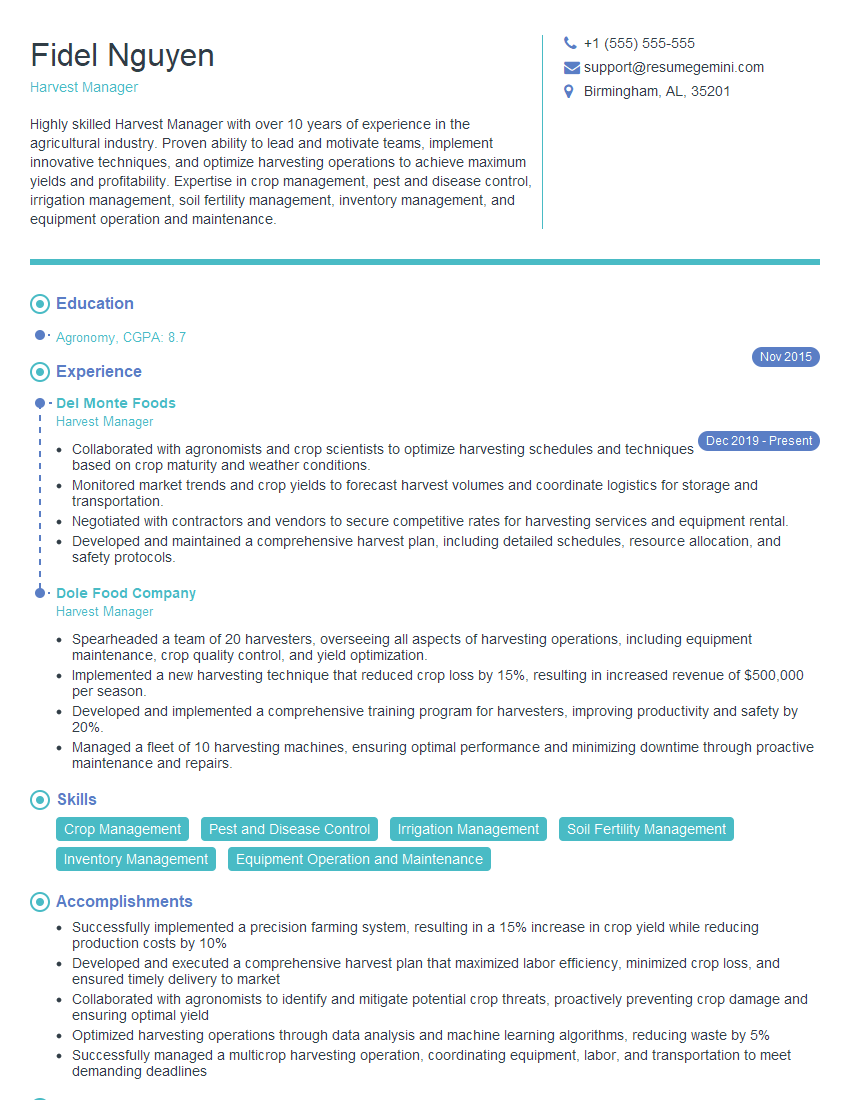
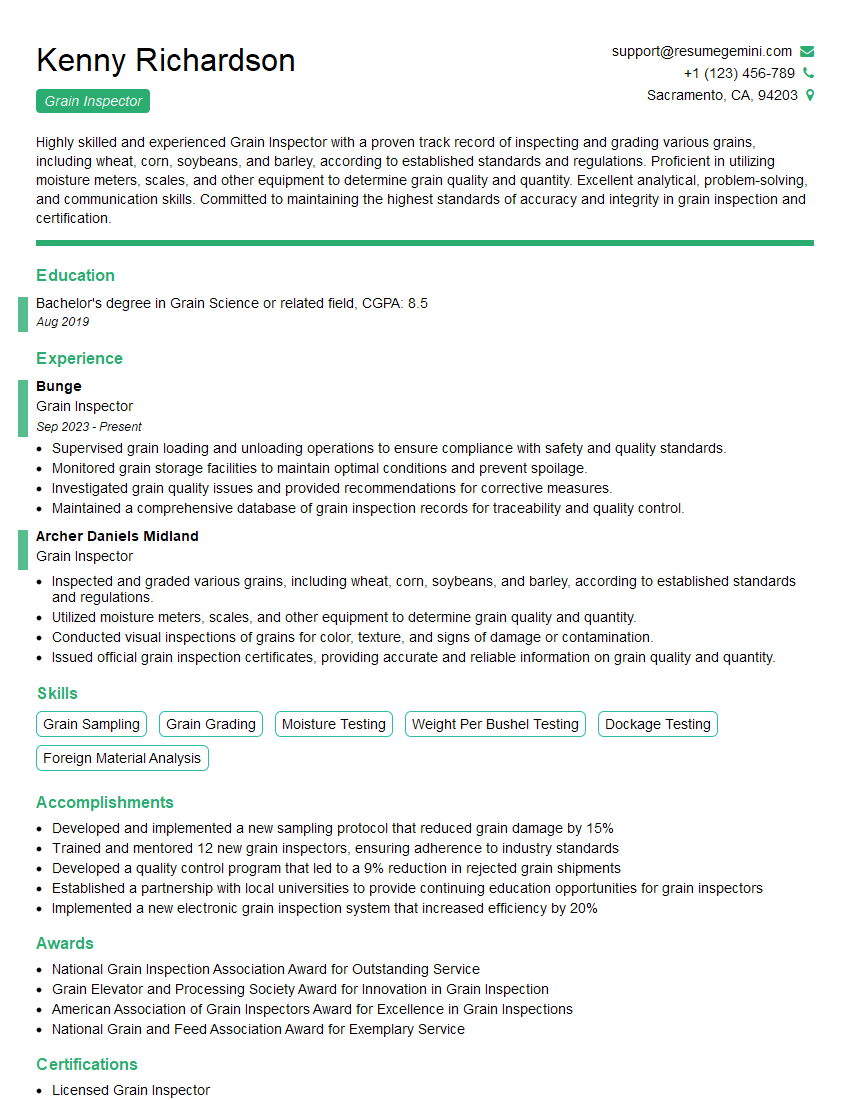
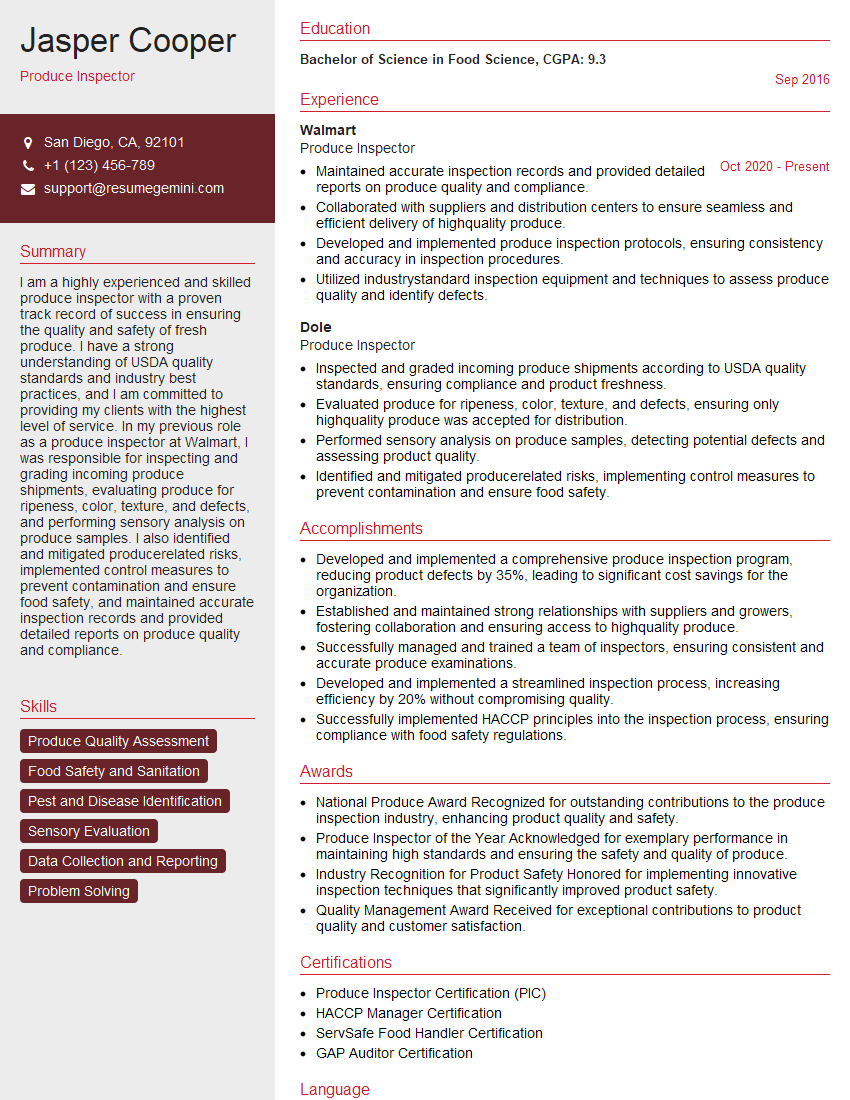
Mastering Crop Quality Assessment opens doors to exciting career opportunities in agriculture, food processing, and quality control. A strong understanding of these principles is highly valued by employers, leading to increased job prospects and career advancement. To maximize your chances, create an ATS-friendly resume that highlights your skills and experience effectively. ResumeGemini is a trusted resource to help you build a professional and impactful resume. We provide examples of resumes tailored to Crop Quality Assessment to guide you through the process. Invest time in crafting a compelling resume – it’s your first impression with potential employers!

Explore more articles
Users Rating of Our Blogs
Share Your Experience
We value your feedback! Please rate our content and share your thoughts (optional).
What Readers Say About Our Blog
Attention music lovers!
Wow, All the best Sax Summer music !!!
Spotify: https://open.spotify.com/artist/6ShcdIT7rPVVaFEpgZQbUk
Apple Music: https://music.apple.com/fr/artist/jimmy-sax-black/1530501936
YouTube: https://music.youtube.com/browse/VLOLAK5uy_noClmC7abM6YpZsnySxRqt3LoalPf88No
Other Platforms and Free Downloads : https://fanlink.tv/jimmysaxblack
on google : https://www.google.com/search?q=22+AND+22+AND+22
on ChatGPT : https://chat.openai.com?q=who20jlJimmy20Black20Sax20Producer
Get back into the groove with Jimmy sax Black
Best regards,
Jimmy sax Black
www.jimmysaxblack.com
Hi I am a troller at The aquatic interview center and I suddenly went so fast in Roblox and it was gone when I reset.
Hi,
Business owners spend hours every week worrying about their website—or avoiding it because it feels overwhelming.
We’d like to take that off your plate:
$69/month. Everything handled.
Our team will:
Design a custom website—or completely overhaul your current one
Take care of hosting as an option
Handle edits and improvements—up to 60 minutes of work included every month
No setup fees, no annual commitments. Just a site that makes a strong first impression.
Find out if it’s right for you:
https://websolutionsgenius.com/awardwinningwebsites
Hello,
we currently offer a complimentary backlink and URL indexing test for search engine optimization professionals.
You can get complimentary indexing credits to test how link discovery works in practice.
No credit card is required and there is no recurring fee.
You can find details here:
https://wikipedia-backlinks.com/indexing/
Regards
NICE RESPONSE TO Q & A
hi
The aim of this message is regarding an unclaimed deposit of a deceased nationale that bears the same name as you. You are not relate to him as there are millions of people answering the names across around the world. But i will use my position to influence the release of the deposit to you for our mutual benefit.
Respond for full details and how to claim the deposit. This is 100% risk free. Send hello to my email id: lukachachibaialuka@gmail.com
Luka Chachibaialuka
Hey interviewgemini.com, just wanted to follow up on my last email.
We just launched Call the Monster, an parenting app that lets you summon friendly ‘monsters’ kids actually listen to.
We’re also running a giveaway for everyone who downloads the app. Since it’s brand new, there aren’t many users yet, which means you’ve got a much better chance of winning some great prizes.
You can check it out here: https://bit.ly/callamonsterapp
Or follow us on Instagram: https://www.instagram.com/callamonsterapp
Thanks,
Ryan
CEO – Call the Monster App
Hey interviewgemini.com, I saw your website and love your approach.
I just want this to look like spam email, but want to share something important to you. We just launched Call the Monster, a parenting app that lets you summon friendly ‘monsters’ kids actually listen to.
Parents are loving it for calming chaos before bedtime. Thought you might want to try it: https://bit.ly/callamonsterapp or just follow our fun monster lore on Instagram: https://www.instagram.com/callamonsterapp
Thanks,
Ryan
CEO – Call A Monster APP
To the interviewgemini.com Owner.
Dear interviewgemini.com Webmaster!
Hi interviewgemini.com Webmaster!
Dear interviewgemini.com Webmaster!
excellent
Hello,
We found issues with your domain’s email setup that may be sending your messages to spam or blocking them completely. InboxShield Mini shows you how to fix it in minutes — no tech skills required.
Scan your domain now for details: https://inboxshield-mini.com/
— Adam @ InboxShield Mini
support@inboxshield-mini.com
Reply STOP to unsubscribe
Hi, are you owner of interviewgemini.com? What if I told you I could help you find extra time in your schedule, reconnect with leads you didn’t even realize you missed, and bring in more “I want to work with you” conversations, without increasing your ad spend or hiring a full-time employee?
All with a flexible, budget-friendly service that could easily pay for itself. Sounds good?
Would it be nice to jump on a quick 10-minute call so I can show you exactly how we make this work?
Best,
Hapei
Marketing Director
Hey, I know you’re the owner of interviewgemini.com. I’ll be quick.
Fundraising for your business is tough and time-consuming. We make it easier by guaranteeing two private investor meetings each month, for six months. No demos, no pitch events – just direct introductions to active investors matched to your startup.
If youR17;re raising, this could help you build real momentum. Want me to send more info?
Hi, I represent an SEO company that specialises in getting you AI citations and higher rankings on Google. I’d like to offer you a 100% free SEO audit for your website. Would you be interested?
Hi, I represent an SEO company that specialises in getting you AI citations and higher rankings on Google. I’d like to offer you a 100% free SEO audit for your website. Would you be interested?