Interviews are more than just a Q&A session—they’re a chance to prove your worth. This blog dives into essential Cybersecurity and Product Safety interview questions and expert tips to help you align your answers with what hiring managers are looking for. Start preparing to shine!
Questions Asked in Cybersecurity and Product Safety Interview
Q 1. Explain the difference between confidentiality, integrity, and availability (CIA triad).
The CIA triad – Confidentiality, Integrity, and Availability – represents the fundamental pillars of information security. Think of it as a three-legged stool: if one leg is weak, the whole thing collapses.
- Confidentiality: This ensures that only authorized individuals or systems can access sensitive information. Imagine a bank’s customer database – only authorized employees and the customer themselves should be able to view the account details. Methods to achieve this include encryption, access control lists, and strong passwords.
- Integrity: This guarantees the accuracy and completeness of data, ensuring it hasn’t been tampered with or corrupted. Consider a medical record – altering even a single piece of information could have severe consequences. Hashing algorithms, digital signatures, and version control are key mechanisms for maintaining integrity.
- Availability: This means that authorized users can access information and resources when needed. A website crashing during peak hours is a major availability issue. Redundancy, failover systems, and disaster recovery plans are crucial for ensuring availability.
These three principles are interconnected. For example, strong encryption (confidentiality) helps maintain data integrity by preventing unauthorized modification. Similarly, high availability systems must be designed with strong security measures to maintain confidentiality and integrity.
Q 2. Describe your experience with vulnerability scanning and penetration testing.
I have extensive experience with both vulnerability scanning and penetration testing. In my previous role, I regularly used tools like Nessus, OpenVAS, and QualysGuard for vulnerability scanning to identify potential weaknesses in our systems and applications. This involved configuring scans, analyzing results, and prioritizing remediation efforts based on severity and risk.
Penetration testing, on the other hand, is a more hands-on, proactive approach. I’ve conducted both black-box (no prior knowledge of the system) and white-box (with full system knowledge) penetration tests, simulating real-world attacks to identify exploitable vulnerabilities. This has included exploiting SQL injection flaws, cross-site scripting (XSS) vulnerabilities, and buffer overflows. My focus has always been on providing detailed reports with clear remediation recommendations, emphasizing practical and efficient solutions.
For example, during a recent penetration test, I discovered a critical vulnerability in a web application allowing unauthorized access to sensitive customer data. My report detailed the vulnerability, its impact, the steps to reproduce it, and a detailed remediation plan, including secure coding recommendations and configuration changes.
Q 3. What are the key components of a robust incident response plan?
A robust incident response plan is crucial for minimizing the impact of security incidents. It should be a well-defined, documented process, regularly tested and updated. Key components include:
- Preparation: This involves identifying potential threats, establishing communication channels, defining roles and responsibilities, and creating a secure data backup and recovery strategy. Think of it as assembling your fire-fighting team and ensuring they know their roles before a fire breaks out.
- Detection & Analysis: This stage focuses on detecting security incidents, collecting evidence, and analyzing the nature and scope of the breach. This includes monitoring security logs, intrusion detection systems, and security information and event management (SIEM) tools.
- Containment & Eradication: Once an incident is confirmed, the focus shifts to containing the damage and eradicating the threat. This may involve isolating affected systems, patching vulnerabilities, and removing malware.
- Recovery & Remediation: This involves restoring affected systems and data, implementing preventive measures to avoid future incidents, and improving security controls.
- Post-Incident Activity: This includes conducting a thorough post-incident review to identify lessons learned, update the incident response plan, and improve overall security posture.
Regular tabletop exercises and simulations are essential to test and refine the plan, ensuring that everyone is prepared and knows their roles and responsibilities.
Q 4. How do you conduct a risk assessment for a new product?
Conducting a thorough risk assessment for a new product is vital for mitigating potential safety and security hazards. This involves a systematic process of identifying, analyzing, and evaluating potential risks throughout the product’s lifecycle.
My approach typically includes these steps:
- Identify Hazards: This involves brainstorming potential hazards related to the product’s design, manufacturing, use, and disposal. This might involve using techniques like Failure Modes and Effects Analysis (FMEA) or Hazard and Operability Study (HAZOP).
- Analyze Risks: Once hazards are identified, we assess the likelihood of occurrence and the severity of the potential consequences. This often uses a risk matrix to prioritize risks based on a combination of probability and impact.
- Evaluate Risks: This involves determining the level of acceptable risk. Regulatory compliance requirements and company policies play a key role here.
- Control Risks: This is where we develop and implement mitigation strategies to reduce or eliminate identified risks. This may include design changes, safety features, warnings, or training programs.
- Monitor & Review: The risk assessment is not a one-time event. It’s crucial to continuously monitor and review the assessment, making updates as the product develops or new information emerges.
For example, during the development of a smart home device, we identified a risk of unauthorized access to the device. Through risk analysis, we determined that this had a high likelihood and significant impact, prompting us to implement robust authentication and encryption mechanisms, minimizing the risk to an acceptable level.
Q 5. Explain the importance of secure coding practices.
Secure coding practices are paramount in preventing vulnerabilities in software applications. Insecure code is the root cause of many security breaches. By following secure coding principles, developers can significantly reduce the risk of common vulnerabilities.
Key secure coding practices include:
- Input Validation: Always validate and sanitize user inputs to prevent injection attacks like SQL injection or cross-site scripting (XSS).
- Output Encoding: Encode output data appropriately to prevent cross-site scripting (XSS) attacks.
- Authentication and Authorization: Implement robust authentication and authorization mechanisms to control access to resources.
- Session Management: Use secure session management techniques to protect user sessions from hijacking.
- Error Handling: Handle errors gracefully to prevent information leakage or unexpected behavior.
- Least Privilege: Grant users and processes only the minimum necessary privileges to perform their tasks.
- Regular Code Reviews: Peer code reviews help identify potential vulnerabilities before they reach production.
Failing to follow these practices can lead to serious consequences, such as data breaches, system compromises, and financial losses. Secure coding is an investment in long-term security and reliability.
Q 6. What are your experiences with different authentication and authorization methods?
I have experience with a range of authentication and authorization methods. The choice of method depends on the specific security requirements and context.
- Password-based Authentication: While simple, it’s crucial to enforce strong password policies, including password complexity, length, and regular changes. Multi-factor authentication (MFA) significantly enhances security.
- Multi-factor Authentication (MFA): MFA adds an extra layer of security by requiring multiple factors for authentication, such as something you know (password), something you have (phone), and something you are (biometrics). This significantly reduces the risk of unauthorized access.
- Biometric Authentication: Using biometric data like fingerprints or facial recognition offers a convenient and secure authentication method. However, it’s important to consider privacy implications and the potential for spoofing.
- Token-based Authentication: Using tokens (like JSON Web Tokens – JWT) for authentication provides a stateless and scalable approach. This is particularly useful in microservices architectures.
- Certificate-based Authentication: Using digital certificates for authentication provides strong security and is often used in enterprise environments and secure communication protocols like HTTPS.
- Authorization: Once authenticated, authorization controls determine what resources a user is permitted to access. Role-Based Access Control (RBAC) and Attribute-Based Access Control (ABAC) are common approaches.
The selection of the most appropriate authentication and authorization mechanisms should be based on a risk assessment and consider factors like the sensitivity of the data, the potential impact of a breach, and the usability requirements for users.
Q 7. Describe your understanding of OWASP Top 10 vulnerabilities.
The OWASP Top 10 represents a regularly updated catalog of the most critical web application security risks. Understanding these vulnerabilities is essential for developers and security professionals. They are not ranked in order of severity, but all are critical to address.
Some key vulnerabilities from the OWASP Top 10 include:
- Injection: This includes SQL injection, command injection, and cross-site scripting (XSS), where malicious code is injected into the application.
- Broken Authentication and Session Management: Weak or improperly implemented authentication mechanisms can lead to unauthorized access.
- Sensitive Data Exposure: Failure to protect sensitive data, like passwords or credit card information, can lead to data breaches.
- XML External Entities (XXE): Exploiting XXE vulnerabilities allows attackers to access internal files or execute arbitrary code.
- Broken Access Control: Insufficient access control can allow unauthorized users to access resources they shouldn’t have access to.
- Security Misconfiguration: Improperly configured servers or applications can expose vulnerabilities.
- Cross-Site Scripting (XSS): Injecting malicious scripts into websites to steal user data or manipulate the browser.
- Insecure Deserialization: Improper handling of deserialization can lead to remote code execution.
- Using Components with Known Vulnerabilities: Relying on outdated or vulnerable components without proper patching can expose applications to attack.
- Insufficient Logging & Monitoring: Lack of sufficient logging and monitoring makes it difficult to detect and respond to security incidents.
Staying informed about the OWASP Top 10 and implementing appropriate security controls is vital for protecting web applications from these common threats.
Q 8. How would you handle a security incident involving data breach?
Handling a data breach requires a swift, coordinated response. Think of it like a fire – you need to contain the flames first, then investigate the cause, and finally prevent future occurrences.
My approach follows a structured incident response plan, typically encompassing these steps:
- Containment: Immediately isolate affected systems to prevent further data exfiltration. This might involve shutting down servers, disabling network access, or blocking malicious IP addresses.
- Eradication: Identify and remove the root cause of the breach. This may involve patching vulnerabilities, removing malware, or resetting compromised accounts.
- Recovery: Restore systems and data from backups. This necessitates regular, tested backups and a robust disaster recovery plan. We might also need to engage forensic specialists to recover data if backups are compromised.
- Investigation: A thorough investigation is crucial to understand the scope of the breach, the attack vector, and the impact. This involves log analysis, network traffic monitoring, and potentially working with law enforcement.
- Notification: Depending on the nature of the data and applicable regulations (like GDPR or CCPA), we need to notify affected individuals and relevant authorities. This includes providing transparent and timely communication.
- Post-Incident Activity: Lessons learned are critical. This stage involves documenting the incident, updating security policies and procedures, conducting vulnerability assessments, and training employees to prevent future incidents.
For example, in a previous role, we experienced a phishing attack targeting employee credentials. Following this plan, we swiftly contained the breach by isolating affected accounts, initiated a password reset campaign, conducted a thorough investigation to identify the source and vector of the attack and improved our employee security awareness training program.
Q 9. What are the common safety standards and regulations you are familiar with (e.g., ISO 27001, IEC 62443)?
I’m familiar with numerous safety and security standards and regulations across various domains. They offer a framework for building secure and reliable systems.
- ISO 27001: This is the gold standard for Information Security Management Systems (ISMS). It provides a framework for establishing, implementing, maintaining, and continually improving an organization’s ISMS. It focuses on risk management and covers a wide spectrum of security controls.
- IEC 62443: This standard focuses specifically on the cybersecurity of industrial automation and control systems (ICS). It’s crucial for protecting critical infrastructure from cyber threats, defining security requirements for different aspects of the system lifecycle. Think of it as ISO 27001 tailored for industrial control systems.
- NIST Cybersecurity Framework: Developed by the National Institute of Standards and Technology (NIST) in the US, it provides a flexible, adaptable framework to manage and reduce cybersecurity risks. It’s a valuable resource for organizations of all sizes and across all sectors.
- GDPR (General Data Protection Regulation): This EU regulation focuses on data privacy and protection. It significantly impacts how organizations handle personal data and requires strong security measures to prevent breaches.
- CCPA (California Consumer Privacy Act): Similar to GDPR, but specific to California, the CCPA grants consumers rights regarding their personal data.
My experience spans across various sectors, and I’ve worked with organizations to achieve compliance with these standards, ensuring our systems and processes are aligned with best practices.
Q 10. Explain your understanding of different types of security testing (e.g., static, dynamic, fuzzing).
Security testing is crucial for identifying vulnerabilities before malicious actors do. Think of it as a rigorous health check for your system.
- Static Testing: This involves analyzing code without actually executing it. Tools like linters and static analyzers examine the code for potential vulnerabilities, such as buffer overflows or SQL injection flaws, without running the application. It’s like proofreading a document before publishing it.
- Dynamic Testing: This focuses on testing the application while it’s running. Penetration testing, which simulates real-world attacks, is a key aspect of dynamic testing. It involves using tools and techniques to attempt to exploit vulnerabilities. It’s like stress-testing a bridge to check its load capacity.
- Fuzzing: This involves feeding the application with invalid, unexpected, or random data to identify vulnerabilities that might cause crashes or unexpected behavior. It’s particularly useful for finding vulnerabilities related to input validation and data handling, like buffer overflows or memory corruption. It’s like shaking a device to find out where it’s weak.
For instance, during the development of a web application, we implemented a combination of static and dynamic testing to identify and remediate vulnerabilities. We used static analysis tools to find potential SQL injection vulnerabilities in the database interaction code, and we conducted penetration testing to assess the application’s security against common attack vectors.
Q 11. Describe your experience with security frameworks (e.g., NIST Cybersecurity Framework, ISO 27005).
Security frameworks provide a structured approach to managing cybersecurity risk. They act as blueprints, guiding organizations in building and maintaining a robust security posture.
- NIST Cybersecurity Framework: This framework is highly adaptable and focuses on five functions: Identify, Protect, Detect, Respond, and Recover. It helps organizations understand their current security posture, implement appropriate security controls, and respond effectively to incidents.
- ISO 27005: This standard provides guidance on information security risk management. It outlines a systematic approach to identifying, analyzing, evaluating, treating, and monitoring security risks. It helps translate risk into appropriate security controls.
In my experience, I’ve utilized both frameworks to develop comprehensive security programs. For example, in a previous project, we used the NIST Cybersecurity Framework to establish a baseline for our organization’s security posture, identifying gaps and prioritizing improvements based on our risk profile. We then leveraged ISO 27005 to conduct a detailed risk assessment, define mitigation strategies, and select appropriate security controls.
Q 12. How do you ensure the security of cloud-based applications?
Securing cloud-based applications requires a multi-layered approach, focusing on both the application itself and the underlying infrastructure. It’s a shared responsibility model, where the cloud provider and the application owner both play key roles.
- Infrastructure Security: Securely configuring cloud resources, using strong passwords and multi-factor authentication, implementing network security measures (firewalls, intrusion detection systems), and leveraging cloud provider security features (e.g., encryption, access controls).
- Application Security: Implementing secure coding practices, using input validation, output encoding, and other security controls within the application code. Conducting regular security testing and vulnerability assessments.
- Data Security: Encrypting sensitive data both in transit and at rest, implementing access controls to limit who can access what data, and implementing data loss prevention (DLP) measures. Regular data backups and disaster recovery planning are also essential.
- Identity and Access Management (IAM): Implementing robust IAM systems to control user access to cloud resources, using least privilege principles and multi-factor authentication for enhanced security.
- Monitoring and Logging: Implementing comprehensive logging and monitoring of cloud resources and applications to detect security events and threats.
For example, during the deployment of a cloud-based application, we utilized AWS’s security services such as IAM, S3 bucket encryption, and CloudTrail for logging and monitoring, ensuring the confidentiality, integrity, and availability of our application and data.
Q 13. What is your experience with implementing security controls in software development lifecycle (SDLC)?
Integrating security into the Software Development Lifecycle (SDLC) is crucial for building secure applications. It’s not an afterthought, but an integral part of the process.
My experience involves implementing security controls at each stage of the SDLC:
- Requirements Gathering: Identifying security requirements early in the process, ensuring security is considered from the outset.
- Design: Designing secure architectures and incorporating security principles into the design phase. This includes threat modeling and architecture risk analysis.
- Development: Implementing secure coding practices, using secure libraries and frameworks, and performing code reviews to identify vulnerabilities.
- Testing: Conducting comprehensive security testing throughout the development process, including static and dynamic testing, penetration testing, and fuzzing.
- Deployment: Deploying the application securely, implementing appropriate security controls in the deployment environment. Using Infrastructure as Code(IaC) to enforce security in production.
- Maintenance: Regularly monitoring the application for security vulnerabilities and threats, performing updates and patches, and responding to security incidents quickly and effectively.
For example, in a recent project, we implemented a DevSecOps approach. This involved embedding security checks into our automated CI/CD pipeline. Every code commit triggered automated static analysis, and before deployment, automated penetration tests were run. This approach shifted security ‘left’ in the SDLC, improving efficiency and reducing risks.
Q 14. Describe your understanding of threat modeling.
Threat modeling is a systematic approach to identifying potential security threats and vulnerabilities in a system. It’s like a proactive security risk assessment, helping to identify weaknesses before they can be exploited.
The process typically involves:
- Defining the scope: Clearly identifying the system being analyzed, including its components and functionalities.
- Identifying threats: Brainstorming potential threats to the system, considering various attack vectors and potential attackers.
- Identifying vulnerabilities: Identifying weaknesses in the system that could be exploited by the identified threats.
- Analyzing risks: Assessing the likelihood and impact of each threat and vulnerability, prioritizing risks based on their severity.
- Developing mitigation strategies: Developing strategies to mitigate the identified risks, such as implementing security controls or changing the system design.
- Validating mitigations: Verifying the effectiveness of the implemented mitigation strategies.
Various threat modeling methodologies exist (STRIDE, PASTA, etc.). Choosing the right one depends on the context. For example, I’ve used STRIDE (Spoofing, Tampering, Repudiation, Information Disclosure, Denial of Service, Elevation of Privilege) to identify security threats in a web application. This process helped us to focus on specific vulnerabilities and develop effective mitigation strategies.
Q 15. What are some common vulnerabilities in IoT devices?
IoT devices, while offering incredible convenience, often suffer from significant security vulnerabilities due to their resource constraints, widespread deployment, and sometimes, a lack of robust security considerations during design. Think of it like this: a smart lock is fantastic, but if its password is easily guessable, it’s rendered useless. Common vulnerabilities include:
- Weak or default passwords: Many devices ship with easily guessable default passwords, making them vulnerable to brute-force attacks.
- Insecure network protocols: Using outdated or insecure protocols like unencrypted HTTP instead of HTTPS leaves data vulnerable to eavesdropping and manipulation.
- Lack of software updates: Manufacturers often fail to provide timely security updates, leaving devices vulnerable to known exploits.
- Insufficient authentication and authorization: Inadequate mechanisms for verifying the identity of users and devices allow unauthorized access.
- Lack of data encryption: Sensitive data transmitted or stored on the device might not be encrypted, exposing it to theft or misuse.
- Unpatched software vulnerabilities: Many IoT devices run on embedded systems with outdated software, making them susceptible to known vulnerabilities.
- Insecure data storage: Credentials and other sensitive data may be stored insecurely, making them easy targets for attackers.
For example, a smart baby monitor with default passwords could be compromised, allowing an attacker to spy on the child. Addressing these vulnerabilities requires a multi-pronged approach involving secure design principles, regular security updates, and robust authentication mechanisms.
Career Expert Tips:
- Ace those interviews! Prepare effectively by reviewing the Top 50 Most Common Interview Questions on ResumeGemini.
- Navigate your job search with confidence! Explore a wide range of Career Tips on ResumeGemini. Learn about common challenges and recommendations to overcome them.
- Craft the perfect resume! Master the Art of Resume Writing with ResumeGemini’s guide. Showcase your unique qualifications and achievements effectively.
- Don’t miss out on holiday savings! Build your dream resume with ResumeGemini’s ATS optimized templates.
Q 16. Explain your experience with implementing and managing firewalls and intrusion detection systems.
I have extensive experience in implementing and managing both firewalls and intrusion detection systems (IDS). My experience spans various environments, from small office networks to large enterprise systems. With firewalls, I’ve worked with both hardware and software solutions, configuring them to filter network traffic based on various criteria such as IP addresses, ports, and protocols. This includes setting up access control lists (ACLs) to restrict access to sensitive resources. I have experience with popular firewall vendors like Palo Alto Networks, Cisco, and Fortinet.
Regarding intrusion detection systems, I have experience with both network-based IDS (NIDS) and host-based IDS (HIDS). NIDS monitor network traffic for malicious activity, while HIDS monitor system logs and events for suspicious behavior. I’ve used tools like Snort and Suricata for NIDS, and OSSEC and Tripwire for HIDS. A key part of my work involves analyzing IDS alerts, differentiating between true security incidents and false positives, and developing incident response plans. For example, in one project I was able to detect a sophisticated SQL injection attempt by analyzing network traffic logs and successfully mitigated the threat by applying an updated firewall rule.
Beyond configuration, a crucial part of my role involves regularly reviewing firewall logs and IDS alerts to identify patterns and trends. This proactive approach allows for timely updates, improvements to security policies, and preventative measures against future attacks. It’s not just about putting the technology in place; it’s about continuously monitoring and adjusting for optimal security.
Q 17. How would you design a secure architecture for a new product?
Designing a secure architecture for a new product requires a holistic approach, considering security from the very beginning, not as an afterthought. I follow a layered security model, implementing defense in depth across several layers. This approach involves:
- Secure coding practices: Utilizing secure coding guidelines, regular code reviews, and automated security testing to minimize vulnerabilities in the application code.
- Authentication and authorization: Implementing strong authentication mechanisms, such as multi-factor authentication, and fine-grained authorization controls to restrict access to sensitive resources.
- Data encryption: Protecting data both in transit and at rest using strong encryption algorithms, such as AES-256.
- Input validation and sanitization: Implementing robust input validation and sanitization techniques to prevent injection attacks like SQL injection and cross-site scripting (XSS).
- Secure communication protocols: Using secure protocols like HTTPS and TLS for all communication.
- Regular security updates: Establishing a robust update mechanism to address vulnerabilities quickly and efficiently.
- Security monitoring and logging: Implementing comprehensive monitoring and logging capabilities to detect and respond to security incidents.
- Vulnerability scanning and penetration testing: Conducting regular vulnerability assessments and penetration testing to identify and mitigate potential security weaknesses.
Imagine designing a smart home system. We’d need to secure the communication between devices, encrypt sensitive data like home automation settings, and enforce strong authentication for user access. A well-designed architecture anticipates potential attack vectors and proactively mitigates them, resulting in a more resilient and trustworthy product.
Q 18. What are your experiences with different types of encryption?
My experience encompasses a variety of encryption techniques, from symmetric to asymmetric, and I understand their strengths and weaknesses.
- Symmetric Encryption: Algorithms like AES (Advanced Encryption Standard) use the same key for both encryption and decryption. They’re fast and efficient, ideal for encrypting large amounts of data, but key exchange presents a challenge. I’ve used AES extensively in securing data at rest and in transit.
- Asymmetric Encryption: RSA and ECC (Elliptic Curve Cryptography) utilize key pairs (public and private keys). Public keys encrypt data, while private keys decrypt. This is crucial for secure communication and digital signatures. I’ve used RSA in digital certificate infrastructure (PKI) and ECC in secure communication protocols.
- Hashing: Algorithms like SHA-256 and bcrypt generate one-way functions, used for password storage and data integrity checks. A well-chosen hashing algorithm makes recovering the original data computationally infeasible. I leverage hashing for password management to secure user credentials.
- Digital Signatures: These combine hashing and asymmetric encryption to verify the authenticity and integrity of data. I’ve worked extensively with digital signatures for code signing and secure software updates.
The choice of encryption method depends on the specific security requirements and context. For example, AES might be suitable for encrypting user data on a device, while RSA would be used for secure communication between devices and a server. A robust system often integrates various encryption techniques for optimal security.
Q 19. How do you assess the safety and reliability of a product during the design phase?
Assessing product safety and reliability during the design phase is paramount and involves a systematic approach. This goes beyond just meeting regulatory requirements; it’s about building trust and mitigating potential harm. The process includes:
- Hazard analysis: Identifying potential hazards associated with the product’s intended use and misuse.
- Risk assessment: Evaluating the likelihood and severity of each hazard, assigning risk priorities.
- Safety design principles: Incorporating safety features and mechanisms from the initial design stages. This is crucial, as retrofitting safety is often expensive and challenging.
- Testing and validation: Performing various tests, including functional testing, environmental testing, and safety testing, to verify that the design meets safety and reliability requirements.
- Failure analysis: Analyzing potential failure modes and their impact on safety and reliability.
- Compliance with standards: Ensuring the product complies with relevant safety standards and regulations, such as those set by the UL (Underwriters Laboratories) or CE (Conformité Européenne).
For example, if designing a power tool, we’d analyze potential hazards like electric shock, moving parts, and overheating. Then, we would implement safety features like double insulation, emergency shutoff mechanisms, and thermal protection. Thorough testing and validation ensures the product safely handles these potential hazards.
Q 20. Describe your experience with failure mode and effects analysis (FMEA).
Failure Mode and Effects Analysis (FMEA) is a systematic method for identifying potential failure modes in a system or process and assessing their impact. I’ve used FMEA extensively in various product development cycles to proactively identify and mitigate potential risks. The process typically involves:
- Identifying potential failure modes: Listing all possible ways a component or system can fail.
- Assessing the severity of each failure: Evaluating the consequences of each failure mode on the system’s performance, safety, and reliability.
- Determining the likelihood of each failure: Estimating the probability of each failure mode occurring.
- Evaluating the detectability of each failure: Assessing the likelihood of detecting the failure before it causes significant harm.
- Calculating the risk priority number (RPN): Multiplying the severity, likelihood, and detectability to obtain a risk priority number. Higher RPN values indicate higher-risk failure modes.
- Developing mitigation strategies: Implementing corrective actions to reduce the risk associated with high-RPN failure modes.
In a recent project involving a medical device, FMEA helped us identify a potential failure mode related to sensor accuracy. By implementing redundancy in the sensor system and improving the calibration process, we significantly reduced the risk associated with this failure mode.
Q 21. Explain your understanding of fault tree analysis (FTA).
Fault Tree Analysis (FTA) is a top-down, deductive method used to analyze the causes of a specific undesired event or system failure. Unlike FMEA, which identifies potential failure modes, FTA focuses on determining the combination of events that could lead to a particular top-level event. I find FTA invaluable in investigating complex system failures and determining the root causes.
The process involves:
- Defining the top event: Clearly defining the undesired event that is being analyzed.
- Constructing the fault tree: Creating a diagram showing the logical relationships between the top event and its underlying causes (basic events). Common logic gates include AND, OR, and XOR gates.
- Identifying basic events: Determining the root causes of the top event, which are typically hardware failures, software bugs, or human errors.
- Evaluating the probability of basic events: Estimating the probability of each basic event occurring.
- Calculating the probability of the top event: Using Boolean algebra and probability theory to calculate the probability of the top event occurring based on the probabilities of the basic events.
- Identifying critical components and systems: Identifying the components and systems that contribute most significantly to the probability of the top event.
For example, in investigating a power outage in a data center, FTA might reveal that the outage was caused by a combination of a failed power supply and a backup generator malfunction. The analysis can then be used to improve the data center’s redundancy and resilience.
Q 22. How do you ensure the safety of a product throughout its lifecycle?
Ensuring product safety throughout its lifecycle requires a holistic approach, encompassing design, manufacturing, distribution, use, and disposal. It’s not a one-time event but a continuous process of risk assessment and mitigation.
- Design Phase: This involves incorporating safety features from the outset. We use Failure Mode and Effects Analysis (FMEA) to identify potential hazards and implement safeguards. For example, designing a child-resistant cap for a medication bottle or including redundant safety mechanisms in a piece of machinery.
- Manufacturing Phase: Quality control is paramount. Regular inspections and testing at various stages ensure adherence to specifications and the absence of defects. Traceability is critical – knowing the origin of components allows for swift recall if necessary.
- Distribution Phase: Safe packaging and transport methods are vital to prevent damage or accidents during shipping. This includes appropriate labeling and handling instructions.
- Use Phase: Clear instructions and warnings on the product itself, alongside a comprehensive user manual, help minimize misuse. Feedback mechanisms allow for identifying unforeseen hazards and making necessary improvements.
- Disposal Phase: Safe and environmentally sound disposal methods are crucial. This could involve recycling programs or specialized procedures for handling hazardous materials.
Think of it like building a sturdy house. You wouldn’t just lay the foundation and hope for the best; you’d rigorously inspect each step, ensuring the walls are strong, the roof is secure, and the electrical wiring is safe.
Q 23. Describe your experience with conducting safety audits.
I have extensive experience conducting safety audits, both internal and external, across various industries. My approach is systematic and thorough, following established standards and best practices.
- Planning: Defining the scope, objectives, and methodology of the audit is the first step. This involves identifying the specific products or processes to be evaluated.
- On-site Assessment: This involves examining documentation, observing processes, and interviewing personnel. I check for compliance with relevant regulations, standards, and internal procedures. I also look for potential hazards and areas for improvement.
- Reporting: A detailed report summarizes the findings, including any identified non-compliances, potential risks, and recommendations for corrective actions. This report is often prioritized based on the severity and likelihood of each finding, using a risk matrix.
- Follow-up: I follow up on the implementation of corrective actions to ensure effectiveness and verify the remediation of identified issues.
For instance, during an audit of a medical device manufacturer, I discovered a discrepancy in the sterilization process. My report outlined this issue, suggesting improvements that minimized the risk of infection, and I verified the implementation of those changes.
Q 24. Explain your understanding of different safety certification processes.
Different safety certification processes exist, each tailored to specific product types and industry regulations. These certifications provide independent verification that a product meets certain safety standards.
- UL (Underwriters Laboratories): A widely recognized certification for electrical products, ensuring safety and compliance with relevant standards. They test for things like fire hazards, electrical shock, and mechanical hazards.
- CE Marking (Conformité Européenne): Indicates that a product complies with EU health, safety, and environmental protection legislation. It’s a crucial certification for products sold within the European Economic Area.
- ISO 9001 (Quality Management Systems): While not strictly a safety certification, it demonstrates a commitment to quality management processes, which are essential for producing safe products. It emphasizes continuous improvement and customer satisfaction.
- FDA (Food and Drug Administration) Approvals: Essential for medical devices and food products, ensuring safety and efficacy. This involves rigorous testing and regulatory compliance.
The specific certification process depends on the product and its intended market. Each involves rigorous testing, documentation review, and audits to verify compliance. It’s a crucial step in demonstrating product safety and building consumer trust.
Q 25. How do you balance security and usability in product design?
Balancing security and usability is a constant challenge in product design. It requires careful consideration of various factors and often involves trade-offs.
- User-centered Design: Security measures should be integrated seamlessly into the user experience. Avoid overly complex authentication methods or frustrating security prompts. Consider biometric authentication, multi-factor authentication (MFA), or simplified password managers.
- Security by Design: Incorporate security considerations from the initial stages of product development. This is far more efficient than adding security as an afterthought.
- Principle of Least Privilege: Grant users only the necessary access rights to perform their tasks. This minimizes the potential damage from a security breach.
- Regular Security Updates: Implement a robust update mechanism to patch security vulnerabilities promptly. This ensures that the product remains protected against emerging threats.
For example, a banking app needs strong security features (encryption, MFA) but must remain user-friendly and intuitive. We can achieve this by using clear, concise instructions and visual cues to guide users, while also incorporating robust authentication processes in the background.
Q 26. Describe a time you had to make a difficult decision regarding product safety or security.
In a previous role, we were developing a children’s toy with interactive features. During testing, we discovered a potential choking hazard from a small detachable component. Removing this component would significantly impact the toy’s functionality and market appeal. The decision was difficult because removing it would compromise the product’s intended features, resulting in lost revenue and potential market dissatisfaction.
We formed a team to rigorously assess the risk. We weighed the severity of the potential hazard against the impact of removing the component. We finally decided to remove the component and redesign the toy’s functionality, prioritizing child safety over commercial success. While it impacted our initial timeline and budget, the product’s safety was paramount. We felt that it was crucial to take this step; our reputation and the well-being of children were worth more than profits.
Q 27. What are your experience with regulatory compliance requirements for product safety?
My experience with regulatory compliance requirements for product safety is extensive. I’m well-versed in various international, national, and regional regulations, including those from organizations like the FDA, the EU, and others. Compliance is not simply about avoiding penalties; it’s about demonstrating a commitment to product safety and building consumer trust.
- Understanding Regulations: Thorough understanding of relevant regulations is crucial. This involves staying updated on any changes or amendments to these regulations.
- Documentation: Meticulous record-keeping of all testing, certifications, and compliance activities is essential to demonstrate compliance to auditing bodies.
- Testing and Certification: Products must undergo rigorous testing to demonstrate compliance with relevant standards. This often involves working with independent testing laboratories.
- Internal Audits: Regular internal audits ensure continued compliance with regulations. This involves self-assessment of processes and procedures.
For example, navigating the FDA’s stringent regulations for medical devices requires extensive knowledge of their requirements for pre-market approval, post-market surveillance, and quality system regulations (QSR). Understanding and adhering to these regulations is critical for market access and maintaining consumer trust.
Q 28. How do you stay up-to-date with the latest cybersecurity and product safety trends?
Staying updated in the rapidly evolving fields of cybersecurity and product safety is an ongoing process. It requires a multi-faceted approach.
- Industry Publications and Journals: Reading peer-reviewed journals and industry publications keeps me abreast of new research, best practices, and emerging threats.
- Conferences and Webinars: Attending conferences and webinars provides opportunities to learn from experts and network with other professionals in the field.
- Professional Organizations: Membership in professional organizations, such as (ISC)² or IEEE, provides access to resources, training, and networking opportunities.
- Online Courses and Certifications: Continuous learning through online courses and obtaining relevant certifications (e.g., Certified Information Systems Security Professional (CISSP)) helps maintain a high level of expertise.
- Following Relevant Regulatory Bodies: Regularly reviewing updates and guidance documents from regulatory bodies such as the FDA, NIST, and others is crucial.
Consider it like a doctor constantly studying the latest medical research – remaining informed is crucial for providing optimal care (in this case, for product safety and security). This proactive approach allows me to anticipate and effectively address emerging challenges.
Key Topics to Learn for Cybersecurity and Product Safety Interview
- Cybersecurity Fundamentals: Understanding core concepts like threat modeling, risk assessment, vulnerability management, and incident response. Practical application includes discussing experience with security frameworks (e.g., NIST Cybersecurity Framework).
- Product Security Lifecycle: Integrating security considerations throughout the entire product development lifecycle, from design and development to deployment and maintenance. Practical application involves describing your approach to secure coding practices and security testing methodologies.
- Data Privacy and Compliance: Familiarity with relevant regulations (e.g., GDPR, CCPA) and best practices for protecting sensitive data. Practical application includes explaining how you’ve ensured data compliance in past projects.
- Software Security: Knowledge of common vulnerabilities and exploitation techniques (OWASP Top 10), secure coding principles, and static/dynamic analysis tools. Practical application includes describing experience with penetration testing or code reviews.
- Physical Security: Understanding physical security controls relevant to product safety, such as access control, environmental monitoring, and physical safeguards. Practical application includes discussing how you’ve ensured the physical security of sensitive equipment or facilities.
- Incident Response and Forensics: Understanding the process of identifying, containing, eradicating, and recovering from security incidents. Practical application involves describing your experience with incident response planning and execution.
- Risk Management and Mitigation: Ability to identify, assess, and mitigate risks related to both cybersecurity and product safety. Practical application includes describing your experience with risk assessment methodologies and risk mitigation strategies.
- Safety Standards and Regulations: Familiarity with relevant safety standards and regulations (e.g., ISO 27001, IEC 62443) depending on the specific industry and product. Practical application involves demonstrating an understanding of how these standards apply to your field.
Next Steps
Mastering Cybersecurity and Product Safety is crucial for a thriving career in today’s technology-driven world. These skills are highly sought after, offering significant career advancement opportunities and competitive salaries. To maximize your job prospects, focus on building an ATS-friendly resume that effectively highlights your skills and experience. ResumeGemini is a trusted resource to help you create a professional and impactful resume. We provide examples of resumes tailored to Cybersecurity and Product Safety roles to guide you. Invest time in crafting a compelling resume to showcase your expertise and land your dream job.
Compliance Manager Resume Sample
Risk Manager Resume Sample
Reliability Engineer Resume Sample
Security Analyst Resume Sample
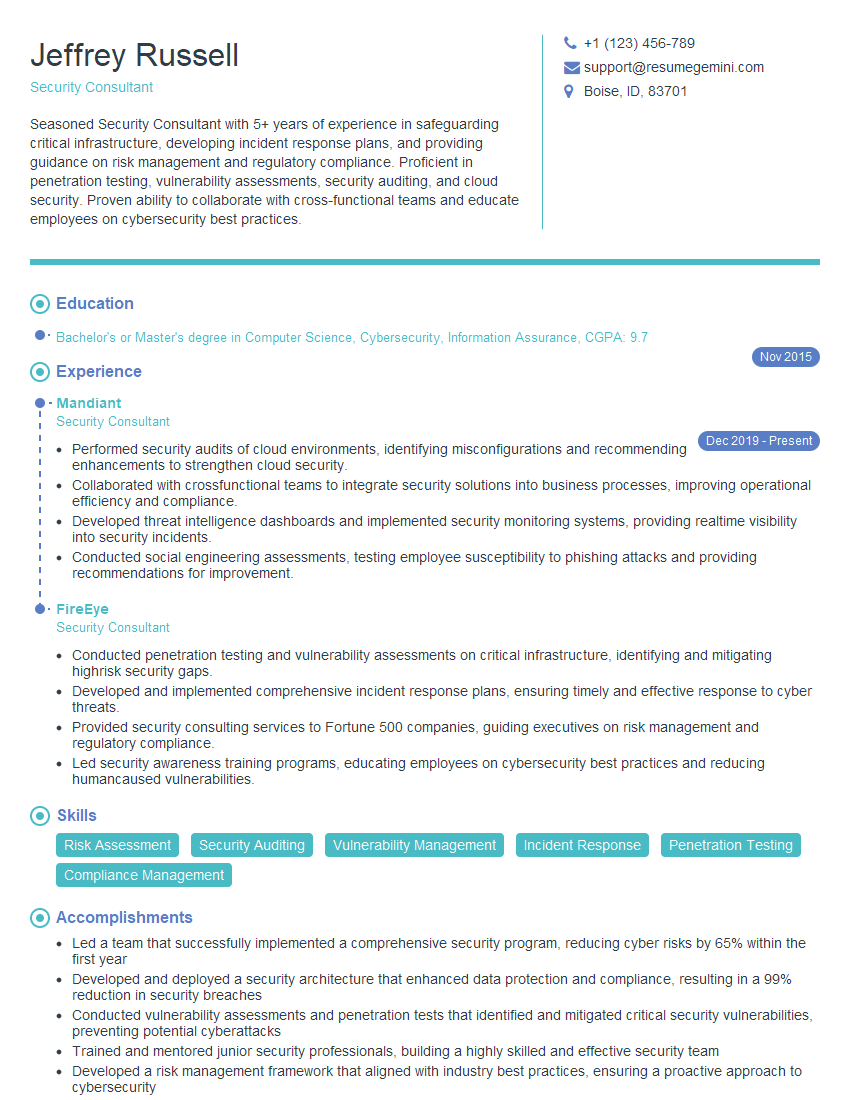
Security Consultant Resume Sample
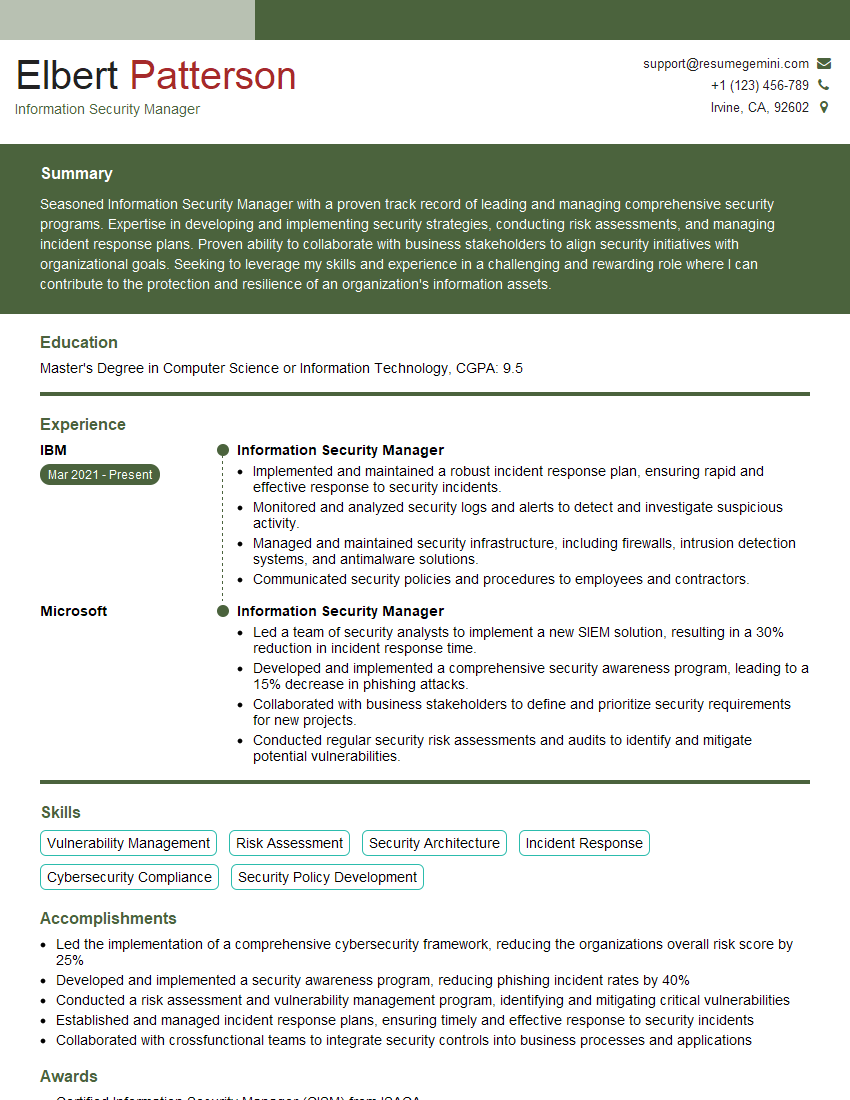
Information Security Manager Resume Sample
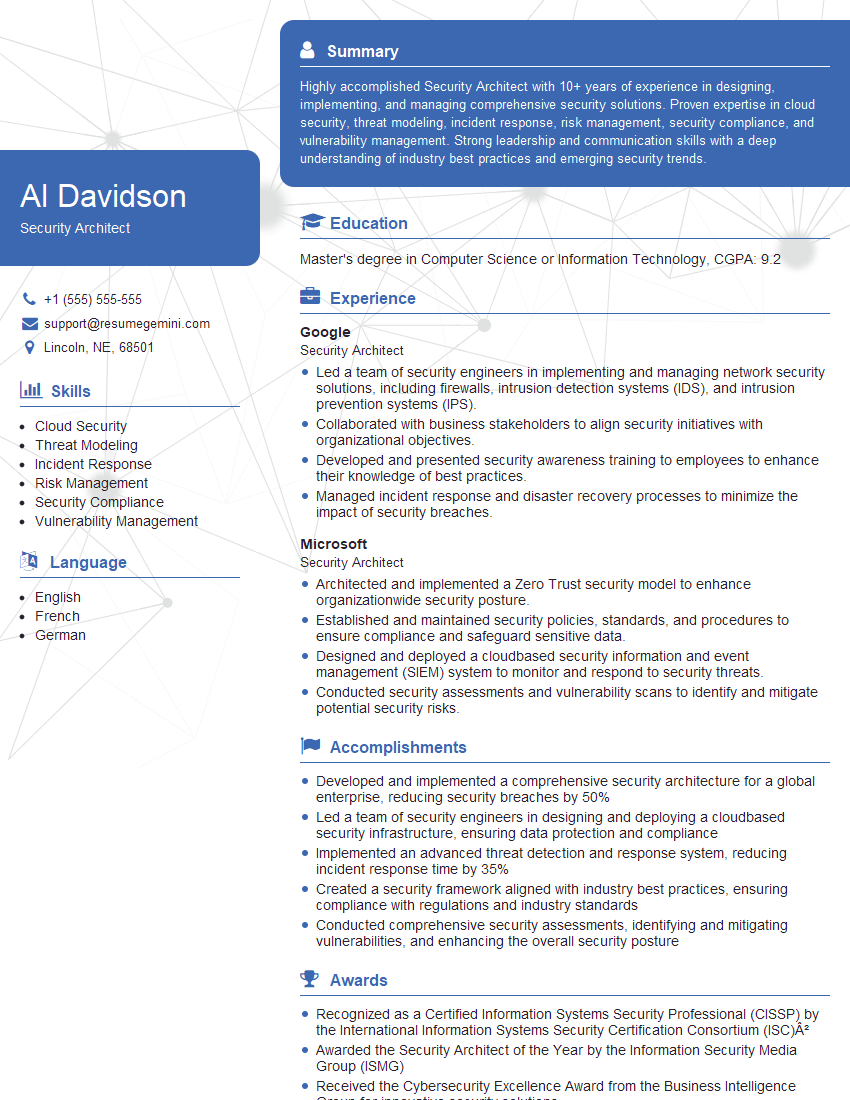
Security Architect Resume Sample
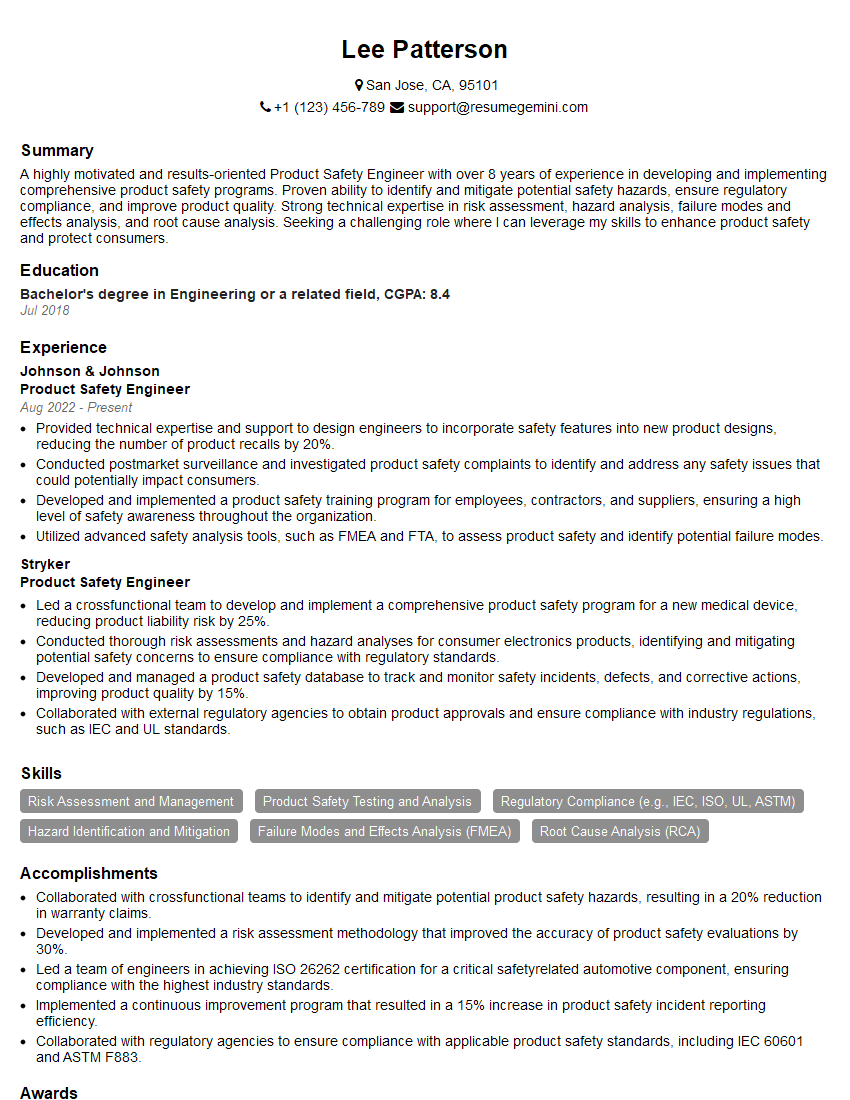
Product Safety Engineer Resume Sample
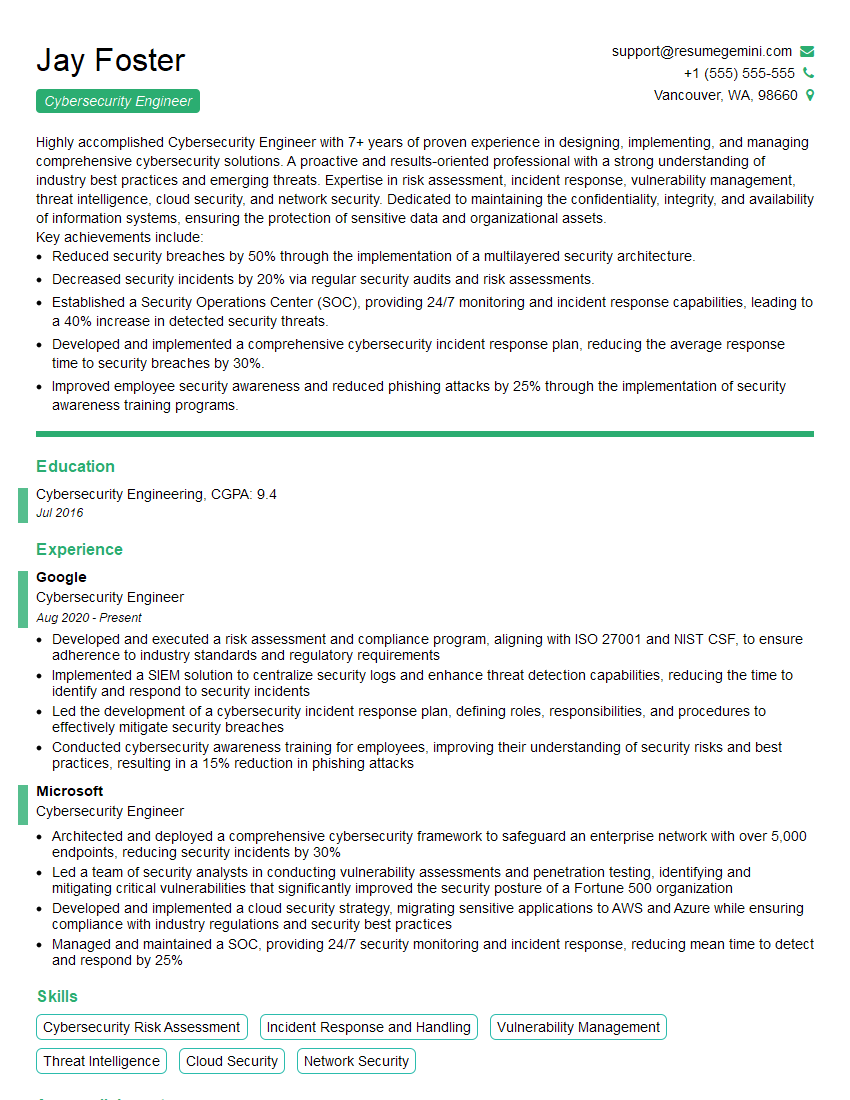
Cybersecurity Engineer Resume Sample
Explore more articles
Users Rating of Our Blogs
Share Your Experience
We value your feedback! Please rate our content and share your thoughts (optional).
What Readers Say About Our Blog
Attention music lovers!
Wow, All the best Sax Summer music !!!
Spotify: https://open.spotify.com/artist/6ShcdIT7rPVVaFEpgZQbUk
Apple Music: https://music.apple.com/fr/artist/jimmy-sax-black/1530501936
YouTube: https://music.youtube.com/browse/VLOLAK5uy_noClmC7abM6YpZsnySxRqt3LoalPf88No
Other Platforms and Free Downloads : https://fanlink.tv/jimmysaxblack
on google : https://www.google.com/search?q=22+AND+22+AND+22
on ChatGPT : https://chat.openai.com?q=who20jlJimmy20Black20Sax20Producer
Get back into the groove with Jimmy sax Black
Best regards,
Jimmy sax Black
www.jimmysaxblack.com
Hi I am a troller at The aquatic interview center and I suddenly went so fast in Roblox and it was gone when I reset.
Hi,
Business owners spend hours every week worrying about their website—or avoiding it because it feels overwhelming.
We’d like to take that off your plate:
$69/month. Everything handled.
Our team will:
Design a custom website—or completely overhaul your current one
Take care of hosting as an option
Handle edits and improvements—up to 60 minutes of work included every month
No setup fees, no annual commitments. Just a site that makes a strong first impression.
Find out if it’s right for you:
https://websolutionsgenius.com/awardwinningwebsites
Hello,
we currently offer a complimentary backlink and URL indexing test for search engine optimization professionals.
You can get complimentary indexing credits to test how link discovery works in practice.
No credit card is required and there is no recurring fee.
You can find details here:
https://wikipedia-backlinks.com/indexing/
Regards
NICE RESPONSE TO Q & A
hi
The aim of this message is regarding an unclaimed deposit of a deceased nationale that bears the same name as you. You are not relate to him as there are millions of people answering the names across around the world. But i will use my position to influence the release of the deposit to you for our mutual benefit.
Respond for full details and how to claim the deposit. This is 100% risk free. Send hello to my email id: lukachachibaialuka@gmail.com
Luka Chachibaialuka
Hey interviewgemini.com, just wanted to follow up on my last email.
We just launched Call the Monster, an parenting app that lets you summon friendly ‘monsters’ kids actually listen to.
We’re also running a giveaway for everyone who downloads the app. Since it’s brand new, there aren’t many users yet, which means you’ve got a much better chance of winning some great prizes.
You can check it out here: https://bit.ly/callamonsterapp
Or follow us on Instagram: https://www.instagram.com/callamonsterapp
Thanks,
Ryan
CEO – Call the Monster App
Hey interviewgemini.com, I saw your website and love your approach.
I just want this to look like spam email, but want to share something important to you. We just launched Call the Monster, a parenting app that lets you summon friendly ‘monsters’ kids actually listen to.
Parents are loving it for calming chaos before bedtime. Thought you might want to try it: https://bit.ly/callamonsterapp or just follow our fun monster lore on Instagram: https://www.instagram.com/callamonsterapp
Thanks,
Ryan
CEO – Call A Monster APP
To the interviewgemini.com Owner.
Dear interviewgemini.com Webmaster!
Hi interviewgemini.com Webmaster!
Dear interviewgemini.com Webmaster!
excellent
Hello,
We found issues with your domain’s email setup that may be sending your messages to spam or blocking them completely. InboxShield Mini shows you how to fix it in minutes — no tech skills required.
Scan your domain now for details: https://inboxshield-mini.com/
— Adam @ InboxShield Mini
support@inboxshield-mini.com
Reply STOP to unsubscribe
Hi, are you owner of interviewgemini.com? What if I told you I could help you find extra time in your schedule, reconnect with leads you didn’t even realize you missed, and bring in more “I want to work with you” conversations, without increasing your ad spend or hiring a full-time employee?
All with a flexible, budget-friendly service that could easily pay for itself. Sounds good?
Would it be nice to jump on a quick 10-minute call so I can show you exactly how we make this work?
Best,
Hapei
Marketing Director
Hey, I know you’re the owner of interviewgemini.com. I’ll be quick.
Fundraising for your business is tough and time-consuming. We make it easier by guaranteeing two private investor meetings each month, for six months. No demos, no pitch events – just direct introductions to active investors matched to your startup.
If youR17;re raising, this could help you build real momentum. Want me to send more info?
Hi, I represent an SEO company that specialises in getting you AI citations and higher rankings on Google. I’d like to offer you a 100% free SEO audit for your website. Would you be interested?
Hi, I represent an SEO company that specialises in getting you AI citations and higher rankings on Google. I’d like to offer you a 100% free SEO audit for your website. Would you be interested?