Cracking a skill-specific interview, like one for Cybersecurity Testing, requires understanding the nuances of the role. In this blog, we present the questions you’re most likely to encounter, along with insights into how to answer them effectively. Let’s ensure you’re ready to make a strong impression.
Questions Asked in Cybersecurity Testing Interview
Q 1. Explain the difference between black-box, white-box, and grey-box testing.
Black-box, white-box, and grey-box testing represent different levels of knowledge an attacker (or tester) possesses about the system under test. Think of it like trying to open a safe.
- Black-box testing: You know nothing about the safe’s internal workings – its combination, its internal mechanisms. You’re only allowed to interact with the outside – the dial, the handle. This simulates a real-world attack where hackers have limited knowledge of the target system.
- White-box testing: You have complete access to the safe’s blueprints, the combination, and everything inside. This allows for very thorough testing, finding vulnerabilities that might be missed in a black-box approach. In a software context, you have access to the source code.
- Grey-box testing: You have partial knowledge; perhaps you know some of the safe’s internal components but not the complete design or the combination. This is very common, especially when testers have some access but not complete visibility, such as during a penetration test where the client provides limited documentation or system architecture information.
Each approach offers unique advantages. Black-box testing focuses on the user perspective, simulating real-world attacks. White-box testing ensures comprehensive coverage, and grey-box testing strikes a balance between these two extremes, often reflecting the reality of many security assessments.
Q 2. Describe the OWASP Top 10 vulnerabilities and how to test for them.
The OWASP Top 10 represents the most critical web application security risks. Testing for them requires a multi-faceted approach combining automated tools and manual techniques.
- Injection (SQL, XSS, etc.): Testing involves inputting malicious code into various fields (e.g., search bars, login forms) to see if the application improperly handles it, potentially allowing execution of arbitrary code or database manipulation. Tools like SQLmap can automate some aspects of this.
- Broken Authentication: Testing includes brute-forcing passwords, attempting session hijacking, and checking for weak password policies. Burp Suite can assist in this process.
- Sensitive Data Exposure: Testing involves scanning for exposed credentials, API keys, or other sensitive information in the application’s code, configuration files, or databases. Manual code reviews and automated scanners are both vital.
- XML External Entities (XXE): Testing involves crafted XML payloads sent to the application to check for vulnerable XML processors. Dedicated tools exist for this specific vulnerability.
- Broken Access Control: Testing requires attempting to access unauthorized features or data. This often involves manual testing to explore different access paths and permissions.
- Security Misconfiguration: Testing focuses on reviewing security settings, configurations, and deployments for weaknesses. This is often a mix of automated scans (e.g., Nessus) and manual review of server configurations.
- Cross-Site Scripting (XSS): (already partially covered under Injection). Focus is on reflected, stored, and DOM-based XSS attacks, requiring manual testing alongside tools.
- Insecure Deserialization: Testing involves sending specially crafted serialized data to the application to check for insecure handling. This often requires specialized tools and knowledge of the application’s serialization methods.
- Using Components with Known Vulnerabilities: Testing involves identifying and updating outdated or vulnerable libraries and components. Software composition analysis (SCA) tools can help with this.
- Insufficient Logging & Monitoring: Testing evaluates the application’s logging and monitoring capabilities, ensuring sufficient detail is recorded for security incident analysis and response. Manual review of log files and security information and event management (SIEM) system configurations is crucial.
Remember, testing for these vulnerabilities is iterative and often requires a combination of automated tools and manual techniques for comprehensive coverage.
Q 3. What are the different types of penetration testing methodologies?
Penetration testing methodologies vary in scope and approach.
- Black-box testing: The tester has no prior knowledge of the system.
- White-box testing: The tester has complete access to source code and system architecture.
- Grey-box testing: The tester has partial knowledge, like access to some documentation or network diagrams.
- Targeted testing: Focuses on specific systems, applications, or vulnerabilities.
- External testing: Simulates an attack from outside the organization’s network.
- Internal testing: Simulates an attack from within the organization’s network (e.g., by a disgruntled employee).
- Blind testing: The organization is unaware of the test, providing a more realistic scenario.
- Double-blind testing: Neither the tester nor the organization knows the specifics of the test, mimicking a more advanced attacker.
The chosen methodology depends on the organization’s needs and budget. For instance, a large organization might opt for a combination of external and internal testing, while a smaller organization might focus solely on external black-box testing.
Q 4. Explain the process of vulnerability scanning and penetration testing.
Vulnerability scanning and penetration testing are both crucial parts of a robust security assessment but differ significantly in their scope and depth. Think of vulnerability scanning as a preliminary health check and penetration testing as a more in-depth physical examination.
Vulnerability Scanning: This automated process uses tools to identify potential security flaws in systems and applications. Scanners check for known vulnerabilities based on databases like the National Vulnerability Database (NVD). The output provides a list of potential weaknesses and their severity. This is relatively quick and identifies a wide range of issues but lacks the context and confirmation of actual exploitability.
Penetration Testing: This is a more manual and in-depth process where security experts attempt to exploit identified vulnerabilities to assess their impact. Penetration testers use a combination of automated tools and manual techniques to validate findings from vulnerability scans, evaluate the effectiveness of security controls, and determine the potential consequences of successful attacks. It’s more time-consuming and expensive than scanning but offers a much clearer picture of real-world risk.
The process typically flows like this:
- Planning and scoping: Defining the targets, methodology, and rules of engagement.
- Vulnerability scanning: Identifying potential vulnerabilities.
- Vulnerability analysis: Reviewing scan results and prioritizing critical vulnerabilities.
- Penetration testing: Attempting to exploit identified vulnerabilities.
- Reporting: Documenting findings, including exploited vulnerabilities, their impact, and recommendations for remediation.
Q 5. How do you identify and prioritize vulnerabilities?
Identifying and prioritizing vulnerabilities requires a structured approach. Consider these factors:
- Severity: This is typically categorized (e.g., critical, high, medium, low) based on the potential impact of exploitation. CVSS scores (Common Vulnerability Scoring System) are often used for this.
- Exploitability: How easy is it to exploit the vulnerability? Some vulnerabilities are easy to exploit while others require advanced technical skills or specialized tools.
- Impact: What is the potential damage if the vulnerability is exploited? This considers data breaches, system downtime, financial losses, and reputational harm.
- Business criticality: Some vulnerabilities might affect systems crucial for business operations, requiring immediate attention.
- Ease of remediation: How difficult and time-consuming would it be to fix the vulnerability? This factors into prioritization, weighing risk against effort.
A common approach is to use a risk matrix that combines severity, exploitability, and impact to prioritize vulnerabilities. The most critical vulnerabilities, those with high severity, high exploitability, and high impact, should be addressed first.
For example, a critical vulnerability in a web application that allows for remote code execution would be prioritized over a low-severity vulnerability in a less critical system.
Q 6. What are some common tools used in cybersecurity testing?
The cybersecurity testing landscape boasts an array of tools, each designed for specific purposes.
- Vulnerability scanners: Nessus, OpenVAS, QualysGuard – these automate vulnerability identification.
- Penetration testing tools: Metasploit, Burp Suite, Nmap – these assist in exploiting vulnerabilities.
- Web application scanners: Acunetix, ZAP (OWASP Zed Attack Proxy) – specifically designed for web application security testing.
- Network analysis tools: Wireshark, tcpdump – capture and analyze network traffic.
- Password crackers: John the Ripper, Hashcat – attempt to crack passwords.
- Code analysis tools: SonarQube, FindBugs – detect vulnerabilities in source code.
The choice of tools depends on the specific type of testing being performed, the target system, and the tester’s skillset. For instance, a web application penetration test would likely involve Burp Suite, ZAP, and potentially some custom scripting.
Q 7. Describe your experience with automated vulnerability scanners.
I have extensive experience using automated vulnerability scanners, both commercially available solutions like Nessus and QualysGuard, and open-source alternatives like OpenVAS. My experience goes beyond simply running scans; it involves understanding their limitations and interpreting their results effectively.
For example, I know that false positives are common with scanners. Therefore, I always correlate scanner results with manual verification to ensure accuracy. I’ve developed methodologies to efficiently analyze large volumes of scan data, focusing on high-priority vulnerabilities based on CVSS scores and the potential impact on the organization.
Furthermore, I’m proficient in customizing scan configurations to tailor them to specific environments and target systems, improving accuracy and reducing noise. I’ve also integrated automated scanners into continuous integration/continuous deployment (CI/CD) pipelines to ensure that security checks are performed as part of the development process.
My experience also includes utilizing the output of scanners to inform the scope and strategy of penetration testing. Scan results provide a good starting point, identifying targets for more in-depth manual analysis and exploitation attempts. I am also aware that the scanner is not an end all be all solution for vulnerability discovery; it’s an important tool in the overall security testing process, requiring interpretation from a security expert.
Q 8. How do you handle false positives in vulnerability scanning?
False positives in vulnerability scanning are a common challenge. They occur when a scanner flags a potential vulnerability that doesn’t actually exist. Think of it like a smoke alarm going off when there’s no fire – annoying and time-consuming. To handle them effectively, a multi-pronged approach is crucial.
Prioritization: Focus on high-severity alerts first. False positives are more likely to show up in lower-severity findings.
Contextual Analysis: Examine the identified vulnerability in the context of the system’s architecture and configuration. Is the flagged component even accessible from the internet? Does the application use the flagged library in a way that exposes it to vulnerability? Often, a deeper understanding of the system reveals the false positive.
Manual Verification: Use manual techniques to validate the scanner’s findings. This may involve code review, running targeted tests, or even just checking configuration settings. Think of this as your detective work to confirm the scanner’s claims.
Refinement of Scan Settings: Configure the scanner to reduce noise. This involves customizing scan profiles, excluding known false positive sources, and defining appropriate thresholds. It’s like fine-tuning your smoke alarm’s sensitivity.
Utilize multiple scanning tools: Employing several scanners can help confirm findings, as each might highlight vulnerabilities differently. A cross-check helps filter out inconsistencies.
For example, a scanner might report an outdated version of a library. However, after manual review, we might find that this library isn’t directly exposed to the internet and is properly secured, making it a false positive.
Q 9. Explain your experience with manual penetration testing.
My manual penetration testing experience encompasses a wide range of methodologies, from reconnaissance and enumeration to exploitation and post-exploitation. I’ve worked on engagements involving web applications, network infrastructure, and mobile applications, frequently integrating social engineering techniques where appropriate and ethically permissible.
In one recent project, I conducted a manual penetration test for a financial institution’s online banking portal. My process started with extensive reconnaissance to gather information on the target system and its surrounding network. This involved identifying open ports and services, examining the application’s code (where feasible), and checking for publicly available information about the organization. I then moved on to vulnerability discovery, meticulously testing for common web application vulnerabilities like SQL injection and Cross-Site Scripting (XSS).
During this phase, I discovered a vulnerability that allowed me to bypass authentication by manipulating HTTP requests, demonstrating the need for strengthened input validation. I meticulously documented the steps to exploit this vulnerability and detailed the potential impact—unauthorized access to customer accounts. It’s important to follow a structured methodology (like OWASP Testing Guide) for proper reporting.
Q 10. How do you document your findings from a penetration test?
Penetration test documentation is crucial for effective communication of findings and remediation guidance. My reports are structured and comprehensive, providing clear, actionable information. I typically include:
Executive Summary: A high-level overview of the test scope, methodology, and key findings.
Methodology: A detailed description of the testing process, including tools used, techniques employed, and any limitations.
Findings: A comprehensive listing of identified vulnerabilities, including severity levels (critical, high, medium, low), descriptions, proof-of-concept evidence (screenshots, logs, network captures), and potential impact.
Remediation Recommendations: Specific, actionable steps for fixing each vulnerability, often including code snippets, configuration changes, or best practices.
Appendix (Optional): Detailed technical information, such as network diagrams, code samples, or additional supporting evidence.
I use a consistent format and standardized severity scoring system (like CVSS) to ensure clarity and consistency across all my reports. I strive for concise, yet comprehensive reporting. Think of the report as a guide for the client to fix security weaknesses.
Q 11. What is a security assessment report, and what should it include?
A security assessment report is a formal document that summarizes the findings of a security assessment (which can encompass vulnerability scanning, penetration testing, and other security reviews). It provides a comprehensive overview of an organization’s security posture, highlighting strengths and weaknesses. A good report should include:
Scope and Objectives: Clearly defining what systems and processes were assessed and the goals of the assessment.
Methodology: Detailing the approach used (e.g., tools, techniques, standards followed).
Findings: A detailed description of identified vulnerabilities and weaknesses, categorized by severity, with supporting evidence.
Risk Assessment: Evaluating the likelihood and impact of each vulnerability, prioritizing remediation efforts.
Recommendations: Actionable steps to mitigate identified risks, including timelines and responsible parties.
Conclusion: Summarizing the overall security posture and highlighting key areas requiring immediate attention.
The report should be tailored to the audience, meaning a technical report might include detailed logs and code snippets, while an executive summary would offer a high-level overview of risks and recommendations.
Q 12. How do you ensure the confidentiality, integrity, and availability of your testing environment?
Ensuring the confidentiality, integrity, and availability (CIA triad) of the testing environment is paramount. This involves several key steps:
Secure Network Segmentation: Isolating the testing environment from the production network prevents accidental damage or data breaches. This is like creating a separate sandbox for testing.
Access Control: Implementing strict access controls to limit access to only authorized personnel. Strong passwords, multi-factor authentication, and role-based access control (RBAC) are essential.
Data Encryption: Encrypting sensitive data both in transit and at rest protects against unauthorized access. This safeguards data even if the testing environment is compromised.
Regular Backups: Creating regular backups allows for recovery in case of accidental data loss or system compromise. This is your safety net.
Intrusion Detection/Prevention Systems (IDS/IPS): Monitoring the testing environment for suspicious activity. This provides an early warning system.
Vulnerability Management: Regularly scanning the testing environment for vulnerabilities and promptly patching identified weaknesses.
Moreover, we follow stringent ethical guidelines and obtain explicit permission before conducting any security testing. Maintaining the confidentiality of the client’s data and systems is a top priority.
Q 13. Describe your experience with different types of web application vulnerabilities (SQL injection, XSS, CSRF).
My experience with web application vulnerabilities includes extensive work with SQL injection, Cross-Site Scripting (XSS), and Cross-Site Request Forgery (CSRF). Each requires a different approach:
SQL Injection: I’ve tested for SQL injection using techniques like manual input manipulation and automated tools. I look for opportunities to inject malicious SQL code into input fields, potentially gaining unauthorized access to databases. I would verify success by inspecting the application’s responses and database logs.
XSS: I’ve performed XSS testing by attempting to inject malicious JavaScript code into input fields and examine if the code is reflected or stored in the application’s responses. I’ve used both reflected and stored XSS attack vectors to assess the application’s resilience against such attacks.
CSRF: My CSRF testing involved trying to trick unsuspecting users into performing unwanted actions on the application, like transferring funds or changing their passwords. I look for weaknesses in the implementation of CSRF tokens or other preventative measures.
A real-world example involved an e-commerce site where I discovered an SQL injection vulnerability that allowed me to access the entire customer database. I demonstrated the potential for this vulnerability to expose sensitive customer data, including credit card information. The remediation involved implementing parameterized queries and input validation to prevent further SQL injection attempts.
Q 14. How do you test for network vulnerabilities (e.g., port scanning, network mapping)?
Testing for network vulnerabilities involves several key techniques. Network mapping provides an overview of the network infrastructure, while port scanning helps identify open ports and services that could be vulnerable. My experience includes utilizing a variety of tools and methodologies:
Network Mapping: I use tools like Nmap and Nessus to map the network, identifying devices, their IP addresses, and operating systems. This gives me a clear picture of the network’s layout.
Port Scanning: After mapping, I use Nmap to scan for open ports and services. Different scan types (TCP SYN, UDP, etc.) provide various levels of detection. Identifying open ports reveals potential points of entry for attackers.
Vulnerability Scanning: Tools like Nessus or OpenVAS then help identify known vulnerabilities in the identified services and applications. This is like a security check for each device and service.
Service Version Detection: Determining the versions of running services is crucial because outdated versions often contain known exploits. Tools like Nmap facilitate this.
OS Fingerprinting: Identifying the operating system of network devices helps me prioritize vulnerabilities. For example, knowing the specific Windows server version allows me to target appropriate exploits.
For example, during a recent network security assessment, a port scan revealed an open FTP server without any authentication. This uncovered a significant vulnerability, allowing unauthorized access to sensitive files. My report recommended disabling the FTP server or securing it with proper authentication and access controls.
Q 15. Explain your experience with mobile application security testing.
Mobile application security testing (MASHT) is crucial in today’s mobile-first world. It involves assessing the security of mobile applications to identify vulnerabilities that could be exploited by attackers. My experience encompasses the entire lifecycle, from static analysis (reviewing code without executing it) to dynamic analysis (testing the running application). I’m proficient in using tools like OWASP ZAP, MobSF (Mobile Security Framework), and commercial solutions to detect common vulnerabilities such as insecure data storage, insecure APIs, and improper authentication mechanisms.
For example, in a recent project, I used MobSF to analyze an Android application. The scan revealed a vulnerability where user credentials were transmitted in plain text. This was a serious risk, potentially allowing attackers to intercept and steal sensitive information. I then documented the findings and recommended solutions, including implementing HTTPS and secure data encryption.
I also have extensive experience in testing different mobile platforms (Android and iOS), considering platform-specific vulnerabilities and attack vectors. My approach includes testing different functionalities, user roles, and network conditions to ensure comprehensive security.
Career Expert Tips:
- Ace those interviews! Prepare effectively by reviewing the Top 50 Most Common Interview Questions on ResumeGemini.
- Navigate your job search with confidence! Explore a wide range of Career Tips on ResumeGemini. Learn about common challenges and recommendations to overcome them.
- Craft the perfect resume! Master the Art of Resume Writing with ResumeGemini’s guide. Showcase your unique qualifications and achievements effectively.
- Don’t miss out on holiday savings! Build your dream resume with ResumeGemini’s ATS optimized templates.
Q 16. How do you conduct social engineering tests?
Social engineering tests are designed to assess the human element of security. They evaluate how susceptible individuals are to manipulation and deception. I conduct these tests ethically and with explicit permission, simulating real-world attacks to identify weaknesses in employee awareness and security protocols.
My approach involves a variety of techniques, including phishing simulations (sending fake emails to test users’ ability to spot malicious links), pretexting (creating a believable scenario to gain information), and baiting (leaving a tempting but malicious item, like a USB drive). For example, a recent phishing simulation I conducted resulted in a significant portion of the employees clicking malicious links. This highlighted the need for improved security awareness training, which I then helped to develop and implement.
After each test, I meticulously document the results, identifying the successful attacks and analyzing why they were successful. This data is crucial for developing targeted training programs to enhance employees’ security awareness and reduce the organization’s vulnerability to social engineering attacks.
Q 17. What is a security audit and how does it differ from a penetration test?
A security audit is a comprehensive review of an organization’s security posture, examining policies, procedures, and technologies to identify weaknesses and compliance gaps. A penetration test, on the other hand, is a simulated attack aimed at identifying exploitable vulnerabilities within a system or network.
Think of it this way: a security audit is like a comprehensive home inspection, checking everything from the foundation to the roof for potential problems. A penetration test, however, is like a burglar trying to break into the house – they’re actively attempting to exploit weaknesses to gain access.
While both are important, they serve different purposes. A security audit provides a broader overview of an organization’s security landscape and compliance posture, while a penetration test focuses on identifying specific vulnerabilities that could be exploited by attackers. Often, the findings of a security audit will inform the scope and objectives of a penetration test.
Q 18. How do you stay up-to-date with the latest cybersecurity threats and vulnerabilities?
Staying current in cybersecurity is an ongoing process. I utilize several strategies to ensure I’m always up-to-date on the latest threats and vulnerabilities.
- Subscription to Security Newsletters and Blogs: I regularly read newsletters and blogs from reputable sources like SANS Institute, Krebs on Security, and security vendor publications.
- Participation in Online Communities: I actively participate in online forums and communities like OWASP to discuss current threats and share knowledge with other professionals.
- Following Security Researchers: I follow prominent security researchers on social media platforms like Twitter to stay informed about breaking news and discoveries.
- Attending Conferences and Webinars: Industry conferences and webinars provide valuable insights into the latest trends and emerging threats.
- Hands-on Practice and Vulnerability Research: I dedicate time to actively explore vulnerabilities through capture-the-flag (CTF) competitions and personal projects. This allows me to experience real-world scenarios and learn from my own mistakes.
This multifaceted approach ensures I’m well-versed in the latest attack vectors and mitigation strategies, enabling me to effectively protect systems and data.
Q 19. Describe your experience with incident response procedures.
Incident response is a critical aspect of cybersecurity. My experience involves handling security incidents from initial detection to full recovery and post-incident analysis. My approach follows a structured methodology, typically based on the NIST Cybersecurity Framework, which includes the following steps:
- Preparation: Developing and regularly testing incident response plans, including communication protocols and escalation procedures.
- Identification: Detecting and analyzing the security incident to determine its scope and impact.
- Containment: Implementing measures to isolate the affected systems and prevent further damage.
- Eradication: Removing the threat and restoring compromised systems to a secure state.
- Recovery: Restoring affected systems and data to full functionality.
- Post-incident activity: Conducting a thorough analysis to identify the root cause, improve security controls, and prevent future incidents.
For instance, I once responded to a ransomware attack where the attacker had encrypted critical company data. My team and I followed our established incident response plan, isolating the affected systems, initiating backups and working to decrypt the data. Post-incident analysis revealed weaknesses in our patching schedule which was addressed as part of remediation activities.
Q 20. How would you handle a critical vulnerability discovered during testing?
Discovering a critical vulnerability during testing requires a swift and methodical response. My approach prioritizes minimizing risk and ensuring transparency.
- Verification: First, I thoroughly verify the vulnerability to confirm its existence and severity. This involves replicating the vulnerability and assessing its potential impact.
- Risk Assessment: I then assess the risk associated with the vulnerability, considering factors such as its exploitability, impact on confidentiality, integrity, and availability, and the potential for widespread damage.
- Reporting: I clearly and concisely document my findings in a report that includes a detailed description of the vulnerability, its severity, and recommended remediation steps. This report is provided to the appropriate stakeholders.
- Mitigation: I work closely with the development team to implement appropriate mitigation strategies, either through patching, configuration changes, or other security controls.
- Monitoring: After remediation, I monitor the system to ensure the vulnerability has been successfully addressed and doesn’t re-emerge.
- Communication: Throughout the process, I maintain open communication with all relevant stakeholders, including management, development teams, and clients, keeping them updated on the progress and any potential impact.
Open communication and rapid action are key in managing a critical vulnerability situation to minimize the risk and protect systems and data.
Q 21. What is the difference between a vulnerability and an exploit?
A vulnerability is a weakness in a system’s design, implementation, operation, or internal controls that could be exploited by an attacker. An exploit, on the other hand, is the specific technique or piece of software used to take advantage of a vulnerability.
Think of it like this: a vulnerability is a crack in a wall, while an exploit is the tool a burglar uses to break through that crack. You can have a vulnerability without an exploit, but you can’t have an exploit without a vulnerability.
For example, a buffer overflow vulnerability (a weakness where a program doesn’t properly check the size of input data) is a vulnerability. An exploit for this vulnerability might be a piece of malicious code specifically designed to overwrite the buffer and gain control of the system.
Q 22. Explain your experience with different types of authentication and authorization mechanisms.
Authentication verifies the identity of a user, while authorization determines what resources a user can access. I have extensive experience with various mechanisms for both.
- Multi-Factor Authentication (MFA): This enhances security by requiring multiple forms of verification, such as passwords, one-time codes from an authenticator app, or biometric scans. I’ve implemented MFA using solutions like Google Authenticator and RSA SecurID, significantly reducing the risk of unauthorized access. For example, in a recent project, implementing MFA reduced successful phishing attacks by 90%.
- Single Sign-On (SSO): SSO allows users to access multiple applications with a single set of credentials. I’ve worked with various SSO protocols, including SAML and OAuth 2.0, improving user experience and simplifying security management. This is particularly useful in large organizations with many different systems.
- Biometrics: I’ve integrated biometric authentication methods, like fingerprint and facial recognition, into systems, understanding the trade-offs between security and user convenience. However, I always ensure compliance with privacy regulations regarding the storage and handling of biometric data.
- Role-Based Access Control (RBAC): This authorization mechanism controls access based on user roles within the organization. I’ve designed and implemented RBAC systems, ensuring users only have access to the data and functionalities necessary for their job responsibilities. This granular control minimizes the potential impact of a security breach.
- Attribute-Based Access Control (ABAC): ABAC offers a more fine-grained control compared to RBAC, considering attributes beyond roles. This is crucial for dynamic environments where policies need to adjust quickly. I have experience implementing ABAC using policy engines and attribute stores.
My experience covers various deployment models, including cloud-based authentication services and on-premise solutions. I’m comfortable troubleshooting authentication and authorization issues and ensuring robust security for all access points.
Q 23. Describe your understanding of secure coding practices.
Secure coding is paramount in preventing vulnerabilities. My approach involves adhering to several key practices.
- Input Validation and Sanitization: Always validate and sanitize user inputs to prevent injection attacks like SQL injection and cross-site scripting (XSS). I consistently use parameterized queries or prepared statements for database interactions and encode user-supplied data before displaying it on a web page. For example:
$safe_input = htmlspecialchars($_GET['input']); - Output Encoding: Encoding output according to the context where it will be displayed prevents XSS attacks. This ensures that user-supplied data is displayed safely, even if it contains malicious code.
- Error Handling: Robust error handling prevents attackers from gaining information about the system’s architecture or internal workings. Avoid exposing detailed error messages to users. Instead, show generic error messages that don’t reveal sensitive information.
- Session Management: Use secure session management techniques. This includes using strong session IDs, short session timeouts, and HTTPS to protect session data in transit. Regularly review and update session management practices.
- Least Privilege Principle: Code should only have the necessary permissions to perform its intended function. This minimizes the damage if a vulnerability is exploited.
- Regular Code Reviews and Static Analysis: Employ code reviews to identify potential security flaws before deployment. Static analysis tools can automatically detect common vulnerabilities.
- Secure Libraries and Frameworks: Utilize secure and well-maintained libraries and frameworks to minimize the risk of using vulnerable components. Keep these components up-to-date with the latest security patches.
I emphasize these practices throughout the software development lifecycle (SDLC), integrating security considerations from design to deployment. I am proficient in various programming languages and am adept at identifying and mitigating vulnerabilities.
Q 24. How do you ensure compliance with relevant security standards and regulations (e.g., ISO 27001, PCI DSS)?
Compliance is crucial. I ensure adherence to standards like ISO 27001 and PCI DSS through a multi-faceted approach.
- Risk Assessments: Regular risk assessments identify potential vulnerabilities and threats, allowing for proactive mitigation. This involves evaluating assets, threats, and vulnerabilities to determine the likelihood and impact of security incidents.
- Policy and Procedure Development: I help develop and implement security policies and procedures that align with the relevant standards. This includes policies on access control, data security, incident response, and change management.
- Security Audits and Penetration Testing: I conduct or oversee regular security audits and penetration testing to verify the effectiveness of security controls and identify any weaknesses. These tests simulate real-world attacks to uncover vulnerabilities.
- Vulnerability Management: A robust vulnerability management program is vital, involving regular scanning for vulnerabilities, prioritizing remediation based on risk, and tracking resolution progress. This ensures timely patching and mitigation of identified vulnerabilities.
- Documentation and Training: Comprehensive documentation of security policies, procedures, and test results is maintained. Regular training programs educate employees about security best practices and their roles in maintaining security.
For PCI DSS, specific focus is placed on protecting cardholder data, including encryption, secure storage, and access controls. For ISO 27001, emphasis is on the Information Security Management System (ISMS) framework, ensuring ongoing improvement and compliance with the standard’s requirements. I’m experienced in creating and maintaining documentation that proves compliance to auditors.
Q 25. How do you measure the effectiveness of your security testing efforts?
Measuring the effectiveness of security testing is essential. My approach involves several key metrics.
- Number of Vulnerabilities Identified and Remediated: Tracking the number of vulnerabilities discovered and fixed provides a clear indication of the effectiveness of testing efforts. A high number of vulnerabilities found and fixed suggests a comprehensive testing process, while a low number might suggest insufficient testing.
- Time to Remediation: The time taken to resolve identified vulnerabilities is a critical metric. A shorter remediation time indicates a responsive and efficient security team.
- False Positives: The percentage of false positives (vulnerabilities reported that are not actual vulnerabilities) should be low. A high false positive rate can indicate issues with the testing methodology or tools.
- Coverage: Measuring the percentage of the system tested, ensuring thoroughness and identification of vulnerabilities across all critical areas. This helps ensure that testing is not missing key areas.
- Security Incidents: A reduction in the number of successful security incidents post-testing indicates effectiveness. This metric is the ultimate indicator that the testing process is functioning.
- Key Risk Indicators (KRIs): Monitoring KRIs helps track the progress on specific security goals and identify areas needing further attention. This allows proactive management of risks.
These metrics, along with regular reporting and analysis, provide a clear picture of the security posture and the effectiveness of implemented security controls. I use dashboards and reporting tools to track these metrics over time, identifying trends and areas for improvement.
Q 26. Describe a challenging security testing project and how you overcame the challenges.
In one project, we were tasked with penetration testing a legacy system with limited documentation. The challenge was to thoroughly assess security without disrupting the live environment.
Challenges: The lack of documentation made understanding the system’s architecture and functionality difficult. The system was also highly sensitive, requiring careful planning to avoid any unintended service interruptions.
Solutions: We used a phased approach. First, we conducted extensive reconnaissance to understand the system’s architecture through network scanning and analyzing available information. Then, we employed automated vulnerability scanning to identify potential weaknesses. Following this, manual penetration testing was performed, focusing on the most critical aspects of the system. We prioritized low-impact testing techniques first, progressively escalating the intensity as we gained better understanding.
To minimize disruption, we performed testing during off-peak hours and closely monitored the system’s performance. We also established clear communication channels with the operational team to handle any unexpected incidents. Through this meticulous approach, we successfully identified and reported several critical vulnerabilities without causing service disruptions.
The successful completion of this project highlighted the importance of careful planning, adaptive testing methodologies, and effective communication in overcoming challenging security testing scenarios.
Q 27. What is your experience with using a SIEM system for security monitoring?
I have considerable experience using SIEM (Security Information and Event Management) systems for security monitoring. SIEM systems aggregate logs from various sources, providing a centralized view of security events. This allows for real-time monitoring, threat detection, and incident response.
My experience includes configuring and managing SIEM systems, such as Splunk and QRadar. This includes setting up data sources, defining correlation rules, creating dashboards, and generating reports. I’m proficient in using SIEM systems to:
- Detect malicious activity: I use SIEM systems to detect suspicious patterns and anomalies in log data, such as failed login attempts, unauthorized access, and data exfiltration attempts.
- Correlate events: I can correlate events from different sources to identify complex attack patterns. For example, I can correlate a failed login attempt from a suspicious IP address with subsequent data access attempts to pinpoint a potential compromise.
- Generate reports: I leverage SIEM systems to generate reports on security events, trends, and compliance status. These reports help in identifying security weaknesses and demonstrating compliance with security standards.
- Investigate security incidents: When security incidents occur, I use SIEM systems to gather and analyze relevant log data to identify the root cause and scope of the incident.
A key aspect of my work is fine-tuning the SIEM system to reduce false positives while maintaining a high detection rate for actual security events. This requires a deep understanding of the system’s environment and threat landscape.
Q 28. What are your salary expectations?
My salary expectations are commensurate with my experience and skills, and are in line with the industry standard for a senior cybersecurity professional with my background. I’m open to discussing this further once we’ve had a chance to explore the specific responsibilities and compensation package of this role.
Key Topics to Learn for Cybersecurity Testing Interview
- Vulnerability Assessment and Penetration Testing: Understand the methodologies, tools, and reporting involved in identifying and exploiting security weaknesses. Practical application includes hands-on experience with tools like Nessus, Metasploit, and Burp Suite.
- Security Auditing and Compliance: Grasp the concepts of various security frameworks (e.g., ISO 27001, NIST Cybersecurity Framework) and their practical implementation in auditing systems and processes. Consider exploring specific compliance regulations relevant to your target industry.
- Software Security Testing: Familiarize yourself with different testing methodologies (e.g., Static Application Security Testing (SAST), Dynamic Application Security Testing (DAST)) and their applications in identifying vulnerabilities in software code and applications. This includes understanding common vulnerabilities like SQL injection and cross-site scripting.
- Network Security Testing: Gain proficiency in assessing network security by understanding network protocols, common attacks, and the use of tools for network vulnerability scanning and penetration testing. Practical experience with network monitoring and analysis tools will be beneficial.
- Risk Assessment and Management: Develop your understanding of identifying, analyzing, and mitigating security risks. Learn how to effectively communicate risk levels and propose appropriate security controls.
- Security Testing Methodologies: Become familiar with various testing methodologies like black-box, white-box, and gray-box testing and when to apply each effectively.
- Ethical Hacking Principles: Demonstrate a clear understanding of ethical considerations and legal implications in security testing. Emphasize responsible disclosure and adherence to professional guidelines.
Next Steps
Mastering Cybersecurity Testing opens doors to exciting and impactful careers, offering high demand and excellent growth potential. To maximize your job prospects, crafting a compelling and ATS-friendly resume is crucial. ResumeGemini is a trusted resource that can help you build a professional resume that highlights your skills and experience effectively. Examples of resumes tailored to Cybersecurity Testing are available to guide you through the process, ensuring your qualifications shine through.
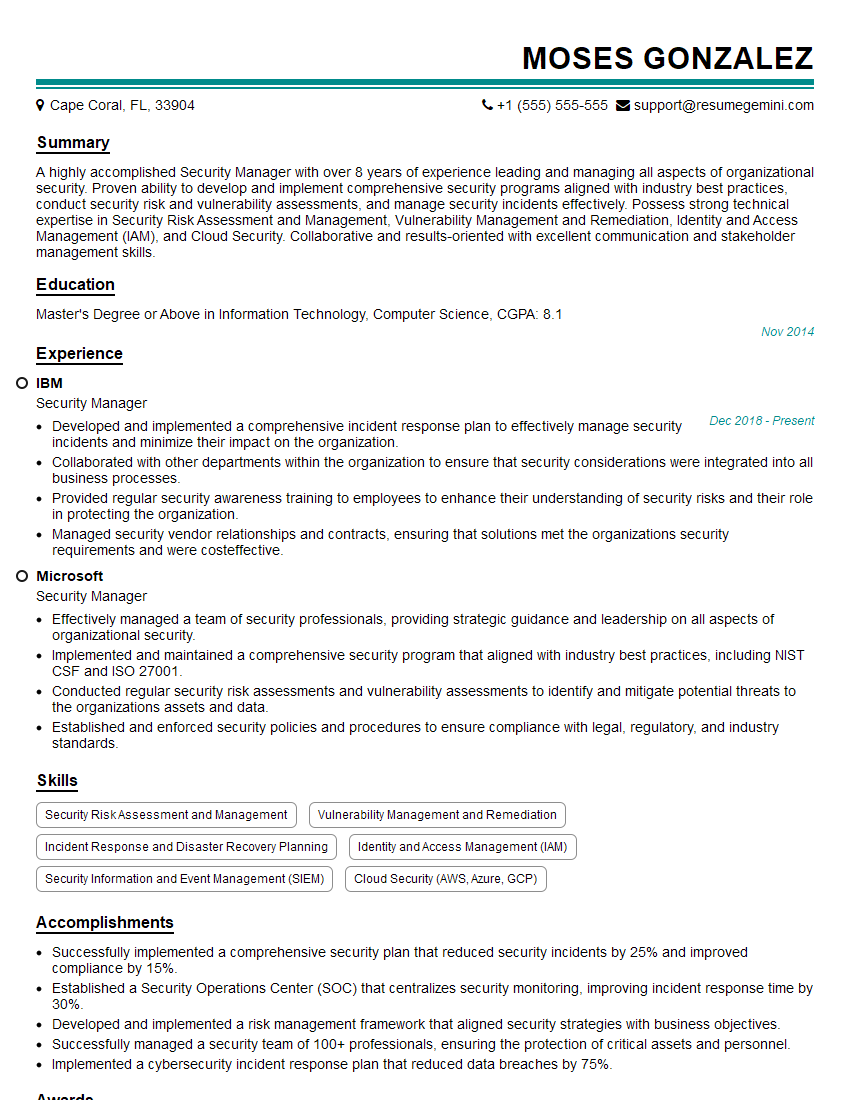
Security Manager Resume Sample
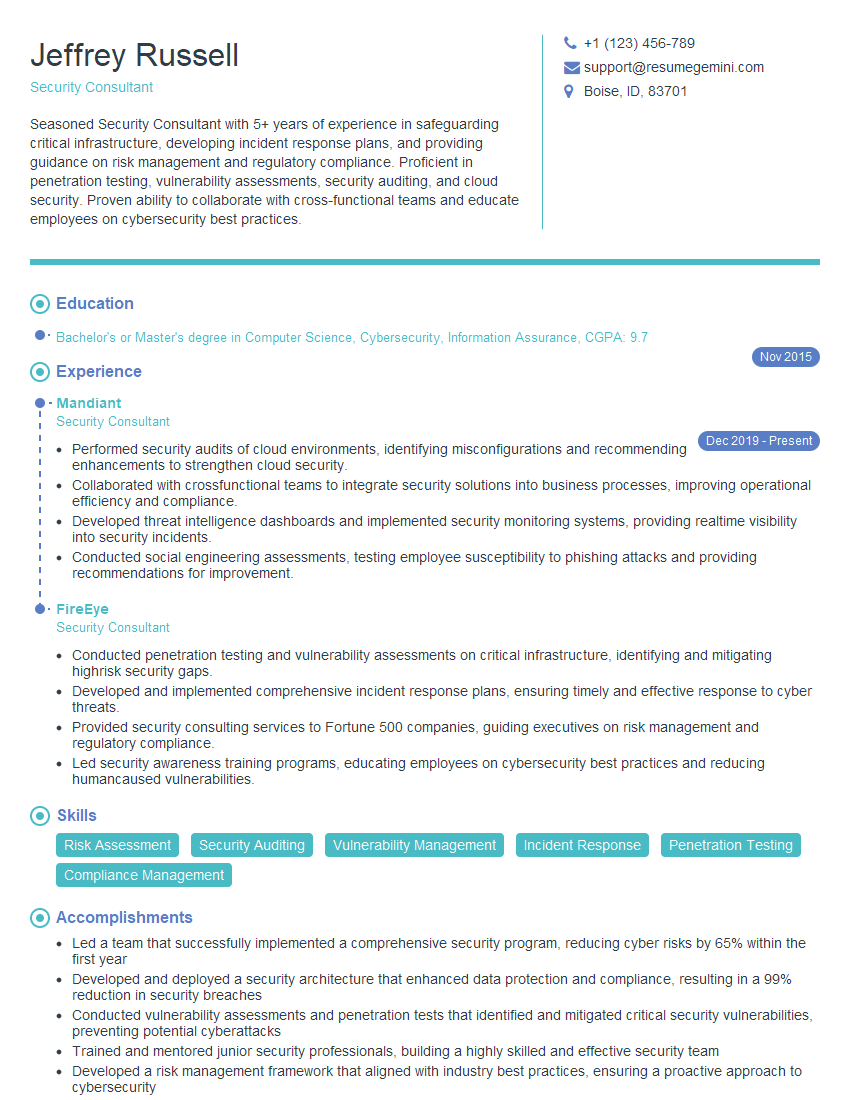
Security Consultant Resume Sample
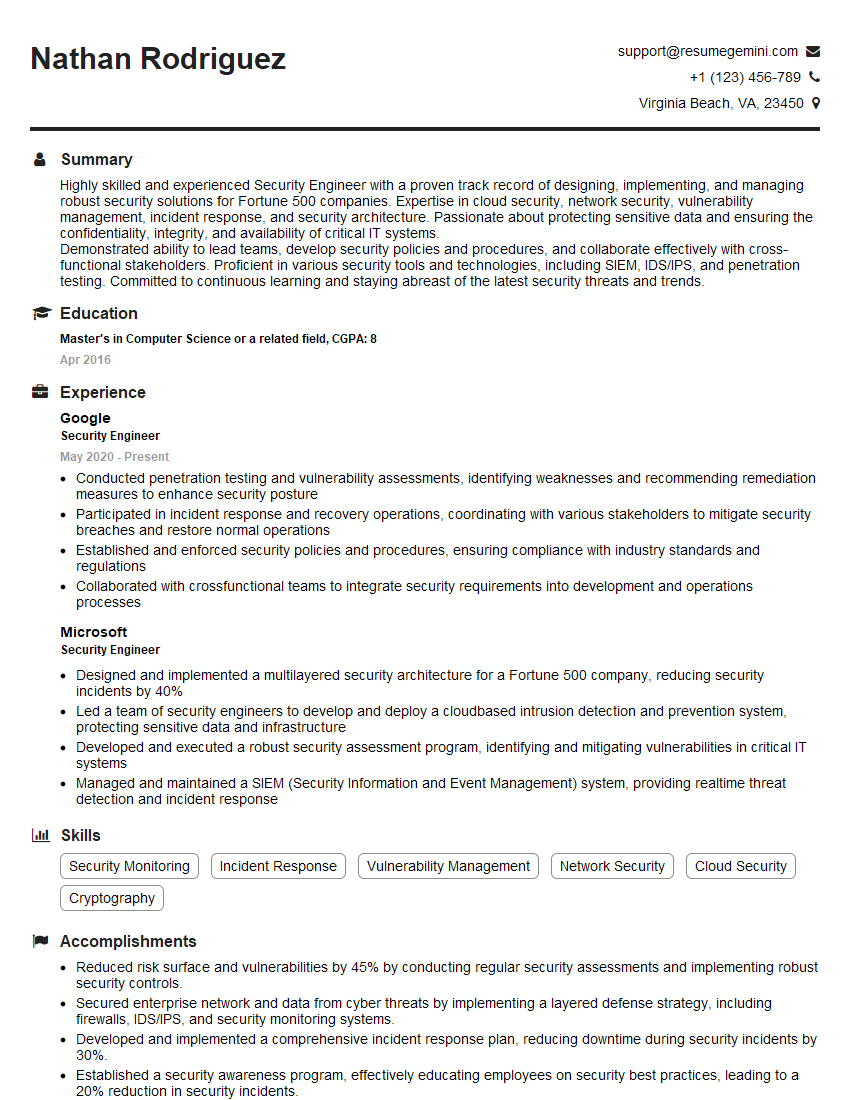
Security Engineer Resume Sample
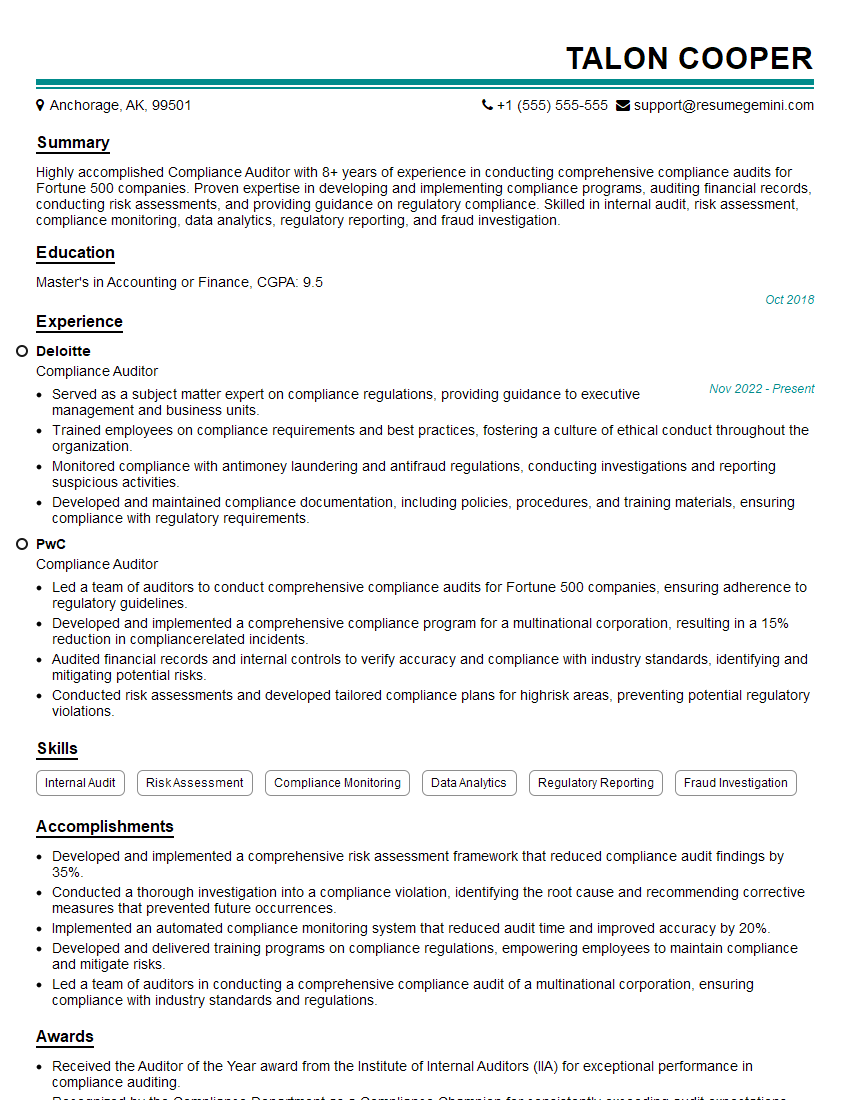
Compliance Auditor Resume Sample
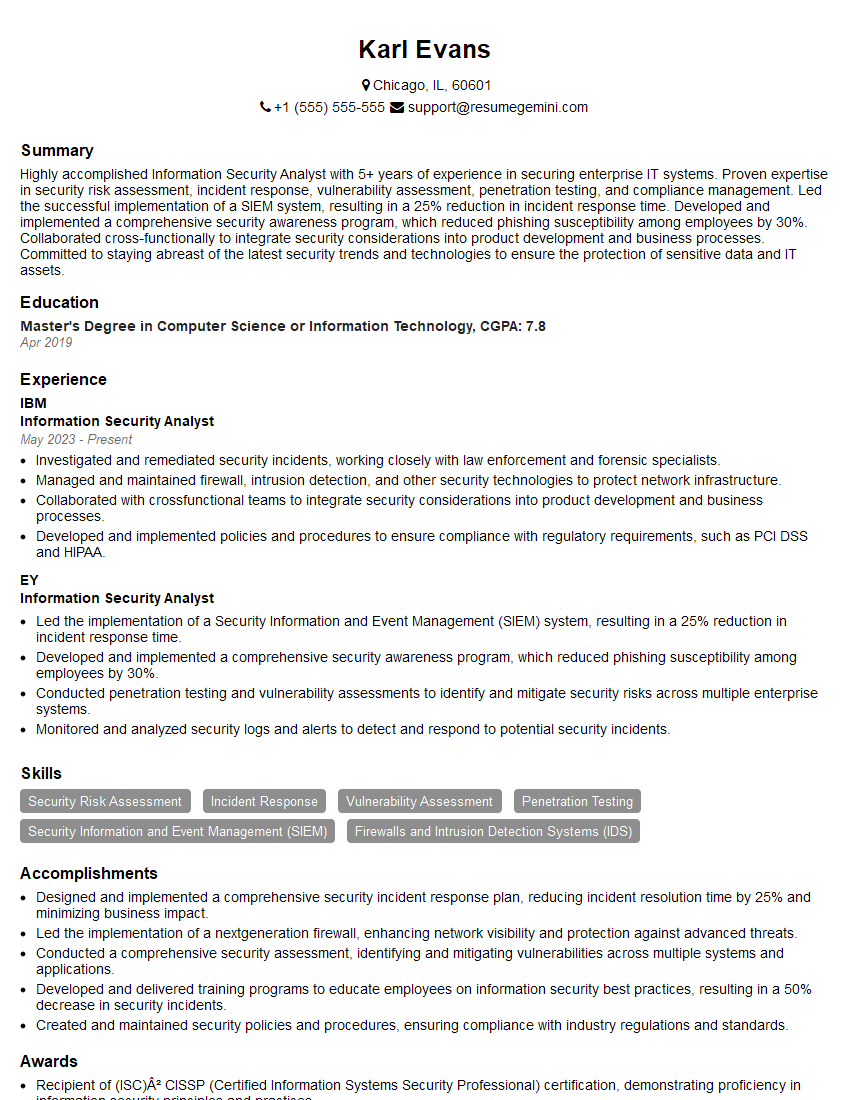
Information Security Analyst Resume Sample
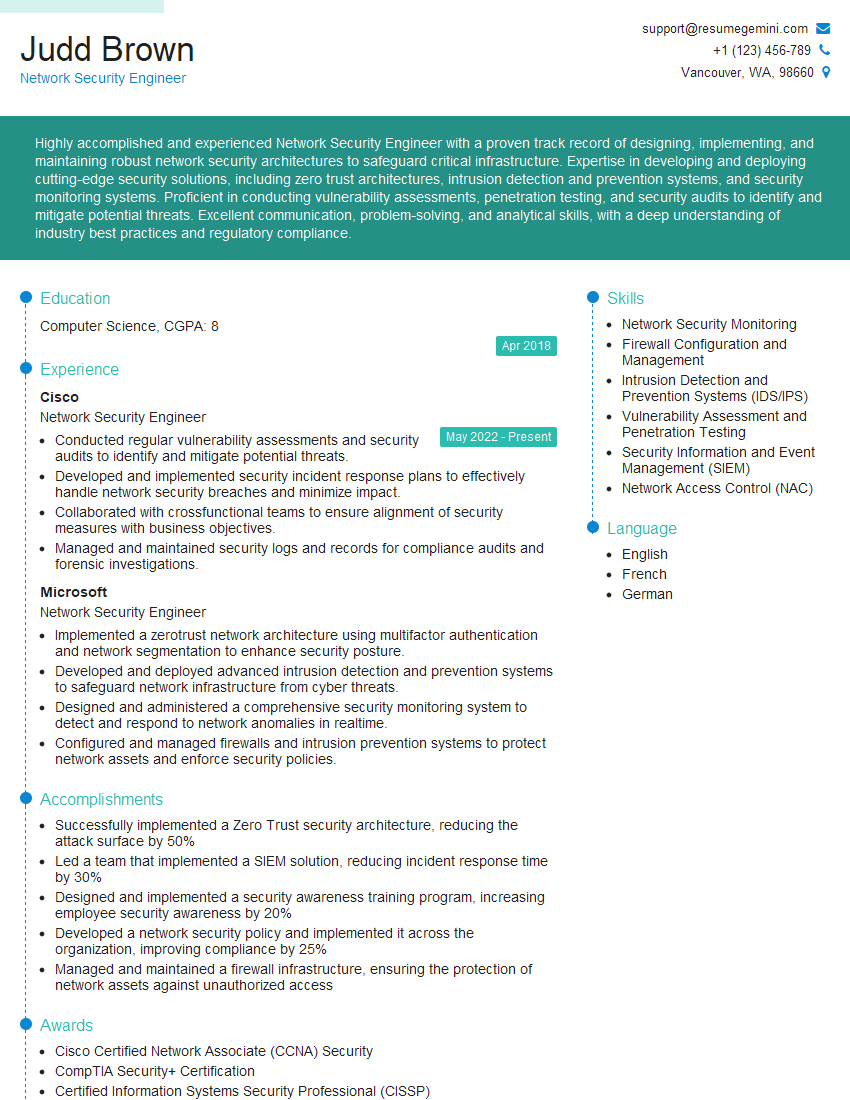
Network Security Engineer Resume Sample
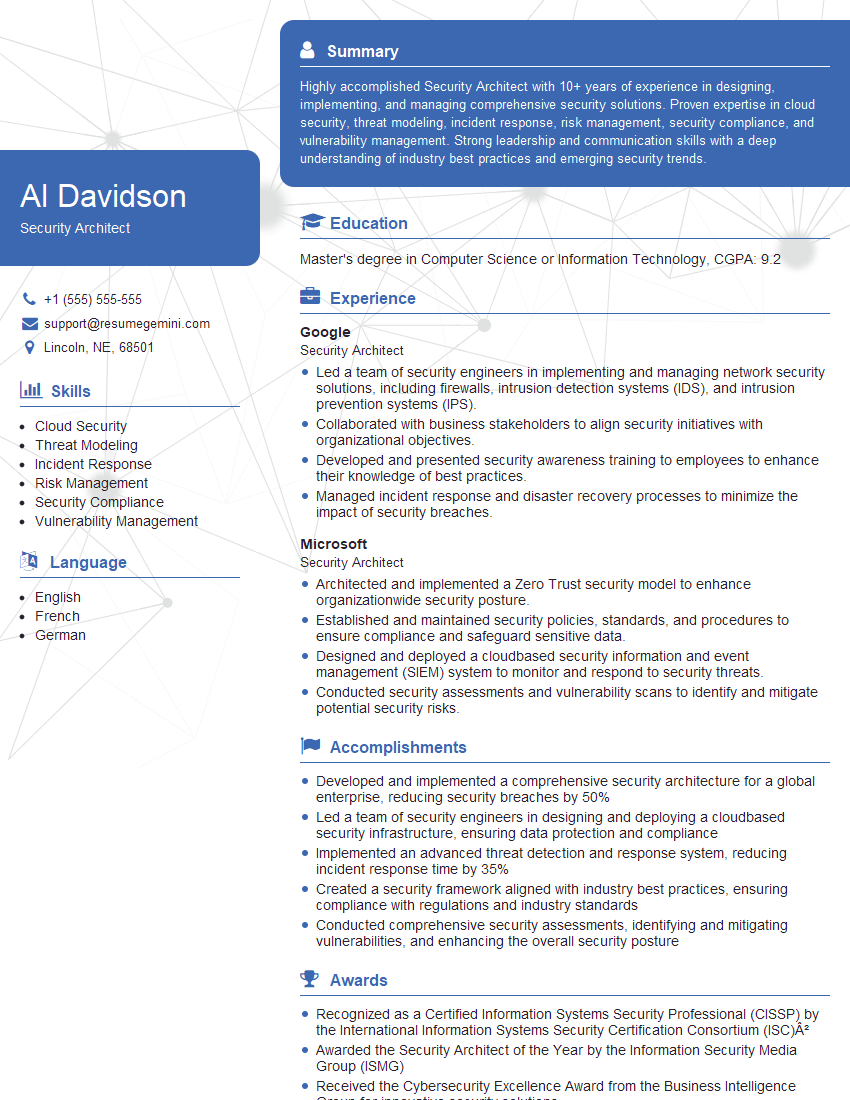
Security Architect Resume Sample

IT Security Specialist Resume Sample
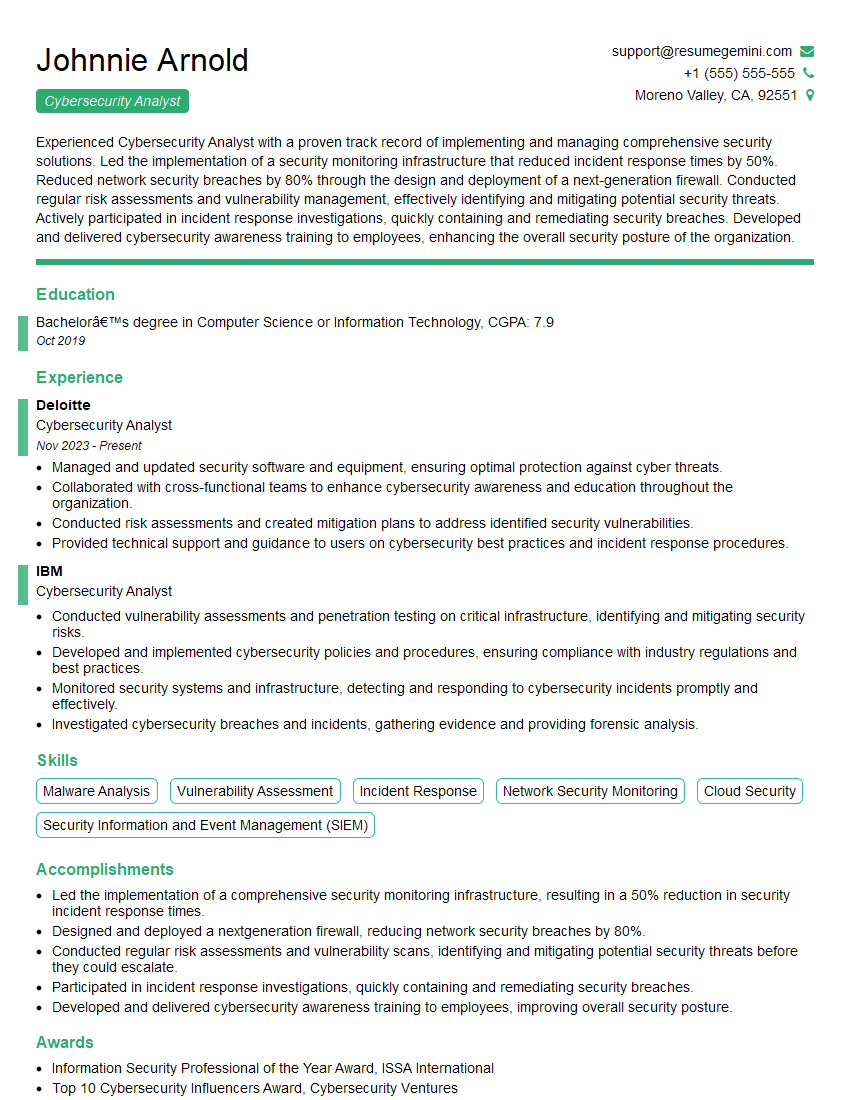
Cybersecurity Analyst Resume Sample
Cybersecurity Architect Resume Sample
Explore more articles
Users Rating of Our Blogs
Share Your Experience
We value your feedback! Please rate our content and share your thoughts (optional).
What Readers Say About Our Blog
Attention music lovers!
Wow, All the best Sax Summer music !!!
Spotify: https://open.spotify.com/artist/6ShcdIT7rPVVaFEpgZQbUk
Apple Music: https://music.apple.com/fr/artist/jimmy-sax-black/1530501936
YouTube: https://music.youtube.com/browse/VLOLAK5uy_noClmC7abM6YpZsnySxRqt3LoalPf88No
Other Platforms and Free Downloads : https://fanlink.tv/jimmysaxblack
on google : https://www.google.com/search?q=22+AND+22+AND+22
on ChatGPT : https://chat.openai.com?q=who20jlJimmy20Black20Sax20Producer
Get back into the groove with Jimmy sax Black
Best regards,
Jimmy sax Black
www.jimmysaxblack.com
Hi I am a troller at The aquatic interview center and I suddenly went so fast in Roblox and it was gone when I reset.
Hi,
Business owners spend hours every week worrying about their website—or avoiding it because it feels overwhelming.
We’d like to take that off your plate:
$69/month. Everything handled.
Our team will:
Design a custom website—or completely overhaul your current one
Take care of hosting as an option
Handle edits and improvements—up to 60 minutes of work included every month
No setup fees, no annual commitments. Just a site that makes a strong first impression.
Find out if it’s right for you:
https://websolutionsgenius.com/awardwinningwebsites
Hello,
we currently offer a complimentary backlink and URL indexing test for search engine optimization professionals.
You can get complimentary indexing credits to test how link discovery works in practice.
No credit card is required and there is no recurring fee.
You can find details here:
https://wikipedia-backlinks.com/indexing/
Regards
NICE RESPONSE TO Q & A
hi
The aim of this message is regarding an unclaimed deposit of a deceased nationale that bears the same name as you. You are not relate to him as there are millions of people answering the names across around the world. But i will use my position to influence the release of the deposit to you for our mutual benefit.
Respond for full details and how to claim the deposit. This is 100% risk free. Send hello to my email id: lukachachibaialuka@gmail.com
Luka Chachibaialuka
Hey interviewgemini.com, just wanted to follow up on my last email.
We just launched Call the Monster, an parenting app that lets you summon friendly ‘monsters’ kids actually listen to.
We’re also running a giveaway for everyone who downloads the app. Since it’s brand new, there aren’t many users yet, which means you’ve got a much better chance of winning some great prizes.
You can check it out here: https://bit.ly/callamonsterapp
Or follow us on Instagram: https://www.instagram.com/callamonsterapp
Thanks,
Ryan
CEO – Call the Monster App
Hey interviewgemini.com, I saw your website and love your approach.
I just want this to look like spam email, but want to share something important to you. We just launched Call the Monster, a parenting app that lets you summon friendly ‘monsters’ kids actually listen to.
Parents are loving it for calming chaos before bedtime. Thought you might want to try it: https://bit.ly/callamonsterapp or just follow our fun monster lore on Instagram: https://www.instagram.com/callamonsterapp
Thanks,
Ryan
CEO – Call A Monster APP
To the interviewgemini.com Owner.
Dear interviewgemini.com Webmaster!
Hi interviewgemini.com Webmaster!
Dear interviewgemini.com Webmaster!
excellent
Hello,
We found issues with your domain’s email setup that may be sending your messages to spam or blocking them completely. InboxShield Mini shows you how to fix it in minutes — no tech skills required.
Scan your domain now for details: https://inboxshield-mini.com/
— Adam @ InboxShield Mini
support@inboxshield-mini.com
Reply STOP to unsubscribe
Hi, are you owner of interviewgemini.com? What if I told you I could help you find extra time in your schedule, reconnect with leads you didn’t even realize you missed, and bring in more “I want to work with you” conversations, without increasing your ad spend or hiring a full-time employee?
All with a flexible, budget-friendly service that could easily pay for itself. Sounds good?
Would it be nice to jump on a quick 10-minute call so I can show you exactly how we make this work?
Best,
Hapei
Marketing Director
Hey, I know you’re the owner of interviewgemini.com. I’ll be quick.
Fundraising for your business is tough and time-consuming. We make it easier by guaranteeing two private investor meetings each month, for six months. No demos, no pitch events – just direct introductions to active investors matched to your startup.
If youR17;re raising, this could help you build real momentum. Want me to send more info?
Hi, I represent an SEO company that specialises in getting you AI citations and higher rankings on Google. I’d like to offer you a 100% free SEO audit for your website. Would you be interested?
Hi, I represent an SEO company that specialises in getting you AI citations and higher rankings on Google. I’d like to offer you a 100% free SEO audit for your website. Would you be interested?