Unlock your full potential by mastering the most common Data Aggregation and Analysis interview questions. This blog offers a deep dive into the critical topics, ensuring you’re not only prepared to answer but to excel. With these insights, you’ll approach your interview with clarity and confidence.
Questions Asked in Data Aggregation and Analysis Interview
Q 1. Explain the difference between data aggregation and data integration.
Data aggregation and data integration are both crucial for managing large datasets, but they serve different purposes. Think of it like this: data integration is the process of bringing together data from various sources, while data aggregation is summarizing and condensing that integrated data into a more manageable form.
Data Integration focuses on combining data from disparate sources – databases, spreadsheets, APIs, etc. – often with the goal of creating a unified view. This involves handling different data formats, structures, and potentially resolving inconsistencies between datasets. For instance, integrating customer data from a CRM system, sales data from an e-commerce platform, and marketing data from a social media analytics tool requires aligning fields, cleaning data, and resolving data discrepancies.
Data Aggregation, on the other hand, takes the integrated or already-combined data and summarizes it. This involves applying functions like SUM, AVG, COUNT, MIN, MAX, etc., to group data according to specific criteria, reducing the volume of data while retaining key insights. For example, aggregating daily sales data to find the total monthly sales per region.
In essence, data integration prepares the data for aggregation; aggregation then transforms the integrated data into meaningful summaries.
Q 2. Describe your experience with ETL (Extract, Transform, Load) processes.
I have extensive experience with ETL processes, having designed and implemented numerous ETL pipelines using various tools including Apache Spark, Informatica PowerCenter, and cloud-based services like AWS Glue and Azure Data Factory. A recent project involved integrating customer data from multiple legacy systems into a new data warehouse. This entailed:
- Extraction: We extracted data from various sources using different methods, such as database queries (SQL), file system reads (CSV, JSON), and API calls. The extraction phase needed careful planning to minimize downtime and data loss.
- Transformation: This was the most complex phase. We dealt with data inconsistencies (different formats for dates, addresses, etc.), cleansed the data using various techniques (data profiling, deduplication, and outlier analysis), and transformed the data into a consistent format suitable for loading into the data warehouse. We utilized data mapping tools and scripting (Python) to achieve this.
- Loading: Finally, we loaded the transformed data into the data warehouse using efficient techniques, ensuring data integrity and consistency through the use of transactions and error handling. We optimized load times by using parallel processing and bulk loading techniques.
Throughout this process, robust monitoring and logging were crucial to identify and resolve issues promptly, ensuring data quality and timely delivery.
Q 3. What are some common challenges you’ve encountered during data aggregation?
Common challenges during data aggregation often stem from data quality issues and the complexity of the data itself. Some prominent challenges include:
- Data Inconsistency: Dealing with different data formats, units, and naming conventions across multiple sources requires significant preprocessing and standardization.
- Missing Data: Handling missing values is crucial, requiring strategic imputation or exclusion depending on the context and the impact on the analysis.
- Data Volume and Velocity: Processing large volumes of data efficiently requires optimized algorithms and distributed computing frameworks.
- Data Integration Complexity: Integrating diverse data sources with different schemas and structures can be challenging, especially if the sources are not well documented.
- Data Governance and Security: Ensuring data quality, consistency, and security throughout the aggregation process is paramount.
For instance, during a project involving sales data aggregation, we encountered inconsistent date formats from various regional offices, necessitating a careful data cleaning and standardization step before aggregation.
Q 4. How do you handle missing data during the aggregation process?
Handling missing data is critical for accurate aggregation. The approach depends on the nature and extent of the missing data, as well as the impact on the analysis. Here are common strategies:
- Deletion: Removing rows or columns with missing data is a simple option but can lead to information loss if not done carefully. This is best suited when the missing data represents a small percentage of the dataset and is randomly distributed.
- Imputation: Replacing missing values with estimated values is a more sophisticated approach. Methods include mean/median/mode imputation (simple but can distort the distribution), regression imputation (using predictive models), or k-Nearest Neighbors imputation (using similar data points). The choice of imputation technique depends on the nature of the data and the potential bias.
- Using specialized techniques for specific situations: Multiple imputation methods, which generate multiple datasets with imputed values, allow for uncertainty assessment. For time series data, specific interpolation methods might be more suitable.
The best approach involves a careful evaluation of the data and a thoughtful decision based on the context. For example, if missing values represent a significant portion of the data and are not randomly distributed, imputation techniques might introduce bias; therefore, careful consideration is required.
Q 5. What techniques do you use to ensure data quality during aggregation?
Ensuring data quality during aggregation is paramount. My strategies involve a multi-faceted approach:
- Data Profiling: Thorough profiling of the data at each stage provides insights into data types, distributions, missing values, and potential inconsistencies.
- Data Cleaning: This involves handling missing values, outliers, and inconsistencies using various techniques like imputation, outlier removal, and standardization.
- Data Validation: Implementing validation rules throughout the ETL process ensures data integrity. This involves checks for data type consistency, range checks, and referential integrity.
- Data Transformation: Transforming data into a consistent format is crucial for accuracy. This includes data type conversions, unit standardization, and handling of special characters.
- Automated Testing: Building automated tests to verify the data quality at each stage of the pipeline helps prevent errors and ensures consistency.
For example, in a customer database aggregation project, I implemented automated checks to ensure that customer IDs were unique and that phone numbers adhered to a specific format, improving data reliability.
Q 6. Explain your experience with different data aggregation techniques (e.g., SUM, AVG, COUNT).
I’m proficient in various data aggregation techniques. Here are some examples:
SUM: Calculates the total sum of a numerical field. For instance, summing up the total sales for a product category.AVG: Computes the average of a numerical field. For example, calculating the average order value for a specific customer segment.COUNT: Counts the number of rows or occurrences of a specific value. For example, counting the number of customers in a particular region.MINandMAX: Determine the minimum and maximum values within a group. For example, finding the lowest and highest prices for a product.GROUP BY: This SQL clause is fundamental for aggregation, allowing you to group data based on specific criteria and then apply aggregation functions to each group.
Beyond these basic functions, more advanced techniques like weighted averages, rolling aggregates (for time series data), and percentile calculations are also frequently used depending on the specific analytical need. The choice of technique depends largely on the nature of the data and the business question being addressed.
For instance, in a financial analysis project, I used weighted averages to calculate the portfolio return, considering the varying weights of different assets.
Q 7. How do you identify and resolve data inconsistencies during aggregation?
Identifying and resolving data inconsistencies is an iterative process. Here’s a typical approach:
- Data Profiling and Discovery: Using profiling tools to identify inconsistencies in data types, formats, values, and ranges across different data sources.
- Root Cause Analysis: Investigating the reasons for inconsistencies. This often involves reviewing data sources, understanding data collection methods, and identifying potential errors in data entry or transformation.
- Data Cleaning and Transformation: Applying techniques to standardize data formats, handle missing values, and correct erroneous data. This may involve scripting, data manipulation tools, or SQL queries.
- Data Validation and Reconciliation: Implementing validation rules and reconciliation procedures to verify the accuracy of corrected data. This could include cross-checking against other data sources or running consistency checks.
- Documentation and Monitoring: Maintaining detailed documentation of the inconsistencies found, the solutions implemented, and the processes followed. Continuous monitoring helps identify and address any new inconsistencies that might emerge.
For example, in a customer database aggregation project, we identified inconsistent spellings of customer names. We resolved this by implementing a fuzzy matching algorithm to identify and merge duplicate customer records with slight name variations, improving the data quality and preventing data redundancy.
Q 8. What are some common data formats you’ve worked with (e.g., CSV, JSON, XML)?
Throughout my career, I’ve extensively worked with various data formats, each suited for different purposes. Common formats include CSV (Comma Separated Values), JSON (JavaScript Object Notation), and XML (Extensible Markup Language). CSV is simple and widely used for tabular data, ideal for importing into spreadsheets or databases. JSON’s hierarchical structure makes it perfect for web applications and APIs, offering flexibility in representing complex data. XML, with its self-describing tags, is useful for structured data exchange, though its verbosity can be a drawback compared to JSON. I’ve also had experience with less common formats such as Parquet and Avro, particularly beneficial for big data processing due to their efficient storage and handling of complex data structures.
For instance, in a recent project involving customer transaction data, we used CSV for initial data loading due to its simplicity and readily available tools. However, for real-time data streaming and analysis, we transitioned to JSON for its efficiency in handling frequent updates and complex data structures.
Q 9. Describe your experience with database management systems (e.g., SQL, NoSQL).
My experience with database management systems spans both SQL and NoSQL databases. I’m proficient in relational databases like PostgreSQL and MySQL, leveraging SQL for querying, managing, and manipulating structured data. My understanding encompasses database design principles, normalization, indexing, and query optimization techniques. I can effectively write complex SQL queries for data aggregation, filtering, and transformation.
In contrast, I’ve worked with NoSQL databases like MongoDB and Cassandra for handling unstructured or semi-structured data, particularly in scenarios with high volume, velocity, and variety. The choice between SQL and NoSQL hinges on the specific requirements of the project – structured, predictable data often favours SQL, while high-velocity, schema-flexible data lends itself to NoSQL.
For example, in one project, we used PostgreSQL for a customer relationship management system because of its strong data integrity features and relational capabilities. In another project, we used MongoDB for a real-time analytics platform due to its scalability and ability to handle rapidly changing data.
Q 10. How do you optimize data aggregation for performance?
Optimizing data aggregation for performance requires a multifaceted approach, focusing on data volume reduction, efficient algorithms, and proper database indexing. Key strategies include:
- Pre-aggregation: Creating materialized views or summary tables to store pre-calculated aggregates significantly reduces query time for frequently accessed data. Think of it like pre-cooking ingredients for a recipe; it’s faster than starting from raw ingredients every time.
- Data Filtering: Filtering data early in the aggregation pipeline eliminates unnecessary processing of irrelevant data. This minimizes the data volume that needs to be processed.
- Appropriate Indexing: Creating indexes on frequently queried columns dramatically improves query speed, especially in large datasets. It’s like having an index in a book; it lets you quickly find the specific information you need without reading the entire book.
- Efficient Algorithms: Using optimized aggregation functions, such as those offered by database systems, significantly enhances performance. For instance, using `SUM()` instead of manual summing in a loop is dramatically faster.
- Distributed Processing: For extremely large datasets, employing distributed processing frameworks like Apache Spark or Hadoop can parallelize the aggregation process across multiple machines, drastically reducing the overall processing time.
For example, in a project involving millions of sensor readings, pre-aggregating hourly averages into daily averages dramatically reduced the query time for generating daily reports.
Q 11. Explain your experience with data warehousing and dimensional modeling.
I have significant experience with data warehousing and dimensional modeling. Data warehousing involves constructing a central repository for integrated data from various sources, optimized for analytical processing. Dimensional modeling is a specific approach to designing a data warehouse, organizing data into fact tables (containing business events) and dimension tables (containing contextual information).
I’m familiar with the star schema and snowflake schema, two common dimensional models. The star schema uses a central fact table surrounded by dimension tables, while the snowflake schema normalizes the dimension tables further. Choosing between them depends on factors such as data complexity and query patterns.
In a recent project, we built a data warehouse to support business intelligence initiatives. We used a star schema because of its simplicity and ease of querying. This enabled us to provide rapid insights into sales trends, customer behaviour, and other key business metrics.
Q 12. How do you choose the appropriate aggregation level for a specific analysis?
Selecting the appropriate aggregation level is crucial for meaningful analysis. It depends heavily on the specific analytical question and the desired level of detail. Too high a level of granularity can result in overwhelming detail, while too low a level can obscure important patterns. For instance:
- Analyzing daily sales: If you need to analyze daily sales trends, the appropriate aggregation level is daily. Aggregating to a weekly or monthly level might mask important short-term fluctuations.
- Analyzing yearly sales growth: To assess overall yearly sales performance, monthly or quarterly aggregation might be sufficient. Daily granularity would be unnecessary and would create a far larger dataset to process.
- Analyzing customer segmentation: For customer segmentation, aggregating sales data at the customer level is essential. Any more granular data would likely be noisy and unproductive.
The process often involves iterative refinement, starting with a broader level of aggregation and then drilling down to finer levels as needed. Understanding the business context is paramount in making the right choice.
Q 13. Describe your experience with data visualization tools.
I have extensive experience with a range of data visualization tools. My proficiency includes Tableau, Power BI, and Python libraries such as Matplotlib and Seaborn. These tools are essential for transforming aggregated data into compelling and insightful visualizations. I’m comfortable creating various chart types, including line charts, bar charts, scatter plots, heatmaps, and dashboards, tailored to the specific data and audience.
For instance, in a recent project, we used Tableau to create interactive dashboards that tracked key performance indicators (KPIs) in real-time. These dashboards provided immediate feedback on business performance and helped decision-makers respond swiftly to changing market conditions.
Q 14. How do you ensure data security and privacy during data aggregation?
Data security and privacy are paramount during data aggregation. My approach involves several key measures:
- Data Masking and Anonymization: Sensitive information, such as Personally Identifiable Information (PII), is masked or anonymized before aggregation to prevent unauthorized access. Techniques include data encryption, pseudonymization, and generalization.
- Access Control: Implementing robust access control mechanisms restricts data access to authorized personnel only, based on their roles and responsibilities. This includes both physical and network security measures.
- Data Encryption: Data is encrypted both in transit and at rest to protect it from unauthorized access, even if a breach occurs.
- Compliance with Regulations: Adherence to relevant data privacy regulations, such as GDPR and CCPA, is critical. This ensures compliance with legal and ethical standards.
- Regular Security Audits: Regular security audits are performed to identify and address vulnerabilities, ensuring the ongoing security of aggregated data.
For example, in a project involving customer health data, we implemented strict anonymization protocols to protect patient privacy while still allowing for meaningful aggregate analyses.
Q 15. What is your experience with data profiling and data quality assessment?
Data profiling and data quality assessment are crucial first steps in any data aggregation project. Data profiling involves analyzing the structure, content, and quality of your data sources to understand its characteristics. This includes identifying data types, distributions, missing values, and inconsistencies. Data quality assessment, on the other hand, evaluates the accuracy, completeness, consistency, and timeliness of the data to determine its fitness for use in aggregation.
In my experience, I’ve used various techniques for both. For profiling, I leverage tools that automatically generate descriptive statistics, identify data anomalies, and visualize data distributions. For quality assessment, I define specific quality rules and metrics based on business requirements, and then use automated checks and manual reviews to identify and address quality issues. For example, in a project involving customer data, I might define rules to check for duplicate entries, inconsistencies in addresses, or missing phone numbers. Addressing these issues before aggregation is crucial to ensure the accuracy and reliability of the aggregated data.
I also employ rule-based validation systems to ensure data integrity. For instance, if a dataset includes ages, I’d use a rule to flag any age less than 0 or greater than 120 as potentially erroneous. This proactive approach helps maintain data quality throughout the entire process.
Career Expert Tips:
- Ace those interviews! Prepare effectively by reviewing the Top 50 Most Common Interview Questions on ResumeGemini.
- Navigate your job search with confidence! Explore a wide range of Career Tips on ResumeGemini. Learn about common challenges and recommendations to overcome them.
- Craft the perfect resume! Master the Art of Resume Writing with ResumeGemini’s guide. Showcase your unique qualifications and achievements effectively.
- Don’t miss out on holiday savings! Build your dream resume with ResumeGemini’s ATS optimized templates.
Q 16. Explain how you would handle large datasets during data aggregation.
Handling large datasets during data aggregation requires a strategic approach. Simply loading everything into memory is often infeasible. Instead, I employ techniques like distributed computing and parallel processing. Tools like Hadoop, Spark, or cloud-based solutions like AWS EMR or Azure Databricks are indispensable. These allow you to break down the aggregation task into smaller, manageable chunks that can be processed concurrently across multiple machines.
Consider a scenario where you need to aggregate sales data from a retailer with terabytes of daily transactions. Directly processing this on a single machine would be impractical. Using Spark, for instance, I would distribute the data across a cluster of machines, apply aggregation logic in parallel to individual partitions of the data, and then combine the results. The choice of aggregation method also impacts efficiency; for instance, using approximate aggregation techniques like HyperLogLog can be significantly faster than exact counting when dealing with massive datasets, though at the cost of slight accuracy.
Furthermore, efficient data storage is vital. Using columnar databases like Parquet or ORC can significantly reduce storage space and improve query performance compared to row-oriented databases. This becomes crucial when dealing with the intermediate and final aggregated datasets.
Q 17. Describe your experience with cloud-based data aggregation solutions (e.g., AWS, Azure, GCP).
I have extensive experience with cloud-based data aggregation solutions, primarily AWS, Azure, and GCP. Each platform offers a robust suite of services tailored to different aspects of data aggregation. For example, on AWS, I’ve used services like S3 for data storage, EMR for distributed processing with Spark, and Redshift for data warehousing and analytical queries. Azure offers similar capabilities with Azure Blob Storage, Azure Databricks, and Azure Synapse Analytics. GCP provides Google Cloud Storage, Dataproc, and BigQuery.
My experience encompasses building fully managed, scalable, and cost-effective data pipelines on these platforms. This includes designing data ingestion strategies, implementing data transformations, creating optimized aggregation jobs, and deploying monitoring and alerting systems. A recent project involved migrating a client’s on-premise data warehouse to Google Cloud Platform, which significantly improved performance and reduced operational costs. We leveraged BigQuery’s SQL capabilities and its ability to handle massive datasets to achieve this efficiently. The cloud’s scalability and elasticity are critical, particularly when dealing with unpredictable data volumes.
Q 18. What are some best practices for data governance in the context of data aggregation?
Data governance in data aggregation is paramount. It ensures data quality, consistency, and compliance with relevant regulations. Best practices include:
- Data Catalog: A comprehensive inventory of all data sources, their schemas, and metadata. This enhances discoverability and understanding.
- Data Quality Rules: Clearly defined rules and metrics to measure data quality throughout the aggregation process.
- Data Lineage Tracking: Tracking the origin and transformations of data, enabling traceability and accountability.
- Access Control: Implementing strict access control mechanisms to protect sensitive data and prevent unauthorized access.
- Data Security: Implementing robust security measures such as encryption, authentication, and authorization to safeguard data privacy and confidentiality.
- Data Retention Policies: Defining clear policies for data retention and disposal, complying with regulatory requirements.
For example, in a healthcare setting, adhering to HIPAA regulations is crucial. This necessitates robust access control, encryption at rest and in transit, and audit trails to ensure compliance. Ignoring data governance can lead to inaccuracies, non-compliance, and significant financial and reputational risks.
Q 19. How do you validate the accuracy of aggregated data?
Validating the accuracy of aggregated data is crucial and involves multiple steps. First, I perform unit tests on individual aggregation functions to ensure they produce the correct results on smaller, manageable datasets. This helps identify and correct bugs early on. Then, I compare aggregated data with the individual source data through spot checks and validation queries. This ensures the aggregation process hasn’t introduced errors or inconsistencies.
Furthermore, data reconciliation plays a significant role. I perform sum checks, count checks, and other statistical checks to ensure the aggregated data aligns with the expected values. Any significant discrepancies trigger further investigation. For instance, if the sum of aggregated sales figures doesn’t match the sum of individual transaction values, this highlights a potential problem in the aggregation process.
Visualizations, such as comparison charts and histograms, also play a key role in identifying anomalies. Finally, comparison with historical data or similar data from different sources can provide additional validation.
Q 20. Describe your experience with different data aggregation tools.
My experience spans various data aggregation tools, both open-source and commercial. I’ve worked with relational databases (SQL Server, PostgreSQL, MySQL) for smaller-scale aggregations where structured data is predominant. For larger-scale and distributed processing, I’ve extensively used frameworks like Apache Spark and Hadoop. These handle big data efficiently using parallel processing.
Cloud-based data warehousing solutions like Snowflake, Amazon Redshift, and Google BigQuery also form a significant part of my toolset. These are ideal for building scalable data warehouses and performing complex analytical queries on aggregated data. The selection of a specific tool depends on various factors including data volume, complexity, budget, and the specific requirements of the project. For instance, using a relational database for terabyte-scale data would be inefficient, whereas a distributed framework would be more suitable. A recent project involved using Apache Kafka for real-time data streaming and aggregation to build a near real-time dashboard, leveraging the speed and efficiency of this streaming platform.
Q 21. How would you approach aggregating data from disparate sources?
Aggregating data from disparate sources requires a well-defined strategy. First, I conduct thorough data profiling of each source to understand its structure, data types, and quality. This step is crucial for identifying inconsistencies and challenges in the integration process. Often, data from different sources will have varying formats, naming conventions, and data types. For instance, one source might use ‘CustomerID’ while another uses ‘Client_ID’.
Next, I establish a common data model to unify the data. This involves creating a standardized schema that incorporates the relevant information from all sources. Data transformation and cleansing are then applied to ensure data consistency. This might involve data type conversions, handling missing values, and resolving naming discrepancies. In cases where significant data discrepancies exist (such as different units of measure or different date formats), careful consideration and reconciliation procedures are necessary. ETL (Extract, Transform, Load) processes are frequently employed for this purpose.
Finally, I implement the aggregation logic, carefully considering the relationships between the data sources. It is crucial to ensure the joins are done correctly and that the aggregations are performed accurately. For example, if you have sales data and customer data, you would need to join the tables on the customer ID to perform aggregations at the customer level. The approach depends heavily on the specific data, the required outcome, and the available tools. A well-defined approach is crucial for producing high quality and consistent results from disparate sources.
Q 22. Explain your understanding of data normalization and its importance in aggregation.
Data normalization is a process used in databases to reduce redundancy and improve data integrity. It involves organizing data in such a way that it minimizes duplication and ensures that data dependencies are logical and well-defined. This is crucial for data aggregation because inconsistent or redundant data from multiple sources can lead to inaccurate and misleading results. For example, imagine aggregating sales data where ‘city’ is sometimes recorded as ‘London’ and sometimes as ‘LONDON’. Normalization would ensure a consistent representation (‘London’, for instance). Different normalization forms (1NF, 2NF, 3NF, etc.) exist, each addressing different levels of redundancy. During aggregation, having normalized data allows for cleaner joins and more efficient queries, ultimately producing more reliable aggregated results.
Consider a scenario with customer data spread across multiple databases. Each database might have slightly different column names or structures for the same information (e.g., ‘customer_address’ vs. ‘address’). Before aggregation, normalization ensures that these inconsistencies are resolved, so data can be meaningfully combined.
Q 23. How do you handle data conflicts when aggregating from multiple sources?
Handling data conflicts during aggregation from multiple sources is a critical aspect of the process. Conflicts can arise due to inconsistencies in data values, timestamps, or formats. My approach involves a multi-step strategy:
- Identification: First, identify the nature and source of the conflict. Are we dealing with conflicting values (e.g., different addresses for the same customer), timestamps (e.g., different transaction dates), or data types?
- Prioritization: Based on the data quality and source reliability, I would prioritize which data source is most trustworthy. Data provenance and validation mechanisms become crucial here.
- Resolution Strategies:Several strategies can be used:
- Manual Resolution: For critical data or small datasets, manual review and correction might be necessary.
- Automated Resolution: For large datasets, automation can be implemented using rules-based systems or machine learning algorithms. For example, we might use a weighted average to resolve conflicting numeric values or use the most recent timestamp.
- Data Flagging: For instances where resolution isn’t clear or reliable, it’s important to flag the conflict for further investigation and potentially use data quality metrics to alert about this data.
- Documentation: Detailed records of all conflict resolution decisions are maintained for auditability and reproducibility. This helps in tracking data quality and identifying potential systematic issues.
For example, if two sources provide different prices for the same product, I might choose the price from the most trusted source (e.g., our internal sales system over an external marketplace) or flag the discrepancy for manual review.
Q 24. Describe your experience with schema design for data aggregation.
Schema design is fundamental to successful data aggregation. A well-designed schema ensures that aggregated data is consistent, readily accessible, and easy to analyze. My approach focuses on creating a schema that is both flexible and efficient. I consider factors such as data types, relationships between data elements, scalability, and future needs during the design process. I often start by identifying the key business questions that the aggregated data will answer. This helps to define the essential elements and their relationships within the aggregated dataset.
For instance, while aggregating sales data, I would consider including dimensions such as product category, region, sales channel, and time period, along with measures like total revenue, quantity sold, and average price. The schema needs to accommodate relationships (e.g., one-to-many between customers and orders).
I leverage tools like ER diagrams (Entity-Relationship Diagrams) to visually represent the relationships between different entities and their attributes. This improves communication and understanding among the team members and stakeholders. During the design process, I always consider extensibility to allow for future expansions without major structural changes.
Q 25. How do you balance data accuracy with data completeness during aggregation?
Balancing data accuracy and completeness during aggregation is a constant challenge. The ideal scenario is both high accuracy and completeness, but often trade-offs are necessary. My approach centers around:
- Data Cleansing: This process involves identifying and correcting inaccurate data. Techniques include outlier detection, imputation for missing values, and consistency checks.
- Data Validation: Implementing validation rules and checks during the data integration process ensures that data meets certain quality standards.
- Source Evaluation: Assessing the quality and reliability of various data sources is paramount. Sources with higher reliability receive greater weighting in the aggregation process.
- Documentation: Maintaining a clear record of data cleaning and transformation steps ensures transparency and accountability.
- Statistical Analysis: Using statistical methods to assess the impact of missing data on the aggregation results. This can inform decisions on whether to use imputation or to exclude incomplete data.
For example, if a small percentage of sales records are missing transaction dates, I might impute missing dates based on related information or flag them for later review rather than discarding the entire records, potentially losing valuable insights. The decision on how to handle incomplete data depends on its magnitude and potential impact on the analysis.
Q 26. What are the ethical considerations of data aggregation?
Ethical considerations in data aggregation are paramount. We must ensure data privacy, security, and responsible use. Key ethical aspects include:
- Data Privacy: Complying with data protection regulations (GDPR, CCPA, etc.) is essential. Personal data should be anonymized or pseudonymized whenever possible.
- Data Security: Implementing robust security measures to protect aggregated data from unauthorized access, use, or disclosure is crucial.
- Transparency: Being transparent about the data sources, methods used, and limitations of the aggregated data is crucial for building trust.
- Bias Mitigation: Aggregating data from various sources can introduce bias. Addressing these biases through careful data selection, pre-processing, and analysis is critical. For instance, using data only from a particular demographic group could produce skewed conclusions.
- Informed Consent: When individuals’ data is involved, obtaining informed consent is ethically necessary.
Consider a scenario where aggregating healthcare data. Maintaining patient confidentiality and anonymizing patient identifiers before aggregation is essential to upholding ethical standards.
Q 27. How do you communicate complex data aggregation results to non-technical audiences?
Communicating complex data aggregation results to non-technical audiences requires clear, concise, and visually appealing presentations. I avoid jargon and technical terms whenever possible. My strategy involves:
- Visualizations: Using charts, graphs, and dashboards to present key findings in a user-friendly format is crucial. Bar charts, line graphs, and maps can effectively communicate trends and patterns.
- Storytelling: Framing the results within a narrative context helps non-technical audiences understand the significance of the findings. This makes the information more engaging and memorable.
- Summarization: Presenting key findings in a concise and summarized manner avoids overwhelming the audience with detailed information.
- Analogies and Metaphors: Using relatable examples or analogies can help simplify complex concepts.
- Interactive elements: Incorporating interactive elements, such as clickable dashboards or maps, can enhance audience engagement.
For example, instead of saying ‘The correlation coefficient between X and Y is 0.8,’ I might say, ‘We observed a strong positive relationship between X and Y, meaning that as X increases, Y tends to increase as well.’
Q 28. Describe a time you had to troubleshoot a data aggregation issue. What was the problem, and how did you solve it?
In a previous project involving the aggregation of web server logs from multiple data centers, I encountered an issue where the aggregated daily page view counts were significantly lower than the sum of individual data center counts. Initially, I suspected data loss during transmission. However, after investigating the data schemas, I discovered that different data centers used different timestamp formats (some used UTC, others local time). This difference in time zone formatting resulted in some records being incorrectly grouped into different days during aggregation.
To resolve this, I implemented a standardized timestamp conversion process, ensuring that all timestamps were converted to UTC before aggregation. This involved writing custom scripts to parse and reformat the timestamps from various data centers. Once this was done, the aggregated page view counts matched the sum of the individual counts, resolving the discrepancy. This experience reinforced the importance of rigorous data validation and standardization when dealing with data from multiple sources.
Key Topics to Learn for Data Aggregation and Analysis Interview
- Data Sources and Acquisition: Understanding various data sources (databases, APIs, web scraping), methods for data extraction, and considerations for data quality and reliability.
- Data Cleaning and Preprocessing: Practical application of techniques like handling missing values, outlier detection, data transformation, and normalization to ensure data accuracy and consistency for analysis.
- Data Aggregation Techniques: Mastering aggregation methods like SUM, AVG, COUNT, MIN, MAX, and understanding their application in different analytical scenarios. Explore the nuances of grouping and summarizing data effectively.
- Data Analysis Methods: Familiarity with descriptive statistics, exploratory data analysis (EDA), and techniques for identifying trends, patterns, and insights within aggregated data.
- Data Visualization: Creating effective visualizations (charts, graphs, dashboards) to communicate aggregated data findings clearly and concisely to both technical and non-technical audiences.
- SQL for Data Aggregation: Proficiency in writing efficient SQL queries for data aggregation, including the use of aggregate functions, GROUP BY clauses, and window functions.
- Data Warehousing and ETL Processes: Understanding the role of data warehouses in data aggregation and the Extract, Transform, Load (ETL) process for data integration and preparation.
- Big Data Technologies (Optional): Exposure to technologies like Hadoop, Spark, or cloud-based data platforms for handling and analyzing large datasets (depending on the specific job requirements).
- Problem-Solving and Analytical Thinking: Demonstrate your ability to approach data analysis problems systematically, define clear objectives, and interpret results accurately. Practice formulating insightful conclusions from aggregated data.
Next Steps
Mastering Data Aggregation and Analysis is crucial for career advancement in today’s data-driven world. It opens doors to exciting roles with high earning potential and significant impact. To maximize your job prospects, create an ATS-friendly resume that highlights your skills and experience effectively. ResumeGemini is a trusted resource to help you build a professional and impactful resume. We provide examples of resumes tailored to Data Aggregation and Analysis to help you showcase your expertise. Invest time in crafting a compelling resume; it’s your first impression on potential employers.
Reporting Analyst Resume Sample
Data Analyst Resume Sample
Data Scientist Resume Sample
Data Modeler Resume Sample
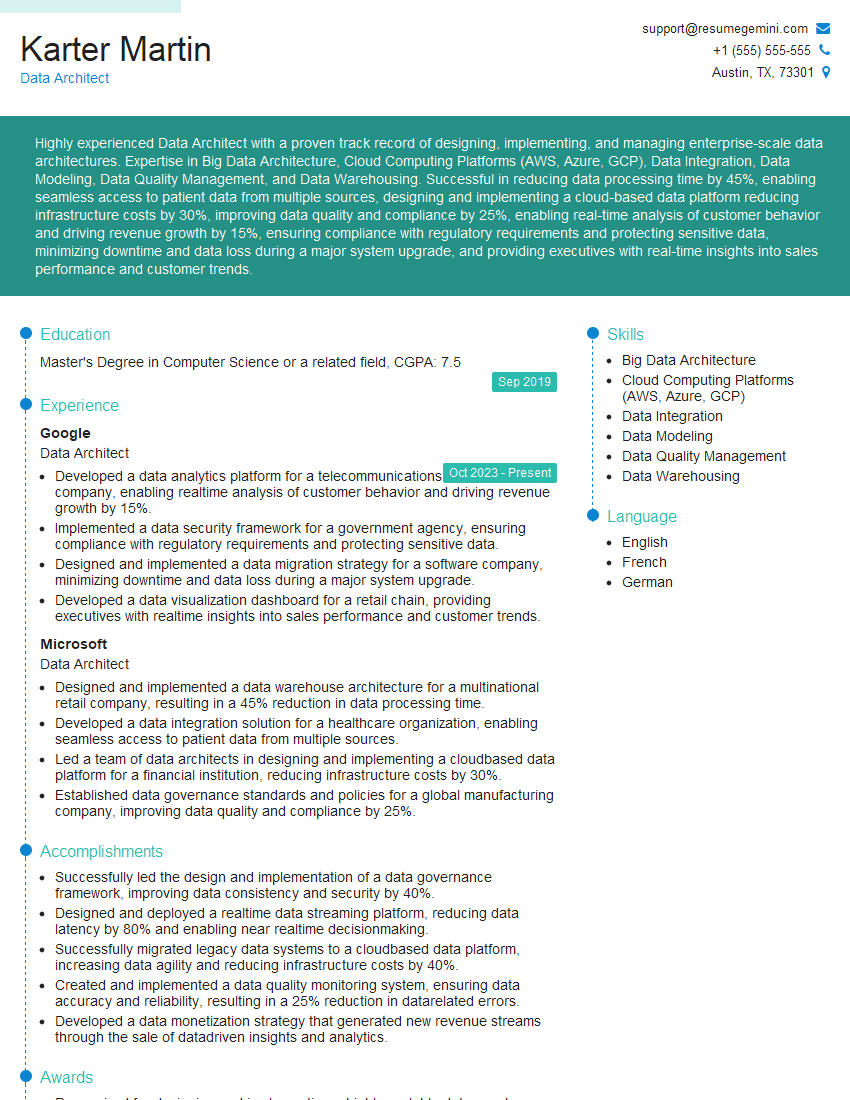
Data Architect Resume Sample
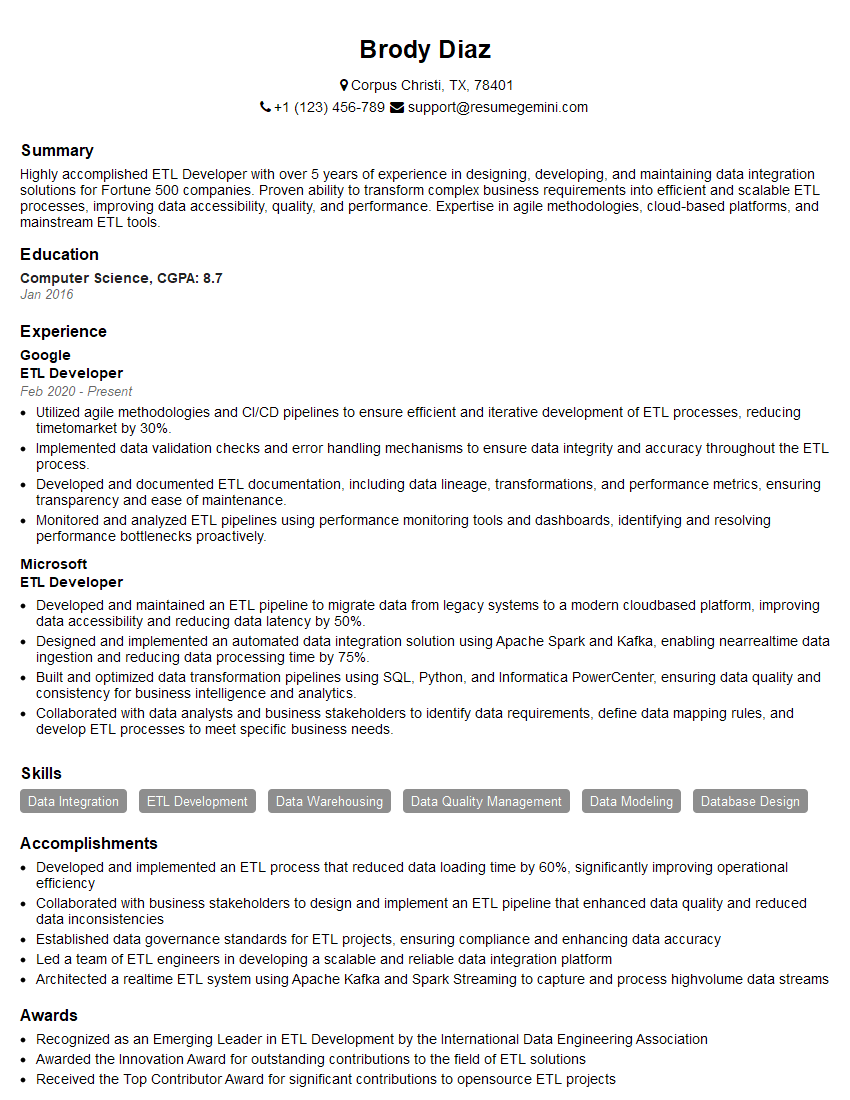
ETL Developer Resume Sample
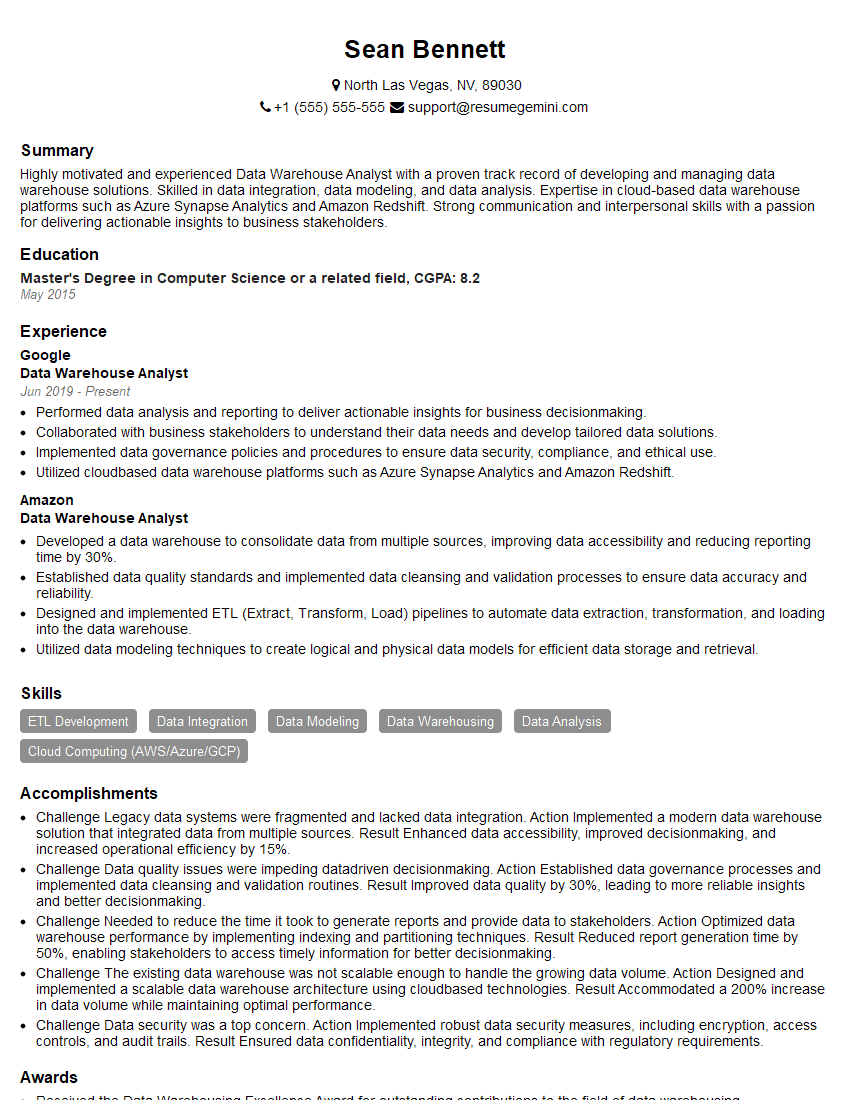
Data Warehouse Analyst Resume Sample

Data Warehouse Developer Resume Sample
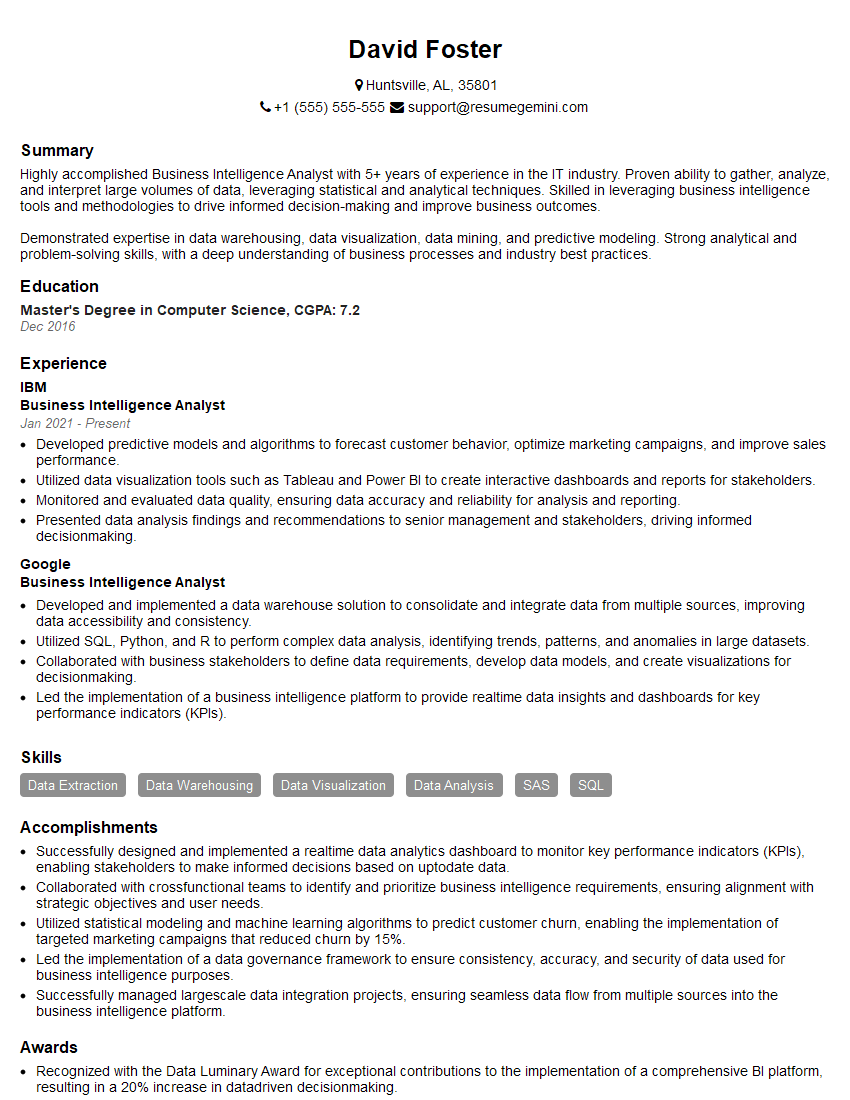
Business Intelligence Analyst Resume Sample
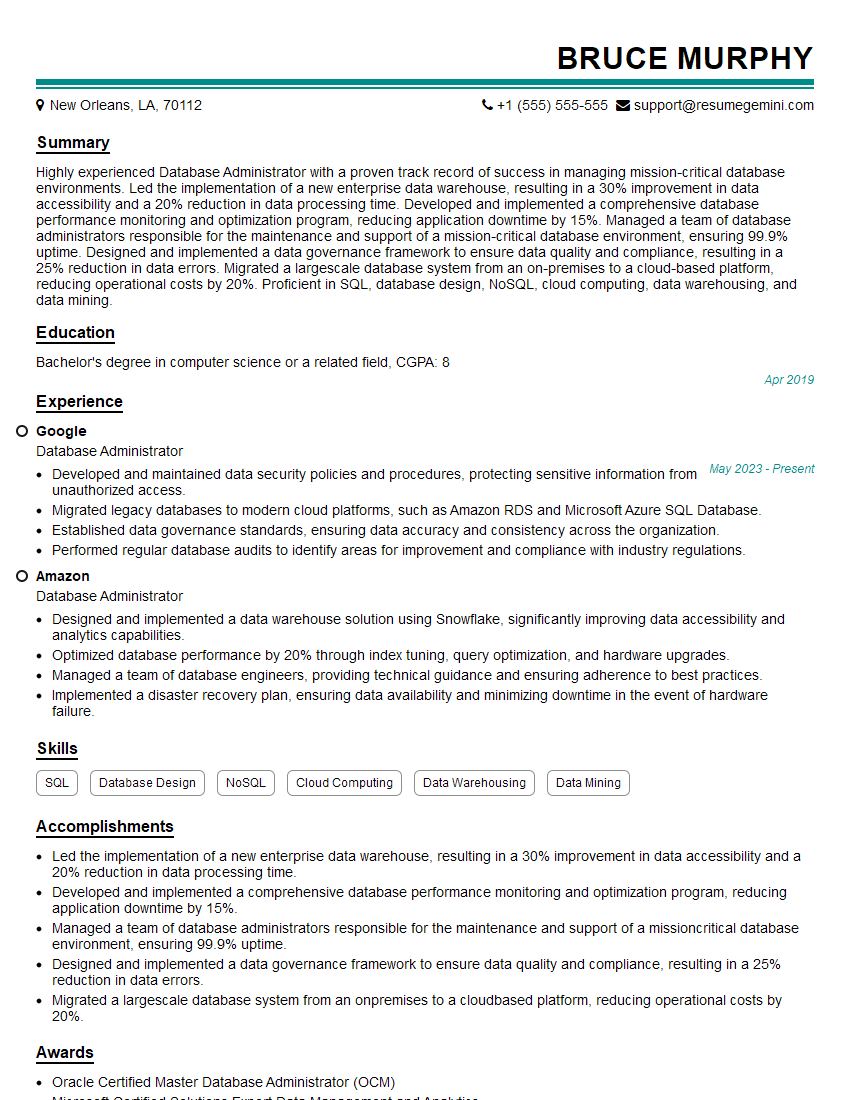
Database Administrator Resume Sample
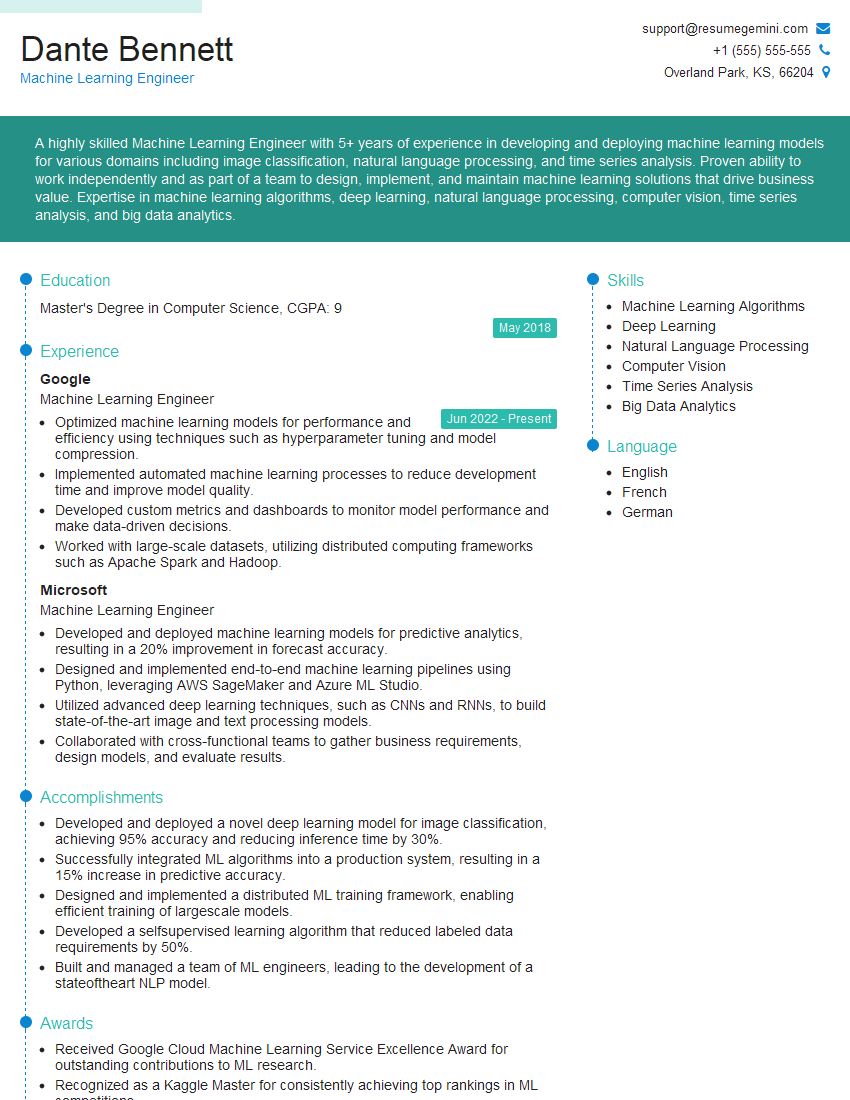
Machine Learning Engineer Resume Sample
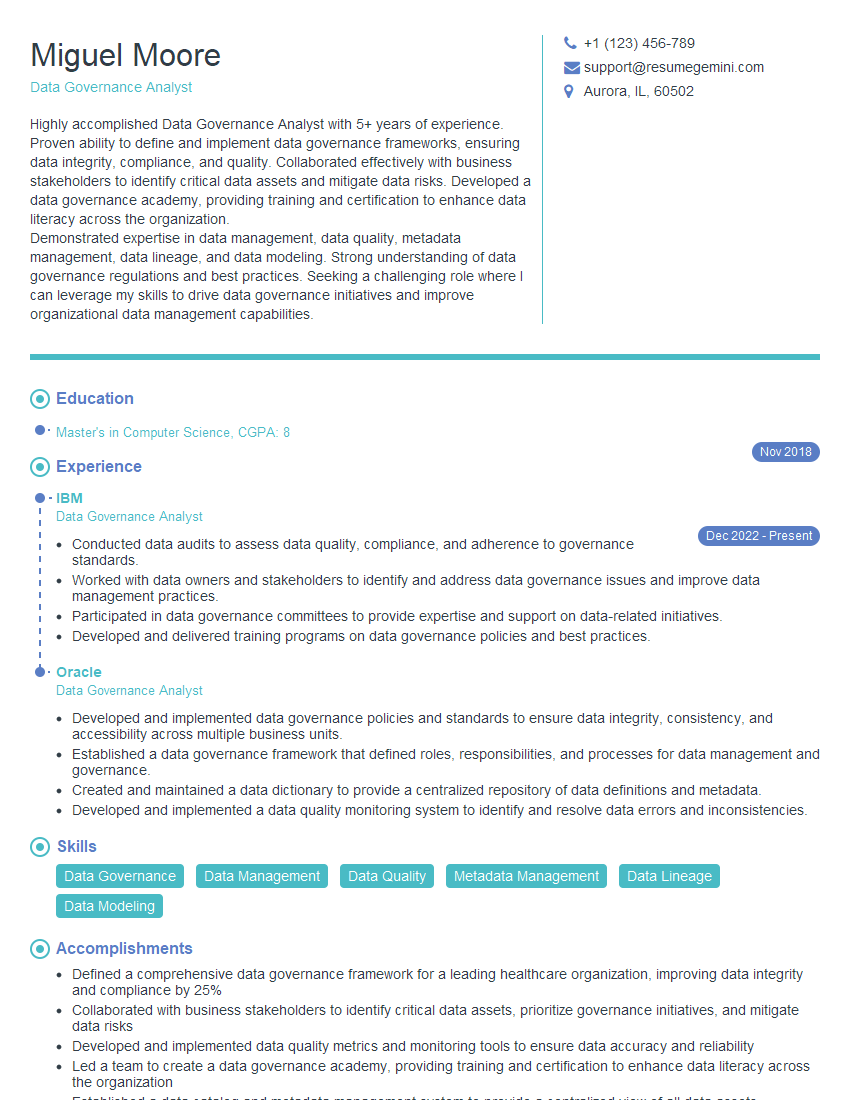
Data Governance Analyst Resume Sample
Explore more articles
Users Rating of Our Blogs
Share Your Experience
We value your feedback! Please rate our content and share your thoughts (optional).
What Readers Say About Our Blog
Hello,
we currently offer a complimentary backlink and URL indexing test for search engine optimization professionals.
You can get complimentary indexing credits to test how link discovery works in practice.
No credit card is required and there is no recurring fee.
You can find details here:
https://wikipedia-backlinks.com/indexing/
Regards
NICE RESPONSE TO Q & A
hi
The aim of this message is regarding an unclaimed deposit of a deceased nationale that bears the same name as you. You are not relate to him as there are millions of people answering the names across around the world. But i will use my position to influence the release of the deposit to you for our mutual benefit.
Respond for full details and how to claim the deposit. This is 100% risk free. Send hello to my email id: [email protected]
Luka Chachibaialuka
Hey interviewgemini.com, just wanted to follow up on my last email.
We just launched Call the Monster, an parenting app that lets you summon friendly ‘monsters’ kids actually listen to.
We’re also running a giveaway for everyone who downloads the app. Since it’s brand new, there aren’t many users yet, which means you’ve got a much better chance of winning some great prizes.
You can check it out here: https://bit.ly/callamonsterapp
Or follow us on Instagram: https://www.instagram.com/callamonsterapp
Thanks,
Ryan
CEO – Call the Monster App
Hey interviewgemini.com, I saw your website and love your approach.
I just want this to look like spam email, but want to share something important to you. We just launched Call the Monster, a parenting app that lets you summon friendly ‘monsters’ kids actually listen to.
Parents are loving it for calming chaos before bedtime. Thought you might want to try it: https://bit.ly/callamonsterapp or just follow our fun monster lore on Instagram: https://www.instagram.com/callamonsterapp
Thanks,
Ryan
CEO – Call A Monster APP
To the interviewgemini.com Owner.
Dear interviewgemini.com Webmaster!
Hi interviewgemini.com Webmaster!
Dear interviewgemini.com Webmaster!
excellent
Hello,
We found issues with your domain’s email setup that may be sending your messages to spam or blocking them completely. InboxShield Mini shows you how to fix it in minutes — no tech skills required.
Scan your domain now for details: https://inboxshield-mini.com/
— Adam @ InboxShield Mini
Reply STOP to unsubscribe
Hi, are you owner of interviewgemini.com? What if I told you I could help you find extra time in your schedule, reconnect with leads you didn’t even realize you missed, and bring in more “I want to work with you” conversations, without increasing your ad spend or hiring a full-time employee?
All with a flexible, budget-friendly service that could easily pay for itself. Sounds good?
Would it be nice to jump on a quick 10-minute call so I can show you exactly how we make this work?
Best,
Hapei
Marketing Director
Hey, I know you’re the owner of interviewgemini.com. I’ll be quick.
Fundraising for your business is tough and time-consuming. We make it easier by guaranteeing two private investor meetings each month, for six months. No demos, no pitch events – just direct introductions to active investors matched to your startup.
If youR17;re raising, this could help you build real momentum. Want me to send more info?
Hi, I represent an SEO company that specialises in getting you AI citations and higher rankings on Google. I’d like to offer you a 100% free SEO audit for your website. Would you be interested?
Hi, I represent an SEO company that specialises in getting you AI citations and higher rankings on Google. I’d like to offer you a 100% free SEO audit for your website. Would you be interested?
good