Feeling uncertain about what to expect in your upcoming interview? We’ve got you covered! This blog highlights the most important Defect Prevention and Control interview questions and provides actionable advice to help you stand out as the ideal candidate. Let’s pave the way for your success.
Questions Asked in Defect Prevention and Control Interview
Q 1. Describe your experience with different defect prevention methodologies.
My experience encompasses a wide range of defect prevention methodologies, focusing on proactive strategies rather than reactive firefighting. I’ve extensively used Design for Six Sigma (DFSS) to design products and processes with inherent quality, minimizing defects from the outset. This involves employing techniques like Failure Mode and Effects Analysis (FMEA) to identify potential failure points and mitigate risks early on. I’ve also implemented Design Reviews at various stages of the development lifecycle to catch defects before they progress. Furthermore, I have practical experience with lean manufacturing principles, focusing on eliminating waste and improving workflow efficiency to prevent errors caused by inefficient processes. For example, in a previous role, we implemented a Kanban system which dramatically reduced lead times and improved defect detection. Finally, I’ve leveraged software development methodologies like Agile, incorporating continuous integration and continuous delivery (CI/CD) pipelines which support early and frequent testing, catching many potential issues during development.
Q 2. Explain the difference between preventative and corrective actions.
The core difference lies in their focus: preventative actions aim to prevent defects from occurring in the first place, while corrective actions address defects that have already occurred. Think of it like this: preventative actions are like installing a burglar alarm to prevent a robbery, while corrective actions are like calling the police after a robbery has already happened. Preventative actions are proactive and cost-effective in the long run, reducing the need for costly corrective actions. For example, implementing robust training programs for operators is a preventative measure, while repairing a faulty machine after it has already produced defective parts is a corrective action. The ideal scenario is to minimize corrective actions by focusing on robust preventative measures.
Q 3. How do you identify root causes of defects?
Identifying root causes requires a systematic approach. I typically start by gathering data from various sources: defect reports, process documentation, operator interviews, and machine logs. Then, I utilize a structured approach like the 5 Whys technique, drilling down to the underlying cause by repeatedly asking “why” until the root cause is identified. This iterative questioning helps to uncover the fundamental issues behind a problem. For instance, if a product is failing, asking “Why is the product failing?” might lead to answers like “because the component is broken”, “because the component wasn’t properly assembled”, “because the assembly instructions were unclear”, ultimately leading to the root cause, perhaps a training gap for assembly personnel. Beyond the 5 Whys, I also use tools like Fishbone diagrams (Ishikawa diagrams) to visually map potential contributing factors, aiding in a more comprehensive understanding of the root causes.
Q 4. What are your preferred tools and techniques for root cause analysis?
My preferred tools and techniques for root cause analysis include the 5 Whys, Fishbone diagrams, Pareto charts (to identify the vital few contributing factors), and Fault Tree Analysis (FTA) for complex systems. I also find Fault Tree Analysis (FTA) valuable for complex systems. FTA helps visually represent the ways in which different failures can combine to cause a top-level system failure. Software tools supporting these techniques also aid in efficient analysis. For instance, using a dedicated FTA software allows for building complex models and performing what-if scenarios to evaluate the effectiveness of various mitigation strategies. The choice of tool depends on the complexity of the problem and the available data. For simpler issues, the 5 Whys and a Fishbone diagram might suffice, but for complex problems, FTA is better suited.
Q 5. Describe your experience with statistical process control (SPC).
My experience with Statistical Process Control (SPC) involves utilizing control charts to monitor process variation and identify potential shifts or trends indicating process instability. I’ve used SPC to track key process parameters, like defect rates, cycle times, and measurement variations. This data-driven approach is critical for identifying areas needing improvement and preventing defects. In a manufacturing setting, for example, I’ve used control charts to track the diameter of manufactured parts, alerting us to potential issues before a batch of defective parts was produced, allowing for immediate corrective action. SPC is not only useful for reactive analysis; it also helps in determining process capability and setting control limits to maintain consistent quality.
Q 6. Explain your understanding of control charts and their applications.
Control charts are graphical tools used in SPC to monitor process variation over time. They plot data points against control limits (upper and lower control limits), helping to distinguish between common cause variation (inherent to the process) and special cause variation (indicating assignable causes). Different types of control charts are used depending on the type of data: X-bar and R charts for continuous data, p-charts for attribute data (proportions), and c-charts for attribute data (counts). For example, an X-bar and R chart would be used to monitor the average weight and range of packages, identifying outliers that might signify a problem with the packaging process. Control charts are crucial for timely identification of process instability, allowing for swift corrective actions to prevent widespread defects.
Q 7. How do you measure the effectiveness of defect prevention initiatives?
Measuring the effectiveness of defect prevention initiatives involves tracking key metrics before and after implementing the initiatives. This includes measuring the defect rate, the number of defects per unit, the cost of defects, and customer complaints. I use a combination of quantitative and qualitative data to provide a comprehensive assessment. Quantitative data, like the defect rate, provides clear, measurable improvements. Qualitative data, from surveys or feedback, assesses the impact on employee morale and process efficiency. For example, a reduction in the defect rate from 10% to 2% is a strong quantitative indicator of success. Alongside this, feedback from production staff confirming improvements in process flow validates the effectiveness of implemented changes. Regular monitoring and reporting are essential to track progress and identify any areas needing further attention.
Q 8. What key performance indicators (KPIs) do you use to track quality?
Tracking quality effectively requires a multifaceted approach using several Key Performance Indicators (KPIs). These metrics provide a clear picture of our progress and highlight areas needing attention. I typically focus on a combination of KPIs, tailoring the specific metrics to the project’s context. For example:
Defect Density: This measures the number of defects found per lines of code or per unit of functionality. A lower defect density indicates higher quality. For example, a project with 10 defects per 1000 lines of code has a higher defect density than one with only 5 defects per 1000 lines.
Defect Removal Efficiency (DRE): This KPI tracks the percentage of defects identified and fixed during different phases of the software development lifecycle (SDLC). A higher DRE suggests effective testing and prevention strategies. Ideally, we aim for a DRE as close to 100% as possible, although this is rarely achievable in reality.
Mean Time To Failure (MTTF): This measures the average time between failures of a system. A high MTTF indicates higher reliability and robustness. In a real-world example, if software crashes every 10 hours on average, we’ll have a lower MTTF than software crashing only once every 1000 hours.
Customer Satisfaction (CSAT): While not directly a measure of code quality, CSAT is a crucial indicator of overall product quality and reflects how well our product meets user expectations.
Test Case Effectiveness: This measures the percentage of defects found by test cases, giving insights into the effectiveness of our testing strategy. For instance, if 80% of defects are found through testing, it highlights the value of our testing processes.
By monitoring these KPIs, we can identify trends, pinpoint areas for improvement, and measure the success of implemented defect prevention and control strategies.
Q 9. Describe your experience with Failure Mode and Effects Analysis (FMEA).
Failure Mode and Effects Analysis (FMEA) is a proactive risk assessment technique used to identify potential failure modes in a system or process and to assess their potential effects. I have extensive experience conducting FMEA across diverse projects, from automotive systems to software applications. My experience includes leading FMEA workshops, facilitating team discussions, and developing robust mitigation plans.
In past projects, I’ve utilized FMEA to analyze the manufacturing process of a medical device, identifying potential failures in the assembly line and implementing corrective actions to reduce the risk of defects. This helped us achieve a significant reduction in production errors and improve the overall reliability of the device.
Another example is its application in software development. By applying FMEA to the design of a new software feature, we identified potential issues with database integration and planned for robust error handling which minimized negative impact on end-users.
Q 10. How do you implement FMEA in a project?
Implementing FMEA in a project involves a structured approach that typically includes these steps:
Define the System/Process: Clearly define the system or process to be analyzed, setting the scope and boundaries of the FMEA.
Form a Team: Assemble a multidisciplinary team with expertise in different aspects of the system or process. Diverse perspectives are critical for identifying potential failure modes.
Identify Potential Failure Modes: Brainstorm potential failure modes for each component or step within the system. Use techniques like brainstorming, checklists, and historical data to identify these modes.
Assess Severity, Occurrence, and Detection: For each failure mode, assign a severity rating (how serious the effect would be), an occurrence rating (how likely the failure mode is to occur), and a detection rating (how likely the failure mode is to be detected before it affects the customer).
Calculate the Risk Priority Number (RPN): The RPN is calculated by multiplying the severity, occurrence, and detection ratings. Higher RPN values indicate higher-risk failure modes.
Develop and Implement Actions: Based on the RPN, prioritize the failure modes and develop corrective actions to mitigate the risks. These actions might include design modifications, process improvements, or additional testing.
Verify Effectiveness: After implementing the corrective actions, verify their effectiveness by monitoring the relevant KPIs and reassessing the RPN.
Throughout the process, meticulous documentation is crucial. The FMEA should be reviewed and updated regularly, especially when design changes or process improvements are implemented.
Q 11. Explain your experience with Design of Experiments (DOE).
Design of Experiments (DOE) is a statistical methodology used to identify the factors that significantly influence the outcome of a process or system. I have extensive experience using DOE in optimizing processes and identifying the root causes of defects. My expertise includes selecting appropriate DOE designs, analyzing the results, and implementing the findings to improve product quality and reduce variation.
For instance, in a past project involving the manufacturing of a plastic component, we used a factorial DOE to investigate the impact of temperature, pressure, and molding time on the strength of the component. This allowed us to identify the optimal settings for these factors, resulting in a significant improvement in component strength and a reduction in defects due to part failures.
Another instance is in software testing where I used DOE to determine the most effective test suite configurations for maximizing defect detection while minimizing testing time. This led to a more efficient and effective testing process.
Q 12. How do you utilize data to identify trends and predict potential defects?
Data analysis is at the heart of effective defect prevention and control. I utilize various statistical techniques and data visualization tools to identify trends and predict potential defects. My approach typically involves:
Data Collection: Collecting relevant data from various sources such as defect tracking systems, test results, customer feedback, and manufacturing logs.
Data Cleaning and Transformation: Preparing the data for analysis by cleaning it, handling missing values, and transforming it into a suitable format.
Exploratory Data Analysis (EDA): Using statistical techniques and visualization tools like histograms, scatter plots, and control charts to explore the data, identify patterns, and detect anomalies.
Statistical Process Control (SPC): Employing control charts to monitor process variation and identify deviations from expected behavior, which can indicate the presence of defects.
Predictive Modeling: Using regression analysis or machine learning techniques to develop predictive models that can anticipate potential defects based on historical data.
For example, by analyzing defect data over time, I might identify a seasonal trend in a particular type of defect, allowing for proactive measures to be implemented during those periods. Or, by using predictive modeling, we can forecast the likelihood of defects based on specific input variables. This allows for early interventions and minimizes the overall impact.
Q 13. How do you prioritize defects based on severity and risk?
Prioritizing defects is a critical aspect of defect management. I utilize a risk-based approach, considering both severity and risk when prioritizing defects. Severity refers to the impact of a defect on the system or the user, while risk considers the likelihood of the defect occurring and its potential consequences. I typically use a matrix or scoring system to assess both factors. For example:
A simple approach involves assigning scores to severity (e.g., 1-low, 3-high) and likelihood (e.g., 1-low, 3-high). The product of the two values becomes the priority score. Defects with a higher priority score are addressed first.
A more advanced method would incorporate potential business impact and cost of fixing the defect. For example, a defect with a lower severity but a high likelihood of occurring and significant cost of remediation may receive a higher priority than one with higher severity but lower likelihood. I’ve also used risk matrices that visually represent severity and probability, providing a clear visual for prioritizing defects.
This ensures that the most critical defects, those with the highest potential to cause the most significant harm or disruption, are addressed first, efficiently allocating resources and minimizing overall risk.
Q 14. Describe your experience with quality management systems (QMS).
Quality Management Systems (QMS) are crucial for ensuring consistent product quality. I’ve worked extensively with various QMS frameworks, including ISO 9001, and have experience in implementing and maintaining these systems. This includes developing quality procedures, conducting internal audits, and implementing corrective and preventive actions.
In a previous role, I was responsible for implementing ISO 9001 within a manufacturing facility. This involved documenting all processes, establishing quality control procedures, and training personnel on the requirements of the standard. This resulted in improved product consistency and reduced waste. The key to success was a highly collaborative approach, training employees to embrace QMS as a means of continuous improvement rather than burdensome compliance.
Furthermore, my experience includes working within agile environments, adapting QMS principles to align with agile methodologies. This focuses on integrating quality practices throughout the development process rather than treating them as separate phases. This means implementing continuous testing, quick feedback loops, and a strong focus on delivering high-quality increments.
Q 15. What is your experience with ISO 9001 or other quality standards?
Throughout my career, I’ve worked extensively with ISO 9001 and other quality management systems. Understanding and implementing these standards is fundamental to defect prevention and control. ISO 9001, for example, provides a framework for establishing, implementing, maintaining, and continually improving a quality management system. My experience includes not only understanding the requirements of the standard but also actively participating in audits, both internal and external, ensuring compliance and identifying areas for improvement. I’ve been involved in developing and maintaining quality manuals, procedures, and work instructions aligned with these standards. This involved documenting processes, defining responsibilities, and establishing metrics to monitor performance. Furthermore, my experience extends to other quality standards relevant to specific industries, ensuring a comprehensive approach to quality assurance.
For instance, in a previous role, I led the implementation of ISO 9001 in a manufacturing facility. This involved training employees, establishing a robust documentation system, and integrating the standards into daily operations. The result was a significant reduction in non-conformances and improved customer satisfaction.
Career Expert Tips:
- Ace those interviews! Prepare effectively by reviewing the Top 50 Most Common Interview Questions on ResumeGemini.
- Navigate your job search with confidence! Explore a wide range of Career Tips on ResumeGemini. Learn about common challenges and recommendations to overcome them.
- Craft the perfect resume! Master the Art of Resume Writing with ResumeGemini’s guide. Showcase your unique qualifications and achievements effectively.
- Don’t miss out on holiday savings! Build your dream resume with ResumeGemini’s ATS optimized templates.
Q 16. How do you communicate effectively about quality issues to different stakeholders?
Effective communication about quality issues is crucial. My approach involves tailoring the message to the audience. For engineers, I use technical language and data to explain the issue, its root cause, and proposed solutions. With management, I focus on the impact on the project timeline, budget, and overall business goals. For customers, I communicate clearly and empathetically, emphasizing how the issue will be resolved and steps taken to prevent recurrence. I always prioritize transparency and honesty, ensuring all stakeholders are informed and involved in the process. I use visual aids, like charts and graphs, to simplify complex information and make it easily understandable.
For example, when a critical defect was discovered, I prepared a detailed report outlining the issue, its impact, the corrective actions being implemented, and the preventative measures to avoid future occurrences. This report was then shared with the relevant teams and stakeholders, ensuring everyone was aligned on the resolution and mitigation strategies.
Q 17. Describe a time you successfully prevented a significant defect.
In a previous project involving the development of a medical device, a potential defect was identified in the software controlling the device’s critical functions. During the design review phase, I noticed a flaw in the algorithm handling a specific error condition. This could have led to inaccurate readings and potentially dangerous consequences for patients. Instead of waiting for the issue to appear later in testing, I raised my concerns immediately. I presented my findings using a combination of code analysis, simulations, and risk assessment. This proactive approach led to the early identification and correction of the defect before it moved into the testing phase, saving significant time, resources, and potential reputational damage. The team appreciated my thoroughness and proactive identification of the potential problem.
Q 18. How do you handle disagreements with engineers on quality issues?
Disagreements on quality issues are inevitable, but they can be constructively resolved. My approach focuses on collaboration and data-driven decision-making. I initiate a discussion where all parties can present their perspectives and supporting evidence. This often involves reviewing test results, specifications, and risk assessments. The goal is to find common ground and reach a consensus based on facts and objective evidence, not personal opinions. If a resolution can’t be reached, I escalate the issue to a senior manager to facilitate a more informed decision. Maintaining a respectful and professional demeanor is paramount throughout this process.
For example, I once had a disagreement with an engineer regarding a seemingly minor design flaw. By presenting data demonstrating the potential long-term consequences of overlooking the issue, I was able to convince the engineer of the necessity for the modification.
Q 19. How do you balance the speed of production with maintaining quality?
Balancing speed and quality requires a strategic approach. Rushing the development process often leads to shortcuts that compromise quality. My strategy involves early and thorough planning, risk assessment, and proactive defect prevention. This includes establishing clear quality goals, using efficient development methodologies (such as Agile), and implementing robust testing procedures. Automation of testing processes can also significantly improve efficiency without sacrificing quality. We also need to prioritize the most critical functionalities and address higher-risk areas first. Regular monitoring of quality metrics and timely adjustments to the process are essential to maintaining a balance between speed and quality.
For instance, in a fast-paced software project, we implemented automated unit tests to quickly identify and fix defects during development, enabling faster release cycles without compromising code quality.
Q 20. Explain your experience with process audits and their purpose.
Process audits are systematic and independent examinations to determine whether quality processes are effective and conform to requirements. My experience includes conducting and participating in both internal and external audits. Internal audits help identify areas for improvement within the organization. External audits verify compliance with external standards like ISO 9001. During an audit, I review documentation, observe processes, and interview personnel to assess effectiveness and compliance. The purpose is to identify weaknesses, improve processes, and ensure that the quality system is functioning as intended. Audits provide valuable feedback and contribute to continuous improvement.
For example, in one project, a process audit revealed an inconsistency in the calibration of testing equipment. This led to improvements in the calibration process, ensuring more reliable test results and improved product quality.
Q 21. Describe your experience with corrective and preventative actions (CAPA).
Corrective and Preventative Actions (CAPA) is a systematic process for addressing quality issues. My experience encompasses the entire CAPA lifecycle, from identifying and investigating deviations to implementing corrective actions and preventative measures. This involves thoroughly investigating the root cause of the problem using techniques like 5 Whys or Fishbone diagrams. Once the root cause is identified, effective corrective actions are implemented to address the immediate problem, and preventative actions are taken to prevent recurrence. The effectiveness of the CAPA is then monitored and documented, providing valuable insights for continuous improvement. Proper documentation of the entire process is critical to demonstrate compliance and track improvements.
For instance, we used a CAPA process to address a recurring issue in the manufacturing of a component. After a thorough investigation, we identified a problem with the training provided to the production staff. By implementing revised training and adjusting the production process, we successfully eliminated the recurring problem.
Q 22. How do you develop and implement corrective actions for defects?
Developing and implementing corrective actions for defects is a crucial part of any robust quality control system. It’s not just about fixing the immediate problem; it’s about preventing it from recurring. My approach involves a structured, multi-step process:
- Identify the Root Cause: This is the most critical step. We use tools like the 5 Whys, Fishbone diagrams (Ishikawa diagrams), and Pareto analysis to drill down to the underlying cause of the defect, not just the symptoms. For instance, if a product is consistently failing a certain test, the 5 Whys might reveal a flawed design specification as the root cause, rather than just a faulty component.
- Develop Corrective Actions: Once the root cause is identified, we develop specific, measurable, achievable, relevant, and time-bound (SMART) corrective actions. This might involve revising design specifications, improving training protocols, updating equipment, or changing manufacturing processes. Each action should directly address the identified root cause.
- Implement Corrective Actions: The corrective actions are implemented systematically, often with a pilot program to test their effectiveness before full-scale deployment. Thorough documentation is essential at this stage.
- Verify Effectiveness: After implementation, we closely monitor the impact of the corrective actions. We use relevant metrics, such as defect rates, rework rates, and customer complaints, to assess whether the actions are effective in preventing the defect from recurring. This may involve statistical process control (SPC) techniques.
- Document and Communicate: All corrective actions, their implementation, and their effectiveness are meticulously documented and communicated to relevant stakeholders. This ensures transparency and helps to prevent similar issues in the future.
For example, in a previous role, we experienced recurring software bugs due to inconsistent coding practices. Using the 5 Whys, we traced this back to insufficient training on coding standards. Our corrective action involved a comprehensive retraining program, followed by regular code reviews. We monitored the defect rate, which subsequently dropped significantly, validating the effectiveness of our actions.
Q 23. How familiar are you with different types of quality control charts (e.g., X-bar and R, p-chart, c-chart)?
I’m very familiar with various control charts used in statistical process control (SPC). These charts are invaluable for monitoring process stability and identifying potential problems early on. Here are some examples:
- X-bar and R chart: Used for monitoring the mean (X-bar) and range (R) of continuous data. These charts are excellent for tracking variables like dimensions, weights, or temperatures. For example, we might use an X-bar and R chart to monitor the diameter of machined parts, identifying potential drift in the machining process before it leads to widespread defects.
- p-chart: Used for monitoring the proportion of nonconforming units in a sample. This is useful for attributes data, such as the percentage of defective items in a batch. Imagine using a p-chart to monitor the percentage of defective circuit boards produced in an electronics manufacturing plant.
- c-chart: Used to monitor the number of defects per unit. This is different from the p-chart because it focuses on the number of defects in a single unit, rather than the proportion of defective units. For instance, you might use a c-chart to track the number of scratches on a car’s paintwork.
Understanding the appropriate chart for different types of data is crucial for effective process monitoring. Misusing a chart can lead to incorrect conclusions and ineffective corrective actions.
Q 24. How do you ensure the effectiveness of training programs for quality control?
Effective training is paramount for ensuring a successful quality control program. My approach to ensuring effectiveness involves several key elements:
- Needs Assessment: Before designing any training program, a thorough needs assessment is conducted to identify the specific skills and knowledge gaps among the employees. This might involve surveys, interviews, or observations.
- Relevant Content: The training curriculum should be tailored to address the identified needs and include real-world examples and scenarios relevant to the employees’ tasks. Interactive elements, like simulations and case studies, significantly improve engagement and knowledge retention.
- Effective Delivery Methods: A variety of delivery methods—lectures, hands-on workshops, online modules, and on-the-job training—should be used to cater to different learning styles. This is crucial for maximizing comprehension and knowledge retention.
- Assessment and Feedback: Regular assessments, such as quizzes, practical exercises, and post-training evaluations, are used to gauge the effectiveness of the training and provide constructive feedback to participants. This feedback loop is critical for continuous improvement.
- Continuous Improvement: Training programs aren’t static; they should be reviewed and updated regularly based on feedback and the evolving needs of the organization. This ensures the training remains relevant and effective.
In a past role, we redesigned our quality control training program by incorporating interactive simulations and case studies reflecting actual production issues. This led to a noticeable improvement in employees’ problem-solving skills and a decrease in defect rates.
Q 25. Describe your experience with using quality management software.
I have extensive experience using various quality management software (QMS) solutions, including [mention specific software like Minitab, JMP, Six Sigma software]. These tools are essential for managing quality data, tracking defects, performing statistical analysis, and implementing corrective actions. My experience encompasses:
- Data Management: Efficiently collecting, storing, and analyzing quality data to identify trends and patterns.
- Defect Tracking: Using the software to track defects throughout the entire process, from identification to resolution.
- Statistical Analysis: Leveraging the statistical capabilities of the software to perform analyses like control charts, capability studies, and hypothesis testing.
- Reporting and Dashboards: Creating customized reports and dashboards to visualize key quality metrics and provide insights to management.
- Integration with other systems: Integrating the QMS software with other enterprise systems, such as ERP and CRM, to facilitate seamless data flow.
For example, I’ve used [Specific software] to streamline our defect reporting process, leading to a significant reduction in the time it takes to identify and resolve quality issues. The ability to generate automated reports provided a clear overview of our quality performance, allowing for data-driven decision-making.
Q 26. How do you use risk assessment in your defect prevention strategies?
Risk assessment is fundamental to effective defect prevention. It helps prioritize efforts by identifying potential failure points and their associated risks. My approach involves:
- Identify Potential Failure Modes: We systematically identify all potential points of failure within the process, using tools like Failure Mode and Effects Analysis (FMEA). This involves brainstorming potential problems and their potential consequences.
- Assess Risk Severity: For each identified failure mode, we assess its severity (how serious is the consequence?), occurrence (how likely is it to occur?), and detectability (how easy is it to detect?). This is often done using a risk matrix.
- Prioritize Actions: We prioritize corrective actions based on the calculated risk levels. High-risk failure modes receive immediate attention, while lower-risk modes may be addressed later.
- Implement Controls: Once risks are prioritized, we implement appropriate controls to mitigate them. This could involve process changes, design improvements, additional inspections, or training.
- Monitor Effectiveness: The effectiveness of implemented controls is regularly monitored to ensure they continue to be effective and to adapt as needed.
For example, in a previous project involving a complex assembly process, FMEA revealed a high risk of component misalignment. By implementing a new fixture and additional operator training, we successfully mitigated this risk and prevented potential product failures.
Q 27. How do you incorporate customer feedback into your defect prevention processes?
Customer feedback is an invaluable source of information for defect prevention. It provides direct insights into areas where products or services are falling short. My approach to incorporating customer feedback involves:
- Establish Feedback Channels: Implementing multiple channels for collecting customer feedback, including surveys, feedback forms, customer service interactions, and social media monitoring.
- Analyze Feedback: Systematically analyzing feedback to identify recurring themes, trends, and specific defects. Tools like sentiment analysis can be used to understand the emotional tone of the feedback.
- Categorize and Prioritize: Categorizing feedback based on the nature of the issue and prioritizing issues based on their severity and frequency.
- Implement Corrective Actions: Developing and implementing corrective actions based on the analyzed feedback. This might involve design changes, improved instructions, or changes to customer service procedures.
- Measure Effectiveness: Tracking key metrics after implementing corrective actions to assess their effectiveness in reducing customer complaints and improving customer satisfaction.
In a previous role, customer feedback revealed issues with the usability of our software. By analyzing this feedback, we identified specific areas for improvement and implemented design changes. This resulted in an increase in customer satisfaction and reduced negative reviews.
Q 28. What is your experience with implementing and improving quality control processes?
I have extensive experience in implementing and improving quality control processes across various industries. My experience includes:
- Process Mapping: Developing detailed process maps to visualize workflows and identify potential bottlenecks or points of failure.
- Statistical Process Control (SPC): Implementing SPC techniques to monitor process stability and identify areas for improvement. This involves using control charts and other statistical tools to track key metrics.
- Root Cause Analysis: Utilizing various root cause analysis techniques (e.g., 5 Whys, Fishbone diagrams, Pareto analysis) to identify the underlying causes of defects.
- Corrective and Preventive Actions (CAPA): Developing and implementing CAPA plans to prevent defects from recurring.
- Continuous Improvement Initiatives: Leading and participating in continuous improvement initiatives such as Lean and Six Sigma projects to optimize processes and reduce waste.
- Metrics and Reporting: Developing and tracking key quality metrics to monitor performance and identify areas for improvement. This involves creating regular reports and dashboards to communicate performance to stakeholders.
For instance, in one project, we implemented a Lean manufacturing approach to reduce lead times and improve efficiency. Through value stream mapping and process optimization, we were able to reduce production time by 20% and simultaneously improve product quality. In another project, we successfully implemented a Six Sigma DMAIC (Define, Measure, Analyze, Improve, Control) project to reduce defect rates in a manufacturing process by over 75%.
Key Topics to Learn for Defect Prevention and Control Interview
- Understanding Defect Prevention Methodologies: Explore various approaches like DMAIC, Six Sigma, and PDCA cycles. Understand their practical implementation in software development or manufacturing contexts.
- Statistical Process Control (SPC): Learn to interpret control charts, understand process capability indices (Cp, Cpk), and apply these techniques to identify and prevent defects.
- Root Cause Analysis (RCA): Master techniques like the 5 Whys, Fishbone diagrams (Ishikawa diagrams), and Fault Tree Analysis to effectively pinpoint the root causes of defects and implement corrective actions.
- Design for Reliability and Maintainability (DRM): Understand how design choices impact defect rates and overall product reliability. Discuss strategies for incorporating reliability considerations into the design phase.
- Defect Tracking and Reporting Systems: Gain familiarity with various defect tracking tools and the importance of accurate and consistent reporting for effective defect prevention and control.
- Process Improvement and Optimization: Discuss strategies for continuous improvement, including data analysis, process mapping, and the implementation of corrective and preventive actions.
- Software Testing Methodologies in Defect Prevention: Explore the role of various testing methods (unit, integration, system, acceptance) in identifying and preventing defects throughout the software development lifecycle.
- Metrics and KPIs for Defect Prevention: Understand key performance indicators (KPIs) used to track defect rates, identify trends, and measure the effectiveness of defect prevention strategies. Learn how to interpret and present this data effectively.
Next Steps
Mastering Defect Prevention and Control is crucial for career advancement in many industries. Demonstrating expertise in these areas significantly enhances your value to employers, opening doors to more challenging and rewarding roles. To maximize your job prospects, it’s vital to create a compelling, ATS-friendly resume that highlights your relevant skills and experience. ResumeGemini is a trusted resource that can help you build a professional and effective resume, tailored to showcase your capabilities in Defect Prevention and Control. Examples of resumes tailored to this field are available to guide you. Take the next step towards your career success!
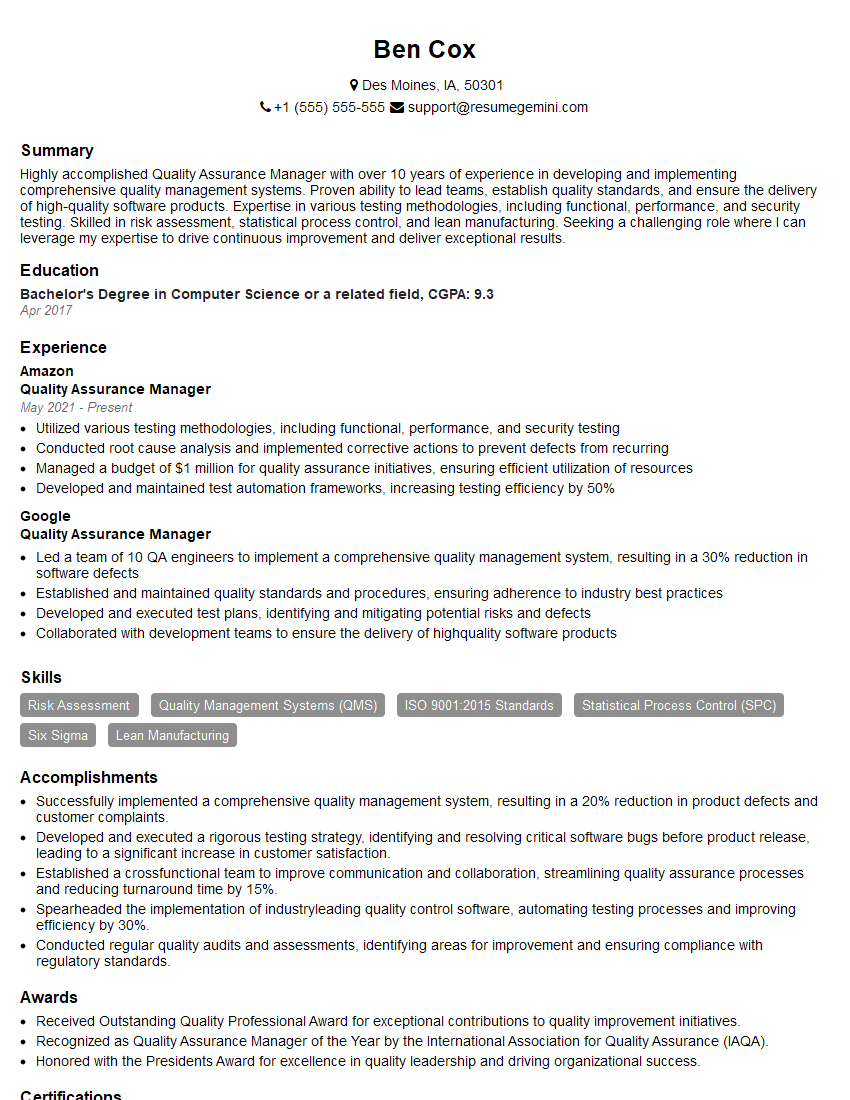
Quality Assurance Manager Resume Sample
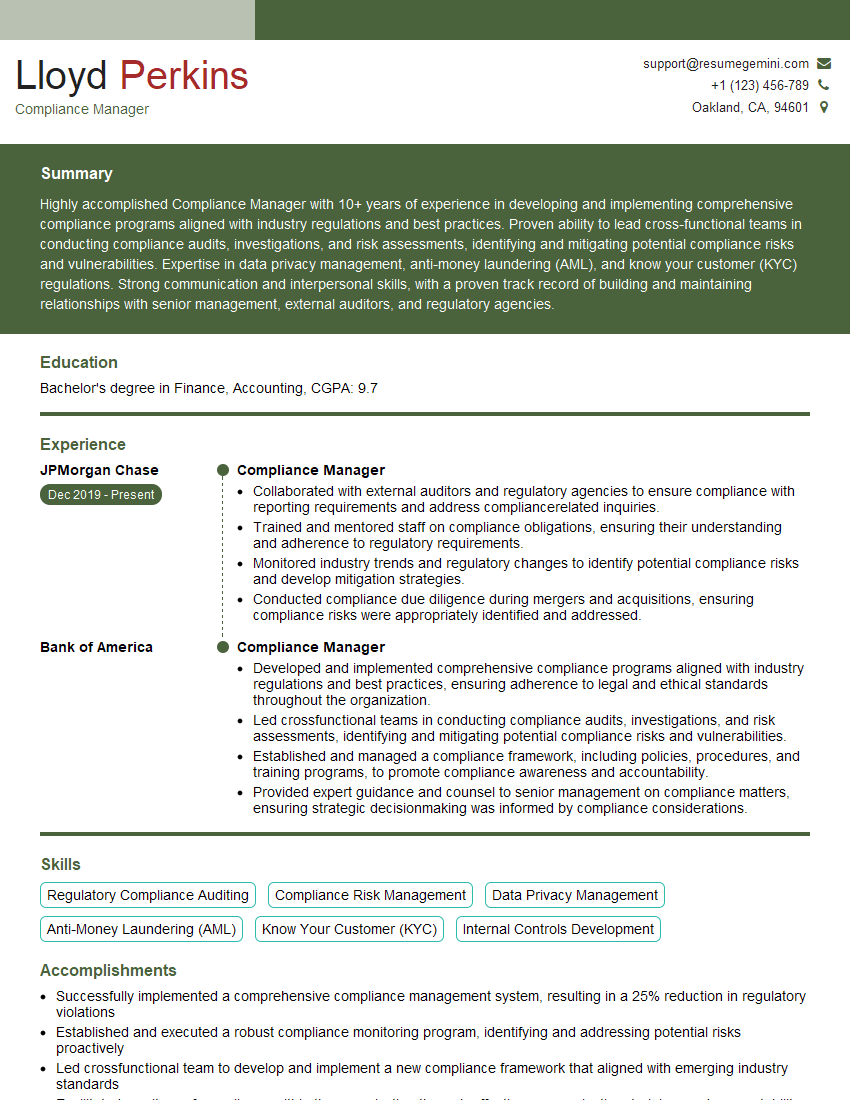
Compliance Manager Resume Sample
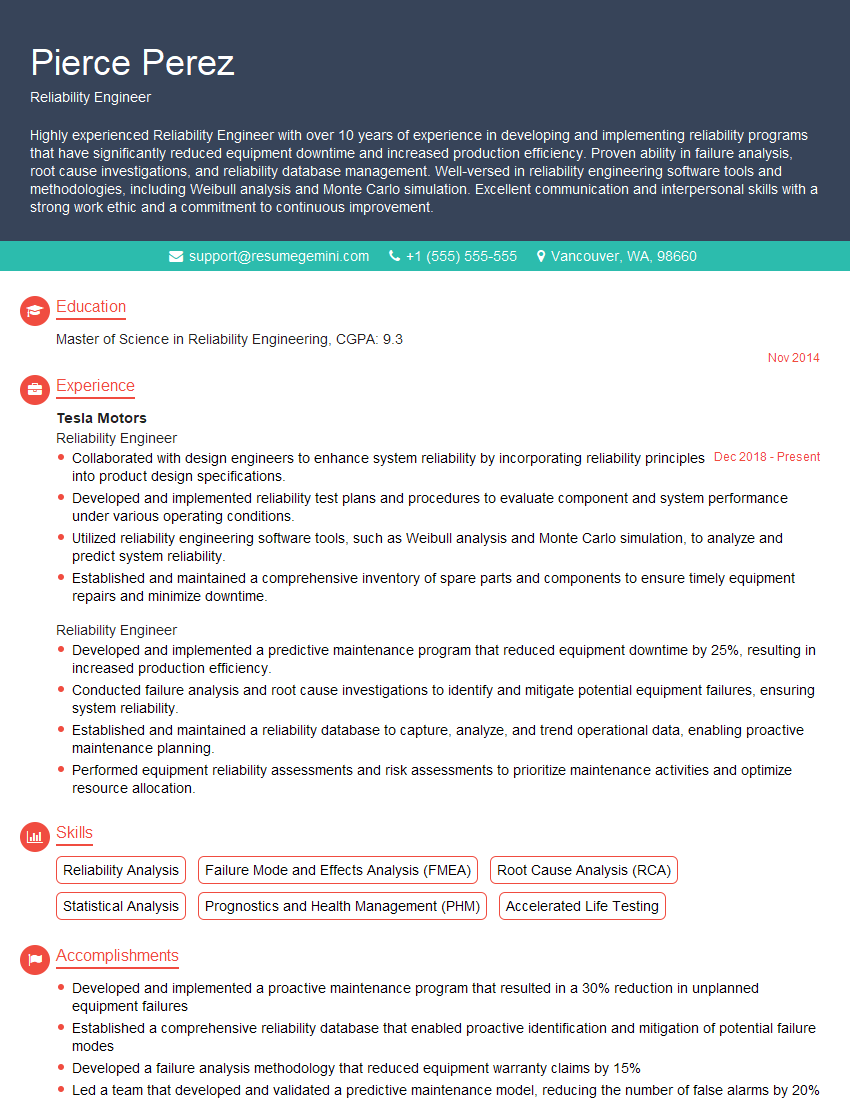
Reliability Engineer Resume Sample
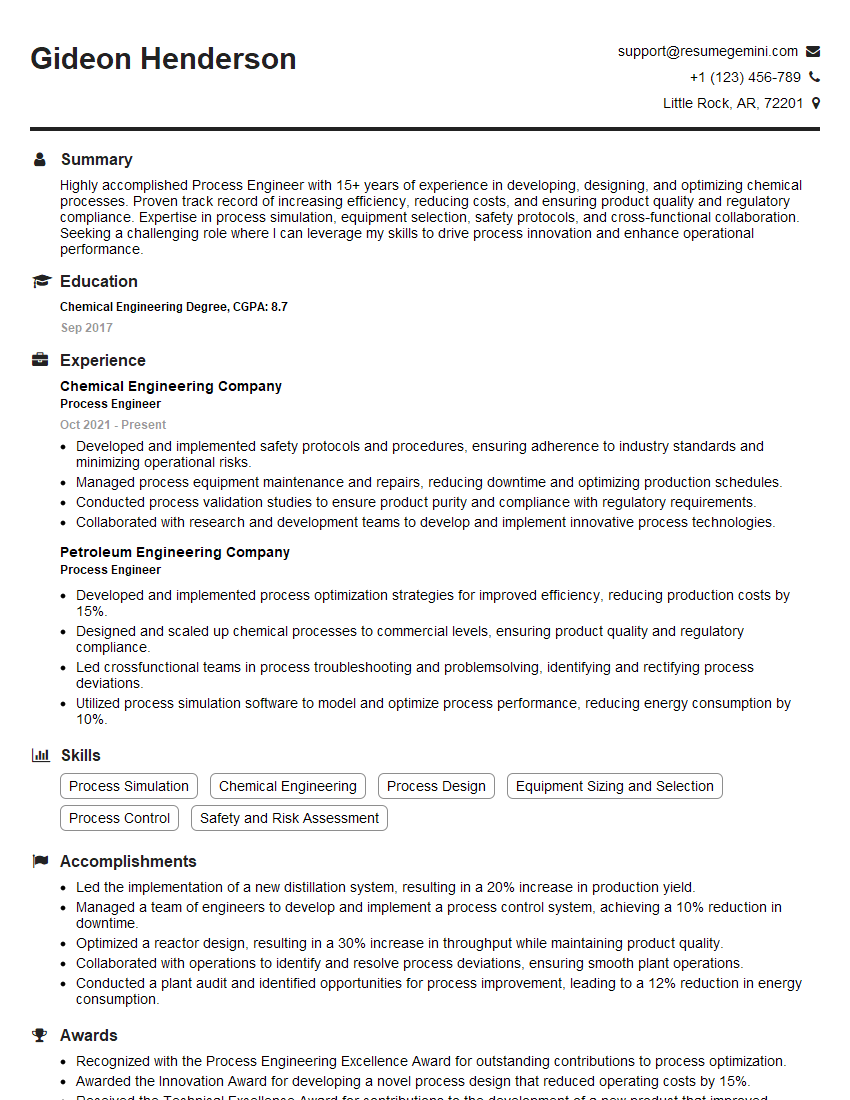
Process Engineer Resume Sample
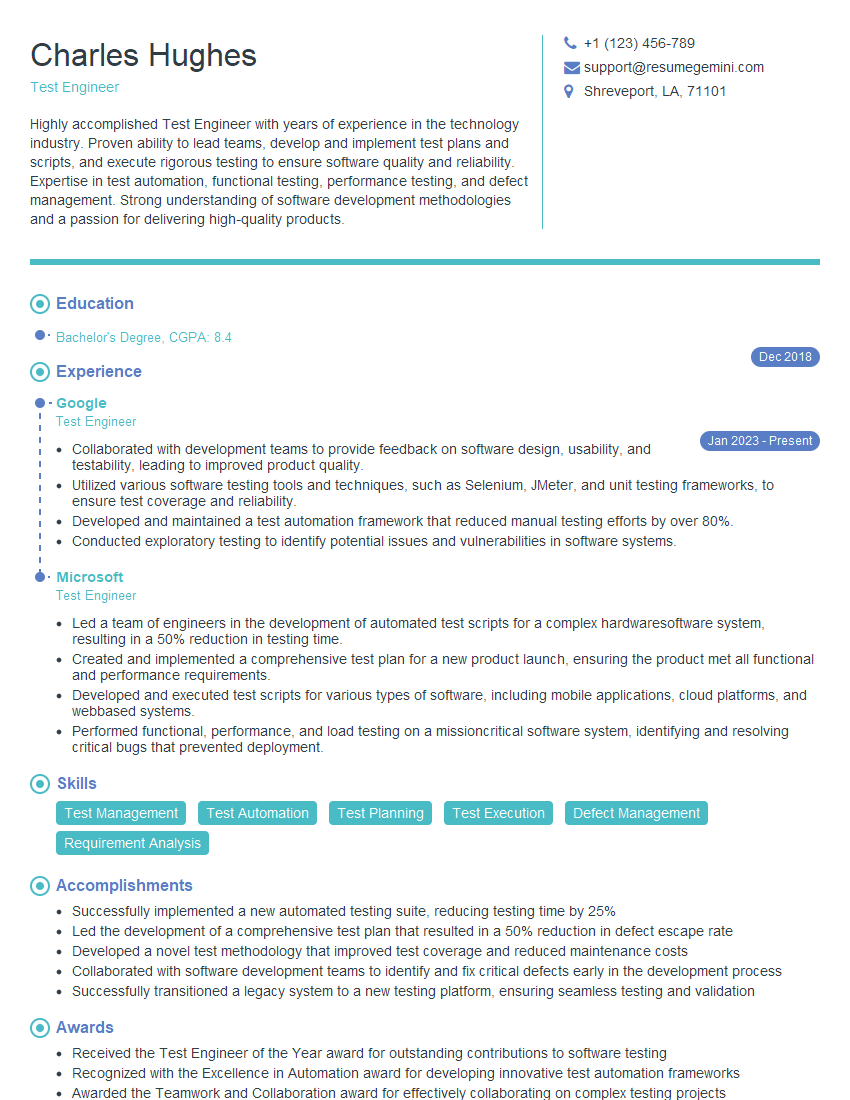
Test Engineer Resume Sample
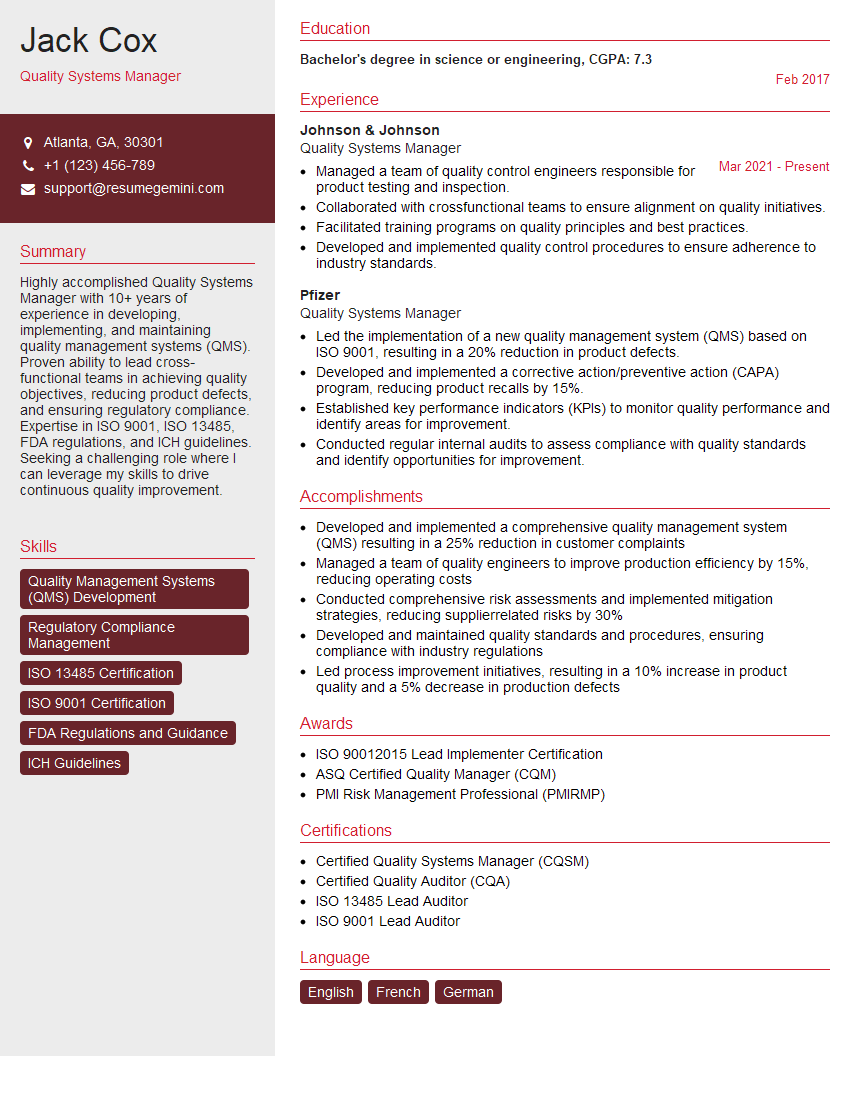
Quality Systems Manager Resume Sample
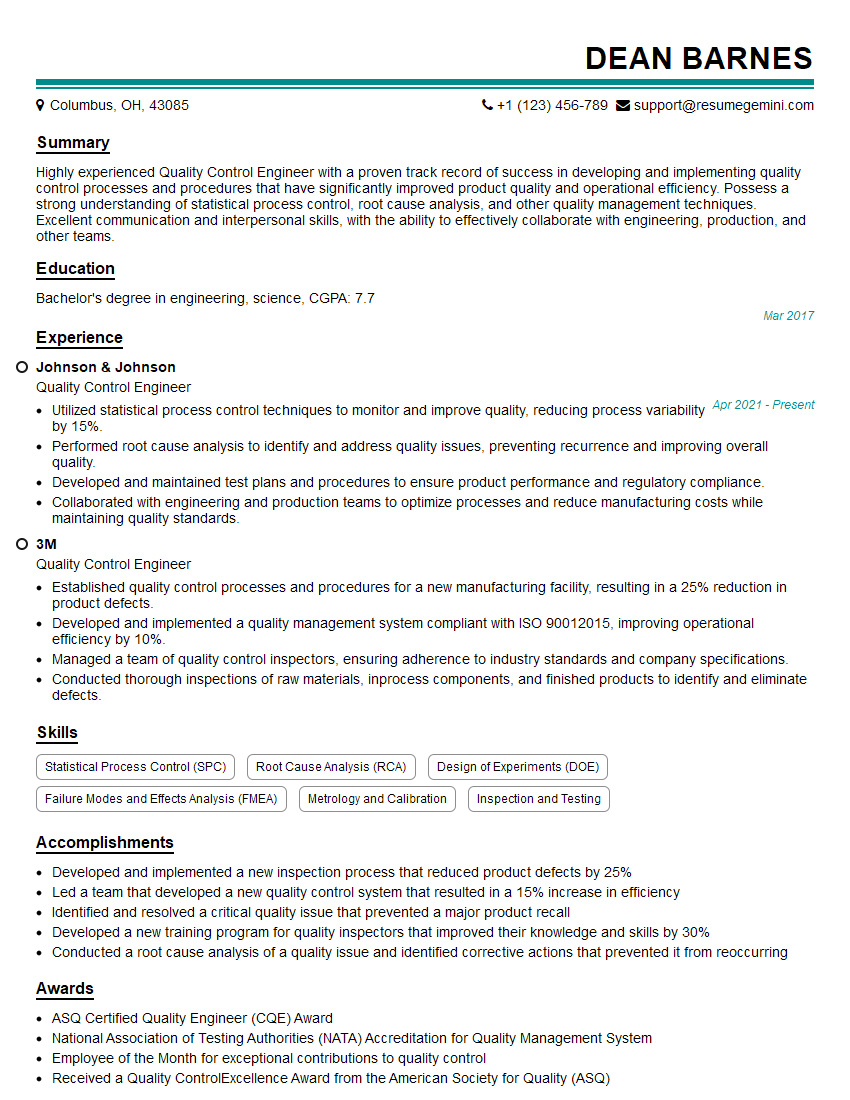
Quality Control Engineer Resume Sample
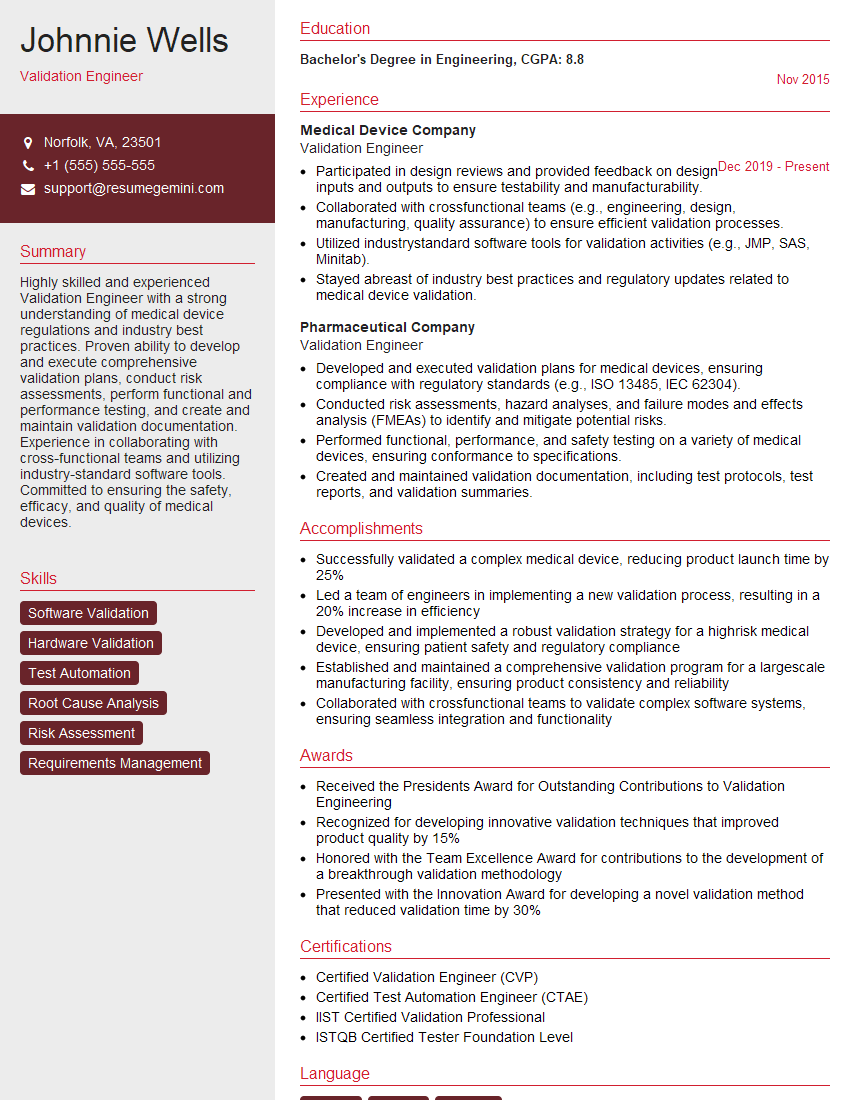
Validation Engineer Resume Sample
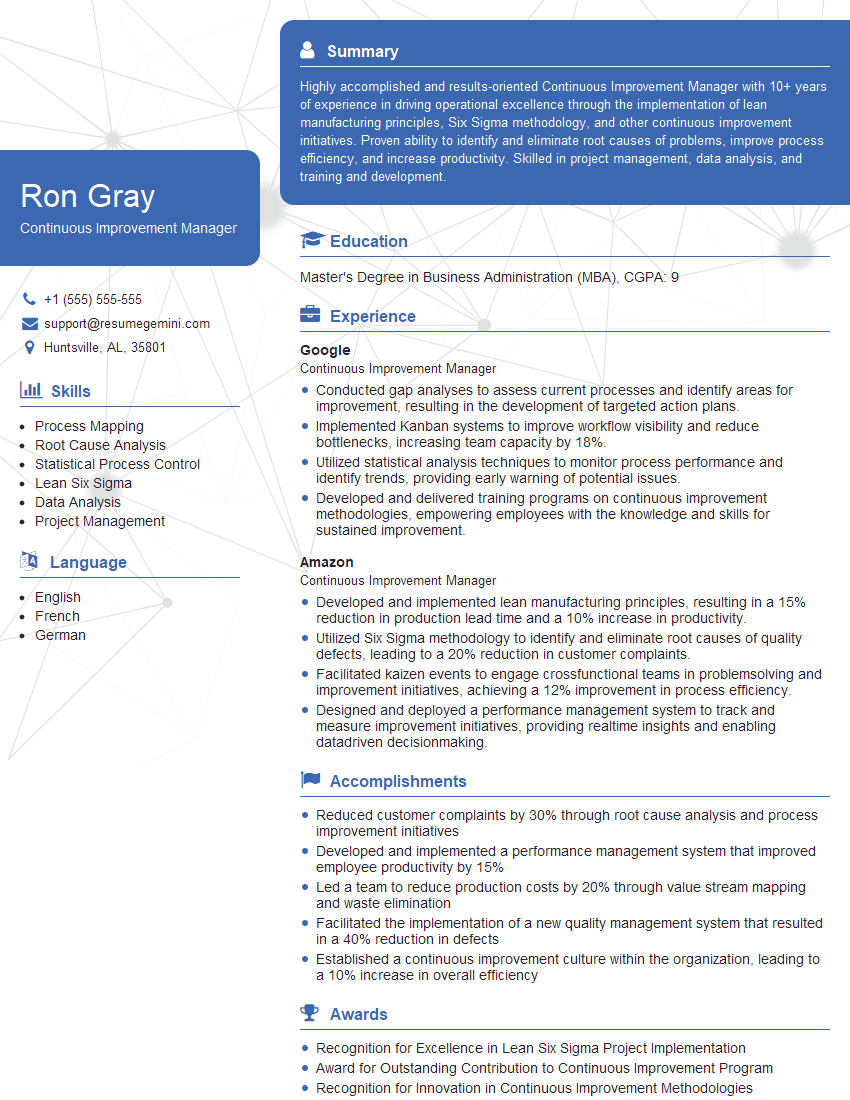
Continuous Improvement Manager Resume Sample
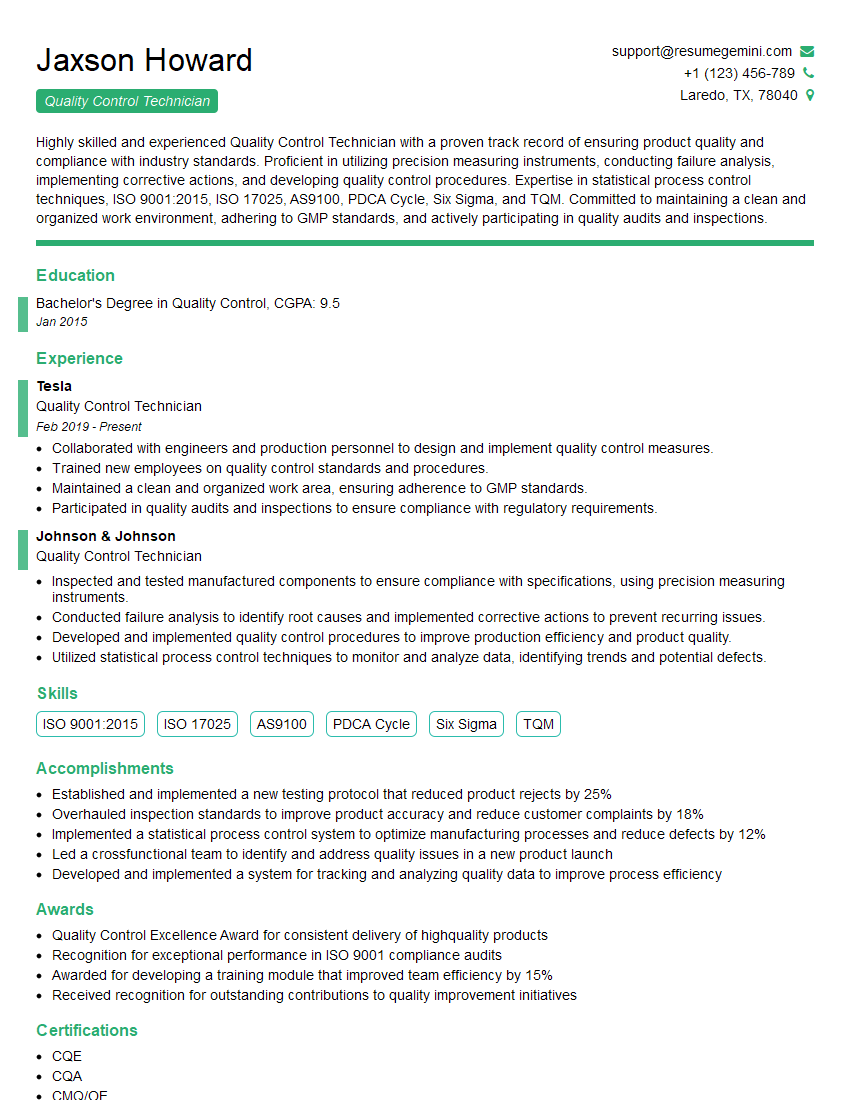
Quality Control Technician Resume Sample
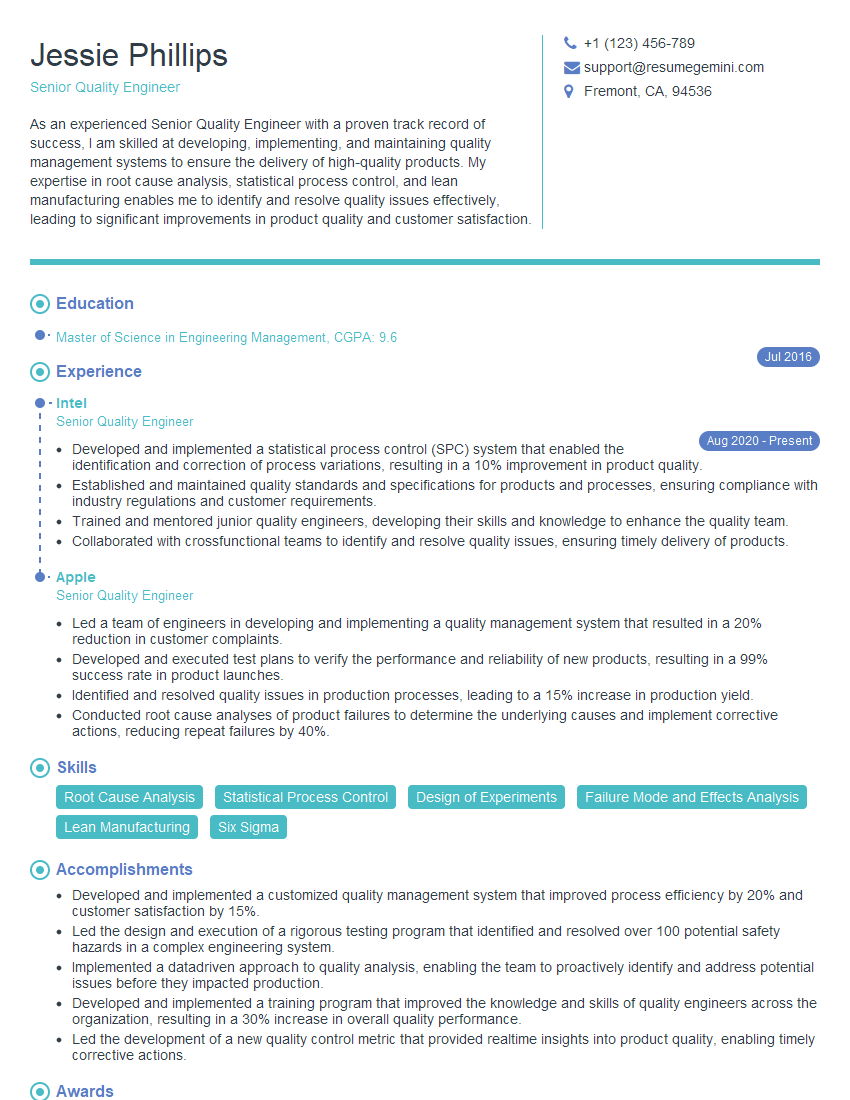
Senior Quality Engineer Resume Sample
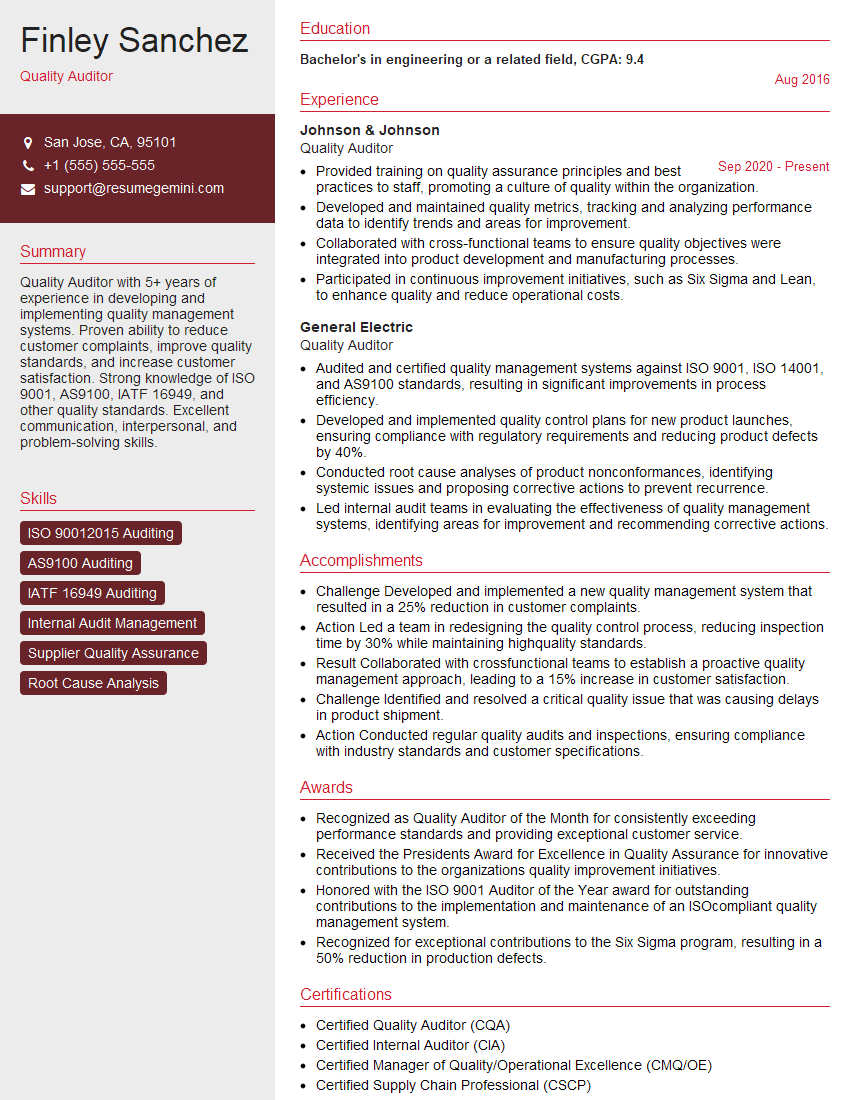
Quality Auditor Resume Sample
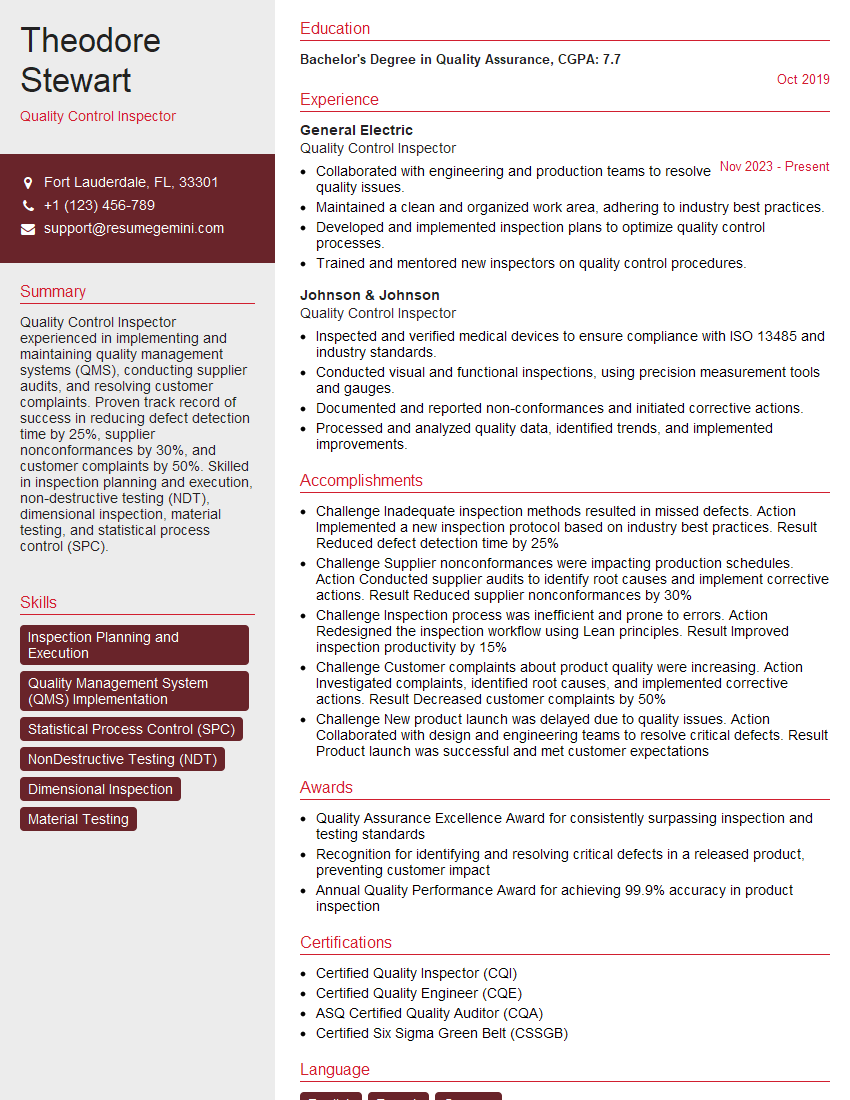
Quality Control Inspector Resume Sample
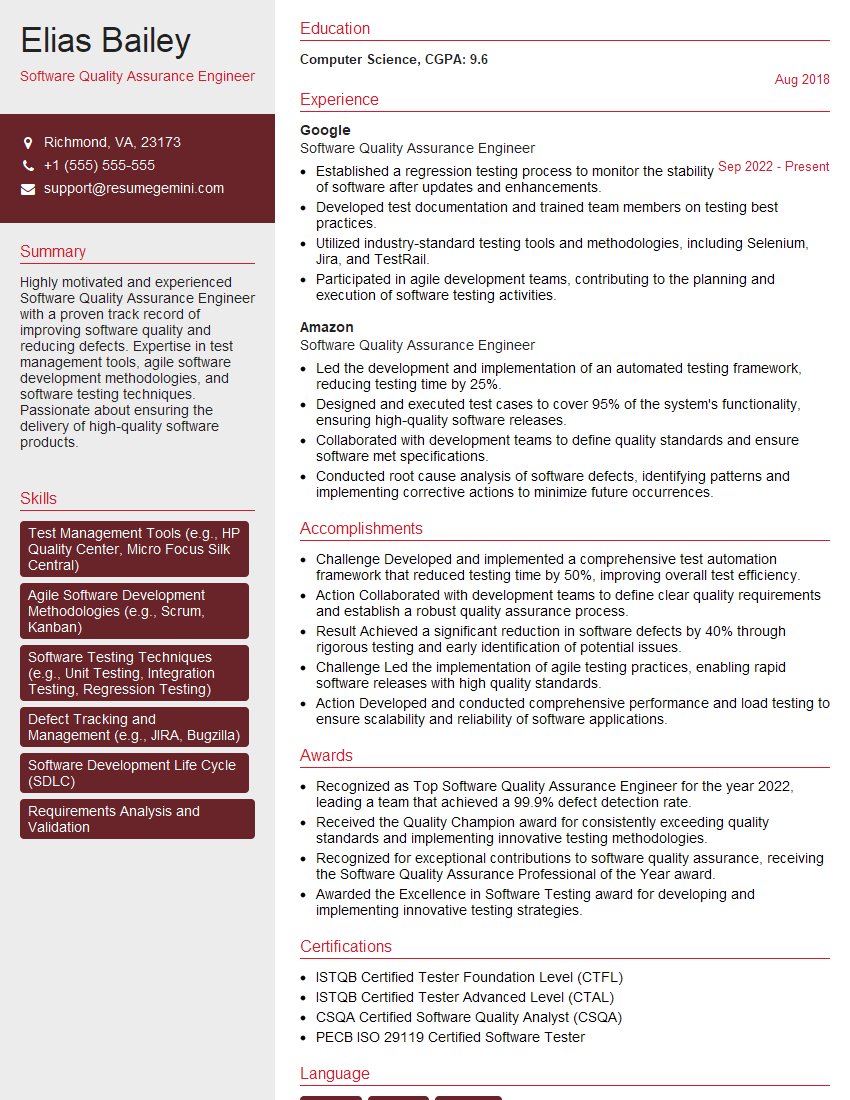
Software Quality Assurance Engineer Resume Sample
- Quality Assurance Manager
- Compliance Manager
- Reliability Engineer
- Process Engineer
- Test Engineer
- Quality Systems Manager
- Quality Control Engineer
- Validation Engineer
- Continuous Improvement Manager
- Quality Control Technician
- Senior Quality Engineer
- Quality Auditor
- Quality Control Inspector
- Software Quality Assurance Engineer
Explore more articles
Users Rating of Our Blogs
Share Your Experience
We value your feedback! Please rate our content and share your thoughts (optional).
What Readers Say About Our Blog
Very informative content, great job.
good