The right preparation can turn an interview into an opportunity to showcase your expertise. This guide to Defense Planning interview questions is your ultimate resource, providing key insights and tips to help you ace your responses and stand out as a top candidate.
Questions Asked in Defense Planning Interview
Q 1. Explain the difference between strategic, operational, and tactical planning in defense.
Defense planning operates across three interconnected levels: strategic, operational, and tactical. Think of it like a military campaign: strategy defines the overall goals, operations determine how to achieve those goals, and tactics are the specific actions on the ground.
- Strategic Planning: This is the highest level, focusing on long-term national security objectives. It involves defining national interests, assessing threats, and setting broad military goals. For example, a nation might adopt a strategy of deterrence through a strong nuclear arsenal or a strategy of containment to limit the expansion of an adversary. This level involves defining overall force structure, capabilities requirements, and resource allocation across multiple years or decades.
- Operational Planning: This level bridges the gap between strategy and tactics. It translates strategic goals into concrete military plans, outlining campaigns and major operations. For instance, if the strategic goal is to secure a region, operational planning would involve designing the military campaign, identifying required forces, establishing timelines, and coordinating logistics. It also focuses on the employment of forces and resources to achieve operational objectives.
- Tactical Planning: This is the most granular level, focused on specific battles, engagements, and actions. It involves detailed plans for individual units, specifying maneuvers, weapon employment, and coordination. A tactical plan might detail how a battalion will conduct an assault, or how a ship will engage an enemy vessel. This involves detailed planning at the unit level for immediate execution.
In essence, strategic planning sets the ‘why,’ operational planning sets the ‘how,’ and tactical planning sets the ‘what’ in a military context.
Q 2. Describe your understanding of the Joint Capabilities Integration and Development System (JCIDS).
The Joint Capabilities Integration and Development System (JCIDS) is the Department of Defense’s (DoD) formal process for identifying, assessing, and developing new military capabilities. It’s a structured, systematic approach that aims to ensure that new systems meet operational needs and are cost-effective.
The JCIDS process typically involves several key stages:
- Capability Needs Assessment: Identifying gaps in existing capabilities that could jeopardize national security.
- Concept Development: Exploring possible solutions and refining them into initial capability concepts.
- Technology Development: Developing and testing technologies needed for the new capability.
- Material Development: Designing, manufacturing, and testing prototypes of the new system.
- Production and Deployment: Mass production and deployment of the new system to operational units.
JCIDS uses a rigorous process of requirements definition, analysis, and approval to minimize risks and ensure that resources are allocated efficiently. It emphasizes collaboration among different branches of the military and other stakeholders to ensure that new capabilities are truly joint and interoperable.
For example, a JCIDS process might be used to develop a new type of drone for reconnaissance or a new generation of air-to-air missiles. Each step involves rigorous analysis, testing, and validation to ensure the final product meets the defined requirements and operational needs. Failure to adequately navigate the JCIDS process can lead to delays, cost overruns and, ultimately, the acquisition of systems that don’t meet the needs of the warfighter.
Q 3. How would you assess the effectiveness of a particular defense system or strategy?
Assessing the effectiveness of a defense system or strategy requires a multifaceted approach, combining quantitative and qualitative data. It’s not just about measuring how well something works in a laboratory setting, but how well it performs in the real world under pressure.
Key aspects of an effective assessment would include:
- Operational Effectiveness: Does the system or strategy achieve its intended objectives in realistic scenarios? This might involve wargaming, simulations, or analyzing historical data. For example, the effectiveness of a new air defense system could be evaluated through simulated attacks against different types of aircraft.
- Cost-Effectiveness: Is the system or strategy a cost-effective way of achieving its objectives? A system might be technically successful, but prohibitively expensive to operate and maintain.
- Survivability: Can the system or strategy withstand enemy attacks and continue to function? For example, the survivability of a network of missile defense sites under a sustained ballistic missile attack would be critical.
- Interoperability: Does the system or strategy work well with other systems and forces? Interoperability between various systems is often crucial to an overall successful outcome.
- Training and Maintenance Requirements: Are the training and maintenance requirements for the system realistic and affordable? A system may perform well technically but require extensive and expensive training, negating its benefits.
A holistic assessment must consider these factors together. A weighted scoring system or a cost-benefit analysis might be employed to provide a numerical ranking or evaluation of the performance. Data collection may involve analyzing reports, conducting interviews with operators, studying performance data and performing post-action reviews.
Q 4. What are the key components of a comprehensive defense budget?
A comprehensive defense budget encompasses a wide range of expenses needed to maintain a nation’s military capabilities. It is usually presented in a multi-year format and broken down into various categories.
- Personnel Costs: Salaries, benefits, and training for military personnel.
- Operations and Maintenance (O&M): Funding for daily operations, equipment maintenance, and base support.
- Procurement: Acquisition of new weapons systems, equipment, and technology.
- Research, Development, Test, and Evaluation (RDT&E): Funding for developing new technologies and weapons systems.
- Military Construction: Funding for building and maintaining military bases and facilities.
- Retirees’ benefits: Funding for retired military personnel.
- Modernization: Funding to replace and upgrade aging equipment and infrastructure.
The budget also often includes contingencies for unforeseen circumstances and funding for overseas deployments. Balancing these competing demands requires careful prioritization and justification based on national security needs and available resources. The budget process often involves rigorous scrutiny and debate among various stakeholders, including the executive branch, the legislature and the public.
Q 5. How do you prioritize competing defense requirements given limited resources?
Prioritizing competing defense requirements with limited resources demands a robust framework that balances strategic goals with fiscal realities. A structured approach is crucial to make informed decisions.
Here’s a step-by-step process:
- Define Strategic Objectives: Clearly articulate national security goals and their relative importance. This might involve national security strategies, defence posture reviews, or similar documents.
- Assess Current Capabilities: Analyze existing capabilities and identify gaps that need to be addressed.
- Identify Competing Requirements: List all proposed new programs, upgrades, or initiatives and evaluate each one against the strategic objectives. Cost-benefit analysis can be useful here.
- Cost-Benefit Analysis: Evaluate each requirement’s potential benefits (improved readiness, increased lethality, enhanced deterrence) and weigh them against the associated costs. This often involves using quantitative models and simulations.
- Prioritization Framework: Establish a framework to rank requirements based on their importance and cost-effectiveness. This can be a simple scoring system or a more sophisticated multi-criteria decision analysis.
- Transparency and Justification: Carefully document the rationale for the prioritization decisions. This is essential for gaining support from stakeholders and maintaining accountability.
This process often requires making difficult choices, balancing immediate needs with long-term goals. It also requires effective communication and collaboration among various stakeholders, including military leaders, policymakers, and budget officials. Prioritization will differ greatly based on the overall geopolitical climate, potential threats and the existing military capabilities.
Q 6. Explain the concept of force projection and its challenges.
Force projection refers to a nation’s ability to deploy its military forces to a distant location, rapidly and effectively, to achieve its strategic goals. This involves not only transporting troops and equipment but also sustaining them logistically over extended periods.
Key elements of force projection include:
- Strategic Mobility: The capacity to move troops and equipment quickly and efficiently over long distances—often involving airlift, sealift, and strategic rail lines.
- Sustainment: Providing the deployed forces with necessary supplies, ammunition, fuel, and medical support.
- Command and Control: Maintaining effective communication and coordination among deployed units.
- Power Projection: The ability to effectively exert military force at the point of deployment.
Challenges to force projection include:
- Distance and Logistics: Transporting large quantities of equipment and supplies over long distances is a significant logistical challenge, requiring extensive planning and coordination.
- Time Sensitivity: Responding to crises often requires rapid deployment, which can be difficult to achieve even with extensive planning.
- Political Constraints: Gaining access to air bases and ports of entry in the deployment region may require negotiations with other governments.
- Enemy Actions: Enemy forces may attempt to disrupt deployment efforts through attacks on transport routes and installations.
- Technological Challenges: Ensuring seamless communication and coordination among deployed forces can be hampered by technological limitations.
Effective force projection requires significant investment in military transport, logistics capabilities, and robust communications systems. It is an integral aspect of many national security strategies.
Q 7. Describe different modeling and simulation techniques used in defense planning.
Modeling and simulation (M&S) techniques are vital in defense planning, offering a cost-effective way to analyze complex scenarios and evaluate the effectiveness of various strategies and systems. These techniques allow planners to test and refine plans without the risks and expenses of real-world deployments.
Different types of M&S techniques are used, including:
- Agent-Based Modeling: Simulates the behavior of individual units or actors (agents) and their interactions within a system. This can be useful in modeling large-scale conflicts or the spread of misinformation.
- Discrete Event Simulation: Models the timing and sequence of events in a system. It is commonly used to assess the performance of logistical systems, such as transportation networks or supply chains.
- Continuous Simulation: Models systems that change continuously over time, such as aircraft flight dynamics or weapon trajectories. This is heavily used in the testing and evaluation of new weapon systems.
- System Dynamics Modeling: Focuses on the interactions of different elements of a complex system and how they affect each other over time. This could be used to study the impact of different military strategies on national security.
- War Games: Structured exercises involving human participants who make decisions in simulated environments. War games can be highly interactive and useful for testing command and control structures.
The choice of M&S technique depends on the specific problem being addressed. Sophisticated M&S often integrates multiple modeling techniques to provide a more comprehensive and realistic representation of the situation. The results of M&S are not predictions, but rather insights into probable outcomes, informing decision-makers and improving the robustness of defense plans.
Q 8. How do you incorporate risk assessment into the defense planning process?
Risk assessment is fundamental to effective defense planning. It’s not simply identifying potential threats, but also evaluating their likelihood and potential impact. This allows us to prioritize resources and develop strategies that mitigate the most significant risks.
We use a structured approach, often employing tools like risk matrices. These matrices typically plot the likelihood of an event (e.g., a cyberattack, a regional conflict) against its potential impact on national security. High-likelihood, high-impact risks are prioritized for immediate attention. For example, a high likelihood of a cyberattack on critical infrastructure would necessitate robust cybersecurity measures, potentially including proactive defense and incident response planning. Conversely, a low-likelihood, high-impact event (e.g., a large-scale conventional war with a major power) might require investment in long-term strategic deterrence capabilities like advanced missile defense systems or alliances. Regular reassessment is key to adapting the plan as the threat landscape evolves.
The process often involves various stakeholders, including intelligence agencies, military branches, and civilian government departments. This ensures a holistic perspective on the risks involved and fosters a collaborative approach to mitigation strategies.
Q 9. What are some common pitfalls in defense planning?
Common pitfalls in defense planning are numerous, often stemming from a lack of realistic assessment or poor coordination. One common mistake is failing to account for the full spectrum of threats, focusing too narrowly on certain types of warfare while neglecting others (e.g., cyber warfare or asymmetric threats). Another is underestimating the adversary’s capabilities and intentions. This could lead to a flawed assessment of the resources required and inadequate force structure planning.
- Ignoring political context: Military strategies must align with national political goals and limitations. A military victory without political support could be strategically meaningless.
- Neglecting technological advancements: Rapid changes in technology require continuous adaptation of defense strategies. Failing to account for these innovations can render defenses obsolete.
- Lack of interoperability: Incompatibility between different defense systems can significantly reduce effectiveness in real-world scenarios. For instance, a lack of standardized communications between air and ground forces would impair combined operations.
- Insufficient funding and resource allocation: Inadequate budgetary provisions or poor resource allocation hinder the implementation of even the best-laid plans.
- Ignoring the human element: Successful military operations rely on the training, morale, and leadership of personnel. Neglecting these factors can seriously undermine effectiveness.
Q 10. Explain the importance of interoperability in defense systems.
Interoperability refers to the ability of different defense systems, platforms, and forces to seamlessly work together. This is critical for effective and efficient operations. Think of it like a well-oiled machine – each part has its own function, but they all work together harmoniously. Without interoperability, separate units or systems might struggle to communicate, share information, or support each other in joint operations. This can drastically reduce combat effectiveness, leading to inefficiencies, confusion, and potentially catastrophic failures.
For example, if a nation’s air force uses a different communication system than its ground forces, they may be unable to coordinate close air support effectively. Similarly, if weapons systems are not compatible, logistics and maintenance become more challenging and costly. Therefore, standardization and the development of common communication protocols, data exchange formats, and equipment interfaces are critical for interoperability. This often involves careful consideration of different technological standards and national requirements.
Q 11. How do you incorporate lessons learned from past conflicts into current defense planning?
Lessons learned from past conflicts are invaluable for refining current defense planning. We conduct thorough post-conflict analyses, examining successes and failures across various domains—operational, technological, and strategic. This involves studying operational plans, analyzing combat data, interviewing participants, and reviewing intelligence reports.
For example, the US military’s experience in Iraq and Afghanistan highlighted the importance of counterinsurgency strategies, the need for robust intelligence gathering, and the impact of asymmetric warfare tactics. These lessons directly informed the development of new doctrines, training programs, and acquisition priorities. Similarly, analyzing technological failures and successes, like the effectiveness of certain weaponry systems or the vulnerabilities of communication systems, informs equipment upgrades and the prioritization of research and development efforts. This rigorous review process enables continuous adaptation and improvement of defense planning, ensuring that past mistakes are not repeated and that successful tactics are reinforced.
Q 12. Describe your experience with developing a defense plan or strategy.
In my previous role, I led the development of a comprehensive defense plan for a coastal region facing potential threats from both conventional and asymmetric warfare. The process began with a detailed threat assessment, which considered potential adversaries, their capabilities, and probable courses of action. We then developed a series of response options, ranging from defensive measures like coastal fortifications and surveillance systems to offensive capabilities such as rapid reaction forces and precision strike options.
A key part of the plan was ensuring interoperability between different branches of the armed forces. This included developing common communication protocols and standardizing equipment where possible. We also incorporated a robust civil-military cooperation element, recognizing that effective defense often involves working closely with civilian authorities and the local community. The final plan involved detailed resource allocation, training programs, and contingency plans for various scenarios, allowing for flexibility and adaptation in the face of evolving threats. Regular exercises and simulations were integrated to test the effectiveness and adaptability of the plan.
Q 13. How do you ensure alignment between defense planning and national security objectives?
Alignment between defense planning and national security objectives is paramount. Defense planning shouldn’t exist in a vacuum; it should directly support broader national goals. This requires constant communication and collaboration between defense planners and policymakers at the national level.
The process often begins with a clearly defined national security strategy that outlines the nation’s core interests and priorities. The defense plan, in turn, translates these objectives into concrete military capabilities and operational plans. For example, if a nation’s primary security objective is to deter aggression from a neighboring country, the defense plan will prioritize the development of credible deterrent forces, including strong conventional military capabilities and robust defense systems. This includes regular reviews to ensure the defense plan continues to effectively support the national security strategy, adapting to changing geopolitical circumstances and technological advancements. In essence, defense planning serves as a crucial instrument to implement the national security strategy effectively.
Q 14. What are the key considerations for planning defense operations in a complex geopolitical environment?
Planning defense operations in a complex geopolitical environment requires a multifaceted approach that considers several key factors.
- Multiple actors and shifting alliances: Understanding the motives and capabilities of all actors, including non-state actors, is crucial. The dynamic nature of alliances requires continuous monitoring and adaptation of strategies.
- Hybrid warfare and asymmetric threats: Traditional military forces are not the only threat; cyber warfare, information operations, and economic coercion are increasingly significant. Defense plans must include strategies to counter these multifaceted challenges.
- International law and humanitarian considerations: Operations must comply with international law and minimize civilian casualties. Ethical considerations must be integral to all planning processes.
- Information and intelligence gathering: Reliable and timely intelligence is essential for effective decision-making. This requires robust intelligence gathering capabilities and the ability to analyze complex data streams.
- Resource constraints and prioritization: Defense budgets are often finite. Prioritizing resources based on the most significant threats is crucial. Cost-benefit analyses of different defense strategies should inform these decisions.
- Adaptability and flexibility: Plans must be adaptable to unexpected changes in the geopolitical environment and technological developments. Contingency planning is vital.
Q 15. Discuss the impact of emerging technologies on defense planning.
Emerging technologies are revolutionizing defense planning, creating both unprecedented opportunities and significant challenges. Their impact spans across all aspects, from intelligence gathering and weapon systems to cybersecurity and strategic communication.
- Autonomous Systems: Unmanned aerial vehicles (UAVs), autonomous underwater vehicles (AUVs), and robotic systems are transforming surveillance, reconnaissance, and combat operations. Defense planners must consider their integration, ethical implications (like autonomous targeting), and the potential for adversarial use.
- Artificial Intelligence (AI): AI is enhancing intelligence analysis, predictive modeling for threat assessment, and improving decision-making speed and accuracy. However, concerns regarding AI bias, explainability, and security vulnerabilities need careful consideration in the planning phase.
- Cyber Warfare: The increasing reliance on interconnected systems makes defense networks vulnerable to cyberattacks. Defense planning needs to incorporate robust cybersecurity measures, offensive capabilities, and strategies to counter cyber threats effectively. This includes investing in secure communication networks and training personnel to identify and respond to cyber threats.
- Space-Based Assets: Satellite technology is crucial for navigation, communication, and intelligence. Protecting these assets from both kinetic and cyberattacks is critical and needs strategic planning to ensure resilience and redundancy.
- Hypersonic Weapons: The development of hypersonic weapons introduces new challenges in early warning systems, missile defense, and strategic deterrence. Defense planners need to adapt their strategies to counter this emerging threat.
Successfully integrating these technologies requires a multi-faceted approach: careful risk assessment, strategic investment in research and development, comprehensive training programs for personnel, and robust collaboration between government, industry, and academia.
Career Expert Tips:
- Ace those interviews! Prepare effectively by reviewing the Top 50 Most Common Interview Questions on ResumeGemini.
- Navigate your job search with confidence! Explore a wide range of Career Tips on ResumeGemini. Learn about common challenges and recommendations to overcome them.
- Craft the perfect resume! Master the Art of Resume Writing with ResumeGemini’s guide. Showcase your unique qualifications and achievements effectively.
- Don’t miss out on holiday savings! Build your dream resume with ResumeGemini’s ATS optimized templates.
Q 16. How would you address a sudden and unexpected security threat?
Responding to a sudden and unexpected security threat requires a rapid, coordinated, and adaptable response. My approach would follow a structured framework:
- Immediate Assessment: The first step is to rapidly assess the nature, scale, and impact of the threat. This involves gathering intelligence from all available sources, both internal and external. This might include analyzing social media trends, working with allied intelligence agencies, and deploying reconnaissance assets.
- Crisis Management Team Activation: A dedicated crisis management team needs to be activated immediately. This team would consist of representatives from various departments (military, intelligence, diplomacy, etc.) to ensure a coordinated response.
- Risk Mitigation: Based on the initial assessment, we would implement immediate risk mitigation measures. This could include deploying security forces, issuing public safety alerts, enhancing border security, or enacting emergency protocols.
- Strategic Response: Once the immediate crisis is contained, we would formulate a longer-term strategic response. This might involve deploying additional resources, adjusting defense postures, engaging in diplomatic efforts, or launching investigations to uncover the root cause of the threat.
- Lessons Learned: Following the event, a thorough review and analysis of the response would be conducted to identify lessons learned and improve future preparedness. This includes reviewing response times, communication protocols, resource allocation, and areas for improvement in intelligence gathering and threat assessment.
For example, imagine a sudden cyberattack targeting critical infrastructure. My approach would entail immediately isolating affected systems, activating the cybersecurity incident response team, collaborating with other government agencies and private sector partners to contain the damage, and working to identify and neutralize the attackers. Post-incident, we would strengthen our cybersecurity defenses and update our incident response plans.
Q 17. Explain your understanding of defense acquisition processes.
Defense acquisition processes are complex, multi-stage systems designed to procure the necessary weapons, equipment, and services for a nation’s defense. They typically involve several key phases:
- Material Development: This initial phase involves identifying a need, conducting market research, and defining requirements for the new system. It may also include research and development activities.
- Acquisition Planning: A detailed acquisition plan is developed outlining timelines, budgets, and performance goals. This plan incorporates risk mitigation strategies and stakeholder engagement plans.
- Solicitation and Contract Award: Potential contractors are solicited to submit proposals. After careful evaluation, a contract is awarded to the most suitable bidder. This stage often involves rigorous competitive bidding processes.
- Production and Testing: The selected contractor produces the system according to the contract specifications. Rigorous testing is conducted to ensure it meets the required performance standards. This stage often involves multiple testing phases, from unit testing to system integration testing.
- Deployment and Sustainment: Once testing is completed, the system is deployed into operational service. A sustainment plan is developed to ensure ongoing maintenance, upgrades, and support throughout the system’s lifespan.
The process aims for balance between cost, schedule, and performance. Different acquisition models exist (e.g., sole-source, competitive bidding) depending on the specific needs and complexities of the acquisition. Effective management requires close collaboration between acquisition professionals, end-users, and the contracting industry.
Q 18. What metrics would you use to measure the success of a defense initiative?
Measuring the success of a defense initiative requires a multi-dimensional approach, moving beyond simple cost and schedule metrics. Key performance indicators (KPIs) should encompass:
- Effectiveness: How well does the initiative achieve its intended operational goals? This might be measured through simulations, war games, or real-world operational data. For example, in a missile defense program, effectiveness would be measured by the system’s ability to intercept incoming missiles.
- Efficiency: How cost-effectively does the initiative achieve its goals? This involves analyzing resource utilization and cost-benefit ratios. Identifying and eliminating redundancies are critical.
- Readiness: How well-prepared are the forces to employ the initiative? Readiness includes personnel training, equipment availability, and logistical support. Regular exercises and drills are essential to assess readiness.
- Interoperability: How well does the initiative integrate with existing systems and capabilities? Interoperability is crucial for seamless cooperation across different platforms and services.
- Sustainability: How maintainable and upgradable is the initiative over its lifecycle? A sustainable initiative avoids obsolescence and costly upgrades.
- Impact on National Security: Ultimately, the most important metric is the initiative’s impact on national security. This is often assessed qualitatively through its contribution to deterrence, defense capability, and overall national strategic goals.
By tracking these metrics, we can assess not only the technical success but also the overall strategic value of a defense initiative.
Q 19. How do you manage stakeholder expectations during the defense planning process?
Managing stakeholder expectations in defense planning is crucial for successful outcomes. It requires proactive communication, transparency, and a collaborative approach. My strategy involves:
- Early and Frequent Communication: Regular updates, briefings, and meetings with all relevant stakeholders (government officials, military personnel, industry partners, and the public) are vital to keep everyone informed of progress and any challenges encountered.
- Realistic Expectations: Setting realistic goals and timelines from the outset is essential. This avoids disappointments and ensures alignment between all parties involved. It’s important to clearly communicate the complexities and inherent uncertainties involved in defense planning.
- Transparency and Open Communication: Openly sharing information and acknowledging uncertainties fosters trust and collaboration. This includes providing regular progress reports, explaining technical details in a clear and concise manner, and being responsive to feedback and concerns.
- Conflict Resolution: Disagreements and conflicts are inevitable. A robust conflict resolution mechanism needs to be in place to address these issues fairly and effectively. This might involve using mediation or arbitration techniques.
- Feedback Mechanisms: Establishing formal mechanisms for feedback from all stakeholders is vital to ensuring continuous improvement in the planning process. This can include surveys, focus groups, and periodic reviews of the plan itself.
For instance, during the planning of a new weapons system, I would ensure regular communication with legislators (to secure funding), military commanders (to determine operational requirements), industry partners (to ensure feasibility), and the public (to address concerns regarding cost and potential risks).
Q 20. Describe your experience with using analytical tools and software for defense planning.
I have extensive experience utilizing various analytical tools and software for defense planning. This includes:
- Modeling and Simulation Software: Tools like AnyLogic, MATLAB, and specialized military simulation software are used to model various scenarios (e.g., combat simulations, logistics modeling, force projection analysis). This allows us to test different strategies and assess their effectiveness before deployment.
- Data Analysis Software: Software such as R, Python (with libraries like Pandas and NumPy), and statistical packages like SPSS are used for analyzing large datasets to identify trends, patterns, and insights related to threats, resource allocation, and force effectiveness.
- Geographic Information Systems (GIS): GIS software (ArcGIS, QGIS) are essential for analyzing geographic data, visualizing deployments, and planning operations. They are used for mapping threats, assessing terrain, and optimizing resource allocation.
- Decision Support Systems (DSS): DSS tools provide structured frameworks for decision-making based on various criteria and constraints. These systems can help analyze options, optimize resource allocation, and prioritize initiatives based on risk and impact.
For example, I used AnyLogic to model the effectiveness of different force deployment strategies during a simulated conflict scenario. The results highlighted the need for adjustments to our initial plan, leading to a more efficient and effective deployment strategy. The use of data analysis techniques allowed us to optimize resource allocation and minimize logistical challenges.
Q 21. How do you balance the need for readiness with budgetary constraints?
Balancing readiness with budgetary constraints is a constant challenge in defense planning. It requires prioritizing needs, making difficult choices, and employing innovative approaches. My strategy involves:
- Prioritization: A clear understanding of national security priorities is essential. This enables the prioritization of essential capabilities over less critical ones, optimizing resource allocation. This involves conducting cost-benefit analyses and risk assessments to determine the most effective use of limited resources.
- Cost-Effectiveness Analysis: Rigorous cost-effectiveness analysis is critical. This ensures that every dollar spent delivers maximum value in terms of enhanced capabilities and readiness. Life-cycle costing is essential to consider the long-term costs of acquisition and sustainment.
- Innovative Acquisition Strategies: Exploring alternative acquisition strategies, such as leasing equipment instead of outright purchase, collaborating with allies on procurement, and leveraging commercial off-the-shelf technologies can help reduce costs without compromising readiness.
- Technology Investments: Investing in technology that increases efficiency and reduces operational costs in the long run is crucial. This could involve leveraging automation, artificial intelligence, and predictive maintenance technologies.
- Realistic Budgetary Planning: Working closely with budget officials to develop realistic and sustainable budgetary plans that reflect both short-term and long-term needs is crucial. This ensures that funding is available to meet essential readiness goals.
For example, instead of acquiring a large number of expensive fighter jets, we might opt for a smaller, more technologically advanced fleet, supplemented by effective training and maintenance programs to ensure high readiness levels with a lower overall cost.
Q 22. Explain your understanding of different defense doctrines.
Defense doctrines are the overarching strategic principles that guide a nation’s military planning and operations. They define the country’s approach to war and peace, outlining its military capabilities, the situations in which they would be employed, and the desired outcomes. Different doctrines reflect varying national interests, geopolitical realities, and military capabilities.
- Deterrence: This doctrine focuses on preventing conflict by making the cost of aggression too high for a potential adversary. A strong military and clear communication of resolve are key components. For example, the Cold War nuclear deterrence strategy between the US and the USSR relied heavily on this principle.
- Defense: A defensive doctrine emphasizes repelling attacks and protecting national territory. It prioritizes strong defensive capabilities like fortifications and well-trained reserve forces. Switzerland’s military doctrine is a classic example of a defense-focused approach.
- Forward Defense: This involves deploying forces to potential conflict areas to preempt aggression. The aim is to deter attacks by making them more costly and difficult to execute. NATO’s presence in Eastern Europe following Russia’s annexation of Crimea is an example of forward defense.
- Offense: An offensive doctrine prioritizes attacking the adversary before they can attack. This strategy requires significant military investment and a high level of readiness. Historically, many empires have employed offensive doctrines to expand their territories.
- Minimum Deterrence: This strategy focuses on maintaining only the minimum necessary nuclear capability to deter attacks. It prioritizes cost-effectiveness and reduces the risk of accidental or unauthorized use of nuclear weapons.
The choice of a defense doctrine is a complex decision with significant implications for national security and resource allocation. It’s crucial to consider the potential threats, the nation’s capabilities, and its geopolitical context when selecting and adapting a doctrine.
Q 23. How do you integrate cyber security considerations into defense planning?
Integrating cybersecurity into defense planning is no longer optional; it’s paramount. Cyberattacks can cripple critical infrastructure, disrupt military operations, and even undermine national security. Effective integration involves several key steps:
- Risk Assessment: Identifying potential cyber vulnerabilities within the defense infrastructure, including command and control systems, weapon systems, and communication networks. This involves considering both internal and external threats.
- Defense-in-Depth: Implementing multiple layers of security to protect against various cyber threats. This includes firewalls, intrusion detection systems, and robust access controls.
- Incident Response Planning: Developing detailed procedures for responding to and recovering from cyberattacks. This involves establishing clear communication channels, designated response teams, and recovery plans.
- Cyber Warfare Capabilities: Developing offensive and defensive cyber capabilities to deter and respond to cyberattacks. This requires investing in skilled personnel, advanced technologies, and training programs.
- Intelligence Gathering: Actively monitoring the cyber landscape for emerging threats and vulnerabilities. This includes collaboration with other nations and intelligence agencies.
- International Cooperation: Working with allies and partners to share information and coordinate responses to cyber threats. This is crucial given the global nature of cyberspace.
For example, a robust cybersecurity plan would include regular penetration testing to identify vulnerabilities, employee training on phishing scams, and the development of a rapid response protocol for dealing with a ransomware attack against critical defense systems. Failure to address cybersecurity effectively can leave a nation’s defense system vulnerable and significantly weaken its overall security posture.
Q 24. Discuss the ethical considerations involved in defense planning and decision-making.
Ethical considerations are central to defense planning and decision-making. The potential for loss of innocent life, the use of disproportionate force, and the long-term consequences of military actions all demand careful ethical scrutiny. Key ethical considerations include:
- Proportionality: Military actions should be proportionate to the threat faced. The use of excessive force, even against a legitimate target, is ethically problematic.
- Distinction: A clear distinction must be made between combatants and non-combatants. Civilians should not be deliberately targeted or harmed.
- Military Necessity: Military actions should be necessary to achieve a legitimate military objective. Actions taken solely for revenge or punishment are unethical.
- Humanitarian Law: Adherence to international humanitarian law (IHL), also known as the laws of war, is paramount. This includes the treatment of prisoners of war, the protection of civilians, and the prohibition of certain weapons.
- Accountability: Those responsible for planning and executing military actions should be held accountable for their decisions and actions. This includes investigating allegations of war crimes and ensuring that perpetrators are brought to justice.
Ethical considerations should not be seen as impediments to effective defense planning, but as essential components. Integrating ethical principles throughout the planning process ensures that defense decisions align with a nation’s values and promote long-term stability and security. Ignoring these considerations can lead to lasting reputational damage and erode public trust.
Q 25. How do you communicate complex defense planning concepts to non-technical audiences?
Communicating complex defense planning concepts to non-technical audiences requires clear, concise, and relatable language. Avoiding jargon and using analogies are crucial. Here’s a suggested approach:
- Start with the ‘Why’: Explain the purpose and significance of the defense plan in terms of national security and the well-being of the population. For example, link a new missile defense system to protecting citizens from threats.
- Use Visual Aids: Charts, graphs, and maps can effectively illustrate complex data and concepts. Avoid overwhelming the audience with too much information in one visual.
- Analogies and Real-World Examples: Use familiar concepts or everyday situations to explain complex military strategies or technologies. For instance, comparing a layered defense system to a home security system.
- Storytelling: Humanize the issue by sharing stories of individuals who are impacted by defense planning or who contribute to national security. For example, the story of a soldier’s training and sacrifice.
- Interactive Sessions: Q&A sessions, interactive workshops, or simulations can enhance engagement and understanding. This allows for addressing specific concerns and clarifying misconceptions.
- Tailor the Message: Adapt the language and level of detail to the specific audience. A presentation to senior policymakers will differ significantly from one to the general public.
Ultimately, success depends on understanding the audience’s background and communicating effectively and transparently about the nation’s security needs. The goal is to foster informed public discourse and support for defense strategies.
Q 26. Describe your experience with collaborative defense planning efforts.
My experience with collaborative defense planning efforts has involved working closely with various stakeholders, including military personnel, civilian government officials, and representatives from allied nations. Collaboration is crucial for effective defense planning, as it allows for the sharing of expertise, resources, and perspectives.
In one particular project, I participated in developing a regional security framework for a multinational peacekeeping operation. This involved coordinating with different national contingents to establish common operational procedures, communication protocols, and rules of engagement. Successful collaboration required:
- Clearly Defined Goals and Objectives: Establishing shared goals and objectives from the outset to ensure everyone is working towards the same outcome.
- Open Communication and Information Sharing: Establishing transparent and efficient communication channels to facilitate information sharing and resolve conflicts.
- Mutual Respect and Trust: Building trust and mutual respect among participating parties is essential for effective collaboration.
- Conflict Resolution Mechanisms: Establishing mechanisms for addressing disagreements and resolving conflicts in a constructive manner.
- Regular Monitoring and Evaluation: Implementing robust monitoring and evaluation mechanisms to track progress and identify areas for improvement.
Successful collaborative defense planning requires patience, diplomacy, and a commitment to finding common ground. The benefits, however, outweigh the challenges; leading to more robust, adaptable, and effective defense plans.
Q 27. How would you adapt a defense plan to address changing geopolitical circumstances?
Adapting a defense plan to changing geopolitical circumstances requires a dynamic and responsive approach. Geopolitical shifts can dramatically alter threat landscapes, necessitating adjustments to force postures, resource allocation, and strategic priorities.
A structured approach to adaptation involves:
- Continuous Monitoring: Maintaining a close watch on the evolving geopolitical environment through intelligence gathering, analysis, and monitoring of international relations.
- Scenario Planning: Developing various scenarios that account for potential future geopolitical changes. This allows for the development of contingency plans and adaptable strategies.
- Risk Assessment and Prioritization: Regularly reassessing the risks and threats to national security, prioritizing threats based on their likelihood and potential impact.
- Force Structure Adjustments: Adapting the force structure and capabilities to address emerging threats. This may involve adjusting the size, composition, and equipment of military forces.
- Resource Reallocation: Shifting resources to areas of greater priority based on the evolving geopolitical landscape. This necessitates a robust budget process capable of adapting to changing circumstances.
- Alliance Diplomacy: Strengthening and adapting alliances and partnerships to address shared security challenges and leverage collective capabilities.
For example, the rapid rise of China as a global power has prompted many nations to re-evaluate their defense strategies, including increasing investment in naval capabilities and cyber warfare. Adaptability is not merely a desirable attribute but a necessity for effective defense planning in today’s volatile geopolitical climate.
Q 28. What is your approach to ensuring the sustainability of defense plans over time?
Ensuring the sustainability of defense plans requires a proactive and integrated approach that considers the long-term implications of decisions. A sustainable defense plan is not static; it’s a living document that adapts to evolving threats and technological advancements.
Key elements of a sustainable approach include:
- Long-Term Vision: Developing a clear long-term vision for national security that guides defense planning and resource allocation. This ensures consistency and avoids short-sighted decisions.
- Financial Sustainability: Establishing a sustainable funding model that ensures the long-term affordability of defense capabilities. This involves careful budgeting, efficient resource management, and a realistic assessment of long-term costs.
- Technological Innovation: Investing in research and development to maintain a technological edge and ensure that defense capabilities remain relevant. This includes anticipating and adapting to future technological advancements.
- Force Modernization: Regularly modernizing military equipment and training to enhance effectiveness and maintain interoperability with allies.
- Personnel Development: Investing in the training and development of military personnel to ensure a highly skilled and capable force. This includes fostering a culture of continuous learning and professional development.
- Regular Review and Adaptation: Implementing mechanisms for regularly reviewing and adapting defense plans in response to changing circumstances and technological developments. This involves periodic assessments of the plan’s effectiveness and adjustments based on findings.
Sustainability requires a holistic approach that considers not only military capabilities, but also the economic, political, and social dimensions of national security. A sustainable defense plan is vital for ensuring a nation’s long-term security and prosperity.
Key Topics to Learn for Defense Planning Interview
- National Security Strategy & Defense Policy: Understanding the interplay between national interests, strategic goals, and defense resource allocation. Practical application: Analyzing a hypothetical threat scenario and proposing a suitable defense strategy.
- Force Structure & Modernization: Assessing current military capabilities, identifying capability gaps, and planning for future force modernization. Practical application: Evaluating the cost-effectiveness of different weapon systems or technological advancements.
- Resource Allocation & Budgeting: Mastering the principles of defense budgeting, including programming, planning, and execution. Practical application: Developing a budget proposal for a specific defense initiative, justifying resource allocation decisions.
- Defense Acquisition Management: Understanding the process of acquiring new weapons systems and technologies, including requirements definition, contracting, and program management. Practical application: Analyzing the risks and challenges associated with a major defense acquisition program.
- Strategic Planning & Forecasting: Developing long-term strategic plans and conducting scenario planning to anticipate future threats and opportunities. Practical application: Participating in a war game or simulation exercise to test different strategic approaches.
- International Security Cooperation & Alliances: Understanding the role of international partnerships and alliances in defense planning. Practical application: Analyzing the benefits and challenges of specific defense collaborations.
- Cybersecurity & Information Warfare: Understanding the growing importance of cybersecurity in defense planning and the implications of information warfare. Practical application: Developing strategies to mitigate cybersecurity risks and counter information operations.
Next Steps
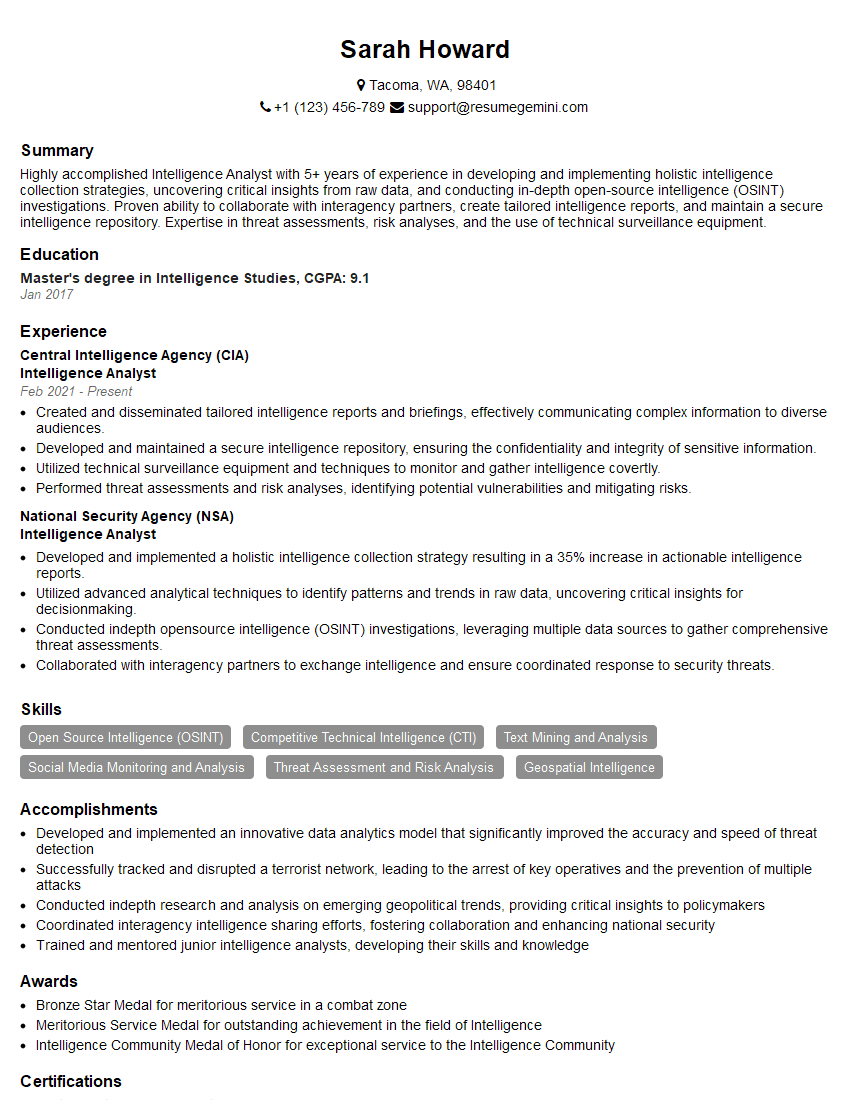
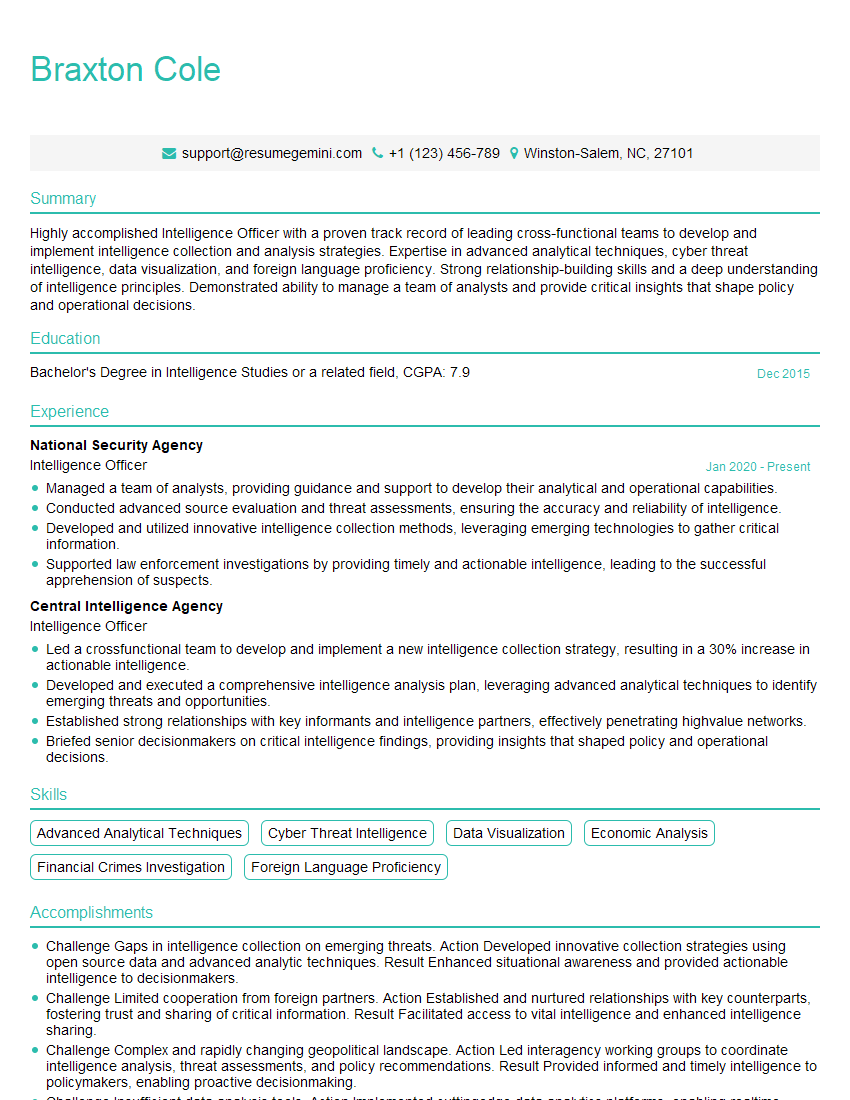
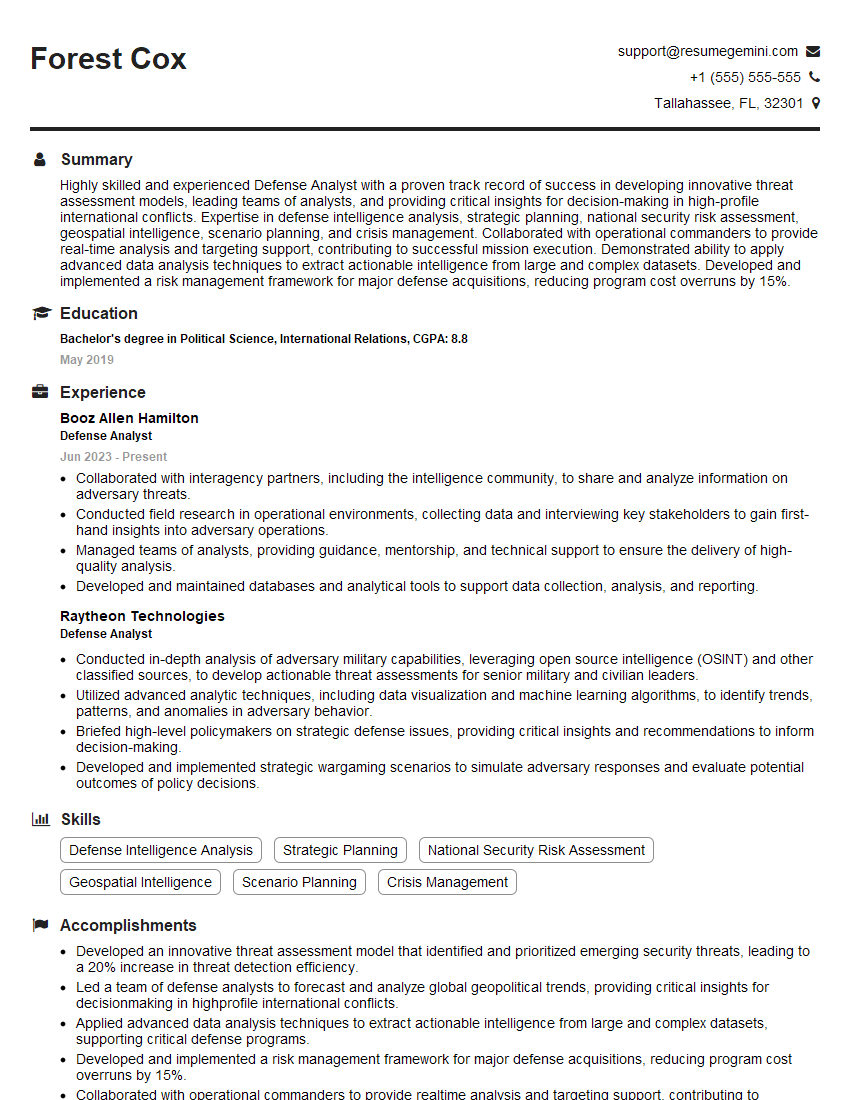
Mastering Defense Planning opens doors to impactful and rewarding careers within government, defense contracting, and related fields. To maximize your job prospects, a strong, ATS-friendly resume is crucial. ResumeGemini can help you craft a compelling resume that highlights your skills and experience effectively. We provide examples of resumes tailored to the Defense Planning field, showcasing best practices for showcasing your unique qualifications. Invest in your future – build a resume that gets noticed with ResumeGemini.

Explore more articles
Users Rating of Our Blogs
Share Your Experience
We value your feedback! Please rate our content and share your thoughts (optional).
What Readers Say About Our Blog
Attention music lovers!
Wow, All the best Sax Summer music !!!
Spotify: https://open.spotify.com/artist/6ShcdIT7rPVVaFEpgZQbUk
Apple Music: https://music.apple.com/fr/artist/jimmy-sax-black/1530501936
YouTube: https://music.youtube.com/browse/VLOLAK5uy_noClmC7abM6YpZsnySxRqt3LoalPf88No
Other Platforms and Free Downloads : https://fanlink.tv/jimmysaxblack
on google : https://www.google.com/search?q=22+AND+22+AND+22
on ChatGPT : https://chat.openai.com?q=who20jlJimmy20Black20Sax20Producer
Get back into the groove with Jimmy sax Black
Best regards,
Jimmy sax Black
www.jimmysaxblack.com
Hi I am a troller at The aquatic interview center and I suddenly went so fast in Roblox and it was gone when I reset.
Hi,
Business owners spend hours every week worrying about their website—or avoiding it because it feels overwhelming.
We’d like to take that off your plate:
$69/month. Everything handled.
Our team will:
Design a custom website—or completely overhaul your current one
Take care of hosting as an option
Handle edits and improvements—up to 60 minutes of work included every month
No setup fees, no annual commitments. Just a site that makes a strong first impression.
Find out if it’s right for you:
https://websolutionsgenius.com/awardwinningwebsites
Hello,
we currently offer a complimentary backlink and URL indexing test for search engine optimization professionals.
You can get complimentary indexing credits to test how link discovery works in practice.
No credit card is required and there is no recurring fee.
You can find details here:
https://wikipedia-backlinks.com/indexing/
Regards
NICE RESPONSE TO Q & A
hi
The aim of this message is regarding an unclaimed deposit of a deceased nationale that bears the same name as you. You are not relate to him as there are millions of people answering the names across around the world. But i will use my position to influence the release of the deposit to you for our mutual benefit.
Respond for full details and how to claim the deposit. This is 100% risk free. Send hello to my email id: lukachachibaialuka@gmail.com
Luka Chachibaialuka
Hey interviewgemini.com, just wanted to follow up on my last email.
We just launched Call the Monster, an parenting app that lets you summon friendly ‘monsters’ kids actually listen to.
We’re also running a giveaway for everyone who downloads the app. Since it’s brand new, there aren’t many users yet, which means you’ve got a much better chance of winning some great prizes.
You can check it out here: https://bit.ly/callamonsterapp
Or follow us on Instagram: https://www.instagram.com/callamonsterapp
Thanks,
Ryan
CEO – Call the Monster App
Hey interviewgemini.com, I saw your website and love your approach.
I just want this to look like spam email, but want to share something important to you. We just launched Call the Monster, a parenting app that lets you summon friendly ‘monsters’ kids actually listen to.
Parents are loving it for calming chaos before bedtime. Thought you might want to try it: https://bit.ly/callamonsterapp or just follow our fun monster lore on Instagram: https://www.instagram.com/callamonsterapp
Thanks,
Ryan
CEO – Call A Monster APP
To the interviewgemini.com Owner.
Dear interviewgemini.com Webmaster!
Hi interviewgemini.com Webmaster!
Dear interviewgemini.com Webmaster!
excellent
Hello,
We found issues with your domain’s email setup that may be sending your messages to spam or blocking them completely. InboxShield Mini shows you how to fix it in minutes — no tech skills required.
Scan your domain now for details: https://inboxshield-mini.com/
— Adam @ InboxShield Mini
support@inboxshield-mini.com
Reply STOP to unsubscribe
Hi, are you owner of interviewgemini.com? What if I told you I could help you find extra time in your schedule, reconnect with leads you didn’t even realize you missed, and bring in more “I want to work with you” conversations, without increasing your ad spend or hiring a full-time employee?
All with a flexible, budget-friendly service that could easily pay for itself. Sounds good?
Would it be nice to jump on a quick 10-minute call so I can show you exactly how we make this work?
Best,
Hapei
Marketing Director
Hey, I know you’re the owner of interviewgemini.com. I’ll be quick.
Fundraising for your business is tough and time-consuming. We make it easier by guaranteeing two private investor meetings each month, for six months. No demos, no pitch events – just direct introductions to active investors matched to your startup.
If youR17;re raising, this could help you build real momentum. Want me to send more info?
Hi, I represent an SEO company that specialises in getting you AI citations and higher rankings on Google. I’d like to offer you a 100% free SEO audit for your website. Would you be interested?
Hi, I represent an SEO company that specialises in getting you AI citations and higher rankings on Google. I’d like to offer you a 100% free SEO audit for your website. Would you be interested?