The right preparation can turn an interview into an opportunity to showcase your expertise. This guide to Design for Safety Principles interview questions is your ultimate resource, providing key insights and tips to help you ace your responses and stand out as a top candidate.
Questions Asked in Design for Safety Principles Interview
Q 1. Explain the core principles of Design for Safety.
Design for Safety (DfS) prioritizes safety from the initial concept through to product disposal. It’s not about adding safety features as an afterthought, but rather integrating safety into the very fabric of the design. The core principles revolve around proactively identifying and mitigating hazards throughout the product lifecycle. This includes understanding the potential risks associated with its use, misuse, and even disposal.
- Hazard Identification and Risk Assessment: This is the foundational step, involving a thorough examination of all potential hazards, whether they stem from the product’s design, materials, manufacturing processes, or intended use. This often involves techniques like HAZOP and FMEA (discussed further below).
- Inherent Safety: Designing safety into the product inherently, from the outset, minimizing the potential for hazards in the first place. This is the most effective safety approach.
- Risk Reduction: Implementing appropriate safeguards and control measures to reduce the likelihood and severity of identified hazards. This might involve design modifications, safety devices, warning labels, or user training.
- Safety Verification and Validation: Testing and evaluating the effectiveness of safety measures throughout the design process and beyond. This frequently uses simulations, prototypes, and rigorous testing.
- Continuous Improvement: Regularly reviewing and updating the design and safety measures in response to new information, feedback, and incidents.
For example, designing a power tool with an automatic shut-off mechanism in case of a jam is a DfS principle in action. This reduces the risk of injury compared to a design lacking such a feature.
Q 2. Describe your experience with Hazard and Operability (HAZOP) studies.
HAZOP (Hazard and Operability) studies are a systematic and critical examination of a process or system to identify potential hazards and operability problems. I’ve extensively used HAZOP in various projects, from designing chemical processing plants to developing complex automated machinery. My experience typically involves leading multidisciplinary teams through a structured HAZOP review, guiding the team to consider deviations from the intended operation of the system.
The process involves defining the system’s boundaries, establishing nodes (points in the process where deviations could occur), identifying guide words (such as ‘no flow,’ ‘high pressure,’ ‘low temperature’) to provoke deviations, and then evaluating the consequences of these deviations. We then develop safety measures or recommendations to mitigate identified risks. Documentation is crucial, providing a comprehensive record of the identified hazards, their causes, consequences, and recommended safeguards.
For instance, in a pharmaceutical manufacturing process, a HAZOP study might uncover the risk of over-pressurization in a reactor. This could lead to the design modifications such as including pressure relief valves, improved pressure sensors, and enhanced control system logic.
Q 3. How do you apply Failure Mode and Effects Analysis (FMEA) in a design context?
Failure Mode and Effects Analysis (FMEA) is a proactive technique to identify potential failure modes within a system and assess their impact. In design, I apply FMEA by systematically breaking down a product or process into its constituent parts and analyzing each for potential failure modes. For each identified failure mode, I determine its severity, the probability of occurrence, and the detectability of the failure before it causes harm.
A risk priority number (RPN) is calculated by multiplying these three factors (Severity x Probability x Detectability). High RPN values indicate areas requiring immediate attention. The process then involves brainstorming solutions to mitigate the risks identified by the FMEA. These solutions are then integrated into the design, and the FMEA is updated to reflect these changes.
For example, during the design of a medical device, an FMEA might reveal a potential failure mode where a sensor could malfunction, leading to inaccurate readings. By analyzing severity, probability, and detectability, I might then decide to add a redundant sensor, improve the sensor’s quality, and implement thorough testing protocols – all to reduce the RPN.
Q 4. What are some common safety standards and regulations you are familiar with (e.g., ISO 14971)?
I’m familiar with a range of safety standards and regulations, including ISO 14971 (Medical Devices – Application of risk management to medical devices), IEC 61508 (Functional safety of electrical/electronic/programmable electronic safety-related systems), and OSHA (Occupational Safety and Health Administration) regulations relevant to specific industries. My experience includes applying these standards to ensure designs meet the required safety levels.
ISO 14971, for example, provides a systematic process for risk management, guiding us through hazard identification, risk analysis, risk evaluation, risk control, and risk monitoring. Understanding these standards is essential for creating safe and compliant products, avoiding potential liabilities and ensuring user safety.
Q 5. Explain the difference between inherent safety and safety by design.
Inherent safety and safety by design are closely related but distinct concepts. Inherent safety focuses on eliminating hazards from the outset by choosing intrinsically safe materials, processes, and designs. It’s about fundamentally preventing the possibility of harm.
Safety by design is a broader concept encompassing inherent safety but also including the addition of safety features and safeguards to mitigate remaining risks. This might involve adding safety devices, implementing protective measures, or including warnings. Think of it as a layered approach to safety, where inherent safety forms the foundation, upon which additional safety measures are built.
For instance, using a low-voltage power supply inherently eliminates the risk of high-voltage shock (inherent safety). Adding an emergency stop button to machinery improves safety further but is not an inherent safety feature (safety by design).
Q 6. Describe your experience with risk assessment methodologies.
My experience with risk assessment methodologies is extensive and incorporates several well-established techniques. Besides HAZOP and FMEA (already discussed), I’ve used bow-tie analysis, fault tree analysis (FTA), event tree analysis (ETA), and quantitative risk assessment (QRA) methods.
The choice of methodology depends on the complexity of the system and the specific objectives of the risk assessment. For example, bow-tie analysis is particularly useful for visualizing the cause-and-effect relationships between hazards, while FTA focuses on identifying the pathways leading to specific failures. QRA involves assigning numerical probabilities and consequences to risks, enabling a more precise quantification of risk levels.
I’m adept at selecting and applying the most appropriate technique for a given scenario and integrating the results to create a comprehensive risk profile, guiding the selection of appropriate risk control measures.
Q 7. How do you incorporate human factors considerations into your safety designs?
Human factors engineering plays a vital role in DfS. Designing for safety isn’t just about the technical aspects; it’s equally about the interaction between humans and the system. I incorporate human factors considerations by focusing on user understanding, usability, and error prevention. This involves several key aspects:
- Usability testing: Observing real users interacting with the design to identify potential usability issues that could contribute to accidents.
- Anthropometric data: Considering the physical dimensions and capabilities of the intended users in the design, ensuring the product is comfortable and ergonomically sound.
- Cognitive factors: Understanding the user’s mental processes, decision-making capabilities, and potential limitations when designing interfaces and instructions.
- Error prevention: Designing systems and interfaces that minimize the likelihood of human error. This often involves implementing features like foolproofing or fail-safes to prevent accidental operation or misuse.
- Clear and concise instructions and warnings: Providing unambiguous information to users regarding the safe operation and maintenance of the system.
For instance, designing a control panel with intuitive icons and clearly labeled controls reduces the risk of errors compared to a design with cryptic labels or complex procedures. This illustrates how incorporating human factors can contribute significantly to overall system safety.
Q 8. Explain your understanding of safety lifecycle management.
Safety lifecycle management is a holistic approach to integrating safety considerations throughout the entire lifespan of a product, process, or system. It’s not just about adding safety features at the end; it’s about proactively designing and managing safety from the initial concept stage through design, development, manufacturing, operation, maintenance, and eventual decommissioning.
- Concept & Design: Hazard identification and risk assessment are paramount here. We use techniques like Failure Mode and Effects Analysis (FMEA) and Hazard and Operability Studies (HAZOP) to proactively identify potential dangers.
- Development & Testing: Prototypes undergo rigorous testing to validate safety features and identify weaknesses. Simulation and modeling play crucial roles.
- Manufacturing & Operation: Safety protocols and training are crucial to ensure safe production and operation. Regular inspections and maintenance are critical.
- Maintenance & Decommissioning: Proper maintenance procedures minimize risks during operation. Safe decommissioning plans prevent hazards during the product’s end-of-life.
Think of building a house. Safety lifecycle management is like ensuring the foundation is strong, the wiring is safe, and the building materials are non-toxic, all throughout the construction and beyond, even after it’s occupied.
Q 9. How do you evaluate the effectiveness of safety measures?
Evaluating the effectiveness of safety measures requires a multi-faceted approach combining quantitative and qualitative data.
- Key Performance Indicators (KPIs): Track metrics like accident rates, near-miss incidents, and lost-time injuries. A decrease in these metrics signifies improvement.
- Audits and Inspections: Regular audits assess adherence to safety protocols and identify areas for improvement. Inspections focus on physical equipment and processes.
- Employee Feedback: Collecting feedback from workers on the usability and effectiveness of safety measures is essential. They are often the first to notice potential problems.
- Incident Investigations: Thorough investigations of accidents and near misses reveal underlying causes and help identify weaknesses in safety measures. Root cause analysis is critical.
For example, if we implement a new safety guard on a machine, we’d track the number of injuries related to that machine before and after the implementation. We’d also survey employees on the usability and effectiveness of the new guard.
Q 10. How do you communicate safety risks and mitigation strategies to stakeholders?
Communicating safety risks and mitigation strategies requires clear, concise, and accessible communication tailored to the audience.
- Visual Aids: Charts, graphs, and images are excellent for conveying complex information simply.
- Training Programs: Interactive training sessions using simulations and real-life scenarios enhance understanding and retention.
- Regular Meetings: Safety meetings provide a platform for open communication and feedback.
- Reports and Documentation: Detailed reports on safety incidents and risk assessments are necessary for record-keeping and continuous improvement. These should be easily accessible.
- Tailored Communication: Adjust the complexity of information based on the audience – simple terms for shop floor workers, more technical detail for engineers.
Imagine explaining a complex chemical spill risk to both factory workers and executives. For workers, you’d focus on practical steps and emergency procedures; for executives, you’d present the financial risks and compliance implications.
Q 11. Describe a time you identified a significant safety hazard and how you mitigated it.
During a project involving heavy machinery, I identified a significant hazard: inadequate lighting in a maintenance area. This increased the risk of accidents during night shifts.
Mitigation: I implemented a three-step solution:
- Assessment: I conducted a thorough risk assessment, documenting the lighting levels and potential consequences of poor visibility.
- Recommendation: Based on the assessment, I recommended installing high-intensity LED lighting in the maintenance area, and provided a detailed cost-benefit analysis.
- Implementation & Monitoring: The new lighting system was installed, and we monitored accident rates and employee feedback to evaluate effectiveness. The accident rate in the maintenance area dropped significantly after the installation.
Q 12. What is your experience with safety audits and inspections?
I have extensive experience conducting safety audits and inspections across various industries. My approach involves a combination of checklists, observation, and interviews.
- Checklists: Using standardized checklists ensures consistency and thoroughness. These checklists cover different aspects like equipment maintenance, safety procedures, and emergency preparedness.
- Observation: Direct observation of work processes and equipment identifies potential hazards that may not be apparent from documentation alone. I always focus on actual practice, not just procedures.
- Interviews: Talking to employees provides valuable insights into potential hazards and safety concerns. Anonymous feedback mechanisms are often incorporated for candid responses.
- Reporting: Detailed reports document findings, recommendations, and corrective actions. These reports include photographic evidence and clear timelines for remediation.
For example, during a factory audit, I discovered workers bypassing a safety interlock on a machine. The audit report detailed this, including photos, and recommendations for retraining and modifying the machine to prevent bypassing.
Q 13. How do you stay current with the latest safety standards and best practices?
Staying current requires continuous learning and engagement with the safety community.
- Professional Organizations: Membership in organizations like OSHA (Occupational Safety and Health Administration) provides access to the latest standards and best practices.
- Conferences and Seminars: Attending industry conferences and seminars offers opportunities for networking and learning from experts.
- Publications and Journals: Staying abreast of new research and developments through relevant publications and journals is critical. This is particularly important for emerging technologies.
- Online Resources: Numerous online resources provide valuable information, including case studies and updates on safety regulations.
- Networking: Connecting with colleagues and experts in the field provides insights into real-world challenges and solutions.
Think of it like a doctor staying updated on the latest medical research – continuous learning is crucial for maintaining expertise and providing the best possible care (in this case, safety).
Q 14. Describe your experience with using safety software or tools.
I have experience using various safety software and tools, including Computerized Maintenance Management Systems (CMMS) and risk assessment software.
- CMMS: These systems help manage maintenance schedules, track equipment inspections, and generate reports on equipment performance and safety. This ensures proactive maintenance and reduces equipment-related hazards.
Example: A CMMS might alert us when a machine's safety inspection is due. - Risk Assessment Software: Specialized software facilitates risk assessments by allowing for systematic identification, analysis, and prioritization of hazards. It can also assist with tracking mitigation actions and reporting.
Example: A Bowtie analysis tool can visually display the consequences of failures and their associated preventative measures. - Incident Reporting Systems: These platforms help track and analyze safety incidents, facilitating root cause analysis and continuous improvement. They often incorporate data visualization tools for better understanding of trends.
Using these tools helps move beyond manual processes, enabling better data management, analysis and faster response to safety issues.
Q 15. How would you handle a safety incident or accident investigation?
Investigating a safety incident requires a systematic approach. My process begins with securing the scene to prevent further harm and preserving evidence. Then, I’d gather information through interviews with witnesses, reviewing documentation (maintenance logs, training records, etc.), and analyzing physical evidence. I’d use a structured methodology like the 5 Whys to drill down to the root cause, not just the immediate event. For example, if a worker was injured by a falling object, the immediate cause might be ‘the object fell,’ but the 5 Whys would uncover why it fell (e.g., inadequate securing, faulty equipment, lack of training). This root cause analysis guides the development of corrective actions to prevent recurrence. Finally, I’d document everything meticulously, creating a comprehensive report that includes findings, conclusions, and recommendations for improvement.
I also incorporate techniques like fault tree analysis (explained further in a later response) and human factors analysis to pinpoint systemic weaknesses and human error contributions. This ensures a holistic understanding of the incident and leads to more effective preventative measures. A crucial part of the investigation is ensuring that lessons learned are communicated broadly to prevent similar incidents from happening elsewhere within the organization.
Career Expert Tips:
- Ace those interviews! Prepare effectively by reviewing the Top 50 Most Common Interview Questions on ResumeGemini.
- Navigate your job search with confidence! Explore a wide range of Career Tips on ResumeGemini. Learn about common challenges and recommendations to overcome them.
- Craft the perfect resume! Master the Art of Resume Writing with ResumeGemini’s guide. Showcase your unique qualifications and achievements effectively.
- Don’t miss out on holiday savings! Build your dream resume with ResumeGemini’s ATS optimized templates.
Q 16. What is your approach to designing for user error?
Designing for user error is paramount. My approach is based on the understanding that human error is inevitable, and the system should be designed to mitigate its impact rather than eliminate it entirely. This involves a multi-faceted strategy.
- Error-proofing: Designing systems that make errors impossible or difficult to commit. This could involve using Poka-yoke techniques, like implementing interlocks to prevent incorrect assembly or using color-coding to ensure parts are placed correctly.
- Fail-safes: Building in safeguards that minimize the consequences of errors. Examples include redundant systems, automatic shut-offs, and alarms that alert the user to potential problems.
- Human-centered design: Designing systems that are intuitive and easy to use, minimizing the cognitive load on the user. This includes clear instructions, visual cues, and feedback mechanisms.
- Clear communication: Using simple and unambiguous language in all instructions and warnings. Visual aids, such as pictograms, can significantly enhance understanding.
- Training and support: Providing comprehensive training to users on how to safely and effectively use the system. Ongoing support and readily available troubleshooting guides further minimize the risk of errors.
For instance, in designing a medical device, error-proofing might involve using a unique connector for a drug delivery system to prevent inadvertent connection with the wrong type of fluid. Fail-safes might include pressure sensors and alarms to prevent over-infusion.
Q 17. Explain your understanding of fault tree analysis (FTA).
Fault Tree Analysis (FTA) is a top-down, deductive reasoning technique used to systematically analyze potential system failures. It starts by defining an undesired event (the ‘top event’), and then works backward to identify the contributing events and failures that could lead to that top event. These contributing events are represented in a tree-like diagram, showing the logical relationships (AND gates, OR gates) between them. The analysis helps determine the likelihood of the top event occurring and identify critical components or areas requiring attention.
For example, if the top event is ‘System Failure,’ FTA might reveal that this could be caused by ‘Power Supply Failure’ OR ‘Sensor Malfunction.’ ‘Power Supply Failure’ might, in turn, be due to ‘Power Surge’ AND ‘Fuse Failure.’ By identifying these contributing factors, we can target interventions to reduce the probability of system failure. FTA is commonly used in safety-critical industries like aviation, nuclear power, and healthcare to assess risks and improve system reliability.
Q 18. What is your experience with working with regulatory agencies regarding safety compliance?
I have extensive experience working with regulatory agencies like the FDA (Food and Drug Administration) and OSHA (Occupational Safety and Health Administration). This includes preparing and submitting documentation for regulatory approvals, participating in audits, and addressing agency findings. My experience encompasses ensuring compliance with relevant safety standards and regulations, such as ISO 13485 (Medical Devices) or IEC 60601 (Medical Electrical Equipment). I understand the importance of thorough documentation, traceability, and robust quality systems in meeting regulatory requirements. I’m familiar with the various stages of the regulatory process and proactively identify potential compliance issues to prevent delays or non-compliance.
For example, in the development of a new medical device, I’d be involved in all stages, from designing the device with regulatory requirements in mind to managing the submission of the necessary documentation to the FDA, including pre-submission meetings and responses to any agency inquiries.
Q 19. How do you balance safety considerations with cost and time constraints?
Balancing safety, cost, and time is a critical aspect of my role. It’s not a compromise, but rather an optimization process. I prioritize safety as the highest priority, but I also recognize the constraints of time and budget. My approach uses a risk-based approach. This involves identifying hazards, assessing their risks (likelihood and severity), and then prioritizing mitigation efforts based on the level of risk. This allows us to focus resources on the most critical areas.
For example, if we identify a high-risk hazard, even if mitigating it is costly, it would be prioritized. A low-risk hazard with a significantly cheaper and simpler mitigation may be addressed later. This balanced approach ensures that safety is not compromised without unnecessarily inflating costs or delaying projects. Utilizing techniques like value engineering can help identify cost-effective solutions that do not compromise safety.
Q 20. Explain your understanding of proactive and reactive safety measures.
Proactive safety measures aim to prevent incidents before they happen, while reactive measures address incidents after they occur. Proactive measures are more cost-effective in the long run, as they avoid the expenses and disruption associated with accidents. Examples of proactive measures include:
- Hazard identification and risk assessment
- Implementing safety controls (engineering, administrative, personal protective equipment)
- Regular safety inspections and maintenance
- Providing employee safety training
- Developing safety procedures and protocols
Reactive measures address accidents that have already occurred, and typically include:
- Incident investigation and root cause analysis
- Corrective actions to prevent recurrence
- Reporting and documentation
- Modification of procedures and training materials
Imagine a manufacturing plant. Proactive measures might include regularly inspecting machinery, providing safety training to employees on proper machine operation, and establishing clear safety protocols. If an accident does occur, reactive measures would focus on understanding why it happened, implementing changes to prevent similar accidents, and reporting the incident to relevant authorities.
Q 21. Describe your experience with safety training and education programs.
I have significant experience in designing, developing, and delivering safety training and education programs. My approach is to tailor training to the specific needs of the audience, using a variety of methods to ensure engagement and retention. This includes interactive workshops, simulations, online modules, and on-the-job training. I focus on practical application, using real-world scenarios and case studies to illustrate key concepts.
Effective safety training needs to go beyond simple rules and regulations. It should incorporate behavioral science principles to foster a safety culture. This includes emphasizing individual responsibility, encouraging proactive hazard identification, and providing employees with the skills and confidence to address safety concerns. Post-training assessments and evaluations are critical to ensure the effectiveness of the program and to identify areas for improvement. For example, I’ve developed a comprehensive safety training program for a construction company, including modules on hazard identification, fall protection, and equipment operation, resulting in a significant reduction in workplace incidents.
Q 22. How do you ensure the effectiveness of safety management systems?
Ensuring the effectiveness of a Safety Management System (SMS) requires a multi-faceted approach focusing on continuous improvement and proactive hazard mitigation. It’s not a one-time implementation but an ongoing process.
- Regular Audits and Inspections: Conducting thorough, scheduled audits and inspections to identify gaps and areas for improvement in the SMS’s implementation is crucial. This includes verifying adherence to procedures, inspecting equipment, and assessing employee training effectiveness.
- Data-Driven Decision Making: Collecting, analyzing, and acting upon safety data (near misses, incidents, accidents) is paramount. This helps to identify trends, predict potential hazards, and measure the effectiveness of implemented safety measures. For example, tracking the number of near misses related to a specific machine can highlight the need for improved guarding or training.
- Proactive Hazard Identification and Risk Assessment: Implementing a robust Hazard and Operability Study (HAZOP) or similar risk assessment methodology allows for the identification of potential hazards before they lead to incidents. This proactive approach is more cost-effective than reacting to accidents.
- Effective Communication and Training: Clear communication channels and comprehensive training programs are essential for disseminating safety information, fostering a safety-conscious culture, and empowering employees to identify and report hazards. Regular safety meetings and toolbox talks play a vital role.
- Management Commitment and Leadership: A demonstrable commitment from top management to prioritize safety is non-negotiable. Leaders must actively participate in safety initiatives, setting the tone and culture within the organization.
- Continuous Improvement: Regular reviews of the SMS, incorporating lessons learned from incidents and near misses, and adapting procedures accordingly ensures continuous improvement and prevents recurrence. This may involve using techniques like Plan-Do-Check-Act (PDCA).
For instance, in a construction project, regular site inspections can identify unsafe scaffolding practices, allowing for corrective actions before a fall occurs. Analyzing accident data may reveal a pattern of injuries related to specific tools, leading to improved training or tool selection.
Q 23. Describe your understanding of the concept of ‘just culture’ in safety management.
A ‘just culture’ in safety management acknowledges that human error is inevitable but distinguishes between acceptable human error and reckless behavior. It focuses on learning from mistakes rather than solely assigning blame. The goal is to encourage reporting without fear of retribution, fostering an environment where individuals feel comfortable speaking up about safety concerns.
- Reporting Culture: A just culture prioritizes open reporting of near misses and incidents, recognizing that these events provide valuable learning opportunities.
- Accountability: It holds individuals accountable for their actions, but it also considers the organizational factors that contributed to the error. It’s about understanding the systems and processes, not just the individual.
- Learning from Mistakes: Instead of focusing on punishment, a just culture emphasizes learning from errors to prevent similar occurrences in the future. Root cause analysis and corrective actions are central.
- Transparency and Fairness: Investigations and disciplinary actions are conducted fairly and transparently, ensuring that the process is perceived as just and equitable.
Imagine a pilot who makes a minor navigational error. In a blame culture, they might face severe consequences. In a just culture, the error would be investigated to understand the contributing factors (e.g., inadequate training, faulty equipment) and improvements implemented to prevent similar errors. The pilot would likely receive coaching and retraining rather than punishment, provided it wasn’t a gross negligence.
Q 24. How do you prioritize safety risks based on severity and likelihood?
Prioritizing safety risks involves a risk assessment process that considers both the severity of potential harm and the likelihood of that harm occurring. This typically involves a qualitative or quantitative approach, often visualized in a risk matrix.
- Severity Assessment: This determines the potential consequences of the hazard, ranging from minor injuries to fatalities. Consider factors like the potential for injury, environmental damage, or financial loss.
- Likelihood Assessment: This estimates the probability of the hazard occurring, considering factors such as frequency of exposure, control measures in place, and past incident history. This can be expressed qualitatively (e.g., low, medium, high) or quantitatively (e.g., probability percentage).
- Risk Matrix: A risk matrix plots severity and likelihood, allowing for the prioritization of risks. High severity and high likelihood risks are prioritized first.
- Risk Reduction Strategies: Once risks are prioritized, strategies are developed to reduce the risk. This might involve engineering controls (e.g., safety guards), administrative controls (e.g., procedures, training), or personal protective equipment (PPE).
For example, a risk matrix could rank a chemical spill (high severity, moderate likelihood) higher than a minor slip and fall (low severity, high likelihood) because the potential consequences of the spill are far greater.
Q 25. Explain your experience in designing for safety in a specific industry (e.g., automotive, aerospace).
My experience in designing for safety in the automotive industry focused on vehicle occupant safety. I was involved in projects using Finite Element Analysis (FEA) to simulate crash scenarios and optimize vehicle designs to minimize injury risks.
- Crashworthiness Design: I contributed to the design of safety-critical components, including crumple zones, airbags, and seatbelts. FEA was used extensively to evaluate the performance of these components under various impact conditions.
- Pedestrian Safety: I participated in the design and testing of vehicle front-end structures to reduce injuries to pedestrians in collisions. This involved detailed analysis of pedestrian impact forces and development of energy-absorbing structures.
- Safety Standards Compliance: My work ensured compliance with relevant safety regulations and standards, such as those set by the National Highway Traffic Safety Administration (NHTSA).
For example, I worked on a project to optimize the design of a side-impact airbag, using FEA to model the deployment and interaction with the occupant in a side collision. The simulations helped to refine the airbag’s design to achieve optimal protection while minimizing the risk of injury from the airbag itself.
Q 26. How do you use data analysis to improve safety performance?
Data analysis plays a crucial role in improving safety performance. It helps to identify trends, predict potential hazards, and measure the effectiveness of safety interventions. This involves leveraging various analytical methods.
- Incident Reporting and Analysis: Analyzing incident reports to identify common causes, contributing factors, and trends. This might involve statistical analysis to identify patterns or root cause analysis to determine the underlying causes of incidents.
- Near Miss Reporting and Analysis: Analyzing near misses to understand potential hazards that haven’t yet resulted in incidents. This is proactive and crucial for preventing future accidents.
- Leading Indicators: Tracking leading indicators, such as training completion rates, safety observation scores, and equipment maintenance records, to anticipate potential problems before they result in incidents.
- Lagging Indicators: Monitoring lagging indicators, such as injury rates, lost-time incidents, and accident costs, to measure the overall effectiveness of safety programs.
- Data Visualization: Presenting data in clear and concise visualizations (e.g., charts, graphs) to communicate findings and support decision-making.
For example, analyzing near-miss reports might reveal a pattern of slips and falls in a specific area of a factory, prompting improved housekeeping procedures and flooring modifications. Tracking leading indicators such as equipment inspection rates helps predict potential equipment failures and avoid costly downtime or injuries.
Q 27. Describe your experience with developing safety cases or safety reports.
I have extensive experience in developing safety cases and safety reports, documenting the safety integrity of systems and demonstrating compliance with regulatory requirements. This includes applying systematic methodologies and following established standards.
- Hazard Identification and Risk Assessment: Identifying potential hazards and assessing their associated risks using methods such as HAZOP, Failure Mode and Effects Analysis (FMEA), or Fault Tree Analysis (FTA).
- Safety Requirements Specification: Defining safety requirements based on risk assessment results. This involves specifying safety functions and performance targets.
- Safety Argument Development: Constructing a safety argument, demonstrating that the implemented safety measures are adequate to mitigate identified risks. This often involves using a hierarchical structure to show the relationships between hazards, safety functions, and safety mechanisms.
- Verification and Validation: Verifying that the safety requirements are met and validating that the system performs as intended with respect to safety. This often involves testing and simulations.
- Documentation: Preparing comprehensive safety reports and documentation to meet regulatory requirements and communicate safety information effectively. These reports may include safety case arguments, risk assessments, and test results.
For example, in a nuclear power plant, the safety case would comprehensively document the design, operation, and safety systems to demonstrate that the facility can withstand anticipated events and prevent accidents.
Q 28. How do you contribute to a positive safety culture within a team?
Contributing to a positive safety culture is essential for effective safety management. It requires a proactive and participatory approach, focusing on leadership, communication, and empowerment.
- Leading by Example: Demonstrate a strong personal commitment to safety by adhering to safety rules and regulations and actively participating in safety initiatives.
- Open Communication: Foster an open and transparent communication environment where employees feel comfortable reporting safety concerns without fear of reprisal.
- Employee Empowerment: Empower employees to identify and report hazards and participate in the development and implementation of safety improvements. This involves actively listening to their suggestions and concerns.
- Teamwork and Collaboration: Promote teamwork and collaboration among team members to foster a shared sense of responsibility for safety.
- Recognition and Rewards: Recognize and reward employees who demonstrate a commitment to safety. This can include verbal praise, awards, or other forms of recognition.
- Continuous Learning: Provide regular safety training and encourage continuous learning to enhance safety knowledge and skills.
For example, actively participating in safety meetings, offering suggestions for improvement, and recognizing employees who identify near misses create a positive reinforcing loop, enhancing safety awareness and commitment across the team.
Key Topics to Learn for Design for Safety Principles Interview
- Hazard Identification & Risk Assessment: Understanding methodologies like HAZOP, FMEA, and FTA, and their practical application in identifying potential hazards and assessing their risks.
- Safety Design Principles: Applying principles like inherent safety, fail-safe design, redundancy, and defense in depth to mitigate identified risks. Practical application might include case studies of successful safety implementations.
- Human Factors Engineering: Understanding human limitations and error tendencies, and designing systems that account for these factors. Examples include designing user interfaces that minimize errors and designing for physical ergonomics.
- Safety Standards & Regulations: Familiarity with relevant industry standards (e.g., ISO, OSHA) and regulations, and their role in ensuring safety compliance. This includes understanding how these regulations inform design choices.
- Safety Management Systems (SMS): Understanding the principles and implementation of SMS frameworks, and how they contribute to a proactive safety culture within an organization.
- Accident Investigation & Analysis: Knowledge of different accident investigation techniques and methodologies used to determine root causes and prevent future occurrences. This includes understanding how to draw actionable insights from accident reports.
- Safety Communication & Training: Understanding the importance of clear and effective communication of safety information, and designing effective training programs for employees.
- Case Studies & Best Practices: Reviewing real-world examples of successful safety design implementations and analyzing the strategies employed to achieve positive outcomes.
Next Steps
Mastering Design for Safety Principles is crucial for career advancement in various sectors, demonstrating your commitment to a safe and productive work environment. A strong resume is your key to unlocking these opportunities. To enhance your job prospects, create an ATS-friendly resume that highlights your relevant skills and experience effectively. ResumeGemini is a trusted resource to help you build a professional and impactful resume tailored to the specific requirements of Design for Safety Principles roles. Examples of resumes optimized for this field are available through ResumeGemini to guide your creation process.
Safety Manager Resume Sample
Safety Specialist Resume Sample

Compliance Officer Resume Sample
Risk Manager Resume Sample
Regulatory Affairs Specialist Resume Sample
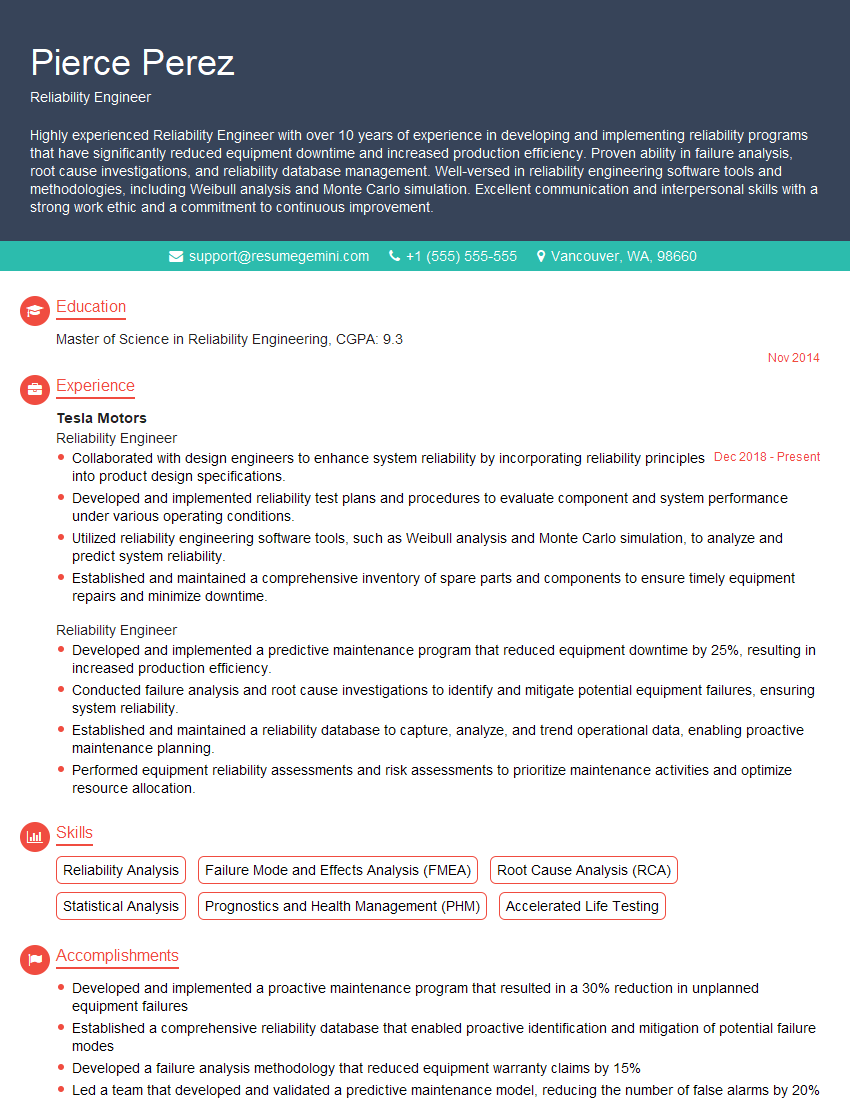
Reliability Engineer Resume Sample
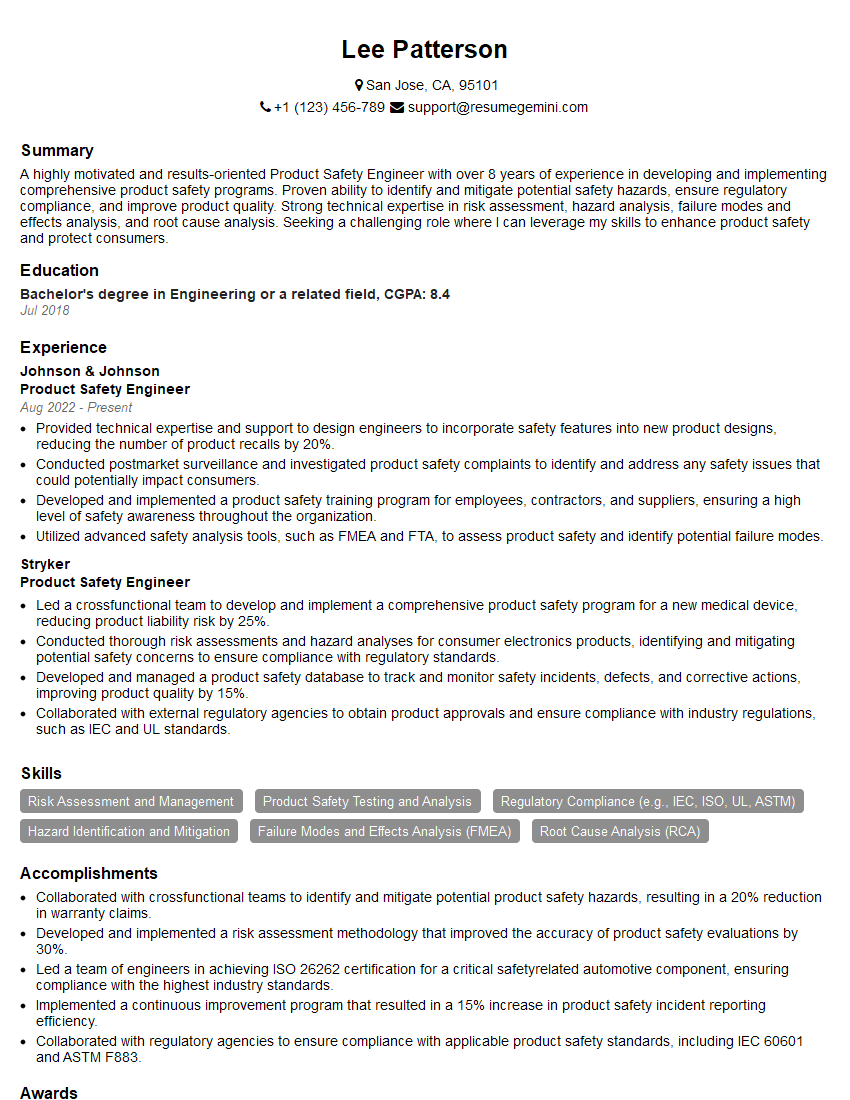
Product Safety Engineer Resume Sample
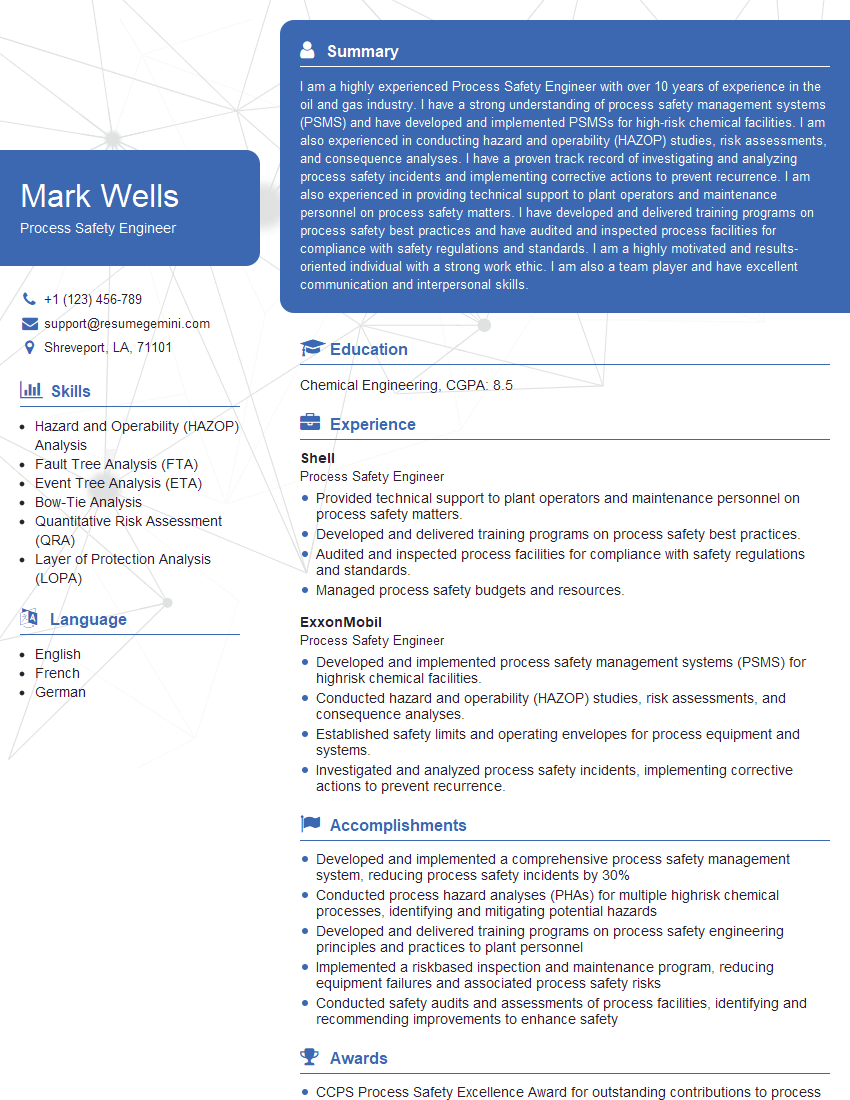
Process Safety Engineer Resume Sample
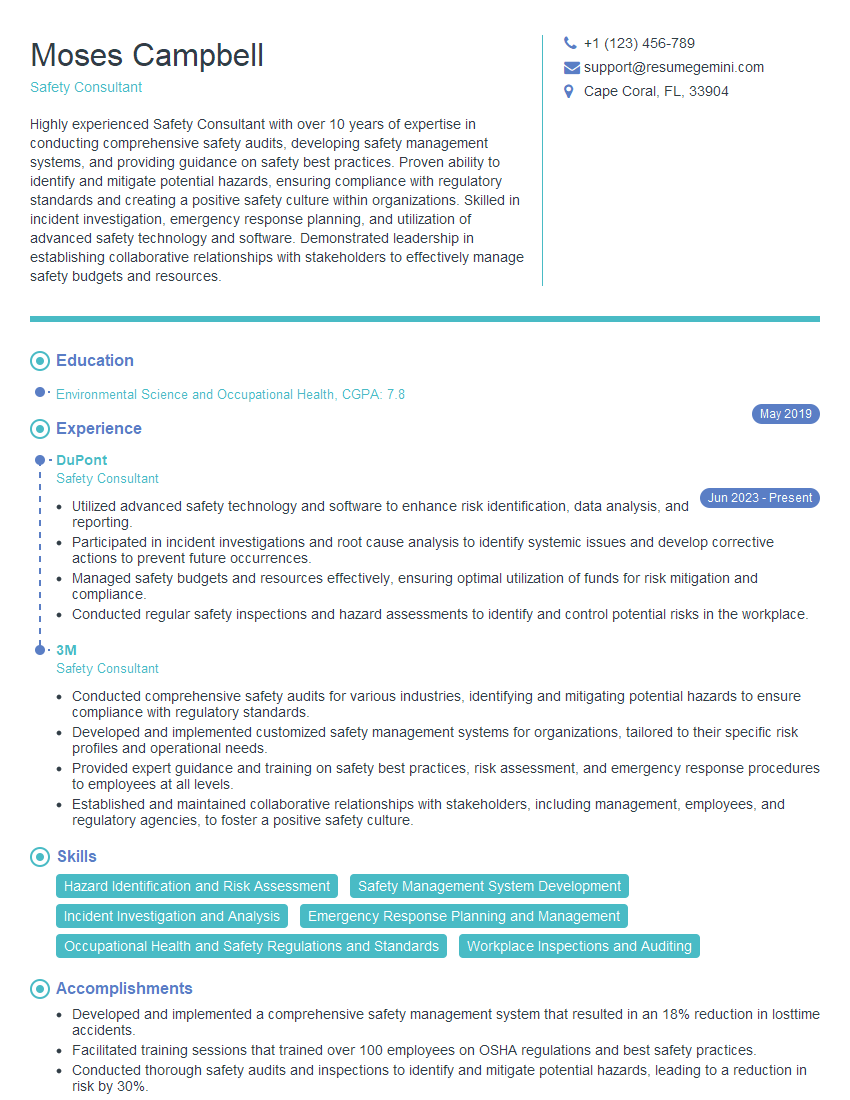
Safety Consultant Resume Sample
Safety Engineer Resume Sample
Ergonomist Resume Sample
Human Factors Engineer Resume Sample
Industrial Hygienist Resume Sample
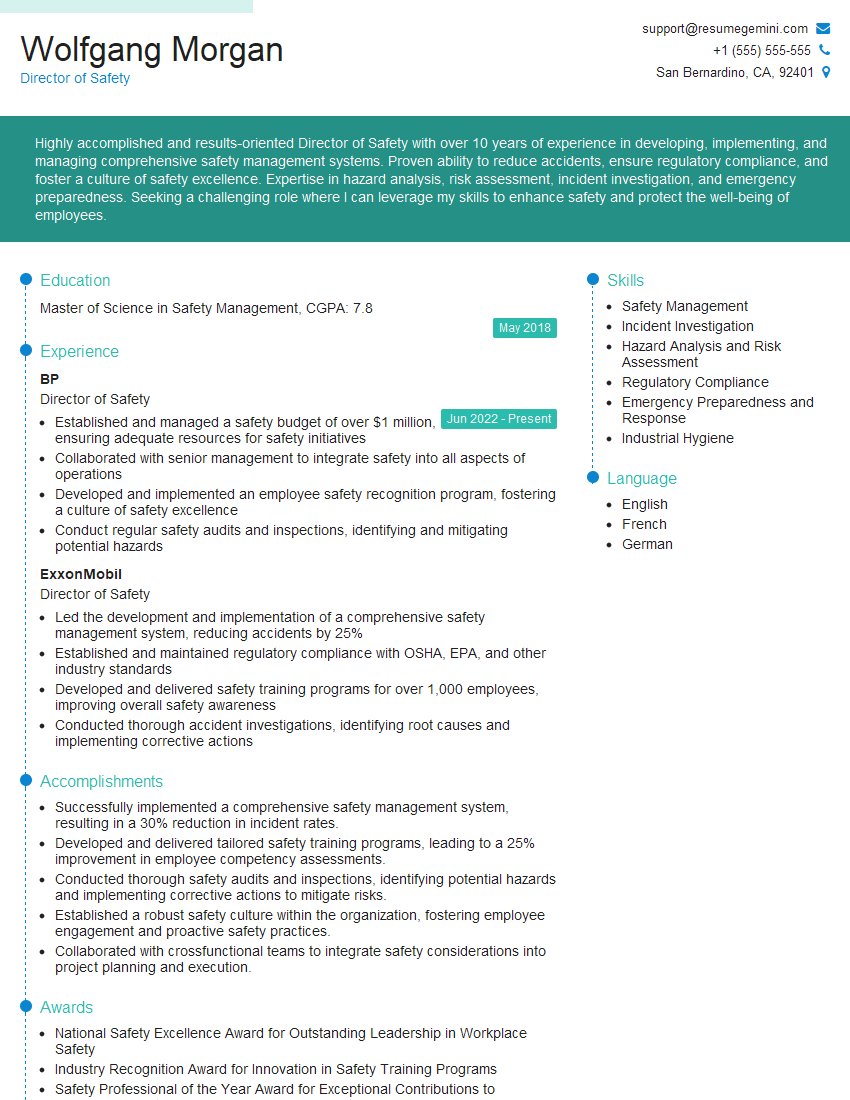
Director of Safety Resume Sample
Explore more articles
Users Rating of Our Blogs
Share Your Experience
We value your feedback! Please rate our content and share your thoughts (optional).
What Readers Say About Our Blog
Attention music lovers!
Wow, All the best Sax Summer music !!!
Spotify: https://open.spotify.com/artist/6ShcdIT7rPVVaFEpgZQbUk
Apple Music: https://music.apple.com/fr/artist/jimmy-sax-black/1530501936
YouTube: https://music.youtube.com/browse/VLOLAK5uy_noClmC7abM6YpZsnySxRqt3LoalPf88No
Other Platforms and Free Downloads : https://fanlink.tv/jimmysaxblack
on google : https://www.google.com/search?q=22+AND+22+AND+22
on ChatGPT : https://chat.openai.com?q=who20jlJimmy20Black20Sax20Producer
Get back into the groove with Jimmy sax Black
Best regards,
Jimmy sax Black
www.jimmysaxblack.com
Hi I am a troller at The aquatic interview center and I suddenly went so fast in Roblox and it was gone when I reset.
Hi,
Business owners spend hours every week worrying about their website—or avoiding it because it feels overwhelming.
We’d like to take that off your plate:
$69/month. Everything handled.
Our team will:
Design a custom website—or completely overhaul your current one
Take care of hosting as an option
Handle edits and improvements—up to 60 minutes of work included every month
No setup fees, no annual commitments. Just a site that makes a strong first impression.
Find out if it’s right for you:
https://websolutionsgenius.com/awardwinningwebsites
Hello,
we currently offer a complimentary backlink and URL indexing test for search engine optimization professionals.
You can get complimentary indexing credits to test how link discovery works in practice.
No credit card is required and there is no recurring fee.
You can find details here:
https://wikipedia-backlinks.com/indexing/
Regards
NICE RESPONSE TO Q & A
hi
The aim of this message is regarding an unclaimed deposit of a deceased nationale that bears the same name as you. You are not relate to him as there are millions of people answering the names across around the world. But i will use my position to influence the release of the deposit to you for our mutual benefit.
Respond for full details and how to claim the deposit. This is 100% risk free. Send hello to my email id: lukachachibaialuka@gmail.com
Luka Chachibaialuka
Hey interviewgemini.com, just wanted to follow up on my last email.
We just launched Call the Monster, an parenting app that lets you summon friendly ‘monsters’ kids actually listen to.
We’re also running a giveaway for everyone who downloads the app. Since it’s brand new, there aren’t many users yet, which means you’ve got a much better chance of winning some great prizes.
You can check it out here: https://bit.ly/callamonsterapp
Or follow us on Instagram: https://www.instagram.com/callamonsterapp
Thanks,
Ryan
CEO – Call the Monster App
Hey interviewgemini.com, I saw your website and love your approach.
I just want this to look like spam email, but want to share something important to you. We just launched Call the Monster, a parenting app that lets you summon friendly ‘monsters’ kids actually listen to.
Parents are loving it for calming chaos before bedtime. Thought you might want to try it: https://bit.ly/callamonsterapp or just follow our fun monster lore on Instagram: https://www.instagram.com/callamonsterapp
Thanks,
Ryan
CEO – Call A Monster APP
To the interviewgemini.com Owner.
Dear interviewgemini.com Webmaster!
Hi interviewgemini.com Webmaster!
Dear interviewgemini.com Webmaster!
excellent
Hello,
We found issues with your domain’s email setup that may be sending your messages to spam or blocking them completely. InboxShield Mini shows you how to fix it in minutes — no tech skills required.
Scan your domain now for details: https://inboxshield-mini.com/
— Adam @ InboxShield Mini
support@inboxshield-mini.com
Reply STOP to unsubscribe
Hi, are you owner of interviewgemini.com? What if I told you I could help you find extra time in your schedule, reconnect with leads you didn’t even realize you missed, and bring in more “I want to work with you” conversations, without increasing your ad spend or hiring a full-time employee?
All with a flexible, budget-friendly service that could easily pay for itself. Sounds good?
Would it be nice to jump on a quick 10-minute call so I can show you exactly how we make this work?
Best,
Hapei
Marketing Director
Hey, I know you’re the owner of interviewgemini.com. I’ll be quick.
Fundraising for your business is tough and time-consuming. We make it easier by guaranteeing two private investor meetings each month, for six months. No demos, no pitch events – just direct introductions to active investors matched to your startup.
If youR17;re raising, this could help you build real momentum. Want me to send more info?
Hi, I represent an SEO company that specialises in getting you AI citations and higher rankings on Google. I’d like to offer you a 100% free SEO audit for your website. Would you be interested?
Hi, I represent an SEO company that specialises in getting you AI citations and higher rankings on Google. I’d like to offer you a 100% free SEO audit for your website. Would you be interested?