Every successful interview starts with knowing what to expect. In this blog, we’ll take you through the top Determination and Perseverance interview questions, breaking them down with expert tips to help you deliver impactful answers. Step into your next interview fully prepared and ready to succeed.
Questions Asked in Determination and Perseverance Interview
Q 1. Describe a time you faced a significant setback. How did you overcome it?
Setbacks are inevitable in any pursuit, but how we respond defines our character. One significant setback I faced was the failure of a major research project after two years of dedicated work. We were close to a breakthrough, but unforeseen technical challenges rendered our initial approach unviable. Initially, I felt a crushing disappointment. However, I reframed this as an opportunity for learning.
My approach to overcoming it involved several steps: First, I took time for self-reflection, honestly assessing what went wrong without self-blame. I then convened a team meeting to brainstorm alternative strategies, leveraging the knowledge gained from the initial failure. We explored different methodologies, consulted external experts, and ultimately adopted a more robust, albeit longer, approach. This required renewed perseverance, but the eventual success, albeit delayed, was far more rewarding. The experience taught me the importance of adaptability and resilience in the face of unexpected obstacles.
Q 2. Give an example of a goal you set and the steps you took to achieve it, despite challenges.
A significant goal I set was to publish a research paper in a top-tier journal in my field. This involved not only rigorous research and data analysis but also navigating the complexities of the academic publishing process. The challenges included securing funding, managing competing priorities, and dealing with peer review feedback, which was often critical.
To achieve this goal, I developed a detailed project plan with clear milestones and deadlines. I utilized project management tools to track my progress and ensure accountability. When facing challenges, I broke down the tasks into smaller, more manageable steps. For instance, instead of focusing on the daunting task of writing the entire paper at once, I focused on completing one section at a time. I sought feedback regularly from colleagues and mentors, incorporating their constructive criticism into revisions. This iterative process, coupled with unwavering persistence, ultimately led to the publication of the paper – a testament to the power of focused effort and resilience.
Q 3. How do you handle criticism and use it to improve your performance?
Criticism, when delivered constructively, is a valuable tool for growth. I believe in actively seeking feedback, viewing it not as a personal attack but as an opportunity for improvement. My approach to handling criticism involves: 1) Active Listening: I carefully listen to the criticism without interrupting, focusing on understanding the perspective of the critic. 2) Seeking Clarification: If something is unclear, I ask clarifying questions to ensure I understand the feedback fully. 3) Self-Reflection: I take time to reflect on the feedback, analyzing whether it’s valid and identifying areas where I can improve. 4) Implementation: Based on my reflection, I implement changes and improvements to my work or approach. 5) Gratitude: I express my gratitude for the feedback, recognizing the effort the critic made to offer their insights. This approach turns criticism into a positive catalyst for enhanced performance.
Q 4. Describe a time you had to persevere through a difficult or tedious task. What strategies did you employ?
A tedious task I persevered through was the meticulous analysis of a vast dataset for my research. It involved sifting through hundreds of thousands of data points, identifying patterns, and cleaning inconsistencies. The sheer volume of work was initially daunting. To manage this, I employed several strategies:
- Chunking: I broke the task into smaller, manageable chunks, focusing on completing one segment at a time. This prevented feeling overwhelmed.
- Timeboxing: I allocated specific time blocks for the task, ensuring focused work sessions.
- Regular Breaks: I incorporated short breaks to avoid burnout and maintain focus.
- Self-Reward: I rewarded myself after completing each chunk to maintain motivation.
This structured approach, coupled with a commitment to the project’s overall significance, enabled me to complete the analysis successfully.
Q 5. How do you maintain your motivation when faced with long-term projects or goals?
Maintaining motivation in long-term projects requires a proactive approach. I find it crucial to:
- Set Clear Goals and Milestones: Breaking down large goals into smaller, achievable milestones allows for regular progress tracking and a sense of accomplishment along the way.
- Regular Evaluation and Adjustment: Periodically evaluating progress, and adjusting the plan as needed, keeps the project relevant and prevents stagnation.
- Visualization and Positive Self-Talk: Visualizing the successful completion of the project and using positive self-talk helps maintain a positive outlook and reinforces motivation.
- Seeking Support and Accountability: Discussing progress with colleagues or mentors, or having an accountability partner, provides encouragement and keeps one on track.
It is essential to remember the overarching purpose and benefits of the project to sustain the momentum.
Q 6. Have you ever had to overcome resistance from others to achieve your objectives? How did you handle it?
I once encountered resistance from colleagues during a project where I proposed a significant change to our workflow. Some team members were resistant to the change due to concerns about the added effort and potential disruption to existing processes.
To address this, I adopted a collaborative approach. First, I clearly communicated the benefits of the proposed change, demonstrating how it would improve efficiency and quality. I then actively listened to their concerns and addressed them transparently, acknowledging their valid points. We engaged in open discussions, exploring potential solutions that addressed their concerns while still achieving the project goals. Ultimately, through compromise and collaboration, we reached a consensus, leading to a smoother implementation of the change. The key was to treat resistance not as opposition, but as an opportunity to understand and address differing perspectives, ultimately leading to a more unified and effective outcome.
Q 7. Describe a situation where you had to make a difficult decision with limited information. How did you approach it?
In a situation requiring a difficult decision with limited information, a structured approach is crucial. I once had to decide whether to proceed with a new product launch despite incomplete market research data due to a tight deadline.
My approach involved:
- Gathering Available Data: I systematically collected all available information, including preliminary market research, competitor analysis, and internal projections.
- Risk Assessment: I identified potential risks and uncertainties associated with both proceeding and postponing the launch.
- Scenario Planning: I developed several potential scenarios based on different assumptions about the missing information.
- Decision Matrix: I used a decision matrix to weigh the potential benefits and risks of each scenario, helping to visualize the decision’s impact.
- Seeking Expert Opinions: I consulted with experienced colleagues to gain diverse perspectives and insights.
While the decision involved a degree of uncertainty, using this framework allowed me to make an informed decision that minimized potential risks while capitalizing on available opportunities. The outcome validated the structured approach even though the initial information was limited.
Q 8. How do you prioritize tasks when faced with multiple competing deadlines?
Prioritizing tasks with competing deadlines requires a strategic approach. I use a combination of techniques, starting with a clear understanding of each task’s importance and urgency. I employ methods like the Eisenhower Matrix (urgent/important), which helps categorize tasks into four quadrants: Do, Decide, Delegate, and Delete. This allows me to focus on the most critical tasks first, ensuring that high-impact activities aren’t delayed. Furthermore, I break down large projects into smaller, more manageable chunks with individual deadlines, making the overall goal less daunting. Regularly reviewing and adjusting this plan based on changing priorities is crucial. For example, if an unexpected high-priority task arises, I’ll reassess my schedule and re-prioritize to accommodate it, potentially delaying less critical tasks.
- Eisenhower Matrix: A visual tool categorizing tasks by urgency and importance.
- Time Blocking: Allocating specific time slots for particular tasks.
- Project Management Software: Using tools like Asana or Trello for task management and visualization.
Q 9. How do you manage stress and pressure while working towards a challenging goal?
Managing stress and pressure under challenging circumstances is a key skill. I approach it holistically, focusing on both mental and physical well-being. Firstly, I establish realistic goals and expectations, avoiding setting myself up for failure through unrealistic timelines. Secondly, I practice proactive stress management techniques, such as regular exercise, mindfulness, and sufficient sleep. These help to build resilience and manage the physical manifestations of stress. When pressure mounts, I take short breaks, practice deep breathing exercises, or engage in activities that help me relax and refocus. I also believe in seeking support when needed; talking to colleagues, mentors, or friends can provide a valuable perspective and alleviate pressure. For instance, when working on a particularly demanding project with a tight deadline, I made sure to schedule regular short breaks to avoid burnout. These breaks often involved a quick walk or a few minutes of meditation.
Q 10. Describe a time you had to adapt your approach to a problem when your initial strategy failed.
Adaptability is critical. In one project, we initially tried a specific marketing campaign relying heavily on social media influencers. However, the initial results were disappointing; engagement was low, and the return on investment was minimal. Instead of stubbornly sticking to the original plan, I analyzed the data carefully, identifying the weak points. We discovered that our target audience wasn’t actively engaging with the influencers we selected. We adapted by shifting our strategy to focus more on content marketing and search engine optimization (SEO), creating high-quality content directly targeted at our audience. This revised approach yielded significantly better results, demonstrating the importance of being flexible and data-driven.
Q 11. How do you measure your success when working on a complex project?
Measuring success in complex projects requires a multi-faceted approach that extends beyond simple completion. I define key performance indicators (KPIs) early on, aligning them directly with the project’s objectives. These KPIs can be quantitative, such as sales figures or cost reductions, or qualitative, like customer satisfaction or improved team morale. Regular monitoring of these KPIs throughout the project lifecycle helps assess progress and identify potential issues early. Furthermore, I conduct post-project reviews to evaluate overall performance against the initial goals, analyzing what worked well and areas for improvement. This iterative process allows for continuous learning and better project management in the future. For example, on a recent software development project, our KPIs included on-time delivery, bug-free deployment, and user satisfaction scores.
Q 12. How do you stay focused and avoid distractions when working on demanding projects?
Maintaining focus amidst distractions is a challenge, but crucial for productivity. I utilize several strategies, including time-blocking techniques to allocate specific time slots for focused work. I minimize interruptions by turning off notifications, closing unnecessary applications, and communicating my need for uninterrupted time to colleagues. I also create a dedicated workspace free from clutter and distractions to enhance concentration. The Pomodoro Technique—working in focused bursts with short breaks—is also very effective. Additionally, I regularly review my tasks and prioritize them to ensure I’m focusing on the most important activities first. This helps prevent task-switching and maintains momentum. For example, I find that using noise-canceling headphones while working helps immensely in blocking out distractions.
Q 13. Describe your approach to problem-solving when faced with an unfamiliar challenge.
When faced with an unfamiliar challenge, I employ a structured problem-solving approach. First, I thoroughly define the problem, gathering all relevant information and data. Then, I break down the problem into smaller, more manageable components. I research potential solutions, drawing on past experiences, best practices, and available resources. Next, I brainstorm potential solutions, exploring different approaches and considering various perspectives. Finally, I test and evaluate the solutions, selecting the most effective one. Throughout this process, I constantly iterate, refining my approach based on the results obtained. For instance, when tasked with implementing a new software system, I started by thoroughly understanding the existing system’s limitations before researching various software options and ultimately choosing the best fit for our needs.
Q 14. How do you learn from your mistakes and avoid repeating them?
Learning from mistakes is fundamental to growth. My approach involves a detailed post-mortem analysis of what went wrong. I try to understand the root causes of the mistakes, rather than just focusing on the symptoms. This involves seeking feedback from others and objectively assessing my own performance. Once I’ve identified the root causes, I develop strategies to avoid similar mistakes in the future. This may involve improving processes, gaining additional skills, or changing my approach. I document these learnings and share them with my team to promote collective learning and prevent similar issues arising elsewhere. For example, after missing a critical deadline on a previous project, I analyzed the reasons for the delay and implemented a more robust project management system to improve time management and prevent future missed deadlines.
Q 15. How do you build resilience in the face of repeated failures?
Building resilience after repeated failures is a crucial skill, and it’s less about avoiding failure and more about learning from it. It’s a process of adapting and growing stronger with each setback.
- Analyze Failures Objectively: Don’t dwell on the negative emotions. Instead, dissect each failure. What went wrong? What could you have done differently? What did you learn? Treat failures as valuable data points, not personal indictments.
- Adjust Your Approach: Based on your analysis, adapt your strategy. Perhaps you need to refine your skills, seek additional resources, or change your approach entirely. Rigidity in the face of failure is counterproductive.
- Celebrate Small Wins: Acknowledge and celebrate even minor successes along the way. These small victories build momentum and maintain morale. Progress, no matter how incremental, is progress.
- Develop a Growth Mindset: Embrace the belief that your abilities can be developed through dedication and hard work. View challenges as opportunities for growth rather than threats to your self-worth. This mindset is essential for bouncing back from setbacks.
- Seek Support: Talk to mentors, colleagues, or friends. Sharing your experiences can provide valuable perspective and emotional support. A fresh perspective can illuminate blind spots in your own analysis.
For example, consider a scientist repeatedly failing to achieve a desired outcome in an experiment. Instead of giving up, they meticulously analyze their procedures, perhaps identifying flaws in their methodology or equipment. They adjust their techniques, seek peer review, and eventually achieve success. Their resilience stems not from a lack of failures but from their ability to learn from them.
Career Expert Tips:
- Ace those interviews! Prepare effectively by reviewing the Top 50 Most Common Interview Questions on ResumeGemini.
- Navigate your job search with confidence! Explore a wide range of Career Tips on ResumeGemini. Learn about common challenges and recommendations to overcome them.
- Craft the perfect resume! Master the Art of Resume Writing with ResumeGemini’s guide. Showcase your unique qualifications and achievements effectively.
- Don’t miss out on holiday savings! Build your dream resume with ResumeGemini’s ATS optimized templates.
Q 16. Describe a situation where you had to work collaboratively with others to achieve a common goal, despite differences in opinion.
In a previous project involving the development of a new software application, our team faced significant disagreements about the optimal design approach. Some favored a more agile, iterative approach, while others advocated for a more structured, waterfall methodology.
- Open Communication: We started by having open and honest discussions, ensuring everyone felt comfortable expressing their opinions and concerns.
- Active Listening: We practiced active listening to understand each other’s perspectives, even if we didn’t agree.
- Compromise and Negotiation: We sought common ground by identifying shared goals and compromising on less critical aspects of the design. For example, we agreed on a hybrid approach that incorporated elements from both methodologies.
- Focus on Shared Goals: We constantly reminded ourselves of the overarching objective—delivering a high-quality application that met the client’s needs. This helped us to overcome our differences and work collaboratively.
- Fair Decision-Making: Decisions were made collectively, considering all perspectives. This ensured a sense of ownership and commitment from everyone on the team.
Ultimately, by prioritizing communication, collaboration, and a shared vision, we successfully launched the application, showcasing the power of teamwork even in the face of conflicting opinions.
Q 17. How do you handle setbacks and maintain a positive attitude?
Maintaining a positive attitude during setbacks is crucial for resilience. It’s about reframing challenges and focusing on solutions rather than dwelling on the negative.
- Self-Compassion: Treat yourself with kindness and understanding. Acknowledge that setbacks happen to everyone. Avoid self-criticism and focus on learning from the experience.
- Reframing: Reinterpret setbacks as opportunities for growth and learning. Focus on what you can learn and how you can improve.
- Positive Self-Talk: Replace negative thoughts with positive affirmations. Remind yourself of your strengths and past successes.
- Mindfulness and Meditation: Practices like mindfulness and meditation can help you to stay grounded and manage stress effectively. They promote emotional regulation, enabling you to better handle difficult situations.
- Focus on the Solution: Shift your attention from the problem to finding a solution. Develop a plan to overcome the obstacle and take action.
For instance, imagine missing a crucial deadline. Instead of berating yourself, you acknowledge the missed deadline, analyze the causes, and create a plan to prevent it from happening again. You might seek assistance from your colleagues or adjust your workload management strategies. This proactive response maintains a positive attitude focused on improvement.
Q 18. Describe a time you had to take initiative to solve a problem.
During a critical project, our team encountered a significant technical glitch that threatened to derail the entire project timeline. The problem was complex and not immediately understood by anyone. I took the initiative to:
- Identify the Root Cause: I dove deep into the technical documentation, logs, and codebase to understand the nature of the glitch. This involved a significant amount of independent investigation and analysis.
- Assemble a Problem-Solving Team: I recognized the complexity of the issue and gathered a team of experts from different areas, each bringing unique skills and perspectives to the table.
- Develop and Implement a Solution: After thorough analysis, we devised a comprehensive solution. This required close collaboration and coordination within the team, adapting to new information as we progressed.
- Documentation and Prevention: Once the problem was solved, I documented the entire process, including the root cause, the implemented solution, and preventative measures to avoid similar occurrences in the future.
My initiative not only resolved the immediate crisis but also improved our team’s problem-solving processes and enhanced the overall reliability of our system.
Q 19. How do you identify and overcome obstacles in your work?
Overcoming obstacles requires a systematic approach that goes beyond simply reacting to problems. It involves proactive identification and strategic solution development.
- Proactive Identification: Regularly assess your workflow for potential bottlenecks or challenges. Anticipating potential problems allows you to develop preventative measures.
- Resource Assessment: Once an obstacle is identified, evaluate the resources available to overcome it—this includes personnel, tools, budget, and time.
- Solution Development: Brainstorm potential solutions, considering various approaches. Evaluate the pros and cons of each option and choose the most effective strategy.
- Implementation and Monitoring: Implement the chosen solution, carefully monitoring its effectiveness. Be prepared to adapt your strategy if necessary.
- Documentation and Learning: Document the obstacle, the solution, and the lessons learned. This creates a knowledge base that can prevent similar obstacles in the future.
For example, if a project is delayed due to a lack of necessary software, the obstacle is identified as the missing software. The solution might involve acquiring the software, finding an alternative, or adjusting the project scope. This process requires careful planning, resource allocation, and effective communication.
Q 20. How do you maintain your focus and energy levels during long hours or periods of intense work?
Maintaining focus and energy during intense work periods is crucial for productivity and well-being. It requires a holistic approach that addresses both physical and mental aspects.
- Time Management: Utilize effective time management techniques like the Pomodoro Technique (working in focused bursts with short breaks) to optimize your productivity and prevent burnout.
- Prioritization: Focus on the most critical tasks first, tackling them when your energy levels are highest.
- Regular Breaks: Take short, regular breaks to rest your mind and body. Step away from your work, stretch, walk around, or engage in a relaxing activity.
- Healthy Lifestyle: Maintain a healthy diet, get sufficient sleep, and exercise regularly. These habits significantly impact energy levels and mental clarity.
- Mindfulness and Stress Management: Practice mindfulness or other stress-reducing techniques to manage stress and maintain focus.
Imagine working on a tight deadline. Using the Pomodoro Technique, you focus intensely for 25 minutes, then take a 5-minute break. This structured approach prevents burnout and maintains focus throughout the day. Combining this with regular exercise and a healthy diet helps sustain energy levels.
Q 21. Describe a situation where you had to demonstrate strong willpower.
Demonstrating strong willpower often involves overcoming personal challenges or resisting temptations to achieve a long-term goal. It requires self-discipline and a clear understanding of your priorities.
In my case, I had to demonstrate strong willpower while pursuing a demanding advanced degree while working full-time. The demands were immense, requiring me to manage my time effectively, prioritize tasks, and resist the urge to compromise my studies for immediate gratification.
- Clear Goals: I established clear goals and regularly reviewed my progress, reinforcing my commitment to completing my degree.
- Time Management: I meticulously planned my schedule, dedicating specific time slots for studying, work, and personal activities. This structured approach ensured that I made consistent progress on my studies despite my other obligations.
- Self-Discipline: I consistently adhered to my schedule, resisting distractions and temptations that could compromise my study time. This required discipline and a relentless focus on my objectives.
- Support System: I sought support from my family and friends, sharing my challenges and celebrating my milestones. This helped me to stay motivated and overcome difficult periods.
The successful completion of my degree was a testament to the power of willpower and the importance of consistent effort in achieving long-term goals, even in the face of significant challenges.
Q 22. How do you handle situations where you are faced with conflicting priorities?
Conflicting priorities are a common challenge, especially in fast-paced environments. My approach involves a structured prioritization process. First, I clearly define all tasks and their associated deadlines. Then, I use a prioritization matrix, often a simple Eisenhower Matrix (Urgent/Important), to categorize tasks. This helps me focus on the most critical items first. Finally, I communicate clearly with stakeholders, ensuring transparency about my priorities and any potential trade-offs. This prevents misunderstandings and allows for collaborative adjustments if necessary. For example, if I’m working on a critical product launch while simultaneously managing ongoing client support requests, I’ll dedicate specific blocks of time to each, ensuring the launch receives the majority of my focus in the lead-up.
Q 23. How do you motivate yourself and others when working on challenging projects?
Motivation on challenging projects is fueled by a combination of intrinsic and extrinsic factors. Intrinsically, I find satisfaction in overcoming obstacles and achieving meaningful results. I break down large projects into smaller, manageable tasks, creating a sense of accomplishment with each milestone. Extrinsically, I set clear goals and celebrate successes along the way. I also actively foster a positive and collaborative team environment, encouraging open communication and mutual support. For instance, when facing a particularly complex coding problem, I’ll break it down into smaller functions, testing and debugging each segment before integrating them. Celebrating each solved function boosts individual morale and keeps the team progressing.
Q 24. Give an example of a time you had to demonstrate your commitment to a project or goal.
During my previous role, we were tasked with launching a new software feature under an extremely tight deadline. Several team members were skeptical we could meet it. My commitment involved consistently going the extra mile. This meant working extra hours, taking on additional responsibilities, and proactively identifying and resolving potential roadblocks. I meticulously tracked our progress, communicated transparently with the team and leadership, and ensured everyone remained focused and motivated. We successfully launched the feature on time and to high standards, exceeding initial expectations. This demonstrated my commitment not only through my actions but through the results we achieved as a team.
Q 25. Describe a time when you faced a significant challenge that required you to be persistent.
I once faced a significant technical challenge during a critical project. A key component of the system unexpectedly failed, and the initial troubleshooting attempts were unsuccessful. This required immense persistence. I systematically investigated the issue, testing various hypotheses, consulting relevant documentation and experts, and even exploring alternative solutions. The process was frustrating and time-consuming, but I remained focused on the ultimate goal and refused to give up. Through diligent investigation, I discovered a subtle configuration error that was causing the failure. Resolving it required not only technical skill but a significant amount of perseverance to overcome numerous setbacks and uncertainties.
Q 26. How do you deal with self-doubt or feelings of inadequacy when working on difficult tasks?
Self-doubt is a natural human response to challenging situations. I actively combat it by focusing on my past successes and recognizing my strengths. I also employ a strategy of breaking down complex tasks into smaller, more manageable steps, building confidence as I complete each one. Furthermore, I actively seek constructive feedback from trusted colleagues and mentors, using their perspectives to gain a balanced view of my progress and address areas for improvement. Finally, I practice self-compassion, remembering that setbacks are a normal part of the learning process.
Q 27. How do you balance short-term goals with long-term objectives?
Balancing short-term and long-term goals requires strategic planning and prioritization. I utilize a goal-setting framework that considers both immediate deliverables and the overall strategic vision. I set short-term goals that directly contribute to long-term objectives, ensuring alignment and progress. Regularly reviewing and adjusting this plan is essential to adapt to changing circumstances or priorities. For example, if my long-term goal is to lead a major project, short-term goals might include enhancing my project management skills through training, building rapport with key stakeholders, and successfully completing smaller projects to demonstrate my capabilities.
Q 28. Describe a time you had to go above and beyond to achieve a goal.
In a previous role, we were facing a critical deadline for a major client presentation. Due to unforeseen circumstances, a key member of the team fell ill, leaving a significant gap in the presentation preparation. To ensure the project’s success, I stepped up and took on the additional workload, working late into the night to complete the missing components. I collaborated closely with other team members, ensuring we maintained a high standard of quality despite the time constraints. The presentation was a success, impressing the client and reinforcing our team’s reputation for reliability and commitment. This demonstrated my willingness to go above and beyond to achieve a shared goal, even under immense pressure.
Key Topics to Learn for Determination and Perseverance Interview
- Defining Determination and Perseverance: Understanding the nuances of these traits and how they differ in application.
- Practical Application: Illustrating situations where you demonstrated unwavering commitment to a goal, despite setbacks. Focus on the process, challenges overcome, and the outcome.
- Resilience in the Face of Adversity: Sharing examples of how you bounced back from failure, learned from mistakes, and adapted your approach.
- Goal Setting and Achievement: Demonstrating a clear understanding of setting realistic goals, breaking them down into manageable steps, and tracking progress effectively.
- Problem-Solving with Perseverance: Describing complex problems you encountered and how your determination led to a successful resolution. Highlight your problem-solving methodology.
- Maintaining Motivation: Explaining strategies you employ to stay motivated during challenging projects or long-term goals. This could include self-motivation techniques or seeking support from others.
- Collaboration and Perseverance: Showcasing your ability to maintain determination within a team environment, considering others’ perspectives and working collaboratively towards shared goals.
- Growth Mindset: Articulating your belief in continuous learning and improvement, highlighting how setbacks inform future efforts.
Next Steps
Mastering Determination and Perseverance is crucial for career advancement. It showcases your resilience, adaptability, and commitment to success – qualities highly valued by employers. To significantly enhance your job prospects, crafting an ATS-friendly resume is essential. ResumeGemini is a trusted resource that can help you build a professional and impactful resume, highlighting your skills and experiences effectively. Examples of resumes tailored to showcase Determination and Perseverance are available for your review, allowing you to see best practices in action.

Operations Manager Resume Sample
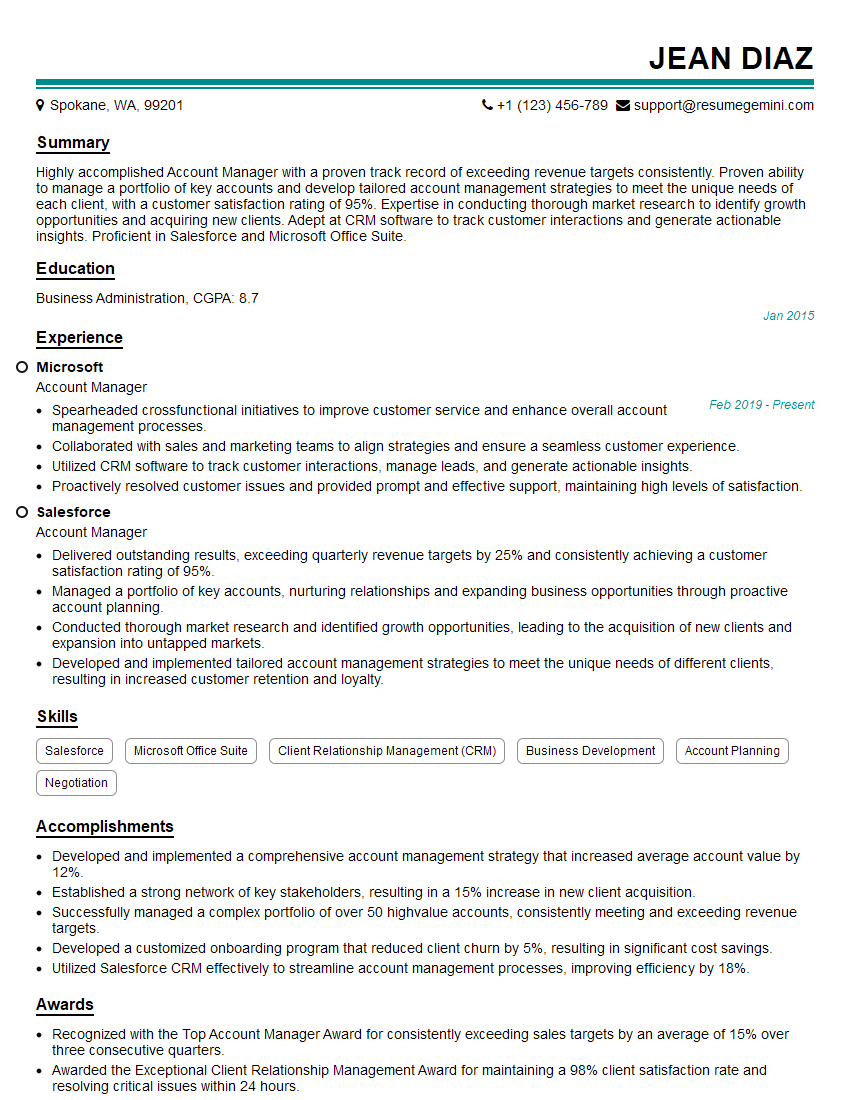
Account Manager Resume Sample
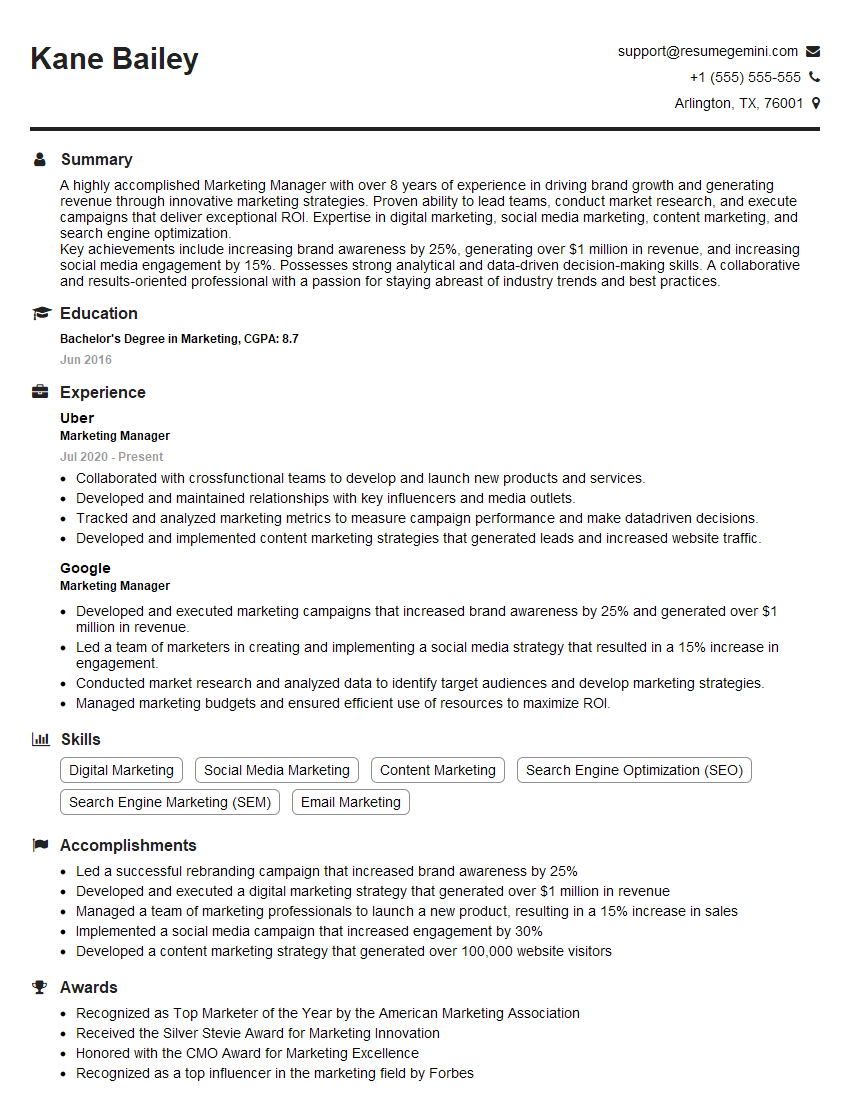
Marketing Manager Resume Sample
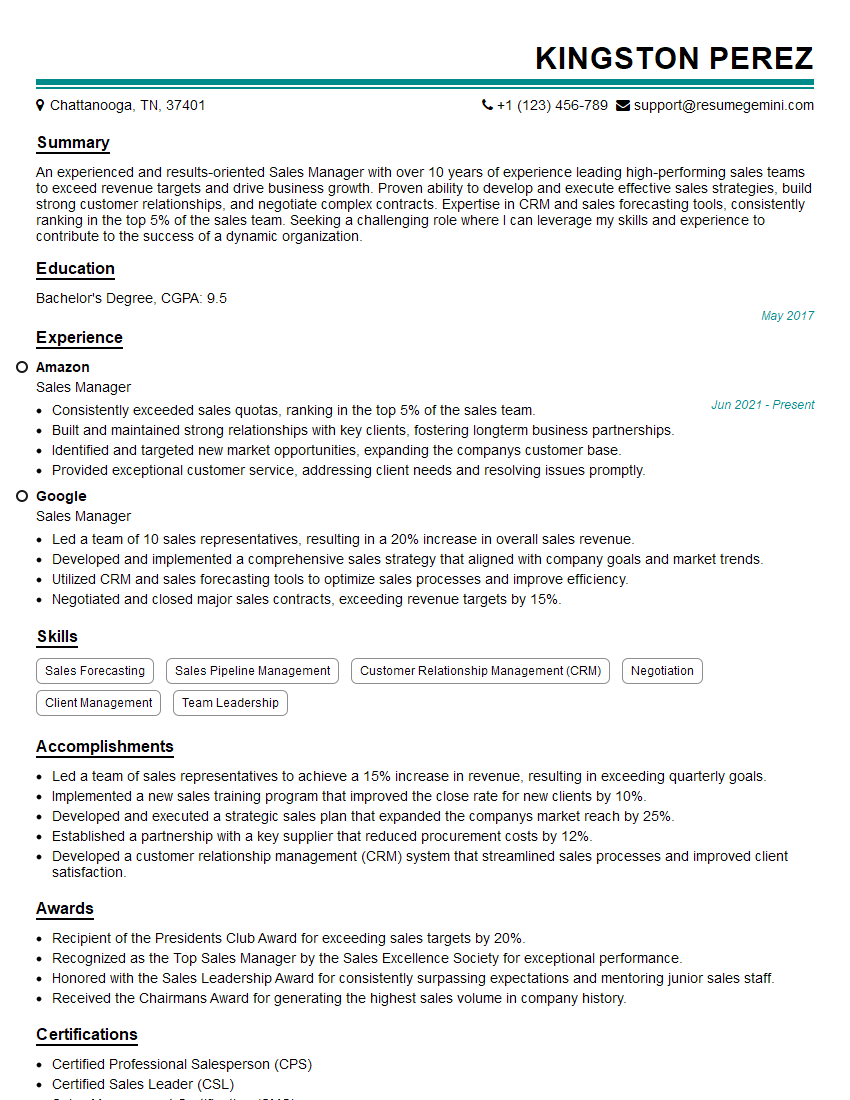
Sales Manager Resume Sample
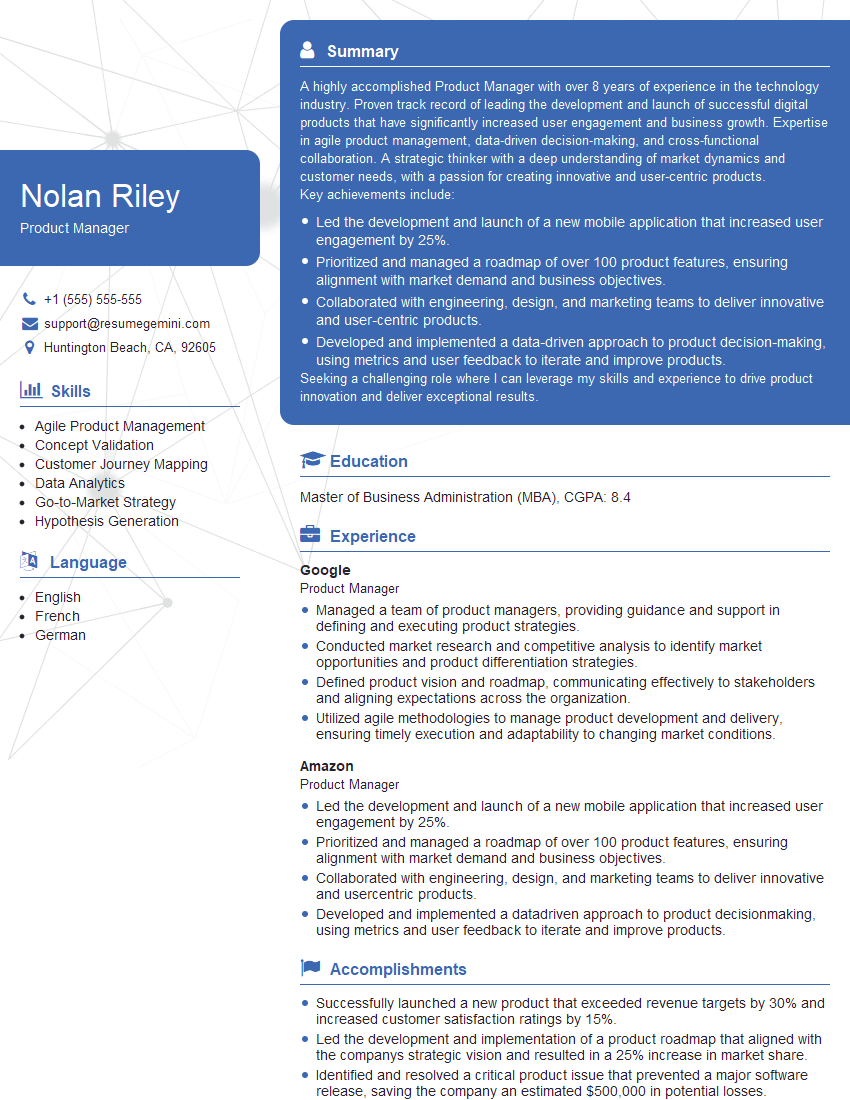
Product Manager Resume Sample
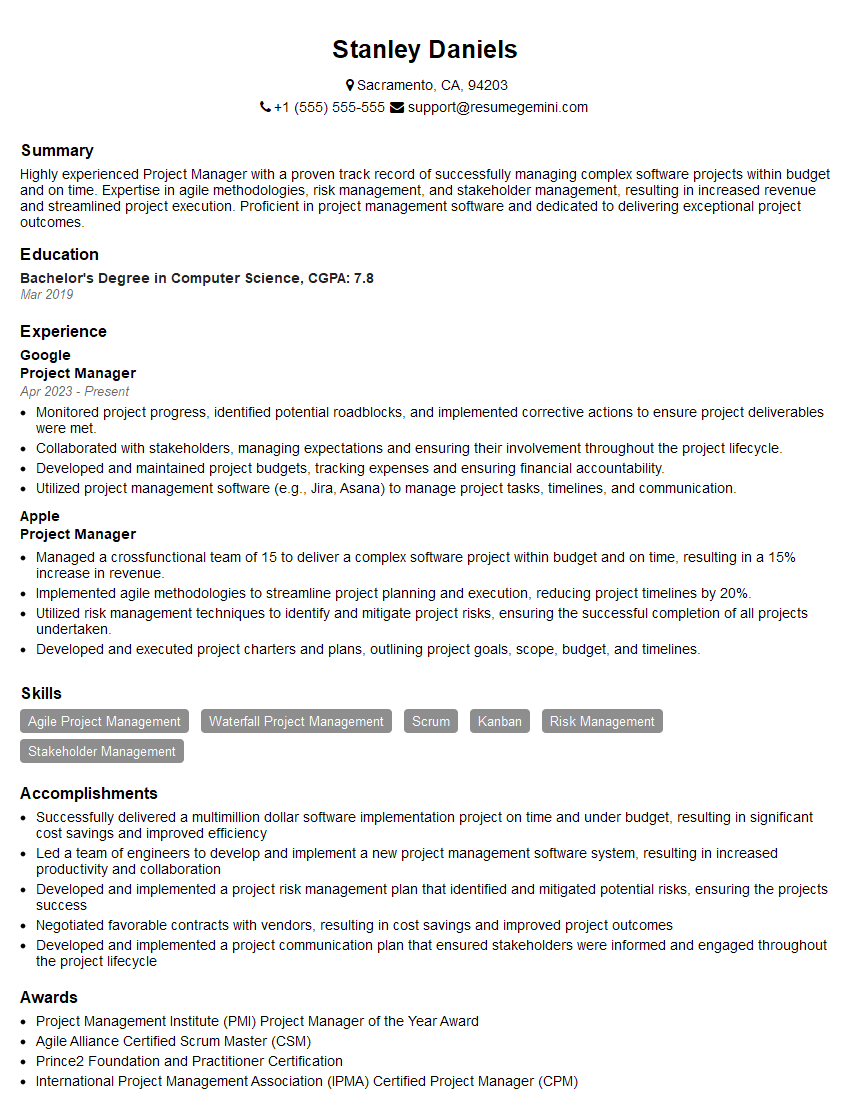
Project Manager Resume Sample
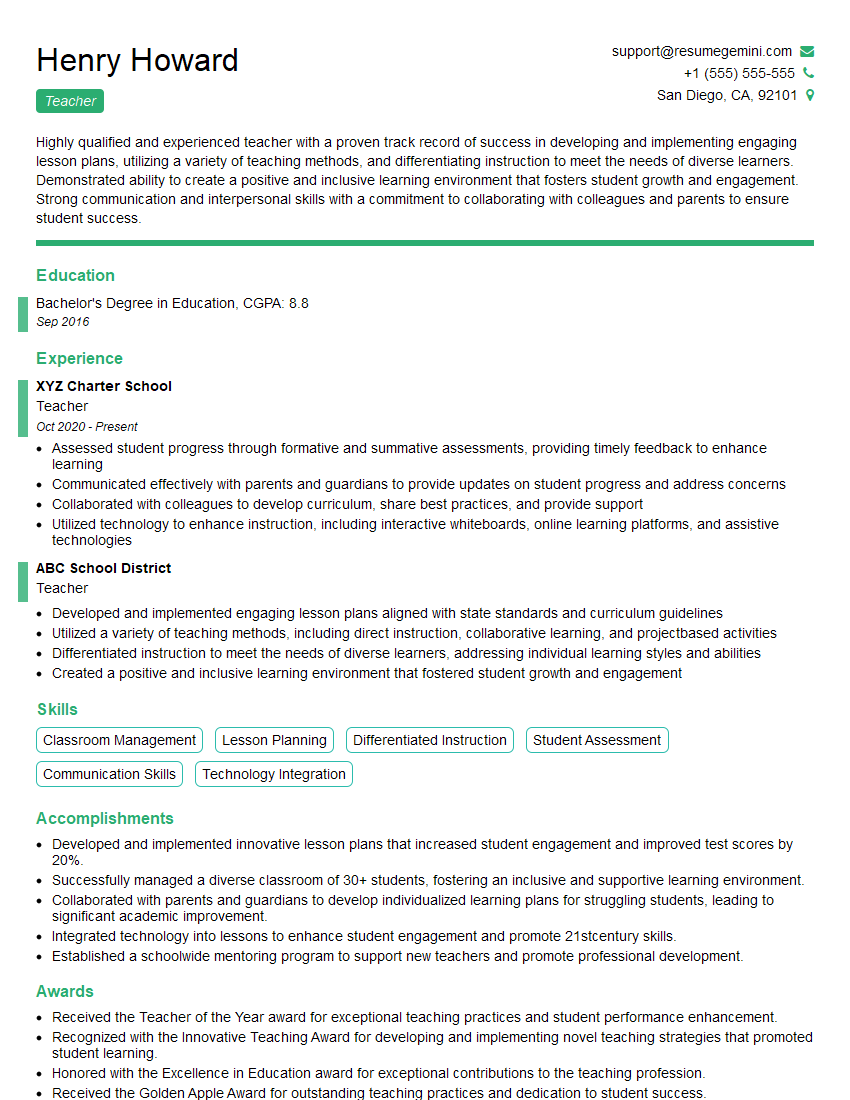
Teacher Resume Sample
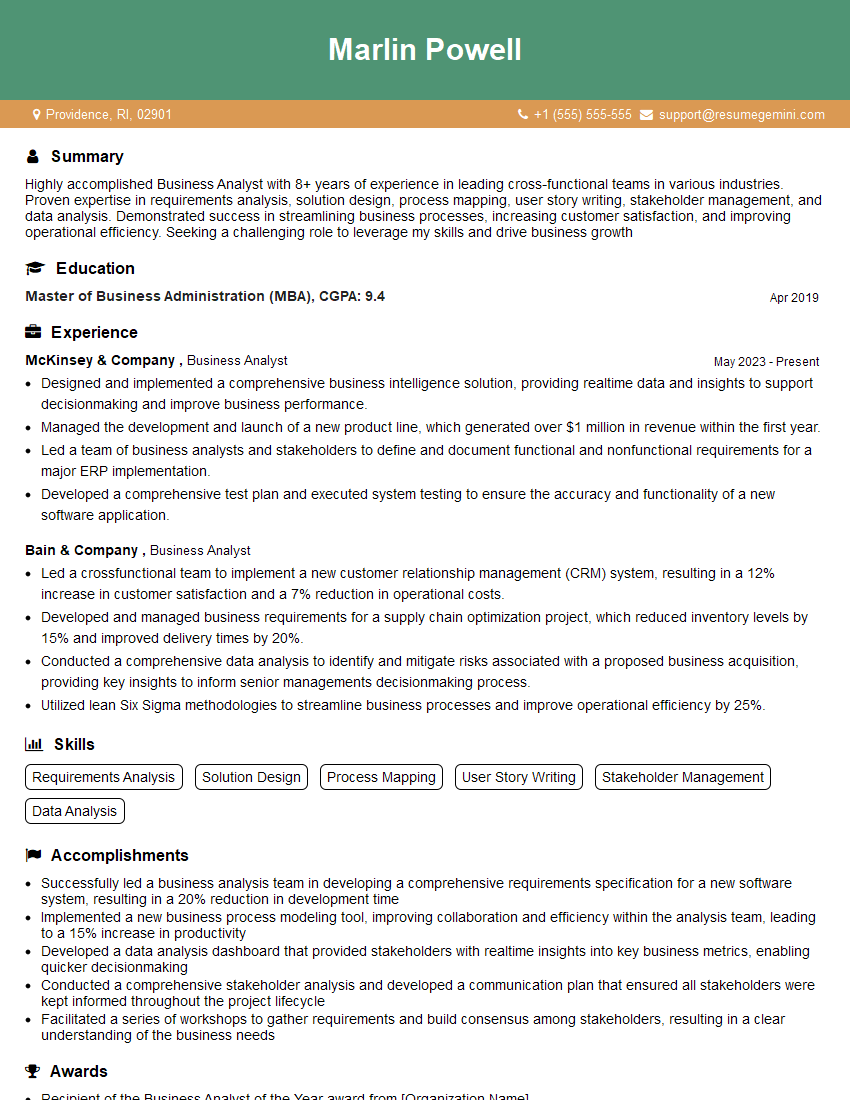
Business Analyst Resume Sample
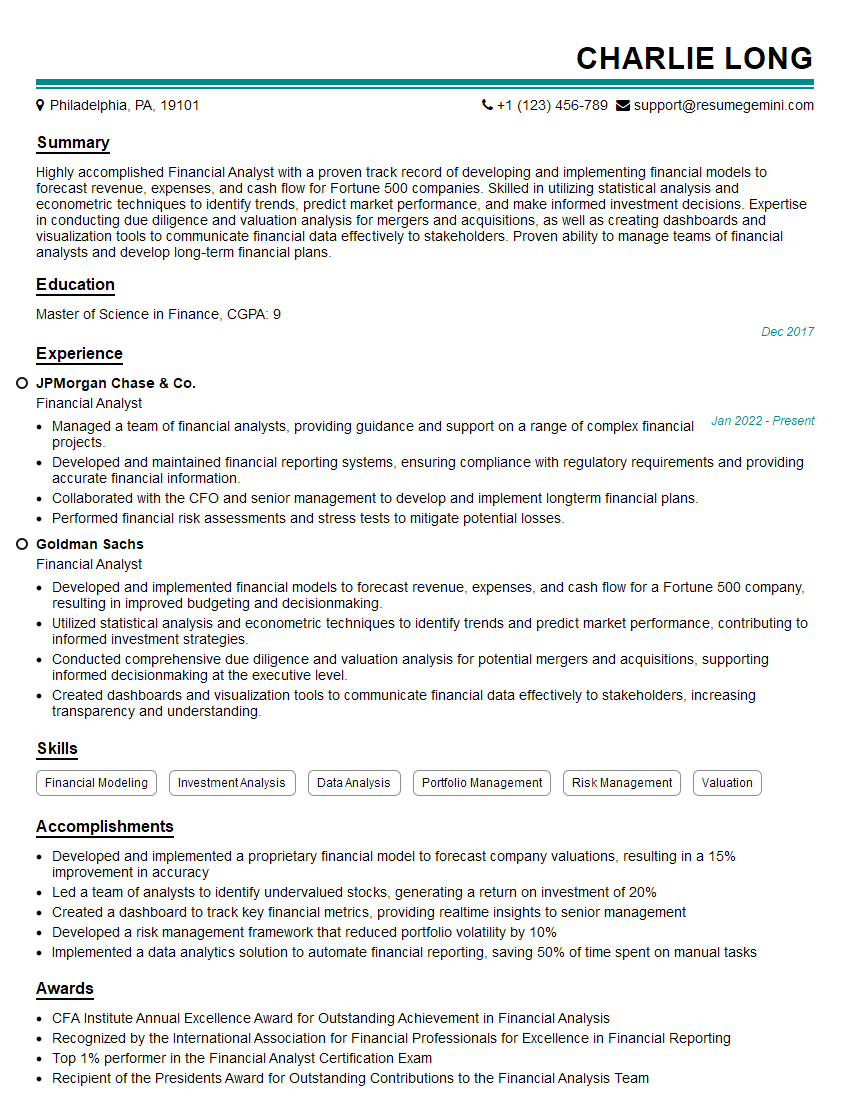
Financial Analyst Resume Sample
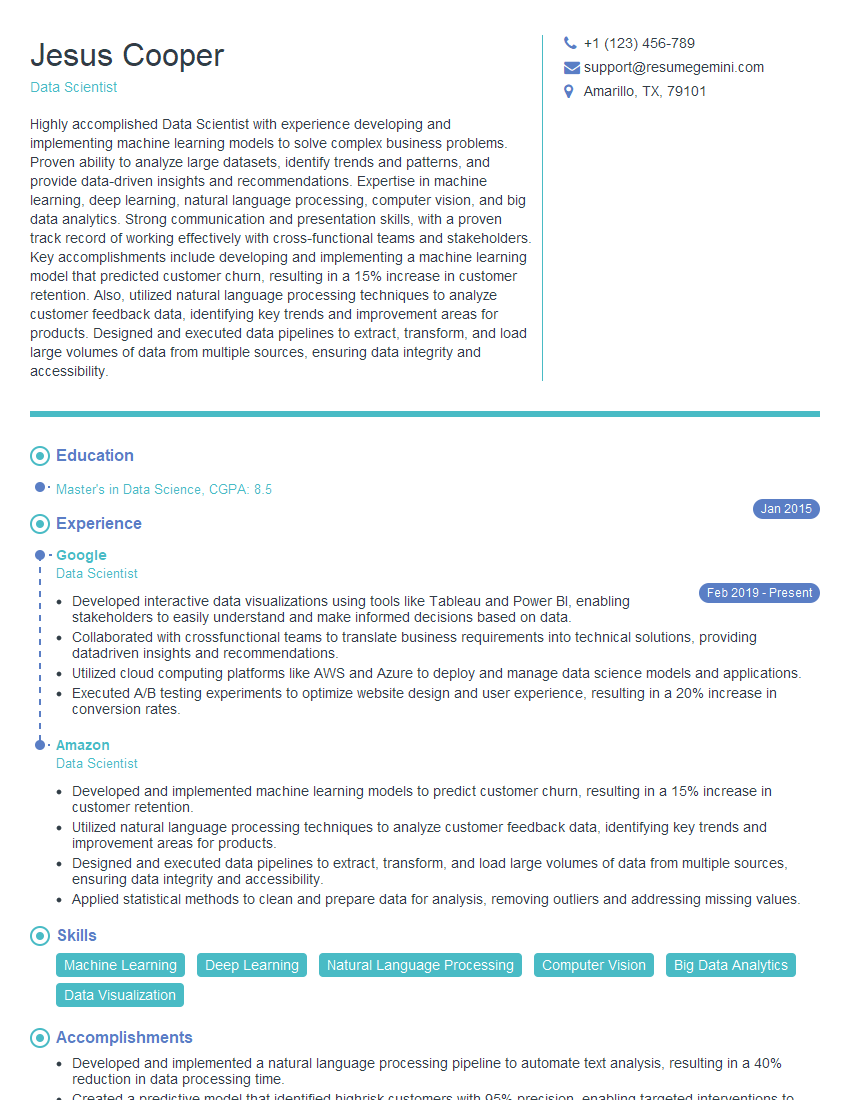
Data Scientist Resume Sample
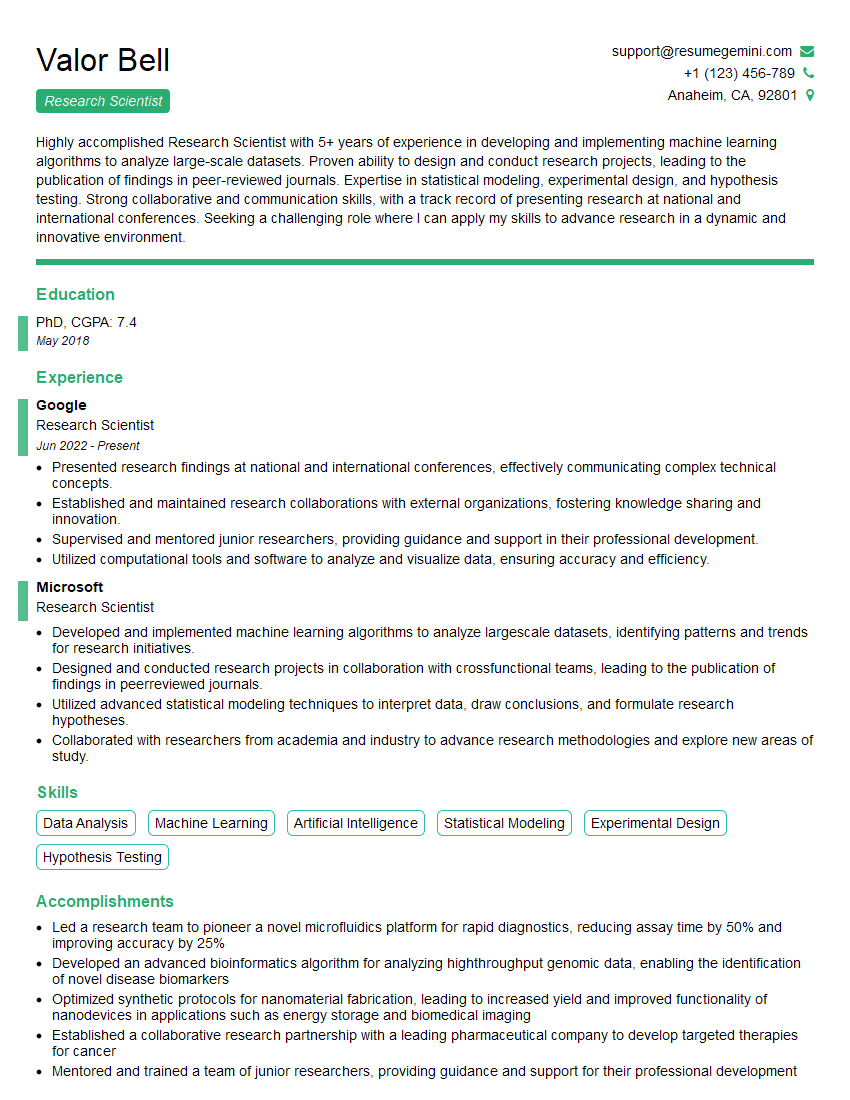
Research Scientist Resume Sample
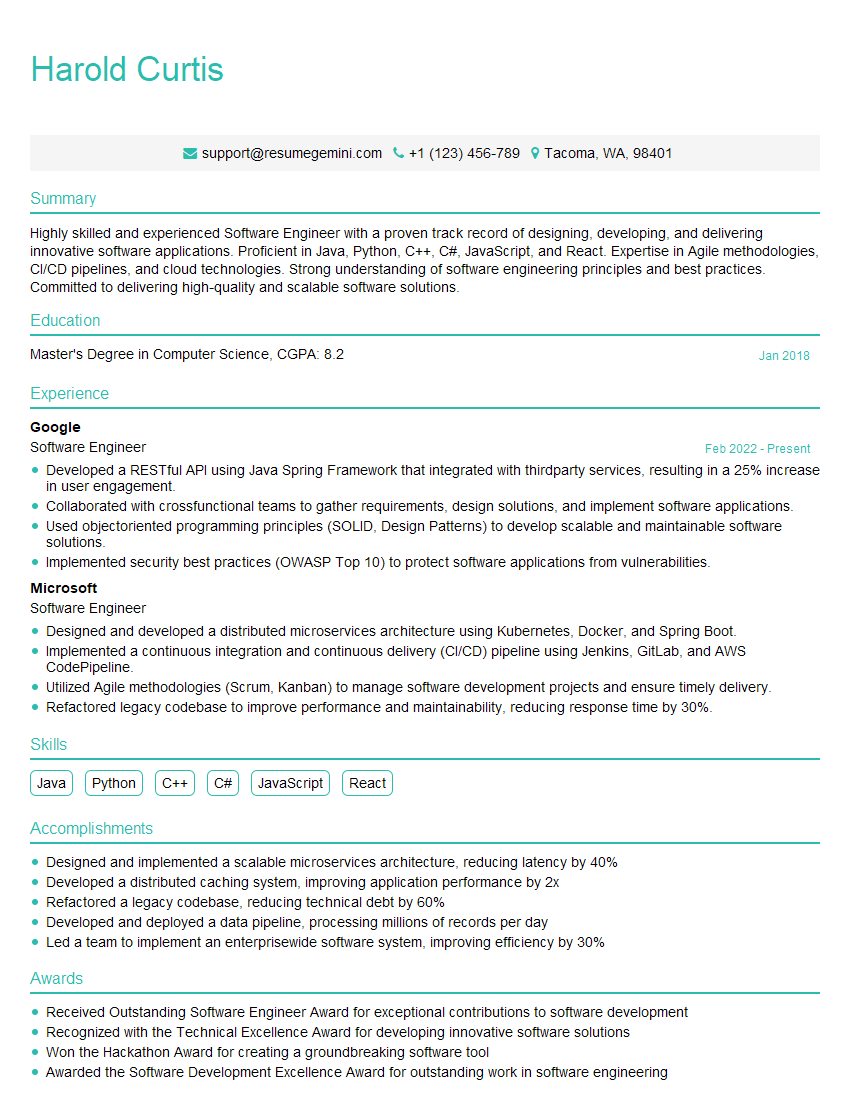
Software Engineer Resume Sample
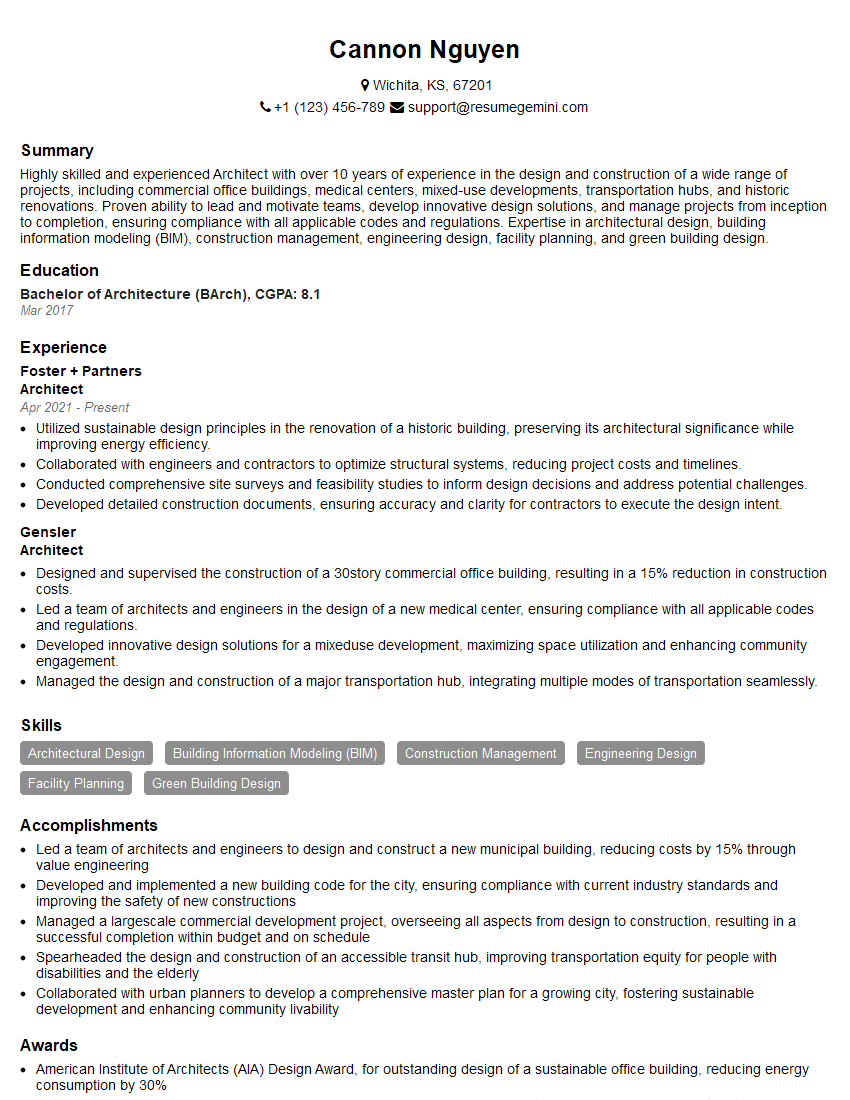
Architect Resume Sample
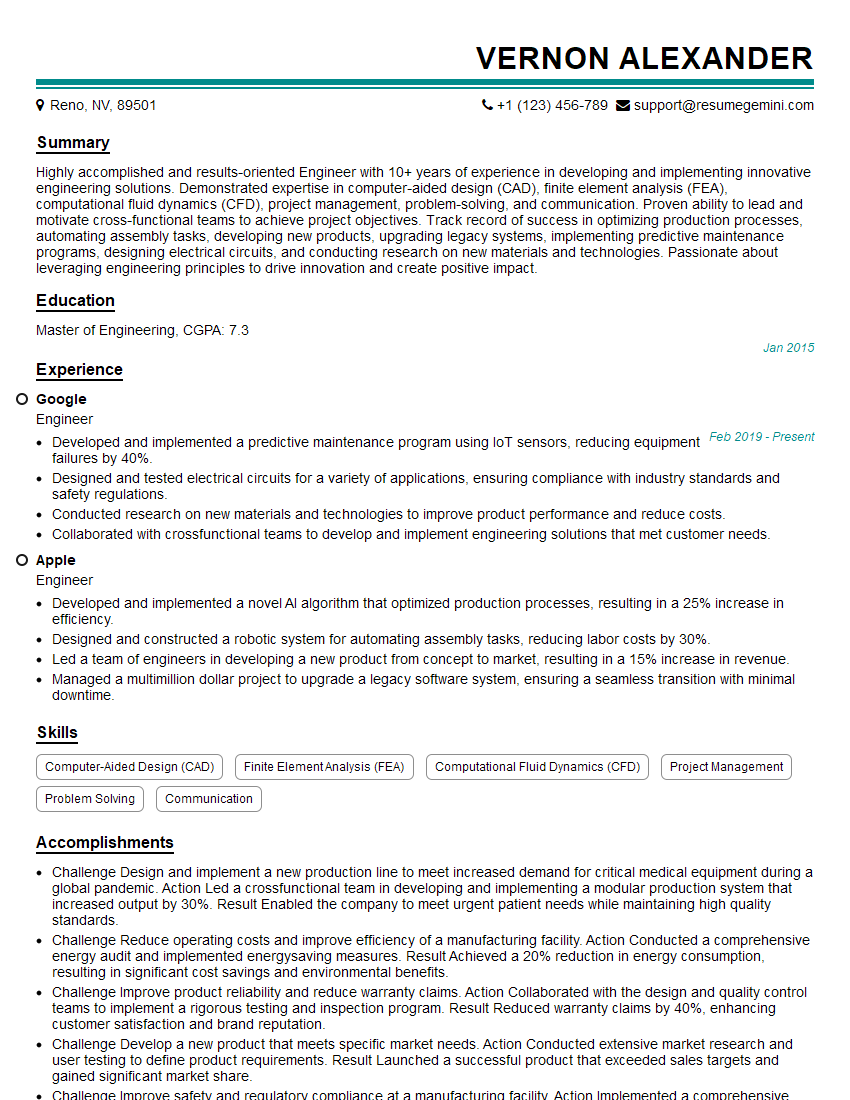
Engineer Resume Sample
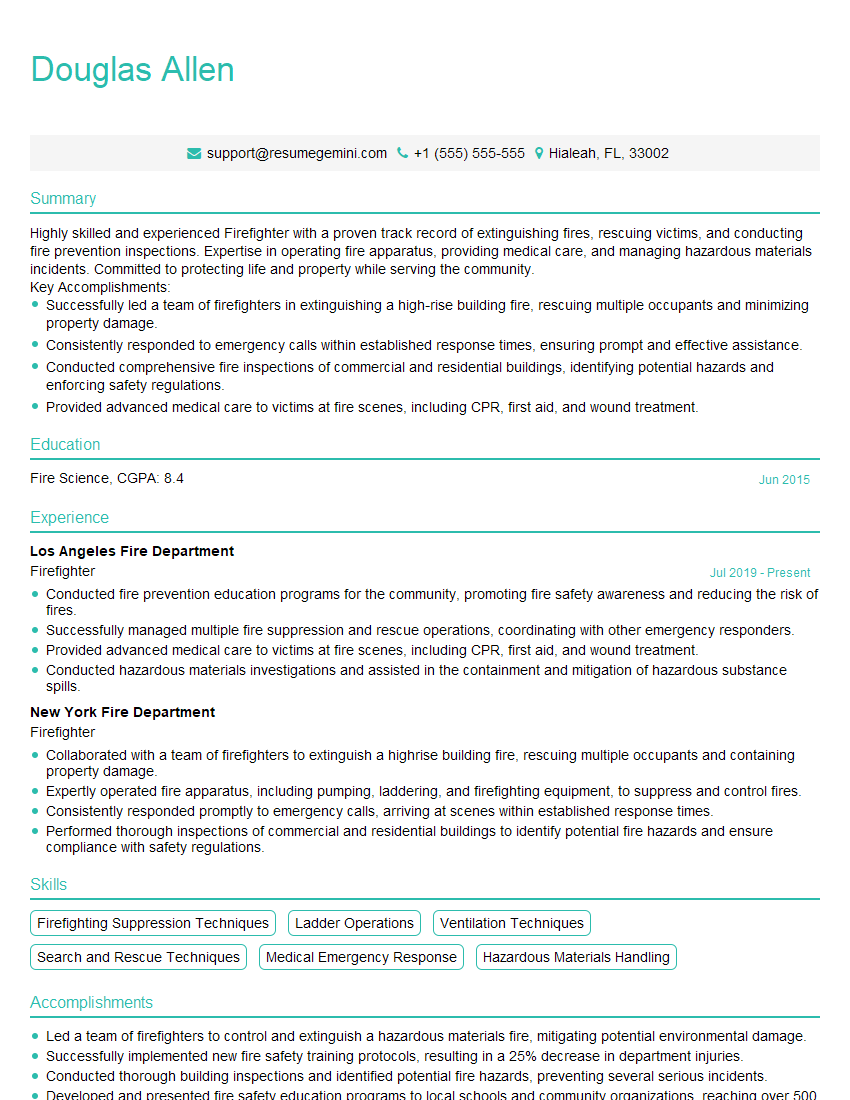
Firefighter Resume Sample
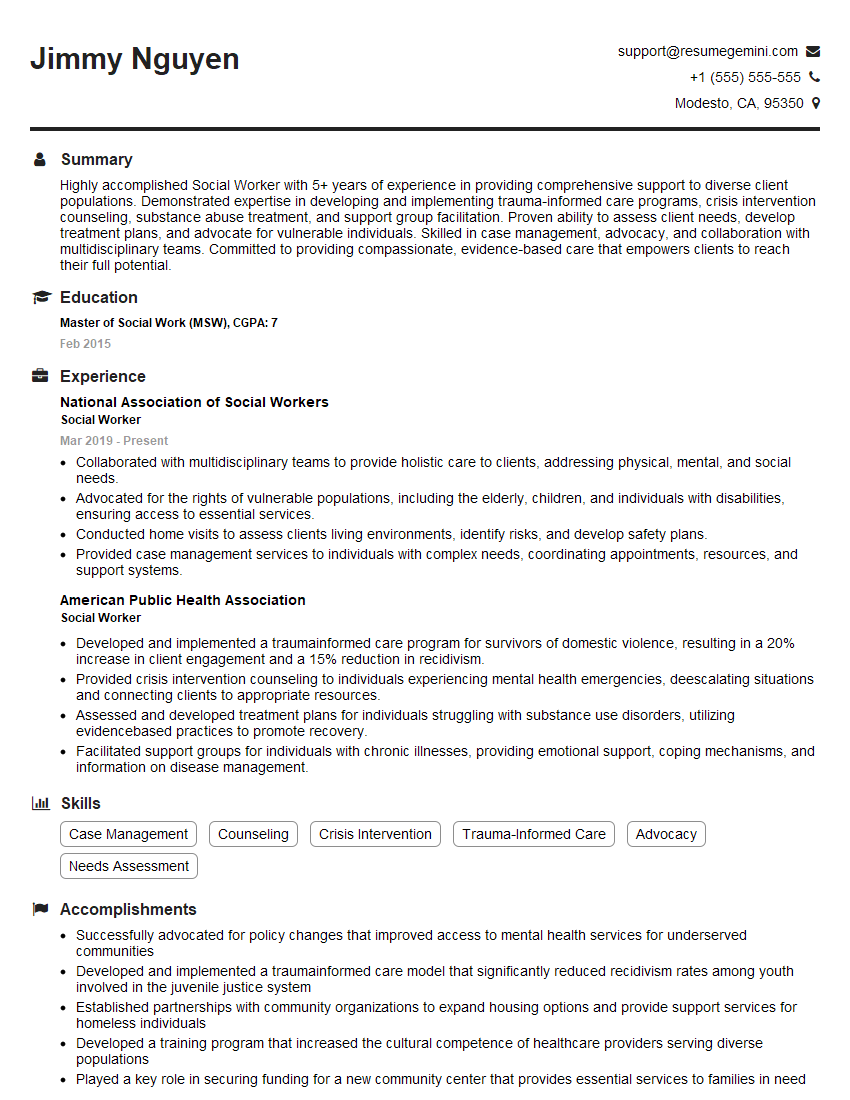
Social Worker Resume Sample
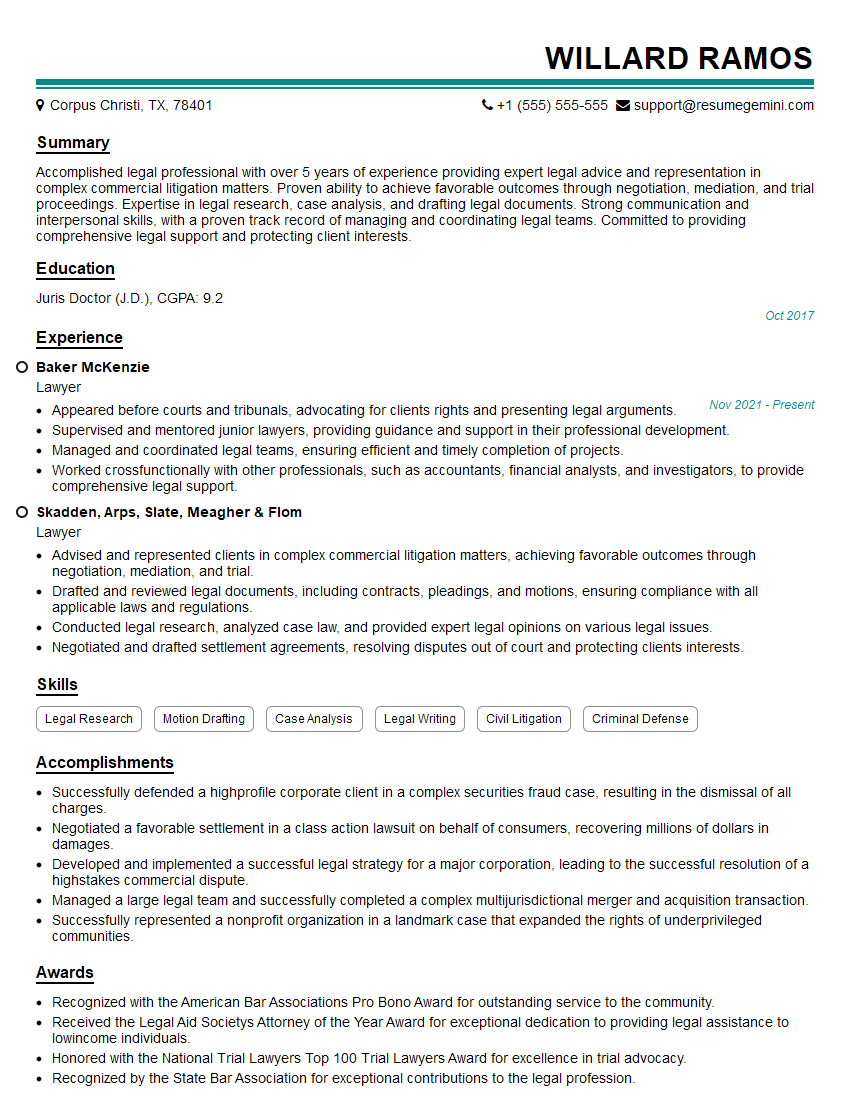
Lawyer Resume Sample
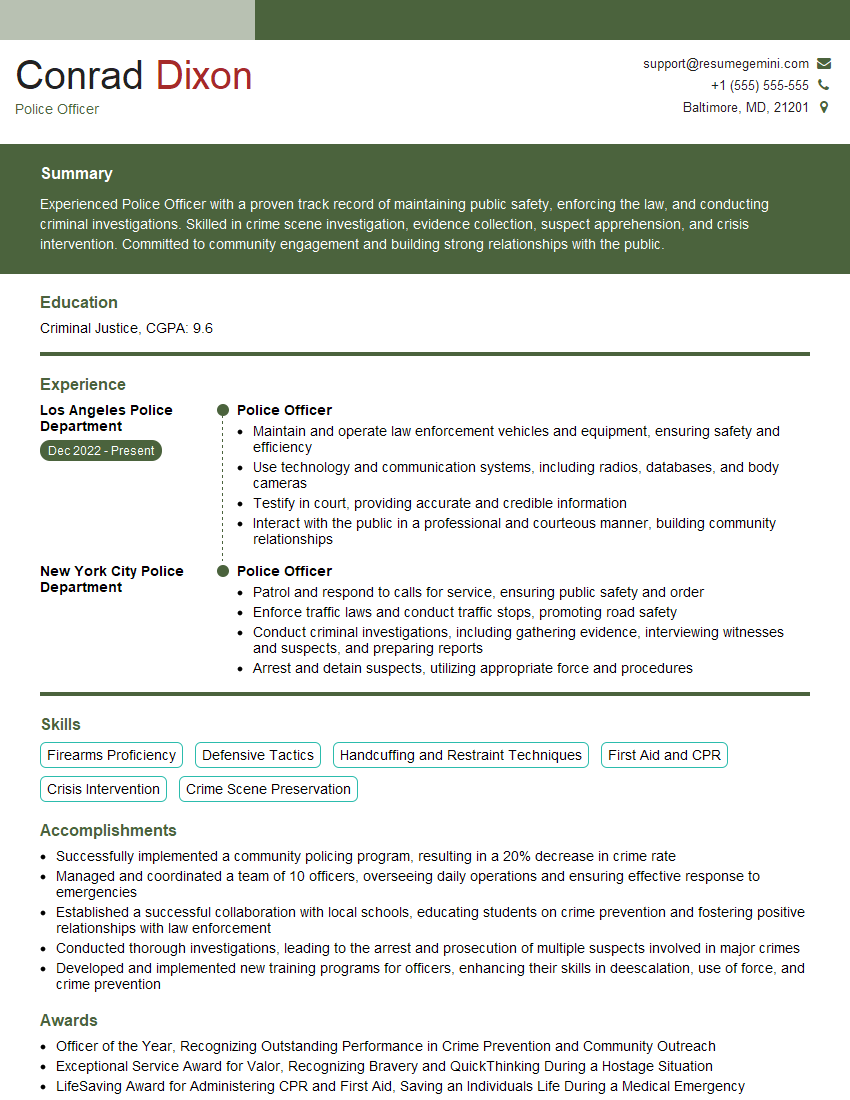
Police Officer Resume Sample
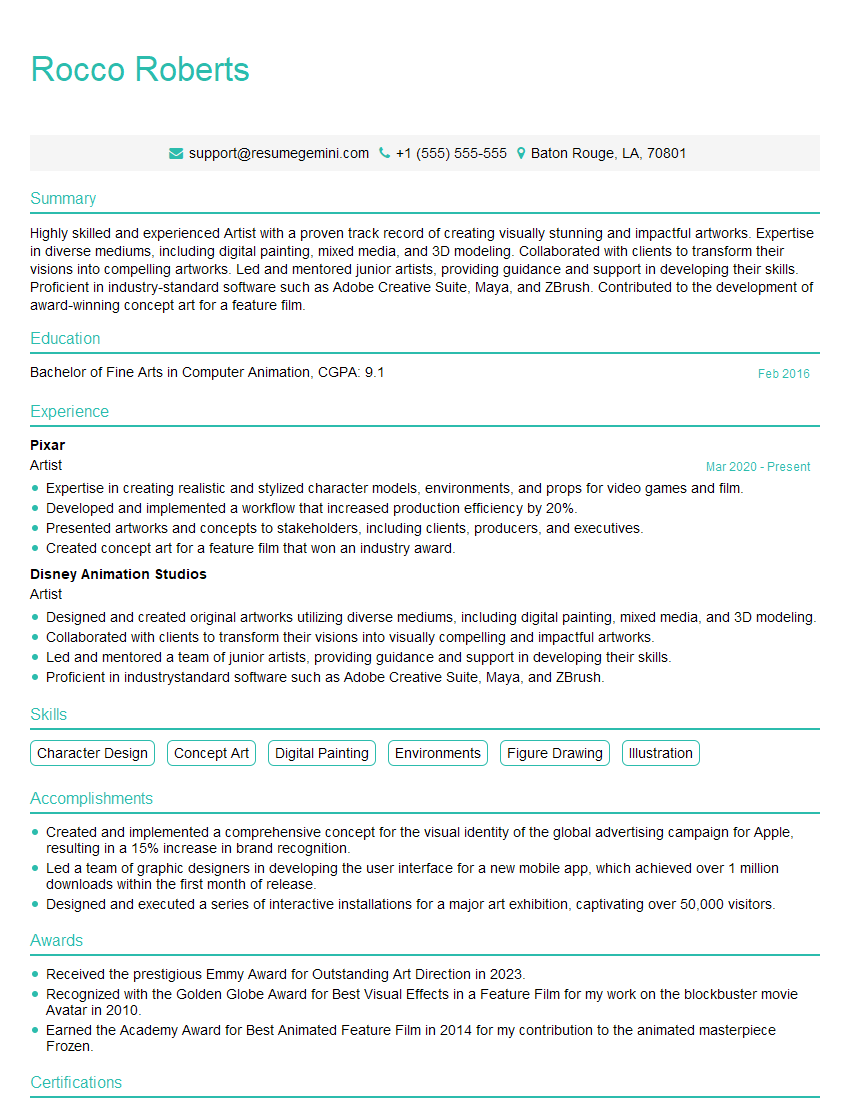
Artist Resume Sample
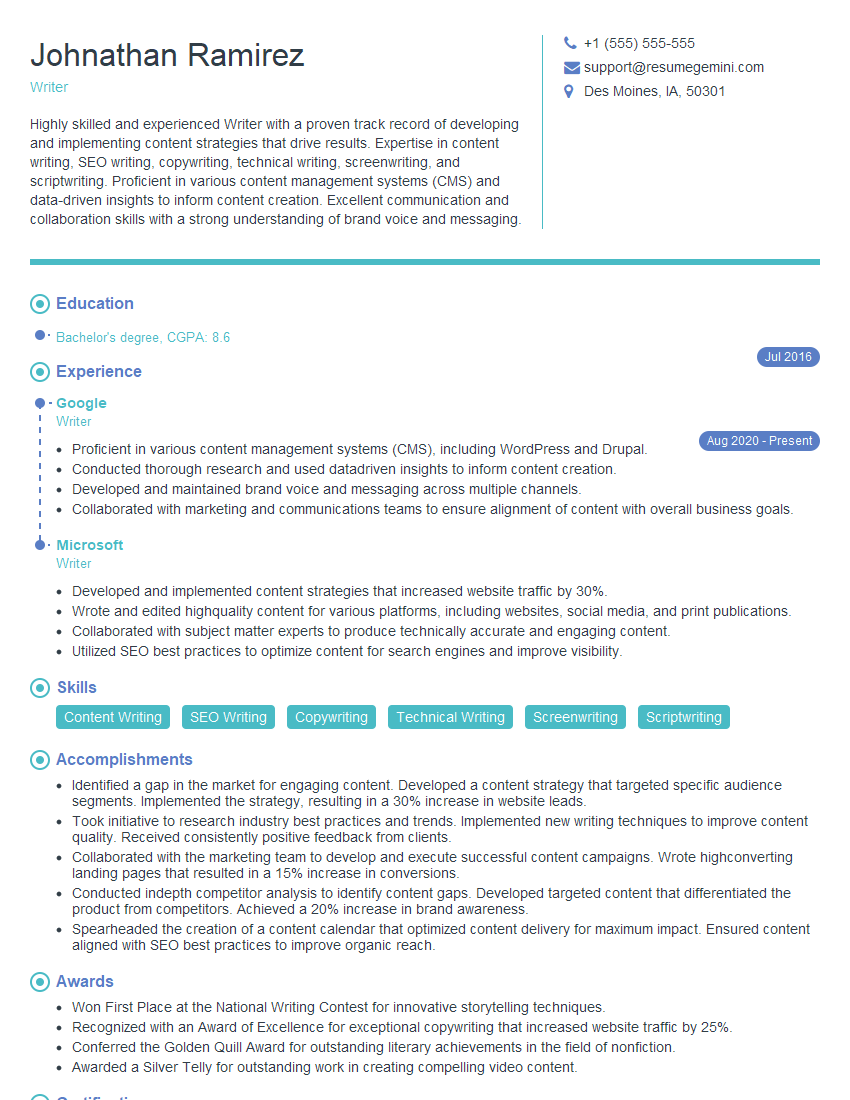
Writer Resume Sample
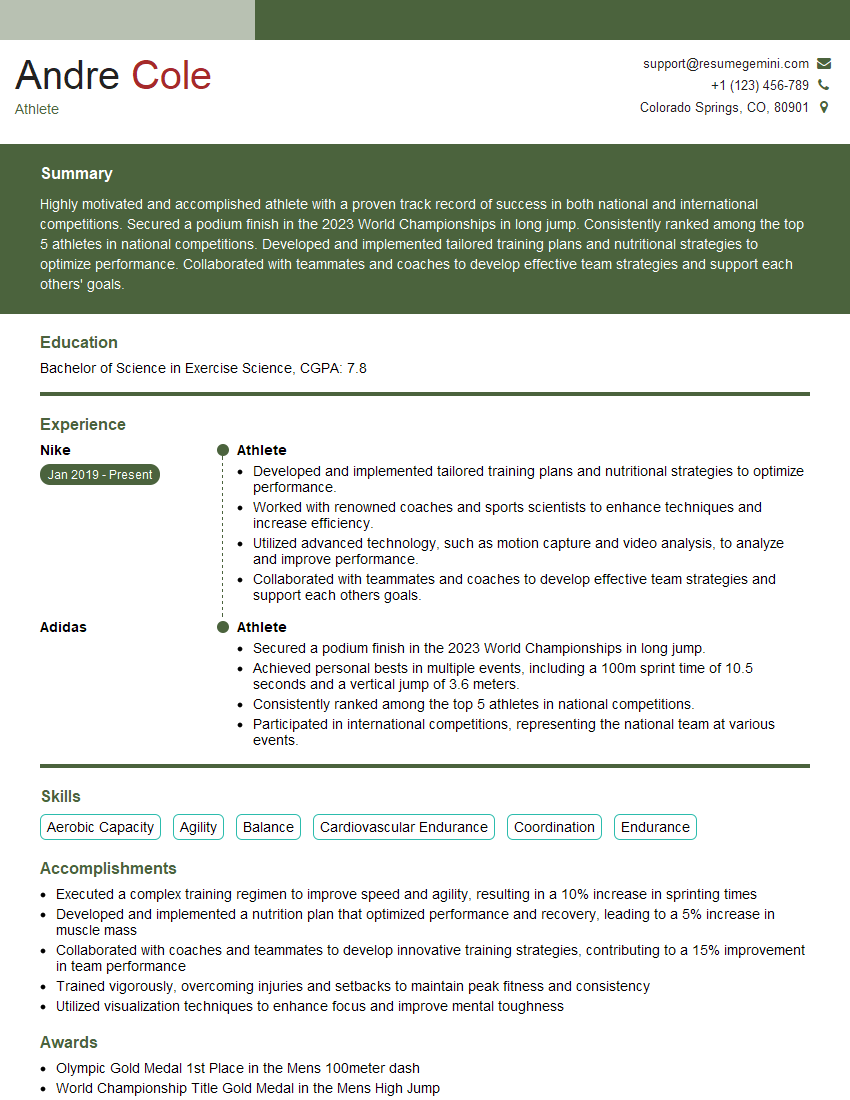
Athlete Resume Sample
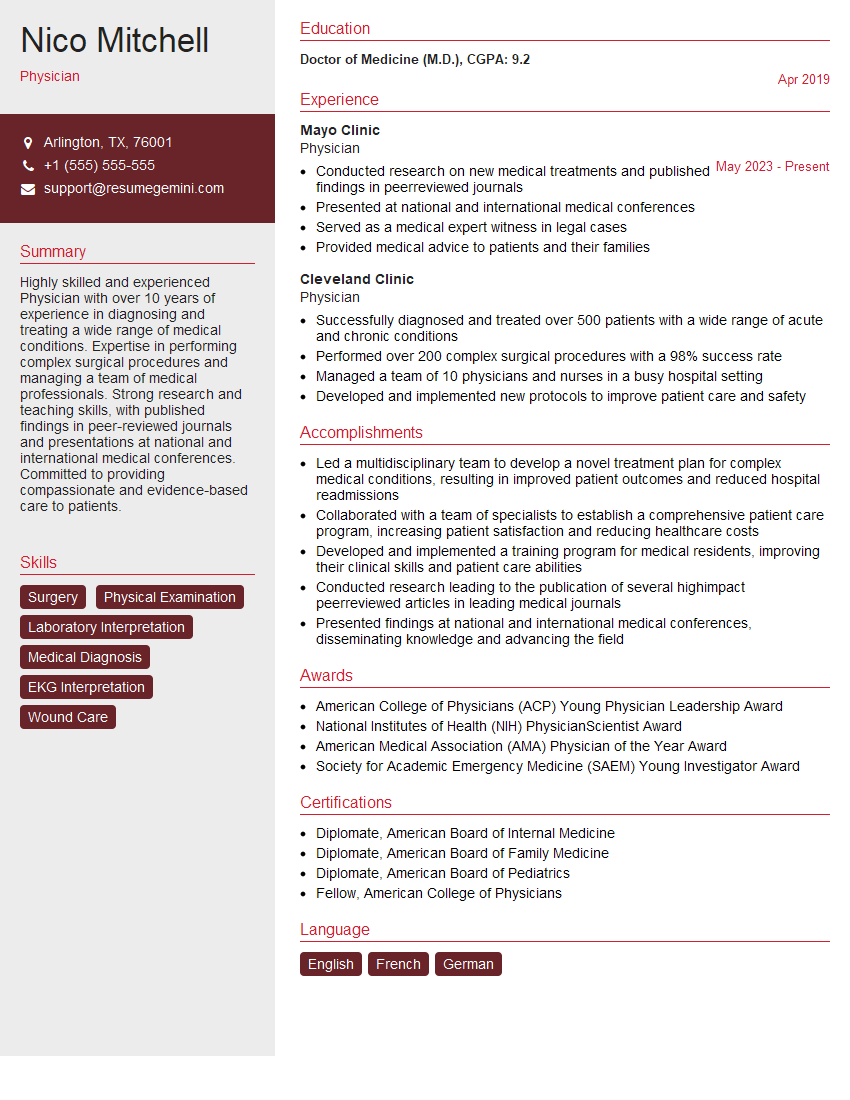
Physician Resume Sample
Explore more articles
Users Rating of Our Blogs
Share Your Experience
We value your feedback! Please rate our content and share your thoughts (optional).
What Readers Say About Our Blog
Very informative content, great job.
good