The thought of an interview can be nerve-wracking, but the right preparation can make all the difference. Explore this comprehensive guide to Dispensing food and beverages interview questions and gain the confidence you need to showcase your abilities and secure the role.
Questions Asked in Dispensing food and beverages Interview
Q 1. Describe your experience with point-of-sale (POS) systems.
Point-of-Sale (POS) systems are the backbone of any food and beverage operation, managing everything from order taking to payment processing. My experience spans various POS systems, from simple cash registers to sophisticated cloud-based solutions like Toast and Square. I’m proficient in using POS systems to efficiently manage orders, track sales data, control inventory, and handle various payment methods, including credit cards, debit cards, and mobile payments. For example, in my previous role at a bustling cafe, we used a Toast POS system that integrated seamlessly with our inventory management software. This allowed for real-time tracking of stock levels, reducing waste and ensuring we always had popular items in stock. I’m also experienced in troubleshooting common POS issues, such as network connectivity problems or printer malfunctions, ensuring minimal disruption to service.
Furthermore, I understand the importance of POS system reporting. I can generate reports on sales trends, popular items, peak hours, and employee performance, which are crucial for data-driven decision-making regarding menu optimization, staffing levels, and marketing strategies. I am also comfortable training new staff on the use of the POS system and maintaining its accuracy and security.
Q 2. How do you handle rush hour efficiently while maintaining quality service?
Handling rush hour efficiently while maintaining quality service requires a well-coordinated team and a proactive approach. Think of it like a well-oiled machine – each part plays a vital role. My strategy involves several key elements:
- Efficient order taking: Clear communication with customers and quick order entry into the POS system are essential. We utilize techniques like order pre-bussing to free up tables quickly.
- Streamlined food preparation: A well-organized kitchen with clear roles and responsibilities ensures orders are prepared quickly and accurately. Prepping ingredients ahead of time helps to expedite the process.
- Teamwork and communication: Open communication between front-of-house and back-of-house staff is crucial. We use a ticket system to track order progress and ensure all orders are fulfilled in a timely manner.
- Prioritization: During extremely busy periods, we prioritize orders based on urgency (e.g., to-go orders, large groups).
- Cross-training: Having staff cross-trained in multiple areas ensures that tasks can be shared during peak times, reducing wait times.
For instance, at a previous restaurant, we implemented a system where one server would take orders, another would input them into the POS, and a third would deliver drinks. This division of labor significantly reduced customer wait times without compromising the quality of service.
Q 3. Explain your knowledge of food safety regulations and handling procedures.
Food safety is paramount in any food and beverage establishment. My knowledge encompasses all aspects of food safety regulations, from proper food handling and storage to sanitation and hygiene practices. I am well-versed in the principles of HACCP (Hazard Analysis and Critical Control Points), a systematic approach to identifying and preventing food safety hazards. This includes understanding temperature control for preventing bacterial growth, proper handwashing techniques, and the safe handling of potentially hazardous foods such as raw meat and poultry. I’m familiar with local and national food safety regulations and ensure our practices always meet or exceed these standards.
In practice, this means regularly monitoring food temperatures using calibrated thermometers, adhering to strict FIFO (First-In, First-Out) inventory rotation, and maintaining meticulous cleaning and sanitizing schedules. We conduct regular staff training on food safety procedures and ensure all employees are aware of their responsibilities in maintaining a clean and safe environment. Documentation of these processes, including temperature logs and cleaning checklists, is meticulously maintained for audits and traceability.
Q 4. What are your methods for ensuring accurate order fulfillment?
Accurate order fulfillment is the cornerstone of customer satisfaction. My approach involves a multi-layered system to minimize errors:
- Clear order taking: Repeating orders back to the customer ensures accuracy. Utilizing a POS system with order confirmation features also helps.
- Visual order verification: Before sending orders to the kitchen or bar, we visually verify that all items are correctly listed on the ticket, and any special requests or modifications are noted.
- Preparation checklists: Kitchen staff use checklists to ensure all components of an order are included, and the order is prepared according to specifications.
- Double-checking before serving: Before presenting an order to the customer, we perform a final check to ensure everything is correct and meets quality standards.
For example, if a customer orders a customized salad, the kitchen staff will check off each ingredient on a pre-prepared checklist to avoid omissions. If there is a discrepancy, we immediately address it to avoid any customer dissatisfaction.
Q 5. How do you manage inventory and identify stock shortages?
Inventory management is crucial for controlling costs and ensuring smooth operations. I employ a combination of methods to effectively manage inventory and identify stock shortages:
- Regular stock counts: Performing regular physical inventory counts helps to identify discrepancies between actual stock and recorded levels.
- POS system integration: Utilizing a POS system that integrates with inventory management software allows for real-time tracking of stock levels, providing early warnings of potential shortages.
- Par stock levels: Setting par stock levels (ideal inventory levels) helps to maintain adequate stock without overstocking.
- Automated ordering systems: Integrating with automated ordering systems can streamline the reordering process, reducing manual effort and preventing stockouts.
- Sales data analysis: Analyzing sales data helps to predict future demand and adjust inventory levels accordingly.
By using this approach, I can proactively identify stock shortages and place orders well in advance, preventing any disruptions to service.
Q 6. Describe your experience with different beverage dispensing equipment (e.g., espresso machines, soda fountains).
My experience with beverage dispensing equipment is extensive. I’m proficient in operating and maintaining various types of equipment, including espresso machines, soda fountains, and cold brew systems. I understand the importance of regular cleaning and maintenance to ensure optimal performance and hygiene. For instance, I’m familiar with the intricacies of espresso machine maintenance, including backflushing and descaling, to maintain the quality and consistency of the espresso. With soda fountains, I’m adept at managing syrup levels, ensuring proper carbonation, and performing routine cleaning procedures to prevent bacterial contamination. For cold brew systems, I understand the process of brewing, storage, and dispensing, ensuring the optimal flavor and quality of the product.
Beyond basic operation, I also understand the importance of safety procedures related to these machines. I am familiar with the safety protocols for handling high-pressure systems and the proper procedures for cleaning and maintenance to prevent accidents or malfunctions.
Q 7. How do you maintain cleanliness and hygiene standards in a food and beverage setting?
Maintaining cleanliness and hygiene standards is non-negotiable in a food and beverage setting. It’s not just about aesthetics; it’s about preventing foodborne illnesses and ensuring a safe and pleasant environment for customers and staff. My approach follows a multi-pronged strategy:
- Regular cleaning schedules: We maintain strict cleaning schedules for all surfaces, equipment, and utensils, following established sanitation protocols.
- Proper handwashing procedures: All staff are trained on proper handwashing techniques, using soap and water for a minimum of 20 seconds.
- Food storage and handling: We adhere to strict food storage and handling practices to prevent cross-contamination.
- Pest control: We implement measures to prevent pest infestations, such as regular inspections and pest control services.
- Regular inspections: We conduct regular inspections to ensure that all hygiene standards are being maintained.
- Employee training: Employees receive ongoing training on maintaining hygiene and sanitation standards.
For example, at my previous role, we implemented a color-coded cleaning system for different areas of the kitchen, ensuring that appropriate cleaning solutions were used for each surface and minimizing the risk of cross-contamination. This system, combined with regular training and monitoring, significantly improved our overall hygiene standards.
Q 8. What is your experience with handling customer complaints or issues?
Handling customer complaints is a crucial aspect of providing excellent service. My approach focuses on active listening, empathy, and finding a resolution that satisfies the customer. I begin by acknowledging their concerns and validating their feelings, even if I don’t agree with their perspective. This shows respect and builds rapport. Then, I carefully listen to understand the nature of the problem, asking clarifying questions if necessary.
For example, if a customer receives a cold beverage, I wouldn’t immediately become defensive. Instead, I’d apologize for the inconvenience, replace the beverage with a freshly prepared one, and perhaps offer a small complimentary item, like a cookie. I also make sure to address the root cause – was the beverage stored improperly? Did we fail to adequately chill it? By addressing the underlying issue, we prevent future similar complaints. Finally, I follow up to ensure the customer is satisfied and to gauge their overall experience. A written record of the complaint and resolution helps in improving our processes and training.
In more complex situations, I escalate the issue to a supervisor if needed, ensuring the customer understands the steps being taken to resolve their complaint. My goal is always to turn a negative experience into a positive one, strengthening customer loyalty.
Q 9. How do you ensure the proper temperature of food and beverages is maintained?
Maintaining proper food and beverage temperatures is paramount for food safety and quality. This involves using a multi-pronged approach that encompasses storage, preparation, and service. We utilize temperature monitoring devices – thermometers – regularly to check temperatures of refrigerators, freezers, and hot holding units. These devices are calibrated regularly to ensure accuracy. Food safety guidelines are strictly followed, adhering to specific temperature ranges for different food types. For example, cold foods must be kept below 40°F (4°C) and hot foods above 140°F (60°C).
During preparation, we ensure that food is cooked to its internal temperature, using thermometers to verify that it reaches the safe minimum temperature to kill harmful bacteria. For beverages, we use ice to chill drinks appropriately, always ensuring that the ice is clean and from a safe, reliable source. We also use insulated containers and appropriate serving vessels to maintain temperatures during service. For instance, hot beverages are kept in thermal carafes and cold beverages in appropriately sized cups with lids.
Regular staff training reinforces these temperature control procedures. We simulate scenarios and practice proper handling techniques to ensure consistent compliance and maintain the highest standards of food safety.
Q 10. How do you handle cash and credit card transactions accurately and securely?
Accurate and secure handling of cash and credit card transactions is critical. We employ a variety of techniques to minimize errors and prevent fraud. All cash transactions are handled with a clear, step-by-step process: the customer’s order is totaled, the cash is counted in front of the customer, and change is given accurately. A cash register or POS system records every transaction, providing a detailed audit trail. This also aids in managing inventory and monitoring sales.
For credit card transactions, we utilize secure POS systems that comply with industry standards like PCI DSS (Payment Card Industry Data Security Standard). This protects customer data from unauthorized access and ensures secure payment processing. We always ensure the customer signs the receipt, and a copy is kept for our records. Regular reconciliation of cash and credit card transactions is conducted to verify accuracy and detect any discrepancies promptly. Any discrepancies require immediate investigation to ensure accountability and maintain financial integrity. We also engage in regular staff training on proper cash handling procedures, emphasizing honesty, accuracy, and security.
Q 11. What are your strategies for upselling or suggesting additional items to customers?
Upselling and suggesting additional items is a skill that involves understanding customer preferences and offering relevant options. My strategy focuses on creating a positive customer experience and offering genuinely helpful suggestions rather than aggressive sales tactics. I begin by observing the customer’s order – what are they purchasing? This gives me insight into their likely preferences.
For instance, if a customer orders a coffee, I might suggest a pastry to complement it. Or, if someone is buying a sandwich, I might suggest chips or a side salad. I frame these suggestions as recommendations, emphasizing the quality and complementary nature of the item. For example, I might say, “That coffee goes perfectly with our freshly baked blueberry muffin,” or “Our side salad would add a nice touch of freshness to your sandwich.” The key is to make the suggestion feel natural and helpful, not pushy. I avoid overwhelming the customer with too many suggestions at once. The goal is to enhance their experience and potentially increase sales organically.
Q 12. Describe your experience with preparing simple food items (e.g., sandwiches, salads).
I have extensive experience preparing simple food items such as sandwiches and salads. My approach is focused on speed, efficiency, and maintaining high quality. I follow established recipes and preparation procedures carefully, ensuring proper portioning and presentation. I also prioritize using fresh, high-quality ingredients.
When making a sandwich, I start with assembling the ingredients in an organized manner, ensuring that the fillings are evenly distributed. I pay close attention to the order of ingredients to achieve optimal flavor and texture. Similarly, when preparing salads, I begin by washing and thoroughly drying the greens. Then, I carefully add the other ingredients, ensuring that they are fresh and well-combined. Presentation is important – a neatly arranged sandwich or salad will enhance the customer experience. Proper hygiene practices, such as wearing gloves and regularly cleaning work surfaces, are strictly observed to maintain food safety.
Q 13. How do you prioritize tasks during a busy service period?
Prioritizing tasks during a busy service period requires efficient time management and organizational skills. I utilize a combination of techniques to handle the workload effectively. The key is to identify the most urgent tasks and address them first. I typically focus on fulfilling orders in the sequence they were received, prioritizing speed and accuracy. However, during peak hours, I may adapt the process slightly to ensure customer satisfaction and minimize wait times.
For instance, I might prioritize preparing simple orders quickly to get them out to customers efficiently while working on more complex orders simultaneously. I utilize clear communication with my colleagues, ensuring that everyone is aware of their responsibilities and working together seamlessly. If I notice a significant backlog, I’ll promptly inform a supervisor who may assist in managing the flow of customers or allocate additional staff. The focus remains on customer service – I strive to handle every order efficiently and politely, even under pressure. Effective communication is key to maintaining organization and a steady workflow during busy periods.
Q 14. How do you handle spills or accidents involving food or beverages?
Handling spills or accidents involving food or beverages requires immediate action to ensure the safety of both customers and staff. My first priority is to secure the area, preventing further accidents. This involves quickly cordoning off the affected area to prevent anyone from slipping or injuring themselves. Then, I carefully clean up the spill, using appropriate cleaning materials and ensuring that the area is completely dry and safe.
If someone is injured, I immediately provide first aid if I’m qualified, or seek assistance from a colleague or manager who is. I also make sure to report the incident to a manager, documenting the details of the accident to prevent future occurrences. The process might involve filling out an incident report form, including the time, date, location, nature of the accident, and any injuries involved. We prioritize customer safety and satisfaction – we apologize for any inconvenience caused by the accident and may offer a discount or complimentary item to show our concern. Regular safety training for staff reinforces these procedures and improves response times in case of any mishap.
Q 15. Describe your understanding of different coffee brewing methods.
Coffee brewing is a fascinating world with a variety of methods, each impacting the final cup’s flavor profile. The methods broadly differ in how water interacts with the coffee grounds, affecting extraction and resulting in diverse characteristics.
- Pour Over (e.g., Hario V60, Chemex): This method involves slowly pouring hot water over coffee grounds in a filter, allowing for precise control over extraction. The result is a clean, nuanced cup, highlighting the coffee’s origin characteristics.
- Immersion (e.g., French Press, Aeropress): Here, the coffee grounds are fully immersed in hot water for a period, allowing for a full-bodied extraction. This method often yields a richer, more robust cup with sediment.
- Drip (e.g., Automatic Drip Machine): A common method using a machine to automate the process. Water is heated and dispensed over coffee grounds in a filter, producing a consistently brewed cup, though often lacking the nuanced control of other methods.
- Espresso: This method uses high-pressure steam to force hot water through finely-ground coffee, resulting in a concentrated, intense shot.
- Cold Brew: Coarsely ground coffee is steeped in cold or room temperature water for an extended period (12-24 hours). This method yields a smooth, less acidic concentrate that’s often diluted with water or milk.
Choosing the right method depends on factors like the desired taste profile, available equipment, and time constraints. For instance, a busy cafe might opt for automatic drip machines for efficiency, while a specialty coffee shop might utilize pour-over methods to showcase high-quality beans.
Career Expert Tips:
- Ace those interviews! Prepare effectively by reviewing the Top 50 Most Common Interview Questions on ResumeGemini.
- Navigate your job search with confidence! Explore a wide range of Career Tips on ResumeGemini. Learn about common challenges and recommendations to overcome them.
- Craft the perfect resume! Master the Art of Resume Writing with ResumeGemini’s guide. Showcase your unique qualifications and achievements effectively.
- Don’t miss out on holiday savings! Build your dream resume with ResumeGemini’s ATS optimized templates.
Q 16. Explain your knowledge of alcoholic beverage service regulations.
Alcoholic beverage service regulations are crucial for responsible service and preventing underage drinking and intoxication. These vary by jurisdiction but typically include:
- Age Verification: Strict ID checks are mandatory to ensure customers are of legal drinking age. We’re trained to spot fake IDs and refuse service to anyone who cannot prove their age.
- Responsible Service of Alcohol (RSA) Training: This training educates servers on recognizing signs of intoxication, responsible serving practices, and knowing legal limits for blood alcohol content (BAC).
- Serving Limits: Establishments often have policies limiting the number of drinks served to an individual, especially if they exhibit signs of impairment.
- Refusal of Service: We’re trained to refuse service to intoxicated individuals, those visibly underage, or anyone behaving disorderly.
- Record Keeping: Some jurisdictions require detailed record-keeping of alcohol sales, particularly in high-volume establishments.
- License Compliance: Establishments must operate within their liquor license regulations, which may include limitations on hours of operation, permitted alcohol types, and noise levels.
Ignoring these regulations can lead to hefty fines, license suspension, and even legal action. My experience includes completing RSA training and adhering to all relevant local regulations consistently.
Q 17. How do you identify and address potential health hazards related to food and beverage service?
Identifying and addressing health hazards in food and beverage service requires vigilance and adherence to strict safety protocols. This involves a multi-pronged approach:
- Food Safety Practices: This includes proper food handling, storage (temperature control), cooking temperatures, and preventing cross-contamination. For instance, raw meat should never be stored above cooked foods. Regular cleaning and sanitization of surfaces and equipment are vital.
- Allergen Awareness: We need to be meticulously aware of common allergens (dairy, nuts, shellfish, etc.) and clearly label menu items with potential allergens. Cross-contamination must be avoided rigorously, particularly in kitchens handling multiple ingredients.
- Temperature Monitoring: Using thermometers to check food temperatures at various stages of preparation and storage ensures food is safely cooked and stored to prevent bacterial growth. Cold foods must be kept at or below 4°C (40°F) and hot foods at or above 60°C (140°F).
- Pest Control: Implementing measures to prevent pest infestation (rodents, insects) is crucial. This includes regular inspections, sealing cracks, and using appropriate pest control measures.
- Personal Hygiene: Maintaining high standards of personal hygiene is paramount. This involves handwashing, wearing clean uniforms, and avoiding handling food when sick.
In case of a suspected foodborne illness outbreak, immediate action is required. This includes isolating affected foods, contacting health authorities, and cooperating fully with any investigations.
Q 18. How do you maintain a professional demeanor under pressure?
Maintaining professionalism under pressure is a skill honed through experience and proactive strategies. It involves a blend of preparation, self-regulation, and effective communication.
- Preparation: Thoroughly understanding processes, menu items, and service standards minimizes surprises and increases confidence. Practice and proper training are vital.
- Self-Regulation: Deep breaths, mindful pauses, and a positive mental attitude are crucial for managing stress. Taking short breaks to center oneself can prevent burnout.
- Effective Communication: Clear and concise communication with colleagues and customers is essential, particularly during rush hours. Communicating any challenges or delays promptly and professionally helps manage expectations.
- Prioritization: Effectively prioritizing tasks, focusing on immediate needs, and delegating efficiently helps maintain control amidst chaos. For example, during a rush, focusing on timely beverage service can free up space for food preparation.
For example, during a sudden influx of customers, I prioritize taking orders quickly, communicating with the kitchen staff efficiently, and keeping a calm demeanor to avoid escalating stress to customers.
Q 19. Describe your experience with working in a team environment.
Teamwork is essential in a food and beverage environment. My experience consistently involves collaborative efforts with kitchen staff, bartenders, servers, and management.
- Communication: Effective communication is fundamental. This includes clear order taking, efficient relaying of information between the front and back of house, and proactive problem-solving.
- Support: I actively support colleagues, assisting with tasks as needed and fostering a positive team environment. This includes covering for absences, sharing tips, and offering help during busy periods.
- Cooperation: Successful teamwork requires mutual respect and cooperation. This means listening to suggestions, sharing responsibilities, and working towards common goals. I believe in a team approach where everyone contributes to the overall success.
- Conflict Resolution: I approach conflicts professionally, actively listening to different perspectives, and working collaboratively to find mutually acceptable solutions. A supportive and understanding team dynamic allows for better problem solving.
In one instance, I assisted a colleague struggling to manage a large order during a rush by taking over some tasks, ensuring timely service and preventing delays for other customers. This cooperative effort underscored the positive impact of effective teamwork.
Q 20. How do you manage your time effectively to meet service demands?
Efficient time management is critical in a fast-paced food and beverage setting. It’s about prioritizing tasks, anticipating needs, and utilizing time wisely.
- Prioritization: Focusing on urgent tasks first, such as fulfilling immediate orders, helps maintain service flow. This might involve prioritizing drink orders over food orders when facing a large rush.
- Planning & Organization: Organizing tasks and anticipating peak hours helps prevent bottlenecks. This includes prepping work areas in advance and strategically organizing inventory for easy access.
- Multitasking: Skillfully multitasking without compromising quality is key to serving customers quickly and efficiently. This might involve taking orders while simultaneously clearing tables or refilling drinks.
- Delegation: When appropriate, delegating tasks to colleagues efficiently helps expedite service and ensures everyone works productively.
- Technological Aids: Using point-of-sale (POS) systems, table management software, and other technological aids streamlines ordering and billing processes, saving valuable time.
For example, during busy lunch rushes, I pre-bus tables to free up time for taking new orders, and actively communicate with the kitchen staff to anticipate order completion times, optimizing table turnover.
Q 21. What is your experience with different types of customer service interactions?
My experience spans a wide range of customer service interactions, requiring adaptability and empathy to meet diverse needs.
- Routine Interactions: This encompasses taking orders, answering questions about the menu, delivering food and beverages, and processing payments. Efficiency and politeness are crucial here.
- Handling Complaints: I am trained to handle customer complaints professionally and empathetically, actively listening to concerns, apologizing for any shortcomings, and attempting to find a satisfactory resolution. This might involve offering a replacement dish, discount, or other compensation.
- Addressing Difficult Customers: I’ve encountered difficult customers, requiring patience, tact, and de-escalation techniques. Maintaining a calm and respectful demeanor, even under pressure, is key to resolving the situation.
- Building Rapport: I believe in building rapport with customers, creating a positive experience through friendly interactions and attentiveness to their needs. This can involve remembering regular customer’s preferences or offering recommendations.
- Special Requests: I efficiently accommodate special requests, such as dietary modifications or alternative service arrangements, as long as it aligns with health and safety standards.
For instance, I once resolved a customer complaint about a slow service during a rush hour by offering a complimentary appetizer and explaining the reason for the delay. This gesture turned a negative experience into a positive one, ultimately enhancing customer satisfaction.
Q 22. Describe your understanding of proper food storage and rotation techniques.
Proper food storage and rotation, often referred to as FIFO (First-In, First-Out), is crucial for maintaining food safety and quality. It involves storing food items according to their expiration dates and using the oldest items first. This prevents spoilage and minimizes food waste.
- Temperature Control: Perishable items like meat, poultry, and dairy need to be refrigerated at or below 40°F (4°C). Frozen foods should be kept at 0°F (-18°C) or below.
- Storage Containers: Foods should be stored in appropriate containers to prevent cross-contamination and maintain freshness. Properly sealed containers prevent the spread of bacteria and preserve the quality of the food. For example, storing raw meat on the bottom shelf of the refrigerator prevents it from dripping onto other foods.
- Rotation: The FIFO method dictates that older items should be placed in front of newer items, ensuring that older items are used first. Regularly check expiration dates and rotate stock accordingly. Imagine a shelf of milk; the oldest carton should be at the front, ready to be used.
- Labeling: Clearly label all containers with the contents and date of receipt. This makes identifying and rotating stock much easier and prevents confusion.
Failure to follow proper food storage and rotation techniques can lead to foodborne illnesses, product spoilage, and significant financial losses.
Q 23. How do you maintain a clean and organized work area?
Maintaining a clean and organized workspace is paramount in food service. It ensures food safety, efficiency, and a positive customer experience. My approach involves a combination of proactive measures and consistent practices.
- Regular Cleaning: I follow a scheduled cleaning routine, including wiping down counters and equipment after each use. This prevents the build-up of food residue and reduces the risk of cross-contamination. Spills are cleaned immediately.
- Organization: I organize all equipment and supplies logically, ensuring that frequently used items are easily accessible. This improves workflow and reduces the time spent searching for things. For example, utensils are stored in designated drawers, and ingredients are kept in easily identifiable containers.
- Sanitization: I regularly sanitize surfaces and equipment using appropriate cleaning agents, following manufacturer’s guidelines and adhering to all health codes. This destroys harmful bacteria and minimizes the risk of foodborne illness.
- Waste Management: Proper disposal of waste, including food scraps and packaging, is essential to maintain a clean and hygienic environment. Designated trash and recycling bins are kept nearby and emptied frequently.
A clean and organized workspace not only ensures safety but also improves efficiency and morale. It creates a pleasant and welcoming atmosphere for both customers and employees.
Q 24. What is your experience with food allergies and dietary restrictions?
Handling food allergies and dietary restrictions requires meticulous attention to detail and a strong understanding of potential allergens and dietary needs. I have extensive experience in this area and follow these steps:
- Allergen Awareness: I am thoroughly familiar with common allergens like peanuts, tree nuts, dairy, soy, eggs, wheat, fish, and shellfish. I understand cross-contamination risks and how to prevent them.
- Menu Knowledge: I have a strong grasp of our menu and which dishes contain specific allergens. I am able to clearly communicate this information to customers.
- Ingredient Verification: I always double-check the ingredients of prepared dishes and confirm they meet customer dietary requirements. I’m trained to ask clarifying questions and look up details if necessary.
- Preparation Practices: I meticulously separate ingredients and utensils to avoid cross-contamination. For example, I use separate cutting boards and tools when handling allergens.
- Clear Communication: I communicate clearly with both kitchen staff and customers about allergies and dietary restrictions to ensure everyone is aware of the precautions being taken.
Mistakes regarding allergies can have severe consequences. Thoroughness and clear communication are essential to ensure customer safety and satisfaction.
Q 25. How do you handle situations with demanding or difficult customers?
Handling demanding or difficult customers requires patience, empathy, and strong communication skills. My approach involves:
- Active Listening: I listen carefully to the customer’s concerns without interrupting. Understanding their perspective is the first step towards resolving the issue.
- Empathy: I try to understand the customer’s feelings and perspective, even if I don’t agree with them. This demonstrates respect and helps de-escalate the situation.
- Professionalism: I maintain a calm and professional demeanor at all times, regardless of the customer’s behavior. I avoid arguing or getting defensive.
- Problem Solving: I work to find a solution that satisfies the customer while adhering to company policies. This might involve offering a replacement, refund, or simply apologizing for any inconvenience.
- Escalation: If I’m unable to resolve the issue on my own, I know when to escalate it to a supervisor for further assistance.
Remembering that customers are people facing situations and reacting accordingly will result in resolving almost any issue that may come up.
Q 26. What are your strategies for preventing food waste?
Preventing food waste is both an ethical and economic imperative. My strategies include:
- Accurate Ordering: I work closely with the kitchen staff to ensure that we order only the amount of food we need, avoiding overstocking. This minimizes the chance of items expiring before they can be used.
- Proper Storage: Implementing proper food storage and rotation techniques, as discussed previously, significantly reduces spoilage.
- Creative Menu Planning: We design menus that incorporate leftover ingredients into new dishes, minimizing waste and maximizing resource utilization.
- Portion Control: Offering appropriate portion sizes reduces the likelihood of uneaten food.
- Donation: We donate any surplus food to local charities or food banks, preventing waste and supporting the community.
Reducing food waste benefits the environment, the business, and the community. Careful planning and efficient practices can make a significant impact.
Q 27. How do you adapt to changing work demands and priorities?
Adapting to changing work demands and priorities requires flexibility, organization, and a proactive approach. I handle this by:
- Prioritization: I identify the most urgent tasks and focus on completing them first. This ensures that the most important jobs get done even under pressure.
- Time Management: I manage my time effectively to meet deadlines and handle multiple tasks simultaneously. This involves using tools like checklists and scheduling systems.
- Communication: I maintain open communication with my colleagues and supervisors to stay informed about changes and adjust my work accordingly.
- Problem-Solving: I identify and address potential roadblocks proactively to prevent them from impacting my work or that of others.
- Continuous Learning: I am always willing to learn new skills and adapt to new technologies to improve my efficiency and effectiveness.
Adaptability is key in a dynamic work environment. A proactive approach helps me stay ahead of challenges and ensure smooth operations.
Q 28. Describe your experience with using various kitchen equipment
I have extensive experience using a wide range of kitchen equipment, including:
- Commercial Refrigerators and Freezers: I understand the importance of maintaining proper temperatures and ensuring efficient organization within these appliances.
- Ovens (Conventional, Convection): I am proficient in using various oven types to prepare a range of dishes, understanding the differences in cooking times and temperatures.
- Ranges and Cooktops: I am skilled in using different cooking methods (grilling, sautéing, boiling) on various types of cooktops (gas, electric, induction).
- Dishwashers (Commercial): I am familiar with loading and operating commercial dishwashers, adhering to safety and sanitation procedures.
- Blenders, Mixers, Food Processors: I am adept at using these appliances to prepare a variety of foods quickly and efficiently.
- Coffee Machines and Beverage Dispensers: I have experience operating and maintaining various coffee machines and beverage dispensers, ensuring consistent quality and efficiency.
My proficiency with this equipment ensures safe, efficient, and high-quality food and beverage service.
Key Topics to Learn for Dispensing Food and Beverages Interview
- Food Safety and Hygiene: Understanding and applying food safety regulations, including proper handling, storage, and temperature control of food and beverages. This includes knowing about cross-contamination prevention and best practices for maintaining a clean and sanitary work environment.
- Customer Service Excellence: Demonstrating excellent communication skills, handling customer orders efficiently and accurately, resolving customer issues with professionalism and a positive attitude. This includes understanding different customer service styles and adapting to various personalities.
- Point of Sale (POS) Systems: Familiarity with different POS systems used in food and beverage settings, including operating cash registers, processing payments, and managing transactions accurately and efficiently. This also includes understanding inventory management within the POS system.
- Beverage Preparation and Service: Knowledge of different beverage types, preparation methods, and service standards. This encompasses understanding coffee preparation, tea brewing techniques, cocktail mixing (if applicable), and responsible alcohol service practices.
- Food Presentation and Handling: Understanding proper food handling techniques, maintaining appropriate food temperatures, and presenting food and beverages attractively to enhance customer experience. This includes knowledge of appropriate serving sizes and garnishes.
- Inventory Management: Understanding inventory control procedures, stock rotation (FIFO), ordering supplies, and minimizing waste. This also includes recognizing potential shortages and proactively addressing them.
- Teamwork and Collaboration: Demonstrating the ability to work effectively as part of a team, communicating clearly with colleagues, and contributing to a positive work environment. This includes understanding different roles within the team and how they interact.
- Problem-Solving and Conflict Resolution: Ability to identify and resolve problems efficiently and effectively, including handling customer complaints and addressing unexpected situations. This involves demonstrating initiative and finding practical solutions.
Next Steps
Mastering the art of dispensing food and beverages opens doors to diverse career opportunities within the hospitality industry, offering potential for growth and advancement. A well-crafted resume is crucial for showcasing your skills and experience to potential employers. Creating an ATS-friendly resume, optimized for Applicant Tracking Systems, significantly increases your chances of getting noticed. ResumeGemini is a trusted resource that can help you build a professional and impactful resume. They offer examples of resumes tailored specifically to Dispensing food and beverages roles, helping you present yourself effectively to recruiters.
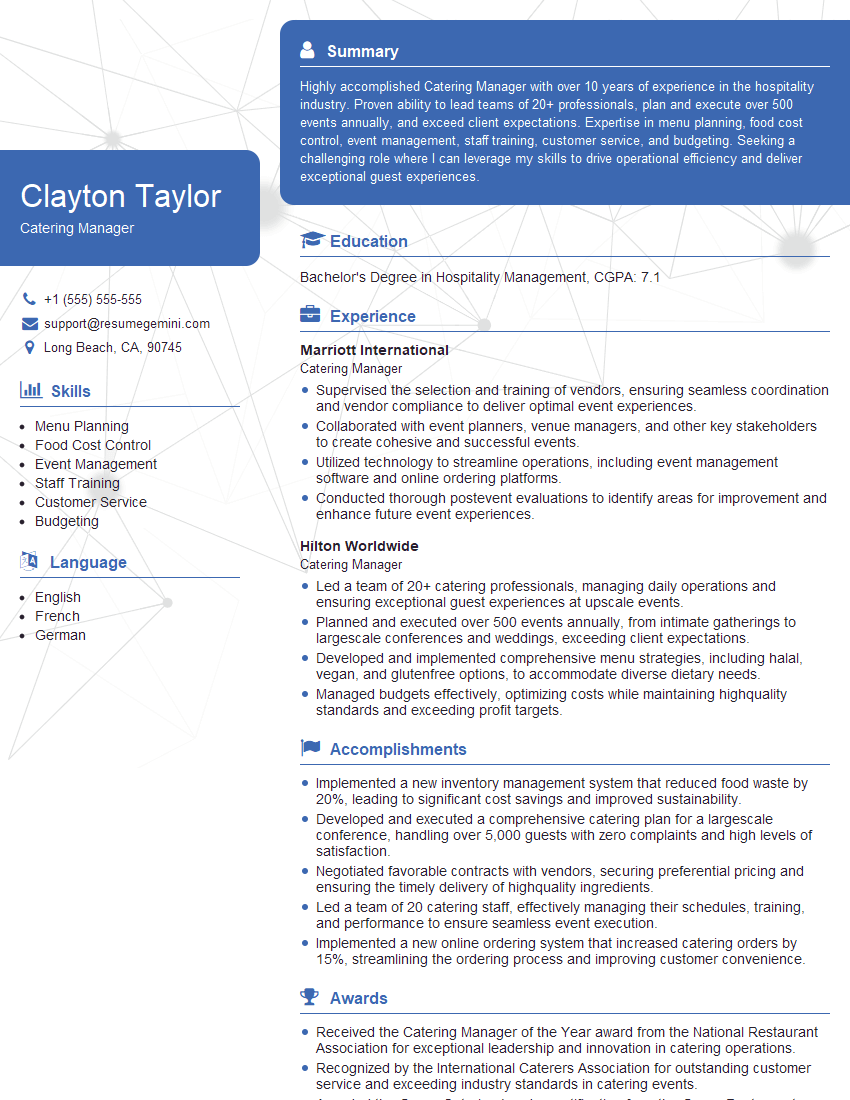
Catering Manager Resume Sample
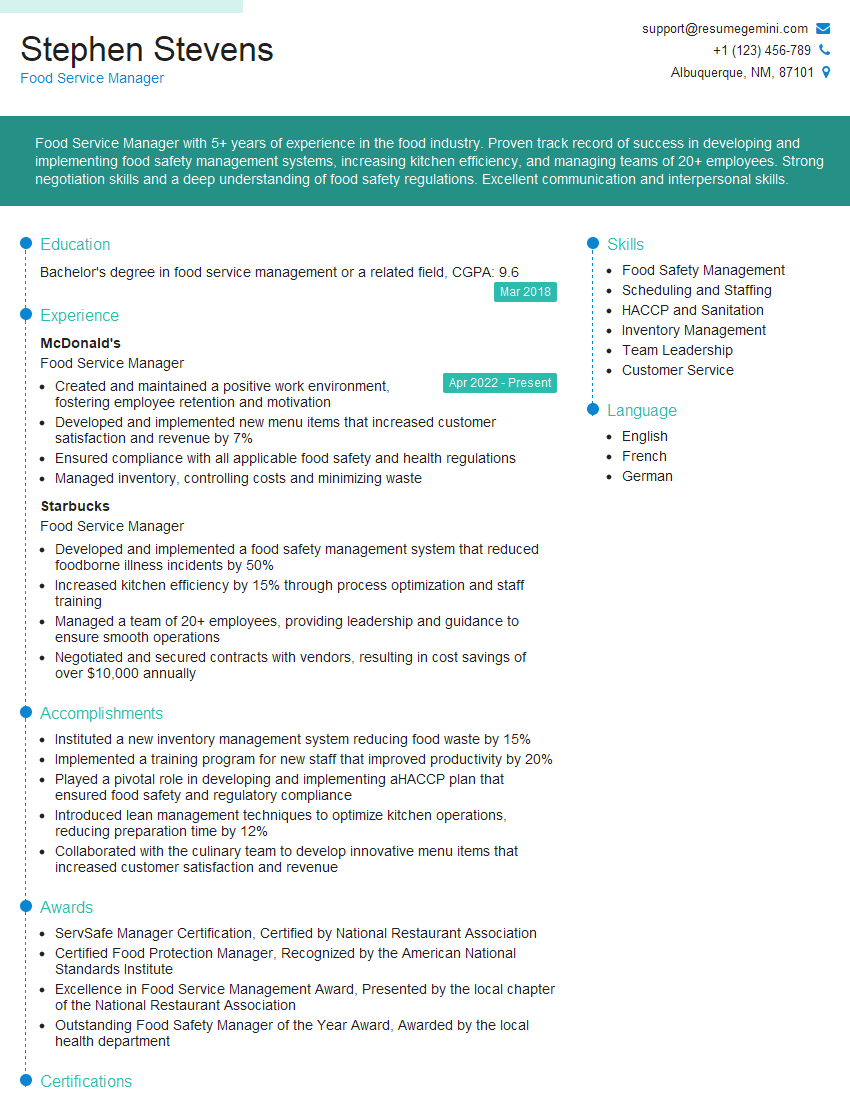
Food Service Manager Resume Sample
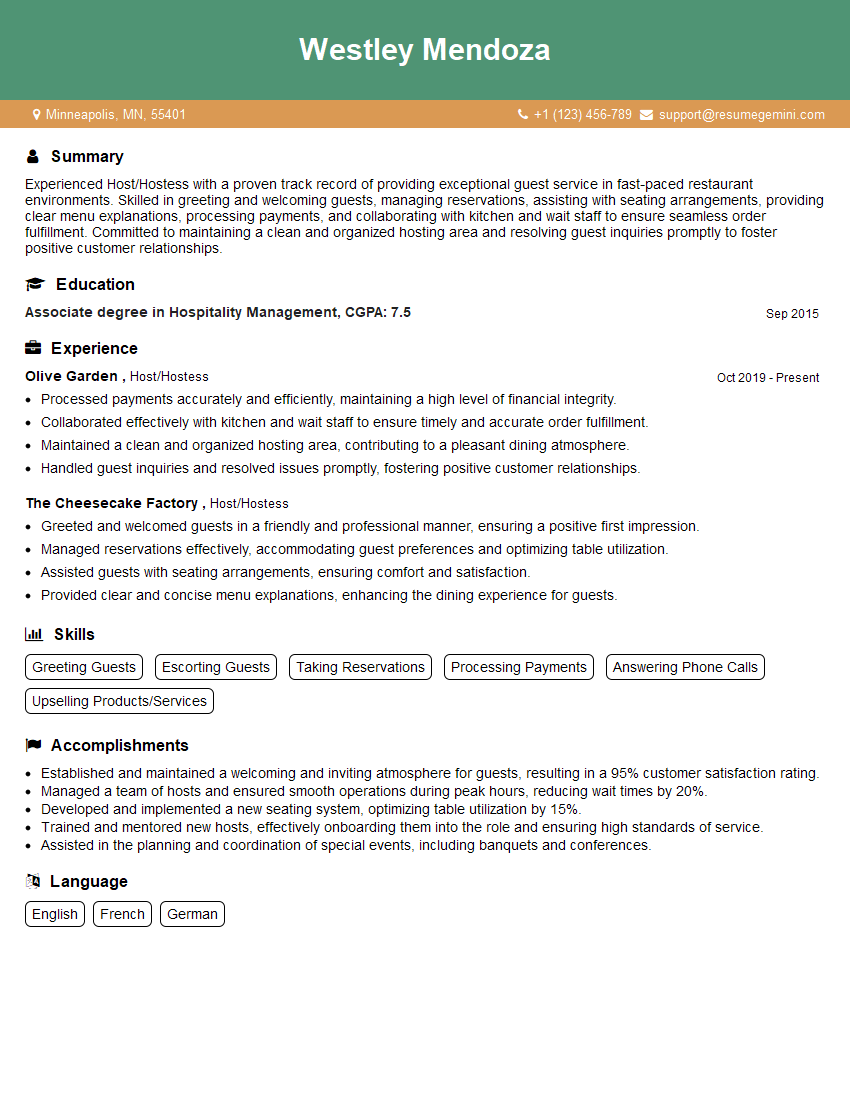
Host/Hostess Resume Sample
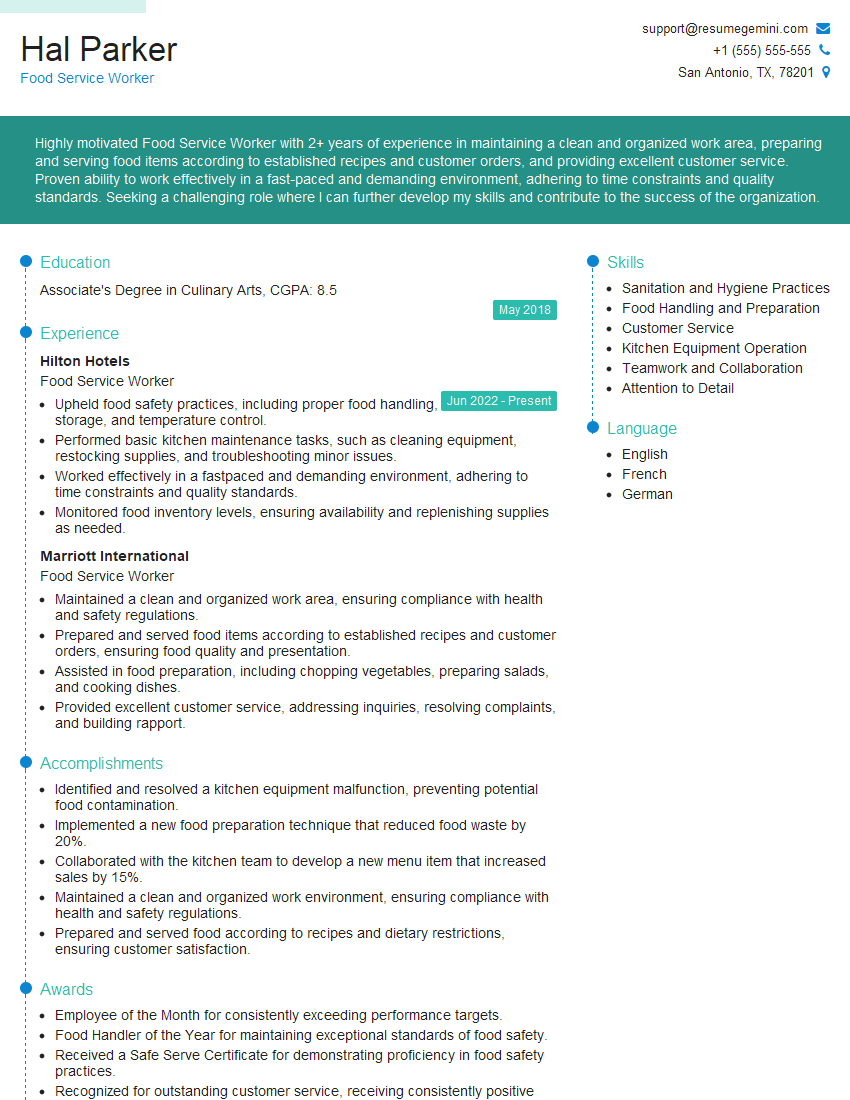
Food Service Worker Resume Sample
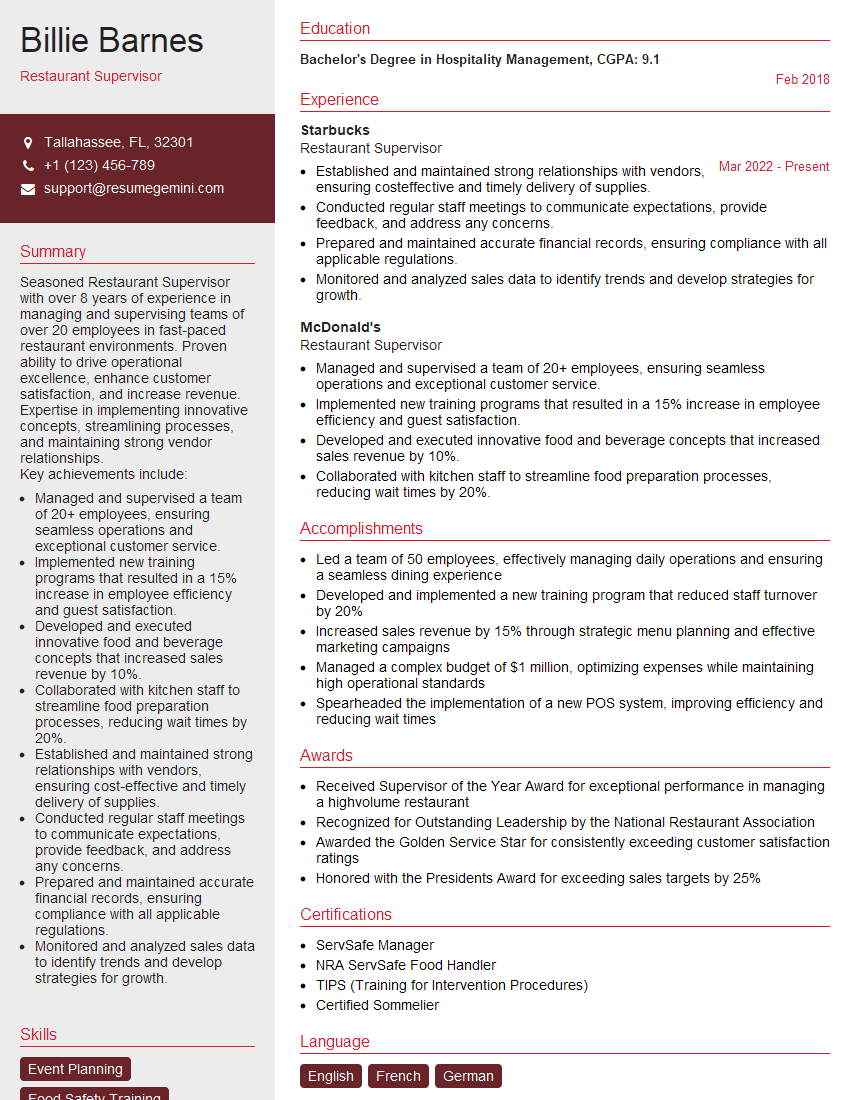
Restaurant Supervisor Resume Sample
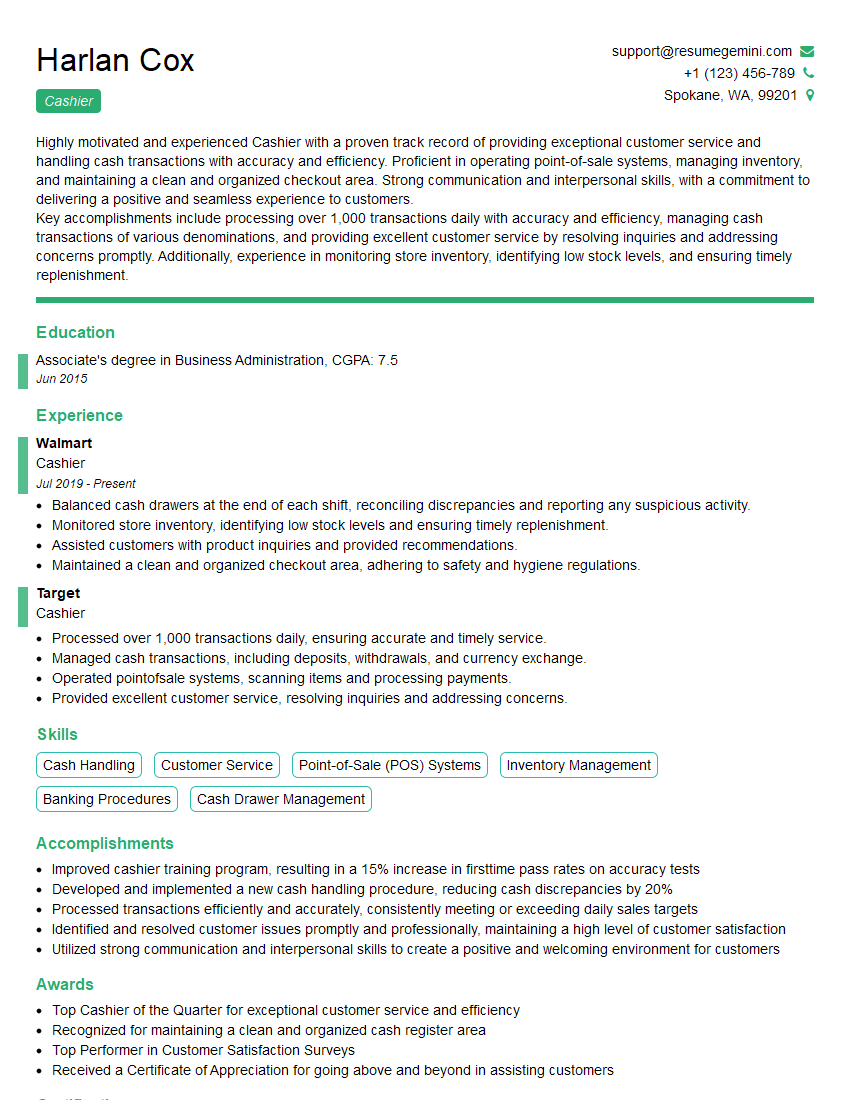
Cashier Resume Sample
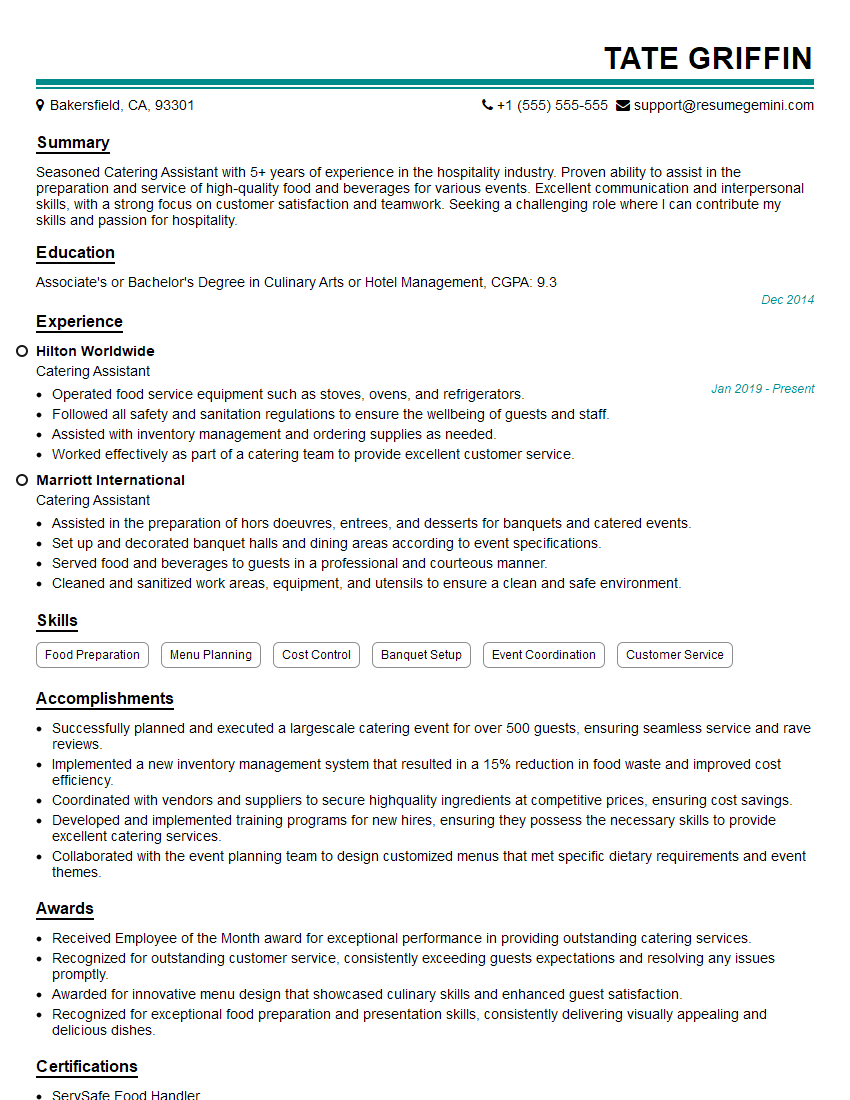
Catering Assistant Resume Sample
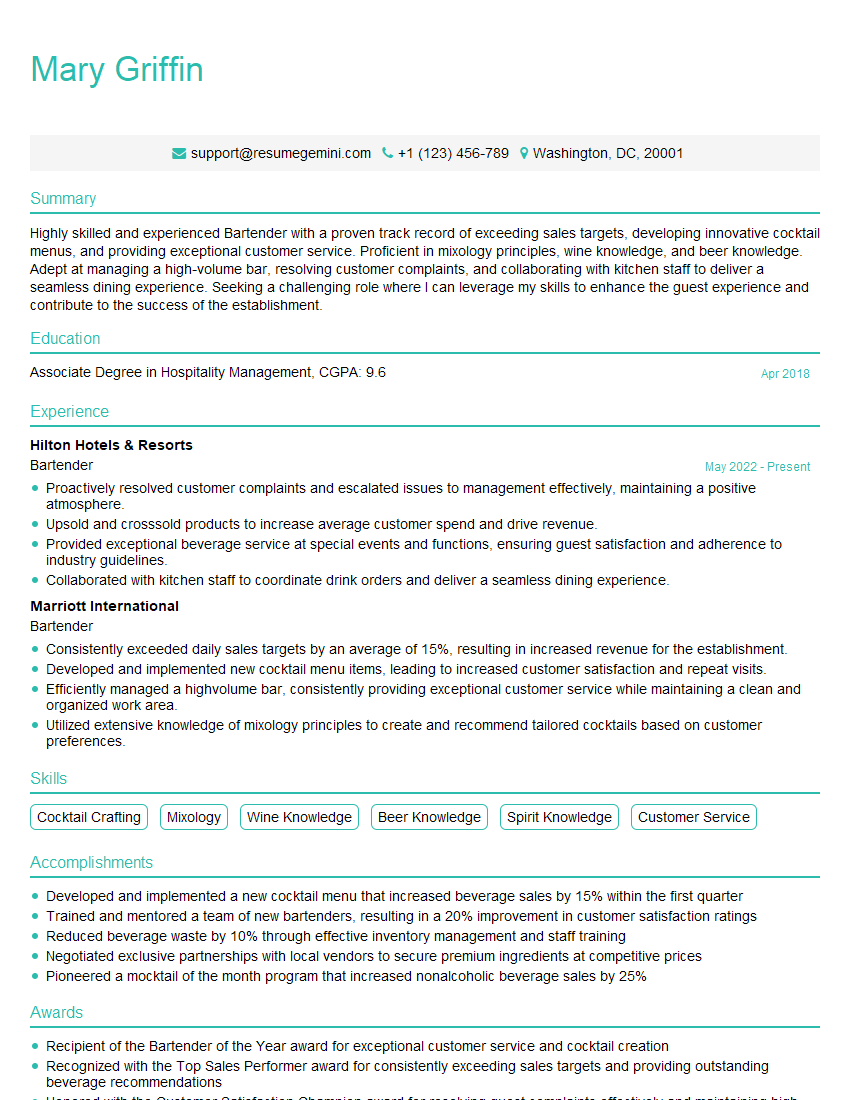
Bartender Resume Sample
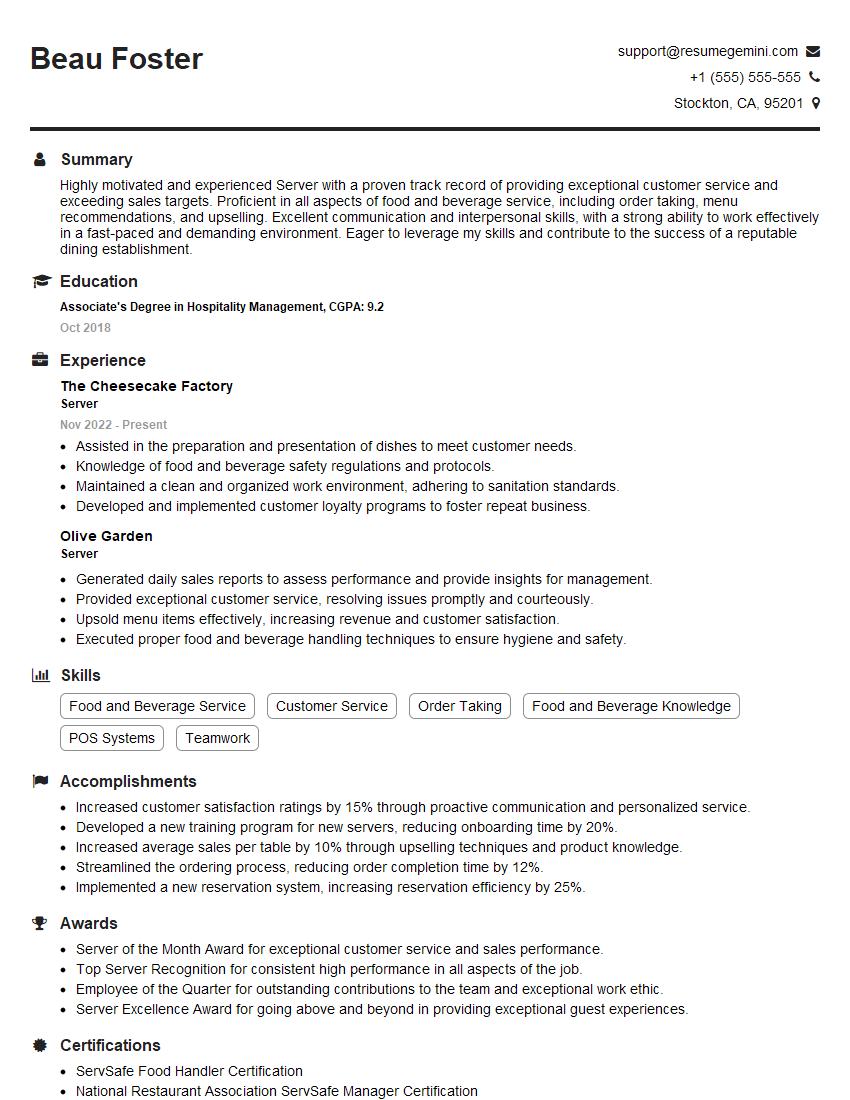
Server Resume Sample
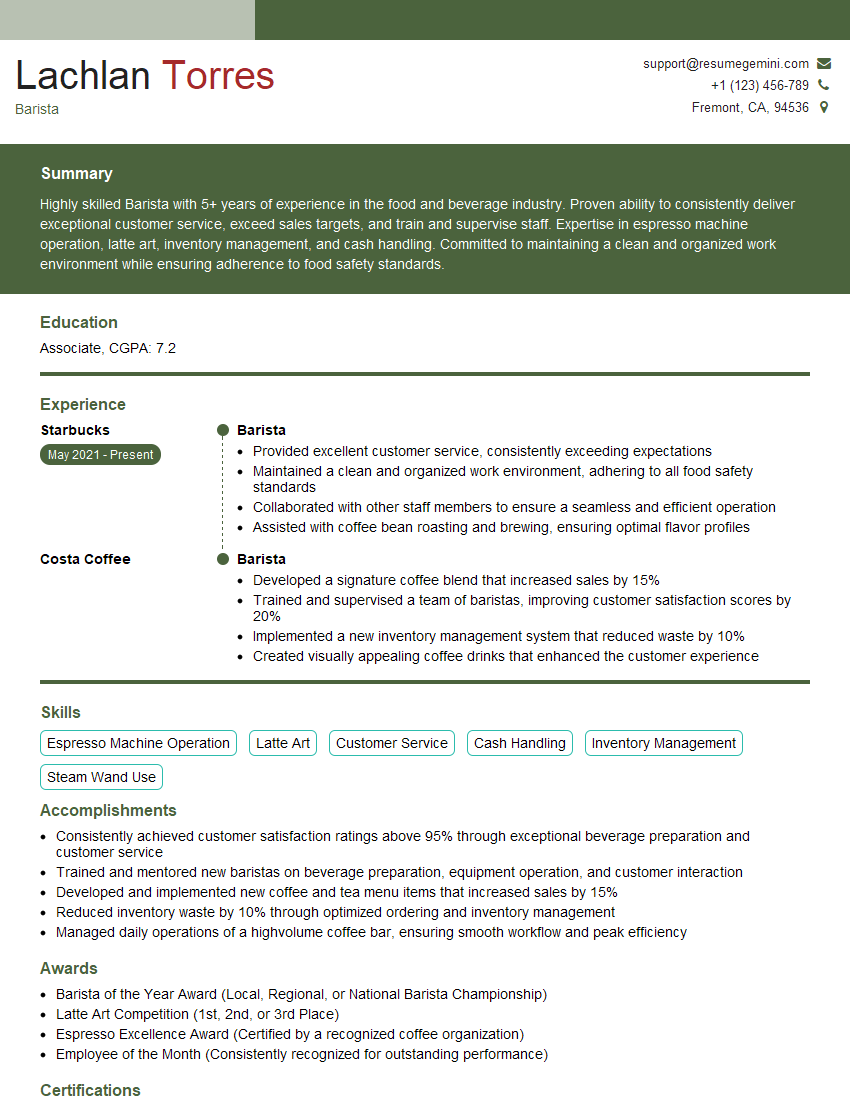
Barista Resume Sample
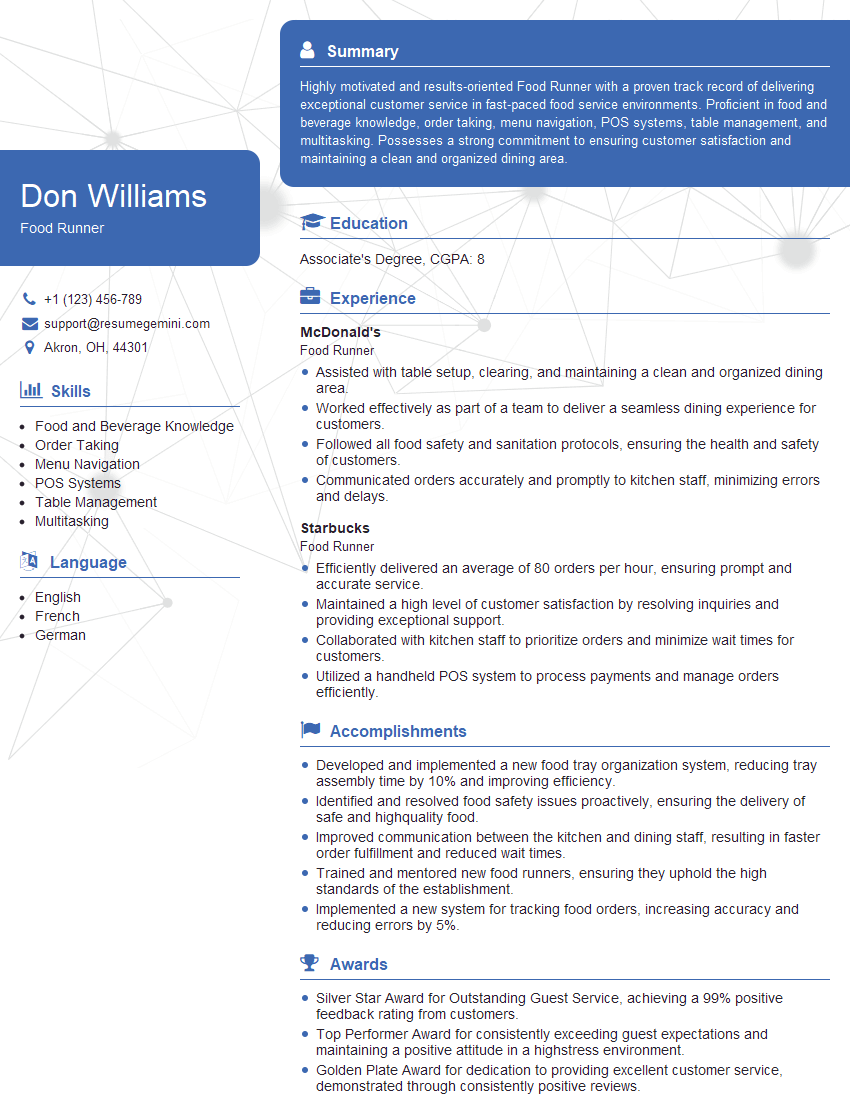
Food Runner Resume Sample
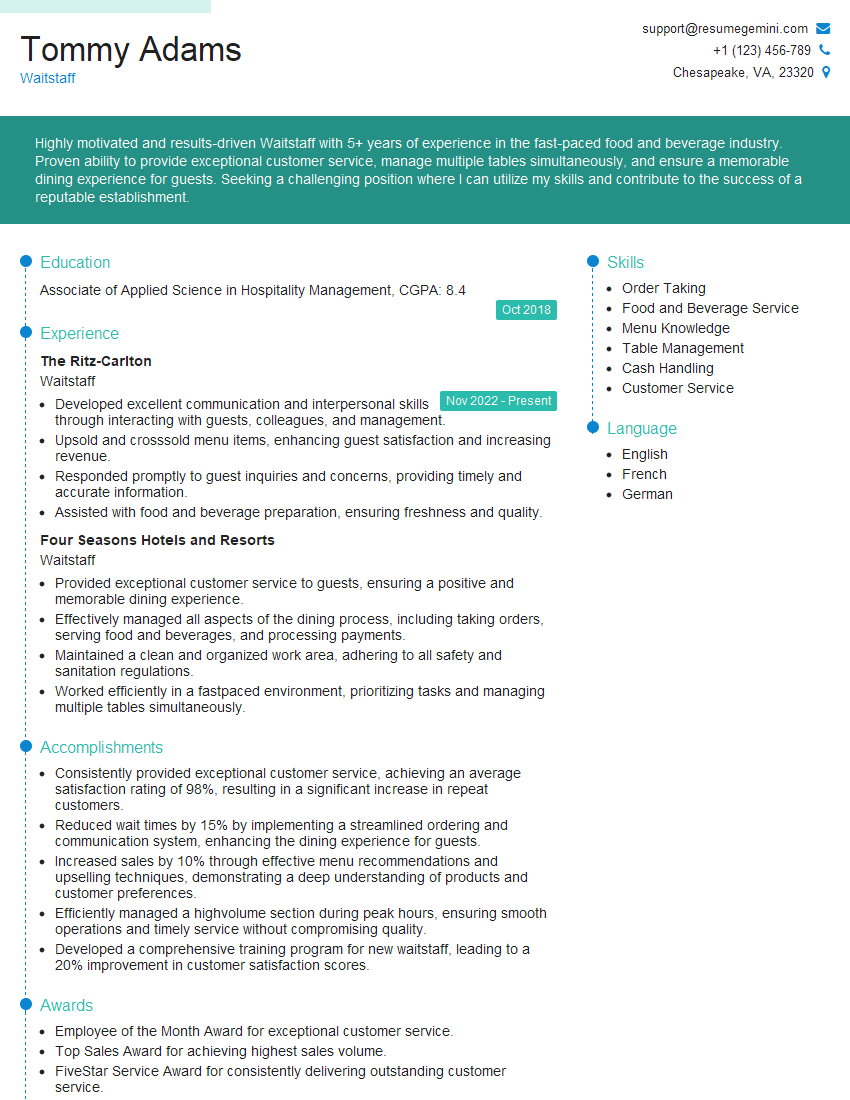
Waitstaff Resume Sample
Beverage Server Resume Sample
Busser Resume Sample
Explore more articles
Users Rating of Our Blogs
Share Your Experience
We value your feedback! Please rate our content and share your thoughts (optional).
What Readers Say About Our Blog
Attention music lovers!
Wow, All the best Sax Summer music !!!
Spotify: https://open.spotify.com/artist/6ShcdIT7rPVVaFEpgZQbUk
Apple Music: https://music.apple.com/fr/artist/jimmy-sax-black/1530501936
YouTube: https://music.youtube.com/browse/VLOLAK5uy_noClmC7abM6YpZsnySxRqt3LoalPf88No
Other Platforms and Free Downloads : https://fanlink.tv/jimmysaxblack
on google : https://www.google.com/search?q=22+AND+22+AND+22
on ChatGPT : https://chat.openai.com?q=who20jlJimmy20Black20Sax20Producer
Get back into the groove with Jimmy sax Black
Best regards,
Jimmy sax Black
www.jimmysaxblack.com
Hi I am a troller at The aquatic interview center and I suddenly went so fast in Roblox and it was gone when I reset.
Hi,
Business owners spend hours every week worrying about their website—or avoiding it because it feels overwhelming.
We’d like to take that off your plate:
$69/month. Everything handled.
Our team will:
Design a custom website—or completely overhaul your current one
Take care of hosting as an option
Handle edits and improvements—up to 60 minutes of work included every month
No setup fees, no annual commitments. Just a site that makes a strong first impression.
Find out if it’s right for you:
https://websolutionsgenius.com/awardwinningwebsites
Hello,
we currently offer a complimentary backlink and URL indexing test for search engine optimization professionals.
You can get complimentary indexing credits to test how link discovery works in practice.
No credit card is required and there is no recurring fee.
You can find details here:
https://wikipedia-backlinks.com/indexing/
Regards
NICE RESPONSE TO Q & A
hi
The aim of this message is regarding an unclaimed deposit of a deceased nationale that bears the same name as you. You are not relate to him as there are millions of people answering the names across around the world. But i will use my position to influence the release of the deposit to you for our mutual benefit.
Respond for full details and how to claim the deposit. This is 100% risk free. Send hello to my email id: lukachachibaialuka@gmail.com
Luka Chachibaialuka
Hey interviewgemini.com, just wanted to follow up on my last email.
We just launched Call the Monster, an parenting app that lets you summon friendly ‘monsters’ kids actually listen to.
We’re also running a giveaway for everyone who downloads the app. Since it’s brand new, there aren’t many users yet, which means you’ve got a much better chance of winning some great prizes.
You can check it out here: https://bit.ly/callamonsterapp
Or follow us on Instagram: https://www.instagram.com/callamonsterapp
Thanks,
Ryan
CEO – Call the Monster App
Hey interviewgemini.com, I saw your website and love your approach.
I just want this to look like spam email, but want to share something important to you. We just launched Call the Monster, a parenting app that lets you summon friendly ‘monsters’ kids actually listen to.
Parents are loving it for calming chaos before bedtime. Thought you might want to try it: https://bit.ly/callamonsterapp or just follow our fun monster lore on Instagram: https://www.instagram.com/callamonsterapp
Thanks,
Ryan
CEO – Call A Monster APP
To the interviewgemini.com Owner.
Dear interviewgemini.com Webmaster!
Hi interviewgemini.com Webmaster!
Dear interviewgemini.com Webmaster!
excellent
Hello,
We found issues with your domain’s email setup that may be sending your messages to spam or blocking them completely. InboxShield Mini shows you how to fix it in minutes — no tech skills required.
Scan your domain now for details: https://inboxshield-mini.com/
— Adam @ InboxShield Mini
support@inboxshield-mini.com
Reply STOP to unsubscribe
Hi, are you owner of interviewgemini.com? What if I told you I could help you find extra time in your schedule, reconnect with leads you didn’t even realize you missed, and bring in more “I want to work with you” conversations, without increasing your ad spend or hiring a full-time employee?
All with a flexible, budget-friendly service that could easily pay for itself. Sounds good?
Would it be nice to jump on a quick 10-minute call so I can show you exactly how we make this work?
Best,
Hapei
Marketing Director
Hey, I know you’re the owner of interviewgemini.com. I’ll be quick.
Fundraising for your business is tough and time-consuming. We make it easier by guaranteeing two private investor meetings each month, for six months. No demos, no pitch events – just direct introductions to active investors matched to your startup.
If youR17;re raising, this could help you build real momentum. Want me to send more info?
Hi, I represent an SEO company that specialises in getting you AI citations and higher rankings on Google. I’d like to offer you a 100% free SEO audit for your website. Would you be interested?
Hi, I represent an SEO company that specialises in getting you AI citations and higher rankings on Google. I’d like to offer you a 100% free SEO audit for your website. Would you be interested?