The right preparation can turn an interview into an opportunity to showcase your expertise. This guide to Documentation and Compliance interview questions is your ultimate resource, providing key insights and tips to help you ace your responses and stand out as a top candidate.
Questions Asked in Documentation and Compliance Interview
Q 1. Explain your experience with different documentation management systems.
My experience spans a variety of documentation management systems, from simple shared drives and file-naming conventions to sophisticated enterprise content management (ECM) systems. I’ve worked with systems like SharePoint, M-Files, and Documentum, each offering unique features and capabilities. For example, SharePoint excels in its collaborative features, making it ideal for team-based projects. Documentum, on the other hand, is better suited for managing large volumes of highly structured documents requiring robust version control. My experience includes implementing, configuring, and training users on these systems, optimizing workflows, and integrating them with other business applications. I’ve also worked with simpler systems, demonstrating adaptability and the ability to leverage technology effectively regardless of its complexity. A key skill is understanding the nuances of each system and tailoring its use to the specific needs of the organization and project.
Q 2. Describe your process for creating and maintaining standard operating procedures (SOPs).
Creating and maintaining effective SOPs is a crucial aspect of my role. My process typically follows these steps:
- Needs Assessment: I begin by identifying the processes that require an SOP. This involves collaborating with subject matter experts to understand the steps involved and potential pain points.
- Document Drafting: I draft the SOP using clear, concise language, avoiding jargon. I structure the document logically, using headings, subheadings, and numbered lists to improve readability. I include visual aids like flowcharts or diagrams where helpful.
- Review and Approval: The draft is reviewed by subject matter experts and stakeholders for accuracy and completeness. This ensures buy-in and minimizes errors. The document is then formally approved.
- Distribution and Training: The approved SOP is distributed to relevant personnel, and training is provided to ensure everyone understands and can follow the procedures.
- Version Control and Updates: The SOP is stored in a central repository, and a version control system is used to track changes. Regular reviews are conducted to ensure the SOP remains up-to-date and relevant. Any updates are formally approved before dissemination.
For example, in a previous role, I developed an SOP for a critical manufacturing process. The new SOP, which included a detailed flowchart, reduced errors by 15% and improved efficiency by 10%.
Q 3. How do you ensure the accuracy and completeness of documentation?
Accuracy and completeness are paramount. My approach involves several key strategies:
- Multiple Reviews: Documents undergo multiple levels of review by different individuals, including subject matter experts and quality control personnel. This cross-checking minimizes errors and omissions.
- Version Control: Using version control systems allows for tracking changes and ensures that everyone is working with the most up-to-date version. This prevents confusion and ensures consistency.
- Templates and Checklists: Utilizing standardized templates and checklists ensures consistency and reduces the risk of missing critical information. These tools guide the document creation process and promote uniformity.
- Quality Assurance Checks: Regular audits and quality checks are implemented to verify the accuracy and completeness of documentation. This proactive approach helps to identify and address issues promptly.
Think of it like building a house; you wouldn’t skip inspections or rely on just one person’s assessment. Multiple checks and reviews are crucial for ensuring a solid, reliable structure, just as they are for accurate documentation.
Q 4. What strategies do you use to manage large volumes of documents?
Managing large volumes of documents requires a structured and systematic approach. My strategies include:
- Metadata Tagging and Categorization: Employing a robust metadata tagging system allows for efficient searching and retrieval of documents. This helps to organize and categorize documents logically.
- Document Retention Policies: Implementing a clear document retention policy ensures that only necessary documents are stored, minimizing storage costs and improving efficiency. This involves determining appropriate retention periods for different document types.
- ECM System Implementation: Utilizing an ECM system provides the capabilities for efficient storage, retrieval, and version control of documents. This system can automate many document-related tasks, freeing up time and resources.
- Regular Archiving: Archiving less frequently accessed documents to off-site storage or cloud solutions reduces storage costs and improves the performance of the primary system.
Imagine a library – a well-organized library with a cataloguing system and clearly defined shelving is much easier to navigate than a cluttered room filled with unsorted books. The same principle applies to managing large volumes of documents.
Q 5. How familiar are you with different regulatory frameworks (e.g., HIPAA, GDPR)?
I have a strong understanding of various regulatory frameworks, including HIPAA, GDPR, and others relevant to different industries. My familiarity extends beyond simply knowing the regulations; I understand how to apply them practically in a business context. For example, with HIPAA, I understand the requirements for protecting patient health information (PHI), including access controls, data encryption, and audit trails. With GDPR, I understand the requirements for obtaining consent, data subject rights, and cross-border data transfers. I can help organizations assess their compliance posture, identify gaps, and develop remediation plans. I stay updated on regulatory changes and best practices, ensuring our documentation and processes are always compliant.
Q 6. How do you ensure compliance with company policies and procedures?
Ensuring compliance with company policies and procedures is an ongoing process. My approach involves:
- Policy Dissemination: Ensuring all employees have access to and understand the company’s policies and procedures. This involves effective communication and training.
- Policy Integration: Integrating company policies and procedures into all relevant documentation, ensuring consistency and alignment.
- Monitoring and Auditing: Regularly monitoring adherence to policies and procedures through internal audits and reviews. This helps to identify areas of non-compliance and potential risks.
- Corrective Actions: Implementing corrective actions to address any identified non-compliance issues. This includes training, process improvement, and system enhancements.
It’s like a feedback loop; continuous monitoring, evaluation, and improvement are essential to maintain ongoing compliance.
Q 7. Describe your experience conducting compliance audits.
I have extensive experience conducting compliance audits, focusing on both internal and external audits. My approach is systematic and thorough. It typically involves:
- Planning and Scoping: Defining the scope of the audit, identifying relevant policies, procedures, and regulations, and developing an audit plan.
- Data Collection: Gathering evidence through document review, interviews, and observation to assess compliance.
- Analysis and Reporting: Analyzing the collected data to identify areas of compliance and non-compliance. Preparing a comprehensive report detailing findings and recommendations for improvement.
- Follow-up: Monitoring the implementation of corrective actions to ensure that identified issues are addressed and compliance is maintained.
During a recent audit of a healthcare provider, I identified a significant gap in their HIPAA compliance related to data encryption. My report provided recommendations that were implemented, significantly improving their security posture.
Q 8. How do you identify and address compliance risks?
Identifying and addressing compliance risks is a proactive process that involves understanding applicable regulations, identifying potential vulnerabilities, and implementing mitigating controls. It’s like a security check for your organization’s operations.
- Risk Assessment: This involves systematically identifying potential areas of non-compliance. For example, analyzing processes to pinpoint areas where data privacy laws might be violated or reviewing contracts for potential breach of regulatory stipulations. We use frameworks like NIST Cybersecurity Framework or ISO 27005 to guide this process.
- Gap Analysis: Comparing current practices against regulatory requirements reveals gaps. For example, if a regulation mandates data encryption and your systems lack it, you’ve identified a gap.
- Mitigation Planning: This involves creating action plans to address identified risks. These plans detail specific actions, timelines, and responsible parties. For example, implementing encryption or creating employee training programs to address data privacy concerns.
- Monitoring and Review: Compliance is not a one-time effort; it’s continuous. Regular monitoring and review are crucial to identify emerging risks and ensure the effectiveness of implemented controls. This could involve regular audits and vulnerability assessments.
For instance, in a healthcare setting, failing to properly secure patient data could lead to HIPAA violations, incurring significant fines and reputational damage. A proactive risk assessment could identify this vulnerability and allow for implementation of strong encryption and access control measures to mitigate the risk.
Q 9. What methods do you use for document version control?
Document version control is essential to ensure everyone works with the most up-to-date and accurate information. Think of it as keeping a meticulous history of every change made to a document.
- Version numbering: A simple yet effective method. For example, using a system like ‘DocumentName_v1.0’, ‘DocumentName_v1.1’, etc. Each increment indicates a change.
- Check-in/Check-out systems: These systems within an EDMS or even simpler shared drives prevent multiple users from editing the same document simultaneously, leading to conflicts and confusion.
- Document repositories: Centralized repositories store all versions of a document, providing a complete audit trail. This allows tracing back to earlier versions if needed.
- Version control software: Tools like Git (primarily for code, but adaptable) provide detailed version history, branching capabilities, and collaboration features.
In a project involving multiple drafts of a marketing plan, version control ensures that everyone is using the approved, final version, avoiding confusion and potential errors caused by working with outdated materials.
Q 10. How do you ensure the security and confidentiality of sensitive documents?
Securing sensitive documents is paramount; it’s like protecting the crown jewels of your organization. A multi-layered approach is necessary.
- Access control: Restricting document access based on roles and responsibilities. Only authorized personnel should have access to sensitive information.
- Encryption: Encrypting documents both at rest (stored on servers) and in transit (when sent electronically) protects them from unauthorized access, even if intercepted.
- Secure storage: Using secure servers, cloud storage with strong encryption, and physical security measures (e.g., locked cabinets) for physical documents.
- Data loss prevention (DLP) tools: These tools monitor data movement and prevent sensitive information from leaving the network without authorization.
- Regular security audits and penetration testing: These help identify vulnerabilities and ensure security measures are effective.
Imagine a financial institution; protecting client financial information is critical. Implementing robust encryption, access controls, and regular security assessments is essential to maintain confidentiality and prevent financial fraud or identity theft.
Q 11. Explain your experience with document retention policies.
Document retention policies dictate how long documents should be kept and how they should be stored. Think of it as a carefully planned archive for your organization’s memory.
- Legal and regulatory requirements: Policies must adhere to legal and regulatory requirements that mandate retention periods for specific types of documents (e.g., tax records, financial statements).
- Business needs: The policy must also address the organization’s operational needs. For instance, keeping marketing campaign data for analysis might necessitate longer retention periods than some internal memos.
- Storage and disposal methods: The policy needs to specify how documents should be stored (physical or digital) and how they should be securely disposed of at the end of their retention period to prevent data breaches.
- Regular review and updates: Policies must be reviewed and updated regularly to account for changes in regulations, technology, and business needs.
For example, a pharmaceutical company must maintain detailed records of clinical trials for a specified duration as per regulatory guidelines. Failure to comply could lead to serious legal repercussions.
Q 12. Describe your experience with electronic document management systems (EDMS).
Electronic Document Management Systems (EDMS) are crucial for efficient document handling, control, and security. Think of it as a highly organized and secure digital filing cabinet.
- Document storage and retrieval: EDMS provides a central repository for all documents, making retrieval quick and easy.
- Version control: As discussed earlier, EDMS usually includes version control features.
- Workflow automation: EDMS can automate document approval processes, reducing manual effort and speeding up workflows.
- Access control and security: EDMS provides robust access control mechanisms to ensure only authorized users can access specific documents.
- Integration with other systems: Many EDMS integrate with other business systems, like CRM or ERP, enhancing data flow and efficiency.
In a large law firm, an EDMS is crucial for managing client files, legal documents, and communications securely and efficiently. The ability to track versions, control access, and automate workflows ensures smooth operations and compliance with legal requirements.
Q 13. How do you handle non-compliant activities or documentation?
Handling non-compliant activities or documentation requires a structured approach focused on remediation and prevention. It’s like performing surgery on your compliance system.
- Identify the root cause: Determine why the non-compliance occurred. Was it due to lack of training, unclear procedures, or a system failure?
- Implement corrective actions: Take immediate steps to correct the non-compliance. This might include updating documents, retraining employees, or fixing a system flaw.
- Document the remediation process: Maintain a detailed record of the corrective actions taken, including timelines and responsible parties.
- Preventive measures: Implement measures to prevent similar issues from recurring. This might involve revising procedures, improving training, or implementing additional controls.
- Reporting and escalation: Depending on the severity, report the non-compliance to relevant authorities or management.
For example, if a company discovers that employee training materials on data privacy are outdated, they must update the materials, retrain employees, and document the entire process to ensure compliance. This includes a plan to prevent future outdated training.
Q 14. How do you communicate compliance requirements to others?
Communicating compliance requirements effectively is crucial for ensuring everyone understands and adheres to them. It’s like spreading the word about the new rules of the game.
- Training programs: Develop and deliver comprehensive training programs tailored to different roles and responsibilities. This could include online modules, workshops, and in-person sessions.
- Clear and concise communication: Use plain language, avoiding jargon. Make sure the requirements are easy to understand and accessible to everyone.
- Regular communication: Provide regular updates on compliance-related matters, highlighting changes or new requirements.
- Multiple communication channels: Use a variety of channels, such as emails, intranet postings, and team meetings, to reach a wider audience.
- Feedback mechanisms: Establish channels for employees to ask questions and provide feedback on compliance matters.
Imagine a manufacturing company introducing new safety regulations. Effective communication, through training, posters, and regular reminders, ensures that all employees are aware and follow the new rules, preventing accidents and ensuring compliance.
Q 15. Describe a time you had to resolve a documentation or compliance issue.
In a previous role, we transitioned to a new CRM system. The existing documentation for the old system was outdated and incomplete, leading to significant user confusion and errors in data entry. This directly impacted our compliance with data privacy regulations. To resolve this, I spearheaded a multi-phased approach. First, I conducted a thorough gap analysis comparing the old and new system functionalities, identifying key discrepancies. Then, I collaborated with subject matter experts from various departments to create comprehensive, user-friendly documentation for the new system. This included step-by-step guides, FAQs, and video tutorials. We also implemented a feedback mechanism allowing users to report issues or suggest improvements. Finally, we conducted training sessions to ensure staff understood the new system and its implications for compliance. The result was a significant improvement in user proficiency, reduced error rates, and better compliance with regulations.
Career Expert Tips:
- Ace those interviews! Prepare effectively by reviewing the Top 50 Most Common Interview Questions on ResumeGemini.
- Navigate your job search with confidence! Explore a wide range of Career Tips on ResumeGemini. Learn about common challenges and recommendations to overcome them.
- Craft the perfect resume! Master the Art of Resume Writing with ResumeGemini’s guide. Showcase your unique qualifications and achievements effectively.
- Don’t miss out on holiday savings! Build your dream resume with ResumeGemini’s ATS optimized templates.
Q 16. How do you prioritize competing tasks in a documentation and compliance role?
Prioritizing tasks in documentation and compliance requires a structured approach. I use a system that combines urgency and impact. I start by categorizing tasks based on their urgency (immediate, short-term, long-term) and their impact on compliance and business operations (high, medium, low). I then use a matrix to visualize these factors. Tasks in the high-urgency, high-impact quadrant take precedence. For instance, addressing an imminent regulatory deadline would fall here. Tasks with lower urgency but high impact, such as updating critical policy documents, are scheduled proactively. I also use project management tools like task lists and calendars to track progress, allocate time effectively, and ensure deadlines are met. Regular review and adjustment of priorities are crucial, as new information or changing circumstances might necessitate shifting priorities.
Q 17. What are the key elements of a successful compliance program?
A successful compliance program rests on several key pillars. First, there must be a strong commitment from leadership, setting the tone and allocating the necessary resources. This commitment needs to permeate the entire organization. Second, a comprehensive risk assessment is vital. This involves identifying potential compliance risks, assessing their likelihood and impact, and prioritizing mitigation strategies. Third, clear, concise, and regularly updated policies and procedures are essential. These policies must be easily accessible to all employees. Fourth, a robust training program is necessary to ensure all employees understand their compliance responsibilities. This includes regular refresher courses and updates on changes in regulations. Fifth, a monitoring and auditing system must be in place to detect and address compliance issues promptly. Finally, there should be a mechanism for reporting and remediation, enabling the prompt identification and resolution of any compliance breaches.
Q 18. How do you stay updated on changes in regulations and best practices?
Staying current with regulatory changes and best practices requires a multifaceted approach. I subscribe to relevant industry publications and newsletters. I actively participate in professional organizations and attend conferences and webinars to network with peers and learn about emerging trends. I also leverage online resources such as government agency websites and legal databases. Furthermore, I monitor regulatory agency announcements and updates, often using RSS feeds for timely alerts. Finally, I maintain a network of contacts within regulatory bodies and industry peers to exchange information and insights. This layered approach allows me to stay abreast of the ever-evolving landscape of compliance regulations and best practices.
Q 19. How would you improve a company’s documentation process?
Improving a company’s documentation process involves a structured approach focusing on user needs, clarity, and accessibility. I would begin with a thorough assessment of the existing process, identifying bottlenecks and areas for improvement. This often includes surveys and interviews with users to gather feedback. Then, I would implement a content management system (CMS) for centralizing and organizing documents, ensuring version control and easy retrieval. Next, I’d focus on standardizing document templates and formatting to improve consistency and readability. Training on the new system and best practices would follow. To enhance accessibility, I’d ensure compliance with accessibility standards (e.g., WCAG) by using clear language, appropriate formatting, and alternative text for images. Regular reviews and updates of the documentation are crucial to ensure accuracy and relevance. Finally, implementing a feedback mechanism allowing users to report errors or suggest improvements ensures ongoing improvement.
Q 20. Explain your understanding of different types of compliance (e.g., regulatory, legal, ethical).
Compliance encompasses a wide range of obligations. Regulatory compliance refers to adherence to rules and regulations imposed by government agencies. This could include environmental regulations, data privacy laws (like GDPR or CCPA), or industry-specific standards. Legal compliance is broader, encompassing adherence to all applicable laws, including contracts, employment laws, and intellectual property rights. Ethical compliance involves adhering to a set of moral principles and values, even if not explicitly mandated by law or regulation. This includes acting with integrity, transparency, and fairness. While distinct, these areas often overlap. For instance, a company’s ethical commitment to data security might exceed the minimum requirements of data privacy regulations. Understanding these different types of compliance is crucial for building a robust and responsible business.
Q 21. How do you ensure that documentation is accessible to all relevant parties?
Ensuring documentation accessibility involves several steps. First, I’d implement a centralized document repository, easily accessible to all relevant parties through a secure portal or intranet. Access control should be implemented to restrict access to sensitive information to authorized personnel only. Second, documents should be formatted in a user-friendly manner, using clear and concise language, avoiding jargon, and incorporating visual aids where appropriate. Third, I’d ensure compliance with accessibility standards (like WCAG) to accommodate users with disabilities, utilizing features like alt text for images, proper heading structure, and sufficient color contrast. Fourth, version control is essential to ensure that all users are accessing the most up-to-date version. Fifth, providing multiple formats (e.g., PDF, Word, HTML) can improve accessibility for different users and systems. Finally, regular feedback from users helps identify and address any accessibility barriers.
Q 22. What is your experience with data security and privacy related to documentation?
Data security and privacy are paramount when it comes to documentation. My experience involves ensuring all documentation, whether it’s sensitive client data, internal processes, or intellectual property, adheres to relevant regulations like GDPR, CCPA, HIPAA, etc. This includes implementing access controls, data encryption, and version control systems to prevent unauthorized access, modification, or disclosure. For example, in a previous role, we implemented a system using role-based access control (RBAC) where only authorized personnel could access specific documents containing Personally Identifiable Information (PII). We also used data loss prevention (DLP) tools to monitor and prevent sensitive data from leaving the organization’s network. Furthermore, regular audits and penetration testing ensured the ongoing security and integrity of our documentation systems.
Another crucial aspect is anonymizing data whenever possible in publicly accessible documents while preserving the usefulness of the information. Think of research reports where individual participant data needs to be protected but the trends and conclusions can still be shared.
Q 23. How do you handle conflicting requirements in documentation or compliance?
Conflicting requirements are an unavoidable reality in documentation and compliance. My approach involves a structured process to resolve these conflicts. First, I identify all conflicting requirements, documenting their source and impact. Then, I prioritize them based on risk assessment, legal precedence, and business criticality. This often involves collaborating with stakeholders from different departments to understand the rationale behind each requirement. For example, a conflict might arise between a marketing department’s need for rapid content publication and a legal department’s need for thorough review before release. I would facilitate discussions to find a compromise, possibly by implementing a tiered review process where marketing can release drafts but legal needs to approve final versions.
Sometimes, compromises aren’t possible. In these instances, I escalate the conflict to senior management to make the final decision, ensuring complete documentation of the decision-making process. Transparency and thorough documentation are crucial to ensuring everyone understands the reasoning and the agreed-upon resolution.
Q 24. Describe your experience with implementing or improving a compliance management system.
In a previous role, I led the implementation of a new compliance management system (CMS) to replace an outdated and inefficient system. This involved a phased approach. First, we conducted a thorough gap analysis to identify the shortcomings of the existing system and determine the requirements for the new one. We then selected a CMS software solution that addressed these requirements, considering factors like scalability, usability, and integration with existing systems. Next came the crucial implementation phase, which included user training, data migration, and process re-engineering. Throughout this process, we focused on continuous improvement through regular monitoring, audits, and stakeholder feedback. We tracked key metrics such as the time taken to complete compliance tasks, the number of non-conformances, and overall user satisfaction.
Post-implementation, we established a robust maintenance and improvement plan, including regular updates and upgrades to keep the CMS aligned with evolving regulations and best practices. The result was a significant improvement in efficiency, reduced compliance risks, and better visibility into the organization’s compliance status.
Q 25. Explain your understanding of risk assessment related to documentation and compliance.
Risk assessment in documentation and compliance is about identifying and analyzing potential threats and vulnerabilities that could lead to non-compliance. This involves considering various factors, including the likelihood and potential impact of each risk. For example, a risk might be failing to update documentation according to regulatory changes, leading to penalties or legal action. Another risk could be unauthorized access to sensitive documentation, leading to data breaches and reputational damage. My approach involves using a structured methodology, such as a risk matrix, to assess each identified risk. This matrix typically maps the likelihood and impact of a risk, allowing for prioritization based on the overall risk score.
Once risks are identified and assessed, I develop mitigation strategies to reduce or eliminate these risks. These strategies might include implementing new controls, improving training programs, or modifying existing processes. Regular monitoring and review of the risk assessment are essential to ensure the effectiveness of the mitigation strategies and adapt to changing circumstances.
Q 26. How do you measure the effectiveness of documentation and compliance programs?
Measuring the effectiveness of documentation and compliance programs requires a multi-faceted approach. Key Performance Indicators (KPIs) are essential for tracking progress and identifying areas for improvement. Some examples include:
- Compliance rate: The percentage of regulations and standards successfully met.
- Number of non-conformances: The number of instances where regulations are not met.
- Time taken to complete compliance tasks: Efficiency of processes.
- Number and type of audits conducted: Frequency and scope of compliance reviews.
- Employee satisfaction with compliance procedures: Engagement and understanding.
- Cost of compliance: Resource allocation and return on investment.
Regular audits, both internal and external, provide independent assessments of the program’s effectiveness. Analyzing data from these KPIs and audits helps identify trends, weaknesses, and areas that require attention. This data-driven approach enables continuous improvement and ensures the program remains effective in mitigating risks and achieving compliance objectives.
Q 27. What are your strategies for training employees on compliance procedures?
Training employees on compliance procedures is crucial for a successful compliance program. My strategy involves a multi-pronged approach that combines various training methods to cater to different learning styles. This includes:
- Interactive online modules: Engaging and accessible training for large groups.
- Instructor-led workshops: Allows for interactive discussion and Q&A sessions.
- Scenario-based training: Real-world examples to improve practical application of learned procedures.
- Regular refresher courses: Ensure continued awareness of evolving regulations and best practices.
- Gamification: Incentivize learning and engagement through interactive games and quizzes.
Post-training assessments are essential to ensure comprehension and retention. I also emphasize the importance of accessible documentation and readily available resources, creating a culture where employees feel empowered and supported in their adherence to compliance procedures.
Q 28. Describe your experience working with cross-functional teams on documentation and compliance initiatives.
Cross-functional collaboration is essential for effective documentation and compliance initiatives. My experience has shown that successful projects hinge on clear communication, shared goals, and a collaborative spirit. I leverage various techniques to foster effective teamwork, including:
- Regular meetings: To keep everyone informed and aligned on progress.
- Shared documentation platforms: Centralized access to information and updates.
- Clearly defined roles and responsibilities: Prevent duplication and ensure accountability.
- Conflict resolution mechanisms: Address disagreements promptly and efficiently.
- Open communication channels: Facilitate easy information sharing and feedback.
For example, in a project involving data security, I collaborated closely with IT, Legal, and Human Resources teams to develop and implement a new data protection policy. By understanding each department’s perspectives and concerns, I was able to create a policy that was both effective and practical.
Key Topics to Learn for Documentation and Compliance Interview
- Regulatory Compliance Frameworks: Understand key regulations (e.g., GDPR, HIPAA, SOX) and how they impact documentation processes. Consider practical application in different industries.
- Documentation Lifecycle Management: Master the complete cycle, from initial creation and version control to archiving and disposal. Explore practical application scenarios such as managing large-scale documentation projects.
- Standard Operating Procedures (SOPs): Learn how to write clear, concise, and effective SOPs, ensuring they are easily understood and followed. Practice applying SOP creation to real-world problems within different organizational structures.
- Document Control Systems: Explore various systems and their functionalities, including version control, access control, and audit trails. Consider how different systems might be best suited for specific organizational needs.
- Risk Management & Compliance Auditing: Understand how documentation supports risk mitigation and compliance audits. Practice identifying potential compliance gaps and developing strategies to address them.
- Data Governance and Integrity: Explore the role of documentation in ensuring data accuracy, completeness, and security. Consider practical applications such as data validation and reconciliation processes.
- Communication & Collaboration: Understand the importance of effective communication in maintaining compliance and sharing documentation. Practice strategies for collaborating with cross-functional teams.
- Technology and Automation: Explore how technology, such as document management systems (DMS), can streamline documentation and compliance processes. Consider the advantages and challenges of implementing automation.
Next Steps
Mastering Documentation and Compliance opens doors to diverse and rewarding career opportunities, showcasing your meticulous attention to detail, your understanding of critical regulations, and your ability to manage complex processes. A strong understanding of these principles is essential for career advancement within any organization that values robust governance and operational efficiency.
To significantly increase your chances of landing your dream role, crafting an ATS-friendly resume is crucial. A well-structured resume, tailored to highlight your relevant skills and experience, is the first step to making a lasting impression on potential employers. ResumeGemini is a trusted resource to help you build a professional and effective resume that showcases your abilities effectively.
ResumeGemini provides examples of resumes specifically tailored to Documentation and Compliance roles. Leverage these examples to create a compelling document that will capture the attention of hiring managers and help you secure your next opportunity.
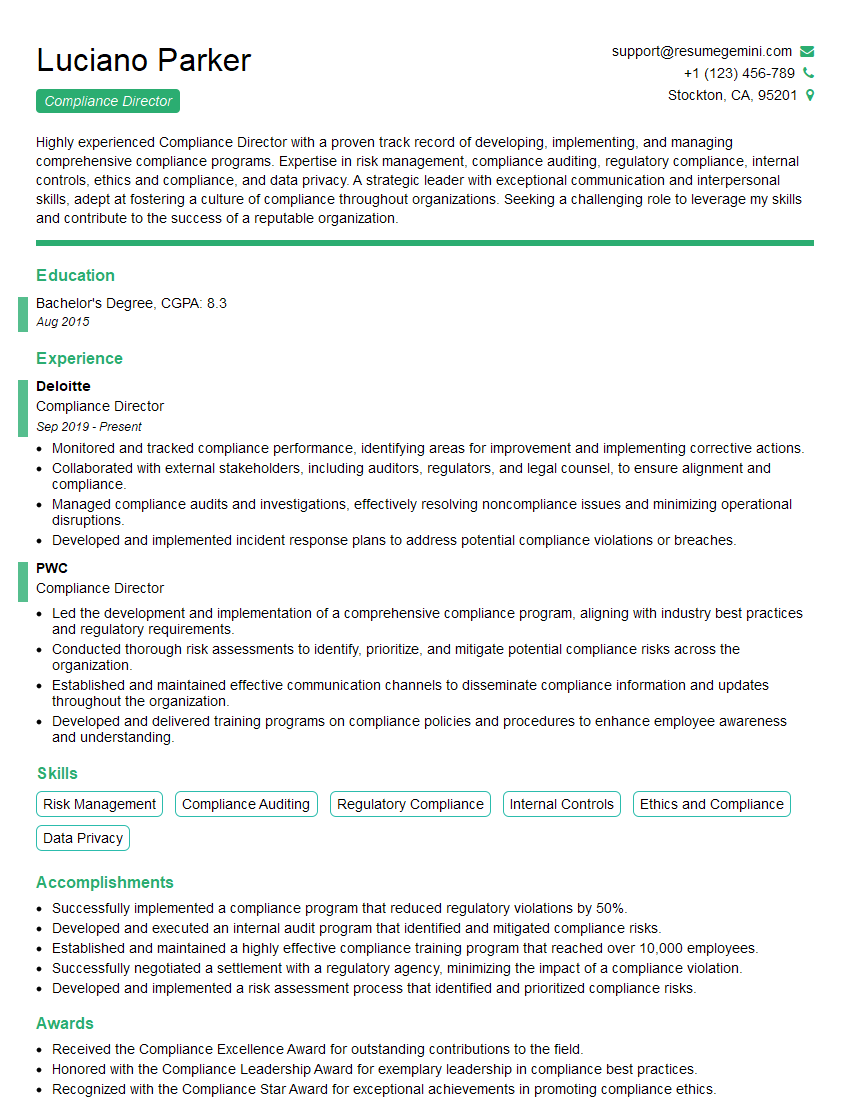
Compliance Director Resume Sample
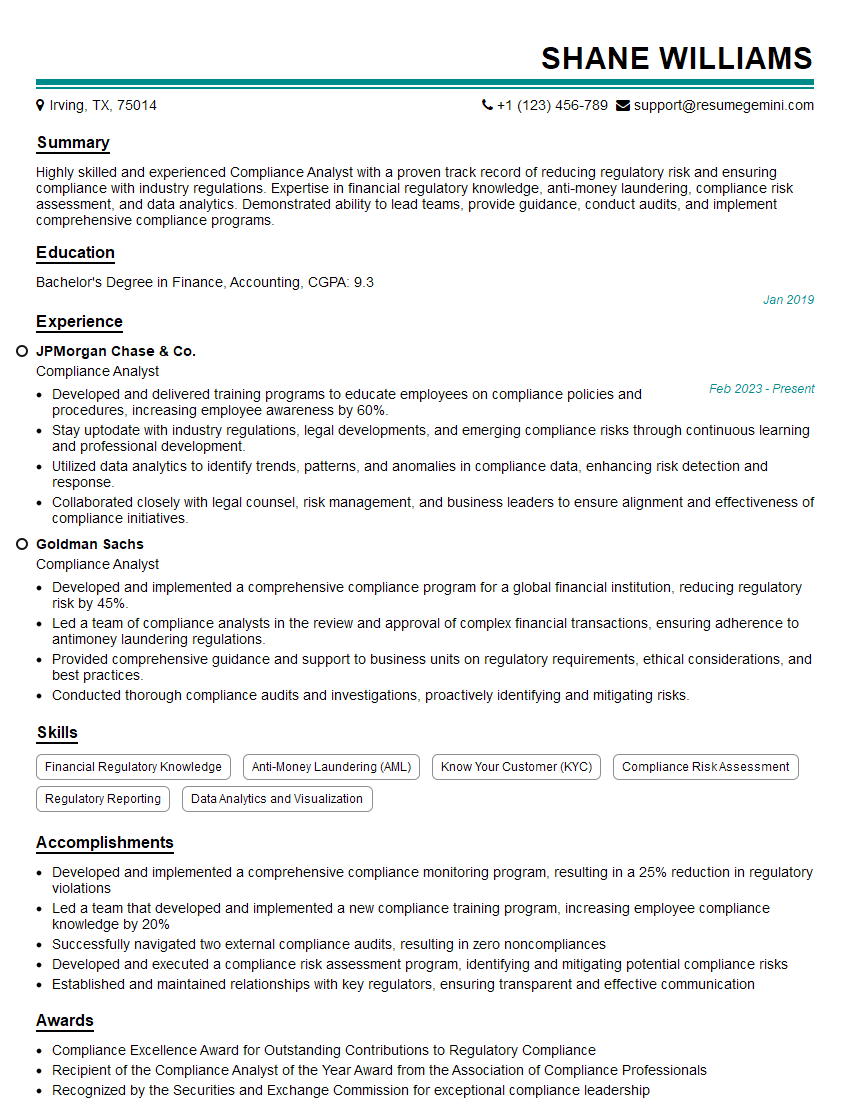
Compliance Analyst Resume Sample
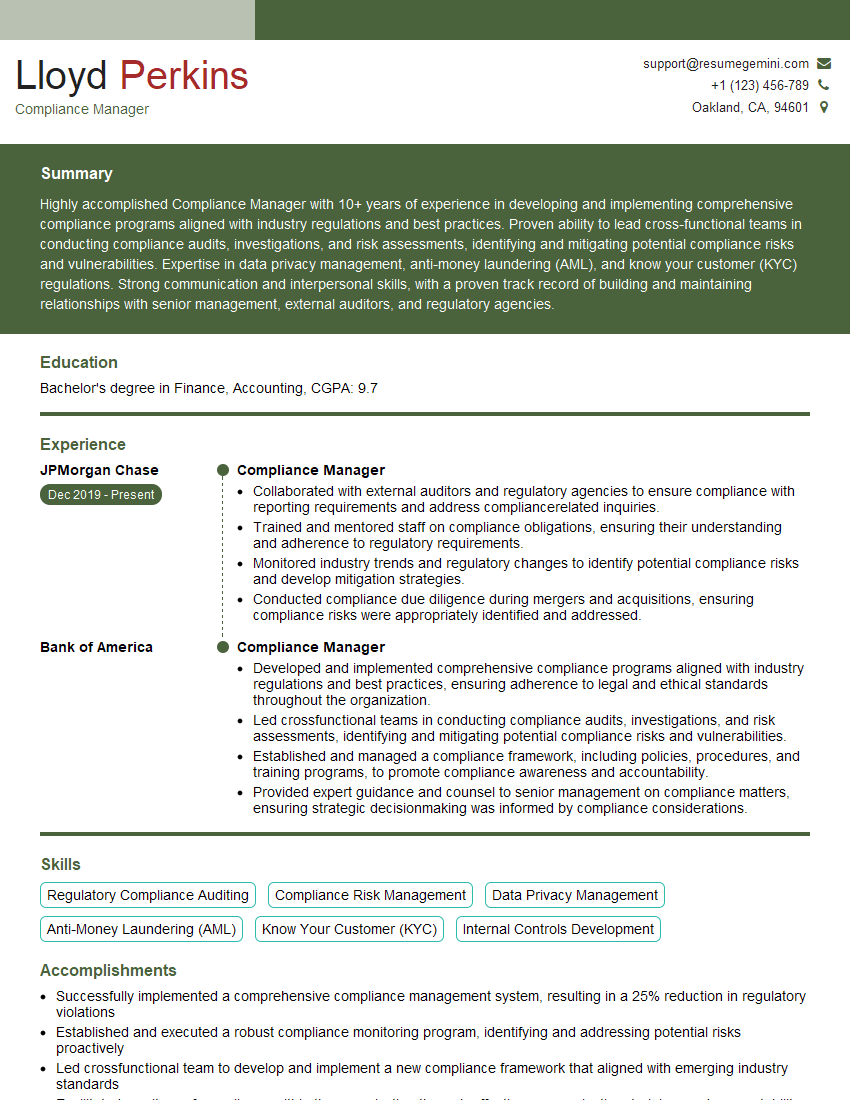
Compliance Manager Resume Sample
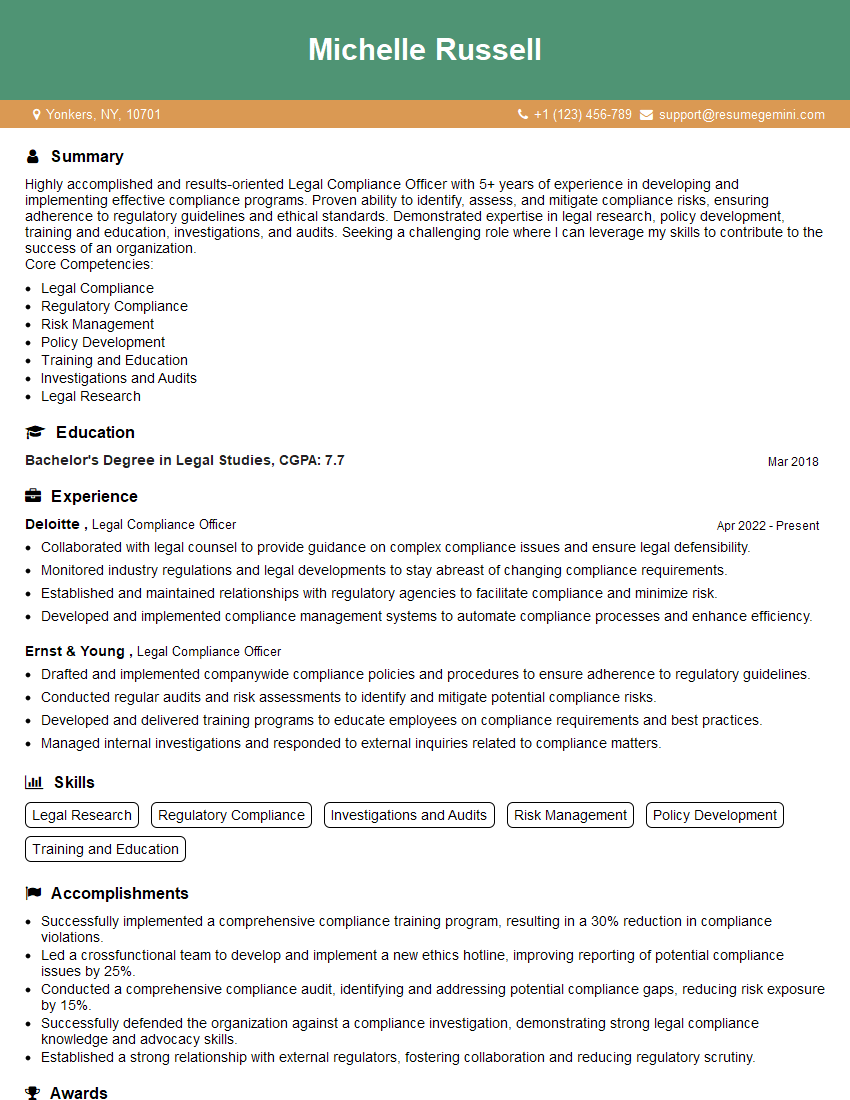
Legal Compliance Officer Resume Sample
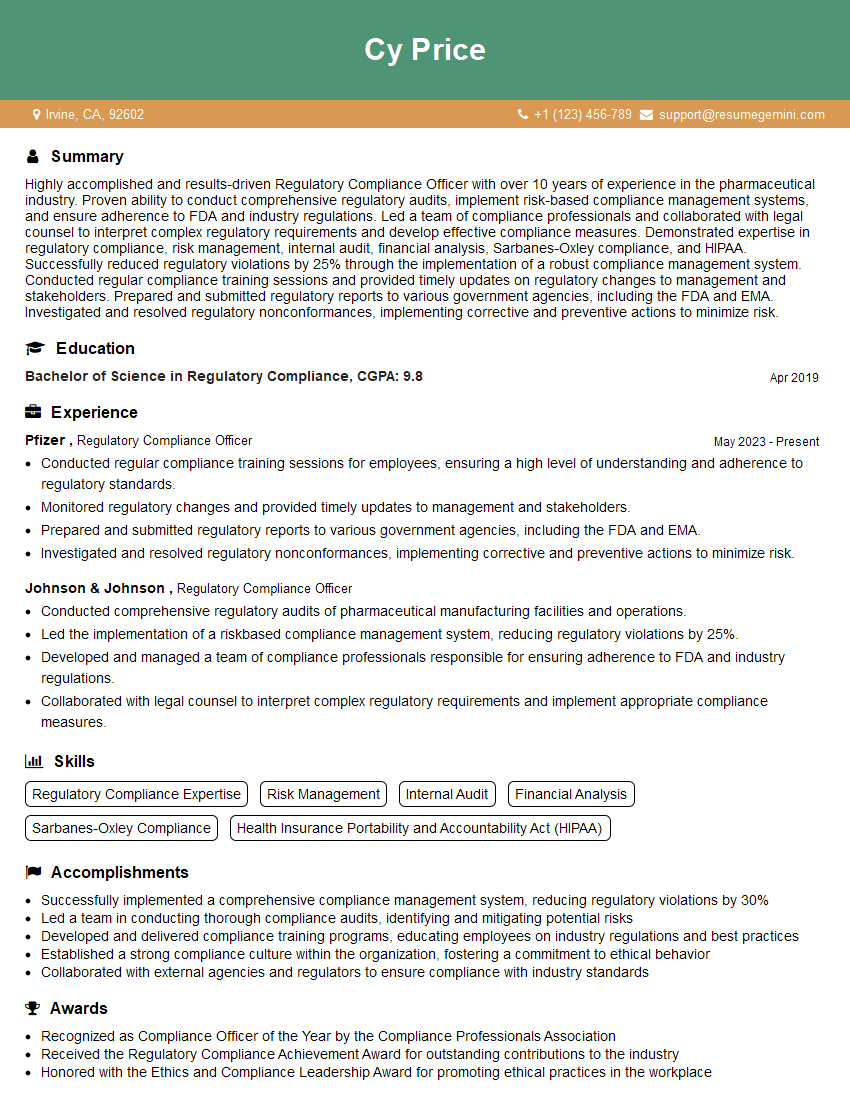
Regulatory Compliance Officer Resume Sample
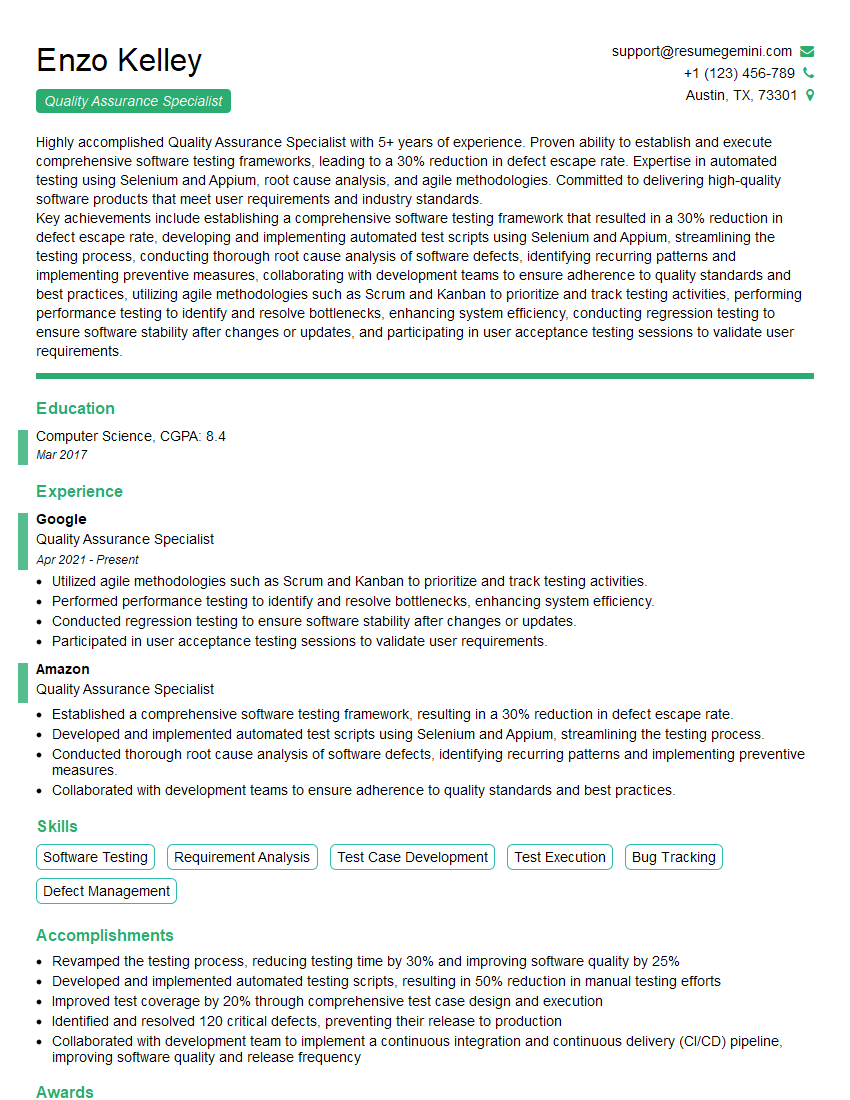
Quality Assurance Specialist Resume Sample
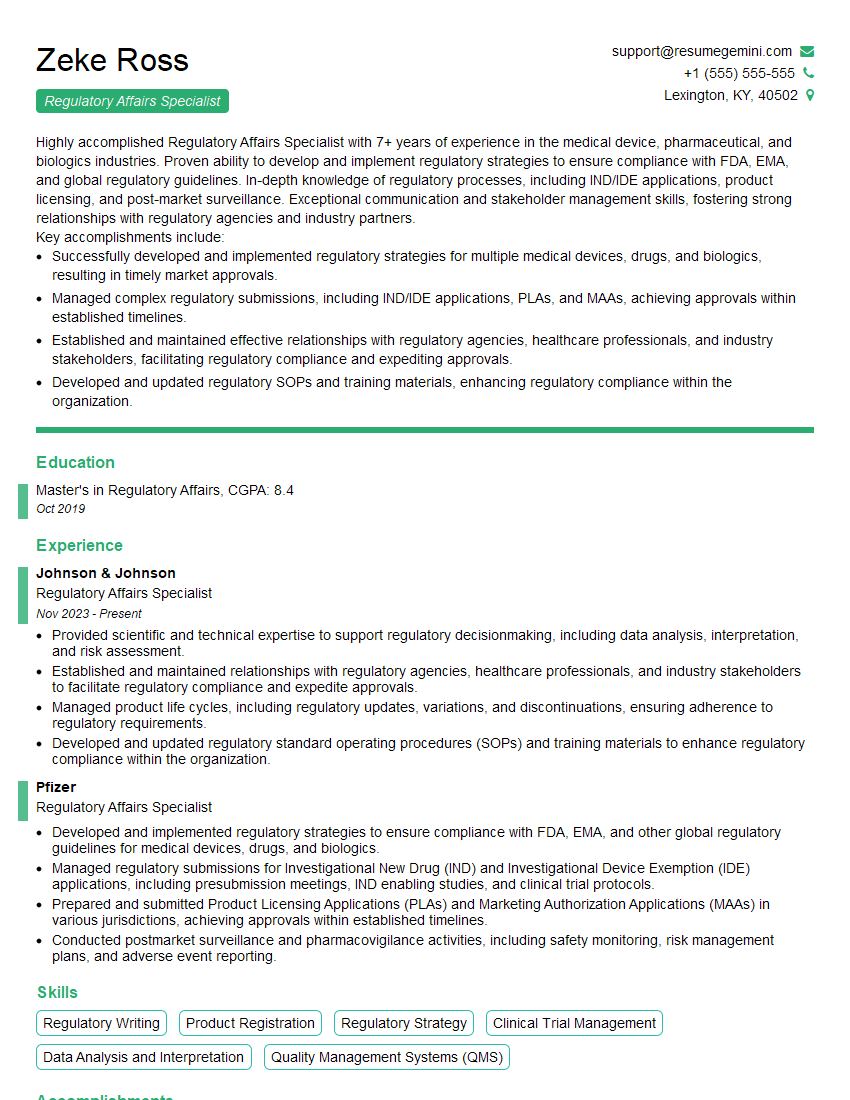
Regulatory Affairs Specialist Resume Sample
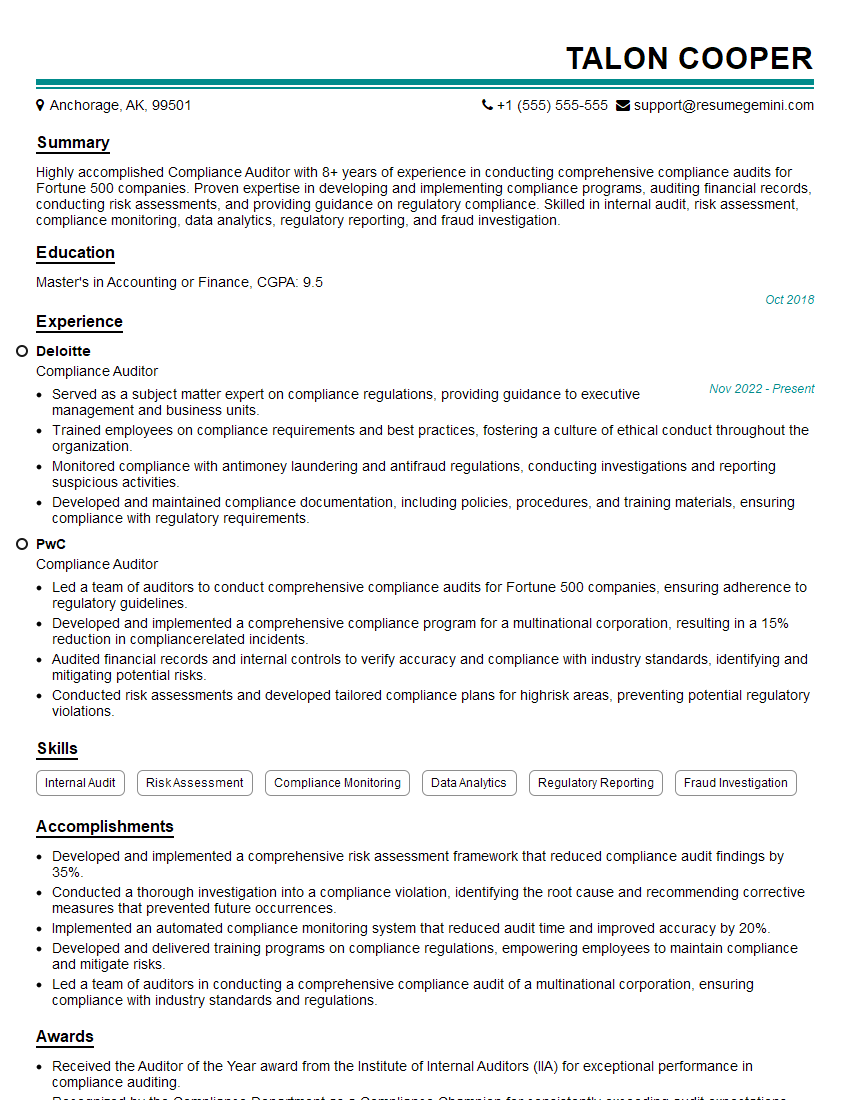
Compliance Auditor Resume Sample
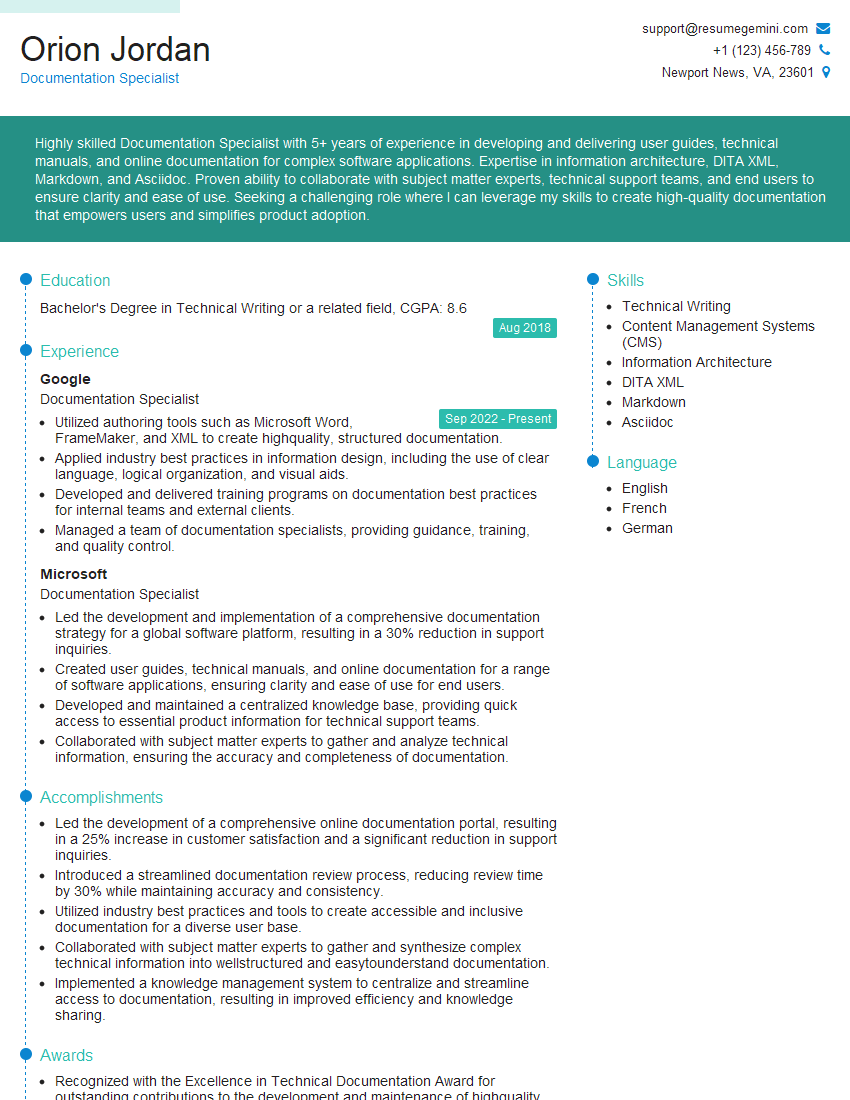
Documentation Specialist Resume Sample
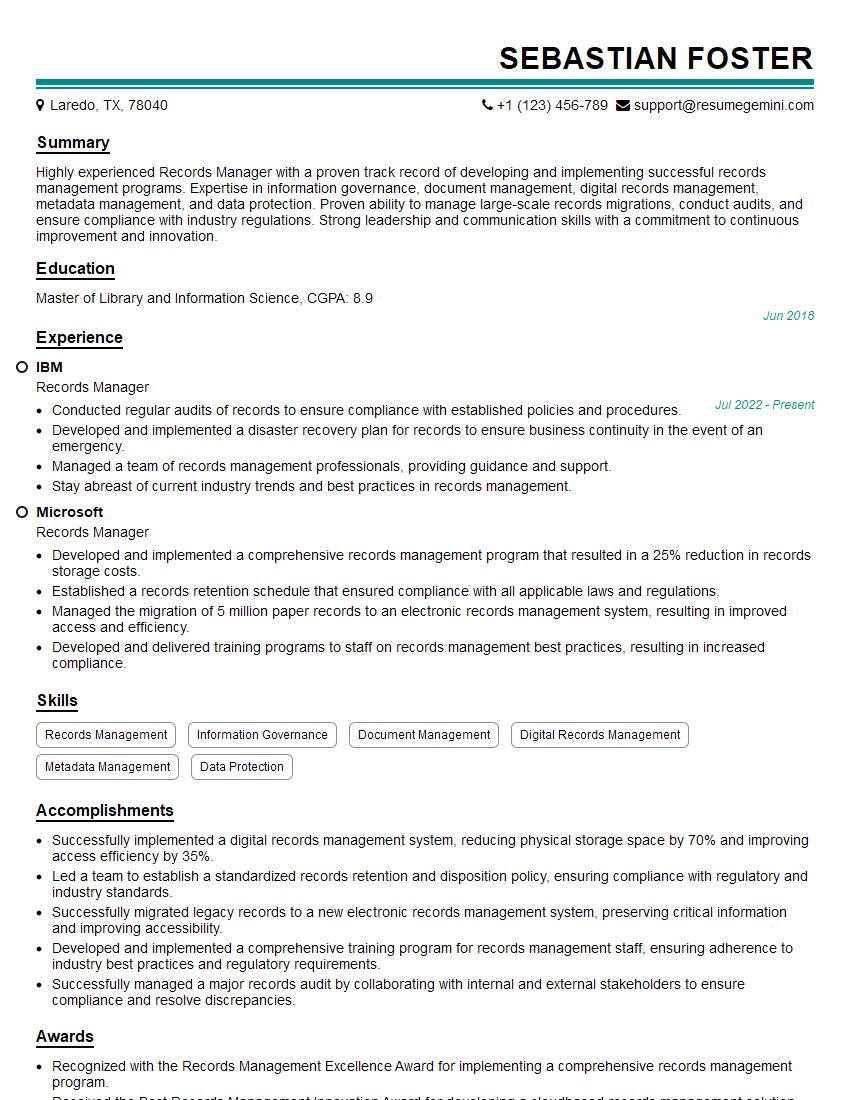
Records Manager Resume Sample
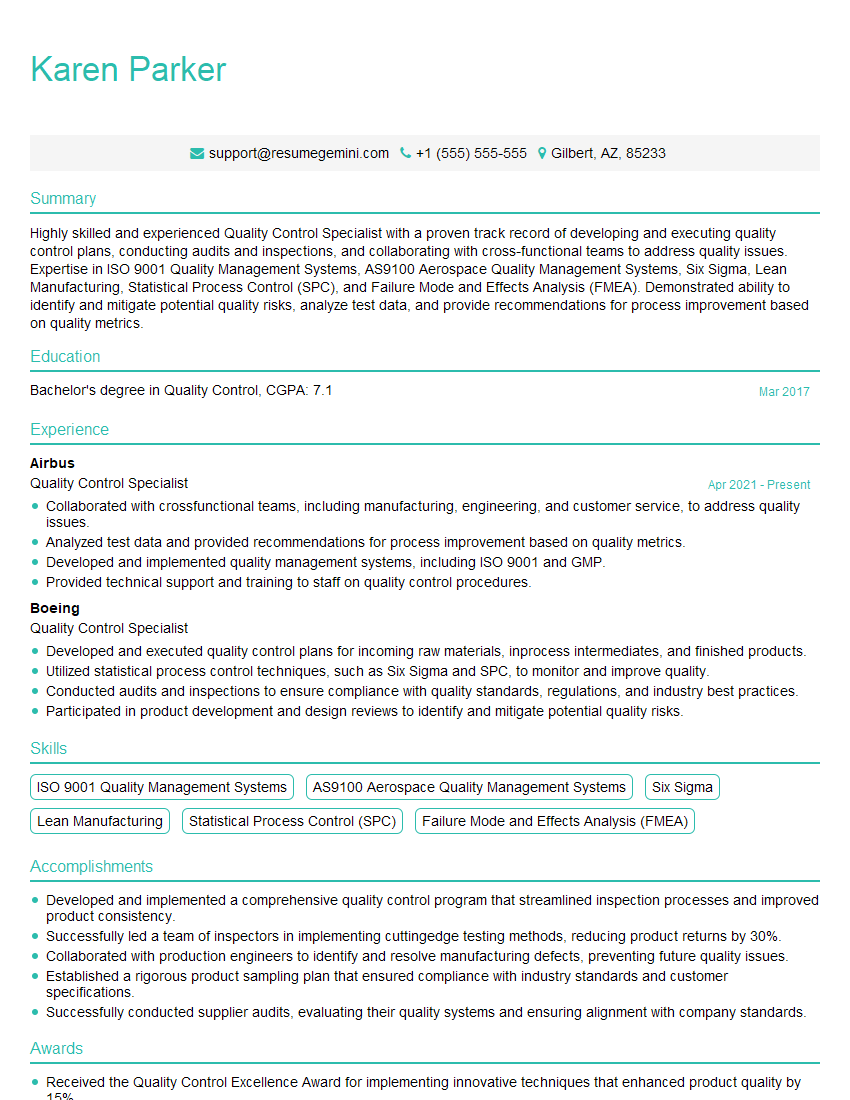
Quality Control Specialist Resume Sample

Technical Writer Resume Sample
Explore more articles
Users Rating of Our Blogs
Share Your Experience
We value your feedback! Please rate our content and share your thoughts (optional).
What Readers Say About Our Blog
Hello,
we currently offer a complimentary backlink and URL indexing test for search engine optimization professionals.
You can get complimentary indexing credits to test how link discovery works in practice.
No credit card is required and there is no recurring fee.
You can find details here:
https://wikipedia-backlinks.com/indexing/
Regards
NICE RESPONSE TO Q & A
hi
The aim of this message is regarding an unclaimed deposit of a deceased nationale that bears the same name as you. You are not relate to him as there are millions of people answering the names across around the world. But i will use my position to influence the release of the deposit to you for our mutual benefit.
Respond for full details and how to claim the deposit. This is 100% risk free. Send hello to my email id: [email protected]
Luka Chachibaialuka
Hey interviewgemini.com, just wanted to follow up on my last email.
We just launched Call the Monster, an parenting app that lets you summon friendly ‘monsters’ kids actually listen to.
We’re also running a giveaway for everyone who downloads the app. Since it’s brand new, there aren’t many users yet, which means you’ve got a much better chance of winning some great prizes.
You can check it out here: https://bit.ly/callamonsterapp
Or follow us on Instagram: https://www.instagram.com/callamonsterapp
Thanks,
Ryan
CEO – Call the Monster App
Hey interviewgemini.com, I saw your website and love your approach.
I just want this to look like spam email, but want to share something important to you. We just launched Call the Monster, a parenting app that lets you summon friendly ‘monsters’ kids actually listen to.
Parents are loving it for calming chaos before bedtime. Thought you might want to try it: https://bit.ly/callamonsterapp or just follow our fun monster lore on Instagram: https://www.instagram.com/callamonsterapp
Thanks,
Ryan
CEO – Call A Monster APP
To the interviewgemini.com Owner.
Dear interviewgemini.com Webmaster!
Hi interviewgemini.com Webmaster!
Dear interviewgemini.com Webmaster!
excellent
Hello,
We found issues with your domain’s email setup that may be sending your messages to spam or blocking them completely. InboxShield Mini shows you how to fix it in minutes — no tech skills required.
Scan your domain now for details: https://inboxshield-mini.com/
— Adam @ InboxShield Mini
Reply STOP to unsubscribe
Hi, are you owner of interviewgemini.com? What if I told you I could help you find extra time in your schedule, reconnect with leads you didn’t even realize you missed, and bring in more “I want to work with you” conversations, without increasing your ad spend or hiring a full-time employee?
All with a flexible, budget-friendly service that could easily pay for itself. Sounds good?
Would it be nice to jump on a quick 10-minute call so I can show you exactly how we make this work?
Best,
Hapei
Marketing Director
Hey, I know you’re the owner of interviewgemini.com. I’ll be quick.
Fundraising for your business is tough and time-consuming. We make it easier by guaranteeing two private investor meetings each month, for six months. No demos, no pitch events – just direct introductions to active investors matched to your startup.
If youR17;re raising, this could help you build real momentum. Want me to send more info?
Hi, I represent an SEO company that specialises in getting you AI citations and higher rankings on Google. I’d like to offer you a 100% free SEO audit for your website. Would you be interested?
Hi, I represent an SEO company that specialises in getting you AI citations and higher rankings on Google. I’d like to offer you a 100% free SEO audit for your website. Would you be interested?
good