Interviews are opportunities to demonstrate your expertise, and this guide is here to help you shine. Explore the essential DSM-5 interview questions that employers frequently ask, paired with strategies for crafting responses that set you apart from the competition.
Questions Asked in DSM-5 Interview
Q 1. Define the key changes between DSM-IV-TR and DSM-5.
The DSM-5 represents a significant shift from the DSM-IV-TR, primarily focusing on a dimensional approach alongside categorical diagnoses. Key changes include:
- Dimensional Assessment: DSM-5 incorporates dimensional assessments alongside categorical diagnoses, acknowledging the spectrum of symptom severity. For example, instead of simply diagnosing someone with or without depression, the severity of depressive symptoms is rated, enabling a more nuanced understanding of the individual’s experience.
- Removal of the Multiaxial System: The multiaxial system used in DSM-IV-TR, which categorized diagnoses across five axes, was eliminated. This simplification streamlines the diagnostic process.
- Reorganization of Disorders: The diagnostic categories have been reorganized to reflect current research and understanding of mental illnesses. For example, autism spectrum disorder now encompasses several previously separate diagnoses like Asperger’s Syndrome.
- Changes in Diagnostic Criteria: Specific diagnostic criteria for many disorders have been revised. Some criteria were made more precise, while others were removed or added based on updated research findings. This often leads to changes in diagnosis prevalence. For instance, the criteria for PTSD were refined to better capture the diverse ways trauma manifests.
- Introduction of New Disorders: DSM-5 introduced new diagnoses, reflecting an increased understanding of mental health conditions. Examples include binge eating disorder and disruptive mood dysregulation disorder.
These changes aim to provide a more comprehensive, accurate, and clinically useful diagnostic system.
Q 2. Explain the hierarchical structure of DSM-5 diagnoses.
The DSM-5 doesn’t have a strict hierarchical structure in the same way as some other classification systems. However, there are relationships between diagnoses. It’s more of a network than a rigid hierarchy. For example, some disorders might be considered subtypes of broader categories or might share similar features. Consider:
- Overlapping Symptoms: Many disorders share some symptoms, complicating diagnosis. Anxiety and depression often coexist, for instance, making differential diagnosis crucial.
- Spectrum Disorders: Some disorders exist on a spectrum, meaning severity varies widely. Autism Spectrum Disorder exemplifies this; individuals present with a range of symptom severities.
- Comorbidity: The simultaneous occurrence of two or more disorders is common. This emphasizes the complexity of mental health and the importance of considering the individual’s overall clinical presentation rather than focusing solely on a single diagnosis.
Clinicians use clinical judgment, considering the full clinical picture, including symptom severity, duration, and the individual’s history, to arrive at the most appropriate diagnosis(es).
Q 3. Describe the diagnostic criteria for Major Depressive Disorder (MDD).
Major Depressive Disorder (MDD) is characterized by a persistent low mood and loss of interest or pleasure, accompanied by other symptoms. The diagnostic criteria require at least five symptoms present during the same two-week period and represent a change from previous functioning; at least one of the symptoms is either (1) depressed mood or (2) loss of interest or pleasure (anhedonia).
- Depressed mood most of the day, nearly every day. (In children and adolescents, it can be irritable mood.)
- Markedly diminished interest or pleasure in all, or almost all, activities most of the day, nearly every day (anhedonia).
- Significant weight loss when not dieting or weight gain, or decrease or increase in appetite nearly every day.
- Psychomotor agitation or retardation nearly every day (observable by others, not merely subjective feelings of restlessness or being slowed down).
- Fatigue or loss of energy nearly every day.
- Feelings of worthlessness or excessive or inappropriate guilt nearly every day (not merely self-reproach or guilt about being sick).
- Diminished ability to think or concentrate, or indecisiveness, nearly every day. (either by subjective account or as observed by others).
- Recurrent thoughts of death (not just fear of dying), recurrent suicidal ideation without a specific plan, or a suicide attempt or a specific plan for committing suicide.
These symptoms cause clinically significant distress or impairment in social, occupational, or other important areas of functioning. The episode is not attributable to the physiological effects of a substance or another medical condition.
Q 4. Differentiate between MDD and Persistent Depressive Disorder (PDD).
Both MDD and Persistent Depressive Disorder (PDD), also known as dysthymia, involve depressed mood but differ in duration and severity:
- Duration: MDD requires symptoms for at least two weeks, while PDD necessitates a depressed mood for most of the day, for more days than not, for at least two years (one year for children and adolescents).
- Severity: MDD involves more intense and pervasive symptoms, significantly impacting daily functioning. PDD symptoms are typically less severe but more chronic, with periods of more intense depressive episodes possible (then it’s called Persistent Depressive Disorder with Persistent Major Depressive Episode).
- Symptom Criteria: While both share many overlapping symptoms, the intensity and presence of specific symptoms might differ. For example, in MDD, a loss of interest or pleasure is more frequently present.
Imagine MDD as a deep, but potentially shorter, plunge into depression, whereas PDD is like a low-grade, persistent sadness that lingers for a much longer time. Both require professional help and tailored treatment strategies.
Q 5. What are the diagnostic criteria for Generalized Anxiety Disorder (GAD)?
Generalized Anxiety Disorder (GAD) is characterized by excessive, uncontrollable worry and anxiety about various aspects of life for at least six months. The diagnostic criteria include:
- Excessive anxiety and worry (apprehensive expectation), occurring more days than not for at least 6 months, about a number of events or activities (such as work or school performance).
- The individual finds it difficult to control the worry.
- The anxiety and worry are associated with three (or more) of the following six symptoms (with at least some symptoms having been present for more days than not for the past 6 months):
- Restlessness or feeling keyed up or on edge
- Being easily fatigued
- Difficulty concentrating or mind going blank
- Irritability
- Muscle tension
- Sleep disturbance (difficulty falling or staying asleep, or restless, unsatisfying sleep)
- The anxiety, worry, or physical symptoms cause clinically significant distress or impairment in social, occupational, or other important areas of functioning.
- The disturbance is not attributable to the physiological effects of a substance or another medical condition.
- The disturbance is not better explained by another mental disorder.
The key is the pervasive, persistent, and uncontrollable nature of the worry across many domains of life.
Q 6. How do you differentiate GAD from other anxiety disorders?
Differentiating GAD from other anxiety disorders involves focusing on the nature and focus of the anxiety and worry:
- GAD vs. Panic Disorder: GAD involves persistent worry, whereas panic disorder is characterized by recurrent, unexpected panic attacks—intense fear and physical symptoms that peak within minutes. While worry can accompany panic attacks, it’s not the central feature of panic disorder.
- GAD vs. Specific Phobia: Specific phobia involves an excessive, irrational fear of a specific object or situation, leading to avoidance. GAD’s worry is more diffuse and not tied to specific triggers.
- GAD vs. Social Anxiety Disorder: Social anxiety focuses on fear of social situations and scrutiny from others. GAD’s worry is broader and not limited to social contexts.
- GAD vs. OCD: OCD is characterized by intrusive thoughts (obsessions) and repetitive behaviors (compulsions) aimed at reducing anxiety. While worry can be a feature of OCD, the obsessions and compulsions are the defining characteristics.
Careful consideration of symptom presentation, duration, and the individual’s description of their experience is vital for accurate differential diagnosis. Sometimes, comorbidity exists, meaning a person might experience GAD alongside other anxiety disorders.
Q 7. Describe the diagnostic criteria for Post-Traumatic Stress Disorder (PTSD).
Post-Traumatic Stress Disorder (PTSD) develops after experiencing or witnessing a traumatic event involving actual or threatened death, serious injury, or sexual violence. The diagnostic criteria include:
- Exposure to actual or threatened death, serious injury, or sexual violence in one (or more) of the following ways: Directly experiencing the traumatic event(s). Witnessing, in person, the event(s) as it occurred to others. Learning that the traumatic event(s) occurred to a close family member or close friend. In cases of actual or threatened death, serious injury, or sexual violence to a close family member or friend, the event(s) must have been violent or accidental.
- Intrusion symptoms associated with the traumatic event(s), beginning after the traumatic event(s) occurred. These may include recurrent, involuntary, and intrusive distressing memories of the traumatic event(s); recurrent distressing dreams in which the content and/or affect of the dream are related to the traumatic event(s); dissociative reactions (e.g., flashbacks) in which the individual feels or acts as if the traumatic event(s) were recurring (such reactions may occur on a continuum, with the most extreme being a complete loss of awareness of present surroundings); intense or prolonged psychological distress at exposure to internal or external cues that symbolize or resemble an aspect of the traumatic event(s); marked physiological reactions to internal or external cues that symbolize or resemble an aspect of the traumatic event(s).
- Persistent avoidance of stimuli associated with the traumatic event(s), beginning after the traumatic event(s) occurred, as evidenced by one or both of the following: Avoidance of or efforts to avoid distressing memories, thoughts, or feelings about or closely associated with the traumatic event(s); Avoidance of or efforts to avoid external reminders (people, places, conversations, activities, objects, situations) that arouse distressing memories, thoughts, or feelings about or closely associated with the traumatic event(s).
- Negative alterations in cognitions and mood associated with the traumatic event(s), beginning or worsening after the traumatic event(s) occurred, as evidenced by two (or more) of the following: Inability to remember an important aspect of the traumatic event(s); Persistent and exaggerated negative beliefs or expectations about oneself, others, or the world (e.g., “I am bad,” “No one can be trusted,” “The world is completely dangerous”); Persistent, distorted cognitions about the cause or consequences of the traumatic event(s) that lead the individual to blame himself/herself or others; Persistent negative emotional state (e.g., fear, horror, anger, guilt, or shame); Markedly diminished interest or participation in significant activities; Feelings of detachment or estrangement from others; Persistent inability to experience positive emotions (e.g., inability to experience happiness, satisfaction, or loving feelings).
- Marked alterations in arousal and reactivity associated with the traumatic event(s), beginning or worsening after the traumatic event(s) occurred, as evidenced by two (or more) of the following: Irritable behavior and angry outbursts (with little or no provocation) typically expressed as verbal or physical aggression toward people or objects; Reckless or self-destructive behavior; Hypervigilance; Exaggerated startle response; Problems with concentration; Sleep disturbances (e.g., difficulty falling or staying asleep or restless sleep).
The duration of the disturbance (Criteria B, C, D, and E) is more than 1 month. The disturbance causes clinically significant distress or impairment in social, occupational, or other important areas of functioning.
Q 8. Explain the concept of trauma-informed care in the context of PTSD.
Trauma-informed care is a philosophical approach to working with individuals who have experienced trauma, particularly relevant in treating Post-Traumatic Stress Disorder (PTSD). It recognizes the pervasive impact of trauma on all aspects of a person’s life and shifts the focus from what is ‘wrong’ with the individual to what has happened to them. Instead of blaming the individual for their symptoms, a trauma-informed approach emphasizes safety, trustworthiness, choice, collaboration, and empowerment.
In the context of PTSD, this means understanding that PTSD symptoms—like hypervigilance, flashbacks, avoidance, and emotional numbing—are often understandable responses to traumatic experiences. A trauma-informed therapist would create a therapeutic environment that feels safe and non-threatening. They avoid triggering the patient and prioritize building a strong therapeutic alliance based on trust and respect. Treatment might involve techniques like trauma-focused Cognitive Behavioral Therapy (CBT) or Eye Movement Desensitization and Reprocessing (EMDR), but always with a focus on the patient’s needs and pace.
For example, a therapist might avoid sudden movements or loud noises to ensure the patient feels secure. They would carefully explore the patient’s history and collaboratively develop treatment goals, ensuring the patient feels in control of their therapy journey. The emphasis is on empowerment and fostering resilience, rather than just symptom reduction.
Q 9. What are the diagnostic criteria for Schizophrenia?
According to the DSM-5, a diagnosis of Schizophrenia requires the presence of at least two of the following symptoms for a significant portion of time during a 1-month period (and some evidence of the disturbance for at least 6 months):
- Delusions: Fixed false beliefs that are not based in reality (e.g., believing one is being controlled by aliens).
- Hallucinations: Sensory perceptions that occur without an external stimulus (e.g., hearing voices).
- Disorganized Speech: Incoherent or illogical speech patterns, frequent derailment or incoherence.
- Grossly Disorganized or Abnormal Motor Behavior: This can range from childlike silliness to catatonia (immobility).
- Negative Symptoms: A reduction or absence of normal behaviors, such as diminished emotional expression, avolition (lack of motivation), alogia (poverty of speech), and anhedonia (lack of pleasure).
In addition to the active phase symptoms, the individual must show a decline in functioning from a previous level.
It’s crucial to rule out other conditions that may mimic schizophrenia, such as substance use or other medical conditions. The diagnosis requires a comprehensive assessment by a mental health professional.
Q 10. Differentiate between Schizophrenia and Schizoaffective Disorder.
Both Schizophrenia and Schizoaffective Disorder involve psychotic symptoms (delusions and hallucinations), but they differ in the presence and duration of mood episodes (major depressive or manic episodes).
- Schizophrenia: Characterized by predominantly psychotic symptoms with a relatively short duration or absence of mood episodes. Mood episodes, if present, are brief relative to the duration of the psychotic symptoms.
- Schizoaffective Disorder: Characterized by a combination of prominent psychotic symptoms and prominent mood episodes (major depressive or manic). The individual must experience a period of time where psychotic symptoms are present without a prominent mood episode.
Imagine it this way: Schizophrenia is primarily a disorder of thought and perception, while Schizoaffective Disorder is a blend of thought disorder and mood disorder. The distinction is crucial for treatment planning, as the approach will differ depending on the prominence of psychotic versus mood symptoms.
Q 11. Describe the diagnostic criteria for Substance Use Disorder (SUD).
The DSM-5 criteria for Substance Use Disorder (SUD) are based on a dimensional approach, considering the severity of the disorder along a spectrum from mild to severe. A diagnosis of SUD requires a problematic pattern of substance use leading to clinically significant impairment or distress, as manifested by at least two of the following eleven criteria within a 12-month period:
- Impaired Control: Using more substance or for longer than intended; persistent desire or unsuccessful attempts to cut down; spending a lot of time obtaining, using, or recovering from the substance.
- Social Impairment: Failure to fulfill major role obligations at work, school, or home; continued substance use despite persistent social or interpersonal problems caused by the substance; important social, occupational, or recreational activities are given up or reduced because of substance use.
- Risky Use: Recurrent substance use in situations where it is physically hazardous; continued substance use despite knowledge of having a persistent or recurring physical or psychological problem caused or exacerbated by the substance.
- Pharmacological Criteria: Tolerance (needing increased amounts of the substance to achieve intoxication or a diminished effect with continued use of the same amount); withdrawal (the characteristic withdrawal syndrome for the substance; or the substance (or a closely related substance) is taken to relieve or avoid withdrawal symptoms).
The severity of the SUD is determined by the number of criteria met: 2-3 criteria indicate mild SUD, 4-5 indicate moderate SUD, and 6 or more indicate severe SUD.
Q 12. How do you assess the severity of a SUD?
The severity of a Substance Use Disorder (SUD) is assessed based on the number of DSM-5 criteria met, as described previously. Two to three criteria indicate mild SUD, four to five indicate moderate SUD, and six or more indicate severe SUD. This numerical approach provides a clear framework for gauging the extent of the individual’s substance-related problems.
However, a purely numerical approach isn’t sufficient. A comprehensive assessment should also consider:
- Impact on daily life: How significantly is the SUD affecting the individual’s work, relationships, and overall functioning? This requires a detailed assessment of the individual’s life circumstances.
- Medical consequences: Are there any physical or psychological health problems stemming from the substance use?
- Motivation for change: Is the individual ready and willing to seek help? Motivation is crucial for successful treatment.
Therefore, a multifaceted approach combining the number of criteria met with a thorough evaluation of the individual’s life, health, and motivation is necessary to accurately assess the severity of a SUD.
Q 13. Explain the diagnostic criteria for Attention-Deficit/Hyperactivity Disorder (ADHD).
According to the DSM-5, a diagnosis of Attention-Deficit/Hyperactivity Disorder (ADHD) requires the presence of either inattention or hyperactivity/impulsivity symptoms, or both, that have persisted for at least six months to a degree that is inconsistent with developmental level and negatively impacts social, academic, or occupational functioning.
Inattention: Six or more of the following symptoms have persisted for at least six months to a degree that is inconsistent with developmental level and negatively impacts social, academic, or occupational functioning.
- Often fails to give close attention to details or makes careless mistakes in schoolwork, work, or other activities.
- Often has difficulty sustaining attention in tasks or play activities.
- Often does not seem to listen when spoken to directly.
- Often does not follow through on instructions and fails to finish schoolwork, chores, or duties in the workplace.
- Often has difficulty organizing tasks and activities.
- Often avoids, dislikes, or is reluctant to engage in tasks that require sustained mental effort.
- Often loses things necessary for tasks or activities.
- Often easily distracted by extraneous stimuli.
- Often forgetful in daily activities.
Hyperactivity/Impulsivity: Six or more of the following symptoms have persisted for at least six months to a degree that is inconsistent with developmental level and negatively impacts social, academic, or occupational functioning.
- Often fidgets with or taps hands or feet or squirms in seat.
- Often leaves seat in situations where remaining seated is expected.
- Often runs about or climbs excessively in situations where it is inappropriate.
- Often has difficulty playing or engaging in leisure activities quietly.
- Often “on the go” or acts as if “driven by a motor.”
- Often talks excessively.
- Often blurts out answers before questions have been completed.
- Often has difficulty awaiting turn.
- Often interrupts or intrudes on others.
Symptoms must be present in two or more settings (e.g., at home, school, or work).
Q 14. Differentiate between ADHD and Oppositional Defiant Disorder (ODD).
While both Attention-Deficit/Hyperactivity Disorder (ADHD) and Oppositional Defiant Disorder (ODD) can present with disruptive behaviors, they are distinct disorders with different core features:
- ADHD: Primarily characterized by inattention, hyperactivity, and impulsivity. These core symptoms significantly impair an individual’s ability to focus, control their behavior, and function effectively in various settings. While irritability can be a comorbid feature, it’s not the defining characteristic.
- ODD: Defined by a persistent pattern of anger, irritability, argumentative behavior, defiance, and vindictiveness. The hallmark of ODD is a persistent negative and hostile interaction pattern with authority figures. While inattention and hyperactivity can be present, they are not the primary defining symptoms.
A child with ADHD might struggle to sit still during class, frequently interrupt, and have difficulty completing assignments due to poor focus. A child with ODD might consistently argue with parents and teachers, refuse to follow rules, and deliberately annoy others. Many children may present with both ADHD and ODD, indicating the presence of co-occurring disorders.
Q 15. Describe the diagnostic criteria for Autism Spectrum Disorder (ASD).
Autism Spectrum Disorder (ASD), as defined in the DSM-5, is diagnosed based on persistent deficits in social communication and social interaction across multiple contexts, and the presence of restricted, repetitive patterns of behavior, interests, or activities. It’s crucial to understand that ASD exists on a spectrum, meaning the severity of symptoms varies widely from person to person.
- Persistent deficits in social communication and social interaction manifest in difficulties with social-emotional reciprocity, nonverbal communicative behaviors used for social interaction, and developing, maintaining, and understanding relationships. This might look like a child struggling to engage in back-and-forth conversation, having difficulty understanding social cues like facial expressions, or showing little interest in interacting with peers.
- Restricted, repetitive patterns of behavior, interests, or activities include stereotyped or repetitive motor movements, use of objects, or speech; insistence on sameness, inflexible adherence to routines, or ritualized patterns of verbal or nonverbal behavior; highly restricted, fixated interests that are abnormal in intensity or focus; and hyper- or hyporeactivity to sensory input or unusual interest in sensory aspects of the environment. Think of a child intensely focused on spinning objects, lining up toys in a specific order, or having a significant distress response to certain textures.
The DSM-5 specifies that these symptoms must be present in the early developmental period, and must cause clinically significant impairment in social, occupational, or other important areas of current functioning. Severity is specified based on the level of support needed. The diagnosis should not be made if intellectual disability or global developmental delay are present unless social communication is substantially below that expected for developmental level.
Career Expert Tips:
- Ace those interviews! Prepare effectively by reviewing the Top 50 Most Common Interview Questions on ResumeGemini.
- Navigate your job search with confidence! Explore a wide range of Career Tips on ResumeGemini. Learn about common challenges and recommendations to overcome them.
- Craft the perfect resume! Master the Art of Resume Writing with ResumeGemini’s guide. Showcase your unique qualifications and achievements effectively.
- Don’t miss out on holiday savings! Build your dream resume with ResumeGemini’s ATS optimized templates.
Q 16. What are the common comorbidities associated with ASD?
ASD frequently co-occurs with other conditions. These comorbidities can significantly impact an individual’s functioning and require a comprehensive treatment plan. Common comorbidities include:
- Intellectual disability: A significant proportion of individuals with ASD also have intellectual disability, ranging from mild to profound.
- Attention-Deficit/Hyperactivity Disorder (ADHD): Many individuals with ASD also exhibit symptoms of inattention, hyperactivity, and impulsivity.
- Anxiety disorders: Anxiety, including social anxiety and generalized anxiety, is very common in individuals with ASD.
- Depressive disorders: Depression can also co-occur, often related to social challenges and difficulties with communication.
- Sleep disturbances: Difficulties with sleep are frequently reported.
- Gastrointestinal issues: A higher prevalence of gastrointestinal problems has been observed.
- Epilepsy: A subset of individuals with ASD experience seizures.
Understanding these comorbidities is critical for developing a holistic treatment strategy, as addressing only the ASD may not fully address the individual’s needs.
Q 17. How do you conduct a differential diagnosis?
Differential diagnosis is a crucial step in ensuring the accurate diagnosis of ASD. It involves systematically comparing the individual’s symptoms with those of other conditions that share similar features. This process requires a thorough clinical interview, behavioral observation, review of developmental history, and potentially neuropsychological testing.
For example, differentiating ASD from Social (Pragmatic) Communication Disorder (SCD) is crucial. While both involve difficulties in social communication, SCD lacks the restricted, repetitive patterns of behavior, interests, or activities characteristic of ASD. Similarly, intellectual disability needs to be carefully considered, as deficits in intellectual functioning can mimic some symptoms of ASD. Other conditions that may need to be ruled out include specific learning disorders, language disorders, and schizophrenia. The process often involves considering the age of onset, the developmental trajectory, and the presence or absence of other symptoms.
A multidisciplinary approach is often helpful, involving specialists like developmental pediatricians, psychologists, and speech-language pathologists.
Q 18. Explain the importance of cultural considerations in psychiatric diagnosis.
Cultural considerations are paramount in psychiatric diagnosis, especially in ASD. Cultural norms significantly influence social interaction, communication styles, and behavioral expression. What might be considered a symptom of ASD in one culture could be perfectly normal behavior in another.
For example, limited eye contact, often viewed as a characteristic of ASD, is considered respectful in some cultures. Similarly, differences in communication styles, such as levels of expressiveness or directness, can lead to misinterpretations. Therefore, it’s critical to avoid imposing Western cultural norms when assessing individuals from diverse backgrounds. A thorough understanding of the individual’s cultural context is essential to accurately interpret their behaviors and avoid misdiagnosis.
Clinicians need to be culturally sensitive and use culturally appropriate assessment tools and methods. This might involve working with interpreters or cultural brokers, tailoring assessment procedures to the individual’s cultural background, and consulting with individuals from the same cultural group to gain valuable insights.
Q 19. Discuss the ethical implications of DSM-5 diagnosis.
DSM-5 diagnoses carry significant ethical implications. A diagnosis can impact an individual’s access to services, educational opportunities, and social support. Incorrect or premature diagnosis can lead to stigmatization, discrimination, and inappropriate treatment. Conversely, a missed diagnosis can delay crucial interventions.
Ethical considerations include ensuring informed consent, maintaining confidentiality, avoiding bias, and advocating for the individual’s best interests. Clinicians must carefully consider the potential impact of the diagnosis on the individual’s life and take steps to minimize potential harm. It’s important to emphasize that a DSM-5 diagnosis is a descriptive label, not a definitive statement about the person’s worth or potential. The focus should always be on the individual’s strengths and needs, not solely on their diagnosis.
Q 20. How do you handle a case where there is insufficient information for a definitive diagnosis?
When insufficient information prevents a definitive diagnosis, the most ethical and responsible approach is to document the presenting symptoms and concerns, and to defer a formal diagnosis. This might involve a provisional diagnosis, which is a tentative diagnosis that may be confirmed or changed as further information becomes available. It could also involve specifying “Symptoms suggestive of…” followed by the relevant condition and an explanation why a final diagnosis is impossible at this point.
Continued monitoring and further assessment may be necessary. This could involve additional clinical interviews, psychological testing, or consultation with other professionals. The individual should be informed about the uncertainty and the need for further evaluation. The primary focus should remain on providing support and managing any immediate concerns, even without a formal diagnosis.
Q 21. Describe your approach to documenting a DSM-5 diagnosis.
Documenting a DSM-5 diagnosis requires careful attention to detail and accuracy. The documentation should clearly and concisely describe the individual’s symptoms, their severity, their impact on functioning, and the diagnostic criteria that were met. It’s essential to avoid vague language and to use specific terms from the DSM-5.
A good approach includes:
- Presenting complaint: A description of the reason for the assessment.
- History of present illness: A detailed chronological account of the development and progression of symptoms.
- Past psychiatric history: A summary of previous diagnoses and treatments.
- Medical history: A review of relevant medical conditions.
- Social history: Information about the individual’s social relationships, support systems, and cultural background.
- Mental status examination: An observation of the individual’s appearance, behavior, mood, and cognitive functioning.
- Diagnostic formulation: A summary of the assessment findings and the rationale for the diagnosis.
- Differential diagnosis: A list of conditions considered and the reasons for ruling them out.
- Treatment plan: A description of the proposed treatment strategies, including medication, therapy, and other interventions.
Using precise language and referencing specific DSM-5 criteria ensures clarity and facilitates communication between healthcare professionals.
Q 22. Explain the role of the DSM-5 in treatment planning.
The DSM-5 (Diagnostic and Statistical Manual of Mental Disorders, 5th Edition) is the cornerstone of treatment planning in mental healthcare. It provides a standardized classification system for mental disorders, allowing clinicians to communicate effectively, track progress, and guide treatment decisions. Think of it as a medical dictionary for mental health, offering a common language for professionals.
Its role begins with diagnosis. By using the DSM-5 criteria, clinicians systematically assess a patient’s symptoms and behaviors to arrive at a specific diagnosis (or diagnoses). This diagnosis then informs the selection of appropriate interventions. For instance, a diagnosis of Major Depressive Disorder would lead to consideration of various treatments like psychotherapy (e.g., Cognitive Behavioral Therapy), medication (e.g., antidepressants), or a combination of both.
Further, the DSM-5 aids in prognosis, helping clinicians predict the likely course of the disorder and potential outcomes. It also helps in determining the severity of the illness, influencing treatment intensity and duration. Finally, it facilitates monitoring treatment progress by providing a framework for tracking symptom changes over time. A clinician can see if symptoms are improving, worsening, or remaining stable, allowing for adjustments to the treatment plan.
Q 23. How do you stay up-to-date with changes and advancements in the DSM-5?
Staying current with DSM-5 advancements requires a multi-pronged approach. I regularly attend continuing medical education (CME) courses and workshops focused on the DSM-5 and related topics. These events often feature leading experts who discuss updates, controversies, and practical applications of the manual.
I also subscribe to prominent psychiatric journals and regularly review relevant literature published in peer-reviewed sources. This keeps me informed about research studies that refine our understanding of mental disorders and their treatment.
Furthermore, I actively participate in professional organizations such as the American Psychiatric Association, which provides access to resources, guidelines, and updates on the DSM-5. I also stay engaged with online resources, including reputable websites and databases, to follow current news and developments in the field.
Q 24. Describe a challenging case where you had to use your DSM-5 knowledge.
A particularly challenging case involved a young adult presenting with symptoms suggestive of both Borderline Personality Disorder and Major Depressive Disorder. The patient exhibited intense emotional lability, impulsivity (self-harm behaviors), unstable relationships, and significant depressive symptoms, including anhedonia and persistent low mood.
The challenge lay in differentiating between the overlapping symptoms of these two disorders. Using DSM-5 criteria, I carefully assessed each symptom, paying attention to its duration, intensity, and context. For example, while both disorders can manifest as emotional instability, the instability in BPD is often characterized by intense, short-lived shifts in mood, whereas in MDD, the low mood is more pervasive and enduring. Similarly, impulsivity is a hallmark of BPD, but it can also occur in MDD, though often less intense or frequent.
Through a thorough clinical interview and review of collateral information (input from family members), I was able to conclude that both disorders were present. This led to a treatment plan addressing both the personality disorder aspects (dialectical behavior therapy) and the depressive symptoms (medication and supportive therapy). The DSM-5 provided a framework for systematically evaluating the patient’s presentation and guiding my diagnostic and treatment decisions.
Q 25. How do you approach diagnosing a patient presenting with multiple symptoms?
When a patient presents with multiple symptoms, a systematic approach is crucial to avoid misdiagnosis. I begin with a comprehensive clinical interview, gathering detailed information about the patient’s history, current symptoms, and functioning in various life domains. This is followed by a careful differential diagnosis, considering various possible conditions that could account for the symptoms.
The DSM-5 criteria are instrumental in this process. I systematically evaluate the patient against the diagnostic criteria for each relevant disorder, noting the presence or absence of specific symptoms and their severity. I also pay attention to the temporal relationship between symptoms, looking for patterns of symptom onset, duration, and remission.
If symptoms meet criteria for multiple disorders, comorbidity is considered. The DSM-5 acknowledges that many disorders frequently co-occur. The treatment plan would then address all identified conditions. In some instances, one disorder may be considered primary and the other secondary, based on the clinical presentation and impact on the patient’s functioning. The process often involves careful clinical judgment and consideration of the unique context of the individual.
Q 26. What are the limitations of the DSM-5?
While the DSM-5 is an invaluable tool, it’s important to acknowledge its limitations. One key limitation is its categorical nature. It classifies mental disorders into distinct categories, but mental illness often exists on a spectrum. This can lead to difficulty in capturing the nuanced complexity of individual presentations. For example, someone might not perfectly fit the criteria for a specific disorder, yet still experience significant distress and impairment.
Another limitation relates to cultural considerations. The DSM-5, while striving for cultural sensitivity, may not fully account for the diverse ways mental disorders manifest across different cultural contexts. What might be considered normal behavior in one culture could be pathologized in another.
Finally, the DSM-5 relies heavily on reported symptoms. Individuals may not always accurately report their experiences, particularly due to factors like stigma, shame, or lack of self-awareness. This emphasizes the importance of using multiple assessment methods beyond just self-report, such as behavioral observation and collateral information.
Q 27. Describe your understanding of the dimensional assessment within DSM-5.
The DSM-5 incorporates a dimensional assessment alongside its categorical approach, recognizing that mental disorders are not simply present or absent but exist on a continuum of severity. This is particularly evident in some disorders, such as personality disorders. For example, instead of simply diagnosing someone with Borderline Personality Disorder or not, clinicians can assess the severity of traits associated with BPD across various dimensions, such as identity disturbance, affective instability, and impulsivity.
Dimensional assessment involves rating the severity of specific symptoms or traits on a scale, typically ranging from mild to severe. This allows for a more nuanced understanding of the patient’s presentation and informs treatment decisions. For instance, a patient with a mild degree of certain traits might benefit from less intensive treatment than a patient with severe manifestations of the same traits. The use of dimensional ratings is still evolving, but it represents a significant advancement towards a more holistic and individualized approach to diagnosis.
Q 28. Explain the process of obtaining informed consent related to diagnosis
Obtaining informed consent related to diagnosis involves a multifaceted process aimed at ensuring the patient understands the implications of the diagnostic process. It’s crucial to foster a collaborative relationship where the patient feels empowered and actively participates in their care. This begins with explaining, in clear and simple language, the purpose of the diagnostic assessment, emphasizing that it’s intended to help understand their difficulties and plan effective treatment.
I explain the process, including what will be involved in the assessment (e.g., interviews, tests) and the potential time commitment. I clearly outline the potential benefits of receiving a diagnosis, such as gaining a better understanding of their condition, accessing appropriate treatment, and potentially improving their overall functioning.
Equally important is explaining the potential limitations and risks of diagnosis, including the possibility of misdiagnosis or the potential impact of a label on their self-perception and social interactions. I ensure the patient understands that a diagnosis is not a fixed label, and treatment plans can be modified as needed. I encourage questions and answer them thoroughly and honestly. Finally, I obtain explicit consent for the diagnostic process and any related treatment decisions, ensuring the patient feels comfortable and empowered to participate in their care.
Key Topics to Learn for DSM-5 Interview
- Diagnostic Criteria: Mastering the specific criteria for each disorder. Focus on understanding the nuances and differentiating between similar diagnoses.
- Differential Diagnosis: Develop strong skills in distinguishing between various disorders that share similar symptoms. Practice applying this knowledge to hypothetical case studies.
- Cultural Considerations: Understand how cultural factors can influence the presentation and diagnosis of mental disorders. Be prepared to discuss cultural sensitivity in assessment and treatment.
- Dimensional Assessment: Familiarize yourself with the dimensional aspects of the DSM-5, moving beyond simple categorical diagnoses to consider the severity and spectrum of symptoms.
- Neurodevelopmental Disorders: Gain a comprehensive understanding of disorders like Autism Spectrum Disorder and ADHD, including their diagnostic criteria, associated challenges, and effective intervention strategies.
- Mood Disorders: Deepen your knowledge of depressive and bipolar disorders, focusing on distinguishing subtypes and understanding the complexities of their presentation.
- Anxiety Disorders: Become proficient in identifying and differentiating various anxiety disorders, such as generalized anxiety disorder, panic disorder, and social anxiety disorder.
- Trauma- and Stressor-Related Disorders: Develop a solid understanding of PTSD, acute stress disorder, and adjustment disorders, including their diagnostic criteria and treatment approaches.
- Personality Disorders: Familiarize yourself with the criteria and characteristics of various personality disorders, focusing on differential diagnosis and treatment considerations.
- Ethical and Legal Considerations: Understand the ethical and legal implications of diagnosis and treatment, including confidentiality, informed consent, and mandated reporting.
Next Steps
A strong understanding of the DSM-5 is crucial for career advancement in mental health. It demonstrates your clinical competence and commitment to providing the best possible care. To maximize your job prospects, create an ATS-friendly resume that highlights your DSM-5 expertise. ResumeGemini is a trusted resource that can help you build a professional and impactful resume. Examples of resumes tailored to DSM-5 expertise are available to guide you.
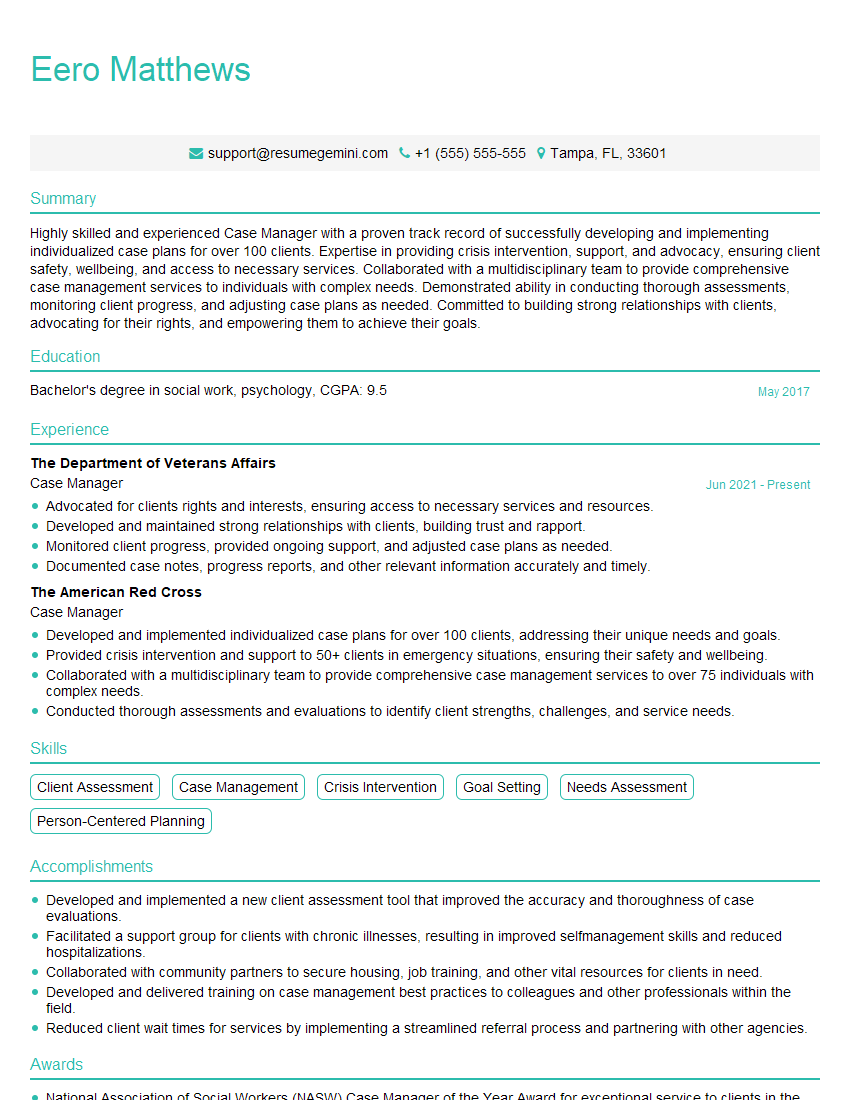
Case Manager Resume Sample
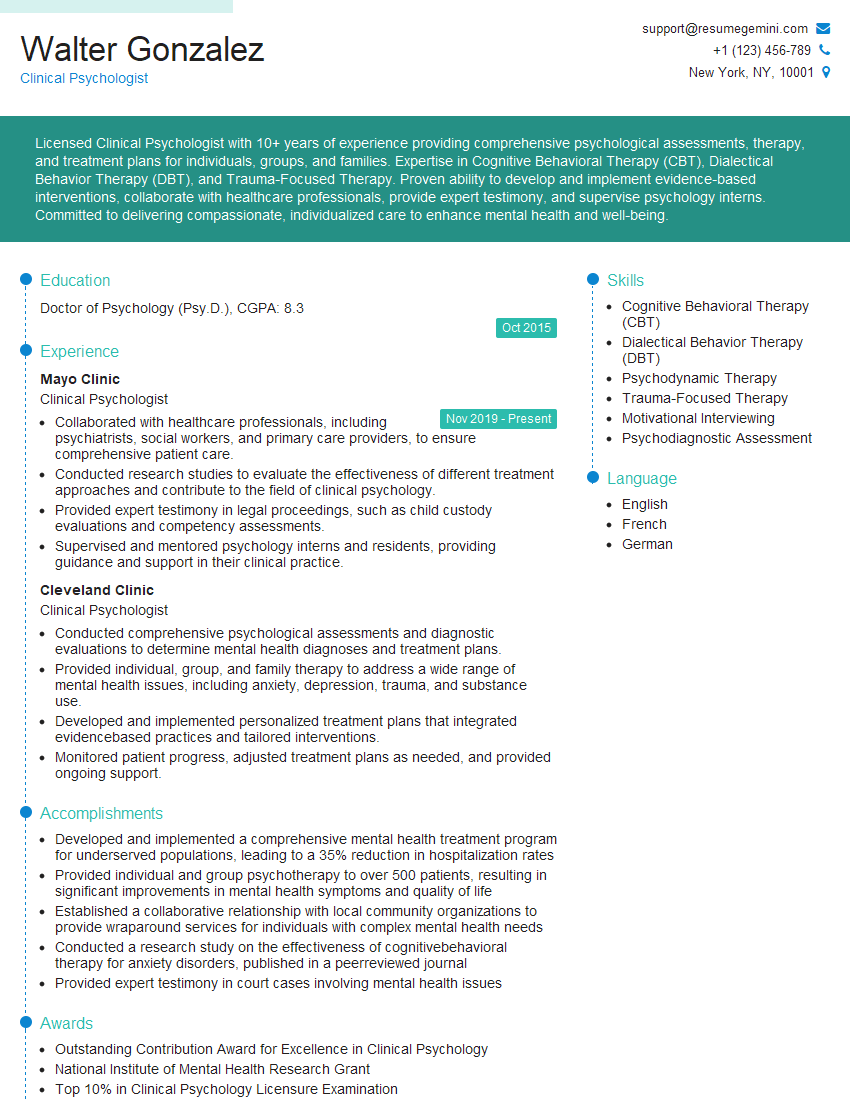
Clinical Psychologist Resume Sample
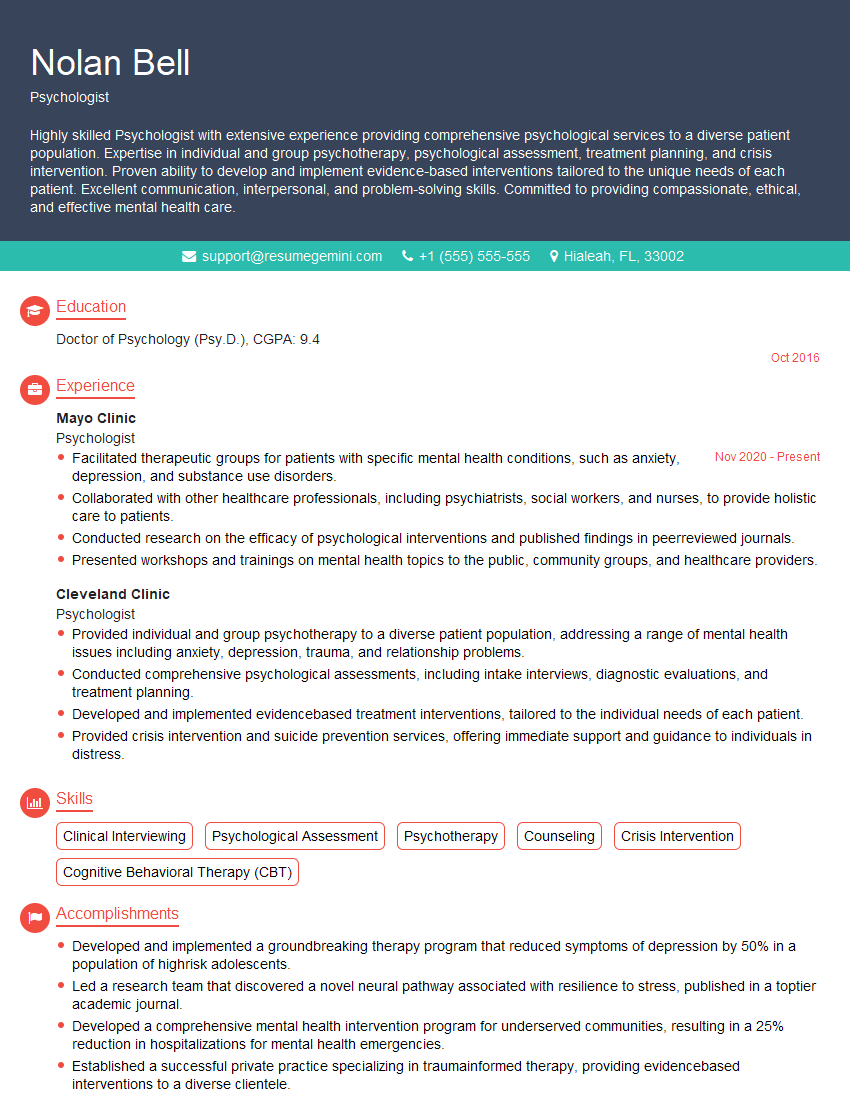
Psychologist Resume Sample
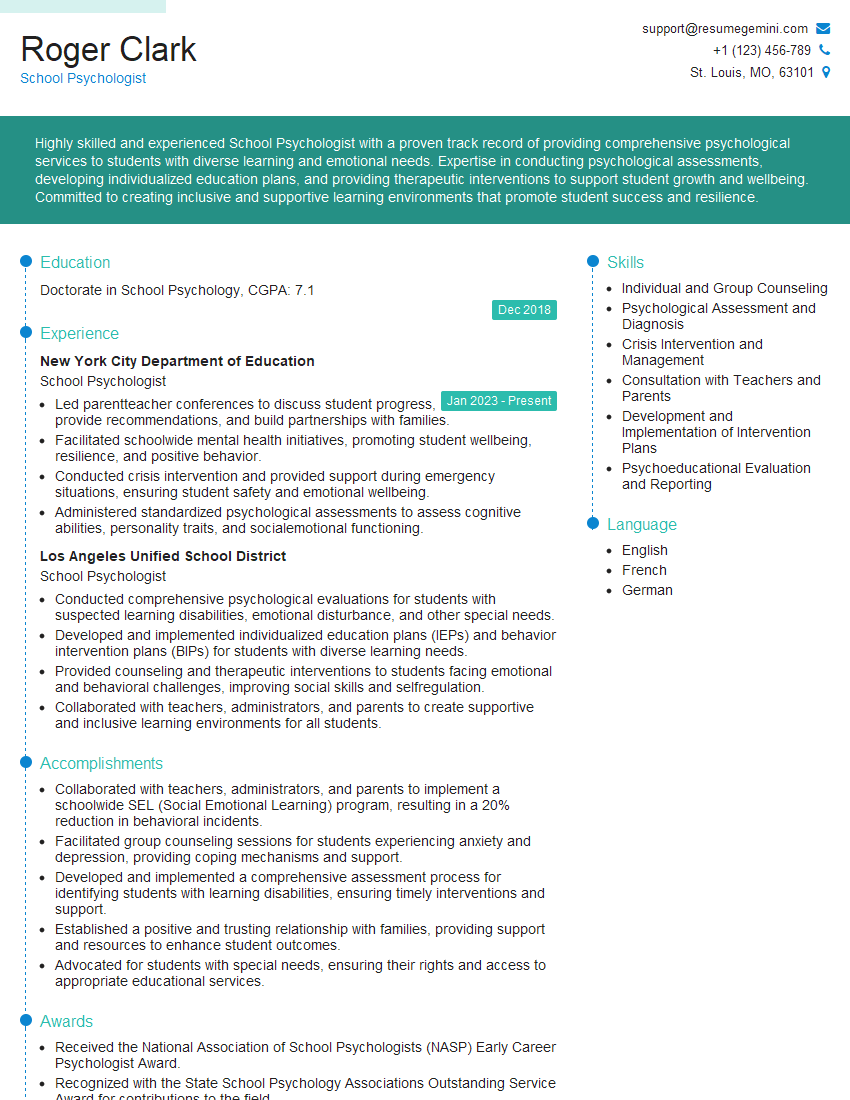
School Psychologist Resume Sample
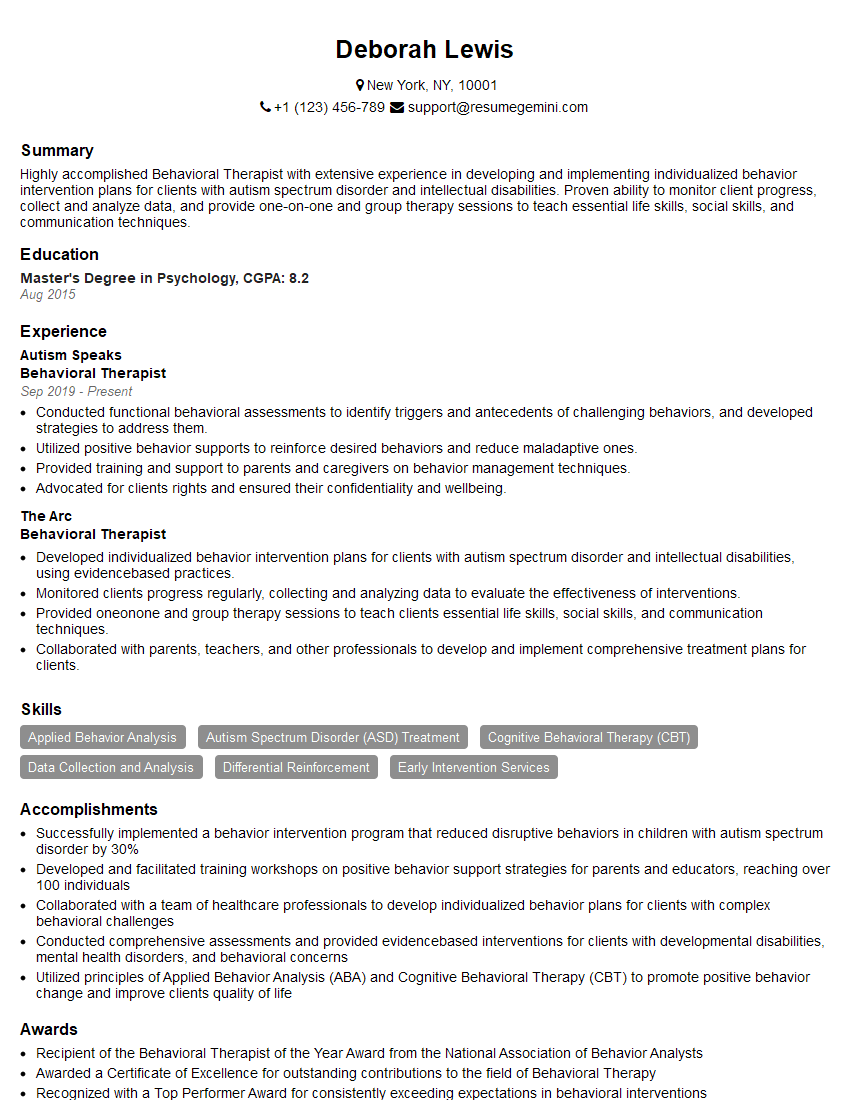
Behavioral Therapist Resume Sample
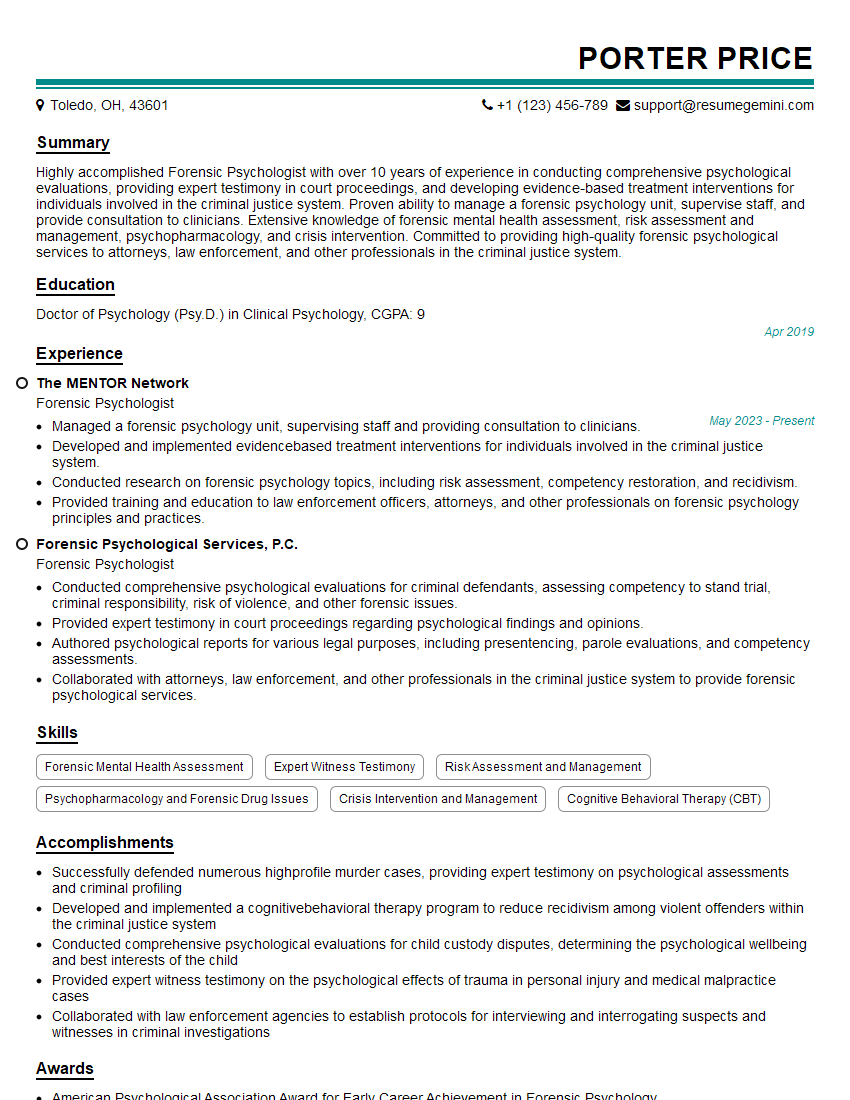
Forensic Psychologist Resume Sample
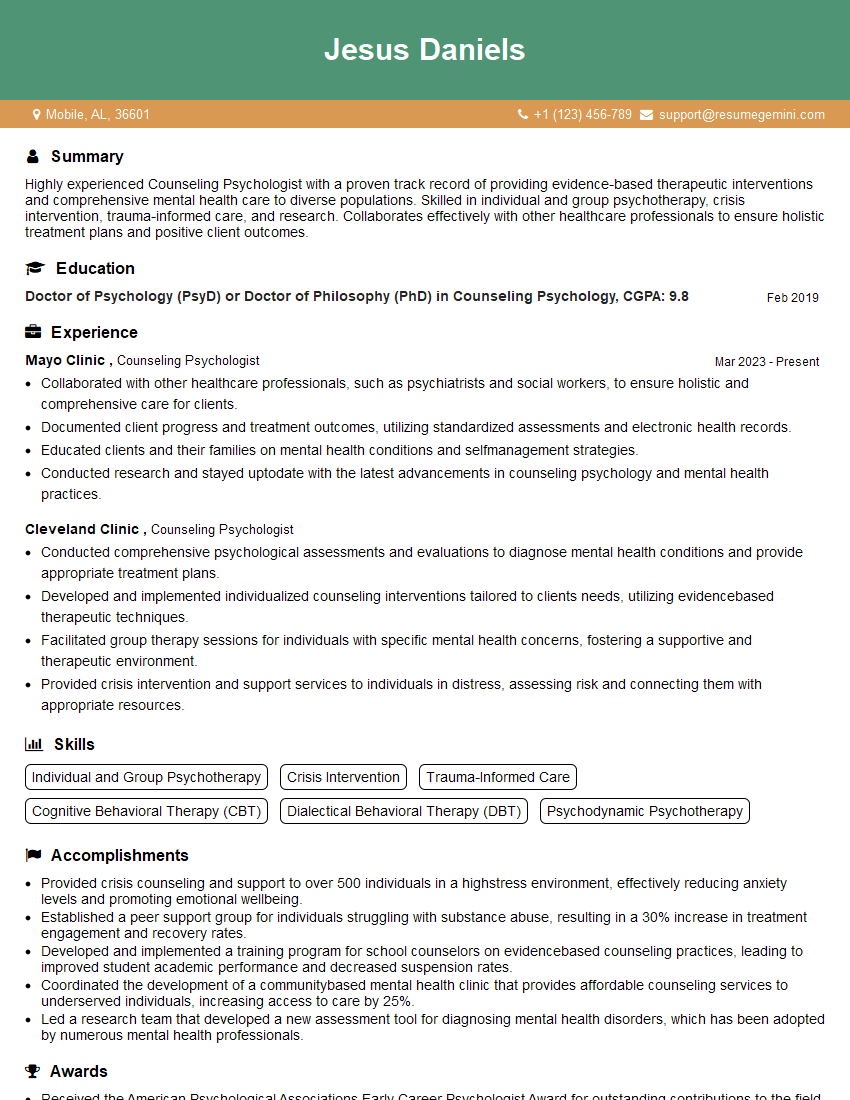
Counseling Psychologist Resume Sample
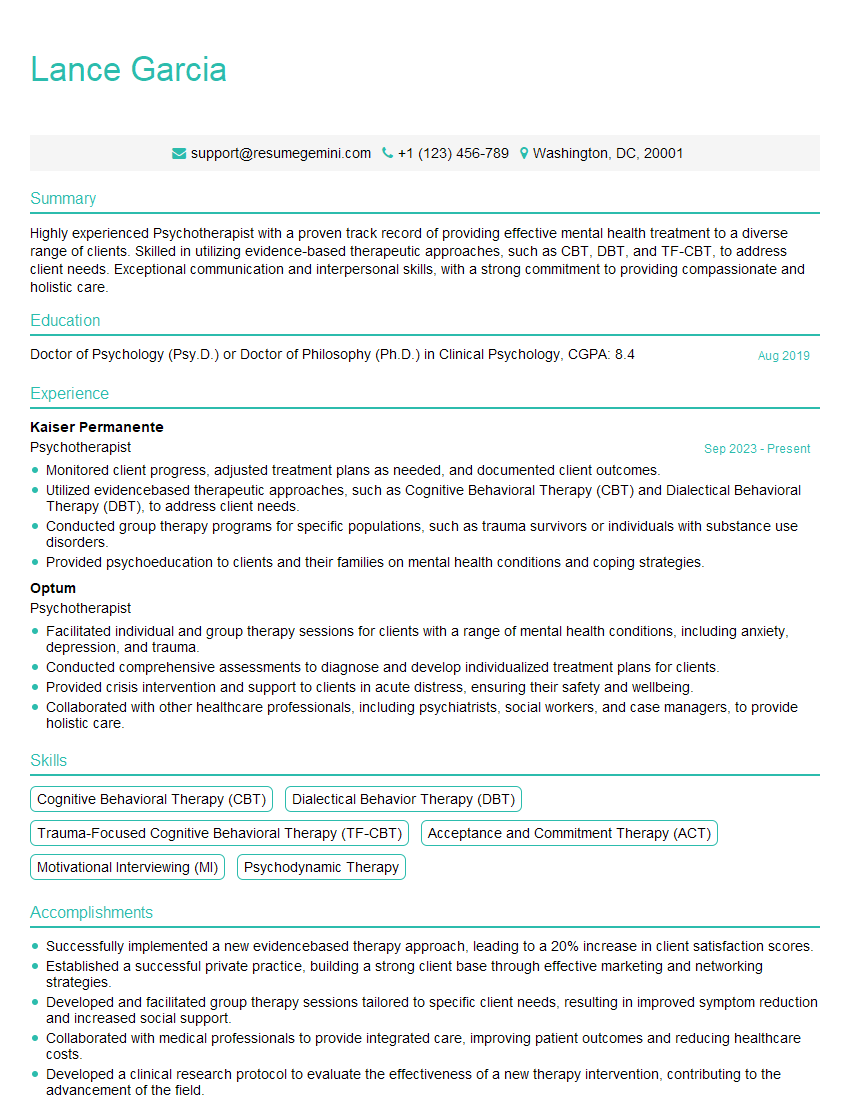
Psychotherapist Resume Sample
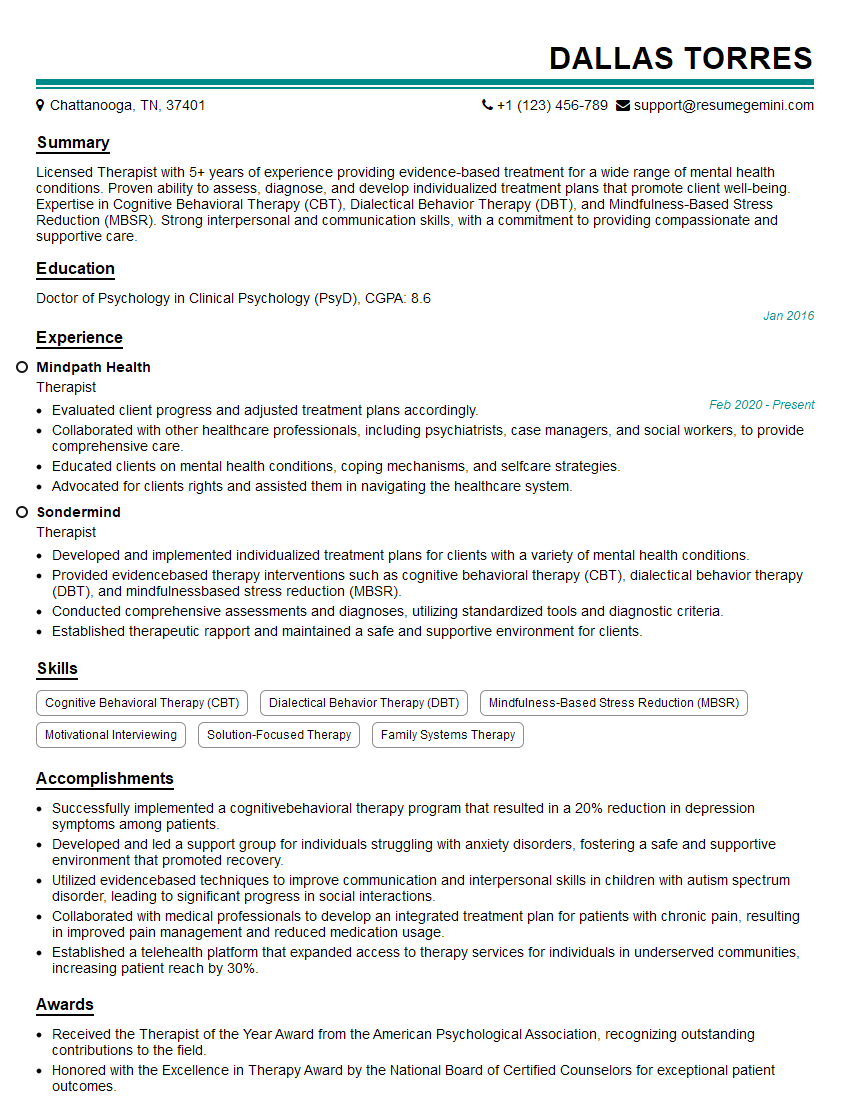
Therapist Resume Sample
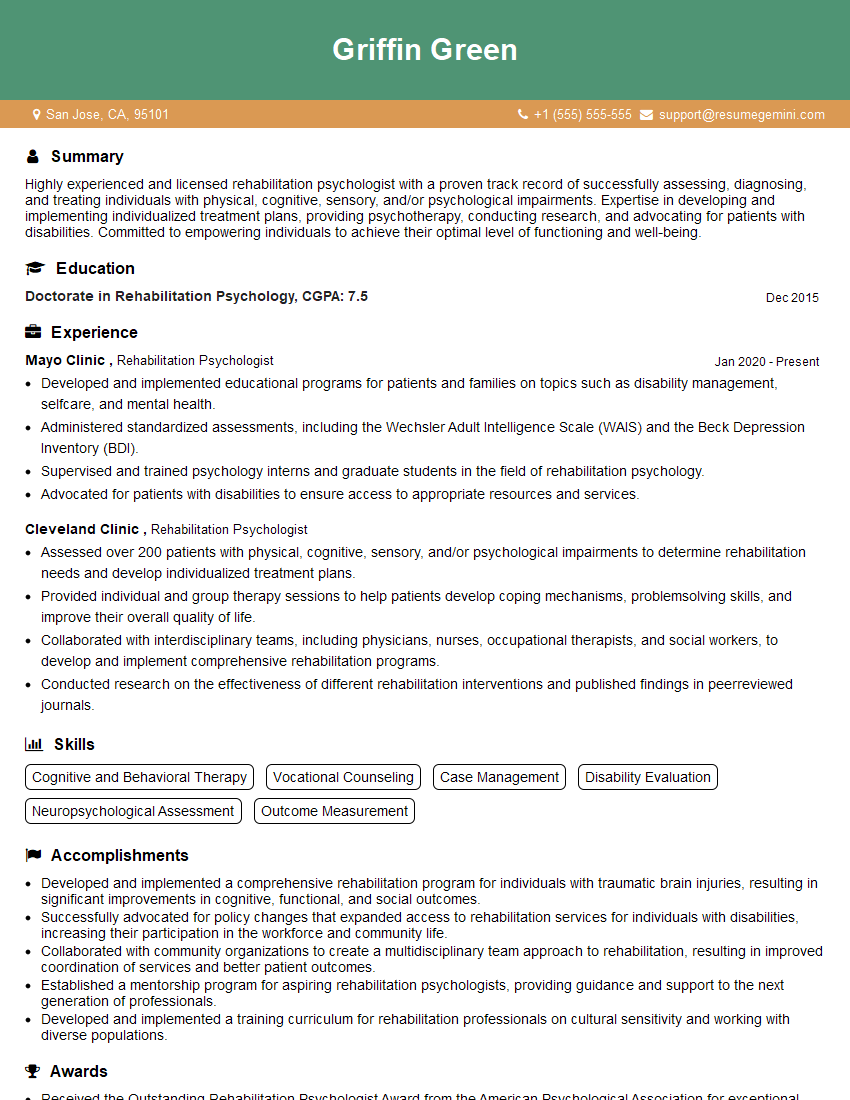
Rehabilitation Psychologist Resume Sample

Mental Health Counselor Resume Sample
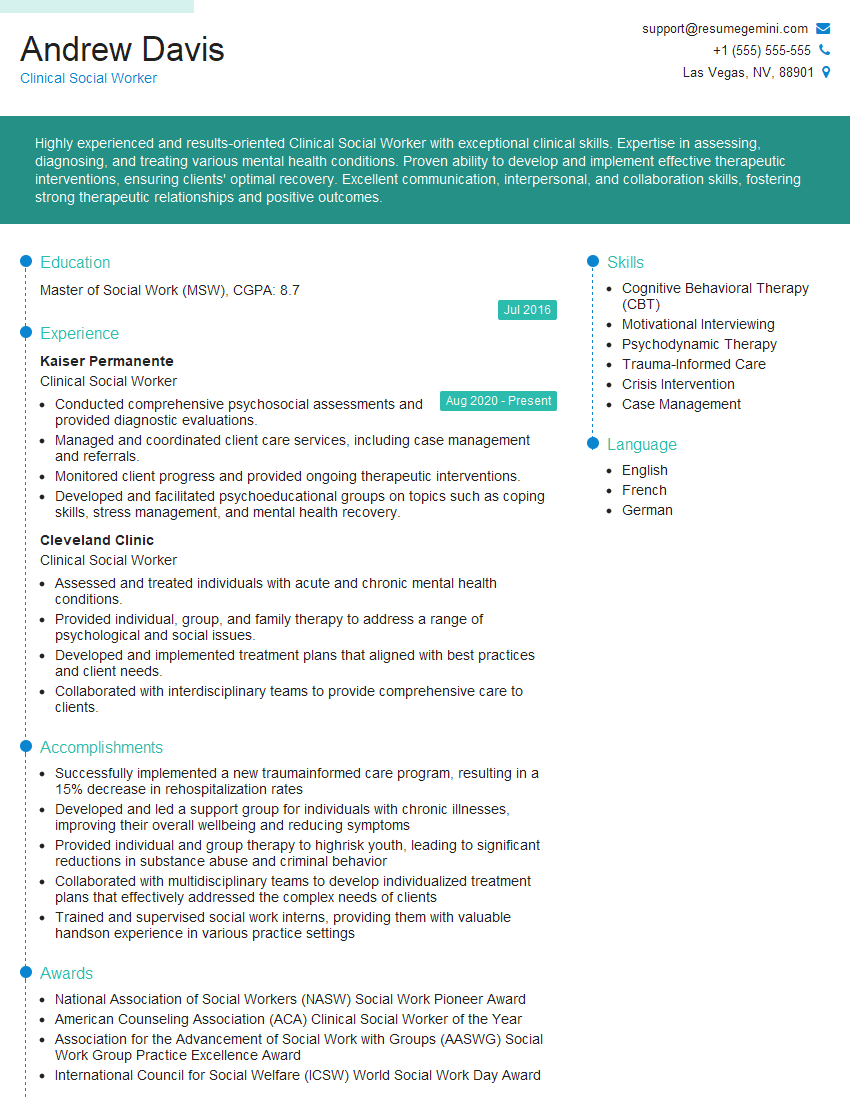
Clinical Social Worker Resume Sample
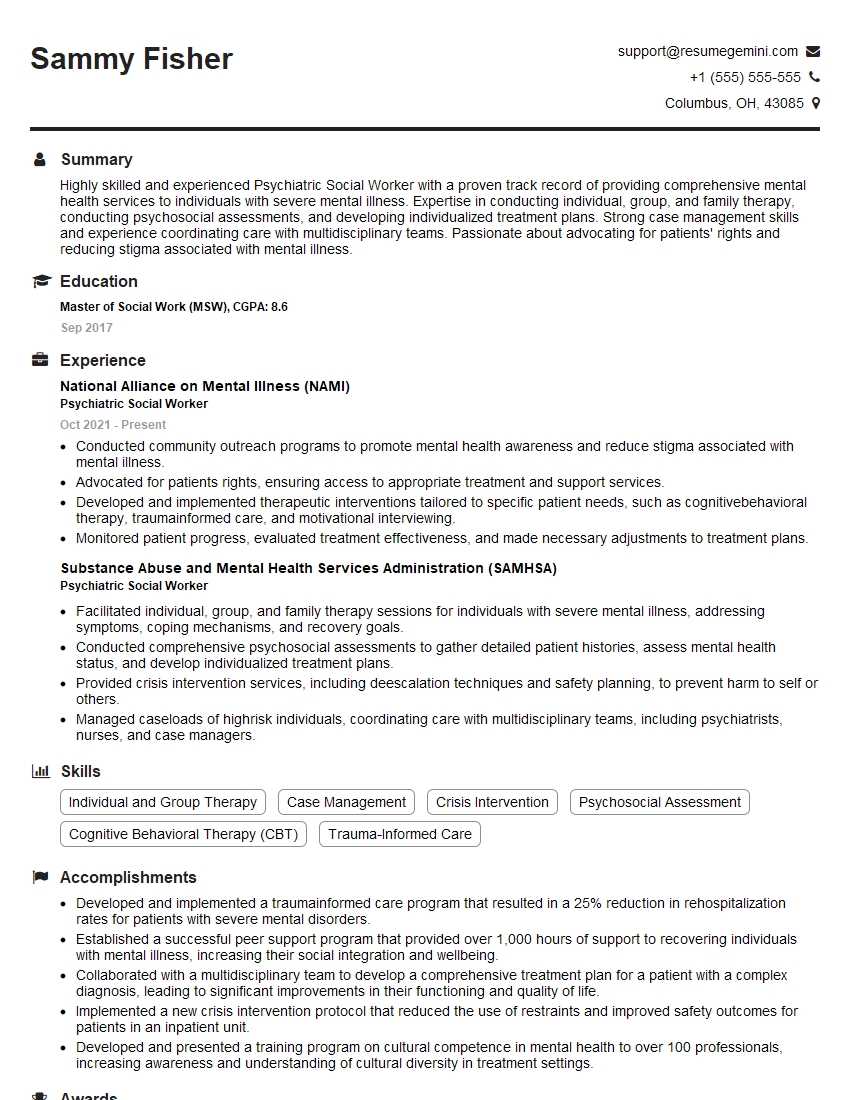
Psychiatric Social Worker Resume Sample
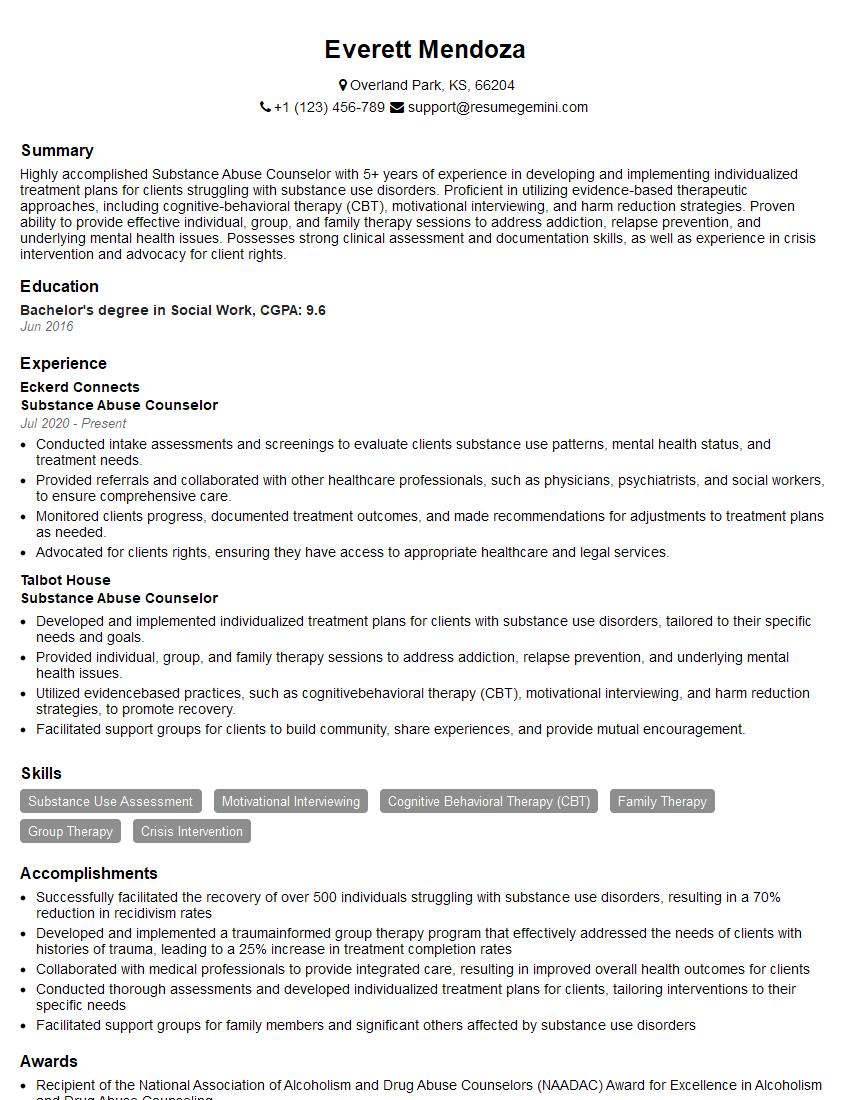
Substance Abuse Counselor Resume Sample
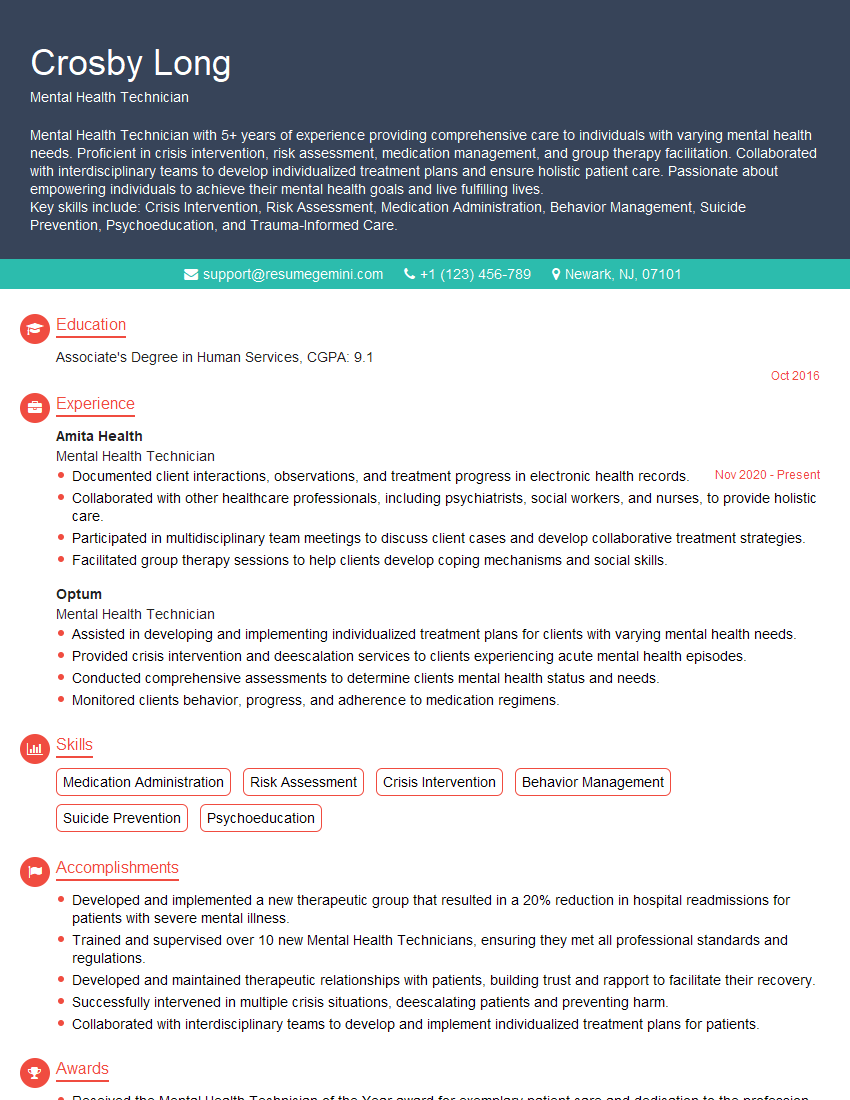
Mental Health Technician Resume Sample
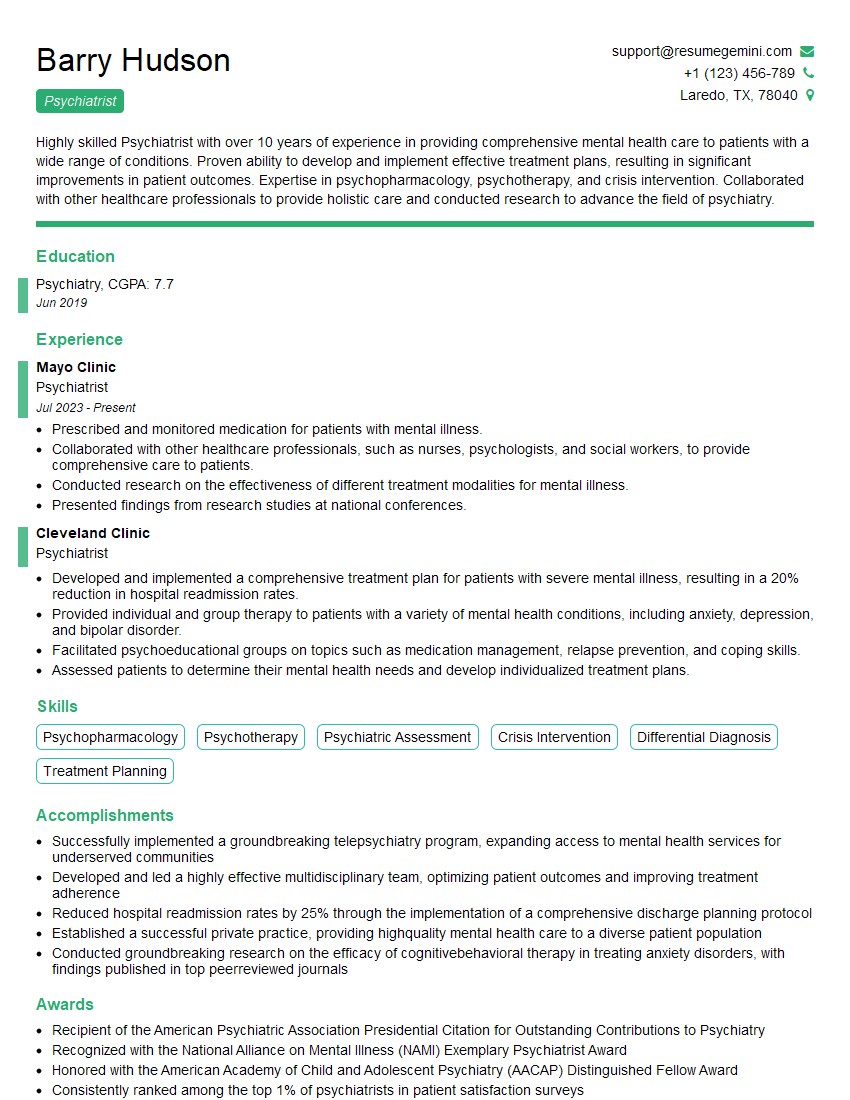
Psychiatrist Resume Sample
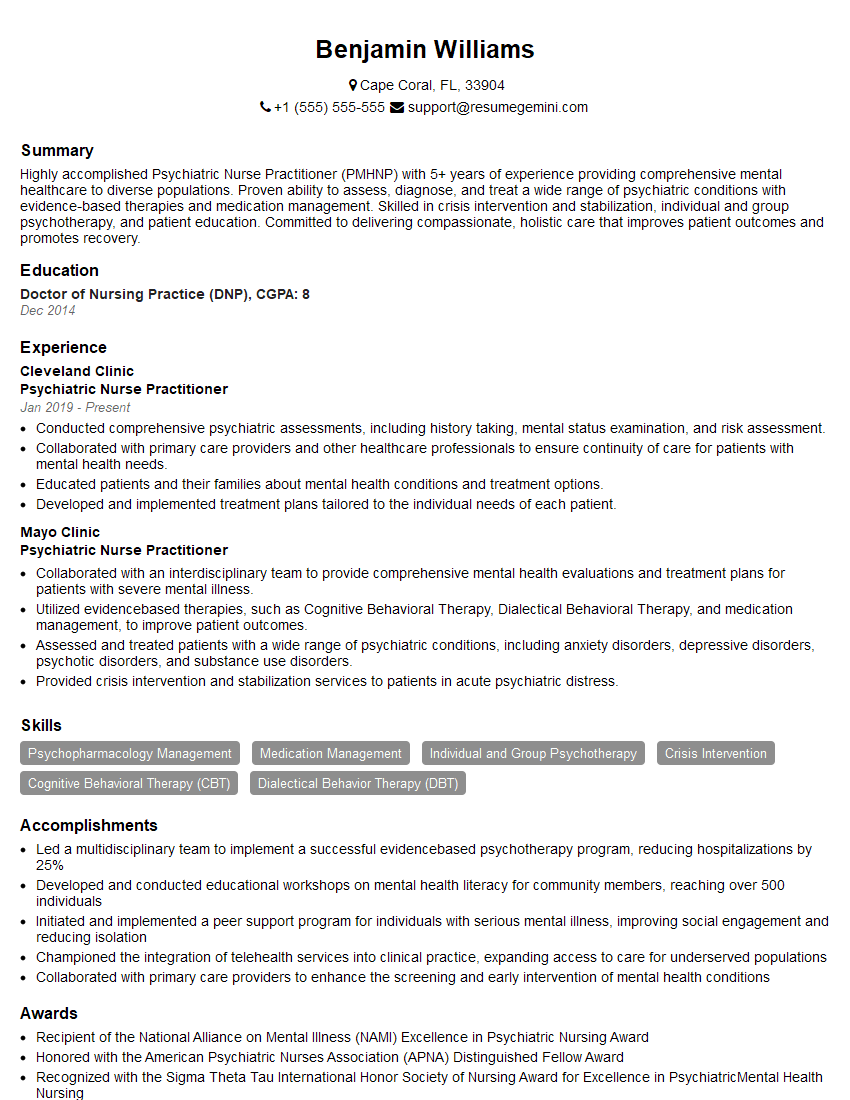
Psychiatric Nurse Practitioner Resume Sample
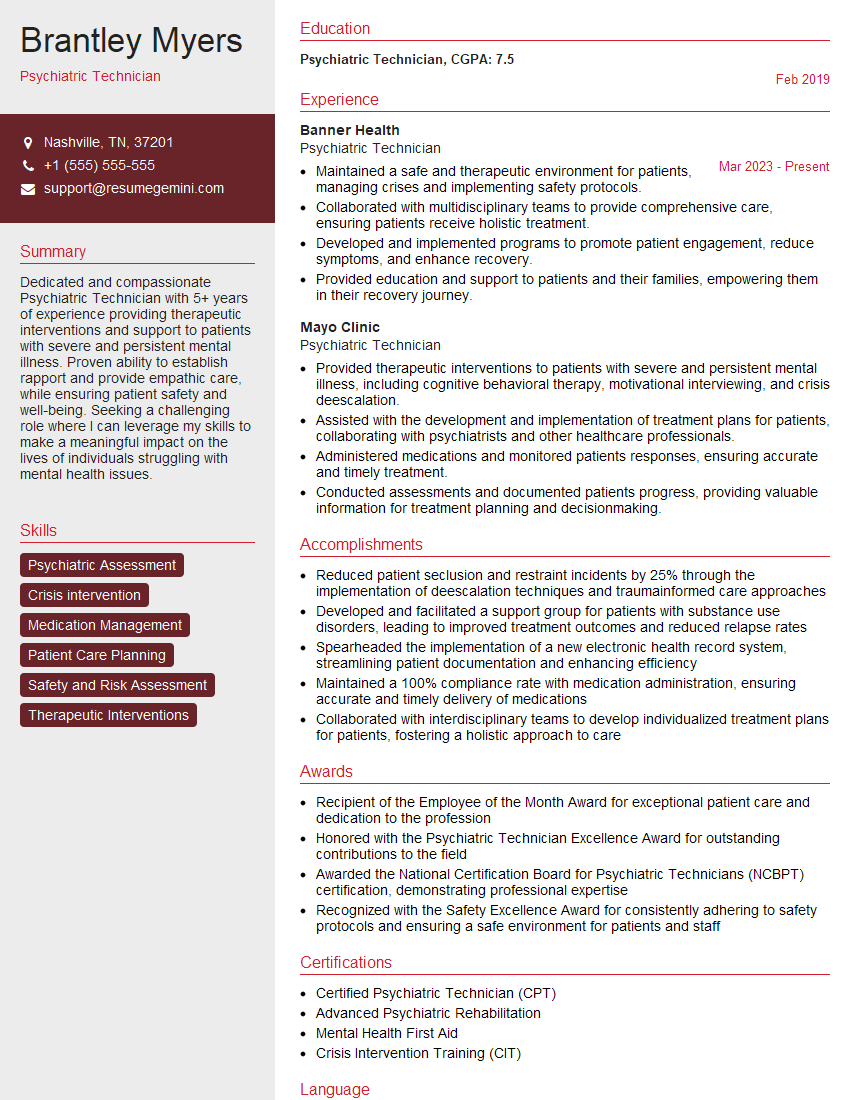
Psychiatric Technician Resume Sample
- Case Manager
- Clinical Psychologist
- Psychologist
- School Psychologist
- Behavioral Therapist
- Forensic Psychologist
- Counseling Psychologist
- Psychotherapist
- Therapist
- Rehabilitation Psychologist
- Mental Health Counselor
- Clinical Social Worker
- Psychiatric Social Worker
- Substance Abuse Counselor
- Mental Health Technician
- Psychiatrist
- Psychiatric Nurse Practitioner
- Psychiatric Technician
Explore more articles
Users Rating of Our Blogs
Share Your Experience
We value your feedback! Please rate our content and share your thoughts (optional).
What Readers Say About Our Blog
Attention music lovers!
Wow, All the best Sax Summer music !!!
Spotify: https://open.spotify.com/artist/6ShcdIT7rPVVaFEpgZQbUk
Apple Music: https://music.apple.com/fr/artist/jimmy-sax-black/1530501936
YouTube: https://music.youtube.com/browse/VLOLAK5uy_noClmC7abM6YpZsnySxRqt3LoalPf88No
Other Platforms and Free Downloads : https://fanlink.tv/jimmysaxblack
on google : https://www.google.com/search?q=22+AND+22+AND+22
on ChatGPT : https://chat.openai.com?q=who20jlJimmy20Black20Sax20Producer
Get back into the groove with Jimmy sax Black
Best regards,
Jimmy sax Black
www.jimmysaxblack.com
Hi I am a troller at The aquatic interview center and I suddenly went so fast in Roblox and it was gone when I reset.
Hi,
Business owners spend hours every week worrying about their website—or avoiding it because it feels overwhelming.
We’d like to take that off your plate:
$69/month. Everything handled.
Our team will:
Design a custom website—or completely overhaul your current one
Take care of hosting as an option
Handle edits and improvements—up to 60 minutes of work included every month
No setup fees, no annual commitments. Just a site that makes a strong first impression.
Find out if it’s right for you:
https://websolutionsgenius.com/awardwinningwebsites
Hello,
we currently offer a complimentary backlink and URL indexing test for search engine optimization professionals.
You can get complimentary indexing credits to test how link discovery works in practice.
No credit card is required and there is no recurring fee.
You can find details here:
https://wikipedia-backlinks.com/indexing/
Regards
NICE RESPONSE TO Q & A
hi
The aim of this message is regarding an unclaimed deposit of a deceased nationale that bears the same name as you. You are not relate to him as there are millions of people answering the names across around the world. But i will use my position to influence the release of the deposit to you for our mutual benefit.
Respond for full details and how to claim the deposit. This is 100% risk free. Send hello to my email id: lukachachibaialuka@gmail.com
Luka Chachibaialuka
Hey interviewgemini.com, just wanted to follow up on my last email.
We just launched Call the Monster, an parenting app that lets you summon friendly ‘monsters’ kids actually listen to.
We’re also running a giveaway for everyone who downloads the app. Since it’s brand new, there aren’t many users yet, which means you’ve got a much better chance of winning some great prizes.
You can check it out here: https://bit.ly/callamonsterapp
Or follow us on Instagram: https://www.instagram.com/callamonsterapp
Thanks,
Ryan
CEO – Call the Monster App
Hey interviewgemini.com, I saw your website and love your approach.
I just want this to look like spam email, but want to share something important to you. We just launched Call the Monster, a parenting app that lets you summon friendly ‘monsters’ kids actually listen to.
Parents are loving it for calming chaos before bedtime. Thought you might want to try it: https://bit.ly/callamonsterapp or just follow our fun monster lore on Instagram: https://www.instagram.com/callamonsterapp
Thanks,
Ryan
CEO – Call A Monster APP
To the interviewgemini.com Owner.
Dear interviewgemini.com Webmaster!
Hi interviewgemini.com Webmaster!
Dear interviewgemini.com Webmaster!
excellent
Hello,
We found issues with your domain’s email setup that may be sending your messages to spam or blocking them completely. InboxShield Mini shows you how to fix it in minutes — no tech skills required.
Scan your domain now for details: https://inboxshield-mini.com/
— Adam @ InboxShield Mini
support@inboxshield-mini.com
Reply STOP to unsubscribe
Hi, are you owner of interviewgemini.com? What if I told you I could help you find extra time in your schedule, reconnect with leads you didn’t even realize you missed, and bring in more “I want to work with you” conversations, without increasing your ad spend or hiring a full-time employee?
All with a flexible, budget-friendly service that could easily pay for itself. Sounds good?
Would it be nice to jump on a quick 10-minute call so I can show you exactly how we make this work?
Best,
Hapei
Marketing Director
Hey, I know you’re the owner of interviewgemini.com. I’ll be quick.
Fundraising for your business is tough and time-consuming. We make it easier by guaranteeing two private investor meetings each month, for six months. No demos, no pitch events – just direct introductions to active investors matched to your startup.
If youR17;re raising, this could help you build real momentum. Want me to send more info?
Hi, I represent an SEO company that specialises in getting you AI citations and higher rankings on Google. I’d like to offer you a 100% free SEO audit for your website. Would you be interested?
Hi, I represent an SEO company that specialises in getting you AI citations and higher rankings on Google. I’d like to offer you a 100% free SEO audit for your website. Would you be interested?