Interviews are more than just a Q&A session—they’re a chance to prove your worth. This blog dives into essential Edge Binding interview questions and expert tips to help you align your answers with what hiring managers are looking for. Start preparing to shine!
Questions Asked in Edge Binding Interview
Q 1. Explain the difference between perfect binding and saddle stitching.
Perfect binding and saddle stitching are two common methods for bookbinding, differing significantly in their construction and suitability for various projects. Imagine you’re making a booklet – perfect binding is like gluing the pages together along one edge to form a spine, then wrapping a cover around it. This creates a smooth, flat spine ideal for thicker books and magazines. Saddle stitching, on the other hand, is like stapling the pages together through the fold, creating a distinct saddle shape. It’s best suited for thinner publications like brochures or booklets, as the stitching can’t hold a very thick stack of paper together.
- Perfect Binding: Uses adhesive to bind the pages together, creating a smooth spine. Suitable for thicker books, magazines, and softcover books.
- Saddle Stitching: Uses staples to fasten pages through the fold. Suited for thinner documents such as brochures, booklets, and magazines with low page counts.
Choosing the right method depends on factors like the page count, desired spine appearance, and budget. A thick novel would need the strength of perfect binding, while a thin leaflet would be perfectly served by saddle stitching.
Q 2. Describe the process of edge gluing in detail.
Edge gluing, a crucial step in many binding processes, involves applying an adhesive to the edges of a stack of sheets to create a solid, unified block before further binding operations. Think of it like building a strong foundation for your book. The process typically involves these steps:
- Preparation: The sheets are accurately aligned and squared. Any imperfections can lead to uneven gluing.
- Adhesive Application: An appropriate adhesive (often PUR or EVA hot melt) is applied evenly to the edges using a specialized gluing machine. The amount of adhesive is critical – too little leads to weak binding, too much causes messy overflow.
- Pressing: The glued edges are immediately pressed using a heavy-duty press to ensure proper adhesion and a flat, even edge. The pressure and time are carefully controlled to achieve optimal bonding.
- Curing: Depending on the adhesive type, a curing time may be required before further processing. This allows the adhesive to fully set.
The type of adhesive used influences the strength, flexibility, and appearance of the final product. For example, PUR (Polyurethane Reactive) adhesive offers superior durability and flexibility compared to EVA (Ethylene Vinyl Acetate) hot melt adhesive, which is faster but less durable.
Q 3. What are the common types of edge coatings and their applications?
Edge coatings enhance the durability, appearance, and feel of bound materials. They protect the edges from damage, add a professional finish, and can improve the overall tactile experience. Common types include:
- Clear Coating: Provides protection against wear and tear without altering the appearance of the edge. Think of it as a transparent shield for the pages.
- Colored Coating: Adds color to the edges, creating a visually appealing accent. Imagine highlighting the edges of a high-end photo book with a vibrant color.
- Stain Coating: Similar to colored coating, but penetrates the paper’s fibers for a more subtle and even finish. This is a great way to add a touch of elegance without overpowering the design.
- Foil Stamping: Impresses a metallic or colored foil onto the edges, creating a luxurious and sophisticated look. This adds a touch of glamour, like the embossed gold edges you’d often see on antique books.
The choice of coating depends on the project’s requirements and desired aesthetic. A simple clear coating might suffice for a textbook, while foil stamping might be preferred for a high-end art book.
Q 4. How do you identify and resolve common edge binding issues?
Identifying and resolving edge binding issues requires careful observation and understanding of the process. Common problems include uneven gluing, loose pages, and adhesive overflow. Here’s a systematic approach:
- Visual Inspection: Carefully examine the bound product for any irregularities, such as uneven glue lines, loose sections, or adhesive residue.
- Identify the Root Cause: Determine the source of the problem. Uneven gluing might result from incorrect adhesive application or machine malfunction. Loose pages may indicate insufficient adhesive or improper pressing.
- Adjust Machine Settings: If the issue is machine-related, adjust settings like adhesive flow, pressure, and drying time. Calibrating the machine is crucial.
- Material Check: Ensure the paper stock is suitable for the chosen binding method and adhesive. Certain paper types might not adhere well to certain adhesives.
- Adhesive Selection: Using the wrong type or amount of adhesive is a common cause. Select an appropriate adhesive based on the materials and the binding requirements.
- Re-run with Adjustments: After making the necessary adjustments, run a small test batch to verify the issue is resolved before processing the entire job.
Systematic troubleshooting is key. Starting with a visual inspection and methodically checking each step helps pinpoint the source of the problem efficiently.
Q 5. What safety precautions are necessary when operating edge binding machinery?
Operating edge binding machinery involves inherent risks, requiring strict adherence to safety protocols. Think of it like working with any powerful tool – safety must be paramount.
- Personal Protective Equipment (PPE): Always wear appropriate PPE, including safety glasses, gloves, and closed-toe shoes. These protect from flying debris, chemical splashes, and potential injury.
- Machine Guards: Ensure all machine guards are in place and functioning correctly. Guards prevent accidental contact with moving parts.
- Proper Training: Only trained and authorized personnel should operate the machinery. Proper training minimizes the risk of accidents and ensures efficient operation.
- Regular Maintenance: Regular maintenance prevents malfunctions and ensures the machine operates as intended. This is crucial for safety and productivity.
- Emergency Shut-off: Know the location and operation of the emergency shut-off switch. Knowing how to stop the machine quickly in an emergency is vital.
- Hot Surfaces: Be aware of hot surfaces on the machine, especially during the gluing and pressing process. Avoiding contact with these areas is critical.
Safety isn’t just a guideline; it’s a crucial aspect of responsible operation. Prioritizing safety prevents injuries and ensures a productive work environment.
Q 6. Explain the importance of accurate measurements in edge binding.
Accurate measurements are fundamental to successful edge binding. Inaccurate measurements lead to inconsistencies and defects in the final product. Think of it as building a house – if your foundations aren’t precisely measured, the whole structure will be off.
- Paper Stack Height: Precise measurement of the paper stack is crucial for consistent glue application and final dimensions. Inaccurate measurement can cause uneven gluing or result in the final product being too thick or thin.
- Edge Alignment: Accurate alignment of the edges before gluing ensures a clean, professional finish. Misalignment leads to crooked edges and an unprofessional look.
- Trim Size: Accurate measurement of the trim size ensures the final product meets the specified dimensions. Inaccurate trim measurements lead to inconsistencies across the final products.
Investing in precision measuring tools and adhering to strict measurement procedures is crucial for maintaining consistent quality and minimizing errors.
Q 7. How do you ensure consistent quality in edge binding operations?
Ensuring consistent quality in edge binding requires a combination of meticulous process control, regular monitoring, and preventive maintenance. This is like baking a cake – you need to follow the recipe precisely and use fresh ingredients for consistent results.
- Standardized Procedures: Implement clear, documented procedures for each step of the process. This ensures everyone follows the same steps, reducing variability.
- Regular Quality Checks: Perform regular quality checks throughout the process, including inspections of materials, adhesive application, and the final bound product. This allows for early detection and correction of any issues.
- Machine Calibration: Regularly calibrate the edge binding machinery to ensure consistent performance. Calibration ensures the machines operate consistently, minimizing variations in output.
- Operator Training: Provide thorough training to operators on proper machine operation and quality control procedures. Trained operators understand the nuances of the process and can identify and correct issues.
- Material Consistency: Use consistent materials, including paper stock and adhesive. Variations in material quality can lead to inconsistent results.
By focusing on standardization, monitoring, and training, you can create a system that delivers consistently high-quality edge binding.
Q 8. What are the different types of adhesives used in edge binding?
Edge binding utilizes various adhesives, each with its own properties affecting bond strength, drying time, and compatibility with different materials. The choice depends on the substrate (e.g., paper, cardboard, plastic) and desired finish.
- Hot Melt Adhesives: These are commonly used for their quick setting time, strong bond, and cost-effectiveness. They are ideal for high-volume production. Think of them like glue guns on a much larger scale. Different hot melt formulations exist, offering variations in tack, open time, and temperature settings to accommodate diverse materials.
- Polyurethane Reactive Adhesives (PUR): These provide exceptional bond strength, flexibility, and resistance to moisture and aging. They’re often favored for high-quality binding where durability is crucial, but they are typically more expensive and require specialized equipment.
- EVA (Ethylene Vinyl Acetate) Adhesives: These are softer than hot melts and offer good adhesion with flexible materials. They’re more forgiving of imperfections and provide a slightly more flexible bind.
- Water-Based Adhesives: While less common in edge binding, water-based adhesives are environmentally friendlier and offer good adhesion to certain substrates. However, drying time can be a significant factor.
Choosing the right adhesive is critical for a successful edge binding process. The wrong adhesive could result in weak bonds, poor aesthetics, or even machine malfunctions.
Q 9. Describe your experience with various types of binding equipment.
My experience encompasses a wide range of edge binding equipment, from small-scale manual machines to fully automated high-speed production lines. I’ve worked extensively with both traditional hot melt and advanced PUR systems. I’m familiar with equipment from major manufacturers like [Manufacturer A], [Manufacturer B], and [Manufacturer C].
Specifically, I have hands-on experience with:
- Hot melt edge binders: These are versatile and relatively easy to operate, suitable for various materials and binding thicknesses.
- PUR edge binders: These require more technical expertise due to their more complex adhesive handling systems. I’m adept at managing PUR adhesive dispensing, curing processes, and maintenance procedures.
- Automatic edge banding machines: These machines incorporate features such as automated feeding, edge trimming, and gluing. I’ve worked with machines capable of handling large production volumes and various edge banding materials.
- Manual edge banding tools: I have experience with these simpler tools which are useful for smaller projects or repairs.
This breadth of experience enables me to troubleshoot effectively and optimize processes regardless of the specific equipment being utilized.
Q 10. How do you troubleshoot malfunctions in edge binding machines?
Troubleshooting edge binding machine malfunctions requires a systematic approach. I typically follow these steps:
- Identify the problem: Precisely define the issue – is it a feeding problem, adhesive application issue, cutting problem, or something else?
- Check the obvious: Begin with the simple things: Is the machine plugged in? Is there sufficient adhesive? Are there any blockages? Are the settings correctly adjusted?
- Consult the manual: Refer to the machine’s operation and troubleshooting manual for guidance.
- Systematic elimination: If the problem persists, systematically check each component of the machine. This might involve testing the adhesive delivery system, checking sensors, inspecting rollers and belts for wear or damage, and testing the cutting mechanisms.
- Sensor Checks: Modern machines rely heavily on sensors; verifying their accuracy is vital. I’ll check for faulty sensors leading to incorrect measurements or machine pauses.
- Seek professional help: If the issue is complex and cannot be resolved using the above methods, I will contact the machine manufacturer or a qualified technician.
For example, if the adhesive isn’t applying correctly, I’d first check the adhesive temperature, the nozzle, and the pump system. A lack of pressure could be due to a clogged line or faulty pump, requiring cleaning, replacement of parts, or adjustments to pressure settings.
Q 11. What is the role of quality control in the edge binding process?
Quality control (QC) in edge binding is paramount. It ensures the final product meets the required standards of aesthetics, durability, and functionality. QC procedures should be implemented throughout the process:
- Incoming material inspection: Checking the quality of the materials (e.g., edge banding, substrate) before processing.
- Process monitoring: Regularly checking the machine’s settings, adhesive application, and cutting precision.
- Visual inspection: Examining the finished product for defects such as uneven glue application, chipping, or gaps.
- Dimensional checks: Verifying that the finished product dimensions meet specifications.
- Bond strength testing: This could involve destructive or non-destructive methods to ensure adequate adhesive strength.
- Statistical Process Control (SPC): Implementing statistical methods to track and analyze process variation to identify potential problems before they lead to defects.
A comprehensive QC program minimizes defects, reduces waste, and ensures consistent high-quality output.
Q 12. How do you maintain and clean edge binding equipment?
Maintaining and cleaning edge binding equipment is essential for optimal performance, longevity, and safety. This involves regular procedures and preventative maintenance:
- Daily cleaning: Removing excess adhesive, debris, and dust from the machine. This often involves using appropriate solvents and cleaning tools.
- Regular maintenance: Lubricating moving parts, checking belts and rollers for wear, and tightening loose screws. Frequency of these checks depends on the machine and usage.
- Periodic servicing: More in-depth checks and potential component replacements should be scheduled according to manufacturer recommendations. This may involve professional servicing.
- Adhesive System Cleaning: Purging and cleaning the adhesive system is critical. This prevents clogging and ensures the next job’s adhesive does not become contaminated.
- Blade sharpening and replacement: Ensuring the cutting blades are sharp to maintain a clean and precise cut.
Proper maintenance prevents costly downtime and prolongs the lifespan of the equipment. A well-maintained machine will produce consistent and high-quality results.
Q 13. Explain the concept of ‘spine finishing’ in edge binding.
Spine finishing refers to the processes involved in preparing and finishing the spine of a book or document after the pages have been gathered and glued. In the context of edge binding, it usually follows the edge binding process itself and enhances the finished product’s aesthetic appeal and durability. These processes can include:
- Cover Attachment: The cover is precisely glued to the spine using appropriate adhesives.
- Spine Rounding and Backing: This involves creating a rounded spine, making the book easier to open and more aesthetically pleasing. This is a crucial step for many bound products.
- Head and Tail Banding: Applying head and tail bands (decorative fabric or material) to the top and bottom of the spine for added protection and aesthetic enhancement.
- Casemaking (for hardbound books): A more extensive process that uses rigid covers and involves more complex tooling.
Spine finishing significantly contributes to the book’s overall quality, protection, and presentation, complementing the edge binding process.
Q 14. Describe the process of setting up an edge binding machine for a specific job.
Setting up an edge binding machine for a specific job involves careful consideration of several factors and requires a methodical approach:
- Material selection: Choose the appropriate adhesive based on the substrate material (paper, plastic, wood, etc.) and desired bond strength. The type of edge banding must also be correctly selected.
- Machine adjustments: Adjust the machine’s settings (e.g., glue application rate, cutting depth, feeding speed) based on the material thickness, width, and desired finish. This involves referring to the machine’s operational manual, possibly performing test runs to fine-tune the settings.
- Adhesive preparation: Prepare the adhesive according to the manufacturer’s instructions. This often includes heating the adhesive to the correct temperature and ensuring consistent flow.
- Pre-testing: Conduct a small test run to evaluate glue application and cutting quality before beginning the full job. This allows fine-tuning of the machine settings.
- Quality Control: Regularly monitor the process, inspecting the finished product to ensure it meets the required quality standards. This includes periodic visual inspections to catch any inconsistencies.
Proper setup is crucial for efficient production and ensures the final product meets the specified quality standards. Inexperienced operators could lead to wasted materials, poor quality, and potential damage to the machine.
Q 15. What are the key considerations for choosing the appropriate binding method?
Choosing the right edge binding method hinges on several key factors: the project’s budget, the desired aesthetic, the number of pages, the paper type, and the intended use of the final product. For instance, a high-end coffee table book might warrant the luxurious look and feel of case binding, while a simple paperback might utilize more cost-effective perfect binding. Consider these aspects:
- Budget: Perfect binding is generally the most economical, while case binding is the most expensive.
- Page Count: Saddle stitch binding is ideal for booklets with a low page count (typically under 64 pages), while other methods are better suited for larger volumes.
- Paper Type: Heavier stocks are better suited for techniques like case binding, which can better handle the additional weight. Thinner papers might be more vulnerable to damage in other methods.
- Aesthetic: The final look and feel—a flat spine versus a rounded one, the visibility of stitching—will heavily influence method selection. Case binding offers a classic, high-quality look, while wire-o binding allows for a book to lay flat.
- Intended Use: A frequently used reference book might benefit from wire-o binding for easy page turning, whereas a less frequently handled book might be fine with perfect binding.
Ultimately, the best method is a balance of these considerations. A consultation with a printing professional often proves invaluable in making this decision.
Career Expert Tips:
- Ace those interviews! Prepare effectively by reviewing the Top 50 Most Common Interview Questions on ResumeGemini.
- Navigate your job search with confidence! Explore a wide range of Career Tips on ResumeGemini. Learn about common challenges and recommendations to overcome them.
- Craft the perfect resume! Master the Art of Resume Writing with ResumeGemini’s guide. Showcase your unique qualifications and achievements effectively.
- Don’t miss out on holiday savings! Build your dream resume with ResumeGemini’s ATS optimized templates.
Q 16. How do you handle different paper stocks in edge binding?
Handling different paper stocks in edge binding requires understanding the properties of each type. Thicker, heavier stocks (like 100lb cover stock or heavier) require more robust binding methods and machinery capable of handling the increased weight and thickness. Thinner papers (like 20lb bond) are more susceptible to damage and might necessitate adjustments to pressure settings on binding equipment to avoid tearing.
For example, when using perfect binding, thicker paper stock might require more adhesive to ensure a strong, lasting bind. Conversely, thinner paper could be easily damaged by excessive pressure or adhesive. We often pre-condition the paper to reduce issues. This might involve humidifying the stock to prevent cracking during the process. Careful selection of adhesives is crucial—certain glues are better suited for particular paper types and thicknesses. We might also use different types of glue for different sections of the book to optimize for durability and aesthetics.
Q 17. What are the limitations of different edge binding techniques?
Each edge binding technique has its limitations. Let’s look at a few:
- Perfect Binding: Limited to relatively thin documents, often resulting in a less durable spine prone to cracking, and doesn’t allow for pages to lay flat. The spine might also be visible.
- Saddle Stitch Binding: Only suitable for documents with a low page count (typically under 64 pages), and the pages can’t lay completely flat. It’s also susceptible to the pages falling out.
- Wire-O Binding: While offering a good lay-flat capability, it’s less suitable for very thick documents, and the wire can sometimes be uncomfortable. It’s also not suitable for all paper types and thicknesses.
- Case Binding: The most expensive option, it’s more complex and time-consuming, demanding greater expertise and specialized equipment. It’s not ideal for small-scale projects.
Understanding these constraints is critical to selecting the right binding method for your project and managing client expectations.
Q 18. Explain the impact of different edge treatments on the final product.
Edge treatments significantly impact the final product’s appearance, feel, and durability. These treatments can include:
- Gilding (Foil Stamping): Adds a touch of elegance and sophistication to the edges, enhancing the book’s overall presentation. It also protects the edge from damage.
- Color Staining or Painting: Provides a visually appealing accent and protection to the raw edge of the pages. It’s a popular choice for creating unique, themed projects.
- Deckle Edge Treatment: Leaves the edges rough and untrimmed, providing a rustic, handcrafted look.
For instance, a gilded edge might elevate a high-end photo album, whereas a stained edge might suit a children’s book with vibrant illustrations. The choice depends on the design and intended audience.
Q 19. How do you calculate the material costs for an edge binding project?
Calculating material costs for an edge binding project requires a detailed breakdown. Factors to consider include:
- Paper Costs: This depends on the type, weight, and quantity of paper required. We calculate based on the sheet size and the number of pages.
- Cover Stock Costs: Similar to paper costs but considers the type and thickness of the cover material.
- Adhesives and Binding Supplies: The type and quantity of adhesive, thread (if applicable), wire (for wire-o binding), and other materials directly impact costs.
- Edge Treatment Materials: If gilding or staining is involved, include the costs of foil, paint, or other relevant supplies.
- Labor Costs: The time spent on different aspects of the binding process, from preparation to finishing, should be factored in.
We usually develop a detailed bill of materials (BOM) for each project, meticulously tracking each component’s cost. This BOM is then used to generate accurate cost estimates for clients, ensuring transparency and avoiding unexpected expenses during the project.
Q 20. How do you manage production timelines in edge binding operations?
Managing production timelines in edge binding is crucial for meeting deadlines and maintaining client satisfaction. We use a project management system that incorporates several strategies:
- Detailed Project Scheduling: We create a detailed schedule breaking down each stage of the process into smaller, manageable tasks. Each task has an assigned duration and dependencies.
- Resource Allocation: We carefully allocate personnel and equipment to each task, considering their availability and expertise. Bottlenecks are anticipated and addressed proactively.
- Progress Monitoring: Regular progress tracking ensures that we stay on schedule. We use tools to monitor task completion, identify delays, and address potential issues promptly.
- Communication: Clear and frequent communication with clients keeps them informed of the project’s progress. This helps manage expectations and address concerns proactively.
We also maintain buffer time in the schedule to account for unforeseen delays. This proactive approach minimizes disruptions and ensures timely project delivery.
Q 21. Describe your experience with different types of paper covers.
My experience encompasses a wide range of paper covers, each with unique properties and suitability for different applications. These include:
- Hardcover Covers: These offer the highest level of protection and durability. They can be made of various materials, including cloth, leather, and paperboard, each impacting the final look and feel of the book and its longevity.
- Softcover Covers: These are more economical but offer less protection. Common materials include paperboard with various coatings (lamination, UV coating) to enhance durability and aesthetics. The paper weight and finishing techniques greatly influence the final outcome.
- Specialty Covers: This category includes covers made from unique materials like linen, canvas, or even recycled materials. These are chosen for their unique visual and tactile qualities and may need special handling during the binding process.
Selecting the right cover material requires consideration of the book’s content, its intended audience, and the desired level of protection and aesthetic appeal. Each material requires different techniques and consideration during the binding procedure, influencing the choice of adhesive, stitching, and other processes.
Q 22. What are the environmental considerations of edge binding processes?
Environmental considerations in edge binding are crucial for sustainability and worker safety. We must minimize waste, reduce emissions, and ensure a healthy work environment. This involves several key aspects:
- Material Selection: Choosing eco-friendly materials like recycled paper and sustainably sourced adhesives significantly reduces the environmental impact. We prioritize suppliers committed to responsible forestry and manufacturing.
- Waste Management: Implementing efficient waste-reduction strategies is vital. This includes optimizing cutting processes to minimize material waste, recycling paper scraps and other recyclable materials, and properly disposing of hazardous waste like certain adhesives and cleaning solvents.
- Energy Efficiency: Modern binding equipment often incorporates energy-saving features. We regularly maintain and upgrade our machinery to ensure optimal energy consumption. Choosing efficient processes reduces our carbon footprint.
- Air and Water Quality: We use equipment with effective ventilation systems to manage dust and fumes, reducing air pollution in the workspace. Similarly, we carefully manage water usage and wastewater disposal to avoid environmental contamination. We actively monitor compliance with all relevant environmental regulations.
For example, in a recent project, switching to a water-based adhesive reduced our volatile organic compound (VOC) emissions by 40%, demonstrating a tangible improvement in our environmental performance.
Q 23. Explain your understanding of various types of edge trimming.
Edge trimming is a critical step in bookbinding, ensuring a neat and professional finish. Several types exist, each suited to different needs and materials:
- Rough Trimming: This initial trim removes excess material from the edges, often done with a guillotine cutter. It prepares the book block for more precise trimming.
- Flush Trimming: This highly accurate method ensures all three edges (top, bottom, and fore-edge) are perfectly aligned and squared, creating a clean and uniform look. This is typically done with automated high-speed trimmers.
- Deckling: Instead of a clean cut, deckling creates a rough, uneven edge. This is often used for a more rustic or handcrafted aesthetic, especially in specialty books.
- Beveled Trimming: A beveled edge is angled, creating a subtle visual effect. This adds a touch of elegance to higher-end books.
The choice of trimming method depends on the book’s design, the desired finish, and the material’s characteristics. For instance, a children’s book might use flush trimming for durability, while an art book might benefit from deckling for a more artistic presentation.
Q 24. How do you ensure the alignment of pages during the binding process?
Precise page alignment is paramount for a professional-looking bound product. Several methods ensure accurate alignment throughout the binding process:
- Careful Gathering and Collating: Precisely collating pages in the correct order and orientation is the first step. Automated collating systems significantly improve accuracy and speed.
- Securing the Book Block: Before trimming or binding, we use clamps or other mechanisms to hold the pages securely, preventing shifting or misalignment during processing.
- Using Automated Guidance Systems: Many modern binding machines incorporate sensors and automated systems to detect and correct misalignments during trimming and binding operations. This ensures consistent accuracy throughout the process.
- Regular Machine Calibration: We perform routine calibrations and maintenance on all equipment to ensure precision and avoid alignment issues. This involves checking tolerances, aligning cutting blades, and adjusting pressure settings.
For example, we recently implemented a new automated collating system that reduced misalignment errors by over 80%, resulting in a noticeable improvement in the final product’s quality.
Q 25. Describe your experience with automated vs. manual edge binding.
I have extensive experience with both automated and manual edge binding. Each method has its advantages and disadvantages:
- Automated Edge Binding: This method uses high-speed machinery to perform the entire binding process, from trimming to gluing. Automated systems are incredibly efficient, offering high-volume production with consistent quality. However, the initial investment is significant, and specialized training is needed for operation and maintenance.
- Manual Edge Binding: Manual binding is more labor-intensive but offers greater flexibility for smaller runs and specialized projects. It allows for more nuanced control over the process, enabling unique finishes and bespoke solutions. However, it’s slower and may exhibit more variability in quality depending on the operator’s skill.
In my experience, the ideal approach often involves a combination of both. We use automated systems for high-volume projects where consistency is critical. For smaller, bespoke projects or those requiring unique finishes, we utilize manual techniques. This blended approach optimizes efficiency and quality.
Q 26. What are the common causes of book warping after binding?
Book warping after binding is a common issue that can significantly affect the final product’s appearance and usability. Several factors contribute to this problem:
- Uneven Adhesives Application: Uneven glue distribution can cause some pages to adhere more strongly than others, leading to warping.
- Improper Drying: Insufficient or uneven drying can cause the pages to curl or warp as the adhesive sets.
- High Humidity or Temperature: Fluctuations in environmental conditions can impact the drying process and contribute to warping.
- Incorrect Paper Choice: Using paper that is too absorbent or too thin can increase the likelihood of warping.
- Over-tight Binding: Applying excessive pressure during binding can distort the book block.
Preventing warping requires careful control over these factors. This involves using appropriate adhesives, ensuring even distribution and adequate drying time, maintaining consistent environmental conditions, and using appropriate paper stock. Regular machine maintenance and calibration also play a vital role.
Q 27. How do you ensure the durability and longevity of the bound product?
Ensuring the durability and longevity of a bound product requires attention to detail throughout the entire process:
- Material Selection: Using high-quality paper, durable adhesives, and robust cover materials are crucial for longevity. We select materials based on their resistance to wear, tear, and environmental factors.
- Precise Binding Techniques: Proper techniques in stitching, gluing, and trimming are essential for a strong and lasting bind. We train our staff meticulously to ensure precision in each step.
- Quality Control: Regular quality checks throughout the binding process help to identify and address any potential issues early on, preventing defects that could compromise durability.
- Proper Handling and Storage: Bound products should be handled carefully to avoid damage, and they should be stored in a cool, dry place to prevent deterioration.
For example, by switching to a more durable adhesive, we experienced a significant reduction in the number of returns due to binding failure. This demonstrates the importance of material selection in achieving long-lasting results.
Q 28. What are some innovative edge binding techniques you are familiar with?
Several innovative edge binding techniques are emerging in the industry, pushing the boundaries of traditional methods:
- PUR (Polyurethane Reactive) Binding: PUR binding utilizes a reactive adhesive that creates a strong, flexible bond, suitable for a wide range of paper types and thicknesses. It’s known for its durability and resistance to cracking.
- Perfect Binding with Enhanced Adhesives: Advancements in adhesive technology offer improved flexibility and durability in perfect binding, allowing for thinner covers and greater resistance to spine cracking.
- Digital Finishing Techniques: Digital printing and finishing offer unique edge decoration possibilities, including spot UV coatings, embossing, and other customized treatments. These enhance the aesthetic appeal and add value to the bound product.
- Sustainable Binding Options: The use of biodegradable or recycled adhesives and materials is gaining traction, reducing the environmental impact of the binding process.
These innovations offer increased efficiency, improved aesthetics, and greater sustainability in edge binding, meeting the diverse needs of modern publishing and printing.
Key Topics to Learn for Edge Binding Interview
- Fundamentals of Edge Binding: Understanding the core principles and methodologies behind edge binding techniques.
- Data Structures and Algorithms for Edge Binding: Exploring efficient algorithms and data structures commonly used in edge binding applications. Consider graph theory and its relevance.
- Practical Applications of Edge Binding: Examining real-world scenarios where edge binding is utilized, such as in network security, distributed systems, or content delivery networks (CDNs).
- Performance Optimization in Edge Binding: Analyzing techniques to improve the speed, efficiency, and scalability of edge binding implementations. Think latency and bandwidth optimization.
- Security Considerations in Edge Binding: Understanding potential security vulnerabilities and best practices for securing edge binding systems. This includes authentication and authorization mechanisms.
- Troubleshooting and Debugging Edge Binding Systems: Developing problem-solving skills to identify and resolve issues in edge binding environments.
- Emerging Trends in Edge Binding: Staying up-to-date with the latest advancements and technologies in edge computing and their impact on edge binding.
- Architectural Design for Edge Binding: Understanding how to design scalable and resilient edge binding architectures.
Next Steps
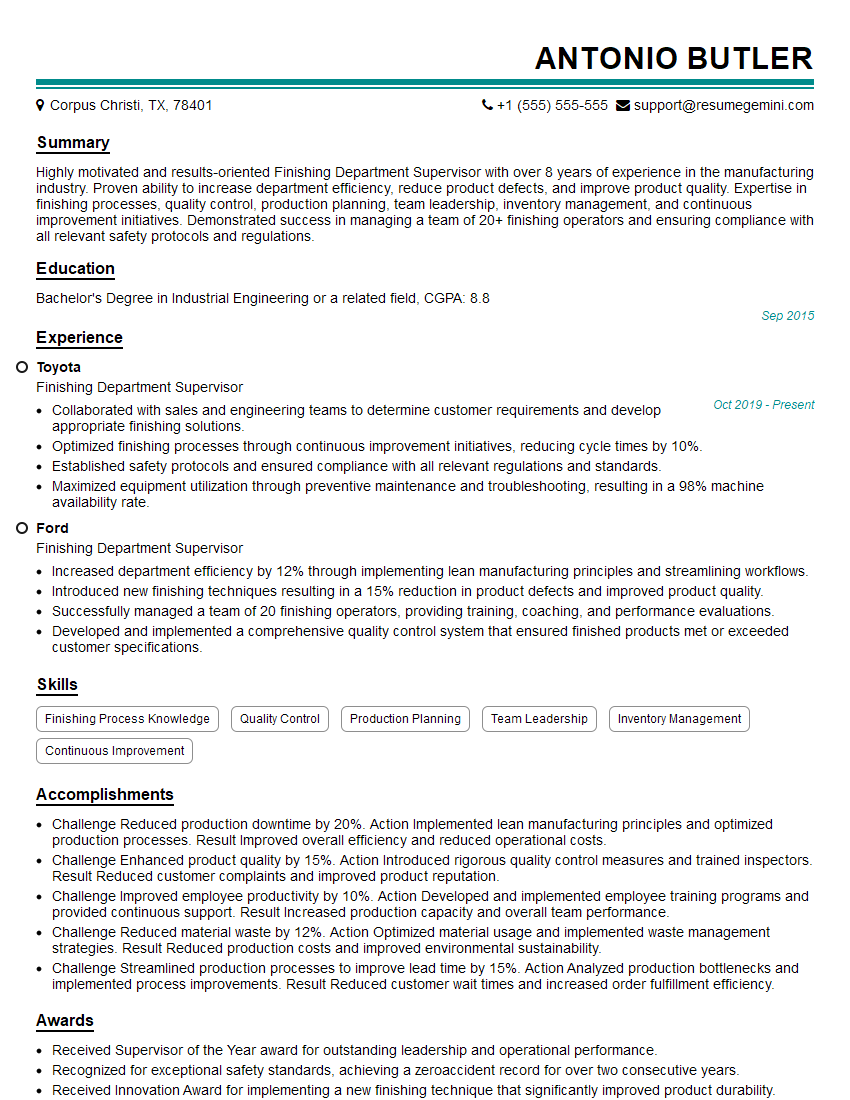
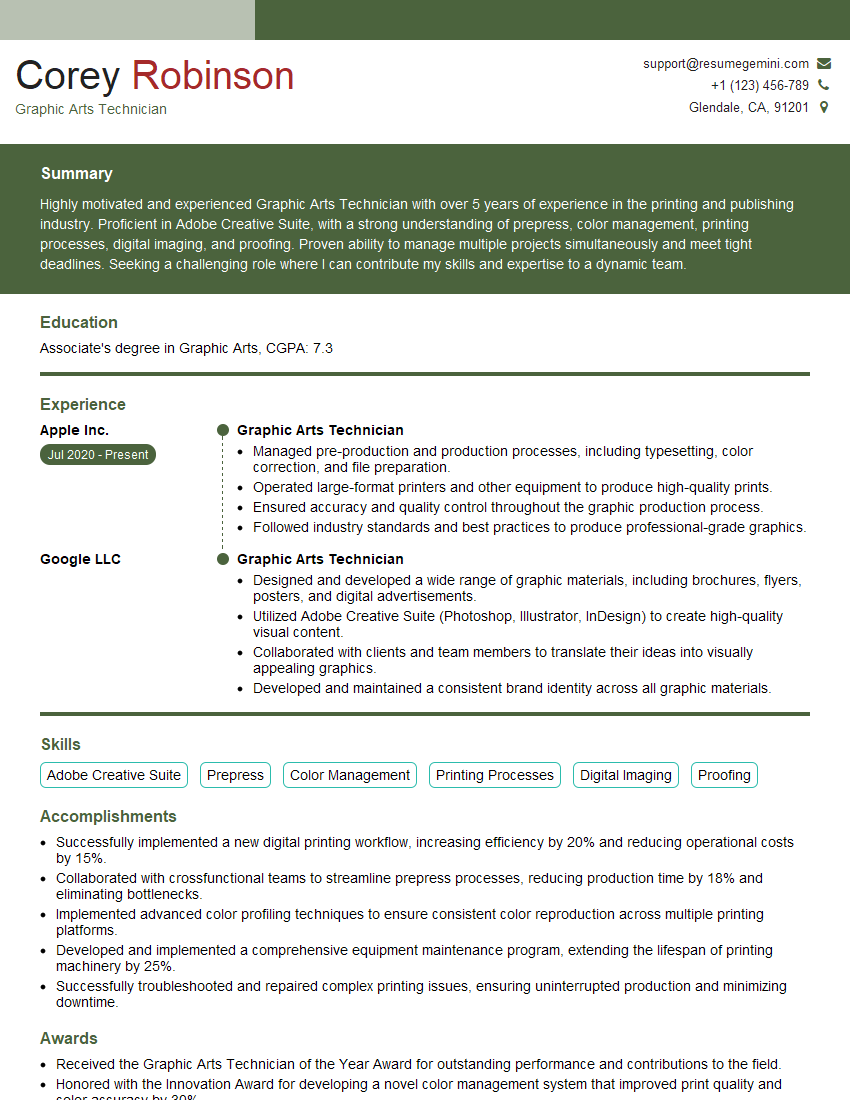
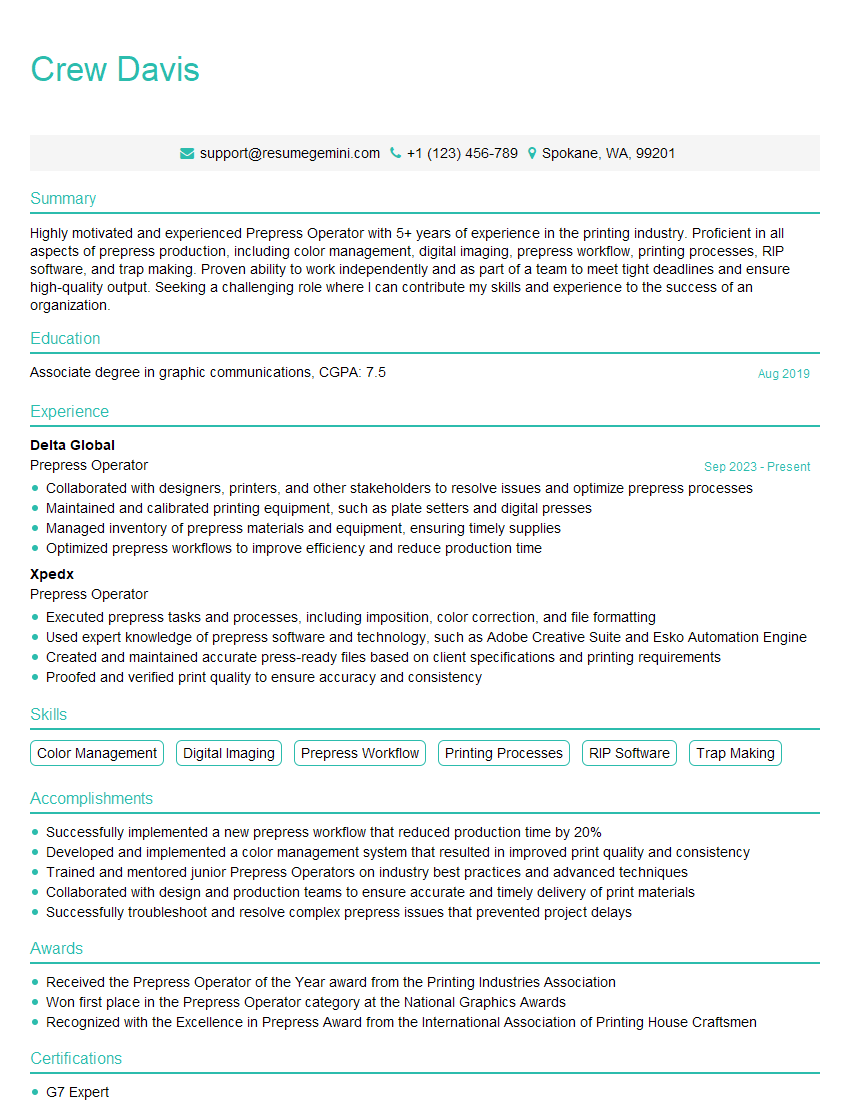
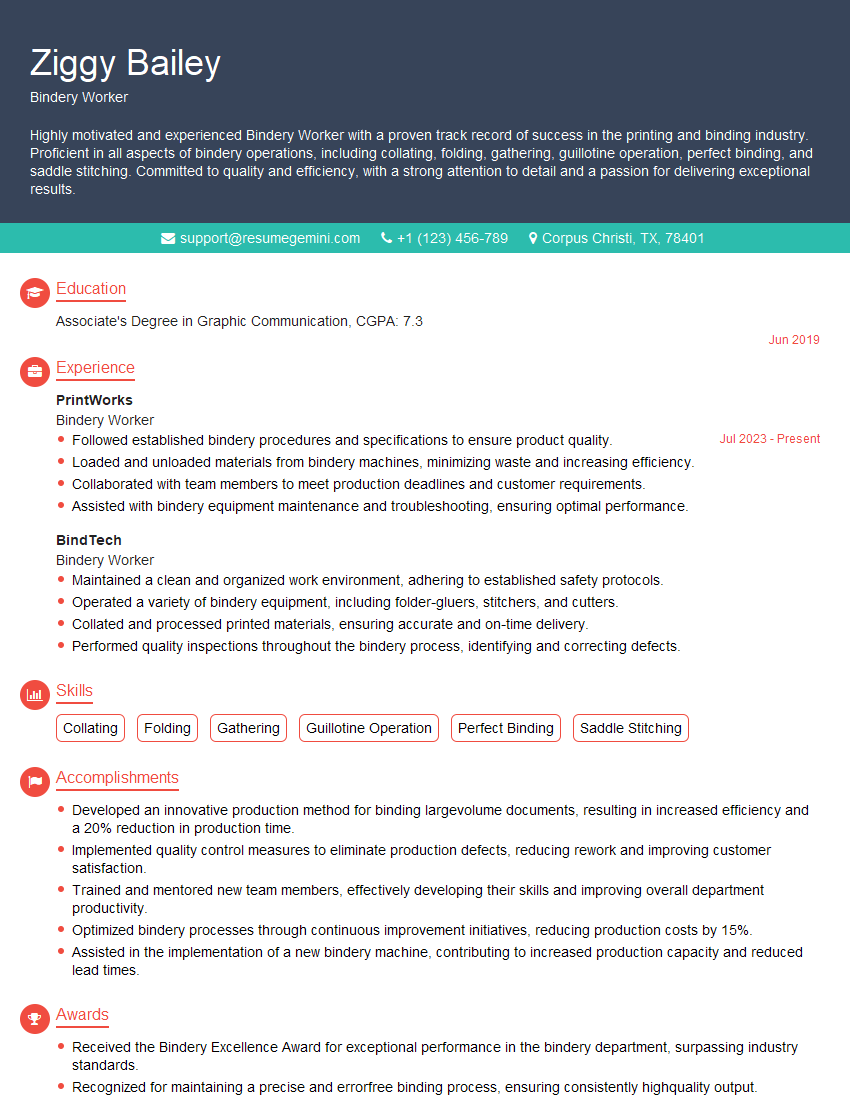
Mastering edge binding opens doors to exciting career opportunities in high-growth technology sectors. Proficiency in this area demonstrates valuable skills in distributed systems, network engineering, and security, significantly enhancing your career prospects. To maximize your job search success, creating a strong, ATS-friendly resume is crucial. ResumeGemini is a trusted resource to help you build a professional and impactful resume tailored to highlight your edge binding expertise. Examples of resumes specifically tailored to the Edge Binding field are available to guide you. Take advantage of these resources to present yourself effectively to potential employers.

Explore more articles
Users Rating of Our Blogs
Share Your Experience
We value your feedback! Please rate our content and share your thoughts (optional).
What Readers Say About Our Blog
Hello,
we currently offer a complimentary backlink and URL indexing test for search engine optimization professionals.
You can get complimentary indexing credits to test how link discovery works in practice.
No credit card is required and there is no recurring fee.
You can find details here:
https://wikipedia-backlinks.com/indexing/
Regards
NICE RESPONSE TO Q & A
hi
The aim of this message is regarding an unclaimed deposit of a deceased nationale that bears the same name as you. You are not relate to him as there are millions of people answering the names across around the world. But i will use my position to influence the release of the deposit to you for our mutual benefit.
Respond for full details and how to claim the deposit. This is 100% risk free. Send hello to my email id: [email protected]
Luka Chachibaialuka
Hey interviewgemini.com, just wanted to follow up on my last email.
We just launched Call the Monster, an parenting app that lets you summon friendly ‘monsters’ kids actually listen to.
We’re also running a giveaway for everyone who downloads the app. Since it’s brand new, there aren’t many users yet, which means you’ve got a much better chance of winning some great prizes.
You can check it out here: https://bit.ly/callamonsterapp
Or follow us on Instagram: https://www.instagram.com/callamonsterapp
Thanks,
Ryan
CEO – Call the Monster App
Hey interviewgemini.com, I saw your website and love your approach.
I just want this to look like spam email, but want to share something important to you. We just launched Call the Monster, a parenting app that lets you summon friendly ‘monsters’ kids actually listen to.
Parents are loving it for calming chaos before bedtime. Thought you might want to try it: https://bit.ly/callamonsterapp or just follow our fun monster lore on Instagram: https://www.instagram.com/callamonsterapp
Thanks,
Ryan
CEO – Call A Monster APP
To the interviewgemini.com Owner.
Dear interviewgemini.com Webmaster!
Hi interviewgemini.com Webmaster!
Dear interviewgemini.com Webmaster!
excellent
Hello,
We found issues with your domain’s email setup that may be sending your messages to spam or blocking them completely. InboxShield Mini shows you how to fix it in minutes — no tech skills required.
Scan your domain now for details: https://inboxshield-mini.com/
— Adam @ InboxShield Mini
Reply STOP to unsubscribe
Hi, are you owner of interviewgemini.com? What if I told you I could help you find extra time in your schedule, reconnect with leads you didn’t even realize you missed, and bring in more “I want to work with you” conversations, without increasing your ad spend or hiring a full-time employee?
All with a flexible, budget-friendly service that could easily pay for itself. Sounds good?
Would it be nice to jump on a quick 10-minute call so I can show you exactly how we make this work?
Best,
Hapei
Marketing Director
Hey, I know you’re the owner of interviewgemini.com. I’ll be quick.
Fundraising for your business is tough and time-consuming. We make it easier by guaranteeing two private investor meetings each month, for six months. No demos, no pitch events – just direct introductions to active investors matched to your startup.
If youR17;re raising, this could help you build real momentum. Want me to send more info?
Hi, I represent an SEO company that specialises in getting you AI citations and higher rankings on Google. I’d like to offer you a 100% free SEO audit for your website. Would you be interested?
Hi, I represent an SEO company that specialises in getting you AI citations and higher rankings on Google. I’d like to offer you a 100% free SEO audit for your website. Would you be interested?
good