The thought of an interview can be nerve-wracking, but the right preparation can make all the difference. Explore this comprehensive guide to End Cap Design interview questions and gain the confidence you need to showcase your abilities and secure the role.
Questions Asked in End Cap Design Interview
Q 1. Explain your experience designing effective end caps.
Designing effective end caps is all about maximizing impulse purchases. My experience spans over [Number] years, encompassing a wide range of projects for various clients across diverse industries, from FMCG to electronics. I’ve successfully designed end caps that have demonstrably increased sales by focusing on visual merchandising principles, understanding shopper psychology, and leveraging data analytics to inform design choices. For example, I designed an end cap for a new line of organic snacks that incorporated vibrant colors, clear product information, and a visually appealing promotional offer, resulting in a 25% increase in sales compared to the previous end cap design. Another example involved redesigning an end cap for a seasonal clothing line, where we implemented a rotating display system and strategically placed high-demand items, leading to a 15% boost in sales within the first week.
Q 2. Describe your process for creating an end cap design from concept to completion.
My process for creating an end cap design is iterative and data-driven. It begins with a thorough understanding of the client’s objectives, target audience, and brand guidelines. Then, I move to:
- Research and Analysis: I analyze sales data, market trends, and competitor strategies to identify opportunities for improvement.
- Concept Development: I generate several design concepts, sketching and exploring different layout options, focusing on visual hierarchy and product presentation. I often create mood boards to establish the overall aesthetic.
- 3D Modeling and Prototyping: I use software like [Software Name 1] and [Software Name 2] to create detailed 3D models of the end cap, allowing for visualization and adjustments. I sometimes build physical prototypes to test functionality and assess the impact on store traffic flow.
- Client Review and Feedback: I present the designs to the client, incorporating their feedback and making necessary revisions.
- Finalization and Production: Once the design is approved, I create production-ready files for manufacturing. This includes detailed specifications for materials, dimensions, and assembly.
Throughout the entire process, I maintain open communication with the client and stakeholders to ensure alignment and meet deadlines.
Q 3. How do you incorporate brand guidelines into your end cap designs?
Incorporating brand guidelines is crucial for maintaining brand consistency and recognition. I start by thoroughly reviewing the client’s brand style guide, paying attention to logo usage, color palettes, typography, and imagery. I ensure the end cap design aligns with these guidelines, reflecting the brand’s personality and values. For example, if a client has a minimalist aesthetic, I’ll avoid cluttered designs and use clean lines. Conversely, if they have a vibrant brand image, I will incorporate bold colors and dynamic elements. I also work closely with the brand team to ensure any marketing materials or messaging used on the end cap adhere to their brand standards.
Q 4. What are some key considerations for maximizing sales impact with end cap displays?
Maximizing sales impact with end cap displays requires a multifaceted approach. Key considerations include:
- Strategic Product Placement: High-demand items or new products should be placed at eye level and in easily accessible locations.
- Compelling Visual Merchandising: Using lighting, signage, and other visual elements to create a visually appealing and attention-grabbing display. Think about clear calls to action, promotional offers, and relevant lifestyle imagery.
- Effective Signage and Messaging: Clear, concise, and persuasive messaging that highlights key benefits and drives sales. Proper use of typography and color is critical.
- Enhanced Customer Experience: Creating a positive shopping experience by ensuring ease of access to products and providing clear information.
- Data-Driven Optimization: Using sales data to track performance and make necessary adjustments to the design or product placement over time.
By integrating these elements, an end cap can transform from a mere display to a powerful sales driver.
Q 5. How do you measure the success of an end cap design?
Measuring the success of an end cap design goes beyond simply looking at overall sales. I use a combination of quantitative and qualitative metrics. Quantitative data includes sales figures (comparing pre and post-implementation), conversion rates, and average transaction values for products displayed on the end cap. Qualitative data involves collecting customer feedback through surveys, observations, or focus groups, assessing customer engagement with the display, and gathering insights on the effectiveness of the visual merchandising strategies. I also track metrics like dwell time, which measures how long shoppers spend interacting with the display. By analyzing this comprehensive data, I can accurately assess the ROI of the end cap design and identify areas for improvement in future projects.
Q 6. What software and tools are you proficient in for end cap design?
I’m proficient in a range of software and tools crucial for end cap design. This includes 3D modeling software such as [Software Name 1] and [Software Name 2] for creating realistic renderings and prototypes. I also utilize graphic design software like [Software Name 3] and [Software Name 4] for creating marketing materials and signage. Data analysis tools like [Software Name 5] are essential for gathering and interpreting sales data to inform design decisions. Furthermore, I leverage project management software such as [Software Name 6] to maintain organization and streamline communication throughout the project lifecycle.
Q 7. How do you handle design changes or revisions during a project?
Design changes and revisions are a normal part of the design process. My approach emphasizes open communication and collaboration. I actively solicit feedback throughout the project and utilize version control systems to track changes. When revisions are required, I work closely with the client to understand the rationale behind the changes and explore the feasibility of implementation. This may involve adjusting the design layout, revising the color palette, or updating the messaging. I always prioritize maintaining the integrity of the design while addressing the client’s concerns, ensuring that the final product is both aesthetically pleasing and effective in achieving its intended purpose. Sometimes, this process requires revisiting earlier stages, but transparent communication and a collaborative spirit always lead to a successful outcome.
Q 8. Describe your experience working with different types of retail fixtures and materials.
My experience spans a wide range of retail fixtures and materials, from basic wire shelving and corrugated cardboard displays to sophisticated, custom-built units using wood, metal, acrylic, and even digital signage. I’ve worked with various manufacturers and suppliers to source materials that meet specific design requirements and budget constraints. For example, I once designed an end cap using reclaimed wood for a sustainable fashion brand, aligning the material choice with the company’s ethical values and appealing to environmentally conscious consumers. In another project, we used lightweight yet durable acrylic for an end cap showcasing fragile electronics, prioritizing product protection and visibility. Understanding the properties of each material—its strength, durability, cost-effectiveness, and aesthetic appeal—is crucial for successful end cap design.
- Wood: Provides a warm, natural look; suitable for rustic or premium brands.
- Metal: Durable and versatile; can be used to create sleek, modern designs.
- Acrylic: Clear and lightweight; ideal for showcasing products and creating a clean aesthetic.
- Corrugated Cardboard: Cost-effective and easily customizable; suitable for short-term promotions.
Q 9. How do you ensure your end cap designs comply with building codes and safety regulations?
Ensuring compliance with building codes and safety regulations is paramount. My approach involves a multi-step process that begins with a thorough understanding of the relevant codes for the specific location. This includes load-bearing capacity of floors, fire safety regulations, ADA accessibility guidelines, and local ordinances. During the design phase, I use specialized software to create 3D models and stress-test the design to ensure stability and structural integrity. We also factor in the safe handling and placement of merchandise to prevent accidents. For instance, we might incorporate safety features like strategically placed supports for heavy items or use non-slip materials to prevent falls. Finally, all designs are reviewed and approved by building inspectors before implementation. Think of it like building a house—you wouldn’t start construction without architectural plans and building permits; similarly, end cap design requires adherence to strict guidelines to ensure a safe and compliant display.
Q 10. Explain your approach to creating an end cap design for a seasonal promotion.
Designing an end cap for a seasonal promotion requires a fast-paced and creative approach. I start by understanding the promotion’s goals, target audience, and brand messaging. For example, a Halloween promotion will demand a dramatically different aesthetic compared to a summer beachwear sale. Next, I’ll incorporate relevant imagery, colors, and themes, ensuring the display is eye-catching and communicates the seasonal spirit effectively. Timeliness is crucial, so efficient prototyping and material selection are prioritized. We might utilize readily available seasonal materials, such as pre-printed cardboard, to cut down production time. The design must also be adaptable to different store environments and product quantities. Ultimately, the design should drive impulse purchases and create a memorable shopping experience. Imagine designing a Christmas end cap – bright lights, festive colors, and maybe even a small animated display—all aimed at evoking the holiday spirit and prompting shoppers to buy gifts.
Q 11. Describe your experience with planograms and their integration into end cap design.
Planograms are essential for optimizing shelf space and product placement within the end cap. I work closely with merchandising teams to ensure the planogram’s product assortment, placement, and quantities align perfectly with the end cap’s design. The planogram acts as a blueprint, specifying the location of each product, allowing for accurate forecasting of inventory and optimizing sales per square foot. Incorporating the planogram into the design process guarantees an efficient and effective use of space. If, for example, the planogram suggests a vertical display of a product line, the end cap design would incorporate shelving or other structural elements to accommodate that. Using software, we can virtually place the products within the 3D model to ensure a perfect fit and aesthetically pleasing arrangement. This integration minimizes potential design conflicts and ensures a cohesive look between the end cap and the broader store layout.
Q 12. How do you optimize end cap designs for different store formats and layouts?
Optimizing end cap designs for different store formats and layouts requires adaptability and flexibility. A large, high-traffic supermarket will require a different approach compared to a small boutique. Considerations include the available space, store traffic patterns, ceiling height, and the overall store aesthetic. For example, a small store may need a compact, vertical end cap to maximize floor space, while a large store can accommodate a more expansive, multi-tiered display. I also consider the proximity to other promotional areas or product categories to ensure the end cap complements, rather than competes with, the overall shopping experience. We might use modular designs to allow the same basic end cap to adapt to different dimensions and layouts, reducing the need for entirely unique designs for every store format.
Q 13. How do you incorporate customer insights into end cap design decisions?
Customer insights are integrated into every stage of the design process, from initial concept to final execution. This involves analyzing data from various sources, including sales figures, customer surveys, focus groups, and market research. For example, understanding the demographics of the target customer base helps inform design choices, such as font selection, imagery, and color palette. Knowing that a particular demographic prefers a minimalist aesthetic will influence the overall design style. Analyzing sales data reveals which products are high-performing and which are underperforming, influencing their placement and prominence within the end cap. By combining quantitative and qualitative data, we create an end cap that caters to customer preferences and drives conversions. This data-driven approach ensures the end cap is not just visually appealing but also strategically effective.
Q 14. What strategies do you use to increase visibility and attract attention to end cap displays?
Increasing visibility and attracting attention requires a multifaceted strategy. Firstly, strategic placement within the store is crucial. End caps in high-traffic areas naturally garner more attention. Secondly, visual elements are key: bright lighting, vibrant colors, compelling graphics, and clear signage draw the eye. Motion graphics or interactive displays can add another level of engagement. Consider using contrasting colors to make the end cap stand out against the background shelving or walls. Thirdly, effective messaging is vital; concise, clear messaging should highlight the product’s key benefits and incentivize purchase. For example, using clear call-to-actions such as ‘Limited-time offer’ or ‘Buy one, get one free’ significantly enhances conversion rates. Finally, I frequently incorporate tiered displays, varied heights, and impactful backdrops to ensure the end cap is not only visually engaging but also directs the customer’s gaze to the promoted products.
Q 15. How do you address challenges related to space constraints in end cap design?
Space constraints are a common challenge in end cap design. Think of it like fitting a puzzle together – you have a limited area to maximize impact. My approach is multifaceted. First, I meticulously analyze the available dimensions, considering not only the floor space but also the height and depth restrictions. Second, I explore innovative design solutions, such as utilizing vertical space more effectively with multi-tiered displays or incorporating sleek, space-saving shelving systems. Third, I prioritize modularity, designing elements that can be reconfigured or adapted to different spaces in the future. For instance, I might design a display that can easily be scaled down for a smaller end cap or expanded for a larger one. Finally, I work closely with the merchandising team to carefully curate product selection, focusing on high-performing items to maximize the impact within the limited space.
For example, in a recent project for a cosmetics retailer, we had a very narrow end cap. Instead of sprawling the products across the limited width, we designed a vertical tower display with rotating shelves, allowing for a wider range of products within a smaller footprint. The result was a more visually appealing and space-efficient display.
Career Expert Tips:
- Ace those interviews! Prepare effectively by reviewing the Top 50 Most Common Interview Questions on ResumeGemini.
- Navigate your job search with confidence! Explore a wide range of Career Tips on ResumeGemini. Learn about common challenges and recommendations to overcome them.
- Craft the perfect resume! Master the Art of Resume Writing with ResumeGemini’s guide. Showcase your unique qualifications and achievements effectively.
- Don’t miss out on holiday savings! Build your dream resume with ResumeGemini’s ATS optimized templates.
Q 16. Describe your experience collaborating with cross-functional teams on end cap projects.
Collaboration is key to successful end cap design. I thrive in cross-functional environments, regularly working with visual merchandisers, marketing teams, store planners, and procurement to ensure the end product aligns with overall business objectives and brand aesthetics. My approach centers on open communication and active listening. I make it a point to understand everyone’s input and perspectives before conceptualizing, ensuring buy-in and a shared vision from the outset. I find that utilizing collaborative design tools and sharing design mock-ups early in the process can significantly streamline communication and resolve potential conflicts before they escalate. I also believe in iterative design processes— presenting multiple options and incorporating feedback at various stages leads to a superior end result that caters to all stakeholders.
For instance, in a recent project with a grocery chain, I worked closely with the marketing team to align the end cap design with their current seasonal promotion. By incorporating their branding guidelines and promotional messages, we ensured maximum impact and brand consistency.
Q 17. How do you stay current with the latest trends in retail design and visual merchandising?
Staying current in retail design requires continuous learning and engagement. I regularly attend industry conferences and trade shows like the National Retail Federation (NRF) Big Show, where I network with peers and learn about the latest trends and technologies. I subscribe to leading retail design publications, read industry blogs, and follow influential designers on social media platforms like Instagram and Pinterest. Furthermore, I actively explore competitor strategies by visiting various retail stores and observing their display techniques. Analyzing the successes and shortcomings of different approaches gives me valuable insights for my own work. Keeping abreast of emerging technologies such as interactive displays and augmented reality is also crucial.
Q 18. What are some common mistakes to avoid when designing end caps?
Several common mistakes can hinder the effectiveness of end cap designs. One is poor lighting, which can obscure products or make the display appear dull. Another is overcrowding, where too many products are crammed together, leading to a cluttered and confusing visual. Ignoring the brand’s aesthetic guidelines is another frequent error. The end cap should always maintain brand consistency. Ignoring accessibility considerations (for example, not making the display accessible to people using wheelchairs) is another critical mistake. Finally, a lack of clear call to action, neglecting to guide the customer toward the desired outcome (e.g., purchasing the product), can significantly reduce effectiveness. Proper planning, prototyping, and testing can help avoid these pitfalls.
Q 19. Explain your understanding of visual hierarchy and its application in end cap design.
Visual hierarchy is the arrangement of elements in a design to guide the viewer’s eye and establish a clear visual path. In end cap design, this is crucial for directing customer attention to key products or promotions. We achieve this by using size, color, contrast, and placement. Larger products or brighter colors naturally draw more attention. Strategically placing key items at eye level and using directional cues like arrows or signage can also enhance visual hierarchy. Think of it like a story; you want to guide the customer through the narrative you are creating, highlighting the most important elements along the way.
For instance, a large, vibrant header showcasing the main promotional item should be placed at the top, followed by supporting products and information arranged in a way that naturally leads the eye downwards.
Q 20. How do you balance aesthetics and functionality in end cap design?
Balancing aesthetics and functionality is a delicate act in end cap design. Aesthetics attract customers, while functionality ensures a positive shopping experience. I achieve this balance by prioritizing user-friendly design features while using attractive materials and colors. For example, easy-to-navigate shelving systems make it simple for customers to browse, while high-quality materials and a cohesive color palette create a visually appealing display. I often incorporate interactive elements, such as digital screens or touch-sensitive displays, to enhance both the aesthetic appeal and functional aspects. The design should seamlessly blend attractiveness and usability to create a compelling and user-friendly experience.
One example is designing a playful, colorful end cap for children’s toys, while ensuring that the display is well-organized and easily accessible for both parents and children.
Q 21. How do you manage the budget for end cap design projects?
Budget management is crucial in end cap design. I start by defining a clear budget allocation at the beginning of each project, breaking down costs into categories like materials, manufacturing, installation, and potential marketing elements. I explore cost-effective options for materials and production methods without compromising on quality or aesthetics. I utilize prototyping and testing to identify potential cost overruns early on. Throughout the design process, I prioritize transparency and communicate cost implications to stakeholders, ensuring we remain within the allocated budget. This involves regular budget tracking and reporting to monitor spending and identify any areas that require adjustment. Finding creative solutions and utilizing readily available materials where feasible can also help to stay within budget.
Q 22. Describe your experience using data analysis to inform end cap design decisions.
Data analysis is crucial for optimizing end cap design. Before even sketching a concept, I delve into sales data, analyzing product performance, customer demographics, and seasonal trends. For example, if data shows a surge in sales of grilling accessories during summer, I’d design an end cap that prominently features those products, perhaps with enticing visuals of backyard barbecues. I also use heatmap data from in-store analytics to understand shopper traffic flow and eye-level engagement with existing displays. This allows me to optimize placement of key products and messaging for maximum impact. Furthermore, analyzing competitor strategies reveals opportunities for differentiation and innovation.
For a recent project involving a sporting goods retailer, we analyzed sales data showing a significant uptick in women’s athletic wear. Using this insight, we designed an end cap with a more modern, inclusive aesthetic, featuring lifestyle photography that resonated with this target demographic. This resulted in a 20% increase in sales compared to the previous end cap design.
Q 23. How do you ensure the sustainability and environmental impact of your end cap designs are considered?
Sustainability is paramount in my design process. I actively seek out eco-friendly materials, such as recycled cardboard, reclaimed wood, or biodegradable plastics, whenever feasible. I also prioritize designs that minimize material usage and waste during production and transportation. This often involves optimizing packaging and choosing modular designs that are easily assembled and disassembled, reducing transportation volume and facilitating recycling at the end of the display’s lifecycle.
For instance, in a recent project for a cosmetics company, we chose to use a modular end cap design built from sustainable bamboo. This not only reduced the environmental impact but also provided a visually appealing and unique display that aligned with the brand’s image of natural beauty.
Beyond materials, I assess the energy efficiency of any incorporated lighting or technology. LED lighting, for example, is always preferred for its energy efficiency and long lifespan.
Q 24. What is your experience with A/B testing end cap designs?
A/B testing is integral to validating design decisions. I frequently design two or more variations of an end cap, testing different elements such as color schemes, product placement, messaging, and overall layout. These variations are then implemented in different store locations or time periods, allowing us to collect data on sales lift, customer engagement (through dwell time and interaction), and overall effectiveness. We use this data to determine which design is superior and inform future iterations.
In one instance, we tested two end cap designs for a new line of organic snacks. One design used bright, playful colors, while the other opted for a more minimalist, natural aesthetic. A/B testing revealed that the minimalist design, despite being less visually striking, actually resulted in higher sales, suggesting that the target demographic preferred a clean, sophisticated presentation.
Q 25. How do you handle unexpected issues or challenges that arise during an end cap installation?
Unexpected issues during installation are inevitable. My approach is proactive and emphasizes clear communication and problem-solving skills. Before installation, I meticulously review the site’s layout, ensuring compatibility with existing fixtures and infrastructure. During installation, I work closely with the installation crew, addressing any unforeseen discrepancies or challenges in real-time. Having a contingency plan for potential problems, such as damaged materials or structural limitations, is vital. This includes having spare parts on hand and being flexible enough to adapt the design slightly if necessary.
For example, we once encountered an unexpected structural issue during installation of a large end cap. Instead of halting the project, we quickly devised an alternative support system using readily available materials. We kept the client updated on our progress, ensuring transparency and maintaining the project timeline.
Q 26. Describe your experience with creating interactive end cap displays.
Interactive displays enhance engagement and elevate the shopping experience. I have experience integrating technologies such as touchscreens, augmented reality (AR) experiences, and interactive kiosks into end cap designs. These technologies allow customers to explore products in detail, access additional information, or even engage in gamified experiences. The key is to ensure seamless integration and intuitive user interfaces, avoiding frustrating or overwhelming interactions.
A recent project involved creating an interactive end cap for a new gaming console. Using a touchscreen, customers could browse games, watch trailers, and compare specifications. The interaction significantly increased dwell time and improved customer understanding of the product, leading to a substantial sales boost.
Q 27. How do you utilize lighting and color effectively in end cap design?
Lighting and color are powerful tools for creating impactful end caps. The right lighting can highlight product features, draw attention to key messaging, and create a specific mood. Warm lighting can evoke feelings of comfort and approachability, while cooler lighting can convey a sense of modernity and sophistication. Similarly, color psychology plays a significant role. Understanding how different colors influence customer perception and emotional responses is vital. Bright, vibrant colors can be attention-grabbing, while muted tones can create a more refined aesthetic.
For instance, I might use strategically placed spotlights to highlight key product features on a jewelry end cap, complementing the display with warm, inviting lighting to enhance the luxurious feel. In contrast, a tech product end cap might use cooler, brighter lighting to reflect a modern, innovative brand image.
Q 28. What are your preferred methods for presenting and communicating end cap design proposals?
Presenting design proposals requires a clear and compelling narrative. I utilize a multi-faceted approach, combining visual presentations with data-driven insights. This often involves creating mood boards, 3D renderings, and detailed specifications, demonstrating a thorough understanding of both the aesthetic and practical aspects of the design. I tailor my presentation style to the client’s preferences, emphasizing data points relevant to their specific business objectives, be it increased sales, brand awareness, or improved customer experience.
My presentations always include a clear summary of the project goals, a detailed overview of the design concept, a justification of the design choices based on data analysis and market trends, and a projection of expected outcomes. Interactive elements, such as virtual walkthroughs of the completed end cap, are often included to enhance engagement and understanding.
Key Topics to Learn for End Cap Design Interview
- Understanding the Retail Environment: Analyze store layouts, customer flow, and product placement strategies to grasp the importance of end cap placement.
- Visual Merchandising Principles: Learn how color theory, lighting, signage, and product arrangement contribute to effective end cap design. Practice applying these principles to different product categories.
- Branding and Messaging: Understand how to effectively communicate brand identity and key selling points through end cap design. Consider how to align the end cap with broader marketing campaigns.
- Space Planning and Optimization: Explore techniques for maximizing space utilization and creating visually appealing yet functional end cap displays. Consider different product sizes and quantities.
- Sales Data Analysis and Interpretation: Discuss how to utilize sales data to inform design choices and measure the effectiveness of different end cap configurations. Learn to identify successful and unsuccessful design elements.
- Material Selection and Cost Considerations: Explore various display materials and their cost implications. Consider sustainability and durability in your design choices.
- Creating Compelling Visuals: Develop skills in sketching, diagramming, or using design software to effectively communicate your end cap design ideas to stakeholders.
- Problem-solving and Adaptability: Prepare to discuss how you would approach unexpected challenges or constraints during the end cap design process, such as limited space or budget limitations.
Next Steps
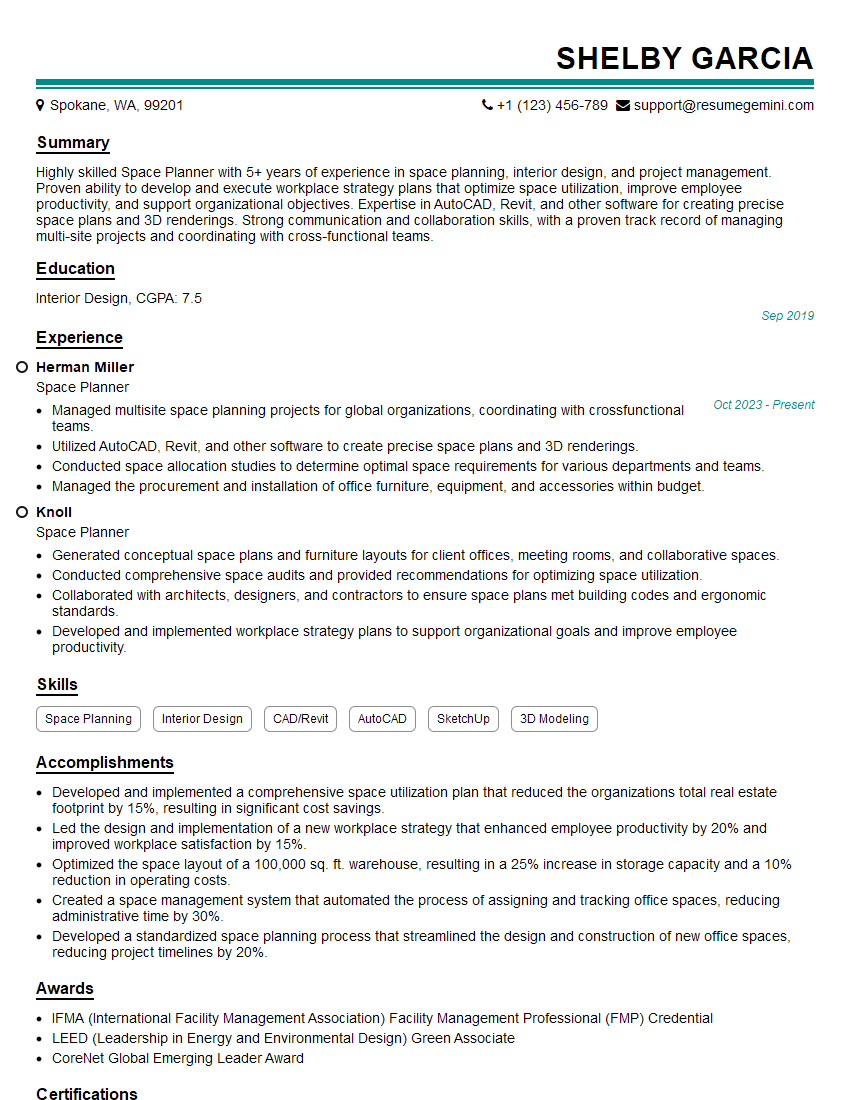
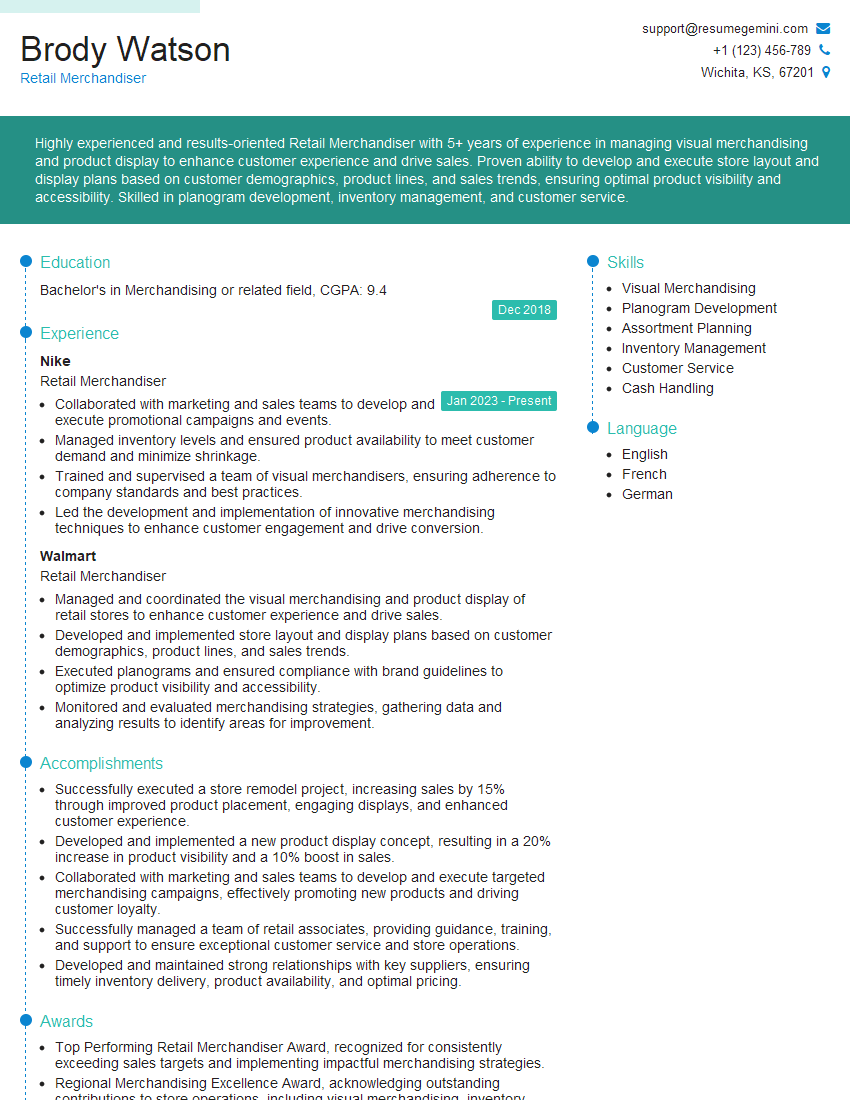
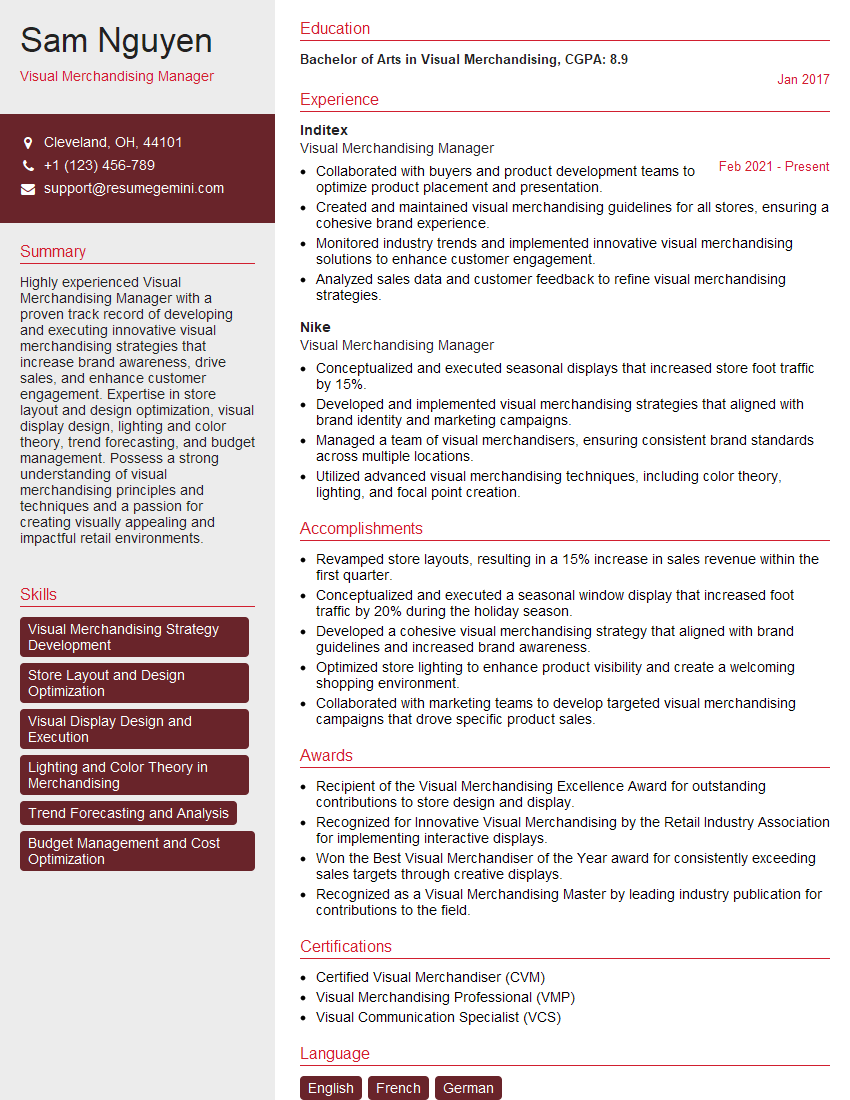
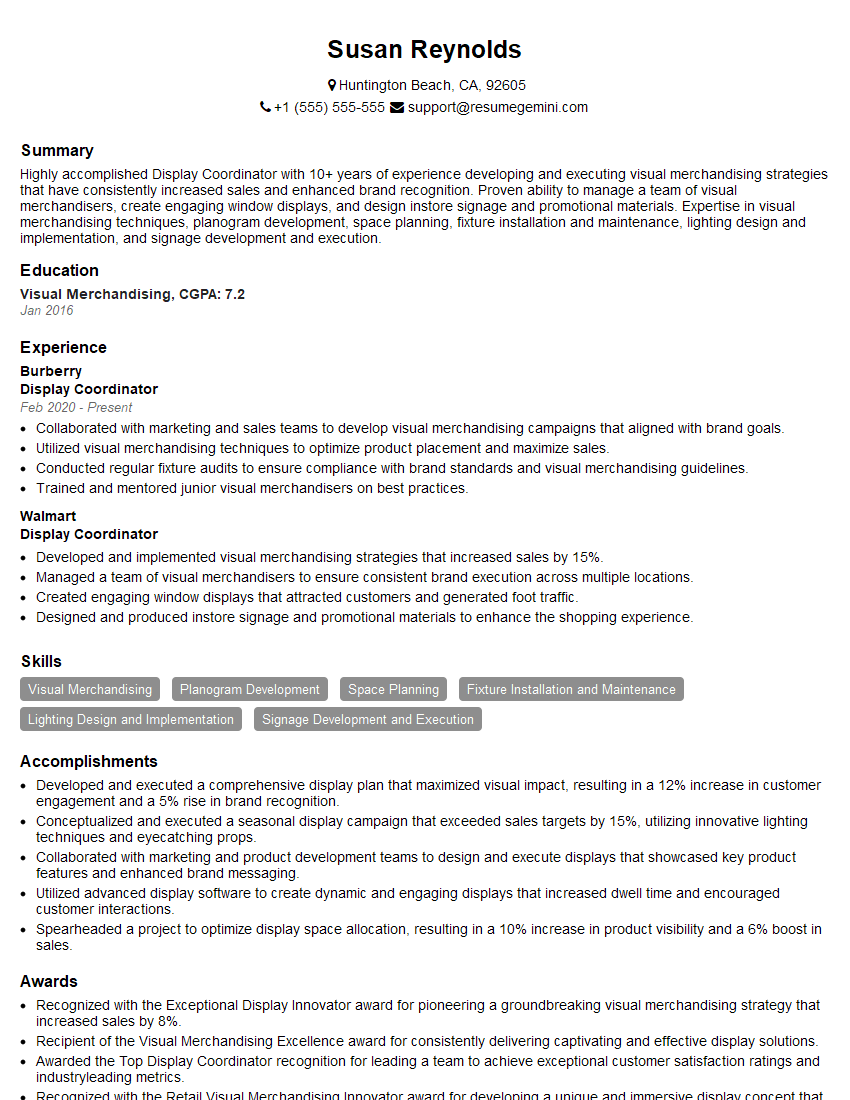
Mastering End Cap Design opens doors to exciting opportunities in visual merchandising, retail design, and marketing. A strong understanding of these principles demonstrates your ability to drive sales and enhance the customer experience. To maximize your job prospects, create a compelling and ATS-friendly resume that highlights your relevant skills and experience. We highly recommend using ResumeGemini to build a professional and impactful resume. ResumeGemini provides tools and resources to help you create a standout resume, and examples of resumes tailored to End Cap Design are available to guide you.
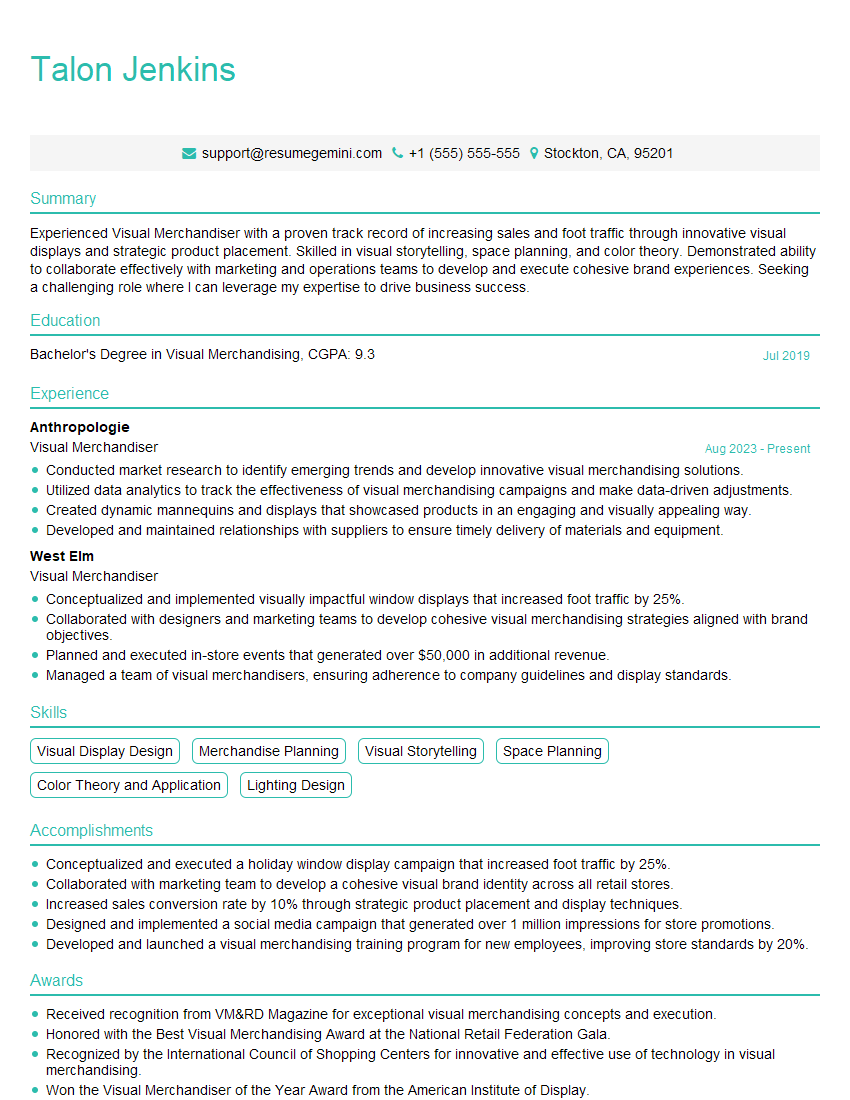
Explore more articles
Users Rating of Our Blogs
Share Your Experience
We value your feedback! Please rate our content and share your thoughts (optional).
What Readers Say About Our Blog
Attention music lovers!
Wow, All the best Sax Summer music !!!
Spotify: https://open.spotify.com/artist/6ShcdIT7rPVVaFEpgZQbUk
Apple Music: https://music.apple.com/fr/artist/jimmy-sax-black/1530501936
YouTube: https://music.youtube.com/browse/VLOLAK5uy_noClmC7abM6YpZsnySxRqt3LoalPf88No
Other Platforms and Free Downloads : https://fanlink.tv/jimmysaxblack
on google : https://www.google.com/search?q=22+AND+22+AND+22
on ChatGPT : https://chat.openai.com?q=who20jlJimmy20Black20Sax20Producer
Get back into the groove with Jimmy sax Black
Best regards,
Jimmy sax Black
www.jimmysaxblack.com
Hi I am a troller at The aquatic interview center and I suddenly went so fast in Roblox and it was gone when I reset.
Hi,
Business owners spend hours every week worrying about their website—or avoiding it because it feels overwhelming.
We’d like to take that off your plate:
$69/month. Everything handled.
Our team will:
Design a custom website—or completely overhaul your current one
Take care of hosting as an option
Handle edits and improvements—up to 60 minutes of work included every month
No setup fees, no annual commitments. Just a site that makes a strong first impression.
Find out if it’s right for you:
https://websolutionsgenius.com/awardwinningwebsites
Hello,
we currently offer a complimentary backlink and URL indexing test for search engine optimization professionals.
You can get complimentary indexing credits to test how link discovery works in practice.
No credit card is required and there is no recurring fee.
You can find details here:
https://wikipedia-backlinks.com/indexing/
Regards
NICE RESPONSE TO Q & A
hi
The aim of this message is regarding an unclaimed deposit of a deceased nationale that bears the same name as you. You are not relate to him as there are millions of people answering the names across around the world. But i will use my position to influence the release of the deposit to you for our mutual benefit.
Respond for full details and how to claim the deposit. This is 100% risk free. Send hello to my email id: lukachachibaialuka@gmail.com
Luka Chachibaialuka
Hey interviewgemini.com, just wanted to follow up on my last email.
We just launched Call the Monster, an parenting app that lets you summon friendly ‘monsters’ kids actually listen to.
We’re also running a giveaway for everyone who downloads the app. Since it’s brand new, there aren’t many users yet, which means you’ve got a much better chance of winning some great prizes.
You can check it out here: https://bit.ly/callamonsterapp
Or follow us on Instagram: https://www.instagram.com/callamonsterapp
Thanks,
Ryan
CEO – Call the Monster App
Hey interviewgemini.com, I saw your website and love your approach.
I just want this to look like spam email, but want to share something important to you. We just launched Call the Monster, a parenting app that lets you summon friendly ‘monsters’ kids actually listen to.
Parents are loving it for calming chaos before bedtime. Thought you might want to try it: https://bit.ly/callamonsterapp or just follow our fun monster lore on Instagram: https://www.instagram.com/callamonsterapp
Thanks,
Ryan
CEO – Call A Monster APP
To the interviewgemini.com Owner.
Dear interviewgemini.com Webmaster!
Hi interviewgemini.com Webmaster!
Dear interviewgemini.com Webmaster!
excellent
Hello,
We found issues with your domain’s email setup that may be sending your messages to spam or blocking them completely. InboxShield Mini shows you how to fix it in minutes — no tech skills required.
Scan your domain now for details: https://inboxshield-mini.com/
— Adam @ InboxShield Mini
support@inboxshield-mini.com
Reply STOP to unsubscribe
Hi, are you owner of interviewgemini.com? What if I told you I could help you find extra time in your schedule, reconnect with leads you didn’t even realize you missed, and bring in more “I want to work with you” conversations, without increasing your ad spend or hiring a full-time employee?
All with a flexible, budget-friendly service that could easily pay for itself. Sounds good?
Would it be nice to jump on a quick 10-minute call so I can show you exactly how we make this work?
Best,
Hapei
Marketing Director
Hey, I know you’re the owner of interviewgemini.com. I’ll be quick.
Fundraising for your business is tough and time-consuming. We make it easier by guaranteeing two private investor meetings each month, for six months. No demos, no pitch events – just direct introductions to active investors matched to your startup.
If youR17;re raising, this could help you build real momentum. Want me to send more info?
Hi, I represent an SEO company that specialises in getting you AI citations and higher rankings on Google. I’d like to offer you a 100% free SEO audit for your website. Would you be interested?
Hi, I represent an SEO company that specialises in getting you AI citations and higher rankings on Google. I’d like to offer you a 100% free SEO audit for your website. Would you be interested?