Every successful interview starts with knowing what to expect. In this blog, we’ll take you through the top Energy Conservation Strategies interview questions, breaking them down with expert tips to help you deliver impactful answers. Step into your next interview fully prepared and ready to succeed.
Questions Asked in Energy Conservation Strategies Interview
Q 1. Describe your experience with energy audits and the methodologies you employ.
Energy audits are crucial for identifying energy waste in buildings and industrial processes. My experience spans various sectors, including commercial buildings, industrial facilities, and even residential complexes. The methodologies I employ are multifaceted and involve a combination of data collection, on-site inspections, and advanced analytical techniques.
- Data Collection: This involves gathering historical energy consumption data from utility bills, analyzing metering data from various equipment, and reviewing building management system (BMS) logs. We look for trends, anomalies, and areas of high consumption.
- On-Site Inspections: A thorough visual inspection is critical. We assess the building envelope (walls, roof, windows), HVAC systems (heating, ventilation, and air conditioning), lighting systems, and equipment performance. This includes checking for insulation deficiencies, air leaks, inefficient equipment, and improper operation.
- Advanced Analytics: Software tools and energy modeling techniques help us analyze the collected data. We use energy modeling software to simulate different scenarios and predict the impact of potential energy efficiency measures. For instance, we might model the impact of upgrading lighting to LEDs or installing a more efficient HVAC system.
For example, in a recent audit of a large office building, we discovered significant energy loss due to inefficient windows and inadequate insulation. Our analysis showed that implementing window upgrades and additional insulation could reduce energy consumption by 20%, resulting in substantial cost savings.
Q 2. Explain the difference between energy efficiency and energy conservation.
While both aim to reduce energy usage, energy efficiency and energy conservation differ in their approach. Think of it like this: efficiency is about doing more with less, while conservation is about doing less overall.
- Energy Efficiency: Focuses on using less energy to achieve the same level of output or service. This involves upgrading to more efficient equipment (e.g., high-efficiency HVAC systems, LED lighting), improving operational practices, and optimizing building design for better energy performance. It’s about getting the same result with less energy input.
- Energy Conservation: Emphasizes reducing overall energy consumption by changing behaviors, reducing demand, and optimizing operational processes. This might involve reducing the use of heating and cooling, turning off lights when not in use, and implementing occupancy-based controls for lighting and HVAC systems. It’s about minimizing energy use altogether.
A practical example: Replacing inefficient incandescent bulbs with LEDs is energy efficiency (better technology for the same light output). Turning off lights when leaving a room is energy conservation (reducing overall energy use).
Q 3. What are the key performance indicators (KPIs) you track to measure energy savings?
Measuring energy savings requires a focused approach using relevant KPIs. These KPIs are chosen based on the project goals and context. Some key examples include:
- Energy Consumption Reduction (kWh): The total reduction in kilowatt-hours consumed after implementing energy efficiency measures. This is usually the primary KPI.
- Cost Savings ($): The financial benefits achieved through reduced energy bills. This is highly relevant for clients.
- Return on Investment (ROI): The ratio of net savings to the initial investment cost of the energy efficiency project. This is crucial for justifying projects.
- Carbon Footprint Reduction (kg CO2e): The reduction in greenhouse gas emissions, often expressed in kilograms of carbon dioxide equivalents. This is essential for sustainability reporting.
- Energy Intensity (kWh/m²): Measures the energy used per unit of area, useful for comparing energy performance across buildings of different sizes.
We regularly track these KPIs before, during, and after implementing energy efficiency projects. For instance, we might use baseline data from the previous year to compare against post-implementation energy consumption, providing clear evidence of savings. Data visualization techniques are crucial for communicating these results to stakeholders.
Q 4. How familiar are you with building energy codes and standards (e.g., ASHRAE, LEED)?
I am very familiar with building energy codes and standards, particularly ASHRAE (American Society of Heating, Refrigerating and Air-Conditioning Engineers) standards and LEED (Leadership in Energy and Environmental Design) rating systems.
ASHRAE standards provide detailed guidelines for building design and operation, focusing on HVAC systems, thermal performance, and energy efficiency. LEED provides a framework for green building design and construction, encompassing energy performance, water efficiency, and material selection. Understanding these codes and standards is crucial for ensuring that energy conservation projects comply with regulations and achieve optimal performance. For example, knowledge of ASHRAE 90.1 helps in designing energy-efficient HVAC systems, while familiarity with LEED requirements ensures that projects earn points for energy efficiency strategies.
Q 5. What are your preferred methods for identifying and prioritizing energy conservation projects?
Identifying and prioritizing energy conservation projects involves a systematic approach. I typically employ a combination of techniques:
- Energy Audit Findings: The results of a comprehensive energy audit are the foundation. This data identifies areas of high energy consumption and opportunities for improvement.
- Simple Payback Analysis: Calculating the simple payback period (the time it takes for savings to offset the initial investment) is crucial for prioritizing projects. Projects with shorter payback periods are generally prioritized.
- Cost-Benefit Analysis: A more comprehensive approach that considers the present value of future savings, operational costs, and maintenance expenses. It provides a more holistic view of project viability.
- Energy Modeling and Simulation: Using energy modeling software to predict the impact of different interventions helps in prioritizing projects based on their potential savings and overall impact.
For example, if an energy audit reveals that inefficient lighting accounts for a significant portion of energy consumption, and replacing the lighting with LEDs has a short payback period, then upgrading the lighting system would likely be prioritized.
Q 6. Describe your experience with energy management systems (EMS).
Energy Management Systems (EMS) are integral to effective energy conservation. My experience includes the design, implementation, and optimization of EMS in various settings. EMS are sophisticated computerized systems that monitor and control energy consumption in buildings and industrial facilities.
These systems collect real-time data on energy usage, identify inefficiencies, and automatically adjust equipment operation to optimize energy performance. Features such as automated lighting control, HVAC scheduling, and demand response capabilities allow for significant energy savings. For example, an EMS can automatically reduce heating or cooling in unoccupied areas or during off-peak hours. I’ve worked with various EMS platforms, and my expertise lies in configuring these systems to meet specific client needs and integrating them with other building systems.
Q 7. How do you incorporate renewable energy sources into your energy conservation strategies?
Renewable energy sources are essential for sustainable energy conservation strategies. Integrating renewables doesn’t just reduce reliance on fossil fuels; it actively contributes to energy savings and cost reductions in the long run.
My approach involves assessing the feasibility of different renewable technologies based on site-specific conditions, such as solar photovoltaic (PV) systems, solar thermal systems, wind turbines, and biomass systems. For example, a building with significant roof space and ample sunlight might be ideal for a solar PV system, while a site with strong wind patterns could benefit from a wind turbine. I also consider the energy storage options necessary to ensure reliable power supply, especially for intermittent renewable sources. In many cases, combining renewable generation with energy efficiency measures (reducing overall demand) creates a synergistic effect, maximizing savings and environmental impact. We carefully evaluate the economic viability, environmental impacts, and technical feasibility of each renewable option.
Q 8. Explain your understanding of life-cycle cost analysis for energy projects.
Life-cycle cost analysis (LCCA) is a crucial tool for evaluating the total cost of ownership of an energy project over its entire lifespan, from design and construction to operation, maintenance, and eventual decommissioning. It goes beyond the initial investment cost to consider all future expenses and potential savings.
For example, imagine comparing two HVAC systems: one with a lower upfront cost but higher energy consumption, and another with a higher initial investment but significantly lower operating costs. LCCA helps us determine which system is truly more cost-effective over, say, 20 years, factoring in energy prices, maintenance costs, and potential equipment replacement.
The process typically involves:
- Defining the system’s lifespan: Determining the project’s expected operational period.
- Estimating initial costs: Including procurement, installation, and permitting.
- Projecting operating costs: This includes energy consumption, maintenance, repairs, and potential replacement costs.
- Estimating salvage value: The value of the system at the end of its life.
- Discounting future costs: Adjusting future costs to present value to account for the time value of money. This involves using a discount rate, which reflects the opportunity cost of capital.
- Analyzing the results: Comparing the total lifecycle costs of different options to make an informed decision.
Software like @RISK or specialized LCCA software helps automate these calculations, ensuring accuracy and facilitating comparisons among various alternatives. A well-executed LCCA provides a comprehensive financial picture, leading to more sustainable and cost-effective energy solutions.
Q 9. How do you handle resistance to energy conservation initiatives from stakeholders?
Resistance to energy conservation initiatives often stems from misconceptions, lack of awareness, perceived costs, or fear of disruption. Addressing these concerns requires a multi-pronged approach:
- Education and communication: Clearly explaining the benefits of the initiative – both financial and environmental – is crucial. This involves using clear, concise language, avoiding technical jargon, and showcasing successful case studies.
- Stakeholder engagement: Involving stakeholders in the decision-making process builds trust and ownership. This might involve holding workshops, surveys, or focus groups to gather feedback and address concerns.
- Demonstrating ROI: Quantifying the financial benefits, such as reduced energy bills and potential incentives, is essential to gain buy-in. LCCA plays a vital role here.
- Addressing concerns: Actively listening to and addressing specific concerns, providing solutions to potential challenges, and offering support are vital. For instance, if concerns exist about operational disruption, a phased implementation plan could be developed.
- Incentivizing participation: Offering rewards or incentives, such as bonuses or public recognition, can encourage adoption.
For instance, when implementing a new energy management system in a manufacturing plant, I’ve found that involving the plant floor supervisors and operators from the beginning, addressing their concerns about workflow changes and training them on the new system, was crucial to its successful implementation.
Q 10. What software or tools are you proficient in for energy modeling and analysis?
My proficiency extends to several software tools commonly used in energy modeling and analysis. I’m highly experienced with EnergyPlus, a whole-building energy simulation program, allowing me to model the performance of buildings under various climate conditions and design options. I also utilize TRNSYS for more complex system simulations, including renewable energy integration. For data analysis and visualization, I’m proficient in programs like Python with libraries such as Pandas and Matplotlib, and I frequently use spreadsheets (Excel) for data management and basic analysis.
Furthermore, I’m familiar with specialized energy management systems (EMS) software used for monitoring and optimizing energy consumption in real-time, allowing for proactive identification and resolution of energy inefficiencies. The specific software used often depends on the project’s scope and requirements. My skillset allows me to adapt to various software and modeling approaches effectively.
Q 11. Describe your experience with demand-side management strategies.
Demand-side management (DSM) strategies focus on managing electricity demand to reduce peak loads and overall energy consumption. My experience encompasses a wide range of DSM techniques, including:
- Time-of-use (TOU) pricing: Implementing variable electricity pricing structures to encourage consumers to shift energy consumption to off-peak hours.
- Load shifting: Encouraging consumers to shift their energy usage from peak demand periods to less congested times.
- Energy efficiency programs: Promoting energy-efficient technologies and practices through incentives, rebates, and education.
- Demand response programs: Actively managing consumer electricity use during peak demand periods, often through incentives or automated load control systems. For example, I helped a commercial building implement a smart thermostat system that automatically adjusted the temperature during peak hours, reducing its electricity bill significantly.
- Distributed generation: Integrating on-site renewable energy generation, such as solar panels, to reduce reliance on the grid and peak demand.
Successful DSM implementation requires a comprehensive understanding of customer behavior, utility infrastructure, and regulatory frameworks. It necessitates a collaborative approach, involving utilities, consumers, and policy makers.
Q 12. How familiar are you with different types of energy-efficient lighting technologies?
I am very familiar with various energy-efficient lighting technologies. These include:
- Light-emitting diodes (LEDs): Highly efficient, long-lasting, and available in various color temperatures and light distributions. They are rapidly replacing traditional lighting in many applications.
- Compact fluorescent lamps (CFLs): More energy-efficient than incandescent bulbs but less so than LEDs and with shorter lifespans, although their usage is declining.
- High-intensity discharge (HID) lamps: Such as metal halide and high-pressure sodium lamps, used in high-intensity applications, but are gradually being replaced by LEDs due to efficiency and longevity advantages.
- Induction lighting: Offering high efficiency and long life, but typically used in specialized applications.
- Smart lighting systems: Integrating sensors and controls to optimize lighting based on occupancy, ambient light levels, and time of day, maximizing energy savings and enhancing operational efficiency. These often employ advanced control systems and wireless communication protocols.
The selection of appropriate lighting technology depends on the specific application, considering factors such as initial cost, energy efficiency, lifespan, light quality, and maintenance requirements. Lighting retrofits offer significant energy saving potential, and a well-designed plan considers the interplay between these factors.
Q 13. What is your approach to evaluating the Return on Investment (ROI) of energy projects?
Evaluating the Return on Investment (ROI) of energy projects requires a structured approach. I typically employ the following steps:
- Quantifying energy savings: Accurately estimating the reduction in energy consumption resulting from the project. This might involve energy modeling, data analysis from existing metering systems, or a combination of methods.
- Estimating project costs: Including all costs associated with the project, such as equipment, installation, permitting, and any ongoing maintenance expenses.
- Determining the project lifespan: Estimating the useful life of the implemented technology or system.
- Calculating the net present value (NPV): Discounting all future cash flows to their present value to account for the time value of money. A positive NPV indicates that the project is financially viable.
- Calculating the payback period: Determining the time it takes for the cumulative savings to equal the initial investment.
- Calculating the simple payback period: A simpler calculation comparing initial investment cost to the annual savings. This method is often used for quick initial estimations but lacks the precision of NPV.
- Considering non-monetary benefits: Such as environmental impact and improved comfort.
By employing these methods, a comprehensive financial assessment of the energy project can be performed, supporting informed decision-making and facilitating investment prioritization.
Q 14. Explain your understanding of building envelope improvements and their impact on energy consumption.
Building envelope improvements significantly impact energy consumption by reducing heat transfer between the interior and exterior environments. The building envelope comprises the exterior walls, roof, windows, doors, and foundation. Improvements focus on enhancing its thermal performance.
Examples of improvements include:
- Increased insulation levels: Adding more insulation to walls, roofs, and foundations reduces heat loss in winter and heat gain in summer.
- High-performance windows: Using windows with low-E coatings, multiple panes, and improved gas fills minimizes heat transfer.
- Air sealing: Addressing air leaks through cracks and gaps reduces infiltration and exfiltration, minimizing energy used for heating and cooling.
- Improved roofing materials: Employing high-reflectivity roofing materials reduces heat gain from solar radiation.
- High-performance wall systems: Using materials with high thermal resistance and effective air barriers.
The impact of these improvements can be significant, leading to reduced heating and cooling loads, lower energy bills, and enhanced occupant comfort. Energy modeling is often employed to quantify the energy savings potential of various envelope improvements before implementation. A well-insulated and air-sealed building is fundamentally more energy-efficient and sustainable.
Q 15. How do you address energy waste in HVAC systems?
Addressing energy waste in HVAC (Heating, Ventilation, and Air Conditioning) systems requires a multi-pronged approach focusing on efficiency improvements and optimized operation. Think of it like tuning up a car – small adjustments can lead to significant fuel savings.
Regular Maintenance: Dirty filters restrict airflow, forcing the system to work harder. Scheduling regular filter changes and preventative maintenance (like checking refrigerant levels and cleaning coils) is crucial. It’s like changing your car’s oil – neglecting it leads to bigger problems down the line.
Proper Zoning and Control: Not every area of a building needs the same temperature at all times. Implementing zoning allows for independent temperature control in different areas, preventing energy waste from heating or cooling unoccupied spaces. Imagine having separate thermostats for each room in your house – you wouldn’t heat the guest room if nobody’s staying there.
Upgrade to High-Efficiency Equipment: Older HVAC systems are significantly less efficient than newer models. Replacing outdated equipment with Energy Star-rated units can drastically reduce energy consumption. This is akin to upgrading your car to a more fuel-efficient model.
Building Envelope Improvements: Addressing air leaks and improving insulation in walls, roofs, and windows significantly reduces the load on the HVAC system. Think of it as sealing up any cracks in your car’s body to prevent air resistance.
Smart Thermostats: Programmable or smart thermostats allow for automated temperature adjustments based on occupancy and time of day, optimizing energy use. These act like a sophisticated cruise control for your HVAC system, automatically adjusting to save energy.
Career Expert Tips:
- Ace those interviews! Prepare effectively by reviewing the Top 50 Most Common Interview Questions on ResumeGemini.
- Navigate your job search with confidence! Explore a wide range of Career Tips on ResumeGemini. Learn about common challenges and recommendations to overcome them.
- Craft the perfect resume! Master the Art of Resume Writing with ResumeGemini’s guide. Showcase your unique qualifications and achievements effectively.
- Don’t miss out on holiday savings! Build your dream resume with ResumeGemini’s ATS optimized templates.
Q 16. What is your experience with energy conservation in industrial settings?
My experience in industrial energy conservation spans over a decade, encompassing various sectors like manufacturing and processing. I’ve worked on projects focusing on optimizing process energy, improving compressed air systems, and implementing waste heat recovery strategies.
Process Optimization: In a food processing plant, I identified opportunities to reduce energy consumption in the refrigeration process by optimizing the chilling chain and improving insulation on cold storage facilities. This resulted in significant reductions in both energy usage and operational costs.
Compressed Air Systems: Leaks in compressed air systems are a major source of energy waste in many industrial facilities. I’ve used advanced leak detection technologies and implemented preventative maintenance programs to minimize these losses. This involved a thorough assessment using ultrasonic leak detection equipment, followed by targeted repairs and employee training on leak prevention.
Waste Heat Recovery: Many industrial processes generate waste heat that is typically lost. I’ve designed and implemented systems to recover this heat and use it for other processes, such as preheating feedwater for boilers or space heating. For example, in a glass manufacturing plant, waste heat from the furnaces was used to preheat the raw materials, drastically reducing the energy needed for the main melting process.
Q 17. Describe your experience with commissioning and retro-commissioning of building systems.
Commissioning (Cx) and retro-commissioning (RCx) are critical processes for maximizing building system performance and energy efficiency. Cx is about ensuring that new systems are designed, installed, and operated as intended, while RCx focuses on improving the performance of existing systems. Think of Cx as a thorough inspection before a new car leaves the factory, and RCx as a comprehensive tune-up for an older car.
Commissioning: I’ve been involved in numerous commissioning projects, creating detailed commissioning plans, performing functional tests, and documenting system performance. This involves close collaboration with designers, contractors, and building owners to ensure the systems meet the performance requirements and energy efficiency targets.
Retro-Commissioning: RCx projects often involve identifying and addressing operational inefficiencies. I use data logging and analysis to diagnose problems and implement solutions. For instance, in a large office building, we identified significant energy waste due to improper control sequences. By optimizing the control logic and addressing equipment malfunctions, we achieved a 20% reduction in HVAC energy consumption.
Q 18. How do you incorporate behavioral changes to promote energy conservation?
Behavioral changes are crucial for sustainable energy conservation. Simply installing efficient equipment isn’t enough; people need to understand and actively participate in saving energy. It’s about fostering a culture of energy consciousness.
Education and Awareness Campaigns: I’ve developed and implemented targeted education programs to raise awareness about energy consumption patterns and promote best practices. This includes workshops, presentations, and the use of visual aids to illustrate the impact of individual actions.
Feedback Mechanisms: Providing regular feedback on energy consumption, using dashboards and visual displays, helps people understand their impact and encourages them to modify their behavior. Think of it like a fitness tracker, showing you your daily activity and motivating you to improve.
Incentive Programs: Rewarding energy-saving behaviors through contests, recognition programs, or financial incentives can significantly boost participation. This could include recognizing teams or individuals who demonstrate significant reductions in energy usage.
Q 19. What are some common barriers to implementing energy conservation measures, and how do you overcome them?
Implementing energy conservation measures often faces various barriers, both technical and economic. Overcoming these barriers requires a strategic approach.
Upfront Costs: Energy efficiency upgrades often involve significant upfront investment. To address this, I explore financing options like energy performance contracting (EPC) and help clients understand the long-term cost savings.
Lack of Awareness: Many building owners and occupants are unaware of the energy-saving opportunities available. This is tackled through educational programs and demonstrating the clear economic benefits of energy efficiency improvements.
Resistance to Change: People often resist changes to established routines. I emphasize the benefits of energy conservation, making it clear that these measures are not restrictive but rather enhance comfort and reduce operational costs.
Technical Challenges: Integrating new technologies or modifying existing systems can be complex. I approach this with thorough planning, risk assessment, and phased implementation to minimize disruptions.
Q 20. Explain your familiarity with energy performance contracting.
Energy Performance Contracting (EPC) is a financing mechanism where energy efficiency upgrades are paid for through the resulting energy savings. It’s a risk-sharing model where the contractor guarantees energy savings, making it easier for building owners to invest in energy efficiency improvements without upfront capital expenditure. Think of it like a lease for energy efficiency upgrades.
My experience includes developing EPC proposals, conducting energy audits, negotiating contracts, and managing projects through the design, installation, and performance verification phases. I have successfully implemented several EPC projects, achieving guaranteed energy savings and enhancing client satisfaction.
Q 21. What are some innovative energy conservation technologies that you are aware of?
The field of energy conservation is constantly evolving. Some innovative technologies I’m familiar with include:
Building-Integrated Photovoltaics (BIPV): Solar panels integrated into building materials, such as roofing tiles or facades, generating clean energy while simultaneously serving a structural purpose. It’s like having a solar panel that’s also part of your house’s roof.
Smart Grid Technologies: Advanced metering infrastructure (AMI) and demand-side management (DSM) programs enable real-time monitoring and control of energy consumption, optimizing energy use and reducing peak demand. These systems are like a sophisticated nervous system for the electrical grid.
Advanced Building Automation Systems (BAS): Sophisticated BAS utilizes AI and machine learning to optimize HVAC, lighting, and other building systems, automatically adjusting based on occupancy, weather conditions, and other factors. This is akin to having a self-optimizing autopilot for your building.
Geothermal Energy: Using the stable temperature of the earth to heat and cool buildings provides a sustainable and energy-efficient alternative to traditional heating and cooling systems.
Q 22. How do you communicate complex energy data to non-technical audiences?
Communicating complex energy data to non-technical audiences requires translating technical jargon into plain language and using effective visualizations. I employ a three-pronged approach:
- Simplification and Analogy: Instead of using terms like ‘kilowatt-hours,’ I might explain energy consumption in terms of the number of light bulbs a building uses or the amount of gasoline needed for a certain number of car trips. For example, ‘Reducing energy consumption by 15% is like switching off 15 out of 100 light bulbs in your home.’
- Visual Aids: I heavily rely on charts, graphs, and infographics. A simple bar chart comparing energy usage across different departments is far more effective than a table of numbers. I also use interactive dashboards whenever possible to let the audience explore the data themselves. For instance, a map showing energy usage per square foot in a facility would be much more engaging than a simple report.
- Storytelling: Framing data within a narrative makes it more relatable and memorable. For example, instead of simply presenting energy savings figures, I might highlight the positive impact – reduced carbon footprint, cost savings reinvested into employee training, etc. I’ll craft stories that resonate with the audience’s priorities and values.
Ultimately, the goal is to make the data accessible, engaging, and relevant to the audience’s understanding and concerns. This involves active listening and tailoring the communication style to the specific audience.
Q 23. Describe a time you successfully implemented an energy conservation project. What were the challenges and outcomes?
During my time at [Previous Company Name], I led a project to implement a building automation system (BAS) in our main office. The goal was to reduce energy waste through optimized HVAC control and lighting management. The challenges were numerous:
- Resistance to Change: Employees were initially hesitant about the changes to their work environment. We addressed this through thorough training, clear communication of the benefits, and ongoing feedback sessions.
- Integration Complexity: Integrating the BAS with existing systems required significant technical expertise and meticulous planning. This involved troubleshooting compatibility issues and coordinating with multiple vendors.
- Data Acquisition and Analysis: Gathering baseline data to establish performance benchmarks was crucial. We needed to identify peak energy consumption periods and pinpoint specific areas of waste.
The outcomes were very positive. We achieved a 20% reduction in energy consumption within the first year, resulting in significant cost savings and a reduced carbon footprint. The project showcased the potential of smart technology in improving building efficiency and provided a strong case study for future initiatives. This success was largely due to meticulous planning, proactive communication, and a commitment to addressing challenges as they arose.
Q 24. What is your experience with energy data analysis and reporting?
My experience with energy data analysis and reporting spans several years and various software platforms, including [List Software, e.g., EnergyCAP, eQUEST, etc.]. I’m proficient in data cleaning, statistical analysis, and data visualization. I’m comfortable working with large datasets and can identify trends, patterns, and anomalies to inform energy conservation strategies. My reporting skills encompass creating clear, concise, and visually appealing reports and presentations tailored to the specific needs of stakeholders, including executive summaries, detailed analyses, and actionable recommendations. I regularly use techniques such as regression analysis to identify key drivers of energy consumption and benchmark our performance against industry best practices. I have also developed customized dashboards for real-time monitoring and reporting of energy consumption in multiple buildings.
Q 25. How do you stay updated on the latest advancements in energy conservation technologies and strategies?
Staying abreast of advancements in energy conservation requires a multi-faceted approach:
- Professional Organizations: Active membership in organizations such as ASHRAE (American Society of Heating, Refrigerating and Air-Conditioning Engineers) and IEEE (Institute of Electrical and Electronics Engineers) provides access to conferences, publications, and networking opportunities.
- Industry Publications and Journals: I regularly read publications like Energy Efficiency, Building Automation, and other relevant journals to stay updated on technological breakthroughs and best practices.
- Online Resources and Webinars: Numerous websites, online courses, and webinars offer valuable insights into the latest energy conservation technologies and strategies. I actively participate in online communities and forums to engage with other experts in the field.
- Conferences and Workshops: Attending industry conferences and workshops allows for direct engagement with leading experts and opportunities to learn about cutting-edge research.
This combination of methods ensures I remain informed about the latest technologies and strategies to enhance the efficacy of my conservation efforts.
Q 26. What is your understanding of carbon accounting and emission reduction strategies?
Carbon accounting involves the systematic measurement and reporting of greenhouse gas emissions associated with an organization’s operations. It’s a critical step in developing effective emission reduction strategies. My understanding encompasses:
- Greenhouse Gas Inventories: I’m experienced in conducting greenhouse gas inventories using standardized methodologies such as the GHG Protocol, identifying sources of emissions (e.g., building operations, transportation, waste disposal).
- Data Collection and Analysis: This involves gathering data from various sources (energy bills, waste management reports, transportation records), performing calculations, and validating results for accuracy.
- Emission Reduction Strategies: Based on the inventory, I can develop tailored strategies to reduce emissions, including energy efficiency improvements, renewable energy adoption, and waste reduction initiatives.
- Carbon Offsetting: I understand the role of carbon offsetting as a supplementary strategy to neutralize unavoidable emissions, and the importance of selecting high-quality, verifiable offsets.
Ultimately, carbon accounting provides a clear picture of an organization’s environmental impact, enabling the development and tracking of impactful emission reduction targets and strategies.
Q 27. Describe your experience with developing and implementing energy conservation policies.
I have been involved in developing and implementing energy conservation policies at both the organizational and project levels. My experience includes:
- Policy Development: Collaborating with stakeholders to define clear objectives, identify key performance indicators (KPIs), and establish achievable targets for energy reduction.
- Incentive Programs: Designing and implementing incentive programs to encourage employees and building occupants to adopt energy-saving behaviors.
- Regulatory Compliance: Ensuring adherence to relevant energy codes and regulations. I understand the various legislation related to energy efficiency and environmental protection and can ensure projects meet those standards.
- Policy Implementation and Monitoring: Overseeing the implementation of policies, tracking progress towards targets, and making adjustments as needed based on performance data. Regular reporting is a critical part of this, ensuring transparency and accountability.
For example, at [Previous Company Name], I developed and implemented an energy conservation policy that included a comprehensive lighting upgrade program and a building occupancy sensor system. The policy outlined specific targets, established a monitoring and evaluation framework, and provided employees with resources to participate actively in energy reduction efforts.
Q 28. What are your salary expectations for this role?
My salary expectations for this role are between $[Lower Bound] and $[Upper Bound] annually. This range reflects my experience, skills, and the requirements of this position. I am flexible and open to discussing this further based on the specifics of the compensation package.
Key Topics to Learn for Energy Conservation Strategies Interview
- Building Energy Codes and Standards: Understanding and applying relevant building codes (e.g., LEED, ASHRAE) to design and construct energy-efficient buildings. Practical application: Analyzing building plans for energy efficiency compliance.
- Renewable Energy Technologies: Knowledge of solar, wind, geothermal, and biomass energy systems, including their integration into energy conservation strategies. Practical application: Evaluating the feasibility of incorporating renewable energy sources into existing infrastructure.
- Energy Auditing and Retrofitting: Performing energy audits to identify areas for improvement and implementing retrofitting solutions to enhance energy efficiency. Practical application: Developing cost-effective retrofitting plans for older buildings.
- Energy Management Systems (EMS): Familiarity with building automation systems and their role in optimizing energy consumption. Practical application: Designing and implementing an EMS to monitor and control energy usage in a large facility.
- Data Analysis and Reporting: Analyzing energy consumption data to identify trends and develop strategies for reduction. Practical application: Creating reports to demonstrate the effectiveness of energy conservation measures.
- Life Cycle Assessment (LCA): Evaluating the environmental impact of energy-related decisions across a product or building’s entire lifespan. Practical application: Comparing the environmental impact of different building materials or energy systems.
- Energy Efficiency Financing and Incentives: Understanding available financial mechanisms (e.g., rebates, tax credits) to support energy conservation projects. Practical application: Developing a funding proposal for an energy efficiency project.
Next Steps
Mastering Energy Conservation Strategies is crucial for career advancement in a rapidly evolving industry focused on sustainability. A strong understanding of these principles will significantly enhance your job prospects and open doors to exciting opportunities. To maximize your chances of landing your dream role, create an ATS-friendly resume that effectively showcases your skills and experience. ResumeGemini is a trusted resource to help you build a professional and impactful resume. They provide examples of resumes tailored to Energy Conservation Strategies to guide you through the process, ensuring your qualifications are presented in the best possible light.
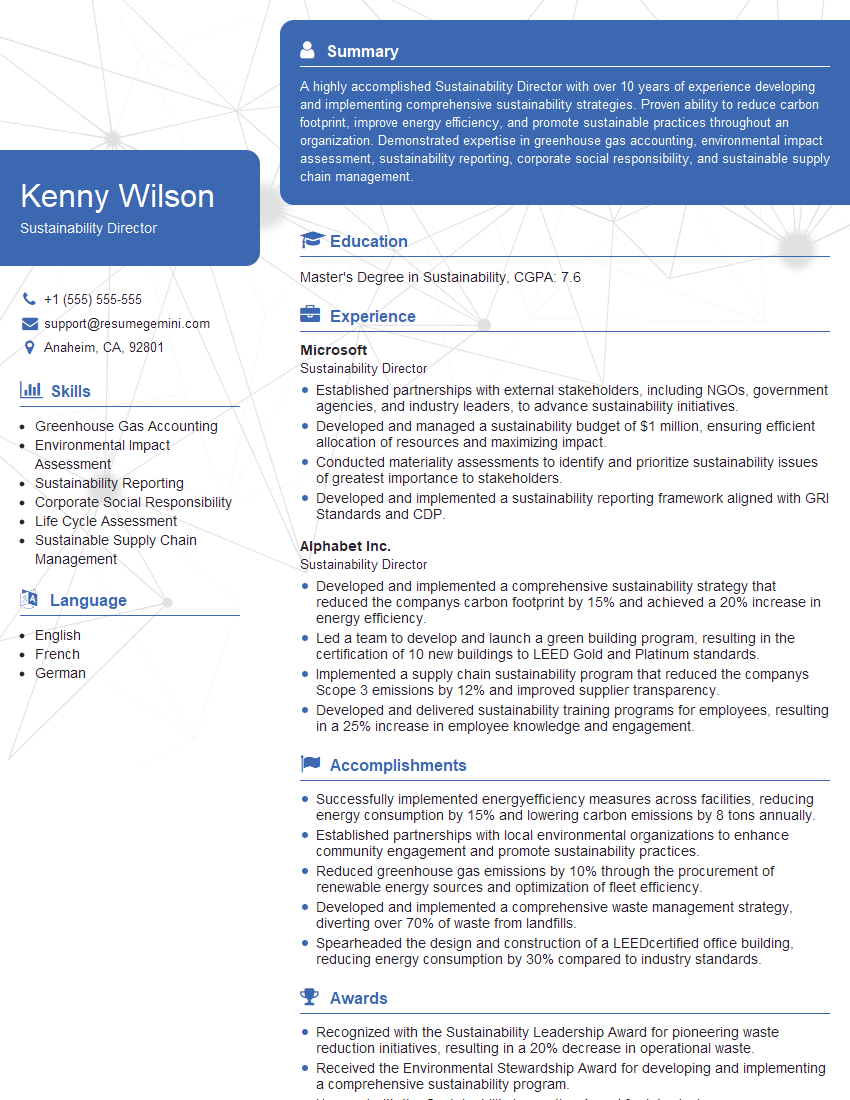
Sustainability Director Resume Sample
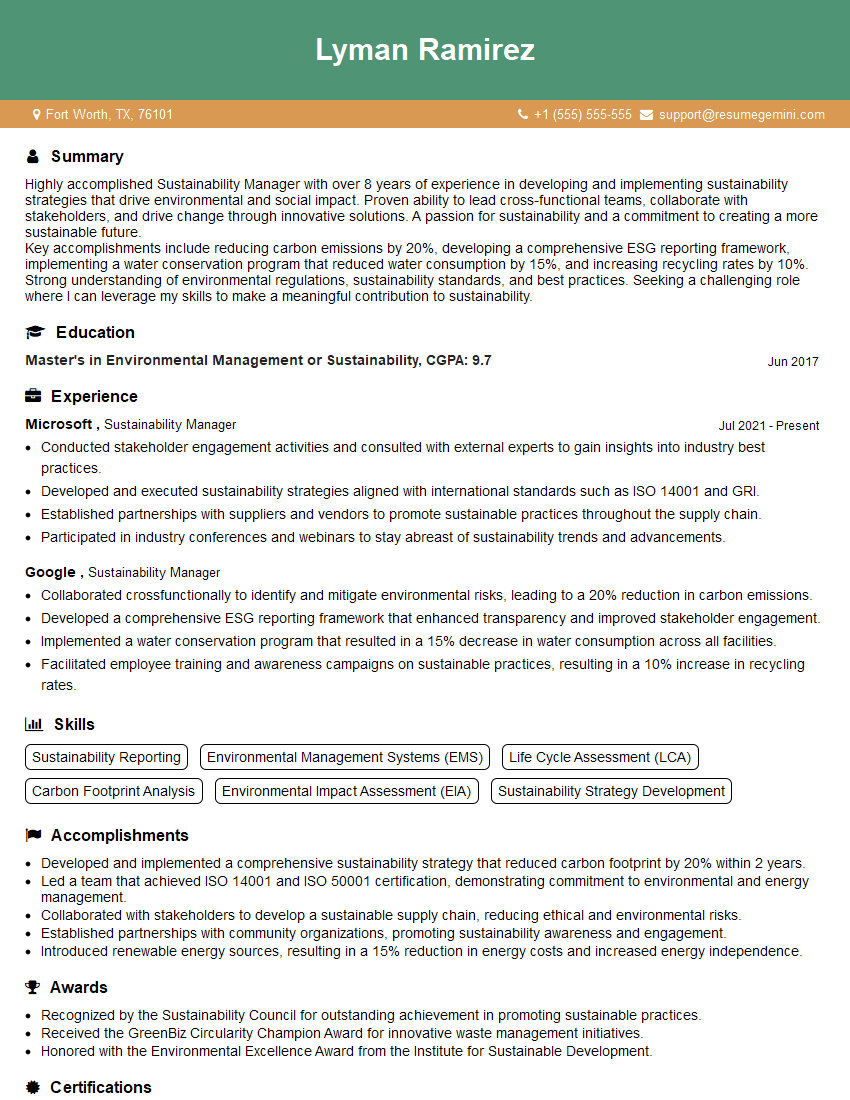
Sustainability Manager Resume Sample

Utilities Manager Resume Sample
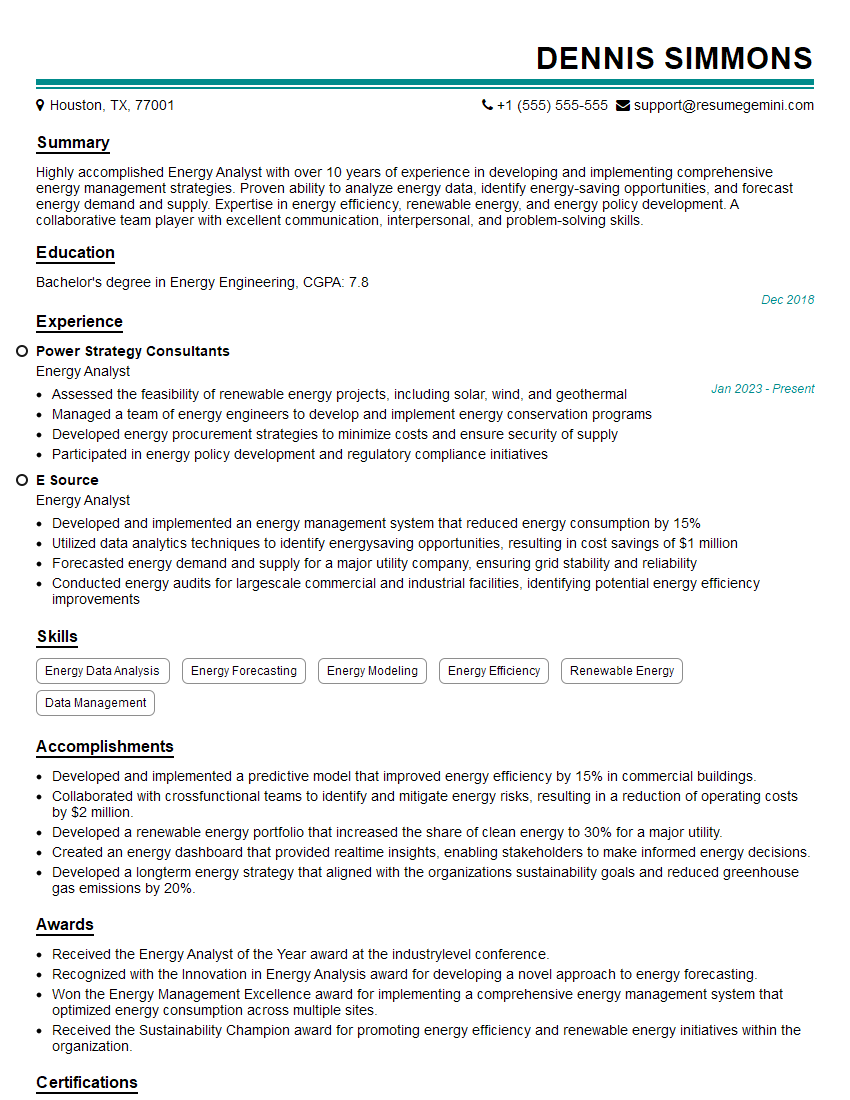
Energy Analyst Resume Sample
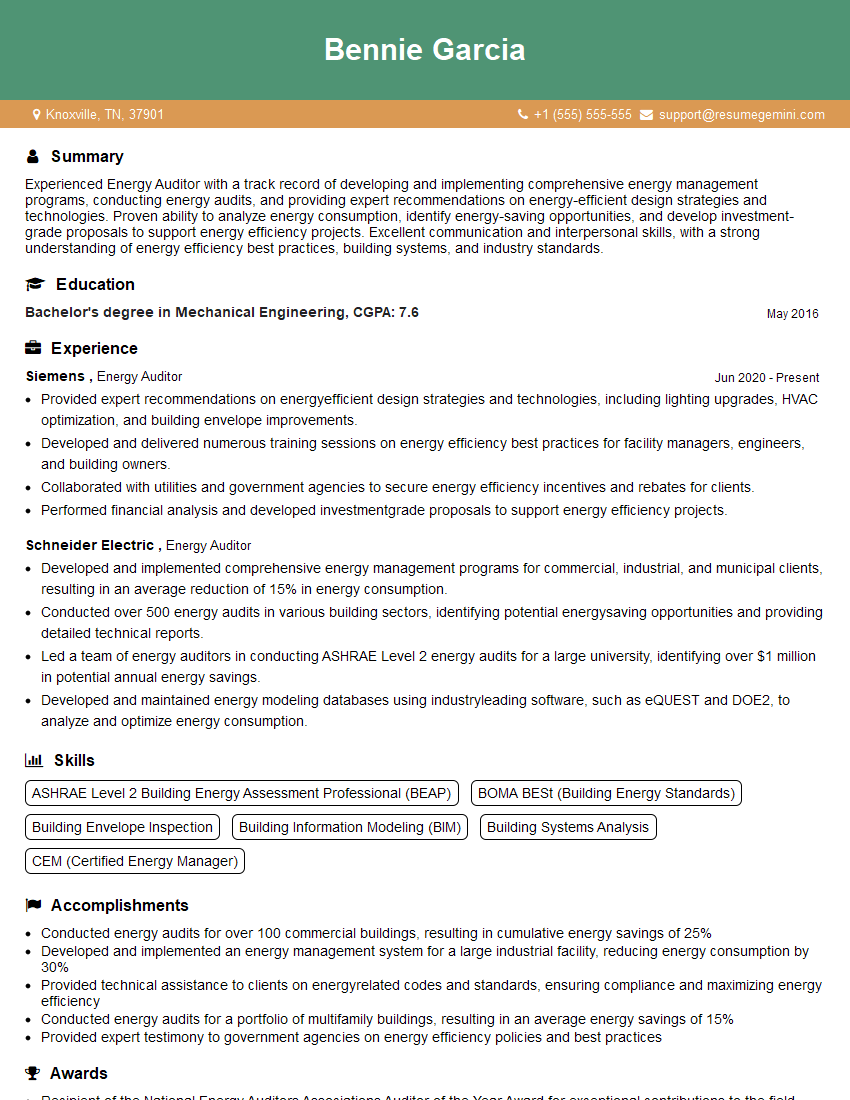
Energy Auditor Resume Sample

Sustainability Consultant Resume Sample
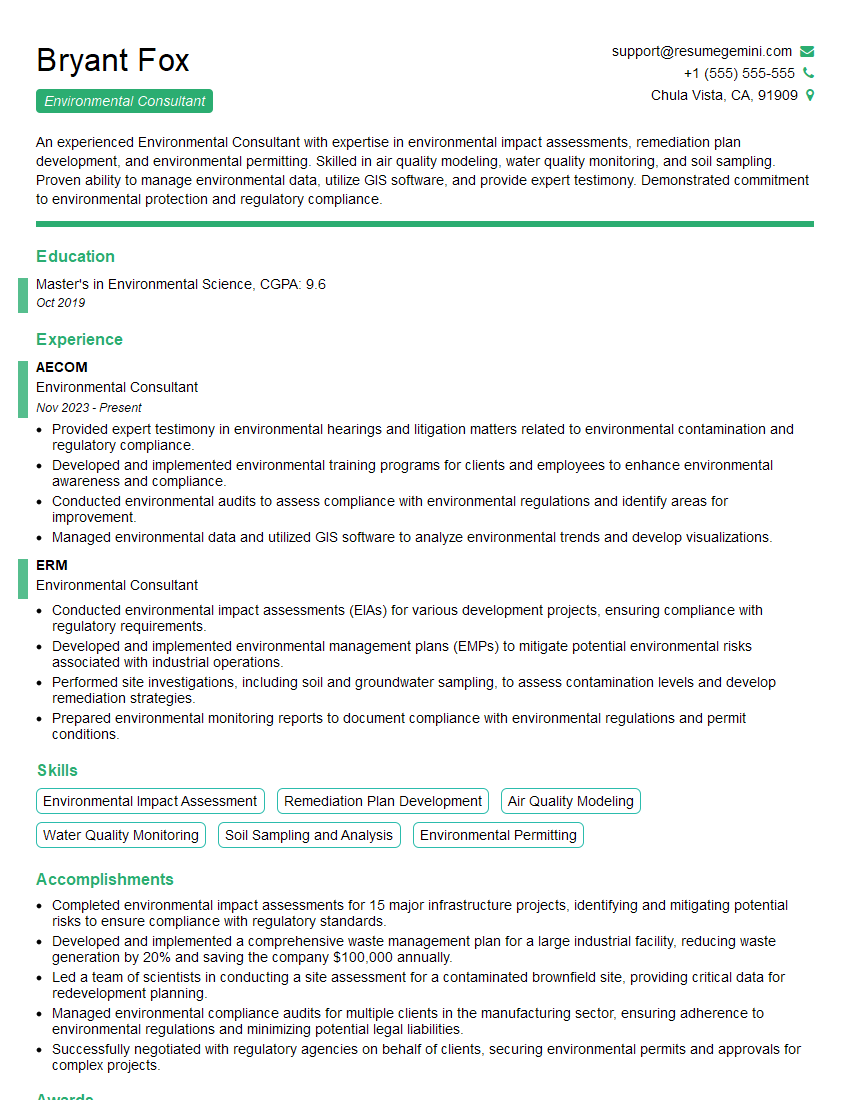
Environmental Consultant Resume Sample
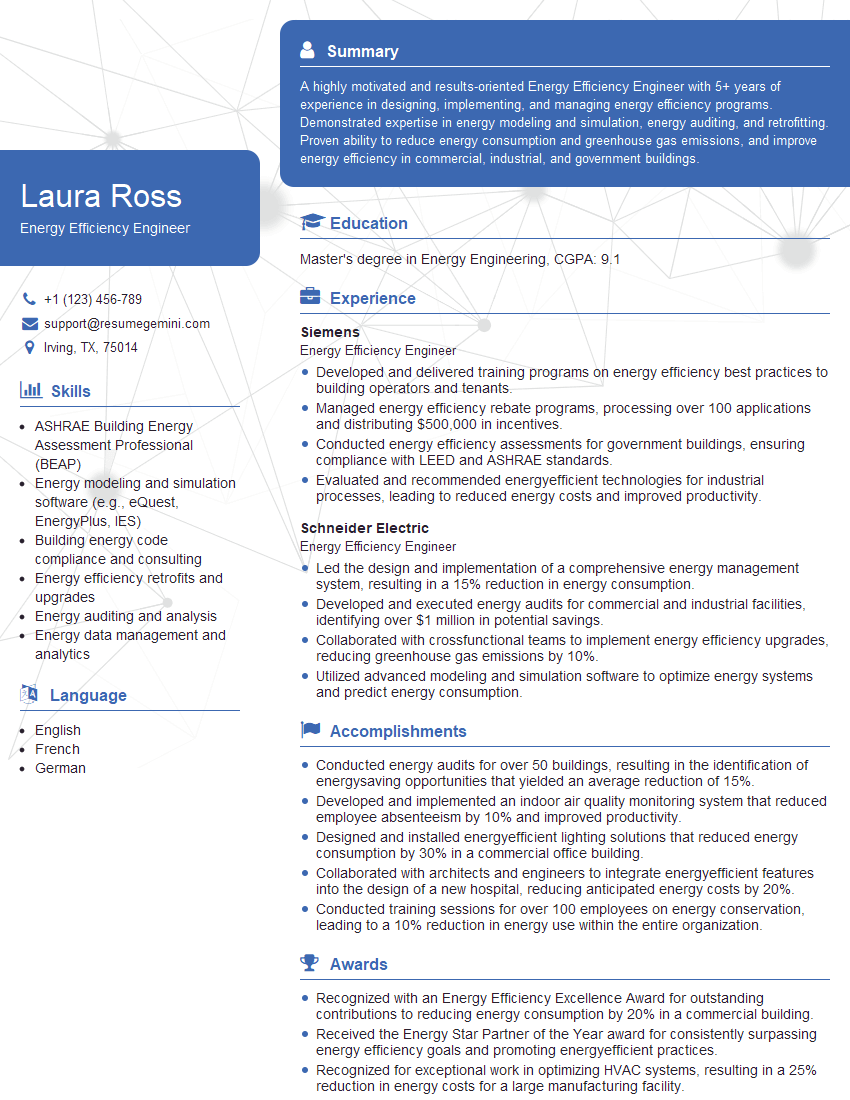
Energy Efficiency Engineer Resume Sample
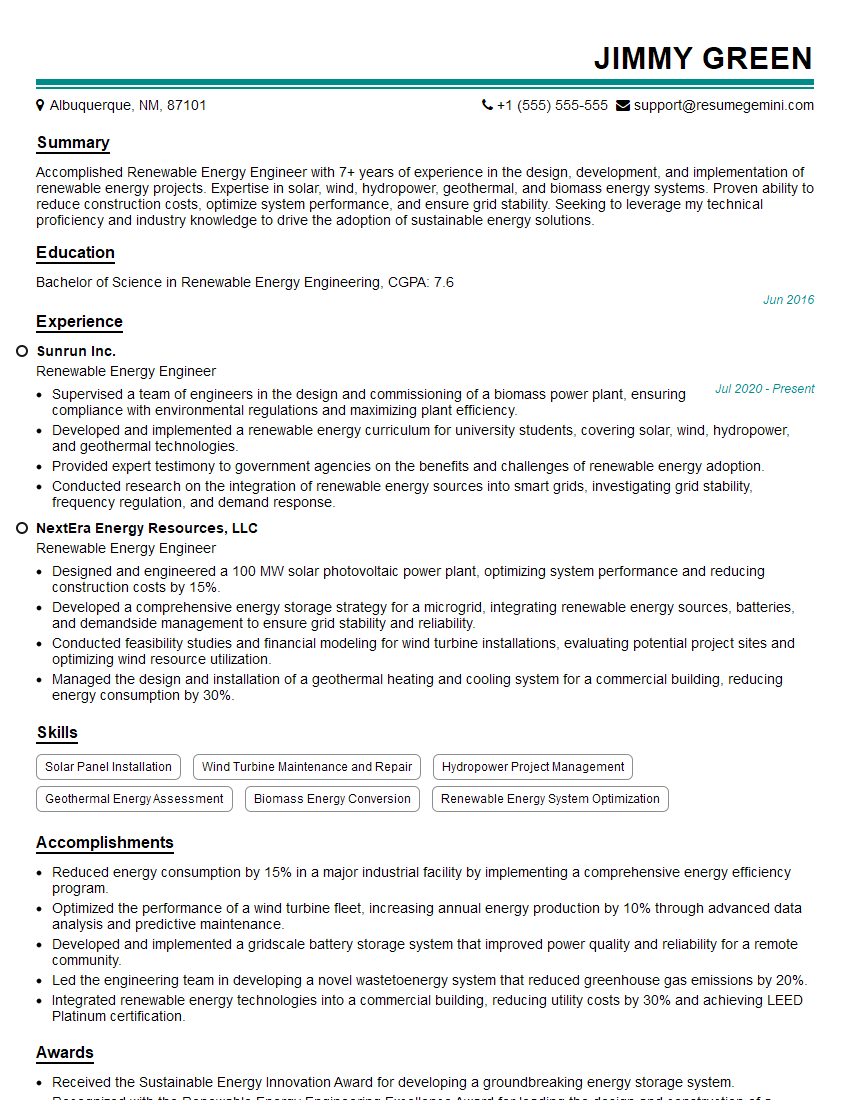
Renewable Energy Engineer Resume Sample
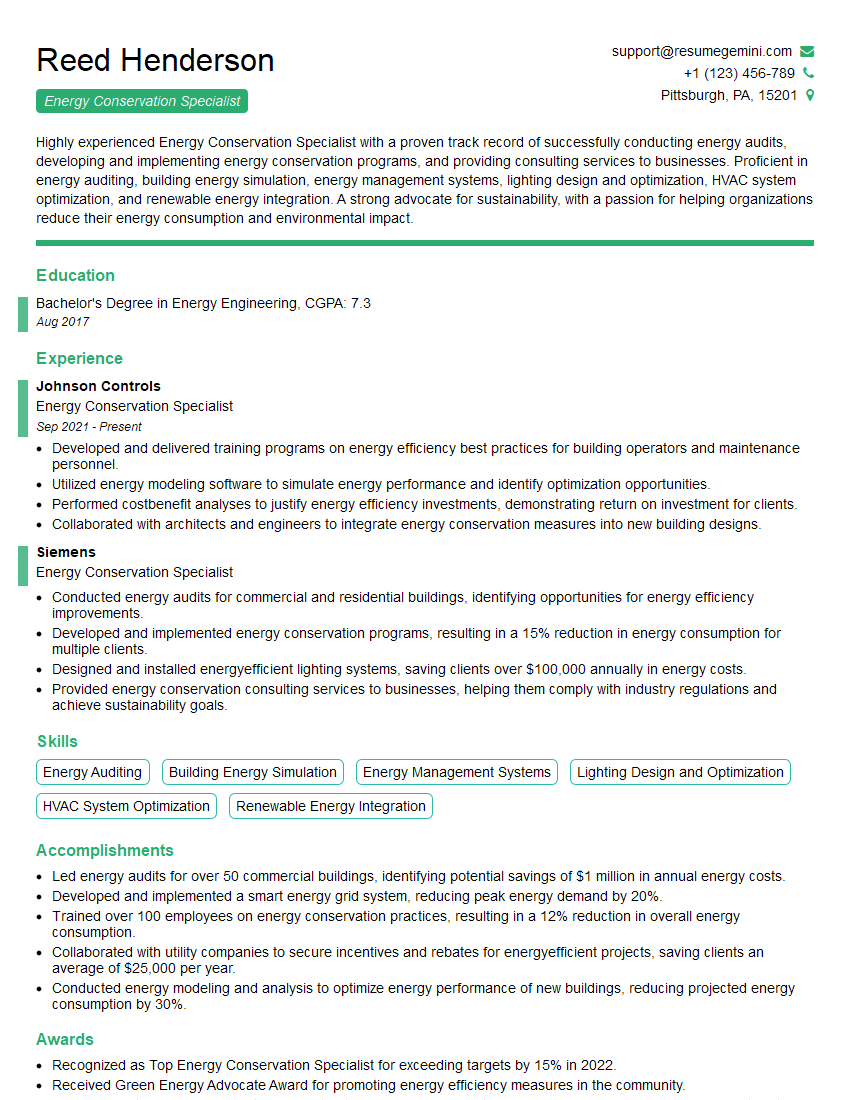
Energy Conservation Specialist Resume Sample
Explore more articles
Users Rating of Our Blogs
Share Your Experience
We value your feedback! Please rate our content and share your thoughts (optional).
What Readers Say About Our Blog
Attention music lovers!
Wow, All the best Sax Summer music !!!
Spotify: https://open.spotify.com/artist/6ShcdIT7rPVVaFEpgZQbUk
Apple Music: https://music.apple.com/fr/artist/jimmy-sax-black/1530501936
YouTube: https://music.youtube.com/browse/VLOLAK5uy_noClmC7abM6YpZsnySxRqt3LoalPf88No
Other Platforms and Free Downloads : https://fanlink.tv/jimmysaxblack
on google : https://www.google.com/search?q=22+AND+22+AND+22
on ChatGPT : https://chat.openai.com?q=who20jlJimmy20Black20Sax20Producer
Get back into the groove with Jimmy sax Black
Best regards,
Jimmy sax Black
www.jimmysaxblack.com
Hi I am a troller at The aquatic interview center and I suddenly went so fast in Roblox and it was gone when I reset.
Hi,
Business owners spend hours every week worrying about their website—or avoiding it because it feels overwhelming.
We’d like to take that off your plate:
$69/month. Everything handled.
Our team will:
Design a custom website—or completely overhaul your current one
Take care of hosting as an option
Handle edits and improvements—up to 60 minutes of work included every month
No setup fees, no annual commitments. Just a site that makes a strong first impression.
Find out if it’s right for you:
https://websolutionsgenius.com/awardwinningwebsites
Hello,
we currently offer a complimentary backlink and URL indexing test for search engine optimization professionals.
You can get complimentary indexing credits to test how link discovery works in practice.
No credit card is required and there is no recurring fee.
You can find details here:
https://wikipedia-backlinks.com/indexing/
Regards
NICE RESPONSE TO Q & A
hi
The aim of this message is regarding an unclaimed deposit of a deceased nationale that bears the same name as you. You are not relate to him as there are millions of people answering the names across around the world. But i will use my position to influence the release of the deposit to you for our mutual benefit.
Respond for full details and how to claim the deposit. This is 100% risk free. Send hello to my email id: lukachachibaialuka@gmail.com
Luka Chachibaialuka
Hey interviewgemini.com, just wanted to follow up on my last email.
We just launched Call the Monster, an parenting app that lets you summon friendly ‘monsters’ kids actually listen to.
We’re also running a giveaway for everyone who downloads the app. Since it’s brand new, there aren’t many users yet, which means you’ve got a much better chance of winning some great prizes.
You can check it out here: https://bit.ly/callamonsterapp
Or follow us on Instagram: https://www.instagram.com/callamonsterapp
Thanks,
Ryan
CEO – Call the Monster App
Hey interviewgemini.com, I saw your website and love your approach.
I just want this to look like spam email, but want to share something important to you. We just launched Call the Monster, a parenting app that lets you summon friendly ‘monsters’ kids actually listen to.
Parents are loving it for calming chaos before bedtime. Thought you might want to try it: https://bit.ly/callamonsterapp or just follow our fun monster lore on Instagram: https://www.instagram.com/callamonsterapp
Thanks,
Ryan
CEO – Call A Monster APP
To the interviewgemini.com Owner.
Dear interviewgemini.com Webmaster!
Hi interviewgemini.com Webmaster!
Dear interviewgemini.com Webmaster!
excellent
Hello,
We found issues with your domain’s email setup that may be sending your messages to spam or blocking them completely. InboxShield Mini shows you how to fix it in minutes — no tech skills required.
Scan your domain now for details: https://inboxshield-mini.com/
— Adam @ InboxShield Mini
support@inboxshield-mini.com
Reply STOP to unsubscribe
Hi, are you owner of interviewgemini.com? What if I told you I could help you find extra time in your schedule, reconnect with leads you didn’t even realize you missed, and bring in more “I want to work with you” conversations, without increasing your ad spend or hiring a full-time employee?
All with a flexible, budget-friendly service that could easily pay for itself. Sounds good?
Would it be nice to jump on a quick 10-minute call so I can show you exactly how we make this work?
Best,
Hapei
Marketing Director
Hey, I know you’re the owner of interviewgemini.com. I’ll be quick.
Fundraising for your business is tough and time-consuming. We make it easier by guaranteeing two private investor meetings each month, for six months. No demos, no pitch events – just direct introductions to active investors matched to your startup.
If youR17;re raising, this could help you build real momentum. Want me to send more info?
Hi, I represent an SEO company that specialises in getting you AI citations and higher rankings on Google. I’d like to offer you a 100% free SEO audit for your website. Would you be interested?
Hi, I represent an SEO company that specialises in getting you AI citations and higher rankings on Google. I’d like to offer you a 100% free SEO audit for your website. Would you be interested?