Interviews are more than just a Q&A session—they’re a chance to prove your worth. This blog dives into essential Equipment Safety Protocols interview questions and expert tips to help you align your answers with what hiring managers are looking for. Start preparing to shine!
Questions Asked in Equipment Safety Protocols Interview
Q 1. Describe your experience conducting risk assessments for equipment.
Conducting thorough risk assessments for equipment is crucial for preventing accidents and ensuring a safe working environment. My approach involves a systematic process, starting with identifying all potential hazards associated with the equipment. This includes considering factors like the equipment’s design, operation, maintenance, and the environment in which it’s used. I then analyze the likelihood and severity of each hazard occurring, using established risk matrices to quantify the risk level. For example, I might use a matrix that categorizes risks as low, medium, high, or critical. Following this, I develop and implement control measures to mitigate the identified risks. This often involves a layered approach, combining several control methods to maximize safety. Finally, I document the entire process, including the findings of the risk assessment, the control measures implemented, and a plan for monitoring their effectiveness. I’ve successfully applied this methodology across various projects, including the risk assessment of heavy machinery in a manufacturing plant and the evaluation of the safety protocols for a complex laboratory setup. The process consistently ensures that any potential risks are identified and addressed proactively.
Q 2. Explain the hierarchy of controls in equipment safety.
The hierarchy of controls is a fundamental principle in equipment safety. It prioritizes control measures based on their effectiveness in reducing risk. The hierarchy is often depicted as a pyramid, with the most effective controls at the top. Think of it like building a fortress; you want the strongest, most reliable defenses first.
- Elimination: This is the most effective control – completely removing the hazard. For example, replacing a hazardous chemical with a safer alternative.
- Substitution: Replacing a hazardous piece of equipment with a safer one. For example, substituting a manual lifting device with a robotic arm.
- Engineering Controls: These are built-in safeguards, such as machine guarding, interlocks, and safety sensors. These are passive controls that don’t rely on human intervention.
- Administrative Controls: These are policies, procedures, and training programs designed to minimize risk. Examples include lockout/tagout procedures, work permits, and safety meetings.
- Personal Protective Equipment (PPE): This is the last line of defense, providing personal protection from hazards. Examples include safety glasses, gloves, hearing protection, and safety boots. PPE should be considered a supplementary measure, not the primary control measure.
The hierarchy emphasizes that we should always strive for the most effective control measure possible. We shouldn’t rely solely on PPE when engineering controls or elimination are feasible options.
Q 3. How do you ensure compliance with relevant safety regulations and standards?
Ensuring compliance with relevant safety regulations and standards is paramount. My approach involves a multi-faceted strategy. Firstly, I thoroughly research and understand all applicable regulations and standards relevant to the equipment and the industry. This includes national and international standards such as OSHA (Occupational Safety and Health Administration) regulations in the US or equivalent standards in other countries. Secondly, I incorporate these standards directly into the design, operation, and maintenance procedures of equipment. This includes using design specifications that meet or exceed safety requirements. Thirdly, I conduct regular audits and inspections to verify compliance. These audits include checking equipment documentation, observing operational practices, and examining maintenance records. Finally, I maintain detailed records of all compliance activities and regularly update our safety management system to reflect any changes in regulations or best practices. This proactive approach not only minimizes risk but also helps to maintain a culture of safety within the organization.
Q 4. What methods do you use to identify and mitigate equipment-related hazards?
Identifying and mitigating equipment-related hazards requires a systematic approach. I utilize several methods, including:
- Job Hazard Analysis (JHA): A step-by-step analysis of a job or task to identify potential hazards. This technique involves breaking down the task into smaller components and assessing each for potential risks.
- Hazard and Operability Study (HAZOP): A systematic review of a process or system to identify potential hazards and operational problems. This method uses guide words (e.g., ‘no,’ ‘more,’ ‘less’) to explore deviations from the intended operation.
- Pre-startup Safety Reviews (PSRs): A review conducted before starting up new equipment or a modified process. This ensures that all safety measures are in place and operational.
- Inspections and Audits: Regular inspections and audits of equipment and work areas to identify potential hazards. This includes checking for damage, wear and tear, and compliance with safety regulations.
- Incident Investigation: Thoroughly investigating incidents to identify root causes and prevent recurrence. This involves collecting data, interviewing witnesses, and analyzing the circumstances leading to the event.
The information gathered from these methods informs the development and implementation of appropriate control measures, ensuring a safer working environment.
Q 5. Describe your experience with lockout/tagout procedures.
Lockout/Tagout (LOTO) procedures are critical for preventing accidental energy release during equipment maintenance or repair. My experience encompasses all aspects of LOTO, from developing and implementing procedures to training personnel. I’ve developed and overseen LOTO programs in various industrial settings, emphasizing the importance of standardized procedures and rigorous training. A typical LOTO procedure involves a five-step process:
- Preparation: Identify all energy sources to be isolated.
- Lockout: Use a lock to physically prevent the energy source from being activated.
- Tagout: Attach a tag clearly indicating that the equipment is locked out and under maintenance.
- Verification: Ensure the energy source is truly isolated by attempting to activate the equipment.
- Tag Removal: The authorized person who applied the lockout removes the lock and tag after verifying that the work is complete and the equipment is safe.
I’ve also emphasized the importance of periodic inspections to ensure that locks and tags are in good condition and that the LOTO procedures are being followed consistently. Through my experience, I’ve witnessed firsthand how adherence to well-defined LOTO procedures can prevent serious accidents and save lives.
Q 6. How do you develop and implement equipment safety training programs?
Developing and implementing effective equipment safety training programs is crucial. My approach focuses on creating comprehensive and engaging training materials that cater to different learning styles. I begin by conducting a needs assessment to identify the specific knowledge and skills gaps among employees. This helps me tailor the training to address the particular hazards and risks associated with the equipment. The training programs typically include a mix of classroom instruction, hands-on demonstrations, and practical exercises. For instance, for a training program on operating a forklift, we would include classroom training on safety regulations, hands-on training on the forklift controls and operation, as well as practical exercises focusing on safe maneuvering and load handling. Crucially, the training isn’t a one-time event; it’s an ongoing process. Regular refresher training and updates are essential to keep employees informed about the latest safety procedures and best practices. Post-training assessments help determine the effectiveness of the program and allow for revisions where needed. Successful training leads to a reduction in accidents, improves productivity, and fosters a safer work environment.
Q 7. Explain your experience investigating and reporting equipment-related incidents.
Investigating and reporting equipment-related incidents is critical for identifying root causes, preventing recurrence, and improving safety. My approach is based on a systematic investigation process that adheres to established guidelines. The process typically starts with securing the scene and preserving evidence. Then, I conduct thorough interviews with witnesses, review relevant documents, analyze equipment data, and identify any contributing factors. The goal is to establish the sequence of events and determine the root cause of the incident, rather than just focusing on the immediate cause. For instance, if a worker was injured by falling debris from a machine, I wouldn’t just investigate the falling debris; I’d also investigate the machine’s maintenance history, operator training, and any potential design flaws to identify if there was a systemic failure that contributed to the accident. My reports are detailed and objective, providing clear recommendations for corrective actions and preventive measures to prevent similar incidents in the future. These reports are used to improve safety procedures, enhance training programs, and ensure that appropriate equipment modifications are implemented.
Q 8. How do you ensure proper maintenance and inspection of equipment to maintain safety?
Ensuring equipment safety starts with a robust preventative maintenance program. This isn’t just about fixing things when they break; it’s about proactively identifying and mitigating potential hazards.
- Scheduled Inspections: We establish regular inspection schedules, tailored to the specific equipment and its usage intensity. For instance, a forklift might require daily checks, while a less frequently used machine might only need monthly inspections. These inspections follow checklists ensuring all critical components are examined.
- Preventive Maintenance: Beyond inspections, we implement a preventive maintenance plan involving lubrication, cleaning, and component replacement based on manufacturer recommendations and usage data. This extends the equipment’s lifespan and minimizes the risk of unexpected failures.
- Record Keeping: Meticulous record-keeping is crucial. We document all inspections, maintenance activities, repairs, and any identified issues. This history provides valuable data for trend analysis, helping us predict potential problems and optimize maintenance schedules. Think of it like a medical chart for your equipment – it helps us stay proactive.
- Training: Our maintenance personnel receive thorough training on proper inspection techniques, maintenance procedures, and the use of specialized tools. This ensures consistent quality and minimizes the risk of human error during maintenance.
For example, in a previous role, we implemented a computerized maintenance management system (CMMS) that automated scheduling, tracked maintenance history, and generated alerts for overdue tasks. This improved efficiency and significantly reduced equipment downtime.
Q 9. What are your strategies for promoting a safety-conscious culture within a team?
Building a safety-conscious culture isn’t a one-time event; it’s an ongoing process that requires consistent effort and commitment from leadership and every team member.
- Lead by Example: Management must visibly demonstrate a commitment to safety. This means adhering to all safety protocols, participating in safety training, and actively addressing safety concerns raised by employees.
- Open Communication: We foster a culture of open communication where employees feel comfortable reporting hazards, near misses, and safety concerns without fear of retribution. Regular safety meetings, toolbox talks, and anonymous reporting systems are crucial.
- Incentivize Safety: Recognizing and rewarding safe behaviors through awards, bonuses, or public acknowledgement reinforces positive safety practices. We might celebrate achieving milestones like X number of days without a lost-time incident.
- Training and Education: Providing comprehensive safety training, covering both theoretical knowledge and practical skills, is essential. Refresher courses and specialized training on new equipment or procedures ensure everyone stays up-to-date.
- Regular Safety Audits: Conducting regular safety audits helps identify potential hazards and areas for improvement. These audits should involve employees from different levels, providing valuable insights and fostering ownership.
In one instance, we implemented a peer-to-peer safety observation program where employees could identify and report unsafe actions without fear of reprisal. This dramatically increased the number of reported hazards and helped us proactively address potential problems.
Q 10. Describe your experience with developing and implementing safety procedures for specific types of equipment.
I have extensive experience developing and implementing safety procedures for various equipment types, including forklifts, overhead cranes, powered hand tools, and industrial machinery. The process involves a detailed risk assessment, followed by the creation and implementation of specific procedures.
- Risk Assessment: This involves identifying potential hazards associated with the equipment’s operation, such as pinch points, moving parts, electrical hazards, and ergonomic risks. We use a systematic approach, considering the severity and likelihood of each hazard.
- Procedure Development: Based on the risk assessment, we develop detailed operating procedures, including pre-operational checks, lockout/tagout procedures, safe operating practices, and emergency response plans. These procedures are clear, concise, and easy to understand.
- Training: Employees receive comprehensive training on the new procedures, including both theoretical knowledge and hands-on practice. We use a variety of methods, including classroom instruction, demonstrations, and simulations.
- Documentation and Review: All procedures are documented and regularly reviewed and updated to reflect changes in equipment, technology, or best practices.
For example, when implementing safety procedures for a new robotic welding system, we developed a detailed training program covering robotic operation, emergency stop procedures, and safe interaction with the robot’s work envelope. We also created clear visual aids and checklists to ensure consistent adherence to safety protocols.
Q 11. How do you handle situations where employees are not following safety protocols?
Addressing non-compliance with safety protocols requires a multi-faceted approach focusing on education, correction, and, if necessary, disciplinary action.
- Verbal Counseling: For minor infractions, we initiate a conversation with the employee to understand the reason for the non-compliance. This often involves education and reinforcement of the relevant safety protocols.
- Retraining: If the non-compliance stems from a lack of understanding, we provide additional training or refresher courses. This ensures the employee has the necessary knowledge and skills to perform their work safely.
- Written Warning: For repeated or serious violations, a written warning is issued, documenting the infraction and the expected consequences of further non-compliance. This serves as a formal record and emphasizes the seriousness of the situation.
- Disciplinary Action: In cases of persistent or willful disregard for safety protocols, disciplinary action, up to and including termination, may be necessary. This is always a last resort and only considered after all other options have been exhausted.
It’s important to approach each situation individually, considering the context and the employee’s history. The goal is not to punish but to correct unsafe behavior and prevent future incidents.
Q 12. What are some common equipment-related hazards you have encountered and how did you address them?
Throughout my career, I’ve encountered various equipment-related hazards. Here are a few examples and how we addressed them:
- Lockout/Tagout Failures: In one instance, we had several near misses related to lockout/tagout procedures not being followed correctly. We addressed this by implementing more rigorous training, using standardized lockout/tagout devices, and conducting regular audits to ensure compliance. We also introduced a system for double-checking lockout/tagout procedures before starting any maintenance work.
- Ergonomic Issues: We identified ergonomic risks associated with repetitive tasks on an assembly line. This was addressed by introducing ergonomic assessments, providing adjustable workstations, and implementing job rotation strategies to reduce strain on employees. We also invested in ergonomic tools and equipment to minimize physical strain.
- Electrical Hazards: We discovered exposed wiring and inadequate grounding in a part of the facility. We immediately shut down the affected area, hired a qualified electrician to rectify the problem, and updated our electrical safety inspection program to prevent similar incidents.
Addressing these hazards required a combination of immediate corrective actions, long-term preventative measures, and employee engagement. It’s essential to learn from past mistakes and improve our safety practices.
Q 13. Explain your understanding of PPE (Personal Protective Equipment) selection and usage.
Personal Protective Equipment (PPE) selection and usage are crucial for minimizing workplace hazards. The selection process begins with a thorough risk assessment to identify the specific hazards present. PPE is then chosen to mitigate those specific risks.
- Hazard Identification: The first step is identifying potential hazards, such as impact, electrical shock, chemical exposure, or hearing damage.
- PPE Selection: Once hazards are identified, appropriate PPE is selected based on industry standards and best practices. This might include safety glasses, hearing protection, gloves, respirators, safety shoes, and hard hats.
- Training and Fit Testing: Employees must receive proper training on the correct use and limitations of their PPE. For respirators, fit testing is often required to ensure a proper seal and effective protection.
- Maintenance and Inspection: PPE should be regularly inspected for damage or wear and tear. Damaged PPE should be immediately replaced. We also establish a system for providing and maintaining PPE.
- Proper Usage: We emphasize the importance of wearing PPE correctly and consistently, even during routine tasks.
For instance, if employees are working with chemicals, we provide appropriate chemical-resistant gloves and eye protection. If they are operating machinery, we ensure they wear safety glasses and hearing protection. The proper selection and use of PPE is non-negotiable in ensuring worker safety.
Q 14. How do you ensure effective communication of safety information to employees?
Effective communication of safety information is critical for ensuring a safe work environment. We employ a multi-pronged approach:
- Regular Safety Meetings: These meetings serve as a forum for discussing safety concerns, reviewing incidents, and providing updates on safety initiatives. They also provide opportunities for employees to ask questions and share feedback.
- Toolbox Talks: Short, informal safety discussions held at the start of work shifts address specific hazards or procedures related to the day’s tasks.
- Training Materials: We use a combination of written materials (manuals, procedures), visual aids (posters, videos), and interactive training sessions to deliver safety information effectively. We tailor materials to the literacy levels and cultural backgrounds of our workforce.
- Digital Communication: We leverage digital platforms like intranet sites, emails, and apps to disseminate safety alerts, updates, and training materials. This ensures timely communication and broad reach.
- Feedback Mechanisms: We provide employees with multiple avenues to provide feedback on safety initiatives, report hazards, and raise concerns. This includes suggestion boxes, anonymous reporting systems, and regular safety surveys.
We prioritize using plain language, avoiding jargon, and ensuring information is accessible to everyone. Regularly evaluating the effectiveness of our communication strategies is also crucial to ensuring their continued relevance and impact.
Q 15. Describe your experience with emergency response procedures related to equipment malfunctions.
Emergency response to equipment malfunctions requires a swift, coordinated approach prioritizing safety. My experience encompasses various scenarios, from minor glitches to major incidents. I’ve been involved in situations involving faulty machinery, unexpected power outages, and chemical spills. My response always follows a structured protocol:
- Immediate Action: Securing the area, evacuating personnel if necessary, and shutting down the malfunctioning equipment (following established lockout/tagout procedures).
- Assessment: Determining the nature and extent of the malfunction, identifying potential hazards, and assessing the risk to personnel and the environment.
- Notification: Contacting emergency services (if required), reporting the incident to management, and informing relevant personnel.
- Containment: Implementing measures to control the situation and prevent further damage or injury. This could include using spill kits, deploying fire extinguishers, or isolating affected areas.
- Investigation: Conducting a thorough investigation to determine the root cause of the malfunction, which includes documenting the incident, interviewing witnesses, and reviewing equipment maintenance logs. This helps to prevent future incidents.
- Corrective Action: Implementing corrective actions to prevent recurrence and to ensure that the equipment is safe for operation before restarting.
For example, during a recent incident involving a malfunctioning conveyor belt, I immediately stopped the belt, cleared the area, and contacted maintenance while simultaneously notifying management. We identified a broken belt and replaced it following lockout/tagout procedures, preventing injuries and significant production delays.
Career Expert Tips:
- Ace those interviews! Prepare effectively by reviewing the Top 50 Most Common Interview Questions on ResumeGemini.
- Navigate your job search with confidence! Explore a wide range of Career Tips on ResumeGemini. Learn about common challenges and recommendations to overcome them.
- Craft the perfect resume! Master the Art of Resume Writing with ResumeGemini’s guide. Showcase your unique qualifications and achievements effectively.
- Don’t miss out on holiday savings! Build your dream resume with ResumeGemini’s ATS optimized templates.
Q 16. What is your experience with safety audits and inspections?
Safety audits and inspections are crucial for proactive risk management. My experience involves conducting both planned and unplanned audits, encompassing various methodologies and equipment. I am proficient in using checklists, reviewing maintenance records, observing operational procedures, and interviewing personnel to identify potential hazards.
My approach is thorough and systematic. I follow a documented procedure involving:
- Pre-audit Planning: Defining the scope, objectives, and methodology of the audit; creating a detailed checklist based on relevant regulations and standards.
- On-site Inspection: Visually inspecting equipment and work areas, observing worker practices, and reviewing documentation. This step uses a combination of observation, interviews, and record review.
- Documentation: Meticulously documenting all findings, including photographs, and descriptions of potential hazards and non-compliance issues.
- Reporting: Preparing a comprehensive report that details all findings, their severity, and recommendations for corrective action.
- Follow-up: Following up on the implementation of corrective actions to ensure that identified hazards are mitigated and compliance is achieved.
For instance, during a recent safety audit, I identified a lack of adequate guarding on a piece of machinery. This posed a significant risk of injury. My report led to the immediate implementation of safety guards, preventing potential accidents.
Q 17. How do you stay updated on the latest safety regulations and best practices?
Staying current with safety regulations and best practices is an ongoing process. I actively engage in various methods to ensure my knowledge remains up-to-date:
- Professional Organizations: Membership in organizations like OSHA (Occupational Safety and Health Administration) and relevant industry-specific associations provides access to updated standards, training materials, and networking opportunities.
- Industry Publications and Journals: Regularly reviewing journals and industry publications keeps me informed on emerging trends and best practices in equipment safety.
- Conferences and Seminars: Attending industry conferences and seminars allows me to learn from experts and network with other professionals.
- Online Resources: Utilizing reputable online resources, including government websites and industry databases, provides access to the latest regulations and updates.
- Training Courses: Participating in regularly scheduled training courses maintains my competency and ensures that I’m updated on the latest techniques and technologies.
This continuous learning ensures that my safety practices are always aligned with current standards and best practices.
Q 18. Explain your experience with using safety data sheets (SDS).
Safety Data Sheets (SDS) are critical documents providing crucial information about hazardous materials. My experience with SDS involves accessing, interpreting, and applying the information they contain. I am proficient in identifying hazards, understanding appropriate handling procedures, and implementing necessary control measures based on SDS information.
My use of SDS includes:
- Identification of Hazards: Reviewing the SDS to identify potential hazards associated with a particular chemical or material, including health, fire, and reactivity hazards.
- Understanding Handling Procedures: Using the SDS to understand appropriate handling, storage, and disposal procedures for hazardous materials. This includes understanding PPE (Personal Protective Equipment) requirements.
- Implementing Control Measures: Implementing appropriate engineering controls, administrative controls, and PPE based on the SDS recommendations to mitigate risks.
- Emergency Response: Using the emergency response information provided in the SDS to develop effective emergency response procedures. This is crucial for effective incident management.
- Training Employees: Training employees on the safe handling and use of hazardous materials based on the information contained in the SDS.
For example, before working with a new solvent, I always consult its SDS to identify any health risks, understand its flammability, and determine the appropriate PPE required. I then share this information with my team, ensuring everyone understands the necessary precautions.
Q 19. How do you assess the effectiveness of your safety programs?
Assessing the effectiveness of safety programs requires a multi-faceted approach. I use key performance indicators (KPIs) and regular reviews to evaluate their efficacy.
My assessment strategies include:
- Incident Rates: Monitoring the frequency and severity of safety incidents. A reduction in incidents indicates a successful safety program.
- Near Miss Reporting: Tracking near-miss incidents—situations where an accident almost happened—to identify and address potential hazards before they result in accidents. These are often better indicators of program strength than incident rates.
- Employee Feedback: Regularly soliciting feedback from employees through surveys, interviews, and safety meetings to assess their satisfaction with the program and identify areas for improvement.
- Audits and Inspections: Conducting regular safety audits and inspections to identify gaps in the program and ensure compliance with safety regulations.
- Training Effectiveness: Evaluating the effectiveness of safety training programs by measuring employee knowledge and skills through assessments or observations.
- Compliance Rates: Tracking compliance with safety regulations and policies to identify areas where improvements are needed.
By regularly monitoring these KPIs and engaging employees, I can identify strengths, weaknesses, and areas needing improvement in our safety programs. For example, a significant increase in near-miss reports might highlight a weakness in a particular process, prompting a targeted review and corrective actions.
Q 20. Describe your experience with implementing and maintaining a safety management system.
Implementing and maintaining a Safety Management System (SMS) requires a structured and comprehensive approach. My experience involves developing, implementing, and overseeing SMS across various settings, focusing on continuous improvement. A strong SMS establishes a framework for managing safety risks and ensures a safe working environment.
My approach to SMS implementation usually includes the following steps:
- Policy Development: Defining a clear safety policy that outlines the organization’s commitment to safety and sets expectations for all employees.
- Risk Assessment: Conducting a thorough risk assessment to identify potential hazards and evaluate their associated risks. This typically involves using a hazard identification and risk assessment matrix.
- Control Measures: Implementing appropriate control measures to mitigate identified risks. These measures can range from engineering controls to administrative controls and personal protective equipment.
- Training and Communication: Providing comprehensive safety training to all employees and establishing effective communication channels to ensure that safety information is disseminated effectively.
- Monitoring and Review: Regularly monitoring the effectiveness of the SMS through audits, inspections, and incident reporting, and regularly reviewing and updating the SMS to ensure it remains relevant and effective.
- Documentation: Maintaining detailed documentation of all aspects of the SMS, including policies, procedures, training records, and incident reports. This ensures transparency and traceability.
For example, I have implemented an SMS in a manufacturing facility, leading to a significant reduction in workplace accidents and improved employee morale. This was achieved through a combination of comprehensive risk assessments, targeted training, and a proactive approach to hazard identification.
Q 21. How do you conduct a job safety analysis (JSA)?
A Job Safety Analysis (JSA) is a systematic procedure to identify hazards associated with a specific job task and implement control measures to mitigate those hazards. The goal is to make the job safer for the worker.
My approach to conducting a JSA typically involves these steps:
- Select the Job: Choose the specific job task to be analyzed. This could range from a simple task to a complex one involving multiple steps.
- Describe the Job: Break down the job task into a series of sequential steps. Be specific and detailed in describing each step.
- Identify Potential Hazards: For each step, identify potential hazards associated with the task, considering both physical hazards (e.g., machinery, chemicals) and ergonomic hazards (e.g., repetitive movements).
- Evaluate Risks: Assess the risk associated with each hazard, considering the likelihood of occurrence and the severity of the potential injury or damage.
- Develop Control Measures: For each hazard, develop control measures to mitigate the risk. These measures should be practical, feasible, and effective.
- Implement Control Measures: Put the control measures into practice and ensure that they are effective.
- Review and Update: Regularly review and update the JSA to reflect changes in the job task, equipment, or procedures. This ensures ongoing safety.
For example, when performing a JSA for operating a forklift, I would break down the task into steps such as pre-operation checks, loading and unloading, maneuvering the forklift, and securing the load. For each step, I would identify potential hazards, evaluate the risks, and implement control measures such as wearing safety gear, proper training, and regular equipment maintenance.
Q 22. How do you handle conflicting safety priorities?
Handling conflicting safety priorities requires a systematic approach prioritizing risk mitigation. Imagine a scenario where a faster production method conflicts with a stricter safety procedure. I wouldn’t simply choose one over the other. Instead, I’d use a risk assessment matrix. This involves identifying all hazards associated with both methods, analyzing their likelihood and severity, and assigning risk scores. This allows for a data-driven decision. The method with the lower overall risk score, even if it means slightly slower production, would be prioritized. Further, I’d explore options to mitigate the risks associated with the chosen method, perhaps through additional safety training, improved equipment, or modified work procedures. Ultimately, the goal is to find the optimal balance between productivity and safety, always erring on the side of caution.
Q 23. Explain your understanding of the different types of safety signs and their usage.
Safety signs are crucial for effective communication of hazards. They fall into several categories: Warning signs (typically yellow and black, indicating potential hazards), Caution signs (usually yellow and black, highlighting less serious hazards), Danger signs (red and white, indicating imminent danger requiring immediate action), and Information signs (usually blue and white, providing instructions or guidance). For example, a warning sign might indicate a potential trip hazard, while a danger sign would be used to alert workers of high-voltage equipment. Proper placement and clear, concise messaging are vital. Using standardized symbols and clear language ensures all workers understand the signs, regardless of their language or literacy level. Regular inspection of signs is essential to ensure they are intact and visible.
Q 24. How do you ensure the proper use and maintenance of safety equipment?
Ensuring proper use and maintenance involves a multi-faceted approach. Firstly, comprehensive training programs are crucial to equip workers with the knowledge and skills to use safety equipment effectively. This includes hands-on practice and regular refresher courses. Secondly, a robust maintenance schedule is essential, including regular inspections, cleaning, and repairs, following manufacturer recommendations. This might involve checklists, logs, and routine servicing. Thirdly, clear communication channels are essential; employees must report any defects or malfunctions immediately. Finally, proper storage of safety equipment in a designated area, clean, dry, and easily accessible, is vital. For example, ensuring that safety harnesses are regularly inspected for wear and tear and that respirators are properly fitted and maintained according to the manufacturer’s instructions is critical.
Q 25. What is your experience with developing and reviewing safety procedures?
I have extensive experience in developing and reviewing safety procedures, often using a structured approach. This typically starts with hazard identification through job safety analyses (JSAs) and risk assessments. I then translate these analyses into detailed, step-by-step procedures, ensuring clarity and accuracy. For example, when developing a procedure for operating a forklift, I would include steps on pre-operation checks, safe operating techniques, and emergency procedures. During the review process, I involve stakeholders, including workers, supervisors, and safety officers, for feedback and input. This collaborative approach ensures that the procedures are practical and easily understood. Regular reviews and updates are vital to ensure the procedures remain relevant and effective.
Q 26. How do you incorporate ergonomics into your equipment safety protocols?
Ergonomics plays a vital role in equipment safety. Incorporating ergonomic principles reduces the risk of musculoskeletal disorders (MSDs). This involves designing workstations and equipment to fit the worker, not the other way around. For example, using adjustable chairs, properly positioned monitors, and ergonomically designed tools minimizes strain and fatigue. Training on proper lifting techniques and body mechanics is also crucial. Regular assessments of workstations and employee feedback are vital in identifying and addressing potential ergonomic issues before they cause injury. I always advocate for designing workplaces and equipment that promote comfort and efficiency, leading to a reduction in workplace accidents and increased productivity.
Q 27. Describe your experience with working with different types of machinery and their specific safety requirements.
My experience spans various machinery types, each with unique safety requirements. I’ve worked with heavy machinery like forklifts and cranes, which necessitate rigorous training and strict adherence to operational procedures, including load limits and safe working distances. I’ve also worked with more intricate machinery such as robotic arms in automated manufacturing environments. These require specialized training, understanding of programmable logic controllers (PLCs), and stringent safety interlocks to prevent accidental activation. In both scenarios, lockout/tagout procedures for maintenance and repair are paramount. Regardless of the machinery type, a thorough understanding of its operating manual and adherence to all safety regulations are non-negotiable.
Q 28. How do you identify and address potential human factors contributing to equipment-related accidents?
Identifying human factors contributing to accidents involves a thorough investigation using techniques like root cause analysis. Common human factors include fatigue, stress, lack of training, complacency, and poor communication. For example, an accident might stem from a worker rushing to finish a task before a deadline (stress and time pressure), neglecting a safety procedure (complacency), or misinterpreting instructions (poor communication). Using methods like interviews, incident reports, and observation of work practices, I try to understand the sequence of events that led to the accident and the underlying human factors involved. This information is then used to implement corrective actions, which may include additional training, process improvements, adjustments to working conditions, and improved safety protocols to address those human factors and prevent similar incidents.
Key Topics to Learn for Equipment Safety Protocols Interview
- Hazard Identification and Risk Assessment: Understanding methods for identifying potential hazards associated with various equipment and implementing risk mitigation strategies. This includes practical application in various workplace settings.
- Lockout/Tagout Procedures (LOTO): Mastering the theoretical principles behind LOTO and its practical application in de-energizing equipment for maintenance or repair. Be prepared to discuss scenarios requiring different LOTO procedures.
- Personal Protective Equipment (PPE): Knowing the types of PPE required for different equipment and tasks, including selection criteria, proper usage, and limitations. Consider practical examples of selecting appropriate PPE for specific hazards.
- Emergency Procedures and Response: Understanding emergency protocols, including reporting procedures, first aid response, and evacuation plans specific to equipment malfunctions or accidents. Discuss practical scenarios and your approach to response.
- Equipment Inspection and Maintenance: Familiarize yourself with the importance of regular equipment inspections, preventative maintenance schedules, and the identification of potential safety issues during inspections. Explore practical examples of maintenance logs and reporting.
- Regulations and Compliance: Demonstrate understanding of relevant safety regulations and compliance standards related to equipment operation and maintenance. Be prepared to discuss how these standards are implemented practically.
- Communication and Teamwork: Highlight your ability to communicate safety concerns effectively within a team environment and the importance of collaborative safety practices.
Next Steps
Mastering Equipment Safety Protocols is crucial for career advancement in many industries, demonstrating your commitment to a safe and productive work environment. A strong resume is your key to unlocking opportunities. Building an ATS-friendly resume is essential for getting your application noticed by recruiters. ResumeGemini is a trusted resource to help you create a compelling and effective resume that showcases your skills and experience. We provide examples of resumes tailored to Equipment Safety Protocols to help you get started. Take the next step towards your dream job – craft a professional resume that highlights your expertise.
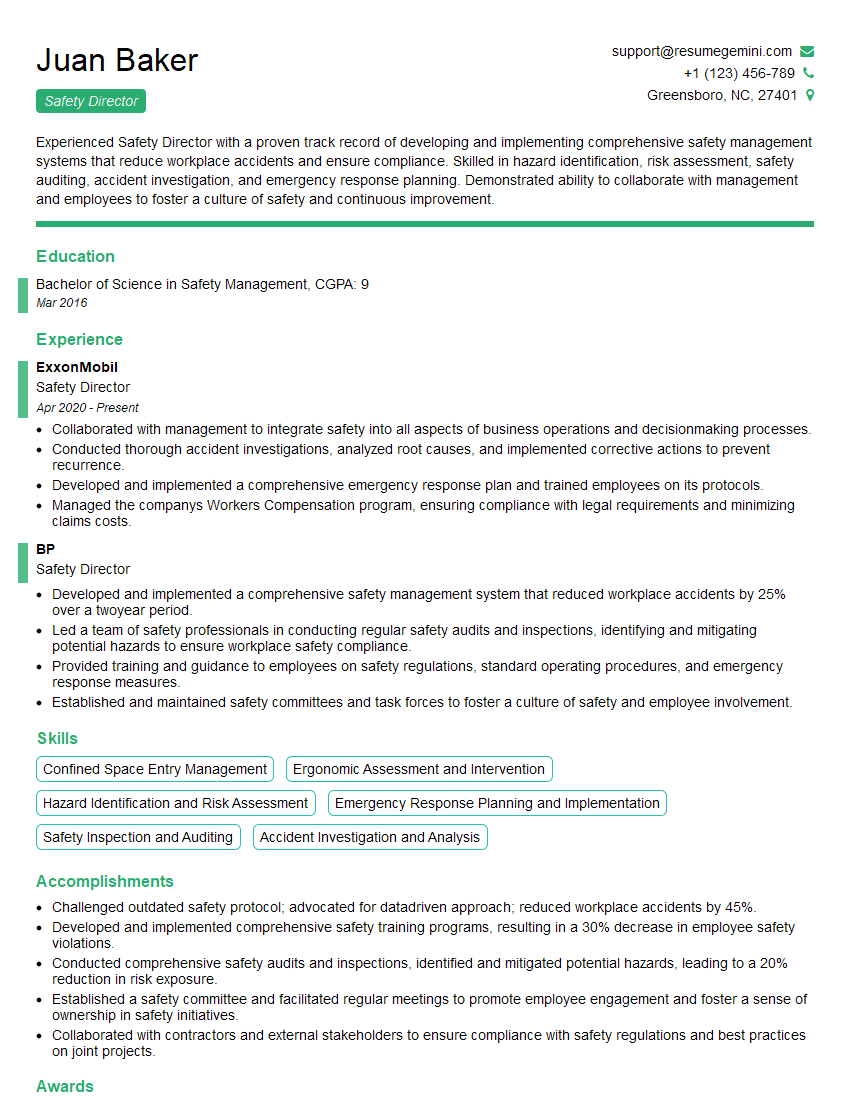
Safety Director Resume Sample
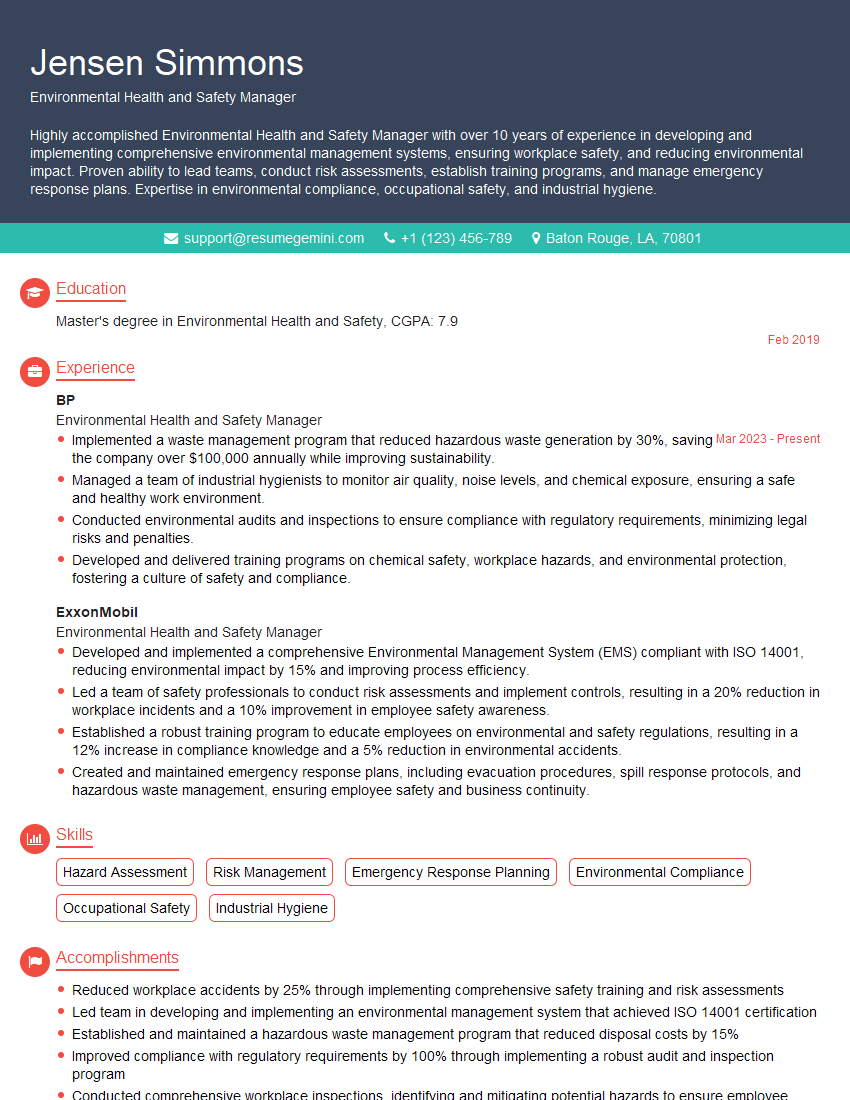
Environmental Health and Safety Manager Resume Sample
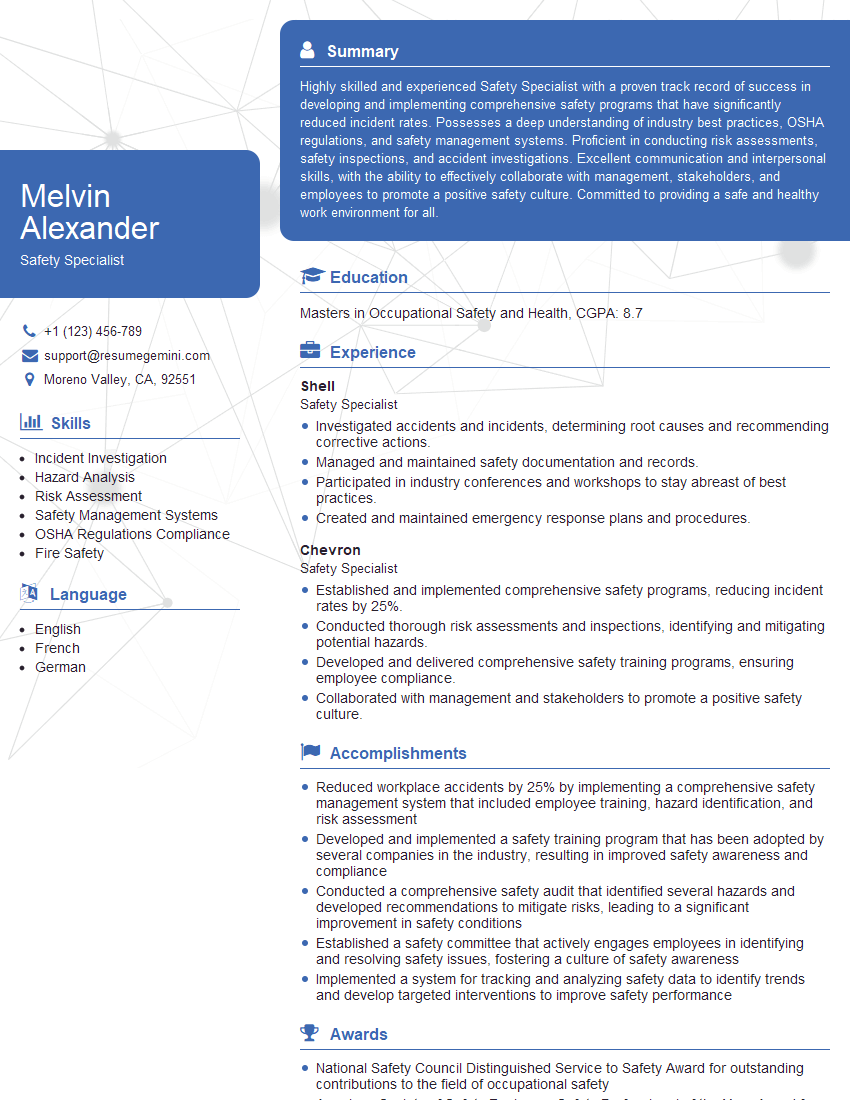
Safety Specialist Resume Sample
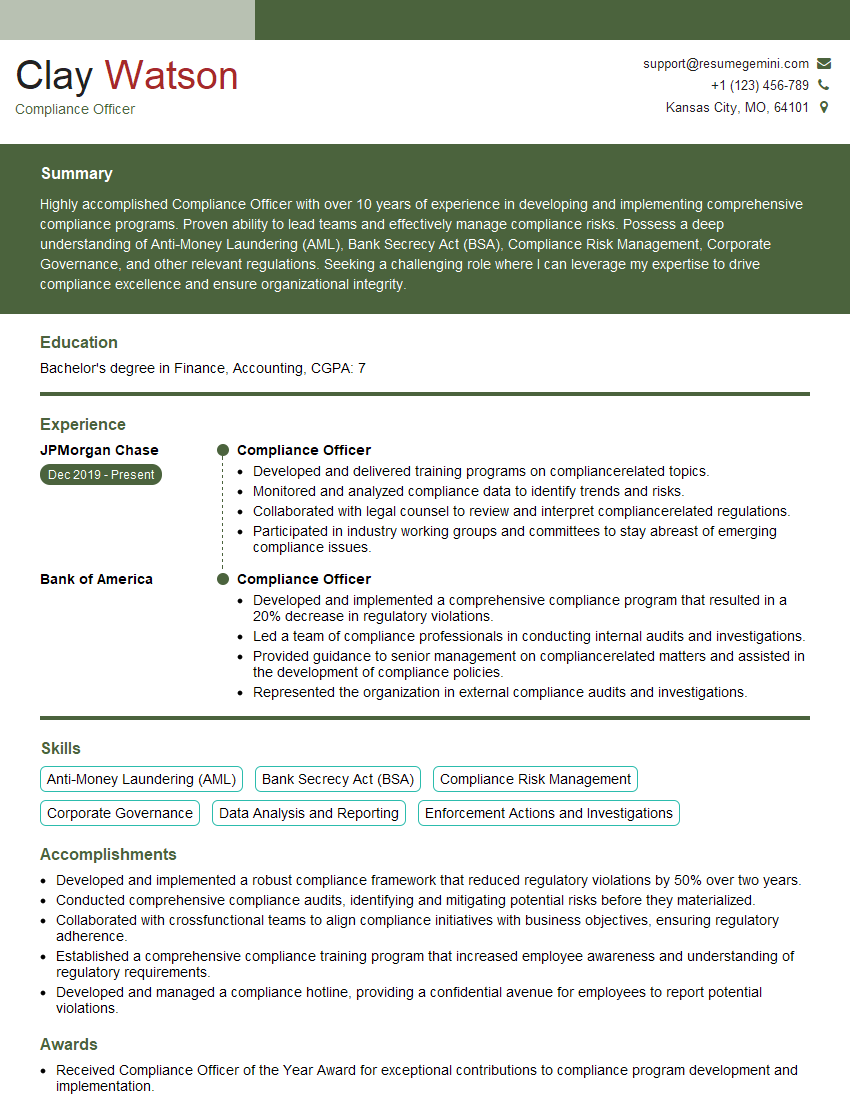
Compliance Officer Resume Sample
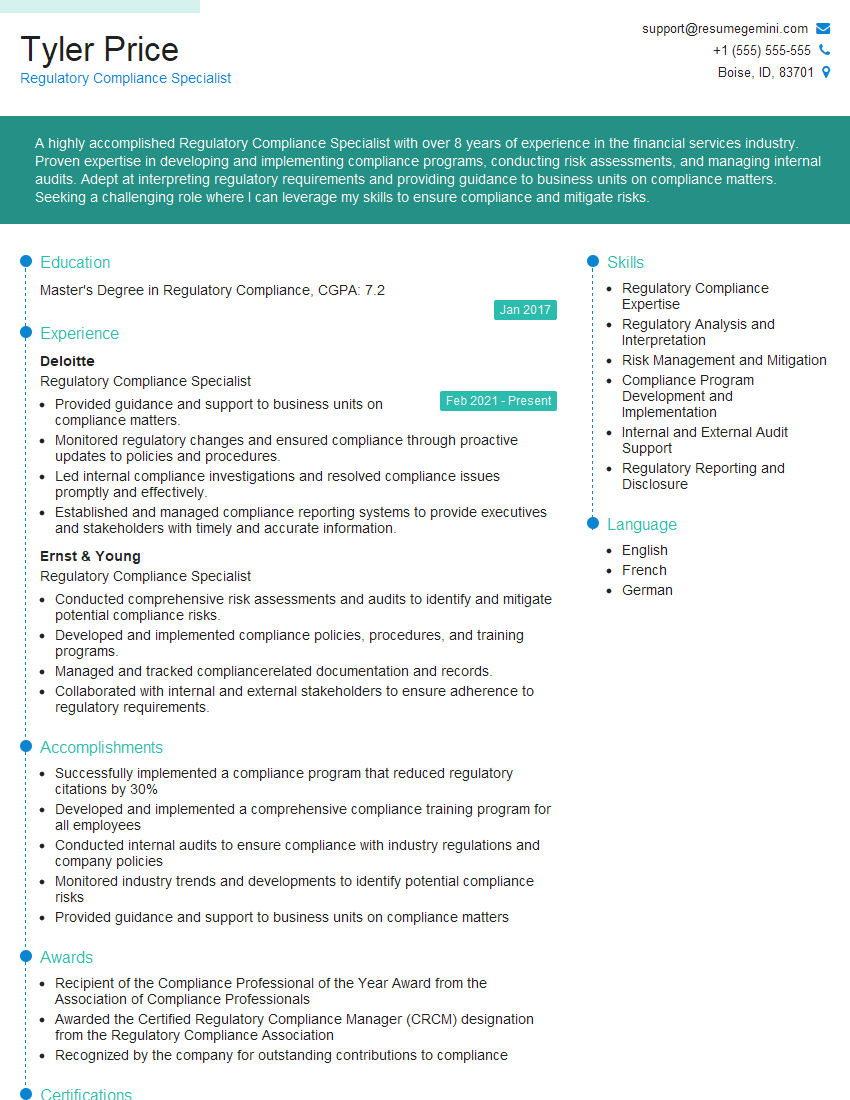
Regulatory Compliance Specialist Resume Sample
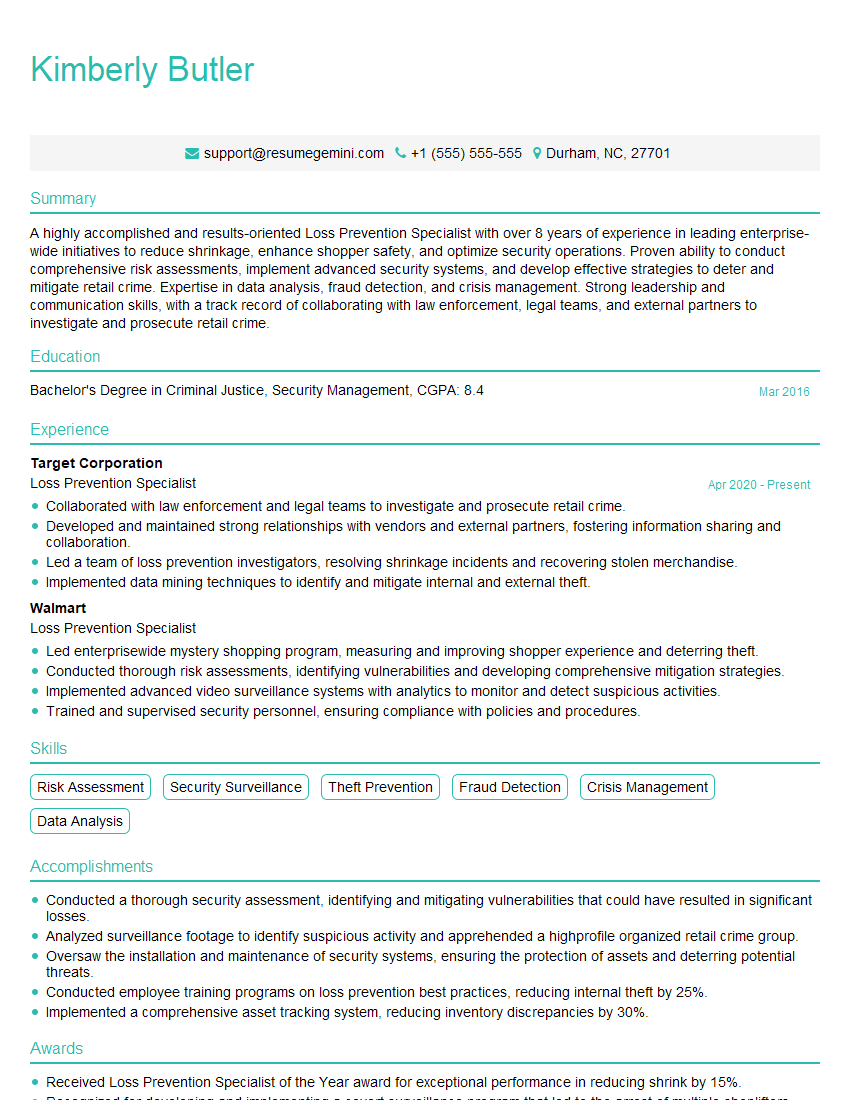
Loss Prevention Specialist Resume Sample
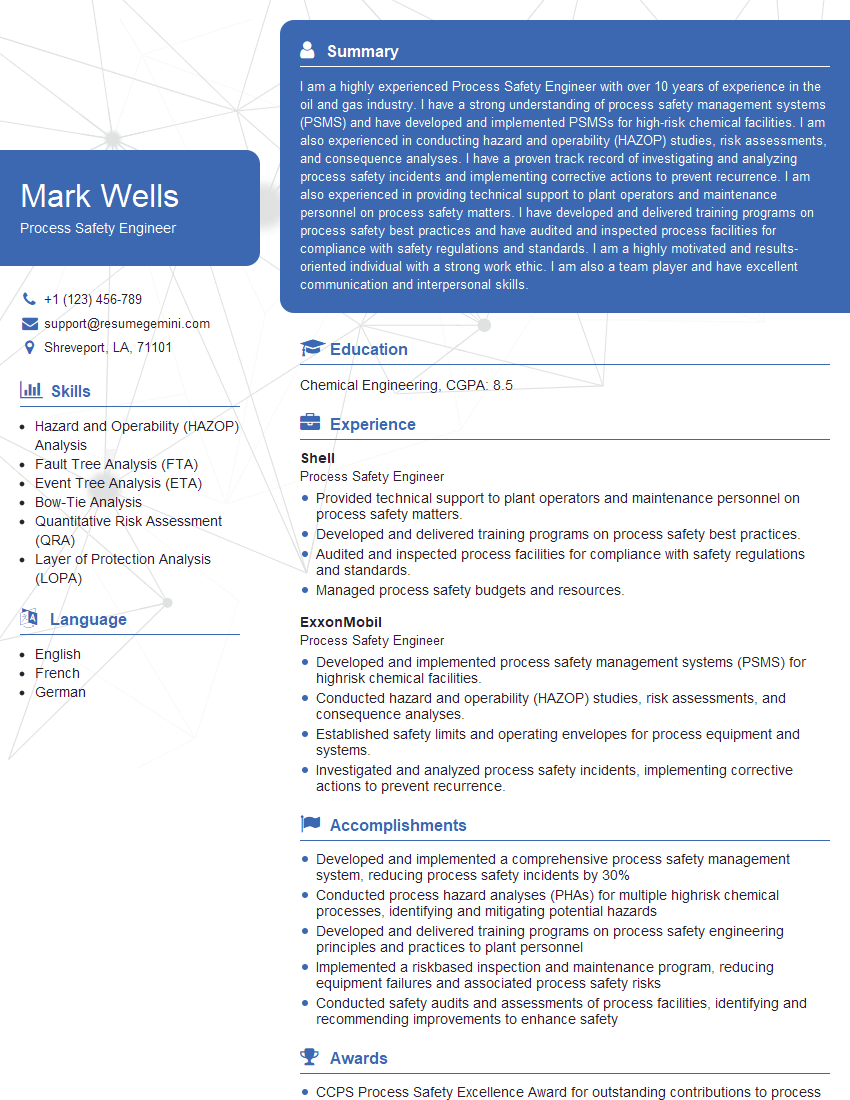
Process Safety Engineer Resume Sample
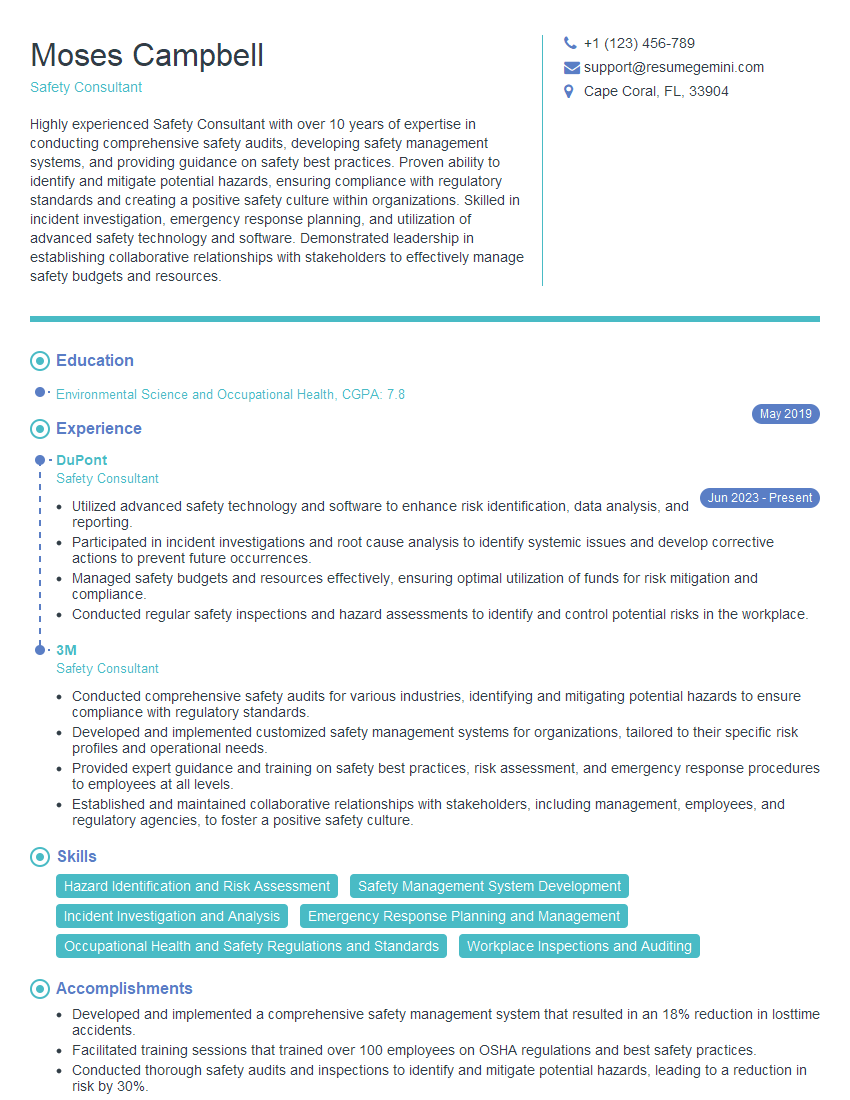
Safety Consultant Resume Sample

Safety Engineer Resume Sample
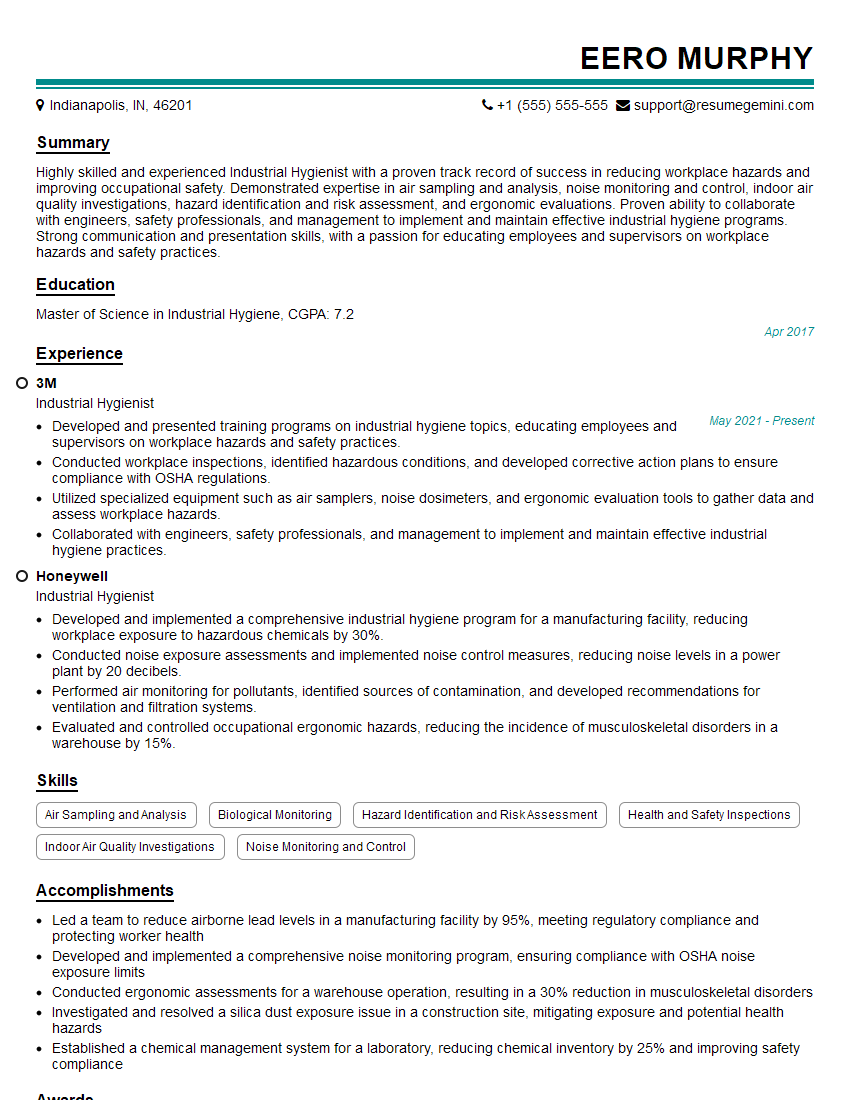
Industrial Hygienist Resume Sample
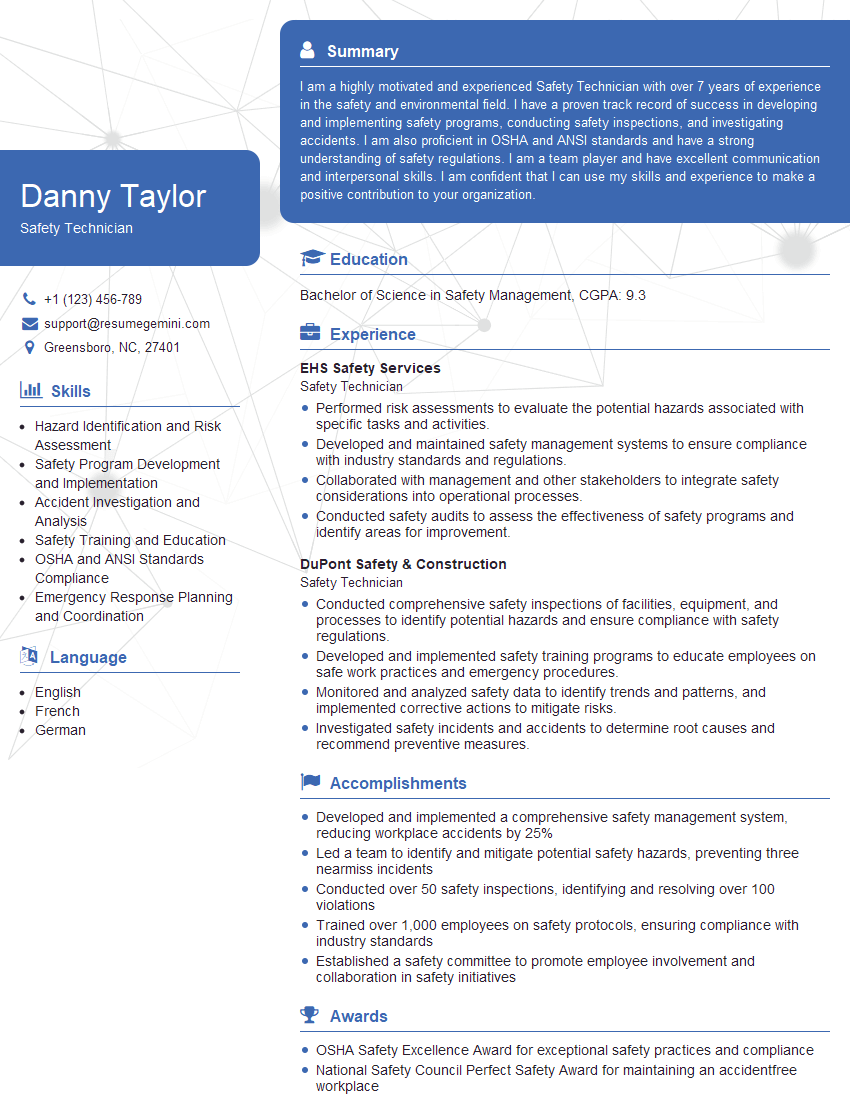
Safety Technician Resume Sample
Explore more articles
Users Rating of Our Blogs
Share Your Experience
We value your feedback! Please rate our content and share your thoughts (optional).
What Readers Say About Our Blog
Very informative content, great job.
good