Are you ready to stand out in your next interview? Understanding and preparing for Establish and maintain therapeutic relationships with students interview questions is a game-changer. In this blog, we’ve compiled key questions and expert advice to help you showcase your skills with confidence and precision. Let’s get started on your journey to acing the interview.
Questions Asked in Establish and maintain therapeutic relationships with students Interview
Q 1. Describe your approach to establishing trust with a student who is reluctant to engage.
Building trust with a reluctant student requires patience, empathy, and a non-judgmental approach. It’s like building a bridge – one step at a time. I begin by showing genuine interest in them as an individual, not just as a student with problems. This means actively listening, making eye contact, and using their name frequently. I avoid pressure and instead create a safe space where they feel comfortable expressing themselves at their own pace.
I might start with casual conversations, focusing on topics unrelated to their academic or personal challenges. For instance, I’ll ask about their hobbies, favorite music, or weekend activities. This helps to humanize the interaction and establish a connection. Once a level of comfort is reached, I gently introduce discussions about their concerns, always respecting their boundaries and never pushing them to share more than they are ready to. If they consistently refuse to engage, I might offer different communication methods, such as written correspondence or drawing, to provide alternative avenues for expression. The key is consistent, non-threatening presence and genuine care.
Q 2. How do you adapt your communication style to meet the diverse needs of students with varying cultural backgrounds and learning styles?
Adapting my communication style to meet diverse needs is paramount. It’s about recognizing that ‘one size fits all’ doesn’t work in education. I employ a culturally responsive approach, understanding that communication styles, learning preferences, and even nonverbal cues vary widely across cultures. I actively seek to learn about the cultural background of each student and how those cultural norms might influence their learning and communication. This might involve researching cultural values, beliefs, and communication styles relevant to the student’s background or directly asking respectful and appropriate questions.
Regarding learning styles, I cater to visual, auditory, and kinesthetic learners by using diverse teaching methods. For instance, I’ll incorporate visual aids for visual learners, verbal explanations and discussions for auditory learners, and hands-on activities for kinesthetic learners. I also ensure that my language is inclusive and avoids jargon or expressions that might be unfamiliar or confusing to students from diverse backgrounds. Regular checks for understanding are vital, ensuring the student truly grasps the material, not just passively listening or nodding.
Q 3. Explain your process for identifying and addressing a student’s emotional or behavioral challenges.
Identifying and addressing emotional or behavioral challenges starts with careful observation and ongoing assessment. I look for patterns in a student’s behavior, changes in academic performance, social interactions, and overall well-being. Regular communication with parents or guardians is vital, gathering insights from their perspectives. If I notice concerning behavior, I utilize various assessment tools, such as behavior charts or observation checklists, to document the frequency, intensity, and triggers of the behaviors.
Once a pattern is identified, I collaborate with the student, their family, and other school professionals – such as counselors or special education teachers – to develop an individualized intervention plan. This might involve providing additional academic support, counseling, behavior modification techniques, or referring the student to outside specialists. Regular monitoring and adjustment of the intervention plan based on the student’s progress are essential. The goal is to empower the student with coping mechanisms and support to address their challenges effectively.
Q 4. How do you maintain confidentiality while complying with school policies and legal requirements?
Maintaining confidentiality is both an ethical obligation and a legal requirement. I clearly communicate to students and parents/guardians the limits of confidentiality at the outset of our interactions. I explain that while I will strive to keep our conversations private, certain situations might necessitate disclosure, such as concerns about self-harm, harm to others, or mandated reporting requirements. These are clearly defined during our first meeting and reinforced throughout our interactions.
I adhere strictly to FERPA (Family Educational Rights and Privacy Act) and other relevant school policies and legal regulations regarding student information. I only share information with authorized personnel on a need-to-know basis. All documentation is securely stored, and electronic records are password-protected. My commitment to confidentiality builds trust and fosters a safe environment where students feel comfortable sharing their concerns. Open communication about the limits of confidentiality is crucial to ensure everyone understands their rights and responsibilities.
Q 5. What strategies do you use to de-escalate conflicts between students?
De-escalating conflicts between students requires a calm and impartial approach. My first step is to ensure the safety and well-being of all involved. I separate the students to prevent the situation from escalating further. Then, I listen to each student’s perspective individually, offering empathy and validating their feelings without necessarily agreeing with their actions. It’s crucial to remain neutral and avoid taking sides.
Once I understand their perspectives, I guide them toward a collaborative problem-solving approach. This involves helping them identify the root causes of the conflict, brainstorm potential solutions, and create a mutually acceptable agreement. I encourage them to practice empathy and consider each other’s viewpoints. If the conflict is severe or persistent, I might involve parents or guardians and other school professionals, like counselors, to help mediate a resolution. The focus remains on teaching conflict-resolution skills and fostering respectful communication between students.
Q 6. Describe a time you had to advocate for a student’s needs. What was the outcome?
I once advocated for a student, Maria, who was struggling academically due to undiagnosed dyslexia. Maria was a bright and capable student, but her struggles with reading and writing led to frustration, low self-esteem, and poor academic performance. Despite her efforts, she continued to underperform. I noticed her difficulties and through careful observation and testing, I suspected dyslexia.
I documented her challenges, gathered evidence from her teachers and assessments, and met with her parents to discuss my concerns. Together, we pursued a comprehensive evaluation for dyslexia. The evaluation confirmed my suspicions. I then worked with the school’s special education team to develop an Individualized Education Program (IEP) tailored to Maria’s needs. This included providing specialized instruction in reading and writing, assistive technology, and accommodations during assessments. With the IEP in place, Maria’s academic performance significantly improved, her confidence soared, and she regained a sense of accomplishment. This experience highlighted the importance of proactive advocacy and collaboration to ensure that every student has the support they need to succeed.
Q 7. How do you manage your caseload effectively to ensure each student receives adequate support?
Managing a caseload effectively requires a structured and organized approach. I use a combination of digital and paper-based systems to track student progress, appointments, and communication. I prioritize tasks based on urgency and student needs. I schedule regular check-ins with each student, but the frequency and length of those check-ins are tailored to their individual requirements. Some students may need daily support, while others might require weekly check-ins. I also prioritize proactive communication with parents/guardians to keep them informed and involved in their child’s progress.
Time management is crucial. I schedule my work strategically, allocating specific blocks of time for different tasks such as responding to emails, conducting individual sessions, preparing lesson plans, and attending meetings. Regular review of my schedule and prioritization of tasks are vital. Collaboration with colleagues is also important. By working with other professionals, we can share expertise and support, ensuring all students receive adequate attention and support. This collaborative approach allows for a more efficient and effective caseload management.
Q 8. How do you collaborate with parents and teachers to support a student’s well-being?
Collaboration with parents and teachers is fundamental to a student’s well-being. It’s about building a strong support network where everyone works together towards common goals. I believe in open communication, regular updates, and shared decision-making.
- Regular communication: I schedule regular meetings (phone calls, emails, or in-person) to discuss the student’s progress, challenges, and successes. I proactively share observations and insights, encouraging reciprocal feedback from parents and teachers.
- Shared goals and strategies: We collaboratively develop a plan that addresses the student’s needs, considering their strengths and challenges. This might involve adjusting teaching strategies, providing additional support at home, or seeking external resources.
- Building trust and rapport: Creating a safe and trusting environment is crucial. This means actively listening to everyone’s perspectives, validating their concerns, and demonstrating empathy. I always ensure that everyone feels heard and respected.
- Example: With a student struggling with math, I collaborated with the teacher to implement a differentiated instruction approach. I also worked with the parents to establish consistent homework routines and provide positive reinforcement at home. This multi-pronged approach significantly improved the student’s academic performance and confidence.
Q 9. What is your approach to working with students who have experienced trauma?
Working with students who have experienced trauma requires a trauma-informed approach, emphasizing safety, trustworthiness, choice, collaboration, and empowerment. It’s crucial to understand that trauma can significantly impact a student’s behavior, learning, and emotional regulation.
- Creating a safe and predictable environment: This includes establishing clear routines, consistent expectations, and a calm classroom atmosphere. I avoid triggering behaviors or language and provide clear communication.
- Building rapport and trust: Establishing a strong therapeutic relationship is paramount. This involves actively listening, validating their experiences, and respecting their boundaries. It’s about letting them know they are safe and heard.
- Trauma-sensitive interventions: I utilize evidence-based practices such as play therapy, art therapy, or narrative therapy, depending on the student’s age and needs. The focus is on processing emotions, building coping skills, and promoting self-regulation.
- Collaboration with specialists: Working closely with other professionals, such as psychologists or social workers, is often necessary to provide comprehensive support. A collaborative approach ensures that the student receives a holistic and coordinated intervention.
- Example: I worked with a student who had experienced significant neglect. We started with building trust by allowing her to lead the session, using play therapy to express her emotions. Gradually, we started working on coping mechanisms for anxiety and developing healthy relationships.
Q 10. How do you handle situations where a student’s behavior poses a safety risk to themselves or others?
Student safety is my utmost priority. When a student’s behavior poses a safety risk, my approach is guided by de-escalation techniques and safety protocols.
- De-escalation techniques: I use calming strategies like maintaining a calm demeanor, active listening, and using clear and concise language. I try to understand the underlying reasons for the behavior before intervening.
- Safety protocols: If de-escalation fails, I follow established school protocols, which may involve contacting school security or administration, and notifying parents as appropriate. Student and staff safety always come first.
- Root cause analysis: After the situation is resolved, I conduct a thorough analysis of the incident to identify triggers and develop strategies to prevent future occurrences. This might involve adjusting classroom management strategies, individual support plans, or seeking additional professional help.
- Example: A student displayed aggressive behavior towards another student. I immediately intervened using de-escalation techniques and separated the students. I then followed the school’s protocol, reporting the incident and collaborating with the administration and parents to develop a behavior management plan.
Q 11. How do you integrate evidence-based practices into your therapeutic work with students?
Evidence-based practices (EBPs) are central to my work. They ensure that the interventions I use are supported by research and have been proven effective.
- Cognitive Behavioral Therapy (CBT): I utilize CBT techniques to help students identify and modify negative thought patterns and behaviors. This is particularly helpful for students struggling with anxiety, depression, or anger management.
- Dialectical Behavior Therapy (DBT): DBT skills, especially for adolescents, can help them regulate emotions, improve communication, and develop coping skills. This is beneficial for students with self-harm tendencies or emotional dysregulation.
- Trauma-focused therapies: For students who have experienced trauma, I utilize trauma-informed interventions based on the latest research, including play therapy, art therapy, or narrative exposure therapy.
- Staying updated: I continuously engage in professional development to stay abreast of the latest research and best practices in the field. I attend workshops, conferences, and read relevant journals to refine my skills and knowledge.
Q 12. What resources do you utilize to support students facing academic, social, or emotional challenges?
Supporting students facing challenges requires a multi-faceted approach, leveraging various resources within and outside the school.
- School-based resources: I collaborate closely with school counselors, special education teachers, and administrators to provide comprehensive support. This might involve accessing tutoring, academic support programs, or social skills groups.
- Community resources: I connect students and families with community-based mental health services, such as counseling centers, support groups, or specialized programs addressing specific needs (e.g., substance abuse, eating disorders).
- Online resources: Reputable online platforms provide access to valuable information, coping skills training, and support networks for both students and families. It’s crucial to carefully select resources to ensure their credibility and suitability.
- Example: A student struggling with social anxiety benefitted greatly from a combination of school-based social skills training, referral to a community-based therapist, and the use of anxiety management apps. A multi-pronged approach offered optimal support.
Q 13. How do you document student interactions and progress effectively?
Effective documentation is crucial for providing quality care, tracking progress, and ensuring accountability.
- Detailed session notes: I maintain comprehensive session notes that include the date, time, attendees, key topics discussed, student’s emotional state, behavioral observations, interventions used, and treatment plans. The notes are objective, concise, and comply with ethical and legal guidelines.
- Progress reports: I regularly prepare progress reports that summarize the student’s progress, highlighting successes, challenges, and adjustments to the treatment plan. These reports are shared with parents, teachers, and other relevant professionals.
- Secure storage: All documentation is stored securely and confidentially, adhering to school policies and legal regulations such as FERPA. This ensures the protection of student privacy.
- Electronic health records (EHR): If available, I utilize EHR systems to maintain and access student records efficiently, maintaining data integrity and security.
Q 14. Describe your understanding of FERPA and its implications for your work with students.
FERPA (Family Educational Rights and Privacy Act) is a federal law protecting the privacy of student education records. It’s crucial for maintaining ethical and legal compliance in my work.
- Confidentiality: I understand that student information is confidential and only accessible to authorized individuals, including parents (unless the student is an adult) and school personnel with a legitimate educational interest.
- Informed consent: Before sharing any information, I obtain informed consent from the student and/or parents, except in situations where disclosure is legally mandated (e.g., suspected child abuse).
- Data security: I strictly adhere to school policies and procedures related to data security to prevent unauthorized access or disclosure of student information.
- Compliance with requests: I am familiar with the procedures for handling parental requests to access, amend, or challenge student records. I ensure that these requests are handled promptly and professionally.
- Example: Before sharing a student’s progress report with a teacher, I ensure I have obtained the parent’s consent or the student’s consent if they are an adult. I also maintain secure storage of all student records and follow the school’s protocol for handling data requests.
Q 15. How do you navigate ethical dilemmas that may arise in your work with students?
Navigating ethical dilemmas in working with students requires a strong ethical framework and a commitment to upholding professional standards. It’s not about avoiding dilemmas, but about approaching them thoughtfully and systematically. My approach involves several key steps:
- Identify the Dilemma: Clearly define the conflict of interest or ethical challenge. For example, a student confides in me about self-harm but also expresses a desire for confidentiality, which might conflict with my duty to report.
- Consult Ethical Guidelines: I refer to relevant ethical codes (e.g., those provided by my professional association) and school policies to understand the boundaries and expectations. This provides a framework for decision-making.
- Seek Supervision/Consultation: I actively engage in regular supervision with a qualified supervisor to discuss complex cases and receive guidance. This allows for a more objective perspective and avoids isolated decision-making.
- Consider Multiple Perspectives: I strive to understand the situation from the student’s perspective, my own, and the perspectives of relevant stakeholders (parents, administrators, etc.). This helps in reaching a more balanced and fair decision.
- Document Thoroughly: Every step of the ethical decision-making process is meticulously documented, including the dilemma, the consulted guidelines, the consulted individuals, and the final decision along with the rationale. This protects both the student and myself.
- Prioritize Student Well-being: While adhering to ethical guidelines, the ultimate aim is always to act in the best interest of the student’s well-being. This might involve difficult choices, but the student’s safety and development remain paramount.
For instance, if a student discloses a serious threat to harm themselves or others, maintaining confidentiality is secondary to ensuring their safety and the safety of others. In such cases, I would follow mandated reporting procedures while still respecting the student’s privacy as much as legally and ethically possible.
Career Expert Tips:
- Ace those interviews! Prepare effectively by reviewing the Top 50 Most Common Interview Questions on ResumeGemini.
- Navigate your job search with confidence! Explore a wide range of Career Tips on ResumeGemini. Learn about common challenges and recommendations to overcome them.
- Craft the perfect resume! Master the Art of Resume Writing with ResumeGemini’s guide. Showcase your unique qualifications and achievements effectively.
- Don’t miss out on holiday savings! Build your dream resume with ResumeGemini’s ATS optimized templates.
Q 16. What are some common challenges in establishing therapeutic relationships with students, and how do you overcome them?
Establishing therapeutic relationships with students presents unique challenges. Building trust and rapport can be difficult, especially with students who have experienced trauma or have difficulty trusting adults. Some common challenges include:
- Power Dynamics: The inherent power imbalance between a school counselor and a student requires conscious effort to mitigate. I work to create a collaborative, egalitarian environment where the student feels heard and respected, rather than feeling subjected to authority.
- Confidentiality Concerns: Students may be hesitant to share sensitive information due to concerns about confidentiality. I address these concerns directly and transparently, explaining the limits of confidentiality while reassuring them of my commitment to privacy within those boundaries.
- Resistance and Defensiveness: Some students may be resistant to counseling or reluctant to engage in the therapeutic process. I approach this with patience, empathy, and a non-judgmental attitude, adapting my approach to meet their individual needs and preferences. I might start by focusing on their strengths and building a positive relationship before diving into deeper issues.
- Time Constraints: School settings often have limited time for individual sessions. I prioritize efficient yet effective interventions, utilizing brief therapeutic techniques and focusing on specific, achievable goals.
To overcome these challenges, I prioritize building rapport through active listening, empathy, and genuine care. I actively involve students in setting goals for our sessions, making sure they feel ownership of the process. I use appropriate therapeutic techniques, such as motivational interviewing, to address resistance and foster intrinsic motivation for change. I regularly assess the effectiveness of our therapeutic work and adapt my approach as needed.
Q 17. How do you foster a sense of belonging and inclusivity in your interactions with students?
Fostering a sense of belonging and inclusivity is crucial in my work. This involves creating a safe and welcoming environment where all students feel accepted and valued regardless of their background, identity, or abilities. I achieve this through:
- Culturally Responsive Practices: I demonstrate awareness and sensitivity to diverse cultural backgrounds, values, and beliefs. This involves seeking out further education and training to better understand the unique challenges and strengths of different cultural groups.
- Inclusive Language and Communication: I use person-first language and avoid language that perpetuates stereotypes or marginalization. I actively listen and avoid interrupting, showcasing respect and attention to everyone’s input.
- Creating a Welcoming Environment: My office space, if I have one, and the manner in which I conduct my sessions reflects the importance of diversity and inclusion. Visual aids, books and posters that represent varied cultures and identities can help.
- Building Relationships with Diverse Students: I proactively engage with students from diverse backgrounds, learning about their experiences and challenges and demonstrating genuine interest in them as individuals.
- Advocacy and Collaboration: I advocate for policies and practices that promote inclusivity within the school setting and work collaboratively with staff, teachers and other stakeholders to create a more inclusive environment.
For example, I might organize a group session focusing on identity and belonging, creating a safe space for students to share their experiences and learn from one another.
Q 18. Describe your experience with crisis intervention and support.
My experience with crisis intervention and support encompasses various scenarios, from immediate threats of self-harm or suicide to acute anxiety attacks and emotional breakdowns. My approach centers around a structured, yet adaptable framework:
- Assess the Situation: First, I ensure the student’s immediate safety. This involves assessing the severity of the crisis, identifying any potential immediate dangers, and ensuring access to necessary resources. A calm, reassuring demeanor is key in this phase.
- Provide Support and Validation: I offer empathetic validation of the student’s feelings and experiences. This might involve active listening, reflecting their emotions, and offering reassurance and support.
- Collaborate on a Safety Plan: Working collaboratively, we develop a safety plan that identifies coping mechanisms, support systems, and emergency contacts. This plan should be concrete and actionable.
- Connect with Support Systems: I connect the student with appropriate support services, such as parents, guardians, school administrators, mental health professionals, and community resources, with appropriate consent. This might involve immediate referrals for psychiatric evaluation if necessary.
- Follow Up and Ongoing Support: After the immediate crisis is addressed, I provide ongoing support, regularly checking in with the student and offering continued guidance and assistance.
I have successfully intervened in situations involving suicidal ideation, panic attacks, and family crises, implementing safety plans and making appropriate referrals to ensure ongoing support. My experience also highlights the critical role of collaboration and resource coordination in crisis intervention. This has strengthened my collaboration with school nurses, social workers, and local mental health organizations.
Q 19. How do you measure the effectiveness of your therapeutic interventions with students?
Measuring the effectiveness of therapeutic interventions is crucial for accountability and continuous improvement. My approach is multifaceted and involves a combination of quantitative and qualitative data:
- Goal Attainment Scaling (GAS): I collaborate with students to establish clear, measurable goals at the outset of our work. GAS provides a structured way to track progress toward those goals, allowing for regular assessment of the effectiveness of interventions.
- Self-Report Measures: I utilize standardized questionnaires and surveys to assess changes in symptoms, mood, and functioning over time. These tools provide quantifiable data on the student’s progress.
- Clinical Observations: Throughout the therapeutic process, I make detailed clinical observations of the student’s behavior, interactions, and overall functioning. These qualitative observations provide valuable insights into the student’s progress and help inform treatment decisions.
- Feedback from Students: I regularly solicit feedback from students regarding their experience in therapy and their perception of progress. This provides valuable insight into the effectiveness of the intervention from the student’s perspective.
- Teacher Feedback: Where appropriate and with consent, I also gather feedback from teachers or other school staff on the student’s behavior and academic performance. This provides an external perspective on the effectiveness of the interventions.
Data is gathered both throughout the therapeutic process and at its conclusion. This allows for real-time adjustments to interventions as well as an evaluation of overall effectiveness.
Q 20. How do you incorporate student feedback to improve your practice?
Student feedback is invaluable for improving my practice. I actively solicit feedback through various methods:
- Formal Feedback Forms: At the conclusion of our work together, I provide students with a structured feedback form to assess their experience, identify areas for improvement, and evaluate the helpfulness of our sessions.
- Informal Check-ins: Throughout the therapeutic process, I regularly check in with students to gauge their satisfaction with our work together and identify any concerns or areas where they feel I could be more helpful. This informal feedback is essential in maintaining a strong and effective therapeutic relationship.
- Group Feedback Sessions: For students who are comfortable, I may facilitate group feedback sessions to allow for shared experiences and collective reflection on the process.
- Reflection and Self-Assessment: I regularly reflect on student feedback to identify patterns, areas of strength, and opportunities for growth in my practice. This continuous self-assessment is essential for enhancing my skills and improving the effectiveness of my work.
By actively listening to and incorporating student feedback, I strive to provide the most effective and supportive therapeutic environment. This continuous improvement cycle ensures that my practice remains relevant, responsive, and tailored to the needs of my students.
Q 21. What is your approach to self-care and managing stress in a demanding school environment?
Self-care is not a luxury, but a necessity in this demanding profession. Burnout is a real risk, so I prioritize my own well-being through a variety of strategies:
- Maintaining Boundaries: I establish and maintain clear boundaries between my professional and personal life. This includes setting limits on my work hours, avoiding taking work home, and making time for personal activities.
- Regular Exercise and Healthy Diet: I prioritize regular physical activity and maintain a healthy diet to manage stress and maintain physical and mental well-being. Regular exercise is my primary stress reliever.
- Mindfulness and Relaxation Techniques: I practice mindfulness and relaxation techniques, such as meditation and deep breathing exercises, to reduce stress and promote mental clarity. A few minutes of mindfulness can reset my perspective.
- Professional Supervision and Support: Regular supervision provides a safe space to discuss challenging cases, process emotions, and receive support from experienced colleagues. It’s not just about professional development, but also crucial for managing stress.
- Hobbies and Social Connections: I engage in activities and hobbies that bring me joy and relaxation, and I maintain strong social connections with friends and family outside of work. These connections help maintain a healthy perspective.
Essentially, self-care is an ongoing process. I regularly evaluate my well-being and adjust my self-care strategies as needed to ensure that I am able to provide the best possible support to my students. Taking care of myself allows me to be a more effective and empathetic counselor.
Q 22. How do you maintain professional boundaries while developing strong relationships with students?
Maintaining professional boundaries while building rapport with students is crucial. It’s about creating a safe and trusting environment without crossing the line into inappropriate familiarity. Think of it like being a skilled gardener: you nurture the plant (student) to help it flourish, but you don’t become part of the plant itself.
- Clear Communication: From the start, I establish clear expectations about the therapeutic relationship, including confidentiality limits (with exceptions for mandated reporting, as discussed later). I explain my role as a support and guide, not a friend.
- Appropriate Language & Behavior: I use professional language and avoid overly casual or familiar interactions. Physical touch is kept to a minimum and only with the student’s express consent (e.g., a comforting hand on the shoulder in a moment of intense distress).
- Time Boundaries: Sessions are conducted within designated time frames. I avoid extending sessions beyond what’s scheduled, and I do not engage in social interactions outside of the therapeutic context.
- Self-Reflection: I regularly reflect on my interactions to identify potential boundary crossings. Supervision helps me process these reflections and ensure I maintain ethical practice.
For example, if a student asks to hang out after school, I’d politely decline, reaffirming our professional relationship and suggesting they explore other peer connections or activities.
Q 23. Explain your understanding of different therapeutic modalities and your preference for working with students.
I’m familiar with several therapeutic modalities, including Cognitive Behavioral Therapy (CBT), Solution-Focused Brief Therapy (SFBT), and Person-Centered Therapy. My approach is eclectic, meaning I draw from different modalities depending on the student’s unique needs and presenting issues.
CBT is effective for teaching students coping skills and challenging negative thought patterns. SFBT is ideal for working with students who are motivated to identify solutions and make positive changes quickly. Person-Centered Therapy provides a safe and supportive space for students to explore their feelings and develop self-awareness.
My preference leans towards an integrative approach. I find that combining elements from CBT and SFBT, while grounding the therapy within a person-centered framework, creates a flexible and adaptable approach for diverse student populations. This ensures I meet each student where they are, tailoring interventions to their specific needs and developmental stage.
Q 24. Describe a time when you had to deal with a challenging parent or guardian. How did you handle the situation?
I once worked with a student struggling with anxiety. Their parents initially resisted professional help, believing the issue would resolve on its own. They questioned my expertise and challenged my treatment recommendations.
My approach was to actively listen to their concerns, validate their feelings, and explain my rationale using clear and understandable language, avoiding jargon. I shared research-based information on the effectiveness of early intervention in anxiety disorders. I also emphasized the importance of collaboration and partnership in supporting their child. I offered to meet with them separately to address their specific concerns and build trust.
It was a gradual process, but through consistent communication, empathy, and demonstrated expertise, I was able to build a collaborative relationship with the parents. Eventually, they came to see the value of therapy and actively participated in their child’s treatment plan. This highlights the importance of patience, active listening, and respectful communication when working with challenging parents or guardians.
Q 25. What is your approach to working with students with disabilities?
My approach to working with students with disabilities is rooted in individualized support. I understand that each student presents unique needs and strengths. It’s crucial to recognize the profound influence their disability has on their experiences, both in and outside the classroom.
- Collaboration: I work closely with teachers, special education staff, and other relevant professionals to gain a holistic understanding of the student’s needs and to develop a comprehensive support plan.
- Individualized Goals: Therapeutic goals are collaboratively established with the student, considering their abilities, interests, and developmental stage. The plan should not be deficit-based, and it should empower the student to work towards their own goals.
- Adaptive Techniques: I adapt my counseling techniques to accommodate the student’s specific learning style and communication preferences. This might involve using visual aids, incorporating sensory activities, or modifying the pace of the session.
- Accessibility: I ensure that the therapeutic environment and materials are accessible to students with diverse disabilities, considering sensory sensitivities or physical limitations.
I would, for example, use visual schedules with a student struggling with executive function challenges, providing clear expectations and structure for therapy sessions. For a student with autism spectrum disorder, I’d incorporate visual supports and repetitive structures to create predictability and security.
Q 26. How do you balance the need for confidentiality with the need to report child abuse or neglect?
Balancing confidentiality and mandated reporting is a critical ethical responsibility. Confidentiality is essential to build trust, but it is not absolute. When there is reasonable suspicion of child abuse or neglect, I am legally and ethically obligated to report it.
My approach is based on careful assessment and documentation. I maintain detailed records of every session and take note of any concerning disclosures. If a student reveals something that raises concerns about their safety or well-being, I carefully evaluate the situation based on the specific details and my professional judgment. If the threshold for reporting is met, I promptly contact the appropriate authorities, following the established protocol within my school or agency. I would also carefully explain to the student, in age-appropriate language, my duty to report and the reasons for doing so.
It’s important to remember that my priority is the student’s safety and well-being. This often means prioritizing mandated reporting over strict confidentiality in such situations.
Q 27. How do you adapt your counseling techniques for students of different age groups?
Adapting counseling techniques for different age groups is essential for effective intervention. Young children (e.g., elementary school) respond well to play therapy, storytelling, and creative arts. I might use puppets or drawings to help them express their feelings. With adolescents, I often employ more verbal and cognitive strategies, exploring their thoughts, beliefs, and relationships. I’d engage them in discussions about their challenges and help them develop problem-solving skills.
With younger children, the focus is often on developing emotional regulation and building self-esteem. With adolescents, it’s more about identity development, navigating peer relationships, and preparing for the future. My communication style also adapts; I would use simpler language and more direct questioning with younger children, while engaging in more nuanced conversations with adolescents. Maintaining an age-appropriate rapport and using relevant examples are vital for effective communication across age groups.
Q 28. Describe your experience with technology and its use in supporting students’ mental health.
Technology plays a significant role in supporting students’ mental health. I’ve utilized several technological tools, including telehealth platforms for online counseling sessions, mental health apps that offer self-help resources, and educational websites with information on mental health topics.
Telehealth has expanded access to mental health services, especially beneficial for students facing geographical barriers or scheduling conflicts. Mental health apps can provide students with tools for self-management, such as mindfulness exercises or mood tracking. Educational websites offer reliable information and destigmatize mental health issues.
However, it’s crucial to address the ethical considerations of using technology in this context, especially data privacy and security. I ensure that all platforms used comply with relevant regulations and maintain the strictest confidentiality standards. Technology can greatly enhance mental health support, but it must be implemented responsibly and ethically.
Key Topics to Learn for “Establish and Maintain Therapeutic Relationships with Students” Interview
- Building Rapport and Trust: Understanding the importance of empathy, active listening, and creating a safe and supportive environment for students. Practical application: Describe specific techniques used to build trust with students from diverse backgrounds and with varying needs.
- Ethical Considerations: Navigating boundaries, confidentiality, and mandated reporting within a therapeutic context. Practical application: Explain how you would handle a situation involving a student disclosing sensitive information or exhibiting concerning behavior.
- Communication Skills: Mastering verbal and non-verbal communication to effectively convey empathy, understanding, and support. Practical application: Discuss your approach to communicating with students experiencing emotional distress or academic challenges.
- Cultural Competence: Demonstrating awareness and sensitivity to the diverse cultural backgrounds and experiences of students. Practical application: Describe how you would adapt your approach to working with students from different cultural backgrounds to ensure culturally sensitive care.
- Crisis Intervention and Support: Identifying and responding effectively to student crises, including developing safety plans and accessing appropriate resources. Practical application: Detail your experience in managing a student’s crisis situation and outlining the steps taken to ensure their safety and well-being.
- Collaboration and Teamwork: Working effectively with parents, teachers, administrators, and other support staff to provide holistic student support. Practical application: Describe a situation where collaborative teamwork resulted in positive outcomes for a student.
- Self-Reflection and Professional Development: The importance of ongoing self-reflection, seeking supervision, and engaging in continuing education to enhance therapeutic skills and practices. Practical application: Discuss your commitment to ongoing professional development and how you stay abreast of best practices in the field.
Next Steps
Mastering the art of establishing and maintaining therapeutic relationships with students is crucial for career advancement in this field. It demonstrates your commitment to student well-being and your ability to create a positive and supportive learning environment. To significantly boost your job prospects, crafting an ATS-friendly resume is essential. ResumeGemini is a trusted resource that can help you build a professional and impactful resume. ResumeGemini offers examples of resumes tailored specifically to highlight experience in establishing and maintaining therapeutic relationships with students, providing you with a valuable template and guidance for your own application materials.
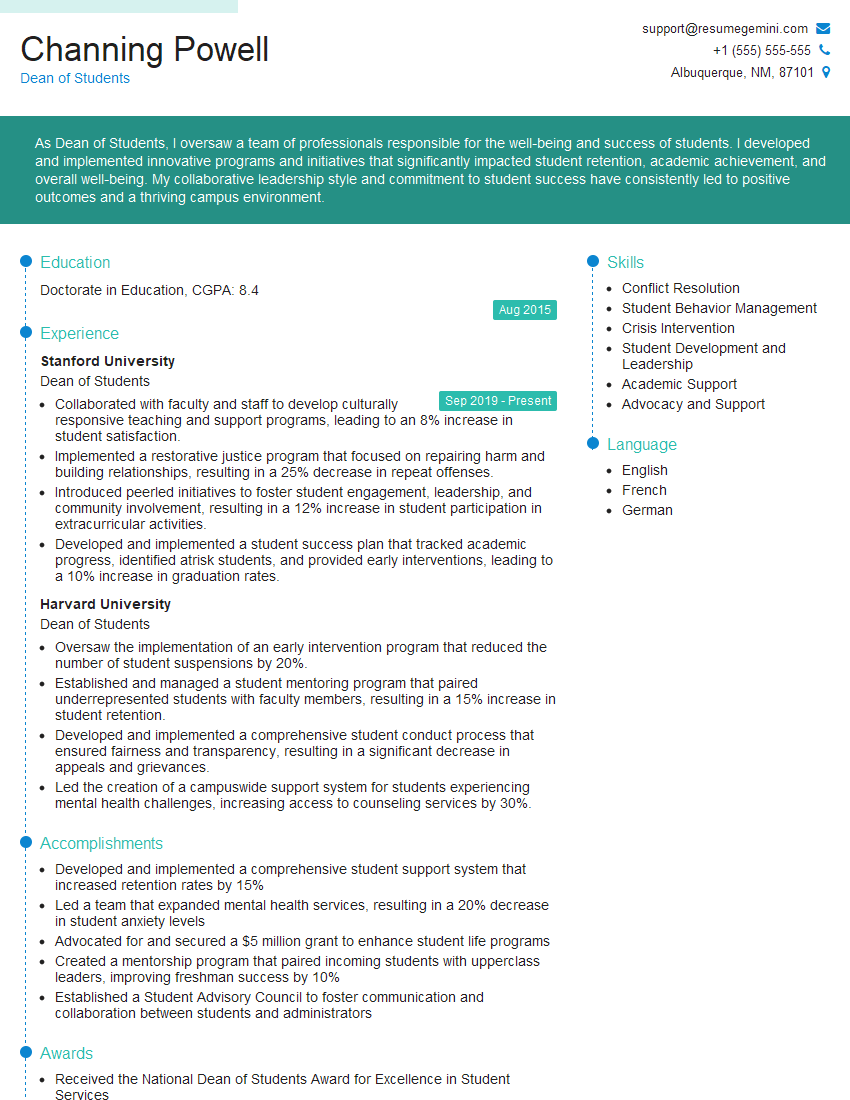
Dean of Students Resume Sample
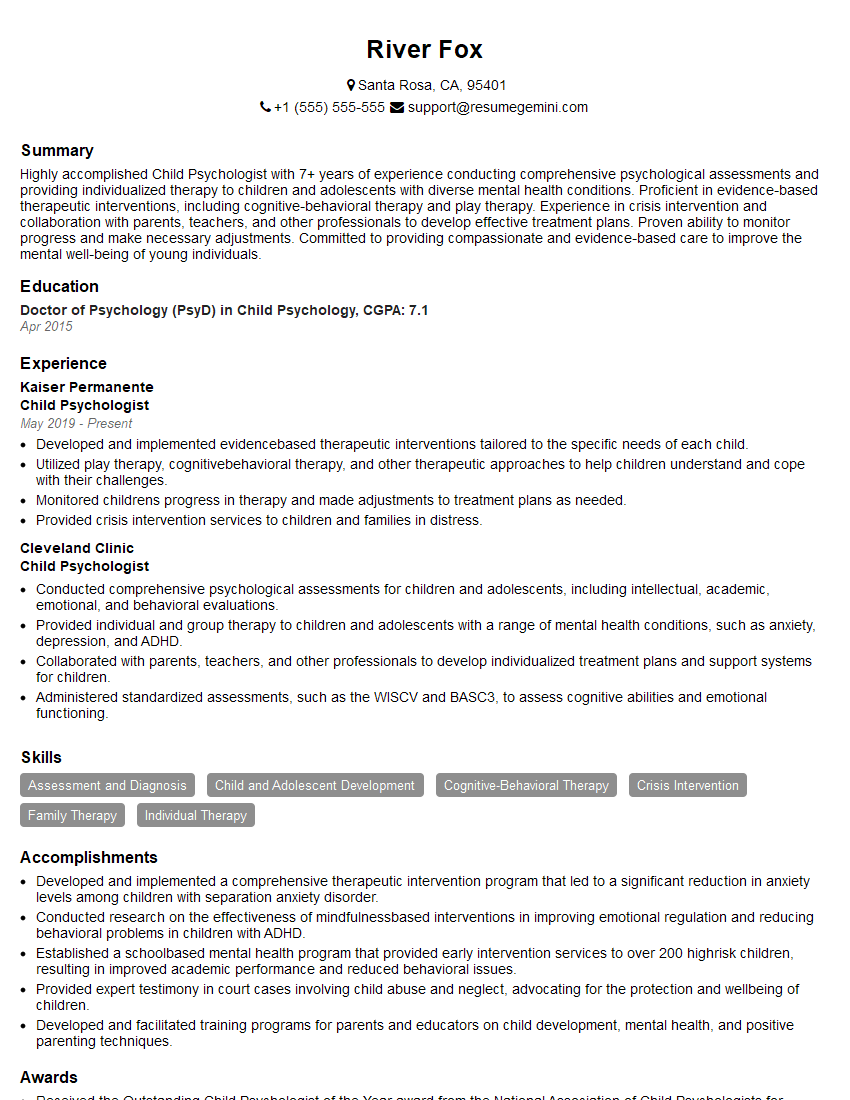
Child Psychologist Resume Sample
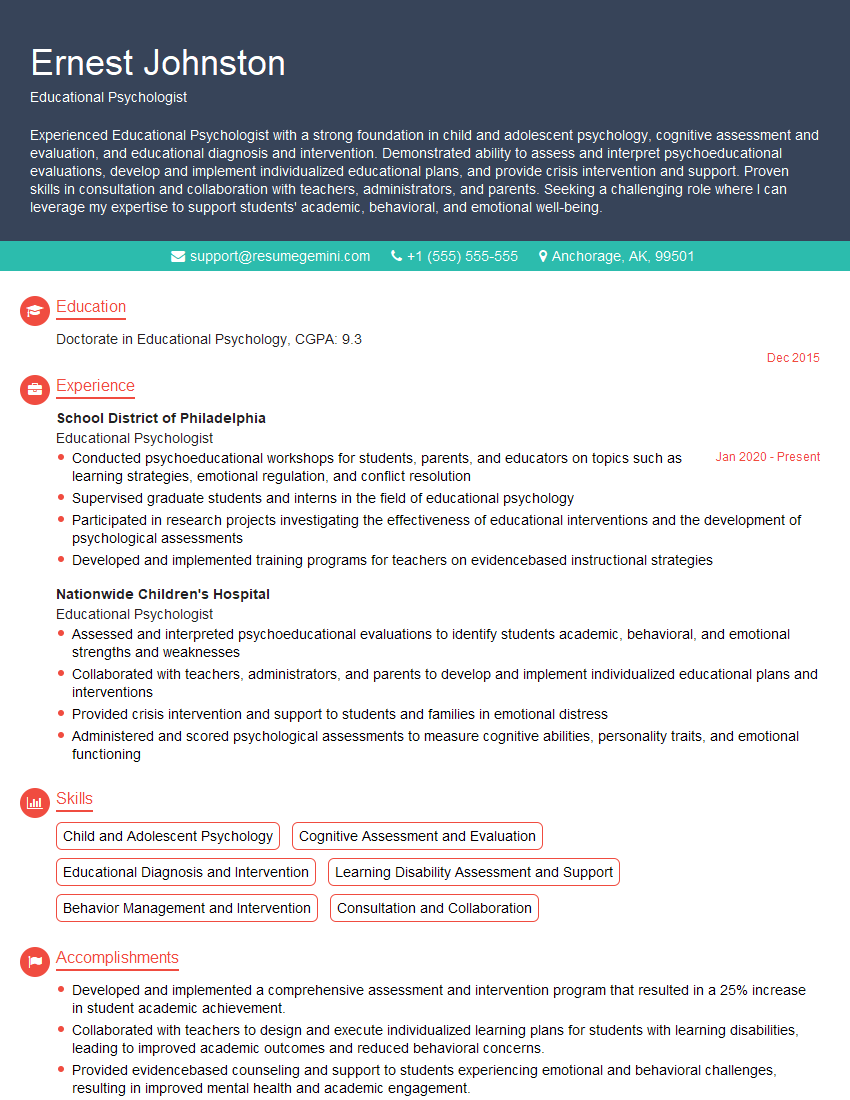
Educational Psychologist Resume Sample
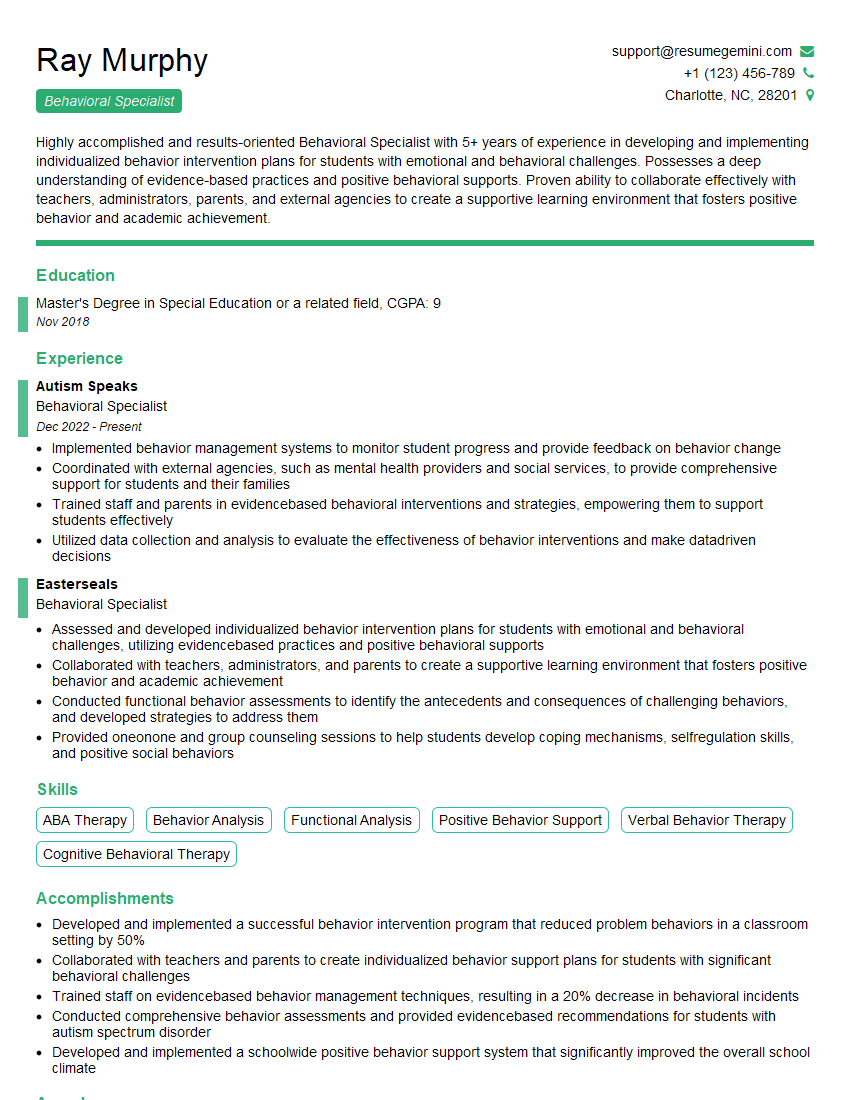
Behavioral Specialist Resume Sample
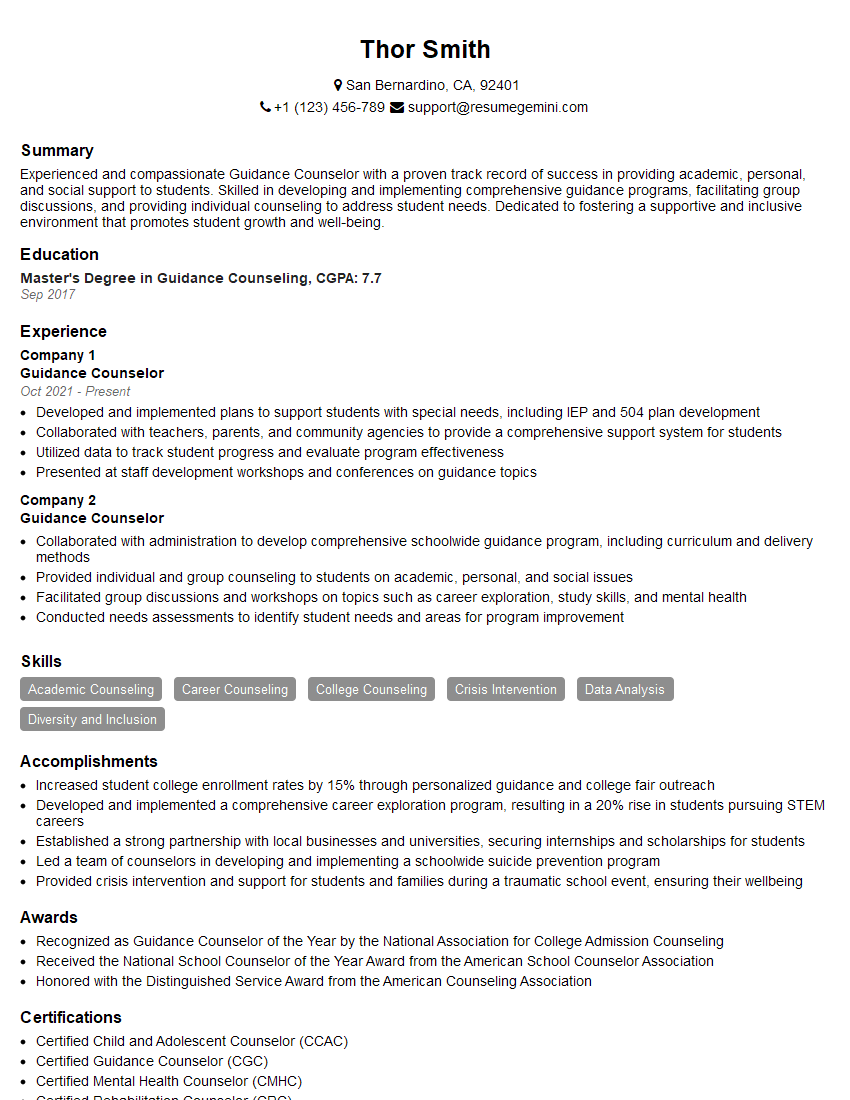
Guidance Counselor Resume Sample
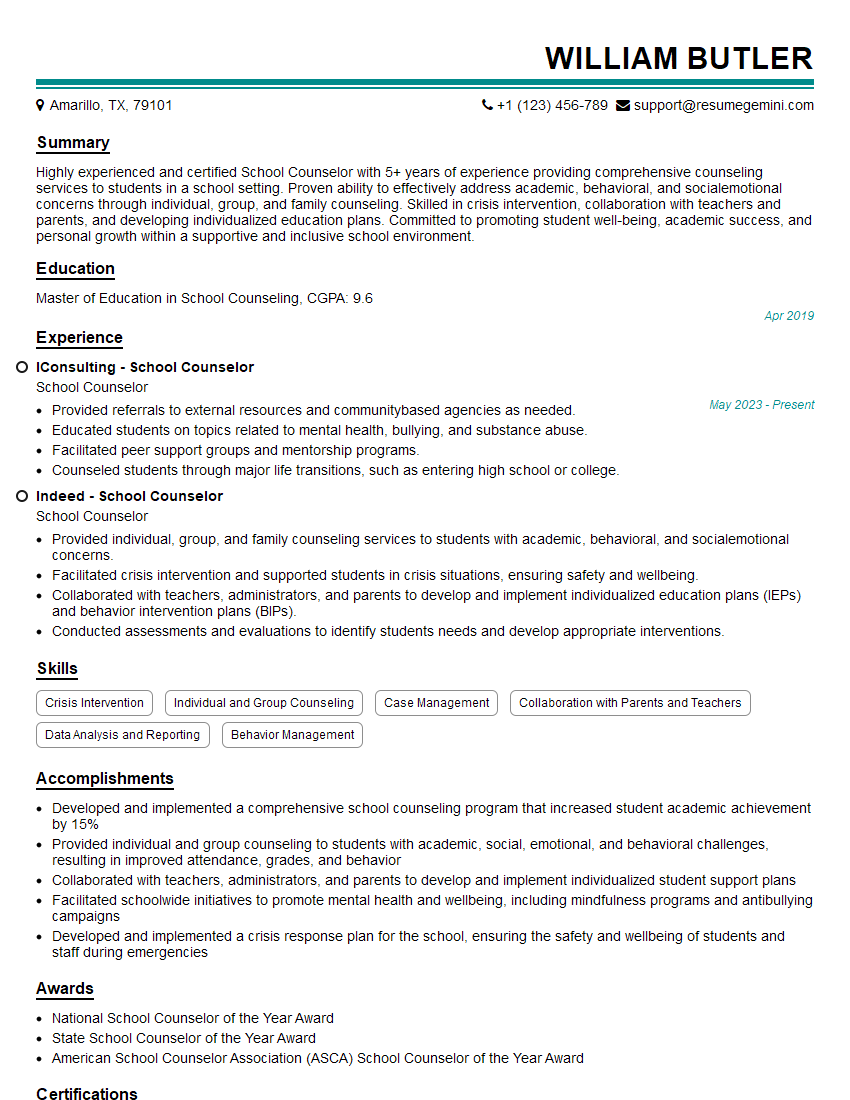
School Counselor Resume Sample
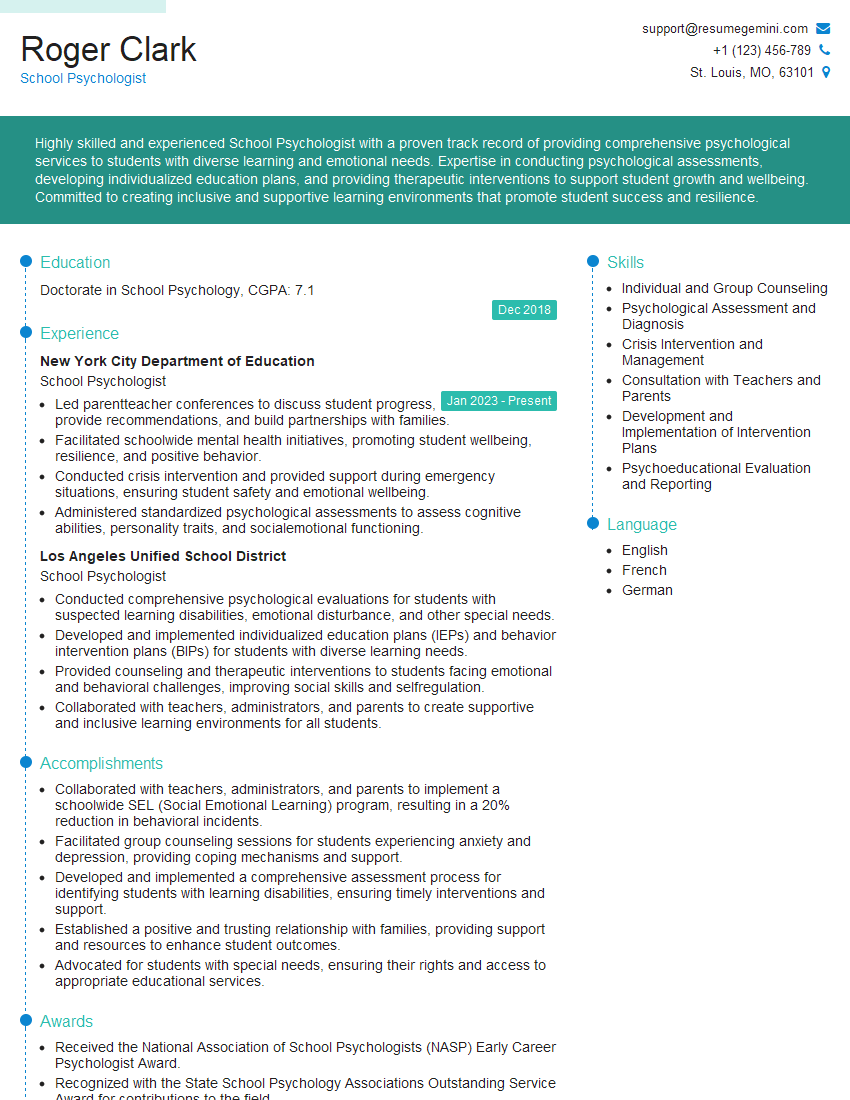
School Psychologist Resume Sample
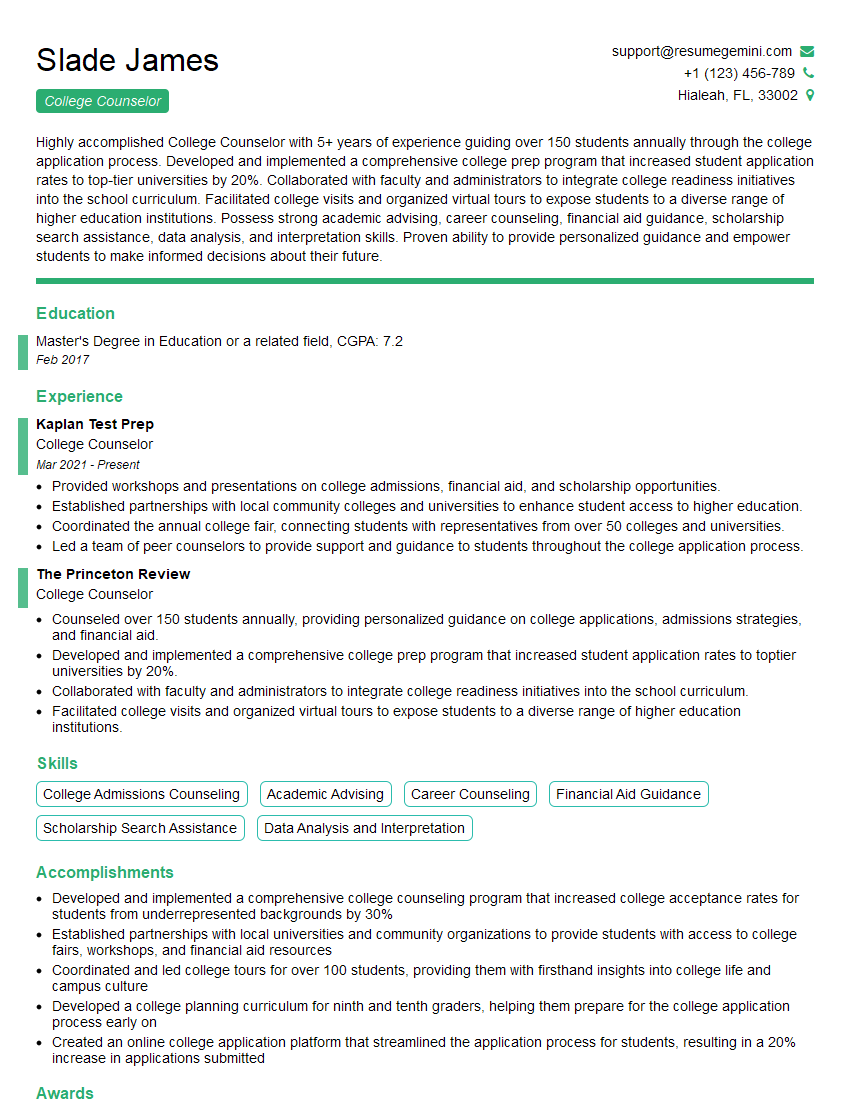
College Counselor Resume Sample
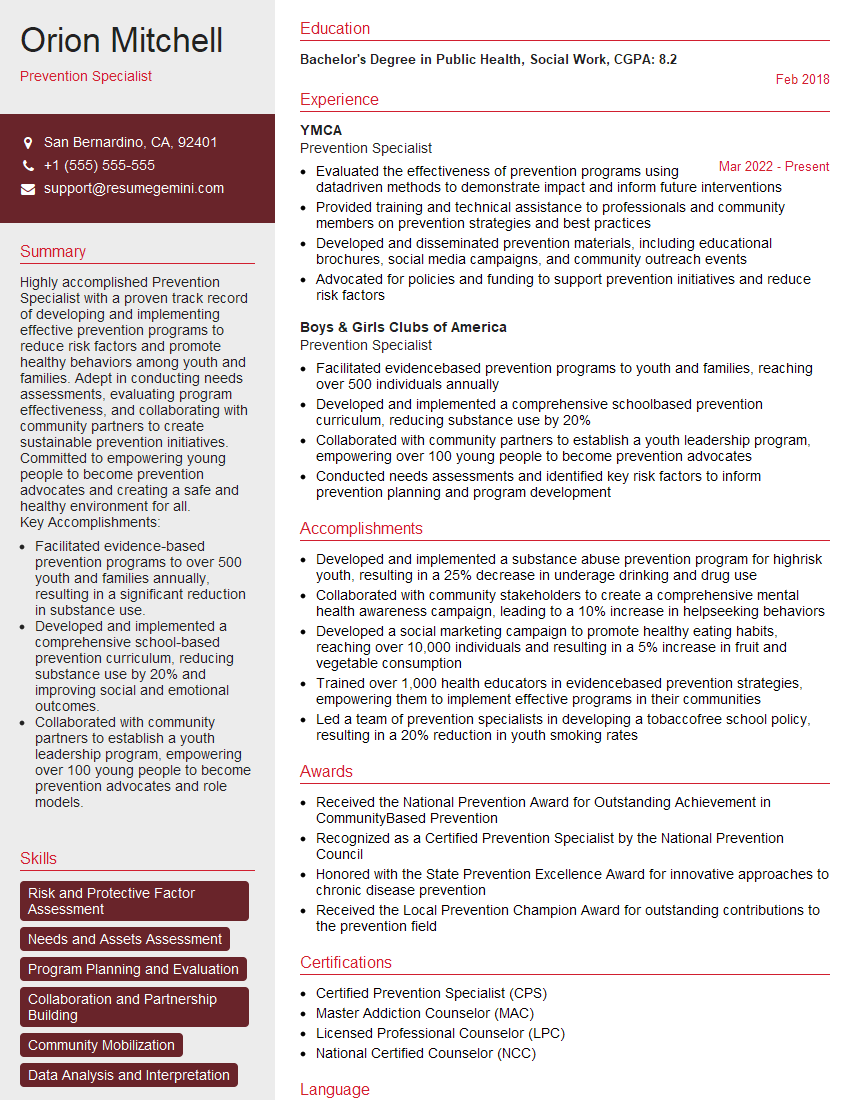
Prevention Specialist Resume Sample
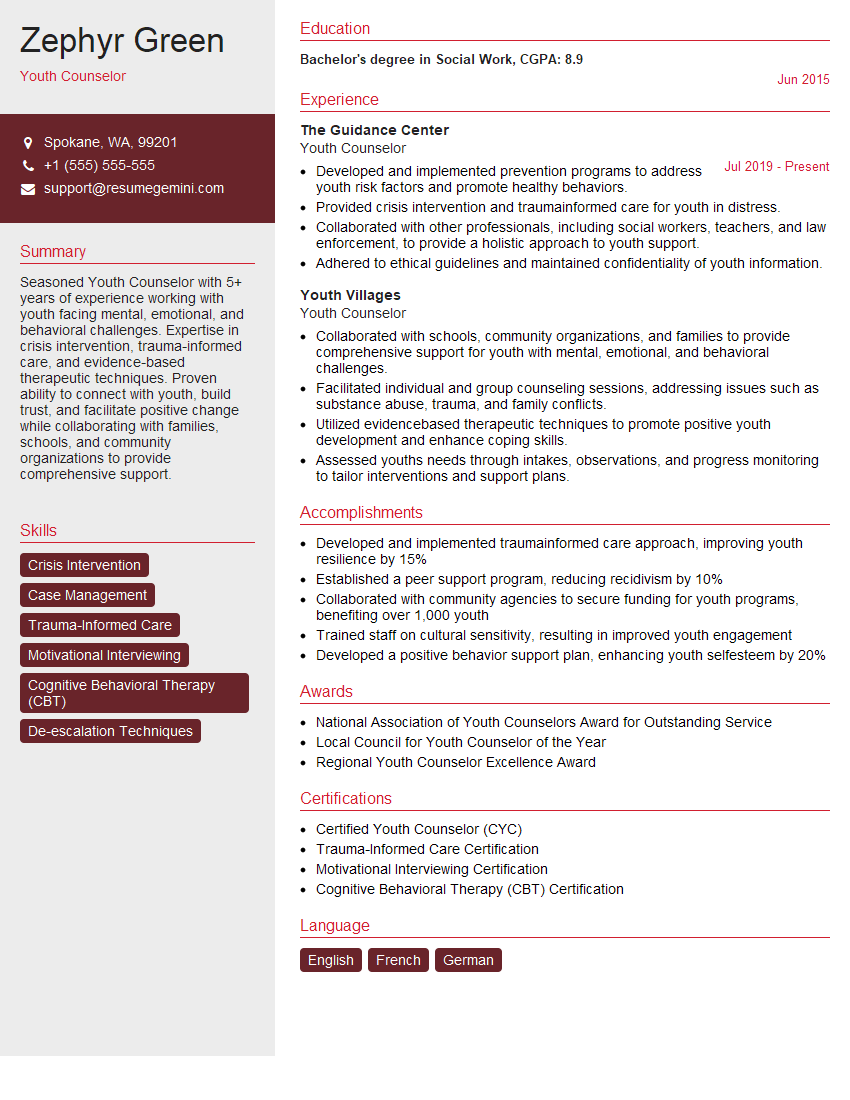
Youth Counselor Resume Sample
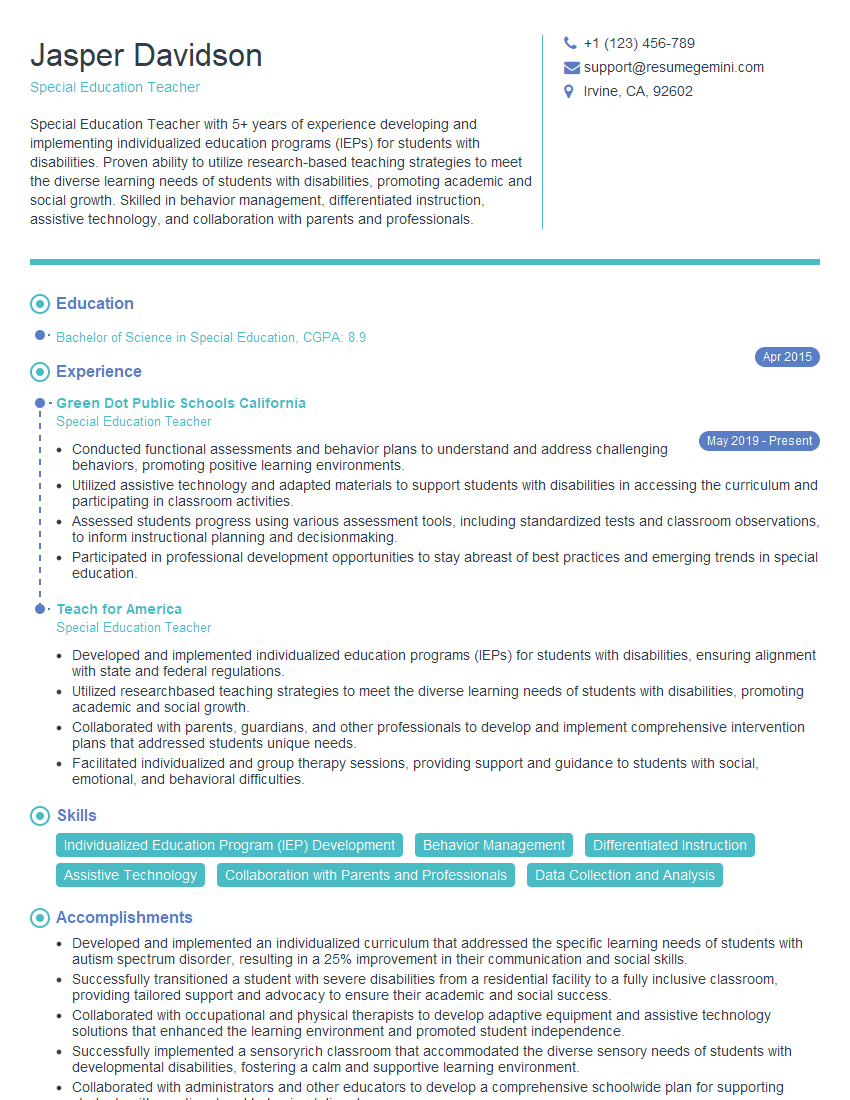
Special Education Teacher Resume Sample
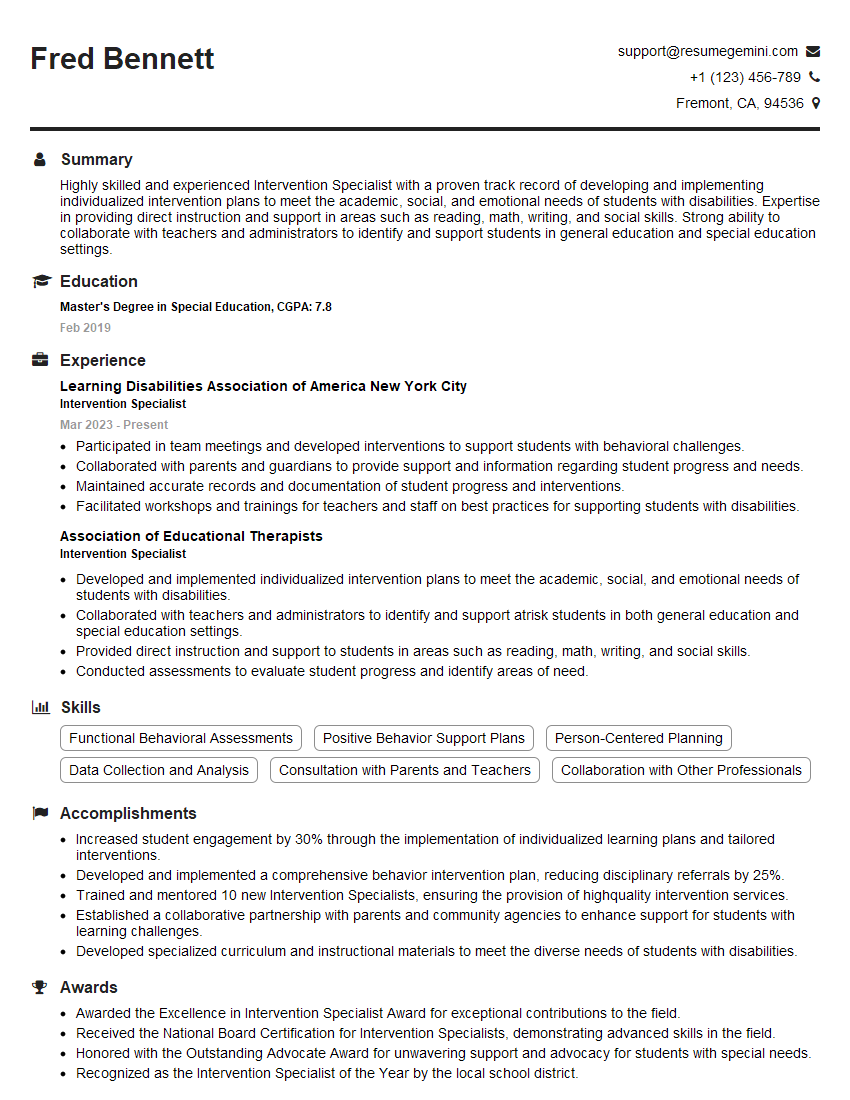
Intervention Specialist Resume Sample
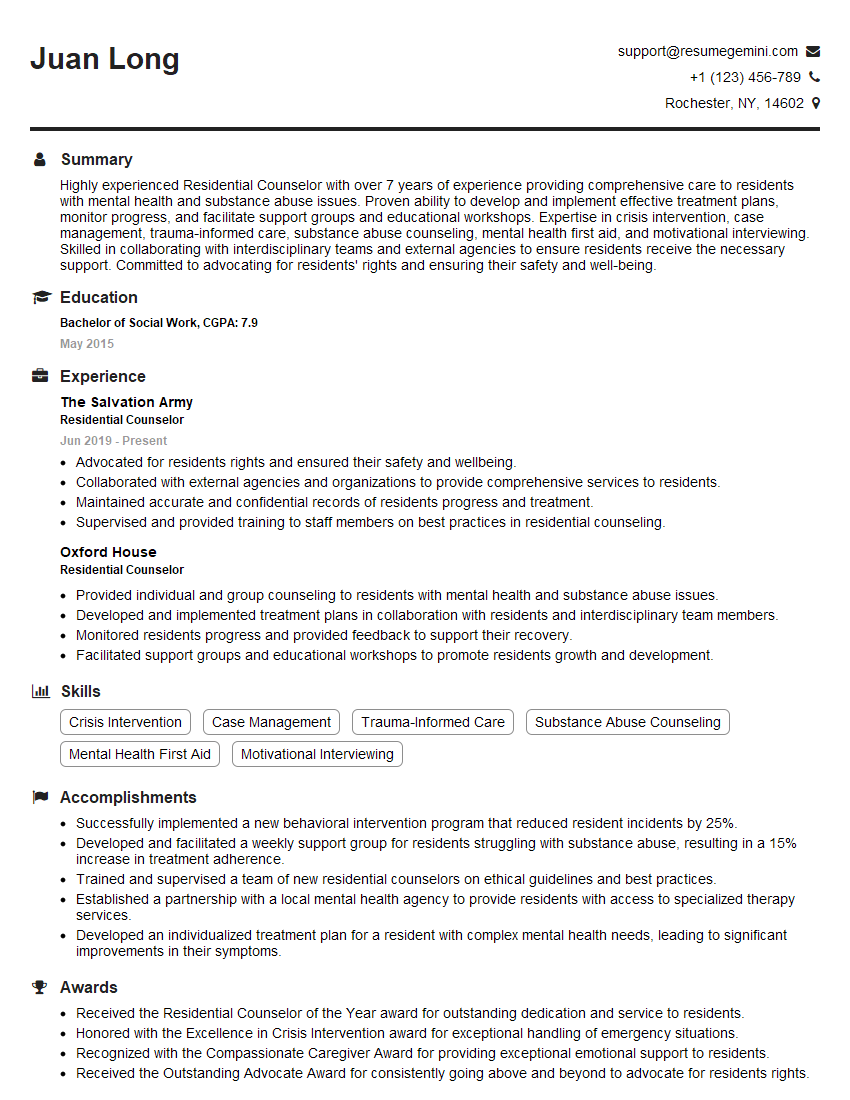
Residential Counselor Resume Sample
Explore more articles
Users Rating of Our Blogs
Share Your Experience
We value your feedback! Please rate our content and share your thoughts (optional).
What Readers Say About Our Blog
Attention music lovers!
Wow, All the best Sax Summer music !!!
Spotify: https://open.spotify.com/artist/6ShcdIT7rPVVaFEpgZQbUk
Apple Music: https://music.apple.com/fr/artist/jimmy-sax-black/1530501936
YouTube: https://music.youtube.com/browse/VLOLAK5uy_noClmC7abM6YpZsnySxRqt3LoalPf88No
Other Platforms and Free Downloads : https://fanlink.tv/jimmysaxblack
on google : https://www.google.com/search?q=22+AND+22+AND+22
on ChatGPT : https://chat.openai.com?q=who20jlJimmy20Black20Sax20Producer
Get back into the groove with Jimmy sax Black
Best regards,
Jimmy sax Black
www.jimmysaxblack.com
Hi I am a troller at The aquatic interview center and I suddenly went so fast in Roblox and it was gone when I reset.
Hi,
Business owners spend hours every week worrying about their website—or avoiding it because it feels overwhelming.
We’d like to take that off your plate:
$69/month. Everything handled.
Our team will:
Design a custom website—or completely overhaul your current one
Take care of hosting as an option
Handle edits and improvements—up to 60 minutes of work included every month
No setup fees, no annual commitments. Just a site that makes a strong first impression.
Find out if it’s right for you:
https://websolutionsgenius.com/awardwinningwebsites
Hello,
we currently offer a complimentary backlink and URL indexing test for search engine optimization professionals.
You can get complimentary indexing credits to test how link discovery works in practice.
No credit card is required and there is no recurring fee.
You can find details here:
https://wikipedia-backlinks.com/indexing/
Regards
NICE RESPONSE TO Q & A
hi
The aim of this message is regarding an unclaimed deposit of a deceased nationale that bears the same name as you. You are not relate to him as there are millions of people answering the names across around the world. But i will use my position to influence the release of the deposit to you for our mutual benefit.
Respond for full details and how to claim the deposit. This is 100% risk free. Send hello to my email id: lukachachibaialuka@gmail.com
Luka Chachibaialuka
Hey interviewgemini.com, just wanted to follow up on my last email.
We just launched Call the Monster, an parenting app that lets you summon friendly ‘monsters’ kids actually listen to.
We’re also running a giveaway for everyone who downloads the app. Since it’s brand new, there aren’t many users yet, which means you’ve got a much better chance of winning some great prizes.
You can check it out here: https://bit.ly/callamonsterapp
Or follow us on Instagram: https://www.instagram.com/callamonsterapp
Thanks,
Ryan
CEO – Call the Monster App
Hey interviewgemini.com, I saw your website and love your approach.
I just want this to look like spam email, but want to share something important to you. We just launched Call the Monster, a parenting app that lets you summon friendly ‘monsters’ kids actually listen to.
Parents are loving it for calming chaos before bedtime. Thought you might want to try it: https://bit.ly/callamonsterapp or just follow our fun monster lore on Instagram: https://www.instagram.com/callamonsterapp
Thanks,
Ryan
CEO – Call A Monster APP
To the interviewgemini.com Owner.
Dear interviewgemini.com Webmaster!
Hi interviewgemini.com Webmaster!
Dear interviewgemini.com Webmaster!
excellent
Hello,
We found issues with your domain’s email setup that may be sending your messages to spam or blocking them completely. InboxShield Mini shows you how to fix it in minutes — no tech skills required.
Scan your domain now for details: https://inboxshield-mini.com/
— Adam @ InboxShield Mini
support@inboxshield-mini.com
Reply STOP to unsubscribe
Hi, are you owner of interviewgemini.com? What if I told you I could help you find extra time in your schedule, reconnect with leads you didn’t even realize you missed, and bring in more “I want to work with you” conversations, without increasing your ad spend or hiring a full-time employee?
All with a flexible, budget-friendly service that could easily pay for itself. Sounds good?
Would it be nice to jump on a quick 10-minute call so I can show you exactly how we make this work?
Best,
Hapei
Marketing Director
Hey, I know you’re the owner of interviewgemini.com. I’ll be quick.
Fundraising for your business is tough and time-consuming. We make it easier by guaranteeing two private investor meetings each month, for six months. No demos, no pitch events – just direct introductions to active investors matched to your startup.
If youR17;re raising, this could help you build real momentum. Want me to send more info?
Hi, I represent an SEO company that specialises in getting you AI citations and higher rankings on Google. I’d like to offer you a 100% free SEO audit for your website. Would you be interested?
Hi, I represent an SEO company that specialises in getting you AI citations and higher rankings on Google. I’d like to offer you a 100% free SEO audit for your website. Would you be interested?