Feeling uncertain about what to expect in your upcoming interview? We’ve got you covered! This blog highlights the most important Event Scheduling and Coordination interview questions and provides actionable advice to help you stand out as the ideal candidate. Let’s pave the way for your success.
Questions Asked in Event Scheduling and Coordination Interview
Q 1. Describe your experience with event budget management.
Event budget management is the cornerstone of successful event planning. It involves meticulous planning, tracking, and controlling all financial aspects from initial concept to post-event analysis. My approach begins with a thorough understanding of the client’s objectives and desired outcomes, translating those into a detailed budget encompassing all anticipated costs.
This includes allocating funds for venue rental, catering, marketing and advertising, entertainment, staffing, technology, decorations, permits, and contingency planning. I use budgeting software to create a comprehensive spreadsheet, regularly updating it with actual expenses versus projected costs. For example, in a recent corporate conference, I initially allocated 20% of the budget for catering. However, by negotiating with several vendors and exploring alternative catering options, I managed to reduce that cost by 15%, reallocating the savings to enhance the event’s technological aspects.
Regular monitoring and reporting are critical. I provide clients with transparent and timely updates on budget performance, highlighting any potential overspending or areas for cost optimization. This proactive approach ensures the event remains financially viable and meets the client’s expectations within the agreed-upon budget.
Q 2. Explain your process for selecting and managing vendors.
Vendor selection and management is a crucial aspect of event coordination. My process begins with identifying the specific services needed, such as catering, photography, A/V equipment, entertainment, etc. I then research and compile a list of potential vendors, carefully evaluating their experience, reputation, pricing, and alignment with the event’s overall vision.
I request detailed proposals and compare them based on factors like quality, value, and reliability. I conduct thorough background checks and references to ensure they are reputable and capable. Once a vendor is selected, I establish clear contracts outlining deliverables, timelines, payment schedules, and contingency plans. For example, I recently managed a vendor who experienced a last-minute equipment malfunction. Because our contract included detailed contingency plans, the issue was quickly resolved with a backup vendor already on standby.
Throughout the event process, I maintain regular communication with vendors, addressing any concerns or issues promptly. Post-event, I assess vendor performance and solicit feedback to continuously improve my selection process and build stronger relationships for future events.
Q 3. How do you prioritize tasks in a high-pressure event environment?
Prioritizing tasks in a high-pressure event environment demands a structured approach. I utilize a combination of techniques, including time management methodologies like Eisenhower Matrix (urgent/important) and project management software like Asana or Trello.
The Eisenhower Matrix helps categorize tasks by urgency and importance, guiding my focus on critical tasks first. For example, ensuring the venue is set up and catering arrives on time is far more urgent than finalizing the thank-you notes post-event. Project management software allows me to create detailed task lists, assign responsibilities, set deadlines, and monitor progress in real-time. This visual representation of the workflow minimizes confusion and fosters accountability among team members.
Furthermore, proactive communication and regular check-ins with the team help identify potential roadblocks early on and adjust priorities as needed. Flexibility is key in high-pressure situations, and I prioritize adaptability to handle unexpected challenges and swiftly re-allocate resources to maintain the event’s smooth execution.
Q 4. What software or tools do you use for event scheduling and management?
My toolkit for event scheduling and management encompasses a variety of software and tools. I heavily rely on project management software like Asana or Trello for task management, collaboration, and progress tracking. These platforms allow me to assign tasks, set deadlines, and monitor the progress of various teams and vendors.
For budget management, I utilize spreadsheet software such as Microsoft Excel or Google Sheets to create detailed budgets, track expenses, and generate reports. Event planning software like Cvent or Eventbrite helps manage registrations, ticketing, and attendee information. Communication tools like Slack or Microsoft Teams facilitate seamless communication amongst the team and vendors.
Beyond software, I also leverage tools like Google Calendar for scheduling meetings and appointments, and a dedicated communication plan to ensure information dissemination is consistent and reliable.
Q 5. How do you handle unexpected issues or challenges during an event?
Unexpected issues are inevitable in event planning. My approach to handling them is proactive and solution-oriented. First, I assess the situation calmly and identify the scope of the problem. This involves gathering information from all involved parties and understanding the potential impact on the event.
Next, I formulate a plan of action, utilizing my experience and resources to find the most effective solution. This might involve contacting backup vendors, adjusting the schedule, or improvising to mitigate the impact of the issue. For instance, if a crucial speaker cancels last minute, I have a list of qualified alternates ready and the communication channels open to seamlessly bring them on board.
Transparency and communication are crucial. I keep all stakeholders informed of the issue and the steps taken to resolve it, maintaining open communication to alleviate any anxieties. After the event, I conduct a post-mortem analysis to understand what caused the issue and how to prevent similar occurrences in the future.
Q 6. Describe your experience with creating and managing event timelines.
Creating and managing event timelines is a critical skill. My process starts with a clear understanding of the event’s scope, objectives, and key milestones. I then break down the entire event into smaller, manageable tasks, assigning realistic deadlines to each. This detailed breakdown forms the foundation of a comprehensive timeline.
I utilize Gantt charts or project management software to visually represent the timeline, illustrating the sequence of tasks, dependencies, and critical path. This allows me to easily identify potential conflicts or delays and proactively address them. For example, I recently managed a wedding where the timeline involved coordinating multiple vendors and activities, including the ceremony, reception, photography, and catering. The Gantt chart provided a clear visualization of the sequence and timing of each element, allowing me to efficiently manage the overall schedule.
Regularly reviewing and updating the timeline is crucial, particularly during the lead-up to the event, to account for any changes or unexpected issues. This dynamic approach ensures the event stays on track and all activities are executed seamlessly.
Q 7. How do you ensure effective communication among event team members?
Effective communication is paramount in event coordination. I establish clear communication channels and protocols from the outset, utilizing various methods to suit different needs. This might include regular team meetings, email updates, project management software, and instant messaging platforms like Slack.
I maintain detailed documentation of all communication, including meeting minutes, email exchanges, and task assignments. This ensures everyone is on the same page and minimizes the risk of misunderstandings. For instance, I use a centralized project management system where all team members can access the latest updates, task assignments, and relevant documents in real-time.
Regular check-ins and feedback sessions are essential to maintain open communication and address any concerns promptly. This collaborative approach fosters a positive and productive team environment, contributing to the event’s successful execution.
Q 8. What strategies do you use to mitigate risks associated with event planning?
Risk mitigation in event planning is crucial for ensuring a successful and smooth event. My approach involves a proactive, multi-layered strategy focusing on identifying potential problems early and developing contingency plans.
- Risk Identification: I begin by meticulously brainstorming all possible risks, categorized by area (e.g., venue, catering, speakers, technology, weather). This often involves checklists and past experience to identify common pitfalls. For example, I would consider the risk of a speaker cancelling at the last minute, a power outage at the venue, or low attendee turnout.
- Risk Assessment: Once identified, I assess the likelihood and potential impact of each risk. A simple matrix helps prioritize, focusing on high-impact, high-likelihood risks first. For instance, a speaker cancellation might have a higher impact than minor technical glitches.
- Mitigation Strategies: For each high-priority risk, I develop specific mitigation strategies. This could be securing backup speakers, having a generator on standby for the venue, or employing a robust marketing campaign to encourage registration.
- Contingency Planning: Beyond mitigation, I create detailed contingency plans – step-by-step instructions on how to handle each identified risk should it occur. This could include detailed contact information for backup vendors or a backup venue.
- Insurance: Event insurance is a vital part of risk mitigation, protecting against unforeseen circumstances like cancellations or damages.
For example, during a large conference I organized, we identified the risk of the internet failing. Our mitigation involved securing a secondary internet connection and testing it thoroughly before the event. Our contingency plan included a dedicated IT support team on-site and offline materials prepared in advance.
Q 9. Explain your experience with post-event analysis and reporting.
Post-event analysis and reporting are critical for evaluating success, identifying areas for improvement, and informing future events. My process typically involves:
- Data Collection: Gathering data from various sources – attendee feedback surveys, registration data, financial statements, social media mentions, and photos/videos.
- Key Performance Indicator (KPI) Analysis: Defining and analyzing KPIs relevant to the event objectives. This could include attendance figures, Net Promoter Score (NPS), social media engagement, sponsorship ROI, and budget adherence.
- Qualitative Data Analysis: Analyzing qualitative feedback to understand attendee satisfaction, identify strengths and weaknesses, and gauge overall experience. I often use thematic analysis to identify recurring themes and sentiments.
- Reporting: Creating a comprehensive report summarizing the key findings, including both quantitative data (numbers and statistics) and qualitative insights (comments and feedback). This report usually includes recommendations for future events based on the analysis.
For instance, after a recent fundraising gala, we analyzed attendance data to measure success against our target, reviewed sponsor satisfaction through feedback forms, and analyzed social media engagement to assess the event’s reach. This helped us improve our next year’s event by adjusting marketing strategies and fine-tuning logistics based on attendee feedback.
Q 10. How familiar are you with different event registration platforms?
I’m familiar with a range of event registration platforms, each with its strengths and weaknesses. My experience includes using platforms such as Eventbrite, Cvent, and Zoom Webinar, as well as custom-built solutions. My choice of platform depends on the event’s scale, budget, and specific needs.
- Eventbrite: Great for smaller events, user-friendly interface, robust marketing tools.
- Cvent: More comprehensive platform, suitable for larger, complex events, offering advanced features like registration management, lead capture, and reporting.
- Zoom Webinar: Ideal for virtual or hybrid events, providing easy-to-use webinar functionality with registration capabilities.
- Custom Solutions: In situations requiring highly specific functionalities or seamless integration with existing systems, a custom-built solution might be necessary.
Selecting the right platform involves careful consideration of factors like integration with other systems (e.g., CRM, email marketing), pricing models, and the level of technical support offered.
Q 11. How do you handle conflicts between event attendees or stakeholders?
Handling conflicts among attendees or stakeholders requires a diplomatic and professional approach, prioritizing communication and mutual understanding. My strategy involves:
- Active Listening: Allowing all parties to express their concerns and perspectives without interruption.
- Mediation: Facilitating a dialogue to help conflicting parties find common ground. This often involves rephrasing statements to ensure understanding and identifying shared goals.
- Empathy: Demonstrating understanding and acknowledging the validity of each party’s concerns.
- Fairness: Ensuring all parties feel heard and treated fairly, even if a compromise isn’t completely satisfactory to each.
- Documentation: Keeping detailed records of the conflict and the resolution, ensuring transparency and accountability.
For example, I once had a disagreement between a speaker and a sponsor concerning stage time. Through careful listening and mediation, we found a solution that satisfied both parties by adjusting the schedule slightly and ensuring both received adequate recognition.
Q 12. Describe your process for evaluating the success of an event.
Evaluating event success depends on clearly defined objectives set before the event. It’s not just about attendance; it’s about meeting pre-determined goals. My process uses a multifaceted approach:
- Quantitative Metrics: Analyzing numerical data such as attendance, registration rates, revenue generated, lead generation, and social media engagement.
- Qualitative Feedback: Gathering feedback through surveys, informal conversations, and social media monitoring to assess attendee satisfaction, speaker satisfaction and overall experience.
- Achievement of Objectives: Comparing actual results against pre-defined objectives (e.g., raising a specific amount of money, generating a certain number of leads, improving brand awareness).
- Return on Investment (ROI): Calculating the ROI by comparing the total cost of the event to the value generated (e.g., revenue, lead generation, brand awareness).
For instance, at a recent product launch, success was measured not just by the number of attendees but also by the number of product demos requested, media coverage generated, and lead conversion rates from those who registered. A comprehensive analysis of these metrics allowed us to evaluate the overall effectiveness of the event in achieving our marketing and sales objectives.
Q 13. How do you manage attendee expectations and feedback?
Managing attendee expectations and feedback is essential for creating a positive event experience. My approach focuses on proactive communication and responsive feedback mechanisms:
- Clear Communication: Setting clear expectations about the event agenda, logistics, and what attendees can expect throughout the event. This includes pre-event communication, on-site announcements, and post-event follow-up.
- Feedback Mechanisms: Providing multiple channels for feedback, such as online surveys, comment cards, and social media monitoring.
- Responsiveness: Promptly responding to attendee inquiries and feedback, addressing concerns and resolving issues effectively.
- Follow-up: Sending post-event thank-you notes and sharing photos or recordings of the event. Following up with those who provided feedback shows that you value their input.
For example, before a large conference, we sent out several email updates with detailed information on the venue, schedule, and speakers. During the event, we had a dedicated feedback team actively collecting comments and promptly addressed any immediate concerns. Post-event, we sent a detailed survey and thanked participants for attending. This proactive approach helps build trust and fosters a positive relationship with our attendees.
Q 14. What is your experience with creating and distributing event marketing materials?
Creating and distributing event marketing materials is critical for generating interest and driving attendance. My process typically includes:
- Defining Target Audience: Clearly identifying the target audience to tailor messaging and channels appropriately.
- Developing a Marketing Plan: Creating a comprehensive marketing plan outlining objectives, target audience, budget, timeline, and key messaging.
- Content Creation: Developing compelling marketing materials, including website landing pages, email campaigns, social media posts, flyers, brochures, and press releases.
- Channel Selection: Choosing appropriate distribution channels, such as email marketing, social media, paid advertising, and public relations. This involves analyzing which channels will reach the target audience most effectively.
- Tracking and Analysis: Monitoring the performance of marketing materials and campaigns, using analytics to optimize strategy and reach.
For example, when promoting a technology conference, we utilized targeted LinkedIn advertising, partnered with tech blogs for sponsored content, and distributed email blasts to relevant mailing lists. We carefully tracked open rates, click-through rates, and social media engagement to measure the effectiveness of our efforts and adjust our approach as needed.
Q 15. How do you ensure event compliance with legal and safety regulations?
Ensuring event compliance is paramount. It involves a proactive approach, starting long before the event itself. My process begins with a thorough risk assessment, identifying all potential legal and safety concerns specific to the event type, location, and expected attendees. This might include things like fire safety regulations, licensing requirements for alcohol service, ADA compliance for accessibility, and local noise ordinances.
Next, I develop a comprehensive compliance plan. This plan outlines specific tasks and responsibilities for each team member to ensure all legal and safety requirements are met. This often involves working closely with relevant authorities – fire marshals, health inspectors, and local law enforcement – to secure necessary permits and approvals. I meticulously document all these interactions and approvals, maintaining a detailed record for audit trail purposes. For example, for a large outdoor concert, we’d obtain permits for sound levels, traffic management, and potentially temporary structures. We’d also create a detailed emergency plan, including evacuation routes and first-aid stations, and ensure adequate security personnel are on site.
Finally, we conduct regular safety checks and briefings throughout the event planning and execution process. This ensures that all safety protocols are being followed and that any potential issues are identified and addressed promptly. It’s not just about meeting the bare minimum; it’s about fostering a culture of safety and responsibility for everyone involved, from staff to attendees.
Career Expert Tips:
- Ace those interviews! Prepare effectively by reviewing the Top 50 Most Common Interview Questions on ResumeGemini.
- Navigate your job search with confidence! Explore a wide range of Career Tips on ResumeGemini. Learn about common challenges and recommendations to overcome them.
- Craft the perfect resume! Master the Art of Resume Writing with ResumeGemini’s guide. Showcase your unique qualifications and achievements effectively.
- Don’t miss out on holiday savings! Build your dream resume with ResumeGemini’s ATS optimized templates.
Q 16. How do you manage event logistics, such as transportation and accommodation?
Managing event logistics is about orchestrating the intricate dance of people, places, and things. It starts with a detailed logistical plan, outlining every aspect of transportation and accommodation. For transportation, this involves identifying the best modes of transport for attendees, speakers, and equipment – considering factors like budget, proximity, and environmental impact. This can range from securing shuttle buses for a conference to negotiating discounted group rates with airlines for international events.
Accommodation involves more than simply booking rooms; it includes considering attendee preferences, accessibility needs, and proximity to the event venue. Negotiating group rates with hotels, ensuring adequate room blocks, and managing potential overbookings are all key elements. I leverage technology like specialized booking platforms to streamline the process and ensure accurate record-keeping. For example, for a multi-day conference, I might negotiate a block of rooms at a hotel near the venue, offering different room types to accommodate various budgets. We’d also consider offering transportation options between the hotel and the event venue.
Finally, the successful management of logistics relies heavily on clear communication and coordination among all involved parties, from the transportation providers and hotels to the event team and attendees. Regular progress updates and contingency plans are essential to navigate any unforeseen challenges.
Q 17. Describe your experience with virtual or hybrid event planning.
I have extensive experience in both virtual and hybrid event planning. Virtual events present unique challenges, requiring a deep understanding of online platforms and technologies. I’ve used platforms like Zoom, WebEx, and more specialized event management systems to deliver engaging virtual experiences. For example, I’ve successfully managed a series of virtual workshops using interactive features such as polls, Q&A sessions, and breakout rooms to maximize attendee participation. A key aspect is ensuring seamless technical execution – reliable internet connectivity, high-quality audio/video, and user-friendly interfaces are crucial.
Hybrid events, which combine in-person and virtual elements, introduce another layer of complexity. I’ve successfully planned and executed hybrid conferences, needing to manage both physical logistics (venue, catering, etc.) and the virtual platform elements simultaneously. The key is ensuring a consistent experience for both in-person and virtual attendees. This might involve live streaming sessions, incorporating virtual Q&A, and developing interactive content accessible to both groups. Careful planning for technology, communication, and content delivery is vital to achieving a truly cohesive experience.
Q 18. How do you handle changes in event scope or requirements?
Handling changes in event scope or requirements is a common occurrence, demanding flexibility and adaptability. My approach involves establishing clear communication channels and a robust change management process. As soon as a change request is received, I thoroughly evaluate its impact on the event’s timeline, budget, and resources. This often involves collaborative discussions with the client and other stakeholders to determine the feasibility and implications of the proposed changes.
Once the impact is assessed, we develop a revised plan that incorporates the necessary adjustments. This might include reallocating resources, updating the budget, and adjusting the timeline. Transparency and open communication are paramount throughout this process, keeping all stakeholders informed of any changes and their potential consequences. For example, if a speaker cancels unexpectedly, we need to quickly find a replacement, revise the schedule, and potentially adjust marketing materials. A well-defined change management process minimizes disruptions and ensures the event remains on track.
Q 19. Explain your experience with event technology, including audio-visual equipment.
I have a comprehensive understanding of event technology, especially audio-visual equipment. My experience ranges from selecting and managing basic equipment like microphones and projectors to coordinating complex setups for large-scale events involving multiple screens, lighting, and sound systems. I collaborate closely with AV technicians to ensure seamless integration of technology throughout the event.
I’m proficient in selecting appropriate technology based on event requirements and budget constraints. I assess the technical specifications, identify reliable vendors, and negotiate contracts that ensure top-quality equipment and technical support. For instance, for a product launch event, I might specify high-resolution projectors, a professional sound system with multiple microphones, and lighting designed to enhance the presentation. Regular testing and rehearsals are essential to avoid technical glitches during the event itself. I always have contingency plans in place to handle unforeseen technical problems.
Q 20. How do you track and manage event expenses?
Tracking and managing event expenses requires meticulous record-keeping and careful budgeting. I utilize dedicated budgeting software and spreadsheets to meticulously track every expense, from venue rental and catering to marketing materials and staff compensation. This involves creating a detailed budget at the outset, categorizing expenses, and regularly monitoring actual spending against the budget. I utilize accounting software and regularly reconcile expenses to maintain a clear picture of the financial health of the project.
I employ a system of regular financial reporting, providing stakeholders with updates on actual costs versus budgeted amounts. This enables proactive identification of potential overruns and allows for timely adjustments. For example, I might use a spreadsheet to track all vendor invoices, categorize each expense, and compare it against the pre-defined budget. Regular reviews of these reports help in identifying areas for cost optimization and managing the event within the allocated budget.
Q 21. Describe your experience with contract negotiation with vendors.
Negotiating contracts with vendors is a crucial aspect of event planning. My approach begins with thorough research to identify suitable vendors who meet our requirements for quality, reliability, and price. Before initiating negotiations, I clearly define our needs and expectations in writing, including detailed specifications for services, timelines, and payment terms.
Negotiations involve a balance of firmness and collaboration. I strive to establish a strong rapport with vendors, understanding their business needs while advocating for the best possible terms for the event. This includes negotiating favorable pricing, payment schedules, and clearly defining responsibilities and liabilities. I carefully review all contracts to ensure clarity and avoid any ambiguous language that could lead to disputes later. For example, I might negotiate discounts for bulk purchases of catering or negotiate extended payment terms for larger purchases. Having a clearly written contract protects both parties and ensures a smooth working relationship throughout the event planning and execution.
Q 22. How do you handle last-minute changes or cancellations?
Handling last-minute changes is a crucial skill in event planning. My approach is built on proactive communication, flexible planning, and a robust contingency plan. First, I immediately acknowledge the change and assess its impact. This involves understanding the nature of the change (cancellation of a speaker, venue issue, etc.), its scope, and its potential consequences. Then, I communicate transparently with all stakeholders – clients, vendors, attendees – providing updates and outlining potential solutions. For example, if a speaker cancels, I’d immediately explore alternative speakers, adjust the schedule, or prepare alternative content. A flexible schedule and pre-selected backup options are essential. Cancellations require immediate notification, refund processing (where applicable), and potentially re-negotiating contracts. I use project management software to track all changes, ensuring consistency and accuracy. My goal is to minimize disruption and maintain a positive experience for everyone involved.
Q 23. What is your experience with event site selection and setup?
Event site selection and setup are critical to a successful event. My experience includes identifying venues that align with event objectives, budgets, and attendee expectations. I consider factors like capacity, accessibility, location (considering transportation and proximity to accommodation), technical capabilities (audio-visual equipment, internet access), and overall ambiance. I then meticulously plan the setup, including floor plans, stage design, seating arrangements, signage, and logistics like catering and waste disposal. For instance, in planning a large conference, I’d compare several venues, analyzing their capacity, cost, and accessibility features. Once selected, I’d develop detailed floor plans, ensuring adequate space for registration, sessions, networking, and restrooms. I collaborate closely with venue managers and technical crews to ensure everything runs smoothly on the day of the event.
Q 24. How familiar are you with different event formats (e.g., conferences, webinars, workshops)?
I’m highly familiar with various event formats. My experience spans conferences, webinars, workshops, trade shows, galas, and corporate events. Each format demands a unique approach. Conferences require meticulous scheduling, speaker coordination, and technical support; webinars focus on engaging online content and interactive tools; workshops prioritize hands-on learning and participant engagement. I adapt my strategies based on the specific format, considering the target audience, objectives, and available resources. For example, a conference might involve negotiating speaker contracts, managing registration, and coordinating catering, while a webinar might necessitate selecting the right platform, creating engaging online content, and managing Q&A sessions. I leverage my skills in project management, logistics, and communication to deliver successful events across different formats.
Q 25. How do you maintain a positive and professional attitude during stressful situations?
Maintaining a positive attitude during stressful situations is paramount in event planning. My approach involves deep breaths, a structured problem-solving approach, and effective communication. I focus on what I *can* control, delegating tasks where necessary and prioritizing issues based on their impact. When faced with unexpected challenges, I remain calm and composed, communicating clearly with my team and stakeholders. For instance, during a power outage at a live event, I immediately coordinated with venue staff to address the situation, kept attendees informed, and implemented backup plans. Open communication prevents misunderstandings and maintains trust. My experience has taught me that proactive problem-solving and clear communication are key to diffusing stress and maintaining a positive atmosphere.
Q 26. Describe your approach to team building and collaboration during event planning.
Team building and collaboration are essential for successful event planning. I foster a collaborative environment where team members feel valued and empowered. I utilize project management tools like Asana or Trello to ensure transparency and effective communication, assigning clear roles and responsibilities. Regular team meetings are crucial for updates, problem-solving, and brainstorming. I encourage open communication and feedback, creating a space where team members feel comfortable sharing ideas and concerns. For example, I’ve used team-building exercises during planning phases to strengthen bonds and encourage innovative solutions. Building trust and mutual respect amongst team members is key to effective collaboration and efficient event execution.
Q 27. How do you ensure the accessibility of events for all attendees?
Ensuring accessibility is a top priority. This involves considering the needs of attendees with disabilities throughout the planning process. This includes selecting accessible venues, providing wheelchair access, sign language interpreters, closed captioning (for presentations), accessible restrooms, and clear signage with large fonts. I also consider dietary restrictions and allergies when planning catering. Prior to the event, I communicate accessibility options to attendees, encouraging them to inform us of any specific needs. During the event, I ensure that staff are trained to provide assistance to attendees with disabilities. Compliance with ADA (Americans with Disabilities Act) guidelines or equivalent legislation is fundamental to ensuring a truly inclusive and accessible event.
Q 28. What are your salary expectations for this role?
My salary expectations are commensurate with my experience and the responsibilities of this role. Considering my extensive experience in event scheduling and coordination, including [mention specific accomplishments or skills relevant to the role], I am seeking a salary range of $[Lower Bound] – $[Upper Bound] annually. I am open to discussing this further based on the specific details of the position and benefits package.
Key Topics to Learn for Event Scheduling and Coordination Interview
- Budget Management and Resource Allocation: Understanding how to effectively allocate budget across various event aspects (venue, catering, marketing, etc.) and manage resources efficiently.
- Venue Selection and Negotiation: Knowing how to research, select, and negotiate contracts with venues based on event needs and budget constraints. This includes understanding capacity, amenities, and logistical considerations.
- Vendor Management and Communication: Mastering the art of coordinating with various vendors (caterers, photographers, entertainers, etc.), ensuring timely communication and contract adherence.
- Timeline Development and Project Management: Creating detailed event timelines, using project management techniques to track progress, manage risks, and meet deadlines.
- Logistics and Operations: Understanding the practical aspects of event execution – including setup, registration, attendee management, on-site coordination, and post-event cleanup.
- Risk Assessment and Contingency Planning: Identifying potential event challenges (technical issues, weather, unforeseen circumstances) and developing effective contingency plans.
- Technology and Software Proficiency: Demonstrating familiarity with event management software (e.g., scheduling tools, CRM systems) and relevant technologies.
- Marketing and Promotion Strategies: Understanding the role of marketing in event success and familiarity with promotional strategies to attract attendees.
- Post-Event Evaluation and Reporting: Gathering feedback, analyzing event performance, and preparing comprehensive reports to identify areas for improvement in future events.
Next Steps
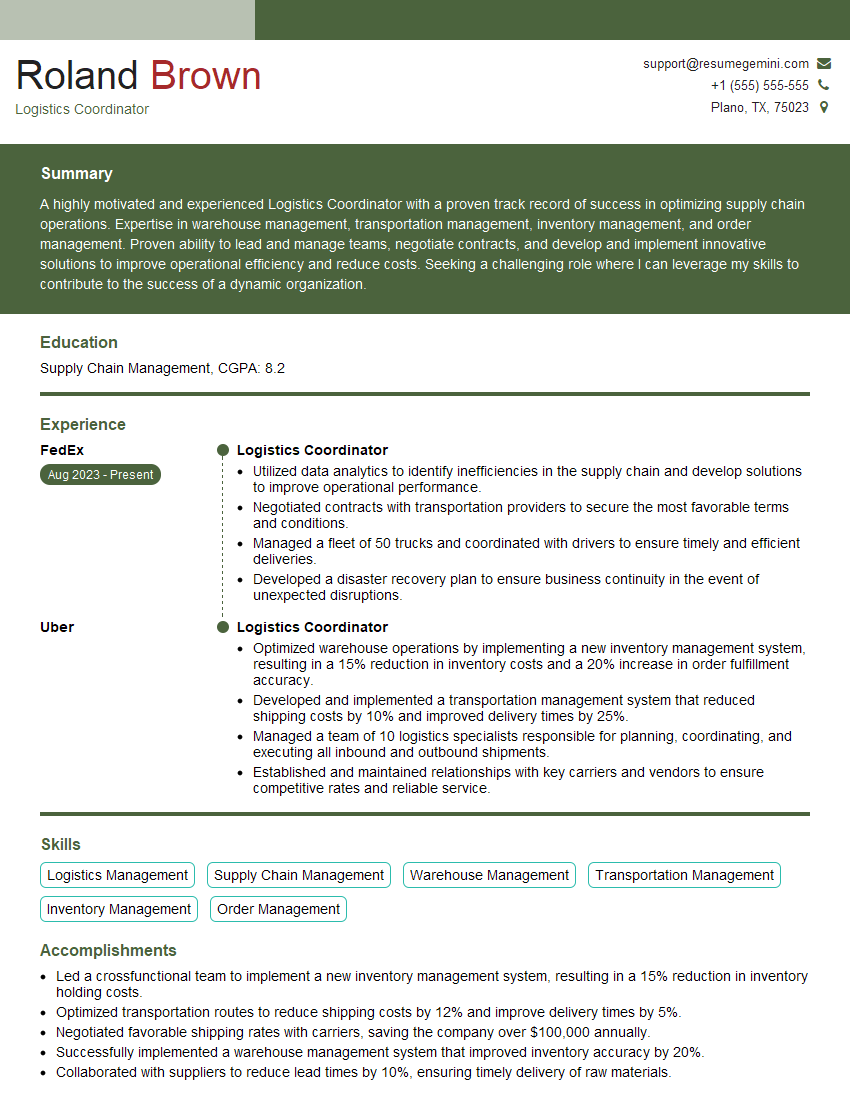
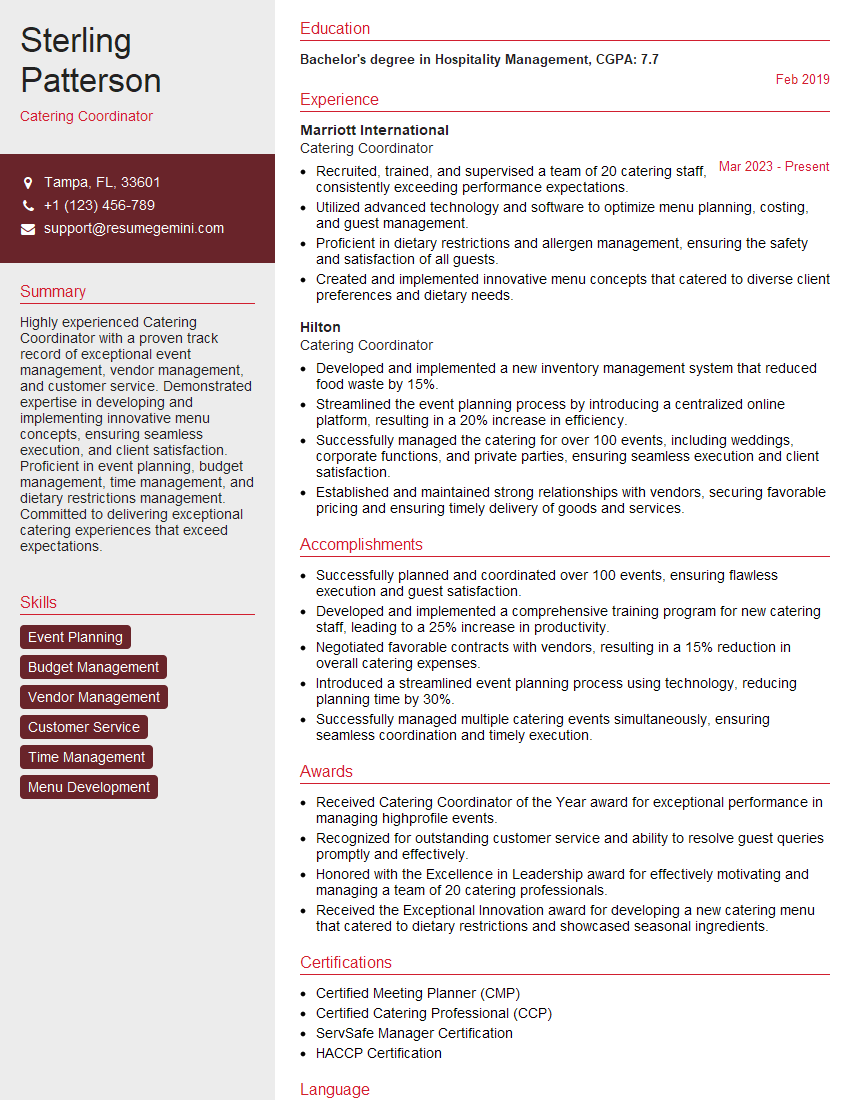
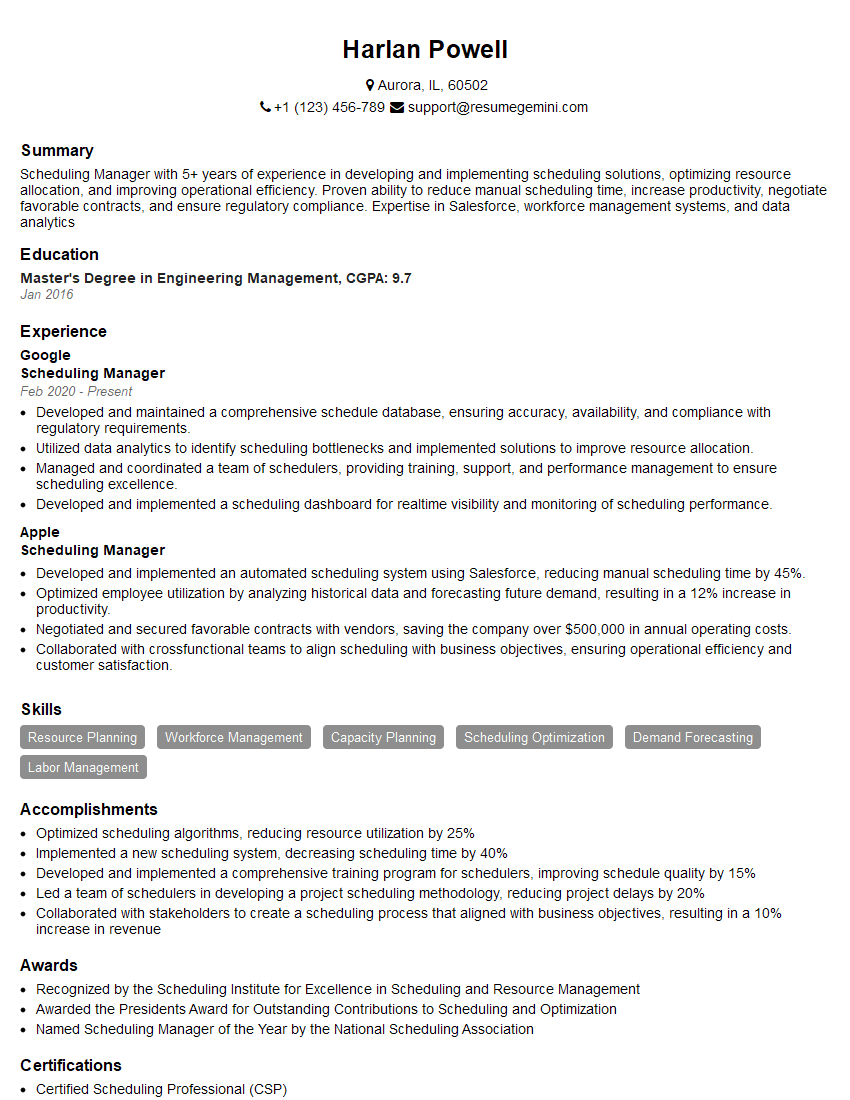
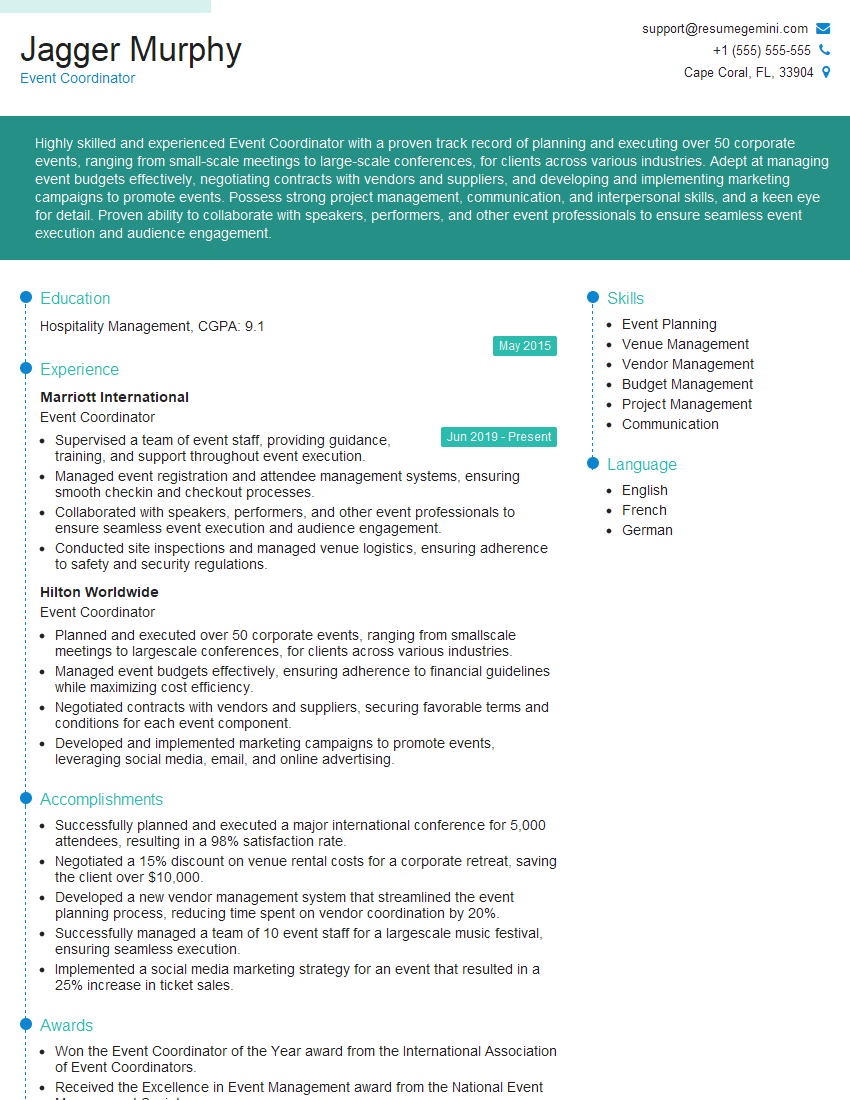
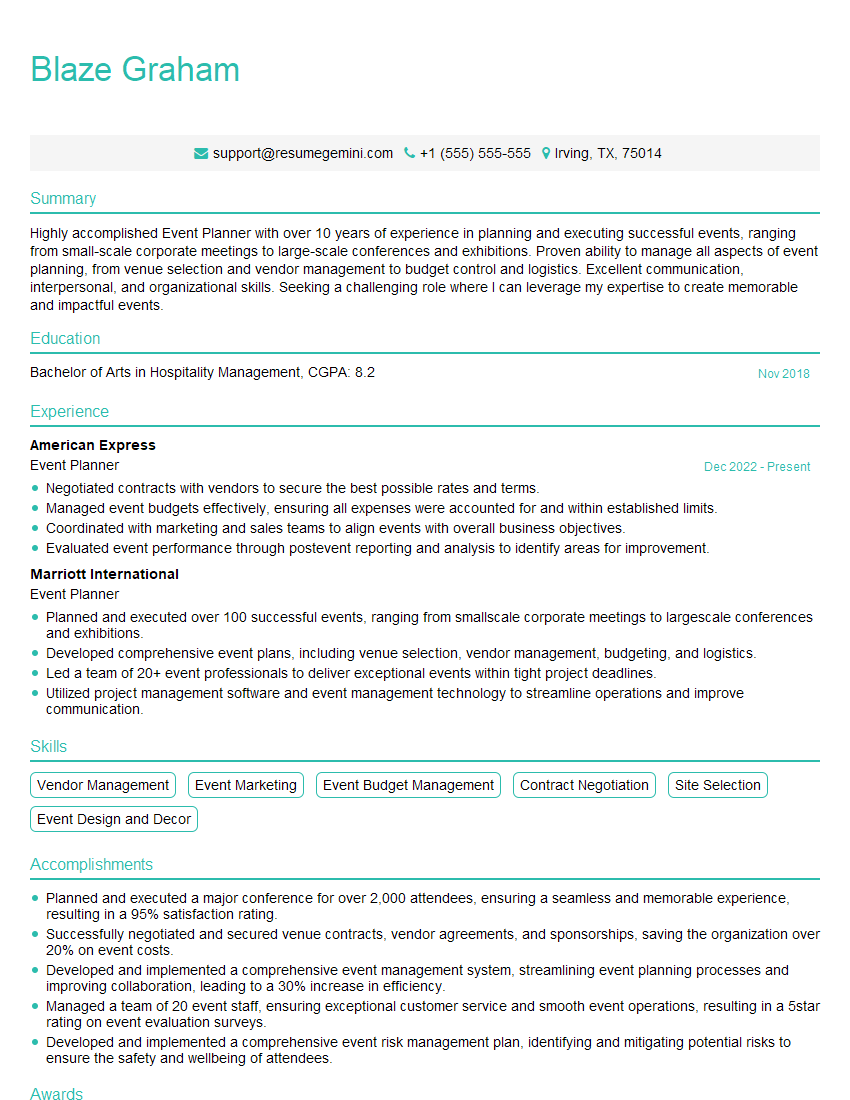
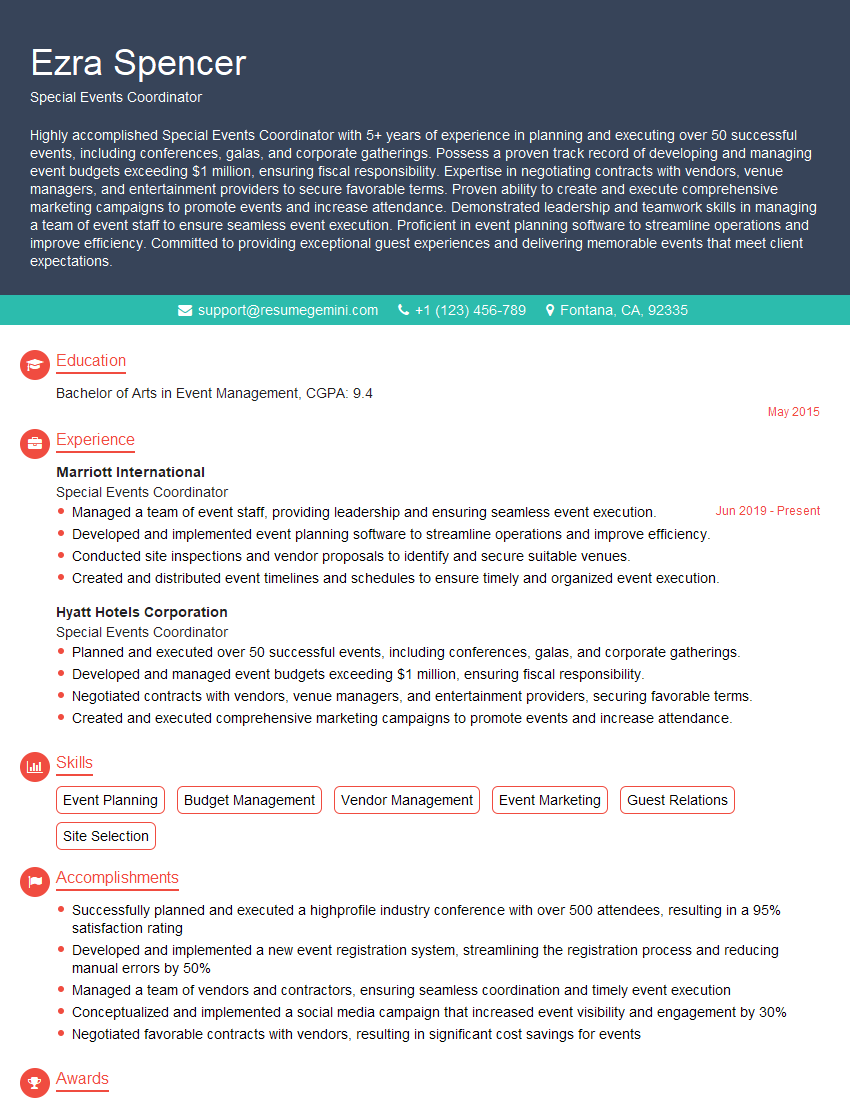
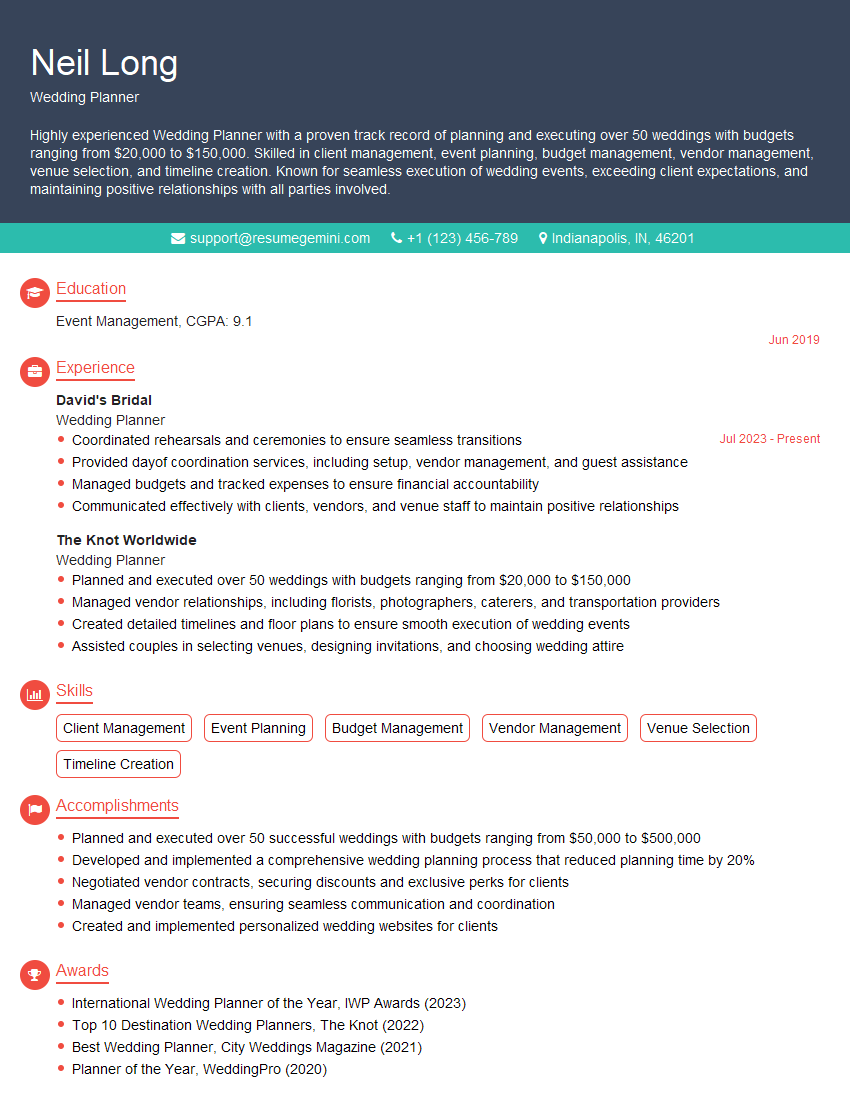
Mastering Event Scheduling and Coordination opens doors to exciting career opportunities with significant growth potential. To maximize your job prospects, creating a strong, ATS-friendly resume is crucial. ResumeGemini is a trusted resource that can help you build a professional resume that effectively showcases your skills and experience. They offer examples of resumes tailored specifically to Event Scheduling and Coordination to guide you. Invest time in crafting a compelling resume – it’s your first impression on potential employers.
Explore more articles
Users Rating of Our Blogs
Share Your Experience
We value your feedback! Please rate our content and share your thoughts (optional).
What Readers Say About Our Blog
Hello,
we currently offer a complimentary backlink and URL indexing test for search engine optimization professionals.
You can get complimentary indexing credits to test how link discovery works in practice.
No credit card is required and there is no recurring fee.
You can find details here:
https://wikipedia-backlinks.com/indexing/
Regards
NICE RESPONSE TO Q & A
hi
The aim of this message is regarding an unclaimed deposit of a deceased nationale that bears the same name as you. You are not relate to him as there are millions of people answering the names across around the world. But i will use my position to influence the release of the deposit to you for our mutual benefit.
Respond for full details and how to claim the deposit. This is 100% risk free. Send hello to my email id: [email protected]
Luka Chachibaialuka
Hey interviewgemini.com, just wanted to follow up on my last email.
We just launched Call the Monster, an parenting app that lets you summon friendly ‘monsters’ kids actually listen to.
We’re also running a giveaway for everyone who downloads the app. Since it’s brand new, there aren’t many users yet, which means you’ve got a much better chance of winning some great prizes.
You can check it out here: https://bit.ly/callamonsterapp
Or follow us on Instagram: https://www.instagram.com/callamonsterapp
Thanks,
Ryan
CEO – Call the Monster App
Hey interviewgemini.com, I saw your website and love your approach.
I just want this to look like spam email, but want to share something important to you. We just launched Call the Monster, a parenting app that lets you summon friendly ‘monsters’ kids actually listen to.
Parents are loving it for calming chaos before bedtime. Thought you might want to try it: https://bit.ly/callamonsterapp or just follow our fun monster lore on Instagram: https://www.instagram.com/callamonsterapp
Thanks,
Ryan
CEO – Call A Monster APP
To the interviewgemini.com Owner.
Dear interviewgemini.com Webmaster!
Hi interviewgemini.com Webmaster!
Dear interviewgemini.com Webmaster!
excellent
Hello,
We found issues with your domain’s email setup that may be sending your messages to spam or blocking them completely. InboxShield Mini shows you how to fix it in minutes — no tech skills required.
Scan your domain now for details: https://inboxshield-mini.com/
— Adam @ InboxShield Mini
Reply STOP to unsubscribe
Hi, are you owner of interviewgemini.com? What if I told you I could help you find extra time in your schedule, reconnect with leads you didn’t even realize you missed, and bring in more “I want to work with you” conversations, without increasing your ad spend or hiring a full-time employee?
All with a flexible, budget-friendly service that could easily pay for itself. Sounds good?
Would it be nice to jump on a quick 10-minute call so I can show you exactly how we make this work?
Best,
Hapei
Marketing Director
Hey, I know you’re the owner of interviewgemini.com. I’ll be quick.
Fundraising for your business is tough and time-consuming. We make it easier by guaranteeing two private investor meetings each month, for six months. No demos, no pitch events – just direct introductions to active investors matched to your startup.
If youR17;re raising, this could help you build real momentum. Want me to send more info?
Hi, I represent an SEO company that specialises in getting you AI citations and higher rankings on Google. I’d like to offer you a 100% free SEO audit for your website. Would you be interested?
Hi, I represent an SEO company that specialises in getting you AI citations and higher rankings on Google. I’d like to offer you a 100% free SEO audit for your website. Would you be interested?
good