Unlock your full potential by mastering the most common Excellent communication and teamwork skills interview questions. This blog offers a deep dive into the critical topics, ensuring you’re not only prepared to answer but to excel. With these insights, you’ll approach your interview with clarity and confidence.
Questions Asked in Excellent communication and teamwork skills Interview
Q 1. Describe a time you had to explain a complex technical issue to a non-technical audience.
Explaining complex technical issues to a non-technical audience requires a shift in perspective. Instead of focusing on jargon and technical details, the key is to translate the information into a language everyone understands, using analogies and relatable examples.
For instance, I once had to explain the concept of database normalization to a group of marketing executives. Instead of diving into relational algebra and database schemas, I used the analogy of organizing a filing cabinet. I explained that normalization is like organizing your files systematically to avoid redundancy and ensure efficiency – just like how a well-structured database prevents data duplication and improves data integrity. I used simple diagrams and real-world examples of how unorganized data could lead to confusion and inefficiencies in their marketing campaigns. This approach helped them grasp the core concepts without getting bogged down in the technical complexities.
I always start by identifying the audience’s level of understanding and tailoring my explanation accordingly. I also use visuals like diagrams, charts, or even simple sketches to illustrate complex ideas. Active listening and checking for understanding throughout the explanation are crucial to ensure everyone is on the same page.
Q 2. How do you handle conflict within a team?
Conflict is inevitable in any team, but it’s how we manage it that determines success. My approach is based on open communication, active listening, and finding a collaborative solution. I begin by creating a safe space where team members feel comfortable expressing their concerns. I encourage everyone to share their perspectives without interruption, ensuring everyone feels heard.
I then work to identify the root cause of the conflict – often it’s a misunderstanding or differing priorities. Once the root cause is identified, I facilitate a discussion to find a solution that addresses everyone’s concerns. This might involve brainstorming multiple options, compromising, or even mediating between conflicting parties. The goal is always to find a solution that benefits the team as a whole and respects the needs of individual members. For example, in a past project, two team members had contrasting opinions on the best approach to a design challenge. I facilitated a meeting where both members explained their ideas, listened to each other’s perspectives, and identified common ground. We ultimately integrated elements from both proposals resulting in a superior outcome compared to either original suggestion.
Q 3. What strategies do you use to ensure effective communication in a virtual team environment?
Effective communication in a virtual team environment requires proactive strategies and the use of appropriate tools. Regular and structured communication is key. This includes daily check-ins through instant messaging or short video calls to keep everyone informed and updated.
I utilize project management tools like Asana or Trello to centralize tasks, deadlines, and communication. This ensures transparency and accountability for everyone. In addition, I ensure that all virtual meetings have clear agendas and defined goals. This ensures that time is used efficiently and that we stay on track. For example, we use video conferencing platforms not only for meetings, but also for more casual interactions, fostering a sense of camaraderie and connection. We also use collaborative documents for brainstorming sessions and project updates, ensuring all members have access to the most current information.
Beyond tools, clear and concise written communication is crucial. When sending emails or messages, I always ensure that they are clear, easy to understand, and include all relevant information. I also actively solicit feedback to ensure that my messages are received as intended.
Q 4. Describe your preferred method for delegating tasks within a team.
My preferred method for delegating tasks is based on understanding individual strengths and aligning them with the project requirements. I believe in delegating not just tasks, but also responsibility and ownership.
Before delegating, I ensure the team member has the necessary skills and resources to complete the task successfully. I provide clear instructions, expectations, and deadlines. I also empower team members to make decisions within their assigned areas of responsibility. I maintain open communication throughout the process, providing support and guidance as needed.
For example, if a team member excels in data analysis, I might assign them tasks involving data interpretation and reporting. I provide them the necessary data, tools, and guidelines, and then trust their expertise to deliver. Regular check-ins allow me to monitor progress, address challenges proactively, and offer any required assistance without micromanaging. This builds trust and reinforces their ownership of the task.
Q 5. How do you contribute to a positive and productive team dynamic?
Contributing to a positive and productive team dynamic involves active participation, open communication, and fostering a collaborative environment. I believe in leading by example, demonstrating a positive attitude, and showing respect for all team members.
I actively listen to others’ ideas, provide constructive feedback, and celebrate team successes. I try to create a space where everyone feels comfortable sharing their thoughts and concerns without fear of judgment. I also actively participate in team-building activities both inside and outside of work. This helps to strengthen relationships and improve team cohesion. For example, initiating casual team chats, organizing virtual coffee breaks or suggesting team-building exercises during meetings can foster rapport and build a sense of community. In my previous role, I organized a series of virtual team-building activities such as online quizzes and virtual escape rooms to enhance team spirit and cohesion.
Q 6. Explain how you would approach a project where team members have differing opinions.
Differing opinions are valuable assets in a project; they represent diverse perspectives and potential for innovative solutions. My approach focuses on respectful discussion, collaborative problem-solving, and consensus-building.
I start by creating a safe environment for open dialogue. I encourage each team member to clearly articulate their opinions and supporting rationale. I facilitate a structured discussion where we explore the pros and cons of each approach, identifying common ground and potential areas of compromise. We might use techniques like SWOT analysis (Strengths, Weaknesses, Opportunities, Threats) or mind-mapping to visually organize our ideas and identify potential solutions.
The goal is not to force consensus but rather to explore all options thoroughly and make an informed decision based on evidence and reasoned argument. If a complete consensus isn’t reached, we identify the most suitable approach based on project goals and available resources. Transparency and clear communication throughout the process are vital to ensuring everyone understands the rationale behind the final decision.
Q 7. How do you provide constructive feedback to colleagues?
Providing constructive feedback involves focusing on specific behaviors and their impact, rather than making personal attacks. My approach is based on the ‘Situation-Behavior-Impact’ (SBI) model.
Using the SBI model, I first describe the specific situation I observed. Then I describe the behavior I observed and finally, I explain the impact that behavior had. For example, instead of saying ‘Your presentation was bad’, I might say, ‘In yesterday’s presentation (Situation), the lack of visual aids made it difficult to follow your key points (Behavior), which resulted in some team members being unclear about the next steps (Impact).’
I always frame my feedback in a way that is supportive and encouraging. I focus on how the individual can improve and offer concrete suggestions. I conclude by expressing my confidence in their ability to improve and reiterate my overall support for them and their work. The aim is to provide guidance for improvement while maintaining a respectful and positive professional relationship.
Q 8. Describe a situation where you had to persuade a team to adopt a new approach.
Persuading a team to adopt a new approach requires a strategic blend of communication, empathy, and data-driven reasoning. It’s not just about presenting the idea, but about building consensus and addressing concerns.
In a previous project, my team relied on a cumbersome, outdated project management system. I proposed transitioning to a more agile methodology using a new platform. Initially, there was resistance – the team was comfortable with the old system, despite its inefficiencies. To overcome this, I didn’t simply dictate the change. Instead, I:
- Presented concrete data: I showed how the new system would save time (quantified in hours per week) and improve collaboration (using metrics like reduced email chains and quicker task resolution).
- Addressed concerns directly: I held individual meetings with team members to address their specific concerns about the learning curve, data migration, and potential disruptions. I offered personalized training and support.
- Showcased benefits, not just features: I focused on how the new system would improve their daily work lives—less busywork, better visibility of project status, increased team efficiency.
- Involved the team in the decision-making process: I didn’t just impose the change; I actively sought feedback, incorporated suggestions, and made them feel like active participants in the transition.
The result was a smooth transition with a highly motivated team embracing the new system and reaping the benefits of increased efficiency and productivity.
Q 9. How do you manage your time effectively when working on multiple projects simultaneously?
Managing multiple projects simultaneously requires a structured approach to time management. Think of it like orchestrating a symphony – each instrument (project) requires attention, but the conductor (you) must ensure they harmonize.
My strategy relies on several key elements:
- Prioritization and Planning: I use a combination of task management software (like Asana or Trello) and a personal planner to break down each project into manageable tasks. I prioritize tasks based on urgency and importance using methods like the Eisenhower Matrix (urgent/important).
- Time Blocking: I allocate specific blocks of time for focused work on each project. For example, Monday morning might be dedicated to Project A, while Tuesday afternoon is for Project B. This helps maintain focus and prevent task-switching.
- Regular Review and Adjustment: I regularly review my schedule and adjust my time blocks based on progress and shifting priorities. It’s essential to be flexible and adapt as needed.
- Delegation: When possible, I delegate tasks to team members to free up my time for higher-priority activities. This requires clear communication of expectations and providing support to the individuals tasked with completion.
- Effective Communication: Proactive communication with stakeholders regarding potential delays or changes in timelines is critical to ensure everyone is informed and aligned.
This systematic approach allows me to efficiently manage multiple projects and meet deadlines consistently.
Q 10. How do you prioritize tasks when faced with competing deadlines?
Prioritizing tasks with competing deadlines requires a clear understanding of priorities and a structured approach. Think of it as triage in a hospital – you need to address the most critical cases first.
I typically use a combination of techniques:
- The Eisenhower Matrix (Urgent/Important): This matrix helps categorize tasks based on urgency and importance, allowing me to focus on the most critical tasks first.
- MoSCoW Method: This prioritization method categorizes requirements as Must have, Should have, Could have, and Won’t have, allowing for clear decision making in resource allocation.
- Impact/Effort Matrix: This method helps visualize the impact of each task against the effort required. High impact, low effort tasks should be prioritized.
- Dependency Analysis: Identifying task dependencies helps determine the order in which tasks must be completed.
By combining these methods, I create a prioritized task list that ensures that the most important and urgent tasks are tackled first, while still accounting for dependencies and potential roadblocks.
Q 11. Describe a time you had to overcome a communication barrier with a colleague.
Communication barriers can significantly hinder productivity and teamwork. Overcoming them requires empathy, active listening, and a willingness to find common ground.
I once had a colleague who consistently misinterpreted my technical instructions. After several failed attempts, I realized that the issue wasn’t with my communication skills, but with a difference in our technical backgrounds. To address this:
- I scheduled a one-on-one meeting: This provided a safe space to discuss the issue without interrupting the workflow.
- I actively listened to his perspective: I asked questions to understand his interpretation of my instructions and identified the root cause of the misunderstanding.
- I used simpler language and visual aids: Instead of relying solely on technical jargon, I used simpler terms and diagrams to ensure clarity.
- I sought feedback throughout the process: I regularly checked for understanding to ensure he grasped the concepts before moving on.
By adjusting my communication style and actively seeking his feedback, we successfully overcame the communication barrier and improved our collaborative work significantly.
Q 12. How do you handle disagreements effectively in a team setting?
Disagreements are inevitable in team settings; they can actually be opportunities for innovation if managed effectively. The key is to focus on the issue, not the personalities involved.
My approach to handling disagreements involves:
- Active Listening: I ensure everyone feels heard and understood before attempting to resolve the conflict. This includes paraphrasing to confirm understanding.
- Focus on Facts: I encourage the team to focus on objective data and evidence rather than personal opinions or emotions.
- Respectful Communication: I maintain a calm and respectful tone, even when disagreements become heated. I encourage others to do the same.
- Collaborative Problem Solving: I facilitate a discussion to brainstorm solutions collaboratively. The goal is to find a mutually acceptable outcome, not to win an argument.
- Mediation if Necessary: In situations where a resolution cannot be reached internally, I suggest seeking mediation from a neutral third party.
By emphasizing collaboration and respect, disagreements can be transformed from potential roadblocks into opportunities for growth and improved team cohesion.
Q 13. Describe your experience working in a diverse team environment.
Working in diverse teams is a cornerstone of my professional experience. I’ve found that diverse perspectives lead to richer discussions, more creative solutions, and a more inclusive work environment.
In my previous role, we had a team comprised of individuals from various cultural backgrounds, technical expertise, and communication styles. To foster a positive and productive environment, I focused on:
- Respect for differences: I actively celebrated our diverse backgrounds and experiences, acknowledging that different perspectives enrich our work.
- Clear communication protocols: We established clear guidelines for communication, ensuring everyone felt comfortable expressing their ideas, regardless of their communication style or background.
- Inclusive decision-making: I made a conscious effort to ensure that every team member’s voice was heard and considered during decision-making processes.
- Empathy and understanding: I took the time to understand individual perspectives and needs, fostering a culture of mutual respect and support.
Working in a diverse environment has broadened my perspective and enhanced my ability to understand and appreciate different approaches to problem-solving. It’s made me a more effective communicator and a stronger team player.
Q 14. How do you actively listen and ensure you understand others’ perspectives?
Active listening is more than just hearing words; it’s about truly understanding the speaker’s message, both verbally and nonverbally. It’s a crucial skill for effective communication and building strong relationships.
To ensure I understand others’ perspectives, I practice several techniques:
- Paying attention: I maintain eye contact, avoid interrupting, and focus fully on the speaker. I put aside distractions and give my undivided attention.
- Asking clarifying questions: I ask open-ended questions to encourage the speaker to elaborate and clarify their points. I avoid making assumptions.
- Paraphrasing and summarizing: I regularly paraphrase what the speaker has said to confirm my understanding and ensure they feel heard.
- Observing nonverbal cues: I pay attention to body language, tone of voice, and facial expressions to get a complete understanding of the message.
- Empathetic response: I aim to understand the speaker’s emotional state and respond with empathy and understanding, even if I don’t agree with their perspective.
By practicing active listening, I build trust, improve communication, and foster stronger relationships with my colleagues and stakeholders.
Q 15. How do you ensure all team members feel heard and valued?
Ensuring every team member feels heard and valued is paramount for a productive and collaborative environment. It’s not just about listening; it’s about actively fostering a culture of respect and psychological safety. I achieve this through several key strategies:
- Regular Check-ins: I conduct individual check-ins with each team member, creating a safe space for them to share concerns, ideas, and challenges. These meetings aren’t just performance reviews; they are opportunities to build rapport and understand their perspectives.
- Open Communication Channels: I encourage open and honest communication through various channels – from informal team meetings to formal project updates. This ensures that everyone feels comfortable expressing their thoughts and opinions, regardless of seniority.
- Active Listening Techniques: I practice active listening, paying attention not only to what is said but also to the unspoken cues. I summarize and paraphrase to ensure understanding and show that I value their contributions.
- Recognizing and Appreciating Contributions: Publicly acknowledging and appreciating individual and team accomplishments is crucial. This can be through simple verbal praise, formal recognition, or even small gestures of appreciation.
- Creating a Culture of Feedback: I encourage feedback both up and down the hierarchy. This ensures that everyone’s voice is heard and that we are continuously improving our processes.
For example, during a project where a junior team member had a brilliant solution that initially wasn’t considered, I ensured their contribution was showcased, and they received credit for their ingenuity. This boosted their confidence and reinforced the team’s commitment to valuing everyone’s input.
Career Expert Tips:
- Ace those interviews! Prepare effectively by reviewing the Top 50 Most Common Interview Questions on ResumeGemini.
- Navigate your job search with confidence! Explore a wide range of Career Tips on ResumeGemini. Learn about common challenges and recommendations to overcome them.
- Craft the perfect resume! Master the Art of Resume Writing with ResumeGemini’s guide. Showcase your unique qualifications and achievements effectively.
- Don’t miss out on holiday savings! Build your dream resume with ResumeGemini’s ATS optimized templates.
Q 16. How do you adapt your communication style to different audiences?
Adapting communication style is crucial for effective interaction. I adjust my approach based on the audience’s technical expertise, communication preferences, and the context of the conversation. Think of it like speaking different languages – you need to tailor your vocabulary and delivery to be understood and respected.
- Technical vs. Non-technical Audiences: When addressing technical teams, I use precise terminology and detailed explanations. With non-technical audiences, I simplify complex concepts using analogies and avoiding jargon. For example, instead of saying “We need to optimize the database query for improved latency,” I might say, “We need to speed up how the system accesses information to make it faster for everyone.”
- Formal vs. Informal Settings: In formal presentations, I use structured slides and a more formal tone. In informal team meetings, I encourage open discussion and a relaxed atmosphere. This allows for flexibility and fosters a more comfortable environment.
- Individual Preferences: I also consider individual communication styles. Some people prefer written communication, while others thrive on face-to-face interaction. I try to tailor my approach to their preferences wherever possible. For instance, some team members might appreciate a detailed email update, while others respond better to a quick phone call.
By adapting my style, I ensure that my message is clearly understood, respected, and well-received, fostering better collaboration and stronger relationships.
Q 17. How do you identify and address potential communication breakdowns within a team?
Identifying and addressing communication breakdowns requires proactive monitoring and a willingness to adapt. I typically use a combination of methods:
- Regular Team Meetings: Dedicated time for open discussion helps identify potential problems early. This allows us to address issues before they escalate.
- Active Listening and Observation: Paying attention to body language, tone, and the overall mood during discussions can provide valuable insights into potential communication barriers.
- Feedback Mechanisms: Encouraging regular feedback through surveys or informal discussions helps uncover issues team members might not otherwise raise.
- Conflict Resolution Skills: Using proven techniques for conflict resolution, such as active listening, empathy, and clear communication, helps to address misunderstandings and resolve disagreements constructively.
- Process Improvement: Identifying bottlenecks in communication processes and streamlining workflows can prevent future breakdowns.
For example, if I notice a recurring pattern of misunderstandings related to project deadlines, I would implement a clearer project management system and ensure team members are adequately trained in its use. This helps prevent similar issues from recurring.
Q 18. How do you measure the success of your team’s communication efforts?
Measuring the success of team communication efforts goes beyond simply whether a project was completed on time. It involves assessing the quality of communication and its impact on team performance and overall outcomes. I use several metrics:
- Project Completion Rate and Timeliness: Efficient communication directly impacts project success, and timely completion demonstrates smooth information flow.
- Team Morale and Satisfaction: Regular surveys and feedback sessions can gauge the team’s perception of communication effectiveness. High morale indicates strong, collaborative communication.
- Error Rate: A lower error rate often signifies clear and concise communication resulting in fewer misunderstandings.
- Stakeholder Satisfaction: Feedback from stakeholders demonstrates whether communication has been effective in keeping them informed and engaged.
- Innovation and Collaboration: Open communication often leads to increased idea generation and better collaboration among team members.
By tracking these metrics, I can pinpoint areas of strength and weakness and make improvements to our communication strategies.
Q 19. Describe a time you used active listening to resolve a problem.
During a particularly challenging project involving the integration of two different software systems, a conflict arose between the development and testing teams regarding functionality specifications. The development team felt that the testing team’s feedback was overly critical and didn’t fully understand the complexities of the integration. The testing team, in turn, felt that the development team wasn’t sufficiently addressing their concerns.
Instead of jumping to conclusions, I employed active listening. I met with each team separately, allowing them to freely express their frustrations and perspectives without interruption. I paraphrased their points to ensure understanding and asked clarifying questions to fully grasp their concerns. After listening to both sides, I facilitated a joint meeting where each team presented their viewpoints, and we worked together to find common ground. By using active listening and facilitating open dialogue, we were able to clarify misunderstandings, address the core issues, and create a collaborative environment which ultimately led to a successful project launch.
Q 20. How do you facilitate collaboration between different departments or teams?
Facilitating collaboration between different departments or teams requires a structured approach that goes beyond simply assigning tasks. I use these strategies:
- Clearly Defined Goals and Objectives: Shared understanding of project goals ensures everyone is working towards the same outcome.
- Cross-Functional Teams: Bringing representatives from different departments into a single team fosters better communication and shared understanding.
- Regular Cross-Departmental Meetings: Scheduled meetings provide a platform for information sharing and conflict resolution.
- Establishing Communication Protocols: Clear communication channels, such as shared documents, project management software, or regular updates, help maintain transparency.
- Shared Decision-Making Processes: Involving representatives from all departments in decision-making ensures their input is considered.
For instance, when working on a project that involved marketing, sales, and product development, I initiated regular cross-departmental meetings, created a shared online project management tool, and established clear reporting lines. This allowed each department to understand each other’s perspectives, challenges, and goals, resulting in a significantly more collaborative and productive outcome.
Q 21. How do you manage expectations of team members and stakeholders?
Managing expectations involves clear communication, proactive planning, and consistent follow-up. I approach this by:
- Setting Clear Expectations from the Start: This includes defining roles, responsibilities, deadlines, and success criteria.
- Regular Progress Updates: Keeping team members and stakeholders informed about project progress, challenges, and potential risks is key.
- Open Communication Channels: Providing multiple channels for communication (email, meetings, project management software) ensures everyone stays informed.
- Proactive Risk Management: Identifying and addressing potential roadblocks before they impact deadlines or deliverables.
- Transparency and Honesty: Addressing challenges and setbacks openly and honestly builds trust and credibility.
For example, if a project faces unexpected delays, I communicate the revised timeline transparently to all stakeholders, explaining the reasons for the delay and outlining the steps taken to mitigate the impact. This proactive approach helps prevent misunderstandings and maintains trust.
Q 22. Describe a time you had to give difficult news to a team member.
Delivering difficult news requires empathy, directness, and a focus on support. It’s not about softening the blow, but presenting the information clearly and respectfully, while offering solutions and demonstrating care for the recipient’s well-being.
For instance, I once had to inform a team member that their performance hadn’t met expectations on a recent project. Instead of launching into criticism, I started by acknowledging their contributions and highlighting their strengths. Then, I clearly and concisely explained the areas needing improvement, using specific examples from the project. I concluded by outlining a plan with concrete steps for improvement, offering my support and mentorship, and scheduling regular check-ins to monitor progress. The key was focusing on improvement, not blame.
The outcome was positive. The team member, feeling heard and supported, responded constructively, and their performance significantly improved over the following weeks. This experience underscored the importance of empathy and proactive support in delivering challenging feedback.
Q 23. How do you provide clear and concise instructions to your team?
Providing clear and concise instructions involves a structured approach that considers the audience’s understanding and ensures everyone is on the same page. It’s about thinking through how information is processed and delivered to maximize comprehension.
I usually use a combination of techniques. First, I always break down tasks into smaller, manageable steps. Then I utilize visual aids like flowcharts or diagrams whenever appropriate, especially for complex tasks. Clear and concise language is essential, avoiding jargon and technical terms where possible. I also make sure instructions are documented, often in a shared collaborative document, ensuring accessibility for everyone.
For example, when instructing the team on a new software implementation, I started with a high-level overview, followed by a step-by-step tutorial accompanied by screen recordings. We then had a practice session where team members could ask questions and we could address any challenges immediately. This approach ensured that everyone understood the instructions and felt confident in executing the task.
Q 24. How do you handle a situation where a team member isn’t meeting expectations?
Addressing underperformance requires a systematic approach combining clear communication, support, and potentially disciplinary action if needed. The goal isn’t to punish, but to help the individual improve and contribute effectively to the team.
I typically start with a private conversation, focusing on specific instances of underperformance with concrete examples. I then collaboratively explore the underlying reasons for the issue – are there obstacles hindering their progress, do they need more training or support, or is there a lack of motivation? A performance improvement plan (PIP) might be developed with clear goals, timelines, and support mechanisms. Regular check-ins are crucial to monitor progress and provide ongoing support. If despite these efforts, performance doesn’t improve, more serious disciplinary measures might become necessary, but this would always be a last resort, and communicated with complete transparency and fairness.
Q 25. How do you keep your team motivated and engaged?
Maintaining team motivation and engagement is a continuous process requiring a multi-faceted strategy that focuses on individual needs and collective goals. It’s about fostering a positive and supportive work environment where everyone feels valued and empowered.
I prioritize open communication, creating a space where everyone feels comfortable sharing their ideas and concerns. Regular team meetings, both formal and informal, help facilitate this. Recognition and appreciation for both individual and team accomplishments are vital; I regularly celebrate successes (both big and small). I also focus on fostering a sense of purpose, ensuring that everyone understands how their work contributes to the larger goals of the organization. Delegating tasks appropriately, providing opportunities for growth and development, and promoting a work-life balance are other critical elements of boosting team morale.
Q 26. How do you handle criticism constructively?
Constructively handling criticism is crucial for both personal and professional growth. It’s about viewing criticism not as a personal attack, but as an opportunity for learning and improvement.
I approach criticism with an open mind, listening attentively and seeking clarification if needed. I avoid getting defensive and instead focus on understanding the perspective of the critic. I ask clarifying questions like “Can you give me some specific examples?” or “What suggestions do you have for improvement?”. I then reflect on the feedback, identifying areas where I can improve. I may not agree with every point raised, but I always consider the validity of the criticism and actively seek ways to improve based on it. Following up with the critic to show that I’ve considered their feedback demonstrates respect and a commitment to growth.
Q 27. How do you build trust and rapport with your team members?
Building trust and rapport within a team involves consistently demonstrating integrity, reliability, and empathy. It’s about fostering a sense of mutual respect and understanding.
I prioritize open and honest communication, ensuring transparency in decision-making. I actively listen to team members’ concerns and perspectives, and I demonstrate genuine care for their well-being, both professionally and personally (where appropriate). I lead by example, holding myself accountable for my actions and commitments. Building trust takes time and consistent effort. Celebrating successes together and providing support during challenging times strengthens team bonds. Regularly engaging in team-building activities, both formal and informal, can also help build stronger relationships.
Q 28. How do you celebrate team successes?
Celebrating team successes is essential for reinforcing positive behavior, boosting morale, and strengthening team cohesion. It shows appreciation for the team’s hard work and dedication.
The way we celebrate depends on the team and the nature of the achievement. Sometimes a simple acknowledgement in a team meeting is sufficient. Other times, more elaborate celebrations are warranted – a team lunch, a small gift, or a more formal award ceremony. The key is to make the celebration meaningful and inclusive, ensuring everyone feels valued and appreciated. Public recognition is powerful; showcasing achievements to a wider audience boosts team pride. The most important aspect is expressing sincere gratitude and acknowledging individual contributions to the overall success.
Key Topics to Learn for Excellent Communication and Teamwork Skills Interview
- Active Listening: Understanding and responding effectively to others’ ideas, concerns, and perspectives. This includes nonverbal cues and asking clarifying questions.
- Clear and Concise Communication: Articulating thoughts and ideas clearly, both verbally and in writing, adapting your communication style to your audience.
- Nonverbal Communication: Mastering body language, tone of voice, and eye contact to project confidence and engagement.
- Conflict Resolution: Identifying and addressing disagreements constructively, finding common ground, and mediating effectively.
- Collaboration and Cooperation: Working effectively as part of a team, sharing responsibilities, and contributing to a shared goal.
- Giving and Receiving Feedback: Providing constructive criticism and accepting feedback gracefully, using it for improvement.
- Team Dynamics: Understanding how teams function, identifying different roles, and adapting your approach to different team structures.
- Problem-Solving in Teams: Participating in brainstorming sessions, contributing ideas, and working collaboratively to find solutions.
- Decision-Making in Teams: Participating in collaborative decision-making processes, respecting diverse viewpoints, and reaching consensus.
Next Steps
Mastering excellent communication and teamwork skills is crucial for career advancement. These skills are highly valued by employers and directly impact your ability to collaborate effectively, lead projects, and contribute meaningfully to organizational success. To significantly improve your job prospects, create an ATS-friendly resume that highlights these abilities. ResumeGemini is a trusted resource that can help you build a professional and impactful resume showcasing your skills effectively. Examples of resumes tailored to highlight excellent communication and teamwork skills are available to guide your creation process.
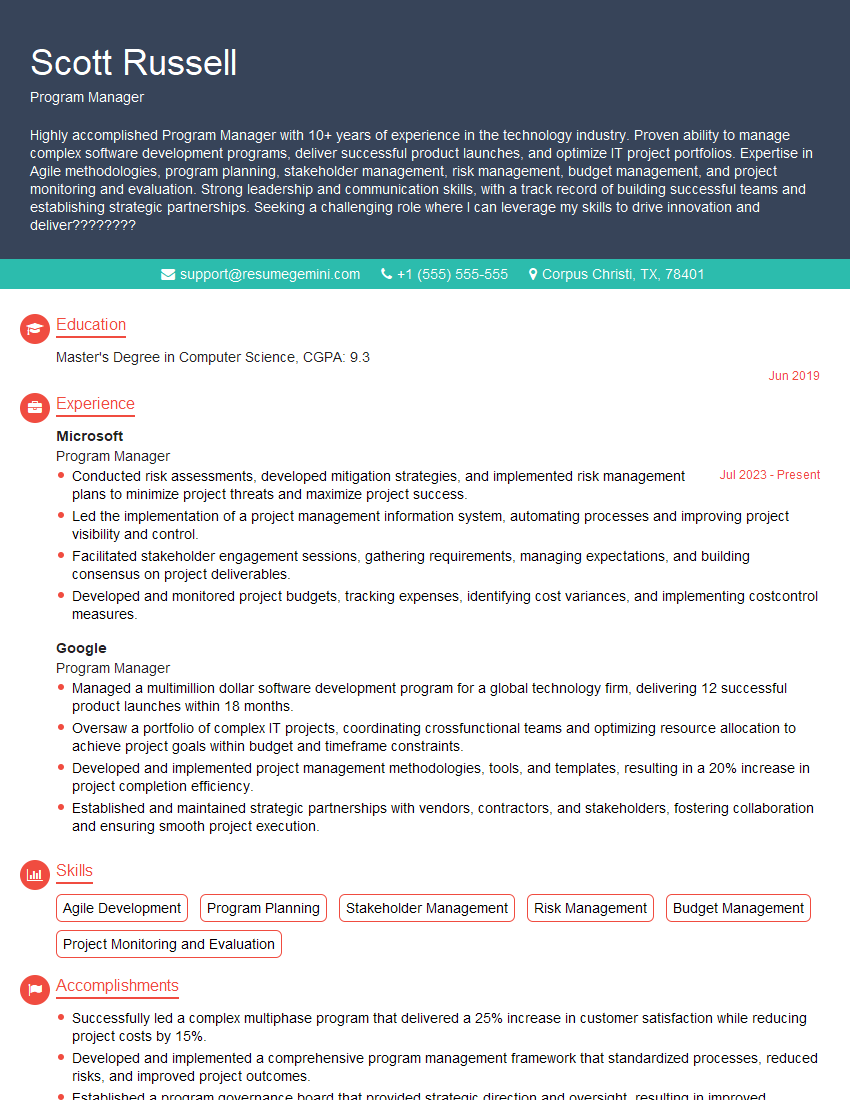
Program Manager Resume Sample

Operations Manager Resume Sample
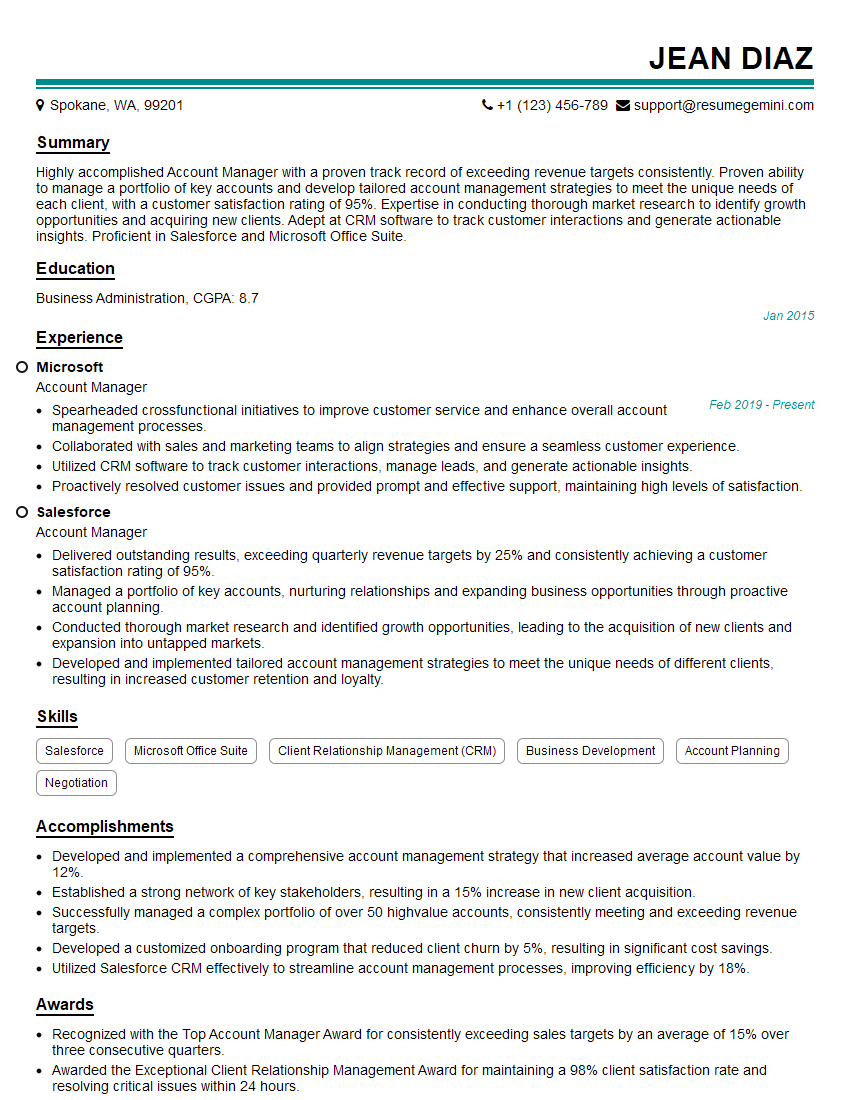
Account Manager Resume Sample
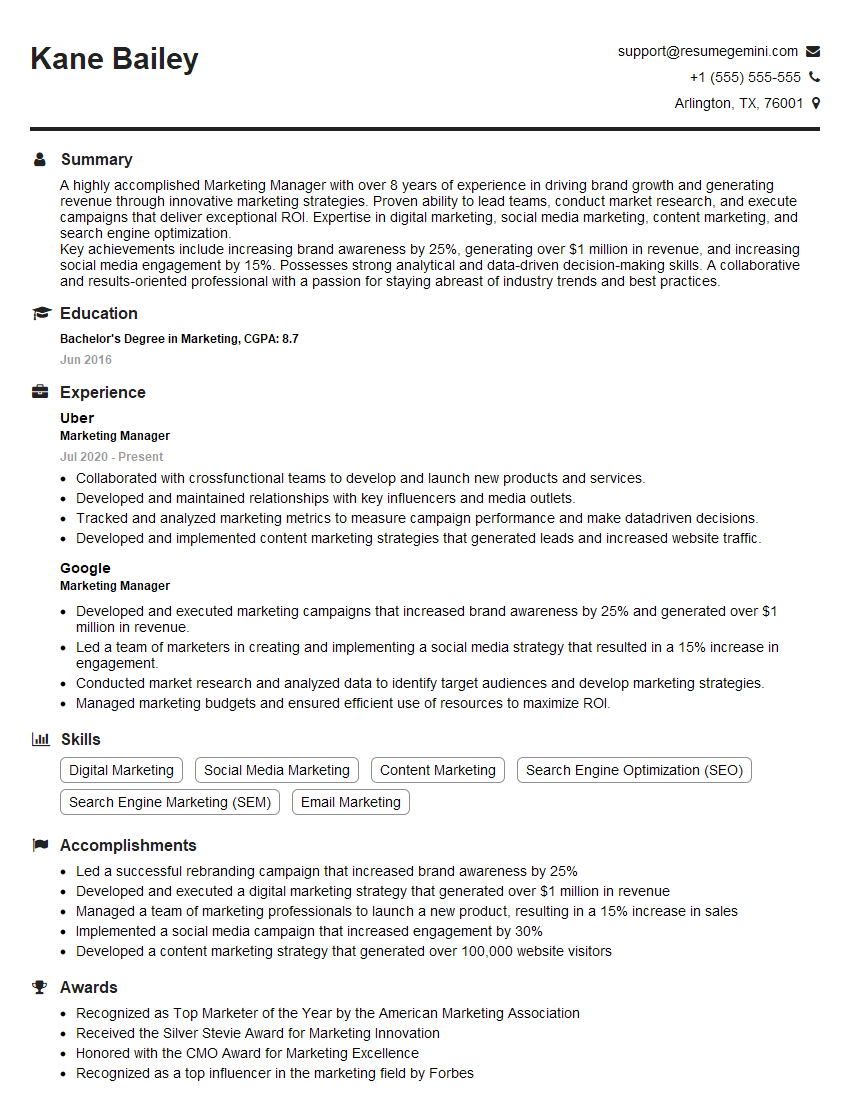
Marketing Manager Resume Sample
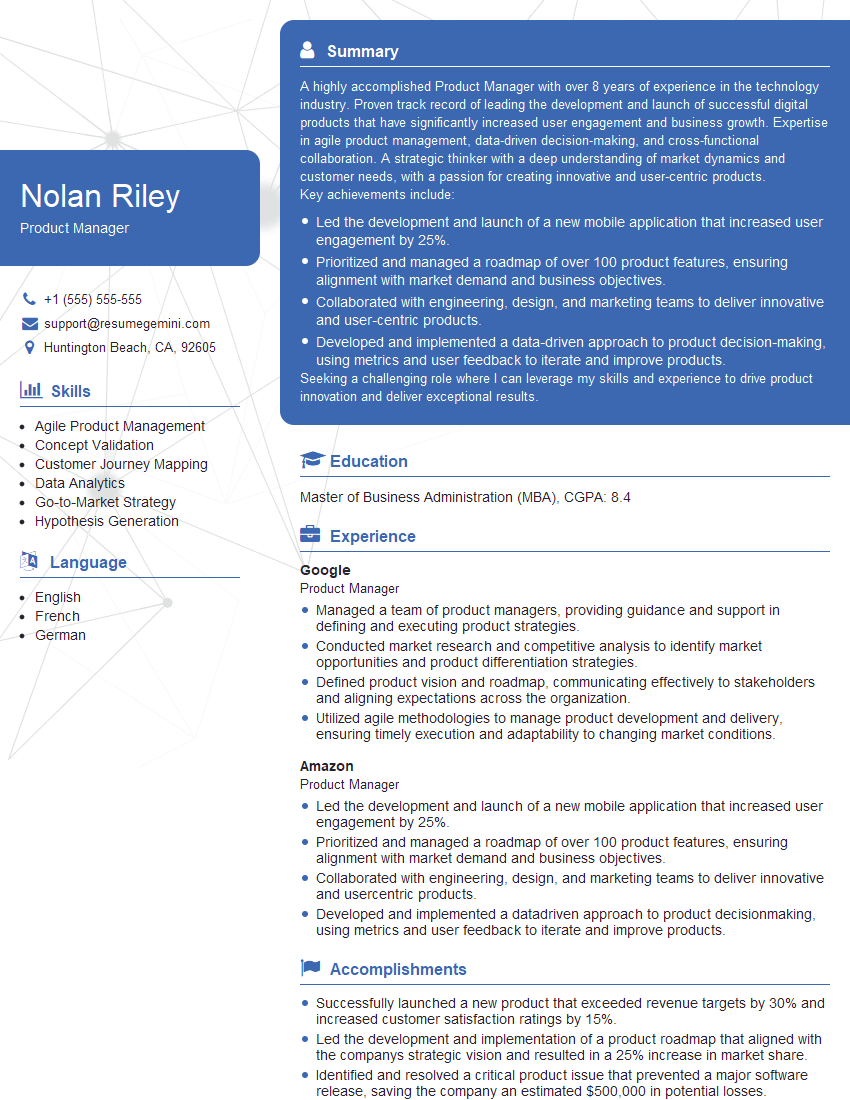
Product Manager Resume Sample
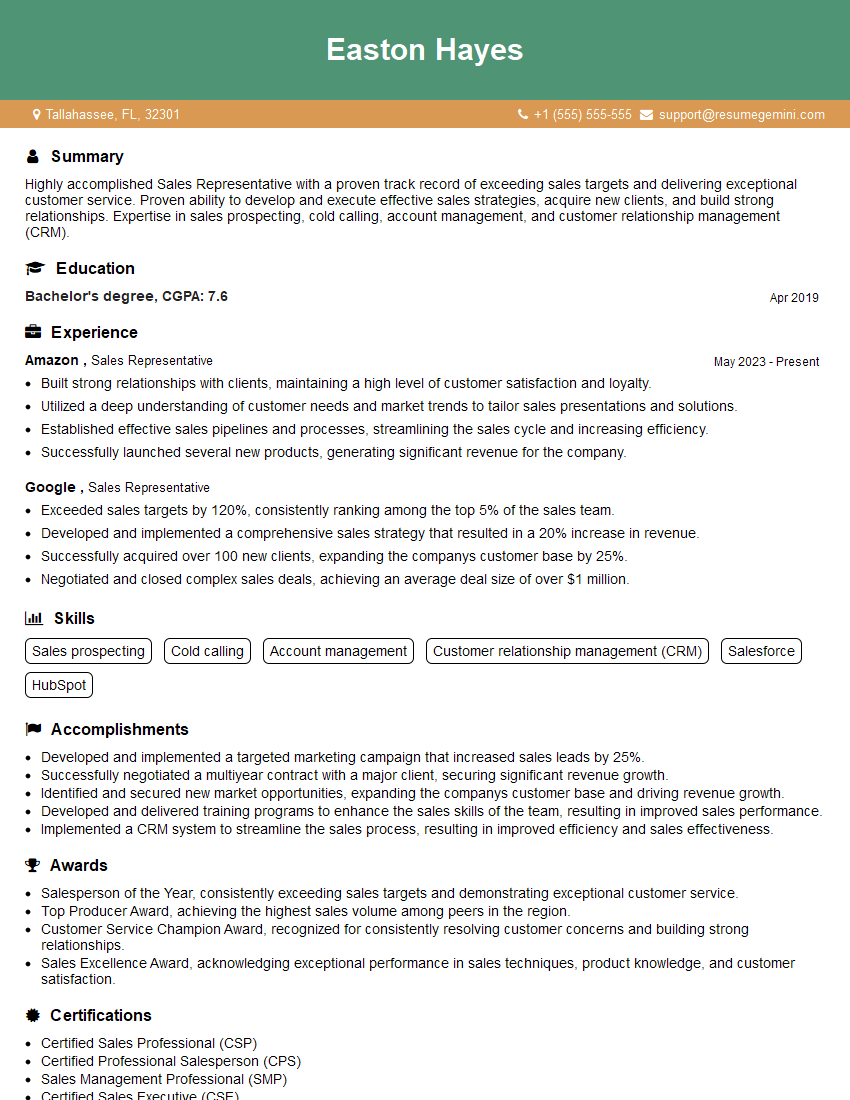
Sales Representative Resume Sample
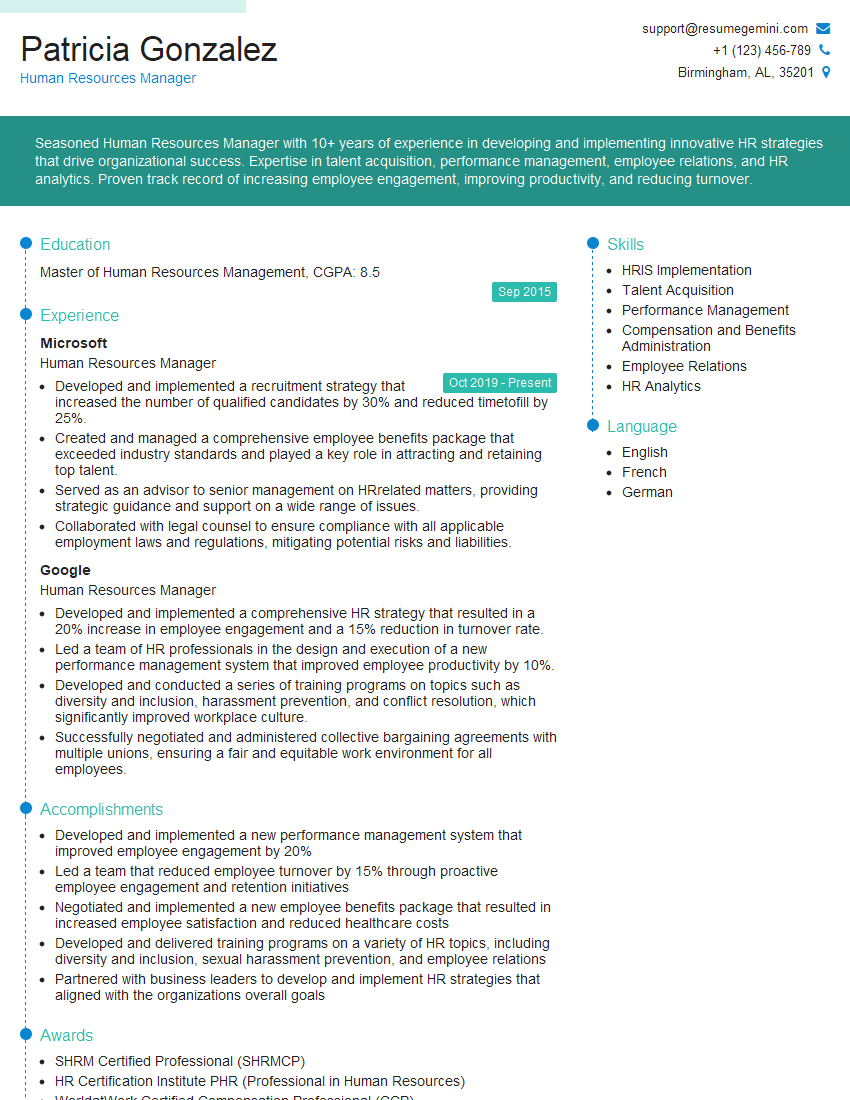
Human Resources Manager Resume Sample

Project Manager Resume Sample
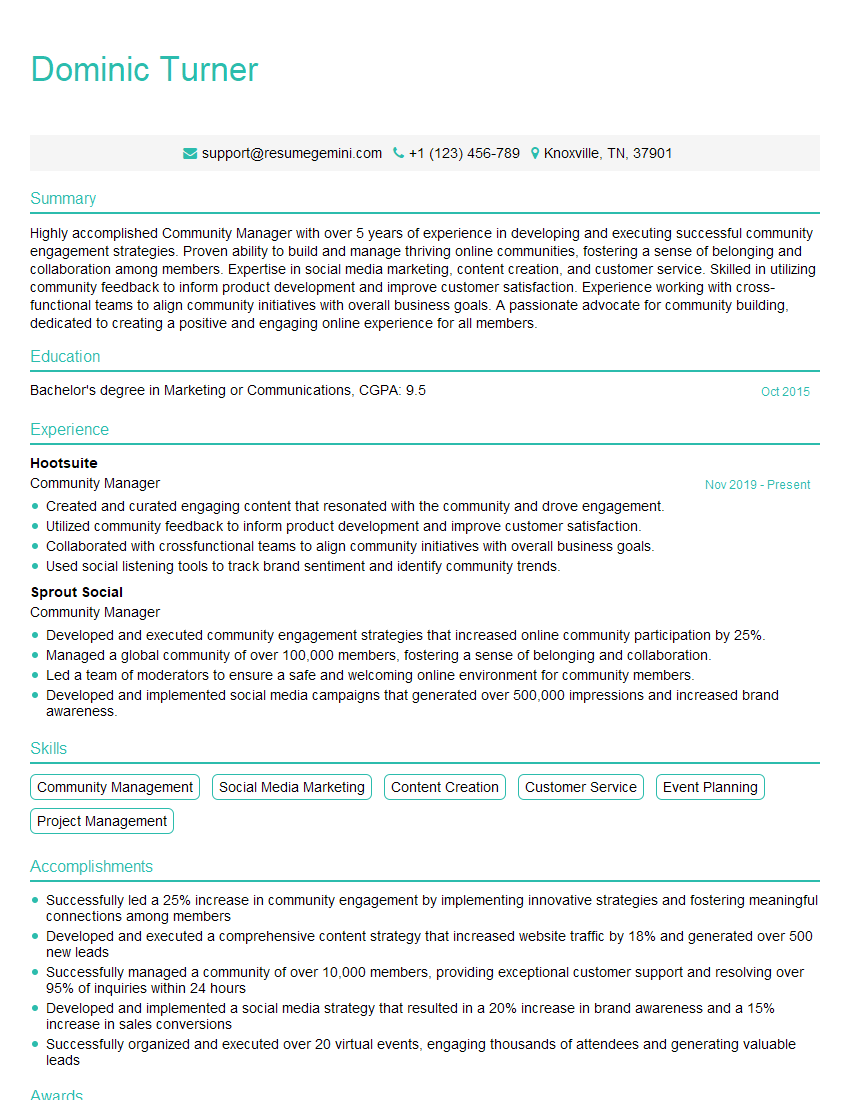
Community Manager Resume Sample
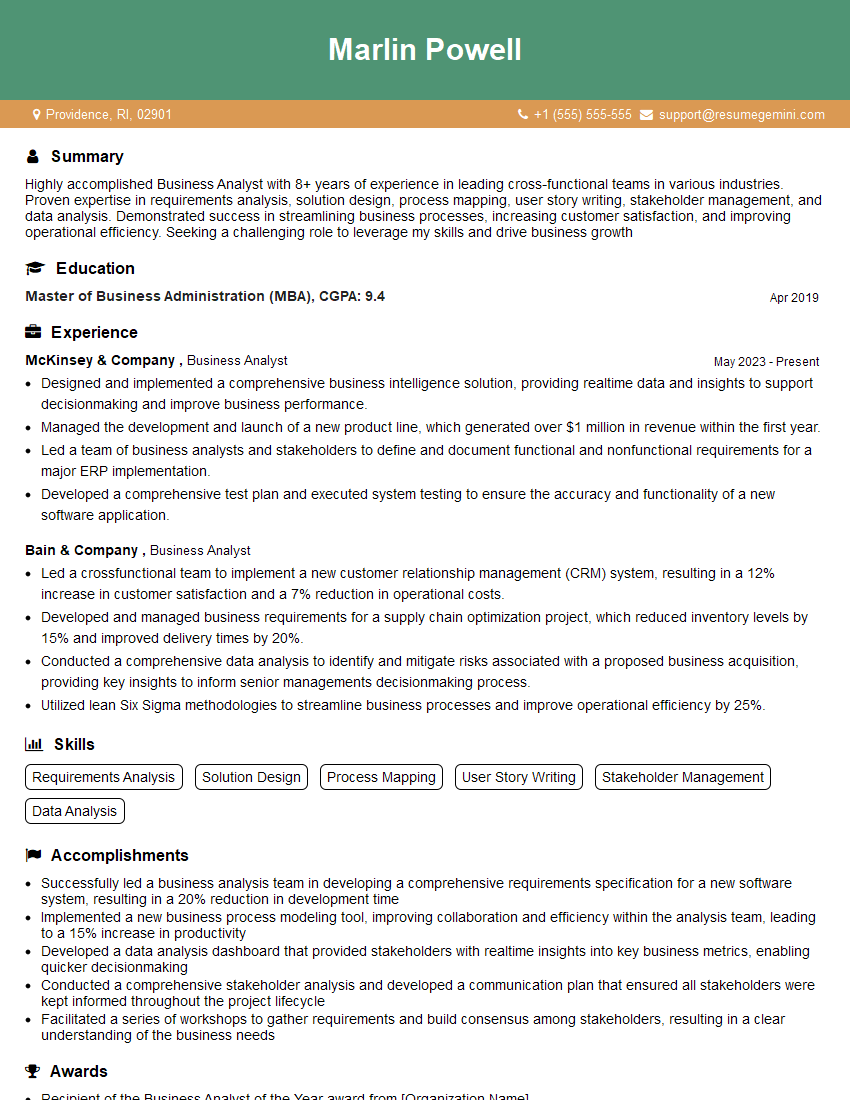
Business Analyst Resume Sample
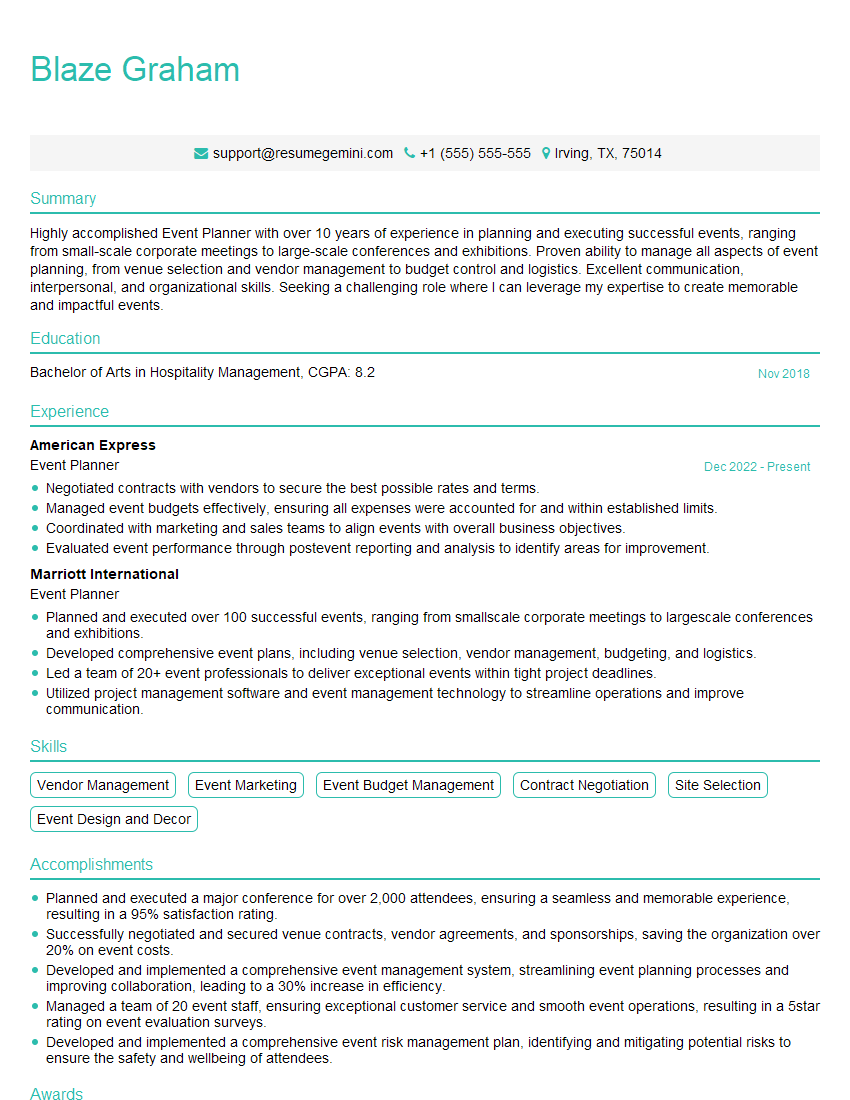
Event Planner Resume Sample

Training Specialist Resume Sample

Social Media Manager Resume Sample
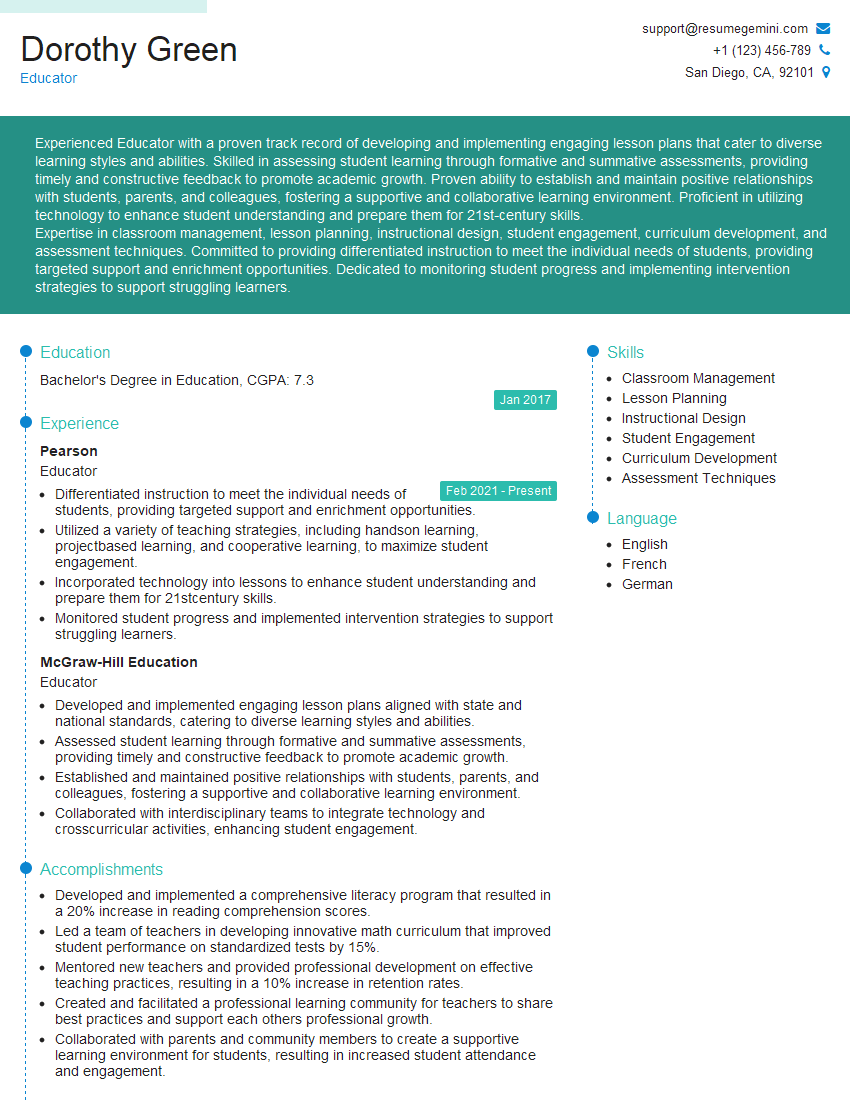
Educator Resume Sample

Technical Writer Resume Sample
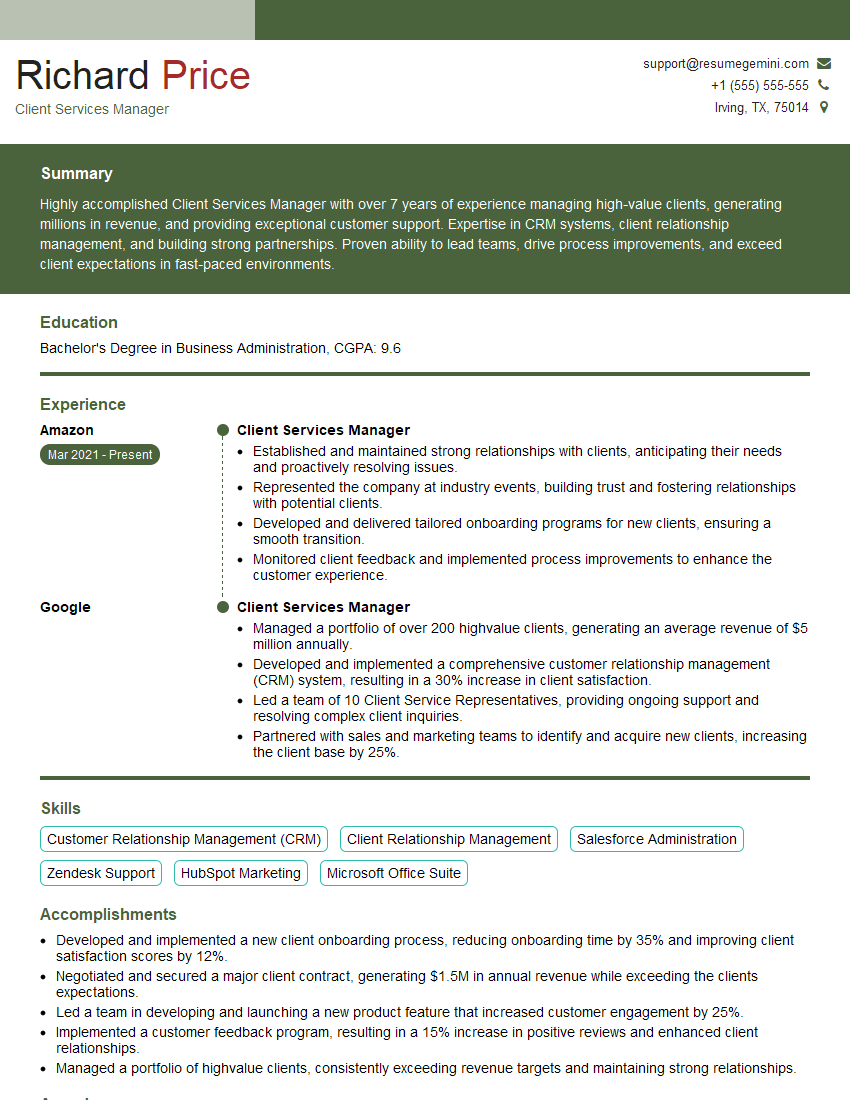
Client Services Manager Resume Sample
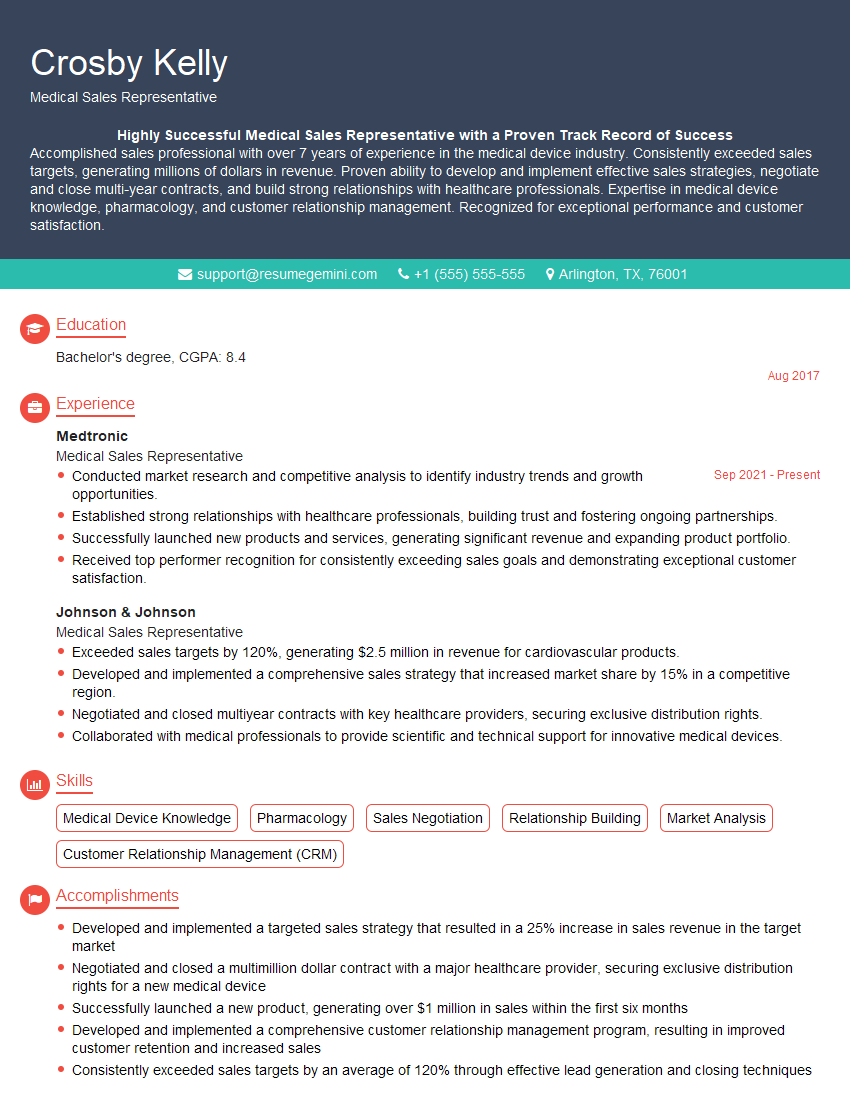
Medical Sales Representative Resume Sample
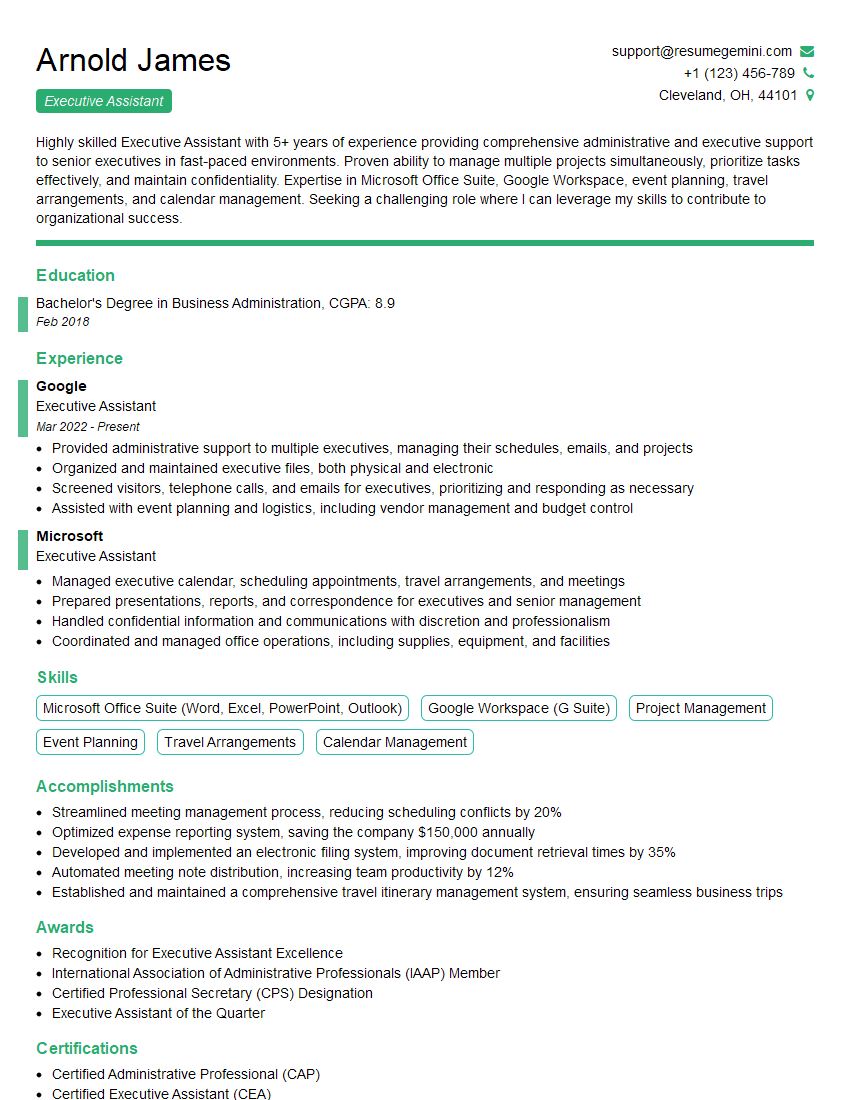
Executive Assistant Resume Sample
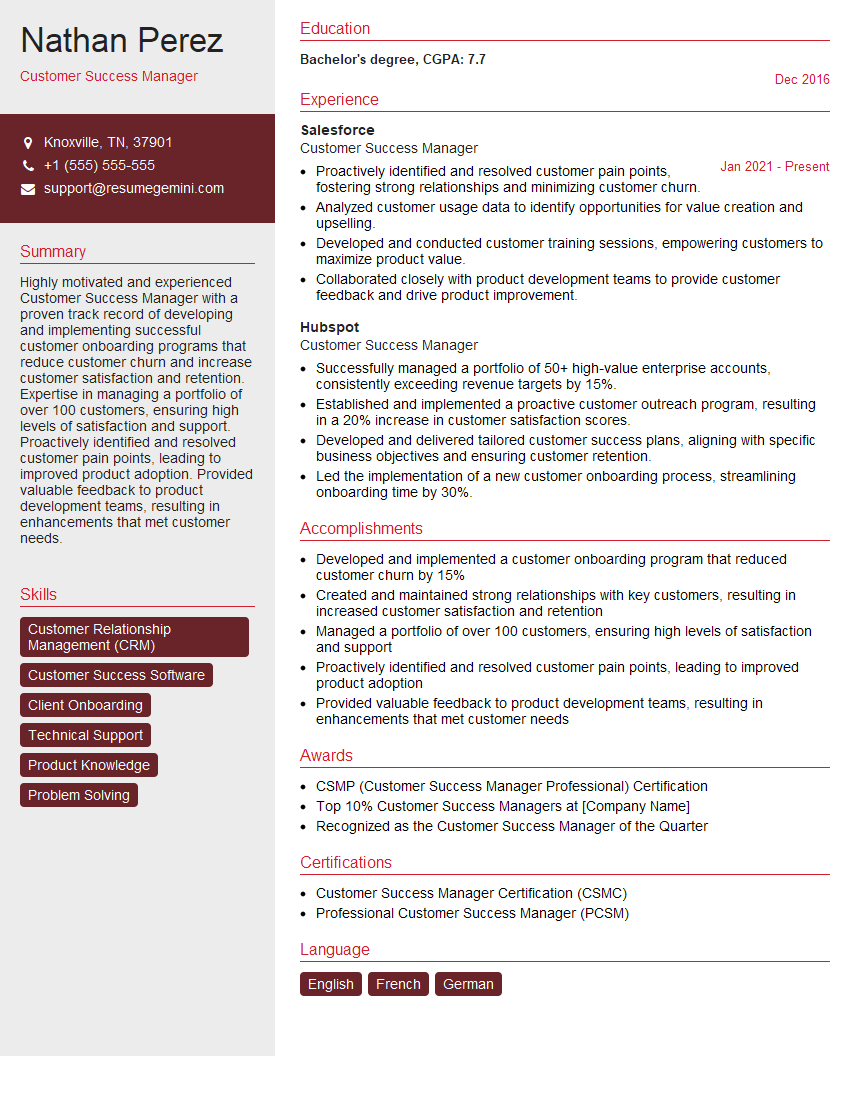
Customer Success Manager Resume Sample
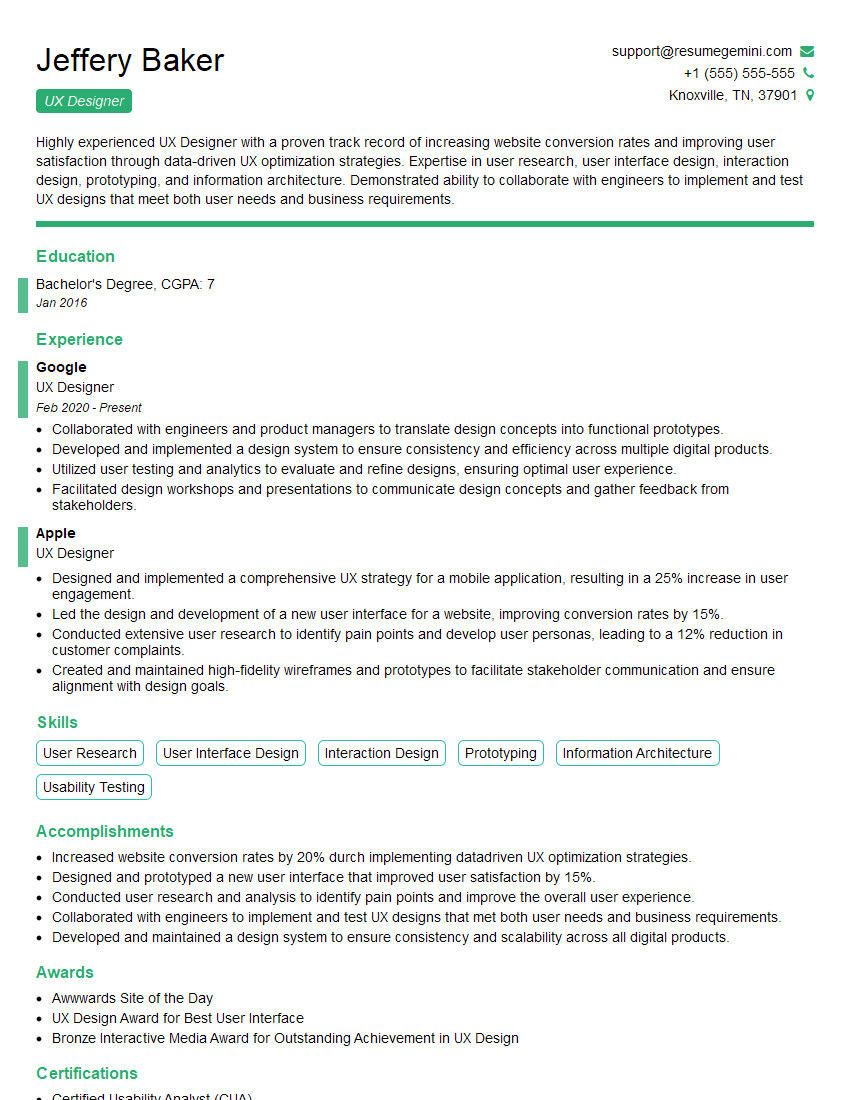
UX Designer Resume Sample
- Program Manager
- Operations Manager
- Account Manager
- Marketing Manager
- Product Manager
- Sales Representative
- Human Resources Manager
- Project Manager
- Community Manager
- Business Analyst
- Event Planner
- Training Specialist
- Social Media Manager
- Educator
- Technical Writer
- Client Services Manager
- Medical Sales Representative
- Executive Assistant
- Customer Success Manager
- UX Designer
Explore more articles
Users Rating of Our Blogs
Share Your Experience
We value your feedback! Please rate our content and share your thoughts (optional).
What Readers Say About Our Blog
Attention music lovers!
Wow, All the best Sax Summer music !!!
Spotify: https://open.spotify.com/artist/6ShcdIT7rPVVaFEpgZQbUk
Apple Music: https://music.apple.com/fr/artist/jimmy-sax-black/1530501936
YouTube: https://music.youtube.com/browse/VLOLAK5uy_noClmC7abM6YpZsnySxRqt3LoalPf88No
Other Platforms and Free Downloads : https://fanlink.tv/jimmysaxblack
on google : https://www.google.com/search?q=22+AND+22+AND+22
on ChatGPT : https://chat.openai.com?q=who20jlJimmy20Black20Sax20Producer
Get back into the groove with Jimmy sax Black
Best regards,
Jimmy sax Black
www.jimmysaxblack.com
Hi I am a troller at The aquatic interview center and I suddenly went so fast in Roblox and it was gone when I reset.
Hi,
Business owners spend hours every week worrying about their website—or avoiding it because it feels overwhelming.
We’d like to take that off your plate:
$69/month. Everything handled.
Our team will:
Design a custom website—or completely overhaul your current one
Take care of hosting as an option
Handle edits and improvements—up to 60 minutes of work included every month
No setup fees, no annual commitments. Just a site that makes a strong first impression.
Find out if it’s right for you:
https://websolutionsgenius.com/awardwinningwebsites
Hello,
we currently offer a complimentary backlink and URL indexing test for search engine optimization professionals.
You can get complimentary indexing credits to test how link discovery works in practice.
No credit card is required and there is no recurring fee.
You can find details here:
https://wikipedia-backlinks.com/indexing/
Regards
NICE RESPONSE TO Q & A
hi
The aim of this message is regarding an unclaimed deposit of a deceased nationale that bears the same name as you. You are not relate to him as there are millions of people answering the names across around the world. But i will use my position to influence the release of the deposit to you for our mutual benefit.
Respond for full details and how to claim the deposit. This is 100% risk free. Send hello to my email id: lukachachibaialuka@gmail.com
Luka Chachibaialuka
Hey interviewgemini.com, just wanted to follow up on my last email.
We just launched Call the Monster, an parenting app that lets you summon friendly ‘monsters’ kids actually listen to.
We’re also running a giveaway for everyone who downloads the app. Since it’s brand new, there aren’t many users yet, which means you’ve got a much better chance of winning some great prizes.
You can check it out here: https://bit.ly/callamonsterapp
Or follow us on Instagram: https://www.instagram.com/callamonsterapp
Thanks,
Ryan
CEO – Call the Monster App
Hey interviewgemini.com, I saw your website and love your approach.
I just want this to look like spam email, but want to share something important to you. We just launched Call the Monster, a parenting app that lets you summon friendly ‘monsters’ kids actually listen to.
Parents are loving it for calming chaos before bedtime. Thought you might want to try it: https://bit.ly/callamonsterapp or just follow our fun monster lore on Instagram: https://www.instagram.com/callamonsterapp
Thanks,
Ryan
CEO – Call A Monster APP
To the interviewgemini.com Owner.
Dear interviewgemini.com Webmaster!
Hi interviewgemini.com Webmaster!
Dear interviewgemini.com Webmaster!
excellent
Hello,
We found issues with your domain’s email setup that may be sending your messages to spam or blocking them completely. InboxShield Mini shows you how to fix it in minutes — no tech skills required.
Scan your domain now for details: https://inboxshield-mini.com/
— Adam @ InboxShield Mini
support@inboxshield-mini.com
Reply STOP to unsubscribe
Hi, are you owner of interviewgemini.com? What if I told you I could help you find extra time in your schedule, reconnect with leads you didn’t even realize you missed, and bring in more “I want to work with you” conversations, without increasing your ad spend or hiring a full-time employee?
All with a flexible, budget-friendly service that could easily pay for itself. Sounds good?
Would it be nice to jump on a quick 10-minute call so I can show you exactly how we make this work?
Best,
Hapei
Marketing Director
Hey, I know you’re the owner of interviewgemini.com. I’ll be quick.
Fundraising for your business is tough and time-consuming. We make it easier by guaranteeing two private investor meetings each month, for six months. No demos, no pitch events – just direct introductions to active investors matched to your startup.
If youR17;re raising, this could help you build real momentum. Want me to send more info?
Hi, I represent an SEO company that specialises in getting you AI citations and higher rankings on Google. I’d like to offer you a 100% free SEO audit for your website. Would you be interested?
Hi, I represent an SEO company that specialises in getting you AI citations and higher rankings on Google. I’d like to offer you a 100% free SEO audit for your website. Would you be interested?