The thought of an interview can be nerve-wracking, but the right preparation can make all the difference. Explore this comprehensive guide to Experience in Organizing and Running Camps and Clinics interview questions and gain the confidence you need to showcase your abilities and secure the role.
Questions Asked in Experience in Organizing and Running Camps and Clinics Interview
Q 1. Describe your experience managing camp budgets and resources.
Managing camp budgets and resources requires a meticulous approach combining strategic planning with diligent execution. It’s essentially running a small business, albeit one focused on fun and learning. My experience involves creating detailed budgets that encompass all aspects, from facility rentals and instructor fees to program materials and food costs. I use budgeting software to track expenses against projected income, allowing for real-time adjustments. For example, in one summer camp, we anticipated higher-than-usual participation. This required a flexible budget, allowing us to source additional materials and potentially hire extra staff while staying within a pre-defined contingency fund. We also implemented cost-saving measures, such as bulk purchasing of supplies and negotiating better rates with vendors. Regular financial reporting kept stakeholders informed and allowed for proactive adjustments to minimize any potential overspending.
Resource management goes hand-in-hand with budgeting. This includes efficiently allocating equipment, facilities, and staff time. I often employ scheduling software to optimize resource utilization and minimize conflicts. For instance, if we had two archery instructors but only one archery range, the software would help schedule groups to avoid overlaps and maximize the use of available resources. This ensures a smooth and efficient camp operation and prevents bottlenecks that could impact the camper experience.
Q 2. How have you handled challenging camper behavior in the past?
Handling challenging camper behavior requires a calm, consistent, and proactive approach. It’s crucial to remember that each child is unique, and understanding the root cause of the behavior is key. I typically start with a calm conversation to understand the situation. Sometimes, a child’s misbehavior stems from frustration, anxiety, or feeling overwhelmed. For example, one camper consistently disrupted activities. After speaking with him, we discovered he felt left out due to lacking the skills of his peers in the activity. We tailored the program to provide additional support and allow him to build confidence. In other instances, consistent redirection and positive reinforcement prove effective. However, there are times when more serious interventions are needed. I’ve established clear guidelines and consequences, communicated to parents as needed, and implemented time-outs or temporary exclusion from specific activities, always documenting the incident. My approach is always focused on teaching appropriate behavior and improving social skills, not on punishment. In situations where a child’s behavior consistently poses a risk to themselves or others, I immediately involve parents and consult with camp leadership to develop an appropriate plan to ensure the safety and well-being of all participants.
Q 3. Explain your experience in developing and implementing camp programs.
Developing and implementing camp programs is a creative process that blends educational goals with engaging activities. I start by identifying the target audience and their interests, considering age appropriateness and skill levels. Then, I brainstorm a wide range of activities, ensuring a balance between structured and free-choice activities, incorporating both physical and creative outlets. For instance, a recent camp focused on STEM incorporated robotics workshops, nature walks with scientific observation, and collaborative coding projects. I always consider the specific needs and preferences of campers. To ensure a good flow, I meticulously plan the daily schedule, allocating sufficient time for each activity, allowing for breaks and flexibility. Implementing the program involves careful organization and communication to ensure all staff understand their roles and responsibilities. I use project management tools to track progress, assess the success of individual activities, and gather feedback to continuously improve program offerings. I also create detailed materials, such as activity guides and lesson plans to make sure the program runs smoothly.
Q 4. What safety protocols and emergency procedures have you implemented?
Safety is paramount in any camp setting. My approach involves establishing comprehensive safety protocols and emergency procedures covering all potential hazards. This starts with a thorough risk assessment of the camp facilities and activities. Based on this, we develop detailed plans for fire safety, including evacuation procedures and regular fire drills; first aid and medical emergencies, with well-trained staff and readily available first-aid kits; water safety, with lifeguards and clearly defined swimming rules; and injury prevention, through proper instruction and the provision of appropriate safety equipment. We also develop detailed procedures for handling severe weather events and other unforeseen circumstances, such as power outages. This involves designating safe areas and communicating effectively with campers and staff. We conduct regular training sessions for staff on these procedures and encourage them to report any safety concerns immediately. Communication with parents is crucial, keeping them informed of any incidents and our safety protocols.
Q 5. How do you ensure the health and well-being of campers?
Ensuring camper health and well-being is a multifaceted endeavor. It begins with obtaining detailed medical information from parents, including allergies, medication requirements, and any pre-existing conditions. We maintain a well-stocked first-aid station and ensure that all staff members are trained in basic first aid and CPR. We provide nutritious meals and snacks, catering to dietary restrictions and allergies. Daily health checks are conducted to identify any signs of illness. Campers are encouraged to drink plenty of water, especially during outdoor activities. We promote hygiene practices, including handwashing, and maintain a clean and safe environment. We also foster a positive and supportive atmosphere where campers feel comfortable communicating their concerns. Open communication with parents allows us to address any issues promptly and effectively. Mental well-being is also crucial, so we prioritize creating a fun, inclusive, and supportive environment where campers feel safe and accepted.
Q 6. Describe your experience recruiting, hiring, and training camp staff.
Recruiting, hiring, and training camp staff is a critical aspect of successful camp operation. I start by defining specific roles and responsibilities, creating detailed job descriptions to attract qualified candidates. We use various methods for recruitment, including online job boards, social media, and partnerships with local educational institutions. The hiring process involves thorough background checks and interviews to ensure the suitability of candidates, looking for experience, enthusiasm, and a genuine passion for working with children. Once hired, extensive training is provided, encompassing all aspects of camp operations, from safety procedures and emergency response to activity instruction and child management techniques. Training also includes sessions on diversity and inclusion, child protection, and conflict resolution. Regular supervision and ongoing professional development opportunities are provided to empower staff and improve their skills. We also foster a supportive and collaborative team environment to encourage teamwork and communication.
Q 7. How do you evaluate the success of a camp program?
Evaluating the success of a camp program involves a multi-pronged approach encompassing various metrics. We gather data from several sources, including camper feedback through surveys and informal conversations, staff evaluations assessing the effectiveness of activities and overall program implementation, and parent feedback, providing valuable insights into the overall experience. We also analyze participation rates, considering any trends or factors that might influence attendance. Furthermore, we look at the achievement of program goals, such as camper skill development or behavioral changes. We use this data to identify areas of strength and areas for improvement, guiding decisions about future program development. A successful camp program is measured not only by satisfied campers but also by their overall growth, development, and positive experiences. The data analysis informs us about both the positive and negative aspects, allowing us to improve in future camp sessions.
Q 8. How have you dealt with staff conflicts or disagreements?
Staff conflicts are inevitable in any team environment, especially in the high-energy setting of a camp or clinic. My approach is proactive and focuses on prevention and resolution. I believe in fostering a culture of open communication and mutual respect from day one. This starts with clear role definitions and expectations during staff training, ensuring everyone understands their responsibilities and how they contribute to the overall team goal.
When disagreements arise, I facilitate open dialogue, encouraging each party to express their perspective without interruption. I act as a neutral mediator, helping them identify the root cause of the conflict and find a mutually acceptable solution. For instance, in one instance, two counselors had a scheduling disagreement that impacted their ability to supervise campers effectively. Through mediation, we collaboratively adjusted the schedule, ensuring both counselors felt heard and respected, and that camper safety wasn’t compromised.
In more serious cases, I utilize a structured conflict resolution process involving clear documentation, potential disciplinary actions if necessary, and follow-up to ensure the issue is resolved and doesn’t recur. I also emphasize the importance of teamwork and the shared responsibility for creating a positive and productive work environment. Ultimately, successful conflict resolution builds trust and strengthens the team.
Q 9. Describe your experience in marketing and promoting a camp or clinic.
Marketing and promotion are crucial for attracting participants to camps and clinics. My strategy involves a multi-faceted approach combining online and offline methods. Online, I leverage social media platforms like Instagram and Facebook to showcase engaging content—photos and videos of past camp activities, testimonials from satisfied participants, and announcements about upcoming events. I also utilize targeted advertising to reach specific demographics interested in our programs.
Offline, I build relationships with local schools, community centers, and sports organizations by offering presentations and distributing flyers. I also participate in local events and fairs to increase brand visibility. Collaborating with local businesses can also be a great way to reach a wider audience through cross-promotional activities. For example, we partnered with a local bakery to offer a discount to camp attendees. This proved successful in generating buzz and attracting new participants.
Website optimization is key—ensuring our website is user-friendly, mobile-responsive, and provides comprehensive information about our programs, pricing, and registration process. Collecting email addresses allows for targeted communication and announcements, further strengthening our marketing efforts.
Q 10. How do you maintain effective communication with parents and guardians?
Maintaining effective communication with parents and guardians is paramount. I believe in transparency and proactive communication. This begins with a welcome packet sent before camp starts, outlining daily schedules, important rules and procedures, emergency contact information, and expectations. Regular updates, such as weekly newsletters or daily emails with photos and updates on camp activities, keep parents informed and engaged.
We utilize a secure online platform for parents to access their child’s progress, upload necessary documents, and contact staff members directly. This system facilitates efficient communication and allows parents to participate actively in their child’s camp experience. Open-door policies during drop-off and pick-up times, along with regularly scheduled parent meetings and feedback sessions, allow for direct interaction and address any concerns immediately. Consistent, clear, and timely communication builds trust and ensures a positive experience for parents and children alike.
Q 11. What is your experience with risk management in a camp setting?
Risk management is a crucial aspect of camp operations. My experience encompasses implementing comprehensive safety plans that address potential hazards, including weather-related emergencies, injuries, and illnesses. This involves conducting thorough risk assessments before and during each camp session. For instance, we meticulously evaluate our facilities, equipment, and activities to identify and mitigate potential risks.
We maintain detailed emergency plans, ensuring all staff members are trained in first aid, CPR, and emergency response procedures. Appropriate safety measures are put in place for each activity, including supervision ratios, equipment checks, and clear instructions. Thorough background checks and staff training are fundamental to ensuring the safety and well-being of campers. Documentation of incidents, accident reports, and continuous monitoring and evaluation of our safety procedures are key components of our risk management strategy, regularly reviewed and updated based on our findings and changes to regulations.
Q 12. How do you handle unexpected issues or emergencies during a camp session?
Handling unexpected issues or emergencies requires a calm, decisive, and proactive approach. Our staff is thoroughly trained to handle various scenarios, from minor injuries to more serious emergencies. A clear chain of command and communication protocol ensures efficient response during crisis situations. The first step involves assessing the situation, prioritizing immediate safety and first aid, if needed.
We have pre-established protocols for contacting emergency services and notifying parents/guardians immediately. Open communication is critical in keeping all involved informed, minimizing confusion and anxiety. After the immediate crisis is addressed, a thorough investigation into the incident is conducted, focusing on identifying the root cause and implementing preventative measures to avoid similar situations in the future. For example, if a camper suffers a minor injury, we provide first aid, complete an incident report, and re-evaluate the activity to ensure future safety.
Q 13. Describe your experience with scheduling and logistics for camp operations.
Efficient scheduling and logistics are the backbone of successful camp operations. This starts with creating a detailed master schedule encompassing all activities, staff assignments, and resource allocation. This includes considering factors such as group sizes, age appropriateness of activities, and necessary equipment. The schedule is communicated clearly to staff and parents well in advance.
Effective logistics involve securing necessary equipment, arranging transportation (if applicable), coordinating meals, and managing registration processes. I utilize project management tools and spreadsheets to track resources, manage deadlines, and ensure smooth operations. Regularly reviewing the schedule throughout the camp session allows for adjustments and improvements as needed. Proper planning and attention to detail in logistics are critical for a smooth and enjoyable camp experience.
Q 14. How do you ensure compliance with relevant regulations and guidelines?
Compliance with regulations and guidelines is non-negotiable. We maintain thorough knowledge of all relevant local, state, and national regulations pertaining to child safety, health, and welfare. This includes adhering to licensing requirements, insurance policies, and staff-to-camper ratios. We conduct regular reviews to ensure continued compliance.
We regularly update our policies and procedures to reflect current best practices and changes in regulations. This includes training staff members on relevant regulations and ensuring documentation is properly maintained. We also prioritize maintaining accurate records and reporting any incidents as required by law. Regular audits and inspections help to identify areas for improvement and ensure ongoing compliance with safety standards.
Q 15. What is your experience with managing camper registration and administration?
Managing camper registration and administration is the backbone of a successful camp. It involves a multi-step process, beginning with a user-friendly online registration system or a well-organized paper-based system, depending on the camp’s resources. I’ve used both, and in larger camps, an online system is a must. This system needs to clearly outline camp dates, fees, and any required information (medical forms, waivers, etc.).
Following registration, I meticulously track payments, manage waitlists, and communicate effectively with families. This includes sending confirmation emails, reminders, and any necessary updates. In one instance, I implemented a new online registration system that automated many tasks, reducing administrative time by 40% and improving accuracy. Crucially, I ensure data privacy and compliance with all relevant regulations, including GDPR or COPPA where applicable.
Post-registration, I handle things like grouping campers based on age and skill level, assigning cabins (if applicable), and preparing necessary materials for counselors and staff. This includes name tags, camp schedules, and any specific instructions related to camper needs. Effective administration means smooth operations and a positive start to the camp experience.
Career Expert Tips:
- Ace those interviews! Prepare effectively by reviewing the Top 50 Most Common Interview Questions on ResumeGemini.
- Navigate your job search with confidence! Explore a wide range of Career Tips on ResumeGemini. Learn about common challenges and recommendations to overcome them.
- Craft the perfect resume! Master the Art of Resume Writing with ResumeGemini’s guide. Showcase your unique qualifications and achievements effectively.
- Don’t miss out on holiday savings! Build your dream resume with ResumeGemini’s ATS optimized templates.
Q 16. How do you adapt programs to meet diverse camper needs and abilities?
Adapting programs to diverse camper needs is paramount. It requires careful planning and a flexible approach. I begin by actively soliciting information about camper abilities and interests through registration forms and pre-camp surveys. This might include questions about physical limitations, learning styles, allergies, or specific hobbies.
Then, I design programs that offer a range of activities catering to various skill levels. For example, in a sports camp, we might have separate groups for beginners, intermediate, and advanced players. For arts and crafts, I’d offer projects with varying levels of complexity. I also incorporate inclusive practices – making sure all activities are accessible with modifications, as needed. One successful example was creating a modified climbing wall with different heights and support systems to accommodate campers with various physical abilities.
Beyond skills, I consider personality types. Some campers thrive in team activities, while others prefer individual pursuits. I ensure the program offers a balance to cater to all preferences. Regular communication with counselors and camper feedback throughout the camp helps us make adjustments on the fly to truly meet individual needs.
Q 17. Describe your experience with evaluating and procuring camp supplies and equipment.
Evaluating and procuring camp supplies and equipment requires a structured approach to ensure safety, quality, and budget adherence. I start by creating a detailed inventory list based on the planned activities. This list categorizes items by type, quantity needed, and their condition (new purchases versus existing inventory).
Next, I research vendors, comparing prices, quality, and warranties. Safety is paramount, so I prioritize suppliers that offer certified equipment meeting all relevant safety standards. For example, when purchasing climbing equipment, I make sure it meets UIAA (Union Internationale des Associations d’Alpinisme) standards. I obtain multiple quotes and compare options before making purchasing decisions.
After purchasing, I ensure proper storage and maintenance of all equipment. A detailed inventory system allows us to track usage, identify items needing repair or replacement, and plan for future purchases efficiently. This systematic approach ensures we have everything we need for a safe and effective camp experience, while staying within budget.
Q 18. How do you ensure the quality and effectiveness of camp activities?
Ensuring the quality and effectiveness of camp activities involves a multi-pronged strategy that focuses on planning, execution, and evaluation. I begin by developing well-structured activity plans that clearly define learning objectives, materials needed, and safety procedures.
Thorough staff training is crucial. Counselors are trained on activity instructions, safety protocols, and appropriate interaction techniques with campers. Regular supervision and feedback during activities are essential to ensure the activities are being run effectively and safely. I often use observation checklists and informal feedback sessions to monitor quality.
Post-camp, I gather feedback from campers, counselors, and parents to evaluate the success of the activities. This feedback helps refine future programs. For instance, if an activity receives consistently low ratings, I might replace it or redesign it based on the feedback received. Continual assessment and improvement are key to maintaining high-quality programming.
Q 19. What is your experience in facilitating teamwork among camp staff?
Facilitating teamwork among camp staff is essential for a smoothly run and enjoyable camp. I begin by creating a clear organizational structure, defining roles and responsibilities to avoid confusion or overlap. Pre-camp staff training is vital for fostering team cohesion. It provides an opportunity for staff members to get to know each other, establish rapport, and learn collaborative problem-solving techniques.
During camp, I encourage open communication through regular staff meetings and informal check-ins. These sessions are used to address concerns, share best practices, and celebrate successes. I actively foster a culture of mutual respect and support, emphasizing the importance of each staff member’s contribution to the overall camp experience.
In one instance, I used team-building activities during staff training to encourage bonding and cooperation. This helped address potential conflicts proactively and create a supportive environment. A strong team dynamic significantly contributes to a positive and effective camp experience for both staff and campers.
Q 20. How do you build and maintain positive relationships with community partners?
Building and maintaining positive relationships with community partners is crucial for resource access and program enhancement. I actively seek out potential partners – local businesses, organizations, and community leaders – whose services align with the camp’s objectives. This might involve seeking donations, securing volunteer support, or collaborating on shared initiatives.
Effective communication is key. I maintain regular contact with partners through emails, phone calls, or in-person meetings to maintain transparency and foster a sense of collaboration. I ensure that community partners are kept informed about camp activities and events. Whenever possible, I acknowledge their contributions publicly to demonstrate appreciation.
A successful example is our partnership with a local sports equipment store that donates equipment and provides discounts to our campers. This mutually beneficial relationship allows us to offer high-quality programs while supporting a local business.
Q 21. Describe a time you had to make a difficult decision impacting a camp program.
One challenging decision involved a severe storm that threatened our week-long overnight camp. We had to decide whether to evacuate the campers or try to weather the storm on-site. Evacuation posed logistical challenges – finding transportation for a large group, ensuring the safety of campers during travel, and securing alternative lodging. Staying put risked camper safety if the storm worsened.
Following established emergency protocols, I convened a meeting with the senior staff. We weighed the pros and cons of each option, assessing weather forecasts, available resources, and potential risks. Ultimately, we decided on a phased evacuation. Campers with existing medical conditions were evacuated first, followed by others in smaller groups. This minimized disruption and ensured the safety of all.
The experience highlighted the importance of having detailed emergency plans in place, clear communication channels, and a decisive leadership approach when faced with unforeseen circumstances. While stressful, the successful evacuation validated the importance of preparedness and proactive risk management.
Q 22. How do you utilize technology to enhance camp management and operations?
Technology is integral to modern camp management. I leverage various software and platforms to streamline operations and enhance the camper experience. For registration, I use online platforms like CampDoc or CampMinder, which allow for automated communication, online payments, and easy access to camper information for staff. These systems also handle waitlists and medical forms efficiently.
For communication, a dedicated app or a system like Slack or GroupMe facilitates seamless interaction between staff, parents, and campers. This allows for quick announcements, updates, and sharing of photos and videos. Finally, point-of-sale (POS) systems manage camp store transactions and inventory, minimizing manual tasks and enhancing accuracy.
For example, during a week-long summer camp, I used CampMinder to manage over 100 camper registrations, automatically sending out welcome packages and daily schedules. This drastically reduced administrative workload and ensured timely communication with all parents.
Q 23. What is your experience with tracking camper progress and achievements?
Tracking camper progress is crucial for personalized learning and growth. I employ a combination of methods to achieve this. First, direct observation during camp activities allows for immediate feedback and assessment. Second, I use checklists and rating scales to evaluate participation, skill development, and teamwork. These are often tailored to specific activities, like archery or kayaking, where progress is measured in demonstrable steps.
For example, in a wilderness survival camp, campers’ progress was tracked using a skills checklist. Each camper had a personalized sheet detailing specific skills such as fire-starting, shelter building, and knot-tying, which were checked off as they mastered each skill. This data was then used to provide individual feedback and to adjust future programming based on group needs. In addition, digital tools like Google Forms or dedicated camp management systems can help aggregate data and generate comprehensive reports.
Q 24. Describe your experience in handling parent complaints or concerns.
Addressing parent concerns requires empathy, effective communication, and prompt action. My approach begins with active listening. I ensure I understand the parent’s perspective fully before responding. I then communicate clearly and transparently, explaining the situation and the steps being taken to resolve the issue. A timely and well-documented response is key to diffusing anxiety.
For instance, a parent once complained about their child’s lack of playing time in a team sport. After listening to their concerns, I reviewed the coaching staff’s records, and found that the child had missed several practices. I explained this to the parent, while also assuring them that I’d work with the coach to ensure their child received more playing time going forward. This transparent approach, coupled with a proactive solution, resolved the issue effectively.
Q 25. How do you create a positive and inclusive camp environment?
Creating a positive and inclusive camp environment is paramount. I begin by fostering a culture of respect and empathy among campers and staff. This involves explicitly addressing bullying and discrimination during orientation and throughout the program. We use team-building activities that require collaboration and promote understanding of diverse backgrounds and perspectives. We celebrate diversity in our programming, ensuring all activities are accessible to everyone.
For example, during a nature camp, I designed a scavenger hunt that not only encouraged teamwork but also integrated learning about different cultures and environmental challenges facing various communities. This approach built rapport and fostered appreciation for diversity, resulting in a more inclusive experience.
Q 26. What is your experience with fundraising or grant writing for a camp?
Fundraising and grant writing are essential for sustaining camp operations. I have experience developing comprehensive fundraising plans, including identifying potential donors, crafting compelling proposals, and managing donor relationships. I understand the importance of building a strong narrative that highlights the camp’s mission and impact on the community.
For a previous camp, I successfully secured a significant grant from a local foundation by demonstrating the program’s commitment to environmental sustainability and its impact on underserved youth. This involved crafting a detailed proposal showcasing a strong track record, a clear budget, and measurable outcomes. This experience honed my skills in writing compelling grant proposals and cultivating relationships with potential funders.
Q 27. How do you maintain accurate records and documentation for camp activities?
Maintaining accurate records is critical for accountability and legal compliance. I utilize both digital and physical record-keeping systems. Digital systems, such as Google Drive or cloud-based databases, streamline the storage and organization of medical forms, camper information, activity logs, and financial documents. Physical records, such as signed waivers and emergency contact forms, are stored securely in a locked cabinet.
A crucial element is the regular backup of all data to prevent data loss. We use a cloud-based system with automated backup and version control. Access control measures ensure only authorized personnel have access to sensitive information, maintaining camper privacy and data security.
Q 28. Describe your experience with managing transportation and logistics for campers.
Managing transportation and logistics requires meticulous planning and coordination. I ensure all vehicles are properly insured and maintained, and drivers are properly licensed and background-checked. Detailed transportation plans are created ahead of time, outlining pickup and drop-off locations, routes, and schedules. Communication with parents is key, with clear instructions and updates provided regularly.
In one instance, we coordinated transportation for a large group of campers attending an off-site activity. This involved coordinating multiple buses, ensuring all campers were accounted for, and handling any unforeseen delays or changes effectively. Clear communication with drivers, parents, and campers ensured smooth operations and minimized stress.
Key Topics to Learn for Experience in Organizing and Running Camps and Clinics Interview
- Camp/Clinic Planning & Logistics: Budgeting, scheduling, resource allocation (staff, equipment, facilities), risk management, and contingency planning. Consider discussing successful strategies for managing multiple events simultaneously.
- Participant Management: Registration processes, communication strategies (pre-event, during, post-event), managing participant expectations, addressing participant needs and concerns, and handling challenging situations.
- Program Development & Curriculum Design: Creating engaging and age-appropriate activities, aligning activities with learning objectives, adapting programs to diverse participant needs and skill levels, and assessing program effectiveness.
- Staff Management & Training: Recruiting, hiring, training, and supervising staff; fostering teamwork and collaboration; delegating responsibilities effectively; providing constructive feedback and performance management.
- Marketing & Promotion: Developing marketing strategies to attract participants, utilizing various marketing channels (e.g., social media, website, flyers), managing registrations and communication.
- Safety & Risk Mitigation: Implementing safety protocols and procedures, addressing potential hazards, managing emergencies, and ensuring compliance with relevant regulations.
- Financial Management: Budgeting, tracking expenses, managing revenue streams, and reporting on financial performance. Discuss strategies for securing funding and sponsorship.
- Post-Event Analysis & Evaluation: Gathering feedback from participants and staff, assessing the success of the camp/clinic, identifying areas for improvement, and using data to inform future program development.
Next Steps
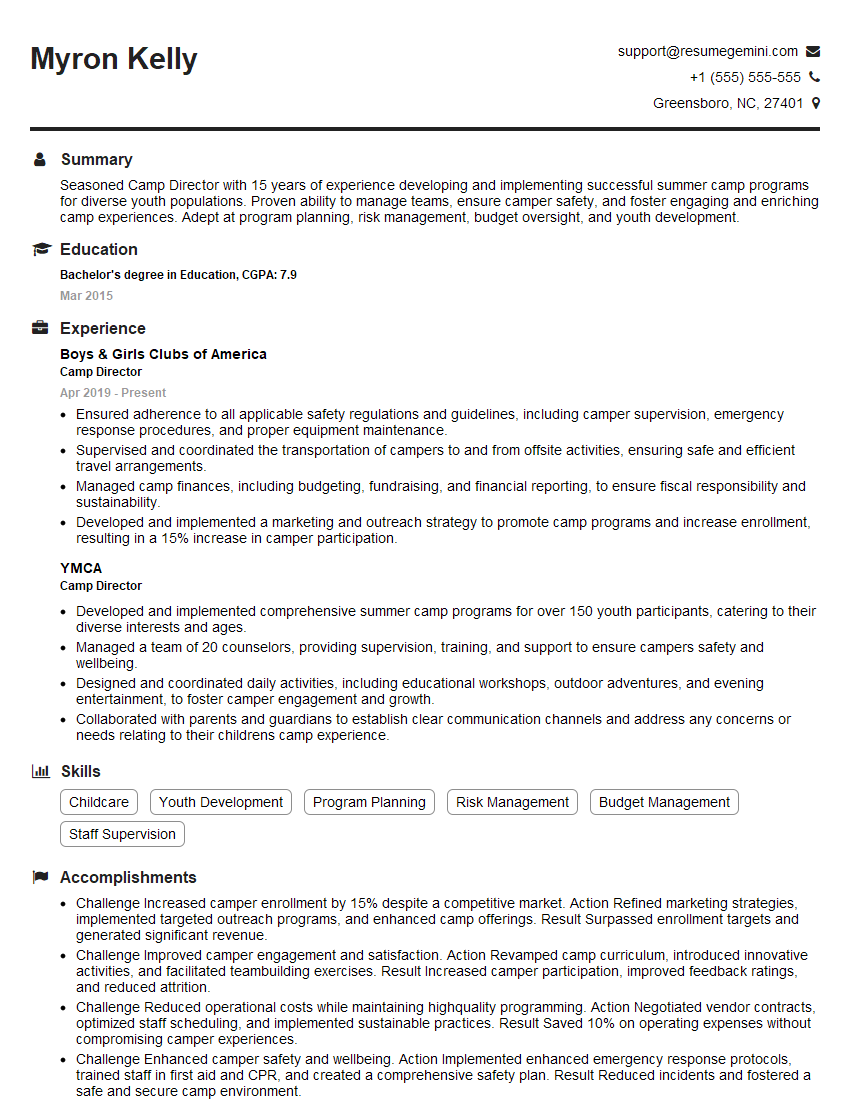
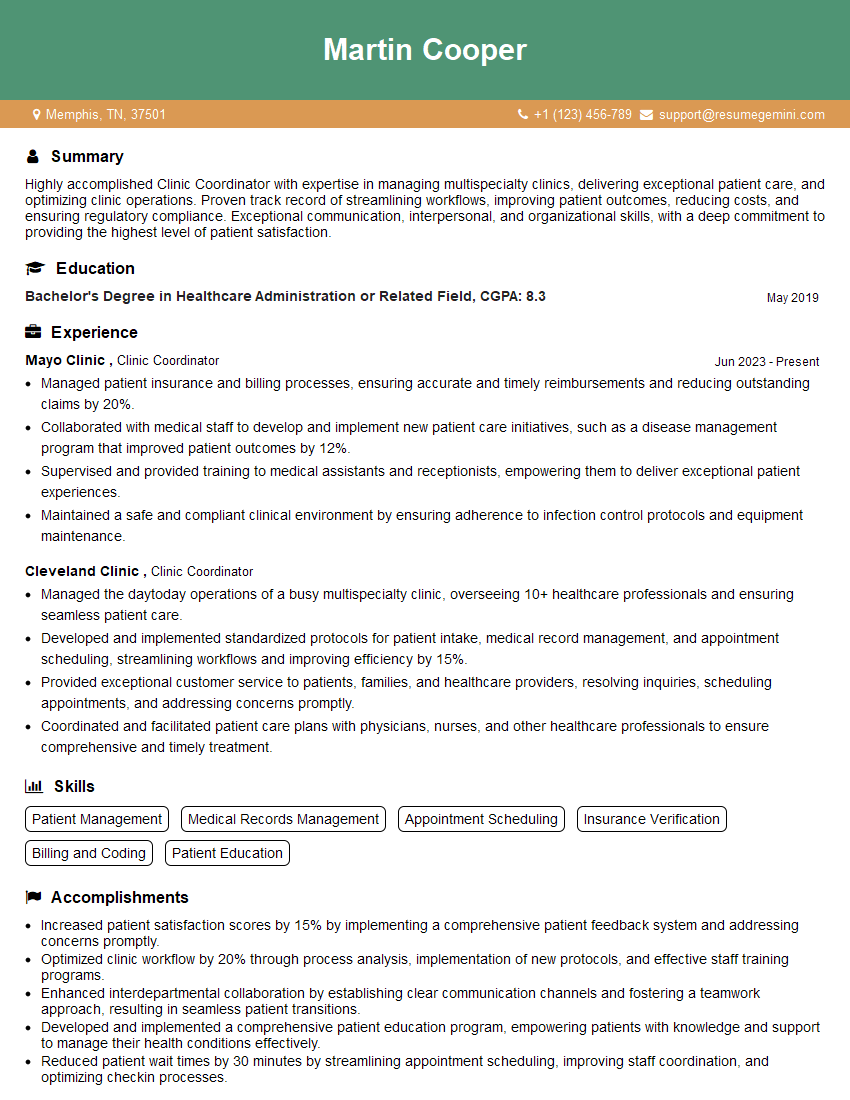
Mastering the art of organizing and running camps and clinics demonstrates valuable transferable skills highly sought after by employers. These skills, including leadership, problem-solving, communication, and organizational abilities, are crucial for career advancement in various sectors. To significantly boost your job prospects, crafting a strong, ATS-friendly resume is essential. ResumeGemini can be a trusted partner in this process, helping you build a professional and impactful resume that highlights your unique experiences and skills. Examples of resumes tailored to showcasing experience in organizing and running camps and clinics are available to help guide your resume creation.

Explore more articles
Users Rating of Our Blogs
Share Your Experience
We value your feedback! Please rate our content and share your thoughts (optional).
What Readers Say About Our Blog
Attention music lovers!
Wow, All the best Sax Summer music !!!
Spotify: https://open.spotify.com/artist/6ShcdIT7rPVVaFEpgZQbUk
Apple Music: https://music.apple.com/fr/artist/jimmy-sax-black/1530501936
YouTube: https://music.youtube.com/browse/VLOLAK5uy_noClmC7abM6YpZsnySxRqt3LoalPf88No
Other Platforms and Free Downloads : https://fanlink.tv/jimmysaxblack
on google : https://www.google.com/search?q=22+AND+22+AND+22
on ChatGPT : https://chat.openai.com?q=who20jlJimmy20Black20Sax20Producer
Get back into the groove with Jimmy sax Black
Best regards,
Jimmy sax Black
www.jimmysaxblack.com
Hi I am a troller at The aquatic interview center and I suddenly went so fast in Roblox and it was gone when I reset.
Hi,
Business owners spend hours every week worrying about their website—or avoiding it because it feels overwhelming.
We’d like to take that off your plate:
$69/month. Everything handled.
Our team will:
Design a custom website—or completely overhaul your current one
Take care of hosting as an option
Handle edits and improvements—up to 60 minutes of work included every month
No setup fees, no annual commitments. Just a site that makes a strong first impression.
Find out if it’s right for you:
https://websolutionsgenius.com/awardwinningwebsites
Hello,
we currently offer a complimentary backlink and URL indexing test for search engine optimization professionals.
You can get complimentary indexing credits to test how link discovery works in practice.
No credit card is required and there is no recurring fee.
You can find details here:
https://wikipedia-backlinks.com/indexing/
Regards
NICE RESPONSE TO Q & A
hi
The aim of this message is regarding an unclaimed deposit of a deceased nationale that bears the same name as you. You are not relate to him as there are millions of people answering the names across around the world. But i will use my position to influence the release of the deposit to you for our mutual benefit.
Respond for full details and how to claim the deposit. This is 100% risk free. Send hello to my email id: lukachachibaialuka@gmail.com
Luka Chachibaialuka
Hey interviewgemini.com, just wanted to follow up on my last email.
We just launched Call the Monster, an parenting app that lets you summon friendly ‘monsters’ kids actually listen to.
We’re also running a giveaway for everyone who downloads the app. Since it’s brand new, there aren’t many users yet, which means you’ve got a much better chance of winning some great prizes.
You can check it out here: https://bit.ly/callamonsterapp
Or follow us on Instagram: https://www.instagram.com/callamonsterapp
Thanks,
Ryan
CEO – Call the Monster App
Hey interviewgemini.com, I saw your website and love your approach.
I just want this to look like spam email, but want to share something important to you. We just launched Call the Monster, a parenting app that lets you summon friendly ‘monsters’ kids actually listen to.
Parents are loving it for calming chaos before bedtime. Thought you might want to try it: https://bit.ly/callamonsterapp or just follow our fun monster lore on Instagram: https://www.instagram.com/callamonsterapp
Thanks,
Ryan
CEO – Call A Monster APP
To the interviewgemini.com Owner.
Dear interviewgemini.com Webmaster!
Hi interviewgemini.com Webmaster!
Dear interviewgemini.com Webmaster!
excellent
Hello,
We found issues with your domain’s email setup that may be sending your messages to spam or blocking them completely. InboxShield Mini shows you how to fix it in minutes — no tech skills required.
Scan your domain now for details: https://inboxshield-mini.com/
— Adam @ InboxShield Mini
support@inboxshield-mini.com
Reply STOP to unsubscribe
Hi, are you owner of interviewgemini.com? What if I told you I could help you find extra time in your schedule, reconnect with leads you didn’t even realize you missed, and bring in more “I want to work with you” conversations, without increasing your ad spend or hiring a full-time employee?
All with a flexible, budget-friendly service that could easily pay for itself. Sounds good?
Would it be nice to jump on a quick 10-minute call so I can show you exactly how we make this work?
Best,
Hapei
Marketing Director
Hey, I know you’re the owner of interviewgemini.com. I’ll be quick.
Fundraising for your business is tough and time-consuming. We make it easier by guaranteeing two private investor meetings each month, for six months. No demos, no pitch events – just direct introductions to active investors matched to your startup.
If youR17;re raising, this could help you build real momentum. Want me to send more info?
Hi, I represent an SEO company that specialises in getting you AI citations and higher rankings on Google. I’d like to offer you a 100% free SEO audit for your website. Would you be interested?
Hi, I represent an SEO company that specialises in getting you AI citations and higher rankings on Google. I’d like to offer you a 100% free SEO audit for your website. Would you be interested?