The thought of an interview can be nerve-wracking, but the right preparation can make all the difference. Explore this comprehensive guide to Experience in planning and executing complex operations interview questions and gain the confidence you need to showcase your abilities and secure the role.
Questions Asked in Experience in planning and executing complex operations Interview
Q 1. Describe your experience in developing and implementing operational plans.
Developing and implementing operational plans involves a structured approach encompassing several key phases. It begins with a thorough understanding of the objectives, constraints, and resources available. This involves detailed stakeholder analysis to understand their needs and expectations. Next, I create a comprehensive plan outlining the specific tasks, timelines, responsibilities, and resource allocation. This plan is often visualized using Gantt charts or other project management tools. Crucially, the plan includes clear metrics for measuring success.
For example, in a recent project involving the launch of a new software product, I developed a plan that incorporated stages for software development, marketing, sales training, and customer support. Each stage had clearly defined deliverables, deadlines, and responsible individuals. This was further broken down into smaller, more manageable tasks to ensure progress was easily trackable and manageable. Regular progress meetings and status reports ensured everyone remained aligned and any potential issues were addressed proactively.
Q 2. How do you prioritize tasks within a complex project?
Prioritizing tasks in a complex project requires a structured approach. I typically use a combination of methodologies, including MoSCoW method (Must have, Should have, Could have, Won’t have), prioritization matrices (like Eisenhower Matrix – Urgent/Important), and dependency analysis. The MoSCoW method helps categorize requirements based on their importance, while the Eisenhower Matrix helps to prioritize based on urgency and importance. Dependency analysis helps to identify tasks that need to be completed before others can begin. This ensures that critical path activities are prioritized and resources are allocated effectively.
Imagine a construction project. Using the MoSCoW method, laying the foundation would be a ‘must-have,’ while installing decorative molding would be a ‘could-have.’ The Eisenhower Matrix would then prioritize urgent tasks like obtaining permits, while less urgent but important tasks like landscape planning could be scheduled later. This layered approach to prioritization ensures a balanced focus on both immediate needs and long-term success.
Q 3. Explain your process for risk assessment and mitigation in operational planning.
My risk assessment process begins with identifying potential risks throughout the operation lifecycle. I use brainstorming sessions, checklists, and historical data to identify potential hazards. Once risks are identified, I assess their likelihood and potential impact. This often involves assigning probabilities and severity scores to each risk. This analysis helps to prioritize risk mitigation strategies. Mitigation plans might involve developing contingency plans, implementing preventative measures, or transferring risk through insurance.
For instance, in a large-scale event planning scenario, potential risks included inclement weather, equipment failure, and low attendee turnout. We assessed the likelihood and potential impact of each. For inclement weather, we developed a contingency plan with an alternate indoor venue. For equipment failure, we had backup equipment on standby and ensured all equipment was thoroughly checked beforehand. For low attendee turnout, we had a flexible budget and marketing plan to adjust to varying levels of participation.
Q 4. Describe a time you had to make a critical decision under pressure during a complex operation.
During a product launch, a critical software bug was discovered just hours before the official release. The pressure was immense, as delaying the launch would have significant financial repercussions. After consulting with the development team and assessing the severity of the bug, I made the critical decision to proceed with the launch, but with a phased rollout. We released the software to a smaller subset of users first, closely monitoring for further issues. This allowed us to quickly identify and address any problems before impacting a larger audience. It was a high-stakes decision, but the phased rollout strategy mitigated the risk and ensured a successful launch, albeit with some initial hiccups that were quickly resolved.
Q 5. How do you measure the success of a complex operation?
Measuring the success of a complex operation relies on pre-defined Key Performance Indicators (KPIs) established during the planning phase. These KPIs should align with the operation’s overall objectives. For example, KPIs might include on-time and within-budget completion, customer satisfaction rates (measured through surveys or feedback), defect rates, and efficiency metrics. Post-operation analysis involves comparing actual results against these KPIs to determine success. This also provides valuable insights for future improvements.
In the software launch mentioned earlier, key success metrics included the number of downloads, user engagement levels, customer satisfaction scores (gathered through post-launch surveys), and the number of reported bugs. Meeting or exceeding the targets for these KPIs indicated a successful launch.
Q 6. What tools or methodologies do you utilize for project planning and tracking?
I utilize a variety of tools and methodologies for project planning and tracking. Project management software like Jira and Asana are essential for task management, collaboration, and progress tracking. Gantt charts visually represent project timelines and dependencies. For risk management, I use risk registers and probability/impact matrices. Methodologies like Agile and Scrum provide iterative frameworks for managing complex projects. Data visualization tools like Tableau or Power BI are used to analyze performance data and identify areas for improvement.
Q 7. How do you handle unexpected challenges or setbacks during an operation?
Handling unexpected challenges requires a proactive and flexible approach. My response involves immediately assessing the impact of the setback, engaging relevant stakeholders, and exploring potential solutions. This might involve adjusting the plan, reallocating resources, or seeking expert assistance. Transparency and communication are crucial in keeping stakeholders informed of the situation and the steps being taken to address it. Post-incident reviews are conducted to analyze the root causes of the problem and identify ways to prevent similar issues in the future.
For example, if a key supplier failed to deliver components on time, I would immediately explore alternative suppliers, negotiate expedited delivery from the original supplier, or re-sequence tasks to minimize the delay’s impact. Regular updates would keep stakeholders informed, and a post-incident review would investigate why the delay occurred and implement preventative measures to reduce the likelihood of similar issues in future projects.
Q 8. Describe your experience with resource allocation in complex projects.
Resource allocation in complex projects is like orchestrating a symphony. Each instrument (resource – people, budget, materials, time) needs to be carefully assigned to play its part at the right time to create a harmonious whole (successful project). My approach involves a multi-step process. First, I meticulously define project requirements, breaking them down into smaller, manageable tasks. Then, I conduct a thorough resource inventory, identifying the skills and capabilities available. This involves careful consideration of both internal and external resources. Next, I develop a resource allocation plan, utilizing tools such as Gantt charts and resource leveling techniques to optimize resource utilization and minimize conflicts. This involves considering resource dependencies and potential bottlenecks. Finally, I continuously monitor and adjust the plan as the project progresses, adapting to unforeseen circumstances and changes in requirements. For example, in a recent software development project, we faced a shortage of experienced front-end developers. By identifying and engaging a specialized consulting firm for that phase, we successfully mitigated the bottleneck and delivered the project on time.
I also leverage resource leveling techniques to ensure that individual resources aren’t overworked and that we’re making efficient use of all available capacity. This avoids burnout and maintains high-quality work throughout the project.
Q 9. Explain your approach to conflict resolution within an operational team.
Conflict resolution is crucial for maintaining a productive and positive team environment. My approach focuses on early identification, open communication, and collaborative problem-solving. I believe in creating a culture where team members feel comfortable expressing concerns and disagreements. When conflicts arise, my first step is to facilitate a meeting between the involved parties in a neutral setting. I encourage each person to clearly articulate their perspectives and concerns without interruption. Then, I work to identify the root cause of the conflict, moving beyond the symptoms to address the underlying issues. Once the core issue is understood, we collaborate to find mutually acceptable solutions. This might involve compromise, mediation, or escalation to a higher authority if necessary. Finally, I work to ensure that the solution is documented and implemented to prevent future recurrences. For instance, in a previous project involving a disagreement between the design and development teams regarding a software interface, I facilitated a joint workshop where both teams collaboratively redesigned the interface, leading to a solution that addressed the concerns of both parties. Crucially, the process strengthened inter-team communication and fostered better understanding.
Q 10. How do you ensure effective communication throughout a complex operation?
Effective communication is the lifeblood of any complex operation. I employ a multi-pronged approach, leveraging a variety of tools and techniques to ensure everyone is informed and aligned. This starts with defining clear communication channels and protocols from the outset. I regularly schedule team meetings, both formal and informal, to discuss progress, address challenges, and foster collaboration. Beyond face-to-face meetings, I utilize project management software to track progress, assign tasks, and facilitate discussions. Email and instant messaging are used for routine updates and quick queries. Regular progress reports, both written and verbal, are shared with stakeholders to keep them informed and engaged. Importantly, I also prioritize active listening and feedback mechanisms to ensure that communication flows in both directions. In a past project involving the construction of a large facility, we used daily stand-up meetings, weekly progress reports to upper management, and a shared project management platform for task assignment and document sharing. The combination of these methods ensured transparency and quick resolution to emerging issues.
Q 11. What is your experience with budgeting and financial management in operational planning?
Budgeting and financial management are critical aspects of operational planning. My experience involves developing realistic and comprehensive budgets, closely monitoring expenditures, and proactively addressing any potential cost overruns. I start by accurately estimating all project costs, factoring in both direct and indirect expenses. This involves careful analysis of historical data, market research, and expert consultations. I then develop a detailed budget breakdown, assigning costs to specific tasks and phases of the project. Throughout the project lifecycle, I meticulously track actual spending against the budget. I employ various financial management tools, like spreadsheets and specialized software, for cost tracking and reporting. Regular budget reviews are conducted to identify potential deviations and take corrective actions. For example, on a recent marketing campaign, we initially overestimated advertising costs. By leveraging cheaper online marketing channels and carefully optimizing our advertising spend, we achieved the same level of reach at significantly reduced costs. This involved continuous monitoring and adaptation of our budget to ensure optimal allocation of resources.
Q 12. How do you delegate tasks effectively within a complex operation?
Effective delegation in complex operations is about empowering team members while maintaining control and ensuring quality. My approach involves carefully assessing individual skills and capabilities before assigning tasks. I ensure that each task is clearly defined, with specific objectives, deadlines, and expected deliverables. I provide the necessary resources and support to team members, empowering them to take ownership of their tasks. I also set up regular check-in points to monitor progress and provide guidance. It’s crucial to delegate tasks that align with the individual’s strengths and interests to enhance motivation and efficiency. However, I also focus on fostering a culture of open communication and accountability, so that team members feel comfortable asking questions and seeking help when needed. For instance, during a complex IT infrastructure upgrade, I assigned tasks based on each team member’s expertise, providing them with the training and support they needed to succeed. The process empowered my team and resulted in the successful and timely completion of the project.
Q 13. Describe your experience with process improvement methodologies (e.g., Lean, Six Sigma).
I have extensive experience with various process improvement methodologies, including Lean and Six Sigma. Lean focuses on eliminating waste and maximizing efficiency by streamlining processes. Six Sigma, on the other hand, emphasizes reducing defects and improving quality. I’ve implemented Lean principles to optimize workflows, reducing unnecessary steps and delays. This might involve value stream mapping to identify bottlenecks and opportunities for improvement. I’ve also utilized Six Sigma’s DMAIC (Define, Measure, Analyze, Improve, Control) methodology to address specific quality issues. For instance, in a manufacturing setting, we used Lean principles to identify and eliminate unnecessary steps in the production process, leading to a significant reduction in production time and costs. We also used Six Sigma to reduce defects in the final product, resulting in improved customer satisfaction. The combination of these methodologies allows for a holistic approach to process improvement.
Q 14. How do you monitor and control operational costs?
Monitoring and controlling operational costs is an ongoing process. I begin by establishing clear cost baselines and regularly monitoring key performance indicators (KPIs) related to costs. This might include tracking direct costs (materials, labor) and indirect costs (overhead, administration). I also use variance analysis to identify discrepancies between budgeted and actual costs. This involves investigating the reasons for any significant deviations. Once identified, we develop and implement corrective actions to bring costs back in line with the budget. This might involve renegotiating contracts, identifying and eliminating waste, or optimizing resource allocation. Regular cost reports are produced and shared with relevant stakeholders. Furthermore, I foster a culture of cost-consciousness throughout the organization, encouraging all team members to identify opportunities for cost savings. In a previous role, by implementing a robust cost tracking system and conducting regular variance analysis, we were able to identify and eliminate several areas of cost inefficiency, resulting in significant savings for the organization.
Q 15. How do you ensure compliance with regulations and standards within your operations?
Ensuring compliance is paramount in any operation. My approach is multifaceted and proactive, not reactive. It begins with a thorough understanding of all applicable regulations and standards – whether it’s industry-specific, like HIPAA for healthcare, or general, such as OSHA for workplace safety. I achieve this through regular reviews of the legal landscape, attending relevant training sessions, and leveraging compliance software to track requirements.
Next, I integrate compliance into every stage of the operational lifecycle. This involves developing comprehensive standard operating procedures (SOPs) that explicitly address compliance requirements. For instance, if we’re handling sensitive data, the SOPs will detail the encryption protocols, access control measures, and data retention policies. Regular audits – both internal and external – are crucial for identifying and rectifying any deviations from the standards. We use a checklist approach, assigning responsibilities and documenting findings meticulously. This process helps us not only meet the minimum requirements but also maintain a culture of compliance within the team.
Finally, I foster a culture of responsibility. This means equipping team members with the knowledge and resources they need to understand and adhere to regulations. Regular training, clear communication, and open channels for reporting potential compliance issues are key. Essentially, it’s about building a system where compliance isn’t just a checklist, but an ingrained aspect of how we operate.
Career Expert Tips:
- Ace those interviews! Prepare effectively by reviewing the Top 50 Most Common Interview Questions on ResumeGemini.
- Navigate your job search with confidence! Explore a wide range of Career Tips on ResumeGemini. Learn about common challenges and recommendations to overcome them.
- Craft the perfect resume! Master the Art of Resume Writing with ResumeGemini’s guide. Showcase your unique qualifications and achievements effectively.
- Don’t miss out on holiday savings! Build your dream resume with ResumeGemini’s ATS optimized templates.
Q 16. What is your experience with data analysis and reporting in operations management?
Data analysis and reporting are indispensable for effective operations management. I’m proficient in using various tools and techniques to extract meaningful insights from operational data. My experience encompasses collecting data from multiple sources – CRM systems, ERP software, production databases, and even manual logs – using SQL, Python (with libraries like Pandas and NumPy), and business intelligence (BI) tools like Tableau or Power BI. I’m not just proficient in data extraction; I’m skilled in data cleaning, transformation, and visualization.
For example, in a previous role, we used data analysis to identify inefficiencies in our supply chain. By analyzing delivery times, inventory levels, and supplier performance data, we were able to pinpoint bottlenecks and implement changes that reduced lead times by 15% and inventory costs by 10%. The reports I generated weren’t simply dashboards with charts; they told a story, providing actionable recommendations to improve processes. These reports covered Key Performance Indicators (KPIs) like on-time delivery rates, customer satisfaction scores, and operational costs, enabling data-driven decision-making.
Q 17. How do you build and maintain strong relationships with stakeholders?
Building and maintaining strong stakeholder relationships is essential for successful operations. I approach this strategically, recognizing that stakeholders – be they clients, executives, team members, or suppliers – have different needs and expectations. My strategy involves proactive communication, active listening, and mutual respect.
I use a variety of communication channels, choosing the most appropriate method for each stakeholder and situation. For instance, I might use formal presentations for executive updates, regular email updates for clients, and one-on-one meetings for team members. Active listening is crucial – understanding their perspectives and concerns, empathizing with their challenges, and ensuring they feel heard are paramount. Transparency is also key; I make sure to keep stakeholders informed of progress, challenges, and any changes that may affect them. Finally, fostering trust and mutual respect through consistent delivery on commitments strengthens these relationships over time.
For example, I once managed a project where a key supplier faced production delays. By proactively communicating the situation to our clients, offering alternative solutions, and working collaboratively with the supplier to resolve the issue, I prevented a major disruption and preserved the relationship.
Q 18. Describe a time you had to adapt your operational plan due to unforeseen circumstances.
In one project, we were launching a new product with an aggressive timeline. We had meticulously planned every aspect of the launch, including marketing campaigns, manufacturing schedules, and distribution logistics. However, a week before the launch, a major supplier experienced an unexpected fire, disrupting their production and jeopardizing our supply chain.
My immediate response was to convene an emergency meeting with the key stakeholders. We assessed the situation, identifying the shortfall in supply and the potential impact on the launch date. We then explored several alternatives: sourcing the components from alternative suppliers, re-negotiating the launch date, and even adjusting the product specifications to use readily available components. After carefully evaluating the risks and benefits of each option, we decided to work with an alternative supplier. This required expediting the approval process, ensuring quality control, and coordinating logistics with the new supplier. While it was a stressful situation, our adaptability and quick decision-making minimized the negative impact on the product launch, which was ultimately delayed only by a few days.
Q 19. How do you measure and improve team performance within an operation?
Measuring and improving team performance involves a combination of objective metrics and subjective assessments. I start by clearly defining individual and team goals, ensuring they align with the overall operational objectives. These goals should be SMART – Specific, Measurable, Achievable, Relevant, and Time-bound.
Objective metrics provide quantifiable data on performance. Examples include productivity rates, error rates, adherence to deadlines, customer satisfaction scores, and efficiency ratios. I utilize dashboards and reports to monitor these metrics regularly. However, objective metrics alone don’t tell the whole story. Subjective assessments, such as peer reviews, self-evaluations, and manager feedback, provide insights into teamwork, problem-solving skills, communication, and other crucial aspects of performance. I typically use a 360-degree feedback approach to gain a holistic view.
Once we have this data, we identify areas for improvement. This might involve providing additional training, adjusting workflows, implementing new tools, or clarifying expectations. Regular feedback sessions and performance reviews are essential for continuous improvement.
Q 20. What is your approach to identifying and resolving operational bottlenecks?
Identifying and resolving operational bottlenecks requires a systematic approach. I typically begin with a thorough analysis of the entire operation, using tools like process mapping, value stream mapping, and root cause analysis. This helps to visualize the workflow and pinpoint areas where there are delays, inefficiencies, or constraints.
Once the bottleneck(s) have been identified, I use data analysis to understand their root causes. This might involve examining things like equipment downtime, inadequate staffing, inefficient processes, or material shortages. The next step involves developing and implementing solutions. This could involve investing in new equipment, streamlining processes, improving employee training, optimizing inventory management, or addressing supply chain issues. After implementing solutions, we monitor the impact, using key performance indicators to track the effectiveness of the interventions. It’s a cyclical process – continuous monitoring and improvement is vital.
For example, in a previous project, we discovered that a specific step in our manufacturing process was causing significant delays. By analyzing the data, we found that the equipment used in that step was outdated and prone to breakdowns. We invested in newer, more efficient equipment, resulting in a 20% increase in throughput.
Q 21. Describe your experience with technology and its role in streamlining operations.
Technology plays a pivotal role in streamlining operations, enhancing efficiency, and improving decision-making. My experience spans various technologies, including ERP systems, CRM software, project management tools, data analytics platforms, and automation software.
For example, I’ve utilized ERP systems to integrate various aspects of the operation, from inventory management and production planning to financial accounting and customer relationship management. This integration eliminates data silos and enhances data visibility, leading to better decision-making. I’ve also implemented CRM systems to improve customer service and sales processes, providing a 360-degree view of customers and streamlining interactions. Furthermore, project management tools, such as Asana or Jira, help to organize tasks, track progress, and improve collaboration among team members. Automation tools, such as Robotic Process Automation (RPA), have been employed to automate repetitive tasks, freeing up employees to focus on higher-value activities.
My approach is to carefully select and implement technologies that address specific operational needs and improve efficiency, ensuring seamless integration with existing systems and adequate training for the team. It’s about leveraging technology to improve, not just implement for the sake of it. The return on investment (ROI) is always a critical consideration.
Q 22. Explain your understanding of supply chain management principles.
Supply chain management (SCM) is the holistic process of planning, implementing, and controlling the flow of goods and services, from origin to consumption. It encompasses all activities involved in getting a product to the end consumer, including sourcing raw materials, manufacturing, logistics, distribution, and customer service. Effective SCM relies on several key principles:
- Collaboration: Strong relationships with suppliers, manufacturers, distributors, and retailers are crucial for efficient information flow and coordinated actions. Think of it as a well-orchestrated symphony where everyone plays their part in harmony.
- Visibility: Real-time tracking and monitoring of inventory, shipments, and demand patterns allow for proactive adjustments and prevent disruptions. This is like having a dashboard showing the status of every instrument in our orchestra.
- Responsiveness: The ability to quickly adapt to changes in demand, market conditions, or supply disruptions is essential. It’s like the conductor adjusting the tempo to account for unexpected interruptions.
- Efficiency: Minimizing waste, optimizing processes, and leveraging technology to streamline operations are key to cost reduction and improved profitability. This translates to optimizing the use of resources within the orchestra, such as rehearsal time and musical scores.
- Sustainability: Integrating environmental and social considerations into SCM practices is becoming increasingly important. This could be analogous to the orchestra choosing sustainably sourced wood for their instruments.
In practice, I’ve used these principles to optimize inventory levels, reducing holding costs by 15% in a previous role by implementing a just-in-time inventory system and improved forecasting techniques.
Q 23. How do you ensure the quality of output within a complex operation?
Ensuring quality in complex operations requires a multi-faceted approach that goes beyond simple inspection. It’s about building quality into every stage of the process.
- Proactive Quality Management: This starts with clearly defined quality standards and metrics. These standards need to be understood and integrated into all processes, from the beginning of the supply chain to the delivery to the customer.
- Process Control: Implementing rigorous process controls to ensure consistency and prevent defects. This often involves statistical process control (SPC) techniques to monitor and manage variations in processes.
- Continuous Improvement: Regularly assessing processes for areas of improvement through methods like Six Sigma or Lean methodologies. This is an iterative process of identifying bottlenecks, waste, and inefficiencies to drive continuous improvement.
- Employee Empowerment: Empowering employees at all levels to identify and resolve quality issues is essential. Creating a culture where everyone is responsible for quality is paramount.
- Technology: Leveraging technology such as automated testing, quality management systems (QMS), and data analytics can provide invaluable insights into quality performance, helping pinpoint areas needing improvement.
For instance, in a previous project involving the manufacturing of precision parts, I implemented a statistical process control system that reduced the defect rate by 20% within six months.
Q 24. Describe your experience with change management within an operational context.
Change management in operations is crucial for adapting to new technologies, market demands, or organizational restructuring. My approach involves a structured methodology focusing on communication, training, and stakeholder engagement.
- Communication: Transparent and timely communication about the change initiative is critical. This includes explaining the reasons for the change, the anticipated impact, and how it will affect different stakeholders.
- Planning: Developing a detailed plan outlining the steps required for implementing the change, including timelines, resources, and responsibilities.
- Training: Providing adequate training to employees to ensure they have the skills and knowledge to work effectively within the new environment. This could involve hands-on training, simulations, or online learning modules.
- Stakeholder Management: Engaging with stakeholders throughout the process to address their concerns, gain their buy-in, and obtain feedback. This is about building consensus and managing resistance to change.
- Monitoring and Evaluation: Tracking progress and measuring the effectiveness of the change initiative to ensure it is meeting its objectives.
In one instance, I oversaw the implementation of a new ERP system. By focusing on comprehensive training and consistent communication, we minimized disruptions during the transition and achieved a successful go-live with minimal downtime.
Q 25. How do you manage competing priorities in a fast-paced operational environment?
Managing competing priorities in a fast-paced environment requires a structured approach, prioritizing tasks strategically and effectively allocating resources.
- Prioritization: Using techniques like the Eisenhower Matrix (urgent/important) helps to prioritize tasks based on their impact and urgency. This ensures that the most critical tasks are addressed first.
- Time Management: Employing time management techniques such as time blocking or the Pomodoro Technique helps to improve focus and productivity.
- Delegation: Delegating tasks to team members where appropriate allows for efficient workload distribution and leverages individual strengths.
- Communication: Keeping stakeholders informed of progress, challenges, and potential trade-offs is essential to maintain alignment and manage expectations. Regular communication reduces ambiguity and ensures everyone is on the same page.
- Flexibility: Being adaptable and willing to adjust plans based on changing circumstances or unforeseen events is vital in a dynamic environment. It’s important to embrace flexibility and remain open to adjusting plans as needed.
For example, during a product launch, I had to manage competing demands for resources, budget, and timelines. By using a prioritization matrix and holding daily stand-up meetings, I successfully ensured all critical milestones were met while keeping the project on track.
Q 26. What are your strengths and weaknesses in planning and executing complex operations?
My strengths lie in strategic planning, problem-solving, and proactive risk management. I excel at breaking down complex problems into manageable steps, developing comprehensive plans, and anticipating potential challenges. I also have strong communication and team-building skills, enabling me to effectively collaborate with diverse teams to achieve common goals.
One area for development is my delegation skills. While I am capable of delegating, I sometimes find it challenging to fully relinquish control. I’m actively working on improving this aspect by building greater trust in my team members and setting clearer expectations.
Q 27. Describe a project where you successfully overcame a significant operational challenge.
In a previous role, we faced a significant operational challenge when a key supplier experienced an unexpected production delay, threatening the timely completion of a major project. This delay could have resulted in substantial financial losses and reputational damage.
To overcome this, I implemented the following steps:
- Immediate Assessment: I quickly assessed the impact of the delay on the project timeline and identified alternative sourcing options.
- Risk Mitigation: I worked closely with the supply chain team to explore alternative suppliers and expedite the delivery of essential components.
- Communication: I kept all stakeholders informed about the situation and the actions being taken to mitigate the impact.
- Negotiation: I negotiated with the primary supplier and the alternative supplier to secure a revised delivery schedule and favorable terms.
- Contingency Planning: I developed a contingency plan to address potential further disruptions.
Through these efforts, we managed to minimize the delay’s impact, keeping the project on track with minimal financial losses. This experience reinforced the importance of proactive risk management, contingency planning, and strong communication during crises.
Q 28. How do you stay updated on best practices in operations management?
Staying updated on best practices in operations management is a continuous process. I leverage several strategies:
- Professional Networks: Actively participating in professional organizations like APICS (Association for Operations Management) or attending industry conferences and workshops provides access to the latest trends and insights.
- Industry Publications: Regularly reading industry journals, publications, and online resources keeps me informed about emerging technologies, best practices, and successful case studies.
- Online Courses and Certifications: I regularly pursue online courses and certifications from reputable institutions to enhance my knowledge and skills in specific areas of operations management.
- Benchmarking: I actively research and benchmark against leading organizations to identify areas for improvement and best practices that can be adopted.
- Continuous Learning: A commitment to continuous learning and professional development is essential for staying abreast of advancements in this ever-evolving field. I make time each week for professional learning.
Key Topics to Learn for Experience in planning and executing complex operations Interview
- Project Scope Definition & Management: Understanding how to clearly define project goals, deliverables, and constraints. This includes developing robust project charters and managing scope creep.
- Resource Allocation & Management: Efficiently allocating and managing human, financial, and technological resources throughout the project lifecycle. Consider discussing strategies for optimizing resource utilization and mitigating risks associated with resource constraints.
- Risk Assessment & Mitigation: Identifying, analyzing, and developing mitigation strategies for potential project risks. Highlight your experience with risk management methodologies and tools.
- Scheduling & Time Management: Developing and managing realistic project schedules using appropriate methodologies (e.g., Gantt charts, critical path analysis). Discuss your ability to handle unexpected delays and prioritize tasks effectively.
- Communication & Collaboration: Effectively communicating project status, risks, and issues to stakeholders at all levels. Demonstrate your experience fostering collaboration within diverse teams.
- Problem-solving & Decision-Making: Describe your approach to problem-solving in complex situations, including your ability to analyze data, identify root causes, and make informed decisions under pressure.
- Metrics & Performance Measurement: Discuss your experience defining key performance indicators (KPIs) and using data to track progress, identify areas for improvement, and demonstrate project success.
- Post-Project Review & Lessons Learned: Articulate your experience in conducting post-project reviews to identify successes, challenges, and areas for improvement in future projects. This demonstrates a commitment to continuous learning and improvement.
Next Steps
Mastering the art of planning and executing complex operations is crucial for career advancement in virtually any field. It demonstrates leadership, problem-solving skills, and strategic thinking – all highly valued attributes. To significantly boost your job prospects, it’s essential to create a compelling and ATS-friendly resume that showcases your accomplishments effectively. ResumeGemini is a trusted resource to help you build a professional and impactful resume. We provide examples of resumes tailored to highlight experience in planning and executing complex operations, ensuring your qualifications shine brightly to potential employers.
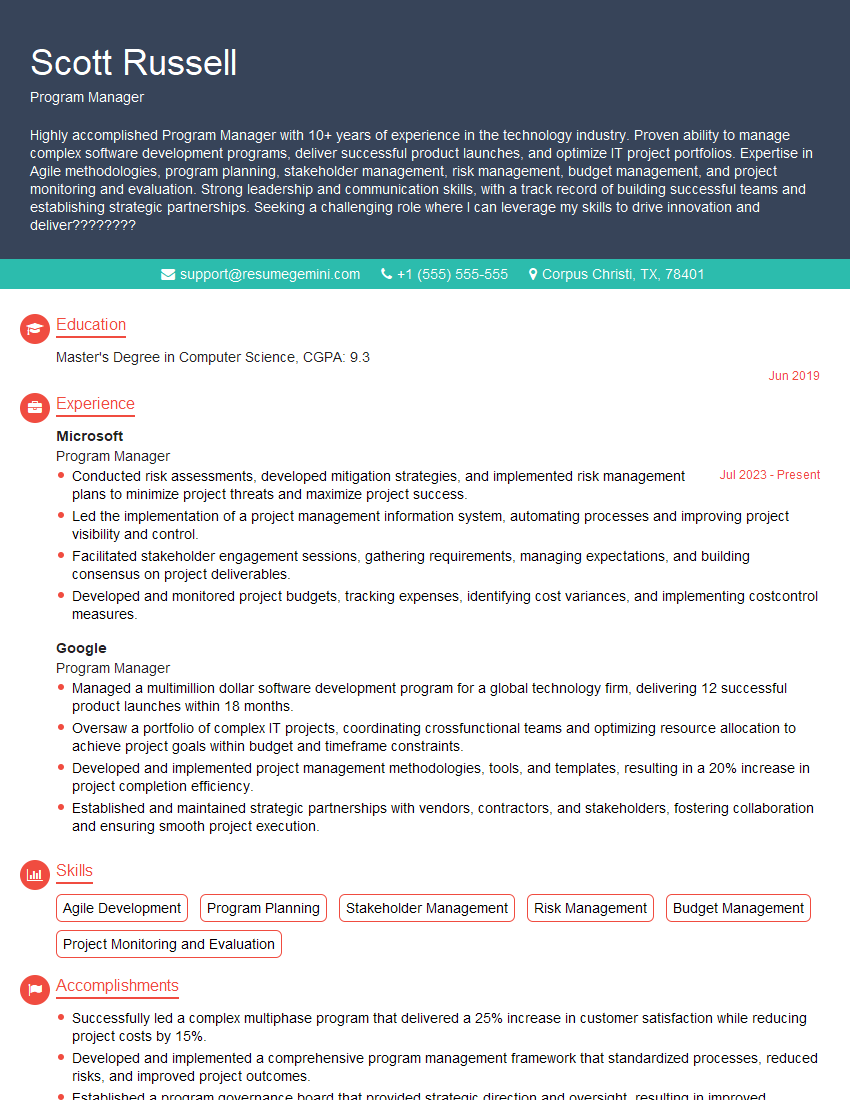
Program Manager Resume Sample
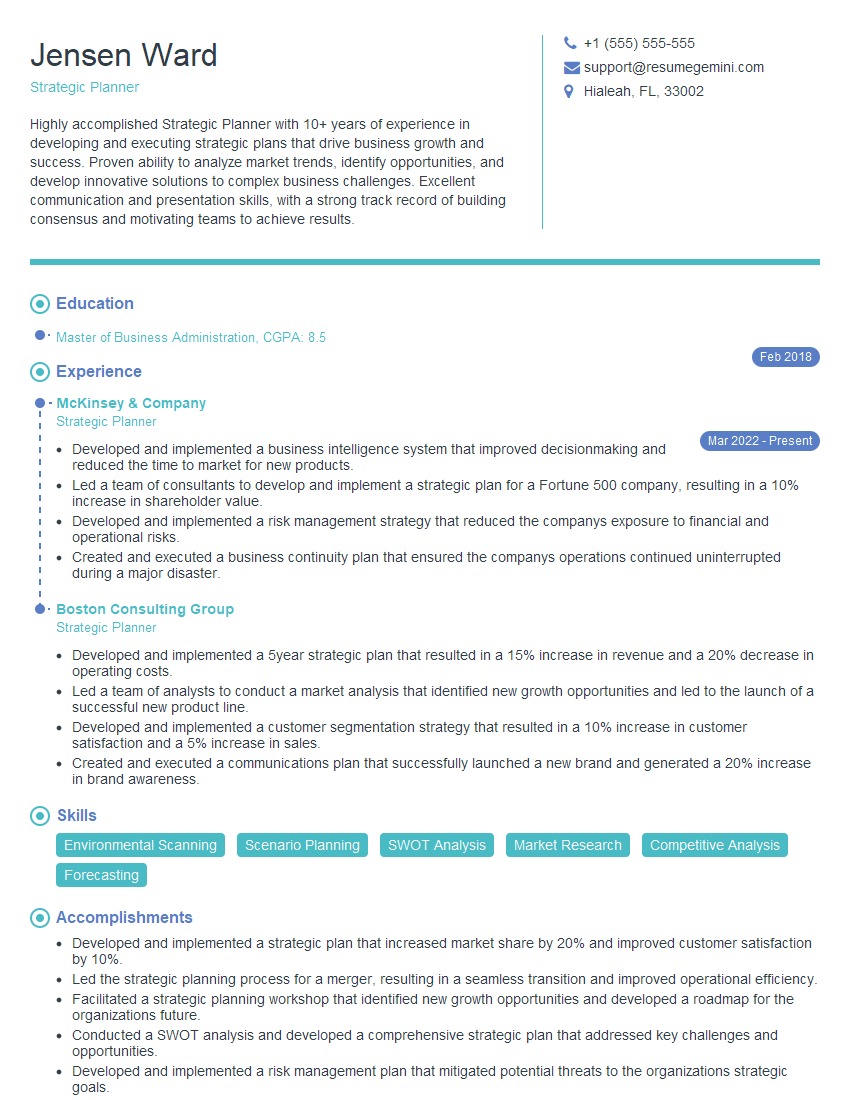
Strategic Planner Resume Sample

Operations Manager Resume Sample
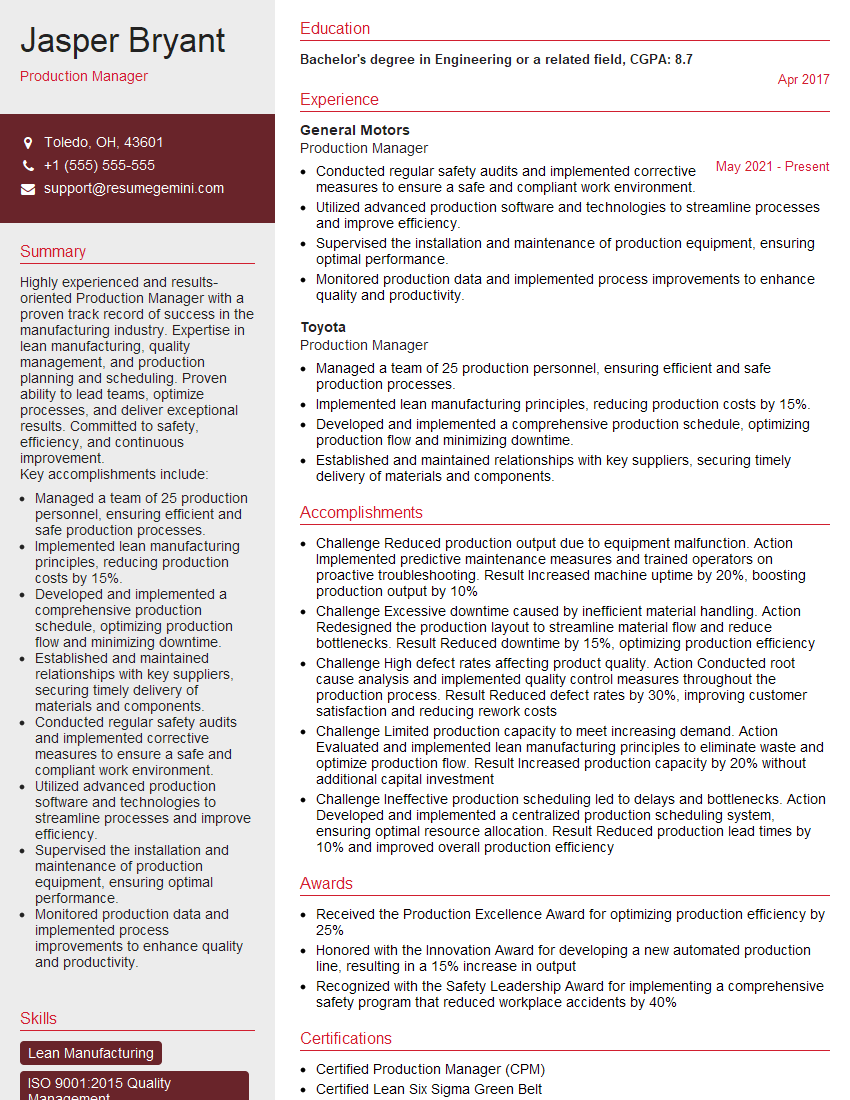
Production Manager Resume Sample
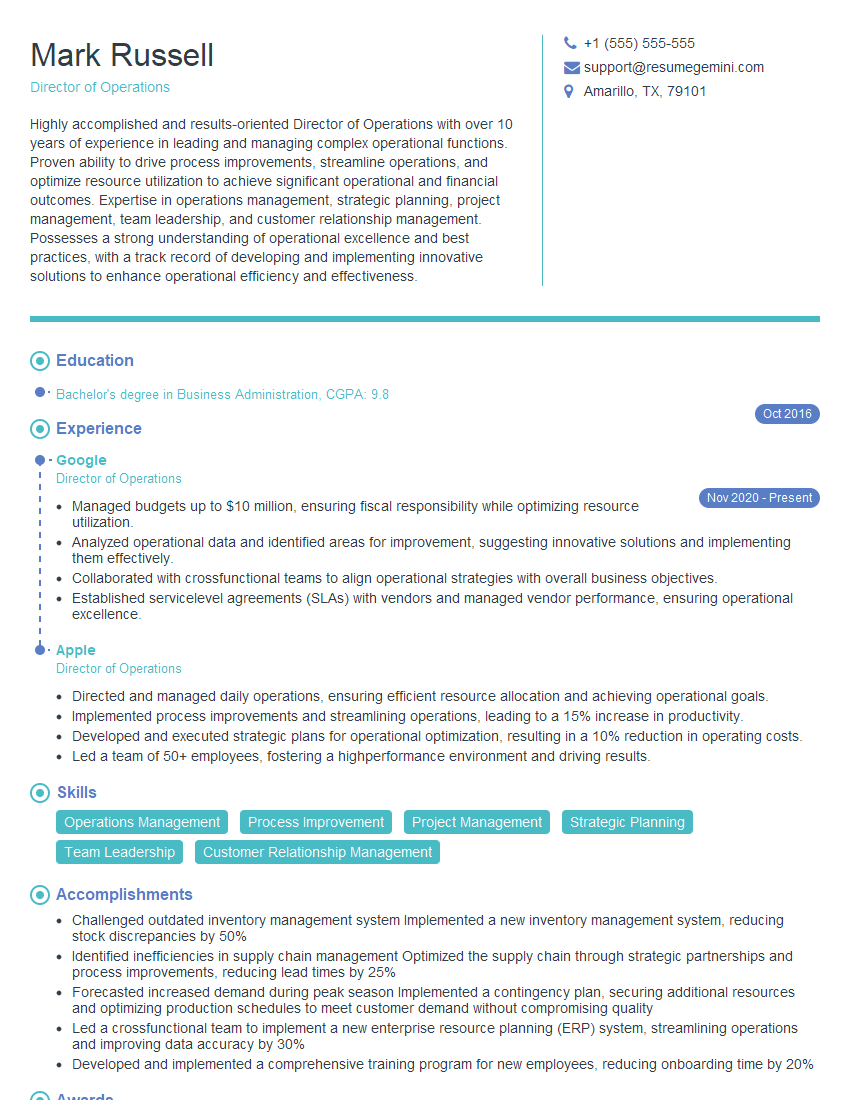
Director of Operations Resume Sample
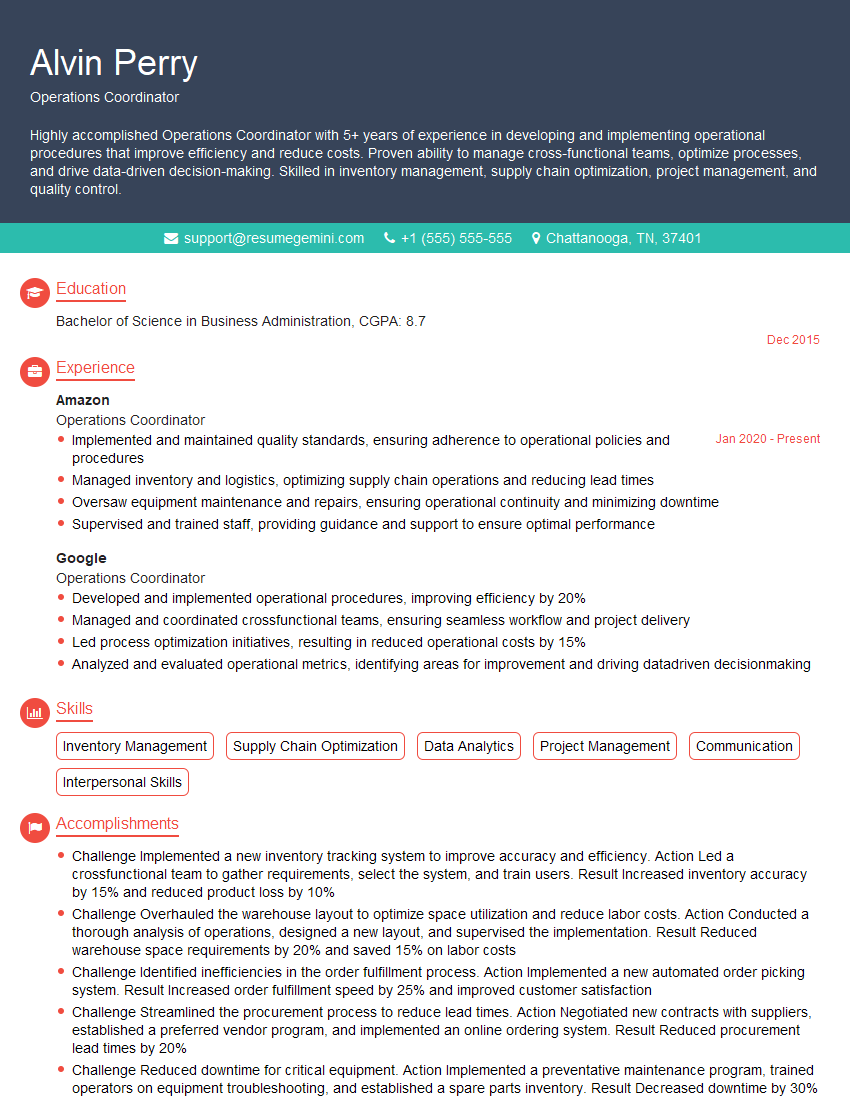
Operations Coordinator Resume Sample

Supply Chain Manager Resume Sample
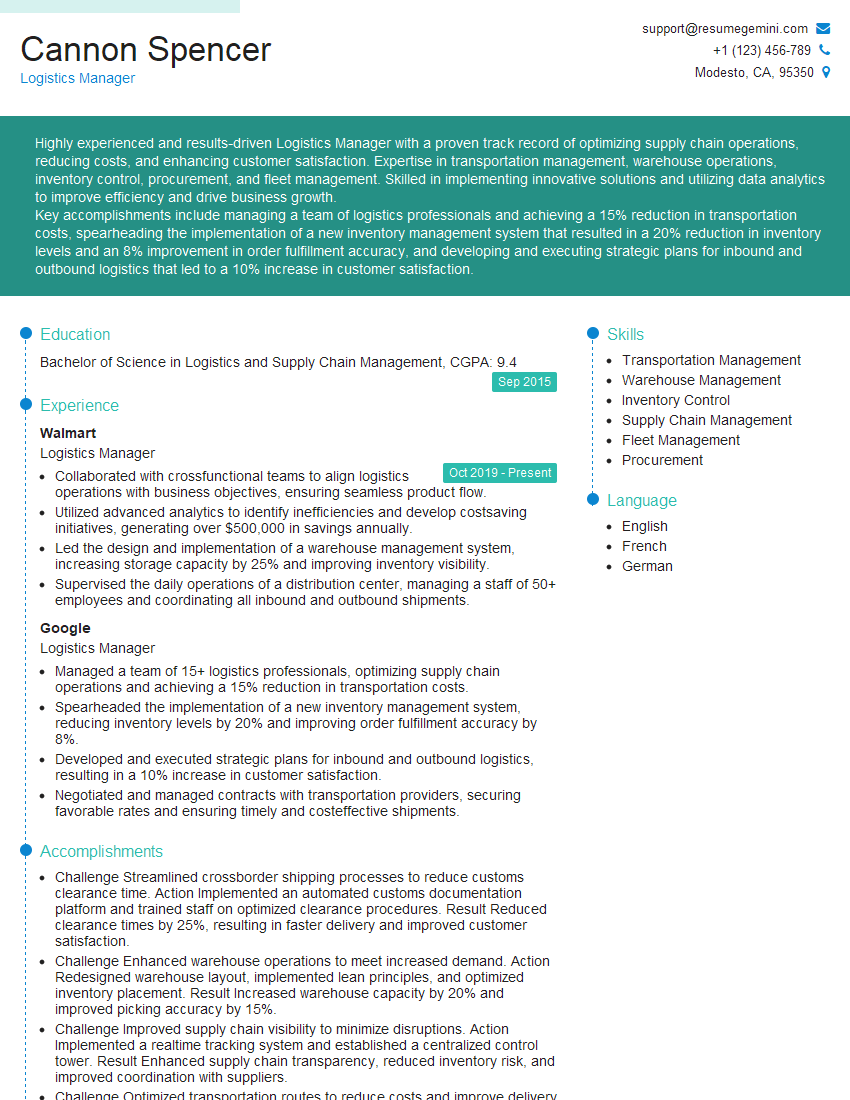
Logistics Manager Resume Sample
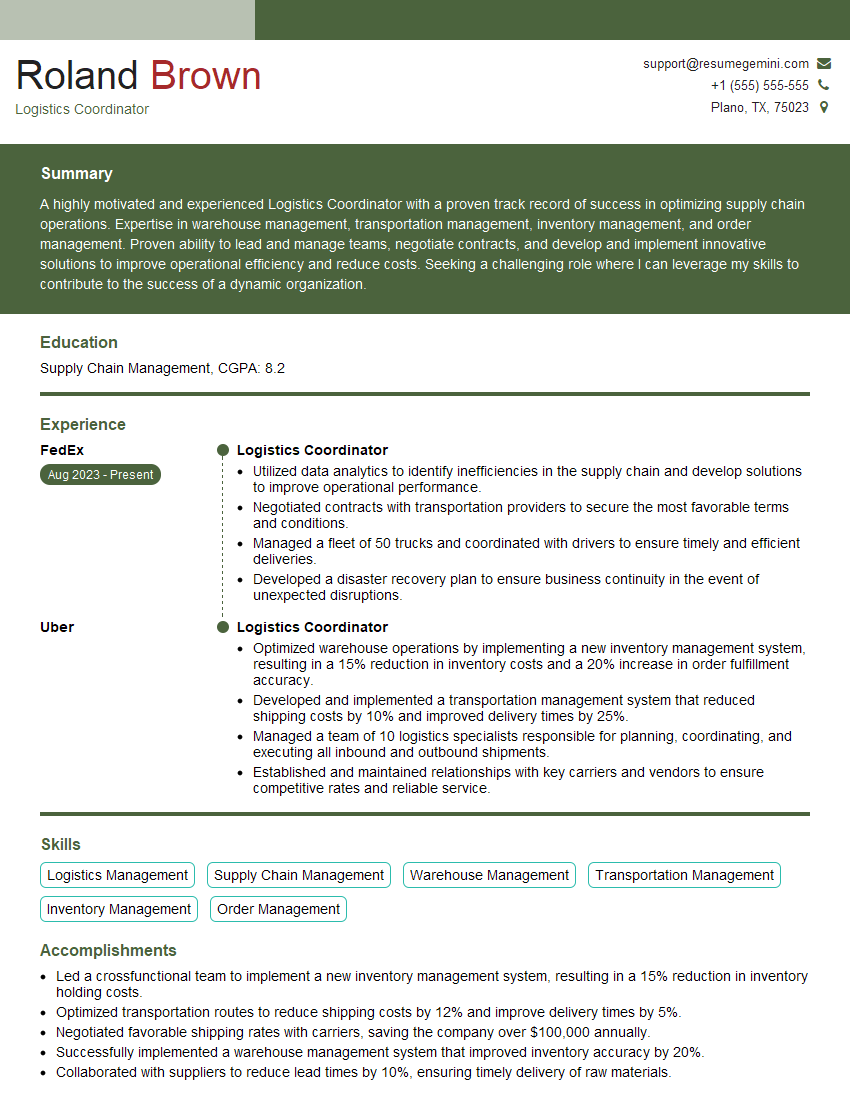
Logistics Coordinator Resume Sample
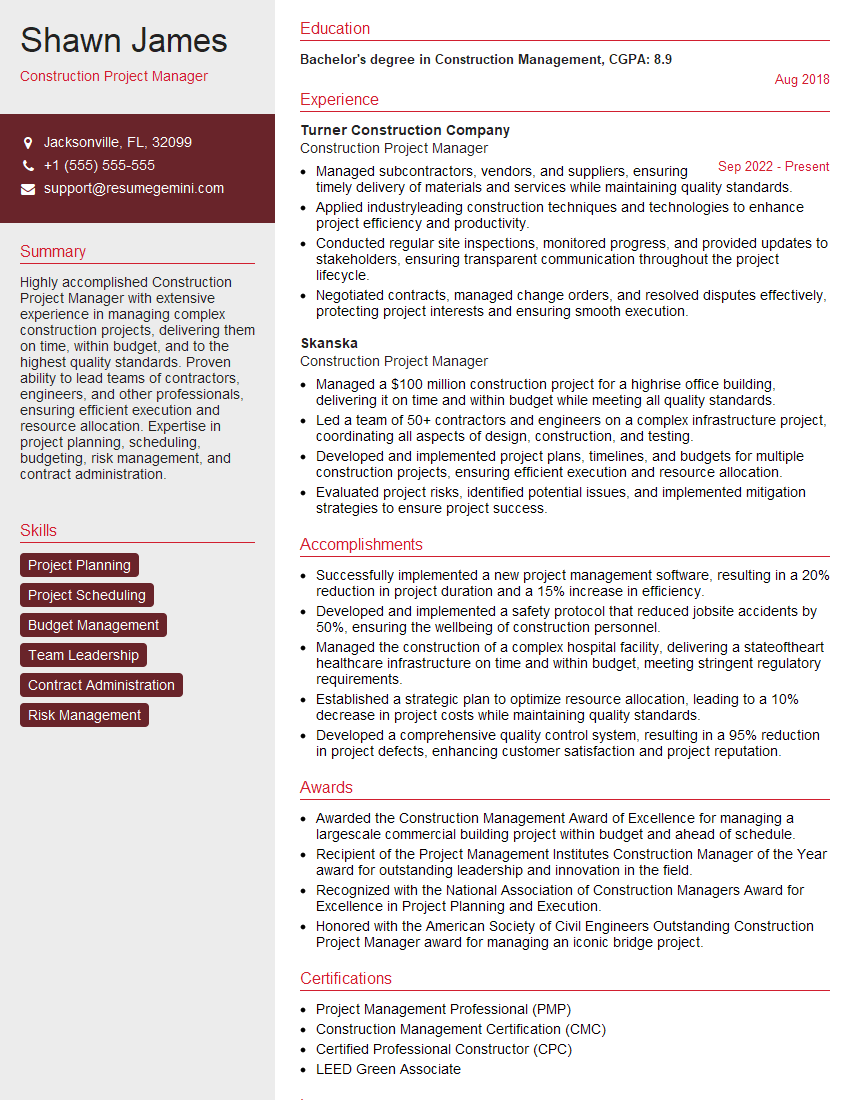
Construction Project Manager Resume Sample

Project Manager Resume Sample
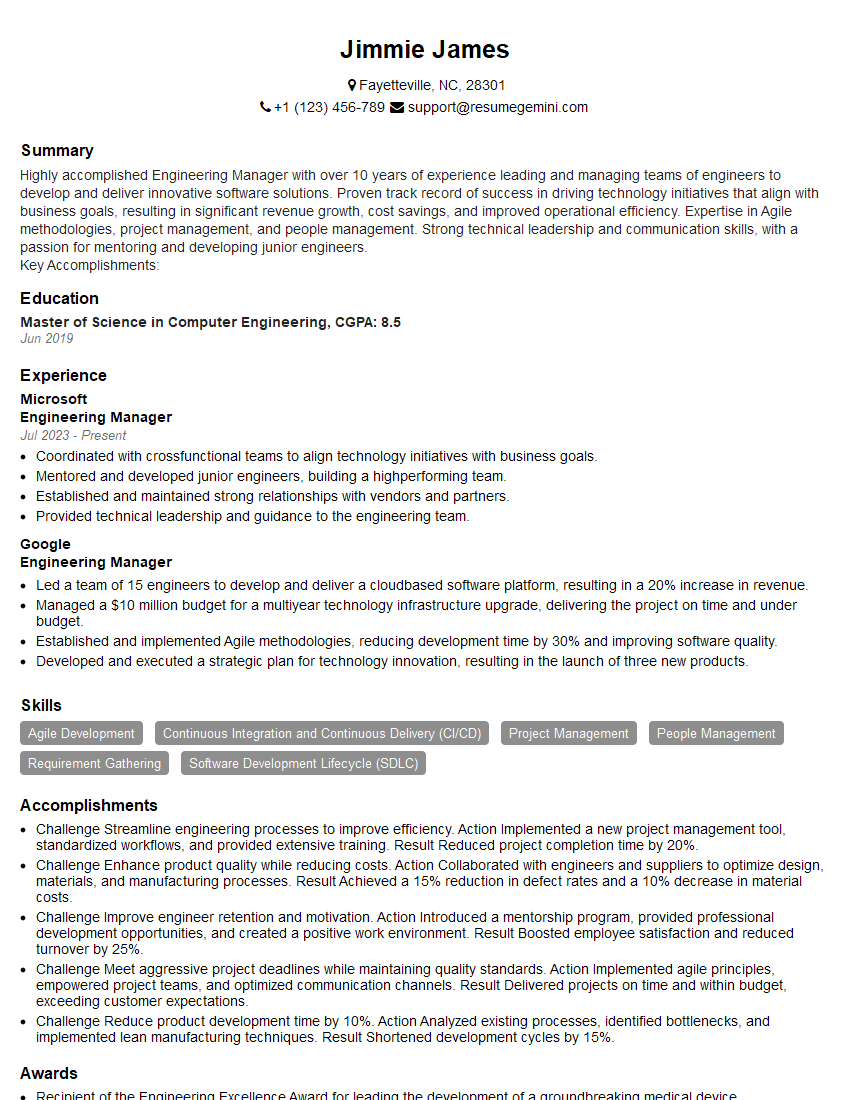
Engineering Manager Resume Sample
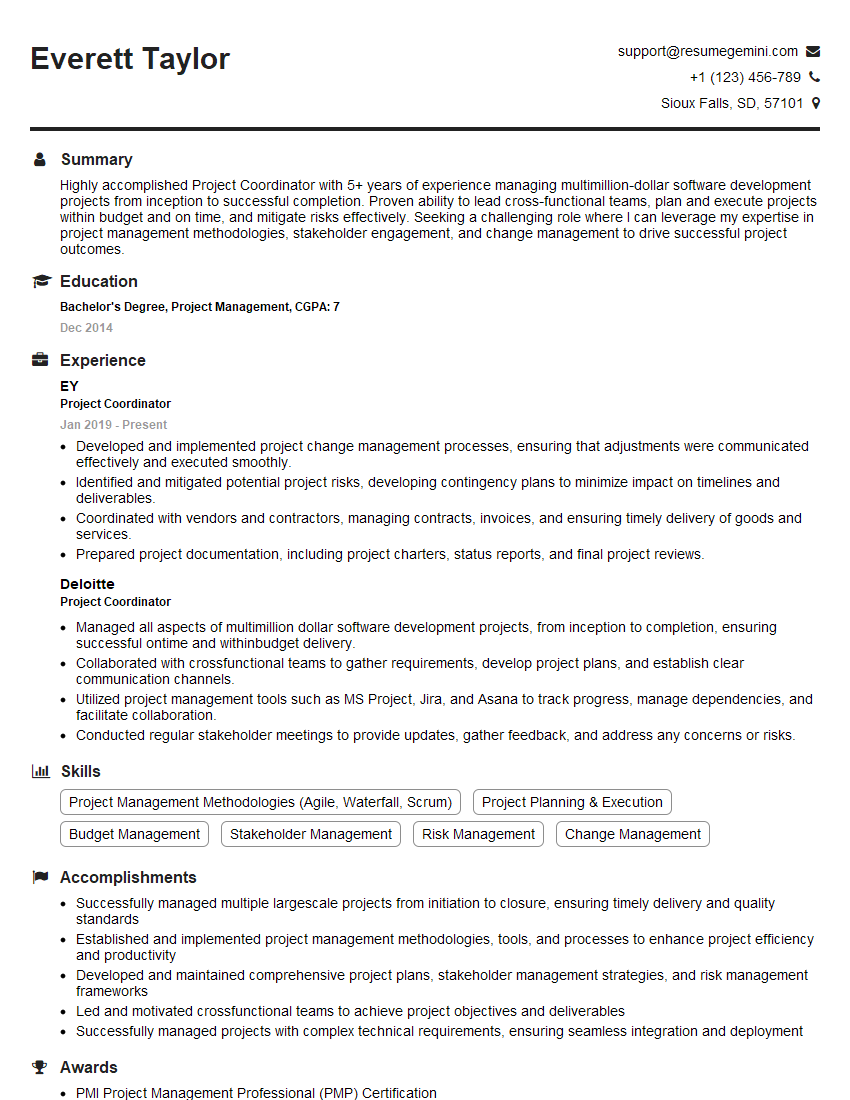
Project Coordinator Resume Sample
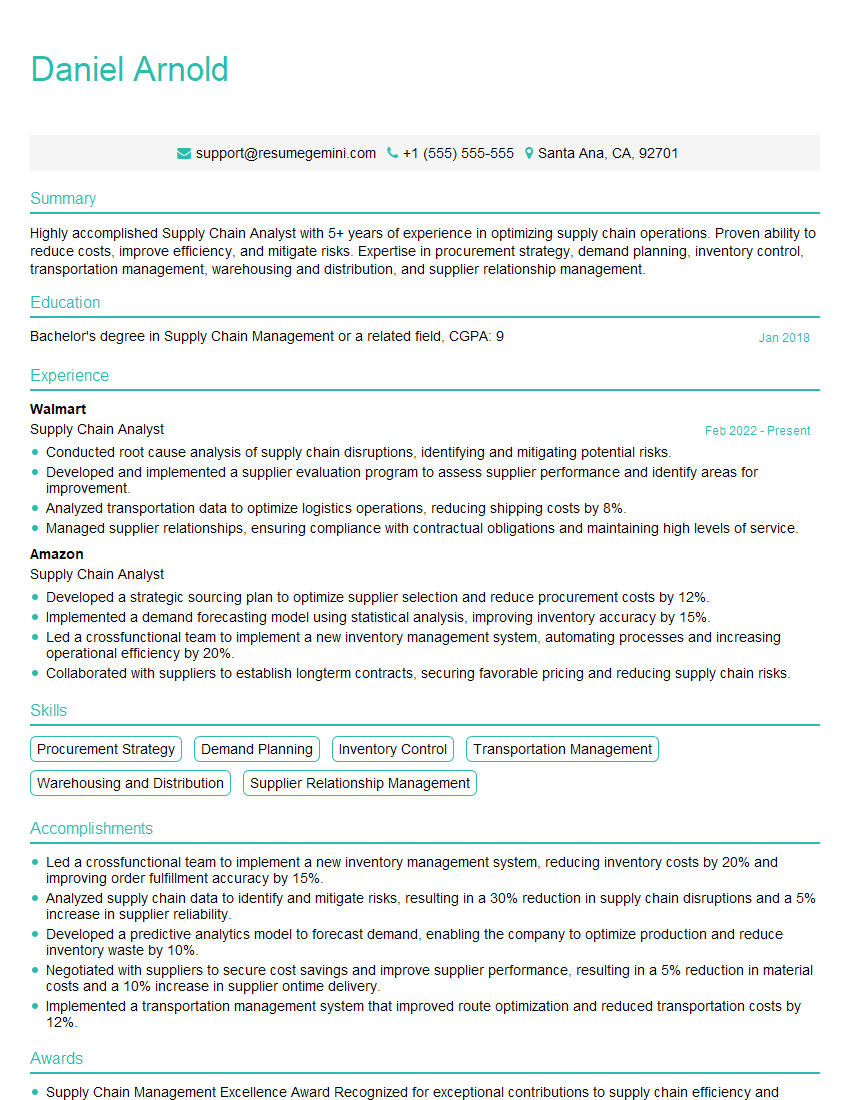
Supply Chain Analyst Resume Sample
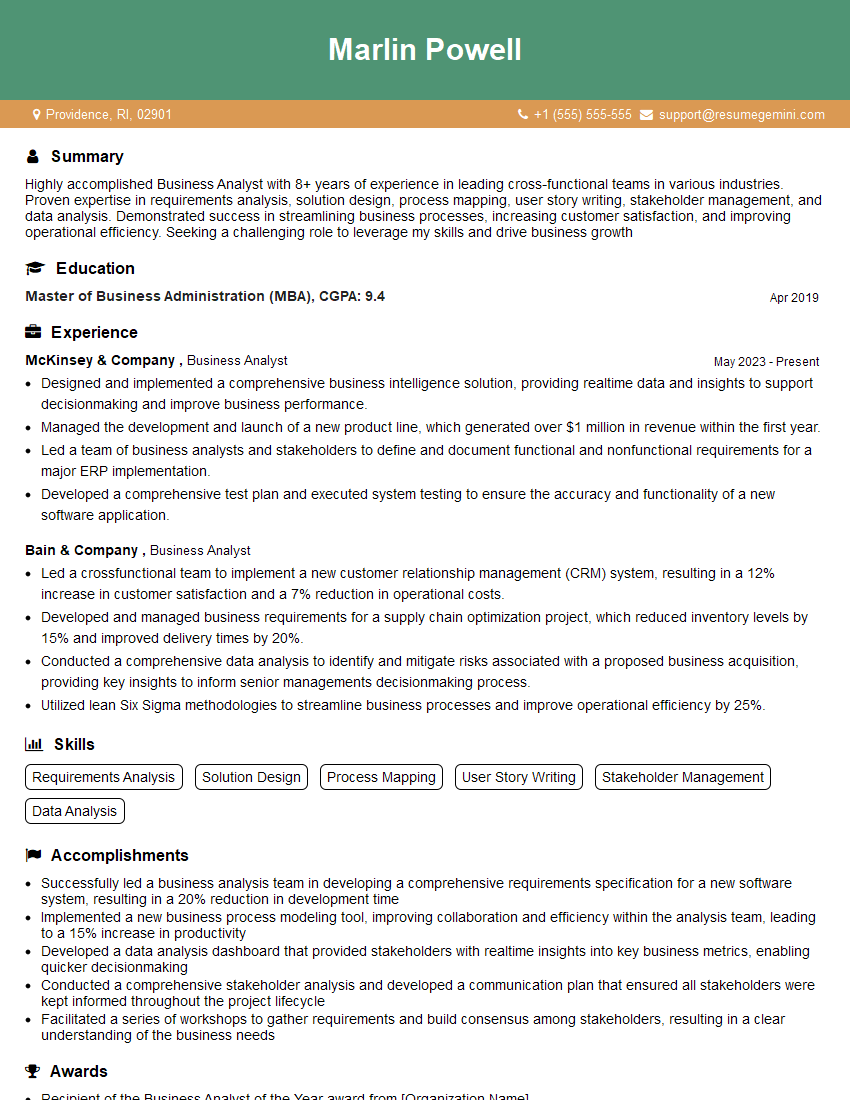
Business Analyst Resume Sample
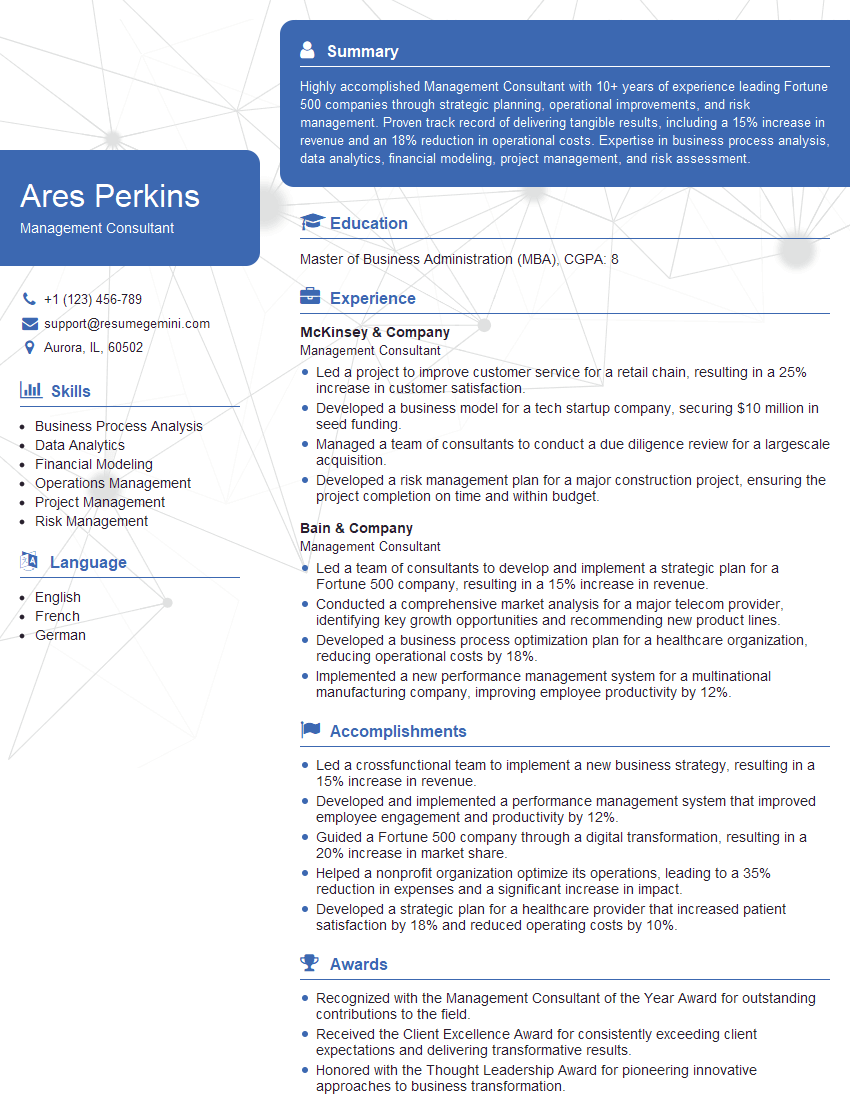
Management Consultant Resume Sample
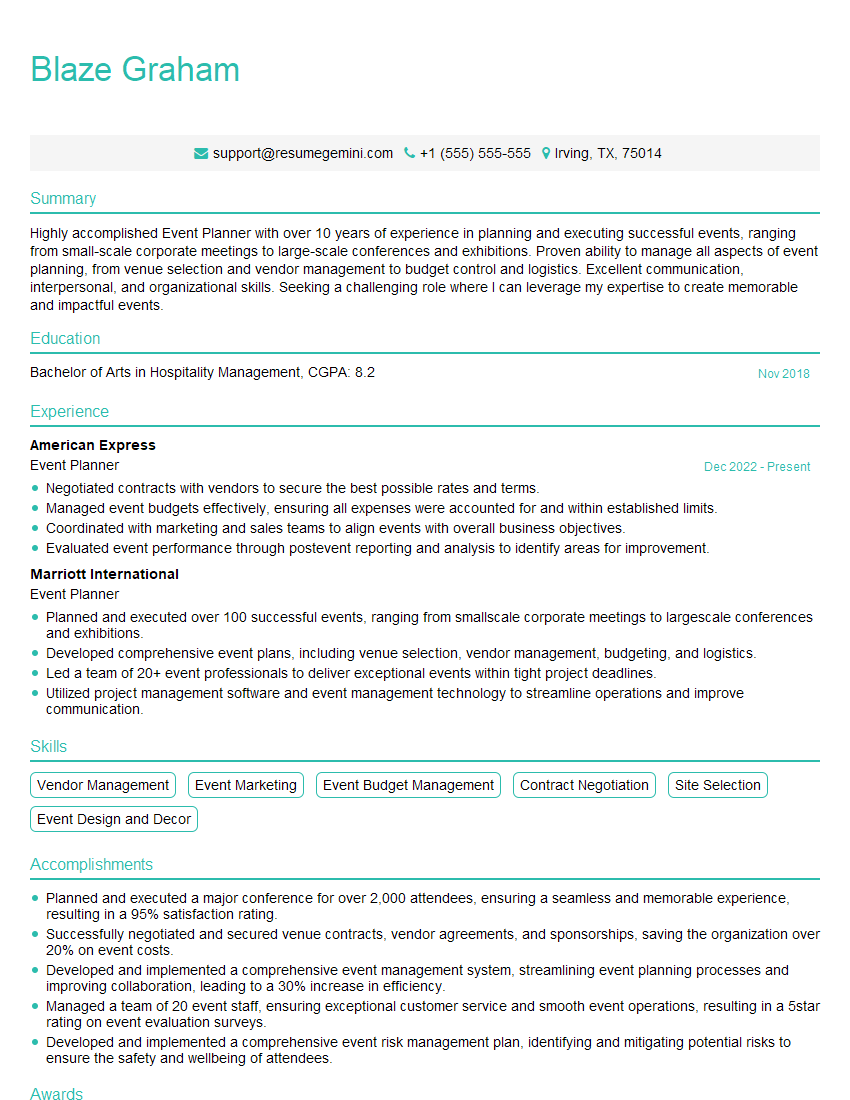
Event Planner Resume Sample
- Program Manager
- Strategic Planner
- Operations Manager
- Production Manager
- Director of Operations
- Operations Coordinator
- Supply Chain Manager
- Logistics Manager
- Logistics Coordinator
- Construction Project Manager
- Project Manager
- Engineering Manager
- Project Coordinator
- Supply Chain Analyst
- Business Analyst
- Management Consultant
- Event Planner
Explore more articles
Users Rating of Our Blogs
Share Your Experience
We value your feedback! Please rate our content and share your thoughts (optional).
What Readers Say About Our Blog
Hello,
we currently offer a complimentary backlink and URL indexing test for search engine optimization professionals.
You can get complimentary indexing credits to test how link discovery works in practice.
No credit card is required and there is no recurring fee.
You can find details here:
https://wikipedia-backlinks.com/indexing/
Regards
NICE RESPONSE TO Q & A
hi
The aim of this message is regarding an unclaimed deposit of a deceased nationale that bears the same name as you. You are not relate to him as there are millions of people answering the names across around the world. But i will use my position to influence the release of the deposit to you for our mutual benefit.
Respond for full details and how to claim the deposit. This is 100% risk free. Send hello to my email id: [email protected]
Luka Chachibaialuka
Hey interviewgemini.com, just wanted to follow up on my last email.
We just launched Call the Monster, an parenting app that lets you summon friendly ‘monsters’ kids actually listen to.
We’re also running a giveaway for everyone who downloads the app. Since it’s brand new, there aren’t many users yet, which means you’ve got a much better chance of winning some great prizes.
You can check it out here: https://bit.ly/callamonsterapp
Or follow us on Instagram: https://www.instagram.com/callamonsterapp
Thanks,
Ryan
CEO – Call the Monster App
Hey interviewgemini.com, I saw your website and love your approach.
I just want this to look like spam email, but want to share something important to you. We just launched Call the Monster, a parenting app that lets you summon friendly ‘monsters’ kids actually listen to.
Parents are loving it for calming chaos before bedtime. Thought you might want to try it: https://bit.ly/callamonsterapp or just follow our fun monster lore on Instagram: https://www.instagram.com/callamonsterapp
Thanks,
Ryan
CEO – Call A Monster APP
To the interviewgemini.com Owner.
Dear interviewgemini.com Webmaster!
Hi interviewgemini.com Webmaster!
Dear interviewgemini.com Webmaster!
excellent
Hello,
We found issues with your domain’s email setup that may be sending your messages to spam or blocking them completely. InboxShield Mini shows you how to fix it in minutes — no tech skills required.
Scan your domain now for details: https://inboxshield-mini.com/
— Adam @ InboxShield Mini
Reply STOP to unsubscribe
Hi, are you owner of interviewgemini.com? What if I told you I could help you find extra time in your schedule, reconnect with leads you didn’t even realize you missed, and bring in more “I want to work with you” conversations, without increasing your ad spend or hiring a full-time employee?
All with a flexible, budget-friendly service that could easily pay for itself. Sounds good?
Would it be nice to jump on a quick 10-minute call so I can show you exactly how we make this work?
Best,
Hapei
Marketing Director
Hey, I know you’re the owner of interviewgemini.com. I’ll be quick.
Fundraising for your business is tough and time-consuming. We make it easier by guaranteeing two private investor meetings each month, for six months. No demos, no pitch events – just direct introductions to active investors matched to your startup.
If youR17;re raising, this could help you build real momentum. Want me to send more info?
Hi, I represent an SEO company that specialises in getting you AI citations and higher rankings on Google. I’d like to offer you a 100% free SEO audit for your website. Would you be interested?
Hi, I represent an SEO company that specialises in getting you AI citations and higher rankings on Google. I’d like to offer you a 100% free SEO audit for your website. Would you be interested?
good