The right preparation can turn an interview into an opportunity to showcase your expertise. This guide to Experience in stencil cleaning and maintenance interview questions is your ultimate resource, providing key insights and tips to help you ace your responses and stand out as a top candidate.
Questions Asked in Experience in stencil cleaning and maintenance Interview
Q 1. Describe your experience with various stencil cleaning methods.
Stencil cleaning methods vary depending on the stencil material (metal, polymer, etc.), the type of ink used, and the level of clogging. My experience encompasses a range of techniques, from simple manual cleaning to sophisticated ultrasonic processes.
Manual Cleaning: This involves using solvents and brushes, swabs, or compressed air to remove ink residue. It’s best suited for light clogging and easily accessible areas. For example, I’ve successfully used isopropyl alcohol and soft brushes to clean fine-detail polymer stencils after screen printing smaller runs.
Solvent Cleaning: This method employs specialized stencil cleaning solvents, often chosen based on the ink’s compatibility. Immersion in a solvent bath is common, followed by thorough rinsing and drying. I’ve found that selecting the correct solvent is crucial; using an incompatible solvent can damage the stencil.
Ultrasonic Cleaning: This technique utilizes high-frequency sound waves to dislodge stubborn ink particles. It’s particularly effective for heavily clogged stencils and intricate designs. I’ll discuss my ultrasonic cleaning experience in more detail later.
Chemical Etching (for metal stencils): For extremely persistent clogging, chemical etching might be necessary to restore the stencil’s apertures. This is a more aggressive method and requires precise control to avoid damaging the stencil.
Q 2. What are the common causes of stencil clogging and how do you address them?
Stencil clogging is a common problem stemming from several factors. Understanding these root causes is vital for preventative maintenance.
Ink Viscosity: Thick or improperly mixed ink is a major culprit. The ink can dry and solidify within the stencil apertures, creating blockages. I’ve seen this particularly with inks that are past their shelf life.
Ink Curing: Incomplete curing of the ink leads to residue remaining in the stencil, eventually causing clogging. Ensuring proper curing time according to the manufacturer’s specifications is essential.
Stencil Material: The porosity and surface finish of the stencil material influence clogging. Fine mesh stencils are more prone to clogging than coarser ones. Polymer stencils, while flexible, can be more susceptible than metal stencils to certain inks.
Improper Cleaning: Inadequate cleaning or using inappropriate solvents can leave ink residue that later solidifies, leading to clogs.
Storage Conditions: Improper storage, such as exposure to extreme temperatures or humidity, can cause ink degradation and clogging.
Addressing these issues involves preventative measures like using the correct ink, ensuring proper curing, implementing regular cleaning, and storing stencils in a controlled environment.
Q 3. Explain the importance of proper stencil cleaning in maintaining print quality.
Proper stencil cleaning is paramount for maintaining consistent print quality. A clean stencil ensures accurate ink deposition, leading to sharp, well-defined prints.
Sharpness and Detail: Clogged apertures lead to blurry, incomplete prints, lacking fine details. A clean stencil produces crisp lines and accurate reproduction of the design.
Consistency: A clogged stencil can lead to inconsistent print quality across multiple runs. Clean stencils produce consistent prints with even ink distribution.
Reduced Waste: Printing with a clogged stencil results in wasted materials and time. Clean stencils minimize waste by delivering the intended print every time.
Stencil Lifespan: Regular and proper cleaning extends the life of the stencil, reducing the need for frequent replacements.
In essence, clean stencils are the foundation for high-quality, efficient, and cost-effective printing.
Q 4. What types of cleaning agents are suitable for stencil cleaning, and what are their limitations?
The choice of cleaning agent depends critically on the stencil material and the type of ink used. Selecting the wrong agent can damage the stencil or leave behind residue.
Isopropyl Alcohol (IPA): A common and effective solvent for many inks, particularly water-based and some UV-curable inks. However, it might not be suitable for all inks and can potentially damage certain stencil materials.
Specialized Stencil Cleaners: Commercial stencil cleaners are formulated to be compatible with various inks and stencil materials. They often come with specific instructions that need to be followed carefully.
Solvents (e.g., Terpenes, Citrus Solvents): These can be effective for removing certain types of inks, but require careful selection to avoid stencil damage. Some solvents are highly flammable and require careful handling.
Limitations: The limitations of each agent include compatibility issues with specific inks and materials, potential for damage if misused, flammability, and environmental concerns. Always test a small, inconspicuous area of the stencil before applying any cleaning agent to the entire surface.
Q 5. How do you determine the appropriate cleaning frequency for stencils?
Determining the appropriate cleaning frequency depends on several factors: the type of ink, the printing volume, and the level of clogging observed after each use.
High-Volume Printing: Stencils used for high-volume printing often require more frequent cleaning, potentially after each job or even during longer runs if clogging becomes noticeable.
Low-Volume Printing: For low-volume printing, cleaning might be required less often, perhaps after several prints or at the end of the day.
Ink Type: Some inks are more prone to clogging than others. Fast-drying inks may necessitate more frequent cleaning.
Visual Inspection: Regular visual inspection is crucial. If clogging is observed, even minimally, cleaning should be performed immediately to prevent further buildup.
A good rule of thumb is to clean the stencil whenever print quality starts to degrade. Proactive cleaning is cheaper and faster than dealing with heavily clogged stencils.
Q 6. Describe your experience with ultrasonic cleaning of stencils.
Ultrasonic cleaning is a highly effective method for removing stubborn ink residue and effectively cleaning intricate stencil designs. I have extensive experience using ultrasonic cleaners in various industrial settings.
The process involves immersing the stencil in a cleaning solution bath within an ultrasonic cleaner. The high-frequency sound waves generate cavitation, creating microscopic bubbles that implode, dislodging the ink particles from the stencil apertures. This process is significantly more effective than manual cleaning for heavily clogged stencils, achieving a thorough cleaning without the risk of damaging the stencil (provided the correct settings and solution are used).
My experience includes:
Selecting appropriate cleaning solutions based on stencil material and ink type.
Optimizing cleaning parameters like temperature, time, and ultrasonic power to avoid damage while ensuring effective cleaning.
Handling various stencil sizes and materials within ultrasonic tanks.
Properly drying and inspecting the stencils after ultrasonic cleaning.
Careful attention must be paid to the cleaning solution used and the settings of the machine to avoid damage to the stencil. Improper use of ultrasonic cleaning can lead to pitting or deformation of the stencil.
Q 7. How do you inspect a stencil for damage after cleaning?
Post-cleaning inspection is crucial to ensure the stencil’s integrity and identify any potential damage caused during the cleaning process. A thorough inspection is done under magnification, using a bright light source.
Visual Inspection: I examine the stencil for any signs of damage, including scratches, pits, or deformation of the apertures. I pay close attention to areas prone to wear and tear.
Aperture Check: I carefully check the apertures to ensure they are clear and free of any residual ink or debris. A magnifying glass or microscope may be needed to thoroughly examine fine details.
Material Integrity: I assess the overall condition of the stencil material to detect any signs of weakening, cracking, or corrosion. This is especially important for metal stencils.
If any damage is detected, I determine the severity and whether the stencil is still suitable for use. Significant damage may necessitate stencil replacement.
Q 8. What safety precautions do you take during stencil cleaning?
Stencil cleaning, while seemingly simple, demands meticulous attention to safety. My approach always begins with proper Personal Protective Equipment (PPE). This includes nitrile gloves to protect my hands from chemicals and sharp edges, safety glasses to shield my eyes from flying debris, and sometimes a respirator mask, particularly when using strong cleaning solvents. The workspace itself needs to be well-ventilated to minimize inhalation of fumes. I always ensure the stencil is properly secured before cleaning to prevent accidental drops or damage. Finally, I carefully handle used cleaning solutions, disposing of them according to environmental regulations. For example, I’ve had instances where improper disposal almost led to a chemical spill. Following stringent safety protocol averted a potential hazard and ensured a clean and safe working environment.
Q 9. What are the different types of stencils used in SMT?
Surface Mount Technology (SMT) stencils come in a variety of materials, each with its own properties and applications. The most common are stainless steel, which offers a good balance of durability and cost-effectiveness; nickel, known for its superior flexibility and thus suited for complex board designs; and electroformed nickel, offering exceptional precision and fine apertures. We also see less frequent use of materials like Kovar for high-temperature applications. The choice of stencil material hinges on factors such as the board’s complexity, the solder paste’s viscosity, and the required print quality. For instance, a highly intricate PCB might demand a flexible nickel stencil to conform to its contours, while a simpler board could utilize a durable stainless steel stencil.
Q 10. How do you handle stencils made of different materials?
Handling stencils made from different materials requires a nuanced approach. Stainless steel stencils, while robust, can be prone to scratching if cleaned aggressively. I use softer cleaning tools and avoid abrasive cleaners. Nickel stencils, being more flexible, require gentler handling to avoid warping or bending. I utilize specialized cleaning solutions designed for nickel and avoid excessive pressure during the process. Electroformed nickel stencils, being the most delicate, often require ultrasonic cleaning with specialized, low-abrasive cleaning agents. Each material has specific cleaning parameters—a cleaning method suitable for stainless steel might damage a delicate electroformed nickel stencil. Understanding these nuances is crucial to preserving the stencil’s lifespan and print quality.
Q 11. Describe your experience with stencil alignment and registration.
Stencil alignment and registration are critical for achieving accurate solder paste deposition. My experience involves using a variety of techniques, from manual alignment using optical microscopes to automated systems with laser alignment capabilities. Manual alignment requires precision and patience, relying on visual cues and careful adjustment of the stencil’s position relative to the PCB. Automated systems offer greater speed and accuracy but require regular calibration and maintenance. Regardless of the method, the key is to achieve precise alignment of stencil apertures with the PCB’s component pads. Inaccurate alignment leads to solder paste bridging, insufficient solder paste, or even missing components – all impacting the product’s functionality and reliability. I once had a situation where a slight misalignment during manual alignment led to short circuits on a batch of high-precision circuit boards; highlighting how crucial accurate alignment is to successful SMT processes.
Q 12. How do you troubleshoot issues related to stencil wear and tear?
Troubleshooting stencil wear and tear begins with regular visual inspections. I look for signs like aperture deformation, clogging, or thinning of the stencil material. Aperture deformation, often manifesting as widening or tapering of apertures, typically requires stencil reclamation or replacement. Clogging is addressed by appropriate cleaning methods, while thinning indicates the stencil’s approaching end-of-life. I also analyze print quality; inconsistent solder paste deposition, excessive smearing, or insufficient solder volume often points to stencil wear. For instance, I once experienced unusual solder bridging; upon inspection, I identified aperture deformation in the stencil. Replacing the stencil solved the issue. Data analysis from the SMT machine also helps, providing metrics on paste volume and print consistency, offering early warning signs of stencil degradation.
Q 13. What are some common stencil defects and their impact on printing quality?
Common stencil defects significantly impact printing quality. Aperture damage (widening, tapering, or breakage) leads to inconsistent solder paste deposition, potentially causing bridging or insufficient solder. Stencil bowing, due to improper handling or material fatigue, results in uneven paste distribution. Dents or scratches create voids in the paste deposition, leading to missing components. Finally, stencil clogging prevents the proper flow of solder paste. These defects can manifest as bridging, insufficient solder, tombstoning (components standing upright), or even complete component placement failure. Understanding the link between stencil defects and print quality allows for proactive maintenance and reduces production waste. For example, a single scratched stencil could lead to a whole batch of defective products, highlighting the necessity of regular stencil inspection and proper maintenance.
Q 14. Explain the process of stencil reclamation or repair.
Stencil reclamation or repair aims to extend the stencil’s lifespan by addressing minor defects. The process often begins with thorough cleaning to remove all solder residue. Minor dents or scratches can sometimes be carefully repaired using specialized tools and techniques. Laser ablation is occasionally used to remove or reshape damaged apertures. For more severe damage, a stencil may be sent to a specialized service center for reclamation, which may involve processes like re-plating or laser etching to restore aperture dimensions. However, if the damage is extensive, it is often more cost-effective to replace the stencil. The decision to reclaim or replace depends on the severity of the damage, the cost of reclamation, and the remaining economic life of the stencil. A cost-benefit analysis, considering repair costs against replacement costs, guides the decision-making process. Proper stencil maintenance, coupled with a well-defined reclamation strategy, optimizes operational efficiency and reduces long-term expenses.
Q 15. How do you manage stencil inventory and storage?
Stencil inventory management is crucial for efficient production and cost control. We use a combination of methods to track and store our stencils. First, a comprehensive database catalogs each stencil, noting its dimensions, material, usage history, and cleaning cycle. This allows us to quickly identify stencils by part number or other identifiers. Second, we employ a color-coded system for visual identification during storage, separating stencils by material type (stainless steel, metal, etc.) and cleanliness status (ready for use, requiring cleaning, damaged). Stencils are stored in designated, climate-controlled cabinets to prevent damage from dust, moisture, or extreme temperatures. Each cabinet is clearly labeled with its contents. We regularly audit the inventory to ensure accuracy and identify potential shortages or excess stock.
For example, a stencil recently used on a high-volume order might be stored in a ‘high-use’ section, whereas stencils for less frequent jobs reside in designated areas, ensuring quick access to those frequently used and preventing unnecessary clutter.
Career Expert Tips:
- Ace those interviews! Prepare effectively by reviewing the Top 50 Most Common Interview Questions on ResumeGemini.
- Navigate your job search with confidence! Explore a wide range of Career Tips on ResumeGemini. Learn about common challenges and recommendations to overcome them.
- Craft the perfect resume! Master the Art of Resume Writing with ResumeGemini’s guide. Showcase your unique qualifications and achievements effectively.
- Don’t miss out on holiday savings! Build your dream resume with ResumeGemini’s ATS optimized templates.
Q 16. Describe your experience with documentation and record-keeping related to stencil cleaning.
Meticulous documentation is paramount in stencil cleaning. We maintain detailed records of every cleaning process, including the stencil’s identification number, cleaning method employed (e.g., ultrasonic, manual), cleaning agents used, cleaning time, inspection results (before and after), and the technician performing the cleaning. This is recorded digitally in a database, often accompanied by photographic evidence of the stencil’s condition before and after the cleaning process. We also maintain a log of repairs or replacements done to stencils, along with the associated costs. This ensures complete traceability and aids in predictive maintenance, allowing us to anticipate potential issues and optimize cleaning schedules.
For instance, if a stencil shows consistent damage in a particular area, we can review past cleaning records to identify potential issues with the cleaning process or the stencil’s material, leading to improved practices.
Q 17. How do you ensure compliance with industry standards and regulations in stencil cleaning?
Compliance is a top priority. We adhere strictly to all relevant industry standards and regulations pertaining to stencil cleaning, including safety regulations for handling cleaning chemicals and waste disposal. Our processes are designed to minimize environmental impact, using eco-friendly cleaning agents whenever possible. We regularly audit our practices to confirm that we meet or exceed all requirements. This includes regular calibration of cleaning equipment, proper labeling of chemicals, training of personnel on safe handling practices, and thorough documentation of all activities. We also participate in industry best-practice sharing initiatives to stay updated on the latest compliance standards and technologies.
For example, our waste disposal procedures fully comply with local and national environmental regulations, and we utilize a certified waste management company to ensure proper handling and disposal of hazardous materials.
Q 18. How familiar are you with different types of stencil cleaning equipment?
My experience encompasses a wide range of stencil cleaning equipment. This includes manual cleaning methods, such as using brushes, solvents, and compressed air, as well as automated systems like ultrasonic cleaners, semi-automated spray washers, and high-pressure cleaning systems. I’m familiar with the strengths and limitations of each method. Manual cleaning offers high precision but is time-consuming and prone to human error. Ultrasonic cleaners are efficient for removing fine particles but may not be suitable for all stencil materials. Automated spray washers provide a high level of cleaning consistency, but can be expensive to purchase and maintain. Choosing the right equipment depends on factors like stencil material, throughput requirements, and budget considerations.
I have hands-on experience with all of these, and I can effectively select and operate each machine to optimally clean various stencil types.
Q 19. What are the benefits of using automated stencil cleaning systems?
Automated stencil cleaning systems offer numerous advantages over manual methods. They significantly increase throughput, reducing cleaning time and improving production efficiency. Consistency is another key benefit; automated systems produce a higher degree of cleanliness with less variability than manual cleaning. This translates to higher yields and fewer rejects. Automation also enhances worker safety by reducing exposure to harsh chemicals and manual labor. Finally, automated systems often provide data logging capabilities, facilitating data analysis and improving process optimization. The reduction in labor costs can also offer a significant ROI over time.
In a high-volume production environment, the increased throughput alone often justifies the investment in an automated system.
Q 20. Describe your experience with maintaining stencil cleaning equipment.
Maintaining stencil cleaning equipment involves a proactive approach. This includes regular cleaning of the equipment itself, checking fluid levels, and replacing worn parts. We perform routine inspections for leaks, corrosion, and damage. Detailed maintenance logs record all maintenance activities, including dates, performed tasks, and any parts replaced. We follow the manufacturer’s recommended maintenance schedules to ensure optimal performance and longevity of the equipment. Preventative maintenance is key – identifying and addressing minor issues before they escalate into major breakdowns. This saves time, money, and improves overall equipment effectiveness.
For instance, regular cleaning of an ultrasonic cleaner’s tank prevents the buildup of residue, ensuring consistent cleaning performance and extending the life of the transducer.
Q 21. How do you troubleshoot malfunctions in stencil cleaning equipment?
Troubleshooting malfunctions requires a systematic approach. I begin by identifying the symptoms of the problem and then use a process of elimination to pinpoint the cause. This often involves checking the power supply, examining fluid levels, inspecting hoses and connections, and verifying the correct settings. We have detailed troubleshooting guides specific to each type of equipment. These guides help identify common problems and suggest solutions. If the problem persists, I would consult the equipment’s manual and/or contact the manufacturer’s technical support team for assistance. Documenting each step of the troubleshooting process is crucial to prevent future occurrences and improve the efficiency of future repairs.
For example, if an ultrasonic cleaner isn’t working properly, I would first check the power connection, then the transducer, and finally inspect the cleaning solution. This methodical approach increases the efficiency and effectiveness of the repair process.
Q 22. How do you contribute to a safe and efficient workplace during stencil cleaning?
A safe and efficient stencil cleaning process starts with a commitment to established safety protocols. This involves the proper use of Personal Protective Equipment (PPE), such as gloves, eye protection, and respirators, depending on the cleaning agents used. We also need to meticulously follow all safety data sheets (SDS) for chemicals to avoid exposure hazards. A well-organized workspace, with clearly marked chemical storage and designated cleaning areas, prevents accidents and improves efficiency. For instance, I always ensure that the stencil cleaning station is well-lit and free from clutter to minimize the risk of slips, trips, or falls. Regular equipment maintenance, like checking the functionality of cleaning machines and ensuring proper ventilation, contributes to a safe and efficient environment. In one instance, I noticed a faulty ventilation system which could have led to hazardous chemical buildup. Addressing this promptly prevented a potential workplace safety incident.
Q 23. What are the key performance indicators (KPIs) for stencil cleaning?
Key Performance Indicators (KPIs) for stencil cleaning are crucial for evaluating efficiency and effectiveness. These KPIs usually center around:
- Stencil Cleaning Cycle Time: The time taken to clean a stencil from start to finish. This helps identify bottlenecks and areas for improvement.
- Stencil Cleaning Defects: The number of stencils rejected due to incomplete cleaning or damage. A low defect rate signifies a robust and efficient cleaning process.
- Throughput: The number of stencils cleaned per hour or per shift. This measures the overall productivity of the cleaning process.
- Chemical Consumption: Monitoring the volume of cleaning agents used per stencil. Optimization can lead to significant cost savings and reduced environmental impact.
- Downtime: Time the cleaning equipment is out of service for maintenance or repairs. Minimizing downtime directly affects production output.
By tracking these KPIs, we can pinpoint areas needing optimization and implement targeted improvements. For example, if the stencil cleaning cycle time is consistently high, it may indicate a need for better training, improved equipment, or a more streamlined cleaning process.
Q 24. How do you identify and resolve inconsistencies in stencil printing?
Inconsistencies in stencil printing, such as smeared images, incomplete deposits, or bridging, often point to issues in the stencil itself. My approach involves a systematic investigation:
- Visual Inspection: Thoroughly examine the stencil for any visible damage, debris, or residue buildup.
- Microscopic Analysis: Using a microscope, I can identify minute particles or defects that are not visible to the naked eye.
- Stencil Cleaning Assessment: Review the cleaning procedure to identify potential issues like insufficient cleaning, inappropriate cleaning agents, or improper drying techniques.
- Print Parameter Evaluation: Evaluate factors like squeegee pressure, speed, and stencil tension. Incorrect parameters can contribute to inconsistencies.
- Material Analysis (if applicable): If the stencil material itself shows signs of degradation, replacement is necessary.
Let’s say I notice a pattern of incomplete deposits in a particular area of the printed circuit board (PCB). I would systematically analyze each step, from the cleaning process to the printing parameters, to pinpoint the root cause. Perhaps the stencil apertures in that specific region are clogged, or the squeegee pressure needs adjustment.
Q 25. Describe your experience with different stencil materials (stainless steel, nickel, etc.)
My experience encompasses a range of stencil materials. Stainless steel stencils are durable and cost-effective but can be prone to corrosion if not cleaned properly. They require careful handling to prevent scratching. Nickel stencils offer superior etching capabilities and longer lifespan but are more expensive. They necessitate more gentle cleaning methods to avoid damage. I have used specialized cleaning agents and techniques appropriate for each material. For instance, ultrasonic cleaning is effective for both materials but requires different parameters and care to prevent damage. I’ve also worked with electroformed nickel stencils, which demand highly specific and delicate cleaning procedures to preserve their intricate details and avoid distortion.
Q 26. What are the environmental considerations related to stencil cleaning?
Environmental considerations are paramount in stencil cleaning. The chemicals used can be hazardous and must be handled responsibly. We use environmentally friendly cleaning agents whenever possible, opting for biodegradable options and minimizing chemical consumption. Proper waste disposal is crucial. Spent cleaning solutions require careful treatment according to environmental regulations. Recycling and reusing stencil cleaning solutions, where possible, minimizes waste. Regular equipment maintenance also helps reduce environmental impact by improving efficiency and minimizing chemical waste. For example, using closed-loop cleaning systems can drastically reduce solvent consumption and minimize emissions.
Q 27. Explain the importance of proper stencil drying techniques
Proper stencil drying is critical to prevent residue buildup, corrosion, and contamination. Incomplete drying can lead to defects and inconsistencies in subsequent print runs. The drying technique depends on the stencil material and the cleaning agent used. Techniques include air drying in a clean, controlled environment, using specialized drying equipment such as ovens or compressed air, and ensuring proper ventilation to remove moisture and residual cleaning agents. The most important aspect is to prevent contamination during drying. I’ve found that using HEPA-filtered air dryers is particularly effective in minimizing particle contamination and ensuring rapid, even drying of the stencil.
Q 28. How do you prevent cross-contamination during stencil cleaning?
Preventing cross-contamination is vital to maintain the quality and consistency of printed circuits. I use a dedicated cleaning process for each stencil, utilizing separate cleaning solutions and equipment. Thorough rinsing is critical to remove all traces of previous cleaning agents. We also have dedicated cleaning stations with clearly defined areas for different stencils to avoid any accidental mixing. Regular cleaning and disinfection of all equipment are also essential. This includes the cleaning tanks, ultrasonic baths, and drying equipment. Using color-coded containers and equipment helps prevent accidental mixing of cleaning agents. For instance, I use different colored brushes and containers for different stencil types and cleaning agents. This visual cue helps prevent accidental cross-contamination, enhancing efficiency and ensuring consistent quality.
Key Topics to Learn for Your Stencil Cleaning and Maintenance Interview
- Stencil Cleaning Techniques: Understanding various cleaning methods (e.g., ultrasonic cleaning, solvent cleaning, manual cleaning), their applications, and advantages/disadvantages for different stencil materials and inks.
- Stencil Maintenance Procedures: Proper handling, storage, and inspection techniques to prolong stencil life and prevent damage. This includes identifying common wear patterns and addressing them proactively.
- Understanding Stencil Materials: Familiarity with different stencil materials (e.g., stainless steel, nickel, polymer) and their properties, influencing cleaning and maintenance strategies.
- Defect Identification and Troubleshooting: Recognizing common stencil defects (e.g., clogging, wear, damage) and implementing effective solutions to restore stencil functionality and print quality.
- Health and Safety Regulations: Adherence to relevant safety protocols when handling cleaning chemicals and maintaining stencils, including proper disposal of waste materials.
- Process Optimization: Analyzing cleaning processes to identify areas for improvement in efficiency, cost-effectiveness, and environmental impact.
- Documentation and Record Keeping: Maintaining accurate records of stencil cleaning and maintenance procedures, including date, method, and any issues encountered.
- Preventive Maintenance Strategies: Implementing proactive maintenance schedules to minimize downtime and extend the lifespan of stencils.
Next Steps
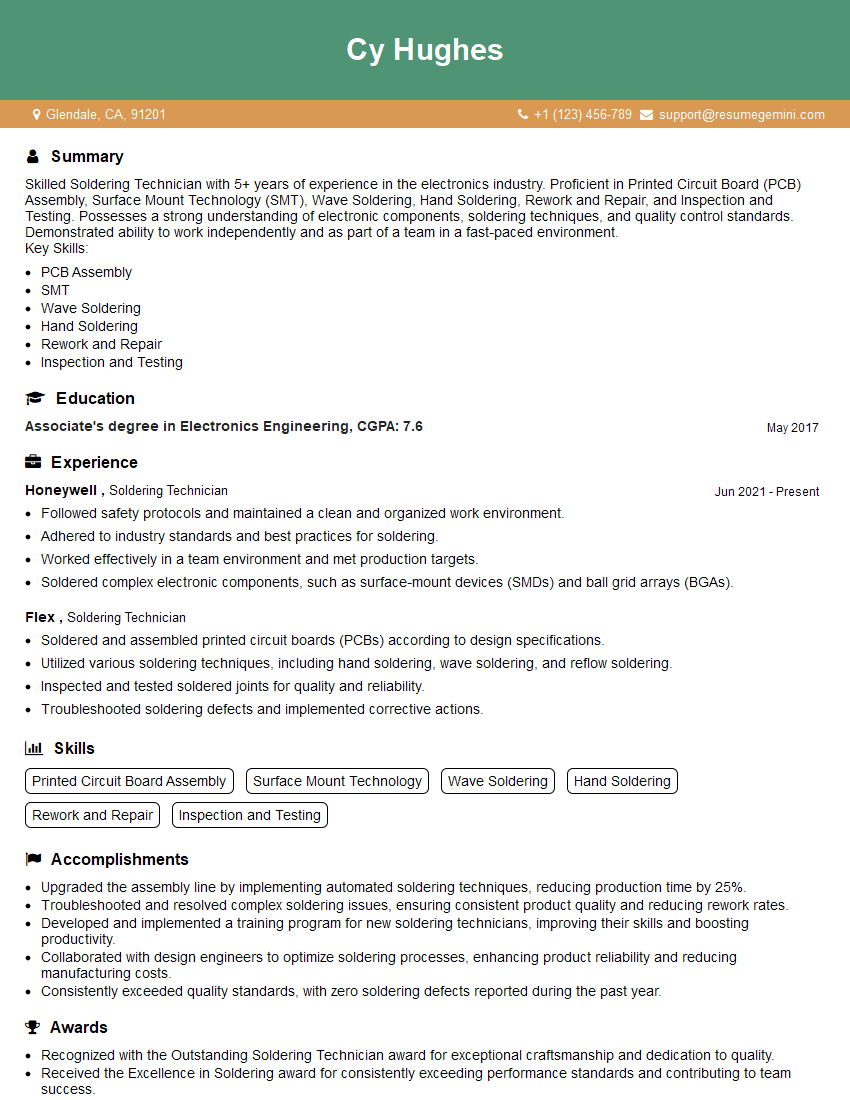
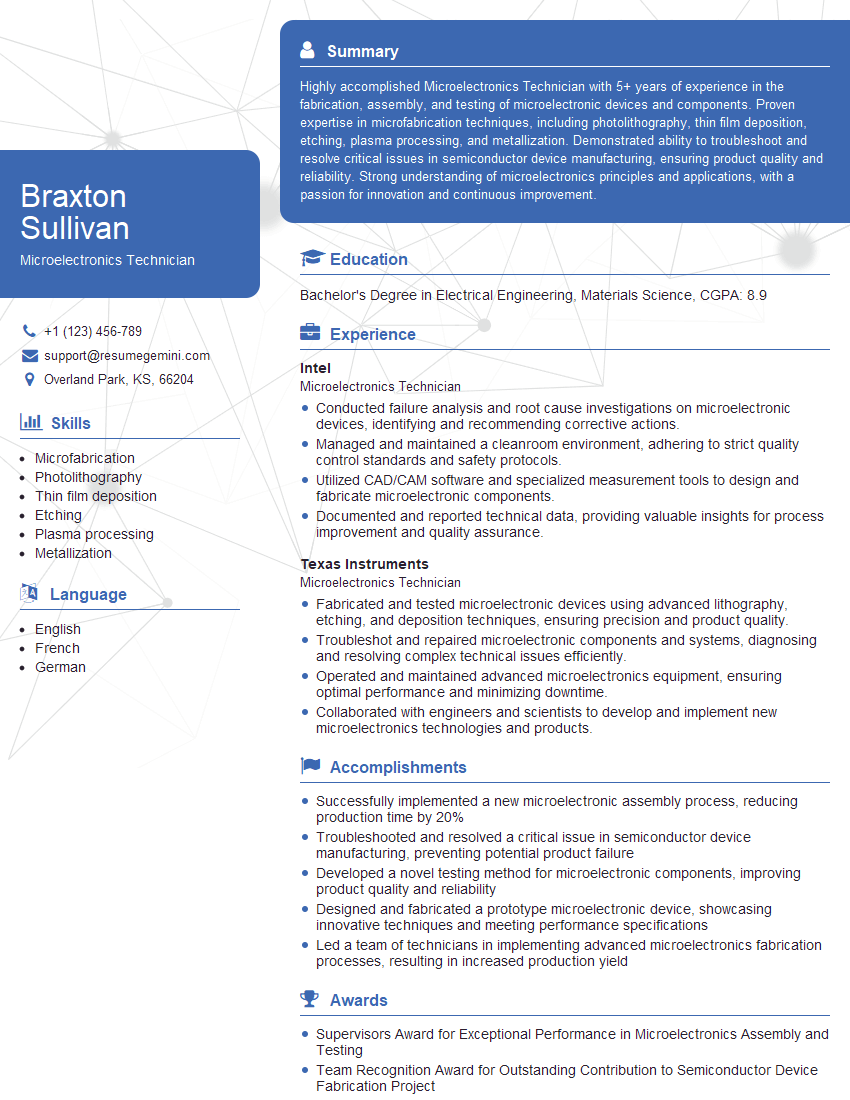
Mastering stencil cleaning and maintenance is crucial for career advancement in manufacturing and related industries. Proficiency in these skills demonstrates attention to detail, problem-solving abilities, and a commitment to quality control. To significantly improve your job prospects, crafting an ATS-friendly resume is essential. ResumeGemini is a trusted resource that can help you build a compelling and effective resume that highlights your skills and experience. We provide examples of resumes tailored to showcase experience in stencil cleaning and maintenance, helping you present your qualifications in the best possible light.

Explore more articles
Users Rating of Our Blogs
Share Your Experience
We value your feedback! Please rate our content and share your thoughts (optional).
What Readers Say About Our Blog
Attention music lovers!
Wow, All the best Sax Summer music !!!
Spotify: https://open.spotify.com/artist/6ShcdIT7rPVVaFEpgZQbUk
Apple Music: https://music.apple.com/fr/artist/jimmy-sax-black/1530501936
YouTube: https://music.youtube.com/browse/VLOLAK5uy_noClmC7abM6YpZsnySxRqt3LoalPf88No
Other Platforms and Free Downloads : https://fanlink.tv/jimmysaxblack
on google : https://www.google.com/search?q=22+AND+22+AND+22
on ChatGPT : https://chat.openai.com?q=who20jlJimmy20Black20Sax20Producer
Get back into the groove with Jimmy sax Black
Best regards,
Jimmy sax Black
www.jimmysaxblack.com
Hi I am a troller at The aquatic interview center and I suddenly went so fast in Roblox and it was gone when I reset.
Hi,
Business owners spend hours every week worrying about their website—or avoiding it because it feels overwhelming.
We’d like to take that off your plate:
$69/month. Everything handled.
Our team will:
Design a custom website—or completely overhaul your current one
Take care of hosting as an option
Handle edits and improvements—up to 60 minutes of work included every month
No setup fees, no annual commitments. Just a site that makes a strong first impression.
Find out if it’s right for you:
https://websolutionsgenius.com/awardwinningwebsites
Hello,
we currently offer a complimentary backlink and URL indexing test for search engine optimization professionals.
You can get complimentary indexing credits to test how link discovery works in practice.
No credit card is required and there is no recurring fee.
You can find details here:
https://wikipedia-backlinks.com/indexing/
Regards
NICE RESPONSE TO Q & A
hi
The aim of this message is regarding an unclaimed deposit of a deceased nationale that bears the same name as you. You are not relate to him as there are millions of people answering the names across around the world. But i will use my position to influence the release of the deposit to you for our mutual benefit.
Respond for full details and how to claim the deposit. This is 100% risk free. Send hello to my email id: lukachachibaialuka@gmail.com
Luka Chachibaialuka
Hey interviewgemini.com, just wanted to follow up on my last email.
We just launched Call the Monster, an parenting app that lets you summon friendly ‘monsters’ kids actually listen to.
We’re also running a giveaway for everyone who downloads the app. Since it’s brand new, there aren’t many users yet, which means you’ve got a much better chance of winning some great prizes.
You can check it out here: https://bit.ly/callamonsterapp
Or follow us on Instagram: https://www.instagram.com/callamonsterapp
Thanks,
Ryan
CEO – Call the Monster App
Hey interviewgemini.com, I saw your website and love your approach.
I just want this to look like spam email, but want to share something important to you. We just launched Call the Monster, a parenting app that lets you summon friendly ‘monsters’ kids actually listen to.
Parents are loving it for calming chaos before bedtime. Thought you might want to try it: https://bit.ly/callamonsterapp or just follow our fun monster lore on Instagram: https://www.instagram.com/callamonsterapp
Thanks,
Ryan
CEO – Call A Monster APP
To the interviewgemini.com Owner.
Dear interviewgemini.com Webmaster!
Hi interviewgemini.com Webmaster!
Dear interviewgemini.com Webmaster!
excellent
Hello,
We found issues with your domain’s email setup that may be sending your messages to spam or blocking them completely. InboxShield Mini shows you how to fix it in minutes — no tech skills required.
Scan your domain now for details: https://inboxshield-mini.com/
— Adam @ InboxShield Mini
support@inboxshield-mini.com
Reply STOP to unsubscribe
Hi, are you owner of interviewgemini.com? What if I told you I could help you find extra time in your schedule, reconnect with leads you didn’t even realize you missed, and bring in more “I want to work with you” conversations, without increasing your ad spend or hiring a full-time employee?
All with a flexible, budget-friendly service that could easily pay for itself. Sounds good?
Would it be nice to jump on a quick 10-minute call so I can show you exactly how we make this work?
Best,
Hapei
Marketing Director
Hey, I know you’re the owner of interviewgemini.com. I’ll be quick.
Fundraising for your business is tough and time-consuming. We make it easier by guaranteeing two private investor meetings each month, for six months. No demos, no pitch events – just direct introductions to active investors matched to your startup.
If youR17;re raising, this could help you build real momentum. Want me to send more info?
Hi, I represent an SEO company that specialises in getting you AI citations and higher rankings on Google. I’d like to offer you a 100% free SEO audit for your website. Would you be interested?
Hi, I represent an SEO company that specialises in getting you AI citations and higher rankings on Google. I’d like to offer you a 100% free SEO audit for your website. Would you be interested?