Interviews are more than just a Q&A session—they’re a chance to prove your worth. This blog dives into essential Experience with Metalworking and Tool Handling interview questions and expert tips to help you align your answers with what hiring managers are looking for. Start preparing to shine!
Questions Asked in Experience with Metalworking and Tool Handling Interview
Q 1. Describe your experience with different types of metalworking machinery.
My experience with metalworking machinery spans a wide range, encompassing both conventional and CNC (Computer Numerical Control) machines. I’m proficient in operating lathes, milling machines, drilling machines, grinders, and press brakes. With lathes, for example, I’ve worked extensively on both engine lathes for creating complex parts and turret lathes for high-volume production runs. My experience with milling machines includes both manual operation, where precision and feel are crucial, and CNC milling, which allows for high-speed, automated machining of intricate designs. I’m also comfortable operating various types of grinders, from surface grinders for achieving flatness to cylindrical grinders for precision shaft work. My experience also extends to press brakes, where I’ve formed a wide range of sheet metal components.
Furthermore, I’ve worked with specialized equipment such as wire EDM (Electrical Discharge Machining) machines for intricate cutting and laser cutting systems for high-precision sheet metal work. Each machine presents unique challenges and demands a thorough understanding of its capabilities and limitations. I’m always eager to learn about new machinery and technologies to stay at the forefront of metalworking techniques.
Q 2. What safety precautions do you always follow when working with metalworking tools?
Safety is paramount in metalworking. My safety protocol is a multi-layered approach. Firstly, I always ensure that I’m wearing appropriate Personal Protective Equipment (PPE), including safety glasses, hearing protection, work gloves, and steel-toed boots. This is non-negotiable, regardless of the task. Secondly, before starting any machine, I meticulously inspect it for any damage or malfunction. This includes checking for loose bolts, worn parts, or frayed cables. I’ll never operate a machine if I have any doubts about its safety.
Thirdly, I strictly adhere to the machine’s operating instructions and safety guidelines. This includes understanding the emergency stop procedures and the location of all safety switches. I also maintain a clean and organized workspace, ensuring that tools are properly stored and pathways are clear to prevent tripping hazards. Finally, I consistently practice safe handling of materials, preventing sharp edges from causing injury. I believe proactive safety measures are vital; prevention is always better than a cure.
Q 3. Explain your experience with different metalworking processes (e.g., milling, turning, welding).
My metalworking experience encompasses a variety of processes. Turning, a subtractive process, involves removing material from a rotating workpiece to create cylindrical shapes. I’ve used lathes to produce shafts, pins, and other cylindrical components, achieving tight tolerances and smooth surface finishes. Milling, another subtractive process, involves using rotating cutters to remove material from a stationary workpiece. I’ve employed milling machines to create complex shapes, slots, and holes, using various cutting tools and techniques. For instance, I’ve performed face milling, end milling, and drilling operations on a range of materials.
Welding is a joining process that I’ve used extensively. My expertise includes both Shielded Metal Arc Welding (SMAW) and Gas Metal Arc Welding (GMAW), also known as MIG welding. I’ve welded various metals, including steel, aluminum, and stainless steel, creating strong and durable joints for a variety of applications. Additionally, I have experience with brazing and soldering for less demanding joining requirements. Each process demands precise control and a thorough understanding of material properties and process parameters. My skill lies in selecting the appropriate process for the specific application and material to achieve optimal results.
Q 4. How do you ensure the accuracy and precision of your work in metalworking?
Accuracy and precision are vital in metalworking. I employ several strategies to ensure high-quality work. Firstly, I carefully plan the process beforehand, considering the required tolerances and the best tools and techniques for the job. Secondly, I use precise measurement tools, such as micrometers, calipers, and dial indicators, throughout the process to monitor progress and make adjustments as needed. For instance, when turning a shaft, I regularly check its diameter using a micrometer to ensure it remains within the specified tolerance.
Thirdly, I prioritize machine setup and calibration. Properly setting up a machine, including aligning tools and adjusting feeds and speeds, is crucial for achieving consistent results. I also use various jigs and fixtures to hold the workpiece securely in place, preventing any movement that could compromise accuracy. Lastly, I regularly maintain and calibrate my measuring instruments to ensure that they provide accurate readings. I also document all my measurements and any adjustments made for traceability and to facilitate problem-solving should issues arise.
Q 5. What are your troubleshooting skills when dealing with equipment malfunctions?
Troubleshooting equipment malfunctions involves a systematic approach. I begin by identifying the problem. This often involves carefully observing the machine’s behavior, listening for unusual noises, and checking for visible signs of damage. Once the problem is identified, I’ll consult the machine’s manual to determine the possible causes and recommended solutions. I’ll check for simple issues like power supply problems, loose connections, or clogged coolant lines before moving to more complex diagnostics.
If the problem persists, I’ll employ a process of elimination, systematically checking each component and system to pinpoint the fault. If necessary, I’ll use diagnostic tools such as multimeters to measure voltage, current, and resistance. I also keep a detailed log of any problems encountered and the solutions implemented, facilitating quicker diagnosis in the future. If the problem proves beyond my capabilities, I will seek assistance from more experienced personnel or contact the equipment manufacturer.
Q 6. How do you read and interpret engineering drawings?
Reading and interpreting engineering drawings is a fundamental skill. I’m proficient in understanding various types of drawings, including orthographic projections, isometric views, and sectional views. I’m adept at interpreting dimensions, tolerances, surface finishes, and material specifications. For example, I can identify the required materials, dimensions, and tolerances for each component of an assembly from a blueprint.
I can also understand symbols, annotations, and notes provided in the drawings. I am comfortable using various tools such as CAD software to enhance understanding of the drawing. I use cross-referencing and verification techniques to confirm that the information is consistent across various views and specifications before starting any work. A key part of my approach is to identify potential challenges or ambiguities and to seek clarification if needed to avoid costly mistakes.
Q 7. Describe your experience with CAD/CAM software.
I possess experience with various CAD/CAM software packages, including Mastercam and SolidWorks. My proficiency includes creating 2D and 3D models, generating CNC toolpaths, and simulating machining processes. With SolidWorks, I can design and model complex parts, including creating assemblies and generating detailed drawings. In Mastercam, I generate CNC programs for various machine tools, ensuring optimal toolpaths for efficient and accurate machining. I use the simulation features to verify the generated toolpaths and identify potential collisions or other issues before sending the program to the machine. This helps to prevent costly mistakes and downtime.
My experience extends to post-processing, optimizing the generated code for specific machine controllers. I understand the importance of selecting appropriate cutting parameters based on the material, tool, and machine capabilities. My skills allow me to translate design concepts into efficient and accurate manufacturing processes.
Q 8. What types of measuring tools are you proficient with?
My proficiency in measuring tools spans a wide range, crucial for precision in metalworking. I’m highly experienced with both conventional and digital instruments. This includes:
- Vernier calipers: These provide accurate measurements down to 0.01mm, essential for verifying dimensions of machined parts. I regularly use them to check the diameter of shafts or the thickness of plates.
- Micrometers: Offering even greater precision (0.001mm), micrometers are my go-to tool for measuring extremely fine tolerances, like thread pitches or the depth of a groove.
- Dial indicators: I utilize dial indicators for checking surface flatness, parallelism, and runout. For example, I use them to ensure a perfectly centered workpiece on a lathe.
- Digital height gauges: These provide quick and accurate height measurements, greatly increasing efficiency, especially when working with multiple parts of varying heights.
- Steel rules and tapes: While less precise, these are useful for quick preliminary measurements and overall part dimensions.
Choosing the right tool depends on the required precision and the specific task at hand. For instance, while a steel rule is sufficient for rough layout, a micrometer is indispensable for critical machining dimensions.
Q 9. Explain your understanding of different metal alloys and their properties.
My understanding of metal alloys encompasses their composition, properties, and applications. The properties of a metal alloy are determined by the base metal and the alloying elements added. For instance:
- Steel: An iron-carbon alloy, its properties vary dramatically depending on the carbon content. High-carbon steel is hard and strong but brittle, ideal for tools. Low-carbon steel is more ductile and weldable, suitable for structural components. Alloying elements like chromium, nickel, and molybdenum further enhance properties, such as corrosion resistance (stainless steel).
- Aluminum Alloys: Known for their lightweight yet strong nature, aluminum alloys are crucial in aerospace and automotive applications. Different alloying elements like copper, magnesium, and zinc modify their strength, hardness, and corrosion resistance. 6061 aluminum is a popular choice for structural parts due to its weldability and strength.
- Copper Alloys (Brass and Bronze): Brass (copper and zinc) and bronze (copper and tin) have excellent machinability and corrosion resistance. Brass is commonly used in plumbing fittings, while bronze finds applications in bearings due to its excellent wear resistance.
Selecting the appropriate alloy depends on the application. Factors such as strength, ductility, corrosion resistance, cost, and machinability all contribute to the decision-making process. For instance, I would never use high-carbon steel for a structural application requiring high ductility, preferring a mild steel instead.
Q 10. Describe your experience with different welding techniques.
My welding experience covers several techniques, each suited for different materials and applications:
- Shielded Metal Arc Welding (SMAW or stick welding): A versatile process suitable for various metals in diverse environments. I’ve used it extensively for joining thicker sections of steel.
- Gas Metal Arc Welding (GMAW or MIG welding): Ideal for high-speed, automated welding, particularly for thinner materials like aluminum and steel. I’ve used GMAW extensively in production environments for its speed and efficiency.
- Gas Tungsten Arc Welding (GTAW or TIG welding): Known for its precision and ability to produce high-quality welds on thin materials and dissimilar metals. I’ve used TIG welding for critical applications requiring excellent aesthetics and strength, such as welding stainless steel components.
Selecting the appropriate technique relies on several factors: material thickness, material type, joint design, required weld quality, and access to the weld joint. For example, for welding thin aluminum sheets, TIG welding is preferable over MIG welding to prevent burn-through.
Q 11. How do you select the appropriate tools and materials for a specific metalworking task?
Selecting the right tools and materials is paramount for efficient and safe metalworking. The process involves a systematic approach:
- Define the task: Clearly understand the desired outcome, including the dimensions, tolerances, and material properties of the final product.
- Choose the material: Select the appropriate metal alloy based on its required properties like strength, hardness, ductility, corrosion resistance, and machinability. Consider cost and availability.
- Select the tools: The tools must be appropriate for both the material and the task. For example, a high-speed steel drill bit is needed for hardened steel, while a carbide drill bit is more suitable for aluminum.
- Consider safety: Always prioritize safety by selecting appropriate Personal Protective Equipment (PPE), like safety glasses, gloves, and hearing protection.
For example, when machining a high-strength steel part, I would use carbide cutting tools due to their superior wear resistance. Selecting a different type of tool would result in decreased tool life and potentially a damaged workpiece.
Q 12. How do you maintain and care for metalworking tools and equipment?
Maintaining and caring for metalworking tools and equipment is crucial for longevity, safety, and accuracy. My approach includes:
- Regular cleaning: Removing chips and debris after each use prevents damage and corrosion.
- Proper lubrication: Applying appropriate lubricants to moving parts extends their life and ensures smooth operation. I use different lubricants for different tools, considering factors such as operating temperature and load.
- Sharpness and condition: Cutting tools should be kept sharp through regular sharpening or replacement. Damaged or worn tools should be replaced immediately to prevent accidents.
- Storage: Tools should be stored in designated areas, organized and protected from damage or corrosion.
- Equipment maintenance: Following the manufacturer’s guidelines for scheduled maintenance on larger equipment like lathes or milling machines is critical for safety and optimal performance.
Neglecting tool maintenance can lead to inaccurate work, tool breakage, accidents, and increased costs. Regular maintenance significantly reduces the risk of these issues. For example, a dull drill bit would not only take longer to complete a hole but would also increase the risk of tool breakage.
Q 13. What are your experience with CNC machine programming and operation?
I possess significant experience in CNC machine programming and operation, proficient in various control systems (Fanuc, Siemens, etc.). My experience covers:
- G-code programming: I can write and interpret G-code programs for various CNC machining tasks, including milling, turning, and drilling.
- CAM software: Proficient in using CAM software (Mastercam, Fusion 360, etc.) to generate CNC programs from 3D models.
- Machine setup and operation: I am comfortable setting up and operating various CNC machines, ensuring accuracy, safety, and efficiency. This involves fixturing, tool changing, and program execution.
- Troubleshooting: I can diagnose and resolve common CNC machine issues, minimizing downtime and ensuring consistent production.
For instance, I recently programmed a CNC lathe to produce a complex part with tight tolerances, utilizing advanced G-code commands to achieve the required accuracy. My experience allows me to optimize the cutting parameters for maximum efficiency and minimized material waste.
Q 14. Explain your experience with different types of cutting tools.
My experience with cutting tools encompasses a wide range of types, each suited to specific applications and materials:
- Drills: I use various drill bits, including high-speed steel, carbide, and cobalt, selecting them based on the material to be drilled and the required accuracy.
- Milling cutters: My experience includes using end mills, face mills, and form cutters in various materials. The choice depends on the geometry of the workpiece and the required surface finish.
- Turning tools: I have used various turning tools, including single-point cutting tools, grooving tools, and parting tools, with different geometries and coatings optimized for specific materials and operations.
- Reaming and tapping tools: I have expertise in using reamers to create precise holes and taps to create threads in various materials.
Selecting the right cutting tool requires considering factors such as the material, the cutting speed, the feed rate, and the desired surface finish. A poorly chosen tool can lead to poor surface finish, tool breakage, or even damage to the machine. For example, attempting to use a high-speed steel drill on a hard material like titanium would result in premature tool wear and failure. Carbide would be the better option.
Q 15. How do you ensure the quality of your finished metal products?
Ensuring the quality of finished metal products is paramount and involves a multi-faceted approach starting from the very beginning of the process. It’s not just about the final inspection; it’s about consistent quality control throughout the entire manufacturing cycle.
Material Selection: Begin by carefully selecting the appropriate metal for the job. The wrong material can lead to defects and failure. For instance, using mild steel for a high-stress application would be a mistake; a higher tensile strength steel would be necessary.
Process Control: Precisely controlling machining parameters is crucial. This includes factors like feed rate, cutting speed, and depth of cut. Inconsistent speeds can cause uneven surfaces or tool wear. Regular calibration and maintenance of machinery are vital.
Regular Inspection: Using appropriate measuring tools like micrometers and calipers at different stages of production is non-negotiable. This allows us to catch errors early before they become major problems. Think of it like proofreading – you wouldn’t publish a book without proofreading, and neither should we ship out a metal product without inspection.
Proper Tooling: Using sharp, well-maintained tools is essential to achieving precise cuts and avoiding damage. Dull tools create uneven surfaces and increase the risk of breakage.
Post-Processing: This includes cleaning, finishing, and surface treatments. Depending on the application, this might involve processes such as polishing, anodizing, or powder coating to ensure corrosion resistance and desired aesthetics.
Final Inspection: A thorough final inspection is crucial. This includes visual checks for defects, dimensional checks using precision measuring instruments, and potentially destructive testing to verify strength and durability.
A robust quality control system using these methods minimizes defects and ensures our clients receive products meeting or exceeding expectations.
Career Expert Tips:
- Ace those interviews! Prepare effectively by reviewing the Top 50 Most Common Interview Questions on ResumeGemini.
- Navigate your job search with confidence! Explore a wide range of Career Tips on ResumeGemini. Learn about common challenges and recommendations to overcome them.
- Craft the perfect resume! Master the Art of Resume Writing with ResumeGemini’s guide. Showcase your unique qualifications and achievements effectively.
- Don’t miss out on holiday savings! Build your dream resume with ResumeGemini’s ATS optimized templates.
Q 16. Describe a time you had to solve a problem related to metalworking.
I once encountered a challenge while machining a complex part from hardened stainless steel. The material was extremely tough, and our initial tooling strategy resulted in significant tool wear and a rough surface finish. The project had a tight deadline, and this posed a serious problem.
My solution involved a multi-pronged approach:
Tooling Analysis: We analyzed the existing tooling and identified the weak points. It turned out we were using tools with incorrect geometry and coatings for this specific material.
Material Research: I researched different types of cutting tools designed for hardened stainless steel, focusing on those with advanced coatings for increased wear resistance and improved chip evacuation.
Parameter Optimization: We conducted a series of test cuts using the new tools, meticulously adjusting cutting parameters such as speed, feed rate, and depth of cut to optimize performance and minimize tool wear. Each adjustment was carefully documented and analyzed.
Cooling System Improvement: We improved the coolant delivery system to ensure sufficient lubrication and cooling during the machining process, reducing friction and heat buildup.
By implementing these changes, we significantly improved the machining process. Tool life increased dramatically, the surface finish was greatly improved, and we managed to deliver the parts on time and within the required specifications.
Q 17. How do you handle difficult or challenging metalworking tasks?
Difficult metalworking tasks require a systematic and methodical approach. My strategy involves breaking down the challenge into smaller, manageable steps.
Thorough Planning: Before starting, I carefully analyze the task, considering the material properties, tolerances, and available equipment. This often involves sketching or creating a digital model to visualize the process.
Tool Selection: Choosing the right tools is critical. This requires considering the material’s hardness, machinability, and the desired finish. Improper tool selection can lead to tool breakage, poor surface finish, or even damage to the workpiece.
Process Development: I often develop a detailed process plan, outlining the steps involved and potential challenges. This plan might include specific cutting parameters, tool changes, and inspection points.
Trial and Error (with safety): Sometimes, experimentation is necessary. I’ll perform test runs to refine the process, adjusting parameters as needed. Safety is paramount, and I always prioritize safe practices even during experimentation.
Collaboration: For extremely challenging tasks, collaboration is beneficial. Discussing the problem with colleagues or seeking advice from experienced machinists can provide valuable insights.
My approach is built on a foundation of meticulous planning, careful execution, and a willingness to learn from both successes and setbacks.
Q 18. What is your experience with using measuring instruments like micrometers and calipers?
Micrometers and calipers are essential tools in my profession. I’m highly proficient in using both for accurate measurements. Think of them as the ruler and magnifying glass of the metalworking world. They’re not just tools; they’re crucial for precision.
I regularly use micrometers for measurements requiring high accuracy, typically down to thousandths of an inch or micrometers. Calipers are used for a wider range of measurements, including inside, outside, and depth measurements. I understand the nuances of each instrument, including zeroing, reading scales, and ensuring proper technique to prevent measurement errors. For instance, I know the importance of avoiding parallax errors when reading a micrometer. Proper technique is just as crucial as selecting the right tool.
My experience with these instruments goes beyond simply taking measurements. I understand how to interpret the readings in relation to tolerances specified in engineering drawings and ensure that the final product meets those specifications.
Q 19. Explain your knowledge of different types of metal finishing techniques.
Metal finishing techniques are crucial for enhancing the appearance, durability, and functionality of metal products. My knowledge encompasses a broad range of methods:
Mechanical Finishing: This includes processes like grinding, polishing, buffing, and honing, used to achieve smooth surfaces and specific finishes. For example, polishing improves aesthetics, while honing improves surface smoothness for critical applications.
Chemical Finishing: This involves processes like etching, anodizing, and chemical milling. Anodizing, for example, creates a hard, corrosion-resistant oxide layer on aluminum parts, increasing their durability.
Electroplating: This process deposits a thin layer of a different metal onto the surface, enhancing appearance, corrosion resistance, or wear resistance. For example, chrome plating is used for decorative and protective purposes.
Powder Coating: This is a dry finishing process that involves applying a fine powder coating to the metal surface and then curing it in an oven. It provides a durable and aesthetically pleasing finish, offering excellent protection against corrosion.
Painting: Traditional painting techniques can provide a colored finish and protection against the elements.
The choice of finishing technique depends on the specific requirements of the application, including factors such as aesthetics, corrosion resistance, wear resistance, and cost.
Q 20. What is your experience with working with different types of materials?
My experience spans a variety of metals, each presenting unique challenges and requiring specialized techniques. My expertise includes working with:
Steels: Including mild steel, stainless steel (various grades), tool steel, and high-strength low-alloy steels. Each type requires different machining parameters to achieve optimal results.
Aluminum: A lightweight and versatile metal commonly used in aerospace and automotive applications. Requires specialized tools and techniques to prevent galling and achieve a smooth finish.
Brass and Bronze: These copper alloys are often used for decorative and functional applications. They can be relatively easy to machine but require careful attention to prevent distortion.
Titanium: A high-strength, lightweight, and corrosion-resistant metal frequently used in aerospace and medical applications. Requires specialized tooling and cutting fluids due to its high reactivity.
This experience allows me to adapt my techniques based on the specific material properties to ensure high-quality results.
Q 21. How familiar are you with various types of jigs and fixtures?
Jigs and fixtures are essential for ensuring repeatability and accuracy in metalworking. My experience encompasses a wide range of these tools.
Types: I’m familiar with various types, including drill jigs, milling fixtures, welding fixtures, and specialized fixtures for specific applications. I understand the importance of designing fixtures to securely hold the workpiece and guide the tool accurately.
Design: While I don’t design them from scratch routinely, I understand the principles of jig and fixture design, including considerations for rigidity, accuracy, and ease of use. I can interpret drawings and work with existing designs effectively.
Application: I regularly use jigs and fixtures to ensure consistency and precision in various machining operations. They are invaluable for high-volume production runs where repeatability is paramount. For example, I’ve used them in drilling multiple precise holes in a part, ensuring that all holes are in the correct location and have consistent diameters.
Maintenance: I understand the importance of maintaining jigs and fixtures to ensure they remain accurate and effective. This includes regular inspection and any necessary repairs or adjustments.
My experience with jigs and fixtures significantly enhances my efficiency and contributes to the overall quality of my work.
Q 22. Describe your understanding of GD&T (Geometric Dimensioning and Tolerancing).
GD&T, or Geometric Dimensioning and Tolerancing, is a system for defining and communicating engineering tolerances. Instead of simply stating a single dimension with a tolerance (e.g., 10.00 ± 0.05 mm), GD&T uses symbols and features of callouts to specify the allowable variation in a part’s geometry. This ensures that parts fit together correctly and function as intended, even with manufacturing variations. It’s crucial for precise manufacturing, especially in aerospace, automotive, and medical device industries.
For example, imagine a hole that needs to be perfectly aligned with a shaft. Simply specifying the diameter isn’t sufficient; GD&T allows us to specify the position of the hole’s center relative to other features on the part. This is done using symbols like position tolerances (−) and circularity tolerances (♒) which clearly define the acceptable deviation from perfect alignment and shape.
Another example would be specifying the flatness of a surface. Instead of just a flatness tolerance value, GD&T provides a more controlled method of ensuring a surface remains within a specific plane without deviations. This is depicted using the flatness symbol.
- Benefits of GD&T: Improved communication, reduced manufacturing costs by allowing for larger tolerances where possible, enhanced product quality and reliability, and improved interchangeability of parts.
Q 23. How do you ensure consistency and repeatability in your metalworking processes?
Consistency and repeatability in metalworking are paramount for producing high-quality parts. I achieve this through a multi-pronged approach. Firstly, I meticulously follow standardized operating procedures (SOPs), ensuring each step is performed consistently. This includes precise machine setup, consistent material handling, and careful monitoring of cutting parameters (speed, feed, depth of cut).
Secondly, regular preventative maintenance on machinery is crucial. Well-maintained machines operate predictably, reducing the chances of variations in the finished product. This includes keeping the machines clean, lubricating moving parts as specified, and regularly changing tooling. I also implement regular calibration checks on measuring instruments like calipers and micrometers to ensure accuracy.
Thirdly, statistical process control (SPC) plays a vital role. By regularly collecting data on key process parameters and analyzing it, I can identify trends and potential problems before they significantly impact production quality. This data analysis allows proactive adjustments to the processes if deviations start to arise.
Finally, I believe in continuous improvement (Kaizen). I’m always seeking ways to streamline processes, reduce waste, and improve efficiency through systematic problem solving and lean manufacturing principles. For example, using fixtures to ensure consistent part placement during machining. A well-structured process, coupled with a dedication to continuous improvement, guarantees high-quality and repeatable results.
Q 24. Describe your experience with working in a team environment.
I thrive in team environments. In my previous roles, I’ve collaborated extensively with engineers, designers, and other machinists on various projects, often with tight deadlines. I’m proficient in communicating technical details effectively, actively listening to others’ perspectives, and contributing constructively to group discussions. For instance, in one project, we encountered a challenge producing a complex part with very tight tolerances. By working collaboratively, sharing our expertise, and brainstorming solutions, we were able to optimize the process, reduce scrap, and meet the deadline successfully.
I value open communication and believe in actively sharing knowledge and expertise with my colleagues. I am also comfortable taking on leadership responsibilities as and when needed and readily help less experienced team members and assist in providing training and support.
Q 25. What are your strengths and weaknesses in metalworking?
My strengths lie in my problem-solving skills, my precision and attention to detail in machining operations, and my proficiency with a wide range of metalworking equipment and techniques. I am also adept at quickly understanding and implementing new technologies and machinery. I’m particularly proud of my ability to troubleshoot and fix machining issues effectively, minimizing downtime and maximizing production efficiency.
One area I’m actively working on is expanding my knowledge of advanced CAD/CAM software. While I’m already proficient in several programs, continuous learning is essential in this field and I am enrolled in a course to enhance my expertise in this area.
Q 26. Where do you see yourself in 5 years in this field?
In five years, I envision myself as a highly skilled and experienced machinist, potentially in a supervisory or leadership role. I aim to further develop my expertise in advanced machining techniques, such as CNC programming and automation. I’m also interested in exploring opportunities to contribute to process improvement initiatives within the company, helping to optimize production efficiency and enhance product quality.
I am also keen to mentor junior machinists and help to contribute to the continued development of skills within the team. I see myself as a valuable asset to a company, contributing my skills and experience to deliver high-quality results within a collaborative team environment.
Q 27. Are you comfortable working in a fast-paced environment?
Yes, absolutely. I’m comfortable and even thrive in fast-paced environments. I’m efficient under pressure, capable of prioritizing tasks effectively, and adept at managing multiple projects concurrently. My experience in high-volume manufacturing has prepared me to handle demanding situations and meet tight deadlines without compromising on quality or safety.
Q 28. What is your salary expectation for this position?
My salary expectation is commensurate with my experience and skills, and based on the responsibilities of this role and industry standards. I am open to discussing a competitive compensation package that reflects my contributions to the company’s success. I’m confident that my skills and experience would provide significant value to your organization.
Key Topics to Learn for Experience with Metalworking and Tool Handling Interview
- Safety Procedures and Practices: Understanding and adhering to all relevant safety regulations and protocols in a metalworking environment. This includes proper use of PPE (Personal Protective Equipment) and emergency procedures.
- Material Properties and Selection: Knowledge of different metal types (steel, aluminum, brass, etc.), their properties (strength, ductility, machinability), and appropriate selection for specific applications. This includes understanding the impact of heat treatments on metal properties.
- Machining Processes: Familiarity with various machining techniques such as milling, turning, drilling, grinding, and their applications. Be prepared to discuss the advantages and limitations of each process.
- Tooling and Maintenance: Understanding the types of cutting tools (drills, end mills, taps, dies), their proper use, maintenance, and sharpening techniques. Discuss tool wear and its impact on machining accuracy.
- Measurement and Quality Control: Proficiency in using measuring instruments (calipers, micrometers, dial indicators) to ensure accuracy and precision in metalworking operations. Understanding tolerance and quality control procedures is crucial.
- Troubleshooting and Problem-Solving: Ability to identify and resolve common issues encountered during metalworking processes, such as tool breakage, dimensional inaccuracies, or surface finish problems. This includes the application of problem-solving methodologies.
- Blueprint Reading and Interpretation: Ability to understand and interpret technical drawings and blueprints to accurately execute metalworking tasks. This includes understanding various drafting conventions and symbols.
- Computer Numerical Control (CNC) Machining (if applicable): If your experience includes CNC machining, be prepared to discuss your experience with programming, operation, and troubleshooting CNC machines.
Next Steps
Mastering metalworking and tool handling skills significantly enhances your career prospects in manufacturing, engineering, and related fields. A strong understanding of these topics opens doors to more advanced roles and higher earning potential. To maximize your chances of landing your dream job, create an ATS-friendly resume that effectively showcases your skills and experience. ResumeGemini is a trusted resource that can help you build a professional and impactful resume. We provide examples of resumes tailored to highlight experience with metalworking and tool handling to help you get started. Take the next step towards your career success today!
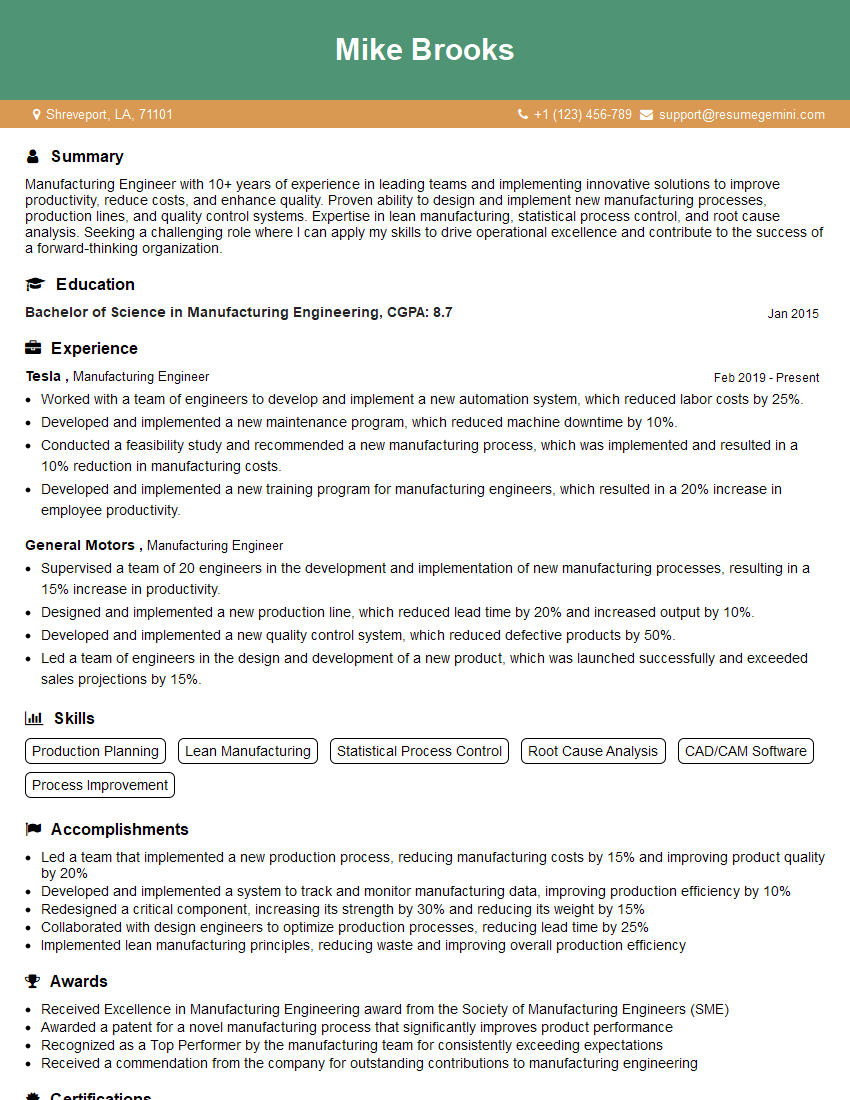
Manufacturing Engineer Resume Sample

Metallurgist Resume Sample
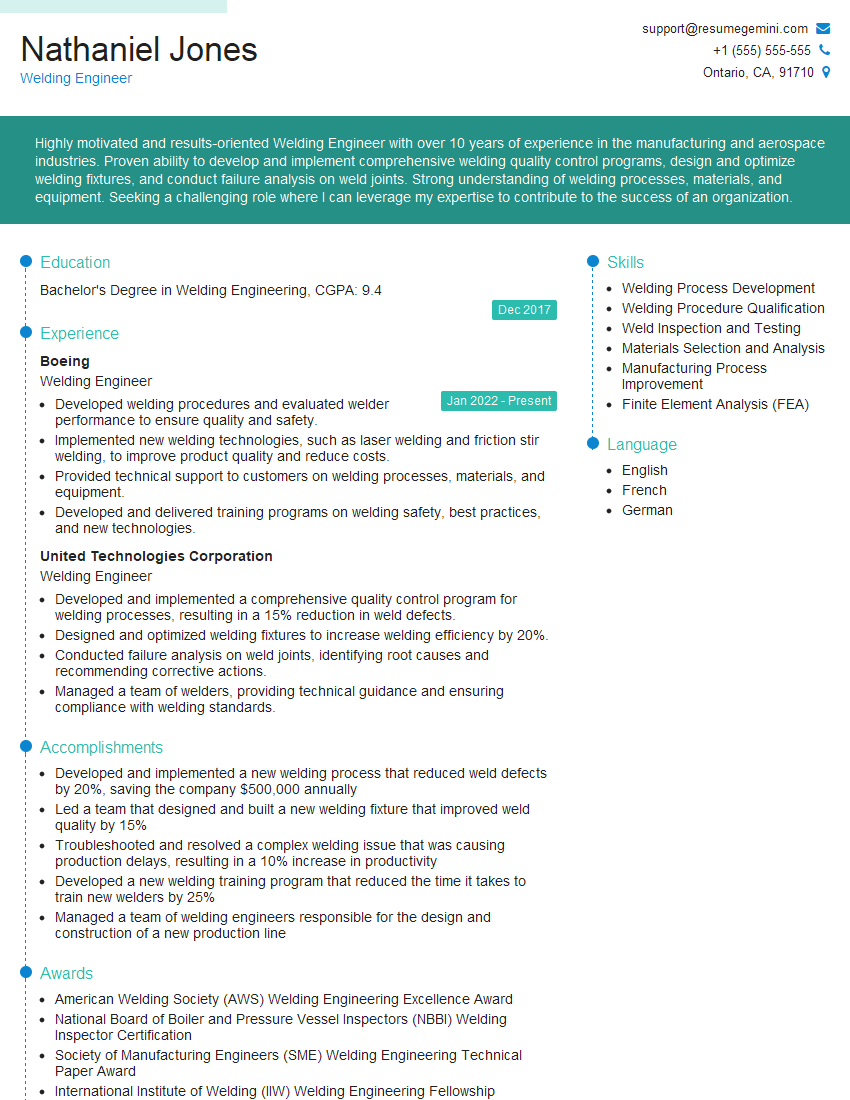
Welding Engineer Resume Sample
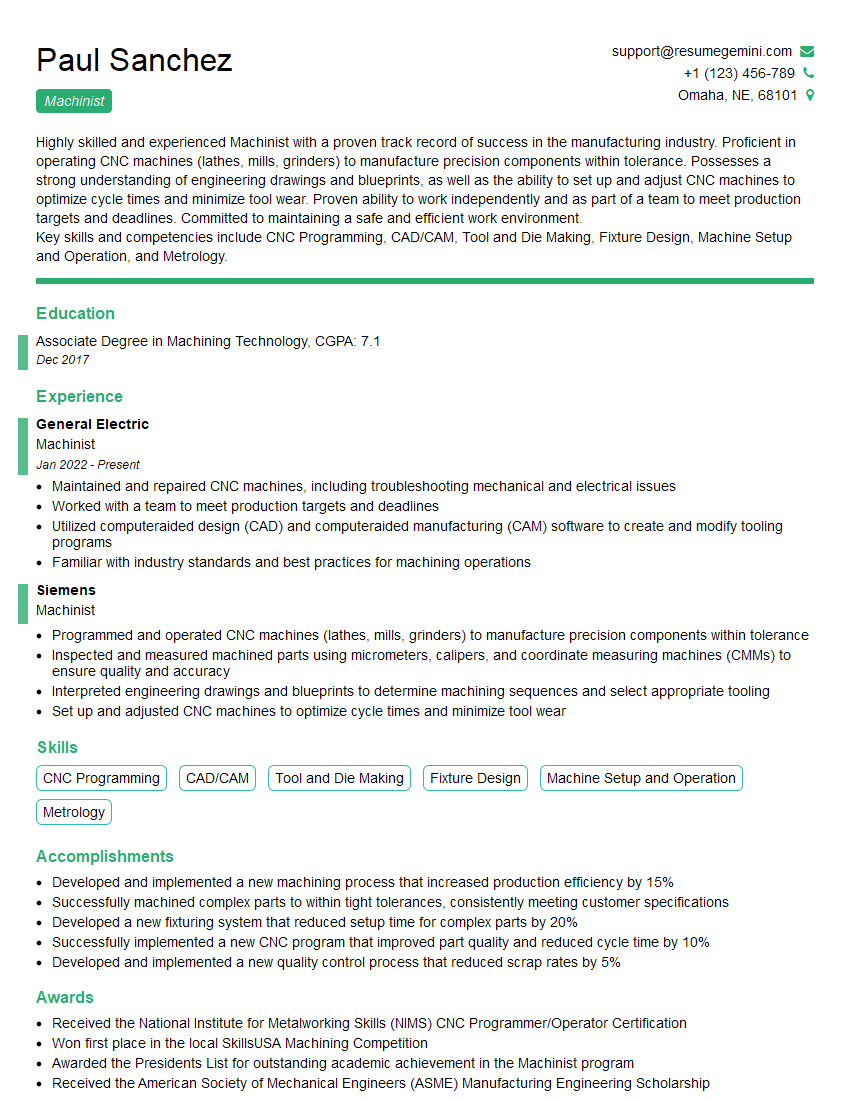
Machinist Resume Sample
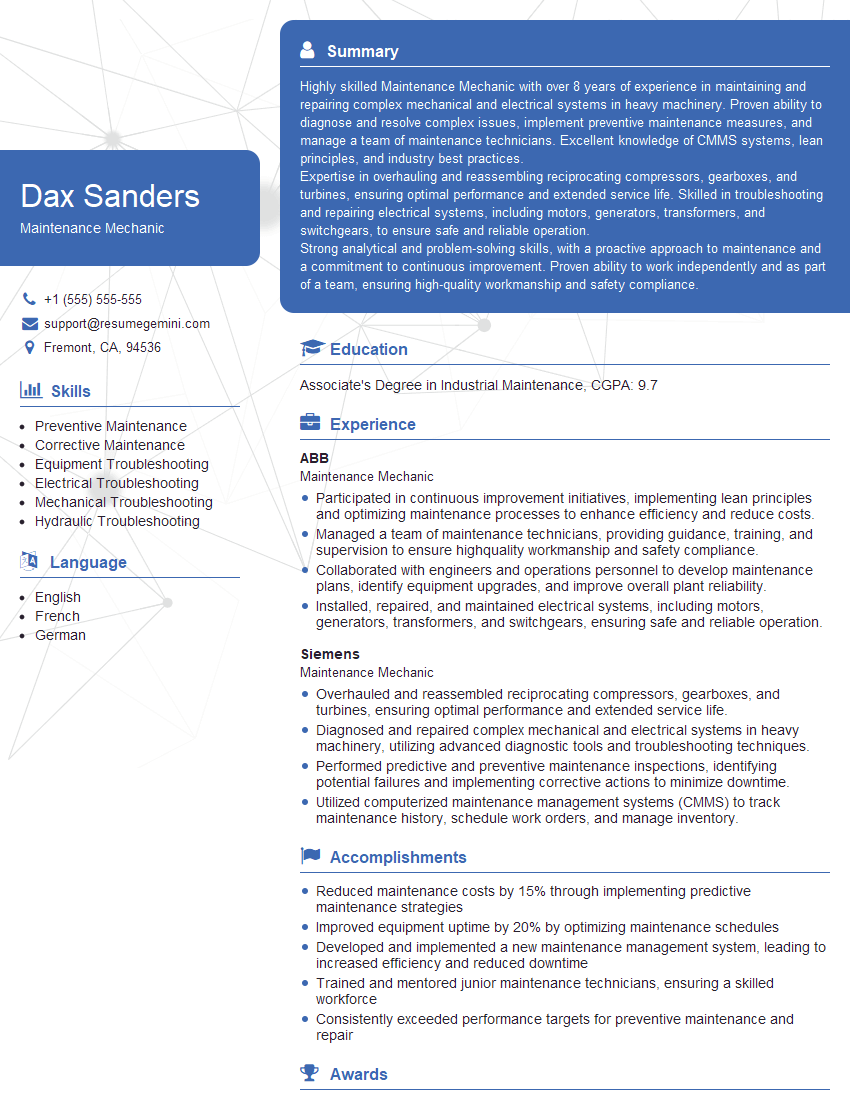
Maintenance Mechanic Resume Sample
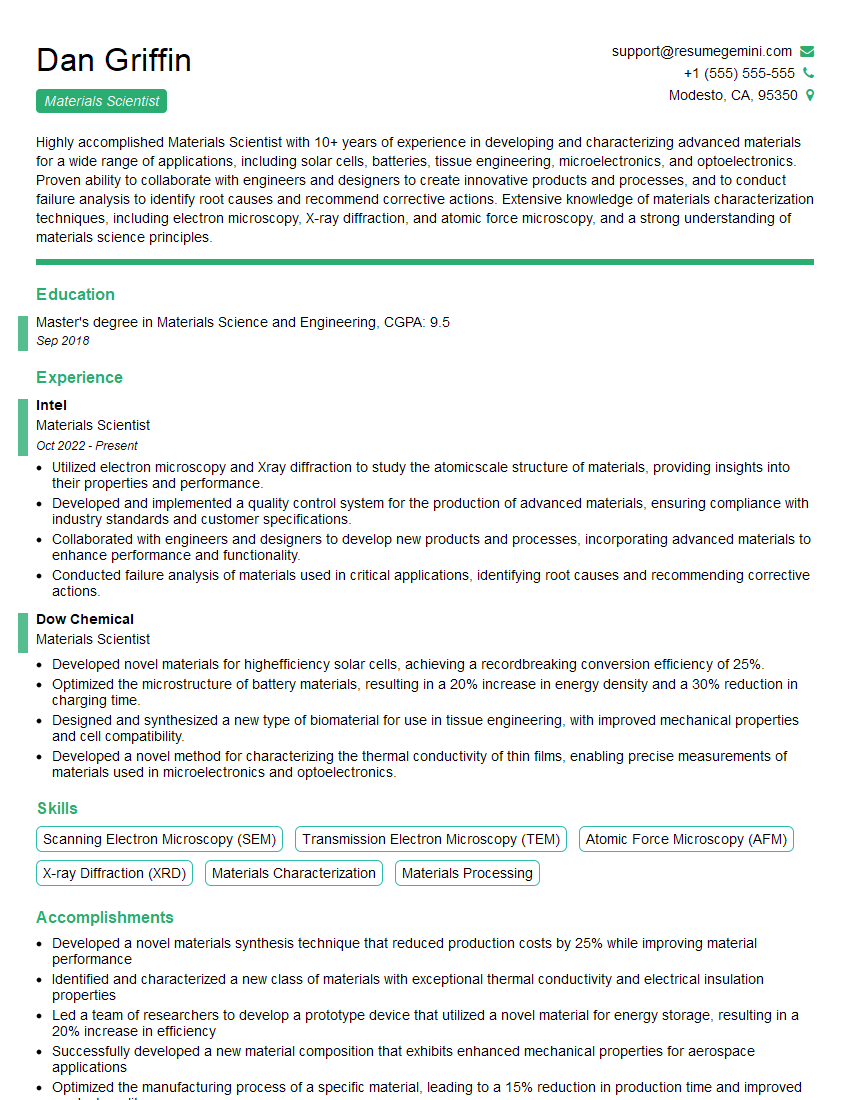
Materials Scientist Resume Sample
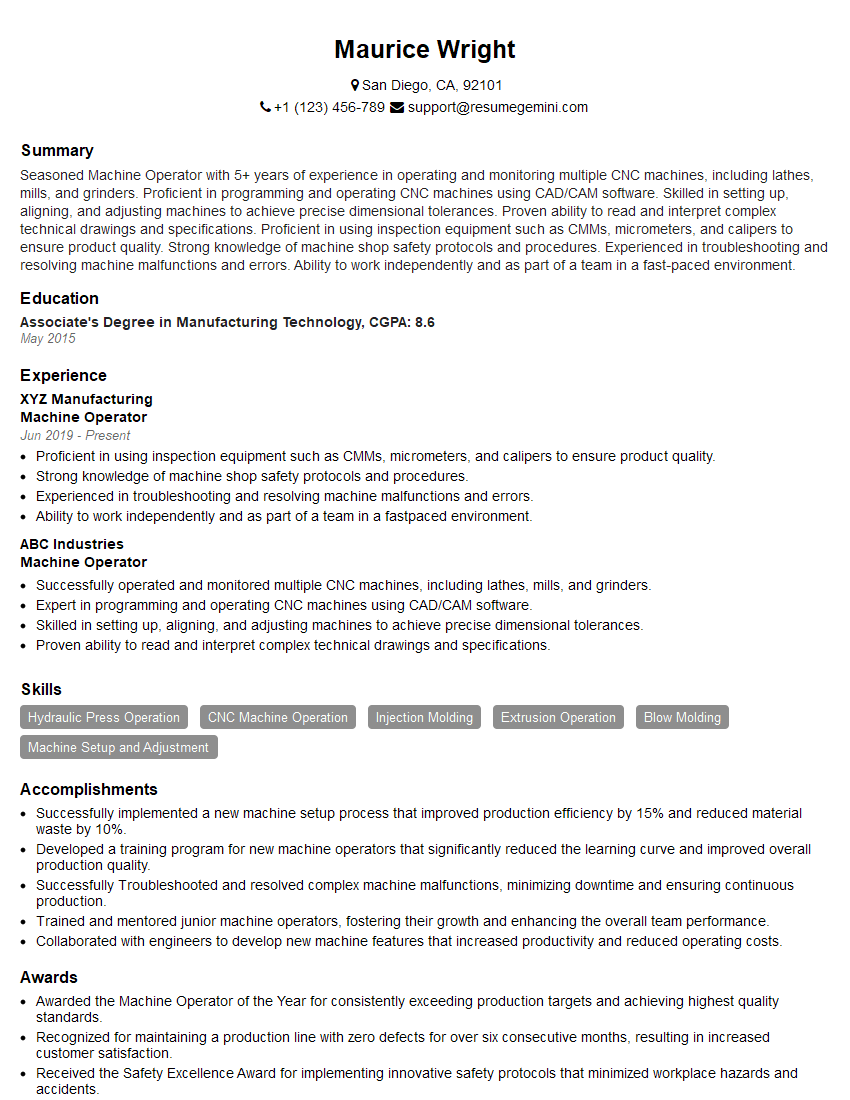
Machine Operator Resume Sample
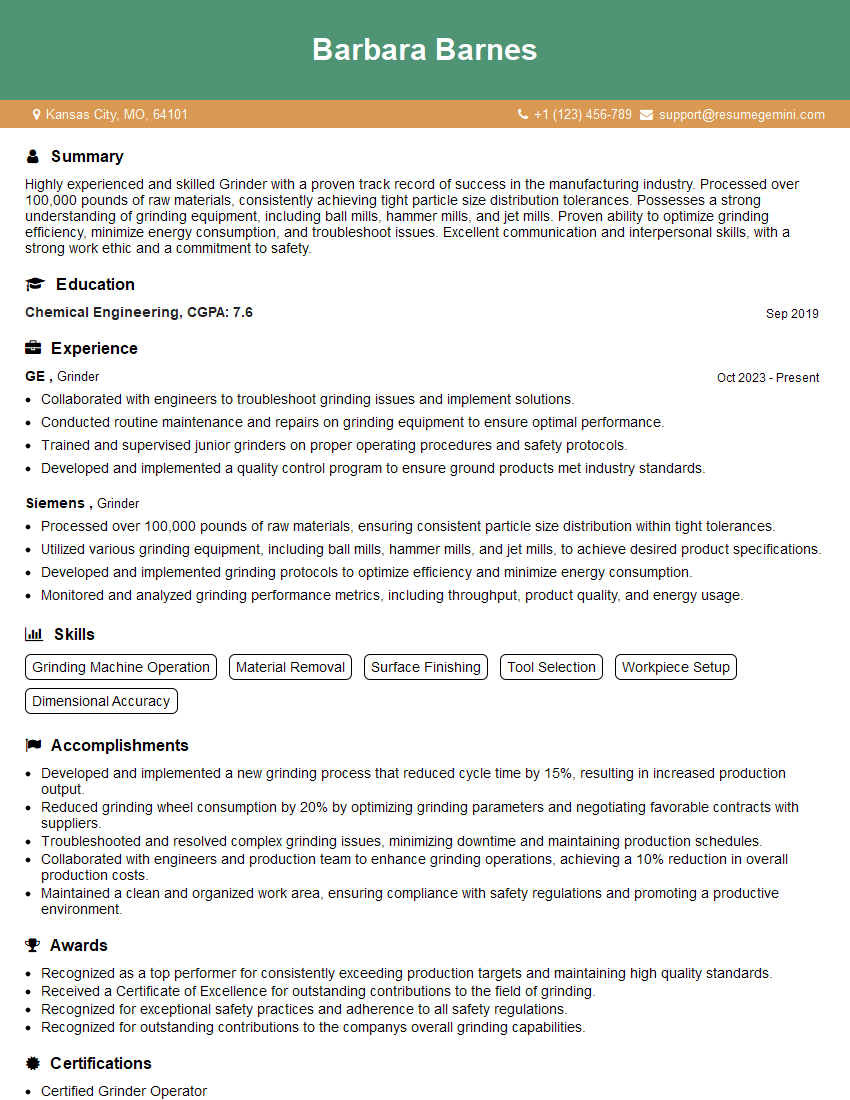
Grinder Resume Sample
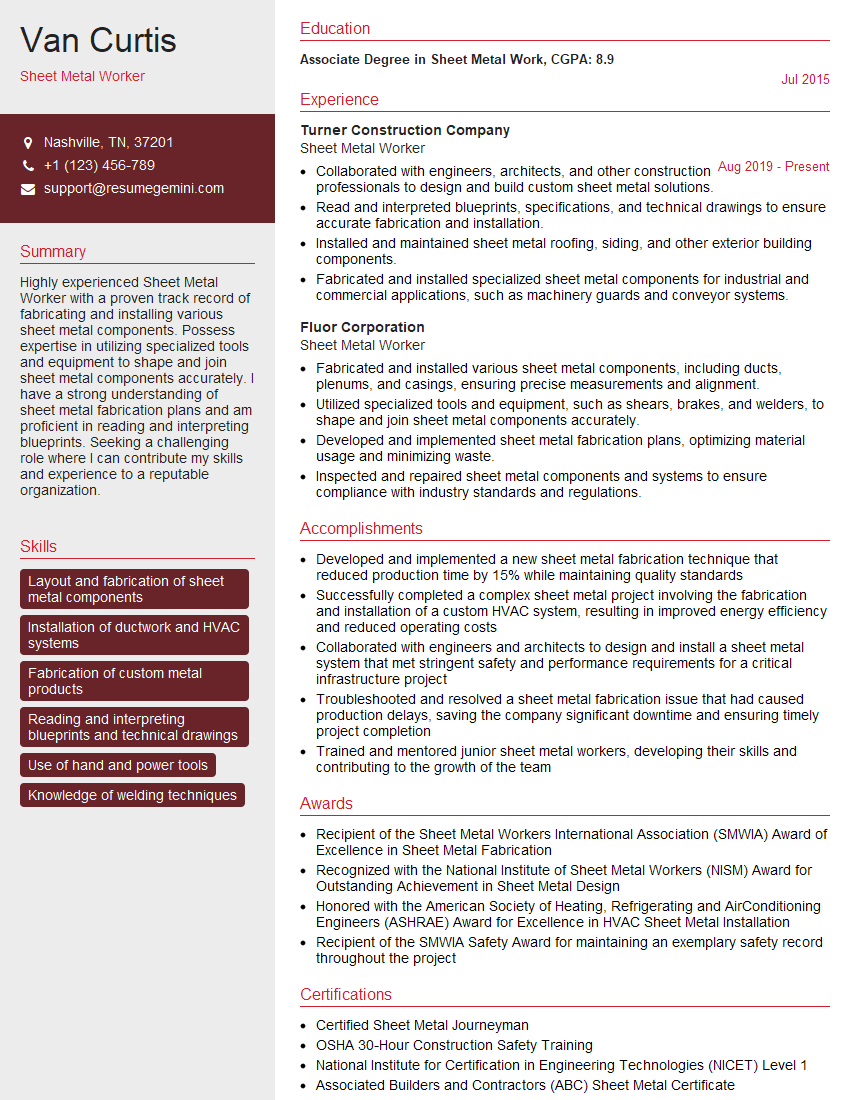
Sheet Metal Worker Resume Sample
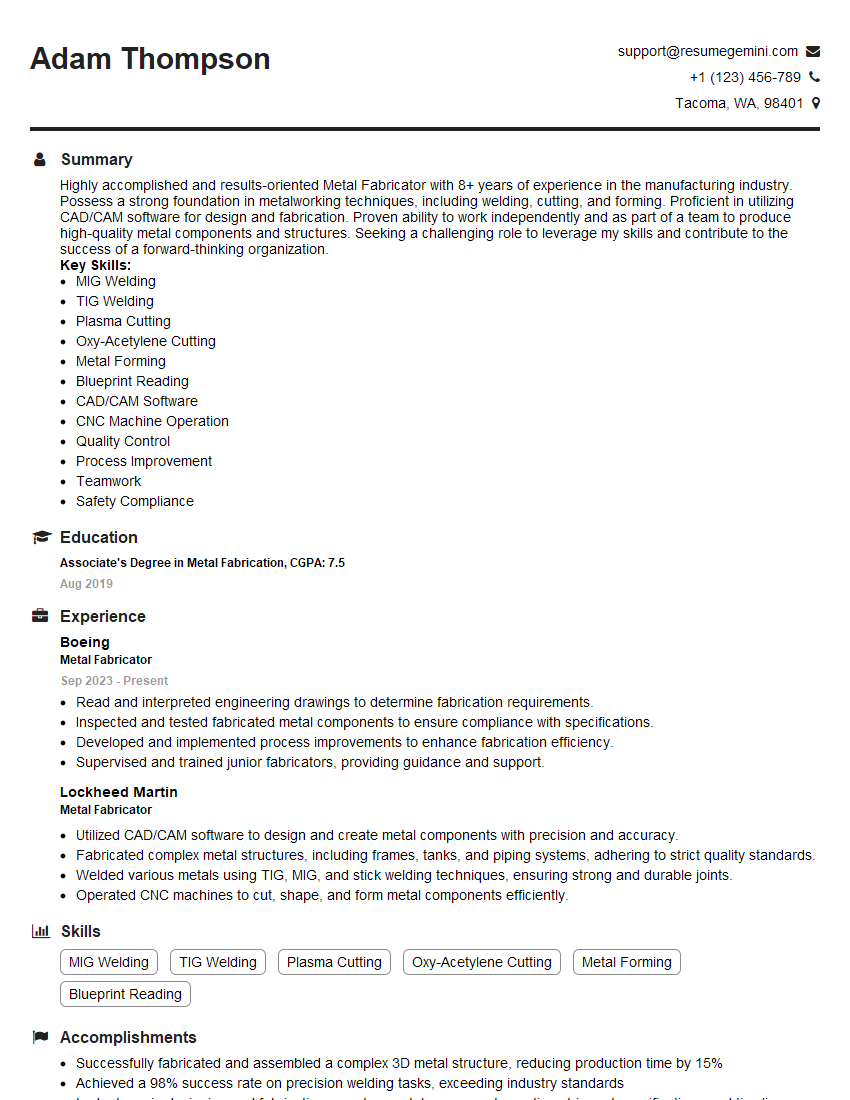
Metal Fabricator Resume Sample
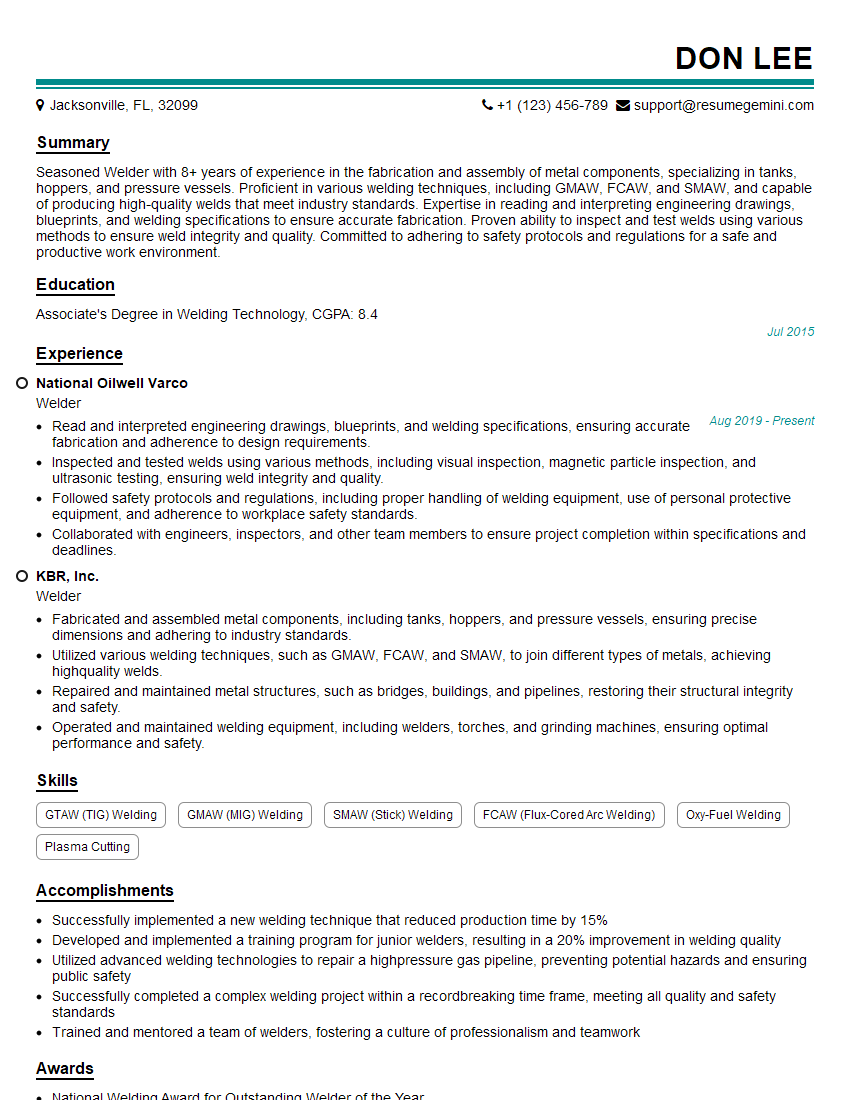
Welder Resume Sample
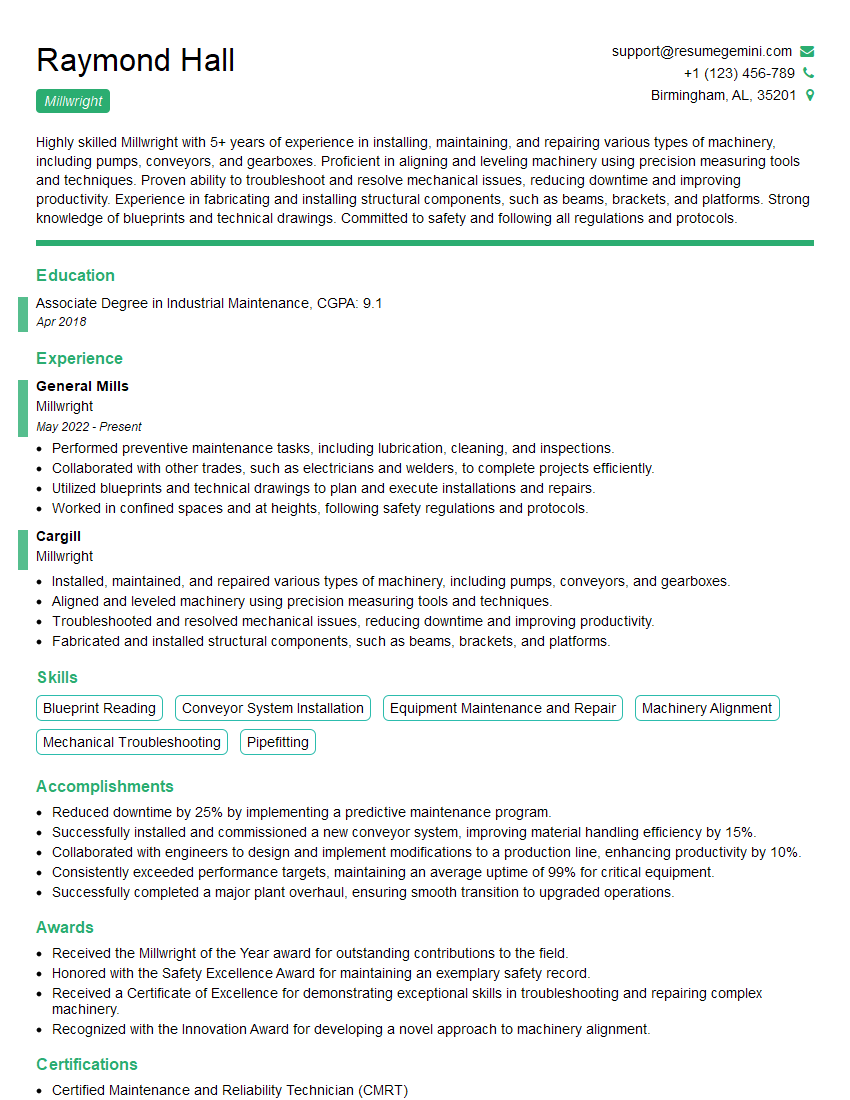
Millwright Resume Sample
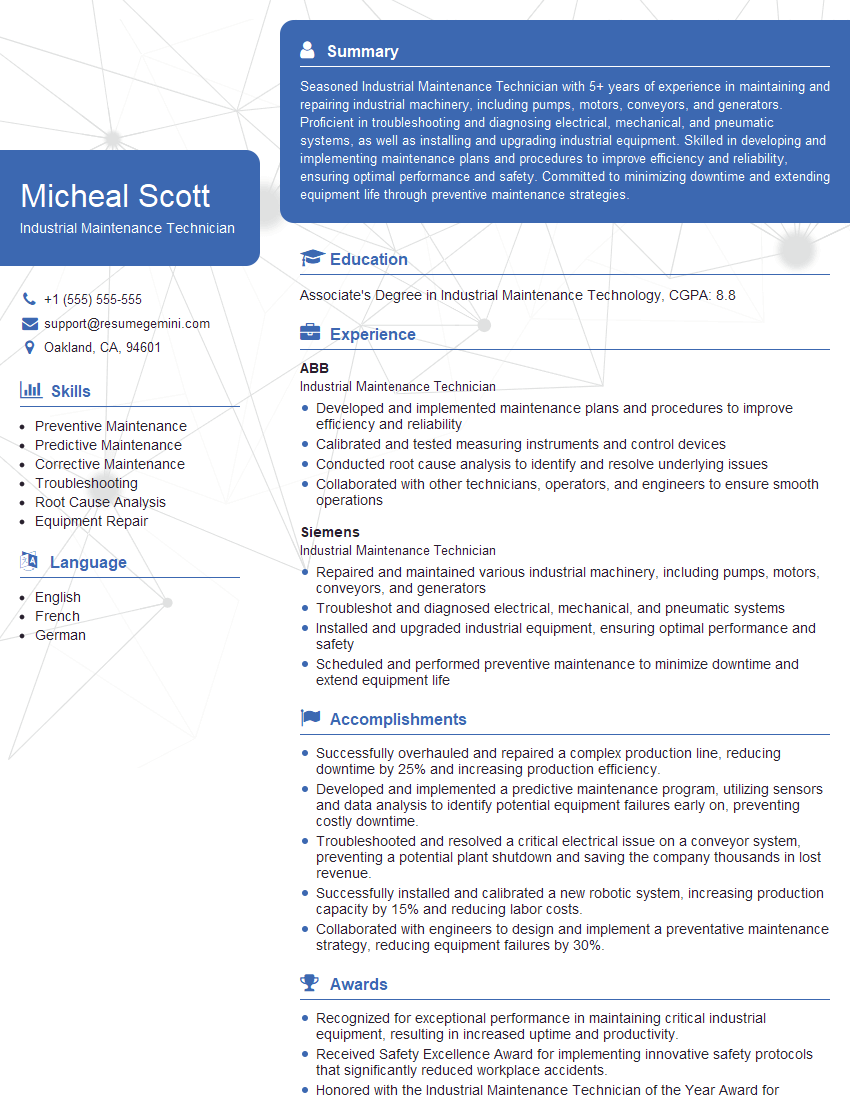
Industrial Maintenance Technician Resume Sample
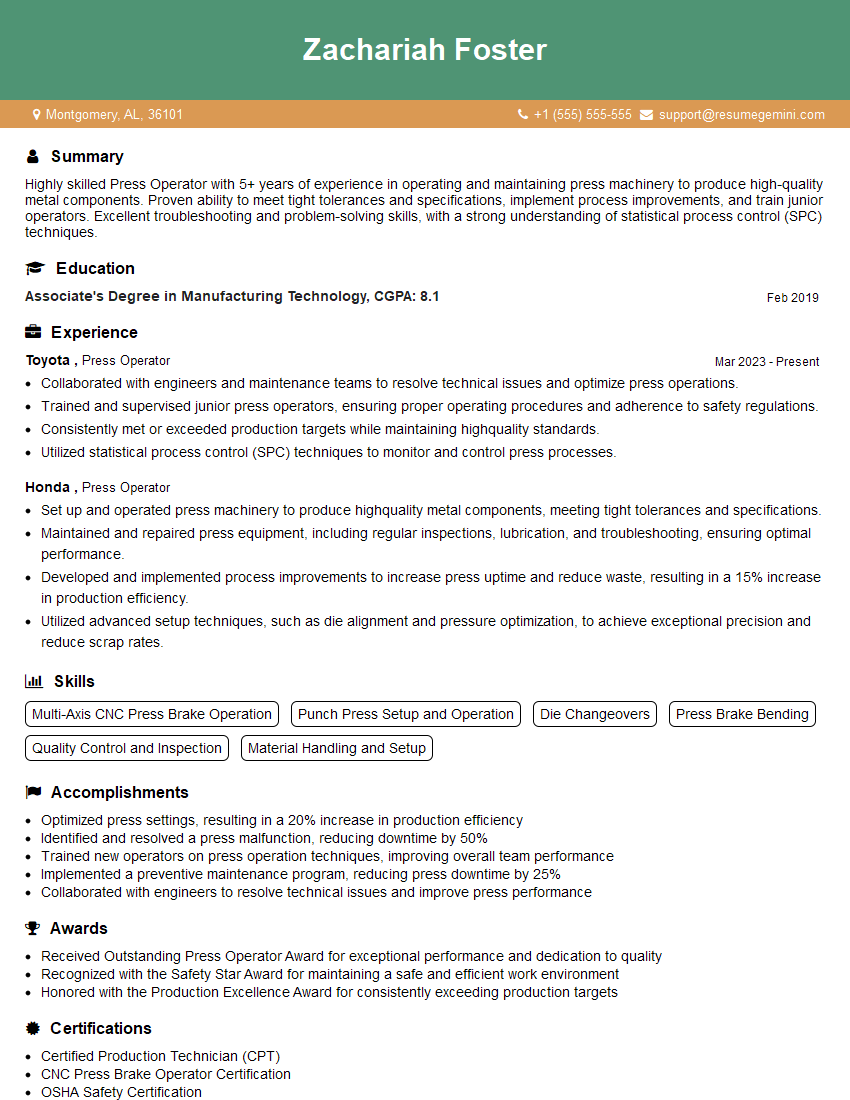
Press Operator Resume Sample
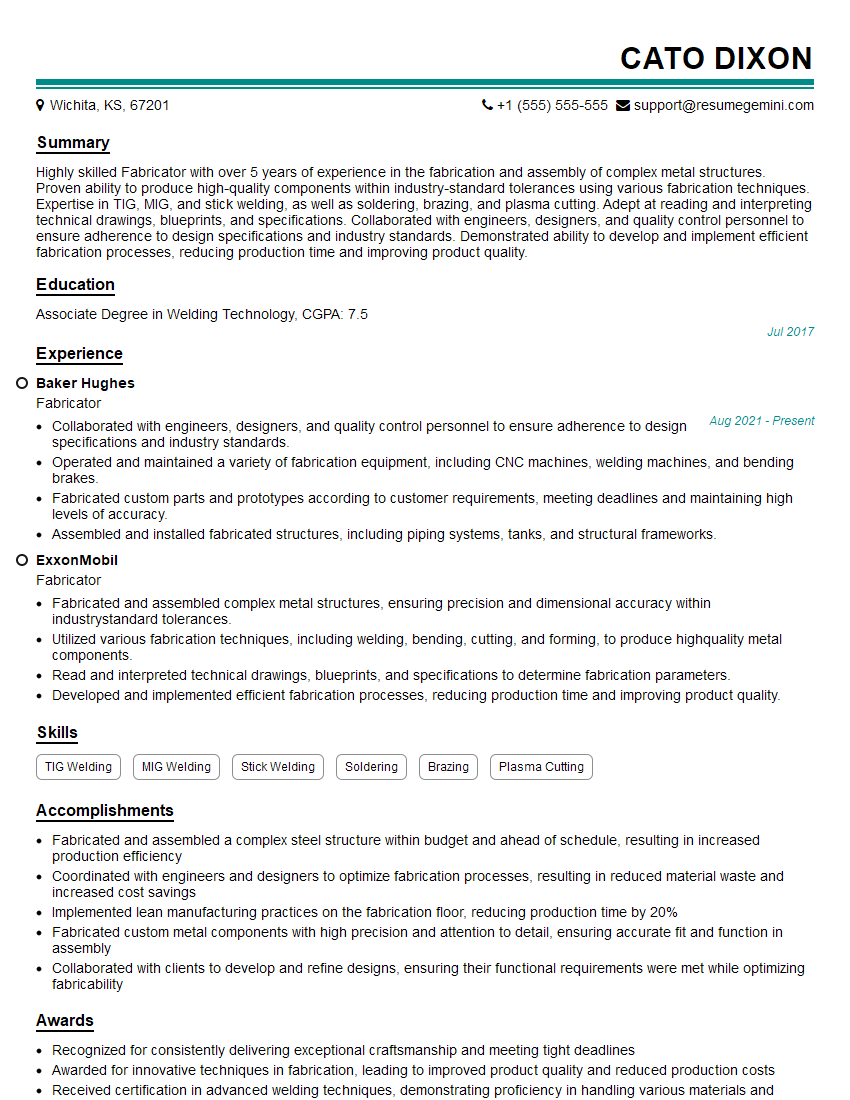
Fabricator Resume Sample
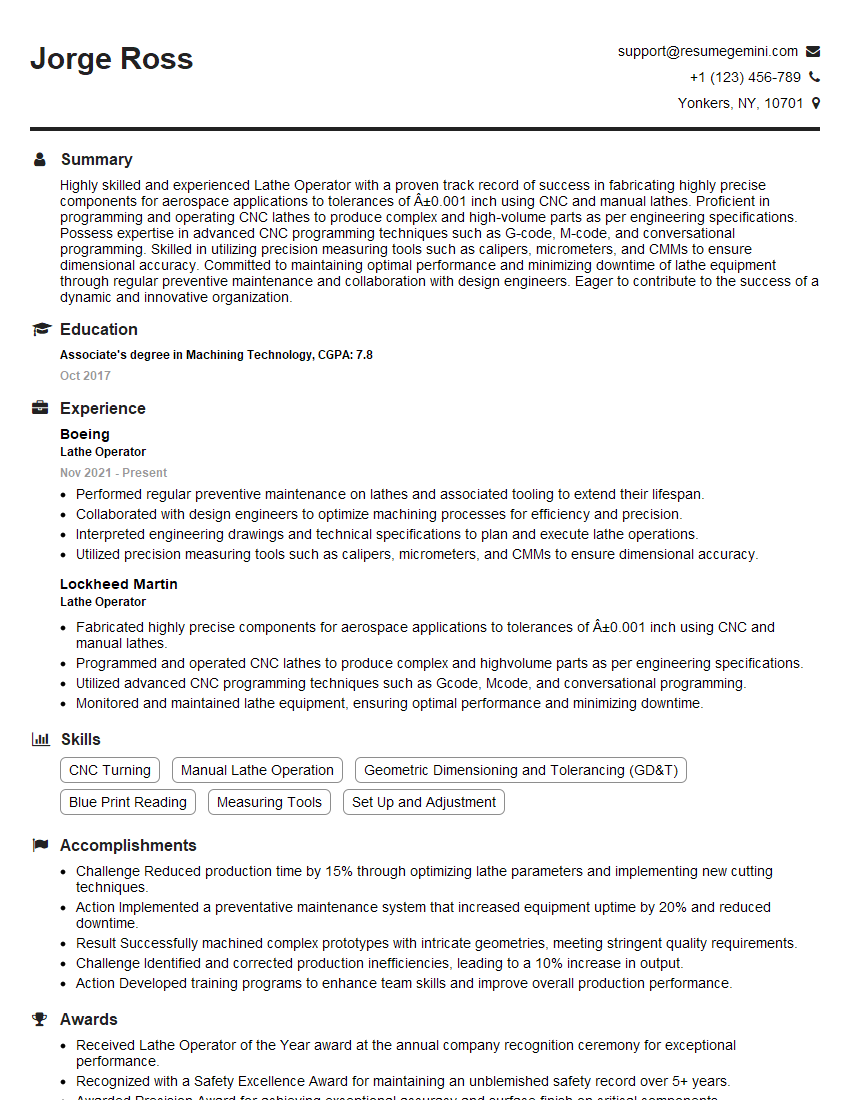
Lathe Operator Resume Sample
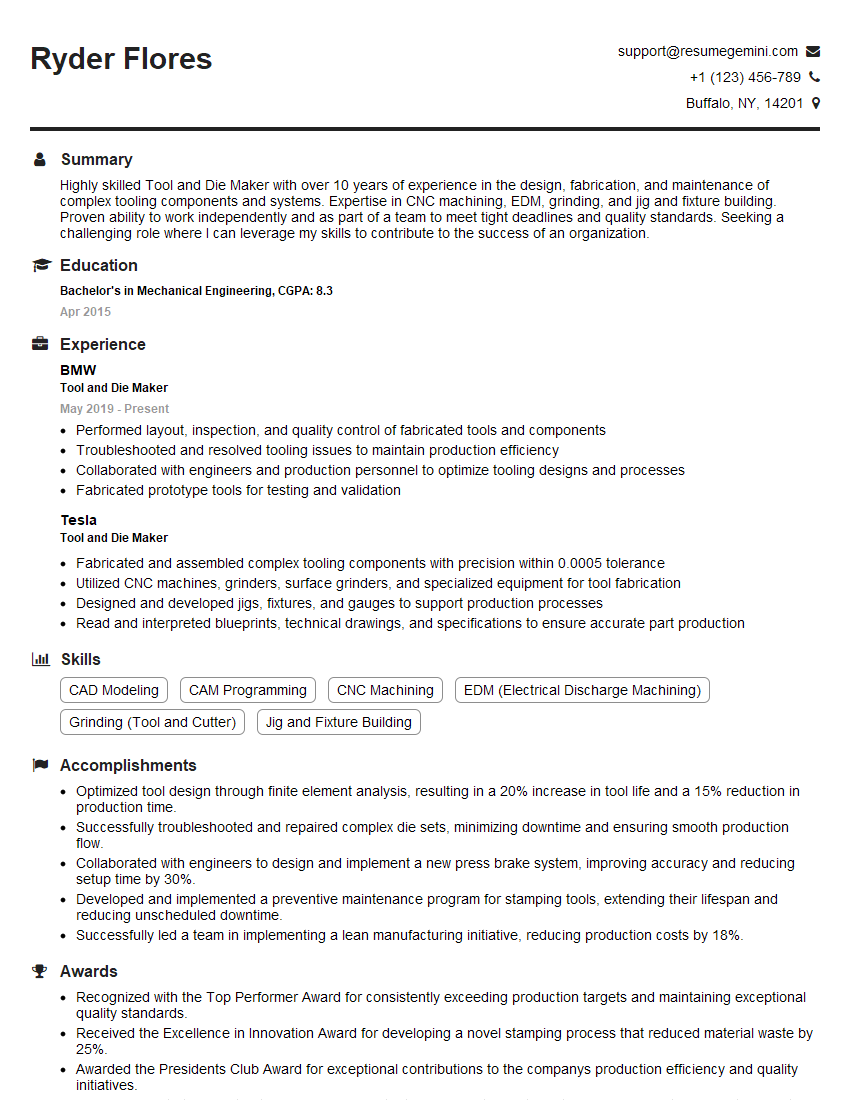
Tool and Die Maker Resume Sample
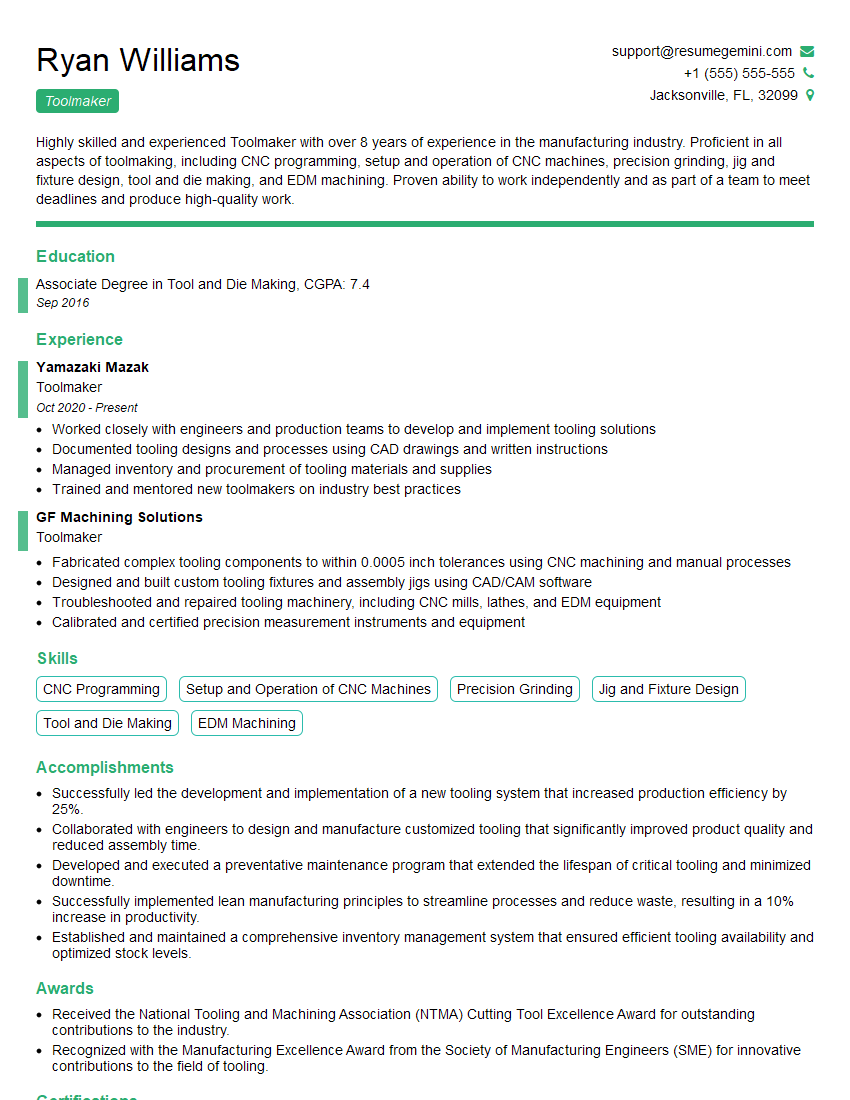
Toolmaker Resume Sample
Explore more articles
Users Rating of Our Blogs
Share Your Experience
We value your feedback! Please rate our content and share your thoughts (optional).
What Readers Say About Our Blog
Attention music lovers!
Wow, All the best Sax Summer music !!!
Spotify: https://open.spotify.com/artist/6ShcdIT7rPVVaFEpgZQbUk
Apple Music: https://music.apple.com/fr/artist/jimmy-sax-black/1530501936
YouTube: https://music.youtube.com/browse/VLOLAK5uy_noClmC7abM6YpZsnySxRqt3LoalPf88No
Other Platforms and Free Downloads : https://fanlink.tv/jimmysaxblack
on google : https://www.google.com/search?q=22+AND+22+AND+22
on ChatGPT : https://chat.openai.com?q=who20jlJimmy20Black20Sax20Producer
Get back into the groove with Jimmy sax Black
Best regards,
Jimmy sax Black
www.jimmysaxblack.com
Hi I am a troller at The aquatic interview center and I suddenly went so fast in Roblox and it was gone when I reset.
Hi,
Business owners spend hours every week worrying about their website—or avoiding it because it feels overwhelming.
We’d like to take that off your plate:
$69/month. Everything handled.
Our team will:
Design a custom website—or completely overhaul your current one
Take care of hosting as an option
Handle edits and improvements—up to 60 minutes of work included every month
No setup fees, no annual commitments. Just a site that makes a strong first impression.
Find out if it’s right for you:
https://websolutionsgenius.com/awardwinningwebsites
Hello,
we currently offer a complimentary backlink and URL indexing test for search engine optimization professionals.
You can get complimentary indexing credits to test how link discovery works in practice.
No credit card is required and there is no recurring fee.
You can find details here:
https://wikipedia-backlinks.com/indexing/
Regards
NICE RESPONSE TO Q & A
hi
The aim of this message is regarding an unclaimed deposit of a deceased nationale that bears the same name as you. You are not relate to him as there are millions of people answering the names across around the world. But i will use my position to influence the release of the deposit to you for our mutual benefit.
Respond for full details and how to claim the deposit. This is 100% risk free. Send hello to my email id: lukachachibaialuka@gmail.com
Luka Chachibaialuka
Hey interviewgemini.com, just wanted to follow up on my last email.
We just launched Call the Monster, an parenting app that lets you summon friendly ‘monsters’ kids actually listen to.
We’re also running a giveaway for everyone who downloads the app. Since it’s brand new, there aren’t many users yet, which means you’ve got a much better chance of winning some great prizes.
You can check it out here: https://bit.ly/callamonsterapp
Or follow us on Instagram: https://www.instagram.com/callamonsterapp
Thanks,
Ryan
CEO – Call the Monster App
Hey interviewgemini.com, I saw your website and love your approach.
I just want this to look like spam email, but want to share something important to you. We just launched Call the Monster, a parenting app that lets you summon friendly ‘monsters’ kids actually listen to.
Parents are loving it for calming chaos before bedtime. Thought you might want to try it: https://bit.ly/callamonsterapp or just follow our fun monster lore on Instagram: https://www.instagram.com/callamonsterapp
Thanks,
Ryan
CEO – Call A Monster APP
To the interviewgemini.com Owner.
Dear interviewgemini.com Webmaster!
Hi interviewgemini.com Webmaster!
Dear interviewgemini.com Webmaster!
excellent
Hello,
We found issues with your domain’s email setup that may be sending your messages to spam or blocking them completely. InboxShield Mini shows you how to fix it in minutes — no tech skills required.
Scan your domain now for details: https://inboxshield-mini.com/
— Adam @ InboxShield Mini
support@inboxshield-mini.com
Reply STOP to unsubscribe
Hi, are you owner of interviewgemini.com? What if I told you I could help you find extra time in your schedule, reconnect with leads you didn’t even realize you missed, and bring in more “I want to work with you” conversations, without increasing your ad spend or hiring a full-time employee?
All with a flexible, budget-friendly service that could easily pay for itself. Sounds good?
Would it be nice to jump on a quick 10-minute call so I can show you exactly how we make this work?
Best,
Hapei
Marketing Director
Hey, I know you’re the owner of interviewgemini.com. I’ll be quick.
Fundraising for your business is tough and time-consuming. We make it easier by guaranteeing two private investor meetings each month, for six months. No demos, no pitch events – just direct introductions to active investors matched to your startup.
If youR17;re raising, this could help you build real momentum. Want me to send more info?
Hi, I represent an SEO company that specialises in getting you AI citations and higher rankings on Google. I’d like to offer you a 100% free SEO audit for your website. Would you be interested?
Hi, I represent an SEO company that specialises in getting you AI citations and higher rankings on Google. I’d like to offer you a 100% free SEO audit for your website. Would you be interested?