The right preparation can turn an interview into an opportunity to showcase your expertise. This guide to External Referencing (Xrefs) interview questions is your ultimate resource, providing key insights and tips to help you ace your responses and stand out as a top candidate.
Questions Asked in External Referencing (Xrefs) Interview
Q 1. Explain the concept of external referencing (Xrefs) in database management.
External Referencing (Xrefs), in the context of database management, allows you to access and utilize data residing in a different database or data source without physically importing that data into your primary database. Think of it like creating a shortcut or a link to another file; you’re not copying the content, just establishing a reference. This is extremely useful for managing large datasets and integrating data from disparate sources.
Instead of replicating information, which leads to data redundancy and inconsistencies, Xrefs enable you to maintain a single source of truth while still accessing the data wherever it’s stored. This enhances data integrity and efficiency. Imagine a company with separate databases for customer information, orders, and inventory. Xrefs would allow the order processing system to access customer data from the customer database without duplicating that information.
Q 2. What are the advantages and disadvantages of using external references?
Advantages:
- Reduced Data Redundancy: Eliminates the need to replicate data across multiple databases, saving storage space and reducing maintenance.
- Improved Data Consistency: Changes made to the original data source are reflected in the referencing database, ensuring data accuracy and consistency.
- Enhanced Data Integration: Enables seamless integration of data from diverse sources, facilitating easier reporting and analysis.
- Simplified Data Management: Centralized data management simplifies updates and modifications, as changes only need to be made in the original data source.
Disadvantages:
- Performance Overhead: Accessing data through Xrefs can introduce performance bottlenecks, especially with large datasets or slow network connections.
- Dependency on External Sources: Your database becomes reliant on the availability and stability of the external data source. If the external source is down or inaccessible, your database will be affected.
- Security Concerns: Managing access and security across multiple databases adds complexity and requires careful consideration to ensure data protection.
- Data Integrity Challenges: If the external data source is not properly maintained or is inconsistent, it can lead to data integrity issues in your database.
Q 3. Describe different types of external references (e.g., local, remote, linked servers).
Xrefs can be categorized in several ways. Here are some common types:
- Local Xrefs: These references point to data within the same database server, but potentially in different databases or schemas. This is a simple form of referencing and generally performs well.
- Remote Xrefs: These references point to data on a different database server, potentially across a network. This introduces network latency and requires network connectivity to function correctly.
- Linked Servers (e.g., in SQL Server): This is a specific implementation of remote Xrefs that provides a way to access data from other database systems (like Oracle, MySQL) as if they were part of your SQL Server instance. Linked servers involve configuring a connection and establishing security credentials.
The specific implementation varies depending on the database system you use. For instance, Oracle uses database links, while MySQL might use user-defined functions or stored procedures to achieve similar functionality.
Q 4. How do you handle data integrity issues related to external references?
Data integrity issues with Xrefs are primarily related to ensuring the referenced data remains accurate and consistent. Here’s how to address them:
- Data Validation: Implement data validation rules at both the source and referencing databases to ensure data quality. This involves setting constraints, checks, and triggers to catch inconsistencies.
- Regular Monitoring: Monitor the external data source for changes and inconsistencies. Establish alerting mechanisms to notify you of any potential issues.
- Error Handling: Implement robust error handling in your database applications to gracefully handle situations where the external data source is unavailable or returns erroneous data.
- Data Synchronization: If data changes frequently, consider implementing data synchronization mechanisms to regularly update the referenced data in your database. This might involve scheduled jobs or triggers.
- Versioning (if applicable): If feasible, employ version control for the external data, allowing you to roll back to a previous consistent state if needed.
Q 5. What are the performance implications of using external references?
Using Xrefs can impact performance, especially with large datasets or slow network connections. The primary performance considerations are:
- Network Latency: For remote Xrefs, network latency significantly affects query performance. Slow network connections will increase the time required to retrieve data.
- Data Transfer Volume: The amount of data transferred between databases influences performance. Excessive data transfer can lead to slow queries.
- Query Optimization: Properly optimizing queries is critical when dealing with Xrefs. Poorly written queries can result in inefficient data retrieval.
- Caching Strategies: Implementing caching mechanisms can help improve performance by storing frequently accessed data locally. However, caching introduces potential data consistency issues if not managed properly.
Careful database design, efficient query writing, and appropriate caching strategies are essential to mitigate performance issues.
Q 6. How do you ensure data consistency when working with Xrefs?
Ensuring data consistency when working with Xrefs requires a multi-pronged approach:
- Data Synchronization: Regularly synchronize data between the source and referencing databases. Methods like change data capture (CDC) or scheduled jobs can help maintain consistency.
- Transactional Integrity: If possible, conduct operations as transactions, ensuring either all changes are committed or none are. This prevents inconsistencies caused by partial updates.
- Concurrency Control: Implement appropriate concurrency control mechanisms (e.g., locking) to prevent conflicts when multiple users or processes are accessing and modifying data simultaneously.
- Data Validation: As mentioned previously, strict data validation rules on both sides prevent inconsistent data from entering the system.
- Auditing: Maintain detailed audit trails to track data changes and identify potential inconsistencies. This aids in troubleshooting and resolving data issues.
The choice of techniques depends on the specific requirements of the application and the characteristics of the data.
Q 7. Explain the process of creating an external reference in your preferred database system.
The process of creating an external reference varies widely across database systems. I’ll illustrate using SQL Server as an example, focusing on creating a linked server.
1. Create a Linked Server: Use the SQL Server Management Studio (SSMS) to create a new linked server. This involves specifying the server name, connection type, and security credentials for accessing the external database.
-- Example SQL Server code (replace with your specific details) EXEC master.dbo.sp_addlinkedserver @server = N'MyLinkedServer', @srvproduct=N'SQL Server' EXEC master.dbo.sp_addlinkedsrvlogin @rmtsrvname=N'MyLinkedServer',@useself=N'False', @locallogin=NULL,@rmtuser=N'external_user', @rmtpassword=N'external_password'; EXEC master.dbo.sp_serveroption @srvname = N'MyLinkedServer', @optname = N'DATA ACCESS', @optvalue = N'TRUE';
2. Access External Data: Once the linked server is configured, you can query data from the external database using four-part naming conventions. For example:SELECT * FROM [MyLinkedServer].[MyExternalDatabase].[dbo].[MyExternalTable];
Note: This process needs appropriate permissions on both the local and remote servers. The specific syntax and steps will differ depending on your database system (Oracle, MySQL, PostgreSQL, etc.). Always refer to the documentation for your specific database system for detailed instructions.
Q 8. Describe how you would troubleshoot problems with external references.
Troubleshooting external references (Xrefs) involves a systematic approach. Think of it like detective work – you need to systematically eliminate possibilities. First, I’d verify the reference path is correct. Is the external data source accessible? Is the file name and location accurate? A simple typo can cause significant issues. Next, I’d check the database connection. Are the login credentials correct? Are there network connectivity problems? Then I’d look at the Xref definition itself. Is the reference correctly defined within the database? Are there any syntax errors? Sometimes, the problem might not be with the Xref, but with the underlying data source itself. For example, if the external data source has corrupted data, your Xrefs will fail. I’d examine the source data for errors and inconsistencies. Finally, database logs are crucial; they often contain error messages that pinpoint the exact cause. A common scenario is a missing file, often causing the Xref to fail. Addressing this often involves locating and restoring the missing file or correcting the file path within the Xref definition. If the problem persists, tools like database profiling and query analysis could help pinpoint performance bottlenecks related to the Xref.
- Step 1: Verify file paths and database connection.
- Step 2: Check Xref definition syntax.
- Step 3: Inspect external data source for errors.
- Step 4: Review database logs for error messages.
Q 9. How do you handle security concerns related to external references?
Security with external references is paramount. Imagine a scenario where sensitive data is exposed because of a poorly configured Xref. We need to minimize risk. First, I’d implement strong authentication and authorization. Users accessing external data should be properly authenticated and only allowed access to the data they need. Principle of least privilege is key. Second, I’d encrypt sensitive data both in transit and at rest. This prevents unauthorized access to the data, even if it’s intercepted. Third, regular security audits are essential. These audits identify vulnerabilities and ensure configurations remain secure. Fourth, I would use network segmentation to isolate the external data source from the internal network. This creates a secure boundary, limiting the impact of a potential breach. Finally, using secure protocols like HTTPS or SSH when connecting to external data sources is crucial. It’s a combination of these measures that provides a robust security posture.
Example: Using encrypted connections and role-based access control.Q 10. What are best practices for designing databases with external references?
Designing databases with external references requires careful planning. Think of it as building a bridge between your internal data and external resources. First, thoroughly define data requirements. What data needs to be accessed from external sources? How will this data be integrated into your system? Second, establish clear naming conventions. Use descriptive and consistent names for your Xrefs and associated objects to prevent confusion. Third, use robust error handling mechanisms. This will help in dealing with connectivity issues or data inconsistencies in the external source. Fourth, consider the frequency of data updates and how to handle those changes efficiently. Do you need real-time data synchronization or can you use scheduled updates? Fifth, design for scalability. The number of Xrefs and the volume of data accessed may grow over time, so the database should be able to handle that growth. Finally, documentation is crucial, describing the purpose, data source, and update mechanisms of each Xref. This makes maintenance and troubleshooting much easier.
Q 11. How do you optimize queries that involve external references?
Optimizing queries involving external references requires understanding query execution plans and identifying potential bottlenecks. Consider it fine-tuning a complex machine to ensure maximum efficiency. First, use appropriate indexes on both the local and external tables. Indexes speed up data retrieval significantly. Second, minimize the amount of data retrieved. Only fetch the necessary columns instead of selecting entire tables. Third, utilize stored procedures. They can improve performance by optimizing data access and reducing network overhead. Fourth, if possible, filter data at the source. This reduces the data transferred to the local database, enhancing efficiency. Fifth, analyze query execution plans. This helps pinpoint slow-performing parts of the query, which you can then optimize. Finally, consider caching frequently accessed data. This reduces repeated access to the external data source. For example, regularly updated data might be cached to reduce latency during frequent queries.
Example: Adding indexes to the external table accessed via the Xref and using WHERE clauses to filter data at the source.Q 12. How do you manage updates and changes in external data sources?
Managing updates and changes in external data sources is crucial for maintaining data integrity. Imagine a scenario where a change in the external data source is not reflected in your database. That could lead to inaccurate results. First, establish a clear update strategy. Will updates happen in real-time or at scheduled intervals? Second, use change data capture (CDC) mechanisms if needed. CDC tracks changes in the external source and propagates those changes to the database. Third, implement mechanisms to handle potential conflicts if updates occur concurrently. Fourth, regularly validate the data synchronization process. Ensure that the data from the external source is correctly reflected in your database. Finally, version control is essential for tracking changes and reverting to previous versions if necessary. This is like having a backup of your database’s interaction with the external data.
Q 13. How do you ensure referential integrity when using Xrefs?
Ensuring referential integrity with Xrefs involves treating them like any other database relationship. We need to enforce the rules to prevent orphaned records and maintain data consistency. First, understand the constraints. Identify primary and foreign key relationships between the local tables and the external data source. Then, enforce those relationships through appropriate database constraints. For example, foreign key constraints prevent insertion or updates that violate the relationship. Second, use triggers or stored procedures to automatically enforce referential integrity. These automate the process of checking and enforcing the relationships. Third, regularly monitor data consistency. Periodic checks help identify and resolve issues early before they impact operational processes. Imagine a scenario where an update in an external table invalidates some data in your local tables. The monitoring aspect makes sure you discover and resolve such issues promptly.
Q 14. What are the differences between linked servers and other types of external references?
Linked servers and other types of external references differ primarily in their implementation and capabilities. Think of it as choosing between different transportation methods to reach your destination. Linked servers, commonly found in SQL Server, provide a mechanism to access data from different databases (even different database management systems) as if they were local tables. They offer a relatively high degree of integration and support more complex operations. Other external references, such as file-based imports or ODBC connections, have different levels of integration. They often involve more manual steps for data retrieval and processing and may have limitations on the types of operations supported. For example, a linked server might allow complex joins and stored procedure execution, while a simple file import might only support basic SELECT operations. The choice depends on the complexity of your data access needs, level of integration required, and the capabilities of your database system.
Q 15. Explain how you would handle conflicts between data in the main database and external references.
Handling conflicts between main database data and external references requires a well-defined strategy. Think of it like merging two versions of a document – you need to decide which version takes precedence and how to resolve discrepancies. The approach depends heavily on the nature of the data and the business rules.
- Prioritization: Determine which data source is authoritative. Is the main database always correct, or are the external references sometimes more up-to-date? This decision dictates the conflict resolution method.
- Timestamping: Including timestamps in both the main database and the external reference allows us to prioritize the most recent update. This is particularly useful when dealing with constantly changing data, like stock prices or inventory levels.
- Auditing: Maintaining a log of all conflicts and the resolution chosen is crucial for troubleshooting and ensuring data integrity. This log helps track down the source of inconsistencies and allows for a review process to ensure accuracy.
- Automated Resolution: For predictable conflicts, consider implementing automated resolution rules. For example, if a customer’s address differs between the main database and an external CRM, the rule could be to always prioritize the address in the CRM if it was last updated within the last 24 hours. Otherwise, keep the address from the main database.
- Manual Intervention: Some conflicts require human intervention. A system can flag these discrepancies for review by a data steward or subject matter expert. This is essential for handling complex or ambiguous situations where automated rules may not be sufficient.
Example: Imagine an e-commerce website. The main database might contain customer order information, while an external reference pulls shipping status updates from a logistics provider. If there’s a mismatch between the order status in the main database and the shipping status from the external reference, a conflict resolution rule could prioritize the external reference (shipping status) after validation to ensure the user sees the most accurate information.
Career Expert Tips:
- Ace those interviews! Prepare effectively by reviewing the Top 50 Most Common Interview Questions on ResumeGemini.
- Navigate your job search with confidence! Explore a wide range of Career Tips on ResumeGemini. Learn about common challenges and recommendations to overcome them.
- Craft the perfect resume! Master the Art of Resume Writing with ResumeGemini’s guide. Showcase your unique qualifications and achievements effectively.
- Don’t miss out on holiday savings! Build your dream resume with ResumeGemini’s ATS optimized templates.
Q 16. How do you manage external references across different database systems?
Managing external references across different database systems requires a strategy that accounts for the varying data formats, access protocols, and security considerations. It’s like translating between different languages – you need a common interface to bridge the gap.
- Data Integration Tools: ETL (Extract, Transform, Load) tools are indispensable. They handle the extraction of data from source databases, transformation to a compatible format, and loading into a target system (often a data warehouse or staging area) for easier management.
- APIs (Application Programming Interfaces): RESTful APIs or other communication protocols facilitate interaction between different systems. The external reference data is fetched through API calls, allowing for real-time updates or scheduled refreshes.
- Data Virtualization: This approach creates a unified view of the data without actually moving or copying it. It involves querying multiple databases through a single interface, making it simpler to access and manage external references without needing extensive data replication.
- Message Queues: Asynchronous communication via message queues (like RabbitMQ or Kafka) is valuable for high-volume, low-latency data exchange. This is crucial when dealing with high volumes of real-time updates from external references.
Example: A company might use a relational database (like Oracle) for internal customer data, a NoSQL database (like MongoDB) for product catalog information, and a cloud-based data warehouse (like Snowflake) for reporting and analytics. An ETL process would extract data from each, transforming it as necessary, then loading it into a centralized repository for creating external references in various formats.
Q 17. Describe your experience with different database platforms and their Xrefs capabilities.
My experience spans several database platforms, each with its unique approach to external referencing. I’ve worked extensively with:
- Oracle: Oracle supports external tables which allow you to query data from external sources as if it were a standard table. This is powerful for integrating data from flat files or other databases. I’ve leveraged its advanced features for efficient data retrieval and handling of large datasets.
- SQL Server: Similar to Oracle, SQL Server offers linked servers and external data sources for accessing data from other systems. I’ve implemented solutions using linked servers to integrate data from various sources into reporting systems.
- MySQL: MySQL has capabilities for connecting to external data sources, often using Federated MySQL, though it’s less feature-rich than Oracle or SQL Server. My experience focuses on structuring queries efficiently given MySQL’s limitations.
- PostgreSQL: PostgreSQL has excellent extensibility through extensions, allowing you to connect to and query data from various sources using custom extensions. I find its open-source nature and community support beneficial.
- Cloud-Based Databases (AWS RDS, Azure SQL, Google Cloud SQL): I have experience setting up and configuring external references leveraging these platforms’ features for managing and accessing data stored in cloud environments.
In each case, my focus has always been on choosing the most efficient and secure method for managing external references, considering factors such as data volume, frequency of updates, and overall system performance.
Q 18. What tools and techniques do you use for monitoring and managing Xrefs?
Monitoring and managing Xrefs requires a proactive approach. Think of it like maintaining a complex network – you need constant vigilance to ensure smooth operation and identify potential issues.
- Monitoring Tools: Database monitoring tools (like Oracle Enterprise Manager, SQL Server Management Studio, or third-party solutions) provide insights into Xref performance. This includes monitoring query execution times, data refresh intervals, and error rates.
- Logging and Auditing: Detailed logs of Xref operations, including successes, failures, and conflict resolution details, are vital for debugging and performance analysis. These logs become a goldmine for troubleshooting and identifying areas for improvement.
- Data Quality Monitoring: Regularly validating the data from external references against known good sources helps to identify and correct data inconsistencies before they impact business operations.
- Alerting Systems: Setting up alerts for critical events, such as prolonged query execution times or failed data refreshes, enables timely intervention. This prevents minor glitches from escalating into major problems.
- Performance Tuning: Regularly analyzing Xref performance and implementing necessary optimizations (indexing, query optimization, data partitioning) is crucial to maintaining optimal speed and efficiency.
Example: I once used Grafana dashboards to visualize key metrics like Xref query execution time, data refresh latency, and error rates. This allowed me to proactively identify and address performance bottlenecks before they affected end-users.
Q 19. How do you document your external references for maintainability?
Proper documentation of external references is essential for maintainability – it’s like leaving a roadmap for future developers or administrators. Without clear documentation, maintaining and updating the system becomes a nightmare.
- Centralized Repository: Use a centralized repository (like a wiki, a documentation management system, or a database) to store all information related to external references. This ensures consistency and prevents information silos.
- Metadata Management: Record essential metadata for each Xref, including the source system, data schema, data refresh frequency, contact information for owners or administrators, and conflict resolution strategies.
- Data Mapping: Create clear data mappings to illustrate how data elements from the external reference are integrated into the main database. This helps in understanding how changes in one system may impact the other.
- Version Control: Use version control systems (like Git) to track changes to Xref configurations and documentation, providing an audit trail of all modifications and enabling easy rollback to previous versions if needed.
- Data Dictionaries: Maintain comprehensive data dictionaries that detail the data fields, data types, and constraints associated with external references.
Example: For a specific external reference to a customer relationship management (CRM) system, documentation would include the URL of the API, authentication credentials, data mapping between CRM and the main database, and contact information for the CRM administrator.
Q 20. What is the impact of network latency on external reference performance?
Network latency significantly impacts external reference performance. Think of it like trying to download a large file over a slow internet connection – the longer the latency, the longer it takes to access and use the data.
High latency can lead to:
- Slower Query Execution Times: Fetching data from remote sources takes longer, directly impacting the overall query performance. This can result in slow application response times and frustrated users.
- Increased Data Refresh Times: The time taken to update data from external references increases, leading to stale data. This is especially problematic for applications requiring real-time or near real-time data.
- Timeouts and Errors: Network interruptions or excessively long latencies can cause queries to time out and return errors. This can disrupt applications and lead to data inconsistencies.
- Reduced Scalability: High latency can limit the ability to scale the system to handle increased workloads. If accessing external references becomes a major bottleneck, you cannot increase the number of concurrent users without impacting performance.
Mitigation Strategies: Techniques like caching, data replication, and optimizing network infrastructure are crucial for mitigating the effects of latency. Employing Content Delivery Networks (CDNs) for distributing external data across multiple locations can reduce latency for users in various geographical areas.
Q 21. Explain how data normalization affects the use of external references.
Data normalization significantly affects the use of external references. Normalization is the process of organizing data to reduce redundancy and improve data integrity. How it affects Xrefs is a two-sided coin.
- Simplified Integration: Normalized data often results in simpler data mappings and integration processes. Since data is organized logically, it is easier to match fields between the main database and external sources.
- Reduced Data Duplication: Less redundancy reduces the amount of data that needs to be transferred and updated, which improves efficiency and reduces network traffic. This is crucial when dealing with high-volume external references.
- Potential for Complex Joins: While normalization improves data integrity, it may also lead to the need for complex joins when integrating data from different sources. This requires careful planning and optimization to avoid performance bottlenecks. The more normalized your data, the more complex these joins can become.
- Data Transformation Requirements: In some cases, external references might not be normalized to the same degree as the main database. This requires data transformation to ensure data consistency. This adds a layer of complexity to the ETL processes.
Example: If an external reference contains redundant customer address information, it needs to be de-normalized before merging with a normalized database that separates address components (street, city, state, zip) into separate fields. This preprocessing step is needed to ensure consistency.
Q 22. How do you handle data transformation when using external references?
Data transformation in the context of external references (Xrefs) involves converting data from the format of the external source to a format compatible with your primary database or system. This is crucial because different systems often use varying data structures, types, and encoding. Think of it like translating between languages – you need a method to make the data understandable.
Common transformation techniques include:
- Data type conversion: Converting strings to numbers, dates to timestamps, etc.
- Data cleaning: Handling missing values, removing duplicates, or correcting inconsistencies.
- Data normalization: Structuring data to reduce redundancy and improve data integrity. This is especially important when merging data from multiple sources.
- Data aggregation: Summarizing data from multiple records into a single record, such as calculating averages or sums.
- Data mapping: Relating data fields from different systems using unique identifiers or consistent naming conventions.
For example, imagine an Xref to a customer database that uses a three-letter abbreviation for states (e.g., ‘NY’, ‘CA’) while your system uses full state names (‘New York’, ‘California’). A transformation would be necessary to convert the abbreviations to full names before integration.
Tools like ETL (Extract, Transform, Load) processes, scripting languages (Python, SQL), or database functions are frequently used to perform these transformations. The choice depends on the complexity of the transformation and the overall system architecture.
Q 23. What are some common errors encountered when working with Xrefs, and how do you resolve them?
Working with Xrefs comes with its share of challenges. Common errors include:
- Broken links/references: The external file or database might be moved, renamed, or deleted, rendering the Xref unusable. This often results in errors when trying to access the referenced data.
- Data inconsistencies: Differences in data types, formats, or naming conventions between the source and target systems can lead to unexpected results or errors.
- Performance issues: Accessing and processing data from external sources can be slow, especially with large datasets or network latency. This can significantly impact application responsiveness.
- Security vulnerabilities: Improperly managed Xrefs can expose sensitive data or create security risks if the external source is compromised.
- Version conflicts: If the external reference is updated independently and concurrently without proper coordination, it can lead to conflicts and data corruption.
Resolving these errors involves a multi-pronged approach:
- Regular checks: Implement automated processes to regularly check the availability and integrity of the Xrefs.
- Robust error handling: Implement mechanisms to gracefully handle errors and avoid application crashes.
- Data validation: Perform data validation to ensure data consistency and integrity before incorporating data from external sources.
- Caching: Store frequently accessed data locally to improve performance and reduce the load on the external system.
- Version control: Use version control for both the main database and the referenced data to track changes and resolve conflicts effectively.
- Security measures: Implement appropriate security measures to protect sensitive data, such as access controls and encryption.
Q 24. Describe a situation where you had to optimize the performance of a database with external references.
In a previous project, we had a large e-commerce database with Xrefs to a product catalog housed on a separate server. Querying product information was extremely slow, impacting website performance and customer experience. The bottleneck was identified as the constant network calls to the external server for every product display.
To optimize performance, we implemented a multi-stage strategy:
- Caching: We introduced a caching layer that stored frequently accessed product data locally. This significantly reduced the number of calls to the external server. We used a caching strategy that prioritized frequently accessed products and had an expiry mechanism to ensure data freshness.
- Data replication: A subset of the product catalog (frequently accessed data) was replicated to our primary database server, minimizing the need to access the external server. We designed a mechanism to keep this replicated data synchronized with the original catalog.
- Query optimization: We optimized database queries to reduce the amount of data retrieved and improve query execution speed. This involved indexing relevant fields and refactoring complex queries.
- Database server upgrade: To handle the increased load from replicated data, we upgraded our primary database server’s hardware.
This layered approach dramatically improved query response times and website performance without compromising data integrity. The improvement was measurable through key performance indicators like page load time and customer satisfaction scores.
Q 25. How do you ensure data security when dealing with sensitive information in external references?
Ensuring data security when using Xrefs with sensitive information is paramount. Here are key strategies:
- Access control: Restrict access to the external data source and the Xrefs themselves using robust authentication and authorization mechanisms. This ensures only authorized personnel can access sensitive information.
- Data encryption: Encrypt sensitive data both in transit (using HTTPS or TLS) and at rest (using database encryption). This prevents unauthorized access even if the data source is compromised.
- Secure communication protocols: Use secure communication protocols such as HTTPS to prevent eavesdropping or data tampering during data transfer between the systems.
- Regular security audits: Perform regular security audits to identify and address potential vulnerabilities in the Xref setup and the external data source.
- Data masking and anonymization: Consider masking or anonymizing sensitive data before it’s integrated via the Xref, particularly for reporting or analytical purposes.
- Principle of least privilege: Grant only the necessary permissions to the users and applications accessing the external data.
Treating external data sources as inherently less secure than internal data is a crucial mindset. It necessitates a more stringent security approach compared to managing entirely internal data.
Q 26. How do you prioritize different data sources when working with multiple external references?
Prioritizing data sources with multiple external references requires a clear strategy to manage potential conflicts and ensure data consistency. Factors influencing the priority include:
- Data freshness: More recent data is generally preferred. Consider using timestamps or versioning to determine the most current data.
- Data reliability: Some sources might be more reliable or accurate than others. This can be determined through historical analysis, data validation checks, or by considering the source’s reputation.
- Data completeness: A source with complete data is often prioritized over one with missing values.
- Data relevance: Prioritize data sources that are most relevant to the current use case.
- Data governance policies: Organization’s data governance policies might mandate the priority of certain data sources.
One approach is to create a weighted scoring system based on these factors. Another is to define clear rules for resolving conflicts, such as preferring data from a specific source unless it’s missing, then resorting to another source.
The specific prioritization strategy depends on the nature of the data and the overall business requirements. It’s essential to clearly document this strategy to ensure consistency and transparency.
Q 27. Explain your experience with version control and its application to external referencing.
Version control is indispensable when managing external references, especially in collaborative environments. It allows you to track changes, revert to previous versions, and resolve conflicts effectively. This is analogous to using version control for software development, but applied to data and its references.
We commonly use Git or similar version control systems to manage the Xref configuration files. These files specify the location, parameters, and other details of the external reference. By version controlling these files, we can:
- Track changes to the Xref configuration over time, including updates to the source location, data transformations, or access credentials.
- Collaborate effectively with other team members on Xref management without overwriting each other’s changes.
- Rollback to previous versions if a change introduces errors or unintended consequences.
- Compare different versions of the Xref configuration to identify changes and track their impact.
Integrating version control with CI/CD pipelines also enhances automation and allows for easier deployment and rollback of Xref changes.
Q 28. Describe your experience with data replication and its relationship to external references.
Data replication plays a significant role in improving the performance and availability of systems that rely on external references. Replication creates a copy of the external data within your primary system or a separate server, reducing reliance on the external source for every query. This is particularly beneficial for frequently accessed data or when dealing with network latency or unreliable external connections.
There are several replication strategies, such as:
- Full replication: A complete copy of the external data is replicated. This is suitable for relatively small datasets or when data consistency is paramount.
- Incremental replication: Only changes to the external data are replicated, reducing the amount of data transferred and storage space required. This is ideal for large datasets that change frequently.
- Transactional replication: Transactions are replicated to maintain data consistency and accuracy across the replicated data. This guarantees data integrity.
The choice of replication strategy depends on factors such as data volume, frequency of changes, data consistency requirements, and the capabilities of the database systems involved. However, regardless of the strategy, regular synchronization mechanisms are required to maintain data consistency between the replicated data and the external source.
In essence, data replication acts as a buffer, minimizing reliance on the often slower and potentially less reliable external reference. While replication adds complexity, the performance gains and improved availability often outweigh the costs.
Key Topics to Learn for External Referencing (Xrefs) Interview
- Understanding the Xrefs Process: Gain a thorough understanding of the entire external referencing process, from initial request to final report generation. Consider the different methods employed and their respective advantages and disadvantages.
- Data Verification and Validation: Learn how to effectively verify and validate information gathered from external sources. This includes techniques for identifying inconsistencies, biases, and potential inaccuracies.
- Communication and Interpersonal Skills: Practice clear and professional communication with referees. Understand how to build rapport, ask insightful questions, and handle difficult conversations with tact and diplomacy.
- Legal and Ethical Considerations: Familiarize yourself with the legal and ethical implications of external referencing, including data privacy regulations (e.g., GDPR) and best practices for maintaining confidentiality.
- Technology and Tools: Explore the various technologies and tools used in external referencing, such as CRM systems, applicant tracking systems (ATS), and specialized referencing platforms. Understand how these tools streamline the process and improve efficiency.
- Problem-Solving and Decision-Making: Prepare for scenarios requiring critical thinking and problem-solving. Consider how you would handle incomplete information, conflicting accounts, or challenging referee interactions.
- Report Writing and Documentation: Master the art of writing concise, accurate, and objective reference reports. Understand the key elements of a comprehensive report and how to present information clearly and professionally.
Next Steps
Mastering External Referencing (Xrefs) is crucial for career advancement in many fields, demonstrating your attention to detail, strong communication skills, and ethical conduct. A well-crafted resume showcasing these skills is vital for securing interviews. To maximize your job prospects, create an ATS-friendly resume that highlights your relevant experience and qualifications. ResumeGemini is a trusted resource for building professional resumes, and we provide examples of resumes tailored to External Referencing (Xrefs) roles to help you get started. Invest time in crafting a compelling resume – it’s your first impression!
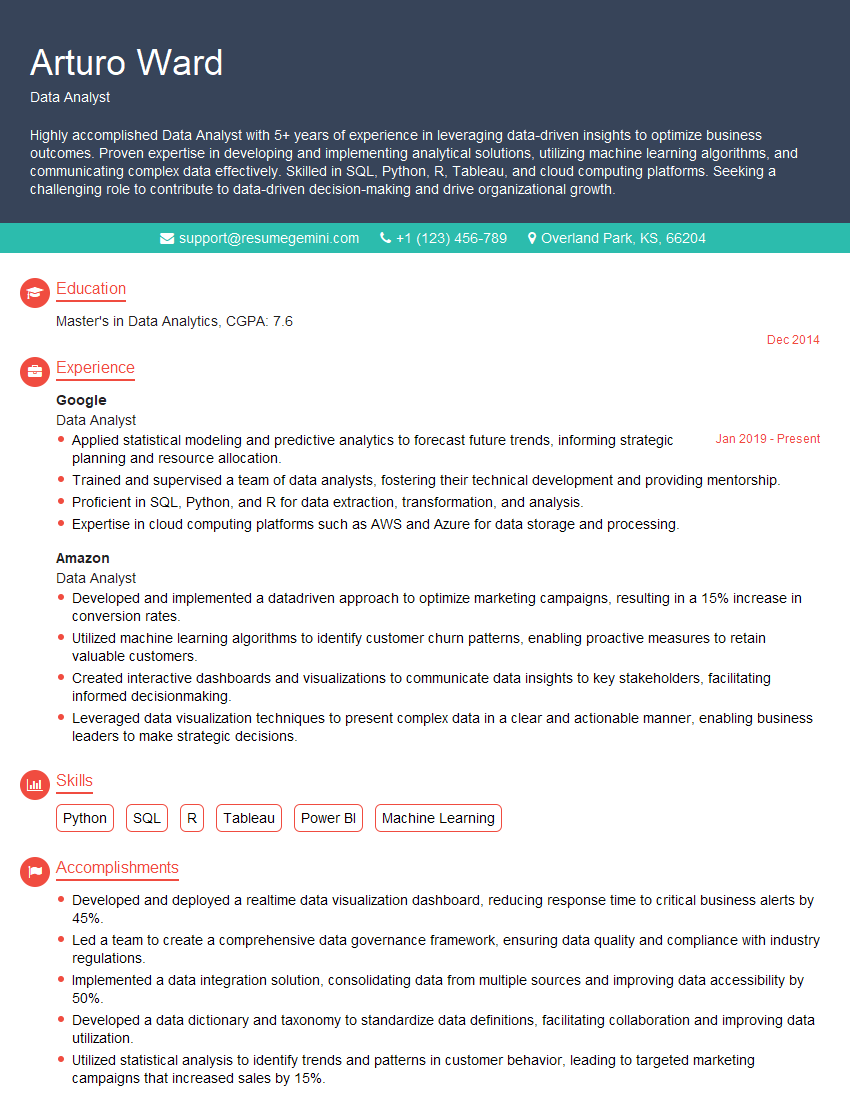
Data Analyst Resume Sample
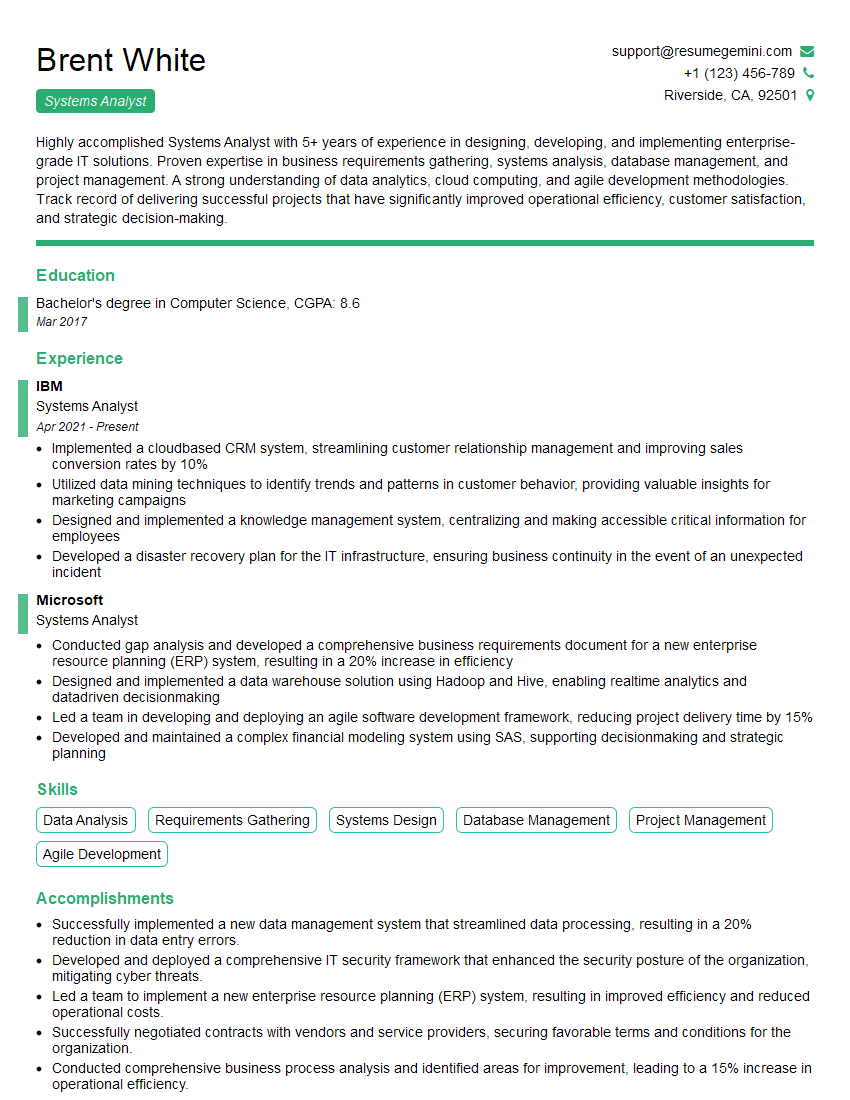
Systems Analyst Resume Sample
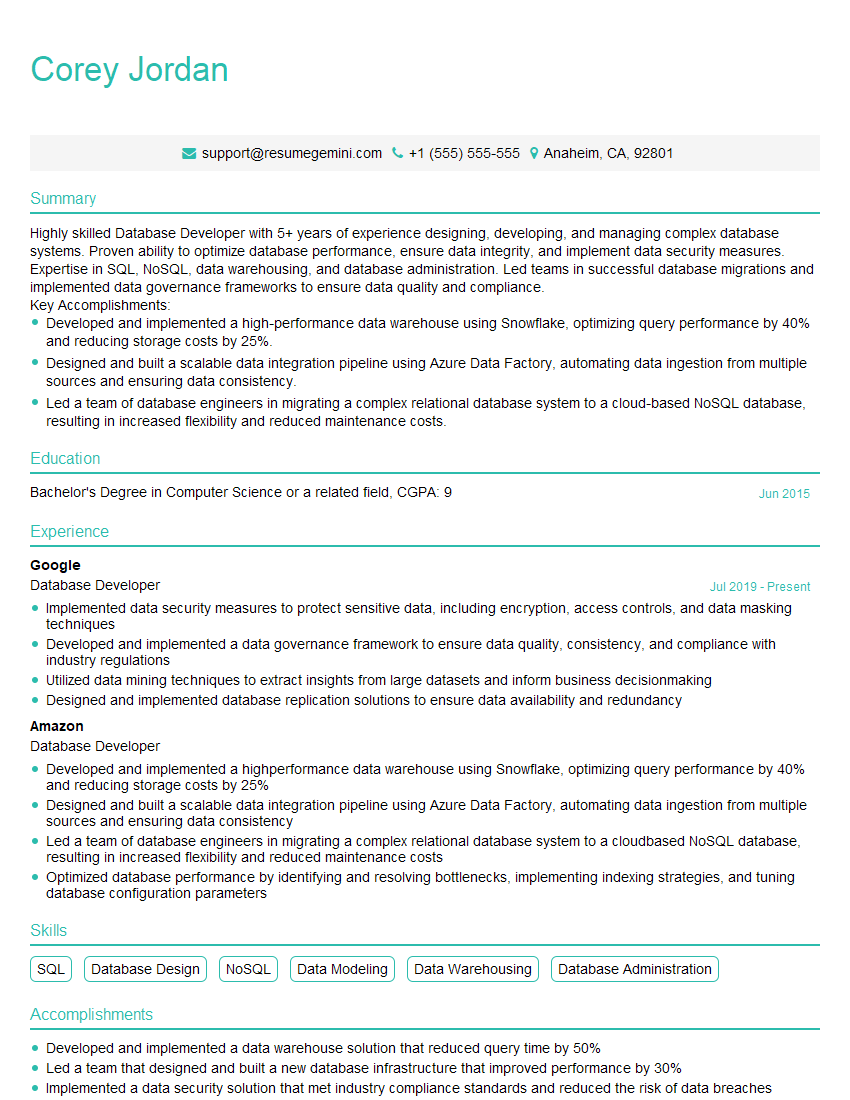
Database Developer Resume Sample
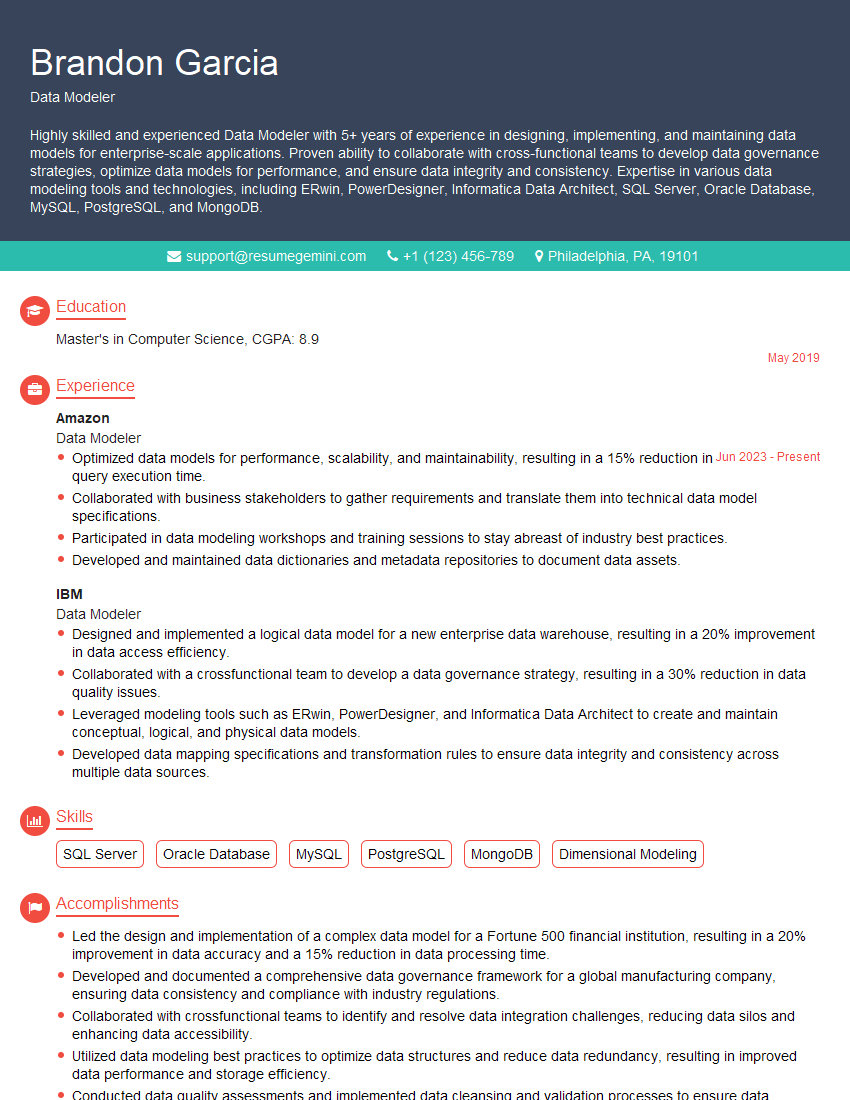
Data Modeler Resume Sample
Data Architect Resume Sample
ETL Developer Resume Sample
Data Warehouse Specialist Resume Sample
Business Intelligence Analyst Resume Sample
Data Management Specialist Resume Sample
Explore more articles
Users Rating of Our Blogs
Share Your Experience
We value your feedback! Please rate our content and share your thoughts (optional).
What Readers Say About Our Blog
Hello,
we currently offer a complimentary backlink and URL indexing test for search engine optimization professionals.
You can get complimentary indexing credits to test how link discovery works in practice.
No credit card is required and there is no recurring fee.
You can find details here:
https://wikipedia-backlinks.com/indexing/
Regards
NICE RESPONSE TO Q & A
hi
The aim of this message is regarding an unclaimed deposit of a deceased nationale that bears the same name as you. You are not relate to him as there are millions of people answering the names across around the world. But i will use my position to influence the release of the deposit to you for our mutual benefit.
Respond for full details and how to claim the deposit. This is 100% risk free. Send hello to my email id: [email protected]
Luka Chachibaialuka
Hey interviewgemini.com, just wanted to follow up on my last email.
We just launched Call the Monster, an parenting app that lets you summon friendly ‘monsters’ kids actually listen to.
We’re also running a giveaway for everyone who downloads the app. Since it’s brand new, there aren’t many users yet, which means you’ve got a much better chance of winning some great prizes.
You can check it out here: https://bit.ly/callamonsterapp
Or follow us on Instagram: https://www.instagram.com/callamonsterapp
Thanks,
Ryan
CEO – Call the Monster App
Hey interviewgemini.com, I saw your website and love your approach.
I just want this to look like spam email, but want to share something important to you. We just launched Call the Monster, a parenting app that lets you summon friendly ‘monsters’ kids actually listen to.
Parents are loving it for calming chaos before bedtime. Thought you might want to try it: https://bit.ly/callamonsterapp or just follow our fun monster lore on Instagram: https://www.instagram.com/callamonsterapp
Thanks,
Ryan
CEO – Call A Monster APP
To the interviewgemini.com Owner.
Dear interviewgemini.com Webmaster!
Hi interviewgemini.com Webmaster!
Dear interviewgemini.com Webmaster!
excellent
Hello,
We found issues with your domain’s email setup that may be sending your messages to spam or blocking them completely. InboxShield Mini shows you how to fix it in minutes — no tech skills required.
Scan your domain now for details: https://inboxshield-mini.com/
— Adam @ InboxShield Mini
Reply STOP to unsubscribe
Hi, are you owner of interviewgemini.com? What if I told you I could help you find extra time in your schedule, reconnect with leads you didn’t even realize you missed, and bring in more “I want to work with you” conversations, without increasing your ad spend or hiring a full-time employee?
All with a flexible, budget-friendly service that could easily pay for itself. Sounds good?
Would it be nice to jump on a quick 10-minute call so I can show you exactly how we make this work?
Best,
Hapei
Marketing Director
Hey, I know you’re the owner of interviewgemini.com. I’ll be quick.
Fundraising for your business is tough and time-consuming. We make it easier by guaranteeing two private investor meetings each month, for six months. No demos, no pitch events – just direct introductions to active investors matched to your startup.
If youR17;re raising, this could help you build real momentum. Want me to send more info?
Hi, I represent an SEO company that specialises in getting you AI citations and higher rankings on Google. I’d like to offer you a 100% free SEO audit for your website. Would you be interested?
Hi, I represent an SEO company that specialises in getting you AI citations and higher rankings on Google. I’d like to offer you a 100% free SEO audit for your website. Would you be interested?
good