Interviews are more than just a Q&A session—they’re a chance to prove your worth. This blog dives into essential Familiar with industry regulations and safety standards interview questions and expert tips to help you align your answers with what hiring managers are looking for. Start preparing to shine!
Questions Asked in Familiar with industry regulations and safety standards Interview
Q 1. Describe your experience with OSHA regulations.
My experience with OSHA regulations is extensive, encompassing both direct application and oversight. I’ve worked in environments governed by OSHA’s General Industry Standards, as well as specific regulations pertaining to hazardous materials and construction. This includes a deep understanding of OSHA’s recordkeeping requirements (OSHA Form 300, 300A, 301), hazard communication standards (HazCom), and lockout/tagout procedures.
For example, in my previous role, we implemented a comprehensive safety program based on OSHA guidelines. This involved conducting regular safety inspections, providing employee training on hazard recognition and prevention, and maintaining detailed records of all incidents and near misses. We also established a robust system for investigating accidents, ensuring compliance with OSHA’s reporting requirements. This proactive approach significantly reduced workplace incidents and improved the overall safety culture.
I am also familiar with OSHA’s emphasis on proactive safety management systems. This involves going beyond simply meeting minimum regulatory requirements and actively identifying and controlling hazards before they result in incidents. This proactive stance not only improves safety but also demonstrates a strong commitment to employee well-being and reduces the potential for costly fines and lawsuits.
Q 2. Explain your understanding of ISO 9001 standards.
ISO 9001 is a globally recognized quality management system (QMS) standard that outlines requirements for a quality management system focused on customer satisfaction and continual improvement. Understanding ISO 9001 means comprehending the core principles of quality management, including planning, implementing, monitoring, reviewing, and improving processes to consistently meet customer requirements.
My experience includes leading ISO 9001 implementation projects. This involves documenting processes, conducting internal audits, developing corrective actions, and preparing for external certification audits. A key aspect is ensuring the QMS is integrated into all organizational functions, not just a separate department. For example, in one project, we implemented a documented process for handling customer complaints, ensuring timely resolution and feedback to continually refine our services.
Understanding ISO 9001 goes beyond simply ticking boxes; it’s about fostering a culture of quality throughout the organization. This includes continuous employee training, regular management review meetings, and a data-driven approach to identifying areas for improvement using metrics and key performance indicators (KPIs).
Q 3. How do you ensure compliance with environmental regulations?
Ensuring compliance with environmental regulations requires a multifaceted approach, starting with a thorough understanding of all applicable laws and permits. This involves identifying the relevant environmental agencies (e.g., EPA in the US), obtaining the necessary permits, and adhering to all discharge limits, waste management practices, and reporting requirements.
I’ve managed environmental compliance programs that include regular environmental monitoring, waste audits, and the implementation of pollution prevention strategies. For instance, we successfully implemented a program to reduce water consumption by 20% by optimizing manufacturing processes. We also meticulously documented all waste disposal activities, ensuring all waste streams were properly handled in accordance with regulations.
Proactive environmental management is crucial. This includes staying up-to-date on changing regulations, conducting regular environmental risk assessments, and establishing robust emergency response plans to address potential environmental incidents. Beyond compliance, a commitment to environmental sustainability enhances corporate social responsibility and can provide a competitive advantage.
Q 4. What methods do you use to identify and assess workplace hazards?
Identifying and assessing workplace hazards involves a systematic approach, combining proactive measures with reactive responses to incidents. This starts with a thorough hazard identification process using methods like job safety analyses (JSAs), walk-through inspections, and checklists. These assessments consider various hazard categories, including physical (noise, slips, trips, falls), chemical (exposure to hazardous substances), biological (infectious agents), ergonomic (repetitive strain injuries), and psychosocial (stress, burnout).
Once hazards are identified, a risk assessment is conducted to determine the likelihood and severity of harm. This often uses a risk matrix, allowing prioritization of hazards based on their risk level. For example, a high-likelihood, high-severity hazard, such as working at heights without proper fall protection, would require immediate corrective action.
Control measures are then implemented to mitigate identified risks, following a hierarchy of controls: elimination, substitution, engineering controls, administrative controls, and personal protective equipment (PPE). Regular monitoring and review of the effectiveness of control measures are vital to ensure ongoing workplace safety.
Q 5. Describe your experience in conducting safety audits.
My experience in conducting safety audits is extensive, covering a range of industries and methodologies. I have conducted both internal and external audits, adhering to established auditing standards and best practices. These audits go beyond simply checking for compliance; they evaluate the effectiveness of the overall safety management system.
A typical audit involves reviewing safety policies, procedures, training records, incident reports, and inspection data. I use a combination of observation, interviews, and document review to gather evidence and assess compliance with applicable regulations and standards. For example, during an audit of a construction site, I would verify the proper use of fall protection equipment, assess the effectiveness of the site’s safety program, and examine the incident investigation reports for thoroughness and corrective actions.
The audit process culminates in a comprehensive report that highlights areas of compliance, non-compliance, and areas for improvement. This report provides recommendations for corrective actions, helping organizations strengthen their safety management system and reduce workplace risks.
Q 6. How do you develop and implement safety training programs?
Developing and implementing safety training programs requires a needs-based approach, starting with a thorough assessment of employee skill gaps and identified workplace hazards. The training program should be tailored to address these specific needs, ensuring that employees have the knowledge and skills necessary to perform their jobs safely.
Effective training utilizes a variety of methods, such as classroom instruction, on-the-job training, simulations, and interactive modules. For example, for a manufacturing setting, training might cover machine safety procedures, lockout/tagout practices, hazard communication, and personal protective equipment (PPE) use.
Beyond initial training, ongoing reinforcement is critical. This includes regular refresher training, toolbox talks, and safety awareness campaigns to maintain employee competency and promote a strong safety culture. The effectiveness of the training program should be continuously monitored and evaluated, leading to ongoing improvements and adjustments based on feedback and performance data.
Q 7. Explain your approach to investigating workplace accidents.
Investigating workplace accidents requires a systematic and objective approach. The goal is not just to determine what happened but also to understand the underlying causes to prevent recurrence. My approach follows a structured methodology, typically starting with securing the scene, preserving evidence, and conducting interviews with witnesses and involved personnel.
I use various investigative tools and techniques, including incident reports, witness statements, photographic evidence, and root cause analysis methods such as the “5 Whys” technique to get to the root cause. For instance, if a worker was injured due to a machine malfunction, I would investigate not just the immediate cause (machine failure), but also delve deeper to determine why the machine failed (lack of maintenance, worn parts, inadequate safety guards).
The investigation culminates in a comprehensive report outlining the findings, contributing factors, and recommended corrective actions to prevent similar incidents from happening again. This report informs modifications to safety procedures, equipment upgrades, additional training, and policy changes, all geared towards preventing future accidents and creating a safer work environment.
Q 8. How do you communicate safety information effectively to employees?
Effective safety communication isn’t just about posting signs; it’s about ensuring everyone understands and internalizes the information. My approach is multifaceted and relies on several key strategies.
Multi-Modal Communication: I utilize various methods – toolbox talks (short, informal safety discussions), safety training videos, interactive online modules, written manuals, and posters. This caters to different learning styles.
Tailored Messaging: I adapt the language and complexity of safety information to the specific audience. A highly technical explanation wouldn’t be suitable for a new employee, for instance. I use clear, concise language, avoiding jargon wherever possible.
Regular Feedback and Reinforcement: Safety isn’t a one-time training event; it’s an ongoing process. Regular quizzes, feedback sessions, and open forums allow for clarification and ensure the information is retained. I also incorporate regular safety reminders in team meetings and newsletters.
Two-Way Communication: I actively encourage employees to ask questions and raise concerns. This creates a safe space for dialogue and improves understanding. I also use suggestion boxes and anonymous reporting systems to address safety hazards promptly.
Language Accessibility: In diverse workforces, I ensure materials are available in multiple languages to ensure inclusivity and comprehension. Using visual aids and demonstrations significantly enhances understanding.
For example, during a recent project, we used interactive simulations to teach employees how to safely operate heavy machinery. This resulted in a significant improvement in adherence to safety protocols.
Q 9. What are your strategies for promoting a safety-conscious culture?
Building a safety-conscious culture requires a top-down and bottom-up approach. It’s not just about policies, but about fostering a genuine commitment to safety at all levels.
Leadership Commitment: Visible and consistent leadership support is paramount. Management must actively participate in safety initiatives, demonstrating their dedication to a safe working environment.
Employee Empowerment: Employees should feel empowered to identify and report hazards without fear of retribution. This requires open communication channels and a culture of trust.
Incentivization and Recognition: Rewarding safe behaviors and recognizing contributions to safety improvement fosters a positive reinforcement cycle. This could involve awards, bonuses, or public acknowledgement.
Regular Safety Audits and Reviews: Regular safety audits and reviews help identify weaknesses and areas for improvement. These findings should be used to refine safety programs and enhance the overall culture.
Continuous Improvement: Safety is an ongoing journey, not a destination. Regularly evaluating and refining safety protocols and training programs is crucial.
In my previous role, we implemented a peer-to-peer safety observation program. Employees received training to identify hazards and provide constructive feedback to their colleagues, resulting in a noticeable decrease in accidents.
Q 10. Describe your experience with hazard communication programs.
Hazard communication programs are crucial for informing employees about potential workplace hazards. My experience encompasses developing and implementing comprehensive programs that comply with OSHA’s HazCom standard (and equivalent regulations in other jurisdictions).
Chemical Inventory: I’ve been involved in creating detailed inventories of all hazardous chemicals present in the workplace, including accurate labeling and proper storage.
SDS Management: I have extensive experience in managing Safety Data Sheets (SDS), ensuring they are readily accessible to all employees, updated regularly, and properly translated when necessary. I’ve implemented digital SDS management systems to improve accessibility and streamline record-keeping.
Training Programs: I’ve developed and delivered comprehensive training programs on hazard identification, risk assessment, and proper handling procedures for hazardous materials. These training sessions usually include hands-on exercises and practical demonstrations.
Labeling and Signage: I ensure that all containers and areas containing hazardous materials are clearly labeled and that appropriate warning signs are posted throughout the facility.
For example, I once implemented a new chemical inventory and SDS management system that reduced the time spent searching for SDSs by over 60%, improving efficiency and enhancing workplace safety.
Q 11. How familiar are you with lockout/tagout procedures?
Lockout/Tagout (LOTO) procedures are critical for preventing accidental energy release during maintenance or repair activities. I’m very familiar with these procedures and have extensive experience in their implementation and enforcement.
Training and Certification: I’ve trained numerous employees on proper LOTO procedures, ensuring they are certified and competent in performing these tasks.
Procedure Development and Review: I’ve been involved in developing and reviewing LOTO procedures to ensure they align with industry best practices and regulatory requirements.
Enforcement and Audits: I’ve conducted regular audits to ensure compliance with LOTO procedures. This includes observing employees performing LOTO and providing feedback to improve their techniques.
Incident Investigation: I’ve investigated incidents involving LOTO failures to identify root causes and implement corrective actions to prevent recurrence.
In one instance, a thorough review of our LOTO procedures revealed a critical gap in training regarding specific equipment. We immediately addressed this through targeted training, reducing the risk of accidents involving that equipment.
Q 12. How do you handle non-compliance with safety regulations?
Non-compliance with safety regulations is unacceptable and requires a systematic approach to address the issue and prevent future occurrences.
Investigation: First, a thorough investigation is needed to understand the root cause of the non-compliance. This involves interviewing those involved, reviewing records, and examining the work environment.
Corrective Actions: Based on the investigation’s findings, appropriate corrective actions are implemented. This may involve retraining, disciplinary actions, changes to equipment or procedures, or improving communication.
Follow-up: Regular follow-up is crucial to ensure that the corrective actions are effective and that the problem is not recurring. This might involve additional training, audits, or monitoring.
Documentation: Thorough documentation of the entire process is essential, including the incident report, investigation findings, corrective actions, and follow-up measures. This documentation is crucial for future audits and continuous improvement.
Prevention: Focus should also be on preventing future instances of non-compliance through enhanced training, improved safety procedures, and a stronger safety culture.
For example, if a worker consistently fails to use personal protective equipment (PPE), the corrective action may involve retraining, disciplinary action (depending on company policy and severity), and the implementation of stricter monitoring systems.
Q 13. What are your experience in managing safety data sheets (SDS)?
Managing Safety Data Sheets (SDS) is critical for ensuring worker safety and regulatory compliance. My experience encompasses all aspects of SDS management, from acquisition to disposal.
SDS Acquisition and Distribution: I’m proficient in obtaining SDSs from suppliers, verifying their accuracy and completeness, and ensuring their accessibility to all relevant employees.
SDS Organization and Storage: I have experience in both physical and digital SDS management systems, implementing best practices for organization and retrieval.
SDS Updates: I’m well-versed in monitoring SDS updates and ensuring that all SDSs are current and accurate. This typically involves reviewing SDSs regularly and implementing automated update systems where possible.
SDS Training: I’ve provided training to employees on how to access, understand, and use information from SDSs.
SDS Disposal: I’m familiar with the proper procedures for disposing of obsolete or outdated SDSs.
In a previous role, I implemented a digital SDS management system, improving accessibility, reducing storage space, and simplifying the process of finding and updating SDSs.
Q 14. Explain your understanding of risk assessment methodologies.
Risk assessment methodologies are crucial for identifying and evaluating potential hazards in the workplace. My understanding encompasses several established methodologies.
Qualitative Risk Assessment: This involves using descriptive scales (e.g., low, medium, high) to assess the likelihood and severity of hazards. It’s often simpler and faster than quantitative methods, suitable for many common workplace hazards.
Quantitative Risk Assessment: This method involves using numerical data to quantify the likelihood and severity of hazards, allowing for more precise risk evaluation. It’s particularly useful for complex scenarios or high-consequence hazards.
HAZOP (Hazard and Operability Study): This systematic method examines a process or system to identify potential hazards and operability problems. It’s commonly used in process industries.
FMEA (Failure Mode and Effects Analysis): This approach identifies potential failures in a system and their potential effects, allowing for proactive risk mitigation. It’s often used in engineering and design.
Bow-Tie Analysis: This visual risk assessment method depicts the potential causes of incidents, the hazards they create, and the consequences that could result. It provides a clear picture of the risk and helps in developing control measures.
The choice of methodology depends on the complexity of the hazard, the resources available, and the regulatory requirements. I typically tailor my approach to each specific situation, selecting the most appropriate methodology to effectively assess and mitigate the risks.
Q 15. How do you prioritize safety risks?
Prioritizing safety risks involves a structured approach combining qualitative and quantitative analysis. It’s not simply about identifying hazards; it’s about understanding their potential impact and likelihood. I typically use a risk matrix, which plots the severity of the potential harm against the probability of its occurrence. This creates four quadrants: high risk (high severity, high probability), medium risk (combination of high and low severity/probability), low risk (low severity, low probability), and negligible risk.
For example, a potential chemical spill in a lab (high severity, high probability if safety protocols are lax) would rank higher than a minor paper cut (low severity, low probability). Once risks are categorized, I prioritize mitigation efforts, focusing first on those in the high-risk quadrant, using methods such as implementing robust safety protocols, providing additional training, or investing in improved safety equipment.
- Severity: The potential for harm (death, injury, environmental damage, financial loss).
- Probability: The likelihood of the hazard occurring.
This systematic approach ensures resources are allocated effectively to address the most critical risks first. Continuous monitoring and reassessment are crucial, as risks can change over time.
Career Expert Tips:
- Ace those interviews! Prepare effectively by reviewing the Top 50 Most Common Interview Questions on ResumeGemini.
- Navigate your job search with confidence! Explore a wide range of Career Tips on ResumeGemini. Learn about common challenges and recommendations to overcome them.
- Craft the perfect resume! Master the Art of Resume Writing with ResumeGemini’s guide. Showcase your unique qualifications and achievements effectively.
- Don’t miss out on holiday savings! Build your dream resume with ResumeGemini’s ATS optimized templates.
Q 16. How do you ensure the effectiveness of safety equipment?
Ensuring safety equipment effectiveness is a multi-faceted process that begins long before the equipment is used. It requires a robust program covering selection, inspection, maintenance, and training.
- Selection: We carefully select equipment based on relevant standards (e.g., ANSI, OSHA) and specific workplace hazards, ensuring it’s appropriate for the task and the environment.
- Inspection: Regular visual inspections and functional testing are performed to identify any damage or malfunction. Checklists and documented procedures are essential for consistency.
- Maintenance: A schedule for preventative maintenance is established to keep the equipment in optimal condition. This may involve calibration, cleaning, or replacement of parts.
- Training: Employees receive comprehensive training on the proper use, limitations, and maintenance of the equipment. This ensures they understand how to use the equipment safely and effectively and are aware of any potential hazards.
For example, I once worked in a facility where fire extinguishers were regularly inspected and their pressure tested. We also had regular training sessions on their proper usage, including hands-on practice. This proactive approach ensured that in case of a fire, our staff could respond effectively and safely. Documentation of all these processes is critical for demonstrating compliance and accountability.
Q 17. Describe your experience with personal protective equipment (PPE).
My experience with PPE spans various industries and hazard types. I understand that effective PPE selection depends on the specific risk assessment, and that it’s only one part of a comprehensive safety strategy. I’ve worked extensively with diverse PPE, including:
- Respiratory Protection: N95 masks, respirators for chemical exposure, etc. Proper fit testing is crucial to ensure effectiveness.
- Hearing Protection: Earplugs, earmuffs, and other hearing protection devices for noisy environments. Again, proper fit and selection based on the noise level are paramount.
- Eye Protection: Safety glasses, goggles, and face shields to protect against impacts, chemical splashes, and radiation.
- Hand Protection: Gloves for various hazards, including chemicals, cuts, and burns. Different materials provide different levels of protection.
- Body Protection: Protective clothing, including high-visibility clothing, safety vests, and flame-resistant apparel.
Beyond just providing PPE, I emphasize the importance of training employees on the proper selection, use, maintenance, and limitations of their PPE. For example, I’ve conducted training sessions on the proper donning and doffing of respirators to prevent contamination. This includes emphasizing the need for proper hygiene practices and understanding the limitations of the equipment. It’s about empowering individuals to protect themselves while performing their tasks safely.
Q 18. How do you manage safety incidents and near misses?
Managing safety incidents and near misses requires a thorough and systematic approach focusing on both immediate response and long-term prevention. My process involves:
- Immediate Response: In the event of an incident, ensuring the safety of those involved is the top priority. First aid is administered if needed, and emergency services are contacted if necessary. The area is secured to prevent further incidents.
- Investigation: A thorough investigation is conducted to determine the root cause of the incident. This often involves interviewing witnesses, reviewing documentation, and examining the scene. The goal is not to assign blame but to identify systemic issues that contributed to the event.
- Corrective Actions: Based on the investigation findings, corrective actions are implemented to prevent similar incidents in the future. This may involve changes to procedures, equipment, training, or engineering controls.
- Documentation: All incidents, including near misses, are meticulously documented. This data is crucial for identifying trends and patterns, informing future risk assessments, and demonstrating compliance.
- Follow-up: Following the implementation of corrective actions, follow-up is essential to verify their effectiveness and make any necessary adjustments.
Near misses are treated with the same seriousness as actual incidents, as they represent opportunities to prevent future accidents. By analyzing near misses, we can proactively identify and address potential hazards before they lead to injury or damage. I believe in a culture of open reporting where employees feel comfortable reporting incidents and near misses without fear of retribution.
Q 19. What are your experience with emergency response plans?
My experience with emergency response plans encompasses development, implementation, and regular review. A well-structured plan is crucial for minimizing the impact of unexpected events. I’ve been involved in developing plans for various scenarios, including:
- Fire Emergencies: Including evacuation procedures, assembly points, and roles and responsibilities for emergency response teams.
- Chemical Spills: Addressing containment, cleanup, and evacuation procedures, including personal protective equipment requirements.
- Natural Disasters: Plans covering earthquake preparedness, severe weather protocols, and post-disaster recovery.
- Medical Emergencies: Procedures for handling workplace injuries, including first aid administration and emergency medical services coordination.
Effective plans aren’t just documents; they require regular drills and exercises to ensure personnel are adequately trained and prepared. I’ve led numerous drills and simulations, identifying areas for improvement and refining the plan based on lessons learned. Regular communication and updates to the plan are critical to keep it relevant and effective. The goal is not just compliance, but to create a culture of preparedness and resilience.
Q 20. How do you ensure compliance with data privacy regulations (e.g., GDPR)?
Ensuring compliance with data privacy regulations like GDPR requires a multi-pronged approach. GDPR (General Data Protection Regulation) focuses on the protection of personal data within the European Union. My experience involves:
- Data Minimization: Collecting only necessary personal data and deleting it when no longer needed.
- Data Security: Implementing appropriate technical and organizational measures to protect data from unauthorized access, use, or disclosure. This includes encryption, access controls, and regular security audits.
- Transparency: Being open and transparent with individuals about how their data is collected, used, and protected. Providing clear and concise privacy notices.
- Individual Rights: Respecting and facilitating the exercise of individual rights, such as the right of access, rectification, erasure, and data portability.
- Data Subject Requests: Establishing procedures for handling data subject access requests (DSARs) efficiently and effectively.
- Data Breach Management: Having a plan in place to respond to and mitigate data breaches, including notifying affected individuals and regulatory authorities.
I’ve implemented data privacy management systems and conducted regular data protection impact assessments (DPIAs) to identify and mitigate risks. Compliance is an ongoing process that requires continuous monitoring, updating, and adaptation to evolving regulations and best practices.
Q 21. Describe your understanding of food safety regulations (e.g., HACCP).
My understanding of food safety regulations, particularly HACCP (Hazard Analysis and Critical Control Points), is extensive. HACCP is a preventative system for ensuring food safety. It focuses on identifying and controlling hazards at every stage of food production, from raw materials to the finished product. My experience covers:
- Hazard Analysis: Identifying potential biological, chemical, and physical hazards throughout the food production process.
- Critical Control Points (CCPs) Identification: Determining the specific steps in the process where controls are essential to prevent or eliminate hazards.
- Critical Limits Establishment: Setting measurable limits for each CCP to ensure safety.
- Monitoring Procedures: Developing and implementing procedures for regularly monitoring CCPs to ensure they remain within critical limits.
- Corrective Actions: Establishing procedures for taking corrective actions when critical limits are not met.
- Verification Procedures: Implementing procedures to verify the effectiveness of the HACCP plan.
- Record Keeping: Maintaining comprehensive records of all HACCP activities.
I’ve worked with food manufacturers to develop and implement HACCP plans compliant with relevant regulations (e.g., FDA, FSMA). This includes conducting thorough hazard analyses, designing monitoring programs, and training personnel on the implementation and maintenance of the HACCP system. Proactive monitoring and thorough documentation are key to ensuring consistent compliance and maintaining food safety.
Q 22. How do you ensure compliance with product safety standards?
Ensuring product safety compliance is paramount. It’s a multi-step process that begins with a thorough understanding of applicable standards, which vary depending on the product and its intended use. For instance, toys must meet stringent safety standards defined by organizations like ASTM International, while medical devices adhere to regulations like those set by the FDA.
My approach involves a three-pronged strategy: Design for Safety, Testing and Verification, and Ongoing Monitoring.
- Design for Safety: This starts at the conceptualization phase. We incorporate safety considerations throughout the design process, conducting Failure Mode and Effects Analysis (FMEA) to identify potential hazards and mitigate risks early on. We also leverage design reviews with cross-functional teams, including engineers, designers, and safety experts, to ensure that all aspects of safety are considered.
- Testing and Verification: Rigorous testing is crucial. This involves conducting both internal testing, using methods like stress testing, environmental testing (temperature, humidity, etc.), and safety component testing, as well as utilizing independent third-party testing labs to ensure objective and unbiased results. This ensures our products meet – and ideally exceed – all relevant standards.
- Ongoing Monitoring: Safety compliance isn’t a one-time event. We actively monitor post-market performance, analyzing any reported incidents or malfunctions. This feedback is vital for identifying any unforeseen issues and implementing corrective actions, potentially leading to product recalls or design modifications. We use sophisticated data analytics to spot trends and proactively address potential concerns.
For example, in a previous role, we identified a potential hazard with a child’s toy during internal stress testing. By immediately addressing the design flaw, we prevented a potential safety issue before the product ever reached consumers.
Q 23. Describe your experience with supply chain compliance.
Supply chain compliance requires meticulous oversight, ensuring all parties involved – from raw material suppliers to manufacturers and distributors – adhere to the same high safety and ethical standards. It’s about building trust and transparency throughout the entire process.
My experience involves implementing and managing robust compliance programs. This includes:
- Supplier Audits: Regularly auditing suppliers to verify their compliance with relevant regulations, ethical sourcing guidelines (e.g., conflict minerals), and environmental standards. We use a combination of on-site audits and document reviews.
- Traceability Systems: Establishing and maintaining comprehensive traceability systems to track materials and products throughout the supply chain. This enables rapid identification of potential problems and facilitates effective recall management.
- Contractual Agreements: Incorporating strong compliance clauses into supplier contracts, clearly defining responsibilities and expectations. This includes penalties for non-compliance.
- Training and Communication: Providing training to suppliers on relevant regulations and best practices. Clear communication is essential to maintaining transparency and collaboration.
In a past project involving electronics manufacturing, we implemented a robust system to track the origin of conflict minerals, ensuring that our supply chain met ethical sourcing requirements. This involved detailed documentation and close collaboration with our suppliers to achieve full transparency.
Q 24. Explain your understanding of environmental impact assessments.
Environmental impact assessments (EIAs) are crucial for evaluating the potential environmental consequences of a project, product, or process. They are a systematic way to identify, predict, and evaluate the likely environmental impacts of a development proposal, allowing for the identification of mitigation measures and the development of environmentally sound solutions.
My understanding encompasses:
- Scoping: Defining the scope of the assessment, identifying the potential environmental impacts (air, water, land, biodiversity, etc.), and determining the geographical area impacted.
- Baseline Data Collection: Gathering baseline environmental data – pre-project – to establish a benchmark against which to measure future impacts.
- Impact Prediction: Using various methods (modeling, expert judgment) to predict potential impacts – both positive and negative – of the project or product.
- Mitigation Measures: Identifying and proposing measures to avoid, minimize, or compensate for negative impacts. This might involve changing the design, implementing pollution control technologies, or creating wildlife habitats.
- Regulatory Compliance: Ensuring the assessment complies with all relevant environmental regulations and guidelines. This often involves navigating complex permitting processes.
For example, in a previous project involving a new manufacturing facility, we conducted a comprehensive EIA that identified the potential for water pollution. By incorporating advanced wastewater treatment technology, we mitigated this risk and ensured environmental compliance.
Q 25. How do you ensure compliance with transportation regulations?
Compliance with transportation regulations is vital for ensuring the safe and legal movement of goods. This involves understanding and adhering to a range of rules and regulations concerning packaging, labeling, hazardous materials, and vehicle specifications.
My approach centers on:
- Proper Packaging and Labeling: Using appropriate packaging materials and clearly labeling shipments to indicate contents, handling instructions, and any hazardous materials present. This adheres to standards like those set by the Department of Transportation (DOT).
- Hazardous Materials Handling: Following strict procedures for handling and transporting hazardous materials, including proper documentation, training of personnel, and adherence to specific regulations (e.g., the Globally Harmonized System of Classification and Labelling of Chemicals – GHS).
- Vehicle Compliance: Ensuring that the vehicles used for transportation meet all safety and regulatory requirements, including proper maintenance and licensing.
- Documentation and Record Keeping: Maintaining detailed records of shipments, including waybills, manifests, and proof of delivery, to facilitate tracking and ensure compliance.
In one instance, we had to redesign packaging for a product containing flammable materials to comply with stricter DOT regulations, which involved collaborating with logistics providers and modifying our internal processes.
Q 26. How do you stay up-to-date with changes in industry regulations?
Staying current with evolving industry regulations is crucial. My approach is proactive and multi-faceted:
- Subscription to Regulatory Updates: Subscribing to relevant newsletters, journals, and online resources from regulatory bodies like the EPA, OSHA, and industry-specific organizations. This allows me to stay informed of proposed and finalized changes.
- Attendance at Industry Conferences and Webinars: Participating in industry events to hear directly from regulatory experts and network with peers. These events often offer valuable insights into emerging trends and interpretations of regulations.
- Engagement with Regulatory Agencies: Maintaining open communication with regulatory agencies, proactively seeking clarification on any ambiguous aspects of regulations.
- Internal Training Programs: Conducting regular internal training sessions to update our team on regulatory changes and best practices.
I also leverage specialized software and online databases that provide real-time updates on regulations, allowing me to quickly identify and address any potential compliance gaps.
Q 27. Describe a time you had to address a significant safety violation.
In a previous role, we discovered a significant safety violation during an internal audit. A batch of a certain product had been produced without undergoing the required safety testing. This was a serious breach of our internal protocols and potentially posed a safety risk to consumers.
My response involved a series of steps:
- Immediate Action: The affected batch was immediately quarantined and removed from the distribution chain. We initiated a ‘stop-ship’ order to prevent further distribution.
- Root Cause Analysis: We conducted a thorough investigation to determine the cause of the violation, identifying a failure in our quality control processes and inadequate training of personnel.
- Corrective Actions: We implemented several corrective actions, including additional training for personnel, revised quality control procedures, and strengthened our internal audit program.
- Reporting and Documentation: We documented all findings, corrective actions, and lessons learned. This information was used to improve our safety management system and prevent similar incidents from happening in the future.
- Communication: We informed all relevant stakeholders (internal team, leadership, potentially regulatory agencies, depending on the severity) of the incident and the corrective actions taken.
This incident highlighted the importance of a robust safety management system and the need for continuous improvement.
Q 28. How do you measure the effectiveness of your safety programs?
Measuring the effectiveness of safety programs requires a multifaceted approach, utilizing both leading and lagging indicators.
Lagging indicators measure past performance, such as:
- Incident Rates: Tracking the number and severity of safety incidents (near misses, injuries, illnesses).
- Compliance Audit Results: Monitoring compliance with regulations and internal standards through regular audits.
- Customer Complaints: Analyzing customer complaints related to safety concerns.
Leading indicators predict future performance, such as:
- Safety Training Participation: Measuring the participation rate and effectiveness of safety training programs.
- Safety Observation Scores: Conducting regular safety observations and recording the number of unsafe behaviors observed.
- Near Miss Reporting: Encouraging and analyzing reports of near misses to identify potential hazards before they lead to incidents.
- Employee Safety Surveys: Gathering feedback from employees about their perceptions of safety culture and practices.
By analyzing both leading and lagging indicators, we can gain a comprehensive understanding of the effectiveness of our safety programs and identify areas for improvement. Data visualization techniques like dashboards are essential for clearly communicating results and supporting continuous improvement efforts.
Key Topics to Learn for “Familiar with Industry Regulations and Safety Standards” Interview
- Understanding Relevant Legislation: Explore the key regulations and acts pertinent to your industry. This includes knowing the specific acts, their purpose, and how they apply to daily operations.
- Safety Procedures and Protocols: Master the practical application of safety procedures within your field. This involves understanding hazard identification, risk assessment, and the implementation of control measures. Be prepared to discuss specific examples.
- Emergency Response and Preparedness: Know the emergency protocols for your industry. This goes beyond simply reading a manual; understand the rationale behind each step and how to effectively react in various scenarios.
- Reporting and Documentation: Learn the proper methods for reporting incidents, near misses, and safety concerns. Understanding the importance of accurate and timely documentation is crucial.
- Personal Protective Equipment (PPE): Demonstrate a thorough understanding of appropriate PPE for various tasks and hazards. Be ready to explain the selection criteria and usage of different types of PPE.
- Continuous Improvement and Training: Highlight your awareness of ongoing safety training and the importance of continuous improvement in safety practices. Discuss how you stay updated on new regulations and best practices.
- Ethical Considerations and Compliance: Showcase your understanding of the ethical implications of safety violations and the importance of adhering to all regulations. Be prepared to discuss potential conflicts and how to navigate them responsibly.
Next Steps
Mastering industry regulations and safety standards demonstrates a commitment to professionalism and responsible practice, significantly enhancing your career prospects. A strong understanding of these areas will set you apart from other candidates and open doors to greater opportunities. To further strengthen your job application, create an ATS-friendly resume that highlights your relevant skills and experience. ResumeGemini is a trusted resource for building professional resumes tailored to your industry. We provide examples of resumes specifically designed for candidates showcasing familiarity with industry regulations and safety standards. Invest time in crafting a compelling resume – it’s your first impression on a potential employer.
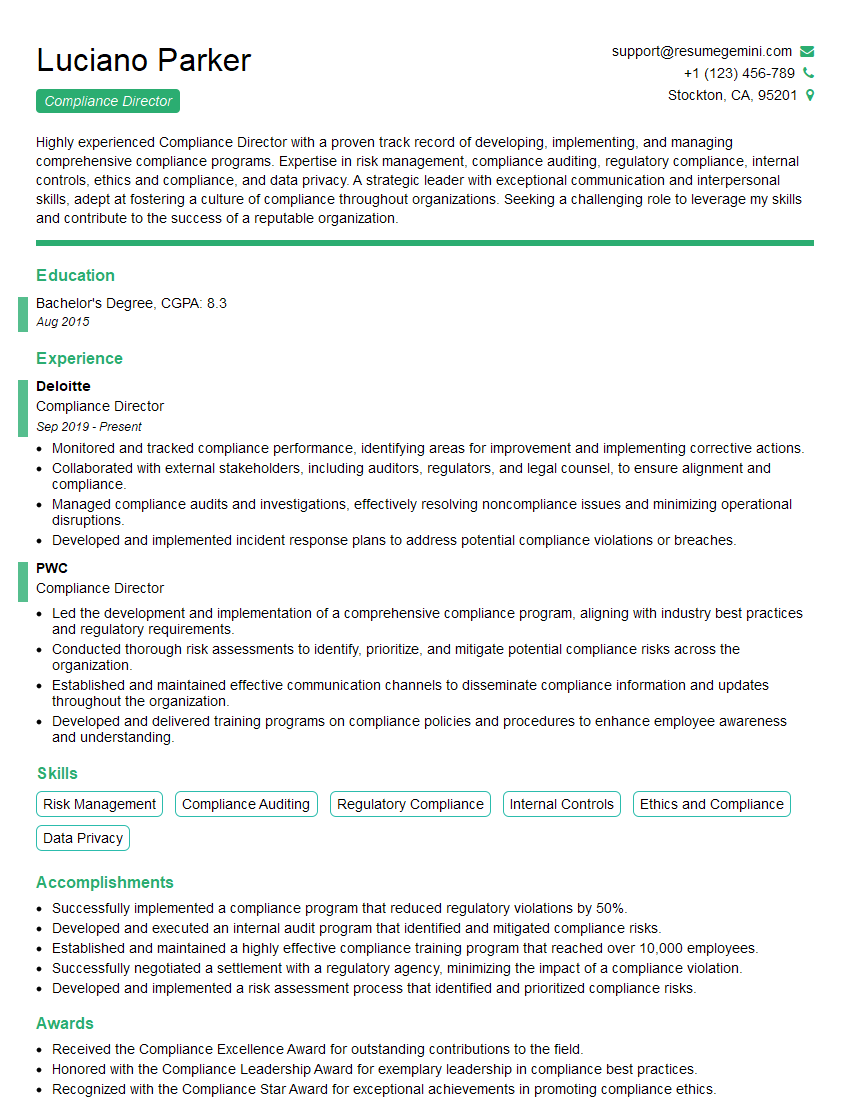
Compliance Director Resume Sample
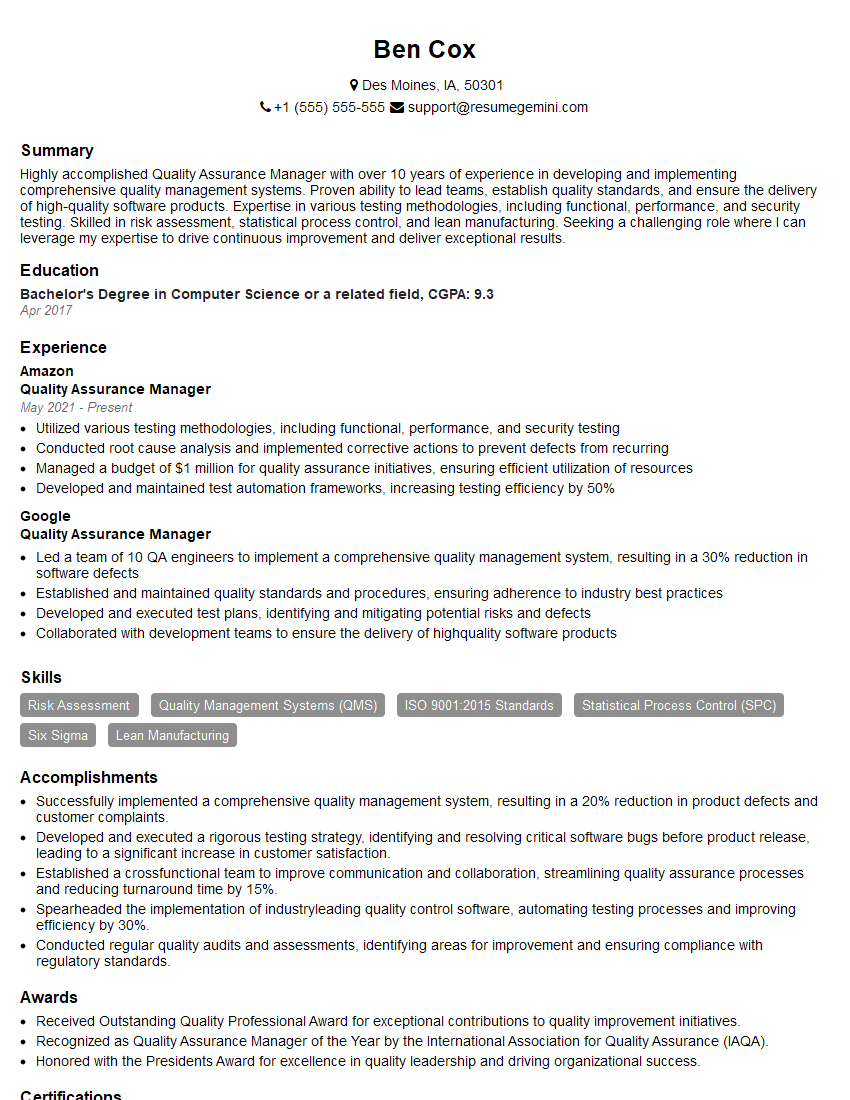
Quality Assurance Manager Resume Sample
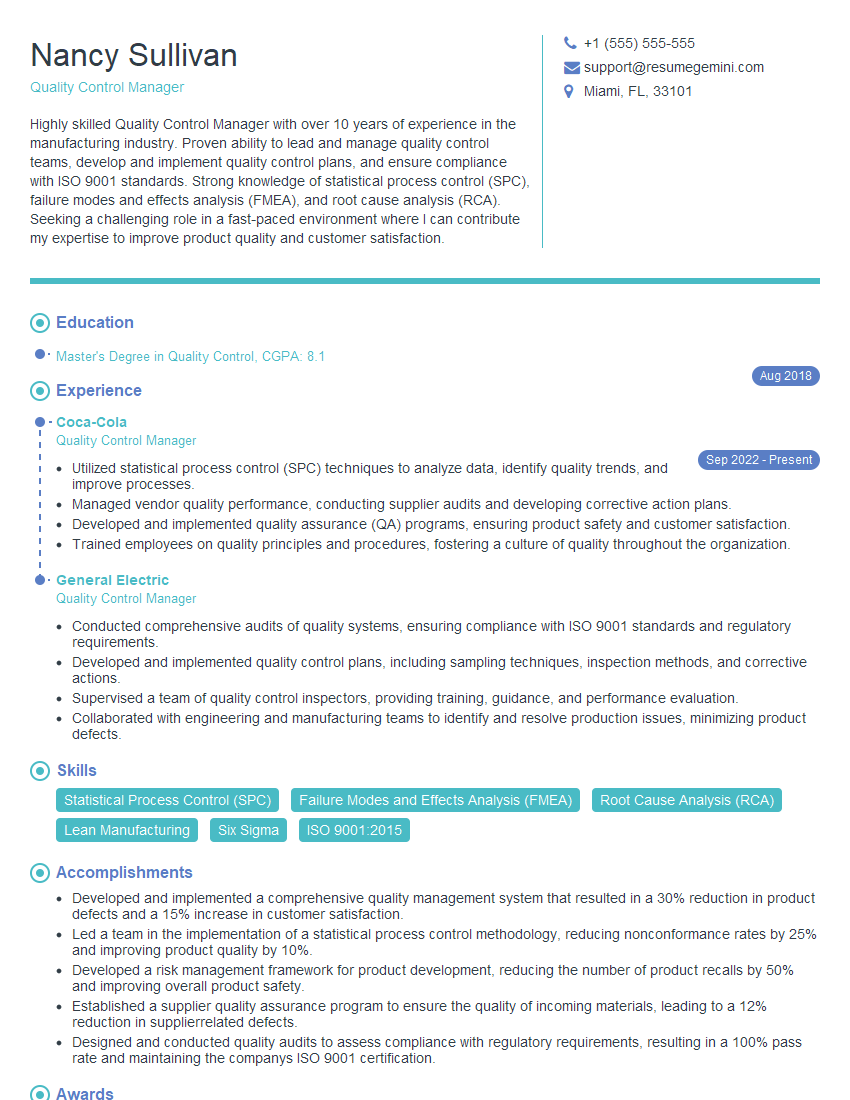
Quality Control Manager Resume Sample
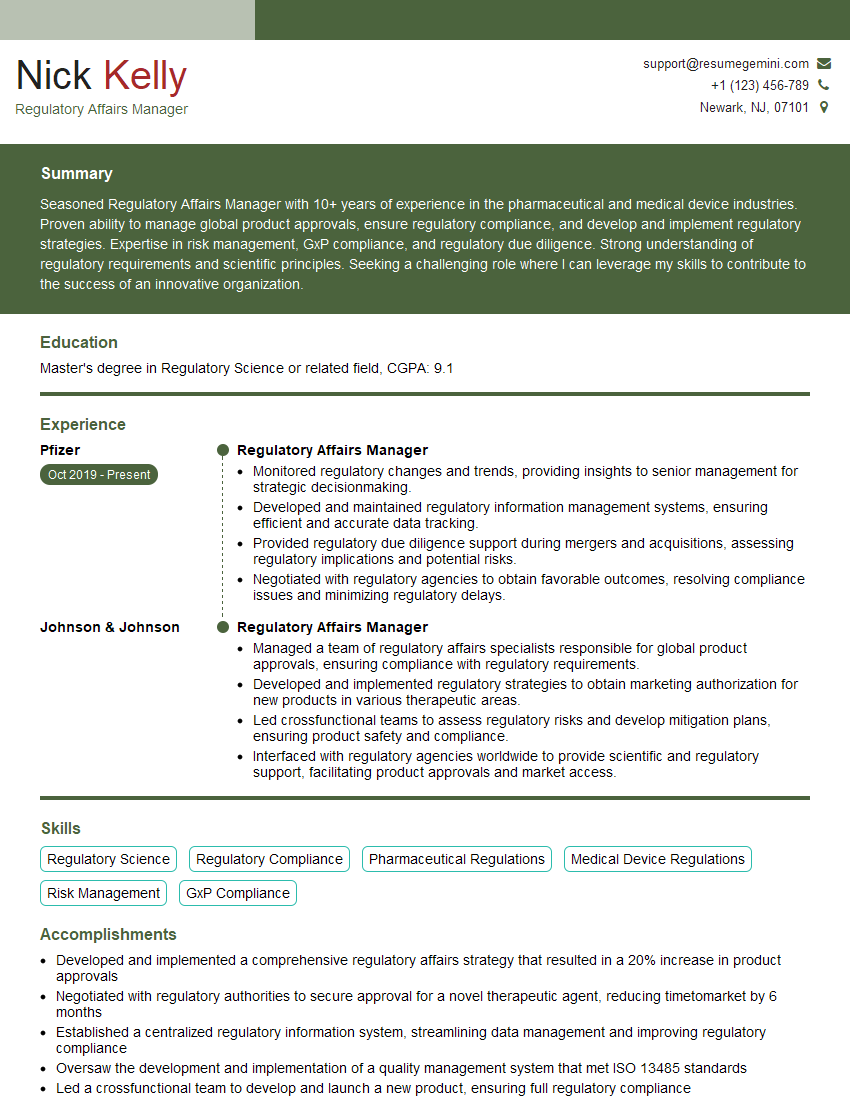
Regulatory Affairs Manager Resume Sample
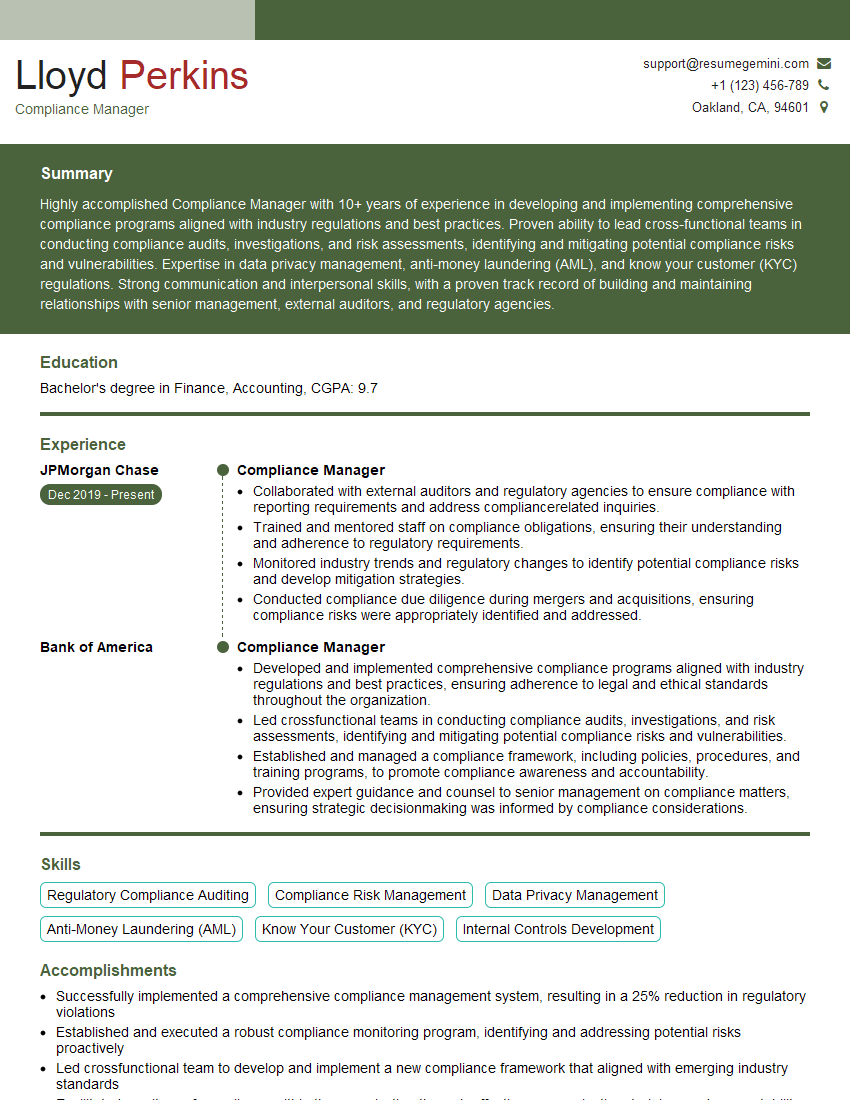
Compliance Manager Resume Sample
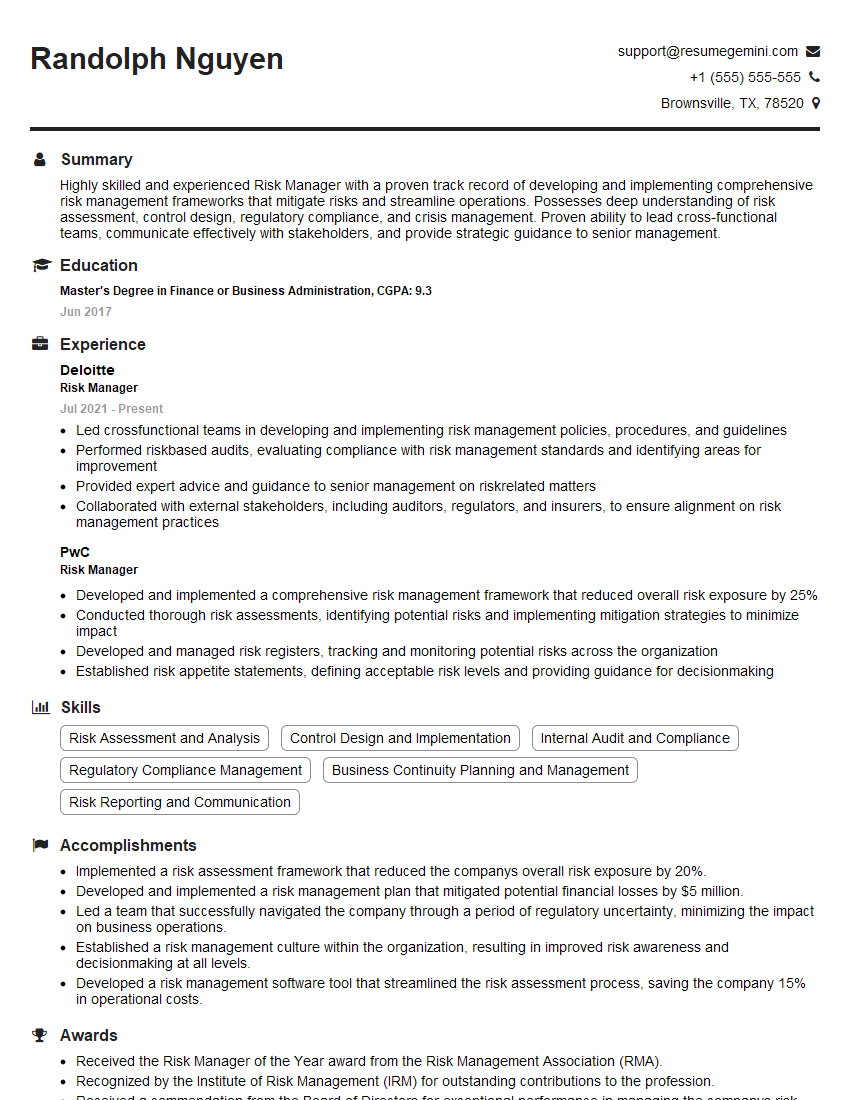
Risk Manager Resume Sample
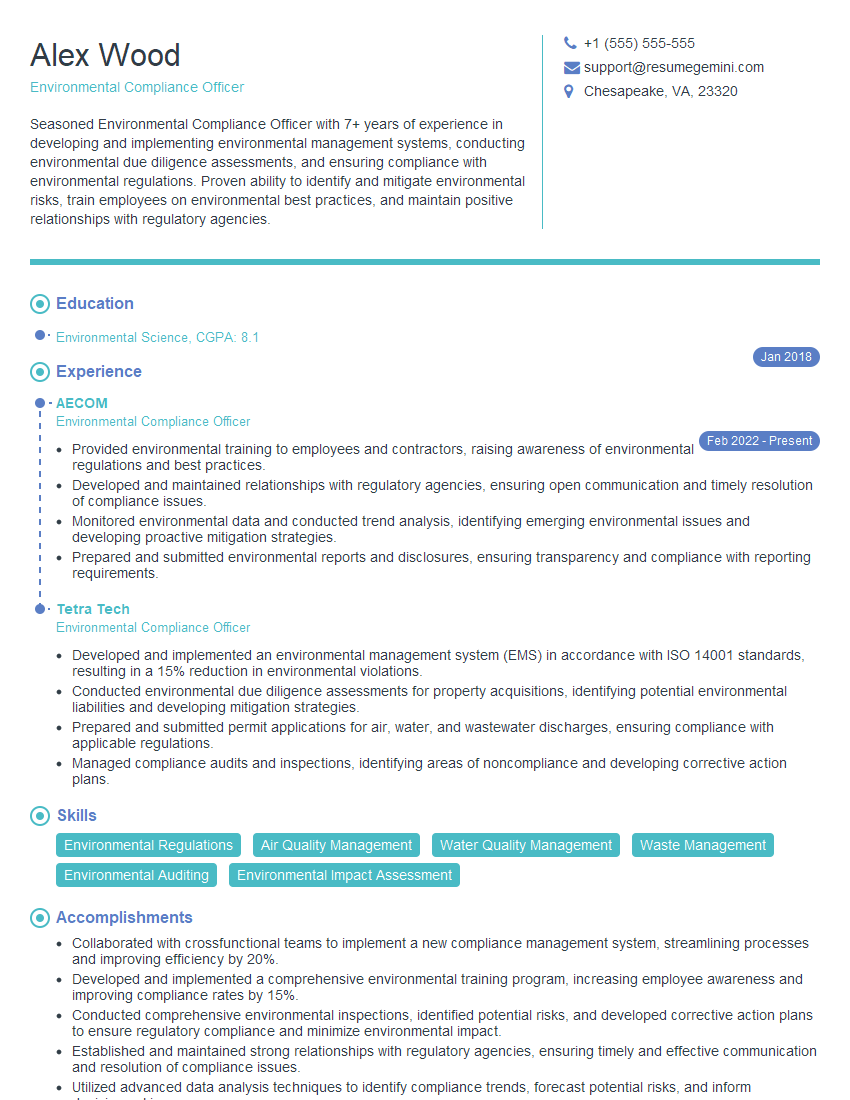
Environmental Compliance Officer Resume Sample
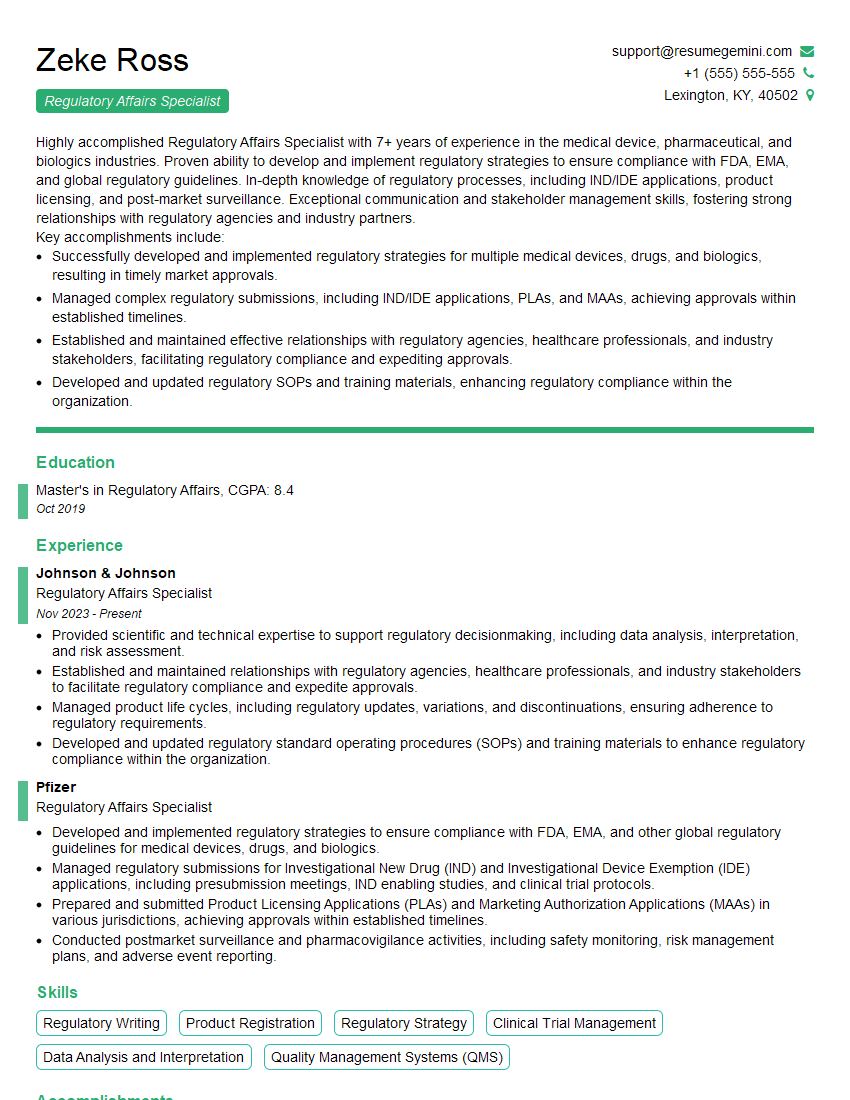
Regulatory Affairs Specialist Resume Sample
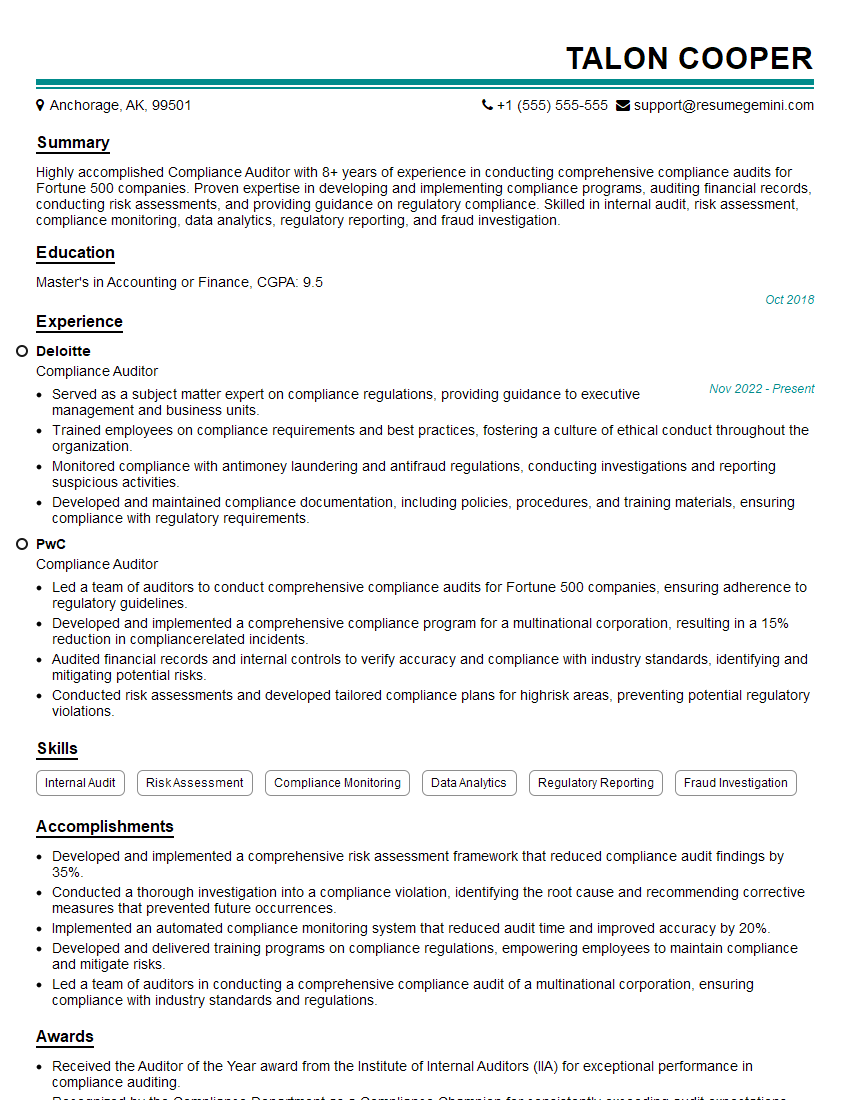
Compliance Auditor Resume Sample
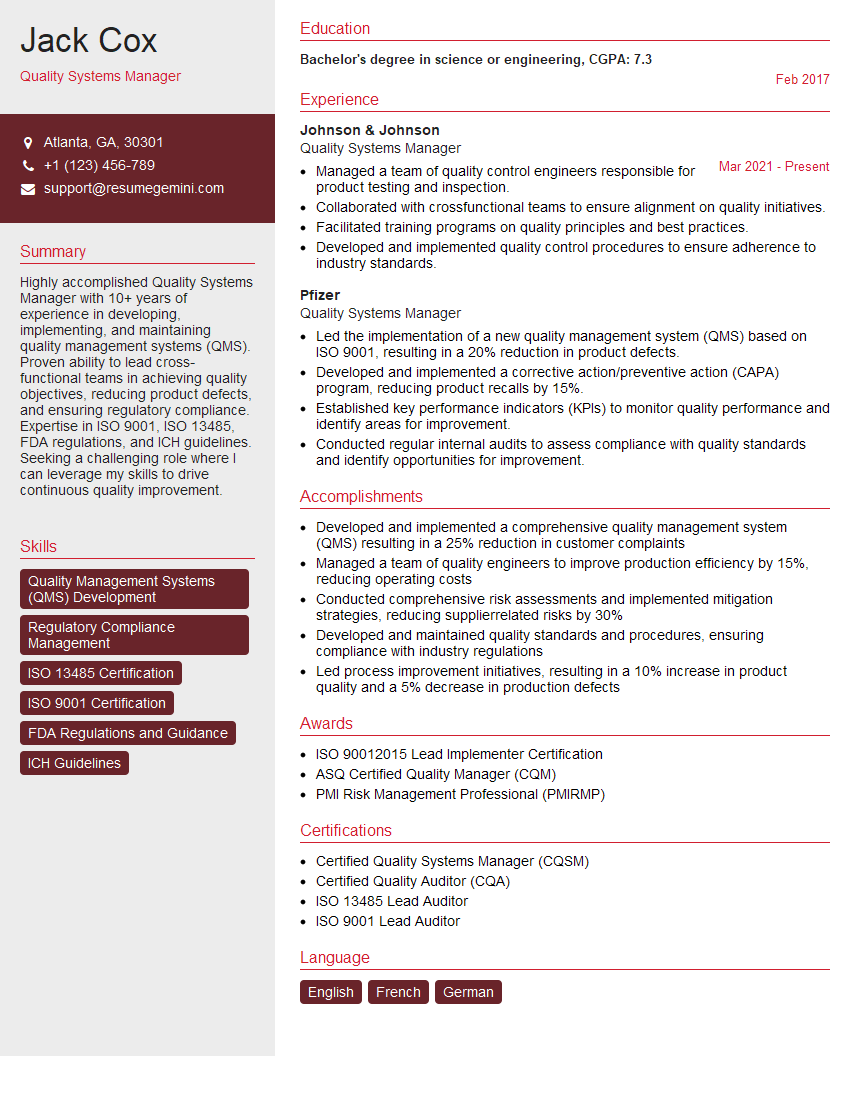
Quality Systems Manager Resume Sample
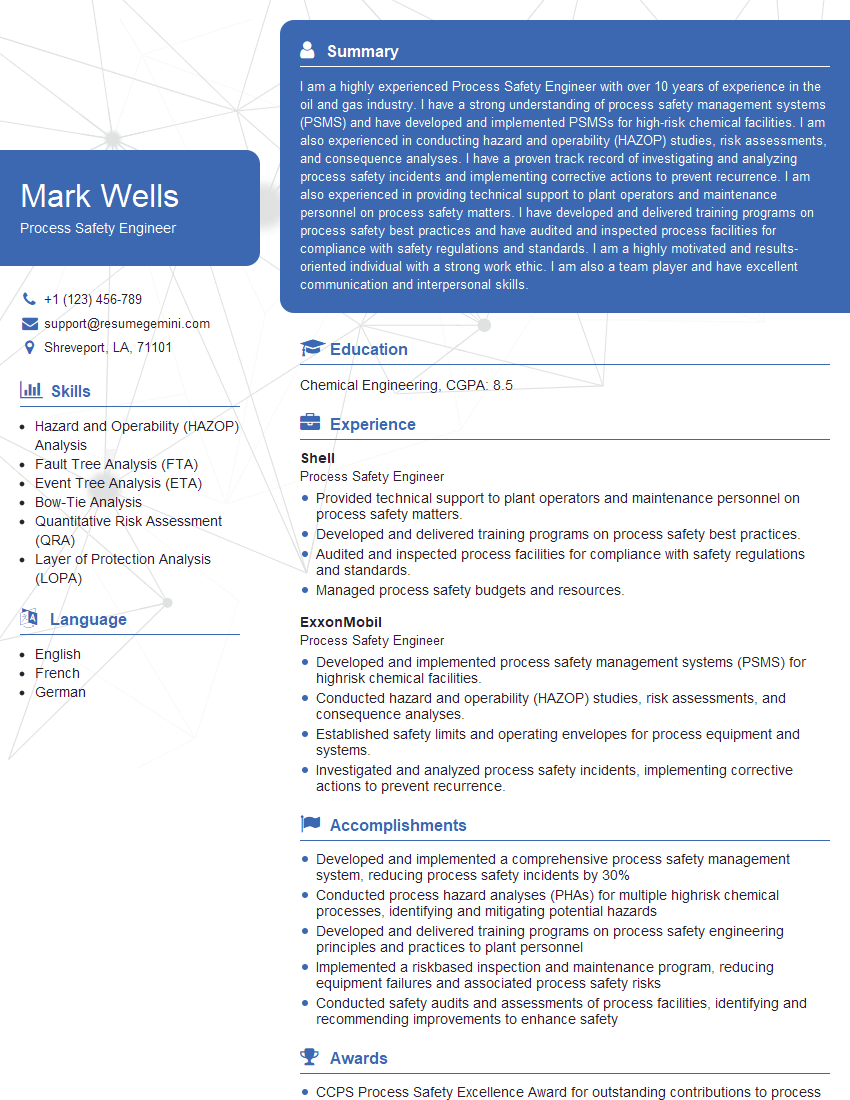
Process Safety Engineer Resume Sample
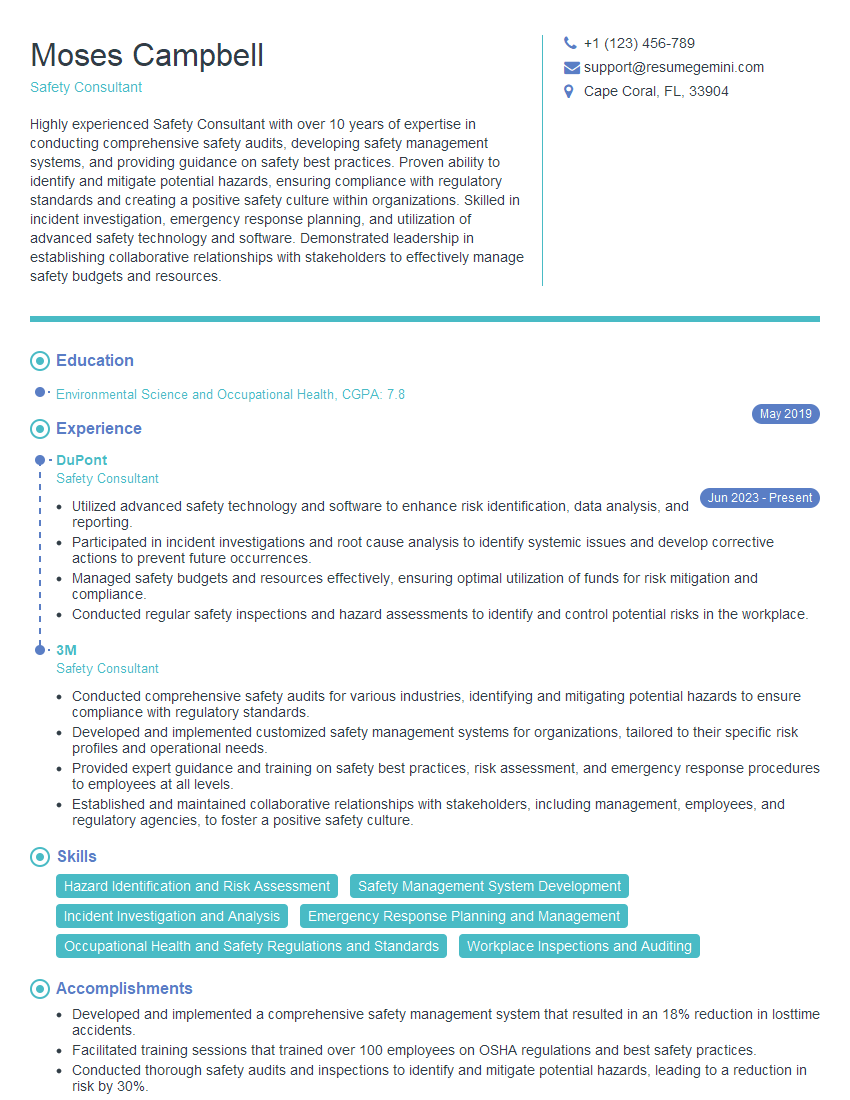
Safety Consultant Resume Sample
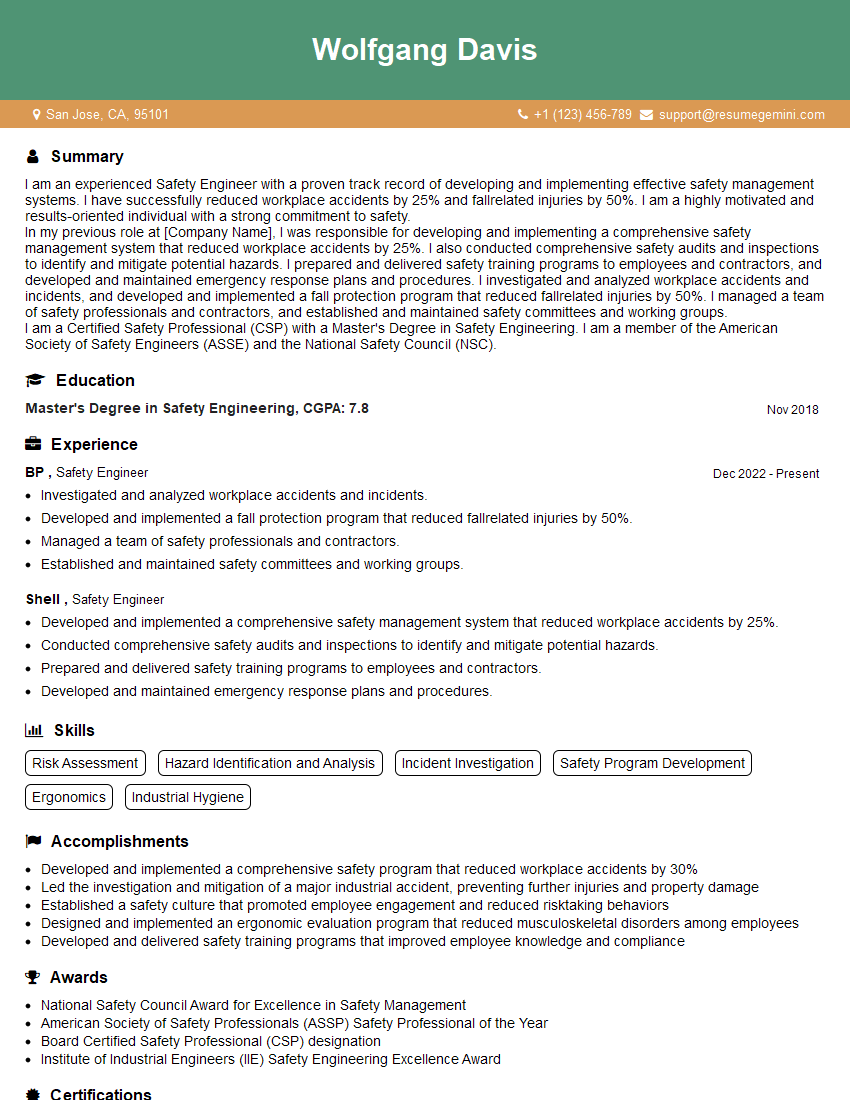
Safety Engineer Resume Sample
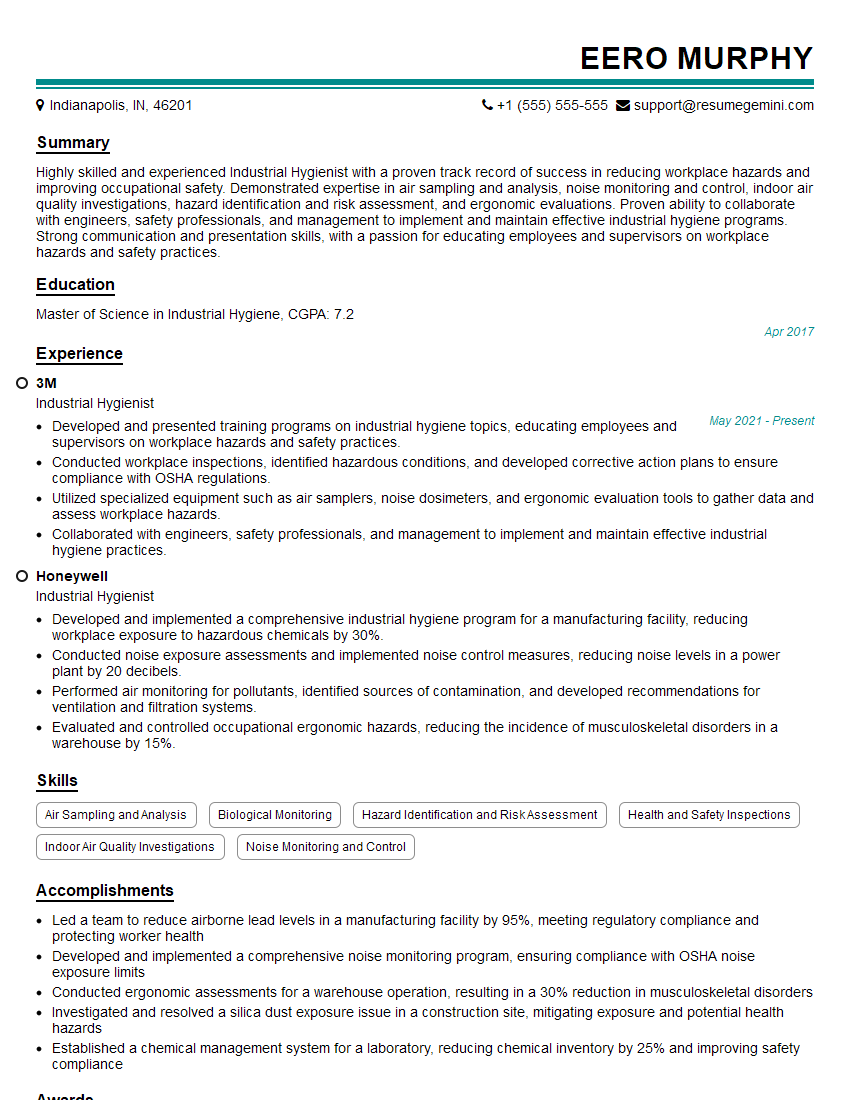
Industrial Hygienist Resume Sample
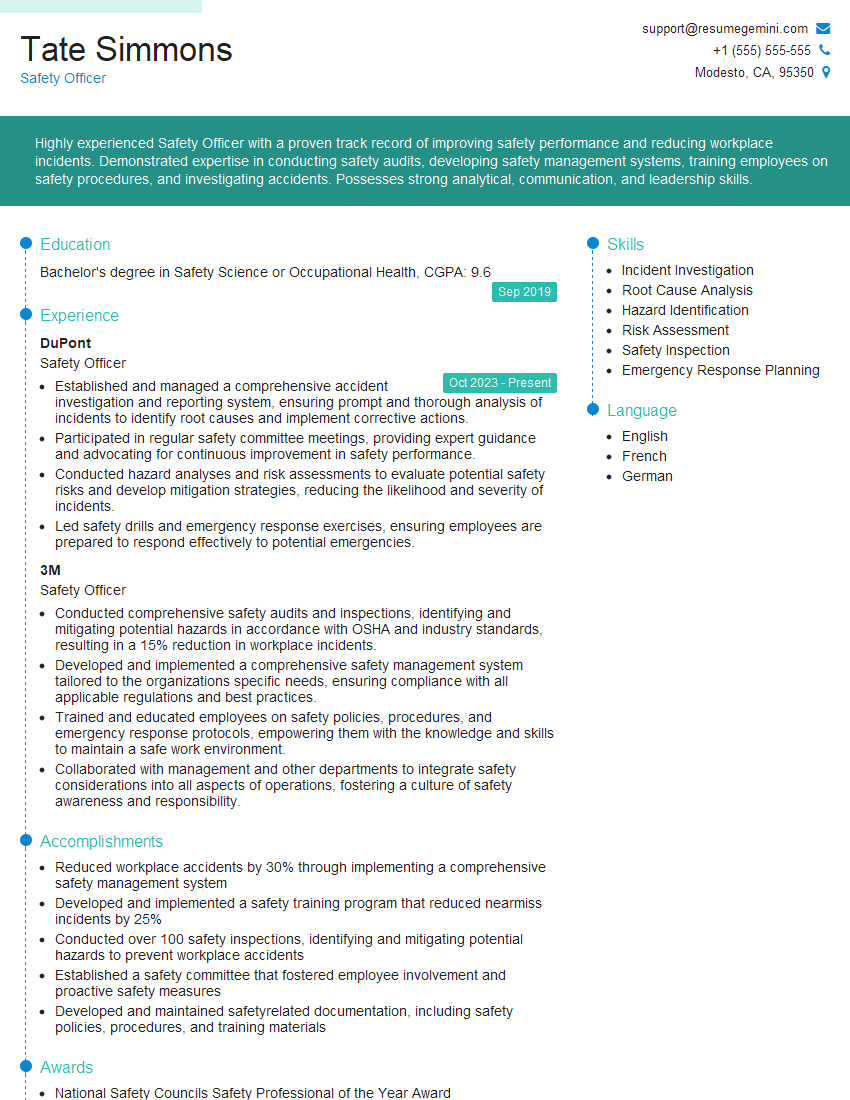
Safety Officer Resume Sample
- Compliance Director
- Quality Assurance Manager
- Quality Control Manager
- Regulatory Affairs Manager
- Compliance Manager
- Risk Manager
- Environmental Compliance Officer
- Regulatory Affairs Specialist
- Compliance Auditor
- Quality Systems Manager
- Process Safety Engineer
- Safety Consultant
- Safety Engineer
- Industrial Hygienist
- Safety Officer
Explore more articles
Users Rating of Our Blogs
Share Your Experience
We value your feedback! Please rate our content and share your thoughts (optional).
What Readers Say About Our Blog
Attention music lovers!
Wow, All the best Sax Summer music !!!
Spotify: https://open.spotify.com/artist/6ShcdIT7rPVVaFEpgZQbUk
Apple Music: https://music.apple.com/fr/artist/jimmy-sax-black/1530501936
YouTube: https://music.youtube.com/browse/VLOLAK5uy_noClmC7abM6YpZsnySxRqt3LoalPf88No
Other Platforms and Free Downloads : https://fanlink.tv/jimmysaxblack
on google : https://www.google.com/search?q=22+AND+22+AND+22
on ChatGPT : https://chat.openai.com?q=who20jlJimmy20Black20Sax20Producer
Get back into the groove with Jimmy sax Black
Best regards,
Jimmy sax Black
www.jimmysaxblack.com
Hi I am a troller at The aquatic interview center and I suddenly went so fast in Roblox and it was gone when I reset.
Hi,
Business owners spend hours every week worrying about their website—or avoiding it because it feels overwhelming.
We’d like to take that off your plate:
$69/month. Everything handled.
Our team will:
Design a custom website—or completely overhaul your current one
Take care of hosting as an option
Handle edits and improvements—up to 60 minutes of work included every month
No setup fees, no annual commitments. Just a site that makes a strong first impression.
Find out if it’s right for you:
https://websolutionsgenius.com/awardwinningwebsites
Hello,
we currently offer a complimentary backlink and URL indexing test for search engine optimization professionals.
You can get complimentary indexing credits to test how link discovery works in practice.
No credit card is required and there is no recurring fee.
You can find details here:
https://wikipedia-backlinks.com/indexing/
Regards
NICE RESPONSE TO Q & A
hi
The aim of this message is regarding an unclaimed deposit of a deceased nationale that bears the same name as you. You are not relate to him as there are millions of people answering the names across around the world. But i will use my position to influence the release of the deposit to you for our mutual benefit.
Respond for full details and how to claim the deposit. This is 100% risk free. Send hello to my email id: lukachachibaialuka@gmail.com
Luka Chachibaialuka
Hey interviewgemini.com, just wanted to follow up on my last email.
We just launched Call the Monster, an parenting app that lets you summon friendly ‘monsters’ kids actually listen to.
We’re also running a giveaway for everyone who downloads the app. Since it’s brand new, there aren’t many users yet, which means you’ve got a much better chance of winning some great prizes.
You can check it out here: https://bit.ly/callamonsterapp
Or follow us on Instagram: https://www.instagram.com/callamonsterapp
Thanks,
Ryan
CEO – Call the Monster App
Hey interviewgemini.com, I saw your website and love your approach.
I just want this to look like spam email, but want to share something important to you. We just launched Call the Monster, a parenting app that lets you summon friendly ‘monsters’ kids actually listen to.
Parents are loving it for calming chaos before bedtime. Thought you might want to try it: https://bit.ly/callamonsterapp or just follow our fun monster lore on Instagram: https://www.instagram.com/callamonsterapp
Thanks,
Ryan
CEO – Call A Monster APP
To the interviewgemini.com Owner.
Dear interviewgemini.com Webmaster!
Hi interviewgemini.com Webmaster!
Dear interviewgemini.com Webmaster!
excellent
Hello,
We found issues with your domain’s email setup that may be sending your messages to spam or blocking them completely. InboxShield Mini shows you how to fix it in minutes — no tech skills required.
Scan your domain now for details: https://inboxshield-mini.com/
— Adam @ InboxShield Mini
support@inboxshield-mini.com
Reply STOP to unsubscribe
Hi, are you owner of interviewgemini.com? What if I told you I could help you find extra time in your schedule, reconnect with leads you didn’t even realize you missed, and bring in more “I want to work with you” conversations, without increasing your ad spend or hiring a full-time employee?
All with a flexible, budget-friendly service that could easily pay for itself. Sounds good?
Would it be nice to jump on a quick 10-minute call so I can show you exactly how we make this work?
Best,
Hapei
Marketing Director
Hey, I know you’re the owner of interviewgemini.com. I’ll be quick.
Fundraising for your business is tough and time-consuming. We make it easier by guaranteeing two private investor meetings each month, for six months. No demos, no pitch events – just direct introductions to active investors matched to your startup.
If youR17;re raising, this could help you build real momentum. Want me to send more info?
Hi, I represent an SEO company that specialises in getting you AI citations and higher rankings on Google. I’d like to offer you a 100% free SEO audit for your website. Would you be interested?
Hi, I represent an SEO company that specialises in getting you AI citations and higher rankings on Google. I’d like to offer you a 100% free SEO audit for your website. Would you be interested?