The right preparation can turn an interview into an opportunity to showcase your expertise. This guide to Familiar with seed varieties and their suitability for replanting interview questions is your ultimate resource, providing key insights and tips to help you ace your responses and stand out as a top candidate.
Questions Asked in Familiar with seed varieties and their suitability for replanting Interview
Q 1. What factors determine the suitability of a seed variety for replanting?
Several crucial factors determine a seed variety’s suitability for replanting. It’s not simply about planting any seed; success hinges on genetic factors, environmental adaptability, and seed quality. Let’s break it down:
- Genetic Purity: Hybrid seeds, for instance, often produce offspring with unpredictable traits, unlike heirloom varieties which tend to maintain their characteristics across generations. Replanting hybrid seeds might result in a crop inferior to the parent plant.
- Disease Resistance: If the parent plants suffered from specific diseases, their seeds might carry a predisposition to those same diseases. Replanting in the same location without appropriate crop rotation or soil treatment could exacerbate the problem.
- Seed Viability: This refers to the seed’s capacity to germinate and grow. Factors such as seed age, storage conditions, and handling practices significantly impact viability. Old or poorly stored seeds are less likely to successfully germinate.
- Environmental Adaptation: A seed variety thriving in one region might not perform well in another with different climatic conditions, soil types, or pest pressures. Replanting should consider the specific needs of the seed and the environment it will encounter.
For example, a high-yield hybrid corn variety might be ideal for commercial farming in its first planting, but replanting its seeds may not yield similar results due to a lack of genetic uniformity. Heirloom tomato varieties, on the other hand, are often chosen for replanting due to their stable characteristics and ability to adapt to local conditions over time.
Q 2. Explain the concept of seed dormancy and its implications for replanting.
Seed dormancy is a natural mechanism that prevents seeds from germinating until conditions are favorable for growth. It’s like nature’s built-in pause button! This is vital for species survival, ensuring that seeds don’t sprout during unfavorable weather such as winter or drought.
For replanting, understanding seed dormancy is crucial. Some seeds have innate dormancy, requiring specific treatments like stratification (cold moist treatment) or scarification (breaking the seed coat) to break dormancy and trigger germination. Other seeds have imposed dormancy, where external factors like lack of light or moisture prevent germination. This is a factor to consider, because simply planting seeds that have not broken dormancy will often result in no growth.
Implications for Replanting: If you’re replanting seeds that require breaking dormancy, you must know the species’ dormancy requirements to ensure successful germination. Otherwise, you might waste seeds and time. For example, many types of wildflowers need cold stratification before they’ll germinate in the spring.
Q 3. How does seed storage affect the viability and suitability for replanting?
Seed storage significantly impacts viability and suitability for replanting. Proper storage is crucial in maintaining seed quality over time. Improper storage can lead to reduced germination rates, increased seedborne diseases, and decreased vigor in seedlings.
- Temperature: Seeds should be stored in cool, dry conditions. High temperatures accelerate aging and reduce viability.
- Moisture: High humidity promotes fungal growth and deteriorates seeds. Low humidity is necessary for longer storage.
- Light: Some seeds are sensitive to light, which can negatively affect germination. Storing in dark, opaque containers is often beneficial.
- Oxygen: Minimizing oxygen exposure can help slow down seed deterioration. Using airtight containers can help achieve this.
Imagine storing your seeds in a warm, damp place – this is a recipe for disaster! The seeds will likely sprout prematurely (if they don’t rot first), rendering them unsuitable for planting later. In contrast, seeds stored at low temperatures and low humidity often maintain viability for years, if not decades depending on the species. For example, correctly stored vegetable seeds typically maintain good viability for 1-3 years, but seeds from some trees can remain viable for years and even decades.
Q 4. Describe the different types of seed treatments and their impact on replanting success.
Seed treatments improve germination rates, protect against diseases, and enhance seedling establishment. Several types exist, each serving a unique purpose:
- Fungicide Treatments: Protect seeds from fungal pathogens during germination and early seedling growth.
- Insecticide Treatments: Safeguard against seed-borne insect pests.
- Growth Regulators: Promote uniform germination and improved seedling vigor.
- Pelleting: Coats small seeds with an inert material, making them easier to handle and sow. This improves germination uniformity and seedling establishment.
Impact on Replanting Success: Seed treatments greatly improve chances of successful replanting, especially when dealing with poor seed quality, disease outbreaks in previous crops, or challenging environmental conditions. Imagine trying to grow vegetables in an area with high fungal pressure. Untreated seeds are more likely to succumb to disease, resulting in poor yields, while treated seeds are more likely to thrive. Similarly, pelleting improves the planting process and may allow for better seedling establishment, especially in a no-till situation.
Q 5. What are the key characteristics to consider when selecting seed varieties for specific soil types?
Soil type profoundly influences seed selection. Different plants have different soil requirements. Key characteristics to consider include:
- Soil Drainage: Poorly drained soils are unsuitable for seeds requiring well-aerated roots. Look for varieties tolerant of waterlogged conditions.
- Soil pH: Soil acidity or alkalinity dictates nutrient availability. Certain seeds thrive in specific pH ranges. Always check the specific requirements of your chosen seeds.
- Soil Texture: Sandy soils offer better drainage and aeration, while clay soils retain more moisture but may have poor drainage. Select seeds adapted to the texture of your soil.
- Soil Fertility: Nutrient levels in the soil affect plant growth. Choosing seed varieties suited to your soil’s fertility is important, and additional fertilizers might be needed.
For instance, selecting drought-tolerant varieties for sandy soils with poor water retention or choosing nitrogen-fixing plants for nutrient-deficient soil are essential for success. Similarly, using legumes on soils with low organic matter content will help improve soil health, leading to better crops in future plant cycles.
Q 6. How do climate conditions influence the choice of seed varieties for replanting?
Climate conditions are paramount when choosing seeds for replanting. Factors to consider include:
- Temperature: Seeds have specific temperature requirements for germination and growth. Choose varieties suited to your region’s average temperatures and expected extremes (like early or late frosts).
- Rainfall: Water availability significantly influences seed selection. Drought-resistant varieties are crucial in arid regions, while those that tolerate excessive moisture are important in wetter climates.
- Sunlight: Select seeds that thrive in the amount of sunlight available in your planting location. This often involves considering the latitude, elevation, and proximity to trees or buildings.
- Growing Season Length: This dictates which crops can be successfully grown in a given area. Choose seeds with maturation periods appropriate for your growing season.
For example, choosing heat-tolerant varieties for a hot, dry climate ensures better yields than planting seeds better suited for a temperate zone. Similarly, planting frost-tolerant varieties in an area known for late frosts reduces the risk of crop failure.
Q 7. What are the potential risks associated with using inferior quality seeds for replanting?
Using inferior quality seeds for replanting carries several risks:
- Low Germination Rates: Poor quality seeds have lower germination rates, resulting in uneven stands, poor crop establishment, and reduced yields. This translates to wasted time, effort, and resources.
- Increased Disease and Pest Susceptibility: Inferior seeds might carry pathogens or be more vulnerable to pests, leading to disease outbreaks and further crop losses.
- Reduced Crop Vigor: Weak seedlings from inferior seeds may be less vigorous, resulting in lower yields and smaller fruits or vegetables.
- Genetic Instability: Poor quality seeds, especially from hybrid varieties, are likely to show unpredictable growth patterns across generations, leading to inconsistent results.
The consequences of using inferior seeds can be severe, leading to significant financial losses and wasted resources. In commercial farming, this could result in enormous economic repercussions; in home gardens, it’s a disappointment that impacts your food supply. It’s always worth investing in high-quality, certified seeds from reliable sources to minimize these risks. The difference between choosing quality seeds versus inferior seeds is often the difference between a bountiful harvest and a frustrating failure.
Q 8. Explain the importance of seed certification in ensuring the suitability for replanting.
Seed certification is paramount for ensuring the suitability of seeds for replanting. It’s like a quality control stamp, guaranteeing that the seeds you’re planting meet specific standards for purity, germination rate, and freedom from diseases. A certified seed lot undergoes rigorous testing to verify its genetic identity and health. This is crucial because using uncertified seeds increases the risk of planting inferior or diseased seeds, leading to poor yields, reduced crop quality, and potential spread of plant diseases across your fields. Imagine planting seeds unknowingly contaminated with a virus – you risk compromising your entire crop!
Certification programs vary by region and crop but generally involve inspections at different stages of seed production, from the growing of the parent crop to the final processing and packaging of the seeds. This ensures traceability and accountability throughout the supply chain. Choosing certified seeds gives you peace of mind and significantly increases your chances of a successful harvest.
Q 9. How do you assess the germination rate of seeds before replanting?
Assessing germination rate is a critical step before replanting. It determines the percentage of seeds in a lot that will successfully sprout and grow under optimal conditions. We use a germination test, often involving placing a sample of seeds on a moist medium (like filter paper or germination substrate) under controlled temperature and light conditions. The seeds are monitored daily for sprouting, and the percentage of seeds germinating within a specific time frame is calculated.
For example, a standard germination test might involve placing 100 seeds on a moist paper towel in a petri dish, kept in a dark, controlled-temperature environment. After seven days, we count the number of seeds that have germinated. If 85 seeds germinated, the germination rate is 85%. A high germination rate (ideally above 85% for most crops) indicates seed viability and increases the chances of a successful planting. This test allows us to reject seed lots with low germination rates, saving time, resources, and preventing planting failure.
Q 10. What are the common seedborne diseases and how do they affect replanting success?
Seedborne diseases are a major threat to replanting success. These are diseases that can be transmitted through infected seeds, often remaining dormant until favorable conditions trigger their development. Examples include fungal diseases like Fusarium wilt (affecting tomatoes and other crops), bacterial diseases like bacterial blight (common in beans), and viral diseases like tobacco mosaic virus (affecting tobacco and other plants).
These diseases can severely impact plant growth, causing reduced yields, stunted growth, deformed fruits or vegetables, and even plant death. The severity of the effect depends on the type of disease, the susceptibility of the crop, and environmental factors. For example, Fusarium wilt can severely reduce tomato yields by causing wilting and root rot, while bacterial blight can cause lesions and defoliation in beans, significantly impacting their productivity. Proper seed treatment (e.g., using fungicides or disinfectants) and selecting disease-resistant varieties are crucial for mitigating these risks.
Q 11. Discuss the different methods of seed propagation and their suitability for various crops.
Seed propagation methods vary depending on the crop. The most common are direct seeding (planting seeds directly into the final growing location) and indirect seeding (growing seedlings in a nursery before transplanting them).
- Direct seeding: Suitable for many crops like corn, wheat, and beans that tolerate direct sowing and have good germination rates. It’s cost-effective and efficient, but success depends on favorable environmental conditions.
- Indirect seeding (transplanting): Ideal for crops like tomatoes, peppers, and lettuce, which benefit from the controlled environment of a nursery before transplantation. It allows for better control over germination and initial growth, and helps protect delicate seedlings from pests and harsh weather.
- Other methods: Include cutting propagation (from stem cuttings), layering (bending stems to root), grafting (joining parts of different plants), and tissue culture (growing plants from small tissue samples in a laboratory).
The choice depends on factors like crop type, climate, resources, and desired level of control. For instance, direct seeding is often preferred for large-scale farming of hardy crops, while transplanting is more suitable for delicate crops in regions with unpredictable weather.
Q 12. How does plant spacing affect the yield and success of replanting?
Plant spacing significantly impacts replanting success and yield. Appropriate spacing ensures that each plant has enough access to sunlight, water, nutrients, and space to grow without competing with its neighbors. Too close spacing leads to overcrowding, resulting in reduced light penetration, increased competition for resources, and higher susceptibility to diseases and pests. This often translates into smaller plants, smaller yields, and poor quality produce.
Conversely, too much spacing can be wasteful, leaving unused land and potentially reducing overall yield. The optimal spacing varies greatly depending on the crop type, its growth habit, the environmental conditions, and the farming practices employed. For example, tomatoes require more space than lettuce, and crops grown in regions with higher sunlight might benefit from wider spacing than those in shaded areas.
Proper plant spacing is a crucial aspect of maximizing yields and ensuring successful replanting. Careful planning, considering factors like crop characteristics and local conditions, is essential for maximizing the return on investment.
Q 13. Describe the process of seed selection and its impact on crop yield.
Seed selection is a crucial step influencing crop yield. It involves carefully choosing seeds with desirable traits, such as high germination rate, disease resistance, desirable growth habit, and yield potential. This process starts with selecting superior parent plants and harvesting their seeds. Many farmers use seed saving techniques to maintain superior varieties or prefer to purchase high-quality seeds from reputable suppliers.
For instance, a farmer might select seeds from tomato plants that consistently produced large, flavorful fruits and displayed resistance to common diseases. These seeds are then cleaned, graded, and stored properly to ensure viability for the next planting season. The impact on yield is profound. Seeds with superior traits contribute to a more robust crop, leading to higher yields and improved quality. Ignoring this step can lead to reduced yields, poor quality produce, and increased susceptibility to diseases and pests.
Q 14. Explain the role of genetic diversity in ensuring the success of replanting.
Genetic diversity is essential for the long-term success of replanting. It refers to the variety of genes within a population of plants. A diverse gene pool provides resilience against pests, diseases, and environmental stresses. If a crop lacks diversity and a disease attacks, the entire population might be susceptible, resulting in significant losses.
Think of it like this: a diverse population is like a well-diversified investment portfolio – less vulnerable to a single catastrophic event. A monoculture (planting only one variety) is risky as it lacks resilience against diseases or environmental changes. Maintaining genetic diversity involves planting different varieties, rotating crops, and using seed from different sources. This ensures that the population is better equipped to adapt to challenges and maintain long-term productivity. In essence, genetic diversity acts as an insurance policy for a sustainable agricultural system.
Q 15. What are the advantages and disadvantages of using hybrid seeds for replanting?
Hybrid seeds, produced by crossing two distinct parent lines, offer advantages like higher yields and improved disease resistance compared to open-pollinated varieties. However, replanting hybrid seeds is generally not recommended. This is because the offspring from hybrid seeds won’t consistently inherit the desirable traits of the parents; they’ll exhibit significant variation, potentially resulting in lower yields and inconsistent quality. Think of it like baking a cake – if you use a specific recipe (hybrid), you get a predictable outcome. But if you try to make a new recipe from the resulting cake (replanting hybrid seeds), you won’t get the same cake again.
- Advantages (for the initial planting): Increased yield, improved disease/pest resistance, uniformity in plant size and maturity.
- Disadvantages (for replanting): Significant loss of hybrid vigor (heterosis) in subsequent generations, unpredictable plant characteristics, reduced yield, and potential increase in susceptibility to diseases.
Career Expert Tips:
- Ace those interviews! Prepare effectively by reviewing the Top 50 Most Common Interview Questions on ResumeGemini.
- Navigate your job search with confidence! Explore a wide range of Career Tips on ResumeGemini. Learn about common challenges and recommendations to overcome them.
- Craft the perfect resume! Master the Art of Resume Writing with ResumeGemini’s guide. Showcase your unique qualifications and achievements effectively.
- Don’t miss out on holiday savings! Build your dream resume with ResumeGemini’s ATS optimized templates.
Q 16. How do you handle seed-related problems like poor germination or uneven emergence?
Poor germination and uneven emergence are common seed-related problems. Addressing them requires a systematic approach. First, ensure proper seed quality by purchasing from reputable suppliers and checking for germination rates. Second, optimize planting conditions; this involves checking soil temperature, moisture, and depth. Deep planting can hinder emergence while too shallow planting leaves seeds vulnerable to desiccation.
- Seed Quality Check: Conduct a germination test before large-scale planting – this involves sowing a sample of seeds under ideal conditions and monitoring germination rates. A low germination rate indicates poor seed quality.
- Environmental Factors: Ensure adequate soil moisture, appropriate soil temperature for the seed variety (check seed packet for recommended temperature), and proper planting depth.
- Addressing Uneven Emergence: Thinning may be required to ensure uniform plant spacing, if the emergence is uneven. This improves resource use and yield.
- Disease/Pest Control: Examine for seedling diseases – early detection and application of appropriate fungicides or insecticides as recommended by local agricultural specialists may be needed.
Q 17. What are the best practices for storing seeds to maintain their viability for replanting?
Proper seed storage is crucial for maintaining viability. Seeds should be stored in a cool, dry, and dark environment. High temperatures and humidity accelerate seed deterioration. Airtight containers are ideal to prevent moisture absorption and insect infestation. For long-term storage (beyond one year), consider using vacuum sealing or adding desiccant packets.
- Temperature: Ideally between 32°F (0°C) and 41°F (5°C).
- Humidity: Low humidity is vital, below 40% RH is recommended.
- Darkness: Protect seeds from direct sunlight to prevent photo-degradation.
- Container: Use airtight, moisture-proof containers such as glass jars or sealed plastic bags.
- Labeling: Clearly label containers with seed type, variety, date of harvest, and germination rate.
For example, I once helped a farmer whose seeds had lost viability due to improper storage in a humid shed. By recommending cold storage and airtight containers, we managed to substantially improve their germination rate for the following season.
Q 18. How does the age of seeds impact their suitability for replanting?
Seed age significantly impacts viability and germination rate. As seeds age, their ability to germinate diminishes. The rate of deterioration depends on the seed species, storage conditions, and inherent seed quality. Generally, older seeds will have lower germination rates and weaker seedlings. While some seeds might remain viable for several years, many will have substantially reduced germination rates after just a few years. Always check the seed packet for the recommended shelf life.
- Germination Rate Decline: Expect a decrease in germination potential over time.
- Seedling Vigor Reduction: Seedlings from older seeds may be weaker and less vigorous, making them more susceptible to diseases and environmental stress.
- Variability Increase: Germination may be uneven, and the resulting plants may show greater variation in size and growth characteristics.
Q 19. What are the common pest and disease issues associated with specific seed varieties?
Pest and disease issues vary significantly depending on the seed variety and environmental conditions. Some common examples include:
- Corn: Susceptible to corn borers, rootworms, and fungal diseases like Fusarium ear rot.
- Soybeans: Vulnerable to soybean cyst nematodes, aphids, and fungal diseases like frogeye leaf spot.
- Wheat: Prone to Hessian flies, wheat rusts, and fungal diseases such as Septoria tritici blotch.
It’s important to consult local agricultural experts or extension services for specific pest and disease information relevant to your region and chosen seed variety. They can advise on preventative measures, appropriate pesticides (if necessary), and integrated pest management strategies. Regular field inspections are crucial for early detection of problems.
Q 20. Explain the concept of seed vigor and its importance in replanting success.
Seed vigor refers to the overall strength and health of a seed, influencing its ability to germinate quickly and produce strong, healthy seedlings. High seed vigor ensures rapid and uniform emergence, leading to better establishment and ultimately higher yields. Factors like seed maturity, storage conditions, and genetic makeup influence seed vigor. Imagine two runners; one with high vigor (strong, healthy, ready to race) and another with low vigor (weak, unhealthy, slow to start). The high-vigor runner will have a much better chance of winning the race (achieving a successful harvest).
- Importance for Replanting: High vigor is essential for successful replanting, as it increases the chances of successful germination even under less-than-ideal conditions.
- Assessing Seed Vigor: Germination tests and seedling vigor assessments can help estimate seed vigor.
- Maintaining Seed Vigor: Proper seed harvesting, handling, storage, and pre-sowing treatments contribute to maintaining high seed vigor.
Q 21. How do you determine the appropriate planting depth for different seed varieties?
Appropriate planting depth varies significantly depending on the seed size and type. Smaller seeds require shallower planting, while larger seeds can be planted deeper. Planting too shallow exposes seeds to desiccation and predation, whereas planting too deep hinders emergence. Seed packets generally provide planting depth recommendations; however, local conditions and soil type might necessitate adjustments. For example, heavier clay soils might require slightly shallower planting compared to lighter sandy soils.
- General Rule: Aim for a depth that’s roughly two to three times the seed diameter.
- Exceptions: Some seeds, like corn, may require deeper planting to reach adequate moisture levels.
- Soil Type Consideration: Adjust depth depending on soil type and texture. Heavier soils may necessitate shallower planting to facilitate emergence.
- Check Seed Packet: Always check the recommended planting depth on the seed packet for the most reliable information.
Q 22. What are the environmental implications of choosing different seed varieties?
Choosing different seed varieties significantly impacts the environment. The selection influences water usage, fertilizer needs, pest susceptibility, and overall ecosystem health. For example, drought-resistant varieties reduce water consumption, while pest-resistant varieties minimize the need for pesticides, thus protecting beneficial insects and reducing soil and water contamination. Conversely, selecting varieties ill-suited to the climate can lead to increased water stress, higher fertilizer application, and ultimately, lower yields, increasing the environmental footprint per unit of produce.
- Water Usage: Drought-tolerant varieties like certain sorghum types can thrive in arid conditions, reducing water stress on the environment.
- Pest & Disease Resistance: Selecting varieties resistant to common pests decreases the need for pesticides, minimizing their environmental impact.
- Soil Health: Cover crops, which are specific seed varieties, can improve soil health by preventing erosion and adding organic matter.
Q 23. Describe the role of soil testing in selecting appropriate seed varieties for replanting.
Soil testing is crucial for selecting appropriate seed varieties. It provides insights into the soil’s pH, nutrient levels (nitrogen, phosphorus, potassium, etc.), and texture. This information helps determine which varieties will thrive in those specific conditions. For example, acidic soils might require varieties that tolerate low pH, while nutrient-deficient soils might necessitate varieties with low nutrient requirements or those that are known to improve the soil’s nutrient content over time. Ignoring soil testing can lead to poor germination rates, stunted growth, and reduced yields, resulting in economic losses.
A comprehensive soil test report will guide you in choosing varieties adapted to your specific soil conditions, potentially eliminating the need for excessive fertilization or soil amendments, thereby improving sustainability.
Q 24. How do you identify and address issues related to seed purity and identity?
Seed purity and identity are paramount for successful replanting. Seed purity refers to the absence of unwanted weed seeds, other crop seeds, or inert matter. Seed identity ensures that the seed is exactly what it is labeled to be. Issues can be identified through visual inspection (looking for foreign material or abnormal seed morphology), germination tests (checking the percentage of seeds that successfully sprout), and more advanced techniques like DNA fingerprinting for precise identification and detection of off-types.
Addressing issues involves sourcing seeds from reputable suppliers with robust quality control measures. Regular testing of seed lots helps to detect and prevent problems before planting. If contamination is discovered, affected seed lots should be segregated or discarded.
Q 25. What are the regulatory requirements related to the sale and use of specific seed varieties?
Regulatory requirements for seed varieties vary by region and country but generally focus on ensuring seed quality, preventing the spread of diseases or invasive species, and protecting intellectual property. Regulations might dictate labeling requirements (variety name, germination rate, purity), seed testing standards, and restrictions on the sale and import/export of certain varieties. These regulations often involve government agencies responsible for seed certification and plant protection. Non-compliance can result in penalties and legal ramifications.
For example, regulations may prohibit the sale of seed varieties known to carry particular plant diseases or those that are considered invasive in a given region.
Q 26. Explain the difference between open-pollinated and hybrid seed varieties and their implications for replanting.
Open-pollinated varieties reproduce true to type, meaning their offspring will have similar characteristics to the parent plant. This allows farmers to save seeds from one year’s harvest and replant them the following year without significant loss of desirable traits. Hybrid varieties, on the other hand, are created by crossing two distinct inbred lines. These hybrids often exhibit superior traits like higher yield or disease resistance but their offspring will exhibit greater variability in characteristics and might not match the parent plant’s desirable traits. Replanting hybrid seeds rarely yields satisfactory results, thus making it necessary to purchase new seeds every year.
Therefore, the choice between open-pollinated and hybrid seeds greatly impacts replanting strategies and costs.
Q 27. How do you calculate the required amount of seeds for a given area and planting density?
Calculating the required amount of seeds involves considering the area to be planted and the desired planting density. Planting density is expressed as the number of seeds per unit area (e.g., seeds per square meter or seeds per acre).
Calculation:
Total seeds needed = Area to be planted × Planting density
Example: If you have 100 square meters and want a planting density of 10 seeds per square meter, you would need 1000 seeds (100 m² × 10 seeds/m² = 1000 seeds). However, always add a buffer (e.g., 10-15%) to account for poor seed germination or potential losses.
Seed packets usually provide information on the number of seeds per packet and suggested spacing for a particular variety.
Q 28. What are some innovative techniques or technologies used for seed selection and replanting?
Innovative technologies are revolutionizing seed selection and replanting. Precision seed drills ensure accurate spacing and depth of planting, maximizing efficiency and resource utilization. Marker-assisted selection (MAS) uses DNA markers to identify desirable traits in plants, enabling breeders to select superior varieties more efficiently. Seed coating technologies enhance seed germination, protect against diseases, and improve nutrient delivery. Furthermore, remote sensing and image analysis can assess crop health and yield potential from aerial or satellite imagery, providing valuable information for optimizing seed selection and planting strategies in the future.
These technologies contribute to increased yields, improved sustainability, and greater resilience to climate change.
Key Topics to Learn for Familiar with seed varieties and their suitability for replanting Interview
- Seed Physiology: Understanding seed dormancy, germination requirements, and factors affecting seed viability. This includes the impact of environmental conditions and seed storage practices.
- Seed Variety Characteristics: Knowledge of different seed types (hybrid, open-pollinated, heirloom), their genetic traits, and implications for yield, disease resistance, and adaptation to specific growing conditions. Consider the implications of selecting varieties for different climates and soil types.
- Replanting Considerations: Analyzing the suitability of seed varieties for replanting based on factors like disease prevalence in previous crops, genetic diversity, and potential for inbreeding depression. This includes understanding the risks and benefits of saving and reusing seeds versus purchasing new seed stock.
- Seed Health and Disease Management: Identifying common seed-borne diseases and pests, and implementing preventative measures to ensure successful replanting. This might involve seed treatments or crop rotation strategies.
- Practical Application: Developing strategies for seed selection, storage, and handling to maximize germination rates and crop yields in replanting scenarios. Consider the logistical challenges involved in large-scale replanting operations.
- Problem-Solving: Analyzing situations where replanting fails and diagnosing potential causes, such as poor seed quality, improper planting techniques, or environmental factors. This involves developing solutions to overcome these challenges and improve future replanting success.
Next Steps
Mastering knowledge of seed varieties and their suitability for replanting is crucial for career advancement in agriculture, horticulture, and related fields. A strong understanding of these principles demonstrates practical skills and a commitment to sustainable practices. To showcase your expertise effectively, building a strong, ATS-friendly resume is essential. ResumeGemini can help you create a professional and impactful resume that highlights your qualifications. ResumeGemini offers examples of resumes tailored to roles requiring expertise in seed varieties and their suitability for replanting, ensuring your application stands out.
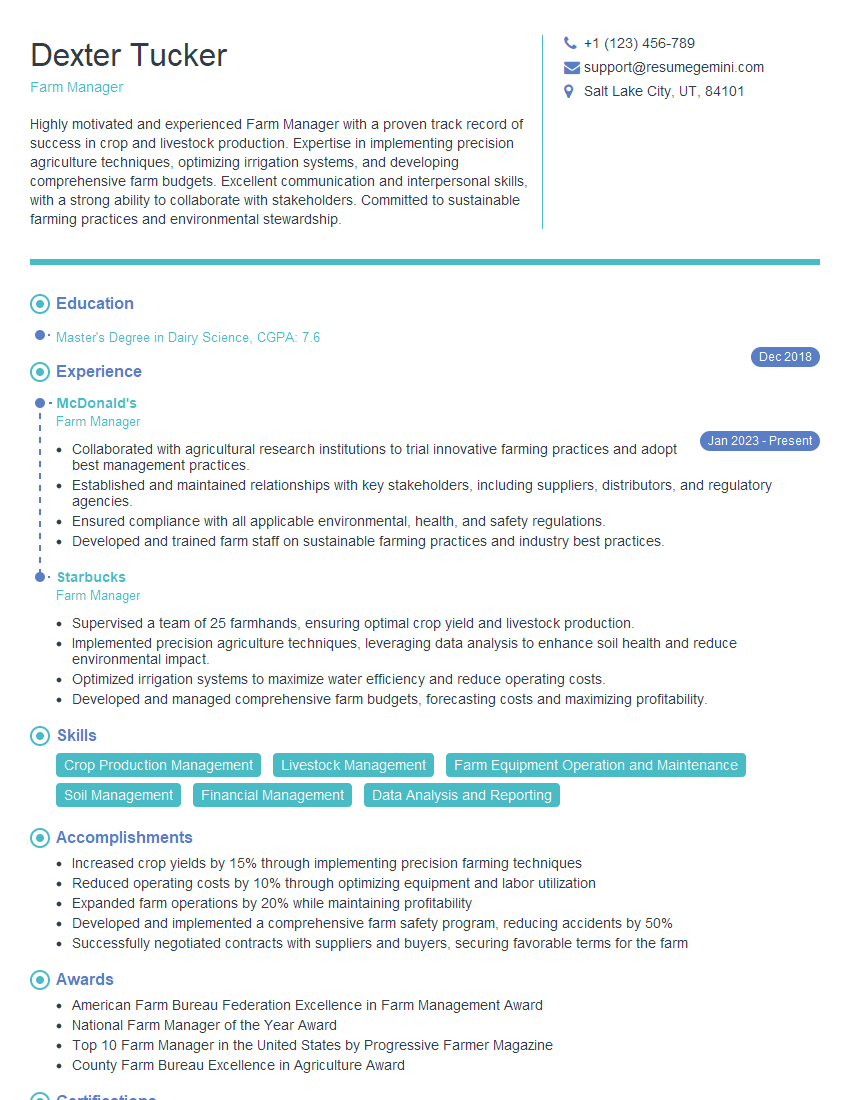
Farm Manager Resume Sample
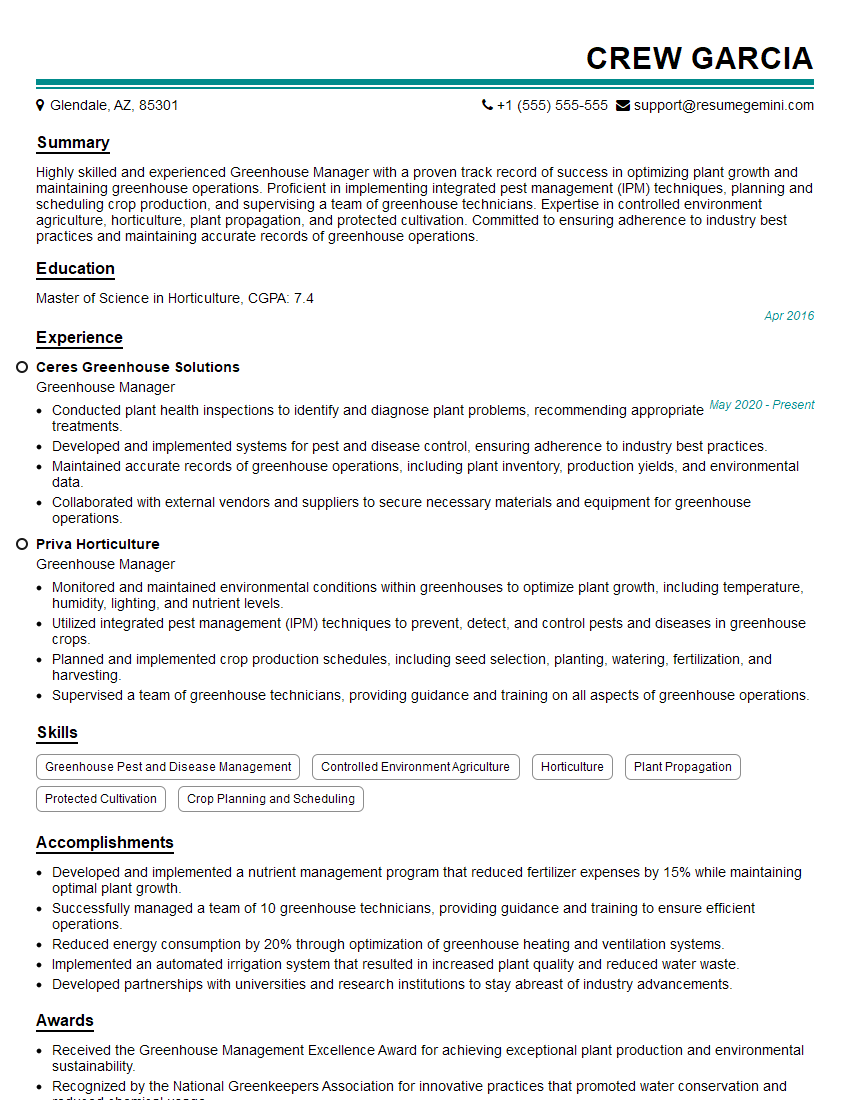
Greenhouse Manager Resume Sample

Nursery Manager Resume Sample
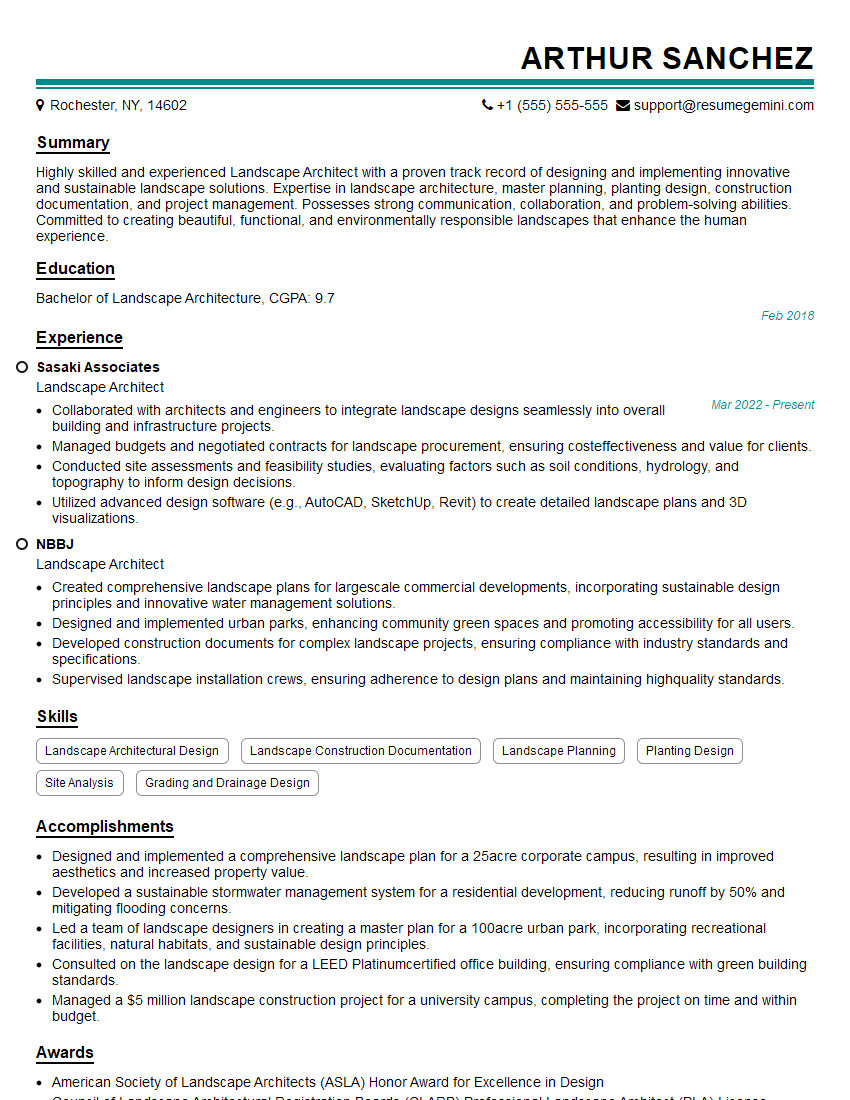
Landscape Architect Resume Sample
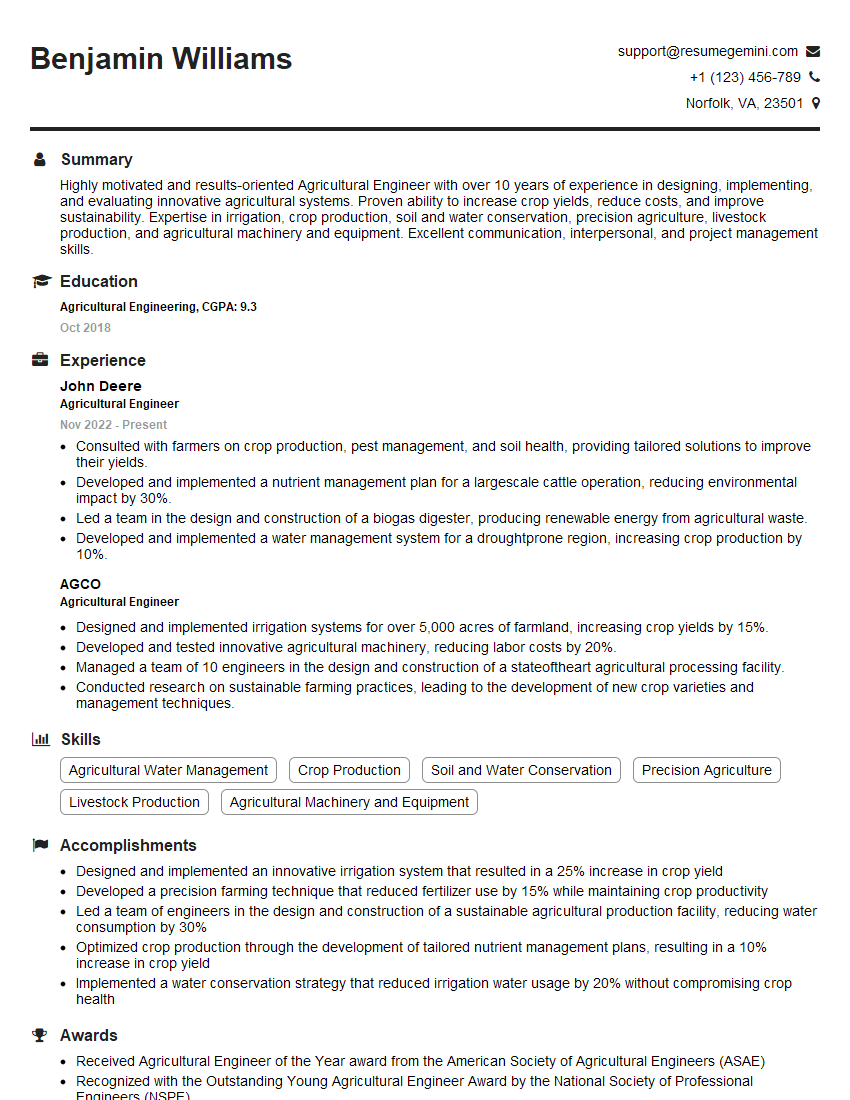
Agricultural Engineer Resume Sample
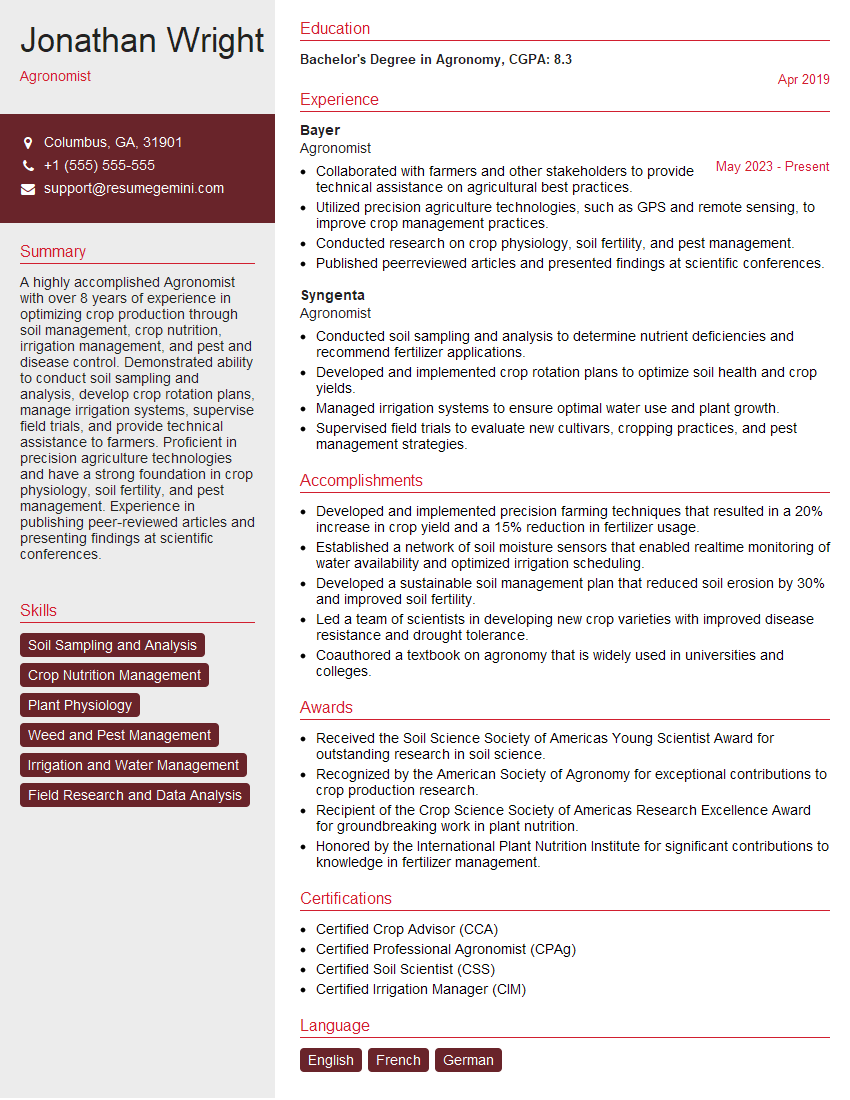
Agronomist Resume Sample
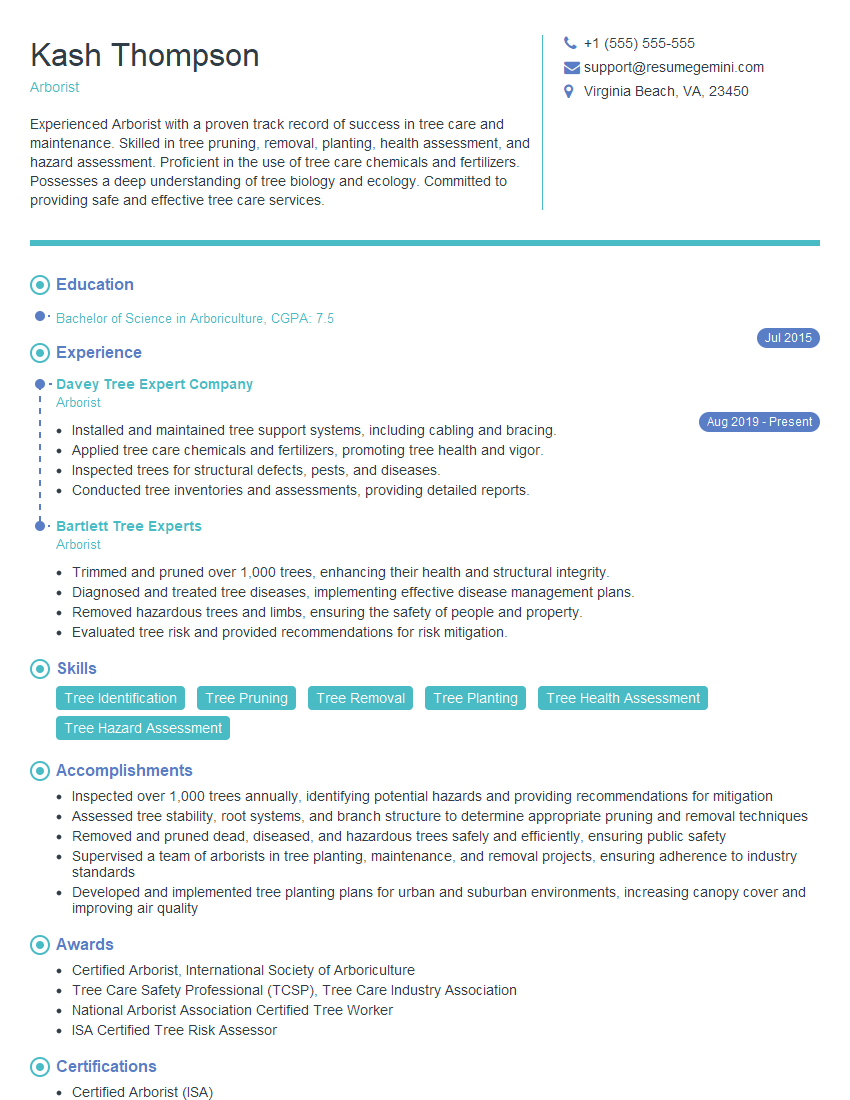
Arborist Resume Sample

Plant Breeder Resume Sample

Soil Scientist Resume Sample

Seed Analyst Resume Sample
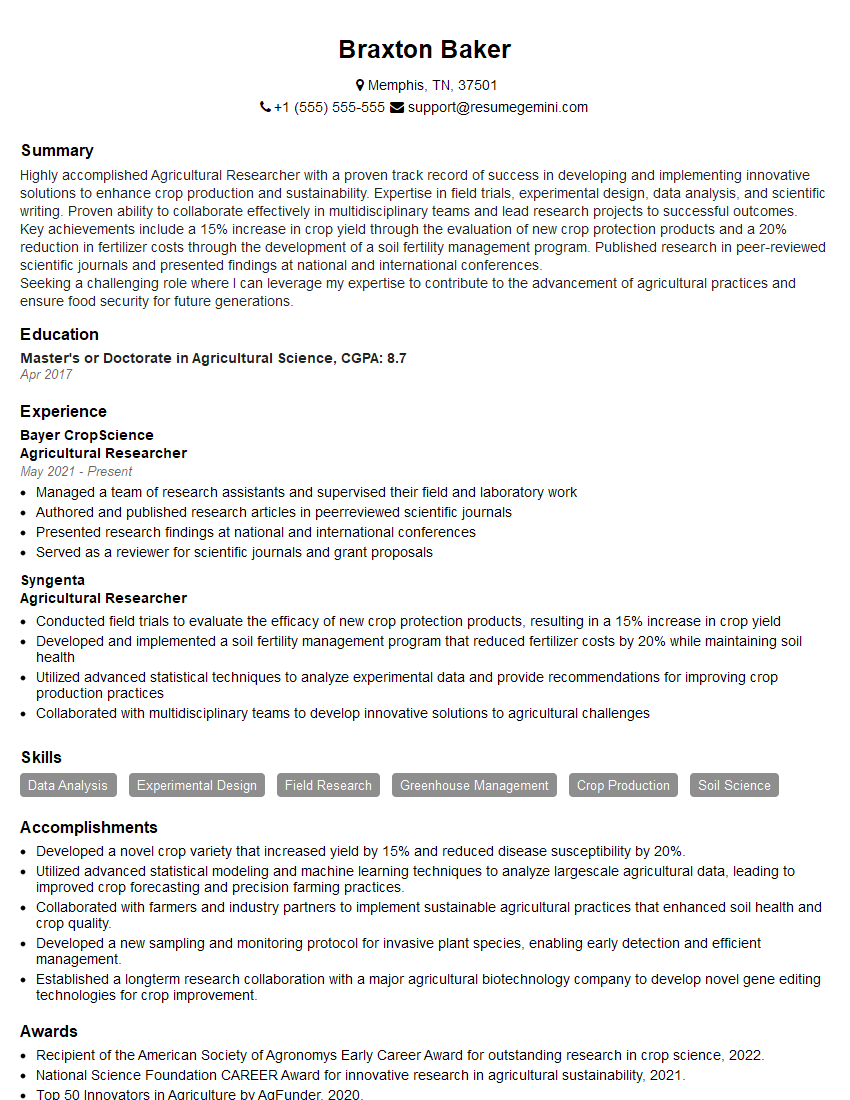
Agricultural Researcher Resume Sample
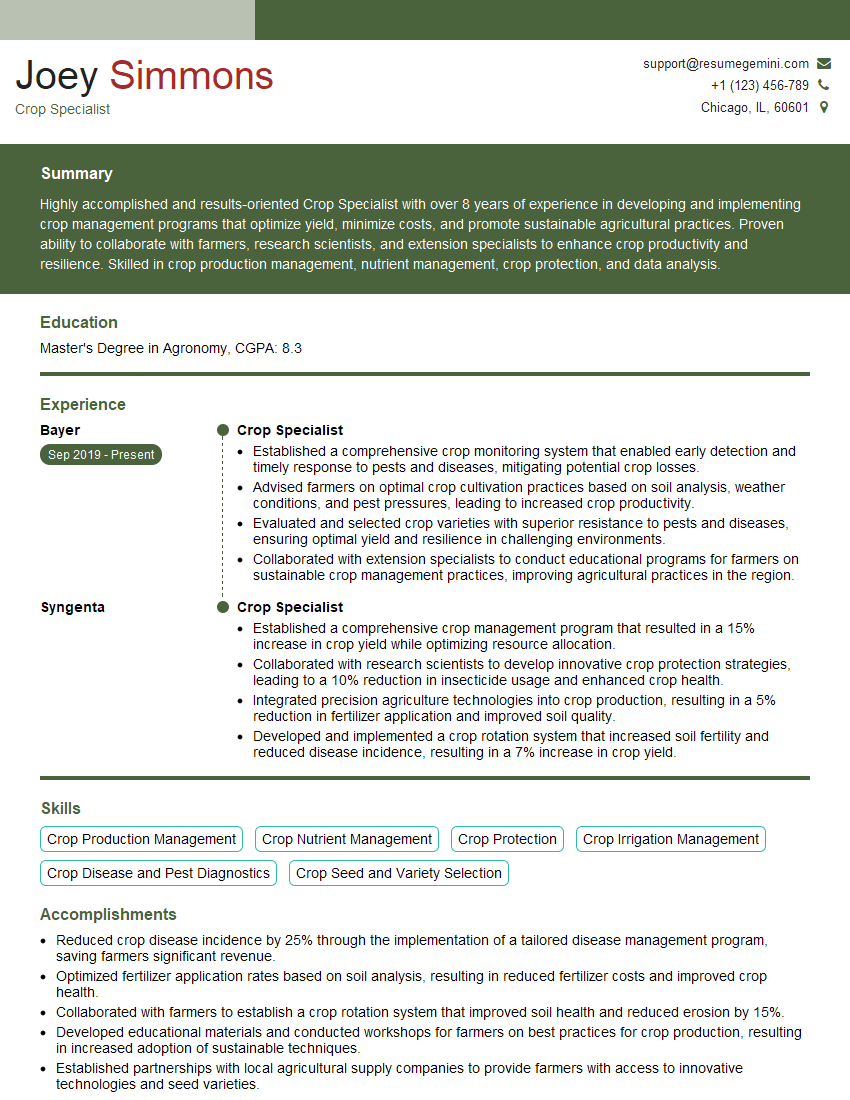
Crop Specialist Resume Sample
Agricultural Extension Agent Resume Sample
Orchard Manager Resume Sample
Explore more articles
Users Rating of Our Blogs
Share Your Experience
We value your feedback! Please rate our content and share your thoughts (optional).
What Readers Say About Our Blog
Attention music lovers!
Wow, All the best Sax Summer music !!!
Spotify: https://open.spotify.com/artist/6ShcdIT7rPVVaFEpgZQbUk
Apple Music: https://music.apple.com/fr/artist/jimmy-sax-black/1530501936
YouTube: https://music.youtube.com/browse/VLOLAK5uy_noClmC7abM6YpZsnySxRqt3LoalPf88No
Other Platforms and Free Downloads : https://fanlink.tv/jimmysaxblack
on google : https://www.google.com/search?q=22+AND+22+AND+22
on ChatGPT : https://chat.openai.com?q=who20jlJimmy20Black20Sax20Producer
Get back into the groove with Jimmy sax Black
Best regards,
Jimmy sax Black
www.jimmysaxblack.com
Hi I am a troller at The aquatic interview center and I suddenly went so fast in Roblox and it was gone when I reset.
Hi,
Business owners spend hours every week worrying about their website—or avoiding it because it feels overwhelming.
We’d like to take that off your plate:
$69/month. Everything handled.
Our team will:
Design a custom website—or completely overhaul your current one
Take care of hosting as an option
Handle edits and improvements—up to 60 minutes of work included every month
No setup fees, no annual commitments. Just a site that makes a strong first impression.
Find out if it’s right for you:
https://websolutionsgenius.com/awardwinningwebsites
Hello,
we currently offer a complimentary backlink and URL indexing test for search engine optimization professionals.
You can get complimentary indexing credits to test how link discovery works in practice.
No credit card is required and there is no recurring fee.
You can find details here:
https://wikipedia-backlinks.com/indexing/
Regards
NICE RESPONSE TO Q & A
hi
The aim of this message is regarding an unclaimed deposit of a deceased nationale that bears the same name as you. You are not relate to him as there are millions of people answering the names across around the world. But i will use my position to influence the release of the deposit to you for our mutual benefit.
Respond for full details and how to claim the deposit. This is 100% risk free. Send hello to my email id: lukachachibaialuka@gmail.com
Luka Chachibaialuka
Hey interviewgemini.com, just wanted to follow up on my last email.
We just launched Call the Monster, an parenting app that lets you summon friendly ‘monsters’ kids actually listen to.
We’re also running a giveaway for everyone who downloads the app. Since it’s brand new, there aren’t many users yet, which means you’ve got a much better chance of winning some great prizes.
You can check it out here: https://bit.ly/callamonsterapp
Or follow us on Instagram: https://www.instagram.com/callamonsterapp
Thanks,
Ryan
CEO – Call the Monster App
Hey interviewgemini.com, I saw your website and love your approach.
I just want this to look like spam email, but want to share something important to you. We just launched Call the Monster, a parenting app that lets you summon friendly ‘monsters’ kids actually listen to.
Parents are loving it for calming chaos before bedtime. Thought you might want to try it: https://bit.ly/callamonsterapp or just follow our fun monster lore on Instagram: https://www.instagram.com/callamonsterapp
Thanks,
Ryan
CEO – Call A Monster APP
To the interviewgemini.com Owner.
Dear interviewgemini.com Webmaster!
Hi interviewgemini.com Webmaster!
Dear interviewgemini.com Webmaster!
excellent
Hello,
We found issues with your domain’s email setup that may be sending your messages to spam or blocking them completely. InboxShield Mini shows you how to fix it in minutes — no tech skills required.
Scan your domain now for details: https://inboxshield-mini.com/
— Adam @ InboxShield Mini
support@inboxshield-mini.com
Reply STOP to unsubscribe
Hi, are you owner of interviewgemini.com? What if I told you I could help you find extra time in your schedule, reconnect with leads you didn’t even realize you missed, and bring in more “I want to work with you” conversations, without increasing your ad spend or hiring a full-time employee?
All with a flexible, budget-friendly service that could easily pay for itself. Sounds good?
Would it be nice to jump on a quick 10-minute call so I can show you exactly how we make this work?
Best,
Hapei
Marketing Director
Hey, I know you’re the owner of interviewgemini.com. I’ll be quick.
Fundraising for your business is tough and time-consuming. We make it easier by guaranteeing two private investor meetings each month, for six months. No demos, no pitch events – just direct introductions to active investors matched to your startup.
If youR17;re raising, this could help you build real momentum. Want me to send more info?
Hi, I represent an SEO company that specialises in getting you AI citations and higher rankings on Google. I’d like to offer you a 100% free SEO audit for your website. Would you be interested?
Hi, I represent an SEO company that specialises in getting you AI citations and higher rankings on Google. I’d like to offer you a 100% free SEO audit for your website. Would you be interested?