Cracking a skill-specific interview, like one for Fire Protection and Emergency Preparedness, requires understanding the nuances of the role. In this blog, we present the questions you’re most likely to encounter, along with insights into how to answer them effectively. Let’s ensure you’re ready to make a strong impression.
Questions Asked in Fire Protection and Emergency Preparedness Interview
Q 1. Describe your experience with NFPA codes and standards.
My experience with NFPA codes and standards is extensive. I’ve worked directly with NFPA 10 (Portable Fire Extinguishers), NFPA 13 (Standard for the Installation of Sprinkler Systems), NFPA 72 (National Fire Alarm Code), and NFPA 70 (National Electrical Code), among others. This includes not only understanding the requirements but also applying them practically during design, inspection, and project management. For example, I recently oversaw the retrofitting of a historical building’s fire suppression system to meet current NFPA 13 standards, which involved navigating the complexities of balancing historical preservation with modern safety regulations. This required detailed knowledge of the code’s grandfathering clauses and allowances for unique building characteristics. My experience extends to training personnel on the proper interpretation and application of these codes, ensuring compliance and reducing risk.
Understanding NFPA codes isn’t just about reading the document; it’s about interpreting the intent behind the regulations and applying sound engineering judgment to real-world situations. For example, while a code might specify a certain sprinkler head spacing, the specific placement needs to consider obstructions and the unique layout of a building.
Q 2. Explain the different types of fire suppression systems.
Fire suppression systems fall into several categories, each with its strengths and weaknesses.
- Water-based systems: These are the most common, using water sprinklers (wet pipe, dry pipe, pre-action, deluge) or hose reels. Water is effective at cooling and extinguishing Class A fires (ordinary combustibles).
- Foam systems: These use water mixed with foam concentrate to suppress Class A and B fires (flammable liquids). Foam blankets the fuel, preventing oxygen from reaching it.
- Gas suppression systems: These use inert gases like CO2, Argon, or Nitrogen to displace oxygen and smother the fire. They are ideal for protecting sensitive electronic equipment and areas where water damage is unacceptable. They are often used in server rooms or data centers.
- Dry chemical systems: These systems use dry chemical agents to interrupt the chemical chain reaction of combustion. They are effective against Class B and C fires (flammable liquids and electrical fires).
- Wet chemical systems: Designed primarily for grease and oil fires (Class K), these systems use a potassium acetate-based agent to saponify the burning grease, effectively stopping the combustion process. These are commonly found in commercial kitchens.
The choice of system depends on factors like the type of occupancy, fire hazards present, and the potential for water damage. A comprehensive risk assessment is crucial in selecting the most appropriate system.
Q 3. What are the key components of a comprehensive emergency preparedness plan?
A comprehensive emergency preparedness plan is vital for any organization. It’s not just about fire; it encompasses all potential emergencies. Key components include:
- Hazard identification and risk assessment: Identifying potential hazards (fire, earthquake, chemical spills, etc.) and evaluating their likelihood and potential impact.
- Emergency response plan: Detailed procedures for handling specific emergencies, including evacuation routes, assembly points, and communication protocols. This should include designated roles and responsibilities for personnel.
- Training and drills: Regular training exercises to familiarize personnel with emergency procedures, ensuring they know what to do in a crisis.
- Communication system: A reliable system for communicating warnings and instructions during an emergency, such as public address systems, alert systems, and emergency notification services.
- Post-incident procedures: Procedures for assessing damage, providing assistance to affected individuals, and returning to normal operations.
- Recovery plan: A plan outlining steps to restore essential services and operations after an emergency.
Each plan must be tailored to the specific risks of the location and the organization’s operations. For example, a hospital’s emergency plan will differ significantly from that of a manufacturing plant.
Q 4. How would you conduct a fire risk assessment for a building?
A fire risk assessment involves a systematic evaluation of a building’s vulnerability to fire. It’s a multi-step process:
- Walkthrough survey: A physical inspection of the building to identify potential fire hazards, such as flammable materials, faulty wiring, inadequate exits, and lack of fire protection systems.
- Hazard identification: Documenting all identified hazards and assessing their potential to initiate or spread fire. This includes considering the quantity and type of combustibles, the building’s construction materials, and the presence of any ignition sources.
- Risk evaluation: Assessing the likelihood and potential consequences of a fire. This often involves assigning risk levels to each identified hazard based on factors like frequency of occurrence and potential severity.
- Mitigation strategies: Developing strategies to control or eliminate the identified risks. This might involve installing fire suppression systems, implementing fire safety regulations, providing fire safety training, or modifying building design.
- Documentation and reporting: Creating a written report documenting the assessment findings, recommended mitigation measures, and a schedule for implementation.
Examples of hazards to look for include overloaded electrical outlets, improperly stored flammable materials, blocked fire exits, and malfunctioning fire protection equipment. The assessment must consider the building’s occupancy type and its unique characteristics.
Q 5. Describe your experience with fire alarm systems and their maintenance.
My experience with fire alarm systems is comprehensive, spanning design, installation, testing, and maintenance. I’m proficient in various types, including conventional, addressable, and wireless systems. Maintenance is crucial and includes regular inspections, testing, and repairs to ensure reliable operation.
For instance, I’ve managed the maintenance of a large commercial complex’s fire alarm system, overseeing scheduled inspections, functional tests, and repairs. This included working with technicians, managing budgets, and ensuring compliance with relevant codes (NFPA 72). A key aspect is preventative maintenance, which includes things like checking battery voltage, cleaning detectors, and ensuring proper system grounding. Regular testing, including initiating alarms and checking notification appliances, is critical to ensure the system functions as designed.
A properly maintained fire alarm system is the first line of defense in any building. A malfunctioning system can have life-threatening consequences, so regular maintenance is non-negotiable.
Q 6. What are the different classes of fire and how are they extinguished?
Fires are classified into different categories based on the type of fuel involved:
- Class A: Ordinary combustibles like wood, paper, cloth. Extinguished with water, which cools the fuel and reduces its temperature below the ignition point.
- Class B: Flammable liquids like gasoline, oil, and grease. Extinguished by smothering the fire, preventing oxygen from reaching the fuel. Foam, dry chemical, and CO2 extinguishers are effective.
- Class C: Electrical fires involving energized electrical equipment. Extinguished by non-conductive agents like CO2 or dry chemical extinguishers. Never use water on an electrical fire.
- Class D: Combustible metals like magnesium, titanium, and sodium. These require specialized extinguishing agents because they react violently with water.
- Class K: Cooking oils and greases. Requires wet chemical extinguishing agents which saponify the grease.
Understanding the different fire classes and their appropriate extinguishing agents is paramount to effective fire suppression. Improper techniques can worsen the situation and put lives at risk.
Q 7. How do you handle a multi-casualty incident?
Handling a multi-casualty incident requires a coordinated and systematic approach. My experience involves following established incident command system (ICS) principles.
The initial steps involve:
- Scene assessment and triage: Rapidly assessing the situation to determine the extent of the injuries and casualties. Triage involves prioritizing victims based on the severity of their injuries, focusing on those with the highest likelihood of survival.
- Resource allocation: Coordinating the response of emergency medical services (EMS), fire departments, and other support agencies. This includes requesting additional ambulances, medical personnel, and other resources as needed.
- Evacuation and rescue: Safely evacuating unharmed individuals and rescuing those who are trapped or injured.
- Treatment and transport: Providing on-scene medical treatment to injured victims and transporting them to appropriate medical facilities. Establishing a casualty collection point is vital for organization.
- Communication and coordination: Maintaining effective communication among all responding agencies and personnel. This ensures efficient coordination of efforts and avoids confusion.
- Post-incident analysis: Conducting a thorough review of the event to identify areas for improvement in response procedures. This will help prepare for future incidents.
A multi-casualty incident requires calm, decisive leadership and seamless collaboration between different emergency services. Effective communication and clear roles are essential for success.
Q 8. What is your experience with HAZMAT incidents?
My HAZMAT experience encompasses over 15 years of involvement in diverse incidents, from small chemical spills to large-scale industrial accidents. I’ve been directly involved in the assessment, containment, and remediation of numerous hazardous materials releases. This includes working with various chemicals, biological agents, and radioactive materials. My expertise extends to identifying potential hazards, implementing appropriate control measures, and coordinating with emergency response teams, including local, state, and federal agencies. For instance, I led the response to a chlorine gas leak at a local water treatment plant, successfully evacuating the immediate area and containing the leak to prevent widespread contamination. My experience includes both on-site response and post-incident investigation, ensuring lessons learned are integrated into future preparedness plans.
- Hazard identification and risk assessment: Utilizing specialized equipment and knowledge to identify the nature and extent of the hazard.
- Containment and control: Implementing strategies to prevent further spread of the hazardous material.
- Decontamination: Establishing and managing decontamination procedures for personnel and equipment.
- Emergency response coordination: Working collaboratively with various agencies and stakeholders.
Q 9. Explain your understanding of evacuation procedures and planning.
Evacuation procedures and planning are critical for protecting lives during emergencies. A well-developed plan considers various factors like the type of emergency, building layout, occupancy, and available escape routes. It’s not just about getting people out; it’s about getting them out safely and efficiently. I’ve been involved in designing and implementing evacuation plans for various facilities, including hospitals, schools, and manufacturing plants. My approach involves conducting thorough risk assessments, identifying potential bottlenecks, and developing clear, concise instructions. Regular drills are essential to ensure everyone understands their roles and responsibilities. Consider a large office building—our plan would include designated assembly points, communication protocols, and procedures for accounting for all personnel. We’d also incorporate measures for people with disabilities, ensuring accessibility and support. Furthermore, post-evacuation procedures, such as accounting for personnel and conducting damage assessment, are equally important.
- Risk assessment: Identifying potential hazards and vulnerabilities.
- Route planning: Establishing clear and safe evacuation routes.
- Communication: Implementing effective communication systems.
- Training and drills: Conducting regular drills to ensure preparedness.
- Accessibility: Ensuring accessibility for people with disabilities.
Q 10. How do you ensure compliance with relevant safety regulations?
Ensuring compliance with safety regulations is a paramount concern. This involves staying abreast of all applicable codes, standards, and regulations, both nationally and locally (like NFPA, OSHA, and local fire codes). We achieve compliance through several methods. First, regular inspections are crucial to identify any non-compliance issues. These inspections cover fire suppression systems, emergency exits, and other safety equipment. Second, we implement a robust training program for all personnel, focusing on safe work practices and emergency response procedures. Third, we maintain detailed documentation of all inspections, training activities, and any corrective actions taken. This documentation provides an audit trail demonstrating our commitment to safety and compliance. Finally, we regularly participate in professional development opportunities to stay informed about the latest regulations and best practices. For example, we’ve recently updated our fire alarm system to comply with the latest NFPA 72 standards.
Q 11. Describe your experience with incident command systems (ICS).
My experience with Incident Command Systems (ICS) is extensive. ICS provides a standardized, on-scene management approach for all types of emergencies. I’ve served in various roles within the ICS structure, from Branch Director managing specific operational aspects to the Unified Command, coordinating multiple agencies during complex incidents. I understand the importance of clear communication, resource management, and a unified command structure to effectively manage incidents. For example, during a major industrial fire, I utilized ICS to coordinate the efforts of fire departments, police, HAZMAT teams, and medical personnel, ensuring a coordinated and efficient response. This involved establishing clear reporting lines, assigning responsibilities, and tracking resources to ensure that the incident was managed safely and effectively. Proficiency in ICS is essential for seamless collaboration and effective resource allocation during crisis situations. My understanding extends to all functional areas of ICS, from planning and logistics to operations and finance/administration.
Q 12. How do you communicate effectively during an emergency?
Effective communication during an emergency is crucial for a successful outcome. This involves using clear, concise language; utilizing multiple communication channels (radios, phones, text messages); and establishing clear reporting lines. I always prioritize accurate and timely information dissemination to all stakeholders. This might include using pre-established communication protocols, utilizing public address systems for mass notifications, and establishing a designated communication center to coordinate information flow. During a multi-building evacuation, I’d use a combination of building PA systems, text alerts, and radio communication to ensure everyone receives timely instructions and updates. Clear, concise messaging minimizes confusion and facilitates efficient response actions.
Q 13. What are your strategies for preventing fires?
Fire prevention is proactive, not reactive. My strategies focus on eliminating ignition sources, controlling fuel sources, and protecting potential ignition sources. This includes regular inspections of electrical systems, ensuring proper storage of flammable materials, implementing a robust housekeeping program to eliminate debris and clutter, and conducting regular fire safety training for all personnel. For example, we conduct regular inspections of kitchen appliances and enforce policies on smoking and the use of open flames. We also work closely with building management to ensure compliance with fire codes and to regularly service fire suppression systems, including sprinklers and fire alarms. Further, we promote a culture of safety by encouraging staff to report any potential hazards and participate in fire drills. By addressing potential hazards proactively, we greatly reduce the risk of fire incidents.
Q 14. How do you conduct fire investigations?
Fire investigations follow a systematic process. It begins with securing the scene to prevent further damage or contamination. Then, a thorough investigation is conducted to determine the origin and cause of the fire. This involves collecting evidence, interviewing witnesses, and analyzing fire patterns. We often use specialized tools and techniques, such as photography, thermal imaging, and gas chromatography, to aid in the investigation. The goal is to develop a factual and accurate determination of the cause of the fire, which can assist in future fire prevention efforts. For example, I investigated a fire in a commercial building that was determined to be caused by an electrical fault. Through our detailed analysis and documentation of the incident, we identified the faulty equipment and assisted the building owners in implementing preventive measures, safeguarding against similar future incidents.
Q 15. Describe your experience with fire drills and training programs.
Throughout my career, I’ve been deeply involved in designing, implementing, and evaluating fire drills and training programs. My experience ranges from conducting drills in small office settings to large-scale exercises in complex industrial facilities. I’ve worked with diverse populations, adapting training materials and methodologies to meet various learning styles and language needs. For example, in one project, I developed a bilingual (English/Spanish) training program for a manufacturing plant with a largely Hispanic workforce, ensuring effective communication and understanding of emergency procedures. My approach always emphasizes practical application and realistic scenarios. Drills are not just about rote memorization; they’re about building muscle memory and fostering a culture of safety. We routinely incorporate unexpected elements to test response times and adaptability. Post-drill evaluations are crucial; we analyze participant performance, identify areas for improvement, and refine the training program accordingly. This iterative process ensures we’re continuously enhancing the effectiveness of our fire safety training.
Career Expert Tips:
- Ace those interviews! Prepare effectively by reviewing the Top 50 Most Common Interview Questions on ResumeGemini.
- Navigate your job search with confidence! Explore a wide range of Career Tips on ResumeGemini. Learn about common challenges and recommendations to overcome them.
- Craft the perfect resume! Master the Art of Resume Writing with ResumeGemini’s guide. Showcase your unique qualifications and achievements effectively.
- Don’t miss out on holiday savings! Build your dream resume with ResumeGemini’s ATS optimized templates.
Q 16. What are the key elements of a post-incident analysis?
A thorough post-incident analysis is critical for learning from mistakes and preventing future incidents. It’s not about assigning blame but about identifying systemic weaknesses and implementing corrective actions. The key elements include:
- Immediate Actions: Securing the scene, ensuring personnel safety, and providing initial emergency medical treatment.
- Fact-Finding: Gathering information from various sources – eyewitness accounts, fire investigation reports, security footage, and equipment logs. This stage often involves detailed documentation and mapping of the incident scene.
- Cause Analysis: Determining the root cause of the incident using methods like the ‘5 Whys’ or fault tree analysis. This helps understand not just the immediate trigger, but the underlying factors that contributed.
- Corrective Actions: Implementing changes to prevent similar incidents. This might involve improving equipment maintenance procedures, revising emergency response plans, or providing additional training.
- Documentation & Reporting: Thoroughly documenting the entire process, from initial response to final corrective actions. This documentation serves as a valuable resource for future incidents and for continuous improvement initiatives.
Q 17. How do you manage stress during an emergency?
Managing stress during an emergency requires a combination of preparation, training, and self-care. Preparation involves developing and practicing emergency response plans so that actions are instinctive. Training ensures familiarity with procedures, reducing uncertainty and anxiety. Beyond this, techniques like controlled breathing exercises, mindfulness, and positive self-talk are crucial. I always emphasize the importance of teamwork and communication; supporting colleagues and receiving support in return is vital. Remembering the importance of my role – protecting life and property – helps maintain focus amidst chaos. It’s also crucial to debrief after a major incident to process emotions and experiences; acknowledging the stress and ensuring access to support resources (e.g., counseling services) is paramount to long-term well-being. I use the analogy of a firefighter wearing protective gear; similarly, having mental and emotional strategies to safeguard oneself is crucial during emergency situations.
Q 18. What is your experience with developing emergency response plans?
I have extensive experience in developing comprehensive emergency response plans (ERPs) across various sectors, including healthcare, manufacturing, and educational institutions. My approach starts with a thorough risk assessment, identifying potential hazards and vulnerabilities. This assessment informs the development of tailored procedures, including evacuation plans, communication protocols, and roles and responsibilities for personnel. I ensure that ERPs are clear, concise, and easily understandable, using visual aids like maps and flowcharts. Crucially, ERPs must be regularly reviewed, updated, and tested through drills to guarantee their effectiveness. For example, when developing an ERP for a hospital, I incorporated specific protocols for handling patients with mobility limitations, ensuring all individuals are protected during an evacuation. Regular tabletop exercises and full-scale drills allowed us to refine the plan and ensure all staff were prepared to effectively execute their roles during an emergency.
Q 19. Explain your understanding of building codes related to fire safety.
My understanding of building codes related to fire safety is extensive. I am familiar with codes such as NFPA (National Fire Protection Association) and IBC (International Building Code), as well as local ordinances. These codes dictate requirements for fire detection and suppression systems (sprinklers, alarms), means of egress (exits, stairwells), fire-resistant materials, and emergency lighting. I know the importance of compartmentalization to slow the spread of fire and smoke. I also understand the specific requirements for different building occupancies, recognizing that a high-rise office building will have significantly different needs than a residential structure. For example, understanding the requirements for fire-rated walls and doors is critical for ensuring adequate fire protection. Compliance with these codes isn’t just about adhering to regulations; it’s about creating safe and life-saving environments. Non-compliance can have severe legal and financial consequences, besides the devastating impact on human life.
Q 20. How do you maintain and test fire protection equipment?
Maintaining and testing fire protection equipment is crucial for ensuring it’s functioning correctly in the event of a fire. This involves a regular schedule of inspections, testing, and maintenance for all systems, including fire alarms, sprinklers, extinguishers, and emergency lighting. For example, fire extinguishers require regular visual inspections, pressure checks, and hydrostatic testing at specified intervals. Sprinkler systems require flow tests and pressure checks to ensure proper operation. Fire alarm systems need routine testing of all components, including detectors, control panels, and notification appliances. Detailed records of all inspections and tests are meticulously maintained, documenting the equipment’s status and any necessary repairs or replacements. This preventative maintenance approach significantly reduces the risk of equipment failure during an emergency and safeguards the safety of building occupants.
Q 21. What is your experience with different types of fire extinguishers?
My experience with different types of fire extinguishers encompasses their selection, use, and maintenance. I understand the classifications of fires (A, B, C, D, K) and the appropriate extinguisher types for each class. Class A extinguishers are for ordinary combustibles (wood, paper), Class B for flammable liquids (grease, gasoline), Class C for electrical fires, Class D for combustible metals, and Class K for cooking oils and fats. I am also familiar with the different extinguishing agents used, such as water, foam, dry chemical, carbon dioxide, and halon (though halon is largely phased out due to environmental concerns). Choosing the right extinguisher for a specific application is paramount to effectively controlling or extinguishing a fire. Improper use of an extinguisher can not only be ineffective but also dangerous. Training on the proper use, including PASS (Pull, Aim, Squeeze, Sweep) technique, is critical for anyone handling fire extinguishers.
Q 22. How do you assess and mitigate risks in a workplace?
Risk assessment and mitigation in the workplace is a systematic process aimed at identifying potential hazards, analyzing their likelihood and severity, and implementing control measures to minimize their impact. It’s like a detective story – we need to find the clues (hazards), understand the potential consequences (risks), and develop a plan to prevent the crime (incident).
- Hazard Identification: This involves a thorough walkthrough of the workplace, identifying potential fire hazards (e.g., flammable materials, faulty electrical wiring, inadequate exits), physical hazards (e.g., slips, trips, falls), and chemical hazards. We utilize checklists, inspections, and employee feedback to be comprehensive.
- Risk Analysis: We then analyze each identified hazard. This involves determining the likelihood of an incident occurring and the severity of its consequences. This often involves a qualitative or quantitative assessment, perhaps using a risk matrix. For example, a high likelihood of a minor injury might be treated differently than a low likelihood of a catastrophic event.
- Risk Control: Based on the risk analysis, we implement control measures. This is the ‘action’ part, and it follows a hierarchy of controls: Elimination (removing the hazard entirely), Substitution (replacing the hazard with something safer), Engineering Controls (modifying the workplace to reduce risk), Administrative Controls (implementing procedures and training), and finally, Personal Protective Equipment (PPE) as the last line of defense.
- Monitoring and Review: Risk assessments aren’t one-time events. We continually monitor the effectiveness of our control measures and update the assessment regularly, making adjustments as needed. Changes in the workplace, new equipment, or even updated regulations will require a reassessment.
For example, in a chemical plant, we might identify the risk of a chemical spill. Our control measures could include engineering controls like improved containment systems, administrative controls like stringent handling procedures and training for workers, and PPE such as specialized suits and respirators as a final layer of protection.
Q 23. Describe your experience with personal protective equipment (PPE).
My experience with Personal Protective Equipment (PPE) is extensive, spanning various industries and hazard types. PPE is the last line of defense against workplace hazards, and proper selection, use, and maintenance are crucial. It’s not just about providing the equipment; it’s about ensuring it’s effective and used correctly.
- Selection: I’ve been involved in selecting appropriate PPE based on thorough risk assessments. This includes fire-resistant clothing for welders, specialized respirators for workers handling hazardous chemicals, and safety glasses for tasks with potential eye hazards. The selection process takes into account the specific hazards identified, the level of protection required, and the comfort and practicality for the wearer.
- Training: I’ve conducted numerous training sessions on the proper use, limitations, and maintenance of various PPE. This includes demonstrating correct fit, explaining the limitations of the equipment, and outlining proper cleaning and storage procedures. Effective training is critical; even the best PPE is useless if not used correctly.
- Maintenance and Inspection: I’ve established robust inspection and maintenance programs for PPE to ensure it remains in good working order. This involves regular checks for damage, proper storage, and timely replacement when needed. A damaged respirator, for example, could leave a worker vulnerable to severe respiratory problems.
In one instance, I worked with a construction company to implement a comprehensive PPE program. By providing appropriate training and emphasizing the importance of proper usage, we significantly reduced workplace injuries.
Q 24. How do you coordinate with different emergency response agencies?
Coordinating with different emergency response agencies requires clear communication, pre-planned procedures, and a strong understanding of each agency’s roles and capabilities. It’s like orchestrating a symphony – each instrument (agency) plays a vital part in achieving a harmonious outcome (successful emergency response).
- Pre-Incident Planning: This involves establishing clear communication protocols and defining roles and responsibilities for each agency. This often includes joint training exercises and regular meetings to ensure everyone is on the same page.
- Incident Command System (ICS): Using ICS is crucial for effective coordination. ICS establishes a standardized structure for managing emergencies, ensuring clear lines of authority and communication. It’s a common language that all agencies understand.
- Communication: Clear, concise communication is paramount. We use a variety of communication tools, including radios, telephones, and even text messaging, depending on the situation. Regular updates and debriefings are essential.
- Mutual Aid Agreements: Many agencies have established mutual aid agreements, which outline how they will assist each other during emergencies. This ensures a smooth and coordinated response, even if resources are stretched thin.
For example, during a large-scale fire, we might coordinate with the fire department, police department, ambulance service, and potentially the Red Cross to manage evacuations, provide medical assistance, and provide shelter for displaced individuals. Effective coordination is key to minimizing casualties and property damage.
Q 25. What is your approach to emergency response training?
My approach to emergency response training emphasizes practical skills, realistic scenarios, and ongoing reinforcement. It’s not just about memorizing procedures; it’s about building competence and confidence.
- Needs Assessment: Training needs are identified based on specific workplace hazards and the roles and responsibilities of each employee. A chemical plant would require different training than an office building.
- Scenario-Based Training: Training uses realistic scenarios to simulate emergency situations. This involves hands-on exercises, role-playing, and simulated emergencies. For example, conducting a mock fire drill or table-top exercise to plan responses to various emergencies.
- Regular Drills and Exercises: Regular drills and exercises are vital for maintaining skills and identifying areas for improvement. These shouldn’t be infrequent events; rather, they should be incorporated into the routine.
- Documentation and Feedback: Training records are meticulously maintained, and post-training feedback is collected to identify areas for improvement in the training program itself.
For instance, I’ve developed a comprehensive training program for a hospital that included emergency response procedures, medical equipment handling, and evacuation techniques. This program included hands-on drills and regular updates based on feedback from employees.
Q 26. Describe your experience with developing and implementing safety protocols.
Developing and implementing safety protocols requires a structured approach, incorporating input from stakeholders and ongoing evaluation. It’s about creating a culture of safety, not just a set of rules.
- Hazard Identification and Risk Assessment: This is the foundation of any safety protocol. We identify potential hazards, analyze the risks, and determine appropriate control measures.
- Policy Development: Based on the risk assessment, we develop clear, concise, and easily understandable policies that outline procedures for various scenarios. These must be legally compliant and aligned with industry best practices.
- Implementation and Communication: These policies are effectively communicated to all employees through training, signage, and other appropriate methods. Clear communication avoids misunderstandings and ensures compliance.
- Monitoring and Evaluation: The effectiveness of safety protocols is continuously monitored through regular inspections, incident reports, and employee feedback. The protocols are updated as needed.
In one project, I developed a comprehensive safety protocol for a manufacturing facility that significantly reduced workplace accidents by clearly outlining procedures for machine operation, material handling, and emergency response.
Q 27. How do you handle conflicts during an emergency response?
Conflicts during an emergency response can arise from stress, conflicting priorities, or communication breakdowns. Effective conflict resolution requires clear communication, active listening, and a focus on the overall goal – ensuring the safety and well-being of everyone involved. It’s about teamwork under pressure.
- Clear Communication: Maintaining clear, concise communication channels is vital. Everyone should understand their roles and responsibilities, and there should be a designated point person for resolving disputes.
- Active Listening: Actively listening to all perspectives helps to understand the root cause of the conflict. It’s important to acknowledge everyone’s concerns and validate their feelings.
- Collaborative Problem-Solving: Once the conflict is understood, a collaborative approach is used to find mutually acceptable solutions. This may involve compromising or finding alternative solutions that address everyone’s concerns.
- Post-Incident Debriefing: After the emergency, a debriefing session is held to discuss what went well and what could be improved. This helps to identify areas where better communication or conflict-resolution strategies are needed.
For example, during a building evacuation, a disagreement might arise about the best escape route. By actively listening to all sides and considering the various factors, a collaborative solution can be reached, perhaps using multiple routes to ensure a swift and orderly evacuation.
Q 28. How do you ensure the effectiveness of emergency response plans?
Ensuring the effectiveness of emergency response plans requires regular testing, review, and updates. A plan that sits on a shelf is useless. It needs to be a living document that adapts to changing conditions.
- Regular Drills and Exercises: Conducting regular drills and exercises is crucial for identifying weaknesses and areas for improvement in the plan. These should simulate realistic scenarios and test various aspects of the plan.
- Post-Incident Reviews: After any incident, a thorough review is conducted to identify lessons learned and areas where the plan needs to be updated or improved. This is a crucial learning opportunity.
- Plan Updates: The plan should be updated regularly to reflect changes in the workplace, new equipment, updated regulations, or lessons learned from drills and incidents. This ensures the plan remains relevant and effective.
- Communication and Training: The plan should be clearly communicated to all employees, and training should be provided on how to use it effectively. Employee understanding is key to successful implementation.
For example, a hospital’s emergency response plan should be tested regularly through simulated scenarios, such as a power outage or a mass casualty incident. Post-incident reviews are vital in identifying potential flaws and improving the efficiency of future responses.
Key Topics to Learn for Fire Protection and Emergency Preparedness Interview
- Fire Science Fundamentals: Understanding the fire triangle, fire behavior, and different types of fires. Practical application: Analyzing fire scenarios and predicting fire spread.
- Fire Prevention and Protection Systems: Knowledge of active and passive fire protection systems (e.g., sprinklers, fire alarms, fire suppression systems, compartmentalization). Practical application: Evaluating the effectiveness of existing fire safety measures in a building or facility.
- Emergency Response Planning and Procedures: Developing and implementing emergency action plans, including evacuation procedures, emergency communication protocols, and post-incident response. Practical application: Designing an emergency response plan for a specific high-risk environment.
- Hazard Identification and Risk Assessment: Conducting thorough risk assessments to identify potential fire hazards and implement preventative measures. Practical application: Performing a risk assessment for a manufacturing plant and recommending safety improvements.
- Building Codes and Regulations: Familiarity with relevant building codes, fire codes, and safety regulations. Practical application: Ensuring a building design meets all applicable fire safety standards.
- Occupational Safety and Health (OSH) in Fire Protection: Understanding relevant OSH standards and procedures to maintain a safe working environment for firefighters and emergency responders. Practical application: Implementing safety protocols during a large-scale fire incident.
- Incident Command System (ICS): Understanding the principles and structure of ICS for effective management of emergency response operations. Practical application: Participating in a simulated emergency response exercise using ICS principles.
- Technical Problem Solving and Critical Thinking: Analyzing complex fire scenarios, identifying root causes, and developing effective solutions. Practical application: Troubleshooting a malfunctioning fire suppression system.
Next Steps
Mastering Fire Protection and Emergency Preparedness is crucial for career advancement in this vital field. A strong understanding of these concepts demonstrates commitment and expertise, opening doors to leadership roles and higher-paying positions. To maximize your job prospects, it’s essential to have an ATS-friendly resume that highlights your skills and experience effectively. ResumeGemini is a trusted resource that can help you create a professional and impactful resume tailored to the specific requirements of your target roles. Examples of resumes tailored to Fire Protection and Emergency Preparedness are available, helping you showcase your qualifications in the best possible light. Invest the time to craft a compelling resume – it’s your first impression on potential employers.
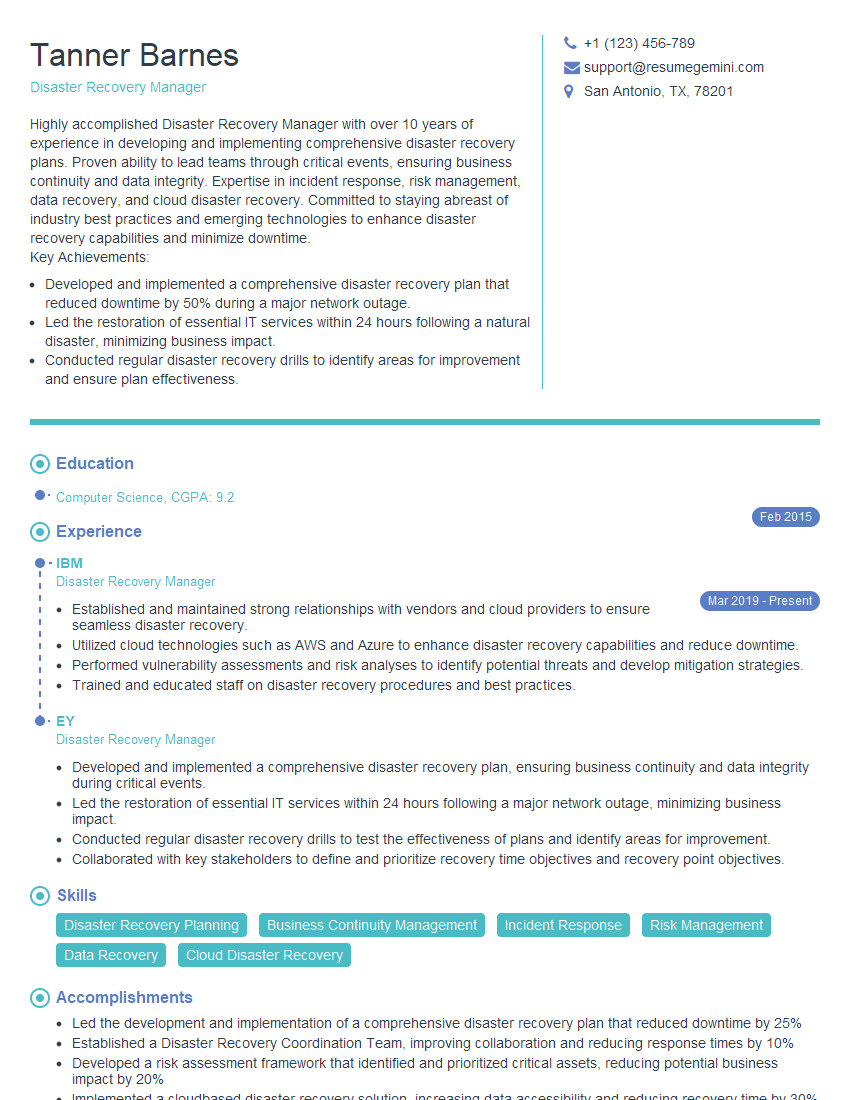
Disaster Recovery Manager Resume Sample
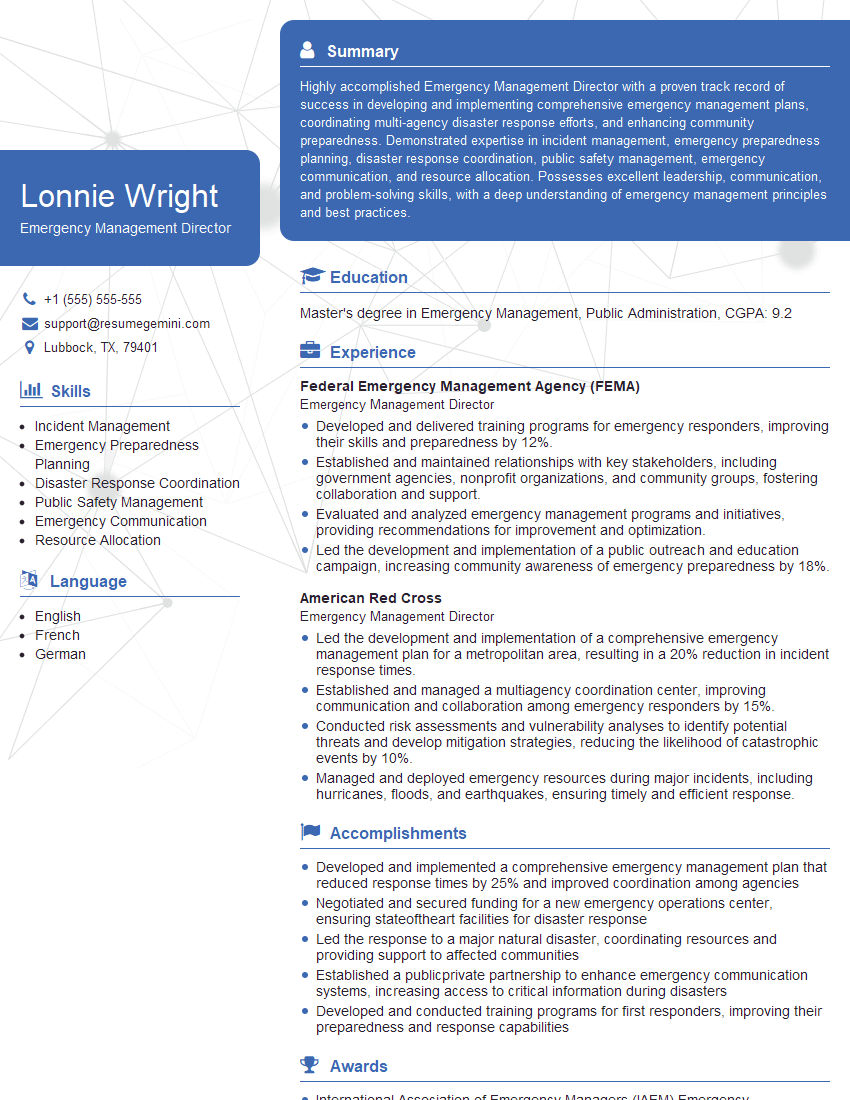
Emergency Management Director Resume Sample
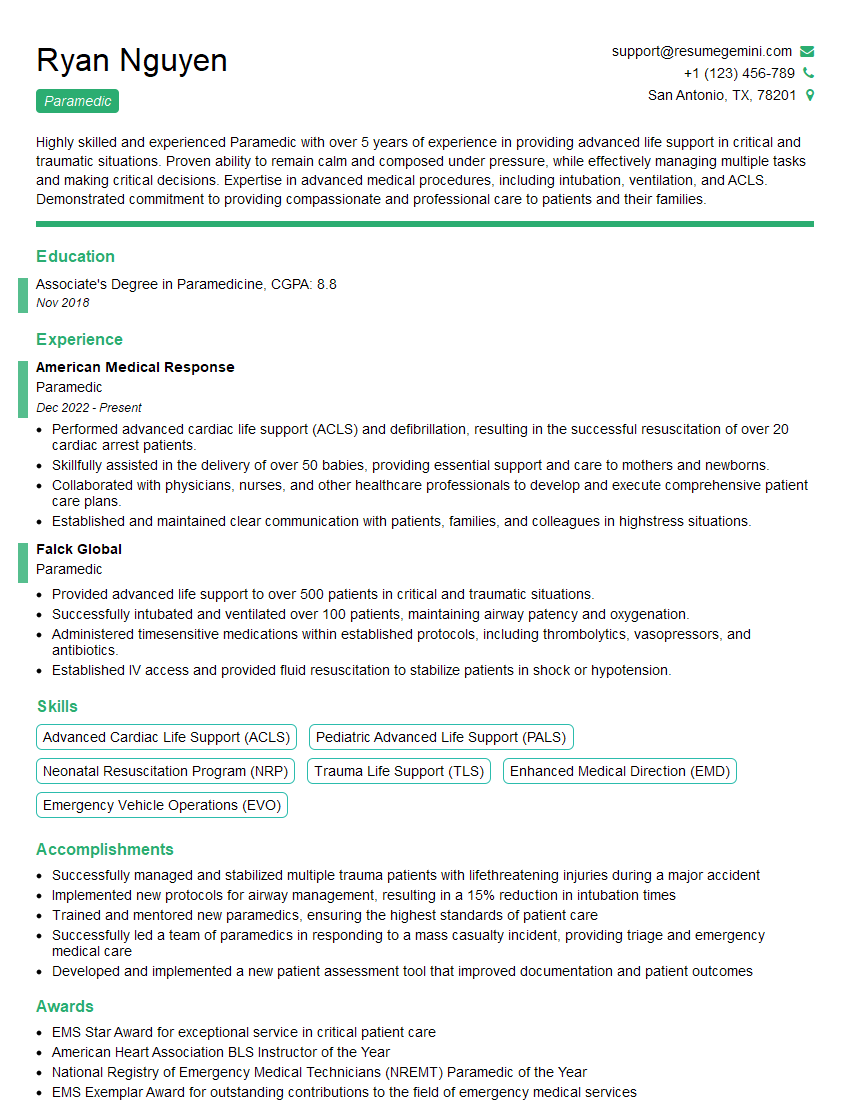
Paramedic Resume Sample
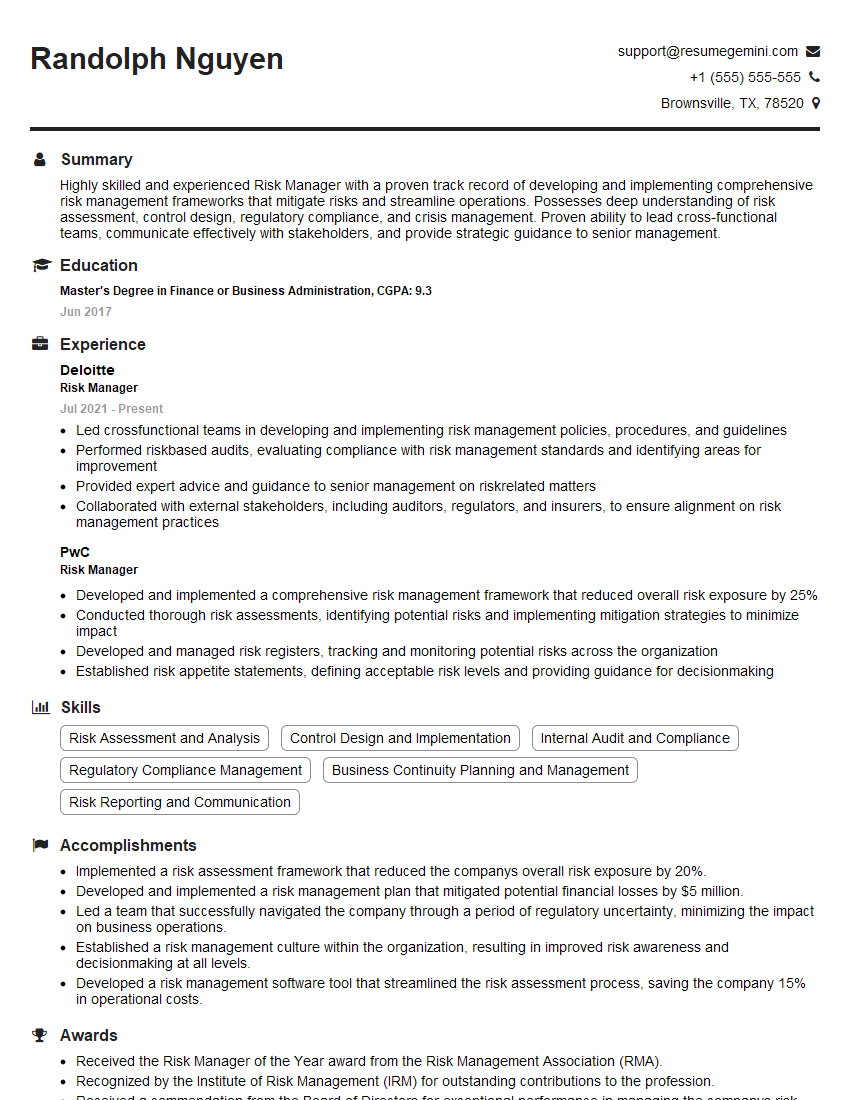
Risk Manager Resume Sample
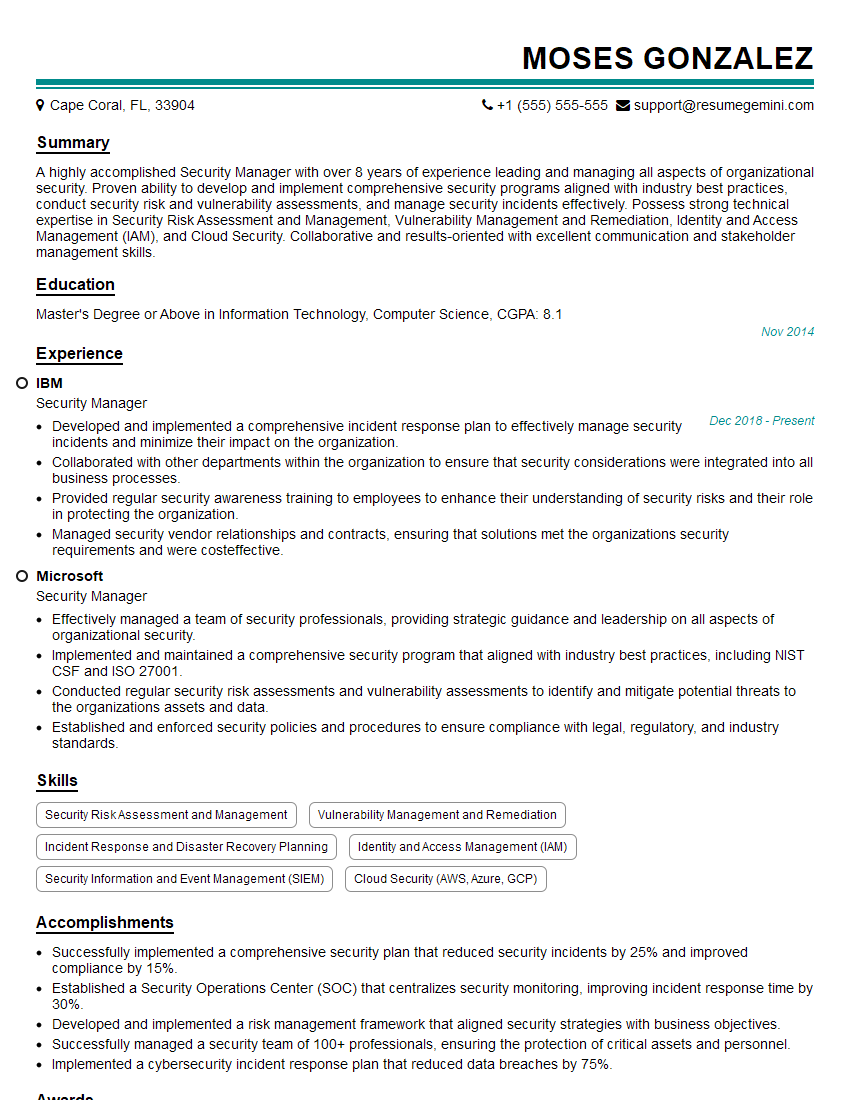
Security Manager Resume Sample
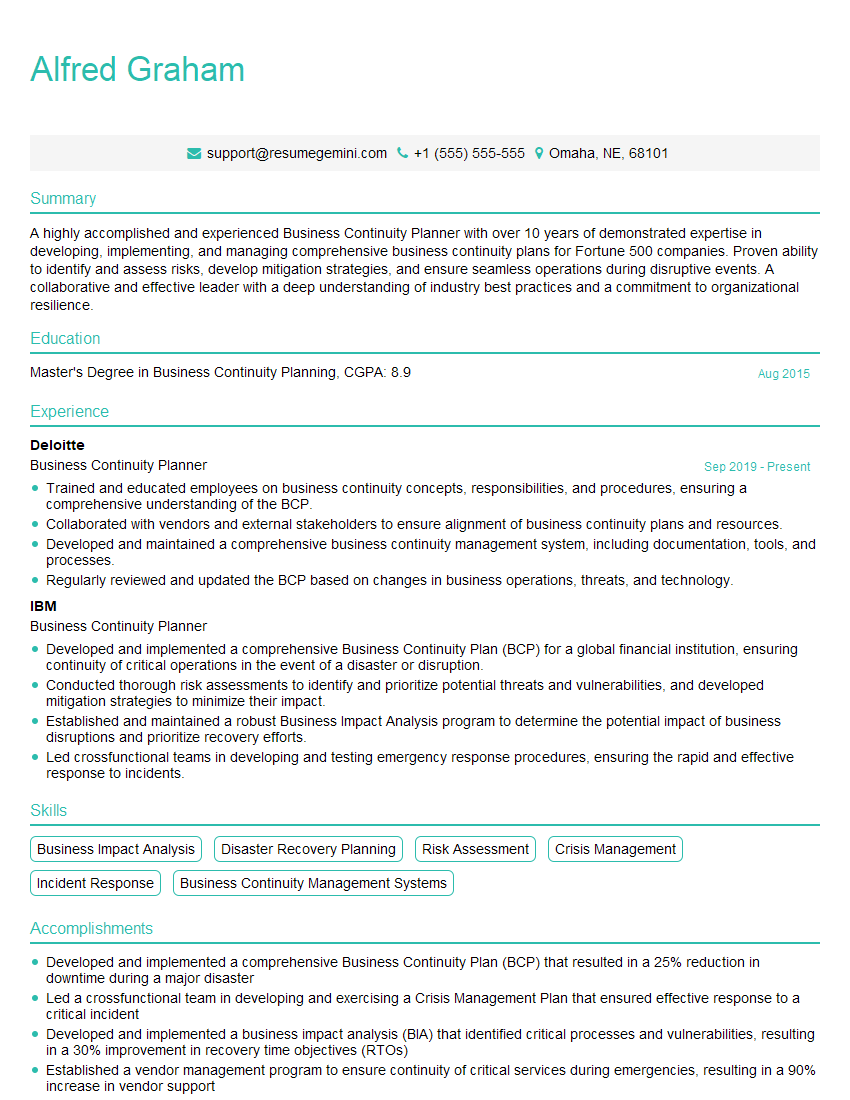
Business Continuity Planner Resume Sample
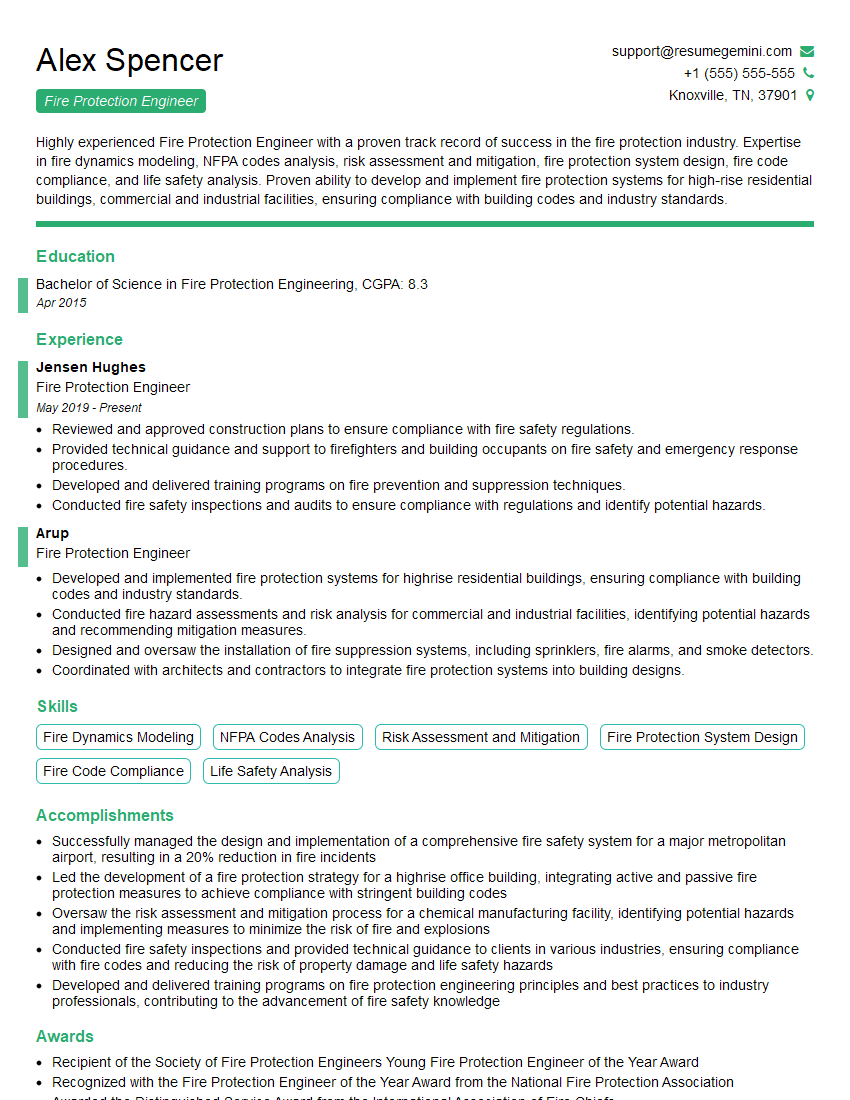
Fire Protection Engineer Resume Sample
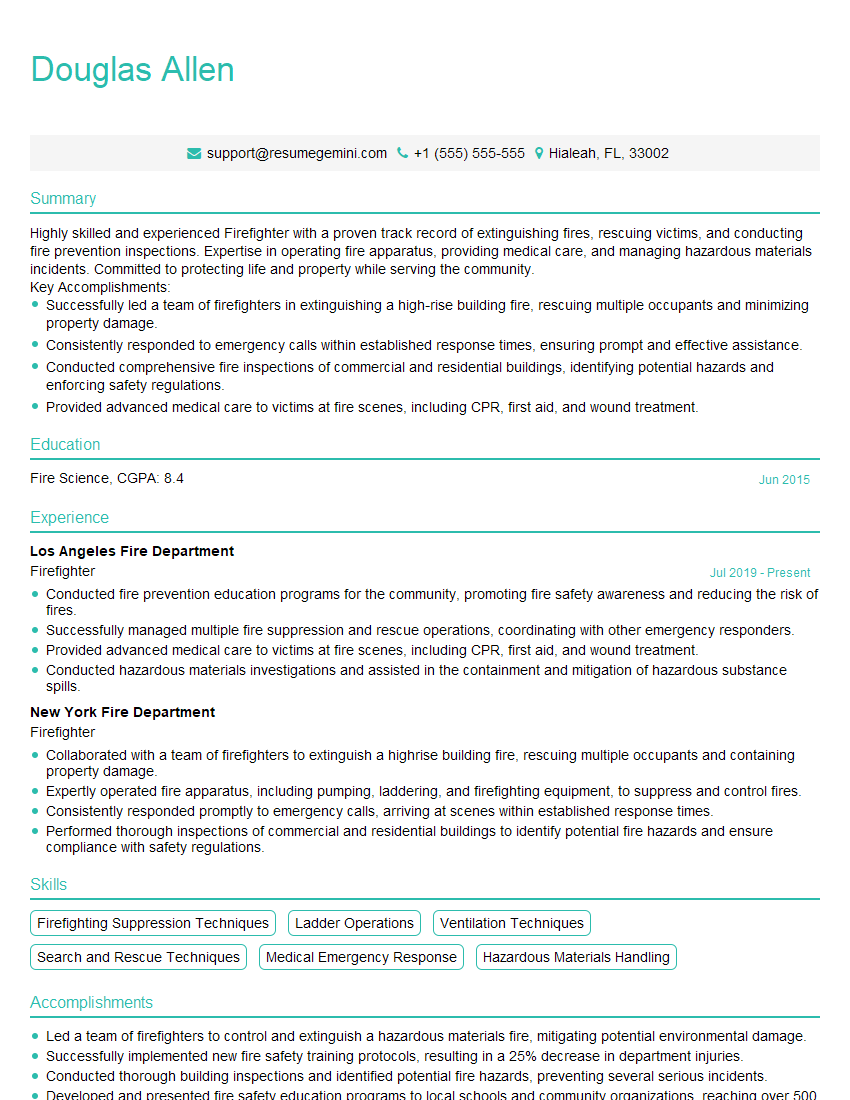
Firefighter Resume Sample
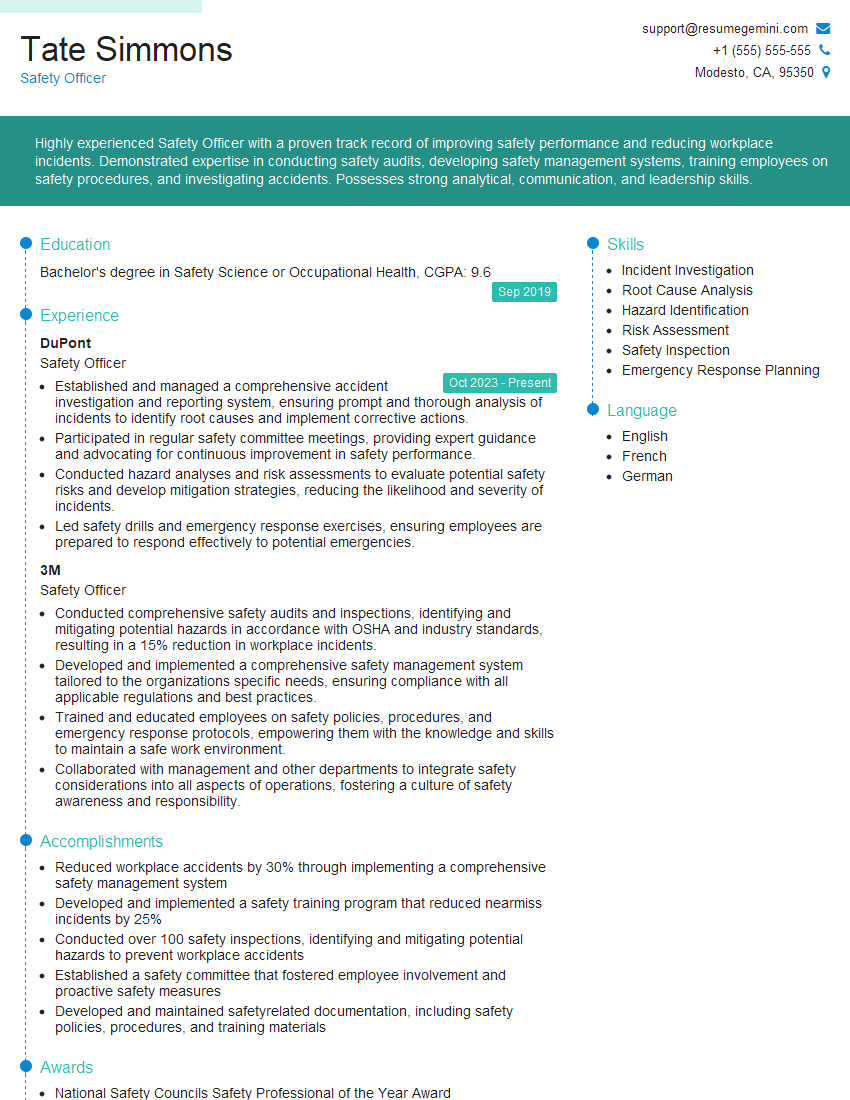
Safety Officer Resume Sample
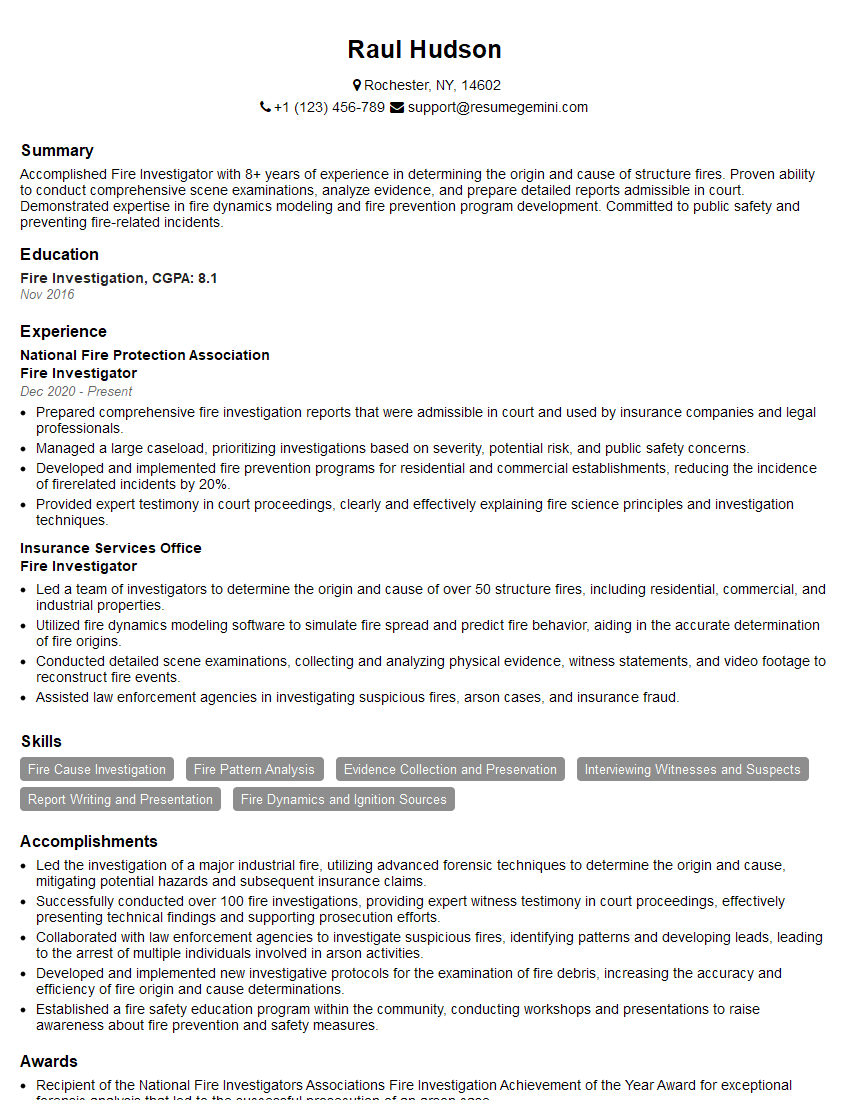
Fire Investigator Resume Sample
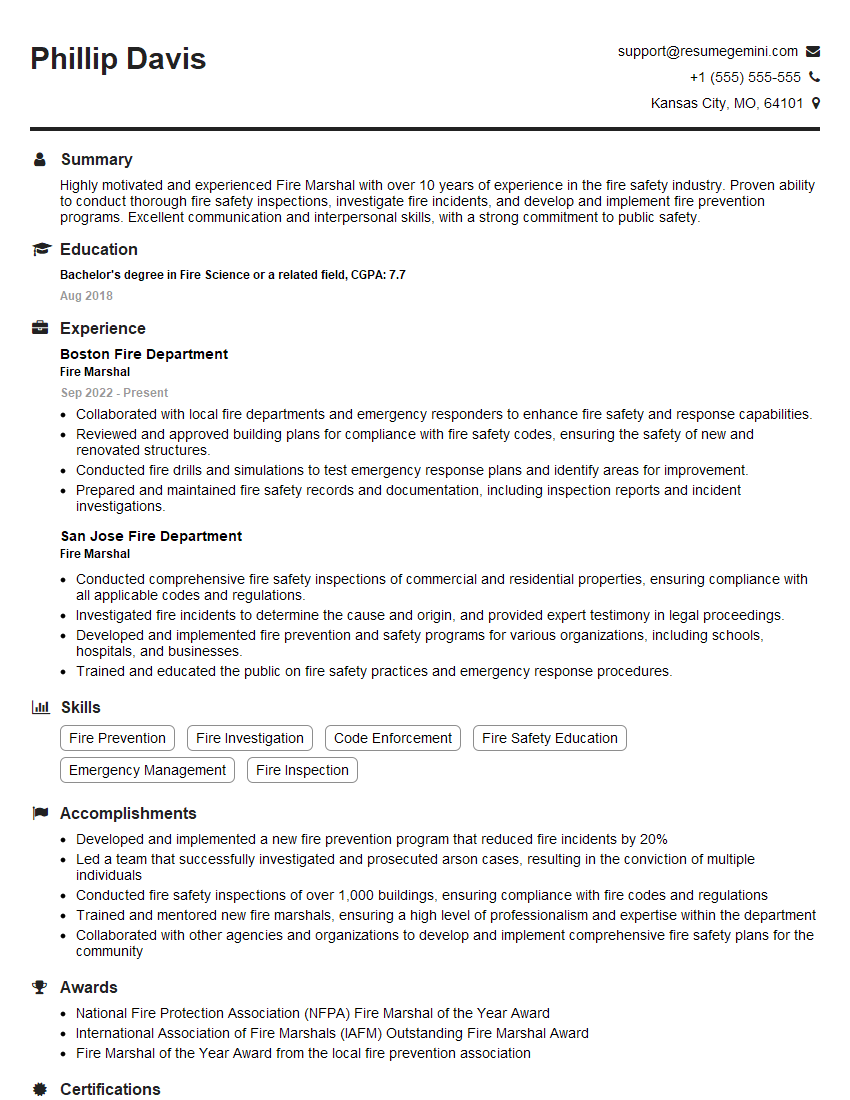
Fire Marshal Resume Sample
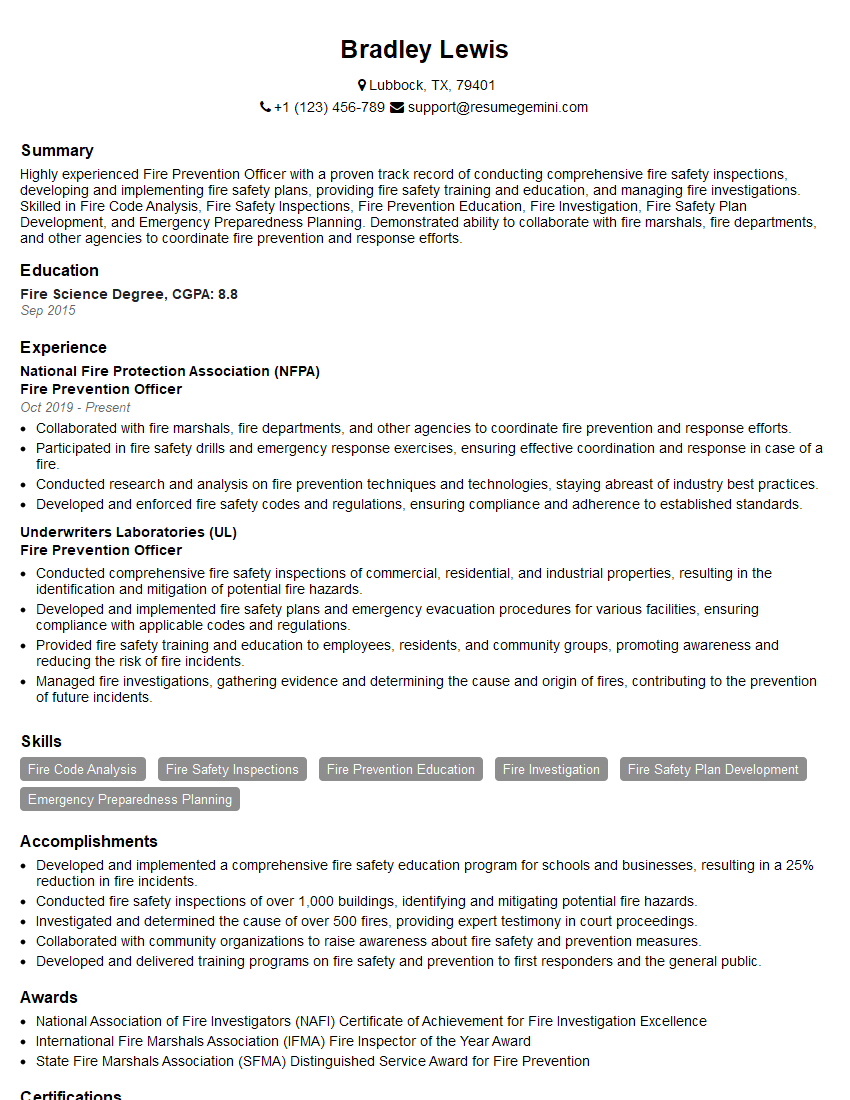
Fire Prevention Officer Resume Sample
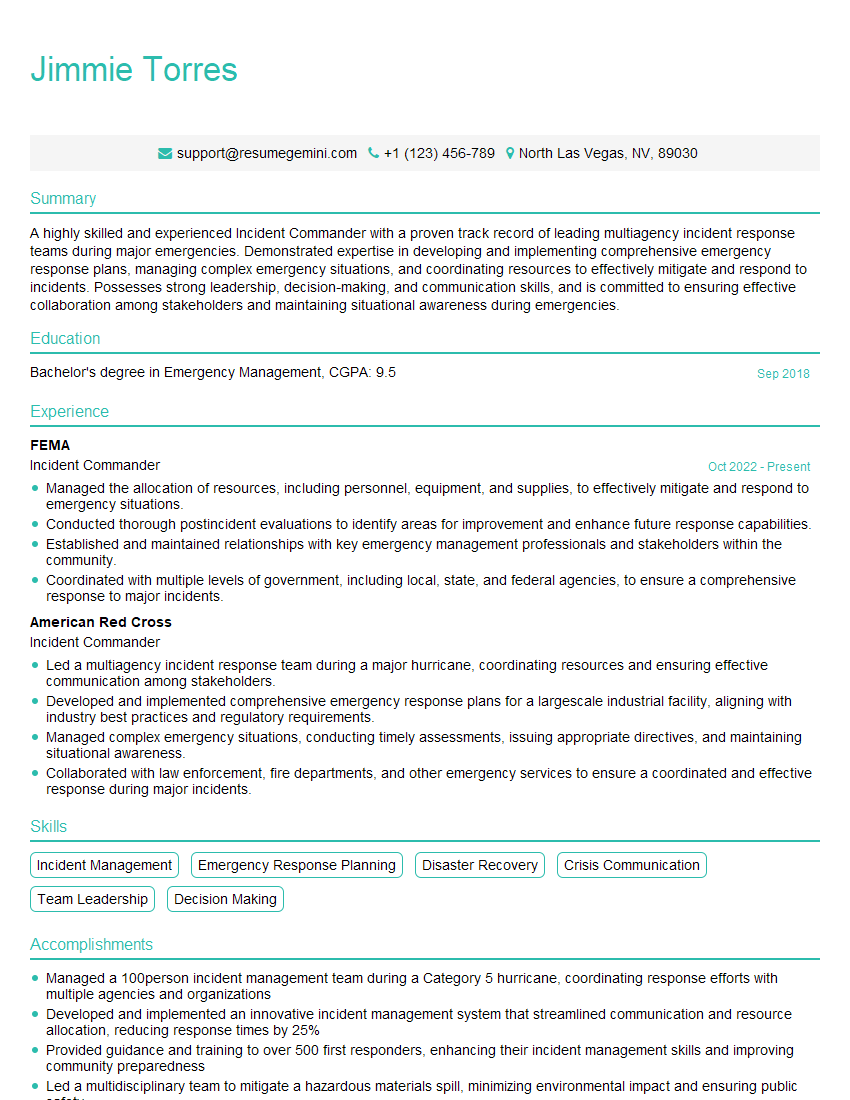
Incident Commander Resume Sample
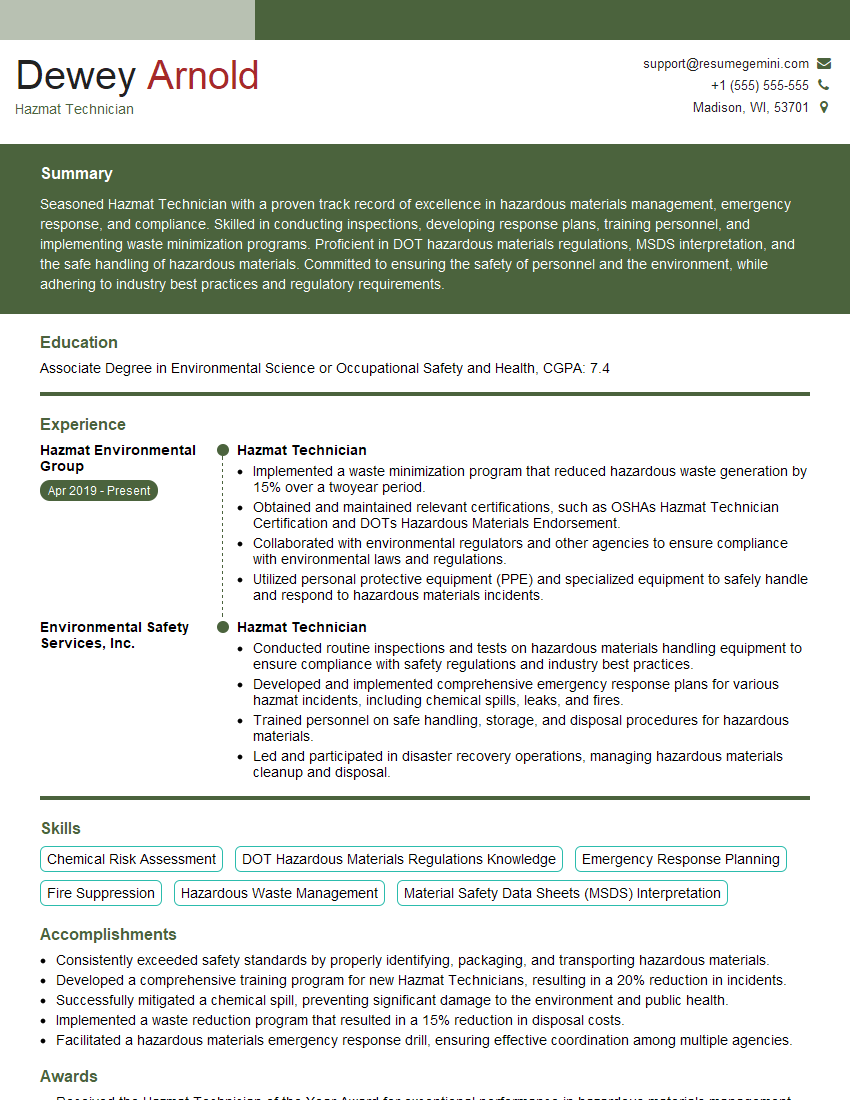
Hazmat Technician Resume Sample
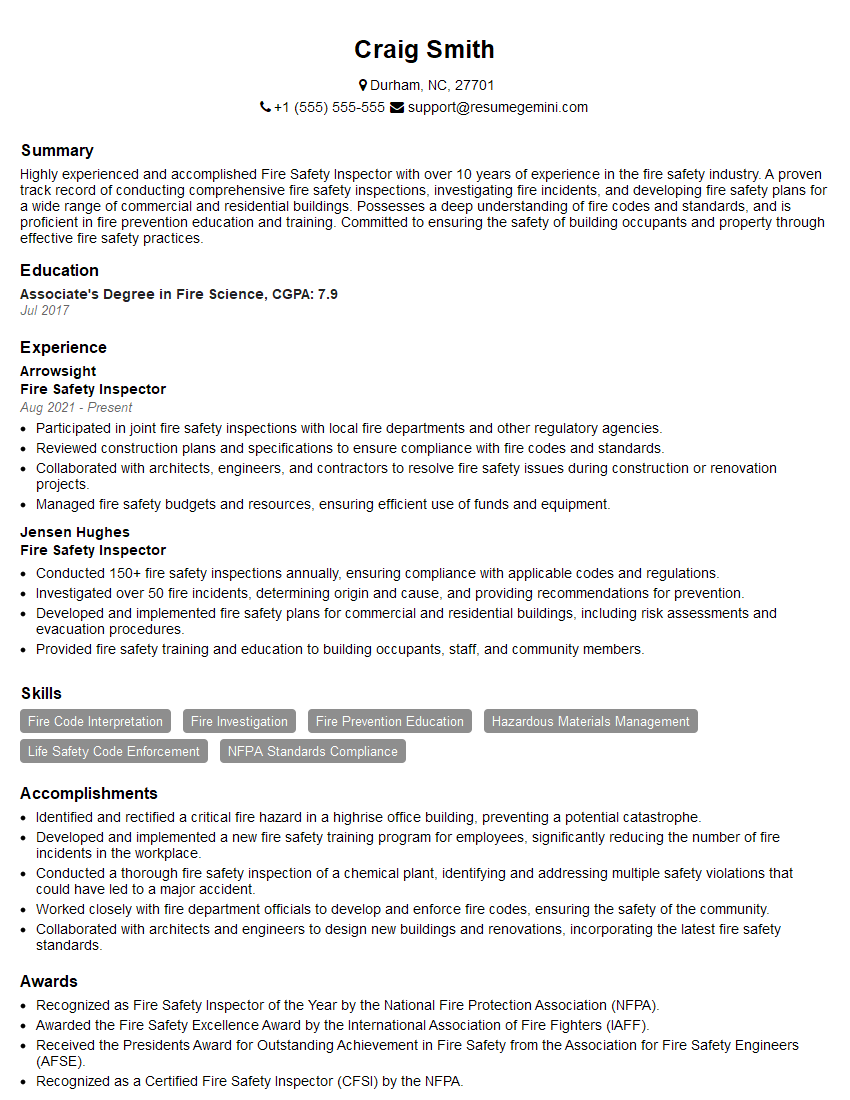
Fire Safety Inspector Resume Sample
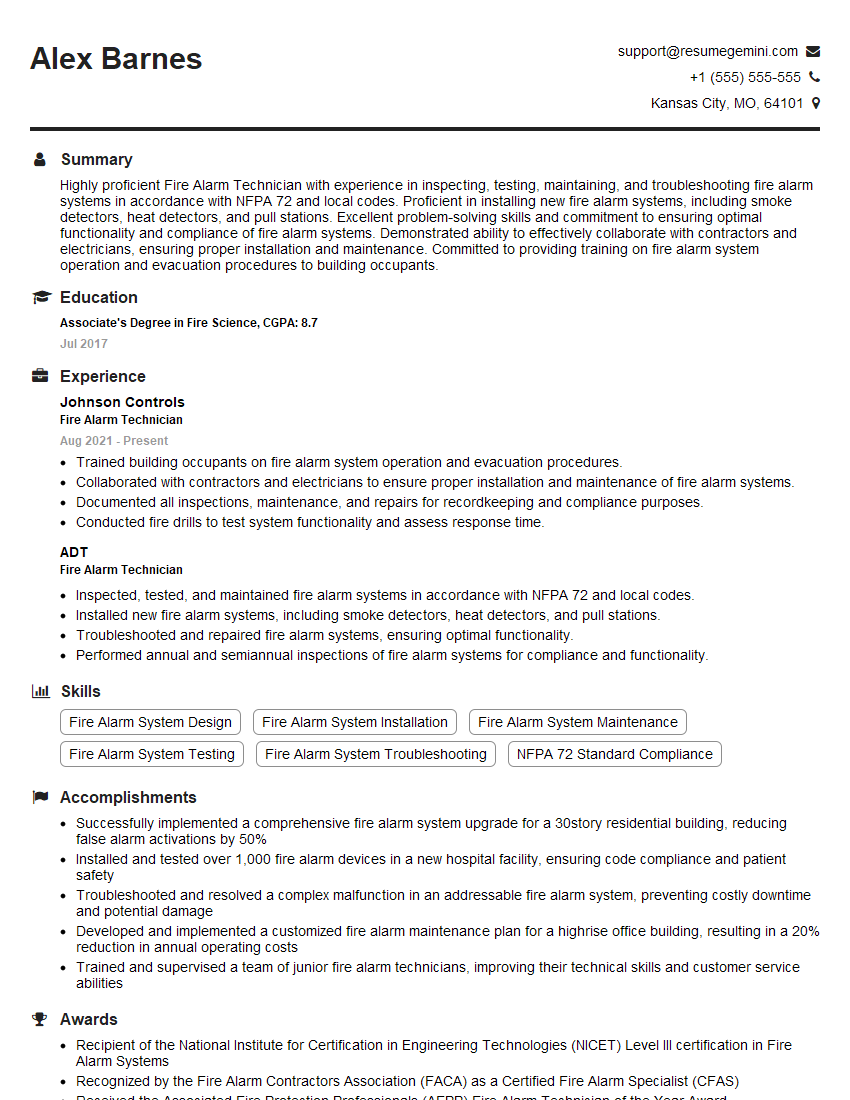
Fire Alarm Technician Resume Sample
- Disaster Recovery Manager
- Emergency Management Director
- Paramedic
- Risk Manager
- Security Manager
- Business Continuity Planner
- Fire Protection Engineer
- Firefighter
- Safety Officer
- Fire Investigator
- Fire Marshal
- Fire Prevention Officer
- Incident Commander
- Hazmat Technician
- Fire Safety Inspector
- Fire Alarm Technician
Explore more articles
Users Rating of Our Blogs
Share Your Experience
We value your feedback! Please rate our content and share your thoughts (optional).
What Readers Say About Our Blog
Attention music lovers!
Wow, All the best Sax Summer music !!!
Spotify: https://open.spotify.com/artist/6ShcdIT7rPVVaFEpgZQbUk
Apple Music: https://music.apple.com/fr/artist/jimmy-sax-black/1530501936
YouTube: https://music.youtube.com/browse/VLOLAK5uy_noClmC7abM6YpZsnySxRqt3LoalPf88No
Other Platforms and Free Downloads : https://fanlink.tv/jimmysaxblack
on google : https://www.google.com/search?q=22+AND+22+AND+22
on ChatGPT : https://chat.openai.com?q=who20jlJimmy20Black20Sax20Producer
Get back into the groove with Jimmy sax Black
Best regards,
Jimmy sax Black
www.jimmysaxblack.com
Hi I am a troller at The aquatic interview center and I suddenly went so fast in Roblox and it was gone when I reset.
Hi,
Business owners spend hours every week worrying about their website—or avoiding it because it feels overwhelming.
We’d like to take that off your plate:
$69/month. Everything handled.
Our team will:
Design a custom website—or completely overhaul your current one
Take care of hosting as an option
Handle edits and improvements—up to 60 minutes of work included every month
No setup fees, no annual commitments. Just a site that makes a strong first impression.
Find out if it’s right for you:
https://websolutionsgenius.com/awardwinningwebsites
Hello,
we currently offer a complimentary backlink and URL indexing test for search engine optimization professionals.
You can get complimentary indexing credits to test how link discovery works in practice.
No credit card is required and there is no recurring fee.
You can find details here:
https://wikipedia-backlinks.com/indexing/
Regards
NICE RESPONSE TO Q & A
hi
The aim of this message is regarding an unclaimed deposit of a deceased nationale that bears the same name as you. You are not relate to him as there are millions of people answering the names across around the world. But i will use my position to influence the release of the deposit to you for our mutual benefit.
Respond for full details and how to claim the deposit. This is 100% risk free. Send hello to my email id: lukachachibaialuka@gmail.com
Luka Chachibaialuka
Hey interviewgemini.com, just wanted to follow up on my last email.
We just launched Call the Monster, an parenting app that lets you summon friendly ‘monsters’ kids actually listen to.
We’re also running a giveaway for everyone who downloads the app. Since it’s brand new, there aren’t many users yet, which means you’ve got a much better chance of winning some great prizes.
You can check it out here: https://bit.ly/callamonsterapp
Or follow us on Instagram: https://www.instagram.com/callamonsterapp
Thanks,
Ryan
CEO – Call the Monster App
Hey interviewgemini.com, I saw your website and love your approach.
I just want this to look like spam email, but want to share something important to you. We just launched Call the Monster, a parenting app that lets you summon friendly ‘monsters’ kids actually listen to.
Parents are loving it for calming chaos before bedtime. Thought you might want to try it: https://bit.ly/callamonsterapp or just follow our fun monster lore on Instagram: https://www.instagram.com/callamonsterapp
Thanks,
Ryan
CEO – Call A Monster APP
To the interviewgemini.com Owner.
Dear interviewgemini.com Webmaster!
Hi interviewgemini.com Webmaster!
Dear interviewgemini.com Webmaster!
excellent
Hello,
We found issues with your domain’s email setup that may be sending your messages to spam or blocking them completely. InboxShield Mini shows you how to fix it in minutes — no tech skills required.
Scan your domain now for details: https://inboxshield-mini.com/
— Adam @ InboxShield Mini
support@inboxshield-mini.com
Reply STOP to unsubscribe
Hi, are you owner of interviewgemini.com? What if I told you I could help you find extra time in your schedule, reconnect with leads you didn’t even realize you missed, and bring in more “I want to work with you” conversations, without increasing your ad spend or hiring a full-time employee?
All with a flexible, budget-friendly service that could easily pay for itself. Sounds good?
Would it be nice to jump on a quick 10-minute call so I can show you exactly how we make this work?
Best,
Hapei
Marketing Director
Hey, I know you’re the owner of interviewgemini.com. I’ll be quick.
Fundraising for your business is tough and time-consuming. We make it easier by guaranteeing two private investor meetings each month, for six months. No demos, no pitch events – just direct introductions to active investors matched to your startup.
If youR17;re raising, this could help you build real momentum. Want me to send more info?
Hi, I represent an SEO company that specialises in getting you AI citations and higher rankings on Google. I’d like to offer you a 100% free SEO audit for your website. Would you be interested?
Hi, I represent an SEO company that specialises in getting you AI citations and higher rankings on Google. I’d like to offer you a 100% free SEO audit for your website. Would you be interested?