Interviews are more than just a Q&A session—they’re a chance to prove your worth. This blog dives into essential Fire Risk Management interview questions and expert tips to help you align your answers with what hiring managers are looking for. Start preparing to shine!
Questions Asked in Fire Risk Management Interview
Q 1. Describe your experience conducting fire risk assessments.
Conducting fire risk assessments involves a systematic process of identifying potential fire hazards, evaluating their risks, and implementing control measures to mitigate those risks. My experience encompasses a wide range of settings, from small offices to large industrial complexes. The process typically begins with a thorough site survey, where I visually inspect the premises, identifying potential ignition sources, flammable materials, and escape routes. I then analyze the building’s construction, occupancy, and fire protection systems. This information feeds into a detailed risk assessment, prioritizing hazards based on likelihood and severity. The output is a comprehensive report detailing the identified hazards, the risk level assigned to each, and recommended preventative and protective measures. For instance, in a recent assessment of a restaurant, I identified a significant risk associated with grease build-up in the kitchen exhaust system. The report recommended regular cleaning and maintenance of the system and installation of a fire suppression system, tailored to the specific nature of the risk.
Following the assessment, I work with clients to develop and implement practical solutions. This involves not just proposing solutions, but ensuring that they are properly understood and implemented by staff. This includes training and ongoing monitoring to make sure that fire safety practices are consistently followed. I’ve found that proactive engagement with stakeholders is crucial for successful implementation and lasting impact.
Q 2. Explain the different types of fire extinguishers and their applications.
Fire extinguishers are classified based on the type of fire they’re designed to combat. Understanding these classes is critical for effective fire suppression. The most common classes are:
- Class A: These extinguishers are for fires involving ordinary combustible materials like wood, paper, and cloth. They typically use water or a water-based agent to cool and extinguish the fire.
- Class B: These extinguishers are for fires involving flammable liquids like grease, gasoline, and oil. They utilize agents like carbon dioxide (CO2), dry chemical, or foam to smother the fire and prevent reignition.
- Class C: These extinguishers are for fires involving energized electrical equipment. They employ agents that don’t conduct electricity, such as CO2 or dry chemical, to prevent electrical shock. It’s crucial to de-energize the equipment before using a Class C extinguisher whenever possible.
- Class D: These are for fires involving combustible metals like magnesium, titanium, and sodium. They require specialized agents to react chemically with the burning metal and suppress the fire.
- Class K: These extinguishers are specifically designed for fires in cooking appliances involving oils and fats. They usually contain wet chemical agents that saponify (form soap) with the burning fats, quickly extinguishing the fire. This type is vital in commercial kitchens.
Choosing the right extinguisher is vital. Using the wrong type can be ineffective or even dangerous. For example, using a water extinguisher on a grease fire will likely spread the flames. A comprehensive fire risk assessment determines the necessary extinguisher types and their placement in a facility.
Q 3. What are the key components of a fire safety plan?
A comprehensive fire safety plan is a roadmap for protecting lives and property in the event of a fire. Key components include:
- Fire hazard identification and risk assessment: This is the foundational step, identifying potential hazards and their associated risks.
- Emergency procedures: Clear, concise instructions for responding to a fire, including alarm procedures, reporting procedures, and evacuation routes.
- Evacuation plan: A detailed plan outlining evacuation routes, assembly points, and the roles and responsibilities of personnel during evacuation. This should include diagrams and clear signage.
- Fire prevention measures: Strategies for minimizing the risk of fire, such as housekeeping practices, maintenance of fire suppression systems, and training programs.
- Fire fighting equipment: The type, location, and maintenance schedules for fire extinguishers, fire blankets, and other fire fighting equipment.
- Fire alarm system: A description of the fire alarm system, including testing procedures, alarm signals, and response protocols.
- Training and drills: Regular training for employees on fire safety procedures, including how to use fire extinguishers and evacuation plans.
- Emergency contact list: A list of emergency contacts, including fire departments, building management, and other relevant authorities.
A well-structured fire safety plan should be regularly reviewed and updated to reflect any changes in the workplace or fire code regulations. This ensures its continued effectiveness.
Q 4. How do you identify and mitigate fire hazards in a workplace?
Identifying and mitigating fire hazards in the workplace requires a systematic approach. The process involves:
- Hazard identification: This involves a thorough inspection of the workplace, paying close attention to potential ignition sources (e.g., electrical equipment, heating systems, open flames), flammable materials (e.g., solvents, fuels, paper), and factors that could contribute to fire spread (e.g., cluttered areas, inadequate ventilation).
- Risk assessment: This step involves evaluating the likelihood and severity of each identified hazard. This helps prioritize which hazards require immediate attention. A simple risk matrix can be used to categorize risks (low, medium, high).
- Hazard control: This is the implementation of measures to eliminate or reduce the risks. This could involve:
- Elimination: Removing the hazard altogether (e.g., replacing flammable solvents with less flammable alternatives).
- Substitution: Replacing hazardous materials with less hazardous ones.
- Engineering controls: Implementing physical changes to the work environment (e.g., installing fire-resistant materials, improving ventilation).
- Administrative controls: Establishing procedures and policies (e.g., safe work practices, training programs, regular inspections).
- Personal protective equipment (PPE): Providing appropriate PPE (e.g., flame-retardant clothing).
- Monitoring and review: Regular inspections and reviews of the fire safety measures to ensure their effectiveness and make adjustments as needed. This also ensures compliance with regulations.
For instance, in a woodworking shop, identifying and controlling dust accumulation is paramount. This could involve regular cleaning, the use of dust extraction systems, and training employees on proper dust handling practices. Failure to implement these measures could lead to a catastrophic dust explosion.
Q 5. What is your understanding of fire codes and regulations?
My understanding of fire codes and regulations is extensive. I am familiar with both national and local codes, which vary based on geographic location and the type of occupancy. These codes establish minimum standards for fire safety, covering topics such as building construction, fire detection and suppression systems, emergency exits, and employee training. They often specify requirements for fire-resistant materials, sprinkler systems, smoke detectors, and emergency lighting. I regularly consult and stay updated on the latest revisions and amendments to these codes to ensure that my recommendations and assessments are compliant. For example, the International Fire Code (IFC) and the National Fire Protection Association (NFPA) standards are widely recognized and form the basis for many local fire codes. Understanding the specific requirements of a jurisdiction is crucial for providing accurate and compliant fire risk assessments.
Knowledge of fire codes extends beyond simply understanding the regulations; it involves interpreting them in the context of specific buildings and occupancies, understanding variances and exemptions, and knowing where to find further information and guidance when necessary.
Q 6. Explain the process of developing and implementing a fire evacuation plan.
Developing and implementing a fire evacuation plan is a critical aspect of fire safety management. The process typically involves:
- Risk assessment: Identifying potential fire hazards and assessing the risks associated with them, factoring in the building’s layout, occupancy, and potential challenges during an evacuation.
- Evacuation route planning: Mapping out clear and well-marked escape routes, ensuring that they are free from obstructions and readily accessible to all occupants.
- Assembly point designation: Selecting a safe and easily identifiable assembly point outside the building, away from potential hazards. This point should be clearly indicated on evacuation maps and signage.
- Emergency communication strategy: Establishing a system for alerting occupants of a fire, including the use of fire alarms, public address systems, and designated personnel to assist in the evacuation.
- Roles and responsibilities: Assigning roles and responsibilities to specific individuals, including fire wardens, floor wardens, and designated personnel to assist those with mobility challenges. This ensures a coordinated and efficient response.
- Training and drills: Conducting regular fire drills to familiarize occupants with the evacuation procedures, allowing for identification and correction of any issues in the plan.
- Plan documentation: Creating a written evacuation plan that includes floor plans, evacuation routes, assembly points, contact information, and emergency procedures.
- Review and update: Regularly reviewing and updating the evacuation plan to reflect any changes in the building layout, occupancy, or fire code regulations.
The success of an evacuation plan hinges on clear communication, regular practice, and the active participation of all occupants. A well-rehearsed plan will minimize confusion and maximize the safety of everyone.
Q 7. How do you ensure compliance with fire safety legislation?
Ensuring compliance with fire safety legislation is an ongoing process that involves several key steps:
- Stay informed: Maintain up-to-date knowledge of all applicable fire safety legislation and regulations. This involves regular review of relevant codes, standards, and guidelines.
- Conduct regular fire risk assessments: Carry out regular fire risk assessments to identify potential hazards and evaluate the effectiveness of current fire safety measures.
- Implement appropriate control measures: Implement the necessary control measures to address identified hazards, complying with all legal requirements. This might include installing fire detection and suppression systems, providing adequate escape routes, and conducting regular maintenance.
- Maintain records: Keep accurate and complete records of all fire safety activities, including risk assessments, inspections, maintenance, training, and emergency drills.
- Employee training: Provide comprehensive training to all employees on fire safety procedures, including the use of fire extinguishers, evacuation procedures, and emergency response protocols.
- Regular inspections and maintenance: Undertake regular inspections and maintenance of fire safety equipment, such as fire extinguishers, sprinkler systems, and smoke detectors, ensuring that they are in good working order and properly tested.
- Emergency response plan testing: Conduct regular fire drills and tests of emergency procedures to ensure that occupants are familiar with evacuation routes and assembly points. This helps ensure that the plan functions as intended.
- Engage with authorities: Maintain open communication with relevant fire authorities to ensure that the organization remains compliant with all legal requirements.
By consistently implementing these measures, organizations can demonstrate their commitment to fire safety and minimize the risk of fire incidents while upholding legal obligations.
Q 8. Describe your experience with fire risk assessment software.
My experience with fire risk assessment software spans several years and various platforms. I’m proficient in using software that allows for the mapping of facilities, identification of fire hazards, risk categorization based on likelihood and consequence, and the development of comprehensive fire safety plans. I’ve worked with both cloud-based and on-premise solutions, including those that integrate with building management systems (BMS). For example, I’ve used software to model the evacuation of a large shopping mall, identifying potential bottlenecks and suggesting improvements to escape routes. Another example involves using software to track inspections, maintenance of fire protection systems (like sprinklers and alarms), and employee training records. This software enables a more efficient and data-driven approach to fire risk management, ensuring compliance and improving overall safety.
The key features I look for in such software include: robust hazard identification capabilities, accurate risk analysis tools based on established standards like NFPA, ease of reporting and documentation generation, and seamless integration with other safety management systems.
Q 9. What are the different types of fire detection systems?
Fire detection systems are crucial for early warning and response. They can be broadly classified into several types:
- Heat Detectors: These trigger an alarm when a certain temperature is reached. They come in fixed-temperature and rate-of-rise varieties. Fixed-temperature detectors activate only when the temperature exceeds a preset threshold, while rate-of-rise detectors respond to a rapid increase in temperature, even if the threshold temperature isn’t reached.
- Smoke Detectors: These detect the presence of smoke, a primary indicator of a fire. They can be ionization (sensitive to small smoke particles) or photoelectric (sensitive to larger smoke particles). Choosing the right type depends on the environment and potential fire types.
- Flame Detectors: These detect the presence of flames using infrared or ultraviolet sensors. They are ideal for locations with high temperatures but minimal smoke production, like industrial settings.
- Combined Detectors: Many modern systems offer combined detection technologies, providing more reliable and comprehensive fire protection. These combine features from multiple detector types.
- Addressable Systems: These advanced systems identify the exact location of the alarm, facilitating faster response times and more accurate incident management.
The selection of an appropriate fire detection system requires a thorough risk assessment, considering factors such as the type of occupancy, potential fire hazards, and environmental conditions. For instance, a kitchen will require a system different from that of an office building.
Q 10. How do you train employees on fire safety procedures?
Employee fire safety training is paramount. My approach involves a multi-faceted strategy:
- Initial Training: This covers basic fire safety principles, emergency procedures (e.g., evacuation plans, assembly points), and the proper use of fire extinguishers (with hands-on practice).
- Regular Drills: Scheduled fire drills ensure employees are familiar with evacuation routes and procedures. Drills should simulate various scenarios to enhance preparedness.
- Targeted Training: Specific training may be needed for employees handling hazardous materials or operating fire-sensitive equipment. This often involves specialized training aligned with industry best practices and regulatory requirements.
- Refresher Courses: Periodic refresher training keeps employees updated on changes in fire safety regulations and procedures, addressing any gaps in knowledge.
- Documentation: Maintaining accurate records of all training activities is crucial for demonstrating compliance and identifying areas needing improvement.
I utilize a combination of interactive presentations, videos, practical demonstrations, and written tests to assess understanding and ensure engagement. The training is tailored to the specific needs and roles of the employees, making it practical and relevant to their day-to-day responsibilities.
Q 11. Explain your understanding of passive and active fire protection.
Passive and active fire protection represent two complementary approaches to mitigating fire risks:
- Passive Fire Protection: This involves structural features designed to prevent or delay the spread of fire. Examples include fire-resistant walls and floors (compartmentation), fire doors, smoke dampers in ventilation systems, and fire-rated materials used in construction. These measures aim to contain the fire, allowing for safe evacuation and giving firefighters time to respond. Think of passive protection as the building’s inherent resistance to fire.
- Active Fire Protection: This consists of systems and equipment that actively suppress or control fire. Examples include fire sprinkler systems, fire alarms, fire extinguishers, and smoke ventilation systems. These systems are designed to detect fire, alert occupants, and actively fight or mitigate the fire’s spread. Active protection is the reactive countermeasure to a fire event.
A comprehensive fire safety strategy integrates both passive and active systems to ensure a layered approach to protection. For instance, a building might have fire-resistant walls (passive) coupled with a sprinkler system (active) to prevent a small fire from spreading into a large-scale incident.
Q 12. How do you conduct a post-incident fire investigation?
Post-incident fire investigation is a systematic process aiming to determine the cause, origin, and circumstances surrounding a fire. My approach follows a structured methodology:
- Securing the Scene: The first step is to secure the scene to preserve evidence and ensure the safety of investigators.
- Initial Assessment: This involves documenting the extent of damage, identifying potential witnesses, and gathering preliminary information.
- Evidence Collection: Systematic collection and preservation of physical evidence (e.g., debris samples, electrical components) is crucial. Photographs and detailed sketches are also essential.
- Witness Interviews: Interviews with witnesses, firefighters, and other relevant personnel are conducted to gather accounts of the events.
- Data Analysis: Analyzing evidence, including fire patterns, damage distribution, and witness statements, helps to reconstruct the fire’s progression.
- Report Compilation: A comprehensive report outlining the findings, including the probable cause of the fire, is prepared.
This process adheres to relevant legal and regulatory standards, ensuring a thorough and unbiased investigation. For example, identifying the ignition source (a faulty electrical appliance, for instance) requires careful examination of electrical circuits and the appliance’s condition.
Q 13. What are the key elements of a fire safety audit?
A fire safety audit is a comprehensive evaluation of a building or facility’s fire safety measures. Key elements include:
- Review of Fire Safety Documentation: This includes examining fire risk assessments, emergency plans, and maintenance records for fire protection systems.
- Inspection of Fire Protection Systems: A thorough inspection of fire detection and suppression systems (sprinklers, alarms, extinguishers) to assess their functionality and compliance with standards.
- Assessment of Escape Routes and Signage: Evaluating the adequacy and clarity of escape routes, emergency exits, and fire safety signage.
- Review of Fire Safety Procedures: Assessing the effectiveness of fire safety procedures, including evacuation plans and employee training programs.
- Compliance with Regulations: Checking compliance with relevant fire safety codes and regulations.
- Identification of Hazards: Identifying potential fire hazards and assessing their associated risks.
The audit culminates in a report detailing findings, recommendations for improvement, and a prioritization of necessary actions. For instance, an audit might reveal a lack of fire extinguishers in certain areas, inadequately maintained sprinkler heads, or unclear evacuation routes—all critical issues to address for enhanced safety.
Q 14. How do you communicate fire safety risks effectively to different audiences?
Effective communication of fire safety risks is vital. My approach involves tailoring the message to the specific audience:
- Employees: Clear, concise, and practical communication is key. This may involve interactive training sessions, posters with simple instructions, and regular updates on fire safety initiatives.
- Management: Communication should focus on risk assessment results, financial implications of fire incidents, and the effectiveness of safety measures. Data-driven reports and cost-benefit analyses are effective tools.
- External Stakeholders: Communication with regulatory bodies or insurance providers requires formal reports and compliance documentation.
- Public: If applicable, clear and accessible information for the public regarding potential risks or evacuation procedures should be provided.
I use various communication channels, including written reports, presentations, training materials, and signage, to ensure the information is easily understood and accessible to all audiences. For example, using visuals like maps of evacuation routes and simple checklists for fire extinguisher use greatly aids comprehension.
Q 15. Describe your experience managing a fire emergency.
During my tenure at a large manufacturing facility, we experienced a fire originating from a malfunctioning electrical panel in the assembly line. My immediate actions involved activating the building’s fire alarm system, initiating the emergency evacuation procedure as per our established protocols, and coordinating with the on-site emergency response team. This included ensuring all personnel were accounted for, directing firefighters to the source of the fire, and securing the area to prevent further damage or injury. Post-incident, I oversaw the investigation into the cause of the fire, implemented corrective actions to prevent recurrence (including upgrading the electrical panel and enhancing our preventative maintenance schedule), and documented the entire process for review and improvement of our emergency response plan. This experience highlighted the critical need for thorough planning, robust procedures, and effective team communication during a fire emergency.
Career Expert Tips:
- Ace those interviews! Prepare effectively by reviewing the Top 50 Most Common Interview Questions on ResumeGemini.
- Navigate your job search with confidence! Explore a wide range of Career Tips on ResumeGemini. Learn about common challenges and recommendations to overcome them.
- Craft the perfect resume! Master the Art of Resume Writing with ResumeGemini’s guide. Showcase your unique qualifications and achievements effectively.
- Don’t miss out on holiday savings! Build your dream resume with ResumeGemini’s ATS optimized templates.
Q 16. What are the common causes of workplace fires?
Workplace fires are often caused by a combination of factors, but some common culprits include:
- Electrical Malfunctions: Faulty wiring, overloaded circuits, and damaged equipment are frequent sources of ignition.
- Smoking Materials: Discarded cigarettes, improperly extinguished matches, or smoking in unauthorized areas can easily ignite flammable materials.
- Heating Equipment: Improperly used or maintained heating equipment, like space heaters, furnaces, and ovens, can overheat and catch fire.
- Flammable Liquids and Gases: The improper handling, storage, or accidental spillage of flammable materials poses a significant risk.
- Arson: Deliberately set fires account for a portion of workplace incidents and should never be underestimated.
- Cooking Equipment: Unattended cooking equipment, especially in kitchens or breakrooms, can lead to grease fires and other cooking-related incidents.
It’s crucial to understand that many fires are preventable through diligent safety practices and regular maintenance.
Q 17. How do you prioritize fire safety risks based on likelihood and impact?
Risk prioritization involves a systematic assessment of the likelihood and impact of a fire event. We often use a risk matrix, where likelihood (probability of occurrence) and impact (severity of consequences, such as property damage, injuries, or business disruption) are rated on a scale (e.g., low, medium, high). The combination of these ratings determines the overall risk level. For instance:
- High Likelihood, High Impact: A highly flammable material stored improperly near an ignition source presents a critical risk requiring immediate action.
- Low Likelihood, High Impact: A large-scale chemical storage area might have a low probability of fire, but the consequences of a fire would be catastrophic, requiring robust safety measures.
- High Likelihood, Low Impact: Frequent minor incidents, like small paper fires in waste bins, might be common but have minimal consequences. While individually low risk, aggregated frequency should be addressed.
- Low Likelihood, Low Impact: A remote area with minimal flammable materials represents a negligible risk.
By prioritizing risks based on this matrix, we can allocate resources effectively, focusing on mitigating the most critical threats first.
Q 18. What is your experience with fire alarm systems?
My experience encompasses various aspects of fire alarm systems, from design and installation to testing, maintenance, and inspection. I’m familiar with both conventional and addressable systems, understanding their capabilities and limitations. I’ve worked with systems incorporating smoke detectors (ionization and photoelectric), heat detectors (fixed temperature and rate-of-rise), and manual call points. I’m proficient in interpreting system schematics, conducting routine inspections to ensure functionality, and performing preventative maintenance tasks such as battery replacements and sensor cleaning. I understand the critical role of regular testing, including weekly and monthly checks, along with annual inspections performed by qualified technicians, to guarantee the system’s reliability in an emergency. Experience with fire alarm system integration with building management systems (BMS) further enhances my understanding of overall fire safety infrastructure.
Q 19. Explain the importance of regular fire drills and inspections.
Regular fire drills and inspections are essential for ensuring the effectiveness of fire safety procedures and the readiness of the building’s fire protection systems. Fire drills simulate emergency situations, allowing personnel to practice evacuation routes, procedures, and assembly points. This reinforces the importance of adhering to safety protocols and helps identify any shortcomings or confusion in the plan. Inspections, on the other hand, provide a thorough assessment of the building’s fire safety infrastructure, including fire extinguishers, fire suppression systems, alarm systems, and emergency exits. They help in detecting and rectifying potential hazards before they escalate into actual incidents. Think of it like this: drills are the practice, and inspections are the maintenance. Both are crucial for building resilience and preparedness, akin to a well-trained athlete who consistently undergoes physical checks.
Q 20. How do you ensure fire safety in high-risk environments?
High-risk environments, such as those involving flammable materials, large numbers of people, or complex processes, require a multi-layered approach to fire safety. This includes:
- Enhanced Engineering Controls: Implementing robust fire suppression systems (e.g., sprinklers, deluge systems), explosion venting, and fire-resistant building materials.
- Stricter Administrative Controls: Developing comprehensive fire safety plans, conducting thorough risk assessments, providing specialized training to employees handling hazardous materials, and implementing stringent permit-to-work systems.
- Improved Housekeeping: Maintaining a clean and organized work environment to minimize the accumulation of flammable materials and waste.
- Increased Monitoring and Surveillance: Using fire detection systems with enhanced sensitivity and incorporating CCTV monitoring to quickly detect and respond to potential hazards.
- Emergency Response Planning: Establishing clear evacuation procedures, practicing regular drills, and maintaining close coordination with local emergency services.
The level of safety measures must be tailored to the specific risks present. A chemical plant will have far different requirements compared to an office building.
Q 21. Describe your familiarity with relevant fire safety standards (e.g., NFPA, BS 5839).
I’m familiar with a range of fire safety standards, including NFPA (National Fire Protection Association) standards in the US and BS (British Standard) standards in the UK. My understanding of NFPA standards includes NFPA 10 (portable fire extinguishers), NFPA 72 (National Fire Alarm and Signaling Code), and NFPA 13 (installation of sprinkler systems). Regarding BS standards, I’m familiar with BS 5839 (fire detection and fire alarm systems) and its implications for design, installation, and maintenance. These standards provide a framework for ensuring fire safety and compliance in different settings. I understand the importance of staying updated on the latest revisions and amendments to these codes to ensure adherence to current best practices and legal requirements. Knowledge of these standards allows for effective risk assessment, appropriate system design, and compliance with legal and regulatory frameworks.
Q 22. How do you manage fire safety documentation and records?
Effective fire safety documentation is the backbone of a robust fire risk management system. It ensures accountability, traceability, and continuous improvement. My approach involves a multi-layered system.
Centralized Database: All documents – risk assessments, fire drills records, inspection reports, training certificates, maintenance logs for fire protection systems (like sprinklers and alarms), and emergency plans – are stored in a centralized, easily accessible digital database. This allows for quick retrieval and version control.
Clear Filing System: The database utilizes a logical filing system, categorized by building, system, and document type. This prevents information overload and ensures efficient searching.
Regular Audits: Regular audits ensure documentation completeness and accuracy. Any gaps or outdated information are immediately addressed. This includes verifying that training records are up-to-date and that equipment maintenance is properly documented.
Version Control: We employ version control to track changes and ensure everyone is working with the most current version of a document. This prevents confusion and ensures compliance with regulations.
Secure Access: Access to the database is restricted based on roles and responsibilities, ensuring data security and confidentiality.
For example, if a fire alarm system malfunction occurs, the maintenance log and repair records are instantly accessible, aiding in swift resolution and facilitating investigations.
Q 23. What methods do you use for continuous improvement in fire safety?
Continuous improvement in fire safety isn’t a one-time event; it’s an ongoing process. I utilize several methods:
Regular Fire Risk Assessments: These aren’t static documents; they are regularly reviewed and updated to reflect changes in occupancy, building modifications, or new fire safety regulations. This ensures the risk assessment remains relevant and effective.
Incident Reviews: Any fire incidents, near misses, or deficiencies identified during inspections are thoroughly investigated. Root causes are analyzed, and corrective actions are implemented to prevent recurrence. Lessons learned are then shared across the organization.
Performance Monitoring: Key performance indicators (KPIs) such as the time taken to evacuate during fire drills, the response time of fire suppression systems, and the number of fire safety violations are tracked and analyzed. This data helps identify areas needing attention and measure the effectiveness of implemented improvements.
Employee Feedback: Encouraging employee feedback through suggestion boxes, regular safety meetings, or anonymous surveys helps identify hazards and potential improvements that management might overlook.
Benchmarking: Comparing our fire safety performance against industry best practices and similar organizations allows us to identify areas where we can improve.
Training and Education: Ongoing training and education for staff on fire safety procedures, emergency response, and the use of fire protection equipment are crucial for maintaining a high level of safety awareness.
For instance, after a near miss incident involving a blocked fire exit, we revised our emergency procedures and implemented regular exit checks, significantly improving evacuation times during subsequent drills.
Q 24. Describe your experience in working with fire safety contractors.
My experience working with fire safety contractors has been extensive and positive. I believe in a collaborative approach.
Clear Communication: Effective communication is paramount. Before commencing any work, I ensure clear specifications, expectations, and timelines are established and documented in contracts. This includes specific requirements for materials, methods, and compliance certifications.
Regular Site Visits & Inspections: I conduct regular site visits and inspections to oversee the contractor’s work, ensuring adherence to safety regulations and project specifications. This includes checking the quality of workmanship and the proper use of safety equipment by the contractor’s personnel.
Progress Monitoring: I track the contractor’s progress against the agreed-upon schedule and budget. Regular progress meetings are held to address any issues or challenges proactively.
Quality Control: Upon completion, I ensure thorough quality control checks and inspections are performed to verify that the work meets the required standards and complies with all relevant codes and regulations before signing off on the project.
Conflict Resolution: In the event of disagreements, I aim to resolve them promptly and professionally through open communication and collaborative problem-solving. Documentation of all communications and resolutions is critical.
For example, when a contractor proposed a cost-saving measure that compromised fire safety, I worked with them to find an alternative solution that met both budget and safety requirements, demonstrating a balance between cost-effectiveness and safety.
Q 25. Explain your understanding of compartmentation in fire safety.
Compartmentation is a crucial fire safety strategy that involves dividing a building into smaller, self-contained areas using fire-resistant barriers. This limits the spread of fire and smoke, providing crucial time for evacuation and firefighting.
Fire-Resistant Walls and Floors: These barriers are designed to withstand fire for a specified period, preventing the spread of flames and smoke to adjacent compartments. The fire resistance rating (e.g., 60 minutes, 120 minutes) is determined based on the building’s occupancy and fire risk.
Fire Doors and Seals: Fire doors, with self-closing mechanisms and intumescent seals, are essential elements of compartmentation. They prevent the passage of fire and smoke through openings in fire-resistant barriers.
Fire Stopping: Fire stopping is crucial in preventing the spread of fire and smoke through service penetrations (e.g., pipework, cable ducts) in floors, walls, and ceilings. Specialized fire-stopping materials are used to seal these gaps.
Smoke Control Systems: These systems, which may include smoke dampers and ventilation systems, help control smoke movement within and between compartments, improving visibility and facilitating evacuation.
Imagine a large office building. Effective compartmentation ensures that a fire starting in one office is unlikely to spread rapidly throughout the entire building, allowing occupants of other areas to safely evacuate.
Q 26. How do you incorporate fire safety into building design and construction?
Incorporating fire safety into building design and construction is crucial for minimizing risk. This requires proactive involvement from the design stage onwards.
Early Consultation: Fire safety professionals should be involved from the initial design phase, advising on appropriate fire safety systems and building materials.
Building Codes and Regulations: Compliance with all relevant building codes and fire safety regulations is essential. These codes specify requirements for fire detection and alarm systems, emergency exits, fire suppression systems (e.g., sprinklers), and fire-resistant materials.
Material Selection: The selection of building materials with appropriate fire resistance ratings is critical. This includes walls, floors, ceilings, and finishes.
Emergency Exit Planning: Adequate numbers of clearly marked emergency exits, free from obstructions, are vital for efficient evacuation.
Fire Detection and Alarm Systems: A reliable and effective fire detection and alarm system, including smoke detectors, heat detectors, and manual call points, is essential for early fire detection and warning.
Fire Suppression Systems: Sprinkler systems, fire extinguishers, and other fire suppression systems should be strategically located to effectively control and extinguish fires.
For example, during the design of a new hospital, we incorporated a dedicated smoke evacuation system in each operating theatre to maintain a safe environment during a fire emergency.
Q 27. How would you handle a disagreement with a manager regarding fire safety priorities?
Disagreements regarding fire safety priorities can be challenging, but professional and respectful communication is key. My approach would involve:
Data-Driven Discussion: I would present my concerns supported by factual data, relevant regulations, risk assessments, and industry best practices. This shows a commitment to evidence-based decision-making.
Risk Assessment Justification: I would clearly explain the potential risks associated with compromising fire safety measures and the potential consequences of ignoring my recommendations. I’d demonstrate the potential financial and legal implications.
Alternative Solutions: Instead of simply stating problems, I would suggest practical, cost-effective alternative solutions that balance safety concerns and budget constraints.
Documentation: I would document all communications, agreements, and decisions related to the disagreement. This creates a record of the discussion and ensures clarity for future reference.
Escalation (if necessary): If the disagreement cannot be resolved at the management level, I would escalate the matter to higher authorities, ensuring that I have a clear paper trail documenting my concerns and attempts at resolution.
The goal is to find a mutually agreeable solution that prioritizes safety without compromising practicality. If necessary, I would utilize internal reporting structures to ensure that my concerns are heard and addressed by the appropriate authorities.
Q 28. Describe a time you had to make a difficult decision related to fire safety.
During a renovation project in a historic building, we discovered significant fire safety deficiencies that were not evident during the initial assessment. The building’s intricate structure made installing modern fire suppression systems challenging and costly. The difficult decision was whether to proceed with the renovation, potentially exposing occupants to unacceptable risks, or to halt the project, resulting in significant financial losses.
I carefully weighed the risks and benefits, consulting with structural engineers, fire safety experts, and legal counsel. We explored all feasible options, ultimately deciding on a phased approach. This involved implementing immediate interim fire safety measures (additional fire extinguishers, enhanced evacuation plans, and improved fire detection), while simultaneously developing a comprehensive, long-term fire protection strategy that was cost-effective and practical given the building’s constraints. This approach ensured the safety of occupants while minimizing financial losses and allowed the project to move forward. This decision highlighted the importance of adaptability and a collaborative approach in complex fire safety challenges.
Key Topics to Learn for Fire Risk Management Interview
- Fire Safety Regulations and Codes: Understanding relevant national and local building codes, fire prevention regulations, and their practical application in risk assessments.
- Fire Risk Assessment Methodology: Mastering the process of identifying hazards, analyzing risks, and evaluating the effectiveness of control measures. This includes practical experience with different assessment techniques.
- Fire Prevention Strategies: Developing and implementing proactive measures to minimize fire risks, including fire prevention planning, training, and emergency response procedures.
- Fire Protection Systems: Demonstrating a thorough understanding of various fire suppression systems (sprinklers, fire extinguishers, etc.), detection systems (smoke alarms, heat detectors), and their maintenance requirements.
- Emergency Planning and Response: Knowledge of evacuation procedures, emergency response plans, and the role of fire wardens and other key personnel in emergency situations. Include practical experience with drills and simulations.
- Fire Investigation Techniques: Understanding the basics of fire investigation, including scene examination, evidence collection, and report writing (if applicable to the role).
- Risk Mitigation and Control: Applying practical strategies to reduce fire risks, such as implementing fire safety training programs, conducting regular inspections, and maintaining accurate records.
- Communication and Collaboration: Highlighting your ability to effectively communicate fire safety information to various audiences, collaborate with other professionals, and work within a team environment.
- Legislation and Compliance: Demonstrating a strong understanding of relevant fire safety legislation and the implications of non-compliance.
- Life Safety Systems: Understanding the design, installation, and maintenance of life safety systems, including fire alarms, emergency lighting, and means of escape.
Next Steps
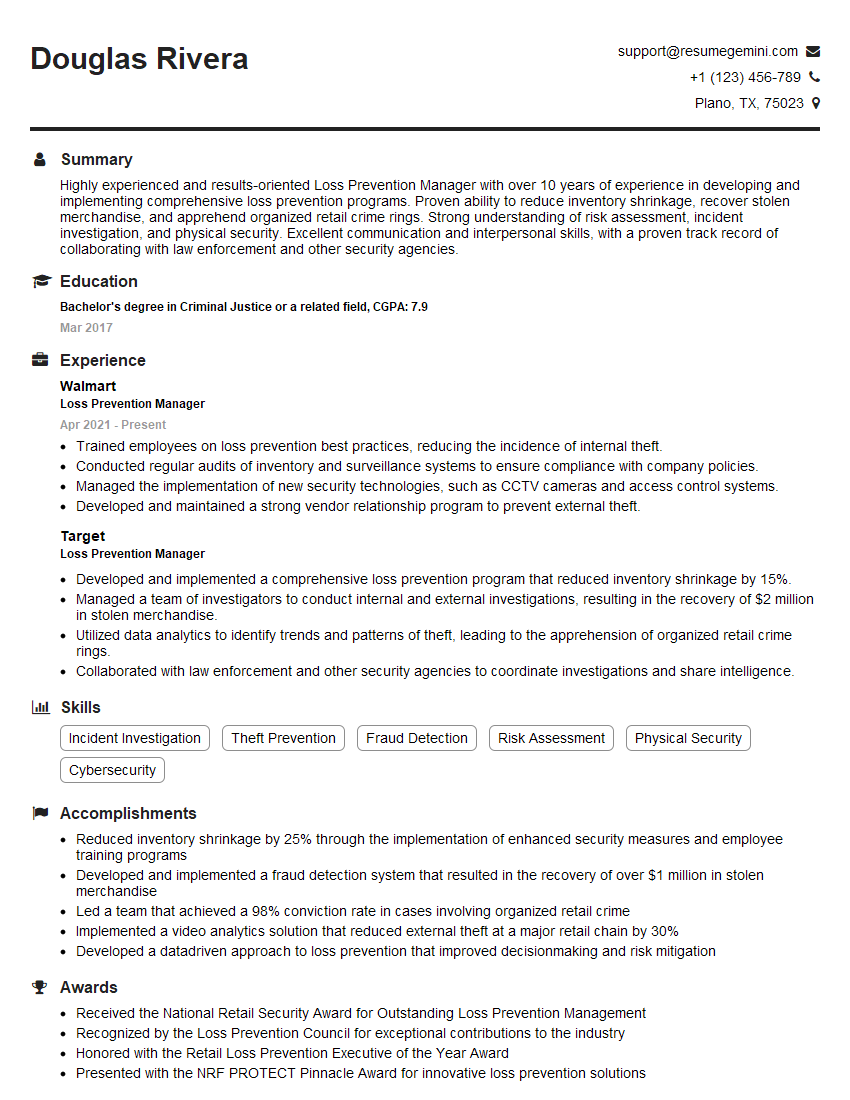
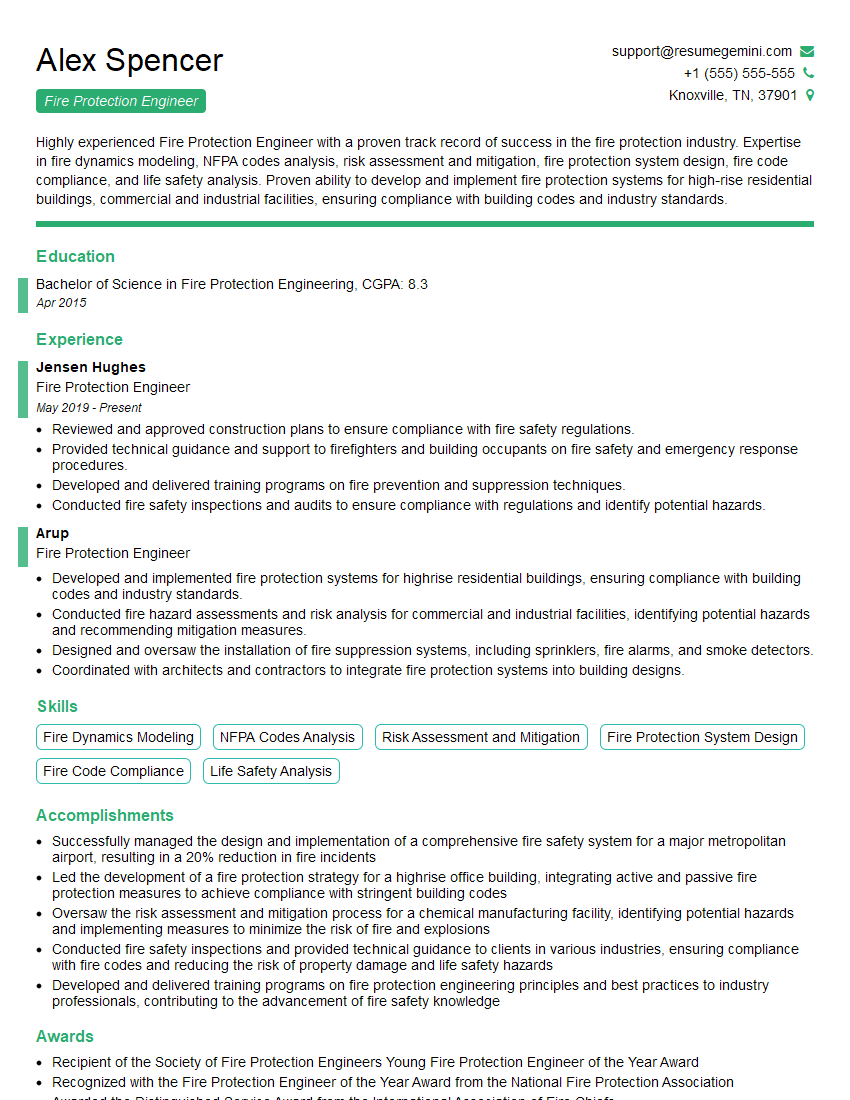
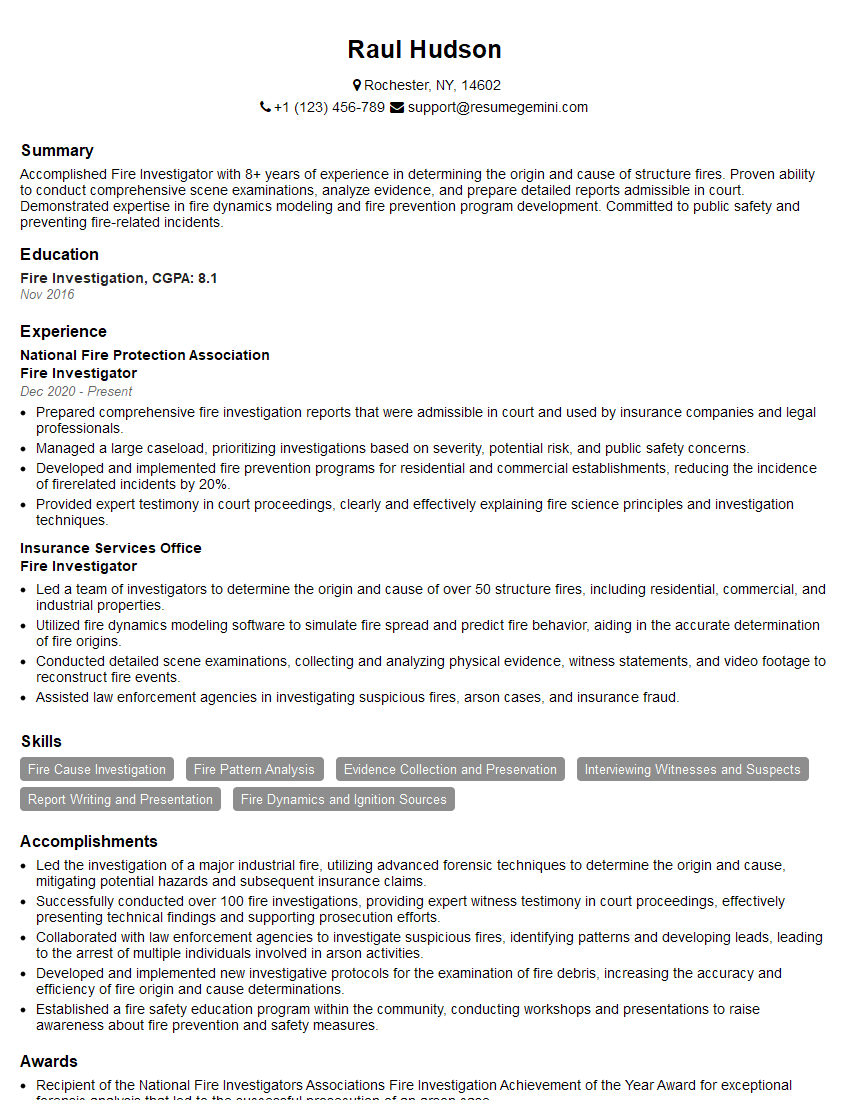
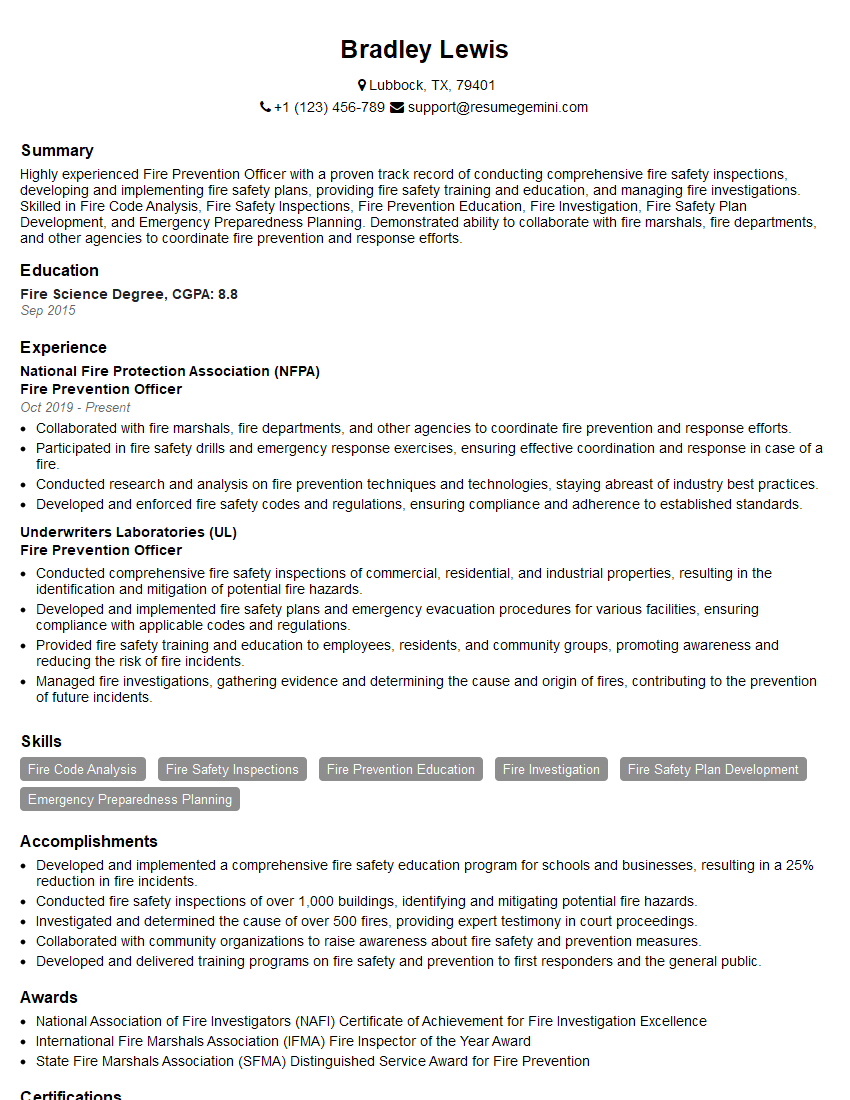
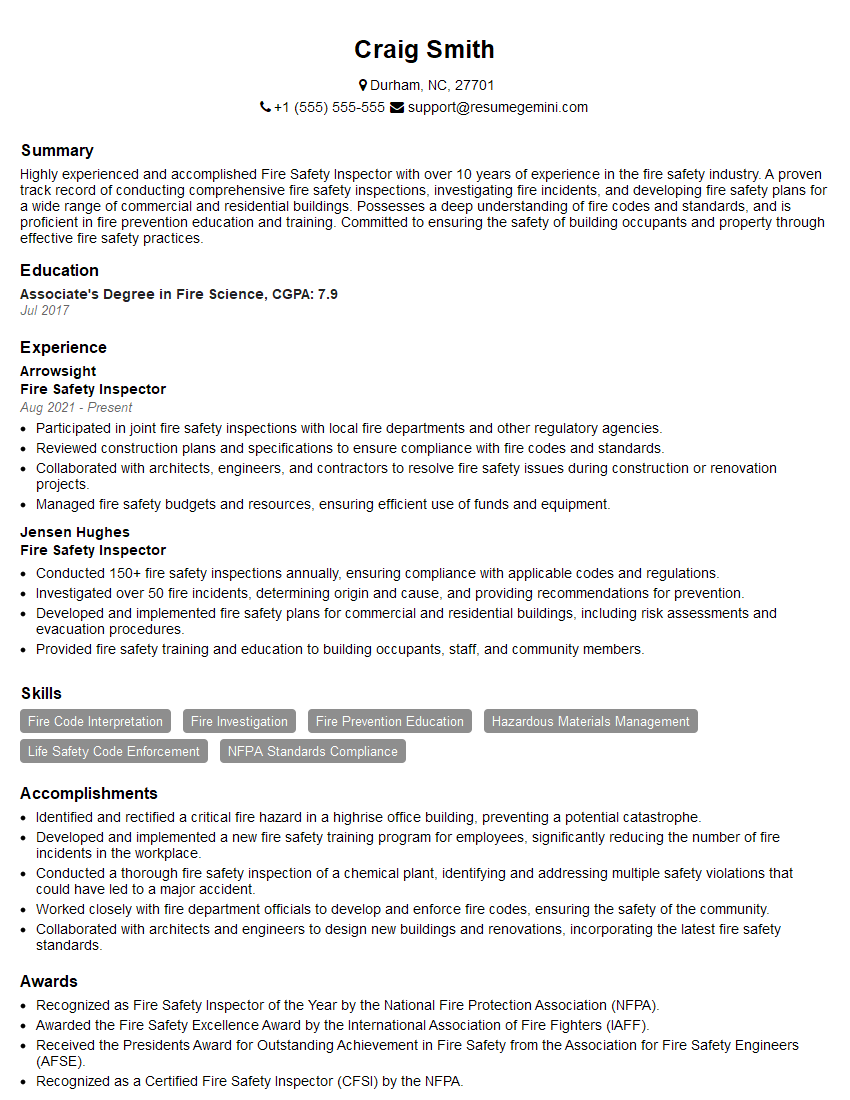
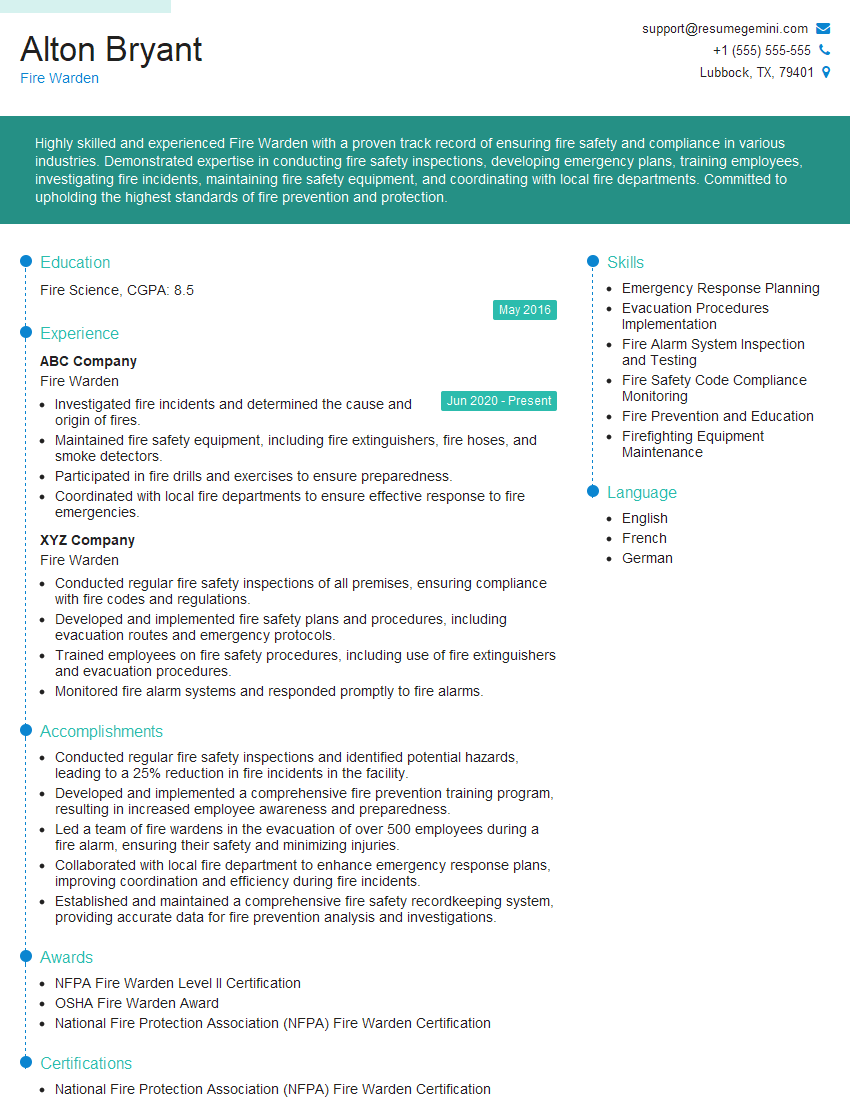
Mastering Fire Risk Management opens doors to exciting career advancements and positions you as a vital asset in any organization prioritizing safety. To maximize your job prospects, creating an ATS-friendly resume is crucial. This ensures your qualifications are effectively highlighted to recruiters and applicant tracking systems. We strongly encourage you to leverage ResumeGemini, a trusted resource for building professional resumes. ResumeGemini provides examples of resumes specifically tailored to Fire Risk Management roles, helping you craft a compelling document that showcases your skills and experience effectively.
Explore more articles
Users Rating of Our Blogs
Share Your Experience
We value your feedback! Please rate our content and share your thoughts (optional).
What Readers Say About Our Blog
Attention music lovers!
Wow, All the best Sax Summer music !!!
Spotify: https://open.spotify.com/artist/6ShcdIT7rPVVaFEpgZQbUk
Apple Music: https://music.apple.com/fr/artist/jimmy-sax-black/1530501936
YouTube: https://music.youtube.com/browse/VLOLAK5uy_noClmC7abM6YpZsnySxRqt3LoalPf88No
Other Platforms and Free Downloads : https://fanlink.tv/jimmysaxblack
on google : https://www.google.com/search?q=22+AND+22+AND+22
on ChatGPT : https://chat.openai.com?q=who20jlJimmy20Black20Sax20Producer
Get back into the groove with Jimmy sax Black
Best regards,
Jimmy sax Black
www.jimmysaxblack.com
Hi I am a troller at The aquatic interview center and I suddenly went so fast in Roblox and it was gone when I reset.
Hi,
Business owners spend hours every week worrying about their website—or avoiding it because it feels overwhelming.
We’d like to take that off your plate:
$69/month. Everything handled.
Our team will:
Design a custom website—or completely overhaul your current one
Take care of hosting as an option
Handle edits and improvements—up to 60 minutes of work included every month
No setup fees, no annual commitments. Just a site that makes a strong first impression.
Find out if it’s right for you:
https://websolutionsgenius.com/awardwinningwebsites
Hello,
we currently offer a complimentary backlink and URL indexing test for search engine optimization professionals.
You can get complimentary indexing credits to test how link discovery works in practice.
No credit card is required and there is no recurring fee.
You can find details here:
https://wikipedia-backlinks.com/indexing/
Regards
NICE RESPONSE TO Q & A
hi
The aim of this message is regarding an unclaimed deposit of a deceased nationale that bears the same name as you. You are not relate to him as there are millions of people answering the names across around the world. But i will use my position to influence the release of the deposit to you for our mutual benefit.
Respond for full details and how to claim the deposit. This is 100% risk free. Send hello to my email id: lukachachibaialuka@gmail.com
Luka Chachibaialuka
Hey interviewgemini.com, just wanted to follow up on my last email.
We just launched Call the Monster, an parenting app that lets you summon friendly ‘monsters’ kids actually listen to.
We’re also running a giveaway for everyone who downloads the app. Since it’s brand new, there aren’t many users yet, which means you’ve got a much better chance of winning some great prizes.
You can check it out here: https://bit.ly/callamonsterapp
Or follow us on Instagram: https://www.instagram.com/callamonsterapp
Thanks,
Ryan
CEO – Call the Monster App
Hey interviewgemini.com, I saw your website and love your approach.
I just want this to look like spam email, but want to share something important to you. We just launched Call the Monster, a parenting app that lets you summon friendly ‘monsters’ kids actually listen to.
Parents are loving it for calming chaos before bedtime. Thought you might want to try it: https://bit.ly/callamonsterapp or just follow our fun monster lore on Instagram: https://www.instagram.com/callamonsterapp
Thanks,
Ryan
CEO – Call A Monster APP
To the interviewgemini.com Owner.
Dear interviewgemini.com Webmaster!
Hi interviewgemini.com Webmaster!
Dear interviewgemini.com Webmaster!
excellent
Hello,
We found issues with your domain’s email setup that may be sending your messages to spam or blocking them completely. InboxShield Mini shows you how to fix it in minutes — no tech skills required.
Scan your domain now for details: https://inboxshield-mini.com/
— Adam @ InboxShield Mini
support@inboxshield-mini.com
Reply STOP to unsubscribe
Hi, are you owner of interviewgemini.com? What if I told you I could help you find extra time in your schedule, reconnect with leads you didn’t even realize you missed, and bring in more “I want to work with you” conversations, without increasing your ad spend or hiring a full-time employee?
All with a flexible, budget-friendly service that could easily pay for itself. Sounds good?
Would it be nice to jump on a quick 10-minute call so I can show you exactly how we make this work?
Best,
Hapei
Marketing Director
Hey, I know you’re the owner of interviewgemini.com. I’ll be quick.
Fundraising for your business is tough and time-consuming. We make it easier by guaranteeing two private investor meetings each month, for six months. No demos, no pitch events – just direct introductions to active investors matched to your startup.
If youR17;re raising, this could help you build real momentum. Want me to send more info?
Hi, I represent an SEO company that specialises in getting you AI citations and higher rankings on Google. I’d like to offer you a 100% free SEO audit for your website. Would you be interested?
Hi, I represent an SEO company that specialises in getting you AI citations and higher rankings on Google. I’d like to offer you a 100% free SEO audit for your website. Would you be interested?