Interviews are opportunities to demonstrate your expertise, and this guide is here to help you shine. Explore the essential Fixtures and Display Equipment interview questions that employers frequently ask, paired with strategies for crafting responses that set you apart from the competition.
Questions Asked in Fixtures and Display Equipment Interview
Q 1. Explain your experience with different types of display fixtures (e.g., gondolas, wall units, freestanding displays).
My experience encompasses a wide range of display fixtures, each designed to optimize product presentation and customer experience. Gondolas, for example, are versatile and adaptable, ideal for maximizing floor space in retail settings. I’ve worked extensively with both standard configurations and custom-designed gondolas, incorporating features like adjustable shelving, integrated lighting, and specialized end caps to highlight specific products. Wall units provide a solution for vertical merchandising, particularly effective for showcasing smaller items or creating impactful visual displays. I’ve designed and implemented various wall unit systems, from simple gridwall panels to more complex, integrated units with built-in displays and storage. Freestanding displays offer unique opportunities for creating focal points and attracting attention. I’ve managed projects involving large-scale, custom-built freestanding displays, often incorporating interactive elements and advanced technologies to enhance the shopping experience. For instance, one project involved a modular freestanding display with integrated touchscreens that allowed customers to access product information and reviews.
Q 2. Describe your familiarity with various display materials (e.g., wood, metal, acrylic, laminate).
My familiarity with display materials is extensive, and my choice of material always depends on the project’s specific needs and aesthetic goals. Wood offers a classic, warm aesthetic, but requires careful consideration for durability and maintenance. I’ve used various wood types – from robust hardwoods like oak and walnut for high-end displays to more affordable softwoods for less demanding applications. Metal offers strength and durability, with options ranging from sleek stainless steel to industrial-looking iron. I often incorporate metal for creating sturdy structural components and supporting elements. Acrylic provides a modern, clean look with excellent clarity and ease of fabrication, particularly well-suited for smaller displays and signage. Laminate offers a cost-effective solution, allowing for a wide range of finishes and patterns, mimicking the look of natural materials while offering durability. Choosing the right material involves assessing factors like cost, durability, aesthetic appeal, and ease of maintenance. For instance, in a high-traffic area, I might opt for durable metal or laminate over delicate wood.
Q 3. How do you ensure fixtures are compliant with safety regulations and building codes?
Safety and compliance are paramount in my work. I meticulously ensure all fixtures adhere to relevant safety regulations and building codes, starting from the design phase. This involves understanding and applying standards relating to structural integrity, fire safety, accessibility (ADA compliance), and load-bearing capacity. For instance, I carefully calculate the weight capacity of shelving units and ensure proper anchoring to the walls or floor. I also select materials that meet fire safety standards, using flame-retardant treatments where necessary. Thorough documentation is crucial, ensuring that all designs and specifications comply with local regulations. Regular inspections during and after installation are conducted to verify that everything meets the standards. Collaboration with building inspectors and safety professionals is integral to the process, ensuring complete compliance and minimizing risk.
Q 4. What software are you proficient in for designing and planning fixtures (e.g., AutoCAD, SketchUp)?
I’m proficient in several software applications crucial for design and planning. AutoCAD is my primary tool for creating precise 2D and 3D models of fixtures, ensuring accuracy in dimensions and specifications. SketchUp complements AutoCAD, offering a more intuitive interface for rapid prototyping and visualization. I often use SketchUp to develop initial concepts and explore different design options before refining them in AutoCAD. I also utilize rendering software to create photorealistic visuals for client presentations, effectively communicating the final product’s appearance and functionality. Beyond these, I have experience with various project management software to maintain timelines and budgets. These combined software skills allow me to efficiently manage all aspects of the fixture design process from initial concept to final production drawings.
Q 5. Describe your experience with fixture installation and project management.
My experience in fixture installation and project management is extensive, encompassing all aspects of the process, from site surveys to final installation and cleanup. I’ve managed numerous projects, ranging from small-scale installations to large-scale deployments in retail environments. I have hands-on experience leading installation teams, ensuring efficient and safe procedures. This includes supervising the assembly, positioning, and securing of fixtures, adhering strictly to safety protocols. My project management skills extend to coordinating with contractors, vendors, and other stakeholders to ensure smooth project execution. Effective communication is key to avoiding delays and ensuring the project stays on track. I believe in a collaborative approach, involving all parties to ensure that every aspect is carefully planned and executed.
Q 6. How do you manage a fixture installation project within budget and timeline constraints?
Managing a fixture installation project within budget and timeline constraints requires meticulous planning and execution. I begin by creating a detailed project plan that includes a comprehensive budget breakdown, a realistic timeline, and a clear task assignment for the installation team. Regular progress monitoring and reporting are essential, enabling proactive identification and resolution of potential issues. Cost control is achieved through meticulous sourcing of materials and labor, negotiating favorable contracts with vendors, and minimizing waste. Effective communication with the client is vital to managing expectations and addressing any unforeseen circumstances. For instance, if a delay occurs due to material delivery issues, I will promptly inform the client and suggest alternative solutions to maintain the project timeline. A proactive and flexible approach is crucial for navigating unexpected challenges and staying within the allocated budget.
Q 7. Explain your understanding of visual merchandising principles and their application to fixture design.
Visual merchandising principles are fundamental to my approach to fixture design. I strive to create displays that effectively communicate the brand’s identity and enhance the customer experience. Understanding principles like color theory, space planning, and visual hierarchy allows me to design fixtures that showcase products attractively and intuitively. For example, strategic lighting enhances product visibility, while the use of color and texture creates visual appeal and brand consistency. I often incorporate visual merchandising techniques such as storytelling, creating thematic displays, and using props to enhance the product presentation. Effective space planning maximizes the display area while maintaining clear sightlines and providing ample space for customer movement. Understanding the psychology of retail space and customer behavior is crucial for creating effective displays. The ultimate goal is to create a visually appealing and engaging shopping environment that encourages purchase decisions.
Q 8. How do you select appropriate fixtures for different product categories and retail environments?
Selecting the right fixtures is crucial for effective retail merchandising. It’s not just about aesthetics; it’s about maximizing product visibility, enhancing the customer experience, and ultimately, driving sales. The process involves considering several key factors:
- Product Category: Delicate jewelry requires different display solutions than bulky appliances. For example, jewelry might benefit from elegant glass cases with spotlighting, while appliances might need sturdy, open shelving or freestanding displays that allow for interaction.
- Retail Environment: A high-end boutique demands a different approach than a bustling supermarket. A minimalist, sophisticated look might be appropriate for the boutique, while a supermarket needs robust, easily accessible fixtures that withstand high traffic and potentially frequent cleaning.
- Brand Identity: Fixtures should reflect the brand’s image. A rustic, handcrafted brand would use natural wood and maybe metal accents, whereas a modern tech brand might opt for sleek, minimalist acrylic and metal fixtures.
- Space Constraints: Fixture size and arrangement must be optimized for the available space. Consider traffic flow and customer ease of access. Gondola shelving, for example, is versatile and space-efficient.
- Budget: There’s a wide range of fixture materials and price points available. Understanding the budget allows for informed choices between custom designs and off-the-shelf options.
For instance, I once worked with a client who sold organic skincare products. We chose light-colored, sustainable wood fixtures with simple, clean lines to reflect the brand’s natural and ethical values. The fixtures were designed to highlight the product packaging, which itself was eco-friendly.
Q 9. Describe your experience with custom fixture design and fabrication.
I have extensive experience in custom fixture design and fabrication. This often involves collaborating closely with clients to understand their specific needs and translate their vision into functional and visually appealing displays. The process typically starts with initial consultations to discuss the client’s requirements – product type, brand aesthetic, space, budget – followed by sketching and 3D modeling to visualize the design.
Once approved, I work with fabricators to source materials (wood, metal, acrylic, etc.), oversee the manufacturing process, and ensure quality control before installation. For example, I recently designed a unique serpentine display for a luxury watch brand. The design, crafted from polished stainless steel and backlit glass, highlighted the watches’ intricate details and created a stunning focal point within the store. The fabrication required precise measurements and close collaboration with skilled metalworkers to achieve the desired curve and finish. This project showcased my ability to manage complex custom projects from concept to completion, maintaining high standards throughout.
Q 10. How do you troubleshoot and resolve issues that arise during fixture installation or maintenance?
Troubleshooting fixture issues during installation or maintenance requires a systematic approach. I start by identifying the problem – is it a structural issue, a lighting problem, or something else? Then, I investigate the cause. For example, a wobbly display might be due to uneven flooring or faulty assembly.
My troubleshooting process involves:
- Visual Inspection: Carefully examine the fixture for any obvious damage or defects.
- Component Checks: Test individual components like lighting, hinges, and shelving to isolate the problem.
- Review Installation Documents: Refer to installation instructions or blueprints to identify any potential errors during assembly.
- Consult with Suppliers/Fabricators: If the problem is complex or involves specialized components, I consult with the relevant vendors.
For instance, I once encountered a lighting failure in a large display case. After checking the wiring and fuses, I discovered a faulty ballast. Replacing the ballast quickly resolved the issue, highlighting the importance of understanding the components of display equipment.
Q 11. What is your experience with different lighting techniques for display fixtures?
Lighting is a critical aspect of display fixtures, greatly impacting product visibility and the overall shopping experience. I’m experienced with various lighting techniques, including:
- Accent Lighting: Uses focused beams to highlight specific products or features. This technique is particularly effective for showcasing jewelry or high-value items.
- Ambient Lighting: Provides general illumination to create a pleasant and welcoming atmosphere.
- Task Lighting: Provides sufficient light for customers to examine products closely, often used in areas with detailed information or interactive displays.
- LED Lighting: Energy-efficient and versatile, allowing for customizable color temperatures and intensity. It’s a popular choice for its longevity and low heat output.
- Fiber Optic Lighting: Offers precise light control and can be used to create unique visual effects.
I recently integrated a system of adjustable LED spotlights into a clothing boutique’s fixtures. This allowed the store to easily adjust the lighting intensity and color temperature to suit different products and create various moods throughout the day.
Q 12. How do you ensure the longevity and durability of display fixtures?
Ensuring the longevity and durability of display fixtures involves careful consideration from the design stage through to maintenance. Key strategies include:
- High-Quality Materials: Selecting durable materials like stainless steel, powder-coated metals, or high-impact acrylics reduces the risk of damage.
- Robust Construction: Fixtures should be designed and assembled to withstand the rigors of daily use and potential impacts.
- Proper Maintenance: Regular cleaning and inspection can prevent minor problems from escalating into major repairs. This includes checking for loose parts, damaged components, and ensuring lighting is functioning correctly.
- Protective Coatings: Applying protective finishes, like powder coating, can help prevent corrosion and scratching.
Think of it like building a house – using quality materials and employing sound construction techniques are essential for a long-lasting structure. The same principles apply to display fixtures. A well-maintained fixture can significantly reduce replacement costs and ensure a consistent brand image over time.
Q 13. Describe your experience working with vendors and suppliers of display equipment.
Effective collaboration with vendors and suppliers is vital for successful fixture projects. I have established strong relationships with various suppliers specializing in different materials and manufacturing processes. Building trust with suppliers is critical. This requires clear communication, well-defined specifications, and timely payment. I rely on a network of trusted suppliers, who understand my requirements and consistently deliver high-quality materials and craftsmanship.
For example, I frequently work with a metal fabricator specializing in custom-designed steel components and a wood supplier providing sustainably sourced lumber. Maintaining these strong relationships ensures consistent quality, on-time delivery, and cost-effective sourcing.
Q 14. How do you stay current with the latest trends and innovations in fixtures and display technologies?
Staying current in this dynamic field is crucial. I actively engage in several strategies:
- Industry Publications and Trade Shows: I regularly read industry magazines, attend trade shows (like Shop! Expo), and participate in webinars to learn about new materials, technologies, and design trends.
- Networking with Professionals: I maintain connections with other fixture designers, retailers, and suppliers, exchanging ideas and insights.
- Online Research: I utilize online resources like design websites and blogs to discover innovative solutions and emerging trends.
- Continuous Learning: I participate in professional development courses and workshops to hone my skills and expand my knowledge.
For instance, I recently learned about a new type of sustainable, recyclable plastic that could potentially replace traditional materials in some fixture designs, reducing environmental impact. Staying informed enables me to incorporate the latest innovations and best practices into my work, ensuring my designs are both cutting-edge and sustainable.
Q 15. How would you approach designing a fixture for a new product launch?
Designing a fixture for a new product launch requires a holistic approach, focusing on both the product’s attributes and the overall retail environment. I begin by deeply understanding the product – its size, shape, key features, and the brand’s desired image. Then, I consider the target audience and the store’s layout. Is it a high-end boutique or a bustling supermarket? This dictates the material choice, design complexity, and overall aesthetic.
For example, a delicate, handcrafted jewelry line would demand a sleek, minimalist display using high-quality materials like polished wood and glass, perhaps with integrated lighting to highlight the sparkle. In contrast, a new line of rugged outdoor gear might benefit from a more industrial-looking fixture made of durable metal and showcasing the product’s functionality through open shelving and strategically placed information cards.
My process involves sketching initial concepts, creating 3D models to visualize the design, and prototyping to test functionality and aesthetics. This iterative approach ensures that the final fixture not only looks appealing but also effectively displays the product and encourages purchase.
Career Expert Tips:
- Ace those interviews! Prepare effectively by reviewing the Top 50 Most Common Interview Questions on ResumeGemini.
- Navigate your job search with confidence! Explore a wide range of Career Tips on ResumeGemini. Learn about common challenges and recommendations to overcome them.
- Craft the perfect resume! Master the Art of Resume Writing with ResumeGemini’s guide. Showcase your unique qualifications and achievements effectively.
- Don’t miss out on holiday savings! Build your dream resume with ResumeGemini’s ATS optimized templates.
Q 16. Explain your experience with creating effective and engaging window displays.
Creating effective and engaging window displays is about storytelling. It’s not just about presenting products; it’s about creating a compelling narrative that attracts passersby and draws them into the store. I leverage visual merchandising principles to achieve this. This includes understanding the principles of visual hierarchy (what catches the eye first), color psychology, and creating a balanced composition.
In a recent project for a clothing boutique, we created a window display themed around ‘Parisian Chic’. We used muted pastel colors, elegant mannequins posed artfully, and subtle lighting to create a sophisticated atmosphere. We also incorporated props like vintage suitcases and Parisian-inspired artwork to enhance the theme. The result was a visually stunning display that attracted significant foot traffic and boosted sales. The key was to evoke a feeling – in this case, effortless Parisian style – rather than simply showcasing the clothing items individually.
Q 17. How do you incorporate sustainability considerations into fixture design and procurement?
Sustainability is a core consideration in all aspects of my work. From the selection of materials to the fixture’s lifespan and eventual disposal, I strive to minimize the environmental impact. I prioritize using recycled and sustainable materials like reclaimed wood, bamboo, or recycled plastics. I also favor modular designs that allow for easy adaptation and longevity, reducing the need for frequent replacements.
Furthermore, I work closely with manufacturers who share my commitment to sustainable practices. This includes vetting their production processes, ensuring they adhere to ethical labor standards, and utilizing low-impact manufacturing techniques. Finally, I always consider the fixture’s end-of-life. Can it be easily disassembled for recycling? Are the materials easily recyclable? These questions guide my design decisions and ensure we create fixtures that are both beautiful and responsible.
Q 18. Describe your experience managing a team during a fixture installation project.
Managing a team during a fixture installation project requires strong organizational and communication skills. I typically begin by clearly defining roles and responsibilities, creating a detailed project timeline, and setting clear expectations. Open communication is key – I encourage regular team meetings to discuss progress, address challenges, and ensure everyone feels heard.
In one project, we were installing fixtures in a large department store during off-hours. The team faced unexpected challenges, such as damaged fixtures and inconsistencies in the store’s layout. I used a collaborative approach, involving the team in problem-solving and leveraging their individual expertise to find creative solutions. By effectively delegating tasks and maintaining clear communication, we successfully completed the installation on time and without compromising quality. The project’s success hinged on fostering a positive and collaborative team environment.
Q 19. How do you prioritize tasks and manage competing deadlines in a fast-paced retail environment?
In the fast-paced retail environment, prioritizing tasks and managing competing deadlines requires a structured approach. I use project management tools like Gantt charts to visualize timelines and dependencies. I break down large projects into smaller, manageable tasks and prioritize them based on urgency and importance. The Eisenhower Matrix (Urgent/Important) is a helpful tool in this process.
Furthermore, I maintain open communication with stakeholders to ensure everyone is aligned on priorities and potential roadblocks are identified early. Flexibility is crucial; I am prepared to adapt plans when unexpected issues arise. The ability to effectively delegate and trust my team is also essential to manage the workload and meet tight deadlines. Proactive communication and a flexible approach are vital for success in this dynamic environment.
Q 20. Describe a time you had to resolve a conflict related to fixture design or installation.
During a recent project, a conflict arose between the design team and the client regarding the material selection for a new display unit. The client preferred a less expensive material, while the design team argued that it would compromise the fixture’s durability and overall aesthetic.
I facilitated a meeting between the two parties to openly discuss their concerns. I presented data comparing the cost and longevity of different materials, highlighting the potential long-term cost savings of choosing a more durable option despite the initial higher price. I also showcased design alternatives that incorporated the client’s cost concerns while maintaining the desired aesthetic. Through open dialogue and collaborative problem-solving, we reached a mutually agreeable solution that satisfied both parties.
Q 21. What is your experience with different types of retail store layouts and how do they impact fixture placement?
Different retail store layouts significantly impact fixture placement. Understanding the flow of traffic and the store’s overall design is essential for effective fixture placement. In a grid layout, fixtures are typically arranged in straight lines, maximizing space and promoting easy navigation. This layout benefits from consistent, uniform shelving and displays.
Free-flow layouts, which are more common in boutique-style stores, allow for more flexible fixture placement, often using island displays and curved shelving to create visually engaging spaces. Here, fixture placement focuses on creating visual focal points and guiding customers through the store. A race-track layout, where the main aisle runs around the perimeter of the store, requires strategic fixture placement along this aisle to attract customers’ attention. In each scenario, the goal is to optimize product visibility, encourage browsing, and improve the overall shopping experience. Understanding these layout nuances allows me to create fixture plans that enhance sales and customer satisfaction.
Q 22. How do you assess the cost-effectiveness of different fixture options?
Assessing the cost-effectiveness of fixtures involves a holistic approach, going beyond just the initial purchase price. We need to consider the entire lifecycle cost. This includes manufacturing, shipping, installation, maintenance, and eventual disposal or repurposing.
Here’s a breakdown of my assessment process:
- Initial Cost Analysis: Comparing prices from different vendors for materials, manufacturing, and any specialized components. This often involves requesting detailed quotes and comparing apples to apples.
- Durability and Longevity: High-quality materials and robust construction translate to lower long-term costs. I evaluate materials for their resistance to wear and tear, considering factors like expected traffic flow and environmental conditions (e.g., exposure to sunlight or moisture). A fixture that lasts longer offsets higher upfront costs.
- Maintenance Requirements: Some fixtures require more frequent cleaning, repairs, or replacements of parts. I factor in the estimated cost of maintenance over the fixture’s lifespan. For instance, a fixture with easily replaceable LED lighting will be cheaper to maintain than one with hard-to-access bulbs.
- Energy Efficiency: Lighting fixtures, in particular, contribute significantly to operating costs. I prioritize energy-efficient options like LED lighting which significantly reduces electricity consumption over time. This needs to be integrated with a calculation of the total energy consumption based on usage hours and energy rates.
- Disposal Costs: The environmental impact and cost of disposal should also be factored in. Recyclable or easily disassembled fixtures minimize end-of-life expenses.
Example: I once compared two shelving systems. One had a lower upfront cost but required frequent adjustments and repairs, while the other, though initially more expensive, used a durable, modular design requiring minimal maintenance. The lifecycle cost analysis clearly showed the more expensive option to be more cost-effective in the long run.
Q 23. What is your understanding of ergonomics and its importance in fixture design?
Ergonomics in fixture design focuses on creating displays that are comfortable, efficient, and safe for both users and staff. This is crucial for preventing injuries, improving productivity, and enhancing the overall shopping or viewing experience.
Key ergonomic considerations include:
- Height and Reach: Displays should be positioned at comfortable viewing heights, avoiding excessive reaching or bending. This is especially critical for frequently accessed items or information.
- Weight and Handling: Heavy fixtures require careful design to ensure safe handling during installation and maintenance. Proper weight distribution and ergonomic handles are vital.
- Visual Comfort: Adequate lighting, clear signage, and appropriate color contrast ensure easy readability and prevent eye strain. This includes considering glare from lighting and reflections on display surfaces.
- Accessibility: Designing for users of all abilities is crucial. This aspect is covered in more detail in another question.
- Space Optimization: Efficient use of space prevents overcrowding and allows for easy movement around displays, particularly important in busy retail environments.
Example: In a recent project, we designed a checkout counter with a slightly sloped countertop and adjustable shelving, allowing cashiers to maintain good posture while scanning items and managing the transaction space. The height is adjustable based on the cashier’s height. This resulted in reduced back pain complaints among the staff.
Q 24. How do you ensure the accessibility of fixtures for people with disabilities?
Ensuring accessibility for people with disabilities is a paramount consideration in fixture design. It’s about creating inclusive environments that are usable by everyone, regardless of their abilities. This goes beyond simply complying with accessibility regulations; it’s about thoughtful design that considers the needs of a diverse population.
Key strategies for accessible fixture design include:
- ADA Compliance: Adherence to the Americans with Disabilities Act (ADA) standards is essential. This includes considerations for wheelchair access, appropriate clearances around fixtures, and proper signage.
- Accessible Information: Using clear, concise, and easy-to-read signage and labels is crucial. Consider using braille and large-print options.
- Tactile Elements: Incorporating tactile markers or textures can be beneficial for people with visual impairments. This could involve textured surfaces on buttons or directional indicators.
- Color Contrast: Using sufficient color contrast between text and background ensures readability for people with low vision.
- Adjustable Height Features: Wherever possible, incorporating adjustable height features in fixtures (e.g., shelves, counters) allows users of varying heights and mobility needs to access information and products comfortably.
- Clear Pathways: Designing fixtures to allow sufficient space for wheelchair users and those with other mobility aids to navigate easily. Avoid creating obstacles or tight corners.
Example: In a recent museum exhibit, we designed interactive displays with adjustable height stands, audio descriptions, and braille labels, making the experience accessible to visitors with a wide range of disabilities. We also ensured the walkways are wide enough for wheelchair users.
Q 25. Describe your experience with creating interactive or digital displays.
I have extensive experience in creating interactive and digital displays, integrating them seamlessly with traditional fixtures. This often involves a collaborative approach with software developers and content creators.
My experience encompasses:
- Touchscreen Kiosks: Designing and integrating touchscreen kiosks for wayfinding, product information, or interactive games in retail and museum settings.
- Interactive Video Walls: Creating large-scale video walls that use interactive technologies to engage visitors and deliver dynamic content.
- Augmented Reality (AR) Integration: Incorporating AR experiences to enhance product visualization or provide additional information to customers.
- Digital Signage Networks: Designing and managing digital signage networks across multiple locations, using centralized content management systems.
- Projection Mapping: Using projection mapping techniques to transform ordinary fixtures into interactive surfaces, creating engaging visual experiences.
Example: For a clothing retailer, we developed a system of interactive mirrors that allowed customers to virtually try on different outfits, providing a personalized and engaging shopping experience. This boosted customer engagement and sales.
Q 26. What are some common challenges you’ve faced in fixture design or installation and how did you overcome them?
Fixture design and installation projects often present unexpected challenges. However, effective problem-solving skills are key to overcoming these hurdles.
Common challenges I’ve encountered and how I overcame them:
- Unforeseen Site Conditions: Discovering unexpected structural issues or dimensional discrepancies during installation. Solution: Thorough site surveys and detailed pre-installation planning are essential. We often use 3D modeling to anticipate potential issues and develop contingency plans.
- Material Sourcing Issues: Difficulties in obtaining specific materials or components on time. Solution: Developing robust supply chains and establishing relationships with reliable vendors. Implementing alternate material sourcing strategies if needed.
- Integration Challenges: Difficulties integrating new fixtures with existing infrastructure or systems. Solution: Careful planning and communication with other stakeholders involved. This frequently involves detailed coordination schedules and pre-installation meetings to avoid conflicts.
- Budget Constraints: Dealing with unexpected cost overruns or budget limitations. Solution: Prioritizing essential features, exploring cost-effective alternatives, and communicating transparently with the client about potential trade-offs.
- Technical Glitches: Experiencing technical malfunctions with digital displays or interactive elements. Solution: Thorough testing and quality assurance procedures prior to installation and establishing strong relationships with technical support teams to resolve issues quickly.
Example: During the installation of a large-scale display system, we encountered unexpected structural issues that threatened to delay the project. Through close collaboration with structural engineers and a revised installation plan, we successfully resolved the issue and completed the project on schedule.
Q 27. How do you measure the success of a fixture design or installation project?
Measuring the success of a fixture design or installation project requires a multi-faceted approach, going beyond simply completing the project on time and within budget. We need to evaluate the project’s impact on its intended goals.
Key metrics for measuring success include:
- Client Satisfaction: Gathering feedback from the client regarding their satisfaction with the design, functionality, and overall project experience. Post-project surveys and interviews are essential.
- Usability and Functionality: Assessing how effectively the fixtures meet their intended purpose. This might involve observing user interaction, gathering feedback, or measuring usage patterns.
- Durability and Longevity: Monitoring the durability of the fixtures over time to assess their resistance to wear and tear and the effectiveness of the materials used.
- Return on Investment (ROI): For commercial projects, calculating the return on investment based on increased sales, improved efficiency, or reduced operational costs.
- Accessibility and Inclusivity: Evaluating how well the fixtures accommodate users with disabilities, using observation and feedback to identify areas for improvement.
Example: For a retail client, the success of a new shelving system was measured by an increase in sales and improved store organization. We tracked these metrics before and after implementation, demonstrating a clear return on investment.
Q 28. What are your salary expectations for this role?
My salary expectations for this role are commensurate with my experience and expertise in fixtures and display equipment design. Given my extensive background and track record of success in delivering high-impact projects, I am seeking a competitive salary within the range of [Insert Salary Range]. I am open to discussing this further and aligning my compensation with the specifics of this position and the company’s compensation structure.
Key Topics to Learn for Fixtures and Display Equipment Interview
- Material Science and Selection: Understanding the properties of various materials used in fixtures (e.g., metals, plastics, wood) and their suitability for different applications and environments. Consider factors like durability, weight, cost, and aesthetic appeal.
- Design Principles and Ergonomics: Applying principles of good design to create functional and visually appealing displays. This includes understanding ergonomics to ensure safe and efficient use of the equipment.
- Manufacturing Processes: Familiarity with common manufacturing techniques for fixtures and displays (e.g., injection molding, machining, welding). Consider the impact of manufacturing choices on cost and quality.
- Installation and Maintenance: Understanding the processes involved in installing and maintaining fixtures and display equipment, including troubleshooting common issues and ensuring safety.
- Sustainability and Environmental Impact: Knowledge of sustainable materials and manufacturing practices in the industry and the importance of minimizing environmental impact.
- Project Management and Budgeting: Experience with managing projects related to fixtures and displays, including budgeting, scheduling, and resource allocation.
- Safety Regulations and Compliance: Understanding relevant safety regulations and compliance standards for fixture and display equipment.
- Visual Merchandising and Display Techniques: Knowledge of effective visual merchandising principles and how to utilize fixtures and displays to maximize product presentation and sales.
- Technical Drawings and Specifications: Ability to interpret and work with technical drawings and specifications for fixtures and display equipment.
- Problem-Solving and Troubleshooting: Demonstrating the ability to identify and solve problems related to fixture and display equipment design, installation, and maintenance.
Next Steps
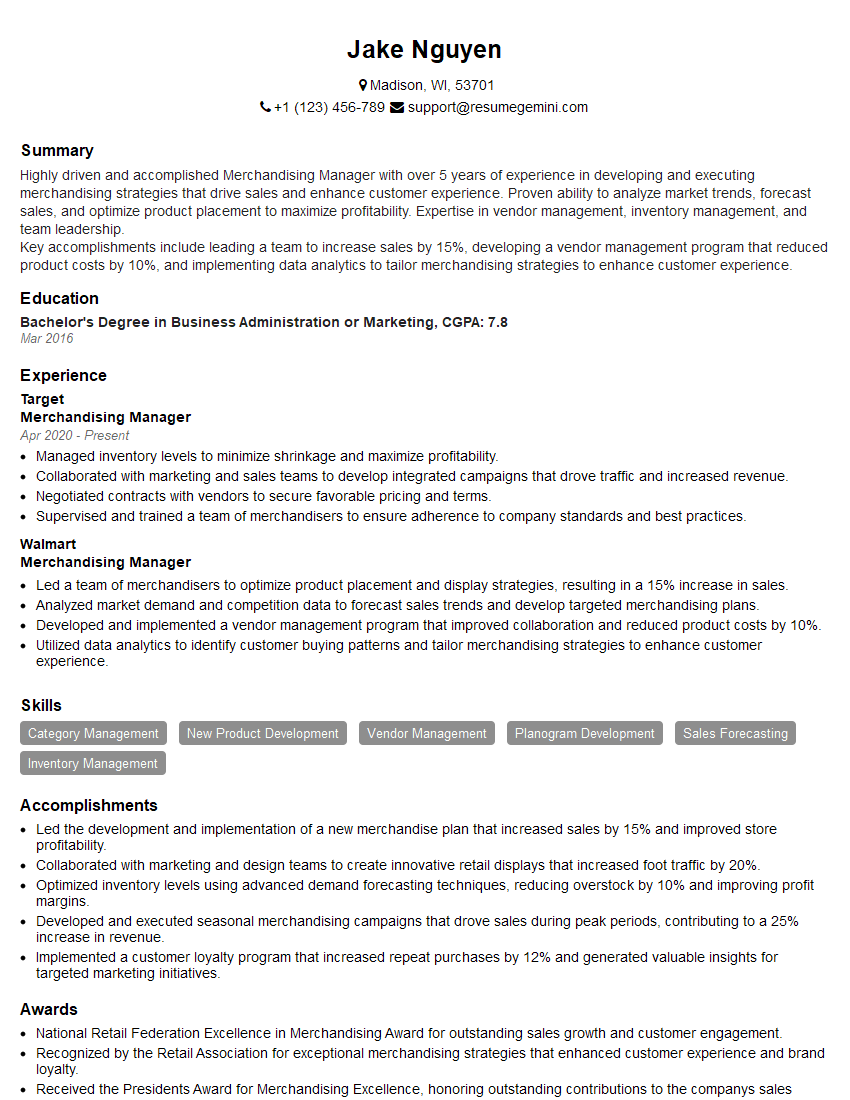
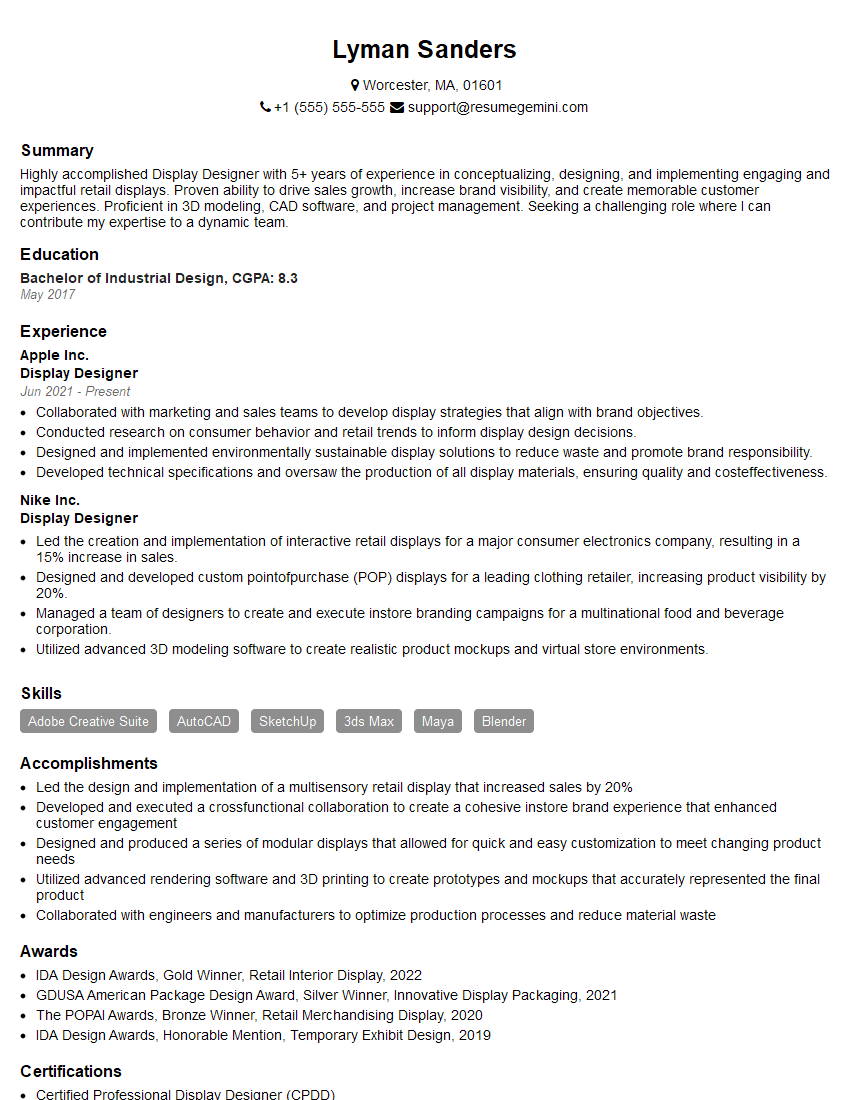
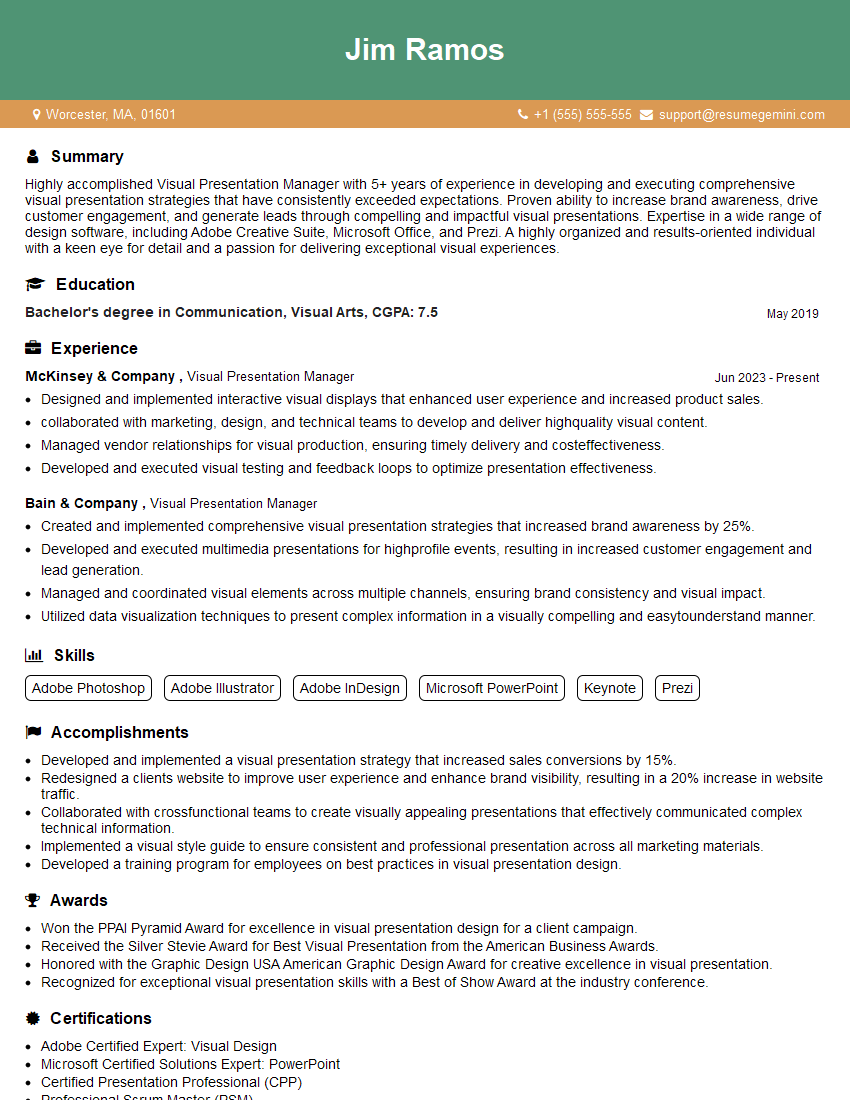
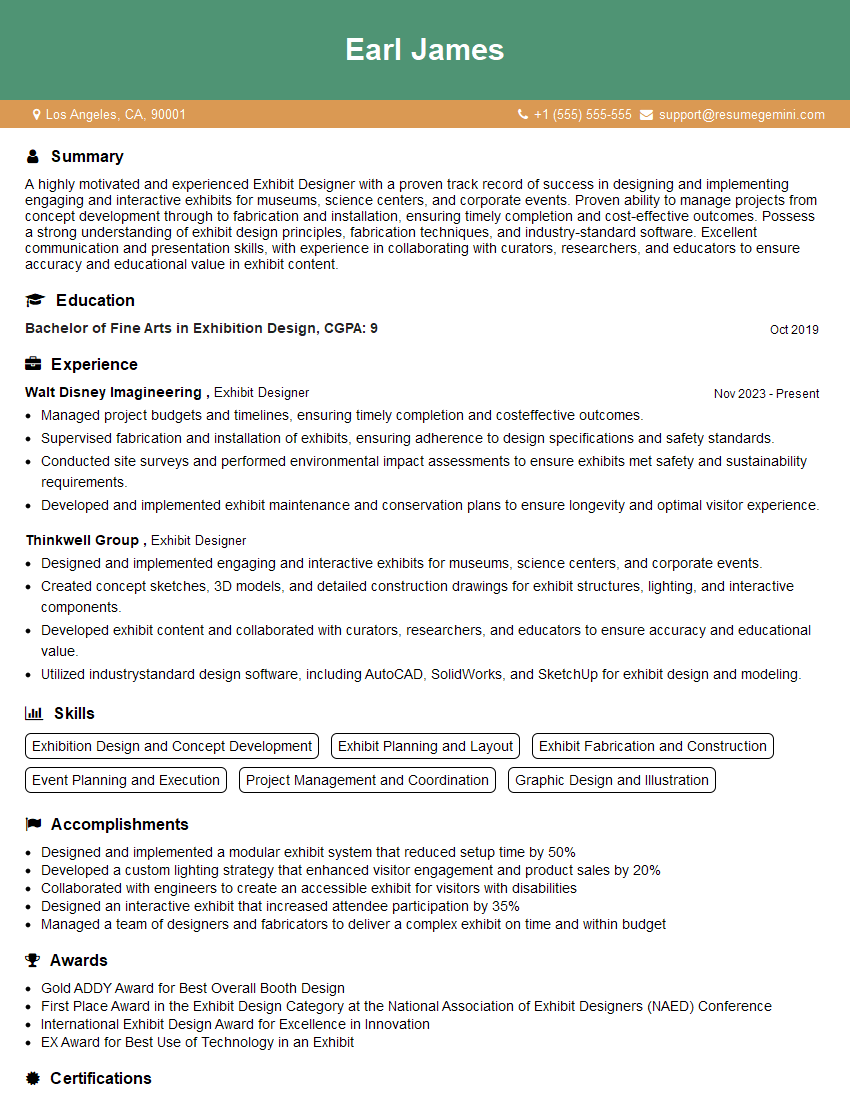
Mastering the principles of Fixtures and Display Equipment is crucial for career advancement in this dynamic field. A strong understanding of these concepts will open doors to exciting opportunities and higher earning potential. To maximize your job prospects, it’s vital to create an ATS-friendly resume that highlights your skills and experience effectively. ResumeGemini is a trusted resource to help you build a professional and impactful resume. Examples of resumes tailored to the Fixtures and Display Equipment industry are available, providing you with a template to showcase your qualifications in the best possible light. Take the next step towards your dream career today!
Explore more articles
Users Rating of Our Blogs
Share Your Experience
We value your feedback! Please rate our content and share your thoughts (optional).
What Readers Say About Our Blog
Hello,
we currently offer a complimentary backlink and URL indexing test for search engine optimization professionals.
You can get complimentary indexing credits to test how link discovery works in practice.
No credit card is required and there is no recurring fee.
You can find details here:
https://wikipedia-backlinks.com/indexing/
Regards
NICE RESPONSE TO Q & A
hi
The aim of this message is regarding an unclaimed deposit of a deceased nationale that bears the same name as you. You are not relate to him as there are millions of people answering the names across around the world. But i will use my position to influence the release of the deposit to you for our mutual benefit.
Respond for full details and how to claim the deposit. This is 100% risk free. Send hello to my email id: [email protected]
Luka Chachibaialuka
Hey interviewgemini.com, just wanted to follow up on my last email.
We just launched Call the Monster, an parenting app that lets you summon friendly ‘monsters’ kids actually listen to.
We’re also running a giveaway for everyone who downloads the app. Since it’s brand new, there aren’t many users yet, which means you’ve got a much better chance of winning some great prizes.
You can check it out here: https://bit.ly/callamonsterapp
Or follow us on Instagram: https://www.instagram.com/callamonsterapp
Thanks,
Ryan
CEO – Call the Monster App
Hey interviewgemini.com, I saw your website and love your approach.
I just want this to look like spam email, but want to share something important to you. We just launched Call the Monster, a parenting app that lets you summon friendly ‘monsters’ kids actually listen to.
Parents are loving it for calming chaos before bedtime. Thought you might want to try it: https://bit.ly/callamonsterapp or just follow our fun monster lore on Instagram: https://www.instagram.com/callamonsterapp
Thanks,
Ryan
CEO – Call A Monster APP
To the interviewgemini.com Owner.
Dear interviewgemini.com Webmaster!
Hi interviewgemini.com Webmaster!
Dear interviewgemini.com Webmaster!
excellent
Hello,
We found issues with your domain’s email setup that may be sending your messages to spam or blocking them completely. InboxShield Mini shows you how to fix it in minutes — no tech skills required.
Scan your domain now for details: https://inboxshield-mini.com/
— Adam @ InboxShield Mini
Reply STOP to unsubscribe
Hi, are you owner of interviewgemini.com? What if I told you I could help you find extra time in your schedule, reconnect with leads you didn’t even realize you missed, and bring in more “I want to work with you” conversations, without increasing your ad spend or hiring a full-time employee?
All with a flexible, budget-friendly service that could easily pay for itself. Sounds good?
Would it be nice to jump on a quick 10-minute call so I can show you exactly how we make this work?
Best,
Hapei
Marketing Director
Hey, I know you’re the owner of interviewgemini.com. I’ll be quick.
Fundraising for your business is tough and time-consuming. We make it easier by guaranteeing two private investor meetings each month, for six months. No demos, no pitch events – just direct introductions to active investors matched to your startup.
If youR17;re raising, this could help you build real momentum. Want me to send more info?
Hi, I represent an SEO company that specialises in getting you AI citations and higher rankings on Google. I’d like to offer you a 100% free SEO audit for your website. Would you be interested?
Hi, I represent an SEO company that specialises in getting you AI citations and higher rankings on Google. I’d like to offer you a 100% free SEO audit for your website. Would you be interested?
good