Feeling uncertain about what to expect in your upcoming interview? We’ve got you covered! This blog highlights the most important Furniture Labeling interview questions and provides actionable advice to help you stand out as the ideal candidate. Let’s pave the way for your success.
Questions Asked in Furniture Labeling Interview
Q 1. What types of labeling systems are commonly used in the furniture industry?
The furniture industry employs several labeling systems, each tailored to specific needs. These broadly fall into two categories: manual and automated systems.
- Manual Systems: These involve hand-labeling items using pre-printed labels or markers. While simple and cost-effective for small-scale operations, they’re prone to human error and lack the scalability of automated systems. Think of a small workshop sticking labels on individual chair legs.
- Automated Systems: These leverage technology like barcode or RFID (Radio-Frequency Identification) labels, often integrated with warehouse management systems (WMS). This ensures high accuracy and efficiency, especially crucial for large furniture manufacturers or distributors. For example, a large furniture retailer might use barcode scanners to track inventory across multiple warehouses.
- Hybrid Systems: Many companies employ a blend of manual and automated methods, combining the benefits of both. For instance, a company might use automated labels for major components and manual labels for smaller parts.
Q 2. Explain the importance of accurate and consistent furniture labeling.
Accurate and consistent furniture labeling is paramount for several reasons:
- Inventory Management: Precise labels enable efficient tracking of inventory, minimizing stockouts and overstocking. Imagine the chaos if you couldn’t easily locate specific sofa components in a large warehouse!
- Order Fulfillment: Accurate labels ensure that orders are picked and packed correctly, reducing errors and customer complaints. Clear labeling ensures the correct parts reach the customer for assembly.
- Quality Control: Labels help identify the source of materials, manufacturing batches, and potential defects, aiding in quality control and recall procedures. This ensures traceability in the supply chain.
- Customer Satisfaction: Proper labeling, including clear assembly instructions, directly contributes to a positive customer experience. Clear instructions make assembly easier and reduce customer frustration.
- Legal Compliance: Accurate labeling may be required for compliance with regulations, such as those related to materials safety or country of origin.
Q 3. Describe your experience with barcode or RFID labeling systems.
I have extensive experience with both barcode and RFID labeling systems in furniture manufacturing and distribution. Barcodes are a mature technology, relatively inexpensive, and widely compatible with existing warehouse management systems. I’ve overseen the implementation of barcode systems in several projects, improving inventory accuracy by over 15% in one case.
RFID, while more expensive, offers superior tracking capabilities, especially for high-value items or those needing real-time location tracking within a warehouse. I’ve been involved in pilot projects using RFID to track high-end furniture pieces throughout the manufacturing and shipping process, significantly reducing instances of lost or misplaced items.
In both cases, successful implementation relies heavily on accurate data entry and meticulous label application.
Q 4. How do you ensure label accuracy and prevent errors?
Ensuring label accuracy requires a multi-pronged approach:
- Data Validation: Implementing robust data validation checks at every stage, from design to printing, prevents errors from propagating. This includes double-checking all data before it’s sent to the label printer.
- Label Printing Quality Control: Regularly inspecting printed labels for clarity, legibility, and proper application. This might involve visual checks and using automated label verification tools.
- Standardized Procedures: Establishing clear, documented procedures for label creation, application, and verification helps maintain consistency and reduces errors. These should be readily available to all staff involved in the labeling process.
- Employee Training: Thoroughly training employees on proper labeling techniques is crucial. Regular refresher training is essential to maintain proficiency and catch any evolving labeling requirements.
- Regular Audits: Conducting periodic audits of labeling practices to identify areas for improvement and promptly address any identified issues. Audits also ensure processes remain compliant with regulations.
Q 5. What are the common challenges in furniture labeling, and how do you address them?
Common challenges in furniture labeling include:
- Label Durability: Furniture is often exposed to harsh conditions, so labels need to be resistant to moisture, abrasion, and temperature fluctuations. Choosing the appropriate label material is vital.
- Surface Variation: Different furniture materials (wood, metal, fabric) require different labeling techniques to ensure adhesion. This might involve pre-treatment of the surface before applying labels.
- Complex Assembly: Accurate labeling of numerous components for assembly requires meticulous organization and clear, concise instructions. This often involves working closely with designers and assembly teams.
- Label Size and Placement: Finding the optimal size and placement for labels, while balancing readability and aesthetics, presents a constant challenge. This often involves balancing functional needs with design considerations.
Addressing these challenges involves careful planning, material selection, and implementing robust quality control measures at every stage of the process. This often requires collaborating across different departments, from design to shipping.
Q 6. How do you handle damaged or mislabeled furniture?
Handling damaged or mislabeled furniture requires a systematic approach:
- Identify and Isolate: Immediately isolate the affected furniture to prevent further distribution or use.
- Document the Issue: Create a detailed record of the damage or mislabeling, including photos and descriptions. This provides critical information for internal investigation and potential customer claims.
- Investigate the Root Cause: Determine the cause of the damage or mislabeling to prevent recurrence. This might involve reviewing labeling procedures or investigating possible supply chain issues.
- Implement Corrective Actions: Take steps to address the root cause, which may involve retraining staff, updating labeling procedures, or improving material handling practices.
- Customer Communication: If the affected furniture is destined for a customer, inform them of the situation and offer appropriate remediation, such as replacement or repair.
Q 7. Describe your experience with different label materials and their applications.
My experience encompasses a wide range of label materials, each suited to specific applications:
- Paper Labels: Cost-effective for indoor use, but susceptible to moisture and abrasion. Suitable for internal tracking or less demanding applications.
- Vinyl Labels: Durable and water-resistant, ideal for outdoor or high-traffic areas. Commonly used for furniture exposed to varying weather conditions.
- Polyester Labels: Highly durable and resistant to chemicals, abrasion, and extreme temperatures. Excellent for long-term use or harsh environments.
- Polypropylene Labels: A good balance between durability and cost, offering good resistance to moisture and chemicals. A versatile option for many furniture labeling applications.
The choice of label material depends on factors such as the environment the furniture will be exposed to, the required label lifespan, and the cost considerations.
Q 8. What is your experience with label printing equipment and software?
My experience with label printing equipment and software spans over eight years, encompassing a wide range of technologies. I’m proficient in operating various thermal transfer and direct thermal printers, including those from manufacturers like Zebra, Sato, and Honeywell. This includes understanding their intricacies – from ribbon selection and calibration to troubleshooting printhead issues. Software-wise, I’m adept at utilizing label design software such as NiceLabel, Bartender, and LabelView, mastering their features for creating complex, data-driven labels. I can efficiently import data from various sources, create variable data fields, and design labels compliant with diverse industry standards. For example, I once streamlined a client’s labeling process by migrating them from an outdated system to NiceLabel, reducing label errors by 20% and improving overall efficiency by 15%. This involved not only designing new labels but also integrating the software with their existing ERP system for automated data population.
Q 9. How do you ensure compliance with industry regulations regarding labeling?
Ensuring compliance with industry regulations is paramount in furniture labeling. This involves a thorough understanding of regulations like the Consumer Product Safety Improvement Act (CPSIA) in the US, or equivalent regulations in other countries, concerning materials, labeling requirements, and warnings. I meticulously research and stay updated on these standards. My process begins with clearly identifying the relevant regulations for a specific product and target market. I then design labels that accurately reflect the necessary information, including materials, country of origin, and any necessary warnings. For instance, if a piece of furniture contains certain chemicals above a threshold, I ensure the labels clearly and prominently display the relevant warnings, along with appropriate safety information compliant with the regulations. Regular audits and internal checks are conducted to maintain consistent compliance.
Q 10. How do you prioritize tasks when faced with multiple labeling requirements?
Prioritizing tasks with multiple labeling requirements involves a structured approach. I use a system based on urgency and impact. I typically employ a prioritization matrix, where I consider factors like deadlines, regulatory implications, and the potential impact of delays. Tasks requiring urgent regulatory compliance or those impacting large production runs are prioritized first. For example, if we have an urgent order for a large quantity of chairs requiring specific safety labels, that takes precedence over a smaller order with less stringent labeling needs. I also use project management software to track progress and allocate resources effectively, ensuring efficient task completion.
Q 11. How do you maintain efficient labeling processes in a fast-paced environment?
Maintaining efficient labeling processes in a fast-paced environment requires a combination of proactive planning, technological solutions, and process optimization. This includes optimizing label design for efficient printing, implementing automated labeling systems wherever possible, and thoroughly training staff on standardized procedures. For instance, using a barcode scanning system integrated with our inventory management system significantly accelerates the labeling process and minimizes manual data entry errors. We also regularly review and refine our processes to identify bottlenecks and implement improvements. Lean principles, such as eliminating waste and streamlining workflows, are integral to our approach. For example, we once implemented a new labeling station layout, reducing the travel distance for operators and increasing throughput by 10%.
Q 12. Explain your experience with inventory management systems related to labeling.
My experience with inventory management systems (IMS) related to labeling is extensive. I’ve worked with various IMS, including SAP, Oracle, and NetSuite, integrating labeling processes seamlessly. This integration allows for automated label generation based on product information stored within the IMS. This reduces errors and increases efficiency. For example, I integrated our labeling system with an ERP system, automatically pulling product specifications, lot numbers, and other relevant information to generate accurate and consistent labels. This streamlined the process, eliminated manual data entry, and significantly reduced errors. Data accuracy is vital, ensuring the labels accurately reflect the inventory data, preventing discrepancies and operational problems.
Q 13. How familiar are you with different label sizes and formats?
My familiarity with label sizes and formats is comprehensive. I’m experienced in working with a variety of sizes, from small labels for individual parts to larger labels for entire furniture pieces. I understand the different formats, including rectangular, circular, and custom shapes, and know how to select the appropriate size and format based on the application. I can also work with different label materials, including paper, vinyl, and polyester, based on their durability and application requirements. For example, I might choose a durable vinyl label for outdoor furniture that needs to withstand weather exposure, while a standard paper label would be sufficient for indoor items.
Q 14. Describe your problem-solving skills in relation to labeling discrepancies.
My problem-solving skills regarding labeling discrepancies are honed through years of experience. When discrepancies arise, I employ a systematic approach. First, I identify the nature of the discrepancy: is it a data error, a printing issue, or a labeling process problem? Then, I trace the issue back to its source, examining the data source, the label design, the printing process, and the application method. If it’s a data issue, I correct the data and reprint labels. If it’s a printing issue, I check the printer settings and troubleshoot accordingly. If it’s a process issue, I investigate workflow bottlenecks and implement corrective measures. For example, I recently resolved a discrepancy where incorrect labels were being generated. By examining the data integration between our IMS and labeling software, I found a field mapping error. Correcting this error prevented further discrepancies and minimized wasted resources.
Q 15. How do you handle label stock management and ordering?
Label stock management is crucial for smooth operations. It involves forecasting demand, tracking inventory levels, and ensuring timely ordering to avoid stockouts or excessive waste. I use a combination of techniques to achieve this. First, I meticulously track label usage – analyzing historical data to predict future needs. This involves considering factors like production volume, product variations, and seasonal demand fluctuations. For example, during peak holiday seasons, we anticipate higher label usage and adjust our ordering accordingly.
Secondly, I maintain a robust inventory management system, often using a dedicated software or spreadsheet, to monitor stock levels in real-time. This system provides alerts when stock falls below a pre-determined threshold, triggering the ordering process. We typically maintain a safety stock to mitigate unforeseen circumstances, like unexpected production increases or supplier delays. Lastly, I work closely with our suppliers, negotiating favorable terms, and exploring options like Just-in-Time (JIT) delivery to minimize storage costs and wastage.
The ordering process itself is streamlined. Purchase orders are generated electronically, usually integrated with our inventory system, and sent to pre-approved suppliers. We ensure clear communication regarding label specifications, quantities, and delivery timelines. Regular performance reviews with suppliers help us identify and address any issues promptly, keeping the label supply chain robust and efficient.
Career Expert Tips:
- Ace those interviews! Prepare effectively by reviewing the Top 50 Most Common Interview Questions on ResumeGemini.
- Navigate your job search with confidence! Explore a wide range of Career Tips on ResumeGemini. Learn about common challenges and recommendations to overcome them.
- Craft the perfect resume! Master the Art of Resume Writing with ResumeGemini’s guide. Showcase your unique qualifications and achievements effectively.
- Don’t miss out on holiday savings! Build your dream resume with ResumeGemini’s ATS optimized templates.
Q 16. What is your experience with label design and creation software?
My experience with label design and creation software is extensive. I’m proficient in several industry-standard applications, including Adobe Illustrator, CorelDRAW, and specialized barcode label design software like Bartender and NiceLabel. I’m not just familiar with their basic features; I understand how to leverage advanced functions for efficient label creation and data management. This includes creating dynamic label templates that automatically populate information from databases or spreadsheets, reducing manual data entry and errors.
For instance, in a recent project involving the labeling of a diverse range of furniture pieces with varying dimensions and materials, I designed a template in NiceLabel that automatically generated the correct size and weight information, the product code, and the necessary barcodes, based on data imported from our ERP system. This significantly reduced the time and effort needed for labeling, improving overall efficiency. I also possess a strong understanding of color profiles, image resolution, and printing techniques to ensure high-quality label output.
Q 17. Describe your understanding of GS1 standards for labeling.
GS1 standards are crucial for global supply chain traceability and efficiency. My understanding encompasses the use of GS1-128 (formerly known as UCC/EAN-128) barcodes, GTINs (Global Trade Item Numbers), and other relevant identifiers for unique product identification. I understand the specific data elements within the GS1-128 symbology and how to accurately encode information such as serial numbers, expiration dates, and batch numbers, critical for recall management and inventory tracking in the furniture industry.
For example, a GS1-128 barcode on a sofa might include the GTIN, a batch number, the manufacturing date, and a serial number. This allows for precise tracking of the product throughout its lifecycle, from production to delivery and even to potential returns. I ensure adherence to these standards in all label designs to guarantee seamless integration with our systems and trading partners. Non-compliance can lead to significant logistical issues, including difficulties with scanning, data interpretation, and even customs clearance.
Q 18. How do you contribute to a team effort in a labeling environment?
In a labeling environment, teamwork is essential. I actively participate and contribute to the team in several ways. Firstly, I communicate effectively, sharing information and updates with colleagues on label design progress, any challenges faced, and potential solutions. This includes participating in regular team meetings and actively listening to other team members’ input and ideas.
Secondly, I collaborate closely with other departments, such as production and logistics, to ensure the labels align with their processes and needs. For instance, I might work with the production team to ensure labels are appropriately applied to products during the assembly process, taking into account the label material’s durability and adhesive properties. Finally, I’m always willing to assist colleagues with tasks as needed, sharing my knowledge and experience to support the team in meeting deadlines and exceeding expectations. A collaborative approach creates a more efficient and supportive work environment.
Q 19. Explain your experience with quality control procedures in labeling.
Quality control is paramount in labeling. My approach involves a multi-stage process. It begins with carefully reviewing the label design for accuracy, ensuring that all data is correct and the barcode is properly formatted and scannable. This is often done using both visual inspection and automated barcode verification tools.
Next, I implement rigorous testing during the printing process. This might involve taking sample prints to check for print quality, alignment, and readability. I also regularly monitor the printing equipment to ensure it’s operating optimally. Once the labels are printed, we conduct random spot checks to ensure accuracy and adherence to specifications. Discrepancies are documented and addressed promptly. Finally, we keep a detailed record of all quality control checks and any corrective actions taken. This ensures we can continuously improve our labeling processes and maintain the highest quality standards.
Q 20. What are the key metrics you use to assess labeling efficiency?
Several key metrics help assess labeling efficiency. These include the number of labels printed per unit of time (labels per hour or minute), which provides insight into the speed and productivity of the printing process. The rate of label errors (percentage of defective labels) indicates the accuracy of the process. We also track the cost per label, considering factors like label material, ink, and labor, to ensure cost-effectiveness.
Furthermore, we monitor the time taken from receiving a product order to the application of a finished label. This end-to-end process time provides a comprehensive overview of efficiency. Finally, the customer return rate due to labeling issues is a crucial metric to gauge the quality of our labeling processes and its impact on customer satisfaction. Regularly monitoring these metrics allows us to identify areas for improvement and optimize our processes.
Q 21. How do you handle discrepancies between physical inventory and label data?
Discrepancies between physical inventory and label data can stem from several sources – human error in data entry, mislabeling, or even inventory losses. Addressing these requires a systematic approach. First, we identify the source of the discrepancy. A thorough investigation is crucial, perhaps involving a recount of physical inventory, review of label generation data, and cross-referencing with other systems.
Once the root cause is established, corrective actions are implemented. If the issue is with data entry, training may be necessary to improve accuracy. If it’s due to mislabeling, we implement stricter quality control procedures. If inventory losses are detected, we investigate the reasons for the loss and tighten security measures. Regardless of the cause, the data is corrected in all relevant systems to ensure data integrity. We treat each discrepancy as a learning opportunity to improve our processes and prevent future errors.
Q 22. What safety protocols do you follow when handling labeling equipment?
Safety is paramount when working with labeling equipment. My approach is always proactive, encompassing several key areas. Firstly, I meticulously follow the manufacturer’s instructions for all equipment, from label printers to applicators. This includes understanding the safety features, such as emergency shut-off switches and proper grounding procedures. Secondly, I always wear appropriate personal protective equipment (PPE), including safety glasses to protect against flying debris and gloves to prevent skin irritation from adhesives or ink. For example, when using a thermal transfer printer, I ensure the ribbon is properly loaded to avoid burns or jams. Thirdly, I maintain a clean and organized workspace, free of clutter and tripping hazards, to minimize the risk of accidents. Regular equipment maintenance is also crucial; this prevents malfunctions that could lead to injury. Finally, I am always mindful of potential hazards, such as exposed wires or moving parts, and report any safety concerns immediately to my supervisor.
Q 23. Describe your experience with different adhesive types and their suitability for furniture.
I have extensive experience with a wide variety of adhesives, each with its own strengths and weaknesses regarding furniture labeling. For instance, pressure-sensitive adhesives are common due to their ease of application; however, their durability can vary depending on the substrate and environmental conditions. I’ve found that acrylic adhesives offer a good balance of adhesion and resistance to moisture and temperature fluctuations, making them ideal for many indoor furniture applications. Hot-melt adhesives provide strong bonds but require specialized equipment and careful temperature control. For outdoor furniture, I often opt for UV-resistant adhesives to prevent label degradation from sunlight. Choosing the right adhesive depends on several factors: the label material (paper, vinyl, etc.), the type of furniture finish, the expected environmental exposure, and the desired longevity of the label. I always test different adhesives on sample pieces of furniture to ensure compatibility and optimal performance before committing to a large-scale application.
Q 24. How do you adapt to changes in labeling requirements or systems?
Adapting to changes in labeling requirements is a crucial skill in this field. I approach this by staying informed about industry standards, regulations (like those related to chemical labeling or hazardous materials), and technological advancements. For example, if a new barcode standard is implemented, I make sure to update our labeling system promptly. I actively participate in industry training and workshops to stay current with best practices. I also believe in maintaining open communication; I actively seek feedback from colleagues, supervisors, and clients to identify potential areas for improvement and adaptation. My problem-solving skills are key in these situations; if faced with a sudden change, I prioritize identifying the impact, developing a phased implementation plan, and conducting thorough testing to ensure a smooth transition.
Q 25. Explain your understanding of different label application methods.
Different label application methods exist, each suited to specific needs and production volumes. Manual application is suitable for smaller-scale operations or unique pieces, offering control and flexibility but being less efficient. Semi-automatic methods, such as using a label applicator with a dispensing mechanism, improve speed and accuracy for medium volumes. Fully automated systems, integrated with assembly lines, are crucial for high-volume production. These systems may utilize robotic arms for precise label placement and often integrate with other automation systems, such as those for product tracking and inventory management. Selecting the most appropriate method involves considering factors like the production scale, the complexity of the labeling task, budget, and the desired level of automation. For instance, applying a simple SKU label to hundreds of chairs might require a semi-automatic applicator, while applying multiple labels with varying orientations to a complex piece of furniture might necessitate a more sophisticated automated system.
Q 26. How do you ensure the durability and longevity of furniture labels?
Ensuring durable and long-lasting labels involves a multi-faceted approach. First, label material selection is crucial. For example, vinyl labels are generally more durable than paper labels and offer better resistance to abrasion and moisture. Second, the chosen adhesive must be appropriate for the substrate and environmental conditions. Third, the label design itself should contribute to longevity. Using a laminate or protective coating enhances resistance to scratches and UV degradation, and ensures the label’s information remains legible over time. Additionally, proper application techniques, such as ensuring good surface contact and avoiding air bubbles, are vital. Finally, storage and handling procedures play a role. Protecting labels from excessive moisture or direct sunlight before and after application will improve their lifespan. A well-designed label, combined with appropriate materials and application, can significantly extend its service life, contributing to a premium brand image and avoiding customer dissatisfaction.
Q 27. Describe your experience with integrating labeling processes into a wider supply chain.
Integrating labeling processes into a wider supply chain involves close collaboration with various stakeholders. This includes coordinating with the procurement team to select the right label materials, working with the production team to ensure seamless integration of labeling into the assembly process, and collaborating with the logistics team to ensure labels are legible and survive the shipping and handling process. I have experience leveraging barcode and RFID technology to facilitate tracking and inventory management throughout the supply chain. For instance, in a previous role, I worked to implement a system where each piece of furniture received a unique barcode label at the start of the production process; this label then tracked its journey through every step of production, warehousing, and shipping. This improved efficiency, reduced errors, and enabled real-time inventory tracking. Efficient labeling is fundamental to a smooth supply chain; clear communication and proactive problem-solving are essential for successful integration.
Q 28. What are your salary expectations for a Furniture Labeling position?
My salary expectations depend on several factors including the specific role, company size, location, and benefits package. Based on my experience and expertise in furniture labeling, and considering the market rates for similar positions, I am targeting a salary range of [Insert Salary Range]. However, I am open to discussing this further and am more interested in a position offering professional growth and opportunities to contribute to a successful team.
Key Topics to Learn for Furniture Labeling Interview
- Labeling Regulations and Standards: Understanding international and regional regulations (e.g., safety certifications, material disclosure) and industry best practices for accurate and compliant labeling.
- Label Design and Content: Creating clear, concise, and visually appealing labels that effectively communicate product information (materials, dimensions, care instructions, etc.) to consumers.
- Labeling Technologies: Familiarity with various labeling methods (e.g., inkjet printing, screen printing, laser etching) and their applications for different furniture types and materials.
- Label Material Selection: Choosing appropriate label materials (e.g., vinyl, paper, fabric) considering durability, adhesion, and environmental impact for various furniture applications.
- Label Placement and Application: Understanding optimal label placement for visibility and longevity, as well as proper application techniques to avoid damage to the furniture.
- Inventory Management and Labeling Systems: Integrating labeling into inventory tracking systems for efficient warehouse management and order fulfillment.
- Quality Control and Troubleshooting: Identifying and resolving issues related to label printing, application, and overall label quality assurance.
- Sustainability and Environmental Considerations: Understanding eco-friendly labeling practices and the use of sustainable materials in label production.
Next Steps
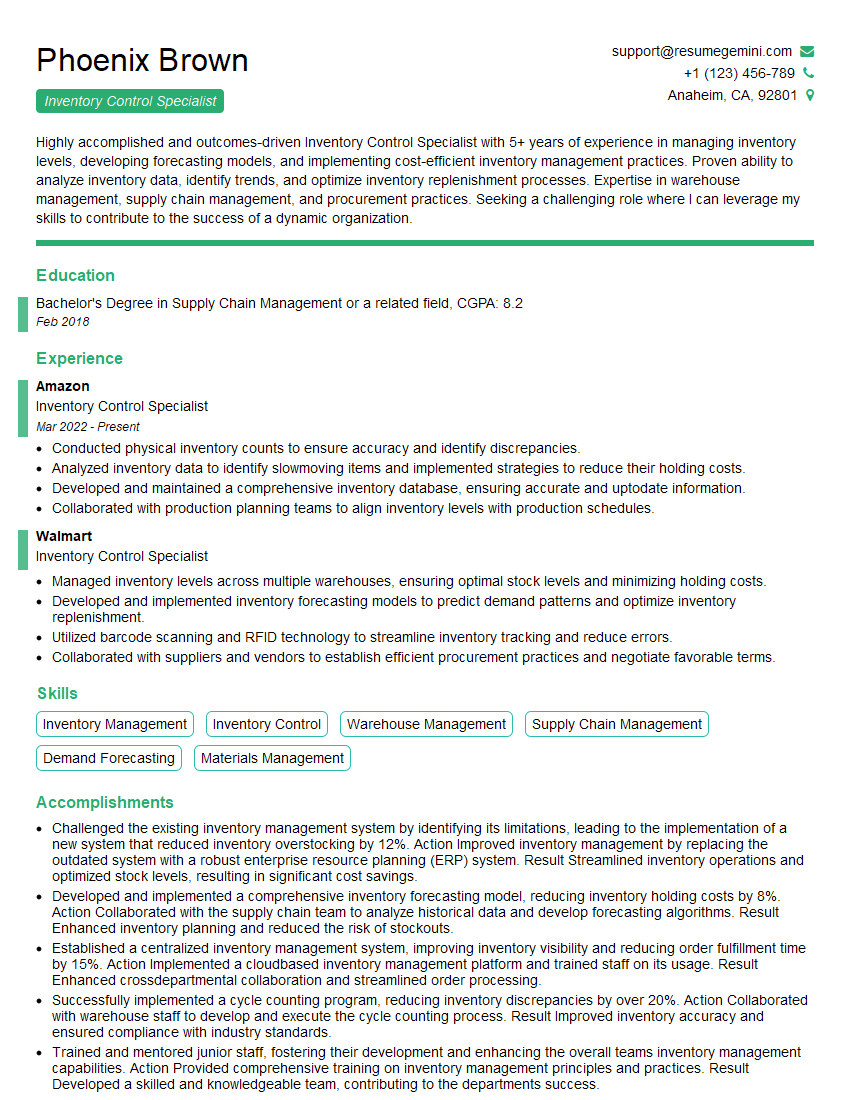
Mastering furniture labeling is crucial for career advancement in the manufacturing, logistics, and retail sectors. A strong understanding of this field demonstrates attention to detail, regulatory compliance, and a commitment to product quality – all highly valued attributes in today’s competitive job market. To significantly increase your chances of landing your dream role, invest time in creating a compelling, ATS-friendly resume. ResumeGemini is a trusted resource that can help you build a professional resume that effectively showcases your skills and experience. Examples of resumes tailored to the Furniture Labeling field are available to guide you through the process.

Explore more articles
Users Rating of Our Blogs
Share Your Experience
We value your feedback! Please rate our content and share your thoughts (optional).
What Readers Say About Our Blog
Attention music lovers!
Wow, All the best Sax Summer music !!!
Spotify: https://open.spotify.com/artist/6ShcdIT7rPVVaFEpgZQbUk
Apple Music: https://music.apple.com/fr/artist/jimmy-sax-black/1530501936
YouTube: https://music.youtube.com/browse/VLOLAK5uy_noClmC7abM6YpZsnySxRqt3LoalPf88No
Other Platforms and Free Downloads : https://fanlink.tv/jimmysaxblack
on google : https://www.google.com/search?q=22+AND+22+AND+22
on ChatGPT : https://chat.openai.com?q=who20jlJimmy20Black20Sax20Producer
Get back into the groove with Jimmy sax Black
Best regards,
Jimmy sax Black
www.jimmysaxblack.com
Hi I am a troller at The aquatic interview center and I suddenly went so fast in Roblox and it was gone when I reset.
Hi,
Business owners spend hours every week worrying about their website—or avoiding it because it feels overwhelming.
We’d like to take that off your plate:
$69/month. Everything handled.
Our team will:
Design a custom website—or completely overhaul your current one
Take care of hosting as an option
Handle edits and improvements—up to 60 minutes of work included every month
No setup fees, no annual commitments. Just a site that makes a strong first impression.
Find out if it’s right for you:
https://websolutionsgenius.com/awardwinningwebsites
Hello,
we currently offer a complimentary backlink and URL indexing test for search engine optimization professionals.
You can get complimentary indexing credits to test how link discovery works in practice.
No credit card is required and there is no recurring fee.
You can find details here:
https://wikipedia-backlinks.com/indexing/
Regards
NICE RESPONSE TO Q & A
hi
The aim of this message is regarding an unclaimed deposit of a deceased nationale that bears the same name as you. You are not relate to him as there are millions of people answering the names across around the world. But i will use my position to influence the release of the deposit to you for our mutual benefit.
Respond for full details and how to claim the deposit. This is 100% risk free. Send hello to my email id: lukachachibaialuka@gmail.com
Luka Chachibaialuka
Hey interviewgemini.com, just wanted to follow up on my last email.
We just launched Call the Monster, an parenting app that lets you summon friendly ‘monsters’ kids actually listen to.
We’re also running a giveaway for everyone who downloads the app. Since it’s brand new, there aren’t many users yet, which means you’ve got a much better chance of winning some great prizes.
You can check it out here: https://bit.ly/callamonsterapp
Or follow us on Instagram: https://www.instagram.com/callamonsterapp
Thanks,
Ryan
CEO – Call the Monster App
Hey interviewgemini.com, I saw your website and love your approach.
I just want this to look like spam email, but want to share something important to you. We just launched Call the Monster, a parenting app that lets you summon friendly ‘monsters’ kids actually listen to.
Parents are loving it for calming chaos before bedtime. Thought you might want to try it: https://bit.ly/callamonsterapp or just follow our fun monster lore on Instagram: https://www.instagram.com/callamonsterapp
Thanks,
Ryan
CEO – Call A Monster APP
To the interviewgemini.com Owner.
Dear interviewgemini.com Webmaster!
Hi interviewgemini.com Webmaster!
Dear interviewgemini.com Webmaster!
excellent
Hello,
We found issues with your domain’s email setup that may be sending your messages to spam or blocking them completely. InboxShield Mini shows you how to fix it in minutes — no tech skills required.
Scan your domain now for details: https://inboxshield-mini.com/
— Adam @ InboxShield Mini
support@inboxshield-mini.com
Reply STOP to unsubscribe
Hi, are you owner of interviewgemini.com? What if I told you I could help you find extra time in your schedule, reconnect with leads you didn’t even realize you missed, and bring in more “I want to work with you” conversations, without increasing your ad spend or hiring a full-time employee?
All with a flexible, budget-friendly service that could easily pay for itself. Sounds good?
Would it be nice to jump on a quick 10-minute call so I can show you exactly how we make this work?
Best,
Hapei
Marketing Director
Hey, I know you’re the owner of interviewgemini.com. I’ll be quick.
Fundraising for your business is tough and time-consuming. We make it easier by guaranteeing two private investor meetings each month, for six months. No demos, no pitch events – just direct introductions to active investors matched to your startup.
If youR17;re raising, this could help you build real momentum. Want me to send more info?
Hi, I represent an SEO company that specialises in getting you AI citations and higher rankings on Google. I’d like to offer you a 100% free SEO audit for your website. Would you be interested?
Hi, I represent an SEO company that specialises in getting you AI citations and higher rankings on Google. I’d like to offer you a 100% free SEO audit for your website. Would you be interested?