Are you ready to stand out in your next interview? Understanding and preparing for Gap Jumping interview questions is a game-changer. In this blog, we’ve compiled key questions and expert advice to help you showcase your skills with confidence and precision. Let’s get started on your journey to acing the interview.
Questions Asked in Gap Jumping Interview
Q 1. Explain the concept of Gap Jumping in software integration.
Gap Jumping in software integration refers to the process of migrating data from one system to another, often with a significant time gap between the source and target systems’ data. Imagine moving furniture from an old house to a new one – you can’t just magically teleport it; you have to carefully pack, transport, and unpack each item. Similarly, in a gap jump, we need to handle the data that accumulated in the source system during the period when both systems were active concurrently or even when the target system was under construction. This process requires meticulous planning and execution to ensure data integrity and avoid data loss.
For example, consider migrating customer data from a legacy CRM to a new, cloud-based system. The gap jump would address the data generated between the decision to migrate and the final cutover to the new system.
Q 2. Describe different approaches to handling data inconsistencies during a gap jump.
Data inconsistencies during a gap jump are inevitable. Several approaches exist to handle them:
- Data Cleansing and Transformation: Before the jump, we cleanse the source data to resolve inconsistencies. This might involve standardizing formats, correcting errors, and resolving duplicates. This is akin to proofreading and editing your move inventory list before packing.
- Data Reconciliation: After the jump, we compare the data in both systems to identify discrepancies. We use reconciliation procedures to address inconsistencies and resolve conflicts. It’s like double-checking that every item made it safely to the new house and is in the right place.
- Gap Analysis and Interpolation: For gaps in time-series data, we might use statistical methods to estimate missing values. Imagine you only have some monthly sales figures, you can use interpolation to estimate the weekly sales based on available data.
- Manual Intervention: For complex inconsistencies, manual intervention by domain experts may be necessary. This is similar to resolving a dispute between family members about a particular item during the move.
The chosen approach depends on the specific nature of the data, the acceptable level of error, and project constraints.
Q 3. What are the common challenges faced during Gap Jumping projects?
Common challenges in Gap Jumping projects include:
- Data Volume and Velocity: Handling large datasets and high data ingestion rates can pose significant challenges. Imagine having to move an entire library of books – it takes planning and resources.
- Data Quality Issues: Inconsistent data formats, missing values, and errors in the source data can complicate the migration process. Poor data quality is like having misplaced inventory during a move.
- System Compatibility: Ensuring compatibility between source and target systems is crucial. This requires careful integration design and data mapping.
- Data Transformation Complexity: Transforming data to fit the target system’s schema can be complex and time-consuming.
- Risk of Data Loss: The risk of losing data during the migration needs to be carefully mitigated. A robust backup and recovery strategy is essential.
- Testing and Validation: Thorough testing is crucial to ensure the accuracy and completeness of the migrated data.
Q 4. How do you identify potential data loss risks during a gap jump?
Identifying potential data loss risks involves a multi-faceted approach:
- Data Profiling: Analyzing the source data to understand its structure, quality, and potential risks is vital. This helps identify areas prone to data loss.
- Gap Analysis: Analyzing the time gap between source and target system data to estimate potential data loss during this period.
- Impact Analysis: Identifying critical data elements and potential business consequences of data loss.
- Review of ETL Processes: Carefully reviewing the data extraction, transformation, and loading (ETL) processes to identify potential points of failure. Imagine this as checking every step of your moving process – from packing to loading the truck and unloading.
- Testing: Rigorous testing, including unit, integration, and system tests, helps uncover potential data loss scenarios.
Q 5. Explain your experience with various ETL tools in the context of Gap Jumping.
My experience encompasses a range of ETL tools, including Informatica PowerCenter, Talend Open Studio, and Apache Kafka. Informatica PowerCenter excels in handling complex transformations and large datasets. I’ve used it extensively for large-scale gap jumps, particularly when data quality and transformation were critical. Talend Open Studio offers a more open-source, flexible solution, ideal for smaller projects or when specific custom transformations are needed. Apache Kafka is a powerful tool for streaming data, particularly useful for handling real-time data during a gap jump. The choice of tool depends on the project’s specific requirements and budget. In many projects, we even leverage a combination of tools to optimize different aspects of the ETL process.
Q 6. How do you ensure data integrity and consistency after a gap jump?
Ensuring data integrity and consistency post gap jump requires a robust validation and reconciliation process.
- Data Validation: Implementing automated checks to validate the accuracy and completeness of the migrated data. This includes data type validation, range checks, and consistency checks across related data sets.
- Data Reconciliation: Comparing data in the source and target systems to identify and resolve discrepancies. This often involves automated scripts and manual review of exceptions.
- Data Governance: Establishing clear data governance policies and procedures to maintain data integrity over time. This involves defining data ownership, data quality standards, and processes for resolving data inconsistencies.
- Monitoring: Ongoing monitoring of data quality and consistency using dashboards and alerts.
Think of it as a thorough post-move inspection—ensuring everything is in its place and functioning correctly.
Q 7. What testing methodologies do you employ to validate a successful gap jump?
To validate a successful gap jump, I employ a combination of testing methodologies:
- Unit Testing: Testing individual ETL components to ensure they function correctly.
- Integration Testing: Testing the interaction between different ETL components.
- System Testing: Testing the entire ETL process end-to-end to ensure it meets requirements.
- Data Quality Testing: Testing the quality of the migrated data using various data quality rules and metrics.
- User Acceptance Testing (UAT): Having end-users validate the data and the functionality of the target system.
- Performance Testing: Assessing the performance of the ETL process to ensure it meets performance goals.
These methods provide a comprehensive approach to verifying data accuracy and system functionality after the gap jump.
Q 8. Describe your approach to resolving data transformation issues during a gap jump.
Resolving data transformation issues during a gap jump involves a methodical approach focusing on data mapping, cleansing, and validation. Think of it like renovating a house – you need to understand the existing structure (source data), the desired outcome (target data), and the steps needed to bridge the gap.
My approach begins with a thorough analysis of the source and target data schemas. I identify discrepancies in data types, formats, and structures. For example, a source system might store dates as text strings ('YYYY-MM-DD'), while the target system expects them as timestamps. I then create a transformation plan, which might involve using scripting languages like Python with libraries such as Pandas to clean and convert data, or using ETL (Extract, Transform, Load) tools. This plan outlines specific transformations, including data type conversions, string manipulations, and data cleansing rules to handle missing or invalid values. Finally, I implement rigorous testing to ensure data integrity and accuracy after the transformation.
In a recent project, we encountered a situation where customer addresses were inconsistently formatted across multiple databases. My team implemented a series of Python scripts to standardize addresses using regular expressions and address validation APIs, ensuring data quality in the target system.
Q 9. How do you handle conflicting data formats during a Gap Jumping process?
Handling conflicting data formats during a gap jump requires a flexible and robust strategy. Imagine trying to fit square pegs into round holes – you need to adapt to the shapes or find a way to make them compatible. This often involves data standardization, format conversion, or data enrichment.
My strategy focuses on identifying the core data elements and transforming them into a standardized format. I utilize data transformation tools and scripting to handle various formats. For example, if one system uses CSV and another uses JSON, I’ll use scripts to convert one format into the other. Sometimes, there are differences in data semantics. In such cases, we might create a mapping table to resolve discrepancies. For instance, if one system uses codes (‘A’,’B’,’C’) for product categories, and another uses different descriptions, a mapping table will ensure consistency.
# Python example for converting JSON to CSV import json, csv with open('data.json', 'r') as f: data = json.load(f) with open('data.csv', 'w', newline='') as csvfile: fieldnames = data[0].keys() #assuming all JSON objects have same keys writer = csv.DictWriter(csvfile, fieldnames=fieldnames) writer.writeheader() writer.writerows(data)
Q 10. Explain your experience with different messaging systems (e.g., Kafka, RabbitMQ) in gap jumping scenarios.
My experience with messaging systems like Kafka and RabbitMQ in gap jumping scenarios is extensive. These systems are crucial for handling large volumes of data asynchronously and reliably during data migration. Think of them as high-speed, dependable delivery services for your data.
Kafka, with its distributed architecture and high throughput, is ideal for streaming data during a gap jump. It’s particularly useful when dealing with real-time data updates or large datasets that cannot be processed in a single batch. I’ve used Kafka to stream data from a legacy system into a data lake during a large-scale migration project, ensuring near real-time data synchronization.
RabbitMQ, with its message queues and robust routing capabilities, is excellent for managing complex workflows and ensuring message ordering when the order of data processing is critical. I’ve leveraged RabbitMQ in scenarios involving multiple dependent systems, ensuring that data is processed sequentially to maintain data integrity. The choice between Kafka and RabbitMQ depends on the specific requirements of the gap jump project.
Q 11. How do you manage dependencies between different systems during a gap jump?
Managing dependencies between different systems during a gap jump is critical for avoiding cascading failures. This is like orchestrating a complex symphony – each instrument (system) needs to play its part at the right time and in the right order.
My approach emphasizes a phased migration strategy, identifying and prioritizing dependencies. I use dependency mapping techniques to visually represent the relationships between systems and their data flows. This allows us to identify critical dependencies and sequence the migration phases accordingly. We might use tools to visualize and manage dependencies, or simply create detailed flowcharts. The goal is to minimize downtime and prevent disruptions to ongoing business operations.
For instance, if system A feeds data into system B, system A’s migration needs to precede or be synchronized with system B’s migration. We might use techniques like data replication or shadow databases to ensure data consistency throughout the migration process.
Q 12. Describe your experience with API integration in the context of Gap Jumping.
API integration plays a vital role in modern gap jumping projects. It’s like building bridges between different systems, allowing them to communicate and exchange data seamlessly.
My experience encompasses working with RESTful APIs, SOAP APIs, and GraphQL APIs. I leverage API specifications (like Swagger/OpenAPI) to understand the capabilities and limitations of each system. I use API testing tools to validate the integration points and ensure data exchange works correctly. The choice of API integration strategy depends on the systems involved and the data volume. For example, REST APIs are suitable for smaller data volumes and simpler integrations while message queues might be preferred for high volume or asynchronous operations.
During a recent project, I integrated a new CRM system with our legacy billing system using a REST API. This allowed us to automate customer data updates and streamline billing processes significantly.
Q 13. How do you prioritize tasks and manage time effectively during a complex gap jump?
Effective task prioritization and time management are crucial for successful gap jumping. Think of it as navigating a complex maze – you need a clear map and strategy to reach your destination efficiently.
I use Agile methodologies, such as Scrum, to manage complex gap jumps. This involves breaking down the project into smaller, manageable tasks, prioritizing them based on dependencies and business impact (using techniques like MoSCoW method). We use tools to track progress, identify potential roadblocks, and adjust timelines accordingly. Regular stand-up meetings and sprint reviews are key to maintaining momentum and addressing challenges promptly.
Risk assessment plays a significant role, identifying and mitigating potential issues early in the project lifecycle. Constant monitoring and communication are vital to ensure the project stays on track and within budget.
Q 14. What is your experience with change management related to Gap Jumping projects?
Change management is paramount in gap jumping projects. It’s about ensuring a smooth transition for all stakeholders, minimizing disruption, and gaining buy-in. It’s like planning a major city-wide road construction project – careful planning and communication are essential to minimize disruption to residents.
My approach to change management involves comprehensive communication planning, stakeholder engagement, and training. I create detailed communication plans that outline key messages, target audiences, and communication channels. This ensures all stakeholders are informed throughout the project lifecycle. We conduct regular training sessions for users on new systems and processes. We establish a clear feedback mechanism to gather input and address concerns promptly. Effective change management minimizes resistance to change and ensures a successful transition to the new system.
In a recent migration project, we implemented a phased rollout, starting with a pilot group before full deployment. This allowed us to identify and address potential issues early on, significantly reducing disruption to the business.
Q 15. Explain your understanding of data warehousing and its role in Gap Jumping.
Data warehousing plays a crucial role in Gap Jumping, which refers to the process of migrating data from one system to another with minimal disruption. A data warehouse acts as a central repository for data from various sources, providing a consolidated view that’s essential for planning and executing the migration. During a gap jump, we often use the data warehouse to:
- Assess data quality and consistency: Before the migration, we analyze data in the warehouse to identify inconsistencies or potential issues that need to be addressed.
- Develop migration strategies: The data warehouse helps in understanding data volume, dependencies, and relationships, guiding decisions about the migration approach (e.g., big bang, phased approach).
- Validate migrated data: After the migration, we compare data in the new system with the data warehouse to ensure accuracy and completeness.
- Monitor post-migration data quality: Ongoing monitoring of data in the new system, in comparison with the warehouse data, helps identify and resolve any post-migration data issues.
For example, imagine migrating customer data from a legacy system to a new CRM. We would use our data warehouse containing historical customer data to validate the accuracy of the migrated data, comparing things like customer IDs, addresses, and purchase history. Any discrepancies would be flagged and addressed before the legacy system is decommissioned.
Career Expert Tips:
- Ace those interviews! Prepare effectively by reviewing the Top 50 Most Common Interview Questions on ResumeGemini.
- Navigate your job search with confidence! Explore a wide range of Career Tips on ResumeGemini. Learn about common challenges and recommendations to overcome them.
- Craft the perfect resume! Master the Art of Resume Writing with ResumeGemini’s guide. Showcase your unique qualifications and achievements effectively.
- Don’t miss out on holiday savings! Build your dream resume with ResumeGemini’s ATS optimized templates.
Q 16. How do you ensure data security and compliance during a gap jump?
Data security and compliance are paramount during a gap jump. We employ several strategies to ensure data remains protected throughout the process:
- Data Encryption: Data is encrypted both at rest and in transit using industry-standard encryption algorithms. This protects data from unauthorized access even if a breach occurs.
- Access Control: We implement strict access control measures, limiting access to sensitive data only to authorized personnel with a need-to-know basis. This includes using role-based access controls and multi-factor authentication.
- Data Masking and Anonymization: For testing and development purposes, sensitive data like personally identifiable information (PII) can be masked or anonymized to prevent breaches of privacy regulations.
- Regular Security Audits: We conduct regular security audits and penetration testing to identify vulnerabilities and ensure that our security measures are effective.
- Compliance with Regulations: We adhere strictly to all relevant data privacy regulations like GDPR, CCPA, etc., ensuring that the gap jump process complies with all legal requirements.
For instance, before migrating PII, we would first anonymize the data for testing purposes, ensuring that no real identities are exposed during the migration process. Post-migration, we would regularly audit access logs to ensure no unauthorized access occurred.
Q 17. Describe your experience with different database platforms and their migration in Gap Jumping.
I have extensive experience with various database platforms, including relational databases like Oracle, SQL Server, and MySQL, as well as NoSQL databases like MongoDB and Cassandra. My experience with database migration in gap jumping covers various scenarios:
- Schema Migration: This involves transforming the database schema from the source system to the target system. This often requires careful planning to handle data type changes and ensure data integrity.
- Data Migration: This involves transferring the data from the source database to the target database, often using tools like ETL (Extract, Transform, Load) processes. Optimizing these processes for performance is crucial during a gap jump.
- Platform Migration: This encompasses migrating from one database platform to another (e.g., from Oracle to SQL Server). This requires understanding the specific nuances of each platform and performing thorough testing.
A recent project involved migrating a customer database from an outdated Oracle 11g system to a modern cloud-based Azure SQL Database. This required careful schema mapping, data cleansing, and a phased migration approach to minimize disruption to business operations. We used SSIS (SQL Server Integration Services) for ETL processing and meticulously monitored the performance throughout the process.
Q 18. How do you document the gap jump process for future reference and maintenance?
Comprehensive documentation is essential for successful gap jumping and future maintenance. We use a combination of methods for documentation:
- Detailed Project Plan: This document outlines the project scope, timelines, resources, and risk mitigation strategies.
- Data Mapping Documents: These documents illustrate the mapping between source and target databases, including schema details and data transformations.
- Migration Scripts and Procedures: All scripts and procedures used during the gap jump, including ETL processes and database schema changes, are meticulously documented and version controlled.
- Test Cases and Results: A comprehensive suite of test cases and their results are documented, demonstrating the completeness and accuracy of the migration.
- Post-Migration Report: This report summarizes the project outcomes, including key performance indicators (KPIs) and lessons learned.
We use a wiki or a collaborative document management system to ensure easy access and collaboration among team members. This allows for ongoing updates and revisions as the project progresses, creating a living document for future reference.
Q 19. What are some common performance bottlenecks in gap jumping and how to address them?
Common performance bottlenecks in gap jumping often stem from:
- Inefficient ETL Processes: Poorly optimized ETL scripts can lead to slow data transformation and loading times.
- Network Bottlenecks: Slow network connections between source and target systems can significantly impact migration speed.
- Database Performance Issues: Issues with database indexing, query optimization, or insufficient hardware resources in the target system can cause delays.
- Data Volume: Large data volumes can naturally increase migration time.
To address these bottlenecks, we use several strategies:
- Optimize ETL processes: This involves using parallel processing, efficient data transformation techniques, and minimizing data movement.
- Improve Network Connectivity: Ensuring sufficient bandwidth and optimizing network configuration can greatly improve performance.
- Database Tuning: Optimizing database indexes, query performance, and ensuring adequate hardware resources in the target system are crucial.
- Phased Migration: For very large datasets, a phased approach can break down the migration into smaller, more manageable chunks.
For example, if we encounter slow ETL processing, we would analyze the scripts to identify inefficient parts, potentially re-writing them to leverage parallel processing or more efficient data transformation functions.
Q 20. How do you troubleshoot and debug issues during a gap jump?
Troubleshooting during a gap jump requires a systematic approach:
- Logging and Monitoring: Comprehensive logging of the entire process, coupled with real-time monitoring, helps in quickly identifying issues.
- Error Analysis: Careful analysis of error messages and logs provides valuable clues to pinpoint the root cause of the problem.
- Data Validation: Comparing data before and after migration helps identify data inconsistencies or transformation errors.
- Testing: Thorough testing of the migration process, including unit testing, integration testing, and system testing, can prevent problems before they occur.
- Rollback Plan: Having a robust rollback plan in place allows us to revert to the previous state if significant errors are encountered.
Imagine a scenario where data transformation fails during an ETL process. We would first examine the logs to identify the specific error, possibly tracing back to issues with the data transformation script or the data itself. We may need to debug the script, correct data inconsistencies, or implement additional error handling to prevent future failures.
Q 21. Describe your experience with automated testing for gap jumping scenarios.
Automated testing is critical for ensuring the success of gap jumps. We use several techniques:
- Unit Testing: Individual components of the migration process (e.g., ETL scripts) are tested in isolation to ensure they function correctly.
- Integration Testing: We test the interaction between different components of the migration process to ensure they work together seamlessly.
- System Testing: We test the entire migration process end-to-end to verify the data integrity and completeness of the migrated data.
- Data Comparison Tools: These tools automate the comparison of data in the source and target systems to identify any discrepancies.
- Automated Regression Testing: This ensures that changes made during the migration process don’t introduce new bugs or break existing functionality.
We often use frameworks like pytest or JUnit, depending on the programming languages used in the migration process, to create automated test suites that run frequently, ensuring that the migration process remains robust and reliable.
Q 22. What tools and technologies are you most proficient in for gap jumping?
My proficiency in gap jumping relies heavily on a diverse toolkit. For identifying and analyzing gaps, I leverage data analysis tools like SQL and Python libraries such as Pandas and NumPy to extract insights from diverse datasets. Visualization tools such as Tableau and Power BI are crucial for presenting findings clearly to both technical and non-technical stakeholders. For bridging gaps, I’m adept at using a range of programming languages including Java, Python, and C#, depending on the specific technology stack involved. Finally, project management tools like Jira and Asana help me track progress, manage resources, and maintain overall project organization.
For example, in a recent project involving a gap in data integration between two systems, I used Python with Pandas to clean and transform the data, then used SQL to create efficient database structures for seamless integration. Visualization tools were then employed to present the integration’s success to the client.
Q 23. How do you handle unexpected errors or exceptions during a gap jump?
Unexpected errors are inevitable in gap jumping. My approach is proactive and systematic. First, I ensure robust logging and monitoring throughout the process. This allows me to quickly pinpoint the source of the error. Next, I leverage debugging tools specific to the programming language or system involved. For instance, using debuggers in IDEs or analyzing log files to isolate the problem. Error handling mechanisms within the code, such as try-except blocks (in Python) or similar constructs in other languages, are essential to prevent application crashes.
If I can’t immediately resolve an error, I prioritize documenting it comprehensively, including steps to reproduce, error messages, and any relevant system information. This ensures that others can quickly assist or that I can efficiently resume debugging later. A key aspect of handling exceptions is to learn from them. I always strive to incorporate fixes into the code to prevent similar errors from occurring again. This is often achieved through improved error handling, additional data validation or more rigorous testing procedures.
Q 24. Describe your experience working with diverse teams on Gap Jumping projects.
I thrive in collaborative environments. In gap jumping, diverse teams bring unique perspectives and skills. I’ve worked with teams composed of data scientists, software engineers, database administrators, business analysts, and project managers. My approach emphasizes clear communication and mutual respect.
For instance, in a recent project, I worked with a data scientist to refine the data analysis methods, a software engineer to ensure seamless integration with the existing systems, and a business analyst to align the solutions with business objectives. This collaborative spirit ensured that all aspects of the gap were addressed effectively. I facilitate this through regular team meetings, clear task assignments, and transparent communication channels. Active listening and valuing every team member’s contributions are fundamental to our success.
Q 25. How do you communicate technical concepts effectively to non-technical stakeholders during a gap jump?
Communicating technical concepts to non-technical stakeholders requires a thoughtful approach. I avoid jargon and technical terms whenever possible, instead using analogies and real-world examples to illustrate complex ideas. Visual aids like charts, graphs, and diagrams are incredibly effective in conveying information concisely and memorably.
For example, explaining database optimization to a business stakeholder isn’t done by discussing indexes and query plans. Instead, I’d use an analogy like a library catalog – explaining how a well-organized catalog (optimized database) allows for faster retrieval of information (faster data access). I also prioritize focusing on the impact of the technical solution on the business objectives. This ensures that the conversation remains relevant and meaningful to the audience.
Q 26. How do you estimate the time and resources required for a gap jumping project?
Estimating time and resources for a gap jumping project involves a multi-step process. First, I thoroughly analyze the scope of the gap. This includes identifying the specific problem, assessing the data involved, and understanding the required technical solutions. Next, I break down the project into smaller, manageable tasks. This allows for more accurate time estimation for each component.
Historical data from previous similar projects, if available, provides valuable insights. However, I also consider potential risks and uncertainties that could impact the timeline and resource allocation. This includes allocating buffer time to account for unexpected issues. Finally, I collaborate with the team to refine the estimates, ensuring that everyone is aligned and committed to the projected timeline and resources required. My estimates are always presented with a degree of uncertainty and a plan for contingency management.
Q 27. What is your experience with different project management methodologies in the context of gap jumping?
I’m experienced with various project management methodologies. Agile, with its iterative approach and focus on flexibility, is particularly well-suited for gap jumping projects, especially those with evolving requirements or uncertainties. The short sprints allow for quick adaptation to changing needs and early feedback integration.
Waterfall can be applicable for projects with well-defined requirements and minimal anticipated changes. However, the iterative nature of Agile allows us to better accommodate the inherent uncertainties often associated with gap jumping. The choice of methodology is dependent on the specifics of the project. Regardless of the chosen methodology, transparent communication, robust documentation, and a clear understanding of roles and responsibilities are crucial for success.
Q 28. Explain your approach to risk mitigation in gap jumping projects.
Risk mitigation in gap jumping projects is paramount. My approach begins with identifying potential risks, ranging from data quality issues to integration challenges or unforeseen technical complexities. I use techniques like SWOT analysis to systematically evaluate these risks.
Next, I develop mitigation strategies for each identified risk. This might involve implementing data validation checks, designing robust error handling mechanisms, or allocating extra time and resources for testing. Regular monitoring and progress reviews are crucial to detect emerging risks early. Finally, a well-defined communication plan ensures that all stakeholders are informed of potential risks and the mitigation steps taken. Proactive risk management allows for better control and increases the chances of a successful gap jump.
Key Topics to Learn for Gap Jumping Interviews
- Articulating Career Transitions: Develop a compelling narrative explaining career shifts, highlighting transferable skills and aligning past experiences with target roles. Practice concisely and persuasively communicating the value of your unique background.
- Highlighting Transferable Skills: Identify and showcase skills applicable across different industries or roles. Use concrete examples from previous positions to demonstrate competency in areas relevant to the new target job. Quantify achievements whenever possible.
- Addressing Employment Gaps: Prepare thoughtful responses to questions regarding periods of unemployment or career changes. Frame these periods positively, emphasizing personal growth, skill development (e.g., volunteering, further education, entrepreneurial ventures), or strategic career planning.
- Demonstrating Continuous Learning: Showcase your proactive approach to professional development. Mention relevant courses, workshops, certifications, or independent learning initiatives to demonstrate your commitment to growth and adaptability.
- Focusing on Value Proposition: Clearly articulate the value you bring to the prospective employer, emphasizing how your unique skills and experience can contribute to their success, irrespective of your career path’s non-linearity.
- Preparing for Behavioral Questions: Practice answering behavioral interview questions using the STAR method (Situation, Task, Action, Result) to showcase your capabilities and problem-solving skills in various contexts.
Next Steps
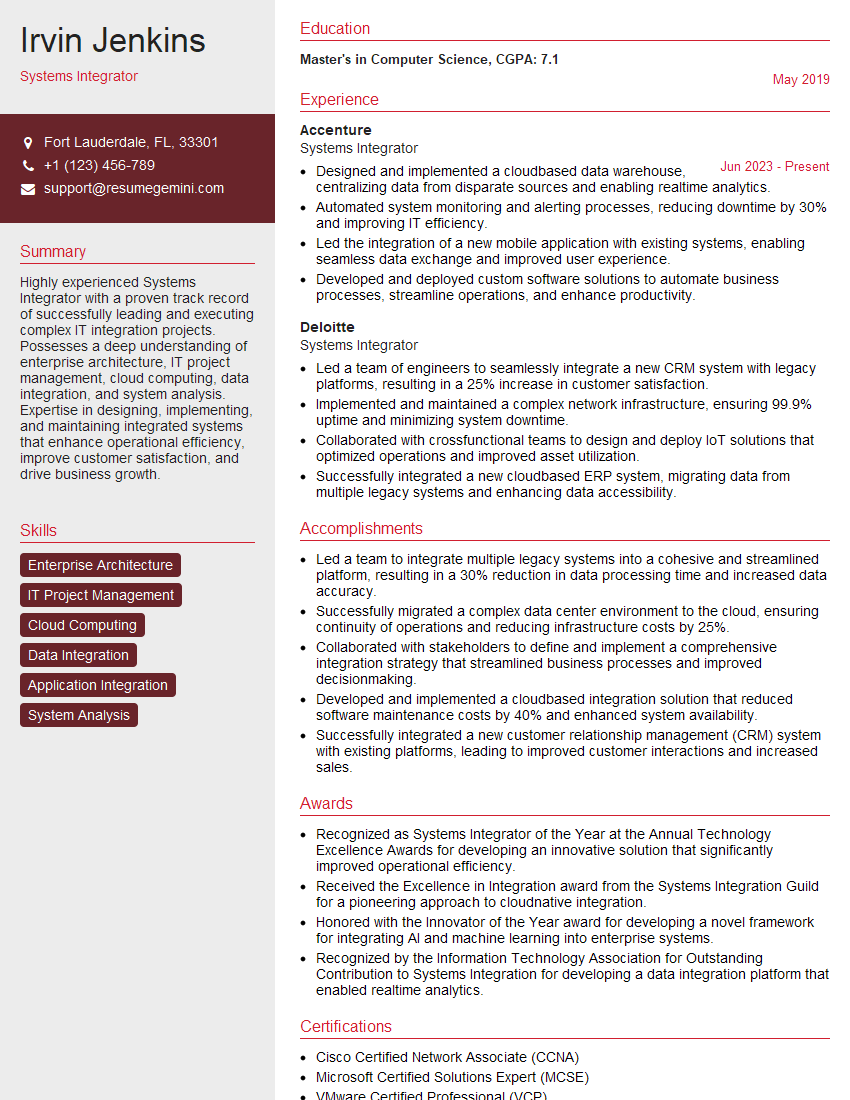
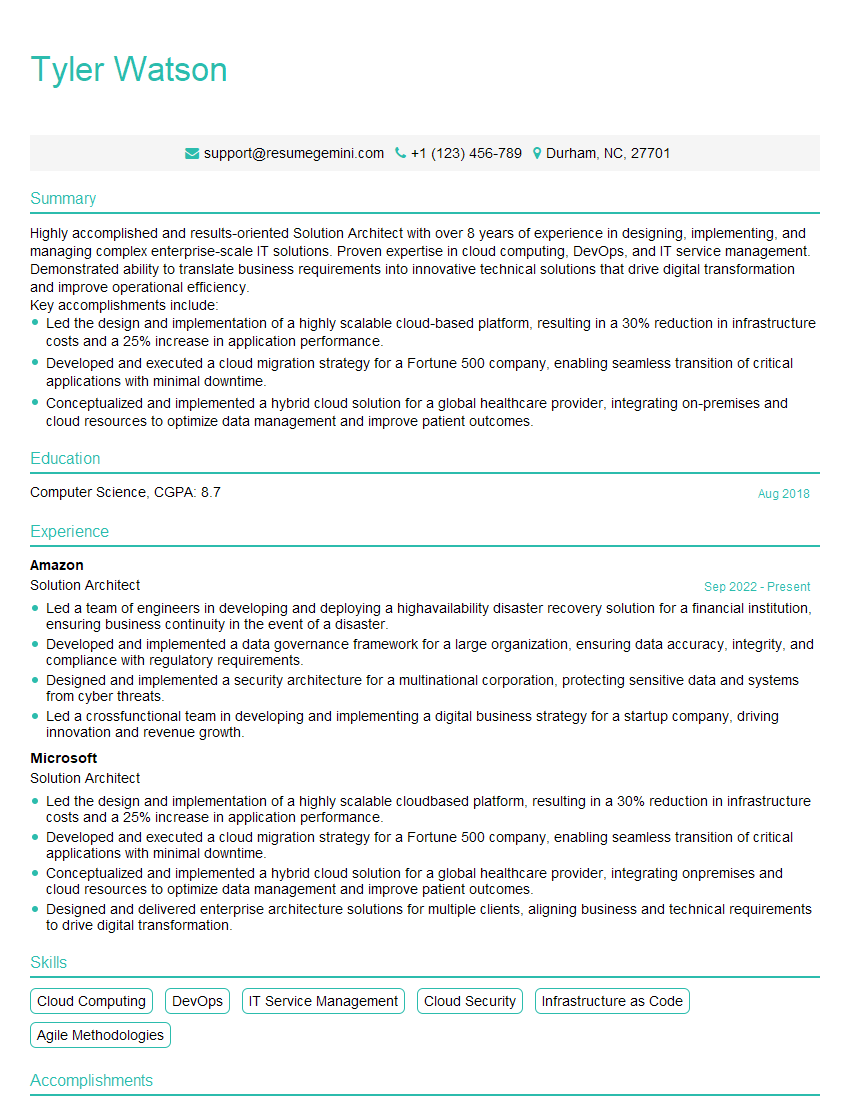
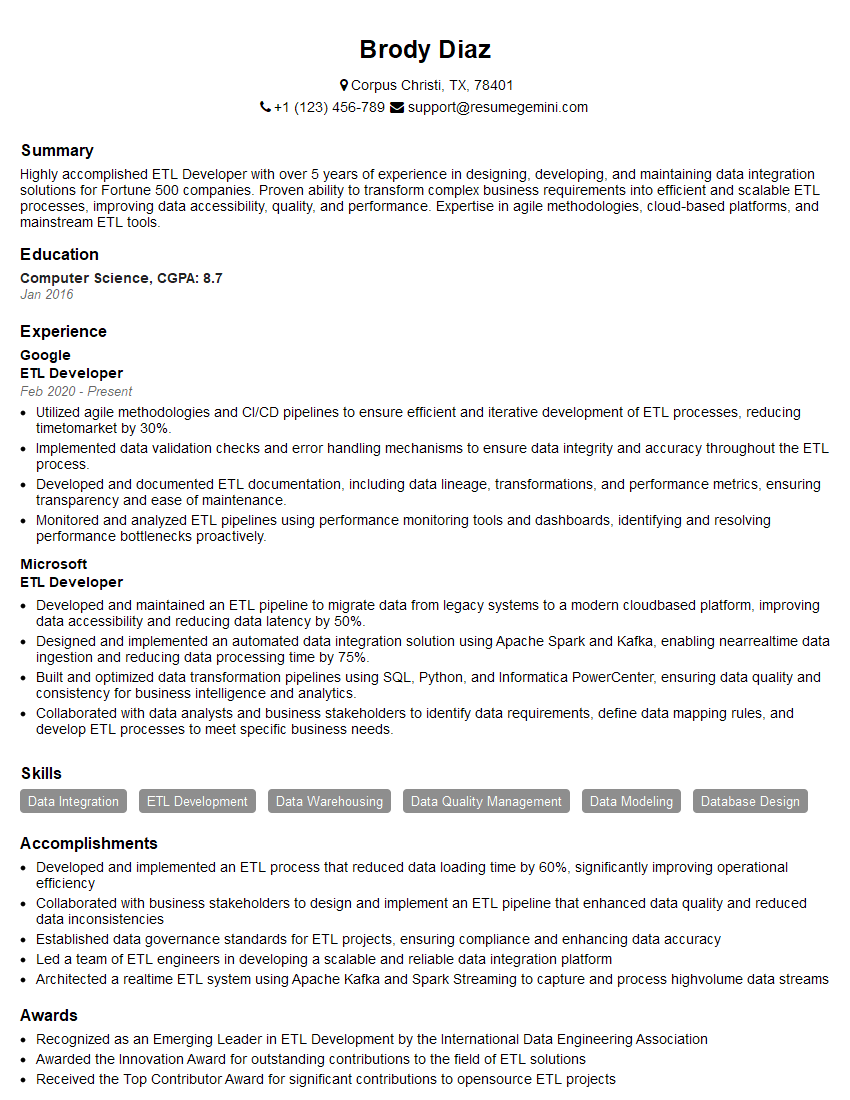
Mastering the art of addressing career gaps is crucial for advancing your career and opening doors to exciting opportunities. A strong, ATS-friendly resume is your first impression – it needs to effectively showcase your skills and experience, even with unconventional career paths. To significantly improve your job prospects, we encourage you to leverage ResumeGemini, a trusted resource for building professional and impactful resumes. Examples of resumes tailored to effectively address career gaps are available to help you get started.
Explore more articles
Users Rating of Our Blogs
Share Your Experience
We value your feedback! Please rate our content and share your thoughts (optional).
What Readers Say About Our Blog
Attention music lovers!
Wow, All the best Sax Summer music !!!
Spotify: https://open.spotify.com/artist/6ShcdIT7rPVVaFEpgZQbUk
Apple Music: https://music.apple.com/fr/artist/jimmy-sax-black/1530501936
YouTube: https://music.youtube.com/browse/VLOLAK5uy_noClmC7abM6YpZsnySxRqt3LoalPf88No
Other Platforms and Free Downloads : https://fanlink.tv/jimmysaxblack
on google : https://www.google.com/search?q=22+AND+22+AND+22
on ChatGPT : https://chat.openai.com?q=who20jlJimmy20Black20Sax20Producer
Get back into the groove with Jimmy sax Black
Best regards,
Jimmy sax Black
www.jimmysaxblack.com
Hi I am a troller at The aquatic interview center and I suddenly went so fast in Roblox and it was gone when I reset.
Hi,
Business owners spend hours every week worrying about their website—or avoiding it because it feels overwhelming.
We’d like to take that off your plate:
$69/month. Everything handled.
Our team will:
Design a custom website—or completely overhaul your current one
Take care of hosting as an option
Handle edits and improvements—up to 60 minutes of work included every month
No setup fees, no annual commitments. Just a site that makes a strong first impression.
Find out if it’s right for you:
https://websolutionsgenius.com/awardwinningwebsites
Hello,
we currently offer a complimentary backlink and URL indexing test for search engine optimization professionals.
You can get complimentary indexing credits to test how link discovery works in practice.
No credit card is required and there is no recurring fee.
You can find details here:
https://wikipedia-backlinks.com/indexing/
Regards
NICE RESPONSE TO Q & A
hi
The aim of this message is regarding an unclaimed deposit of a deceased nationale that bears the same name as you. You are not relate to him as there are millions of people answering the names across around the world. But i will use my position to influence the release of the deposit to you for our mutual benefit.
Respond for full details and how to claim the deposit. This is 100% risk free. Send hello to my email id: [email protected]
Luka Chachibaialuka
Hey interviewgemini.com, just wanted to follow up on my last email.
We just launched Call the Monster, an parenting app that lets you summon friendly ‘monsters’ kids actually listen to.
We’re also running a giveaway for everyone who downloads the app. Since it’s brand new, there aren’t many users yet, which means you’ve got a much better chance of winning some great prizes.
You can check it out here: https://bit.ly/callamonsterapp
Or follow us on Instagram: https://www.instagram.com/callamonsterapp
Thanks,
Ryan
CEO – Call the Monster App
Hey interviewgemini.com, I saw your website and love your approach.
I just want this to look like spam email, but want to share something important to you. We just launched Call the Monster, a parenting app that lets you summon friendly ‘monsters’ kids actually listen to.
Parents are loving it for calming chaos before bedtime. Thought you might want to try it: https://bit.ly/callamonsterapp or just follow our fun monster lore on Instagram: https://www.instagram.com/callamonsterapp
Thanks,
Ryan
CEO – Call A Monster APP
To the interviewgemini.com Owner.
Dear interviewgemini.com Webmaster!
Hi interviewgemini.com Webmaster!
Dear interviewgemini.com Webmaster!
excellent
Hello,
We found issues with your domain’s email setup that may be sending your messages to spam or blocking them completely. InboxShield Mini shows you how to fix it in minutes — no tech skills required.
Scan your domain now for details: https://inboxshield-mini.com/
— Adam @ InboxShield Mini
Reply STOP to unsubscribe
Hi, are you owner of interviewgemini.com? What if I told you I could help you find extra time in your schedule, reconnect with leads you didn’t even realize you missed, and bring in more “I want to work with you” conversations, without increasing your ad spend or hiring a full-time employee?
All with a flexible, budget-friendly service that could easily pay for itself. Sounds good?
Would it be nice to jump on a quick 10-minute call so I can show you exactly how we make this work?
Best,
Hapei
Marketing Director
Hey, I know you’re the owner of interviewgemini.com. I’ll be quick.
Fundraising for your business is tough and time-consuming. We make it easier by guaranteeing two private investor meetings each month, for six months. No demos, no pitch events – just direct introductions to active investors matched to your startup.
If youR17;re raising, this could help you build real momentum. Want me to send more info?
Hi, I represent an SEO company that specialises in getting you AI citations and higher rankings on Google. I’d like to offer you a 100% free SEO audit for your website. Would you be interested?
Hi, I represent an SEO company that specialises in getting you AI citations and higher rankings on Google. I’d like to offer you a 100% free SEO audit for your website. Would you be interested?