Unlock your full potential by mastering the most common Geriatric Mental Health interview questions. This blog offers a deep dive into the critical topics, ensuring you’re not only prepared to answer but to excel. With these insights, you’ll approach your interview with clarity and confidence.
Questions Asked in Geriatric Mental Health Interview
Q 1. Describe your experience assessing and diagnosing dementia in older adults.
Assessing and diagnosing dementia involves a multi-faceted approach, combining thorough history taking, cognitive testing, and neurological examination. I begin by obtaining a detailed history from the patient and their family or caregiver, focusing on the onset and progression of cognitive symptoms, such as memory loss, difficulty with language or problem-solving, and changes in personality or behavior. This helps establish a timeline of symptom development, crucial for differential diagnosis.
Next, I administer standardized cognitive assessments, such as the Mini-Mental State Examination (MMSE) or Montreal Cognitive Assessment (MoCA), to quantify cognitive impairment. These tests provide objective measures of various cognitive domains, including memory, attention, language, and executive function. For example, a patient struggling to recall recent events on the MMSE might suggest a memory deficit indicative of dementia.
A neurological examination is then conducted to rule out other potential causes of cognitive decline, such as stroke, brain tumors, or normal pressure hydrocephalus. This involves assessing reflexes, motor function, and cranial nerves. Finally, I integrate all the information gathered to arrive at a diagnosis, considering the patient’s overall clinical presentation and ruling out other potential conditions. Sometimes, further investigations such as brain imaging (MRI or CT scan) are necessary to confirm the diagnosis and identify the underlying cause of the dementia.
Q 2. Explain different types of dementia and their associated cognitive and behavioral symptoms.
Dementia encompasses a range of neurocognitive disorders characterized by progressive decline in cognitive abilities, impacting daily functioning. Several types exist, each with a unique pattern of symptoms.
- Alzheimer’s disease: The most common type, it’s characterized by gradual memory loss, particularly of recent events, followed by difficulties with language, judgment, and eventually, basic self-care. Behavioral changes such as apathy, agitation, and wandering are common.
- Vascular dementia: Caused by reduced blood flow to the brain, often resulting from stroke or other vascular diseases. Symptoms can vary widely depending on the affected brain regions, but often include cognitive fluctuations, gait disturbances, and executive dysfunction.
- Lewy body dementia: Characterized by fluctuating cognition, visual hallucinations, parkinsonian motor symptoms (rigidity, tremor, slow movements), and significant sensitivity to antipsychotic medications.
- Frontotemporal dementia: Affects the frontal and temporal lobes of the brain, leading to prominent behavioral and personality changes, such as disinhibition, apathy, or compulsive behavior, often before significant memory impairment develops.
It’s crucial to note that symptoms can overlap significantly between different types of dementia, highlighting the need for a comprehensive assessment to arrive at an accurate diagnosis.
Q 3. How do you differentiate between depression and dementia in an elderly patient?
Differentiating between depression and dementia in older adults can be challenging, as both can present with cognitive difficulties. However, several key distinctions can help:
- Onset and Progression: Depression often has a relatively acute onset, sometimes triggered by a specific event. Symptoms may fluctuate, and there’s potential for remission with treatment. Dementia, on the other hand, involves a gradual, progressive decline in cognitive abilities.
- Cognitive Profile: In depression, cognitive difficulties are often more generalized, affecting attention and concentration more than specific cognitive domains like memory. In dementia, there’s usually a more specific pattern of cognitive decline, for example, prominent memory impairment in Alzheimer’s disease.
- Other symptoms: Depression presents with a constellation of mood symptoms such as sadness, hopelessness, loss of interest, and sleep disturbances. Dementia may also present with behavioral changes, but these are typically different in nature from those associated with depression.
- Response to treatment: Depression shows significant improvement with appropriate antidepressant medication and/or psychotherapy. Dementia is generally progressive and does not respond to treatment in the same way. Cognitive decline continues, although treatment can manage symptoms and improve quality of life.
A thorough clinical assessment, including detailed history taking, cognitive testing, and consideration of mood symptoms is essential to accurately differentiate these conditions. Sometimes, both depression and dementia can co-occur, necessitating a tailored treatment approach targeting both conditions.
Q 4. What are the common side effects of psychotropic medications in older adults, and how do you manage them?
Older adults are particularly vulnerable to the side effects of psychotropic medications due to age-related changes in drug metabolism and organ function. Common side effects include:
- Anticholinergics (e.g., some antidepressants, antipsychotics): Can cause dry mouth, constipation, urinary retention, confusion, and falls.
- Antipsychotics: Can increase the risk of falls, stroke, extrapyramidal symptoms (movement disorders), and metabolic syndrome.
- Benzodiazepines (e.g., diazepam, lorazepam): Can cause sedation, cognitive impairment, falls, and withdrawal symptoms upon discontinuation. They should be used cautiously and only for short durations in the elderly.
- Antidepressants: Can cause nausea, dizziness, insomnia, and in some cases, serotonin syndrome or cardiac issues.
Managing side effects requires careful medication selection, starting with the lowest effective dose, close monitoring, and prompt adjustment or discontinuation if side effects become intolerable. Non-pharmacological interventions, such as exercise, cognitive stimulation, and behavioral therapies, may also help reduce symptoms and minimize medication needs. Regular review of medications (polypharmacy) is crucial. Whenever possible we should consider deprescribing medications that are no longer needed or that cause significant side effects.
Q 5. How do you approach medication management for an elderly patient with multiple comorbidities?
Medication management in elderly patients with multiple comorbidities requires a highly individualized and cautious approach. The principle of ‘start low, go slow’ is paramount. We must carefully consider potential drug interactions and side effects. The Beers Criteria, a list of medications to be avoided or used with caution in older adults, is a valuable resource in this regard.
A thorough medication review is essential, aiming to simplify the regimen and eliminate unnecessary medications. Regular monitoring of vital signs, renal and hepatic function, and cognitive status is also crucial. I utilize tools such as the STOPP/START criteria to identify potential prescribing problems and ensure that medications are appropriate for the patient’s clinical profile.
Close collaboration with other healthcare professionals, such as primary care physicians and pharmacists, is essential to ensure optimal medication management. This collaborative approach ensures that the medication regimen is safe, effective, and aligned with the patient’s overall health goals.
Q 6. Describe your experience working with families of individuals with geriatric mental health conditions.
Working with families is an integral part of providing holistic care for individuals with geriatric mental health conditions. Families are often the primary caregivers, and their involvement is essential for successful treatment and support. I prioritize open communication, actively listening to their concerns, and providing education about the condition, its management, and available resources.
I often use a collaborative approach, involving family members in decision-making about treatment plans. For example, when deciding on medication options, I discuss the potential benefits and risks with both the patient and their family, ensuring everyone feels heard and understands the rationale behind the treatment plan. I provide practical strategies for coping with challenging behaviors and offer emotional support, recognizing the emotional toll that caregiving can take. I also connect families with support groups and other community resources to help alleviate some of the burden of caregiving.
Regular follow-up with family members allows me to address any emerging concerns and adjust the care plan as needed. This collaborative and supportive approach strengthens the therapeutic alliance and improves the overall outcome for both the patient and their family.
Q 7. Explain your approach to conducting a comprehensive geriatric assessment.
A comprehensive geriatric assessment goes beyond simply addressing the presenting mental health concern; it considers the patient’s overall physical, cognitive, and psychosocial well-being. It involves a systematic evaluation of multiple domains:
- Medical History and Physical Examination: A thorough review of past medical history, current medications, allergies and physical exam to identify any relevant medical conditions impacting mental health.
- Cognitive Assessment: Using standardized tests (MMSE, MoCA) to measure cognitive abilities and screen for dementia or other cognitive impairments.
- Functional Assessment: Assessing the patient’s ability to perform activities of daily living (ADLs) such as bathing, dressing, and eating, and instrumental activities of daily living (IADLs) such as managing finances and transportation. This helps determine the level of assistance needed.
- Psychosocial Assessment: Evaluating the patient’s mood, social support network, living situation, and any psychosocial stressors that might be contributing to their mental health condition. This includes assessing for depression, anxiety, and other mental health disorders.
- Nutritional Assessment: Assessing nutritional status to identify any deficiencies that could be impacting overall health and cognitive function.
- Spiritual Assessment: Understanding the patient’s spiritual beliefs and practices, which can be an important source of support and resilience.
The results of the assessment are then used to develop a holistic care plan that addresses the patient’s multiple needs, often involving a multidisciplinary team including physicians, nurses, social workers, therapists, and other specialists. The goal is to optimize the patient’s overall well-being and enhance their quality of life.
Q 8. What are the ethical considerations involved in treating elderly patients with cognitive impairment?
Ethical considerations in treating elderly patients with cognitive impairment are multifaceted and demand a high level of sensitivity. Central to this is respect for autonomy, even when capacity is diminished. This means carefully considering the patient’s wishes and preferences, as expressed directly or through a legally appointed representative, while balancing their best interests with their right to self-determination.
Informed consent becomes particularly challenging. We must adapt our communication strategies to ensure understanding, using simple language and visual aids where necessary. If a patient lacks capacity, obtaining consent from a surrogate decision-maker is crucial, involving them in the treatment planning process.
Confidentiality remains paramount, although sharing information with caregivers might be necessary for effective care, only with explicit consent or legal authorization. We must also address potential conflicts of interest, ensuring that decisions are driven by the patient’s needs and not influenced by external pressures. Finally, justice dictates fair access to appropriate care, regardless of socioeconomic status or other demographic factors.
For example, imagine a patient with dementia who refuses medication. While we aim to persuade them based on sound medical judgment, forcing medication is unethical and potentially illegal. Instead, we must carefully explore the reasons for their refusal, involve caregivers, and consider alternative strategies, all while respecting their autonomy to the greatest extent possible.
Q 9. How do you address the challenges of polypharmacy in elderly patients?
Polypharmacy – the use of multiple medications – is a significant concern in geriatric care. Older adults are more susceptible to adverse drug interactions and side effects due to age-related changes in metabolism and organ function. Addressing this requires a systematic and collaborative approach.
Firstly, a thorough medication review is essential. This involves creating a comprehensive list of all medications (prescription, over-the-counter, and herbal remedies), identifying potential drug interactions, and evaluating their effectiveness. Secondly, we focus on simplifying the medication regimen. This might involve discontinuing unnecessary medications, consolidating similar drugs, or switching to once-daily formulations wherever possible.
Close monitoring for adverse effects is vital. We educate patients and their caregivers about potential side effects and encourage them to report any new or worsening symptoms. Collaboration with other healthcare professionals, such as pharmacists and primary care physicians, is crucial for a holistic approach. Regular review of the medication list ensures that the medications remain appropriate and effective, minimizing the risk of adverse outcomes.
For instance, an elderly patient with multiple chronic conditions might be prescribed several medications for blood pressure, diabetes, and pain relief. A comprehensive medication review could identify that some medications are redundant or have the potential for dangerous interactions, prompting us to optimize their regimen for better safety and efficacy.
Q 10. Describe your experience using non-pharmacological interventions in geriatric mental health.
Non-pharmacological interventions are often the cornerstone of my approach to geriatric mental health. These methods are particularly valuable for managing symptoms of depression, anxiety, and cognitive impairment, often reducing the need for or significantly decreasing the dose of medication.
My experience encompasses a wide range of techniques including cognitive behavioral therapy (CBT) adapted for older adults, focusing on practical strategies to manage negative thoughts and behaviors. I also utilize reality orientation therapy to enhance cognitive function and reduce confusion, and reminiscence therapy to stimulate memory and promote emotional well-being.
Social engagement and support groups are highly effective in combatting loneliness and social isolation, major contributors to mental health decline in older age. I also frequently incorporate exercise programs, tailored to the individual’s physical capabilities, as physical activity is strongly linked to mental health. In some cases, music therapy, art therapy, and pet therapy can provide valuable therapeutic benefits.
For instance, a patient experiencing depression after the loss of a spouse might benefit greatly from a reminiscence therapy program focusing on positive memories, combined with a support group to connect with peers and combat isolation. The tailored combination of these interventions often yields significant improvement in their mood and overall wellbeing, with less reliance on anti-depressant medication.
Q 11. What are some common psychosocial factors influencing mental health in older adults?
Numerous psychosocial factors significantly impact the mental health of older adults. Social isolation and loneliness are major contributors, leading to depression, anxiety, and cognitive decline. The loss of loved ones, friends, and social roles can severely impact psychological wellbeing.
Financial insecurity and stress related to retirement income and healthcare costs are significant stressors. Physical health problems, including chronic illnesses and disability, can contribute to depression, anxiety, and reduced quality of life.
Life transitions, such as retirement, bereavement, and relocation, can be emotionally challenging, impacting mental health. Access to healthcare, including mental health services, can vary greatly, creating disparities in the quality of care received. Finally, personal coping mechanisms and resilience play a critical role. Previous life experiences, personality traits, and available social support systems all impact an individual’s response to stressors and life transitions.
For example, an older adult living alone after the death of their spouse may experience profound loneliness and depression, exacerbated by limited social contact and financial worries. This highlights the interconnectedness of various psychosocial factors in shaping mental health outcomes.
Q 12. How do you tailor your communication style to effectively interact with patients experiencing cognitive decline?
Communicating effectively with patients experiencing cognitive decline requires patience, understanding, and adapting my approach to their specific needs. I prioritize simple, clear language, avoiding jargon and complex sentence structures.
Nonverbal communication is equally crucial. Maintaining eye contact, using a calm and reassuring tone of voice, and employing gentle touch (with permission) can enhance understanding and build rapport. I use visual aids, such as pictures or written instructions, to supplement verbal communication.
Breaking down complex information into smaller, manageable chunks improves comprehension. I actively listen, paying close attention to both verbal and nonverbal cues, acknowledging their feelings and validating their experiences. Regularly checking for understanding and rephrasing information if needed is essential. Finally, involving family members or caregivers in the communication process can often facilitate better understanding and engagement.
For instance, when explaining a medication regimen to a patient with dementia, I might use a visual pill organizer with labels and pictures, reinforcing instructions verbally in short, simple sentences, and explaining each pill’s purpose. This multi-modal approach ensures greater understanding and adherence.
Q 13. Describe a challenging case in geriatric mental health and your approach to resolving it.
One challenging case involved an 85-year-old woman with Alzheimer’s disease who exhibited severe agitation and aggression towards her caregivers. She had a long history of independence and was struggling to adapt to her declining cognitive abilities and increased reliance on others.
My approach focused on several strategies: Firstly, a thorough assessment ruled out any underlying medical causes for her agitation. Secondly, I collaborated with her caregivers to understand the triggers for her aggressive behavior. This revealed that specific environmental factors, such as loud noises or unfamiliar people, were particularly upsetting.
Based on this, we implemented several environmental modifications, such as creating a calmer, more predictable routine, reducing background noise, and implementing a familiarization program for new caregivers. We also implemented behavioral interventions, such as redirecting her attention when she became agitated, using calming techniques like deep breathing exercises, and rewarding positive behaviors.
Finally, I worked closely with the family to address their needs and concerns, providing emotional support and education about the disease. Through a combination of environmental adjustments, behavioral interventions, and family support, we significantly reduced the frequency and severity of her aggressive behaviors, improving both her quality of life and that of her caregivers. This case underscored the importance of a holistic approach, considering environmental, behavioral, and psychosocial factors in managing challenging behaviors in dementia.
Q 14. Explain your understanding of the impact of age-related changes on brain function and mental health.
Age-related changes in brain function significantly impact mental health. These changes are multifaceted and include a gradual decline in brain volume, particularly in areas associated with memory and executive functions. Neurotransmitter systems also undergo alterations, influencing mood regulation and cognitive performance.
Cognitive decline, ranging from mild cognitive impairment to dementia, is a common consequence of these changes. Memory problems, difficulty with problem-solving, and reduced processing speed are frequently observed. Emotional changes are also common, with increased vulnerability to depression, anxiety, and irritability. Sleep disturbances and changes in appetite are also frequently reported.
These changes don’t necessarily mean that all older adults will experience mental health problems. Cognitive reserve, influenced by factors such as education, lifestyle, and social engagement, plays a crucial role in resilience. Individuals with high cognitive reserve are often better able to cope with age-related changes in brain function. Understanding the interplay of biological changes and individual factors is vital for providing effective and tailored interventions that promote mental wellbeing in older adulthood.
For example, while some degree of memory decline is normal with aging, a significant decline impacting daily life would indicate a need for further investigation. A holistic assessment, accounting for age-related changes as well as psychosocial and environmental factors, guides the development of personalized interventions to support both physical and mental wellbeing.
Q 15. What resources and support systems are available for older adults with mental health challenges?
Older adults facing mental health challenges have access to a wide array of resources and support systems. These vary depending on the individual’s needs, location, and insurance coverage. However, some common resources include:
- Primary Care Physicians: Often the first point of contact, PCPs can provide initial assessments, medication management, and referrals to specialists.
- Geriatric Psychiatrists and Psychologists: These specialists possess expertise in the mental health concerns specific to older adults, offering specialized diagnoses and treatment plans.
- Mental Health Clinics and Community Centers: These facilities provide a range of services, from individual and group therapy to medication management and support groups. Many offer sliding-scale fees based on income.
- Hospitals and Inpatient Facilities: For individuals experiencing acute mental health crises, hospitalization might be necessary for stabilization and intensive treatment.
- Support Groups: These groups offer a safe space for older adults and their families to connect with others facing similar challenges, share experiences, and receive peer support. Examples include groups for those with depression, dementia, or caregiver support.
- Respite Care: Provides temporary relief for caregivers, allowing them to attend to their own well-being while their loved one receives temporary care.
- Home Healthcare Services: Mental health professionals can provide services in the comfort of the individual’s home, reducing the burden of travel and increasing accessibility.
- National and State Helplines: Offer immediate crisis intervention and referrals to appropriate services.
Accessing these resources often requires navigating the healthcare system, which can be challenging. Therefore, advocating for the older adult and their family is crucial to ensure they receive the necessary support.
Career Expert Tips:
- Ace those interviews! Prepare effectively by reviewing the Top 50 Most Common Interview Questions on ResumeGemini.
- Navigate your job search with confidence! Explore a wide range of Career Tips on ResumeGemini. Learn about common challenges and recommendations to overcome them.
- Craft the perfect resume! Master the Art of Resume Writing with ResumeGemini’s guide. Showcase your unique qualifications and achievements effectively.
- Don’t miss out on holiday savings! Build your dream resume with ResumeGemini’s ATS optimized templates.
Q 16. How do you incorporate cultural considerations into your assessment and treatment plans?
Cultural considerations are paramount in geriatric mental health. Ignoring cultural differences can lead to misdiagnosis and ineffective treatment. My approach involves:
- Cultural Assessment: I begin by understanding the individual’s cultural background, including their beliefs, values, traditions, and communication styles. This might involve questions about their family structure, religious practices, and preferred methods of communication.
- Language Considerations: If there’s a language barrier, I ensure qualified interpreters are available to facilitate clear communication. This goes beyond simply translating words; it involves understanding cultural nuances embedded in language.
- Family Dynamics: In many cultures, family plays a significant role in decision-making regarding healthcare. I involve family members in the treatment plan, respecting their input while keeping the individual’s autonomy at the forefront.
- Treatment Approaches: I tailor treatment approaches to respect cultural beliefs and practices. For example, certain medications might have different effects depending on an individual’s genetic predisposition, which can be related to their ethnicity.
- Stigma Awareness: Mental health stigma varies widely across cultures. I address any stigma-related concerns and educate the individual and their family about mental illness to reduce misconceptions.
For example, I once worked with an elderly woman of Asian descent who was hesitant to disclose her symptoms due to cultural stigma associated with mental illness within her community. By building trust and demonstrating sensitivity to her cultural background, she felt comfortable opening up, and we developed a culturally sensitive treatment plan.
Q 17. Explain your understanding of different therapeutic approaches used in geriatric mental health.
Geriatric mental health utilizes a variety of therapeutic approaches tailored to the unique needs of older adults. These often combine different modalities for a comprehensive approach. Some common approaches include:
- Psychopharmacology: Medication management is frequently used to treat conditions like depression, anxiety, and psychosis. Careful consideration is given to potential drug interactions and side effects common in older adults.
- Cognitive Behavioral Therapy (CBT): CBT helps individuals identify and modify negative thought patterns and behaviors contributing to mental health challenges. Adapting CBT for older adults often requires a slower pace and consideration of physical limitations.
- Psychoeducation: Educating the individual and their family about their condition, treatment options, and coping strategies is crucial for improving outcomes and reducing stigma.
- Reality Orientation Therapy: Particularly useful for individuals with cognitive impairment, this approach helps re-orient them to their surroundings and reduce confusion.
- Reminiscence Therapy: Encouraging reflection on past experiences can be a powerful tool for improving mood and self-esteem, particularly for those experiencing loneliness or depression.
- Supportive Therapy: This provides a safe and empathetic space for individuals to express their feelings and concerns, fostering self-acceptance and emotional regulation.
The choice of therapeutic approach depends on the individual’s specific diagnosis, cognitive abilities, physical health, and personal preferences. Often, a combination of approaches yields the best results.
Q 18. Describe your experience with crisis intervention in geriatric settings.
Crisis intervention in geriatric settings requires a swift and sensitive response. My experience involves managing situations ranging from acute suicidal ideation to severe anxiety and agitation. Key elements of my approach include:
- Immediate Safety Assessment: The first priority is to assess the immediate risk to the individual’s safety and well-being. This involves evaluating suicidal or self-harming ideation, potential for violence towards others, and the individual’s ability to meet their basic needs.
- Collaboration: I work closely with family members, caregivers, and other healthcare professionals, such as nurses and physicians, to coordinate a comprehensive response.
- De-escalation Techniques: Using calm and empathetic communication, I strive to de-escalate the individual’s distress and help them regain a sense of control.
- Medication Management: In some cases, medication may be necessary to stabilize the individual’s emotional state. However, this must be done judiciously considering potential side effects.
- Hospitalization or Emergency Services: If the individual’s safety is at immediate risk, hospitalization or emergency services may be required.
- Post-Crisis Planning: After the acute crisis subsides, I work with the individual and their support system to develop a plan to prevent future crises, including ongoing therapy, medication management, and crisis hotlines.
One memorable case involved an elderly man experiencing a severe anxiety attack. Through calm communication, providing reassurance, and coordinating with his family, we were able to de-escalate the situation without hospitalization, leading to a long-term improvement in his anxiety management.
Q 19. How do you assess the risk of suicide in an older adult?
Assessing suicide risk in older adults requires a comprehensive and sensitive approach. It’s crucial to remember that older adults may not always express suicidal thoughts directly. My assessment incorporates:
- Direct Inquiry: Openly and directly asking about suicidal thoughts, plans, and intentions. This doesn’t increase suicide risk; rather, it allows for accurate assessment and intervention.
- Risk Factors: Identifying factors increasing suicide risk, including depression, hopelessness, social isolation, chronic pain, recent loss, and access to lethal means.
- Protective Factors: Assessing factors that protect against suicide, such as strong social support, religious beliefs, and engagement in meaningful activities.
- Mental Status Examination: Evaluating cognitive function, mood, and thought processes to determine the severity of depression or other mental health conditions.
- Medical History: Reviewing the individual’s medical history for conditions that may contribute to suicidal ideation, such as chronic illness or neurological disorders.
- Social History: Understanding the individual’s social network, support systems, and living situation. Social isolation is a significant risk factor.
The assessment is not a one-time event; it’s an ongoing process requiring close monitoring, especially during periods of increased risk. A structured assessment tool, like the Suicide Risk Assessment Scale, can be helpful in guiding this process.
Q 20. What are the signs and symptoms of elder abuse and neglect, and how should you respond?
Elder abuse and neglect are serious problems with devastating consequences. Recognizing the signs and responding appropriately are crucial. Signs and symptoms can vary, but common indicators include:
- Physical Abuse: Unexplained bruises, cuts, burns, or fractures. Changes in behavior, such as increased anxiety or withdrawal.
- Emotional Abuse: Isolation, humiliation, intimidation, threats, and verbal aggression. Changes in mood and behavior, like depression or agitation.
- Financial Abuse: Unexplained withdrawals from accounts, missing valuables, or unusual financial activity. Confusion or distress regarding financial matters.
- Neglect: Poor hygiene, malnutrition, dehydration, untreated medical conditions, inappropriate clothing for the weather, and unsafe living conditions. Significant weight loss, unexplained infections, and pressure sores.
- Sexual Abuse: Unexplained genital or anal trauma, sexually suggestive behavior, or reluctance to undress in front of others.
Responding to suspected abuse or neglect requires immediate action:
- Report Suspicions: Contact Adult Protective Services (APS) or the appropriate authorities in your area. This is mandated reporting in most jurisdictions.
- Document Observations: Keep detailed records of observations, including dates, times, and specific incidents. Photographs or videos, if possible, can be helpful evidence.
- Ensure Safety: If the individual is in immediate danger, take steps to ensure their safety, possibly involving law enforcement.
- Provide Support: Offer emotional support to the individual and their family, connecting them with resources such as support groups and legal assistance.
It is important to remember that reporting suspected abuse is not tattling; it’s protecting a vulnerable individual.
Q 21. Discuss your experience with long-term care facilities and working within an interdisciplinary team.
I have extensive experience collaborating with long-term care facilities and interdisciplinary teams. Effective care for older adults requires a holistic approach, combining the expertise of various professionals. My role within these teams usually involves:
- Assessment and Diagnosis: Providing comprehensive psychiatric evaluations to assess mental health needs, including cognitive function, mood disorders, and behavioral issues.
- Treatment Planning: Collaborating with physicians, nurses, social workers, and other healthcare professionals to develop individualized treatment plans that address both medical and psychological needs.
- Medication Management: Monitoring medication effectiveness and adjusting dosages as needed, considering potential side effects and interactions with other medications.
- Therapy and Counseling: Providing individual or group therapy, focusing on coping skills, emotional regulation, and improving overall quality of life.
- Family and Caregiver Support: Educating and supporting family members and caregivers to effectively manage the individual’s care and address their own emotional well-being.
- Collaboration and Communication: Regularly communicating with the interdisciplinary team to ensure coordination of care and efficient information sharing. Documentation is crucial in these settings.
Working within an interdisciplinary team allows for a more comprehensive and individualized approach to care, ensuring that the unique needs of each older adult are met. Effective communication and collaboration are key to optimizing outcomes in these complex settings.
Q 22. How do you utilize telehealth technology in geriatric mental health care?
Telehealth is a game-changer in geriatric mental health, allowing us to overcome geographical barriers and provide convenient access to care. I utilize various telehealth platforms, including video conferencing (like Zoom or Skype) for therapy sessions, secure messaging systems for communication between sessions, and remote patient monitoring tools to track vital signs and medication adherence. For example, I recently used video conferencing to conduct Cognitive Behavioral Therapy (CBT) sessions with an elderly patient who lives in a rural area with limited access to transportation. This allowed her to continue receiving consistent, high-quality care from the comfort of her home.
The use of telehealth also extends to caregiver support. I regularly provide training and guidance to family members via video calls, equipping them with the skills and knowledge to effectively support their loved ones. Furthermore, I leverage telehealth platforms to monitor the patient’s progress, reducing the frequency of in-person visits while ensuring their safety and well-being. This approach increases efficiency and reduces strain on both the patient and the healthcare system.
Q 23. Explain your knowledge of relevant legislation and regulations concerning elderly mental health.
My understanding of relevant legislation and regulations is paramount to my practice. This includes the Health Insurance Portability and Accountability Act (HIPAA) which dictates strict confidentiality guidelines for patient information. I am also well-versed in state regulations governing the practice of mental health professionals, including licensing requirements and mandated reporting of abuse or neglect. The Older Americans Act (OAA) plays a significant role, guiding the provision of services to older adults, including mental health services. Understanding the legal framework allows me to ethically and responsibly navigate the complexities of providing care to vulnerable elderly patients. For instance, I meticulously document all sessions, ensuring compliance with HIPAA regulations and ensuring patient privacy. I also undergo regular training on updates and changes to relevant legislation to maintain compliance.
Q 24. How do you ensure patient safety and confidentiality in geriatric mental health care?
Ensuring patient safety and confidentiality is my top priority. This begins with adhering to HIPAA regulations, utilizing secure electronic health records, and establishing strong password protection measures. I carefully assess each patient’s risk factors for suicide, self-neglect, or harm to others. This involves comprehensive assessments that encompass physical and cognitive health as well as mental state. If a patient is deemed to be at immediate risk, appropriate interventions are implemented, including contacting emergency services or hospitalizing them if necessary. Open communication with family members (when appropriate and with the patient’s consent) is crucial in safeguarding the patient’s well-being. I am meticulous about securing all patient records, both electronic and paper-based. I also regularly review and update my own clinical knowledge and practices to maintain the highest safety standards.
Q 25. Describe your experience with different types of therapy (e.g., CBT, reminiscence therapy).
My experience spans several therapeutic approaches. Cognitive Behavioral Therapy (CBT) is particularly effective in addressing depression and anxiety in older adults, focusing on modifying negative thought patterns and behaviors. I’ve used CBT to help patients manage their symptoms of anxiety related to aging and memory loss. Reminiscence therapy, which involves exploring past memories and experiences, is a powerful tool for promoting emotional well-being and reducing feelings of isolation. I’ve used this approach with a patient experiencing grief following the loss of a spouse, enabling him to process his emotions and find meaning in his life. I also utilize supportive therapy, providing a safe and empathetic space for patients to process their thoughts and feelings. The choice of therapy is tailored to each individual’s needs and preferences, and I often integrate elements from different approaches to create a personalized treatment plan.
Q 26. How do you maintain your professional competence in the field of geriatric mental health?
Maintaining professional competence is an ongoing process. I actively participate in continuing education programs, attending workshops and conferences focused on advancements in geriatric mental health. I regularly review peer-reviewed journals and research articles to stay updated on best practices and emerging treatments. Supervision and consultation with colleagues are also crucial components. Discussing complex cases and treatment strategies with experienced professionals provides valuable feedback and allows for ongoing learning. Furthermore, I am involved in professional organizations that offer opportunities for networking and knowledge exchange. This continuous learning ensures that I remain at the forefront of the field and deliver the highest quality of care.
Q 27. Explain your understanding of the impact of social isolation on mental health in older adults.
Social isolation significantly impacts the mental health of older adults, often leading to depression, anxiety, and cognitive decline. The lack of social interaction and connection deprives individuals of vital support systems, exacerbating feelings of loneliness and helplessness. It can worsen pre-existing conditions and make it more difficult to cope with life’s challenges. For example, an elderly widow living alone might experience increased feelings of sadness and isolation, leading to depression. Addressing social isolation involves connecting patients with support groups, encouraging participation in community activities tailored to their physical abilities, and facilitating communication with family and friends. Technology can also play a crucial role, enabling connection through video calls and online social platforms.
Q 28. Describe your experience with adapting treatment plans to accommodate the physical limitations of older adults.
Adapting treatment plans to accommodate physical limitations is essential in geriatric mental health. Many older adults experience mobility issues, chronic pain, or cognitive impairments that can affect their ability to fully participate in therapy. For example, a patient with arthritis might find it difficult to attend in-person sessions, requiring the adaptation of telehealth strategies. I modify therapy sessions to be shorter, more frequent, or incorporate relaxation techniques to manage pain. I also consult with other healthcare providers, such as physical therapists or occupational therapists, to create a comprehensive care plan that addresses both physical and mental health needs. When working with individuals with cognitive impairments, I might adapt the complexity of therapeutic exercises, using simpler language and visual aids to ensure understanding and engagement.
Key Topics to Learn for Geriatric Mental Health Interview
- Common Geriatric Mental Health Disorders: Understanding the prevalence, symptoms, and diagnostic criteria for conditions like dementia (including Alzheimer’s disease), depression, anxiety, and psychosis in older adults.
- Assessment and Diagnosis: Mastering techniques for conducting comprehensive geriatric assessments, including cognitive screening tools (MMSE, MoCA), and understanding the ethical considerations involved in diagnosing mental health conditions in older adults with co-morbidities.
- Psychopharmacology in Geriatrics: Familiarize yourself with the unique challenges of medication management in older adults, including polypharmacy, drug interactions, and age-related physiological changes affecting medication metabolism.
- Psychosocial Interventions: Understanding and applying evidence-based therapeutic approaches like Cognitive Behavioral Therapy (CBT) adapted for older adults, reminiscence therapy, and supportive counseling strategies.
- Caregiver Support and Family Dynamics: Recognizing the crucial role of caregivers and addressing the emotional and practical challenges they face. Understanding family dynamics and their impact on the patient’s mental health.
- Ethical Considerations: Addressing ethical dilemmas related to capacity, consent, and end-of-life care in geriatric mental health. Understanding legal frameworks and patient rights.
- Neurological Aspects of Aging: Gaining a basic understanding of the neurobiological changes associated with aging and how these changes contribute to cognitive decline and mental health issues.
- Cultural Competence: Understanding the diverse needs of older adults from various cultural backgrounds and adapting your approach to ensure culturally sensitive care.
- Collaboration and Interdisciplinary Teamwork: Recognizing the importance of effective communication and collaboration with other healthcare professionals, such as physicians, nurses, social workers, and family members.
- Problem-Solving in Complex Cases: Developing your ability to analyze complex cases involving multiple diagnoses and co-morbidities, and creating tailored treatment plans.
Next Steps
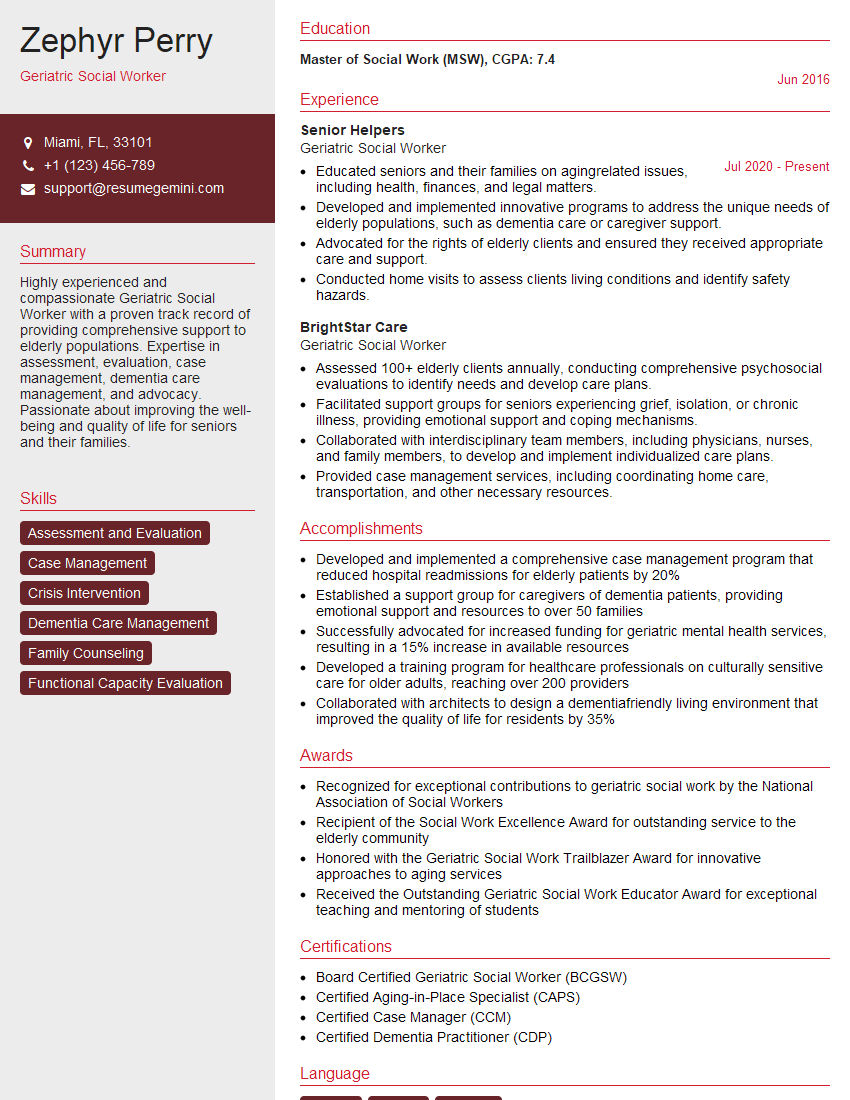
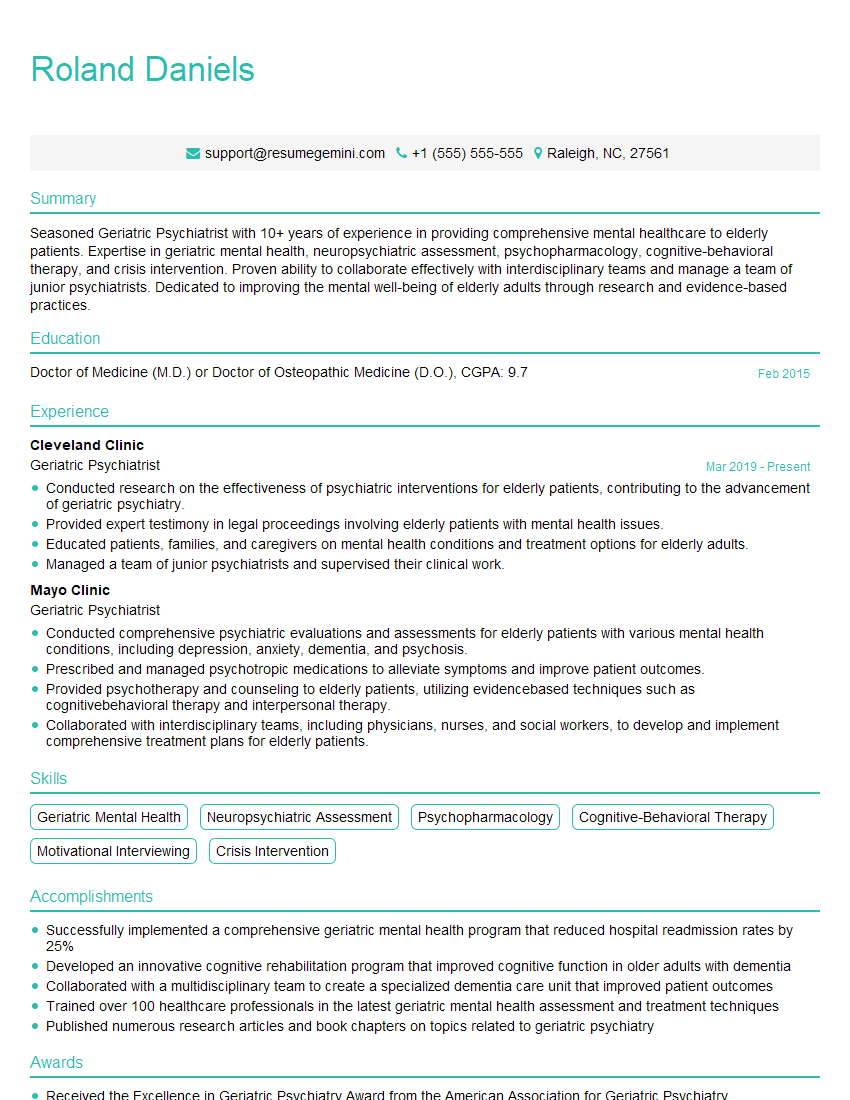
Mastering Geriatric Mental Health is crucial for career advancement in this rapidly growing field. It demonstrates a specialized skillset highly valued by employers and opens doors to diverse opportunities. To maximize your job prospects, it’s vital to create an ATS-friendly resume that highlights your relevant skills and experience effectively. ResumeGemini is a trusted resource that can help you build a compelling and professional resume that stands out from the competition. We provide examples of resumes tailored to Geriatric Mental Health to guide you in creating a document that showcases your expertise. Take the next step towards your dream career today!
Explore more articles
Users Rating of Our Blogs
Share Your Experience
We value your feedback! Please rate our content and share your thoughts (optional).
What Readers Say About Our Blog
Attention music lovers!
Wow, All the best Sax Summer music !!!
Spotify: https://open.spotify.com/artist/6ShcdIT7rPVVaFEpgZQbUk
Apple Music: https://music.apple.com/fr/artist/jimmy-sax-black/1530501936
YouTube: https://music.youtube.com/browse/VLOLAK5uy_noClmC7abM6YpZsnySxRqt3LoalPf88No
Other Platforms and Free Downloads : https://fanlink.tv/jimmysaxblack
on google : https://www.google.com/search?q=22+AND+22+AND+22
on ChatGPT : https://chat.openai.com?q=who20jlJimmy20Black20Sax20Producer
Get back into the groove with Jimmy sax Black
Best regards,
Jimmy sax Black
www.jimmysaxblack.com
Hi I am a troller at The aquatic interview center and I suddenly went so fast in Roblox and it was gone when I reset.
Hi,
Business owners spend hours every week worrying about their website—or avoiding it because it feels overwhelming.
We’d like to take that off your plate:
$69/month. Everything handled.
Our team will:
Design a custom website—or completely overhaul your current one
Take care of hosting as an option
Handle edits and improvements—up to 60 minutes of work included every month
No setup fees, no annual commitments. Just a site that makes a strong first impression.
Find out if it’s right for you:
https://websolutionsgenius.com/awardwinningwebsites
Hello,
we currently offer a complimentary backlink and URL indexing test for search engine optimization professionals.
You can get complimentary indexing credits to test how link discovery works in practice.
No credit card is required and there is no recurring fee.
You can find details here:
https://wikipedia-backlinks.com/indexing/
Regards
NICE RESPONSE TO Q & A
hi
The aim of this message is regarding an unclaimed deposit of a deceased nationale that bears the same name as you. You are not relate to him as there are millions of people answering the names across around the world. But i will use my position to influence the release of the deposit to you for our mutual benefit.
Respond for full details and how to claim the deposit. This is 100% risk free. Send hello to my email id: lukachachibaialuka@gmail.com
Luka Chachibaialuka
Hey interviewgemini.com, just wanted to follow up on my last email.
We just launched Call the Monster, an parenting app that lets you summon friendly ‘monsters’ kids actually listen to.
We’re also running a giveaway for everyone who downloads the app. Since it’s brand new, there aren’t many users yet, which means you’ve got a much better chance of winning some great prizes.
You can check it out here: https://bit.ly/callamonsterapp
Or follow us on Instagram: https://www.instagram.com/callamonsterapp
Thanks,
Ryan
CEO – Call the Monster App
Hey interviewgemini.com, I saw your website and love your approach.
I just want this to look like spam email, but want to share something important to you. We just launched Call the Monster, a parenting app that lets you summon friendly ‘monsters’ kids actually listen to.
Parents are loving it for calming chaos before bedtime. Thought you might want to try it: https://bit.ly/callamonsterapp or just follow our fun monster lore on Instagram: https://www.instagram.com/callamonsterapp
Thanks,
Ryan
CEO – Call A Monster APP
To the interviewgemini.com Owner.
Dear interviewgemini.com Webmaster!
Hi interviewgemini.com Webmaster!
Dear interviewgemini.com Webmaster!
excellent
Hello,
We found issues with your domain’s email setup that may be sending your messages to spam or blocking them completely. InboxShield Mini shows you how to fix it in minutes — no tech skills required.
Scan your domain now for details: https://inboxshield-mini.com/
— Adam @ InboxShield Mini
support@inboxshield-mini.com
Reply STOP to unsubscribe
Hi, are you owner of interviewgemini.com? What if I told you I could help you find extra time in your schedule, reconnect with leads you didn’t even realize you missed, and bring in more “I want to work with you” conversations, without increasing your ad spend or hiring a full-time employee?
All with a flexible, budget-friendly service that could easily pay for itself. Sounds good?
Would it be nice to jump on a quick 10-minute call so I can show you exactly how we make this work?
Best,
Hapei
Marketing Director
Hey, I know you’re the owner of interviewgemini.com. I’ll be quick.
Fundraising for your business is tough and time-consuming. We make it easier by guaranteeing two private investor meetings each month, for six months. No demos, no pitch events – just direct introductions to active investors matched to your startup.
If youR17;re raising, this could help you build real momentum. Want me to send more info?
Hi, I represent an SEO company that specialises in getting you AI citations and higher rankings on Google. I’d like to offer you a 100% free SEO audit for your website. Would you be interested?
Hi, I represent an SEO company that specialises in getting you AI citations and higher rankings on Google. I’d like to offer you a 100% free SEO audit for your website. Would you be interested?