Cracking a skill-specific interview, like one for Green Thumb and Passion for Plants, requires understanding the nuances of the role. In this blog, we present the questions you’re most likely to encounter, along with insights into how to answer them effectively. Let’s ensure you’re ready to make a strong impression.
Questions Asked in Green Thumb and Passion for Plants Interview
Q 1. Describe your experience with different soil types and their impact on plant growth.
Soil type is paramount to successful plant growth. Different soils offer varying levels of drainage, aeration, nutrient retention, and pH, all impacting a plant’s ability to thrive. Think of it like choosing the right foundation for a house – the wrong one will lead to problems.
- Sandy Soils: Well-draining but poor at retaining water and nutrients. Ideal for plants that prefer dry conditions, like cacti and succulents. Requires frequent watering and supplemental fertilizers.
- Clay Soils: Retain water and nutrients well but drain poorly, leading to root rot if overwatered. Plants needing consistently moist soil, such as ferns and hostas, might do well, but drainage needs improvement (e.g., adding compost).
- Silty Soils: Retain moisture and nutrients moderately well and drain fairly well. A good all-around soil type, suitable for many plants.
- Loamy Soils: The ideal soil type! It’s a balanced mix of sand, silt, and clay, offering excellent drainage, aeration, and nutrient retention. This is what most gardeners strive to achieve through soil amendments.
For example, I once had a client whose roses were struggling. After soil testing, we found it was heavy clay, causing poor drainage and root asphyxiation. We amended the soil with compost and perlite to improve drainage and aeration, resulting in a significant improvement in rose health and bloom production.
Q 2. Explain the process of plant propagation through cuttings.
Plant propagation through cuttings is a simple yet effective way to create new plants from existing ones. It involves taking a cutting – a section of stem, leaf, or root – and encouraging it to develop roots and grow into a new plant. It’s like cloning your favorite plant!
- Select a cutting: Choose a healthy stem cutting, typically 4-6 inches long, from non-flowering growth. Ensure it has several leaves.
- Prepare the cutting: Remove lower leaves that would be submerged in the rooting medium to prevent rot. Dip the cut end in rooting hormone (optional but helpful).
- Plant the cutting: Insert the cutting into a suitable rooting medium, such as a seed-starting mix or vermiculite. Keep it moist but not waterlogged.
- Provide optimal conditions: Place the cutting in a warm, bright location, but avoid direct sunlight. High humidity helps, often achieved by covering the container with a plastic bag or dome.
- Monitor and maintain: Keep the rooting medium consistently moist. After several weeks (depending on the plant), new roots will develop. Once established, you can transplant the new plant.
I successfully propagated several types of herbs this way, resulting in a cost-effective expansion of my herb garden. Rosemary cuttings, for example, root quite readily.
Q 3. What are the common pests and diseases affecting [specific plant type] and how would you address them?
Let’s assume we’re discussing tomato plants. Common tomato pests include aphids, whiteflies, and tomato hornworms. Diseases include early and late blight, and verticillium wilt.
- Aphids & Whiteflies: These sap-sucking insects can be controlled with insecticidal soap or neem oil sprays. Strong water sprays can also dislodge them.
- Tomato Hornworms: These large caterpillars can be handpicked or controlled with Bacillus thuringiensis (Bt) – a naturally occurring bacterium toxic to hornworms but safe for beneficial insects and humans.
- Blight (Early & Late): These fungal diseases require preventative measures such as proper spacing of plants for good air circulation, and avoiding overhead watering. If an infection occurs, affected plant parts must be removed and destroyed. Fungicides may be necessary in severe cases.
- Verticillium Wilt: This soilborne fungal disease is more challenging to manage. Prevention through crop rotation and using disease-resistant varieties is key. There isn’t a cure once a plant is infected.
Integrated Pest Management (IPM) is a holistic approach that combines various methods, prioritizing less toxic solutions first. For instance, encouraging beneficial insects like ladybugs helps naturally control aphid populations.
Q 4. How do you manage irrigation systems for optimal plant health?
Efficient irrigation is crucial for plant health, ensuring adequate water supply without overwatering or underwatering. It’s a balancing act.
- Drip irrigation: Delivers water directly to the plant roots, minimizing water waste and evaporation. This is highly efficient and ideal for larger gardens or landscapes.
- Soaker hoses: Similar to drip irrigation but less precise. Good for vegetable gardens and flower beds.
- Overhead sprinklers: Easy to install but can lead to water wastage and fungal diseases due to wet foliage. Best used sparingly, perhaps early in the morning.
- Watering by hand: Offers the most control but is labor-intensive and less efficient for large areas. Deep watering, less frequently, encourages deeper root growth.
The best system depends on the garden’s size and plant needs. I often use a combination of drip irrigation and hand watering, prioritizing root watering to avoid foliar diseases. Regular monitoring of soil moisture using a moisture meter ensures optimal hydration.
Q 5. Describe your experience with organic gardening techniques.
Organic gardening focuses on sustainable practices that promote soil health and ecosystem balance, avoiding synthetic pesticides, fertilizers, and genetically modified organisms (GMOs). It’s about working *with* nature, not against it.
- Soil health: Building healthy soil through composting, cover cropping, and adding organic matter is fundamental. Healthy soil supports healthy plants.
- Pest and disease control: Employing natural methods like beneficial insects, companion planting, and organic pest control products (e.g., neem oil) minimizes pest pressure and disease incidence.
- Nutrient management: Utilizing compost, manure, and other organic fertilizers provides essential nutrients for plant growth. Soil testing helps determine nutrient needs.
- Weed control: Mulching, hand weeding, and using cover crops suppress weeds, reducing competition for resources.
In my own garden, I use compost tea as a foliar feed and regularly rotate crops to maintain soil fertility and prevent the buildup of pests and diseases. My experience shows that organic methods, while requiring more effort, lead to healthier, more flavorful produce.
Q 6. Explain the principles of hydroponics or aquaponics.
Both hydroponics and aquaponics are soilless gardening techniques that offer several advantages, particularly in space-constrained environments. The key difference lies in the nutrient source.
- Hydroponics: Plants are grown in a nutrient-rich water solution, without soil. Nutrients are precisely controlled and delivered directly to the roots, resulting in faster growth and higher yields. Different hydroponic systems exist, such as deep water culture (DWC), nutrient film technique (NFT), and ebb and flow.
- Aquaponics: Combines hydroponics with aquaculture (fish farming). Fish waste provides nutrients for the plants, creating a symbiotic relationship. The water is circulated through the fish tank and then to the plants, providing a natural and sustainable nutrient source. This system reduces water usage and fertilizer requirements.
I’ve successfully implemented a small-scale aquaponic system growing leafy greens with tilapia. It’s fascinating to see the interconnectedness of the fish and plants. While more complex to set up than hydroponics, the sustainable aspect is extremely appealing.
Q 7. What is your experience with composting and its role in sustainable gardening?
Composting is a natural process of decomposing organic matter, converting it into a nutrient-rich soil amendment. It’s nature’s recycling system for the garden!
- Process: Organic materials like food scraps, yard waste, and leaves are layered in a compost bin or pile. Microorganisms break down the organic matter, producing heat in the process. Regular turning helps aerate the pile, accelerating decomposition.
- Benefits: Compost improves soil structure, drainage, and aeration. It provides essential nutrients, enhances water retention, and suppresses soilborne diseases. It also reduces the need for synthetic fertilizers, aligning with sustainable gardening practices.
- Types: Different composting methods exist, including hot composting (high heat generation) and cold composting (slower decomposition). Worm composting (vermicomposting) uses worms to break down organic matter.
I’ve been using composting for years and have seen firsthand its transformative effects on my garden’s soil health. The resulting compost is a rich, dark material that greatly improves my plants’ vigor and yields. It’s a truly rewarding and sustainable gardening practice.
Q 8. How would you diagnose a nutrient deficiency in plants?
Diagnosing a nutrient deficiency in plants involves careful observation and understanding of plant nutritional needs. Deficiencies manifest as characteristic visual symptoms on leaves, stems, and overall plant growth.
Visual Symptoms: Look for discoloration (chlorosis), stunted growth, leaf curling, wilting, or unusual spotting. For example, nitrogen deficiency often shows as yellowing of older leaves, while iron deficiency causes yellowing between leaf veins (interveinal chlorosis).
Tissue Testing: For a definitive diagnosis, soil and/or plant tissue testing is crucial. These tests measure the levels of essential nutrients in the soil and plant material, providing a quantitative assessment of any deficiencies. A soil test will reveal nutrient availability, while a tissue test shows what the plant has actually absorbed.
Comparative Analysis: Comparing the affected plant with healthy plants of the same species helps to isolate the problem. If several plants show similar symptoms, it strongly suggests a nutrient deficiency rather than a localized issue like pest damage.
Example: I once had a batch of tomatoes exhibiting yellowing lower leaves and stunted growth. A soil test revealed low nitrogen levels. By amending the soil with a nitrogen-rich fertilizer, the plants quickly recovered and produced healthy fruit.
Q 9. Describe your experience with pruning different types of plants.
Pruning is a crucial aspect of plant care, and the techniques vary significantly depending on plant type, its growth habit, and the desired outcome. My experience spans a wide range of plants, from delicate flowering shrubs to robust fruit trees.
Flowering Shrubs (e.g., Roses, Hydrangeas): These often benefit from light pruning after flowering to maintain shape, remove dead or diseased branches, and promote new growth. The goal is to selectively remove crossing branches, those that rub against each other, and any that disrupt the plant’s overall form.
Fruit Trees (e.g., Apples, Peaches): Pruning fruit trees is more complex, involving techniques like thinning (removing small branches to improve air circulation and sunlight penetration), heading (cutting back the ends of branches to encourage branching), and shaping to manage tree size and promote fruit production. Timing is critical; typically, winter dormancy is ideal for major pruning.
Evergreens (e.g., Conifers, Junipers): Evergreens usually require minimal pruning, primarily to shape or remove damaged branches. Over-pruning can severely damage their aesthetic appeal and health. I typically use precise cuts to maintain a natural appearance.
Practical Application: In my work, I tailor pruning approaches to the specific needs of the client’s plants and their landscaping goals. Understanding the plant’s growth pattern and timing the pruning correctly are essential for success and preventing harm.
Q 10. What are the key considerations for selecting plants for a specific climate and location?
Selecting plants suitable for a specific climate and location is paramount for their success. This involves careful consideration of several factors.
Hardiness Zones: Understanding the USDA Plant Hardiness Zone for the location is critical. This zone indicates the average minimum winter temperatures, determining which plants can survive the cold.
Sunlight Exposure: Assess the amount of sunlight the planting area receives – full sun, partial shade, or full shade. Different plants have varying sunlight requirements.
Soil Type and Drainage: Soil composition (sandy, clay, loamy), pH level, and drainage capacity greatly influence plant growth. Some plants thrive in well-drained soil, while others tolerate wetter conditions.
Water Availability: Consider water availability – either from rainfall or irrigation. Drought-tolerant plants are essential in arid regions, while water-loving plants need consistently moist soil.
Microclimate: Local factors, such as wind exposure, proximity to buildings, and soil temperature, can create microclimates that affect plant growth. A sheltered area might be warmer than other locations within the same property.
Example: When designing a garden for a coastal area prone to strong winds and salt spray, I’d select plants with exceptional tolerance to wind and salt, such as certain varieties of grasses and shrubs.
Q 11. How do you manage weeds effectively in a garden or landscape setting?
Effective weed management is a continuous process that balances environmental considerations with the need for a tidy landscape. The best approach combines preventative measures with various control techniques.
Prevention: This is the most effective strategy. Mulching suppresses weed growth by blocking sunlight and reducing soil temperature. Regular watering and proper plant spacing limit weed establishment.
Physical Removal: Hand-weeding is the simplest method for small areas. Tools like hoes and cultivators are useful for larger areas, though care should be taken to avoid damaging desirable plants.
Cultural Control: Encouraging healthy plant growth through proper fertilization and watering minimizes weed invasion. A thick, healthy lawn can out-compete many weeds.
Chemical Control: Herbicides are sometimes necessary, but should be used judiciously and according to label instructions. Pre-emergent herbicides prevent weed germination, while post-emergent herbicides target existing weeds.
Integrated Approach: I employ an integrated weed management approach. This involves combining preventative strategies with selective physical and chemical controls based on specific needs and circumstances. For instance, mulching, and hand weeding in flowerbeds combined with a pre-emergent herbicide on the lawn is an example.
Q 12. What are the different methods for controlling plant diseases?
Controlling plant diseases requires a multi-faceted strategy that emphasizes prevention and early detection.
Cultural Practices: Proper sanitation, including removing diseased plant debris and practicing crop rotation, helps prevent disease spread. Providing adequate spacing between plants improves air circulation, reducing humidity which many fungi thrive in.
Biological Control: Introducing beneficial microorganisms or insects that prey on disease-causing organisms can help manage some diseases.
Chemical Control: Fungicides and bactericides are effective in controlling certain diseases but should be used judiciously and only when necessary to avoid harming beneficial organisms or developing resistant strains. Always follow label instructions carefully.
Resistant Varieties: Selecting disease-resistant plant varieties can significantly reduce the risk of disease outbreaks. Many nurseries provide information on disease resistance of their plants.
Example: Powdery mildew on roses can be controlled by improving air circulation, removing infected leaves, and applying a sulfur-based fungicide if necessary. However, choosing mildew-resistant rose varieties is the best long-term solution.
Q 13. Describe your experience with pest control using integrated pest management (IPM) techniques.
Integrated Pest Management (IPM) is a holistic approach to pest control that prioritizes prevention and minimizes the use of pesticides. My experience with IPM involves a careful assessment of the pest problem, followed by a targeted intervention.
Monitoring and Identification: Regularly inspecting plants to detect pests early is crucial. Accurate identification of the pest is essential for choosing the appropriate control method.
Cultural Controls: Improving plant health through proper fertilization, watering, and pruning makes plants more resistant to pests. Correct spacing of plants enhances air circulation reducing pest populations.
Biological Controls: Introducing beneficial insects (e.g., ladybugs, lacewings) or using nematodes can help control pest populations naturally.
Mechanical Controls: Techniques like hand-picking pests, using sticky traps, or physically removing infested plant parts can be effective for small infestations.
Chemical Controls: Pesticides should be used as a last resort, only when other methods have failed and only after carefully selecting the least toxic option. Always follow label instructions precisely.
Example: When dealing with aphids on a vegetable garden, I might first try increasing air circulation, then introduce ladybugs, and only resort to a soap-based insecticide if the infestation persists.
Q 14. How would you design a sustainable landscape for water conservation?
Designing a sustainable landscape for water conservation involves thoughtful plant selection and efficient irrigation techniques.
Xeriscaping: This approach involves using drought-tolerant plants that require minimal watering. Careful planning of plant placement, creating groupings of similar water needs optimizes water use.
Efficient Irrigation: Drip irrigation or soaker hoses deliver water directly to plant roots, minimizing evaporation and runoff. Smart irrigation controllers can optimize watering schedules based on weather conditions and soil moisture.
Mulching: A layer of mulch around plants helps retain soil moisture, reducing the frequency of watering.
Rainwater Harvesting: Collecting rainwater in barrels or cisterns can provide a supplemental water source for irrigation.
Soil Improvement: Adding organic matter improves soil structure and water retention capacity, reducing the need for frequent watering.
Plant Selection: Choosing native plants is particularly valuable; these plants are adapted to local conditions and often require less water than non-native species.
Example: In a desert landscape, I’d incorporate drought-tolerant succulents and cacti, use drip irrigation, and collect rainwater to supplement irrigation needs.
Q 15. What is your understanding of plant hardiness zones and their significance?
Plant hardiness zones are geographical areas with similar climatic conditions, specifically minimum winter temperatures. They’re crucial for successful gardening because they indicate which plants are likely to survive and thrive in a particular location. The USDA Plant Hardiness Zone Map is widely used in North America, dividing the continent into zones numbered 1 through 11, with each number representing a 10°F range of average annual minimum winter temperatures. For example, Zone 7 experiences average minimum winter temperatures between 0°F and 10°F. Choosing plants appropriate for your zone is critical; planting a plant designated for Zone 9 in Zone 5 will likely result in winter kill.
Their significance lies in reducing the risk of plant loss due to unsuitable temperatures. Knowing your zone allows you to select plants that are adapted to your local climate, minimizing the need for special protection and maximizing their chances of success. This saves time, money, and reduces environmental impact from failed plantings.
Career Expert Tips:
- Ace those interviews! Prepare effectively by reviewing the Top 50 Most Common Interview Questions on ResumeGemini.
- Navigate your job search with confidence! Explore a wide range of Career Tips on ResumeGemini. Learn about common challenges and recommendations to overcome them.
- Craft the perfect resume! Master the Art of Resume Writing with ResumeGemini’s guide. Showcase your unique qualifications and achievements effectively.
- Don’t miss out on holiday savings! Build your dream resume with ResumeGemini’s ATS optimized templates.
Q 16. Explain the process of creating a successful seed starting program.
A successful seed starting program requires careful planning and execution. It begins with selecting high-quality seeds from reputable sources. Next, choose appropriate seed starting mix; this specialized mix is lighter and drains better than typical garden soil, crucial for preventing damping-off (a fungal disease that kills seedlings). Sterilizing the seed starting mix or containers using a solution of diluted bleach can further mitigate risk.
- Seed Starting Mix Preparation: I typically moisten the mix thoroughly, but avoid making it soggy.
- Planting: Sow seeds according to package instructions, ensuring proper depth and spacing. Some seeds need light to germinate, while others need darkness.
- Environment: Provide consistent warmth and humidity using a heat mat and humidity dome. Adequate light is essential; supplemental grow lights are usually necessary, particularly during early stages.
- Watering: Water gently from below to avoid fungal diseases, ensuring the mix remains moist but not waterlogged. Check for drainage; standing water indicates a need for better drainage or reduced watering.
- Hardening Off: Before transplanting outdoors, gradually acclimate the seedlings to outdoor conditions over several days, protecting them from harsh sun, wind, and temperature fluctuations. This process is vital for the seedlings’ survival.
For example, when starting tomatoes, I use a heat mat to keep the soil temperature around 70-75°F, provide plenty of light using LED grow lights, and carefully monitor moisture levels to prevent damping-off.
Q 17. What software or tools do you use for landscape design or garden planning?
For landscape design and garden planning, I utilize a combination of software and tools. SketchUp is excellent for creating 3D models, visualizing the overall layout, and experimenting with different plant arrangements. I also use garden design software like PlanPro or SmartDraw which offer features like plant databases, auto-scaling tools, and the ability to generate shopping lists. These tools allow for detailed planning and ensure the client can see exactly what the finished project will look like before a single plant is moved or purchased. Beyond software, I utilize hand sketches, measuring tools, and photography for on-site assessment and documentation. Digital photography allows the creation of a detailed record of progress throughout the project.
Q 18. How do you identify different plant species?
Identifying plant species involves a multi-faceted approach. I begin by observing key characteristics like leaf shape, arrangement, and texture; flower structure, color, and scent; bark type and color (for woody plants); and overall plant habit (growth form). Field guides are indispensable resources, offering detailed descriptions and illustrations of various species. Online resources, such as plant identification apps (like PlantNet) and websites of botanical gardens and universities, are also extremely helpful. Comparing observed features with descriptions and images in these resources helps narrow down the possibilities. When uncertain, consulting with experienced botanists or horticulturalists is highly valuable. A hand lens can provide magnification for closer examination of minute features.
For instance, I recently identified a native woodland plant using its opposite leaf arrangement, serrated leaf margins, and small, white, four-petaled flowers. Through consulting several field guides, I confirmed it was *Tiarella cordifolia* (Foamflower).
Q 19. What are your experiences with different planting methods (e.g., direct sowing, transplanting)?
I have extensive experience with both direct sowing and transplanting. Direct sowing involves planting seeds directly into their final growing location. This is suitable for many vegetables and flowers that don’t transplant well. It’s generally a less labor-intensive method, but requires careful planning of seed spacing and potentially more weeding. For instance, carrots and lettuce are often direct-sown.
Transplanting, on the other hand, involves starting seeds indoors or in a nursery and moving them to their final location once they’ve reached a certain size. This is beneficial for plants that are delicate or slow to germinate, providing more control over growing conditions and protecting seedlings from pests or harsh weather. Tomatoes, peppers, and many other vegetables and ornamentals are frequently transplanted. The key to successful transplanting is to handle seedlings gently, ensuring minimal root disturbance, and providing adequate watering after planting.
Q 20. Describe your experience with managing a garden or landscape project.
I recently managed a large-scale landscape project for a new residential development. This involved designing and implementing a diverse planting scheme, including trees, shrubs, and groundcovers, that provided visual interest and supported local wildlife. The project required careful planning, including site analysis to determine soil type, sunlight exposure, and drainage characteristics. This informed plant selection and placement. I oversaw the procurement of plants, coordinated with contractors, and managed the planting process, ensuring plants were installed according to specifications and properly watered and maintained during establishment. The project faced challenges like unexpected soil conditions and delayed plant delivery, but through meticulous planning and effective communication with the client and contractors, we successfully completed the project on time and within budget, achieving a visually stunning and ecologically beneficial landscape.
Q 21. How do you maintain accurate records of plant inventory or maintenance schedules?
Maintaining accurate records is crucial for efficient garden and landscape management. I utilize a combination of methods. A digital database (like a spreadsheet program or dedicated garden management software) is used to track plant inventory, including species, quantity, location, planting date, and maintenance schedules. I regularly update this database, noting observations such as growth rates, flowering periods, pest infestations, and disease occurrences. Physical labels placed directly in the garden provide on-site reminders of species and planting information. Digital photographs of the plants and the garden layout provide visual records. Combining digital and physical record-keeping ensures comprehensive and readily accessible information is available for future planning and decision-making.
Q 22. What safety precautions do you take when working with gardening tools and chemicals?
Safety is paramount when working with gardening tools and chemicals. Think of it like being a surgeon – precision and precaution are key. With tools, I always ensure they are sharp and in good repair to prevent slips and injuries. Before using any tool, I inspect it for damage and replace or repair it as needed. I always store tools safely, away from children and pets, in a designated area. For example, I keep secateurs in a tool holder on the shed wall, not left lying around.
When handling chemicals, I meticulously follow the instructions on the label. This includes wearing appropriate personal protective equipment (PPE) like gloves, eye protection, and a mask, especially when dealing with pesticides or herbicides. I mix chemicals in a well-ventilated area, far from any water sources. After use, I thoroughly clean tools and wash my hands. Never mix different chemicals together unless explicitly stated on the product label, as this can create hazardous reactions. Proper disposal of used chemicals is also critical; I always check local regulations for safe disposal methods.
Q 23. How do you adapt your gardening practices to different seasons?
Seasonal adaptation is crucial for gardening success. It’s like tailoring a wardrobe to different weather conditions. In spring, I focus on starting seeds indoors and preparing the soil for planting. This involves amending the soil with compost to improve drainage and fertility. I’ll plant cool-season crops like lettuce and spinach. Summer brings the heat, so I prioritize watering, mulching to retain soil moisture, and planting heat-tolerant vegetables such as tomatoes and peppers. Regular pest and disease monitoring is also vital during summer. Autumn is a time for harvesting late-season crops, planting bulbs for spring blooms, and preparing the garden for winter. This includes clearing debris, adding organic matter, and covering sensitive plants. In winter, I protect plants from frost by using covers or moving them indoors. I also use this time for planning the next gardening season.
Q 24. Describe your experience with plant selection for specific aesthetic or functional goals.
Plant selection is a crucial aspect of garden design, much like choosing the right actors for a play. I consider both aesthetic and functional goals. For example, if a client wants a vibrant, low-maintenance border, I might suggest a combination of drought-tolerant perennials like lavender and coneflowers, providing color throughout the season with minimal upkeep. For a functional goal like providing shade, I’ll select trees appropriate for the space and soil conditions, factoring in their mature size. If the goal is attracting pollinators, I might choose plants rich in nectar and pollen, such as bee balm and sunflowers. I always consider factors like soil type, sunlight exposure, and the microclimate of the garden before making selections, ensuring the best possible outcome.
Q 25. How do you ensure the long-term health and sustainability of a garden or landscape?
Long-term garden health is built on sustainable practices – like building a strong foundation for a house. This starts with healthy soil; regular soil testing helps me understand its needs. I use organic amendments like compost and mulch to improve soil structure and fertility. I choose plants well-suited to the local climate and soil, minimizing the need for excessive watering and fertilization. Water conservation techniques, such as drip irrigation or rain barrels, are essential. Rotating crops helps prevent soil depletion and pest buildup. Pest and disease management relies on integrated pest management (IPM), prioritizing preventative measures like companion planting and encouraging beneficial insects over reliance on chemical pesticides. Regular pruning and maintenance prevent diseases and maintain plant vigor.
Q 26. Explain your knowledge of different plant growth regulators and their uses.
Plant growth regulators (PGRs) are like hormones for plants, influencing various aspects of their growth and development. They’re used judiciously, as overuse can be detrimental. Gibberellins, for instance, promote stem elongation, often used to increase fruit size in grapes. Cytokinins stimulate cell division and are used in tissue culture to promote shoot growth. Auxins control root development and are used in rooting hormone for cuttings. Ethylene is a natural plant hormone that promotes ripening and leaf abscission (dropping). PGRs must be used following label directions carefully, considering plant species and environmental conditions. Improper use can lead to stunted growth, abnormal development, or even plant death. Therefore, thorough knowledge and precise application are crucial.
Q 27. How do you address challenges related to soil erosion or compaction?
Soil erosion and compaction are significant challenges in gardening, akin to structural weaknesses in a building. For erosion control, I employ techniques like terracing on slopes, creating swales to slow water runoff, and using groundcover plants to stabilize the soil. Mulching helps prevent soil erosion by reducing water splash and protecting the soil surface. For compaction, I improve soil structure by incorporating organic matter such as compost, which increases porosity and water infiltration. Aerating the soil with a garden fork or specialized tools can alleviate compaction, allowing better root penetration. Avoid heavy machinery on vulnerable areas, opting for hand tools whenever possible. In severe cases, topdressing with a layer of well-rotted compost or other suitable material can help restore soil health.
Q 28. What is your experience with grafting or other plant propagation techniques?
Grafting and other propagation techniques are essential for plant reproduction and cultivar maintenance. Grafting involves joining two plant parts together, allowing the scion (desired cultivar) to grow on the rootstock (provides vigor and disease resistance). I have experience grafting fruit trees, roses, and other woody plants, using techniques like whip and tongue or cleft grafting, depending on the plant species. Other propagation methods I utilize include cuttings (taking stem, leaf, or root cuttings to create new plants), layering (bending a stem to the ground, covering it with soil, and inducing root growth), and seed propagation. My success rate hinges on proper timing, sanitation, and creating the right environmental conditions for new growth. I meticulously record techniques and success rates for continuous improvement and efficiency.
Key Topics to Learn for Green Thumb and Passion for Plants Interview
- Plant Biology Fundamentals: Understanding plant growth cycles, photosynthesis, nutrient uptake, and common plant diseases. Consider practical applications like diagnosing plant health issues or explaining appropriate fertilization techniques.
- Plant Care & Maintenance: Mastering watering techniques, pruning methods, pest and disease control, and propagation strategies. Think about how you would troubleshoot common plant problems in a real-world setting.
- Sustainable Gardening Practices: Knowledge of organic gardening, composting, water conservation, and integrated pest management. Be prepared to discuss the environmental impact of different gardening methods and your commitment to sustainable practices.
- Plant Identification & Selection: Familiarity with various plant species, their specific needs, and appropriate planting locations. Consider how you would advise a customer on selecting plants for their garden based on their needs and conditions.
- Customer Service & Communication: Effective communication skills, active listening, and the ability to build rapport with customers. Think about scenarios where you might need to address customer concerns or provide expert advice.
- Teamwork & Collaboration: Demonstrate your ability to work effectively within a team, contribute to a positive work environment, and share knowledge with colleagues. Be ready to provide examples of your collaborative work experiences.
Next Steps
Mastering the principles of Green Thumb and Passion for Plants is crucial for career advancement in horticulture and related fields. A strong understanding of these concepts will significantly enhance your interview performance and overall career prospects. To maximize your chances of securing your dream role, focus on building an ATS-friendly resume that highlights your skills and experience effectively. ResumeGemini is a trusted resource that can help you create a professional and impactful resume tailored to the specific requirements of the job. Examples of resumes tailored to Green Thumb and Passion for Plants are available to help guide you in this process.
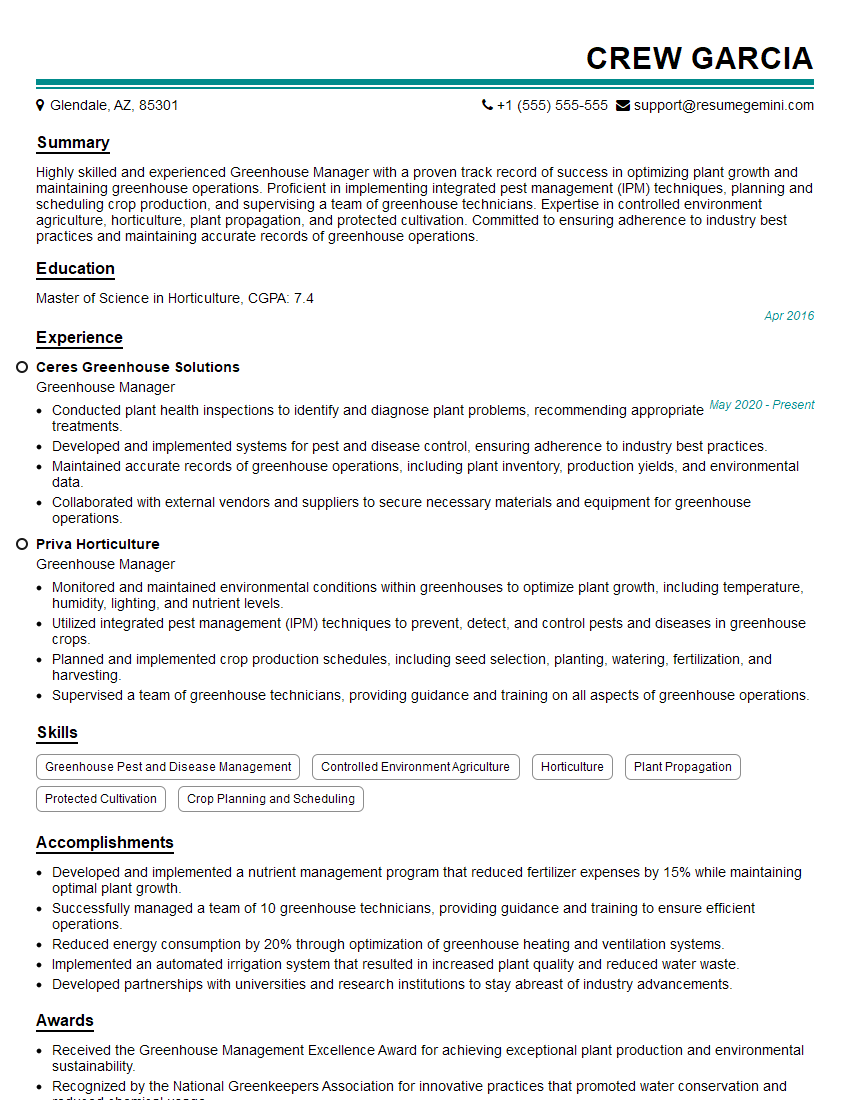
Greenhouse Manager Resume Sample
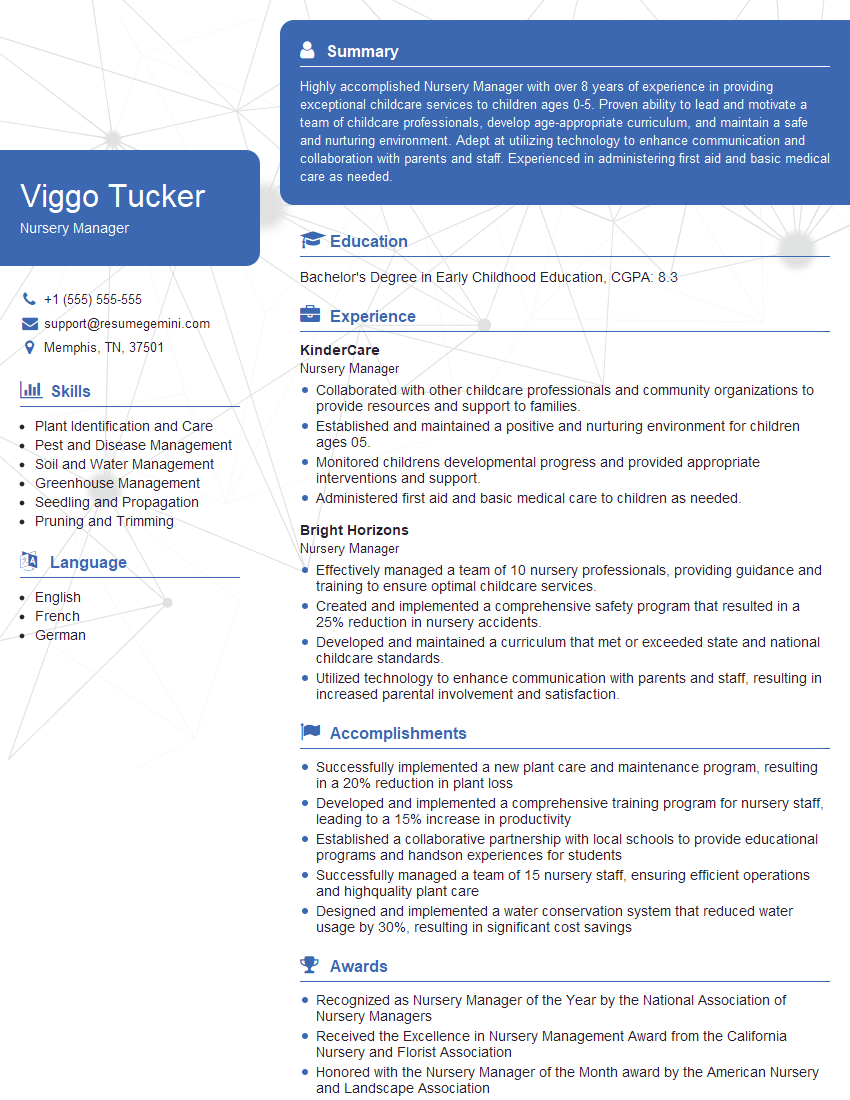
Nursery Manager Resume Sample
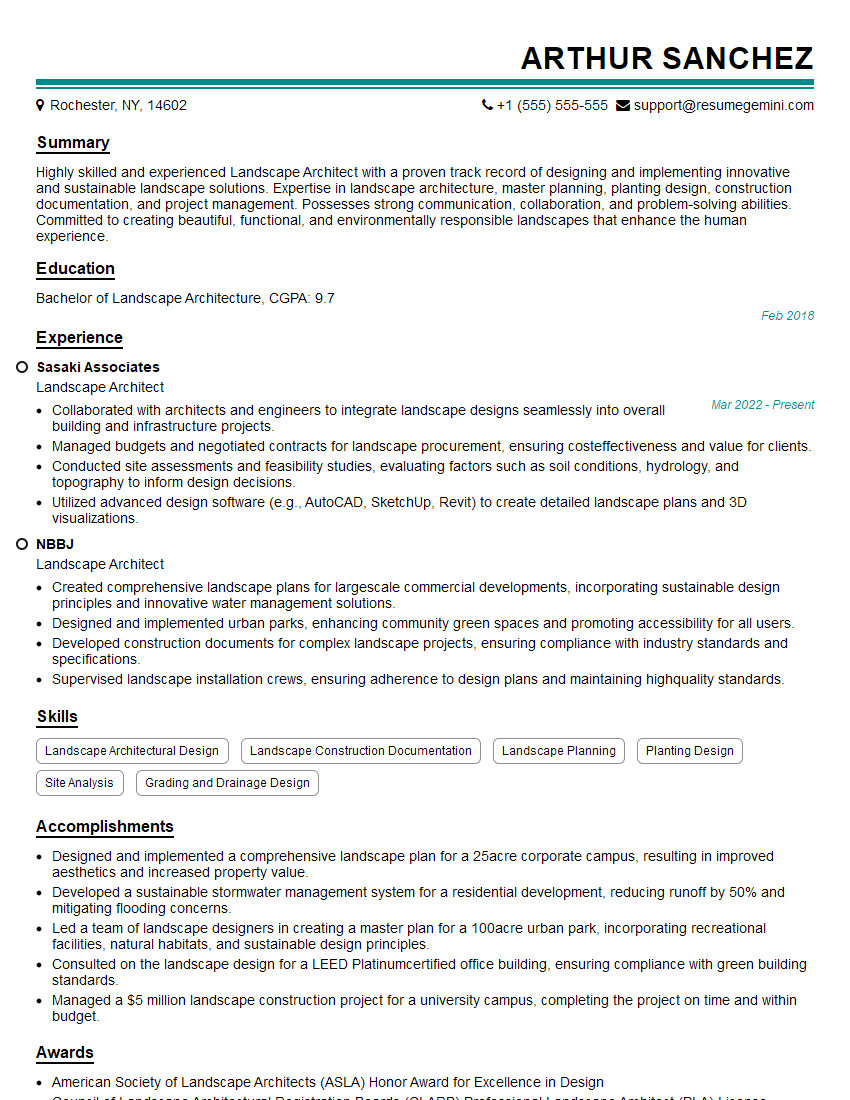
Landscape Architect Resume Sample
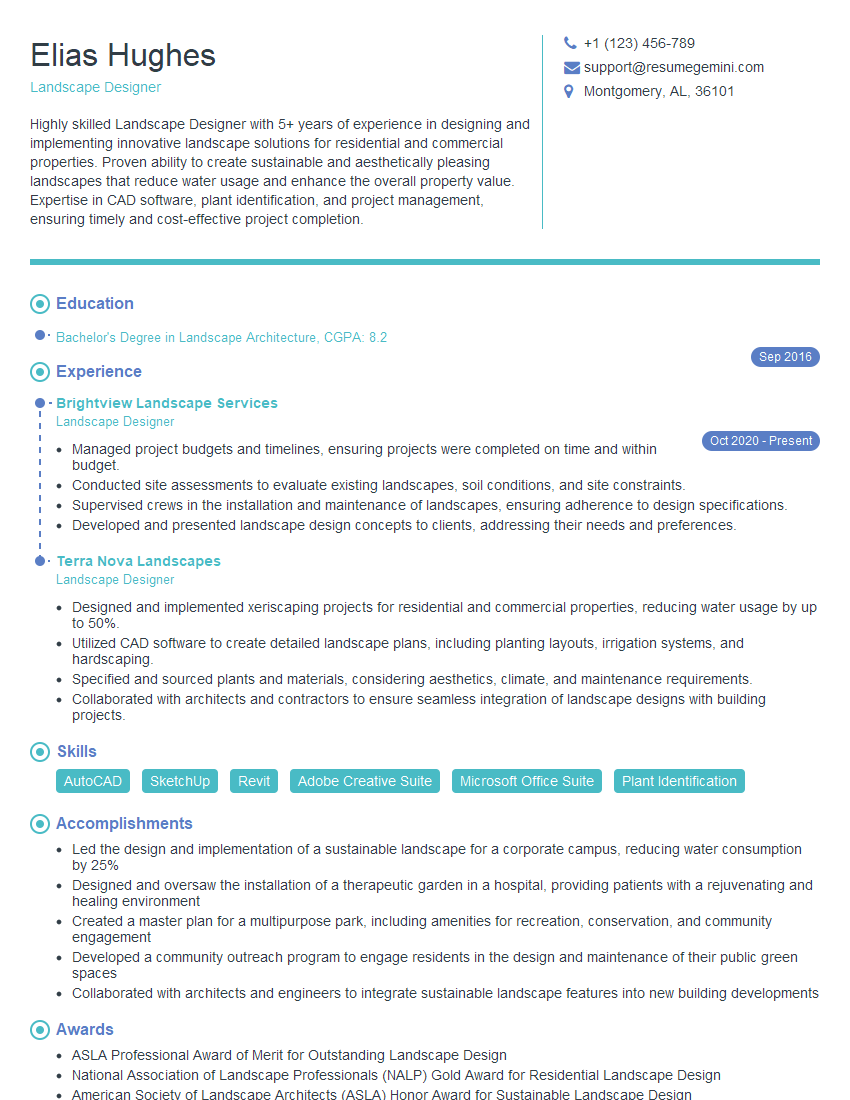
Landscape Designer Resume Sample
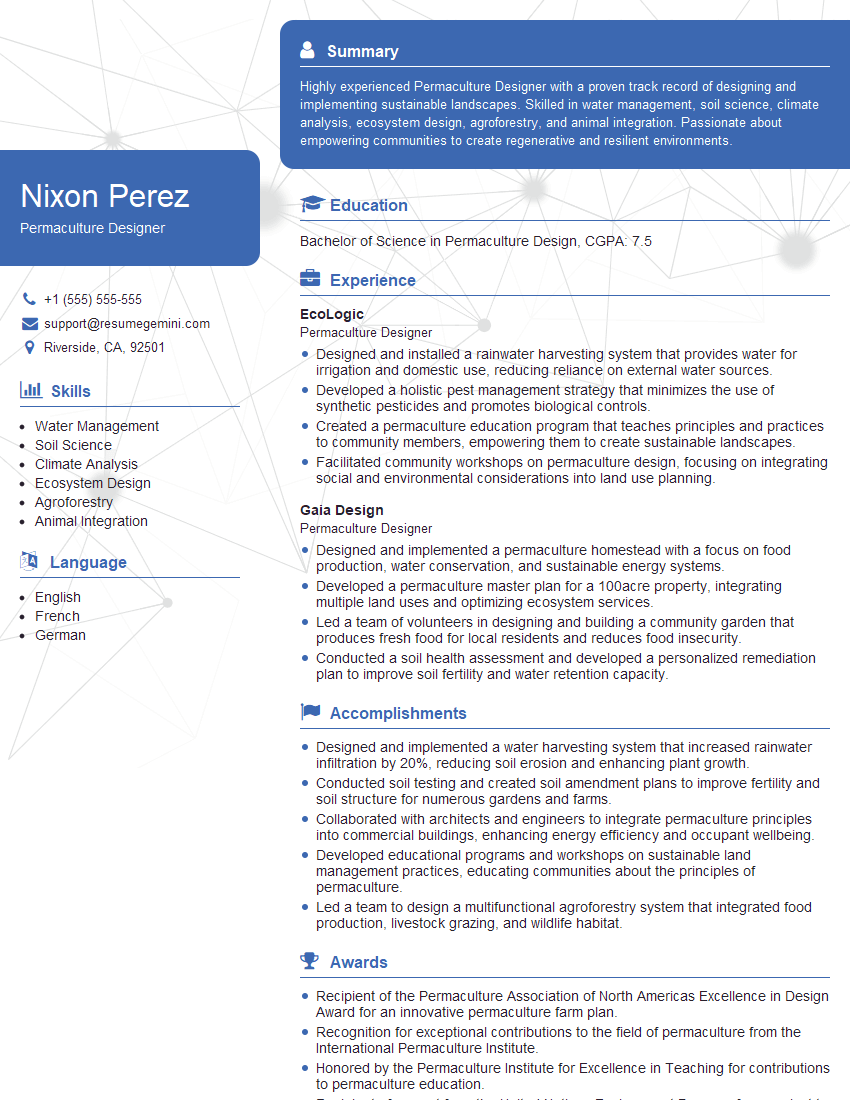
Permaculture Designer Resume Sample
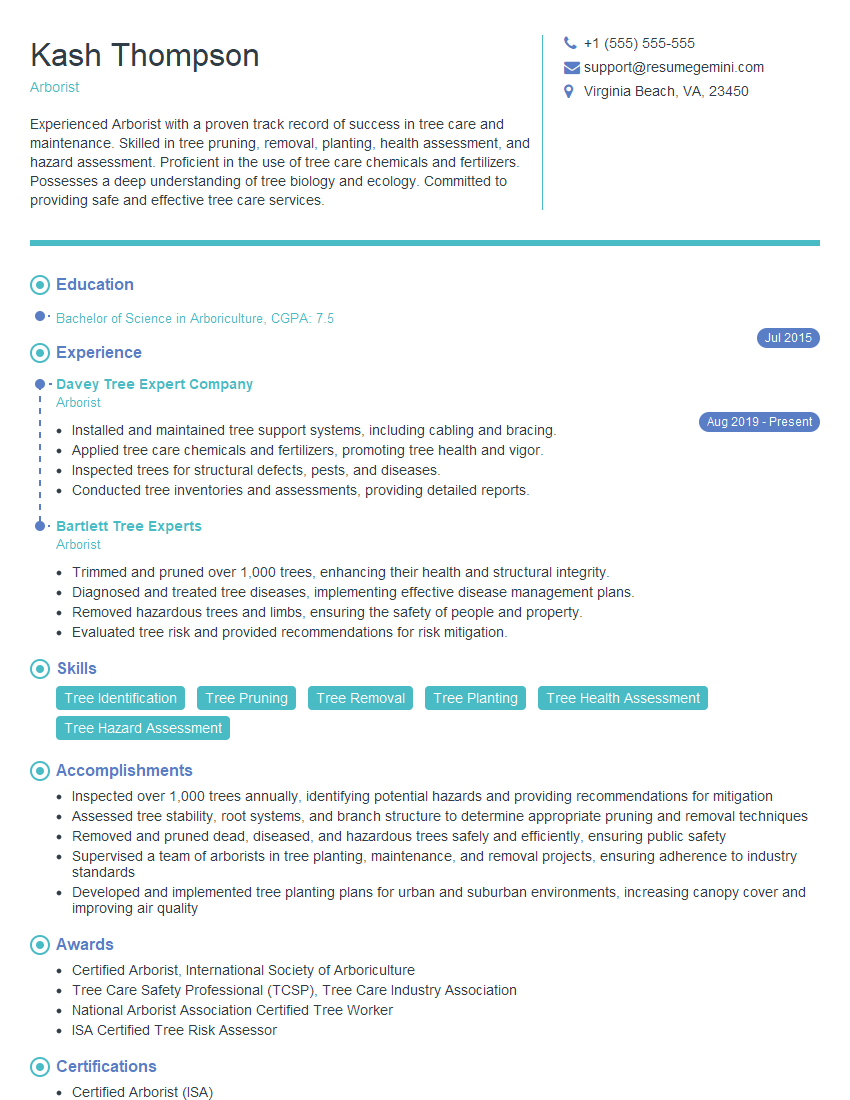
Arborist Resume Sample
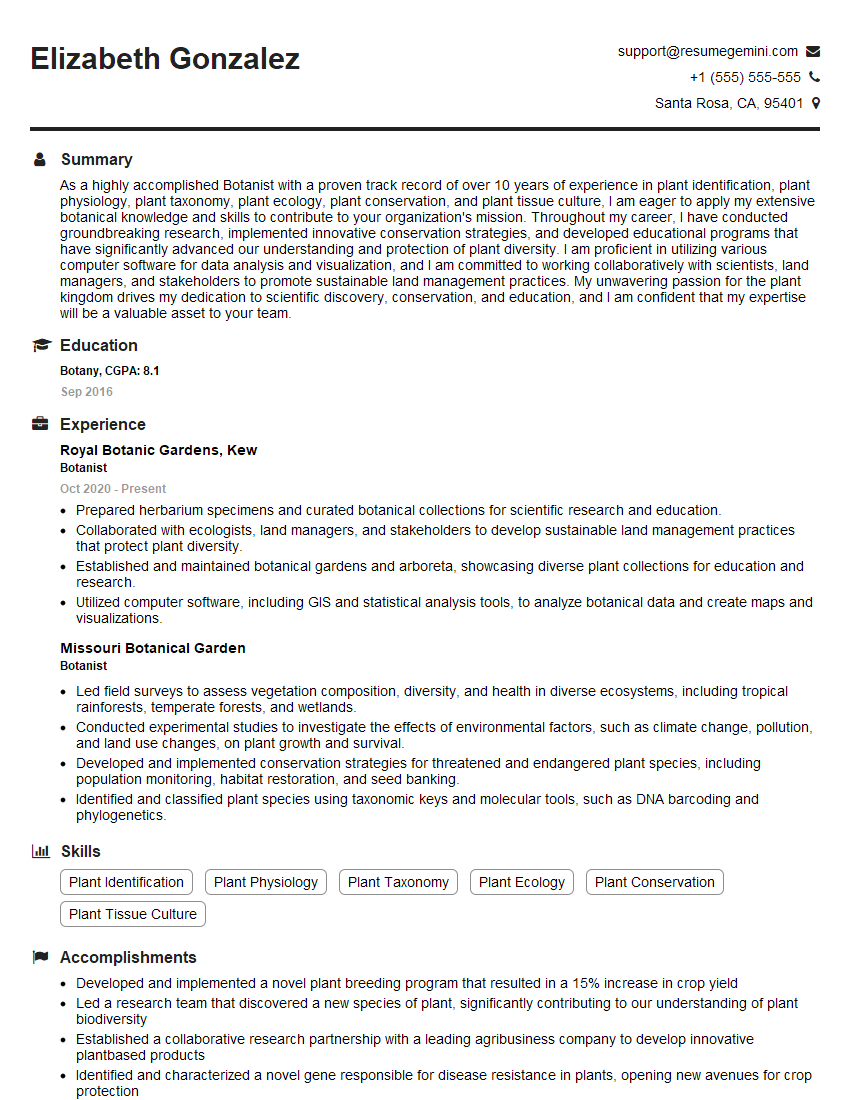
Botanist Resume Sample
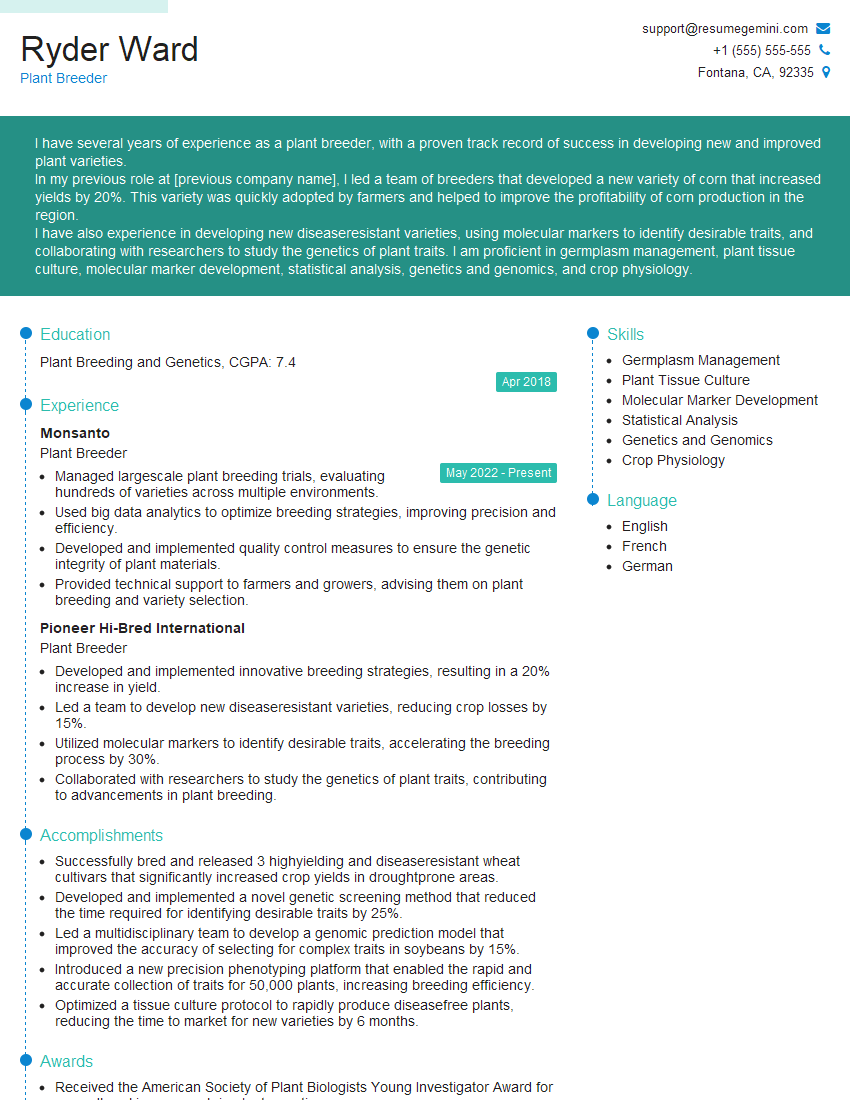
Plant Breeder Resume Sample
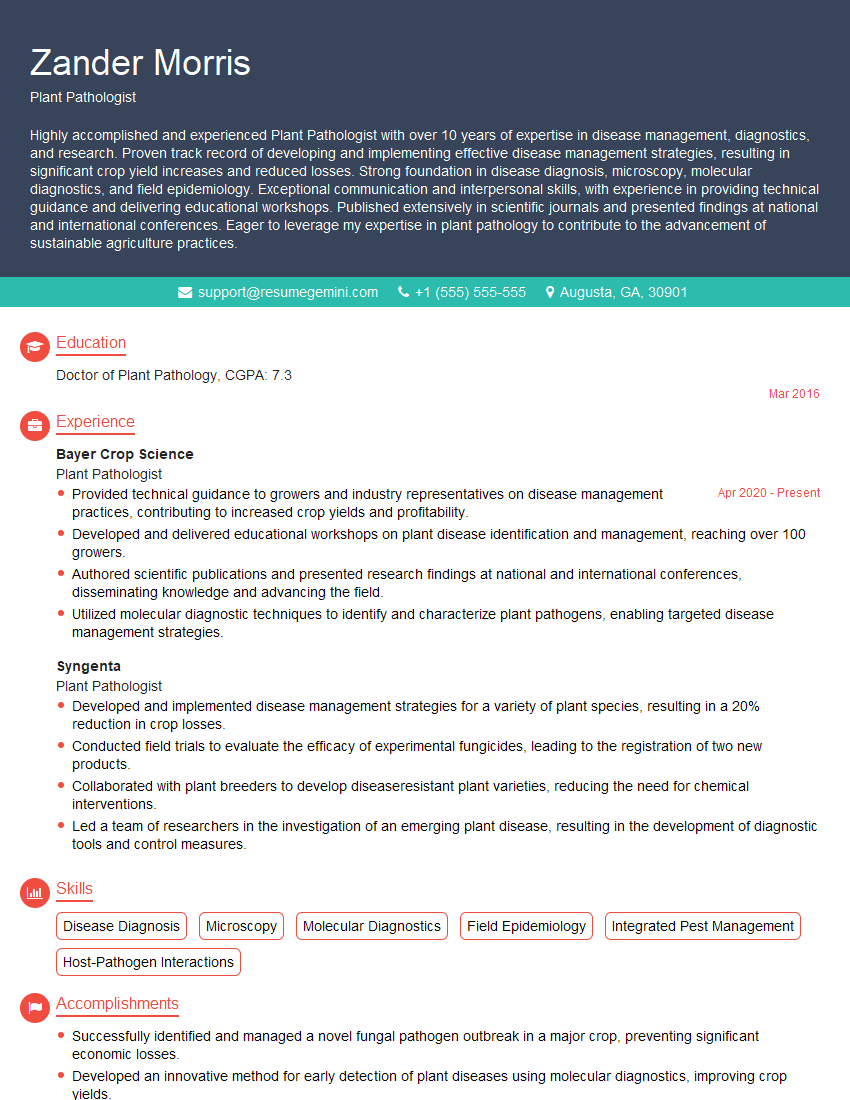
Plant Pathologist Resume Sample

Soil Scientist Resume Sample
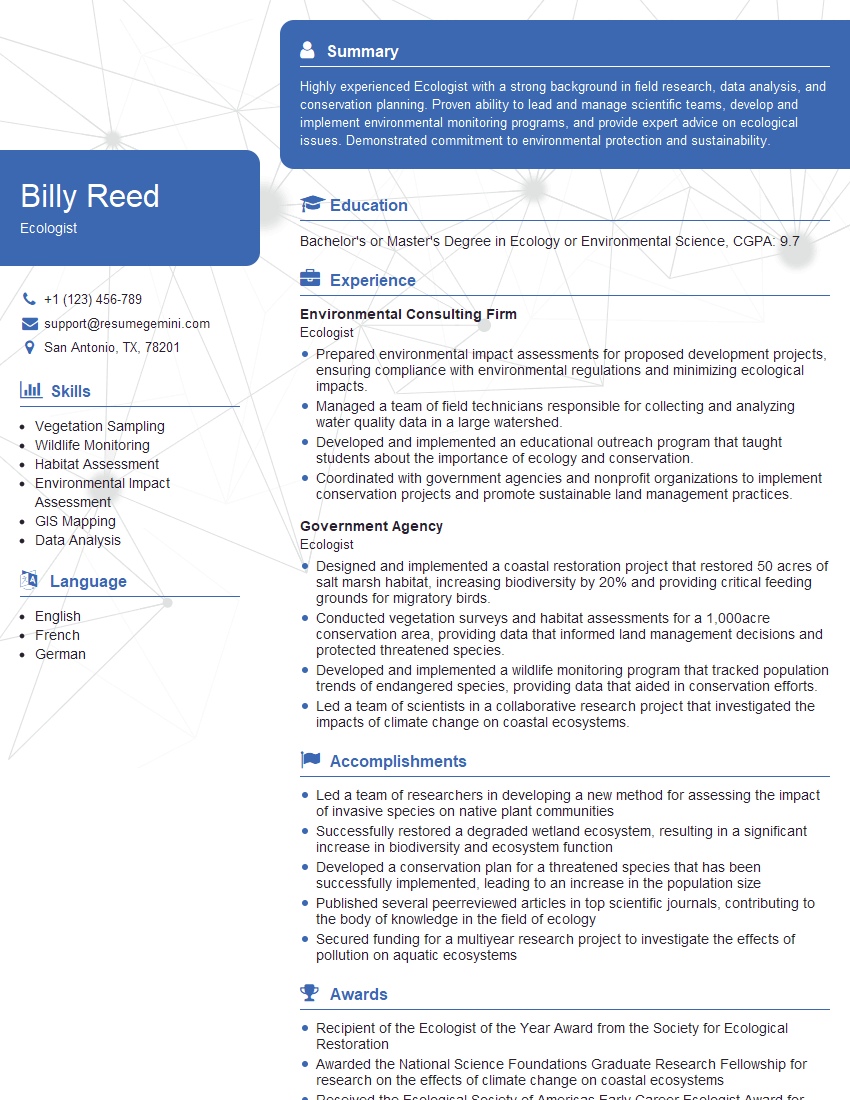
Ecologist Resume Sample
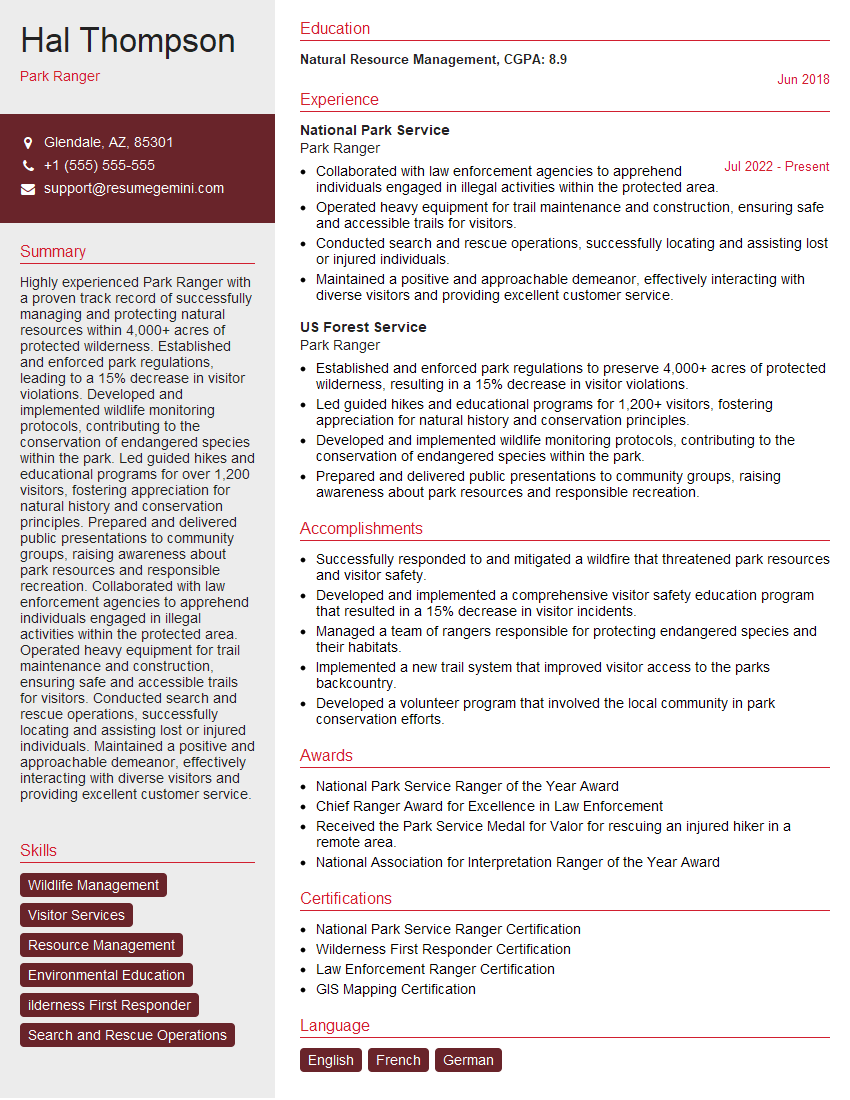
Park Ranger Resume Sample
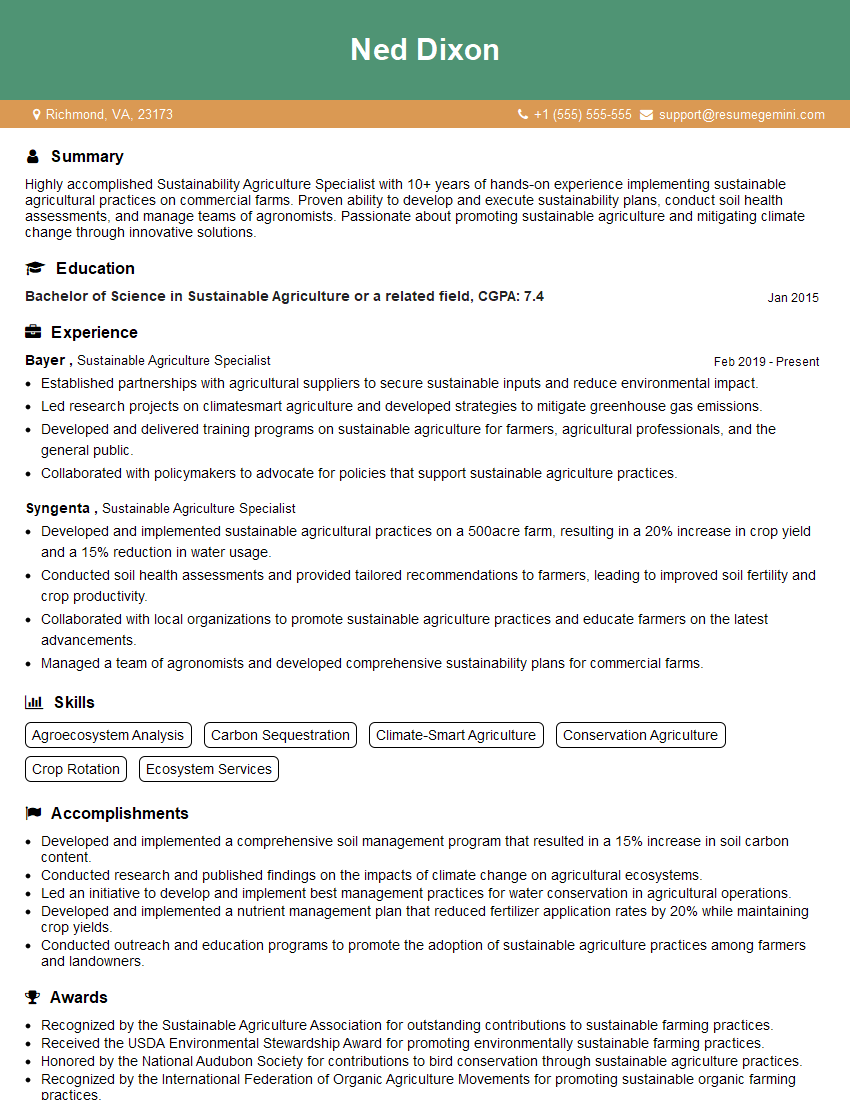
Sustainable Agriculture Specialist Resume Sample
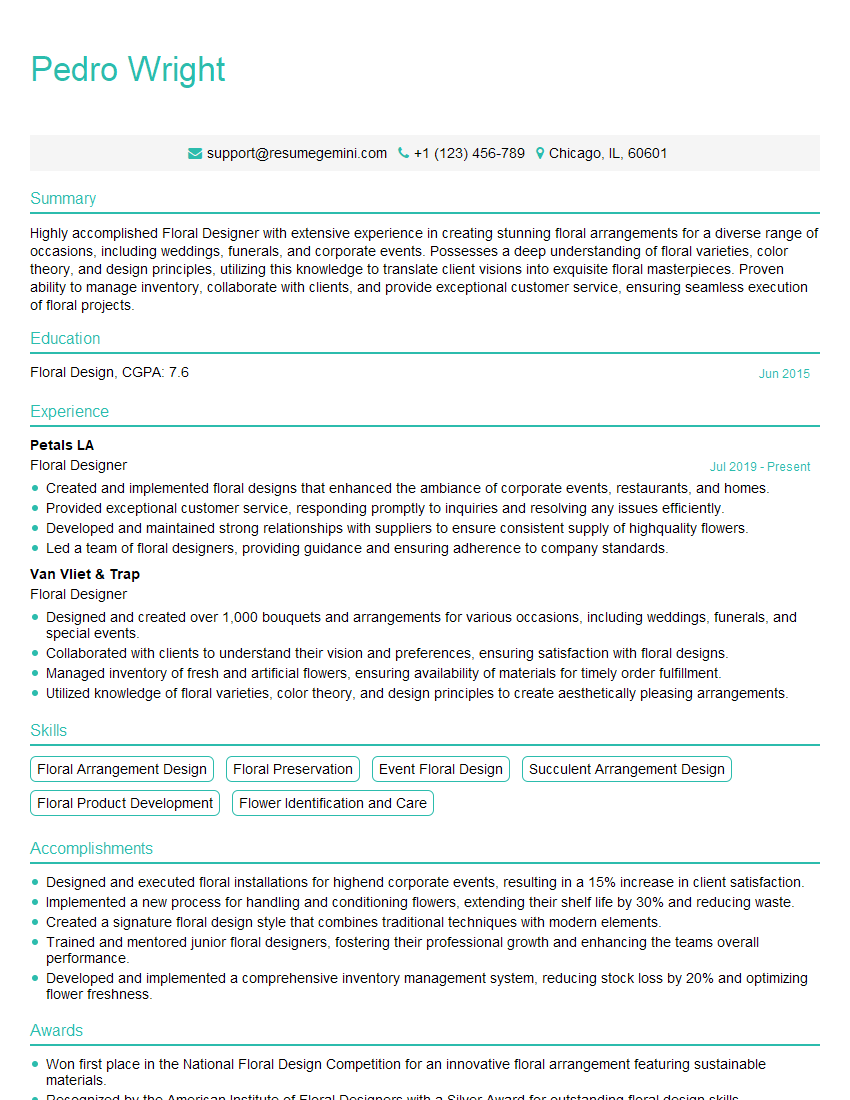
Floral Designer Resume Sample
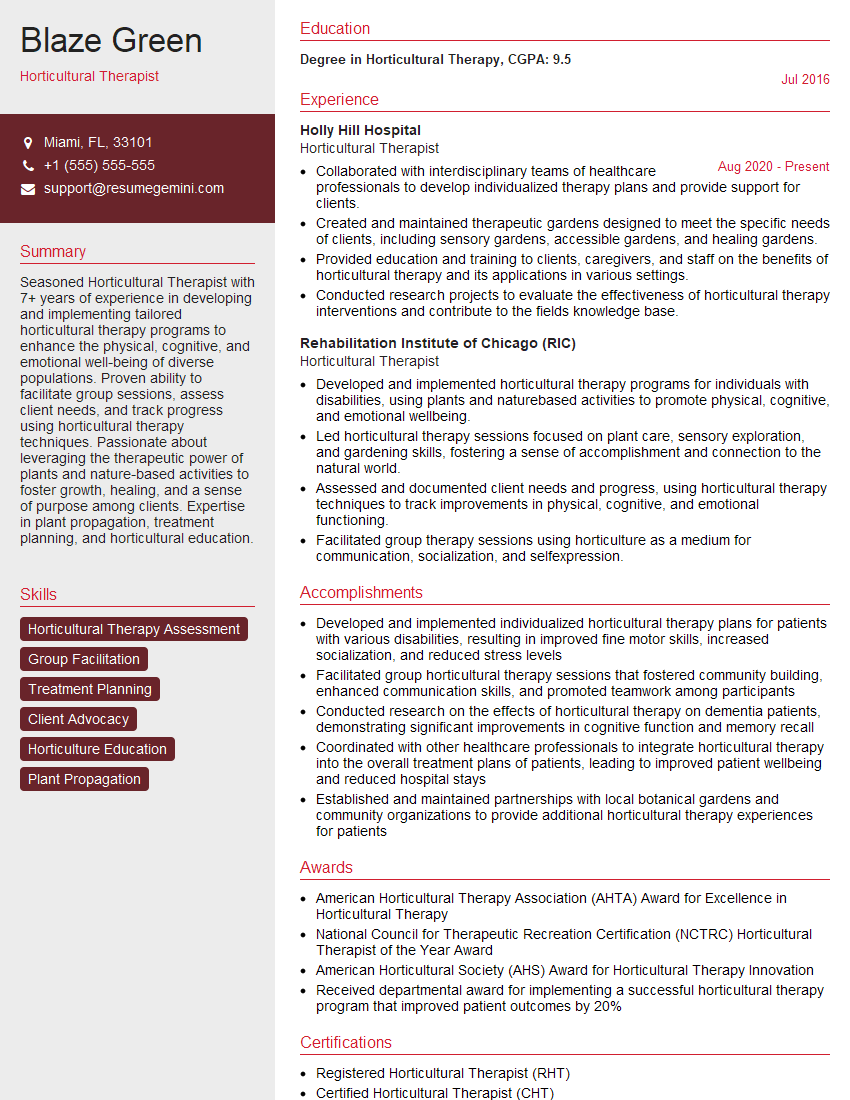
Horticultural Therapist Resume Sample
Explore more articles
Users Rating of Our Blogs
Share Your Experience
We value your feedback! Please rate our content and share your thoughts (optional).
What Readers Say About Our Blog
Attention music lovers!
Wow, All the best Sax Summer music !!!
Spotify: https://open.spotify.com/artist/6ShcdIT7rPVVaFEpgZQbUk
Apple Music: https://music.apple.com/fr/artist/jimmy-sax-black/1530501936
YouTube: https://music.youtube.com/browse/VLOLAK5uy_noClmC7abM6YpZsnySxRqt3LoalPf88No
Other Platforms and Free Downloads : https://fanlink.tv/jimmysaxblack
on google : https://www.google.com/search?q=22+AND+22+AND+22
on ChatGPT : https://chat.openai.com?q=who20jlJimmy20Black20Sax20Producer
Get back into the groove with Jimmy sax Black
Best regards,
Jimmy sax Black
www.jimmysaxblack.com
Hi I am a troller at The aquatic interview center and I suddenly went so fast in Roblox and it was gone when I reset.
Hi,
Business owners spend hours every week worrying about their website—or avoiding it because it feels overwhelming.
We’d like to take that off your plate:
$69/month. Everything handled.
Our team will:
Design a custom website—or completely overhaul your current one
Take care of hosting as an option
Handle edits and improvements—up to 60 minutes of work included every month
No setup fees, no annual commitments. Just a site that makes a strong first impression.
Find out if it’s right for you:
https://websolutionsgenius.com/awardwinningwebsites
Hello,
we currently offer a complimentary backlink and URL indexing test for search engine optimization professionals.
You can get complimentary indexing credits to test how link discovery works in practice.
No credit card is required and there is no recurring fee.
You can find details here:
https://wikipedia-backlinks.com/indexing/
Regards
NICE RESPONSE TO Q & A
hi
The aim of this message is regarding an unclaimed deposit of a deceased nationale that bears the same name as you. You are not relate to him as there are millions of people answering the names across around the world. But i will use my position to influence the release of the deposit to you for our mutual benefit.
Respond for full details and how to claim the deposit. This is 100% risk free. Send hello to my email id: lukachachibaialuka@gmail.com
Luka Chachibaialuka
Hey interviewgemini.com, just wanted to follow up on my last email.
We just launched Call the Monster, an parenting app that lets you summon friendly ‘monsters’ kids actually listen to.
We’re also running a giveaway for everyone who downloads the app. Since it’s brand new, there aren’t many users yet, which means you’ve got a much better chance of winning some great prizes.
You can check it out here: https://bit.ly/callamonsterapp
Or follow us on Instagram: https://www.instagram.com/callamonsterapp
Thanks,
Ryan
CEO – Call the Monster App
Hey interviewgemini.com, I saw your website and love your approach.
I just want this to look like spam email, but want to share something important to you. We just launched Call the Monster, a parenting app that lets you summon friendly ‘monsters’ kids actually listen to.
Parents are loving it for calming chaos before bedtime. Thought you might want to try it: https://bit.ly/callamonsterapp or just follow our fun monster lore on Instagram: https://www.instagram.com/callamonsterapp
Thanks,
Ryan
CEO – Call A Monster APP
To the interviewgemini.com Owner.
Dear interviewgemini.com Webmaster!
Hi interviewgemini.com Webmaster!
Dear interviewgemini.com Webmaster!
excellent
Hello,
We found issues with your domain’s email setup that may be sending your messages to spam or blocking them completely. InboxShield Mini shows you how to fix it in minutes — no tech skills required.
Scan your domain now for details: https://inboxshield-mini.com/
— Adam @ InboxShield Mini
support@inboxshield-mini.com
Reply STOP to unsubscribe
Hi, are you owner of interviewgemini.com? What if I told you I could help you find extra time in your schedule, reconnect with leads you didn’t even realize you missed, and bring in more “I want to work with you” conversations, without increasing your ad spend or hiring a full-time employee?
All with a flexible, budget-friendly service that could easily pay for itself. Sounds good?
Would it be nice to jump on a quick 10-minute call so I can show you exactly how we make this work?
Best,
Hapei
Marketing Director
Hey, I know you’re the owner of interviewgemini.com. I’ll be quick.
Fundraising for your business is tough and time-consuming. We make it easier by guaranteeing two private investor meetings each month, for six months. No demos, no pitch events – just direct introductions to active investors matched to your startup.
If youR17;re raising, this could help you build real momentum. Want me to send more info?
Hi, I represent an SEO company that specialises in getting you AI citations and higher rankings on Google. I’d like to offer you a 100% free SEO audit for your website. Would you be interested?
Hi, I represent an SEO company that specialises in getting you AI citations and higher rankings on Google. I’d like to offer you a 100% free SEO audit for your website. Would you be interested?