Every successful interview starts with knowing what to expect. In this blog, we’ll take you through the top Greenhouse and Nursery Maintenance interview questions, breaking them down with expert tips to help you deliver impactful answers. Step into your next interview fully prepared and ready to succeed.
Questions Asked in Greenhouse and Nursery Maintenance Interview
Q 1. Describe your experience with different irrigation systems.
Irrigation systems are crucial for providing plants with the necessary water for optimal growth. My experience encompasses various types, each suited to different needs and scales.
- Drip irrigation: This highly efficient method delivers water directly to the plant’s roots, minimizing water waste and promoting healthy growth. I’ve used drip systems extensively in nurseries, tailoring them to specific plant requirements. For instance, young seedlings need less frequent, gentler watering than mature plants.
- Overhead sprinklers: Ideal for larger areas, these systems provide even coverage but can lead to increased evaporation and fungal diseases if not managed correctly. I’ve found that strategically scheduling these sprinklers, particularly during cooler parts of the day, minimizes these risks.
- Subsurface irrigation: This system delivers water below the soil surface, reducing evaporation and weed growth. I’ve utilized this method in greenhouses for larger, established plants to maintain consistent soil moisture.
- Soaker hoses: These are simple, cost-effective solutions, ideal for smaller plots or individual plants. I’ve often used them in combination with other systems to provide targeted watering in specific areas.
Choosing the right system depends on factors like the size of the greenhouse or nursery, the type of plants, the available water resources, and the budget. I always consider these factors when designing or implementing an irrigation system.
Q 2. Explain your understanding of plant propagation techniques.
Plant propagation is the art and science of increasing the number of plants from a select few. I’m proficient in several techniques, each offering unique advantages:
- Seed propagation: This involves sowing seeds and nurturing seedlings until they are mature enough for transplanting. I have extensive experience germinating seeds under various conditions, adjusting light, temperature, and humidity for optimal germination rates.
- Cuttings: This vegetative method involves taking stem, leaf, or root cuttings from a parent plant and rooting them to produce new plants. I’m skilled in preparing cuttings, applying rooting hormones, and creating the ideal conditions for successful rooting. For instance, I know the importance of using sterile propagation mixes to prevent rot.
- Layering: In this technique, a stem or branch of the parent plant is bent and buried in the soil, allowing it to develop roots before being separated. I’ve used this with plants that root easily from stems.
- Division: This is a simple method for increasing the number of plants from existing ones by separating them into smaller, independent units. This works well with clump-forming perennials.
- Grafting and Budding: These advanced techniques involve joining parts of different plants to create a new plant with desirable characteristics from both parents. This requires advanced skills and precision, but it’s essential for propagating certain types of plants and preserving desirable traits.
The choice of propagation method depends on the plant species, the desired quantity of plants, and available resources.
Q 3. How do you identify and manage common plant diseases?
Identifying and managing plant diseases requires keen observation and a systematic approach. I start by carefully inspecting plants for any unusual symptoms, such as discoloration, wilting, spots, or unusual growths.
- Visual inspection: This is the first step in identifying potential problems. I look for signs of disease, taking into account the specific plant species and its normal growth pattern.
- Diagnostic tools: Sometimes, more detailed analysis is needed. I use hand lenses to examine symptoms closely and may use laboratory tests to confirm diagnoses if necessary. I collaborate with local agricultural extension services to ensure precise identification.
- Cultural practices: Proper sanitation and hygiene play a vital role in disease prevention. I remove infected plants promptly, sterilize tools, and ensure proper air circulation to prevent the spread of pathogens.
- Chemical controls: In cases of severe infection, I may use fungicides or bactericides, always adhering strictly to label instructions and safety precautions. I prefer integrated pest management, minimizing chemical interventions.
- Biological control: Using beneficial microbes or other organisms to combat plant diseases is a sustainable and environmentally friendly method that I prioritize.
For instance, I remember a time when a powdery mildew outbreak threatened a large batch of seedlings. By promptly identifying the disease, removing infected plants, and applying a bio-fungicide, I was able to control the spread and minimize losses.
Q 4. What pest control methods are you familiar with, and which are your preferred ones?
Pest control is an ongoing process that requires careful monitoring and a multi-pronged approach. My familiarity extends to various methods, but I strongly prefer integrated pest management (IPM).
- Cultural controls: These involve altering the environment to make it less favorable for pests. This includes proper sanitation, crop rotation, and providing plants with optimal growing conditions. Healthy plants are more resistant to pests.
- Biological controls: Introducing beneficial insects, such as ladybugs or lacewings, to prey on pests is a natural and effective way to control their populations. I’ve had great success using these methods.
- Mechanical controls: This involves physically removing pests or using barriers, like netting, to prevent infestations. This is often the first line of defense.
- Chemical controls: While I prefer to avoid them, chemical pesticides might be necessary in severe cases. When used, it’s always with extreme caution, selecting the least toxic option and following label instructions meticulously. I always aim to minimize the environmental impact.
My preferred approach is IPM, combining these methods for a holistic, sustainable pest management strategy. I monitor pest populations closely, and only intervene with chemical controls as a last resort.
Q 5. How do you monitor and adjust environmental conditions (temperature, humidity, light) in a greenhouse?
Maintaining optimal environmental conditions in a greenhouse is vital for plant health and productivity. I utilize a combination of monitoring and adjustment techniques:
- Temperature monitoring and control: I use sensors and thermostats to continuously monitor greenhouse temperature. Heating and ventilation systems are adjusted to maintain the ideal temperature range for the plants being grown. This includes using fans, vents, and heating systems as needed.
- Humidity monitoring and control: Humidity levels significantly influence plant growth and disease development. I use humidity sensors and adjust ventilation or misting systems to maintain appropriate humidity levels. Excessive humidity can lead to fungal problems, while too low humidity can stress plants.
- Light monitoring and control: Light intensity and duration are critical for photosynthesis. I utilize light meters to measure light levels and adjust supplemental lighting, such as high-pressure sodium (HPS) or LED lights, to provide optimal light conditions. This can involve adjusting the intensity, duration, or even the light spectrum.
The specific environmental parameters depend greatly on the plant species being grown. For example, tropical plants require higher humidity and temperature than temperate plants. I am proficient in adjusting these settings based on plant needs and seasonal changes.
Q 6. Describe your experience with greenhouse climate control systems.
My experience with greenhouse climate control systems includes both basic and advanced technologies.
- Basic systems: These systems typically involve manual control of heating, ventilation, and cooling (HVAC) using thermostats, fans, and vents. I’ve worked with these systems in smaller greenhouses, managing them effectively to maintain a stable environment.
- Advanced systems: Larger, commercial greenhouses often utilize computerized climate control systems. These systems can automatically monitor and adjust environmental parameters based on pre-programmed settings and real-time data from sensors. I have experience managing such systems, including programming set points and troubleshooting malfunctions.
- Environmental monitoring and data logging: Modern systems often include data logging capabilities, allowing for detailed record-keeping of environmental conditions and plant growth. This data allows for analysis of trends and optimization of growing conditions. I use this data for adjustments and to optimize growth in the future.
The choice of climate control system depends on the size, type, and complexity of the greenhouse operation. My expertise encompasses both manual and automated systems, allowing me to effectively manage the environment and optimize plant growth regardless of the technology.
Q 7. How do you maintain optimal soil conditions for plant growth?
Maintaining optimal soil conditions is paramount for successful plant growth. My approach is multifaceted:
- Soil testing: Regular soil testing is essential to assess nutrient levels, pH, and other key parameters. I use soil testing kits and professional lab analyses to determine the soil’s composition.
- Soil amendments: Based on the soil test results, I amend the soil with appropriate materials to improve its structure, drainage, and nutrient content. This includes adding organic matter like compost, peat moss, or perlite to improve drainage and aeration.
- Fertilization: Providing plants with the necessary nutrients is crucial for healthy growth. I use a combination of organic and synthetic fertilizers, always considering the specific nutrient requirements of the plants being grown and the soil’s existing nutrient levels. I regularly check for nutrient deficiencies and adjust the fertilizer program accordingly.
- Watering and drainage: Proper watering practices are vital for preventing waterlogging or drought stress. I ensure proper drainage to avoid waterlogging, which can lead to root rot and other problems.
- Soil sterilization: Sterilizing the soil before planting helps prevent soilborne diseases and pests. I use various methods, such as steam sterilization or solarization, to sanitize the soil.
By carefully monitoring and adjusting these aspects, I ensure that plants have access to the ideal soil environment for healthy and vigorous growth.
Q 8. Explain your experience with various types of growing media.
My experience encompasses a wide range of growing media, each chosen based on the specific needs of the plant species. For instance, I’ve extensively used peat-based mixes, which offer excellent aeration and water retention, ideal for seedlings and young plants. However, I’m acutely aware of the environmental concerns surrounding peat harvesting, so I frequently incorporate coco coir, a sustainable alternative derived from coconut husks, which provides similar benefits. I also have experience with perlite and vermiculite, which improve drainage and aeration in heavier soil mixes. For certain plants requiring superior drainage, I utilize pumice or even rockwool, particularly in hydroponic or aeroponic systems.
Furthermore, I understand the importance of soil sterilization to prevent disease. I regularly utilize pasteurization techniques to eliminate harmful pathogens while preserving beneficial soil organisms. Selecting the appropriate growing medium isn’t just about the components; it’s also about understanding the plant’s requirements – a succulent needs a drastically different mix than an orchid, for example. My expertise allows me to tailor the growing medium to optimize plant health and growth.
Q 9. What are your methods for ensuring proper fertilization and nutrient management?
Proper fertilization and nutrient management are critical for healthy plant growth. My approach is multifaceted, starting with a comprehensive soil test to determine the existing nutrient levels. This allows me to develop a tailored fertilization plan. I utilize both slow-release fertilizers, providing a consistent nutrient supply over time, and water-soluble fertilizers, offering immediate nutrient boosts when needed, like during periods of rapid growth. I regularly monitor plants for visual signs of nutrient deficiencies or excesses (chlorosis, necrosis) and adjust my fertilization strategy accordingly.
I’m experienced with various fertilization techniques, including fertigation (applying fertilizer through irrigation systems), foliar feeding (applying nutrients directly to leaves), and topdressing (applying fertilizer to the soil surface). For example, during peak blooming periods, I might employ foliar feeding of a potassium-rich solution to enhance flower development. The key is precision; over-fertilization can be just as damaging as under-fertilization. I meticulously track fertilizer applications and monitor plant responses to fine-tune the process for optimal results.
Q 10. How do you handle plant transplanting and pruning?
Transplanting and pruning are essential horticultural practices I perform regularly. Transplanting involves carefully removing a plant from its container and replanting it in a larger pot or directly into the ground. The key is to minimize root disturbance, ensuring the plant experiences minimal shock. I always select appropriate-sized containers and prepare the planting medium properly.
Pruning aims to shape the plant, remove dead or diseased parts, and encourage growth. Different pruning techniques exist depending on the plant species and the desired outcome. For example, I use pinching for young seedlings to encourage bushier growth and heading back for established plants to control height and shape. I always use clean, sharp tools to prevent the spread of diseases and make clean cuts to promote healing. The timing of pruning is also crucial and varies based on the plant’s growth cycle. I have years of experience assessing each plant’s needs and adapting my approach accordingly.
Q 11. What is your experience with greenhouse automation systems?
My experience with greenhouse automation systems is extensive. I’ve worked with systems controlling various environmental parameters such as temperature, humidity, light intensity, and irrigation. I’m familiar with both stand-alone units and integrated systems that allow for centralized control and monitoring. For instance, I’ve used computerized systems that automatically adjust ventilation based on temperature and humidity sensors, minimizing energy waste while optimizing plant growth conditions.
I understand the importance of data logging and analysis in optimizing greenhouse automation. These systems provide valuable insights into plant growth and environmental factors, allowing for data-driven decisions. For example, if a system detects a consistent temperature fluctuation, it can flag potential issues that might be addressed proactively. I also have experience troubleshooting and maintaining these systems to ensure their smooth operation and longevity.
Q 12. Describe your experience with inventory management in a greenhouse or nursery setting.
Effective inventory management is crucial for a successful greenhouse or nursery. My approach combines manual tracking and digital tools. I typically maintain a detailed inventory database, tracking plant species, quantities, planting dates, and sales information. This allows me to monitor stock levels, predict demand, and manage orders efficiently. I regularly conduct physical inventory counts to reconcile discrepancies between the database and physical stock.
I’m also familiar with using inventory management software to streamline the process. These systems can automate tasks such as tracking sales, generating reports, and managing orders. This is especially important in larger nurseries where manual tracking might be impractical. Accurate inventory management minimizes waste, reduces losses due to overstocking or understocking, and ensures smooth business operations.
Q 13. How do you ensure the safety and security of plants and equipment?
Safety and security are paramount. I implement several measures to protect both plants and equipment. Plant safety includes implementing pest and disease control strategies, regularly inspecting plants for signs of illness or infestation, and using appropriate sanitation protocols to prevent the spread of disease. I also ensure proper ventilation to minimize the risk of fungal diseases and maintain optimal environmental conditions.
For equipment security, I implement access control measures to restrict unauthorized access to the greenhouse. Regular maintenance checks help prevent equipment malfunctions, and I’m trained in the safe handling and storage of chemicals and pesticides. This involves proper labeling, secure storage, and adhering to all safety regulations. Furthermore, I develop and maintain emergency protocols for events such as power outages or severe weather.
Q 14. Explain your experience with record keeping and data management for plant growth.
Detailed record-keeping is essential for optimizing plant growth and understanding long-term trends. I maintain comprehensive records of plant growth, including planting dates, fertilization schedules, irrigation data, pest and disease control measures, and yield data. I use both physical notebooks and digital spreadsheets to track this information. This allows for consistent data analysis and identification of growth patterns. For example, I might track the growth rate of a specific plant variety under different lighting conditions to optimize cultivation strategies.
I’m proficient in utilizing data analysis techniques to identify trends and improve practices. For instance, I can analyze historical data to predict future demand, optimize resource allocation, and improve overall efficiency. Data management is not just about collecting information; it’s about using that information to make informed decisions and improve outcomes. This data-driven approach allows me to constantly refine my techniques for maximizing plant health and productivity.
Q 15. How do you troubleshoot common problems in greenhouse or nursery operations?
Troubleshooting in greenhouse and nursery operations involves a systematic approach. It starts with careful observation to identify the problem – is it affecting a single plant, a section, or the whole greenhouse? Are the leaves yellowing, wilting, or showing unusual spots? Is there stunted growth or unusual insect activity?
Once the symptoms are noted, I move to investigate the potential causes. This might involve checking environmental factors like temperature, humidity, light intensity, and airflow. I also consider soil conditions – drainage, pH levels, nutrient deficiencies or excesses. Pest and disease identification is crucial, often involving visual inspection, sometimes using magnification, and in some cases, laboratory testing.
- Example: Yellowing lower leaves could indicate nutrient deficiency (e.g., nitrogen), overwatering, or root rot. Wilting could be due to underwatering, pest damage affecting the root system, or a sudden temperature drop.
- Step-by-step troubleshooting: 1. Observe and record symptoms. 2. Analyze environmental conditions. 3. Assess soil health. 4. Identify pests or diseases. 5. Implement corrective actions (e.g., adjust watering, fertilization, temperature, pest control). 6. Monitor and evaluate the effectiveness of the solution.
Career Expert Tips:
- Ace those interviews! Prepare effectively by reviewing the Top 50 Most Common Interview Questions on ResumeGemini.
- Navigate your job search with confidence! Explore a wide range of Career Tips on ResumeGemini. Learn about common challenges and recommendations to overcome them.
- Craft the perfect resume! Master the Art of Resume Writing with ResumeGemini’s guide. Showcase your unique qualifications and achievements effectively.
- Don’t miss out on holiday savings! Build your dream resume with ResumeGemini’s ATS optimized templates.
Q 16. Describe your knowledge of different plant species and their specific care requirements.
My knowledge of plant species and their care requirements is extensive, encompassing various annuals, perennials, shrubs, and trees commonly grown in greenhouses and nurseries. I understand the variations in their light needs (full sun, partial shade, shade), water requirements (drought-tolerant, moisture-loving), soil preferences (well-draining, rich soil), temperature tolerances, and fertilization needs.
For instance, I know that succulents require well-draining soil and infrequent watering, while ferns need consistently moist soil and humidity. Shade-tolerant plants like hostas thrive in low-light conditions, unlike sun-loving tomatoes which require at least 6-8 hours of direct sunlight daily. My knowledge extends to recognizing signs of nutrient deficiencies and diseases specific to different species and implementing appropriate remediation strategies.
- Example: I can easily differentiate the needs of a delicate orchid (requiring high humidity and specific pH) from a hardy geranium (tolerating a wider range of conditions).
Q 17. How do you maintain the cleanliness and sanitation of a greenhouse or nursery?
Maintaining cleanliness and sanitation is critical for preventing disease outbreaks and ensuring plant health. My approach involves regular cleaning of all surfaces, including benches, floors, walls, and equipment. I use appropriate disinfectants (often diluted bleach solutions or other approved commercial products) following manufacturer instructions carefully to avoid damaging plants or equipment.
Tools and equipment are cleaned and sanitized after each use to prevent the spread of pathogens. Infested plants or plant debris are removed promptly and disposed of properly. Good ventilation is maintained to prevent the build-up of humidity which favors fungal growth. Regularly cleaning gutters and ensuring proper drainage systems prevent the build-up of stagnant water. This reduces the habitat and breeding grounds for many plant pests and disease vectors.
- Example: I would implement a weekly cleaning schedule that includes disinfecting benches and floors and a monthly deep clean encompassing walls and equipment.
Q 18. What are your strategies for preventing plant diseases and pest infestations?
Preventing plant diseases and pest infestations requires a proactive integrated pest management (IPM) strategy. This involves a combination of cultural practices, biological controls, and judicious use of chemical pesticides only as a last resort.
Cultural practices include selecting disease-resistant cultivars, maintaining optimal growing conditions (light, temperature, humidity, watering), providing proper nutrition, and ensuring good air circulation to reduce humidity. Biological controls involve using beneficial insects (ladybugs, lacewings) or other organisms (e.g., nematodes) to control pests. Chemical pesticides are used only when other methods fail and are selected carefully to minimize environmental impact and avoid resistance development. Regular monitoring for pests and diseases is key to early detection and prompt intervention.
- Example: Using sticky traps to monitor whitefly populations, introducing beneficial nematodes to control root-knot nematodes, and carefully rotating chemical pesticides to avoid resistance.
Q 19. Describe your experience with implementing sustainable practices in a greenhouse or nursery setting.
Implementing sustainable practices is crucial for long-term environmental responsibility and operational efficiency. My experience includes water conservation through efficient irrigation systems (e.g., drip irrigation, rainwater harvesting), reducing pesticide use by prioritizing IPM, using organic fertilizers and compost to improve soil health and reduce reliance on synthetic inputs, and promoting biodiversity by incorporating beneficial plants and creating habitats for pollinators.
Energy conservation measures such as using energy-efficient lighting (LED grow lights) and utilizing passive solar heating in greenhouse design have also been implemented. Waste reduction strategies including composting organic matter and recycling materials contribute to a smaller environmental footprint.
- Example: I have overseen the successful implementation of a rainwater harvesting system that significantly reduced water consumption in a nursery setting, resulting in cost savings and reduced environmental impact.
Q 20. What is your experience with using specialized equipment (e.g., tractors, sprayers)?
I possess extensive experience operating various specialized equipment common in greenhouse and nursery operations. This includes tractors for land preparation and material transport, various types of sprayers (handheld, boom, and backpack) for applying fertilizers, pesticides, and fungicides, and other machinery like tillers and cultivators for soil management. I am proficient in maintaining and performing basic repairs on this equipment, adhering to all safety regulations and procedures.
I understand the importance of correctly calibrating sprayers to ensure even application and prevent pesticide misuse. I am also familiar with the safe handling and disposal of chemicals and the importance of regular equipment maintenance to ensure optimal performance and longevity.
- Example: I have successfully operated a tractor-mounted boom sprayer to apply fungicide to a large area of nursery stock, ensuring even coverage and minimal drift.
Q 21. How do you manage labor and team tasks efficiently in a greenhouse or nursery environment?
Efficient labor management in a greenhouse or nursery involves clear communication, proper task delegation, and effective training. I utilize scheduling software and clearly defined roles to ensure tasks are assigned according to individual skill sets and experience. Team meetings are regularly held to discuss progress, address challenges, and ensure everyone is informed and motivated.
Regular training is provided to enhance skills and address safety protocols. I encourage teamwork and collaboration, fostering a positive and productive work environment. Performance evaluations provide feedback and recognition for accomplishments. This ensures consistent high-quality work and efficient resource utilization.
- Example: I implemented a color-coded task system that visually allocated daily responsibilities for different teams, improving efficiency and reducing confusion.
Q 22. Explain your understanding of plant growth stages and their corresponding care needs.
Understanding plant growth stages is fundamental to successful greenhouse and nursery management. Plants typically go through several key stages: germination, seedling, vegetative growth, flowering, fruiting (for fruiting plants), and senescence. Each stage has unique care requirements.
- Germination: This is the initial sprouting of the seed. Care focuses on providing optimal moisture, temperature, and light to encourage successful germination. For example, seeds may need specific stratification (cold treatment) before planting.
- Seedling: Seedlings are vulnerable and require careful handling. They need consistent moisture, protection from pests and diseases, and adequate light to establish strong root systems and healthy growth. We often use controlled environment chambers for this stage.
- Vegetative Growth: This is a period of rapid growth where the plant focuses on developing leaves and stems. Proper fertilization, watering, and pest control are crucial during this phase. Regular pruning might be necessary to shape the plant and promote bushier growth.
- Flowering: The plant’s energy shifts towards reproduction. Nutrient requirements change, often requiring increased phosphorus and potassium. Specific environmental conditions, such as light duration (photoperiod), are critical for successful flowering.
- Fruiting (if applicable): Fruit development requires continued nutrient supply and protection from pests and diseases. Proper pollination might be needed for certain species.
- Senescence: This is the final stage of plant life, marked by aging and decline. Depending on the species and goals (e.g., seed collection), care might focus on allowing natural decline or supporting the plant as long as possible.
For example, in my previous role, we used different potting mixes tailored to each growth stage, optimizing nutrient delivery and drainage for optimal development.
Q 23. How do you ensure the quality and health of plants throughout their growing cycle?
Ensuring plant health requires a holistic approach, combining preventative measures with proactive responses to any issues. My strategy involves a multi-pronged approach:
- Proper Sanitation: Maintaining a clean environment is vital to prevent disease outbreaks. This includes regular disinfection of tools and work surfaces, and proper disposal of plant debris.
- Pest and Disease Management: Regular monitoring for pests and diseases is essential. Integrated pest management (IPM) strategies, focusing on preventative measures and targeted interventions (biological controls, minimal pesticide use), are employed to minimize environmental impact and maintain plant health.
- Optimal Growing Conditions: Precise control of environmental factors – temperature, humidity, light intensity, and airflow – is crucial. We use sensors and climate control systems to maintain consistent conditions tailored to the plants’ needs.
- Nutrient Management: Regular soil testing and fertilization based on the results are vital. Different plants have diverse nutrient requirements, so I employ tailored fertilization programs to prevent deficiencies or excesses that can weaken plants.
- Watering Practices: Consistent and appropriate watering is essential. Overwatering or underwatering can both stress plants. We use irrigation systems that deliver water efficiently and monitor soil moisture levels regularly.
For instance, I once successfully managed a powdery mildew outbreak in a large batch of geraniums by implementing a combination of improved ventilation and a biological control agent instead of harsh chemical treatments.
Q 24. What is your experience with plant tissue culture?
I have extensive experience in plant tissue culture, a technique used for the asexual propagation of plants. This involves growing plant cells, tissues, or organs on a nutrient medium under sterile conditions. My experience includes:
- Micropropagation: Producing large numbers of genetically identical plants from a single parent plant. This is valuable for preserving rare cultivars or rapidly multiplying desirable plants.
- Meristem culture: A specific technique used to eliminate viruses from infected plants by growing only the virus-free meristematic tissue.
- Embryo rescue: Techniques for rescuing embryos from immature seeds or those with low germination rates.
- Cryopreservation: Preserving plant genetic material using cryogenic temperatures for long-term storage.
In a previous role, I successfully established a tissue culture lab, developing protocols for the micropropagation of orchids, which significantly increased our production capacity and reduced costs.
Q 25. Describe your understanding of different greenhouse structures and their advantages/disadvantages.
Greenhouse structures vary significantly, each with its own advantages and disadvantages:
- Even-span greenhouses: These are the most common, offering a simple design and relatively low cost. However, they can be less efficient in terms of space utilization and climate control.
- Gothic-arch greenhouses: These structures offer improved strength and snow load capacity, but can be more expensive to construct.
- Quonset greenhouses: These curved structures are highly durable and can withstand strong winds, but their shape makes interior space less usable.
- Ridge-and-furrow greenhouses: These are typically used for larger operations and provide excellent airflow but require more significant infrastructure.
The choice of structure depends on factors like budget, climate, available space, and the type of plants being grown. For instance, in a cold climate, a well-insulated gothic-arch structure might be preferred for frost protection. In a warmer climate, an even-span greenhouse with ample ventilation might be sufficient.
Q 26. How do you manage the ordering and receiving of supplies and materials?
Efficient supply management is key. My approach involves:
- Inventory Management: Maintaining accurate inventory records of all supplies and materials, using software to track stock levels and predict future needs.
- Supplier Relationships: Developing strong relationships with reliable suppliers to ensure timely delivery and competitive pricing. Negotiating bulk discounts or establishing preferred supplier arrangements is crucial.
- Order Placement: Using a computerized system to place orders, specifying required quantities and delivery dates. This ensures accurate ordering and avoids stockouts or overstocking.
- Receiving and Inspection: Upon receipt of supplies, thorough inspection is carried out to ensure quality and quantity match the order. Any discrepancies are immediately reported to the supplier.
- Storage and Organization: Supplies are stored in a clean, organized, and easily accessible manner to prevent damage and spoilage.
In my experience, proper inventory management has saved considerable time and money by avoiding unnecessary purchases and minimizing waste.
Q 27. How do you handle plant stress and ensure plant resilience?
Plant stress can be caused by various factors such as drought, nutrient deficiency, extreme temperatures, pests, and diseases. Handling plant stress involves:
- Prompt Identification: Quickly identifying the cause of stress is critical. This involves careful observation of the plant’s symptoms and thorough environmental assessment.
- Targeted Interventions: Once the cause is identified, targeted interventions are implemented. For example, drought stress is addressed with appropriate watering, nutrient deficiency with fertilization, pest infestations with pest control measures.
- Resilience Building: Promoting plant resilience through good cultural practices (proper fertilization, watering, pruning, and disease prevention) enables plants to better withstand stress in the future.
- Hardening Off: For young plants, a gradual acclimatization to outdoor conditions, known as hardening off, reduces transplant shock and increases resilience.
For instance, I successfully mitigated heat stress in a sensitive orchid collection by installing shade cloth and implementing a misting system to increase humidity during peak temperatures.
Q 28. What is your approach to training and supervising greenhouse or nursery staff?
Training and supervision are crucial for a successful greenhouse operation. My approach includes:
- On-the-job Training: Providing hands-on training to new staff members, focusing on practical skills and techniques, such as plant propagation, pest control, and greenhouse management.
- Formal Training: Encouraging staff participation in relevant workshops or courses to enhance their knowledge and skills.
- Mentorship Program: Pairing experienced staff with newer employees for guidance and support.
- Regular Supervision: Regular checks on work quality and progress, offering feedback and addressing any issues promptly.
- Clear Communication: Maintaining open and clear communication between myself and the team, ensuring everyone understands their roles and responsibilities.
I believe that investing in staff training leads to a more skilled and motivated workforce, resulting in higher quality plant production and greater operational efficiency. I build a strong team by fostering collaboration and positive feedback.
Key Topics to Learn for Greenhouse and Nursery Maintenance Interview
- Plant Physiology and Health: Understanding plant growth cycles, nutrient requirements, common diseases and pests, and appropriate responses to environmental stressors.
- Greenhouse Climate Control: Practical application of controlling temperature, humidity, light, and ventilation within a greenhouse environment to optimize plant growth; troubleshooting system malfunctions.
- Irrigation and Fertilization: Designing and implementing efficient irrigation systems; understanding various fertilization techniques and nutrient management strategies to ensure optimal plant health.
- Pest and Disease Management: Identifying common pests and diseases, implementing Integrated Pest Management (IPM) strategies, and utilizing appropriate control methods (biological, cultural, chemical).
- Propagation Techniques: Mastering various propagation methods such as cuttings, grafting, layering, and seed starting; understanding the environmental factors affecting successful propagation.
- Nursery Stock Management: Techniques for handling, planting, and maintaining nursery stock; understanding plant spacing, pruning, and other cultural practices.
- Safety and Equipment Maintenance: Safe handling of chemicals and equipment; regular maintenance and troubleshooting of greenhouse and nursery equipment (e.g., irrigation systems, heating/cooling units).
- Record Keeping and Data Analysis: Maintaining accurate records of plant growth, treatments, and yields; analyzing data to optimize plant health and production.
- Sustainable Practices: Implementing environmentally friendly practices such as water conservation, integrated pest management, and organic growing techniques.
- Problem-solving and troubleshooting: Diagnosing and resolving issues related to plant health, environmental control, and equipment malfunctions.
Next Steps
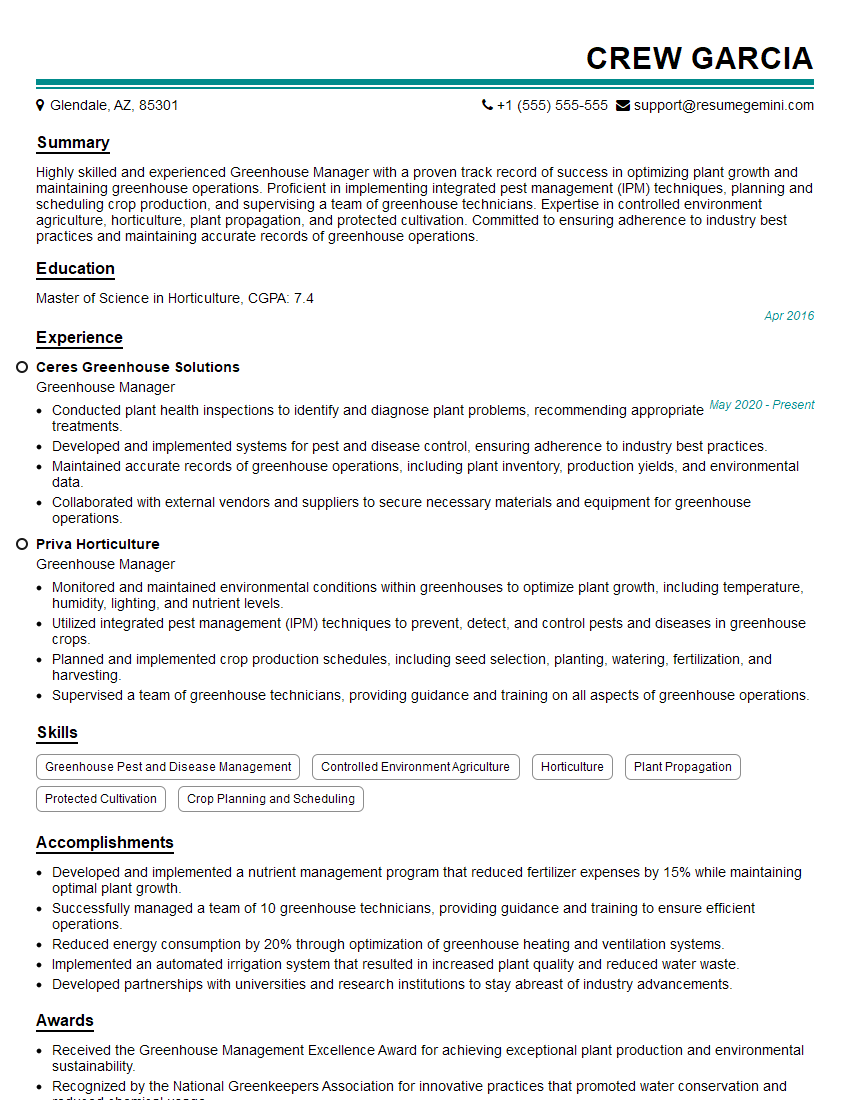
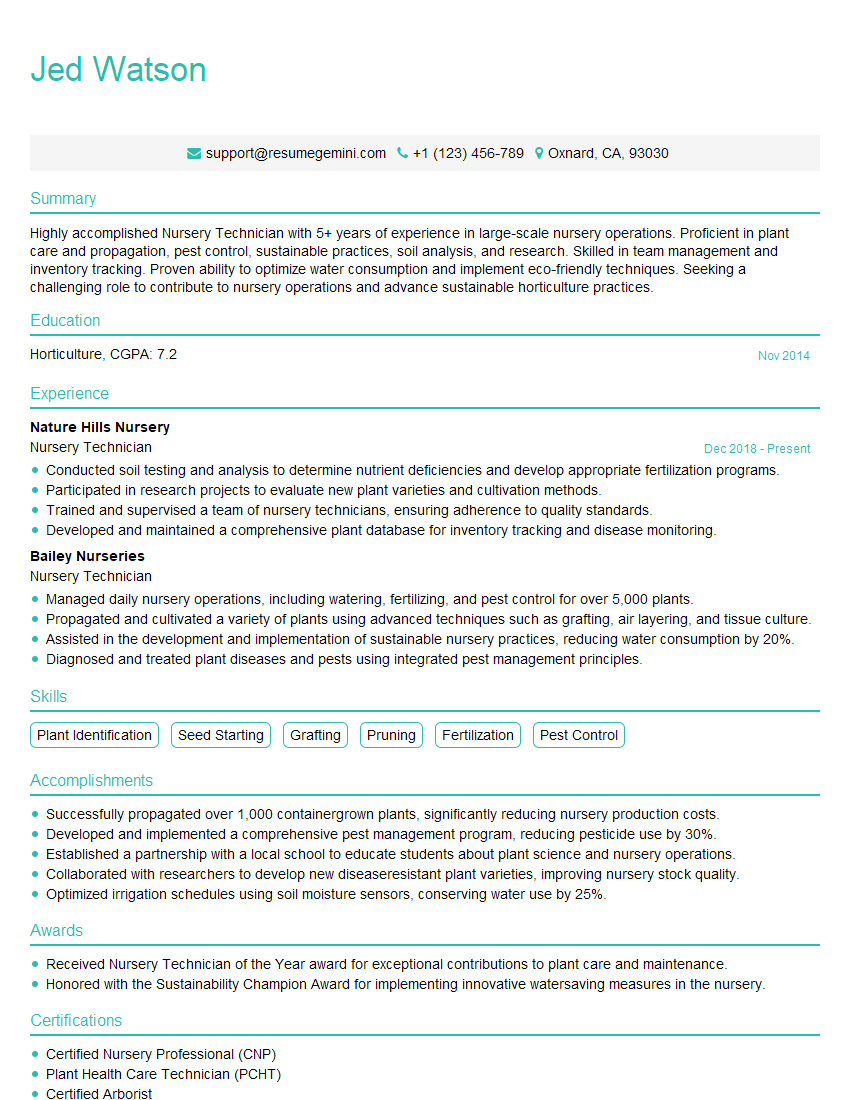
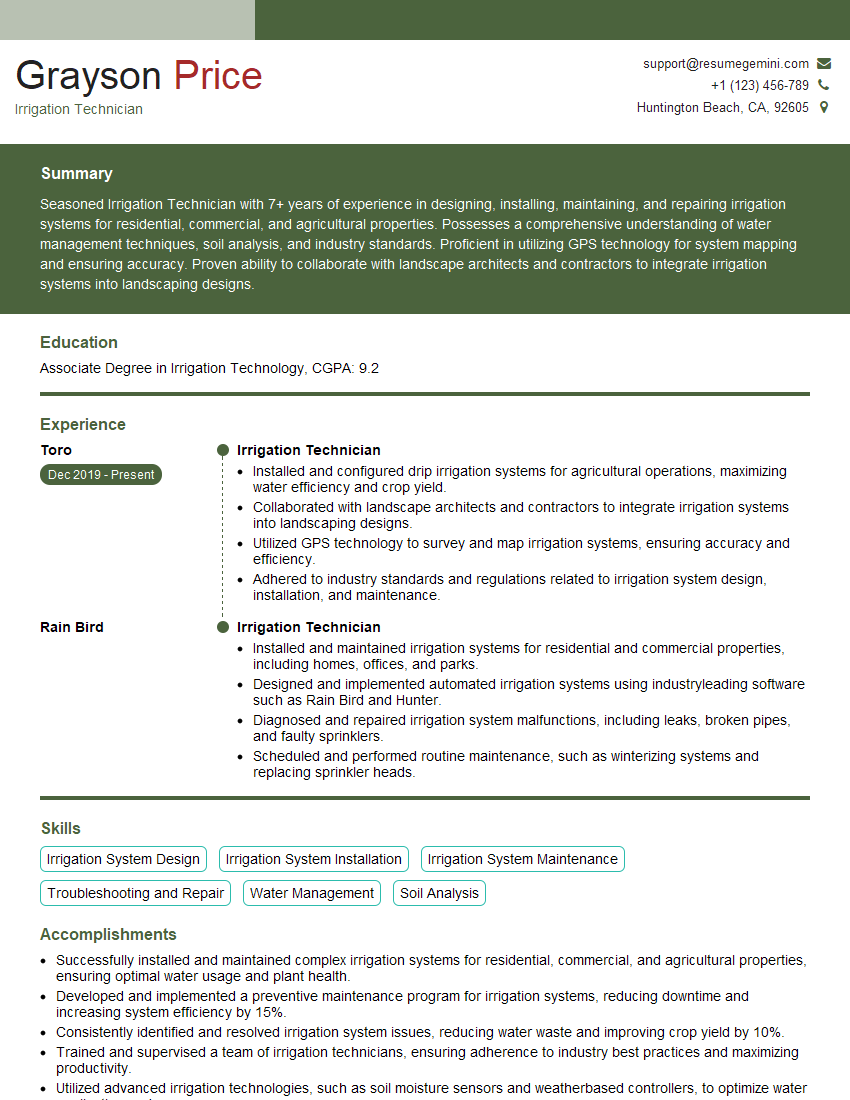
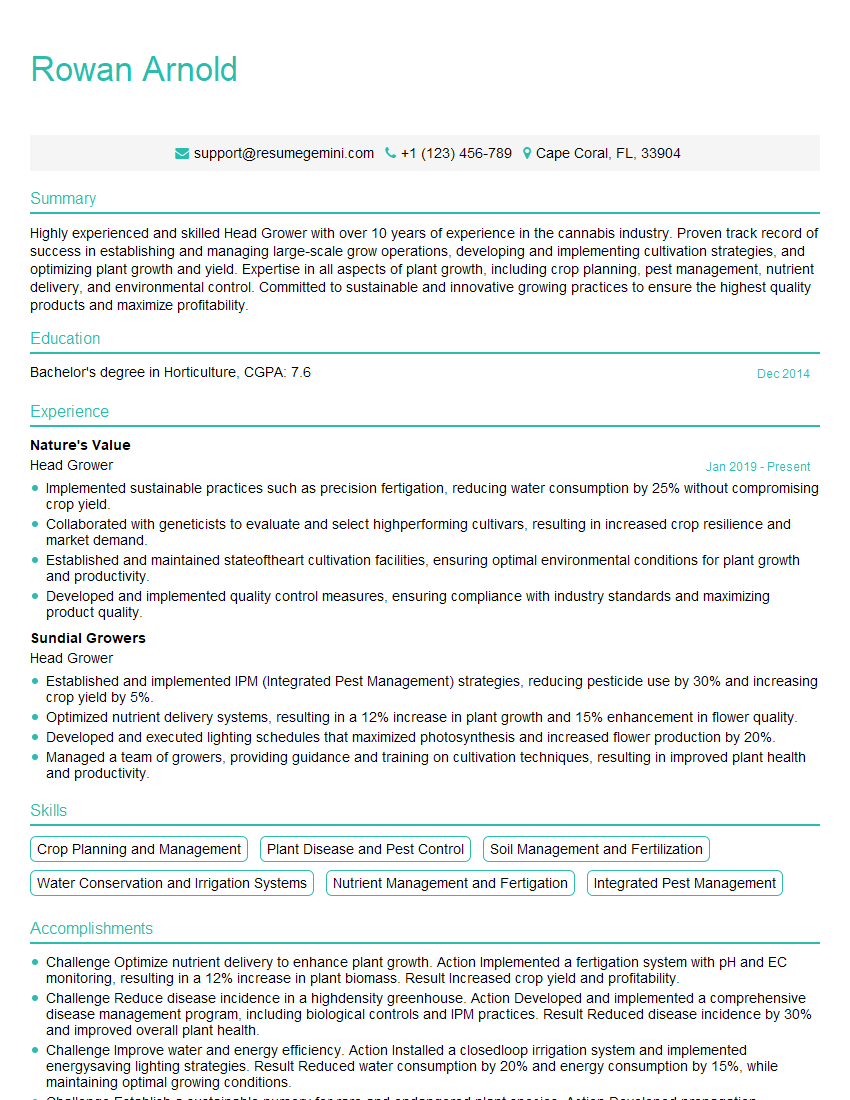
Mastering Greenhouse and Nursery Maintenance opens doors to a rewarding career with diverse opportunities for growth. From entry-level positions to supervisory roles, your expertise in plant care and facility management will be highly valuable. To maximize your job prospects, creating a strong, ATS-friendly resume is crucial. ResumeGemini is a trusted resource that can help you craft a professional resume that highlights your skills and experience effectively. Examples of resumes tailored to Greenhouse and Nursery Maintenance are available to guide you, ensuring your application stands out from the competition.
Explore more articles
Users Rating of Our Blogs
Share Your Experience
We value your feedback! Please rate our content and share your thoughts (optional).
What Readers Say About Our Blog
Attention music lovers!
Wow, All the best Sax Summer music !!!
Spotify: https://open.spotify.com/artist/6ShcdIT7rPVVaFEpgZQbUk
Apple Music: https://music.apple.com/fr/artist/jimmy-sax-black/1530501936
YouTube: https://music.youtube.com/browse/VLOLAK5uy_noClmC7abM6YpZsnySxRqt3LoalPf88No
Other Platforms and Free Downloads : https://fanlink.tv/jimmysaxblack
on google : https://www.google.com/search?q=22+AND+22+AND+22
on ChatGPT : https://chat.openai.com?q=who20jlJimmy20Black20Sax20Producer
Get back into the groove with Jimmy sax Black
Best regards,
Jimmy sax Black
www.jimmysaxblack.com
Hi I am a troller at The aquatic interview center and I suddenly went so fast in Roblox and it was gone when I reset.
Hi,
Business owners spend hours every week worrying about their website—or avoiding it because it feels overwhelming.
We’d like to take that off your plate:
$69/month. Everything handled.
Our team will:
Design a custom website—or completely overhaul your current one
Take care of hosting as an option
Handle edits and improvements—up to 60 minutes of work included every month
No setup fees, no annual commitments. Just a site that makes a strong first impression.
Find out if it’s right for you:
https://websolutionsgenius.com/awardwinningwebsites
Hello,
we currently offer a complimentary backlink and URL indexing test for search engine optimization professionals.
You can get complimentary indexing credits to test how link discovery works in practice.
No credit card is required and there is no recurring fee.
You can find details here:
https://wikipedia-backlinks.com/indexing/
Regards
NICE RESPONSE TO Q & A
hi
The aim of this message is regarding an unclaimed deposit of a deceased nationale that bears the same name as you. You are not relate to him as there are millions of people answering the names across around the world. But i will use my position to influence the release of the deposit to you for our mutual benefit.
Respond for full details and how to claim the deposit. This is 100% risk free. Send hello to my email id: lukachachibaialuka@gmail.com
Luka Chachibaialuka
Hey interviewgemini.com, just wanted to follow up on my last email.
We just launched Call the Monster, an parenting app that lets you summon friendly ‘monsters’ kids actually listen to.
We’re also running a giveaway for everyone who downloads the app. Since it’s brand new, there aren’t many users yet, which means you’ve got a much better chance of winning some great prizes.
You can check it out here: https://bit.ly/callamonsterapp
Or follow us on Instagram: https://www.instagram.com/callamonsterapp
Thanks,
Ryan
CEO – Call the Monster App
Hey interviewgemini.com, I saw your website and love your approach.
I just want this to look like spam email, but want to share something important to you. We just launched Call the Monster, a parenting app that lets you summon friendly ‘monsters’ kids actually listen to.
Parents are loving it for calming chaos before bedtime. Thought you might want to try it: https://bit.ly/callamonsterapp or just follow our fun monster lore on Instagram: https://www.instagram.com/callamonsterapp
Thanks,
Ryan
CEO – Call A Monster APP
To the interviewgemini.com Owner.
Dear interviewgemini.com Webmaster!
Hi interviewgemini.com Webmaster!
Dear interviewgemini.com Webmaster!
excellent
Hello,
We found issues with your domain’s email setup that may be sending your messages to spam or blocking them completely. InboxShield Mini shows you how to fix it in minutes — no tech skills required.
Scan your domain now for details: https://inboxshield-mini.com/
— Adam @ InboxShield Mini
support@inboxshield-mini.com
Reply STOP to unsubscribe
Hi, are you owner of interviewgemini.com? What if I told you I could help you find extra time in your schedule, reconnect with leads you didn’t even realize you missed, and bring in more “I want to work with you” conversations, without increasing your ad spend or hiring a full-time employee?
All with a flexible, budget-friendly service that could easily pay for itself. Sounds good?
Would it be nice to jump on a quick 10-minute call so I can show you exactly how we make this work?
Best,
Hapei
Marketing Director
Hey, I know you’re the owner of interviewgemini.com. I’ll be quick.
Fundraising for your business is tough and time-consuming. We make it easier by guaranteeing two private investor meetings each month, for six months. No demos, no pitch events – just direct introductions to active investors matched to your startup.
If youR17;re raising, this could help you build real momentum. Want me to send more info?
Hi, I represent an SEO company that specialises in getting you AI citations and higher rankings on Google. I’d like to offer you a 100% free SEO audit for your website. Would you be interested?
Hi, I represent an SEO company that specialises in getting you AI citations and higher rankings on Google. I’d like to offer you a 100% free SEO audit for your website. Would you be interested?