Cracking a skill-specific interview, like one for Haulage and Transportation, requires understanding the nuances of the role. In this blog, we present the questions you’re most likely to encounter, along with insights into how to answer them effectively. Let’s ensure you’re ready to make a strong impression.
Questions Asked in Haulage and Transportation Interview
Q 1. Explain your experience with different types of haulage vehicles.
My experience encompasses a wide range of haulage vehicles, from single-unit rigid trucks for smaller deliveries to articulated lorries (tractor-trailers) for large-volume transport. I’m also familiar with specialized vehicles like refrigerated trucks (reefers) for temperature-sensitive goods, flatbed trailers for oversized cargo, and tankers for liquids or gases. Each vehicle type presents unique operational considerations, from maneuverability and fuel efficiency to loading and unloading procedures. For example, operating a reefer requires careful monitoring of temperature settings and ensuring proper ventilation to maintain product quality. With flatbeds, securement of the load is paramount, demanding specialized techniques and equipment. My experience allows me to select the most appropriate vehicle for any given task, optimizing cost and efficiency.
Q 2. Describe your understanding of load securing regulations.
Load securing is crucial for safety and legal compliance. Regulations vary by region but generally require that cargo be restrained to prevent shifting or falling during transit. This involves using appropriate securing equipment like straps, chains, and wedges, ensuring they’re correctly tensioned and fastened. For example, heavy items require multiple securement points and potentially the use of load spreaders to distribute weight evenly. Documentation is also key; I always ensure that a detailed load securing plan is created and adhered to, including photographs or videos as evidence of securement. Non-compliance can lead to severe penalties, accidents, and costly damage. I’m proficient in various load securing techniques and stay updated on the latest regulations to guarantee all shipments comply with the law and maintain the highest safety standards.
Q 3. How do you optimize delivery routes for efficiency?
Optimizing delivery routes is a multifaceted process involving route planning software, real-time traffic data, and knowledge of local conditions. I typically use route optimization software that considers factors like distance, traffic congestion, speed limits, and delivery time windows. Real-time traffic updates are crucial for adapting to unexpected delays, rerouting as necessary. Understanding local regulations and road closures is also essential. For example, avoiding low bridges or weight-restricted roads is vital to prevent delays and potential damage. Continuously monitoring and refining routes based on performance data helps identify areas for improvement, leading to increased efficiency and reduced fuel consumption. A well-optimized route can significantly reduce delivery times and operating costs.
Q 4. What are your strategies for managing driver hours and compliance?
Managing driver hours and compliance is a top priority. I meticulously track driver hours using electronic logging devices (ELDs) to ensure adherence to regulations like the Hours of Service (HOS) rules. This involves regular monitoring of driver logs, ensuring they take mandatory rest breaks, and preventing fatigue-related incidents. Regular communication with drivers is key to addressing any issues promptly. I also provide training on HOS regulations and encourage a culture of safety and compliance within the team. Proactive management of driver hours not only prevents legal violations but also improves driver well-being and reduces the risk of accidents. It’s a delicate balance of ensuring operational efficiency while prioritizing driver safety and legal compliance.
Q 5. How do you handle unexpected delays or disruptions in the transport chain?
Unexpected delays are inevitable in transport. My approach involves proactive communication with clients, drivers, and other stakeholders. If a delay occurs, I immediately assess the cause (traffic, weather, vehicle malfunction) and implement a contingency plan. This might involve rerouting, utilizing alternative transport modes if feasible, or negotiating revised delivery schedules. Transparent communication with clients is paramount to mitigate potential disruptions to their operations. In the case of severe weather, I’d coordinate with drivers to find safe parking locations and ensure their well-being. Having backup plans and strong communication channels are crucial in managing unexpected disruptions smoothly and minimizing negative impact.
Q 6. Explain your experience with different transport modes (road, rail, sea, air).
My experience extends to various transport modes. Road haulage forms the core of my expertise, but I also have experience coordinating shipments involving rail, sea, and air freight. Understanding the strengths and limitations of each mode is vital for choosing the most efficient and cost-effective solution. Rail is ideal for long distances and large volumes, while sea freight is best for transporting goods across oceans. Air freight offers speed but is generally more expensive. I’ve managed multimodal transport projects, combining different modes to optimize the entire supply chain, such as using rail for long-distance transport and road haulage for the final delivery. This requires meticulous coordination, including handling customs procedures and intermodal transfers.
Q 7. How do you manage driver performance and maintain high safety standards?
Maintaining high safety standards and managing driver performance are intertwined. I utilize key performance indicators (KPIs) such as accident rates, fuel efficiency, and on-time delivery performance to monitor driver effectiveness. Regular performance reviews and feedback sessions provide opportunities for improvement and address any concerns. Investing in driver training programs focusing on defensive driving, safety regulations, and load securing techniques is crucial. A strong safety culture, fostered through open communication and positive reinforcement, promotes responsible driving habits. Regular vehicle maintenance and safety checks are non-negotiable; ensuring vehicles are roadworthy minimizes the risk of breakdowns and accidents. By combining data-driven analysis with a focus on driver development, we consistently maintain high safety standards and optimal performance.
Q 8. Describe your experience with transport management systems (TMS).
Transport Management Systems (TMS) are the backbone of efficient haulage operations. My experience encompasses utilizing various TMS platforms, from implementing and configuring them to daily operational use. This includes route optimization, load planning, fleet management, and real-time tracking of shipments. For example, in a previous role, I implemented a new TMS that reduced our delivery times by 15% and minimized fuel consumption by optimizing routes based on real-time traffic data and driver availability. I’m proficient in using TMS to generate reports on key performance indicators (KPIs) such as on-time delivery rates, fuel efficiency, and driver performance, allowing for data-driven decision-making to improve operational efficiency.
I am also experienced with integrating TMS with other crucial systems, such as warehouse management systems (WMS) and customer relationship management (CRM) systems, for seamless data flow across the entire supply chain. This integrated approach ensures complete visibility and control over the entire transportation process.
Q 9. What are your strategies for cost reduction in haulage operations?
Cost reduction in haulage is a continuous process requiring a multi-faceted approach. My strategies focus on:
- Route Optimization: Utilizing TMS and GPS technology to plan the most efficient routes, minimizing mileage and fuel consumption. For instance, I’ve implemented algorithms that consider traffic patterns, road closures, and delivery deadlines to optimize routes dynamically.
- Fuel Management: Implementing driver training programs on fuel-efficient driving techniques, regular vehicle maintenance to improve fuel efficiency, and exploring alternative fuels where feasible. We also utilize fuel cards and monitor fuel consumption data to identify areas for improvement.
- Load Consolidation: Maximizing cargo space and reducing the number of trips by consolidating shipments. This requires careful planning and communication with customers and other stakeholders.
- Negotiating Better Rates: Building strong relationships with carriers and suppliers to negotiate favorable rates for fuel, maintenance, and other services. This involves strategic sourcing and competitive bidding processes.
- Preventive Maintenance: Regularly scheduled vehicle maintenance to prevent breakdowns and costly repairs. Predictive maintenance techniques, using data analytics to anticipate potential issues, are also highly beneficial.
By strategically implementing these strategies, I have consistently achieved significant cost savings in previous roles, often exceeding targets by leveraging data analysis and continuous improvement methodologies.
Q 10. How do you ensure timely and accurate delivery of goods?
Timely and accurate delivery hinges on proactive planning, real-time monitoring, and robust communication. My approach includes:
- Precise Scheduling: Utilizing TMS to create optimized delivery schedules that account for traffic, weather conditions, and other potential delays.
- Real-time Tracking: Employing GPS tracking systems to monitor the location and status of vehicles in real-time, enabling proactive intervention in case of unforeseen delays.
- Proactive Communication: Maintaining open communication with customers and drivers to provide timely updates on shipment status and address potential issues promptly. This often involves using mobile apps and automated notification systems.
- Contingency Planning: Developing contingency plans to handle unexpected events, such as traffic jams or vehicle breakdowns. This includes having backup vehicles and drivers available.
- Delivery Confirmation: Implementing electronic proof of delivery (ePOD) systems to ensure accurate and timely delivery confirmation, reducing disputes and improving customer satisfaction.
This systematic approach allows for consistent on-time delivery and minimizes delivery-related issues. For example, in a previous role, implementing real-time tracking reduced late deliveries by 20%.
Q 11. Explain your experience with different types of freight.
My experience encompasses a wide range of freight types, including:
- General Freight: This includes a variety of goods transported in standard vehicles, requiring careful handling and secure fastening.
- Hazardous Materials: I have experience handling hazardous materials, adhering to strict regulations and safety procedures. This includes proper documentation, specialized vehicles, and trained personnel.
- Temperature-Sensitive Goods: I’ve managed the transportation of perishable goods requiring temperature-controlled vehicles and meticulous monitoring throughout the transport process. This involves using refrigerated trailers and ensuring the cold chain is unbroken.
- Oversized and Heavy Haul: My experience also includes the transportation of oversized and heavy goods, requiring specialized equipment, permits, and route planning to ensure safe and compliant delivery.
- Bulk Cargo: I’ve overseen the transportation of bulk cargo using appropriate vehicles, such as tankers or silos, requiring careful loading, unloading, and safety procedures.
This diverse experience allows me to adapt quickly to different transportation challenges and ensure the safe and efficient delivery of various freight types.
Q 12. How do you handle customer complaints and resolve delivery issues?
Handling customer complaints and resolving delivery issues requires a structured and empathetic approach. My process involves:
- Active Listening: Carefully listening to the customer’s concerns and acknowledging their frustration.
- Investigation: Thoroughly investigating the issue using the available data from the TMS and other systems. This may involve reviewing delivery logs, GPS tracking data, and driver communications.
- Root Cause Analysis: Identifying the root cause of the issue to prevent similar problems in the future.
- Solution Implementation: Implementing a suitable solution, which might involve issuing a refund, rescheduling a delivery, or providing a replacement.
- Follow-up: Following up with the customer to ensure they are satisfied with the resolution and to address any remaining concerns.
Transparency and clear communication are essential throughout this process. I always strive to find a fair and timely resolution that maintains a positive customer relationship. For example, by proactively identifying and addressing recurring delivery issues, I have consistently improved customer satisfaction ratings.
Q 13. Describe your experience with warehouse management and inventory control.
My experience with warehouse management and inventory control includes optimizing warehouse layout, implementing efficient storage strategies, and utilizing WMS to manage inventory levels accurately. I’m familiar with various inventory management techniques, such as FIFO (First-In, First-Out) and LIFO (Last-In, First-Out), and selecting the most appropriate method based on the nature of the goods. I have experience using barcode scanners and RFID technology to improve accuracy and speed of inventory management. I am also proficient in using WMS to generate reports on inventory levels, turnover rates, and other key metrics, providing valuable insights into warehouse efficiency.
Beyond efficient inventory management, I am also experienced in overseeing warehouse operations, including receiving, put-away, picking, packing, and shipping. I ensure the warehouse operates safely and efficiently, adhering to all relevant health and safety regulations.
Q 14. How familiar are you with various documentation required for transport operations (e.g., CMR, bills of lading)?
I am very familiar with the various documentation required for transport operations. This includes:
- CMR (Consignment Note): I understand the importance of accurately completing CMR notes for international road freight, ensuring all necessary information is included, such as sender and receiver details, goods description, and weight.
- Bill of Lading (B/L): I have extensive experience with bills of lading for ocean freight, understanding the different types (straight, order, and negotiable) and their implications. I am also familiar with electronic bills of lading (eB/L).
- Air Waybill (AWB): I have experience with air waybills for air freight, knowing the necessary information for customs clearance and tracking.
- Delivery Receipts and Proof of Delivery (POD): I understand the importance of obtaining and maintaining accurate delivery receipts and PODs as proof of successful delivery.
- Customs Documentation: I am familiar with the necessary customs documentation, including commercial invoices, packing lists, and certificates of origin, for international shipments.
- Dangerous Goods Documentation: When handling dangerous goods, I ensure all necessary documentation, such as safety data sheets and dangerous goods declarations, are completed accurately and in compliance with regulations.
Accurate and complete documentation is crucial for smooth transport operations, customs clearance, and resolving any potential disputes. My experience ensures that all required documentation is handled meticulously and efficiently.
Q 15. What are your strategies for managing fuel costs?
Fuel costs are a significant operational expense in haulage. My strategy for managing them involves a multi-pronged approach focusing on efficiency, technology, and market awareness.
- Efficient Driving Techniques: I emphasize driver training on fuel-efficient driving practices, including smooth acceleration and braking, maintaining optimal speed, and avoiding idling. We regularly monitor driver performance through telematics data to identify areas for improvement and provide targeted coaching.
- Route Optimization: Sophisticated route planning software considers factors like traffic congestion, road conditions, and fuel prices to determine the most economical routes. This minimizes unnecessary mileage and reduces fuel consumption. For example, avoiding congested city centers during peak hours can significantly reduce fuel costs.
- Vehicle Maintenance: Regular vehicle maintenance, including tire pressure checks, engine tune-ups, and aerodynamic improvements, plays a crucial role in fuel efficiency. A well-maintained fleet consumes less fuel and reduces the likelihood of unexpected breakdowns, which can lead to further fuel wastage.
- Fuel Procurement Strategies: We leverage bulk purchasing agreements and explore partnerships with fuel providers to secure competitive pricing. We actively monitor fuel market trends to make informed decisions about purchasing and storage.
- Telematics and Data Analysis: Real-time data from telematics systems provides insights into fuel consumption patterns, driver behavior, and vehicle performance. This data allows us to identify areas for improvement and make data-driven decisions to optimize fuel efficiency.
Career Expert Tips:
- Ace those interviews! Prepare effectively by reviewing the Top 50 Most Common Interview Questions on ResumeGemini.
- Navigate your job search with confidence! Explore a wide range of Career Tips on ResumeGemini. Learn about common challenges and recommendations to overcome them.
- Craft the perfect resume! Master the Art of Resume Writing with ResumeGemini’s guide. Showcase your unique qualifications and achievements effectively.
- Don’t miss out on holiday savings! Build your dream resume with ResumeGemini’s ATS optimized templates.
Q 16. How do you ensure compliance with relevant health and safety regulations?
Ensuring compliance with health and safety regulations is paramount. My approach involves a proactive and layered strategy.
- Regular Training: All drivers and staff receive comprehensive training on relevant health and safety regulations, including safe driving practices, hazard identification, and emergency procedures. This training is regularly updated to reflect changes in legislation and best practices. We use both classroom-based training and online modules to make sure everyone can access the material easily and at their own pace.
- Risk Assessments: Regular risk assessments are conducted across all aspects of the operation, from vehicle maintenance to workplace safety. These assessments identify potential hazards and outline control measures to mitigate risks. For instance, we may assess the risks associated with loading and unloading procedures at specific client sites, implement proper lifting techniques, and use suitable equipment.
- Vehicle Inspections: Thorough pre-trip and post-trip vehicle inspections are mandatory. Drivers are responsible for reporting any mechanical defects or safety issues. Regular maintenance schedules are followed to prevent equipment failure.
- Documentation and Record Keeping: Meticulous record-keeping of all safety-related activities, including training, inspections, and incident reports, is essential for demonstrating compliance to regulatory bodies. Our records are regularly audited internally and externally.
- Emergency Response Plans: We have detailed emergency response plans in place to handle incidents such as accidents, breakdowns, and hazardous material spills. These plans include clear procedures and communication protocols.
Q 17. Describe your experience with route planning software.
I have extensive experience with various route planning software packages, including Route4Me, MapQuest, and Google Maps Platform. My experience goes beyond simply inputting addresses; I understand how to effectively utilize the advanced features of these systems to optimize routes.
- Advanced Features: I’m proficient in using features such as real-time traffic updates, avoidance of restricted zones, and multiple stop optimization. This ensures efficient delivery schedules and minimizes delays.
- Integration with Other Systems: I’ve worked with systems that integrate route planning software with fleet management platforms, allowing for real-time tracking of vehicles and proactive response to any deviations from the planned route. This helps in quick identification of issues and immediate rerouting when necessary.
- Data Analysis: I’m capable of analyzing route data to identify patterns and trends, allowing for continuous improvement in route optimization strategies. For example, I can identify recurring delays on certain routes and develop alternative plans to avoid those areas during specific times.
Q 18. How do you manage driver fatigue and ensure their wellbeing?
Driver fatigue is a major safety concern in haulage. My approach focuses on prevention and proactive management.
- Driver Hours Regulations: Strict adherence to driver hours regulations, such as those stipulated by the European Union (EU) or the Department of Transportation (DOT), is paramount. We utilize electronic logging devices (ELDs) to accurately monitor driver hours and prevent fatigue-related incidents. This keeps us completely compliant with any applicable legislation.
- Driver Wellness Programs: We implement wellness programs to promote healthy lifestyles among our drivers, including access to health resources and educational materials on fatigue management. These programmes might include elements like promoting healthy eating and regular exercise.
- Rest Breaks: We encourage and facilitate regular rest breaks for drivers, emphasizing the importance of adequate sleep and rest periods. I would also ensure that suitable rest facilities are always available.
- Driver Support: We foster a supportive environment where drivers feel comfortable reporting fatigue or other health concerns without fear of reprisal. We encourage drivers to communicate any challenges to their line manager.
- Technology: We use telematics systems to monitor driver behavior, including speed and harsh braking, which can indicate potential signs of fatigue.
Q 19. What are your strategies for managing risk in haulage operations?
Managing risk in haulage involves a comprehensive approach addressing various potential hazards.
- Risk Assessment and Mitigation: Regular risk assessments identify potential hazards, such as accidents, cargo damage, and theft. We implement control measures to mitigate these risks, including driver training, vehicle maintenance, and security measures such as GPS tracking and cargo insurance.
- Insurance Coverage: Adequate insurance coverage is essential to protect against financial losses resulting from accidents, cargo damage, or liability claims. I would make sure we have comprehensive policies in place covering all potential scenarios.
- Security Measures: We implement robust security measures to protect against cargo theft, including GPS tracking, secure warehousing, and driver training on security protocols. For high-value goods, we might consider using escorted transport or specialized security containers.
- Contractual Agreements: Clearly defined contractual agreements with clients and subcontractors outline responsibilities and liabilities, minimizing potential disputes. This ensures clarity on who is responsible for what, minimizing the risk of disagreement and conflict.
- Regular Audits: Regular internal and external audits ensure compliance with safety regulations and identify areas for improvement in risk management practices. A thorough and frequent audit approach helps keep our systems updated and in check.
Q 20. Describe your experience with vehicle maintenance and repair scheduling.
Effective vehicle maintenance and repair scheduling are vital for operational efficiency and safety. My approach is proactive and data-driven.
- Preventive Maintenance: We follow a rigorous preventive maintenance schedule based on manufacturer recommendations and vehicle usage patterns. This includes regular inspections, oil changes, and component replacements to prevent major breakdowns. By sticking to schedules, we prevent unexpected downtime and keep all vehicles in good working condition.
- Predictive Maintenance: We utilize telematics data to monitor vehicle performance and identify potential issues before they become major problems. This allows for proactive maintenance, reducing downtime and repair costs. Telematics enables us to receive early warning signs of potential problems, allowing for preventive action before the problem escalates.
- Repair Scheduling: When repairs are necessary, we prioritize them based on urgency and impact on operations. We utilize a computerized maintenance management system (CMMS) to schedule and track repairs, ensuring efficient workflow and minimizing downtime. Using CMMS helps us monitor the progress of repairs.
- Vendor Management: We maintain strong relationships with reliable and qualified repair vendors to ensure timely and cost-effective repairs. Selecting trusted vendors ensures quality workmanship and speedy service.
- Record Keeping: Detailed records of all maintenance and repair activities are kept for auditing purposes and to track vehicle history and performance. This record-keeping also allows for better performance analysis, aiding the optimization of the maintenance schedule.
Q 21. How familiar are you with international transport regulations?
My familiarity with international transport regulations is comprehensive. I understand the complexities of cross-border haulage, including customs procedures, documentation requirements, and driver regulations.
- International Conventions: I’m knowledgeable about key international conventions and agreements, such as the Convention on the Contract for the International Carriage of Goods by Road (CMR) and the International Convention for the Safety of Life at Sea (SOLAS). This knowledge extends to different international transport regulations including those in the European Union, North America, and other key trading regions.
- Customs Procedures: I have experience with customs declarations, import/export regulations, and the use of various customs documentation, such as commercial invoices and certificates of origin. Understanding these procedures is crucial for seamless cross-border movement of goods.
- Driver Regulations: I understand the differences in driver hours regulations and licensing requirements across different countries. Ensuring compliance with these regulations is critical for legal and safe operation.
- Dangerous Goods Regulations: I’m familiar with the regulations governing the transport of dangerous goods (Hazmat), including proper classification, packaging, labeling, and documentation requirements. This is a vital consideration when transporting hazardous materials to make sure the process is handled in full compliance with regulations.
- International Documentation: I’m proficient in preparing and managing the necessary documentation for international shipments, including bills of lading, customs declarations, and other required permits.
Q 22. How do you ensure accurate tracking and tracing of goods?
Accurate tracking and tracing is paramount in haulage. It ensures timely delivery, reduces loss or damage claims, and maintains client trust. We achieve this through a multi-layered approach.
Real-time GPS Tracking: Every vehicle is equipped with a GPS tracking device, providing real-time location data accessible through a dedicated software platform. This allows us to monitor vehicle speed, route adherence, and potential delays.
Barcode/RFID Scanning: Each shipment is tagged with a unique barcode or RFID tag, scanned at each stage of the journey – from pickup to delivery. This creates a comprehensive audit trail, instantly revealing a shipment’s location and status.
Electronic Proof of Delivery (ePOD): Drivers use handheld devices to capture electronic signatures and photos upon delivery, eliminating paperwork and providing irrefutable evidence of successful delivery. This instantly updates the system, providing real-time delivery confirmation to clients.
Data Integration and Reporting: Our tracking system integrates with our ERP (Enterprise Resource Planning) system, providing comprehensive reporting and analytics. This allows us to identify trends, optimize routes, and improve efficiency. For example, we can identify areas with consistently high delivery times to adjust routes or scheduling.
Imagine a scenario where a client needs a time-sensitive delivery. Our real-time tracking allows us to monitor its progress, proactively address any delays, and provide precise ETAs (Estimated Times of Arrival) to the client, maintaining transparency and trust.
Q 23. Explain your experience with different types of contracts (e.g., spot, contract, dedicated).
My experience encompasses all three contract types: spot, contract, and dedicated.
Spot Contracts: These are short-term agreements, ideal for one-off shipments or when capacity is needed on an ad-hoc basis. Negotiation is key, focusing on immediate needs and market rates. I’ve successfully managed numerous spot contracts, negotiating competitive rates while ensuring timely fulfillment of urgent requests, such as a client requiring an emergency shipment of medical supplies.
Contract Contracts: These are long-term agreements offering greater stability and predictability for both parties. We negotiate rates, service levels (e.g., transit times, frequency), and liability provisions. For example, we have a contract with a major retailer for regular deliveries of goods to their distribution centers. The agreement covers a fixed volume of shipments over a year, providing them with consistent service and us with reliable income.
Dedicated Contracts: These are highly customized agreements where we dedicate specific resources (vehicles, drivers) exclusively to a client’s needs. This offers maximum control and efficiency for the client. I’ve successfully managed dedicated contracts for clients requiring tailored logistical solutions, such as a construction company requiring dedicated transportation for specific, high-value equipment.
Understanding the nuances of each contract type and their suitability for different client needs is crucial for effective haulage management. It involves strong negotiation skills, meticulous contract review, and close monitoring of performance against agreed-upon parameters.
Q 24. How do you handle customs procedures and documentation?
Handling customs procedures and documentation efficiently is essential for international shipments. This requires a detailed understanding of import/export regulations, accurate documentation, and proactive communication with customs authorities.
Accurate Documentation: We meticulously prepare all necessary documents, including commercial invoices, packing lists, certificates of origin, and any required permits or licenses. Errors in documentation can lead to significant delays and penalties.
Customs Brokerage: For complex shipments or those requiring specialized expertise, we utilize the services of reputable customs brokers. They handle customs clearance procedures, ensuring compliance with regulations and minimizing delays. Their expertise is especially beneficial for navigating the complexities of different customs regulations across various countries.
Customs Compliance Training: Our team receives regular training on updated customs regulations and best practices, ensuring we maintain compliance and minimize risks. This proactive approach ensures we are always up-to-date on relevant regulations.
Technology Integration: We utilize software solutions that automate aspects of customs documentation and streamline the communication process with customs authorities.
For instance, a recent shipment of delicate electronics required precise documentation and adherence to specific import regulations. Our team’s meticulous preparation and use of a customs broker ensured smooth clearance, avoiding potential delays and damage to the goods.
Q 25. How do you manage relationships with clients and suppliers?
Strong relationships with clients and suppliers are fundamental to success in the haulage industry. This involves open communication, mutual respect, and a commitment to meeting expectations.
Client Relationship Management (CRM): We utilize a CRM system to track client interactions, preferences, and service requests. This ensures personalized service and proactive communication. For example, we provide regular updates on shipment status and proactively address any concerns.
Supplier Partnerships: We develop strong, long-term relationships with reliable suppliers, such as fuel providers and maintenance companies. This ensures consistent service quality and competitive pricing. Open communication and collaborative problem-solving are key.
Regular Communication: We maintain regular contact with clients and suppliers, providing updates, addressing concerns, and proactively seeking feedback. This open communication fosters trust and collaboration.
Performance Reviews: We conduct regular performance reviews with both clients and suppliers, ensuring that we meet their needs and expectations. This allows for continuous improvement and strengthens relationships.
Building trust through consistent performance, transparent communication, and a commitment to mutual success is what solidifies our partnerships with both clients and suppliers, leading to long-term collaborations.
Q 26. Describe your experience with performance monitoring and reporting.
Performance monitoring and reporting are crucial for identifying areas for improvement and ensuring operational efficiency. We utilize key performance indicators (KPIs) and data analytics to track performance.
Key Performance Indicators (KPIs): We track various KPIs, including on-time delivery rates, fuel efficiency, vehicle utilization, and driver performance. These metrics provide insights into overall operational efficiency.
Data Analytics: We leverage data analytics tools to analyze historical data, identifying trends and patterns. This allows us to proactively address potential issues and optimize operational strategies. For example, analyzing fuel consumption data can help identify vehicles requiring maintenance.
Reporting and Dashboards: We generate regular reports and dashboards visualizing key performance indicators, providing management with actionable insights into operational performance. These dashboards are easy to interpret and provide a quick overview of key metrics.
Continuous Improvement: The data gathered through performance monitoring and reporting is used to continuously improve our processes and efficiency. We identify areas where improvements can be made and implement corrective actions.
For example, by analyzing our on-time delivery rates, we identified a bottleneck in our scheduling process. By implementing a new scheduling software, we improved our on-time delivery rate by 15%.
Q 27. What are your strategies for improving efficiency and productivity in haulage operations?
Improving efficiency and productivity in haulage operations requires a multi-pronged approach focusing on technology, process optimization, and driver training.
Route Optimization Software: Implementing route optimization software helps to minimize mileage, reduce fuel consumption, and improve delivery times. This technology uses algorithms to calculate the most efficient routes based on real-time traffic conditions.
Vehicle Maintenance Programs: A well-maintained fleet is crucial for minimizing breakdowns and downtime. Regular preventative maintenance reduces unexpected repairs and improves fuel efficiency.
Driver Training and Performance Management: Investing in driver training programs focusing on fuel-efficient driving techniques, safety protocols, and effective route planning improves efficiency and reduces accidents.
Technology Adoption: Adopting telematics systems, GPS tracking, and electronic logging devices improves operational visibility, reduces paperwork, and streamlines communication.
Process Streamlining: Analyzing and optimizing loading and unloading processes, documentation procedures, and communication workflows can significantly improve efficiency.
For example, by implementing a route optimization software, we reduced our average delivery time by 10% and fuel consumption by 8%.
Q 28. How do you stay updated on changes in transport legislation and technology?
Staying updated on changes in transport legislation and technology is critical for maintaining compliance and competitiveness. We achieve this through a combination of strategies.
Industry Publications and Associations: We subscribe to industry publications and actively participate in relevant professional associations. This keeps us abreast of the latest legislative changes and industry best practices.
Regulatory Agency Websites: We regularly monitor the websites of relevant regulatory agencies to stay informed about updates to regulations and compliance requirements.
Technology Conferences and Webinars: Attending industry conferences and webinars provides insights into the latest technological advancements and their applications in the haulage sector. This helps us identify opportunities to improve our operations.
Internal Training Programs: We conduct regular internal training sessions to keep our team updated on new legislation, technology, and best practices.
Consultants and Experts: For complex legal or technological issues, we consult with specialized experts to ensure compliance and make informed decisions.
For example, the recent introduction of new emission standards required us to update our fleet, a decision supported by our continuous monitoring of industry changes and technological advancements.
Key Topics to Learn for Haulage and Transportation Interview
- Logistics and Supply Chain Management: Understanding the flow of goods, from origin to destination, including warehousing, inventory management, and order fulfillment. Consider the impact of different transportation modes.
- Transportation Modes and Their Applications: Analyze the strengths and weaknesses of road, rail, sea, and air freight. Be prepared to discuss cost-effectiveness, speed, and suitability for different cargo types.
- Regulations and Compliance: Demonstrate knowledge of relevant safety regulations, licensing requirements, and environmental considerations within the haulage and transportation industry. Discuss how you ensure compliance.
- Route Optimization and Planning: Explain your understanding of efficient route planning, considering factors like distance, traffic, delivery schedules, and fuel efficiency. Be ready to discuss software and technology used in this process.
- Risk Management and Safety Procedures: Discuss strategies for mitigating risks associated with transportation, including accidents, delays, and cargo damage. Highlight your experience with safety protocols and emergency procedures.
- Technology in Haulage and Transportation: Discuss your familiarity with GPS tracking, telematics, route optimization software, and other technologies used to improve efficiency and safety. Explain how these tools enhance operational effectiveness.
- Cost Management and Budgeting: Demonstrate understanding of cost control measures within haulage and transportation, including fuel costs, maintenance, driver salaries, and insurance. Be prepared to discuss strategies for optimizing expenditure.
- Customer Service and Communication: Highlight your ability to effectively communicate with clients, providing updates on shipments and resolving any issues promptly and professionally.
Next Steps
Mastering the intricacies of Haulage and Transportation opens doors to a rewarding and dynamic career with excellent growth potential. The industry is constantly evolving, so continuous learning and adaptability are key. To significantly boost your job prospects, invest time in crafting an ATS-friendly resume that showcases your skills and experience effectively. ResumeGemini is a trusted resource that can help you build a professional resume that stands out. We provide examples of resumes tailored specifically to the Haulage and Transportation sector to help guide you. Take the next step towards your dream career – create a compelling resume that highlights your unique value proposition.
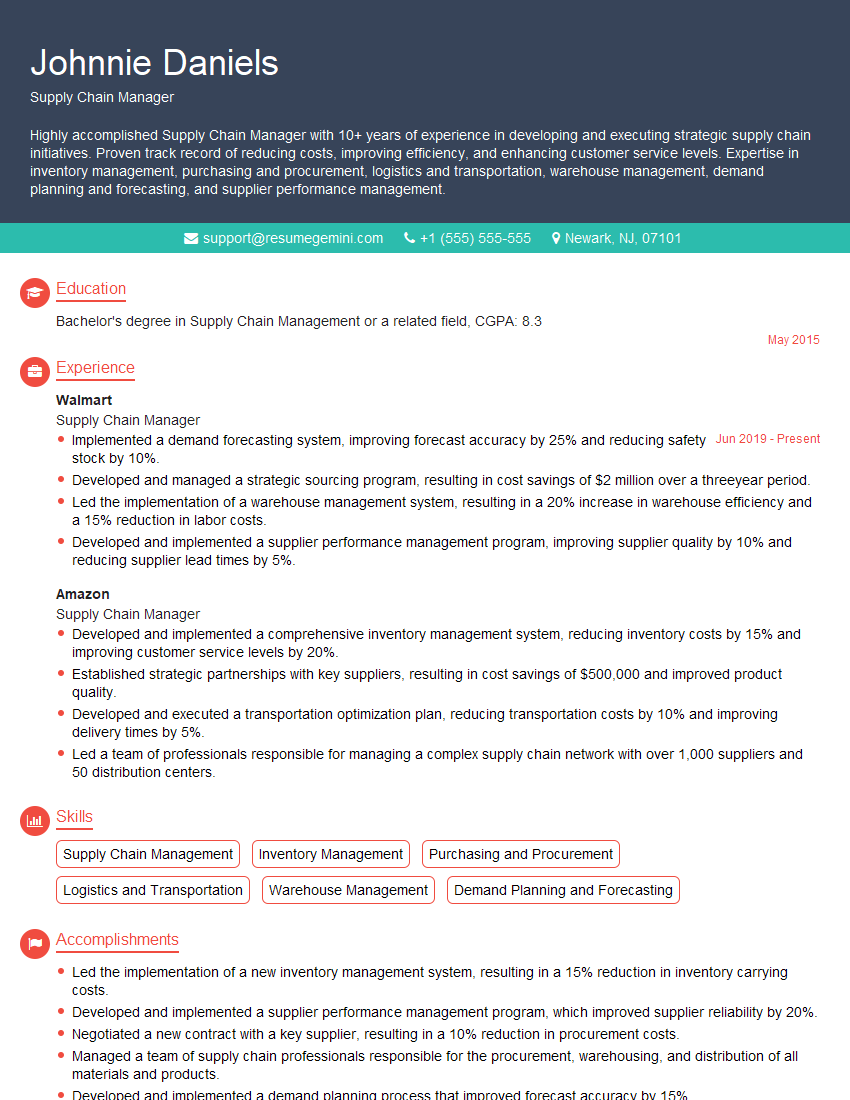
Supply Chain Manager Resume Sample
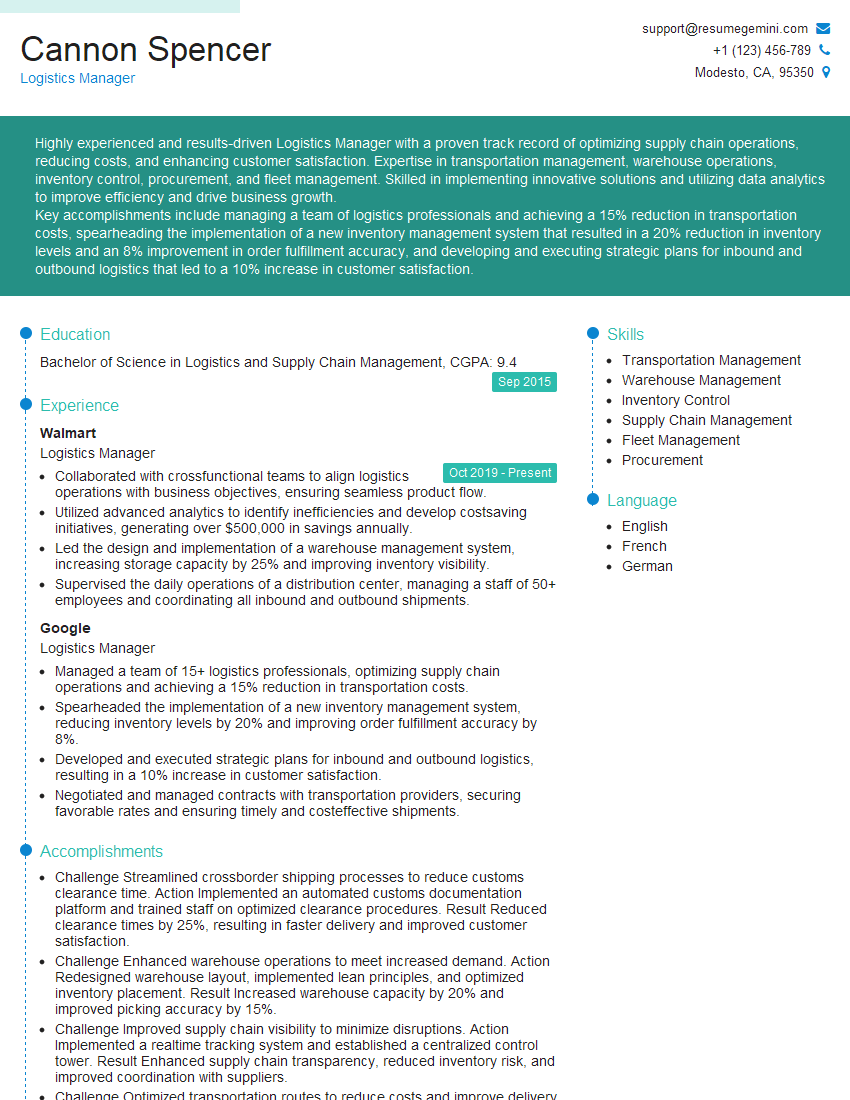
Logistics Manager Resume Sample
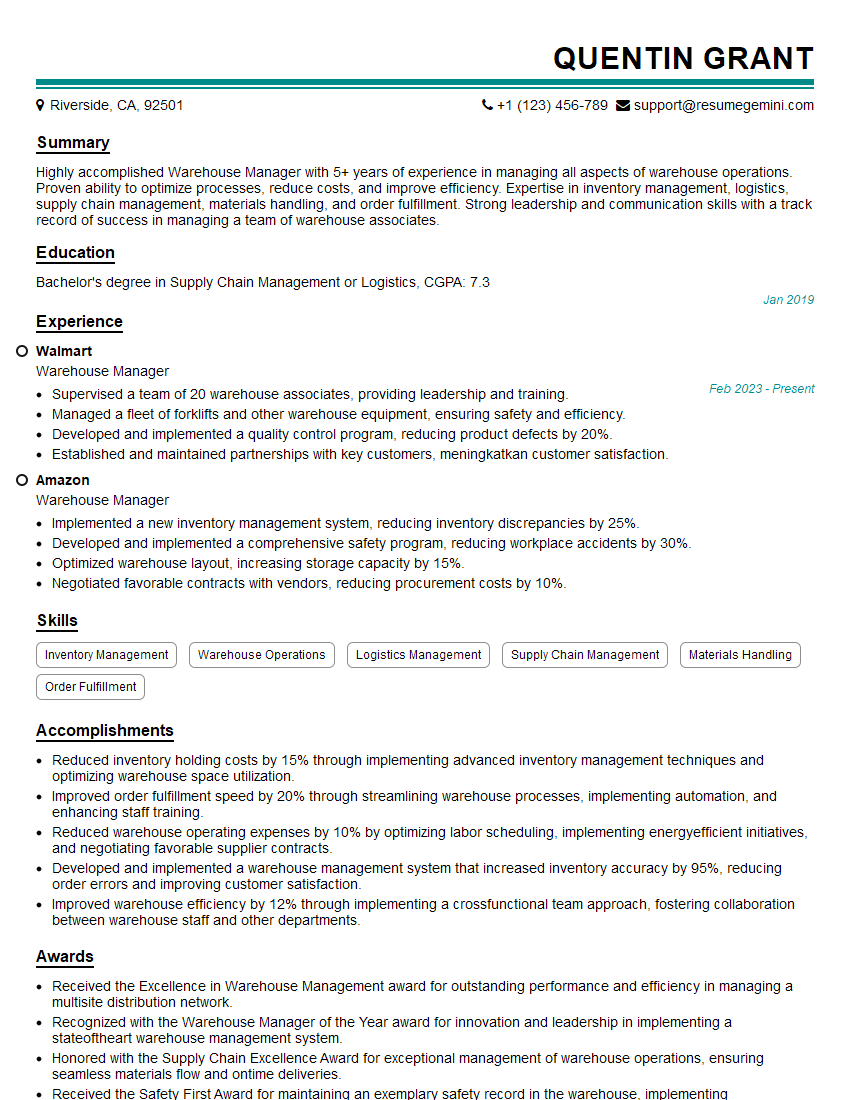
Warehouse Manager Resume Sample
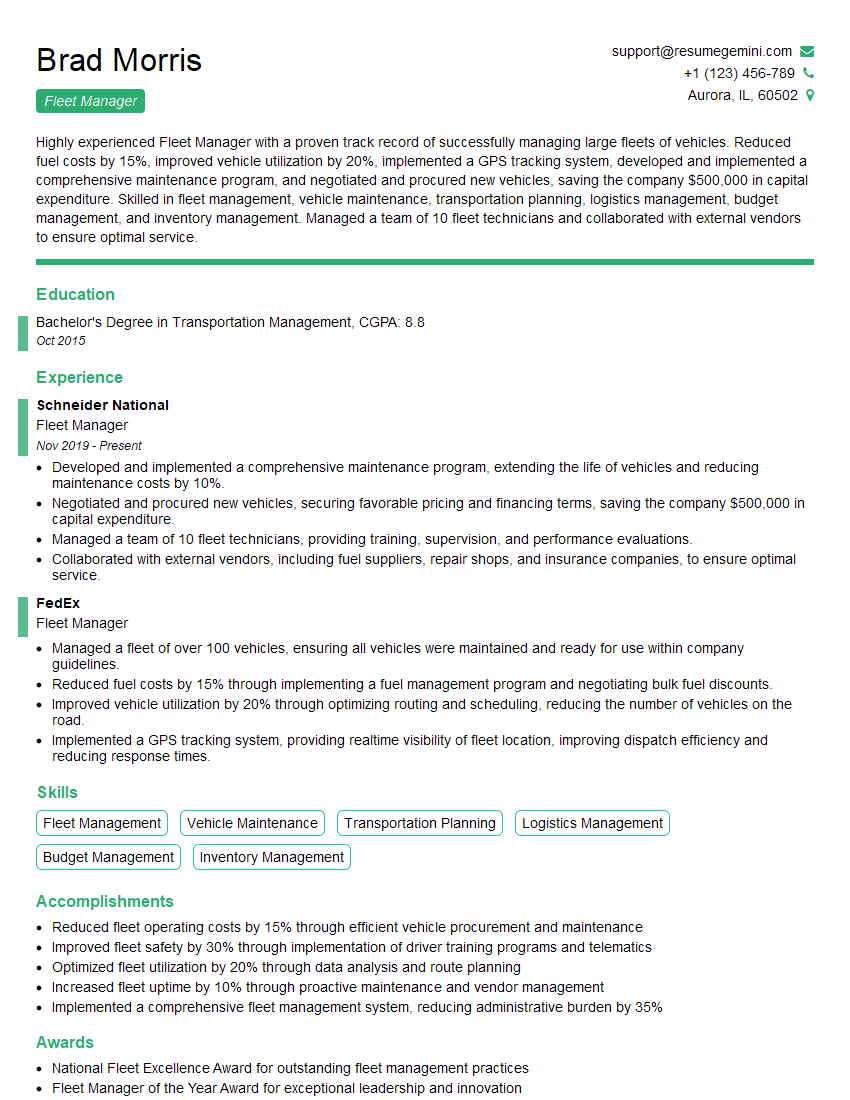
Fleet Manager Resume Sample
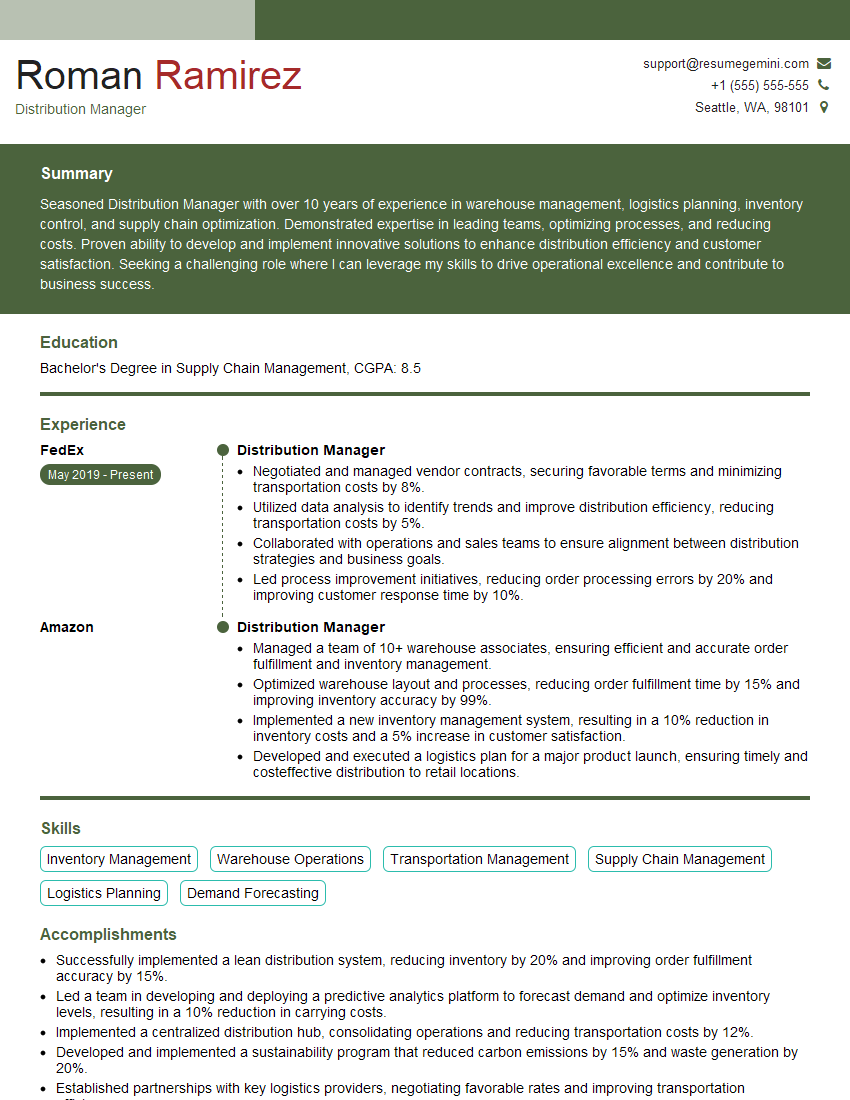
Distribution Manager Resume Sample
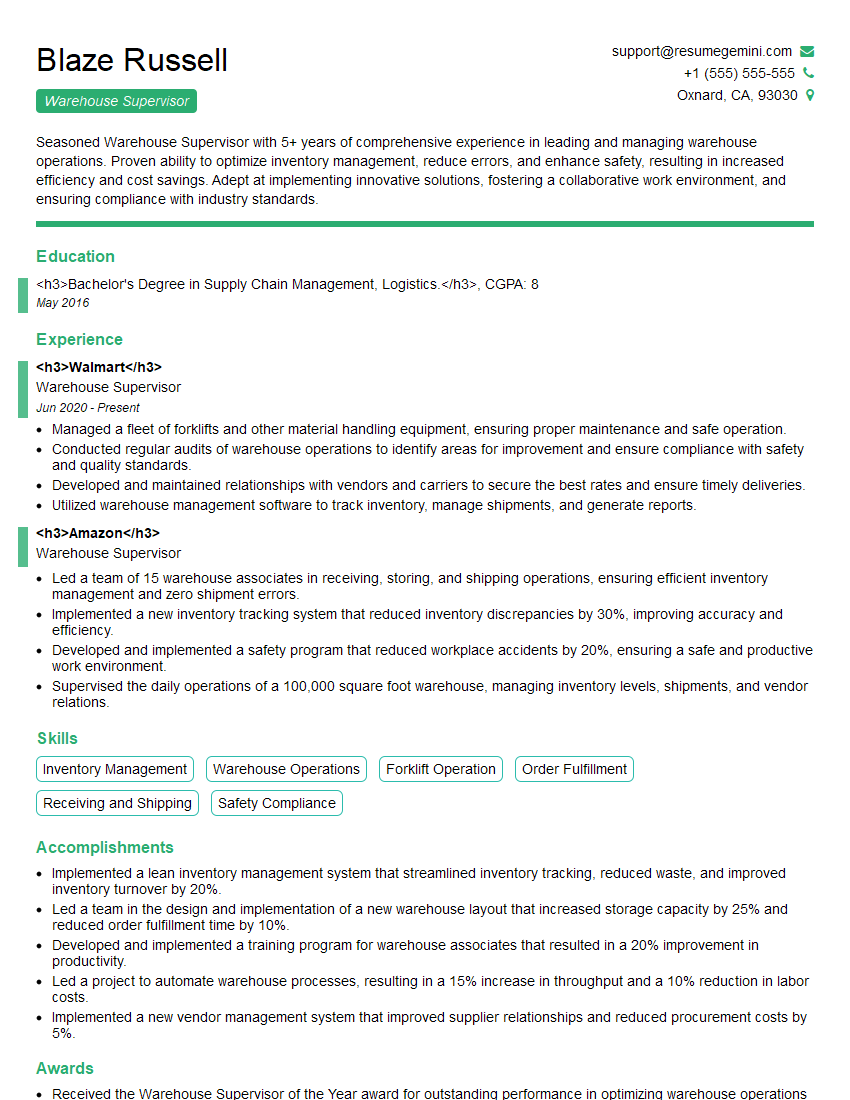
Warehouse Supervisor Resume Sample
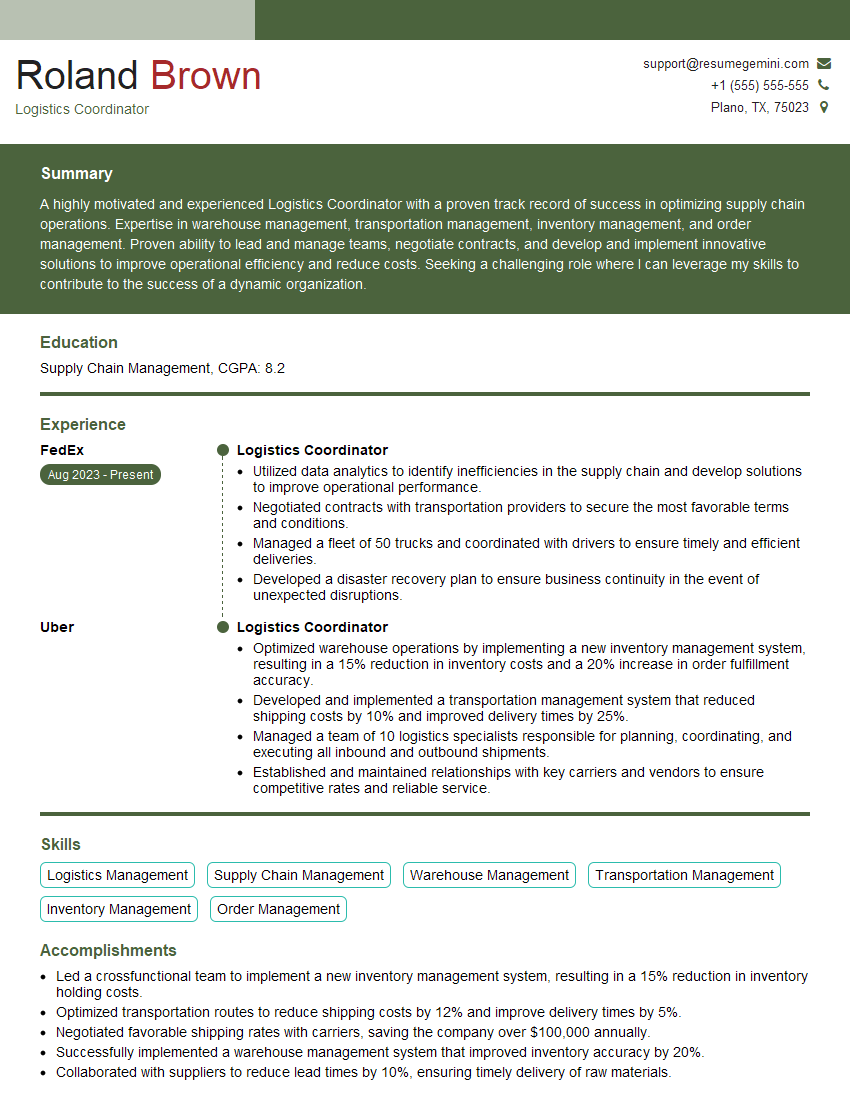
Logistics Coordinator Resume Sample
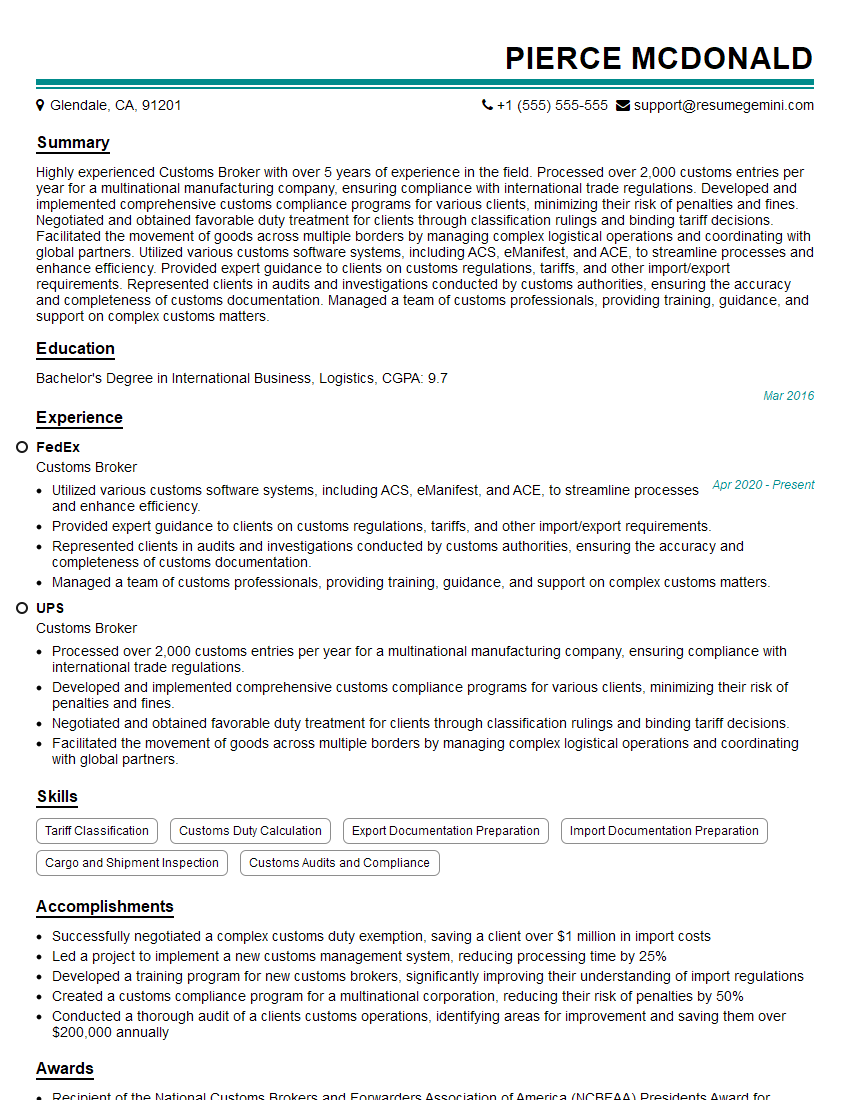
Customs Broker Resume Sample
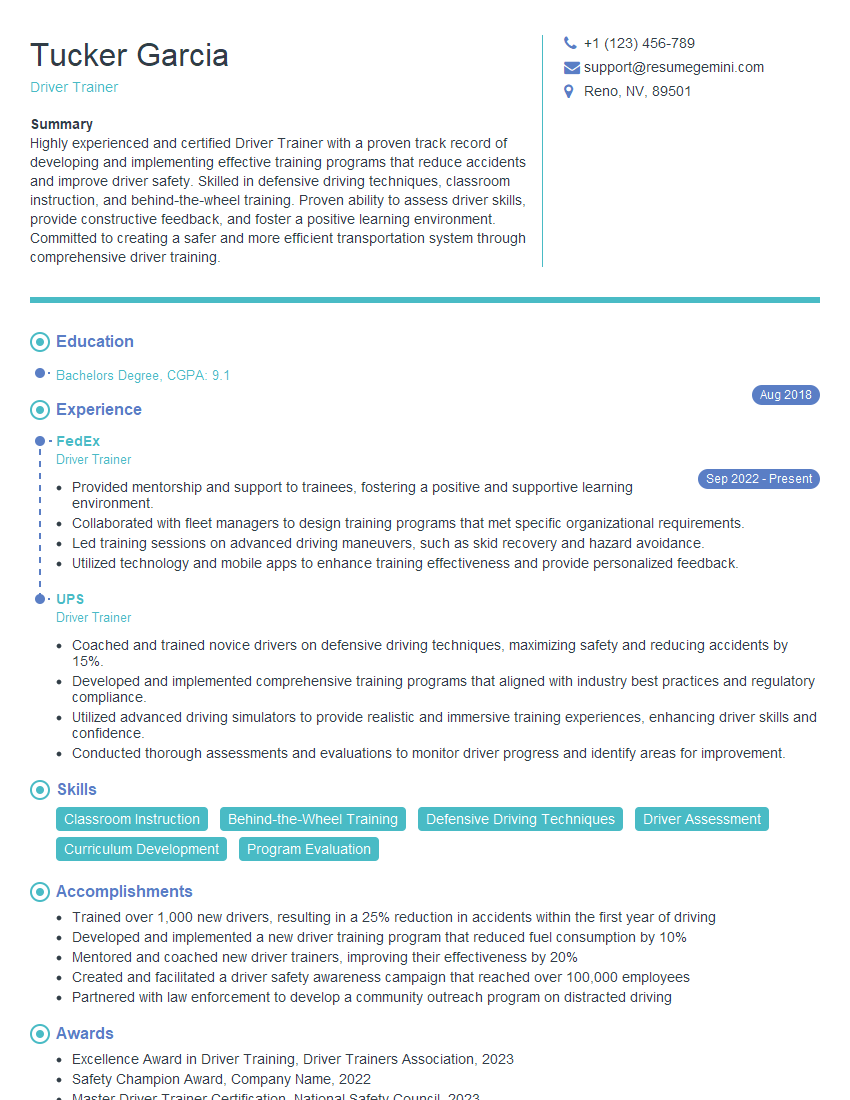
Driver Trainer Resume Sample
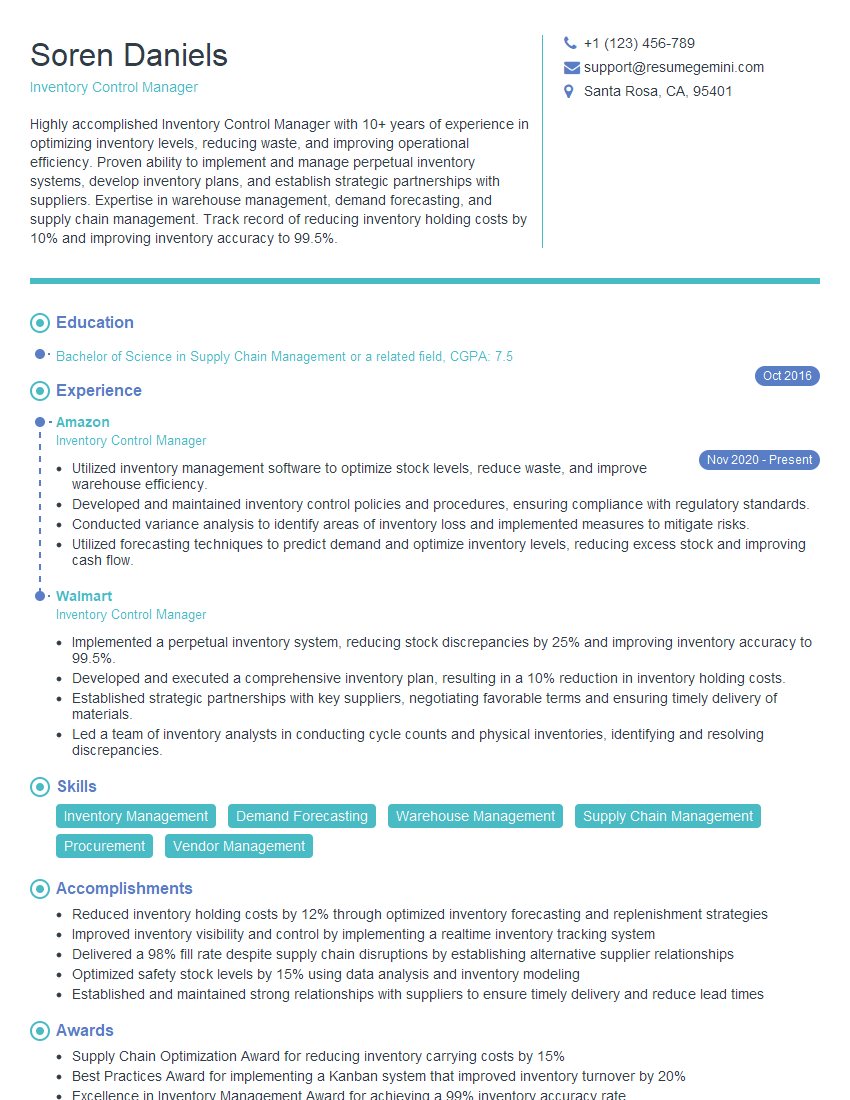
Inventory Control Manager Resume Sample
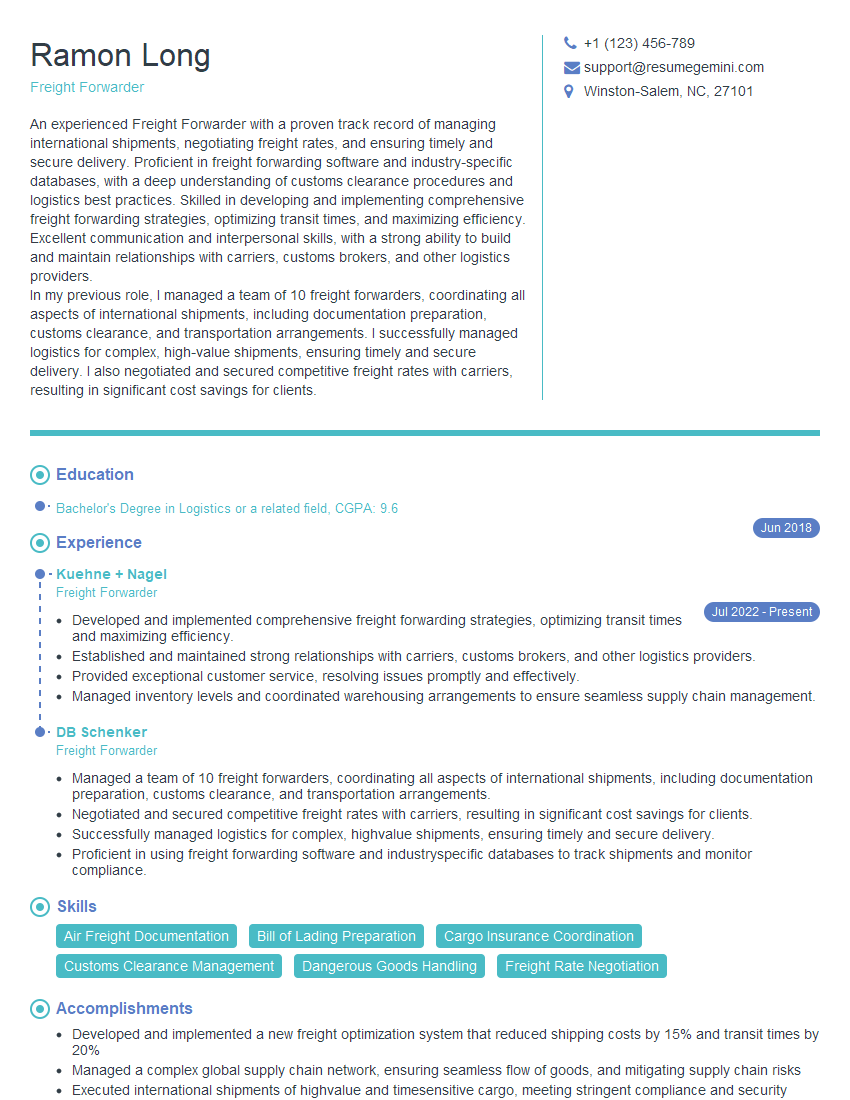
Freight Forwarder Resume Sample
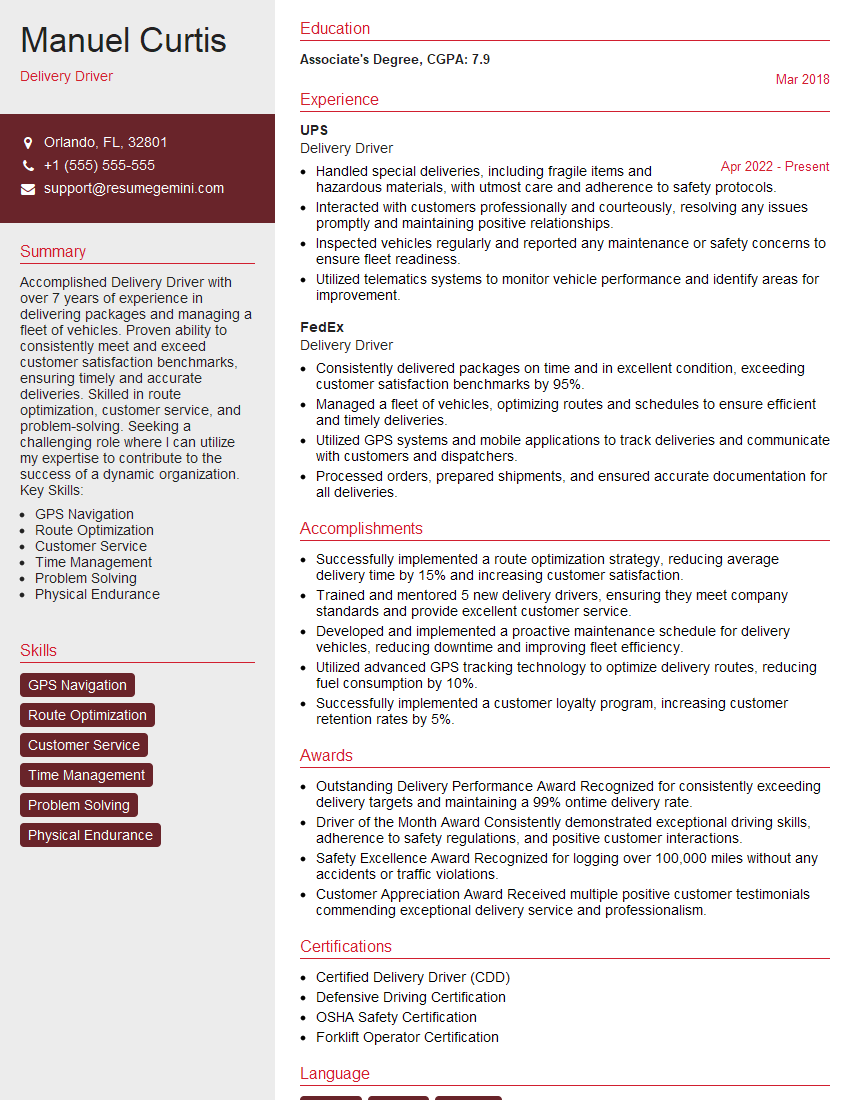
Delivery Driver Resume Sample
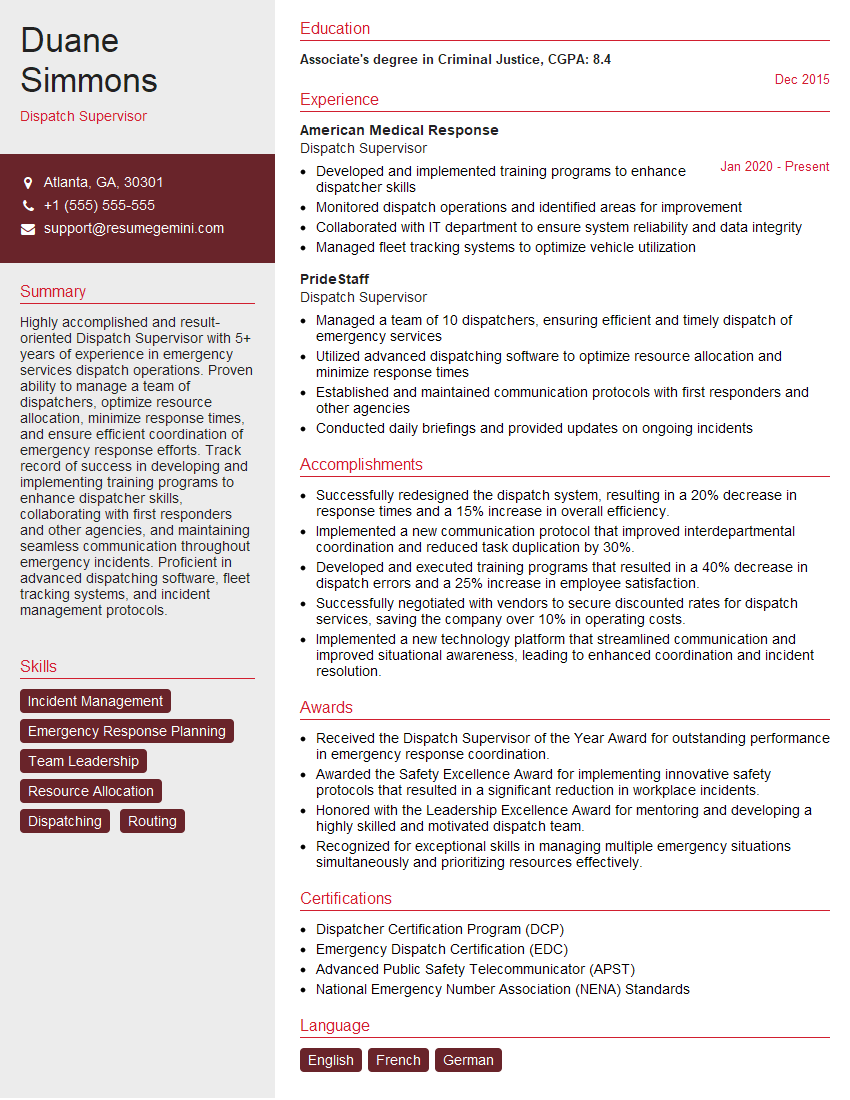
Dispatch Supervisor Resume Sample
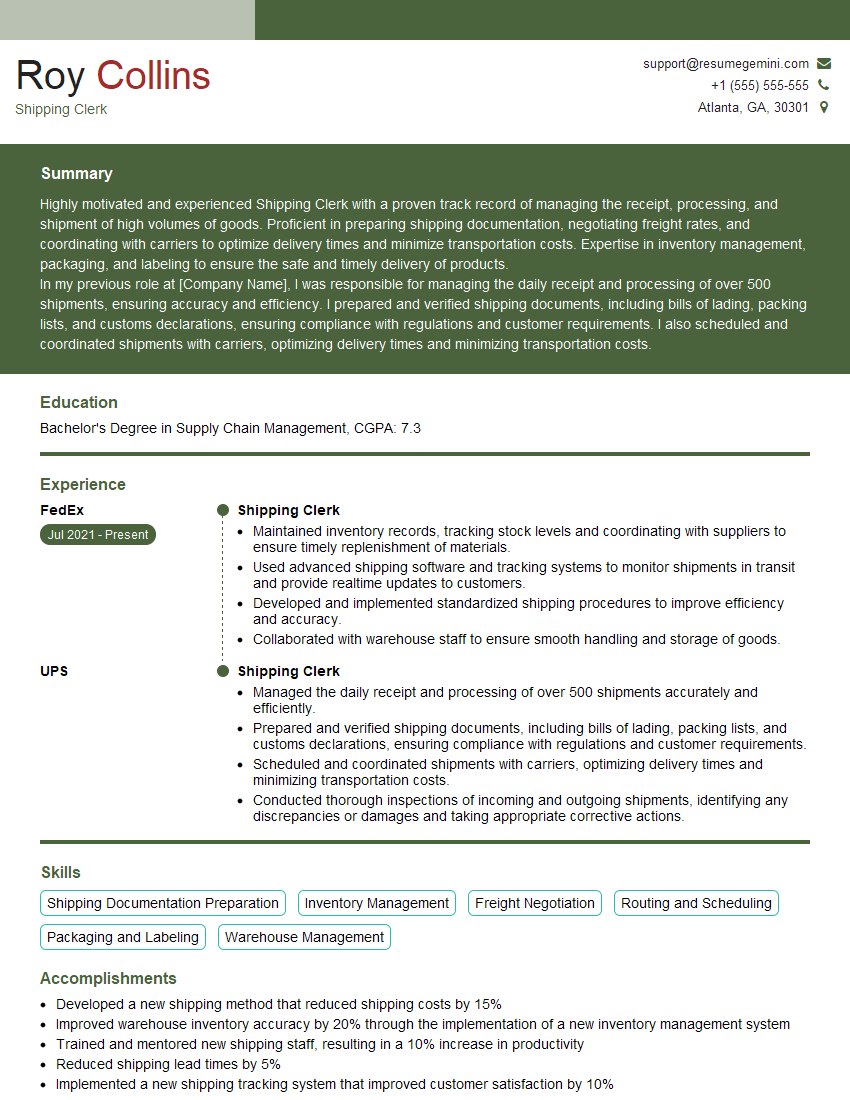
Shipping Clerk Resume Sample
Explore more articles
Users Rating of Our Blogs
Share Your Experience
We value your feedback! Please rate our content and share your thoughts (optional).
What Readers Say About Our Blog
Very informative content, great job.
good