Interviews are more than just a Q&A session—they’re a chance to prove your worth. This blog dives into essential Healthcare Infection Control and Prevention interview questions and expert tips to help you align your answers with what hiring managers are looking for. Start preparing to shine!
Questions Asked in Healthcare Infection Control and Prevention Interview
Q 1. Explain the chain of infection and how to break each link.
The chain of infection describes the six links necessary for an infection to occur: Infectious Agent, Reservoir, Portal of Exit, Mode of Transmission, Portal of Entry, and Susceptible Host. Breaking any one link prevents the infection.
- Infectious Agent: This is the pathogen (bacteria, virus, fungus, parasite). Control involves identifying and treating the infection with appropriate antibiotics or antivirals.
- Reservoir: Where the pathogen lives and multiplies (e.g., humans, animals, environment). Control focuses on proper hygiene, sanitation, and environmental cleaning.
- Portal of Exit: How the pathogen leaves the reservoir (e.g., coughing, sneezing, open wounds). Control includes respiratory hygiene (covering coughs and sneezes), proper wound care, and using personal protective equipment (PPE).
- Mode of Transmission: How the pathogen travels from reservoir to host (e.g., direct contact, droplet spread, airborne transmission, vectors). Control measures vary depending on the mode: hand hygiene, PPE, isolation precautions, and vector control.
- Portal of Entry: How the pathogen enters the susceptible host (e.g., mucous membranes, broken skin). Control involves maintaining skin integrity, avoiding invasive procedures when possible, and practicing aseptic technique.
- Susceptible Host: An individual at risk of infection due to weakened immunity or other factors. Control focuses on improving overall health through vaccinations, nutrition, and managing chronic conditions.
For example, during a surgical procedure, maintaining sterile technique breaks the chain by preventing contamination of the surgical site (Portal of Entry) and minimizing the introduction of infectious agents (Infectious Agent).
Q 2. Describe the standard precautions for infection control.
Standard Precautions are the foundation of infection prevention and control. They apply to all patients, regardless of their infection status, and aim to minimize the risk of transmission of both known and unknown infections.
- Hand Hygiene: Performing handwashing with soap and water or using an alcohol-based hand rub before and after patient contact, after contact with body fluids, and after touching contaminated surfaces.
- Use of PPE: Appropriate PPE such as gloves, gowns, masks, eye protection, and face shields are used when anticipated contact with blood, body fluids, mucous membranes, or non-intact skin is anticipated.
- Safe Injection Practices: Using sterile needles and syringes for each injection and disposing of sharps properly.
- Respiratory Hygiene/Cough Etiquette: Educating patients and staff on covering coughs and sneezes, and proper disposal of tissues.
- Environmental Cleaning and Disinfection: Regularly cleaning and disinfecting surfaces and equipment in patient care areas.
- Waste Disposal: Proper disposal of infectious waste in designated containers.
Think of Standard Precautions as a layered defense strategy, reducing the risk of transmission through multiple layers of protection.
Q 3. What are the differences between sterilization, disinfection, and sanitation?
These three terms represent different levels of microbial removal and inactivation.
- Sterilization: The complete elimination or destruction of all forms of microbial life, including spores. This is usually achieved through methods like steam sterilization (autoclaving), dry heat sterilization, or ethylene oxide gas sterilization. Sterilization is critical for items that come into contact with sterile tissues or the bloodstream, such as surgical instruments.
- Disinfection: The elimination of most microorganisms, excluding bacterial spores, from inanimate objects. This is typically achieved through the use of chemical disinfectants (e.g., bleach solutions, alcohol). Disinfection is used for surfaces and equipment that are not directly in contact with sterile tissues.
- Sanitation: The reduction of microbial load to a safe level through cleaning with soap and water. Sanitation is the first step in the cleaning process and often precedes disinfection or sterilization. Sanitation reduces the number of microorganisms, but doesn’t eliminate all of them.
Imagine cleaning your kitchen: sanitation would be washing dishes with soap and water, disinfection would be using bleach to wipe down counters, and sterilization would be using an autoclave to sterilize surgical instruments for a procedure.
Q 4. How do you conduct a root cause analysis for a healthcare-associated infection (HAI)?
A root cause analysis (RCA) is a systematic approach to identify the underlying causes of a healthcare-associated infection (HAI) to prevent future occurrences. It’s not about blaming individuals, but rather understanding the systems and processes that contributed to the event.
A typical RCA uses a structured methodology, such as the ‘Five Whys’ technique, which involves repeatedly asking ‘Why?’ to uncover the root causes. For example:
- HAI: A patient developed a catheter-associated urinary tract infection (CAUTI).
- Why? Inadequate hand hygiene by healthcare workers.
- Why? Insufficient training on hand hygiene protocols.
- Why? Lack of regular competency assessments for hand hygiene.
- Why? Inadequate infection control oversight and monitoring of staff practices.
By systematically investigating these layers, the root cause—inadequate oversight and monitoring—is revealed. This then informs interventions such as enhanced training programs, regular competency assessments, and improved supervision to prevent future CAUTIs.
Further, a well-conducted RCA will often involve a multidisciplinary team, including nurses, physicians, infection preventionists, and administrators to ensure a comprehensive investigation.
Q 5. Explain your experience with contact, droplet, and airborne precautions.
My experience encompasses the application of contact, droplet, and airborne precautions, crucial elements of infection control. These precautions are implemented based on the mode of transmission of the infectious agent.
- Contact Precautions: Used for infections spread by direct or indirect contact with the patient or their environment (e.g., MRSA, C. difficile). These involve using gloves and gowns, dedicated equipment, and careful environmental cleaning.
- Droplet Precautions: Used for infections spread by large respiratory droplets produced during coughing, sneezing, or talking (e.g., influenza, pertussis). These require the use of surgical masks and maintaining a distance of 3 feet from the patient.
- Airborne Precautions: Used for infections spread by small airborne particles that remain suspended in the air for extended periods (e.g., tuberculosis, measles). These require the use of N95 respirators, negative-pressure isolation rooms, and appropriate air handling systems.
I’ve been involved in numerous cases where implementing these precautions successfully prevented further spread of infection within healthcare facilities. For instance, during a C. difficile outbreak, the stringent application of contact precautions, including meticulous hand hygiene and environmental cleaning, significantly curtailed the spread to other patients.
Q 6. How do you monitor the effectiveness of infection control measures?
Monitoring the effectiveness of infection control measures is crucial. It involves a combination of quantitative and qualitative data collection and analysis.
- HAI surveillance: Tracking the incidence of HAIs, such as CAUTIs, CLABSIs (central line-associated bloodstream infections), and surgical site infections (SSIs). Trends in infection rates are analyzed to identify areas needing improvement.
- Environmental monitoring: Regularly testing environmental surfaces for the presence of pathogens, which can help identify potential sources of contamination and the effectiveness of cleaning and disinfection protocols.
- Compliance monitoring: Observing staff adherence to infection control practices, such as hand hygiene, PPE use, and aseptic technique. This can be done through direct observation, audits, and staff surveys.
- Performance indicators: Using key performance indicators (KPIs) to measure the effectiveness of interventions. For example, tracking the percentage of hand hygiene compliance or the rate of adherence to isolation precautions.
Data obtained from this monitoring informs evidence-based changes and improvements in infection control protocols, contributing to a safer healthcare environment.
Q 7. Describe your experience with surveillance and outbreak investigation.
Surveillance and outbreak investigation are critical roles in infection prevention and control. Surveillance involves the ongoing systematic collection, analysis, and interpretation of data related to infections. Outbreak investigation involves a more focused and rapid response to a suspected or confirmed increase in the incidence of a particular infection.
In my experience, I’ve participated in numerous surveillance activities, including monitoring HAI rates, analyzing trends, and identifying risk factors. I’ve also been involved in several outbreak investigations, using epidemiological principles to identify the source of the outbreak, the mode of transmission, and the affected population. This typically involves:
- Defining the outbreak: Identifying the increase in cases and defining the time, place, and person characteristics.
- Developing a hypothesis: Formulating a theory about the potential cause and mode of transmission based on the available data.
- Collecting data: Gathering information on patient demographics, clinical symptoms, exposure history, and environmental factors.
- Implementing control measures: Putting into place control measures based on the hypothesis to prevent further spread.
- Evaluating the effectiveness: Assessing the success of the implemented control measures and adapting strategies as necessary.
A recent example involves a norovirus outbreak in a long-term care facility. Through meticulous contact tracing, environmental sampling, and implementation of enhanced cleaning and infection control protocols, we were able to successfully contain the outbreak and prevent further spread.
Q 8. What are the key performance indicators (KPIs) you would monitor for infection control?
Key Performance Indicators (KPIs) in infection control are crucial for tracking progress and identifying areas for improvement. They provide a quantifiable measure of infection prevention efforts. We monitor a range of indicators, categorized for clarity:
- HAI Rates: This is paramount. We track the incidence of healthcare-associated infections (HAIs) per 1,000 patient days for specific infections like Clostridium difficile (C. diff), Methicillin-resistant Staphylococcus aureus (MRSA), and central line-associated bloodstream infections (CLABSIs). A decrease in these rates signifies successful infection control strategies. For example, a reduction in CLABSIs might indicate the effectiveness of a new hand hygiene protocol.
- Compliance Rates: We meticulously monitor adherence to infection control protocols. This includes hand hygiene compliance (measured through direct observation or electronic monitoring), proper personal protective equipment (PPE) usage, and adherence to sterilization and disinfection procedures. Low compliance rates point to areas needing reinforcement through retraining or improved processes.
- Environmental Surveillance: Regular environmental cultures of high-touch surfaces identify potential reservoirs of infection. A decrease in the detection of resistant organisms on surfaces like doorknobs or bed rails is a positive indicator of effective cleaning and disinfection.
- Antimicrobial Stewardship Indicators: This includes tracking antibiotic usage rates, the proportion of antibiotics prescribed appropriately, and the emergence of antibiotic resistance. We aim to minimize antibiotic use while ensuring effective treatment of infections.
- Employee Training and Education: The effectiveness of training programs is tracked by assessing knowledge retention and skill demonstration through quizzes, simulations, and observations. Increased knowledge scores and consistent safe practice indicate successful training.
By analyzing these KPIs, we can pinpoint weaknesses in our infection control program, adapt strategies, and ultimately improve patient safety.
Q 9. How do you educate healthcare workers on infection control practices?
Educating healthcare workers is a continuous and multifaceted process. We use a blended learning approach combining different methods to ensure optimal knowledge retention and skill development:
- Initial Training: All new staff receive comprehensive training on infection control principles, covering hand hygiene, PPE use, sterilization techniques, and isolation precautions. This often includes interactive modules, videos, and simulations.
- Regular In-service Education: We conduct regular in-services focusing on specific topics, like updates on antibiotic resistance or new infection prevention technologies. We utilize case studies, interactive discussions, and skills demonstrations to engage staff.
- Mandatory Competency Assessments: Regular assessments, including written tests and practical demonstrations, ensure that staff maintain proficiency in infection control practices. We provide remedial training for those who don’t meet the required standards.
- Online Learning Platforms: We leverage online learning modules and resources for convenient access to information and refresher courses. These platforms allow for tracking of completion rates and knowledge scores.
- Feedback Mechanisms: We encourage staff to report near misses or incidents related to infection control. This provides valuable insights for improvement and highlights areas requiring additional training or reinforcement.
- Role-Modeling and Mentoring: Senior staff serve as role models, demonstrating proper techniques and answering questions. Mentorship programs help new staff build confidence and expertise in infection control practices.
Continuous feedback, reinforcement, and adaptation are key to successful training. We regularly review our training programs to ensure they are relevant, engaging, and effective.
Q 10. What is your experience with antimicrobial stewardship programs?
Antimicrobial stewardship programs (ASPs) are vital for combating antibiotic resistance. My experience includes developing and implementing ASPs across various healthcare settings. This involves:
- Formulating Guidelines: Collaborating with physicians and other healthcare professionals to develop evidence-based guidelines for appropriate antibiotic use, including indication, dosage, duration, and route of administration.
- Preauthorization Protocols: Implementing preauthorization protocols for certain antibiotics to ensure that their use is justified and appropriate.
- Education and Training: Educating healthcare professionals about appropriate antibiotic use, resistance mechanisms, and alternative treatment strategies. This includes interactive sessions, case studies and regular updates on best practices.
- Surveillance and Monitoring: Monitoring antibiotic usage patterns, identifying overuse or inappropriate use, and providing feedback to prescribers to encourage improvements. This often involves tracking data through electronic health records.
- Debriefing of Cases: Conducting regular reviews of antibiotic usage in individual patient cases to evaluate appropriateness and assess opportunities for improved care.
- Data Analysis and Reporting: Analyzing data on antibiotic utilization, resistance rates, and other relevant metrics to identify trends and track the program’s effectiveness.
Successful ASPs require a multidisciplinary team effort, strong leadership, and a commitment to data-driven decision-making. Through effective ASP implementation, we’ve seen significant reductions in antibiotic usage, improved patient outcomes, and decreased rates of antibiotic resistance.
Q 11. Explain your knowledge of various types of healthcare-associated infections (HAIs).
Healthcare-associated infections (HAIs) are infections acquired during the process of receiving healthcare. They can range from relatively minor to life-threatening. Here are some examples:
- Central Line-Associated Bloodstream Infections (CLABSIs): Infections associated with intravenous catheters inserted into large veins.
- Catheter-Associated Urinary Tract Infections (CAUTIs): Infections related to urinary catheters.
- Surgical Site Infections (SSIs): Infections occurring at the site of a surgical procedure.
- Clostridium difficile (C. diff) Infection: A bacterial infection often associated with antibiotic use, causing diarrhea and colitis.
- Methicillin-resistant Staphylococcus aureus (MRSA) Infection: A bacterial infection resistant to many common antibiotics.
- Ventilator-Associated Pneumonia (VAP): Pneumonia acquired by patients who are mechanically ventilated.
The severity of HAIs varies depending on the pathogen, the patient’s underlying health conditions, and the site of infection. Effective infection control practices are critical to minimizing the risk of HAIs and improving patient safety.
Q 12. How familiar are you with the CDC guidelines for infection prevention and control?
I am extremely familiar with the Centers for Disease Control and Prevention (CDC) guidelines for infection prevention and control. These guidelines are the gold standard in the field, and we use them as the foundation for our infection control program. My knowledge encompasses:
- Standard Precautions: Applying these basic precautions to all patients, regardless of their infection status.
- Transmission-Based Precautions: Implementing appropriate precautions based on the mode of transmission of specific pathogens, including contact, droplet, and airborne precautions.
- Guidelines for specific HAIs: Utilizing CDC recommendations for the prevention and management of specific HAIs, such as CLABSIs, CAUTIs, SSIs, and VAP.
- Antimicrobial Stewardship: Following CDC guidelines to optimize the use of antimicrobials and combat antibiotic resistance.
- Environmental Infection Control: Implementing CDC recommendations for cleaning, disinfection, and sterilization of medical equipment and environmental surfaces.
- Surveillance and Outbreak Management: Utilizing CDC guidelines for surveillance, detection, and response to healthcare-associated infection outbreaks.
Staying abreast of updates and revisions to the CDC guidelines is an ongoing process, essential to maintaining the highest standards of infection control.
Q 13. Describe your experience with implementing new infection control technologies or strategies.
I have extensive experience implementing new infection control technologies and strategies, including:
- Implementing Electronic Health Records (EHR) Integration: Integrating infection control data directly into the EHR system to streamline surveillance, reporting, and communication.
- Introducing Smart-Technology Devices: Utilizing smart-technology devices for real-time hand hygiene compliance monitoring and automated disinfection systems.
- Implementing Rapid Diagnostic Testing: Implementing rapid diagnostic testing to allow for quicker identification of pathogens, leading to timely isolation and treatment.
- Enhancing Environmental Cleaning Protocols: Introducing new cleaning and disinfection protocols based on evidence-based practices and advanced technologies.
- Developing New Training Programs: Designing and implementing new training programs utilizing innovative technologies such as simulations, interactive modules and virtual reality to enhance knowledge retention and skill development.
The successful implementation of any new technology requires careful planning, staff training, and ongoing evaluation to ensure its effectiveness and integration within existing workflows.
Q 14. How do you manage resistant organisms like MRSA and C. difficile?
Managing resistant organisms like MRSA and C. difficile requires a multi-pronged approach emphasizing both prevention and treatment:
- Contact Precautions: Implementing strict contact precautions for patients colonized or infected with MRSA or C. difficile, including hand hygiene, use of gloves and gowns, and dedicated equipment.
- Environmental Cleaning and Disinfection: Employing rigorous cleaning and disinfection protocols targeting high-touch surfaces to reduce environmental contamination. This may involve specialized disinfectants for C. difficile spores.
- Active Surveillance Cultures: Implementing active surveillance cultures in high-risk populations to identify colonized individuals and implement appropriate interventions.
- Appropriate Antibiotic Use: Using antibiotics judiciously only when absolutely necessary and based on culture and sensitivity testing. This is a critical aspect of antimicrobial stewardship.
- Decolonization Strategies: Employing decolonization strategies such as nasal mupirocin for MRSA in specific situations and under strict guidance.
- Infection Prevention Education: Providing ongoing education and training to healthcare workers on proper infection control techniques to minimize the spread of these organisms.
Managing these resistant organisms is a complex challenge requiring a comprehensive and ongoing commitment to infection prevention and control best practices.
Q 15. What are the key elements of a comprehensive infection prevention and control program?
A comprehensive infection prevention and control (IPC) program is the backbone of any healthcare setting, aiming to minimize the risk of healthcare-associated infections (HAIs). It’s not just about cleaning; it’s a multifaceted approach encompassing several key elements:
- Surveillance: Continuously monitoring infection rates to identify trends and potential outbreaks. This involves tracking specific infections like Clostridium difficile (C. diff) or methicillin-resistant Staphylococcus aureus (MRSA) and analyzing data to pinpoint problem areas.
- Hand Hygiene: Implementing and enforcing strict hand hygiene protocols, including the use of alcohol-based hand rubs and proper handwashing techniques. This is arguably the single most important element in preventing the spread of infection.
- Environmental Cleaning and Disinfection: Establishing robust cleaning and disinfection procedures for all surfaces, equipment, and the environment. This includes using appropriate disinfectants and ensuring proper cleaning techniques are followed.
- Standard Precautions: Adhering to standard precautions, such as using personal protective equipment (PPE) like gloves, gowns, and masks, regardless of the patient’s diagnosis. This protects both healthcare workers and patients.
- Transmission-Based Precautions: Implementing additional precautions for patients with known or suspected infections that spread through airborne, droplet, or contact routes. This may involve isolation rooms and specialized PPE.
- Vaccination and Immunization: Promoting and providing appropriate vaccinations to both healthcare workers and patients to prevent vaccine-preventable diseases.
- Education and Training: Regular training and education for all staff on IPC principles and procedures. This ensures everyone understands their role in infection prevention.
- Policy and Procedure Development: Creating and regularly updating clear, concise, and evidence-based policies and procedures for all aspects of IPC. This provides a framework for consistent practice.
- Performance Improvement: Using data from surveillance to identify areas for improvement and implementing strategies to address these weaknesses. Continuous quality improvement is essential.
For example, in one hospital where I worked, we implemented a new hand hygiene program focusing on visual reminders and staff education. This resulted in a significant reduction in the rate of HAIs within six months. It demonstrates the importance of a holistic and data-driven approach.
Career Expert Tips:
- Ace those interviews! Prepare effectively by reviewing the Top 50 Most Common Interview Questions on ResumeGemini.
- Navigate your job search with confidence! Explore a wide range of Career Tips on ResumeGemini. Learn about common challenges and recommendations to overcome them.
- Craft the perfect resume! Master the Art of Resume Writing with ResumeGemini’s guide. Showcase your unique qualifications and achievements effectively.
- Don’t miss out on holiday savings! Build your dream resume with ResumeGemini’s ATS optimized templates.
Q 16. Explain your understanding of hand hygiene practices and compliance monitoring.
Hand hygiene is the cornerstone of infection prevention. It involves the removal of transient microorganisms from the hands using either soap and water or an alcohol-based hand rub (ABHR). Compliance monitoring is crucial to ensure effectiveness.
My understanding encompasses:
- Techniques: Proper handwashing techniques include washing for at least 20 seconds, covering all surfaces of the hands, and drying thoroughly. ABHR use involves applying enough product to cover all surfaces and rubbing until dry.
- Product Selection: Choosing effective and appropriate hand hygiene products based on factors such as the type of microorganisms, the setting, and the skin condition of healthcare workers.
- Compliance Monitoring: This can involve direct observation, where trained staff observe hand hygiene practices; indirect observation methods such as using alcohol-based hand rub dispensers that track usage; and reviewing infection rates as an indicator of the effectiveness of hand hygiene practices.
- Feedback and Education: Providing regular feedback to staff on their hand hygiene performance and providing additional education and training to address any gaps in knowledge or practice.
In a previous role, I implemented a multifaceted compliance monitoring program using direct observation, automated dispensers, and infection rate tracking. By analyzing this data, we could pinpoint areas needing improvement, like introducing more hand sanitizer stations in high-traffic areas or providing refresher training on proper technique. This led to a noticeable increase in compliance and a consequent decrease in HAIs.
Q 17. How do you ensure compliance with infection control policies and procedures?
Ensuring compliance with IPC policies and procedures requires a multi-pronged strategy focusing on education, monitoring, and accountability.
- Education and Training: Providing comprehensive training to all staff on the policies and procedures. This includes regular refresher courses and updates on best practices.
- Policy and Procedure Accessibility: Making policies and procedures readily available and easily accessible to all staff, using both hard copies and electronic formats.
- Monitoring and Auditing: Regularly auditing compliance using direct observation, chart review, and environmental sampling. This helps to identify areas needing improvement.
- Feedback and Reinforcement: Providing regular feedback to staff on their compliance and reinforcing positive behaviors through recognition and rewards.
- Accountability Mechanisms: Establishing clear accountability mechanisms for non-compliance, which could include disciplinary measures, as appropriate. However, the focus should always be on improvement and education.
- Regular Review and Updates: Regularly reviewing and updating policies and procedures to ensure they reflect current best practices and evidence-based guidelines.
For instance, I’ve used competency assessments to measure individual staff understanding and skills in IPC procedures. Combining this with regular audits of patient charts for appropriate documentation of infection control measures allowed us to target training and improve adherence significantly.
Q 18. Describe your experience with environmental cleaning and disinfection protocols.
Environmental cleaning and disinfection protocols are crucial for preventing the spread of infections. These involve a systematic approach to cleaning and disinfecting all surfaces, equipment, and the environment.
My experience includes:
- Cleaning Procedures: Developing and implementing standardized cleaning procedures, specifying the type of cleaning agents, techniques, and frequency of cleaning for various areas and surfaces. This might include protocols for specific areas like operating rooms or isolation rooms, requiring more stringent cleaning and disinfection practices.
- Disinfection Methods: Selecting appropriate disinfectants based on the types of microorganisms to be eliminated and considering factors such as the surface material, contact time, and safety. High-level disinfection or sterilization may be necessary for certain medical equipment.
- Equipment Maintenance: Ensuring that cleaning and disinfection equipment is properly maintained and calibrated, as well as ensuring proper disposal of contaminated waste.
- Monitoring and Evaluation: Monitoring the effectiveness of cleaning and disinfection protocols through environmental sampling and audits to detect any contamination.
- Staff Training: Providing thorough training to cleaning staff on proper cleaning techniques, the use of disinfectants, and the safe handling of cleaning equipment and waste.
In one facility, I oversaw the implementation of a new environmental cleaning protocol that incorporated a more effective disinfectant and revised cleaning procedures. This resulted in a significant reduction in environmental contamination and a corresponding decrease in HAIs, particularly related to contact-borne pathogens.
Q 19. How do you handle a suspected outbreak of a contagious disease?
Responding to a suspected outbreak requires a swift, organized, and evidence-based approach.
- Immediate Action: Isolate the suspected cases and implement appropriate transmission-based precautions based on the suspected pathogen. This might involve cohorting patients or placing patients in isolation rooms.
- Investigation: Conduct a thorough epidemiological investigation to identify the source of the outbreak, the mode of transmission, and the susceptible population. This involves reviewing medical records, interviewing patients and healthcare personnel, and reviewing environmental samples.
- Notification: Notify appropriate authorities, including public health officials, as required by law and regulations. Transparency and communication are key to controlling outbreaks effectively.
- Control Measures: Implement control measures based on the findings of the investigation. This may include enhanced cleaning and disinfection, staff education, changes in clinical practice, or the introduction of new infection prevention strategies.
- Monitoring: Closely monitor the situation to assess the effectiveness of implemented control measures and to detect any further cases.
- Documentation: Meticulously document all aspects of the outbreak, including the investigation, implemented measures, and the outcome. This data can be valuable for future prevention efforts.
For example, during a suspected outbreak of norovirus, I led an investigation that identified contaminated food as the source. By implementing strict hand hygiene and cleaning protocols, we were able to contain the outbreak promptly and prevent further spread. The experience highlighted the critical role of rapid response and comprehensive investigation.
Q 20. What are the legal and ethical considerations in infection control?
Infection control practices have significant legal and ethical implications.
- Legal Considerations: Healthcare facilities have a legal obligation to provide a safe environment for patients and staff. Failure to adhere to infection control standards can lead to legal liability, including negligence lawsuits if patients acquire HAIs due to inadequate infection control practices. Compliance with regulations and guidelines set by bodies like the CDC and WHO is mandatory.
- Ethical Considerations: Infection control practices are guided by ethical principles such as beneficence (doing good), non-maleficence (avoiding harm), justice (fairness), and respect for autonomy (patient’s right to make informed decisions). Balancing the need for infection control with patient rights and privacy is crucial. For example, while isolation is necessary for certain infections, it should be implemented with sensitivity, considering the patient’s psychological wellbeing.
- Patient Confidentiality: Maintaining patient confidentiality is paramount. Information about infections should be handled according to privacy regulations and only shared with relevant individuals involved in managing the outbreak or providing care.
- Disclosure of Risk: Healthcare facilities have an ethical obligation to disclose potential risks of infection to patients, but this disclosure must be clear and concise without causing unnecessary anxiety. It is vital to accurately inform patients about any infection risk while providing necessary support.
For example, a hospital’s failure to properly implement hand hygiene protocols leading to a patient developing a serious HAI could expose the facility to significant legal action. This underscores the necessity of maintaining strict adherence to legal and ethical standards in all infection control practices.
Q 21. How do you collaborate with other departments to improve infection control?
Collaboration is essential for effective infection control. It’s not a standalone department function; it requires interprofessional teamwork.
- Nursing Staff: Working closely with nursing staff to ensure proper hand hygiene, the use of PPE, and adherence to transmission-based precautions. Regular feedback and education are critical.
- Environmental Services: Collaborating with environmental services to develop and implement effective cleaning and disinfection protocols, ensuring that appropriate products and techniques are used.
- Medical Staff: Working with physicians and other medical staff to identify and manage patients at risk for infection, appropriately prescribing antibiotics, and implementing infection control measures for procedures.
- Laboratory Staff: Collaborating with laboratory staff to ensure timely processing of samples and to receive accurate and timely infection surveillance data. This facilitates quick identification of trends and outbreaks.
- Administration: Working with hospital administration to secure resources for infection control programs, advocate for policy changes, and support staff training initiatives. Their involvement ensures necessary budget allocation and policy implementation.
- Public Health: Maintaining strong communication channels with public health authorities to report outbreaks, stay informed about emerging infectious diseases, and access up-to-date guidelines and best practices.
In my experience, multidisciplinary rounds and regular meetings with key stakeholders proved invaluable in identifying and addressing infection control challenges. For instance, collaboration with nursing staff led to the creation of a new checklist to ensure consistent adherence to hand hygiene protocols, directly impacting infection rates. Such collaborations are essential for continuous improvement.
Q 22. How do you interpret and apply infection control data?
Interpreting infection control data involves more than just looking at numbers; it’s about understanding the story they tell. We analyze data from various sources – surveillance reports tracking healthcare-associated infections (HAIs), antibiotic resistance patterns, environmental cultures, and hand hygiene compliance audits. This data is often presented in tables, charts, and graphs showing infection rates, trends over time, and potential contributing factors.
For example, a sudden spike in Clostridium difficile infections might point to a problem with environmental cleaning protocols. A rise in catheter-related bloodstream infections could indicate a need for improved insertion techniques or catheter care. We use statistical methods to identify statistically significant trends and to determine if observed increases are truly due to a problem in the system or merely due to random variation.
Applying this data involves using these insights to implement targeted interventions. If hand hygiene compliance is low, we might introduce additional training, improve access to hand hygiene products, or implement a more robust monitoring system. If environmental contamination is the culprit, enhanced cleaning procedures or stricter isolation protocols may be required. We always evaluate the effectiveness of our interventions by tracking changes in infection rates post-intervention.
Q 23. Describe your experience with using electronic health records (EHRs) for infection control surveillance.
Electronic Health Records (EHRs) are invaluable tools for infection control surveillance. They provide a centralized repository of patient data, allowing for efficient tracking of infections and identification of risk factors. I’ve used EHRs to identify patients with HAIs, to track the use of antibiotics, and to pinpoint potential outbreaks. For instance, we can use EHR data to query all patients admitted to a specific unit within a certain timeframe to quickly assess whether a potential outbreak is occurring.
Specific functionalities in EHRs that I find helpful include automated alerts for patients meeting pre-defined criteria for infection risk (e.g., those with implanted devices or immunocompromised status). This allows for proactive interventions. EHRs also facilitate the rapid extraction of data for reports to regulatory agencies and for internal quality improvement projects. However, challenges include the need for consistent data entry, which requires ongoing education and monitoring. Data cleaning and standardization are also necessary to ensure the integrity of any analysis.
Q 24. How do you manage and dispose of infectious waste safely?
Safe management and disposal of infectious waste is paramount to preventing the spread of infection. This involves a multi-step process adhering strictly to local, state, and federal regulations. Infectious waste is categorized according to its risk level, and different handling protocols apply based on this classification. For example, sharps (needles, syringes) require specific containers for puncture-resistant disposal, while other regulated medical waste (e.g., cultures, body fluids) needs to be placed in appropriately labeled bags or containers.
The process typically involves segregation at the point of generation, using clearly marked containers and color-coded bags to differentiate between waste types. Proper packaging ensures containment during transport and prevents spills or leaks. We utilize approved waste disposal contractors who are trained to handle infectious waste safely and in accordance with all regulatory requirements. Regular training for healthcare personnel on proper waste segregation, handling, and disposal procedures is essential to maintain a safe and compliant system. Documentation and record-keeping are critical to ensure traceability and accountability.
Q 25. What are your strategies for promoting a culture of safety related to infection control?
Promoting a culture of safety related to infection control is not a top-down mandate; it’s a continuous process that requires engagement from everyone in the healthcare setting. My strategies involve several key components:
- Education and Training: Regular, interactive training sessions covering infection control basics, updated guidelines, and best practices. We use various methods, including simulations, case studies, and interactive quizzes, to maintain staff engagement.
- Open Communication: Creating a blame-free environment where staff feel comfortable reporting near misses, incidents, or concerns without fear of retribution. This fosters a culture of transparency and learning from mistakes.
- Empowerment and Ownership: Encouraging staff to actively participate in infection control initiatives, including audits, data collection, and the implementation of new protocols. When staff feel ownership, they’re more likely to actively engage in preventative measures.
- Recognition and Rewards: Recognizing and rewarding teams or individuals who consistently demonstrate exemplary infection control practices. This positive reinforcement incentivizes the adoption of safe behaviors.
- Leadership Commitment: Visible support from senior management and leadership is crucial to demonstrate the organization’s commitment to infection control and patient safety.
For example, at one facility I introduced a peer-to-peer hand hygiene observation program where staff members observe and provide positive feedback to colleagues, promoting a supportive and collaborative environment.
Q 26. How do you stay current with the latest developments in infection prevention and control?
Staying current with the latest developments in infection prevention and control is crucial given the constantly evolving nature of pathogens and antibiotic resistance. I achieve this through a multi-pronged approach:
- Professional Organizations: Active membership in organizations like the Association for Professionals in Infection Control and Epidemiology (APIC) provides access to cutting-edge research, guidelines, and networking opportunities.
- Conferences and Workshops: Attending national and international conferences allows me to learn from experts, hear about new research findings, and interact with peers.
- Peer-Reviewed Journals: Regularly reviewing peer-reviewed journals like the Infection Control & Hospital Epidemiology journal keeps me abreast of the latest evidence-based practices.
- Online Resources: Utilizing reputable online resources such as the CDC website and other public health agencies provides access to updated guidelines, data, and alerts on emerging threats.
- Continuing Education: Engaging in continuing education courses and earning certifications (e.g., CIC) demonstrate ongoing commitment to professional development and keeps my knowledge and skills current.
Q 27. Describe a time you had to make a difficult decision regarding infection control.
One challenging situation involved a suspected outbreak of multi-drug resistant Pseudomonas aeruginosa on a cardiac surgery unit. We had to make a rapid decision balancing the need for prompt action to contain the outbreak with the potential disruption to patient care. Initial data suggested a potential link to a specific type of surgical instrument. The choices were to immediately halt all surgeries using that instrument, potentially delaying critical procedures, or to continue surgeries while investigating the link, risking a wider spread of the infection.
After careful deliberation, including input from infectious disease specialists, infection control experts, and surgical leadership, we opted for a phased approach. We immediately intensified environmental cleaning and disinfection protocols, implemented strict contact precautions, and initiated a full investigation into the potential link between the instrument and the outbreak. Simultaneously, we prioritized urgent surgeries while suspending elective cases using the implicated instrument. This layered approach allowed us to minimize disruption to critical care while mitigating the risk of further spread. The subsequent investigation confirmed a link to the instrument, and we were able to implement more effective sterilization procedures, ultimately controlling the outbreak. This experience highlighted the importance of rapid risk assessment, effective communication, and decisive yet carefully planned action in infection control management.
Key Topics to Learn for Healthcare Infection Control and Prevention Interview
- Infection Prevention and Control Principles: Understanding the chain of infection, modes of transmission (contact, droplet, airborne), and the application of standard precautions, transmission-based precautions, and personal protective equipment (PPE).
- Surveillance and Outbreak Management: Practical application of infection surveillance methods, data analysis for identifying trends, and the implementation of outbreak investigation protocols. This includes knowledge of relevant reporting procedures.
- Antimicrobial Stewardship: Understanding the principles of antimicrobial stewardship, including appropriate antibiotic selection and duration, and the role of infection preventionists in promoting responsible antibiotic use to combat antimicrobial resistance.
- Environmental Cleaning and Disinfection: Knowledge of appropriate cleaning and disinfection techniques for various surfaces and equipment, including high-level disinfection and sterilization procedures. Practical application in various healthcare settings.
- Healthcare-Associated Infections (HAIs): In-depth understanding of common HAIs (e.g., CAUTI, CLABSI, VAP), their risk factors, prevention strategies, and the methods used to reduce their incidence.
- Hand Hygiene: The importance of proper hand hygiene techniques, different hand hygiene products, and the role of hand hygiene compliance programs in reducing healthcare-associated infections. Ability to assess and improve hand hygiene practices.
- Sterilization and Disinfection Methods: Detailed knowledge of various sterilization and disinfection methods (autoclaving, chemical sterilization, etc.), their applications, and monitoring techniques to ensure effectiveness.
- Policy and Procedure Development: Understanding the process of developing, implementing, and evaluating infection prevention and control policies and procedures within a healthcare setting. This includes regulatory compliance.
- Risk Assessment and Mitigation: Ability to perform risk assessments to identify potential infection risks, implement appropriate mitigation strategies, and evaluate their effectiveness.
- Communication and Collaboration: Effective communication skills to interact with healthcare professionals at all levels, educate staff on infection prevention and control practices, and collaborate effectively with multidisciplinary teams.
Next Steps
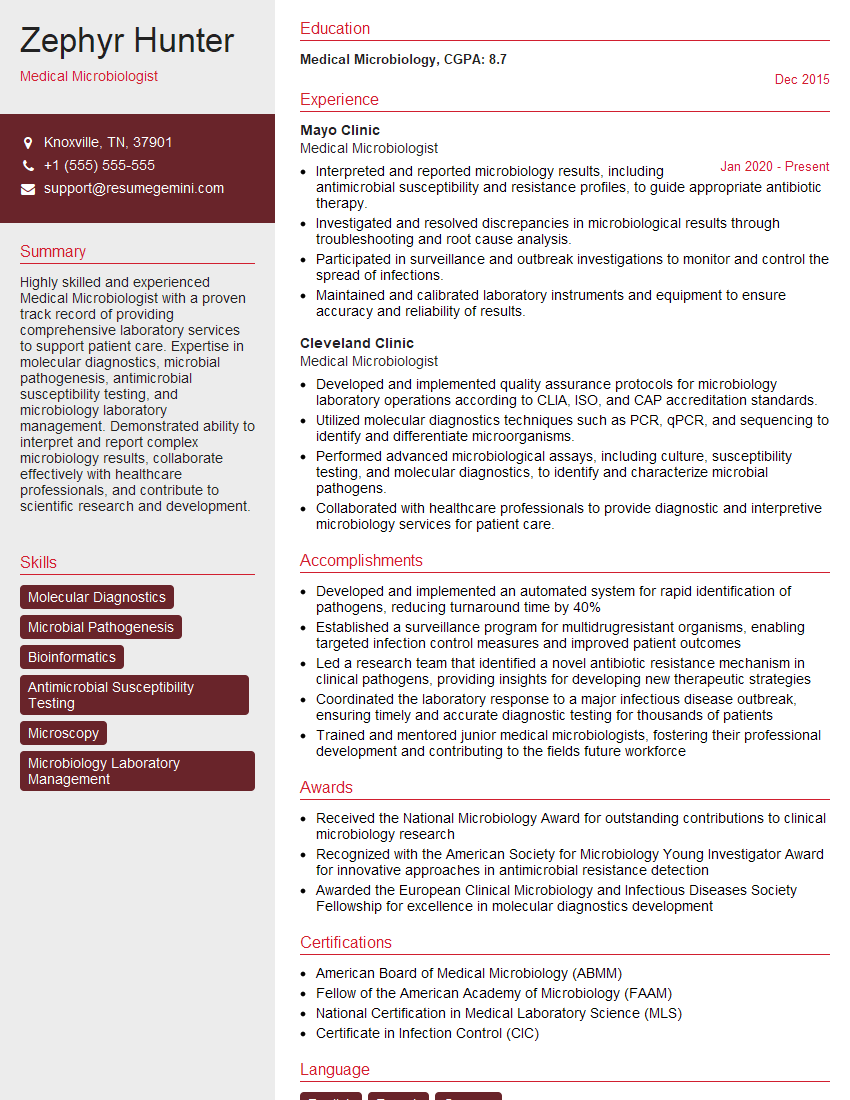
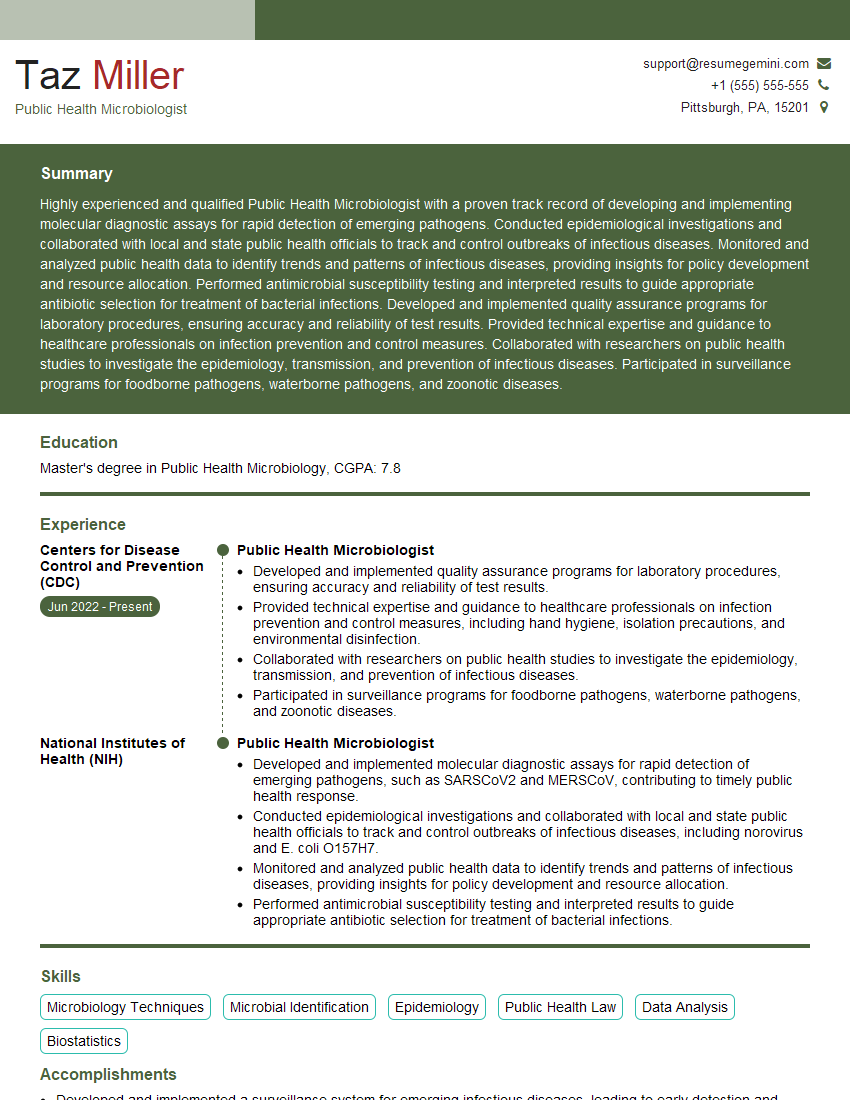
Mastering Healthcare Infection Control and Prevention is crucial for a successful and rewarding career in healthcare. It demonstrates a commitment to patient safety and opens doors to leadership roles and advanced opportunities. To maximize your job prospects, it’s essential to craft a compelling, ATS-friendly resume that highlights your skills and experience effectively. ResumeGemini is a trusted resource to help you build a professional resume that makes a lasting impression. ResumeGemini provides examples of resumes tailored to Healthcare Infection Control and Prevention to help guide your preparation. Invest the time to create a strong resume—it’s your first impression with potential employers.
Explore more articles
Users Rating of Our Blogs
Share Your Experience
We value your feedback! Please rate our content and share your thoughts (optional).
What Readers Say About Our Blog
Attention music lovers!
Wow, All the best Sax Summer music !!!
Spotify: https://open.spotify.com/artist/6ShcdIT7rPVVaFEpgZQbUk
Apple Music: https://music.apple.com/fr/artist/jimmy-sax-black/1530501936
YouTube: https://music.youtube.com/browse/VLOLAK5uy_noClmC7abM6YpZsnySxRqt3LoalPf88No
Other Platforms and Free Downloads : https://fanlink.tv/jimmysaxblack
on google : https://www.google.com/search?q=22+AND+22+AND+22
on ChatGPT : https://chat.openai.com?q=who20jlJimmy20Black20Sax20Producer
Get back into the groove with Jimmy sax Black
Best regards,
Jimmy sax Black
www.jimmysaxblack.com
Hi I am a troller at The aquatic interview center and I suddenly went so fast in Roblox and it was gone when I reset.
Hi,
Business owners spend hours every week worrying about their website—or avoiding it because it feels overwhelming.
We’d like to take that off your plate:
$69/month. Everything handled.
Our team will:
Design a custom website—or completely overhaul your current one
Take care of hosting as an option
Handle edits and improvements—up to 60 minutes of work included every month
No setup fees, no annual commitments. Just a site that makes a strong first impression.
Find out if it’s right for you:
https://websolutionsgenius.com/awardwinningwebsites
Hello,
we currently offer a complimentary backlink and URL indexing test for search engine optimization professionals.
You can get complimentary indexing credits to test how link discovery works in practice.
No credit card is required and there is no recurring fee.
You can find details here:
https://wikipedia-backlinks.com/indexing/
Regards
NICE RESPONSE TO Q & A
hi
The aim of this message is regarding an unclaimed deposit of a deceased nationale that bears the same name as you. You are not relate to him as there are millions of people answering the names across around the world. But i will use my position to influence the release of the deposit to you for our mutual benefit.
Respond for full details and how to claim the deposit. This is 100% risk free. Send hello to my email id: lukachachibaialuka@gmail.com
Luka Chachibaialuka
Hey interviewgemini.com, just wanted to follow up on my last email.
We just launched Call the Monster, an parenting app that lets you summon friendly ‘monsters’ kids actually listen to.
We’re also running a giveaway for everyone who downloads the app. Since it’s brand new, there aren’t many users yet, which means you’ve got a much better chance of winning some great prizes.
You can check it out here: https://bit.ly/callamonsterapp
Or follow us on Instagram: https://www.instagram.com/callamonsterapp
Thanks,
Ryan
CEO – Call the Monster App
Hey interviewgemini.com, I saw your website and love your approach.
I just want this to look like spam email, but want to share something important to you. We just launched Call the Monster, a parenting app that lets you summon friendly ‘monsters’ kids actually listen to.
Parents are loving it for calming chaos before bedtime. Thought you might want to try it: https://bit.ly/callamonsterapp or just follow our fun monster lore on Instagram: https://www.instagram.com/callamonsterapp
Thanks,
Ryan
CEO – Call A Monster APP
To the interviewgemini.com Owner.
Dear interviewgemini.com Webmaster!
Hi interviewgemini.com Webmaster!
Dear interviewgemini.com Webmaster!
excellent
Hello,
We found issues with your domain’s email setup that may be sending your messages to spam or blocking them completely. InboxShield Mini shows you how to fix it in minutes — no tech skills required.
Scan your domain now for details: https://inboxshield-mini.com/
— Adam @ InboxShield Mini
support@inboxshield-mini.com
Reply STOP to unsubscribe
Hi, are you owner of interviewgemini.com? What if I told you I could help you find extra time in your schedule, reconnect with leads you didn’t even realize you missed, and bring in more “I want to work with you” conversations, without increasing your ad spend or hiring a full-time employee?
All with a flexible, budget-friendly service that could easily pay for itself. Sounds good?
Would it be nice to jump on a quick 10-minute call so I can show you exactly how we make this work?
Best,
Hapei
Marketing Director
Hey, I know you’re the owner of interviewgemini.com. I’ll be quick.
Fundraising for your business is tough and time-consuming. We make it easier by guaranteeing two private investor meetings each month, for six months. No demos, no pitch events – just direct introductions to active investors matched to your startup.
If youR17;re raising, this could help you build real momentum. Want me to send more info?
Hi, I represent an SEO company that specialises in getting you AI citations and higher rankings on Google. I’d like to offer you a 100% free SEO audit for your website. Would you be interested?
Hi, I represent an SEO company that specialises in getting you AI citations and higher rankings on Google. I’d like to offer you a 100% free SEO audit for your website. Would you be interested?