Cracking a skill-specific interview, like one for Injury and Illness Management, requires understanding the nuances of the role. In this blog, we present the questions you’re most likely to encounter, along with insights into how to answer them effectively. Let’s ensure you’re ready to make a strong impression.
Questions Asked in Injury and Illness Management Interview
Q 1. Explain your experience with OSHA regulations.
My experience with OSHA regulations is extensive. I’ve worked directly with OSHA standards for over 10 years, ensuring compliance across various industries. This includes a deep understanding of OSHA’s General Duty Clause, which mandates employers provide a workplace free from recognized hazards. I’m familiar with specific standards like those related to hazard communication (HazCom), lockout/tagout (LOTO), personal protective equipment (PPE), and emergency action plans. My experience goes beyond simple compliance; I actively participate in safety committee meetings, conduct regular training sessions on OSHA standards, and help businesses implement proactive measures to prevent accidents. For example, I recently helped a manufacturing plant revise its LOTO procedures after identifying a weakness during a safety audit, preventing a potential serious injury. This involved not only updating documentation but also hands-on training for all employees.
Q 2. Describe your process for conducting a workplace safety audit.
My workplace safety audit process is methodical and comprehensive. It begins with a thorough review of the company’s safety policies, procedures, and training records. Next, I conduct a physical walkthrough of the facility, meticulously examining work areas for potential hazards. This includes visual inspections, interviews with employees at all levels, and a review of incident reports. I use a checklist based on industry best practices and relevant OSHA standards to ensure a consistent and thorough assessment. For instance, I’ll assess proper machine guarding, the presence and condition of PPE, the effectiveness of emergency exits, and the adequacy of hazard communication signage. Following the on-site inspection, I compile a detailed report that includes identified hazards, risk assessments, and recommendations for corrective actions. This report is then presented to management, outlining a prioritized plan to address the identified safety issues.
Q 3. How do you identify and assess workplace hazards?
Identifying and assessing workplace hazards requires a multi-faceted approach. It starts with proactive hazard identification through methods such as job hazard analyses (JHAs), which systematically break down tasks to identify potential hazards. Walkthroughs, as mentioned earlier, are crucial. Additionally, I utilize incident investigations – analyzing past accidents to uncover recurring hazards. Employee input is paramount; I actively encourage reporting of near misses and unsafe conditions through anonymous reporting systems and regular safety meetings. Once hazards are identified, I use a risk assessment matrix to determine the severity and likelihood of potential injuries or illnesses. This matrix helps prioritize hazards, focusing on those with the highest risk potential. For example, a high-severity, high-likelihood hazard might be addressed immediately, while a low-severity, low-likelihood hazard could be scheduled for later remediation.
Q 4. What methods do you use to track injury and illness data?
Tracking injury and illness data is vital for identifying trends, evaluating the effectiveness of safety programs, and demonstrating compliance with regulatory requirements. I utilize a combination of methods, including OSHA 300 logs for recording and tracking workplace injuries and illnesses, and dedicated safety management software. This software provides detailed reporting capabilities, allowing me to analyze injury data by type, location, cause, and employee demographics. Data visualization tools, such as charts and graphs, provide easy interpretation of trends. For example, if we see a spike in back injuries in a particular department, this data-driven insight can direct further investigation and potentially inform changes to work processes or equipment.
Q 5. Explain your experience with developing and implementing injury prevention programs.
Developing and implementing injury prevention programs is a core aspect of my role. This involves a collaborative approach, working closely with management and employees to understand their needs and concerns. Programs typically incorporate several key elements: hazard identification and risk assessment (as previously discussed), employee training and education on safe work practices, implementation of engineering controls (e.g., machine guards), the use of administrative controls (e.g., job rotation), and provision of personal protective equipment. Program effectiveness is continuously monitored and evaluated using key performance indicators (KPIs) such as incident rates, lost time injury rates, and employee safety survey results. For instance, in a recent project, we introduced a comprehensive ergonomics program to reduce musculoskeletal disorders, resulting in a 25% decrease in related injuries within a year.
Q 6. How do you investigate workplace accidents to determine root causes?
Investigating workplace accidents requires a systematic and unbiased approach to determine the root cause, not just the immediate cause. I utilize a root cause analysis (RCA) methodology, often employing techniques like the “5 Whys” to drill down to the underlying issues. This involves collecting evidence, interviewing witnesses, reviewing incident reports, and analyzing physical evidence. The goal is to identify contributing factors and implement corrective actions that prevent recurrence. For example, in investigating a fall from height, we might uncover not just the immediate cause (lack of fall protection), but also contributing factors such as inadequate training, poor communication, and a lack of management oversight. RCA helps pinpoint systemic issues and prevent future incidents.
Q 7. Describe your experience with workers’ compensation claims management.
My experience in workers’ compensation claims management includes overseeing the entire process, from initial report to claim closure. This includes ensuring timely reporting of incidents to the insurance carrier, coordinating medical care for injured employees, managing communication with employees and insurance adjusters, and actively participating in return-to-work programs. I strive to minimize lost time and facilitate a smooth and efficient process for both the employee and the employer. Effective claims management requires detailed documentation, accurate record-keeping, and a focus on early intervention to prevent long-term disability. I also ensure compliance with all applicable state and federal regulations regarding workers’ compensation.
Q 8. How do you manage employee accommodations related to injuries or illnesses?
Managing employee accommodations for injuries or illnesses requires a multifaceted approach prioritizing both employee well-being and business operations. It begins with a thorough assessment of the employee’s limitations and functional capabilities, often involving medical documentation from their physician or other healthcare professionals. This assessment helps determine reasonable accommodations that allow the employee to perform their essential job functions without undue hardship to the employer.
For example, an employee recovering from a back injury might require a modified work schedule, an ergonomic workstation adjustment (like a standing desk or supportive chair), or a temporary reassignment to less physically demanding tasks. Another example could be providing assistive technology like voice-to-text software for an employee with a hand injury. The accommodation process is iterative; we regularly check in with the employee and their physician to assess the effectiveness of accommodations and adjust as needed. Crucially, all accommodations must adhere to relevant legal and regulatory standards, such as the Americans with Disabilities Act (ADA) in the United States or similar legislation in other countries.
The process involves open communication, collaboration, and documentation at every stage. We maintain detailed records of the accommodation request, the assessment, the agreed-upon accommodations, and the ongoing monitoring of their effectiveness. This documentation protects both the employee and the employer.
Q 9. What is your experience with return-to-work programs?
My experience with return-to-work (RTW) programs spans over ten years, encompassing various industries and injury types. I’ve implemented and managed RTW programs focusing on a phased approach, gradually increasing work demands as the employee’s recovery progresses. This approach minimizes the risk of re-injury and promotes successful integration back into the workplace. A key element is early intervention; contacting the employee as soon as possible after an injury occurs to initiate a dialogue and begin planning their safe return.
I’ve developed and implemented programs that integrate medical evaluations, functional capacity assessments, and vocational rehabilitation services. For example, I’ve successfully facilitated the return of an employee with a repetitive strain injury through a modified work schedule and job task analysis, identifying and eliminating tasks that exacerbated their condition. Furthermore, I’ve established relationships with healthcare providers, enabling efficient information exchange and coordination of care. Data analysis is vital; tracking RTW outcomes allows us to identify areas for program improvement and measure its effectiveness.
A successful RTW program is not just about physical recovery; it also addresses psychological factors and employee morale. Open communication and empathetic support are crucial in easing anxieties and ensuring a smooth transition back to work. The ultimate goal is a sustained return to work, ensuring employee well-being and preventing future injuries.
Q 10. How familiar are you with ergonomic principles and their application in the workplace?
Ergonomic principles are fundamental to injury prevention. My understanding encompasses the design of workplaces, tools, and tasks to minimize physical strain and discomfort. This includes workstation setup (chair height, monitor placement, keyboard position), proper lifting techniques, and tool design. For example, understanding the concept of ‘neutral posture’ – where the body is aligned naturally, avoiding awkward twisting or reaching – is paramount.
I am proficient in conducting ergonomic assessments, identifying risk factors, and recommending corrective measures. This involves using observation, interviews, and sometimes using specialized ergonomic assessment tools. A practical application might be assessing a warehouse worker’s lifting technique and suggesting the use of mechanical lifting devices or adjustments to the way goods are packed and stored to reduce bending and twisting. I’m also familiar with implementing job rotation strategies and providing training on proper body mechanics to mitigate repetitive strain injuries.
Beyond workstation design, I understand the importance of considering environmental factors such as temperature, lighting, and noise levels, as these can also contribute to worker fatigue and injury. The application of ergonomic principles is iterative; we continuously monitor the effectiveness of implemented changes and make adjustments as needed based on employee feedback and injury data.
Q 11. Explain your knowledge of different types of personal protective equipment (PPE).
Personal Protective Equipment (PPE) is crucial for safeguarding employees from workplace hazards. My knowledge encompasses a wide range of PPE, categorized by the hazards they protect against. These categories include:
- Respiratory Protection: Respirators (N95, half-face, full-face) to protect against airborne particles, gases, or vapors.
- Eye and Face Protection: Safety glasses, goggles, face shields to protect against impacts, chemical splashes, or radiation.
- Head Protection: Hard hats to protect against falling objects.
- Hearing Protection: Earplugs, earmuffs to protect against excessive noise levels.
- Hand Protection: Gloves (various materials for different hazards) to protect against cuts, abrasions, chemicals, or temperature extremes.
- Foot Protection: Safety shoes, boots to protect against impact, punctures, or electrical hazards.
- Body Protection: Aprons, coveralls, high-visibility clothing to protect against chemical splashes, cuts, or impact.
Selecting appropriate PPE involves a thorough hazard assessment, considering the specific risks present in the work environment. It’s essential to ensure that the chosen PPE is appropriate for the hazard, properly fitted, and used correctly. Regular training and inspection of PPE are also critical to its effectiveness. For instance, a worker in a construction environment would need a hard hat, safety glasses, and potentially hearing protection depending on the specific tasks. A laboratory technician may require specialized gloves and eye protection depending on the chemicals they are handling.
Q 12. Describe your approach to communicating safety information to employees.
Communicating safety information effectively is paramount in preventing injuries. My approach involves using a multi-channel strategy tailored to the diverse learning styles and comprehension levels of the workforce. This includes:
- Interactive Training Sessions: Hands-on training, engaging scenarios, and Q&A sessions to reinforce key concepts.
- Visual Aids: Posters, videos, and infographics to convey information clearly and concisely.
- Written Materials: Safety manuals, guidelines, and checklists providing detailed information.
- Regular Safety Meetings: Discussions of safety incidents, updates on new policies, and open forums for employee feedback.
- Digital Platforms: Utilizing intranets, apps, and email to disseminate information efficiently.
I always ensure the information is presented in a clear, concise, and engaging manner, avoiding jargon and using simple language. Feedback mechanisms are essential to ensure comprehension and to make adjustments as needed. I believe in creating a safety-conscious culture where employees feel empowered to report hazards and participate actively in safety initiatives. For instance, I’ve used gamification techniques in safety training to increase engagement and knowledge retention. Regular surveys and feedback sessions help ensure the communication is effective and understood.
Q 13. How do you ensure compliance with relevant safety standards and regulations?
Ensuring compliance with safety standards and regulations is a continuous process. My approach involves a proactive strategy that includes:
- Regular Audits: Conducting internal audits to identify gaps in compliance and address potential hazards.
- Record Keeping: Maintaining meticulous records of safety training, inspections, incidents, and corrective actions.
- Policy Development and Updates: Regularly reviewing and updating safety policies and procedures to reflect the latest standards and best practices.
- Staying Updated: Keeping abreast of changes in legislation, industry standards (OSHA, ANSI, etc.), and best practices through professional development and industry publications.
- Collaboration: Working with regulatory bodies, safety consultants, and other experts to ensure compliance.
For instance, we regularly check for compliance with OSHA’s lockout/tagout procedures for machinery, ensuring that procedures are followed rigorously. We also maintain a comprehensive safety data sheet (SDS) library for all chemicals used in the workplace. Proactive compliance not only minimizes risks but also demonstrates a commitment to employee well-being and avoids potential penalties or legal issues.
Q 14. How do you handle conflict resolution in safety-related issues?
Conflict resolution in safety-related issues requires a structured and impartial approach. My strategy involves:
- Open Communication: Creating a safe space for employees to voice concerns without fear of retribution.
- Active Listening: Understanding all perspectives involved in the conflict.
- Facilitation: Guiding the discussion towards a mutually acceptable solution.
- Mediation: If necessary, mediating between conflicting parties to facilitate a resolution.
- Documentation: Keeping detailed records of the conflict, the resolution process, and the outcome.
For instance, if a disagreement arises regarding the implementation of a new safety protocol, I would facilitate a meeting involving all stakeholders to discuss the concerns and explore possible solutions. My approach focuses on finding common ground, ensuring that safety is prioritized, and all parties feel heard and respected. If the conflict remains unresolved, escalation procedures are in place, possibly involving higher management or external dispute resolution mechanisms.
Q 15. What is your experience with developing safety training programs?
Developing effective safety training programs requires a multi-faceted approach. It starts with a thorough needs assessment, identifying specific hazards and employee skill gaps. I begin by analyzing incident reports, conducting job hazard analyses (JHAs), and interviewing employees to understand their perspectives on workplace safety. This informs the design of the training, ensuring it’s relevant and addresses actual risks.
My approach incorporates various training methods, such as interactive workshops, online modules, and on-the-job training. For example, in a manufacturing setting, I might develop a program covering proper machine operation, lockout/tagout procedures, and hazard communication, incorporating videos, simulations, and practical exercises. For office workers, a program might focus on ergonomics, fire safety, and workplace violence prevention. Crucially, I always ensure the training is engaging, uses clear language, and provides opportunities for questions and feedback. Finally, I evaluate the effectiveness of the training through post-training assessments and tracking of incident rates following implementation.
Career Expert Tips:
- Ace those interviews! Prepare effectively by reviewing the Top 50 Most Common Interview Questions on ResumeGemini.
- Navigate your job search with confidence! Explore a wide range of Career Tips on ResumeGemini. Learn about common challenges and recommendations to overcome them.
- Craft the perfect resume! Master the Art of Resume Writing with ResumeGemini’s guide. Showcase your unique qualifications and achievements effectively.
- Don’t miss out on holiday savings! Build your dream resume with ResumeGemini’s ATS optimized templates.
Q 16. Describe your experience with conducting safety inspections.
Conducting safety inspections involves a systematic and thorough process. I utilize checklists tailored to specific work areas and hazards, ensuring all critical aspects are covered. These checklists are not just generic forms; they’re customized based on the specific risks identified during the risk assessment process. For instance, a construction site inspection will differ significantly from an office environment inspection.
During inspections, I pay close attention to detail, observing workplace practices, identifying hazards, and assessing compliance with safety regulations and company policies. I document all findings meticulously, including photographs and descriptions of hazards, their severity, and potential consequences. This documentation is then used to generate reports with prioritized recommendations for corrective actions. Following up on these recommendations and verifying their implementation is critical to ensuring the effectiveness of the inspection process. For example, if I identify a faulty piece of equipment, I ensure it’s removed from service until repaired and that employees are notified of the necessary precautions.
Q 17. How do you prioritize safety risks and allocate resources effectively?
Prioritizing safety risks and allocating resources requires a structured approach. I utilize risk assessment methodologies, such as the HAZOP (Hazard and Operability Study) or bow-tie analysis, to identify potential hazards, their likelihood, and the severity of their consequences. This allows me to rank risks based on their potential impact. A quantitative risk matrix helps visualize this prioritization, which is often presented using a heat map. For example, a high likelihood and high severity risk, like a malfunctioning piece of heavy machinery, would receive immediate attention and resource allocation.
Resource allocation follows this prioritization. High-priority risks receive the necessary funding, personnel, and training to mitigate them effectively. This might involve purchasing new safety equipment, implementing engineering controls, or providing additional employee training. Regular monitoring and review of the risk assessment is crucial, as the risk landscape constantly evolves. This ensures resources remain focused on the most pressing safety concerns.
Q 18. How do you measure the effectiveness of your injury prevention programs?
Measuring the effectiveness of injury prevention programs requires a multi-pronged approach. Key performance indicators (KPIs) are essential. These include tracking the leading indicators (proactive metrics) such as the number of safety training hours provided, the number of near misses reported, and the number of safety inspections conducted. Leading indicators help prevent future incidents. Lagging indicators (reactive metrics) such as the number of lost-time injuries, the severity rate, and the total recordable incident rate (TRIR) provide a measure of the program’s success in preventing injuries after they have occurred.
Beyond numerical data, regular employee surveys and feedback sessions are vital to understand employee perceptions of safety and identify areas needing improvement. Analyzing incident reports helps uncover patterns and root causes of injuries to refine the program’s strategies. By comparing KPIs over time, we can observe trends and assess the effectiveness of interventions. A reduction in both leading and lagging indicators signifies a successful program.
Q 19. What is your experience with managing disability claims?
Managing disability claims involves navigating a complex process that requires thorough understanding of workers’ compensation laws and regulations. My experience encompasses every stage, from the initial report of an injury to the resolution of the claim. I work closely with employees, healthcare providers, and insurance adjusters to ensure proper documentation and timely processing of claims.
I prioritize open communication with all involved parties. This includes assisting employees with understanding their rights and benefits, coordinating medical care, and managing return-to-work programs. Proper documentation, including accurate incident reports, medical records, and functional capacity evaluations, is crucial to support the claim. I also ensure compliance with legal and regulatory requirements throughout the process. If disputes arise, I work towards a fair and just resolution, sometimes involving mediation or legal counsel if necessary.
Q 20. How do you balance employee safety with productivity requirements?
Balancing employee safety and productivity requires a proactive and integrated approach. It’s not a trade-off, but rather a synergy. Ignoring safety for productivity is short-sighted and ultimately counterproductive. A safe workplace is a productive workplace.
My strategy involves implementing safety measures that don’t hinder productivity but enhance it. This includes ergonomic workstation designs, efficient workflow processes, and proper use of personal protective equipment (PPE). I advocate for investing in preventative measures, such as proper training and engineering controls, as this is more cost-effective in the long run compared to managing injuries and lost productivity. Open communication and employee involvement are crucial, ensuring employees feel empowered to contribute to a safe and productive environment.
Q 21. Explain your knowledge of different types of injuries and illnesses commonly found in the workplace.
Workplace injuries and illnesses vary widely depending on the industry and work environment. Common types include:
- Musculoskeletal disorders (MSDs): These include strains, sprains, carpal tunnel syndrome, and back injuries, often resulting from repetitive movements, awkward postures, and heavy lifting.
- Repetitive strain injuries (RSIs): Similar to MSDs, these develop from repetitive tasks, like typing or assembly line work.
- Cuts, lacerations, and punctures: These can occur in various settings, particularly in manufacturing or construction.
- Fractures and dislocations: These are often associated with falls, accidents involving machinery, or heavy objects.
- Burns: These can range from minor to severe, depending on the source (heat, chemicals, electricity).
- Exposure to hazardous substances: This can lead to respiratory illnesses, skin conditions, or other health problems, depending on the substance.
- Hearing loss: Prolonged exposure to loud noises, common in manufacturing or construction, can cause permanent hearing damage.
- Eye injuries: These can range from minor irritations to serious damage, potentially leading to blindness.
Understanding the specific risks associated with different job roles is crucial for developing targeted injury prevention strategies.
Q 22. Describe your experience with conducting employee health screenings or assessments.
My experience with employee health screenings encompasses a wide range of assessments, from basic vision and hearing tests to more comprehensive evaluations involving musculoskeletal assessments and biometric screenings. In my previous role at Acme Corporation, I was responsible for overseeing the annual health screenings for over 500 employees. This involved coordinating with healthcare providers, managing scheduling, ensuring participant privacy, and analyzing the collected data to identify trends and potential risks. For example, we noticed a significant increase in musculoskeletal complaints among warehouse workers, which led us to implement ergonomic improvements and additional training on safe lifting techniques. This proactive approach resulted in a 20% reduction in reported injuries within the next year. I also have experience designing and implementing customized health screenings tailored to specific job roles, considering occupational hazards and physical demands.
Another example involves developing a pre-employment health screening protocol for a new manufacturing facility. This involved identifying the specific health risks associated with the manufacturing processes (exposure to chemicals, repetitive movements, etc.) and designing a screening program that effectively assessed those risks, ensuring compliance with relevant regulations and industry best practices.
Q 23. How do you utilize data analytics to improve workplace safety?
Data analytics is crucial for enhancing workplace safety. I utilize data from various sources – incident reports, near-miss reports, health screenings, and even environmental monitoring data – to identify patterns, predict potential hazards, and measure the effectiveness of safety interventions. For instance, by analyzing injury reports, we can pinpoint specific areas or tasks contributing to a high incidence of injuries. This allows for targeted interventions such as improved safety training, equipment modifications, or changes to work processes. I’m proficient in using statistical software to analyze this data, identifying correlations and trends that might not be obvious through visual inspection alone.
For example, at Beta Industries, I used data analysis to demonstrate a strong correlation between fatigue and accidents occurring during the night shift. This led to implementing strategies to improve employee rest and reduce overtime, subsequently reducing accident rates by 15%. This analytical approach isn’t just about reacting to incidents; it’s about proactively identifying and mitigating risks before they result in injuries or illnesses.
Q 24. Explain your experience with managing third-party vendors or contractors related to injury management.
Managing third-party vendors and contractors in injury management requires careful oversight and clear communication. My experience includes negotiating contracts, setting clear service level agreements (SLAs), and ensuring that vendors adhere to our company’s safety policies and data privacy regulations. I’ve worked with occupational health providers, rehabilitation specialists, and legal firms specializing in workers’ compensation. Key aspects of my management include regular performance reviews, monitoring their adherence to deadlines and budgets, and ensuring the quality of their services. I employ a rigorous process for selecting vendors, including evaluating their qualifications, experience, and insurance coverage.
For example, when selecting a provider for physical therapy services, I thoroughly vetted candidates based on their experience treating specific types of injuries relevant to our workforce and their adherence to evidence-based practices. Regular communication and performance monitoring ensured that the quality of service remained high and that any issues were addressed promptly.
Q 25. How do you ensure data privacy and confidentiality regarding employee medical information?
Protecting employee medical information is paramount. I strictly adhere to all relevant data privacy regulations, including HIPAA (in the US) and GDPR (in Europe). This involves implementing robust security measures such as access controls, encryption, and secure data storage. All employees handling medical information receive comprehensive training on data privacy and confidentiality. We maintain strict protocols for accessing, sharing, and disposing of medical records. Access is granted only on a need-to-know basis, and all personnel are held accountable for maintaining confidentiality.
For example, we utilize anonymized data for aggregate reporting and trend analysis, preventing the identification of individual employees. Furthermore, all medical records are stored in secure, encrypted databases with restricted access and regular security audits conducted to ensure compliance and prevent breaches.
Q 26. What is your experience with different types of injury reporting systems?
I have experience with a variety of injury reporting systems, ranging from simple paper-based forms to sophisticated electronic systems integrated with our HRIS (Human Resource Information System). These systems vary in complexity, ranging from basic incident reporting forms to comprehensive systems that track injuries throughout the entire management process, from initial reporting to return-to-work. The choice of system depends on the size and complexity of the organization, as well as its specific needs. Some systems are particularly valuable for analyzing injury trends and identifying root causes.
I have worked with systems that include features like automated notifications, data analytics dashboards, and integrated communication tools to facilitate efficient injury reporting, investigation, and resolution. I understand the importance of accurate and timely reporting for effective injury management and compliance with regulatory requirements.
Q 27. Describe your experience with managing injuries in remote work environments.
Managing injuries in remote work environments presents unique challenges. The lack of direct oversight makes it crucial to have clear reporting procedures, readily accessible resources, and strong communication channels. We need to ensure that remote workers understand their responsibilities in reporting injuries and have easy access to necessary medical care and support. This requires proactive communication, clear guidelines, and readily available resources for reporting and managing injuries, including telehealth options. Regular check-ins and virtual safety training are essential.
For example, we implemented a comprehensive telehealth program that provides access to virtual medical consultations and physical therapy, allowing remote employees to receive timely care without needing to travel to a physical clinic. Furthermore, we developed a detailed injury reporting protocol that simplifies the process for remote employees, ensuring that injuries are reported promptly and effectively.
Q 28. How do you adapt your safety procedures for employees with disabilities?
Adapting safety procedures for employees with disabilities is crucial for creating an inclusive and safe workplace. This requires a proactive approach involving individual assessments, reasonable accommodations, and a collaborative process. It’s about understanding the specific needs and limitations of each employee and tailoring safety procedures accordingly. This might involve modifying workstations, providing assistive devices, or adjusting work tasks to minimize risks. The key is to involve the employee in the process, ensuring their needs and preferences are considered.
For example, an employee with visual impairments might require larger print on safety signage or the use of auditory alerts. An employee with mobility limitations might require adjustments to their workstation, such as a specialized chair or adaptive keyboard. By working closely with employees and considering their specific needs, we can ensure a safe and inclusive workplace for everyone. Compliance with the Americans with Disabilities Act (ADA) is also essential.
Key Topics to Learn for Injury and Illness Management Interview
- Legal and Regulatory Compliance: Understanding relevant legislation (e.g., OSHA, Workers’ Compensation) and best practices for compliance. This includes knowing your rights and responsibilities as a professional in the field.
- Risk Assessment and Prevention: Developing and implementing strategies to identify, assess, and mitigate workplace hazards contributing to injuries and illnesses. Practical application includes conducting workplace safety audits and recommending preventative measures.
- Injury and Illness Reporting and Record Keeping: Mastering accurate and timely reporting procedures, complying with regulations, and maintaining comprehensive records. Understanding the importance of data analysis for identifying trends and improving safety programs.
- Return-to-Work Programs: Developing and implementing effective strategies to facilitate employee’s safe and gradual return to work after injury or illness. This includes coordinating with healthcare providers and managing modified duty assignments.
- First Aid and Emergency Response: Understanding basic first aid procedures and emergency response protocols. Knowing how to handle various workplace injuries and illnesses, and when to seek professional medical assistance.
- Ergonomics and Workplace Design: Applying ergonomic principles to improve workplace design and reduce the risk of musculoskeletal injuries. Practical application involves assessing workstation setup and recommending modifications.
- Employee Training and Education: Developing and delivering effective safety training programs to employees, ensuring they understand safety procedures and their responsibilities. Understanding adult learning principles and different training methodologies.
- Data Analysis and Reporting: Analyzing injury and illness data to identify trends, assess the effectiveness of safety programs, and inform future preventative measures. This often includes the use of statistical methods and data visualization tools.
- Communication and Collaboration: Effectively communicating with employees, management, healthcare providers, and other stakeholders. Building strong working relationships and fostering a culture of safety.
Next Steps
Mastering Injury and Illness Management is crucial for career advancement, demonstrating your commitment to workplace safety and employee well-being. This expertise is highly sought after, leading to increased job opportunities and higher earning potential. To maximize your job prospects, create a compelling and ATS-friendly resume that highlights your skills and experience. ResumeGemini is a trusted resource to help you build a professional and effective resume that showcases your capabilities in this field. Examples of resumes tailored to Injury and Illness Management are available to guide you.
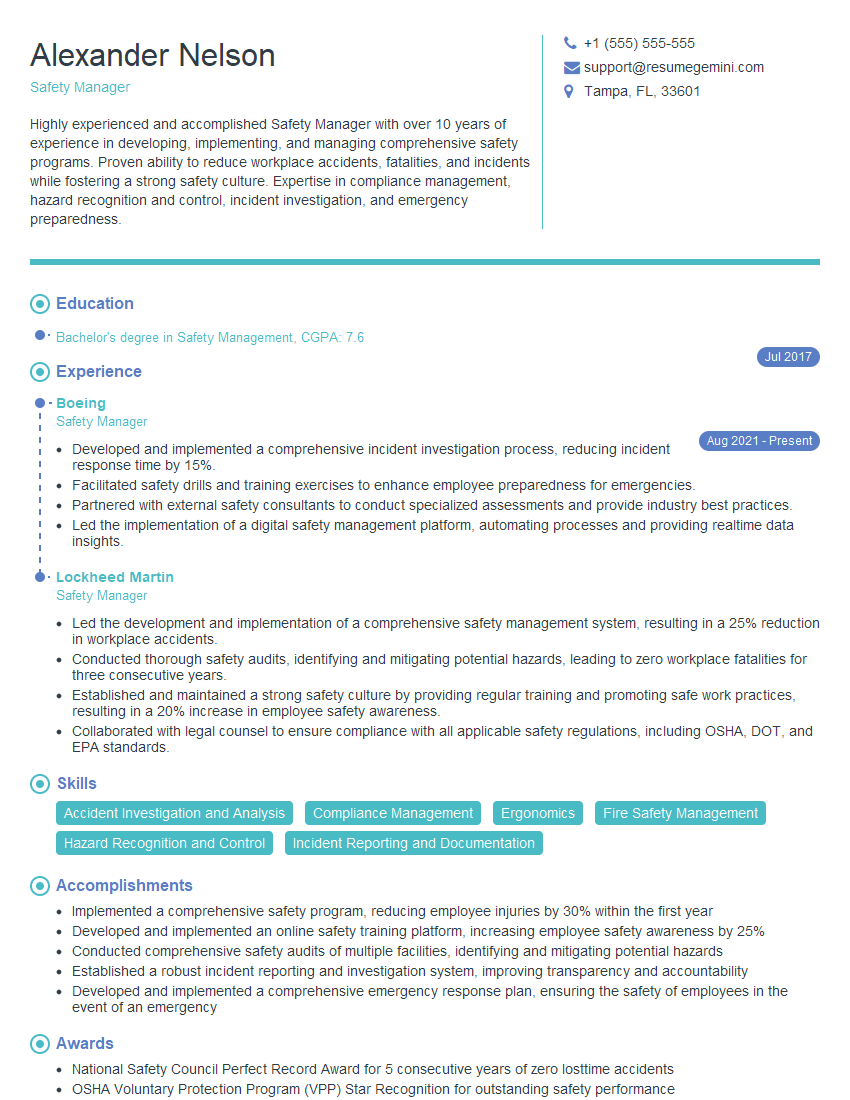
Safety Manager Resume Sample
Wellness Coordinator Resume Sample
Risk Manager Resume Sample
Loss Prevention Specialist Resume Sample
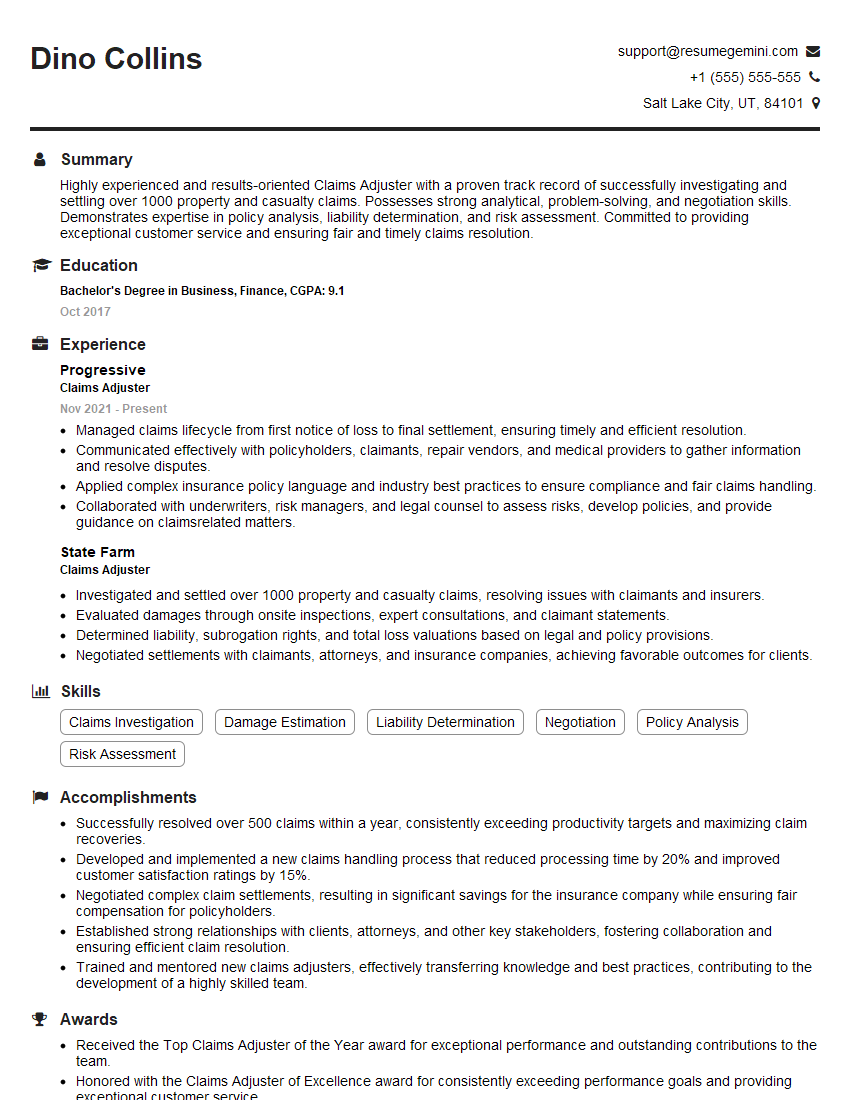
Claims Adjuster Resume Sample
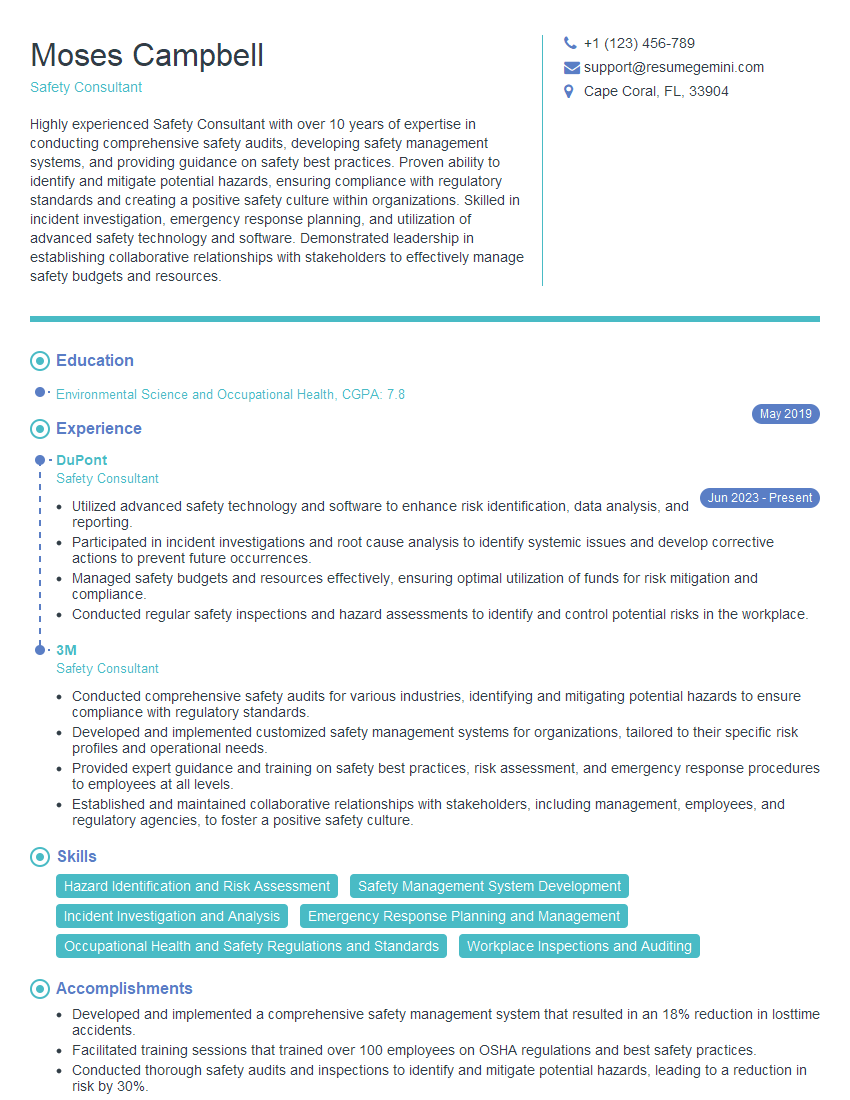
Safety Consultant Resume Sample
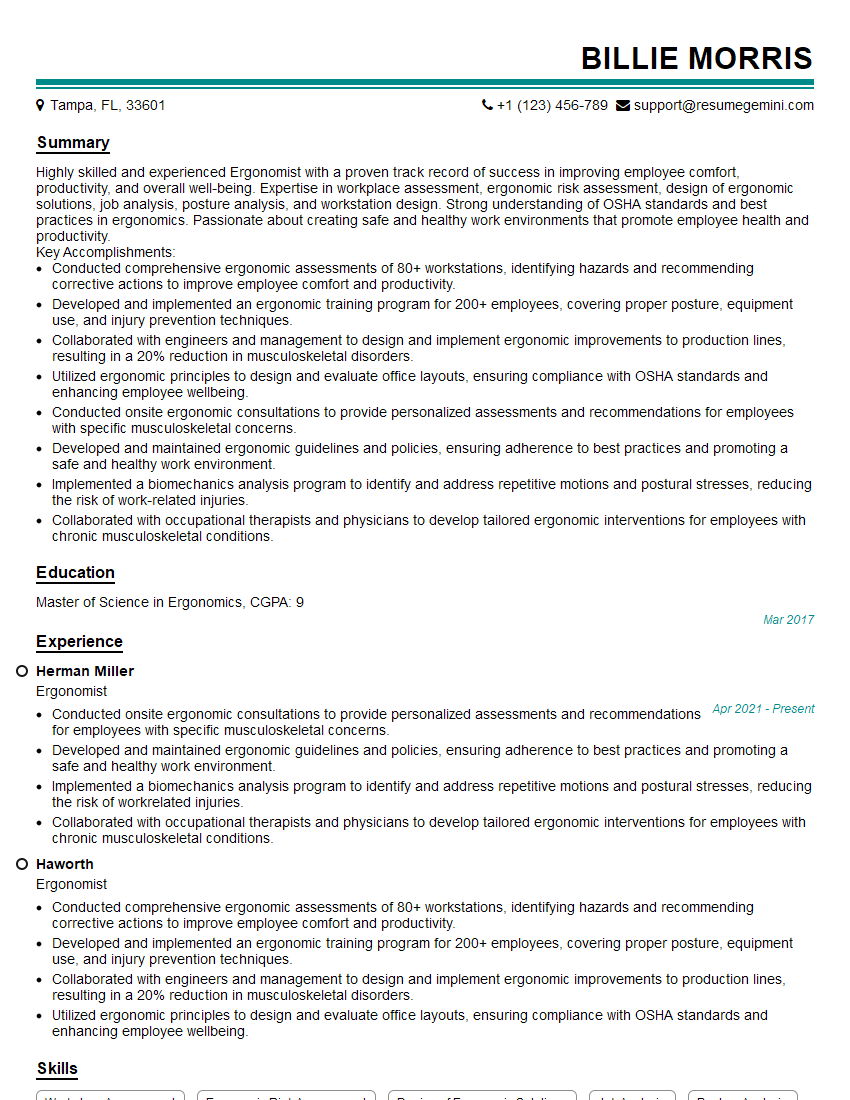
Ergonomist Resume Sample
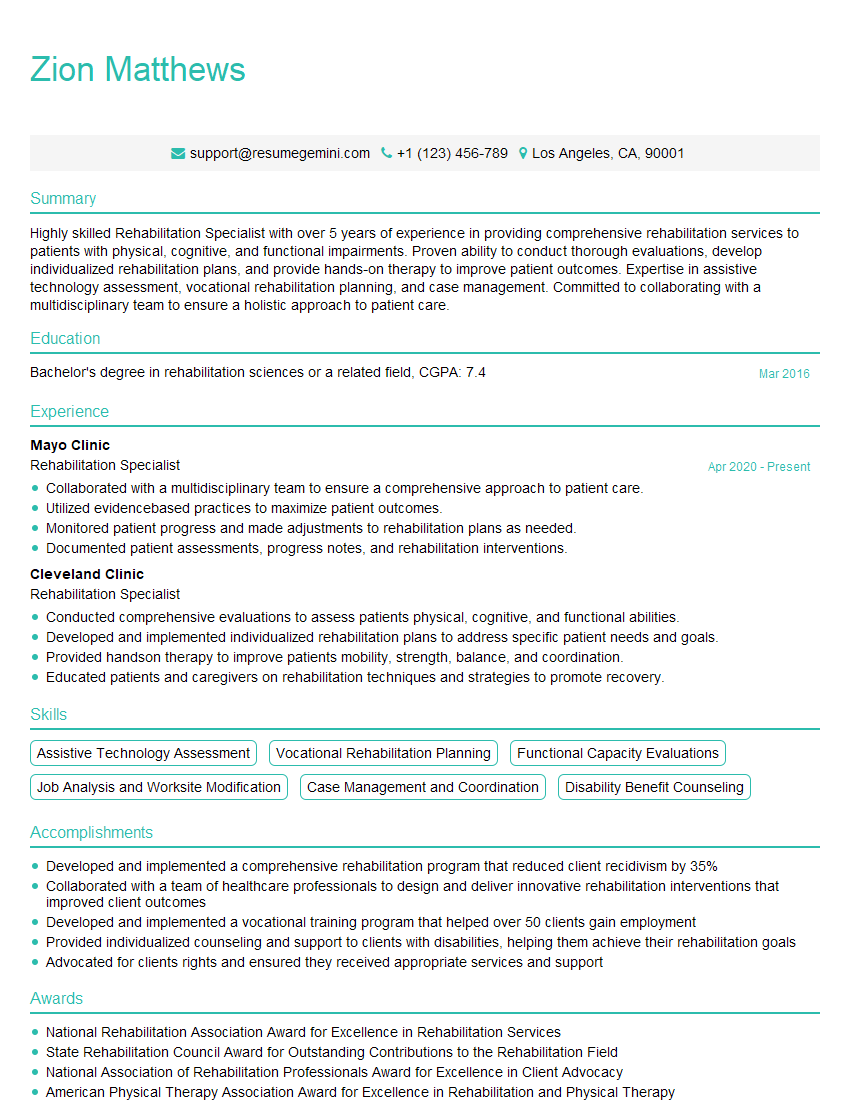
Rehabilitation Specialist Resume Sample
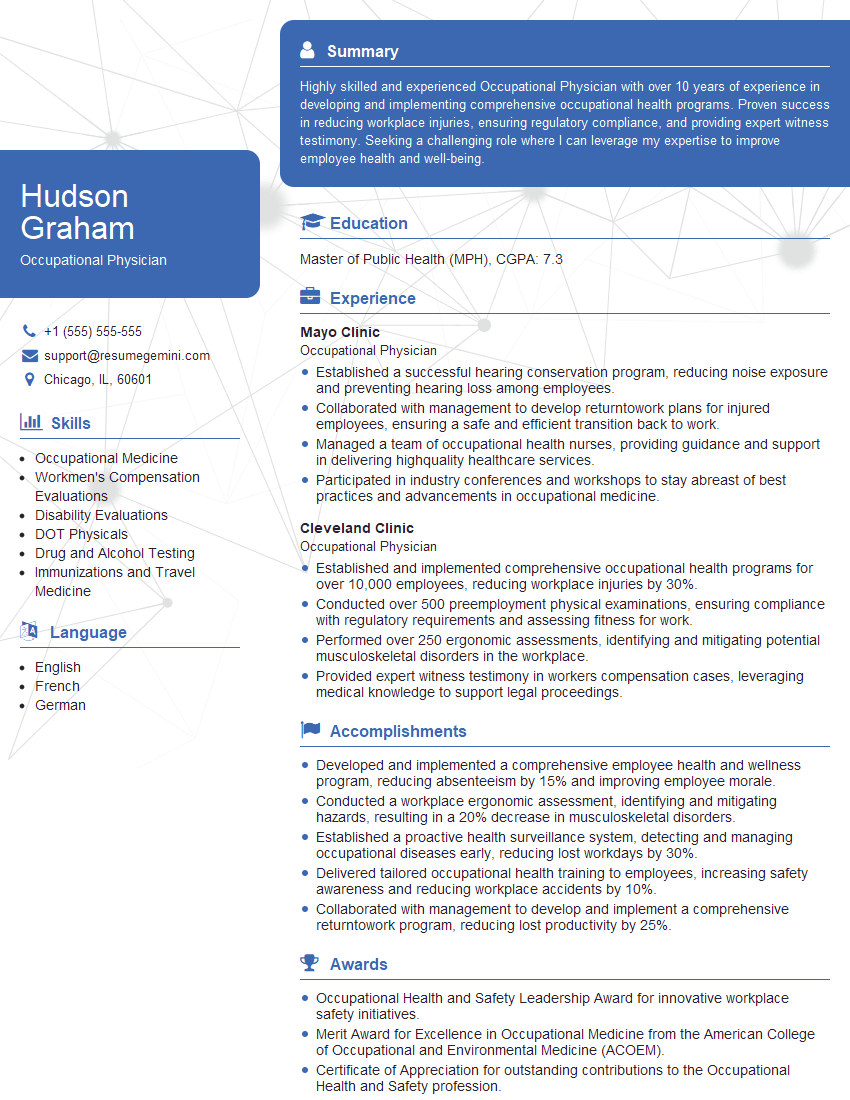
Occupational Physician Resume Sample
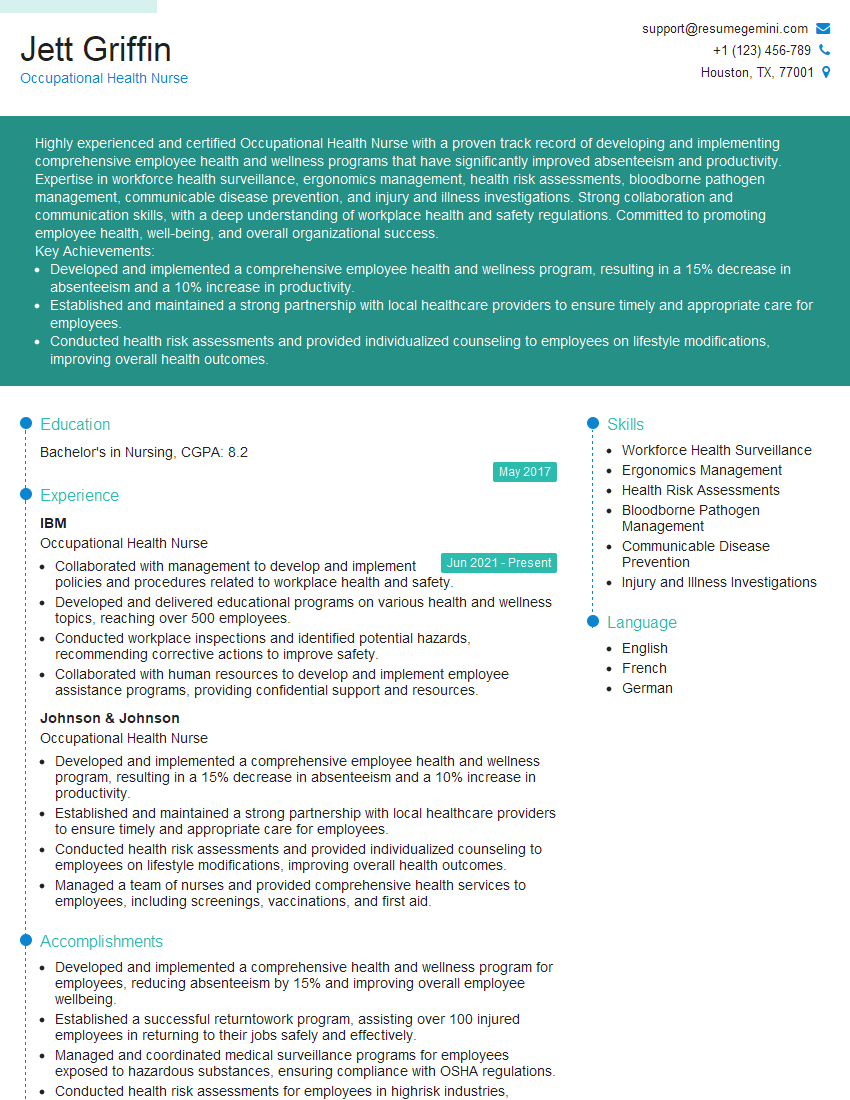
Occupational Health Nurse Resume Sample
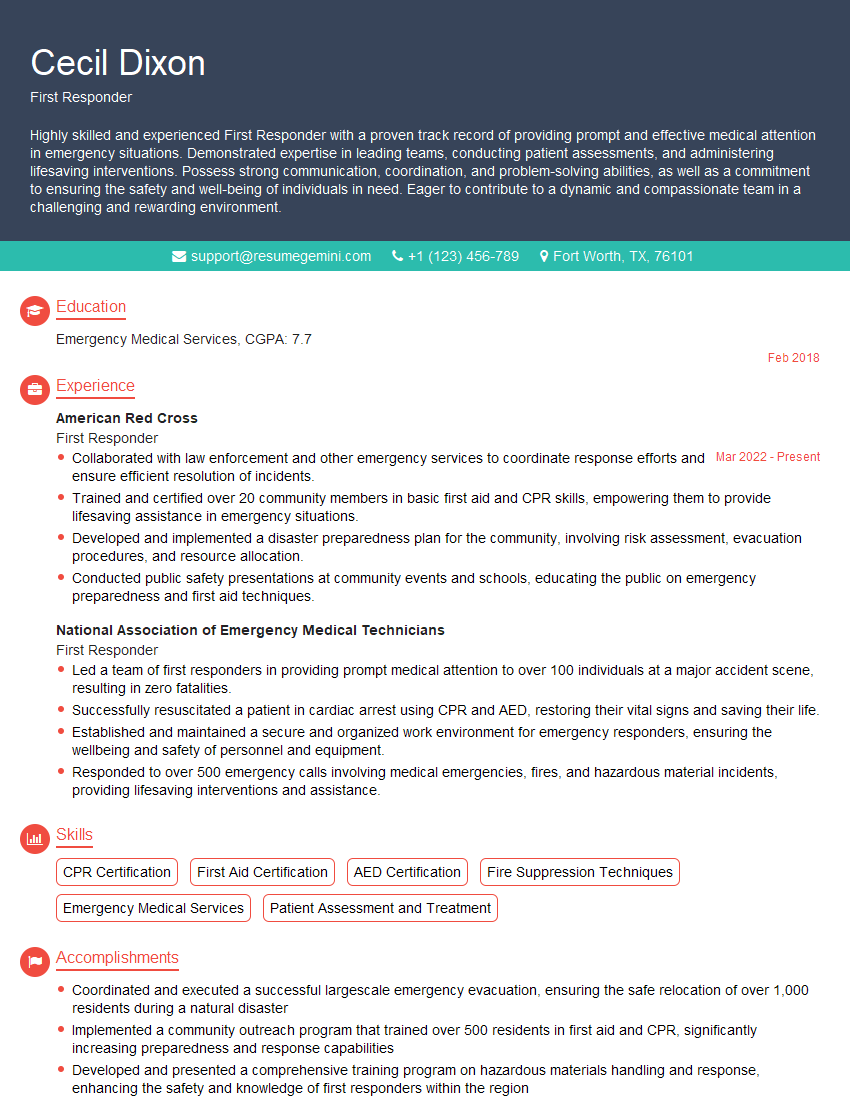
First Responder Resume Sample
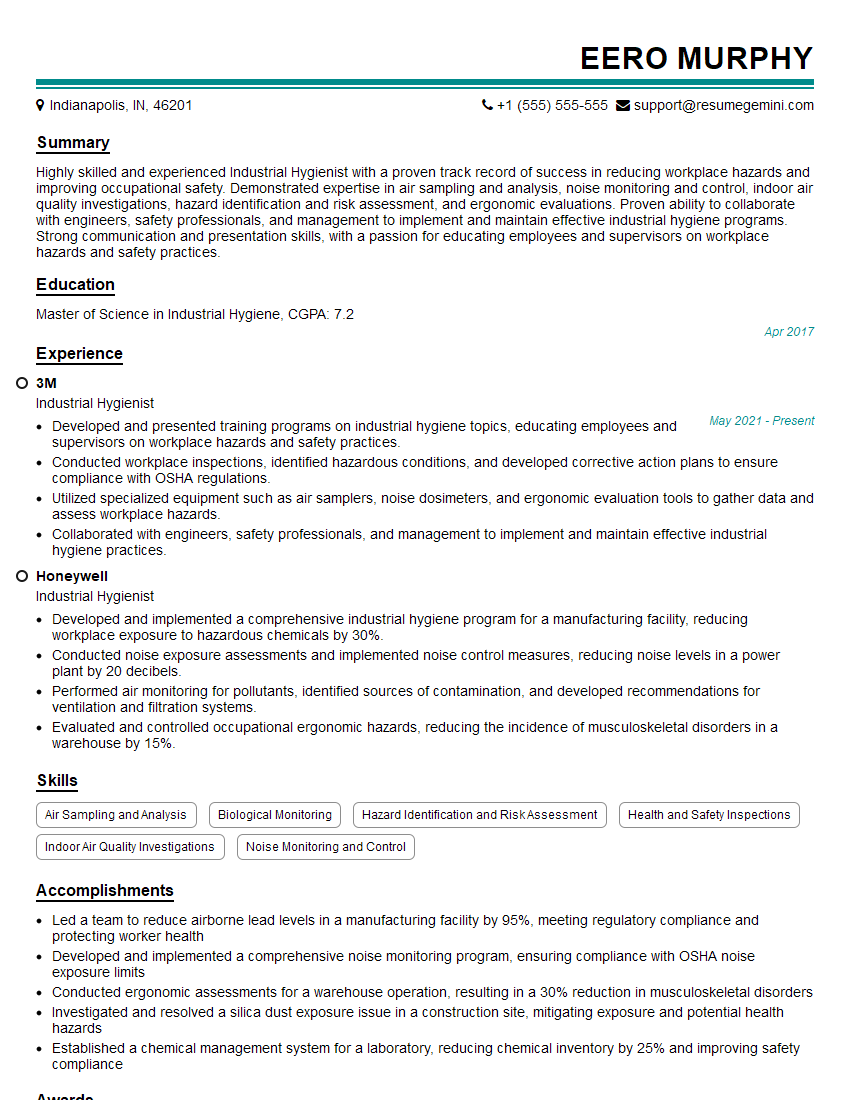
Industrial Hygienist Resume Sample
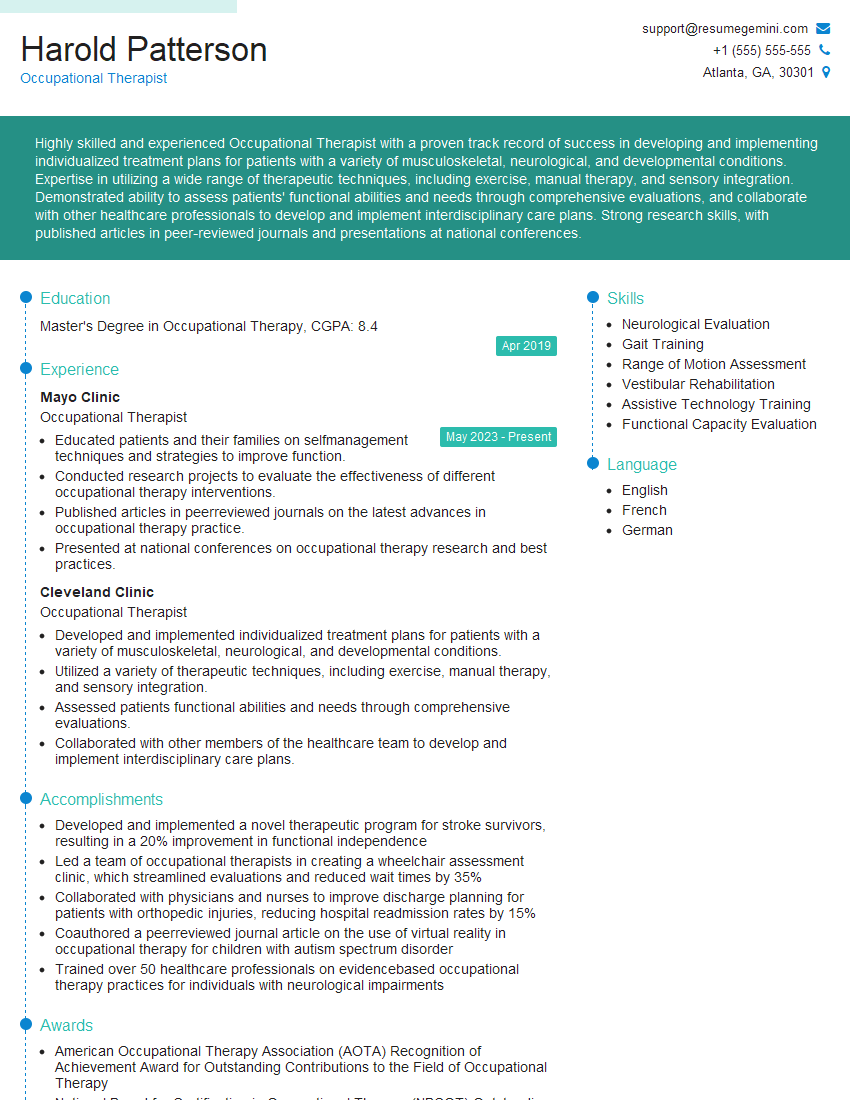
Occupational Therapist Resume Sample
Explore more articles
Users Rating of Our Blogs
Share Your Experience
We value your feedback! Please rate our content and share your thoughts (optional).
What Readers Say About Our Blog
Attention music lovers!
Wow, All the best Sax Summer music !!!
Spotify: https://open.spotify.com/artist/6ShcdIT7rPVVaFEpgZQbUk
Apple Music: https://music.apple.com/fr/artist/jimmy-sax-black/1530501936
YouTube: https://music.youtube.com/browse/VLOLAK5uy_noClmC7abM6YpZsnySxRqt3LoalPf88No
Other Platforms and Free Downloads : https://fanlink.tv/jimmysaxblack
on google : https://www.google.com/search?q=22+AND+22+AND+22
on ChatGPT : https://chat.openai.com?q=who20jlJimmy20Black20Sax20Producer
Get back into the groove with Jimmy sax Black
Best regards,
Jimmy sax Black
www.jimmysaxblack.com
Hi I am a troller at The aquatic interview center and I suddenly went so fast in Roblox and it was gone when I reset.
Hi,
Business owners spend hours every week worrying about their website—or avoiding it because it feels overwhelming.
We’d like to take that off your plate:
$69/month. Everything handled.
Our team will:
Design a custom website—or completely overhaul your current one
Take care of hosting as an option
Handle edits and improvements—up to 60 minutes of work included every month
No setup fees, no annual commitments. Just a site that makes a strong first impression.
Find out if it’s right for you:
https://websolutionsgenius.com/awardwinningwebsites
Hello,
we currently offer a complimentary backlink and URL indexing test for search engine optimization professionals.
You can get complimentary indexing credits to test how link discovery works in practice.
No credit card is required and there is no recurring fee.
You can find details here:
https://wikipedia-backlinks.com/indexing/
Regards
NICE RESPONSE TO Q & A
hi
The aim of this message is regarding an unclaimed deposit of a deceased nationale that bears the same name as you. You are not relate to him as there are millions of people answering the names across around the world. But i will use my position to influence the release of the deposit to you for our mutual benefit.
Respond for full details and how to claim the deposit. This is 100% risk free. Send hello to my email id: lukachachibaialuka@gmail.com
Luka Chachibaialuka
Hey interviewgemini.com, just wanted to follow up on my last email.
We just launched Call the Monster, an parenting app that lets you summon friendly ‘monsters’ kids actually listen to.
We’re also running a giveaway for everyone who downloads the app. Since it’s brand new, there aren’t many users yet, which means you’ve got a much better chance of winning some great prizes.
You can check it out here: https://bit.ly/callamonsterapp
Or follow us on Instagram: https://www.instagram.com/callamonsterapp
Thanks,
Ryan
CEO – Call the Monster App
Hey interviewgemini.com, I saw your website and love your approach.
I just want this to look like spam email, but want to share something important to you. We just launched Call the Monster, a parenting app that lets you summon friendly ‘monsters’ kids actually listen to.
Parents are loving it for calming chaos before bedtime. Thought you might want to try it: https://bit.ly/callamonsterapp or just follow our fun monster lore on Instagram: https://www.instagram.com/callamonsterapp
Thanks,
Ryan
CEO – Call A Monster APP
To the interviewgemini.com Owner.
Dear interviewgemini.com Webmaster!
Hi interviewgemini.com Webmaster!
Dear interviewgemini.com Webmaster!
excellent
Hello,
We found issues with your domain’s email setup that may be sending your messages to spam or blocking them completely. InboxShield Mini shows you how to fix it in minutes — no tech skills required.
Scan your domain now for details: https://inboxshield-mini.com/
— Adam @ InboxShield Mini
support@inboxshield-mini.com
Reply STOP to unsubscribe
Hi, are you owner of interviewgemini.com? What if I told you I could help you find extra time in your schedule, reconnect with leads you didn’t even realize you missed, and bring in more “I want to work with you” conversations, without increasing your ad spend or hiring a full-time employee?
All with a flexible, budget-friendly service that could easily pay for itself. Sounds good?
Would it be nice to jump on a quick 10-minute call so I can show you exactly how we make this work?
Best,
Hapei
Marketing Director
Hey, I know you’re the owner of interviewgemini.com. I’ll be quick.
Fundraising for your business is tough and time-consuming. We make it easier by guaranteeing two private investor meetings each month, for six months. No demos, no pitch events – just direct introductions to active investors matched to your startup.
If youR17;re raising, this could help you build real momentum. Want me to send more info?
Hi, I represent an SEO company that specialises in getting you AI citations and higher rankings on Google. I’d like to offer you a 100% free SEO audit for your website. Would you be interested?
Hi, I represent an SEO company that specialises in getting you AI citations and higher rankings on Google. I’d like to offer you a 100% free SEO audit for your website. Would you be interested?