Every successful interview starts with knowing what to expect. In this blog, we’ll take you through the top Insect and Disease Sampling interview questions, breaking them down with expert tips to help you deliver impactful answers. Step into your next interview fully prepared and ready to succeed.
Questions Asked in Insect and Disease Sampling Interview
Q 1. Describe the different methods used for insect sampling in various crops.
Insect sampling in crops relies on various methods tailored to the specific pest, crop type, and sampling objective. The choice often depends on the pest’s mobility and the crop’s growth stage.
- Visual Inspection/Counting: This simple method involves visually inspecting plants for the presence of insects and counting them. It’s effective for pests that are easily visible, such as large caterpillars or beetles. For example, we might visually inspect a set number of cotton plants to assess bollworm infestation.
- Beat Sheet Sampling: A white sheet is placed under a plant, and the plant is shaken or beaten. Insects fall onto the sheet and can then be counted and identified. This is useful for assessing the population of insects living within the canopy of a plant, such as aphids.
- Sweep Net Sampling: A net is swept through the vegetation, collecting insects in its path. The number of insects caught per sweep provides an estimate of population density. This is particularly useful for sampling mobile insects in field crops like wheat.
- Pitfall Traps: These are containers buried in the soil to capture ground-dwelling insects. The traps can be baited to attract specific pests. This method is good for collecting beetles and other insects that live on the soil surface.
- Sampling with Suction Samplers: These devices use a vacuum to collect insects from plants. They are particularly useful for small, easily-damaged insects.
The choice of method often depends on the specific circumstances, and many surveys use a combination of these techniques.
Q 2. Explain the importance of proper sample size determination in insect and disease surveys.
Proper sample size determination is crucial for accurate and reliable insect and disease surveys. An insufficient sample size can lead to inaccurate conclusions and flawed management decisions, while an excessively large sample size is inefficient and costly.
Determining the appropriate sample size depends on several factors:
- Population variability: Highly variable populations require larger sample sizes to achieve the same level of precision as less variable populations.
- Desired level of precision: Higher precision (lower margin of error) demands larger sample sizes.
- Acceptable level of risk: This relates to the probability of accepting a false conclusion. Lower risk (e.g., reducing chances of missing a significant infestation) typically requires a larger sample size.
- Pest’s distribution: If the pest is clumped, a larger sample size might be needed compared to a uniformly distributed pest.
Statistical methods, such as power analysis, can help determine the optimal sample size based on these factors. For example, before sampling a field for aphids, we’d conduct a power analysis to determine the number of samples needed to detect a significant difference between treated and untreated plots with a specified degree of certainty.
Q 3. What are the key factors to consider when selecting sampling locations in a field?
Selecting appropriate sampling locations is critical for obtaining representative results. Random sampling is often ideal, ensuring each part of the field has an equal chance of being selected. However, other factors need to be considered:
- Field heterogeneity: Fields are rarely uniform. Consider variations in soil type, topography, plant growth, and irrigation, which might influence pest distribution. For instance, a field with low-lying areas that retain moisture might have higher pest populations than well-drained areas.
- Pest distribution patterns: Are pests uniformly distributed or clumped? Clumped distributions may need a stratified sampling approach where different areas within the field are sampled separately.
- Previous infestations: Past pest outbreaks might indicate high-risk areas that need more intensive sampling.
- Crop history: The history of crop rotation, fertilization, and pesticide applications can affect pest occurrence.
- Environmental factors: Consider microclimates within the field, as these can influence pest activity and survival. Sunny spots vs. shaded areas could demonstrate differences in pest populations.
Using GIS mapping and other tools can aid in site selection and help visualize the sample locations within the field. Properly accounting for these factors helps to ensure the samples accurately reflect the field’s overall pest population.
Q 4. Discuss various insect trapping techniques and their applications.
Various insect trapping techniques are used to monitor and control insect populations. The best choice depends on the target insect and the overall goals of the trapping program.
- Light Traps: Attract insects using UV or incandescent light. Effective for nocturnal insects like moths. Useful for early warning systems for migratory pests.
- Pheromone Traps: Use synthetic sex pheromones to attract males of a particular species. Highly specific and useful for monitoring low-density populations. For example, pheromone traps are routinely used to monitor the gypsy moth population.
- Sticky Traps: These use sticky surfaces to capture insects that come into contact with them. Useful for monitoring flying insects and other small insects. They’re relatively inexpensive and easy to deploy.
- Water Traps: Containers filled with water and often a detergent are used to trap insects that fall into them. Useful for ground-dwelling insects and for estimating the total population.
- Window Traps: These traps consist of a transparent surface covering an enclosed space containing a bait. Insects are attracted to the bait and become trapped inside. This technique is useful for trapping insects attracted to particular food sources.
The application of these traps can range from large-scale monitoring programs to targeted pest management strategies within individual fields.
Q 5. How do you identify and differentiate between various insect pests?
Insect identification requires a combination of techniques and a strong understanding of insect morphology (physical characteristics), biology, and behavior.
- Morphological Examination: This involves using a microscope to examine the insect’s body features, such as wings, legs, antennae, and mouthparts. Detailed identification keys and taxonomic guides are essential resources.
- Molecular Techniques: DNA barcoding and other molecular methods can be used to identify insects, especially in cases where morphological identification is challenging.
- Life History Information: Understanding the insect’s life cycle and behavior, including its host plants and feeding habits, can help in identification.
- Reference Collections: Comparing the specimens to reference collections in museums or universities provides a valuable tool for confirmation.
Differentiating between pests often relies on subtle differences in physical characteristics and ecological information. Accurate identification is crucial for proper pest management strategies. For example, distinguishing between different aphid species is essential as their control strategies may vary.
Q 6. Describe the process of collecting and preserving insect samples for laboratory analysis.
Collecting and preserving insect samples for laboratory analysis involves careful techniques to maintain their integrity for future study.
- Collection: Insects can be collected using various tools, including insect nets, pitfall traps, and aspirators. The method will depend on the type of insect and its location.
- Killing and Relaxation: Insects are killed using ethyl acetate or other approved methods. For delicate specimens, relaxation chambers can be used to soften the insect before pinning.
- Pinning and Mounting: Larger insects are pinned using insect pins, and smaller insects are mounted on points or in microvials. The specimen’s position should allow for clear observation of its key features.
- Labeling: Each specimen should be carefully labeled with critical information, including the date, location, host plant, and collector’s name. This information is essential for future reference.
- Preservation: Insect specimens are typically stored in airtight containers or drawers in a cool, dry location, often with added protection against pests.
Proper preservation techniques ensure that the specimens remain in optimal condition for morphological examination, DNA analysis, or other laboratory procedures.
Q 7. What are the common diseases affecting major crops in your region?
(Note: This answer will vary depending on the region. The following is a general example for a temperate region.)
Common diseases affecting major crops in many temperate regions include:
- Late blight (Phytophthora infestans) on potatoes and tomatoes: This devastating oomycete disease can cause significant yield losses. Symptoms include brown lesions on leaves and stems and rotting of tubers.
- Fusarium head blight (Fusarium spp.) on wheat and barley: This fungal disease can infect the heads of cereal crops, reducing grain yield and quality. It can also produce mycotoxins harmful to humans and animals.
- Soybean cyst nematode (Heterodera glycines) on soybeans: This microscopic nematode infects the roots of soybean plants, reducing their ability to take up water and nutrients.
- Downy mildew (various Peronospora spp.) on various crops: This fungal disease affects the leaves of various crops, including grapes, cucurbits, and lettuce. Symptoms include yellowing, browning, and the presence of a white, downy growth on the leaf undersides.
- Bacterial leaf spot (various bacteria) on various crops: Numerous bacterial species can cause leaf spots on various crop plants. This can weaken the plant, reducing productivity.
Disease management strategies include integrated approaches, such as crop rotation, resistant varieties, and the use of appropriate pesticides or fungicides.
Q 8. Explain the methods used for diagnosing plant diseases in the field.
Diagnosing plant diseases in the field relies on a combination of visual observation and sometimes, rapid diagnostic tests. It’s like being a plant detective! First, you carefully examine the plant for any unusual symptoms. This involves looking at the leaves, stems, flowers, and roots for signs of damage, discoloration, wilting, or abnormal growths. For example, you might see yellowing leaves (chlorosis), brown spots (necrosis), or unusual growths (galls).
Then, we consider the plant’s environment – is it overly wet or dry? Is it overcrowded? Is it in full sun or shade? These factors significantly impact disease development. Next, we often use tools such as hand lenses for closer examination of smaller symptoms, and sometimes even bring portable microscopes for preliminary identification of pathogens. In certain cases, we might collect samples for more advanced testing in a laboratory, especially if we suspect a virus or bacteria which require specialized testing like ELISA or PCR.
Q 9. Describe the techniques for collecting plant samples for disease diagnosis.
Collecting plant samples for disease diagnosis is crucial for accurate results. Think of it as taking a proper ‘medical history’ of the plant. We need representative samples to capture the full picture. We avoid collecting samples from damaged or decaying areas – unless decay is the symptom! We collect samples from the margin between healthy and diseased tissue to ensure we get both for comparison. The specific method depends on the suspected disease. For example:
- Leaves: Collect several leaves exhibiting symptoms, including healthy portions for comparison. Place them in a labeled plastic bag.
- Stems: Take sections of the stem including both healthy and affected parts, and store them in a labeled, sealed bag.
- Roots: Carefully remove a portion of the root system for soilborne disease diagnosis; make sure the roots are gently cleaned from excess soil before packaging.
- Fruits: Select fruits showing characteristic symptoms, avoiding contamination from soil or other damaged fruits. Wrap them gently in paper towels to prevent squashing during transit.
Always label samples clearly with the plant species, location, date, and any other relevant information. Keep the samples cool during transport to the laboratory to prevent further deterioration.
Q 10. How do you interpret diagnostic results for plant diseases?
Interpreting diagnostic results involves carefully analyzing the laboratory findings in conjunction with your initial field observations. It’s like putting together pieces of a puzzle. The lab might provide information on the presence of specific pathogens, like fungi, bacteria, or viruses. We also may get information on the severity of the infection, such as the number of pathogen propagules (spores, cells, etc.) per sample. Combining these findings with the symptoms observed in the field allows us to build a clear diagnosis. For example, if we see leaf spots and the lab confirms the presence of Alternaria spores, we can confidently diagnose Alternaria leaf spot.
It’s important to remember that some diseases might have similar symptoms, so a thorough approach is necessary to avoid misdiagnosis. This often involves reviewing the overall plant health, environmental factors, and the pathogen’s life cycle to confirm.
Q 11. What are the key symptoms of common viral, bacterial, and fungal diseases?
Common plant diseases caused by various pathogens display distinct symptoms:
- Viral diseases: Often cause mosaic patterns on leaves (light and dark green patches), leaf distortion, stunted growth, and sometimes overall wilting. Think of Tobacco Mosaic Virus as a classic example, causing mottled discoloration of tobacco leaves.
- Bacterial diseases: Can cause water-soaked lesions on leaves and stems, bacterial ooze (a slimy substance), wilting, and cankers (sunken areas on stems or branches). Fire blight in apples and pears is a great example, where the affected branches appear burned.
- Fungal diseases: Manifest in many ways, including powdery mildew (a white powdery coating on leaves), leaf spots (localized necrotic spots), root rot (decay of the roots leading to wilting), and damping-off (pre- and post-emergence seedling death). Late blight in potatoes is a well-known example that causes brown lesions on leaves and tubers.
It’s important to remember that these are just general characteristics, and symptoms can vary depending on the specific pathogen, the plant species, and environmental conditions.
Q 12. Explain the principles of Integrated Pest Management (IPM).
Integrated Pest Management (IPM) is a holistic approach to pest control that minimizes reliance on chemical pesticides while maintaining crop health. Think of it as a strategic partnership between the grower and nature, prioritizing prevention and less harmful control methods. IPM involves several key principles:
- Monitoring: Regularly checking for pest presence and levels to assess the risk of an outbreak.
- Identification: Accurately identifying the pests and diseases to tailor control measures.
- Action thresholds: Determining economic or aesthetic damage levels that trigger intervention.
- Prevention: Implementing strategies to minimize pest establishment, like crop rotation, sanitation, or using resistant varieties.
- Control: Using a combination of methods, including biological control (beneficial insects, fungi, or bacteria), cultural control (crop rotation, tillage), and only as a last resort – chemical control.
IPM is a sustainable approach to pest management that protects the environment, human health, and beneficial organisms.
Q 13. Describe different methods of insect and disease control.
Insect and disease control involves a variety of methods, often used in combination for optimal results. Some are environmentally friendly, whereas others need careful consideration due to their impacts.
- Chemical control: Using pesticides, fungicides, or insecticides to kill or repel pests. This is often a last resort in IPM.
- Biological control: Introducing natural enemies of the pests, such as beneficial insects or microorganisms, to suppress pest populations. This is a safe and environmentally sustainable approach.
- Cultural control: Modifying cultural practices to reduce pest establishment and spread. This includes crop rotation, sanitation, appropriate planting density, and water management.
- Genetic control: Using pest-resistant crop varieties to minimize pest damage. This is a highly effective preventive measure.
- Physical control: Using physical barriers or traps to prevent pest access or capture them. Examples include netting, sticky traps, or handpicking.
The most effective approach usually involves an integrated strategy that combines multiple control methods.
Q 14. Discuss the advantages and disadvantages of chemical pesticides.
Chemical pesticides offer quick and effective control of pests and diseases, but they come with significant drawbacks.
- Advantages: Rapid action, readily available, and effective against a wide range of pests.
- Disadvantages: Can harm beneficial insects and other non-target organisms, contaminate water sources, pose risks to human health, development of pest resistance, and high environmental cost. They can disrupt ecosystems and lead to biodiversity loss.
Therefore, chemical pesticides should only be used as a last resort in IPM programs, after careful consideration of their potential risks and benefits and with strict adherence to safety guidelines. The focus should always be on minimizing the use of chemical pesticides and exploring more sustainable alternatives whenever possible.
Q 15. What are the environmental considerations in pest and disease management?
Environmental considerations are paramount in pest and disease management because they directly influence pest populations and the effectiveness of control strategies. Ignoring these factors can lead to ineffective treatments, environmental damage, and even the development of resistant pests.
- Climate: Temperature, rainfall, humidity, and sunlight directly impact pest life cycles and disease development. For example, warmer temperatures can accelerate the reproduction rate of certain insects, while excessive rainfall can favor fungal diseases.
- Habitat: The presence of alternative hosts, weeds, and other vegetation provides refuge and resources for pests. Managing weeds, for instance, can significantly reduce pest populations by removing their food sources and breeding grounds.
- Soil conditions: Soil type, nutrient levels, and moisture content influence plant health, making them more or less susceptible to pests and diseases. Healthy soils promote strong plants better able to withstand infestations.
- Biodiversity: A diverse ecosystem often contains natural enemies of pests, such as predatory insects or beneficial nematodes. Conservation biological control leverages this natural biodiversity to reduce pest pressure.
- Water resources: Irrigation practices can influence pest and disease prevalence. Excessive irrigation can create favorable conditions for certain diseases, while inadequate irrigation can weaken plants, making them more susceptible.
For example, in managing potato blight (Phytophthora infestans), we need to consider rainfall patterns. Heavy rainfall creates ideal conditions for spore dispersal, increasing the risk of infection. We would adjust our monitoring and spraying schedules accordingly.
Career Expert Tips:
- Ace those interviews! Prepare effectively by reviewing the Top 50 Most Common Interview Questions on ResumeGemini.
- Navigate your job search with confidence! Explore a wide range of Career Tips on ResumeGemini. Learn about common challenges and recommendations to overcome them.
- Craft the perfect resume! Master the Art of Resume Writing with ResumeGemini’s guide. Showcase your unique qualifications and achievements effectively.
- Don’t miss out on holiday savings! Build your dream resume with ResumeGemini’s ATS optimized templates.
Q 16. How do you evaluate the effectiveness of pest and disease control strategies?
Evaluating the effectiveness of pest and disease control strategies requires a multi-faceted approach that combines pre- and post-treatment assessments. This is not just about observing if the pests are gone, but understanding the long-term impact of our interventions.
- Pre-treatment assessment: This involves characterizing the pest or disease pressure before implementing any control measures. This might include visual inspections, traps, or laboratory tests to quantify the extent of the problem.
- Post-treatment monitoring: Regular monitoring after intervention is crucial. This includes repeated sampling to track pest or disease populations, assessing plant health, and evaluating any negative impacts on non-target organisms. Methods include visual counts, traps, and disease severity assessments using standardized scales.
- Data analysis: Collected data undergoes statistical analysis to determine the effectiveness of the control strategy. We might use statistical tests such as t-tests or ANOVA to compare pest populations before and after treatment. Time series analysis can identify trends and patterns.
- Economic analysis: A cost-benefit analysis assesses the economic implications of the control strategy. We compare the cost of intervention with the value of the crop saved or the reduction in yield losses.
For instance, if we’re evaluating a new pesticide, we might compare the percentage reduction in pest populations in treated plots versus untreated control plots. We’d also analyze the yield difference and assess the cost-effectiveness of the pesticide compared to existing methods.
Q 17. What are the safety protocols you follow while handling pesticides and other chemicals?
Safety is paramount when handling pesticides and other chemicals. We strictly adhere to a comprehensive set of safety protocols to protect ourselves, the environment, and the public. These protocols are detailed and specific to each chemical used, following label instructions carefully.
- Personal Protective Equipment (PPE): This includes wearing appropriate clothing, gloves, eye protection, and respirators, as specified on the pesticide label. The type of PPE depends on the toxicity and form of the pesticide.
- Proper mixing and application: Pesticides are mixed and applied according to label instructions, ensuring accurate dilutions and preventing contamination. We utilize appropriate application equipment, considering wind speed and direction.
- Spill response: We have established procedures for handling spills and accidental releases, including the use of absorbent materials and disposal of contaminated materials in accordance with regulations.
- Storage and disposal: Pesticides are stored securely in designated areas, away from food, water, and other materials. Disposal of empty containers and leftover pesticides follows strict regulations.
- Training and awareness: Regular training is conducted to ensure all personnel are fully aware of safety protocols and emergency procedures.
For example, when handling highly toxic organophosphate pesticides, we would always wear a full-body suit, respirator, and gloves, and work in teams, one person monitoring the other’s safety.
Q 18. Describe your experience with data analysis and interpretation in relation to insect and disease sampling.
Data analysis and interpretation are integral to effective insect and disease sampling. My experience spans various statistical techniques and software to manage and interpret the data we collect from the field.
- Data collection: We use various sampling methods such as sweep nets, pitfall traps, and disease severity assessments to collect data on pest populations, disease incidence, and plant health. Data is accurately recorded, often using digital data loggers or mobile apps to ensure data integrity.
- Data management: Collected data is organized using spreadsheets (e.g., Excel) or dedicated databases (e.g., Access). This ensures that data is readily accessible and can be analyzed efficiently.
- Statistical analysis: We use various statistical methods depending on the data type and research question. This can include descriptive statistics, t-tests, ANOVA, regression analysis, time series analysis, and spatial statistics. Software packages such as R, SAS, or SPSS are routinely used.
- Data visualization: Graphical representations of the data, such as histograms, scatter plots, and maps, are used to communicate findings effectively. This assists in identifying trends, patterns, and relationships in the data.
For example, I recently analyzed data from a field trial comparing the effectiveness of two different fungicides against wheat rust. I used ANOVA to compare disease severity in treated versus untreated plots and created graphs to visualize the differences.
Q 19. How do you use Geographic Information Systems (GIS) in pest management?
Geographic Information Systems (GIS) are invaluable tools for pest management, enabling spatial analysis and visualization of pest and disease distribution, risk assessment, and targeted interventions. It allows us to move beyond simple point data to understand the bigger picture.
- Mapping pest distribution: GIS allows us to map the location of pest outbreaks or disease hotspots, revealing spatial patterns and identifying areas at high risk. This might involve overlaying pest incidence data onto environmental variables such as elevation, temperature, or soil type.
- Risk assessment: By integrating environmental data with pest and disease information, GIS helps us predict the risk of future outbreaks. Predictive models can be developed to identify areas most likely to experience high pest pressures.
- Targeted interventions: GIS supports the design of targeted control strategies, ensuring resources are efficiently allocated to areas most in need. For instance, we can optimize pesticide application by targeting only the affected areas, minimizing environmental impact and costs.
- Monitoring and evaluation: GIS can track the effectiveness of control strategies over time and space. This helps to evaluate the impact of interventions and adjust strategies as needed.
For instance, in managing a locust outbreak, we use GIS to map locust swarming patterns, overlaying it with vegetation data to identify areas most at risk for high-density breeding. This allows targeted aerial spraying of pesticides to areas with high concentrations of locusts.
Q 20. Explain your familiarity with relevant plant health regulations and compliance procedures.
Familiarity with relevant plant health regulations and compliance procedures is essential for responsible and legal pest management practices. These regulations vary by region and are critical for protecting plant health and preventing the spread of invasive species.
- National and international regulations: I understand and adhere to national and international regulations related to pest and disease control, including the use of pesticides, quarantine procedures, and reporting requirements. This includes keeping updated on any changes to regulations.
- Pesticide registration and use: I am proficient in understanding pesticide labels and regulations related to the legal use and registration of pesticides in the relevant jurisdiction. This includes awareness of restricted-use pesticides and application requirements.
- Quarantine and import/export regulations: I understand procedures for quarantine and inspection of plants and plant products to prevent the introduction and spread of pests and diseases across borders.
- Record-keeping and reporting: I maintain detailed records of all pest and disease management activities, including pesticide applications and sampling results. This ensures compliance with regulatory requirements.
For example, before importing any plant material, I ensure it complies with the relevant phytosanitary regulations, including obtaining the necessary permits and certifications. After a pest outbreak, we follow strict protocols for reporting to relevant authorities and implementing control measures in line with regulations.
Q 21. How do you prioritize different pest and disease threats in a field setting?
Prioritizing pest and disease threats in a field setting requires a systematic approach considering various factors. This isn’t simply a matter of eliminating every pest, but a strategic decision based on risk assessment and resource allocation.
- Economic impact: We assess the potential economic damage caused by each pest or disease. High-impact pests that pose a significant threat to crop yield or quality are prioritized.
- Severity of infestation: The current severity of infestation is a key consideration. Pests at high population densities or diseases causing widespread damage receive immediate attention.
- Rate of spread: The rate at which a pest or disease spreads impacts prioritization. Quickly spreading infestations need rapid intervention to prevent widespread damage.
- Availability of control methods: The feasibility and effectiveness of available control methods influence prioritization. Pests with effective and readily available control measures might take precedence.
- Environmental impact: We consider the environmental consequences of different control methods. Strategies minimizing environmental impact are often prioritized.
For example, in a fruit orchard, we might prioritize controlling a rapidly spreading fungal disease causing significant fruit rot over a less severe insect pest, especially if an effective fungicide is readily available. We would assess the overall economic risk of each pest or disease, considering the cost of control measures against the potential crop losses.
Q 22. How do you communicate your findings to stakeholders (farmers, researchers, etc.)?
Communicating findings effectively is crucial for impactful insect and disease management. I tailor my communication style to the audience. For farmers, I use clear, concise language, avoiding technical jargon, and focusing on practical recommendations and immediate actions. I often use visuals like maps, charts, and photographs to illustrate key points. For researchers, I present data rigorously, using statistical analyses and scientific terminology, and I emphasize the implications of my findings for further research and development. I often provide detailed reports, participate in presentations at conferences, and contribute to peer-reviewed publications.
For example, when presenting to farmers about a leaf blight outbreak, I’d explain the disease’s symptoms, its impact on yield, and then outline simple steps they can take, like adjusting irrigation or applying a specific fungicide. With researchers, I would present detailed data on disease prevalence, genetic analysis of the pathogen, and potential future research directions, potentially including statistical modeling and predictive analysis of disease spread.
Q 23. Describe your experience with developing and implementing pest and disease management plans.
Developing and implementing pest and disease management plans requires a thorough understanding of the system. I begin with a detailed survey to identify the pests and diseases present, their distribution, and their impact on the crop. This involves careful sampling techniques, appropriate statistical analysis, and often the use of diagnostic tools like PCR or ELISA (which I’ll discuss later). Based on this data, I develop a plan that incorporates integrated pest management (IPM) principles, prioritizing preventative measures, such as crop rotation and resistant varieties, and using chemical control only as a last resort. Implementation involves close monitoring, adjusting the plan as needed based on the effectiveness of strategies and changes in pest or disease prevalence. This also includes educating stakeholders on best practices and empowering them in participating in the monitoring and management of their crops.
For instance, in a recent project dealing with a potato late blight outbreak, I conducted a thorough field survey, which indicated high infection rates in specific areas of the field. This allowed us to implement a targeted approach, applying fungicide only in those areas rather than spraying the entire field, minimizing cost and environmental impact. The plan also included education for the farmers on proper fungicide application, hygiene, and early detection techniques.
Q 24. What are the challenges in insect and disease sampling, and how do you address them?
Insect and disease sampling presents numerous challenges. One major challenge is achieving representative sampling. Factors such as spatial heterogeneity of pests and diseases, environmental conditions, and the sampling method itself can significantly influence results. Another challenge is the identification of pests and diseases, which sometimes requires advanced techniques and expertise. Limited resources, time constraints, and the variability of pest and disease populations also pose significant difficulties.
To address these, I employ a range of strategies, including using statistically sound sampling methods, such as stratified random sampling or systematic sampling, to ensure that the sample is representative of the population. I utilize appropriate diagnostic tools to accurately identify pests and diseases. I also work within a collaborative framework, leveraging the expertise of other specialists when necessary and utilize technologies for efficient data collection and analysis. For example, using GPS-enabled devices for precise location tracking during sampling can be significantly helpful.
Q 25. Describe a time you had to troubleshoot a problem during an insect or disease survey.
During a survey for citrus canker, we initially found low infection rates using the standard leaf sampling method. However, we suspected that the results might not be representative of the entire orchard due to the uneven distribution of trees. To troubleshoot, we changed our sampling strategy to include a larger sample size and stratified random sampling, considering factors like tree age, location, and proximity to water sources. This revealed significantly higher infection rates in certain areas, highlighting the importance of strategic sampling. We were then able to refine the management plan to focus on those high-risk areas, leading to a more effective control strategy.
Q 26. How do you stay current with the latest advances in insect and disease management?
Staying current in this dynamic field is crucial. I regularly attend conferences, workshops, and training sessions. I actively participate in professional organizations such as the Entomological Society of America or the American Phytopathological Society. I subscribe to scientific journals and regularly read peer-reviewed publications. Online resources, such as databases and research articles, provide up-to-date information on the latest research, management techniques, and emerging pests and diseases. Additionally, I actively engage in discussions and collaborations with other experts in the field.
Q 27. What are some emerging insect pests and diseases of concern?
Several emerging insect pests and diseases are of significant concern. For example, the spread of invasive species like the spotted lanternfly (Lycorma delicatula) poses a major threat to agriculture and ecosystems. The increasing resistance of many insect pests to insecticides and diseases to fungicides is also a growing concern. Climate change is also influencing the distribution and prevalence of pests and diseases, making accurate prediction and management even more challenging. Finally, the emergence of novel diseases, often linked to globalization and trade, is a significant risk that necessitates continuous vigilance and proactive surveillance.
Q 28. What is your experience with using diagnostic tools like PCR or ELISA?
I have extensive experience using diagnostic tools such as PCR (Polymerase Chain Reaction) and ELISA (Enzyme-Linked Immunosorbent Assay). PCR is invaluable for detecting pathogens at the molecular level, even in low concentrations. It is particularly helpful for identifying specific strains or species of bacteria, viruses, or fungi, which allows for targeted management strategies. ELISA is a widely used technique for detecting the presence of antigens (e.g., proteins from pathogens) or antibodies in a sample. Both techniques are crucial for rapid and accurate diagnosis of insect and disease problems, particularly in situations where visual identification is difficult or unreliable. Understanding the strengths and limitations of each method, as well as selecting the right technique for a particular pathogen and sample type, are crucial parts of my professional skillset.
Key Topics to Learn for Insect and Disease Sampling Interview
- Sampling Techniques: Understanding various sampling methods (e.g., sweep netting, pitfall traps, pheromone traps) and their appropriate applications in different environments and for different insect/disease targets. Consider the principles behind representative sampling and minimizing bias.
- Insect Identification: Mastering the identification of key insect pests and beneficial insects relevant to your target area/industry. This includes understanding morphological characteristics and using taxonomic keys. Practical experience with identification tools and techniques is crucial.
- Disease Diagnostics: Familiarize yourself with common plant diseases and their diagnostic methods (e.g., visual inspection, laboratory techniques). Understand the life cycle of pathogens and their impact on host plants.
- Data Analysis and Interpretation: Practice analyzing sampling data using statistical methods to draw meaningful conclusions. This involves understanding sample size, statistical significance, and presenting findings effectively. Be prepared to discuss different analytical approaches.
- Sampling Design and Planning: Learn how to develop effective sampling plans considering factors such as population distribution, sampling intensity, and resource constraints. Be able to justify your chosen methodology.
- Health and Safety: Demonstrate awareness of safety protocols related to fieldwork, handling of pesticides and potentially hazardous materials, and appropriate personal protective equipment (PPE).
- Regulatory Compliance: Understanding relevant regulations and guidelines concerning pest management and disease control within your field is essential.
Next Steps
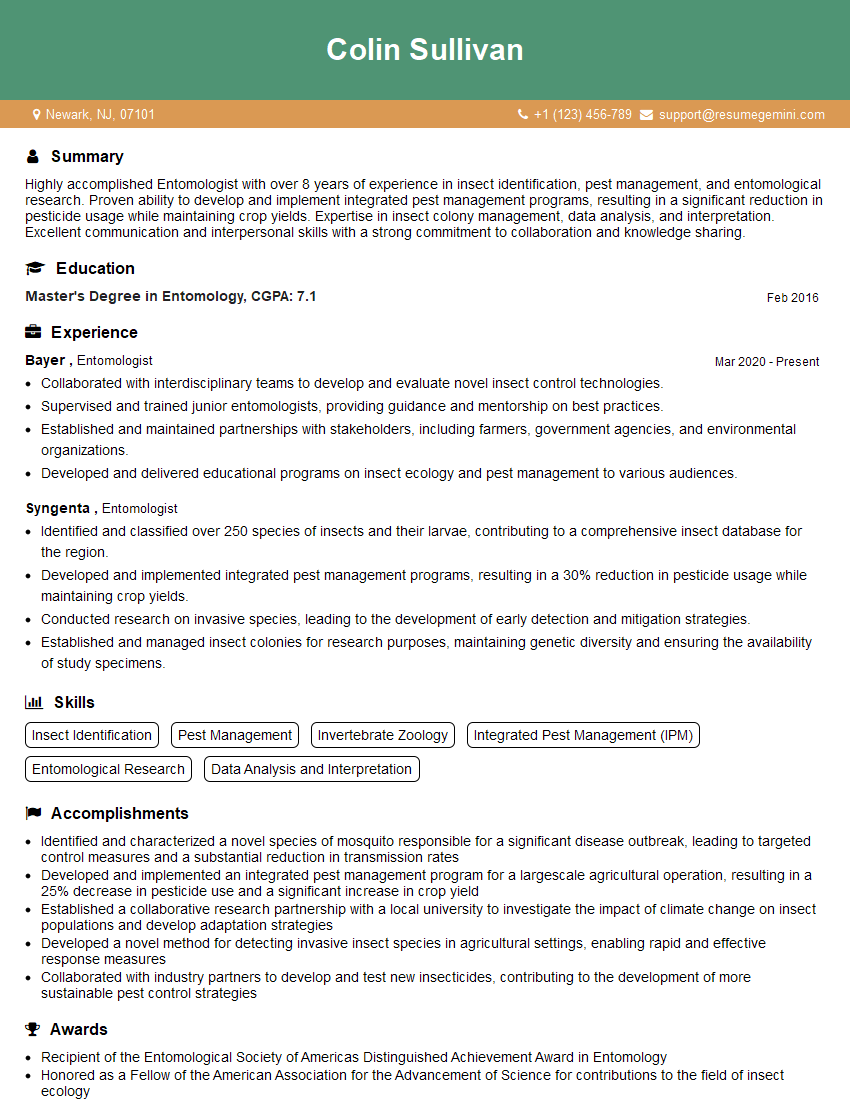
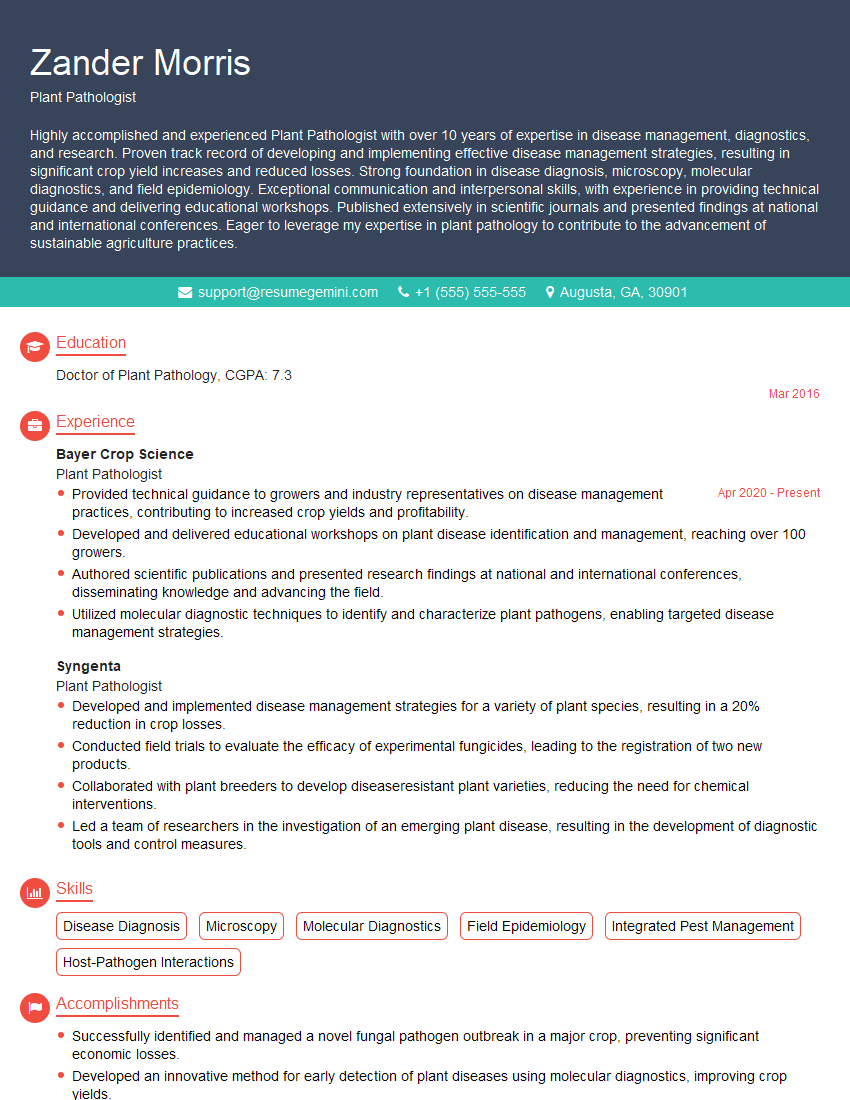
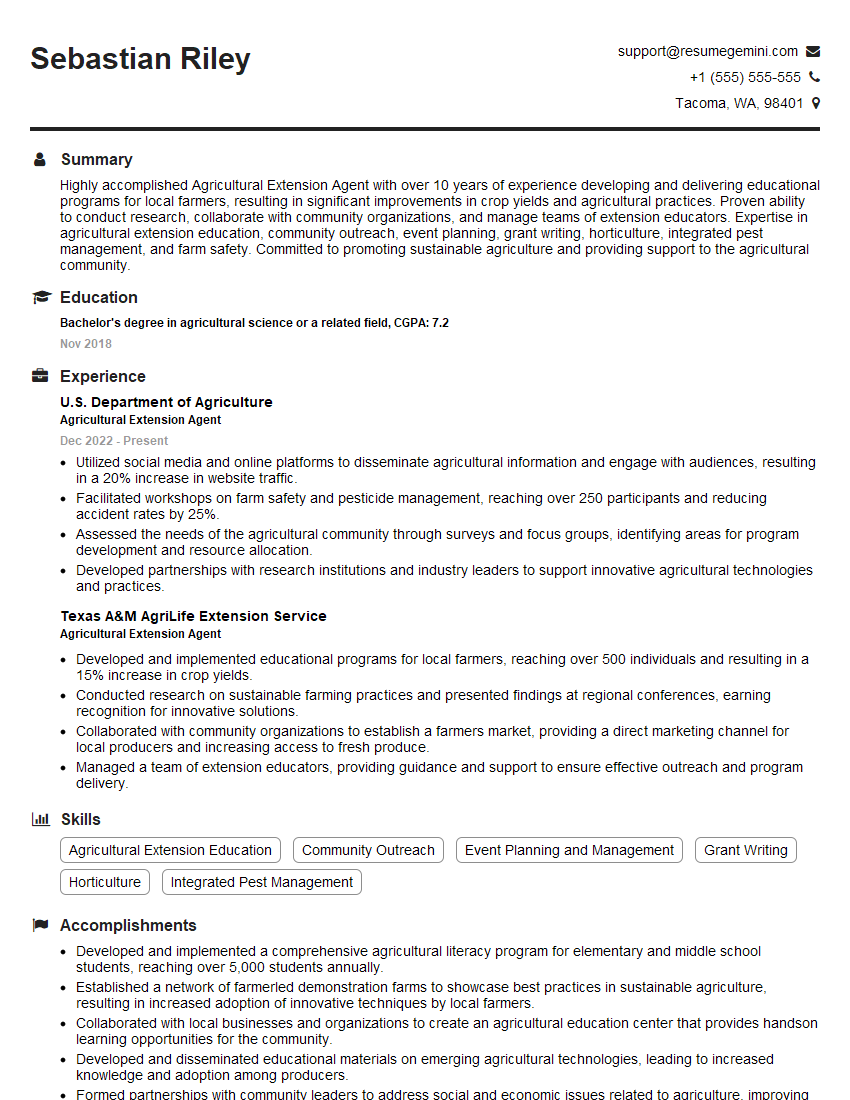
Mastering insect and disease sampling is crucial for career advancement in agriculture, horticulture, environmental science, and related fields. A strong understanding of these techniques positions you for roles with increased responsibility and higher earning potential. To maximize your job prospects, it’s essential to present your skills and experience effectively through a well-crafted resume optimized for Applicant Tracking Systems (ATS). ResumeGemini is a trusted resource that can help you build a professional and impactful resume that highlights your expertise. Examples of resumes tailored to Insect and Disease Sampling are available to help guide your resume creation process. Investing time in crafting a strong resume is an investment in your future career.

Explore more articles
Users Rating of Our Blogs
Share Your Experience
We value your feedback! Please rate our content and share your thoughts (optional).
What Readers Say About Our Blog
Attention music lovers!
Wow, All the best Sax Summer music !!!
Spotify: https://open.spotify.com/artist/6ShcdIT7rPVVaFEpgZQbUk
Apple Music: https://music.apple.com/fr/artist/jimmy-sax-black/1530501936
YouTube: https://music.youtube.com/browse/VLOLAK5uy_noClmC7abM6YpZsnySxRqt3LoalPf88No
Other Platforms and Free Downloads : https://fanlink.tv/jimmysaxblack
on google : https://www.google.com/search?q=22+AND+22+AND+22
on ChatGPT : https://chat.openai.com?q=who20jlJimmy20Black20Sax20Producer
Get back into the groove with Jimmy sax Black
Best regards,
Jimmy sax Black
www.jimmysaxblack.com
Hi I am a troller at The aquatic interview center and I suddenly went so fast in Roblox and it was gone when I reset.
Hi,
Business owners spend hours every week worrying about their website—or avoiding it because it feels overwhelming.
We’d like to take that off your plate:
$69/month. Everything handled.
Our team will:
Design a custom website—or completely overhaul your current one
Take care of hosting as an option
Handle edits and improvements—up to 60 minutes of work included every month
No setup fees, no annual commitments. Just a site that makes a strong first impression.
Find out if it’s right for you:
https://websolutionsgenius.com/awardwinningwebsites
Hello,
we currently offer a complimentary backlink and URL indexing test for search engine optimization professionals.
You can get complimentary indexing credits to test how link discovery works in practice.
No credit card is required and there is no recurring fee.
You can find details here:
https://wikipedia-backlinks.com/indexing/
Regards
NICE RESPONSE TO Q & A
hi
The aim of this message is regarding an unclaimed deposit of a deceased nationale that bears the same name as you. You are not relate to him as there are millions of people answering the names across around the world. But i will use my position to influence the release of the deposit to you for our mutual benefit.
Respond for full details and how to claim the deposit. This is 100% risk free. Send hello to my email id: lukachachibaialuka@gmail.com
Luka Chachibaialuka
Hey interviewgemini.com, just wanted to follow up on my last email.
We just launched Call the Monster, an parenting app that lets you summon friendly ‘monsters’ kids actually listen to.
We’re also running a giveaway for everyone who downloads the app. Since it’s brand new, there aren’t many users yet, which means you’ve got a much better chance of winning some great prizes.
You can check it out here: https://bit.ly/callamonsterapp
Or follow us on Instagram: https://www.instagram.com/callamonsterapp
Thanks,
Ryan
CEO – Call the Monster App
Hey interviewgemini.com, I saw your website and love your approach.
I just want this to look like spam email, but want to share something important to you. We just launched Call the Monster, a parenting app that lets you summon friendly ‘monsters’ kids actually listen to.
Parents are loving it for calming chaos before bedtime. Thought you might want to try it: https://bit.ly/callamonsterapp or just follow our fun monster lore on Instagram: https://www.instagram.com/callamonsterapp
Thanks,
Ryan
CEO – Call A Monster APP
To the interviewgemini.com Owner.
Dear interviewgemini.com Webmaster!
Hi interviewgemini.com Webmaster!
Dear interviewgemini.com Webmaster!
excellent
Hello,
We found issues with your domain’s email setup that may be sending your messages to spam or blocking them completely. InboxShield Mini shows you how to fix it in minutes — no tech skills required.
Scan your domain now for details: https://inboxshield-mini.com/
— Adam @ InboxShield Mini
support@inboxshield-mini.com
Reply STOP to unsubscribe
Hi, are you owner of interviewgemini.com? What if I told you I could help you find extra time in your schedule, reconnect with leads you didn’t even realize you missed, and bring in more “I want to work with you” conversations, without increasing your ad spend or hiring a full-time employee?
All with a flexible, budget-friendly service that could easily pay for itself. Sounds good?
Would it be nice to jump on a quick 10-minute call so I can show you exactly how we make this work?
Best,
Hapei
Marketing Director
Hey, I know you’re the owner of interviewgemini.com. I’ll be quick.
Fundraising for your business is tough and time-consuming. We make it easier by guaranteeing two private investor meetings each month, for six months. No demos, no pitch events – just direct introductions to active investors matched to your startup.
If youR17;re raising, this could help you build real momentum. Want me to send more info?
Hi, I represent an SEO company that specialises in getting you AI citations and higher rankings on Google. I’d like to offer you a 100% free SEO audit for your website. Would you be interested?
Hi, I represent an SEO company that specialises in getting you AI citations and higher rankings on Google. I’d like to offer you a 100% free SEO audit for your website. Would you be interested?