Interviews are opportunities to demonstrate your expertise, and this guide is here to help you shine. Explore the essential Inspect finished products interview questions that employers frequently ask, paired with strategies for crafting responses that set you apart from the competition.
Questions Asked in Inspect finished products Interview
Q 1. Describe your experience with various inspection methods (visual, dimensional, functional).
My experience encompasses a wide range of inspection methods, each crucial for ensuring product quality. Visual inspection is the foundation, relying on keen observation to identify surface defects like scratches, dents, or discoloration. I’m adept at using various lighting techniques and magnification tools to detect even subtle flaws. For example, I once identified a hairline crack in a plastic casing during a visual inspection that would have led to functional failure later. Dimensional inspection utilizes precision measuring instruments like calipers, micrometers, and coordinate measuring machines (CMMs) to verify that the product’s dimensions conform to specifications. This involves meticulous measurements and comparison to tolerance limits. A recent project required me to ensure the precise alignment of components within a complex assembly, demanding accurate dimensional measurements. Finally, functional inspection tests the product’s performance against its intended use. This could involve anything from verifying the operational speed of a motor to testing the water resistance of a phone. I’ve performed functional tests on a variety of electronic devices, ensuring proper functionality across different operating conditions.
Q 2. What are the key differences between quality control and quality assurance?
While both quality control (QC) and quality assurance (QA) are vital for producing high-quality products, they have distinct roles. QC focuses on the end product, inspecting finished goods to identify defects and ensure they meet specifications. It’s a reactive process, addressing problems *after* they occur. QA, on the other hand, is a proactive process focusing on preventing defects from arising in the first place. It involves designing and implementing systems and processes that minimize errors throughout the manufacturing process, from material selection to final assembly. Think of QC as the ‘firefighter’ putting out fires, while QA is the ‘fire prevention’ team minimizing fire hazards.
Q 3. Explain your understanding of statistical process control (SPC).
Statistical Process Control (SPC) is a powerful method for monitoring and controlling a process’s variability. It uses statistical techniques like control charts to track key process parameters over time, identifying trends and patterns that indicate potential problems. A control chart typically plots data points against upper and lower control limits. Points consistently falling outside these limits signal that the process is out of control and requires investigation. For instance, if we’re monitoring the diameter of a manufactured shaft, an SPC chart helps us detect if the average diameter starts drifting or if the variation in diameter becomes excessive, indicating a need for adjustment to the manufacturing process. This proactive approach helps maintain consistent product quality and prevents large-scale defects.
Q 4. How do you handle discrepancies found during the inspection process?
When discrepancies arise during inspection, my first step is to document them thoroughly, including detailed descriptions, photographs, and measurements. Then, I analyze the root cause of the discrepancy. This might involve examining the manufacturing process, raw materials, or equipment. Once the root cause is identified, I communicate the findings to the relevant teams (e.g., manufacturing, engineering). Depending on the severity, this may involve immediate corrective actions, process adjustments, or even product recall. A clear and concise report is then generated, which details the discrepancies found, the root cause analysis, the corrective actions taken, and any preventative measures implemented to prevent recurrence.
Q 5. What are your experience with using different measuring instruments (calipers, micrometers, etc.)?
I possess extensive experience with various measuring instruments, including calipers, micrometers, dial indicators, and CMMs. Calipers are used for routine measurements of length, depth, and width, while micrometers offer greater precision for finer measurements. Dial indicators are helpful for measuring surface irregularities or runout. CMMs are invaluable for complex parts requiring high accuracy and automation. Regular calibration of these instruments is critical for maintaining accuracy. I follow strict calibration schedules and ensure that all measurements are traceable to certified standards. For instance, when inspecting intricate mechanical components, I often use a CMM to ensure precise dimensional accuracy and alignment, avoiding costly rework or field failures.
Q 6. Describe your experience with documenting inspection findings and generating reports.
Documenting inspection findings and generating reports is a critical part of my role. I use a combination of digital and paper-based systems to maintain detailed records. This includes using spreadsheets, databases, or specialized inspection software to log inspection data, including the date, time, product identification, inspection method, and results. The reports I generate clearly outline all findings, including both conforming and non-conforming units, detailed descriptions of defects, and supporting photographic or graphical evidence. These reports are crucial for tracking quality trends, identifying areas for process improvement, and ensuring accountability.
Q 7. How do you prioritize inspection tasks when faced with time constraints?
When facing time constraints, I prioritize inspection tasks based on risk. I focus first on inspecting products or components with the highest potential impact on safety or functionality. This might involve a risk assessment matrix that helps determine the criticality of each item. For example, in a medical device manufacturing setting, components related to patient safety would be prioritized over cosmetic aspects. I might also employ stratified sampling techniques to efficiently inspect a representative sample of the production batch. Furthermore, I might streamline the inspection process by using automated inspection equipment or focusing on key characteristics rather than performing a complete inspection of every single unit.
Q 8. Explain your understanding of different quality standards (ISO 9001, etc.).
Quality standards like ISO 9001 provide a framework for achieving consistent product quality. ISO 9001, for example, is a globally recognized standard that outlines requirements for a quality management system (QMS). A QMS ensures a company consistently meets customer and regulatory requirements. It’s not just about the finished product; it’s about the entire process, from design and procurement to production and delivery.
- Focus on Customer Satisfaction: ISO 9001 emphasizes understanding and meeting customer needs. This involves gathering feedback, defining product requirements clearly, and consistently delivering products that meet those requirements.
- Process-Oriented Approach: The standard encourages a systematic approach to managing processes to improve efficiency and reduce defects. This often involves documenting procedures and regularly reviewing their effectiveness.
- Continuous Improvement: ISO 9001 promotes a culture of continuous improvement (often referred to as Kaizen). Regular audits, data analysis, and corrective actions are key elements for identifying areas for improvement and enhancing quality over time.
- Management Responsibility: Top management’s commitment and involvement are crucial. They must define the quality policy, provide resources, and ensure the QMS is effective.
Other standards, like those specific to industries (e.g., automotive, aerospace), build upon ISO 9001, adding more stringent requirements tailored to their unique needs and risks.
Q 9. How do you ensure the accuracy and reliability of your inspection results?
Accuracy and reliability in inspection are paramount. I ensure this through several key practices:
- Calibration of Equipment: All measuring instruments are regularly calibrated against traceable standards to guarantee their accuracy. This is meticulously documented.
- Standard Operating Procedures (SOPs): We follow detailed SOPs for each inspection procedure. This ensures consistency and minimizes variations between inspectors.
- Multiple Inspectors/Verification: For critical components or complex products, multiple inspectors may review the same unit. This cross-checking helps identify potential biases and errors.
- Statistical Process Control (SPC): SPC techniques help monitor the inspection process itself for consistency and identify any trends that might indicate a problem in the manufacturing process. Control charts are frequently used for this purpose.
- Regular Training and Proficiency Testing: Continuous training keeps my skills updated and ensures I’m proficient in using the equipment and interpreting the standards.
Think of it like a chef meticulously following a recipe and using calibrated measuring tools – the result is a consistently delicious dish. In inspection, it’s about consistently identifying defects and ensuring product quality.
Q 10. Describe a time you identified a critical defect that could have led to serious consequences. How did you handle it?
During an inspection of a batch of pressure vessels, I discovered a significant weld defect on one unit – a crack that wasn’t visible to the naked eye but was clearly evident under close visual inspection with a magnifying glass and confirmed with dye penetrant testing. This could have led to a catastrophic failure under pressure, potentially resulting in injury or even death.
My immediate action was to:
- Isolate the Defective Unit: I immediately quarantined the affected pressure vessel, preventing it from entering the distribution chain.
- Document the Finding: I meticulously documented the defect, its location, and the inspection methods used for its discovery. Photographs and detailed reports were created.
- Inform Management: I escalated the issue to my supervisor and the production manager, outlining the potential consequences and recommending immediate corrective actions.
- Root Cause Analysis (RCA): We conducted a thorough RCA to determine the cause of the weld defect. This involved reviewing welding procedures, operator training, and equipment maintenance records.
- Corrective Actions: Based on the RCA, we implemented corrective actions, including retraining welders, adjusting welding parameters, and increasing inspection frequency.
The situation highlighted the critical role of thorough inspection in preventing serious accidents. The timely identification and resolution of the defect prevented potentially disastrous consequences.
Q 11. How familiar are you with using inspection software or databases?
I’m very familiar with several inspection software packages and databases. My experience includes using software for:
- Data Entry and Tracking: Software enables efficient recording of inspection results, generating reports, and tracking quality metrics over time. This often involves using barcode scanners and automated data capture systems.
- Statistical Analysis: Software packages allow for advanced statistical analysis of inspection data, including control charts, histograms, and capability studies. This helps to identify trends and areas for improvement.
- Image Management: Many systems integrate image capture and management functionalities, allowing me to easily attach photos or videos of defects to inspection reports. This provides a visual record and aids in communication.
- Database Management: I’m comfortable working with databases to query inspection data, generate customized reports, and track product quality over time.
I am proficient in using LIMS (Laboratory Information Management Systems) and other dedicated quality management software commonly utilized in manufacturing. Specific software used varies by the company and the type of product being inspected, but the underlying principles of data management and analysis remain consistent.
Q 12. How do you handle disagreements with other inspectors or production personnel?
Disagreements are sometimes inevitable. My approach is always professional and collaborative:
- Review the Evidence: The first step involves carefully reviewing the evidence, including inspection reports, photographs, and any relevant documentation.
- Open Communication: I engage in open and respectful communication with the other inspector or production personnel, explaining my observations and reasoning clearly.
- Third-Party Mediation: If the disagreement persists, I involve a supervisor or quality manager to facilitate a resolution. A third party can provide an objective assessment and guide the discussion toward a consensus.
- Adherence to Procedures: Decisions are made based on established procedures and company standards. All findings are documented, regardless of agreement or disagreement.
- Focus on Problem-Solving: The goal is to resolve the disagreement and focus on improving the process, not on assigning blame.
Ultimately, the objective is to ensure product quality and safety. A collaborative approach, focusing on data and established procedures, usually resolves disagreements effectively.
Q 13. What are your experience with different types of inspection tools and technologies?
My experience encompasses a wide range of inspection tools and technologies:
- Basic Measuring Instruments: Calipers, micrometers, rulers, and gauges are fundamental tools for measuring dimensions and tolerances.
- Optical Instruments: Microscopes, borescopes, and magnifying glasses allow for detailed visual inspection of small components and hard-to-reach areas.
- Non-Destructive Testing (NDT): I have experience with various NDT methods such as dye penetrant testing, magnetic particle inspection, ultrasonic testing, and radiographic inspection. These techniques detect internal flaws without damaging the product.
- Automated Inspection Systems: I’m familiar with automated systems using computer vision, laser scanning, and other advanced technologies for high-volume inspection. These systems often improve speed and accuracy significantly.
- 3D Scanning and Metrology: Experience with 3D scanning allows for precise dimensional measurements and comparisons against CAD models, offering significant advantages for complex geometries.
The specific tools and technologies employed depend entirely on the product and the type of inspection required. My proficiency extends across various methods, ensuring I can select the most appropriate approach for each situation.
Q 14. How do you maintain a high level of accuracy and consistency throughout the inspection process?
Maintaining high accuracy and consistency is critical. My strategies include:
- Regular Calibration: All measuring instruments are regularly calibrated and maintained to ensure accuracy.
- Standard Operating Procedures: Strict adherence to SOPs eliminates variations between inspectors and ensures consistent evaluation.
- Checklists and Work Instructions: Detailed checklists and work instructions guide the inspection process, leaving no room for ambiguity.
- Internal Audits: Regular internal audits review the inspection process for compliance and identify areas for improvement.
- Continuous Training: Ongoing training and proficiency testing keep my skills sharp and ensure I remain current with the latest techniques and technologies.
- Data Analysis: Regular analysis of inspection data reveals trends and potential biases that might affect accuracy and consistency.
Consistency is achieved by turning the inspection process itself into a controlled and repeatable procedure, similar to a scientific experiment with detailed methodology and controls to minimize variations.
Q 15. How do you identify and address root causes of recurring quality issues?
Identifying and addressing the root causes of recurring quality issues is crucial for continuous improvement. It’s not enough to simply fix the immediate problem; we must understand why it happened in the first place. I typically use a structured approach like the 5 Whys technique, coupled with data analysis.
For instance, if we repeatedly find scratches on a finished product, the initial answer might be ‘poor handling.’ But the 5 Whys would delve deeper:
- Why are there scratches? – Poor handling.
- Why is the handling poor? – Inadequate training.
- Why is the training inadequate? – Lack of clear procedures.
- Why are the procedures unclear? – They weren’t reviewed recently and are outdated.
- Why weren’t the procedures reviewed? – Lack of a defined review process.
This reveals the root cause: a deficient review process for handling procedures. The solution isn’t just retraining; it’s implementing a formal review schedule, updating procedures, and providing thorough training on these updated procedures. We’d also use data like defect location, frequency, and time of occurrence to corroborate our findings and inform corrective actions.
Career Expert Tips:
- Ace those interviews! Prepare effectively by reviewing the Top 50 Most Common Interview Questions on ResumeGemini.
- Navigate your job search with confidence! Explore a wide range of Career Tips on ResumeGemini. Learn about common challenges and recommendations to overcome them.
- Craft the perfect resume! Master the Art of Resume Writing with ResumeGemini’s guide. Showcase your unique qualifications and achievements effectively.
- Don’t miss out on holiday savings! Build your dream resume with ResumeGemini’s ATS optimized templates.
Q 16. Describe your experience with implementing corrective and preventive actions (CAPA).
Corrective and Preventive Actions (CAPA) are fundamental to quality management. My experience involves implementing CAPA across various projects, from identifying the root cause (as described above) to implementing corrective actions, verifying their effectiveness, and establishing preventive measures to avoid recurrence.
For example, in a previous role, we experienced consistent failures in a specific component. Our CAPA process involved:
- Problem Identification: Identifying the high failure rate of the component.
- Root Cause Analysis: Employing tools like fault tree analysis and Pareto charts to isolate the problem’s root cause (in this case, a faulty supplier component).
- Corrective Action: Switching to a different, more reliable supplier.
- Verification: Monitoring the failure rate with the new supplier to confirm improvement.
- Preventive Action: Establishing a more rigorous supplier qualification process and incorporating quality checks at various stages, including incoming inspection, to prevent similar issues in the future.
I meticulously document the entire CAPA process, ensuring traceability and compliance with relevant standards.
Q 17. How familiar are you with different types of inspection plans (e.g., sampling plans)?
I am very familiar with various inspection plans, including different sampling plans. The choice of inspection plan depends heavily on the context – the cost of inspection, the risk associated with defects, and the production volume.
For instance:
- 100% Inspection: Suitable for high-risk, low-volume production where every item needs to be checked. This is costly but ensures high quality.
- Sampling Plans (e.g., ANSI/ASQ Z1.4): These are statistically based plans where only a fraction of the batch is inspected. The acceptance criteria are determined based on the Acceptable Quality Limit (AQL) and the sample size. These are cost-effective for high-volume production but rely on statistical confidence.
- Acceptance Sampling Plans by Attributes (MIL-STD-105E): This military standard defines different sampling plans based on acceptable quality levels and lot sizes. It is ideal when defects are present as discrete attributes rather than continuous measurements.
- Variables Sampling Plans: These use measurements of a quality characteristic, allowing for more precise assessment of the product’s conformity. This is beneficial for continuous data like dimensions.
I have experience selecting and implementing appropriate sampling plans based on the specific needs of the project and the risk tolerance. Understanding the underlying statistical principles is crucial for ensuring that the inspection is both effective and economical.
Q 18. Explain your understanding of different types of defects (critical, major, minor).
Classifying defects as critical, major, or minor is essential for prioritizing corrective actions and managing risk. The classification depends on the potential impact of the defect on safety, functionality, and customer satisfaction.
- Critical Defects: These defects pose a serious safety hazard or render the product completely unusable. Examples include a cracked weld on a pressure vessel or a missing safety guard on machinery.
- Major Defects: These defects affect the functionality or performance of the product, but they don’t necessarily pose a safety hazard. For example, a significant scratch on a highly polished surface or a malfunctioning button on an electronic device.
- Minor Defects: These defects are relatively insignificant and do not significantly affect the functionality or performance of the product. A small paint blemish or a minor misalignment are examples.
A consistent defect classification system ensures effective communication and helps in assessing overall product quality. Different industries might have their own specific classifications based on product type and application.
Q 19. How do you stay current with industry best practices and new inspection technologies?
Staying current is paramount in this rapidly evolving field. I achieve this through multiple avenues:
- Professional Organizations: Active membership in organizations like ASQ (American Society for Quality) provides access to publications, conferences, and networking opportunities.
- Industry Publications and Journals: I regularly read industry-specific journals and publications to stay informed about new technologies and best practices.
- Online Courses and Webinars: Online learning platforms offer valuable courses on advanced inspection techniques and new technologies.
- Conferences and Workshops: Attending industry conferences allows for direct interaction with experts and exposure to new technologies.
- Collaboration and Networking: Discussing best practices and challenges with colleagues in the field helps keep my knowledge sharp.
For example, I recently completed a course on advanced optical inspection techniques, enabling me to better evaluate surface quality in our products. This continuous learning ensures that I remain at the forefront of the field.
Q 20. Describe your experience in training others on quality control procedures.
I have extensive experience in training others on quality control procedures. My approach is hands-on and practical, focusing on clear communication and real-world application. I believe in a combination of theoretical understanding and practical demonstrations.
My training sessions typically include:
- Classroom Instruction: Covering the theoretical aspects of quality control, including inspection techniques, statistical process control, and relevant standards.
- Hands-on Training: Providing practical experience using inspection equipment and performing actual inspections.
- Case Studies: Reviewing real-world examples of quality issues and their resolution.
- Interactive Exercises: Engaging participants in activities that reinforce learning.
- Ongoing Support: Providing ongoing mentorship and support to trainees after the completion of the training program.
I tailor my training to the specific needs and skill levels of the trainees. For example, training for new employees will focus on fundamental concepts, whereas experienced inspectors might receive training on advanced techniques or new inspection technologies.
Q 21. How do you handle situations where inspection standards are ambiguous or unclear?
Ambiguous or unclear inspection standards are a significant challenge. When faced with such situations, I take a systematic approach:
- Clarification through Internal Sources: I first attempt to clarify any ambiguities by consulting internal documentation, work instructions, or relevant subject matter experts.
- Reference to External Standards: If internal clarification is insufficient, I refer to relevant industry standards or best practices to seek guidance.
- Formal Escalation: If ambiguities persist, I escalate the issue to my supervisor or the quality management team for a formal decision and clarification.
- Documentation: I meticulously document all attempts at clarification and any decisions made, ensuring a clear audit trail.
- Gap Analysis and Improvement: I contribute to the improvement of the inspection standards documentation process to reduce ambiguity and ensure consistency in the future.
Transparency and communication are crucial throughout this process. It’s vital to involve all relevant stakeholders to ensure that everyone understands and agrees on the interpretation and application of the inspection standards.
Q 22. Explain your experience with different types of manufacturing processes and their associated inspection requirements.
My experience spans a wide range of manufacturing processes, from injection molding and machining to assembly and packaging. Each process demands a unique inspection approach. For instance, injection molding necessitates meticulous examination for defects like sink marks, short shots, and flash. This often involves visual inspection aided by magnification tools and sometimes destructive testing to assess internal integrity. Machining requires precision measurement using tools like calipers, micrometers, and CMMs (Coordinate Measuring Machines) to verify tolerances and surface finish. Assembly inspections are more holistic, focusing on proper component fit, functionality, and the absence of any damage during the assembly process. Packaging inspection ensures product protection and adherence to labeling regulations. I’ve adapted my inspection methodologies to the specifics of each process, ensuring thoroughness and efficiency.
- Injection Molding: Visual inspection, dimensional checks, destructive testing (if required).
- Machining: Dimensional measurement using calipers, micrometers, CMMs, surface finish checks.
- Assembly: Functional testing, component verification, visual inspection for damage.
- Packaging: Label verification, seal integrity checks, damage assessment.
Q 23. How do you balance the need for thorough inspection with the demands of production efficiency?
Balancing thorough inspection with production efficiency is a constant juggling act. The key is to implement a robust, yet streamlined, inspection plan. This involves identifying critical quality characteristics (CQCs) – the features that most significantly impact product performance and safety. We prioritize inspection of these CQCs, utilizing statistical sampling techniques where appropriate. This means instead of inspecting every single unit, we inspect a statistically representative sample. If the sample meets the required quality standards, the entire batch is deemed acceptable. This approach minimizes inspection time without compromising quality assurance. Furthermore, implementing automation where possible, such as automated vision systems, dramatically improves speed and consistency. Continuous improvement initiatives, including regular review of inspection processes, also help to refine efficiency without sacrificing thoroughness.
Q 24. Describe your experience with working in a team environment to ensure high-quality product output.
Teamwork is paramount in quality control. In my previous role, we had a team of inspectors, each specializing in different areas. We used a collaborative approach, regularly sharing findings and best practices. For instance, if one inspector noticed a recurring defect in a specific component, they’d inform the team, triggering a root cause analysis to address the issue at its source. This involved close collaboration with the production team to identify and rectify problems. We also used a system of cross-checking, where inspectors would verify each other’s work to minimize errors. Effective communication and mutual respect fostered a productive and high-quality output.
Q 25. How do you manage your time effectively during high-volume inspection periods?
During high-volume periods, effective time management is crucial. I prioritize tasks based on urgency and importance, focusing on CQCs first. I use checklists and standardized procedures to maintain consistency and speed. Taking short, planned breaks to avoid burnout is essential, as is maintaining good communication with my colleagues and supervisors to ensure work is distributed effectively and potential bottlenecks are identified proactively. I also advocate for the use of appropriate technology to automate repetitive tasks whenever feasible, freeing up time for more complex inspections.
Q 26. How do you ensure your work area remains organized and efficient?
A well-organized workspace is essential for efficient inspection. I maintain a 5S system (Sort, Set in Order, Shine, Standardize, Sustain) in my area. This involves keeping only necessary tools and materials within reach, arranging them logically, ensuring the area is clean and well-lit, and establishing standardized procedures for handling parts and documentation. Regularly decluttering and maintaining a designated space for each item significantly reduces search time and minimizes the risk of errors caused by a chaotic workspace. This consistent organization promotes focus and efficiency.
Q 27. Describe your understanding of the importance of proper documentation and traceability in quality control.
Proper documentation and traceability are fundamental to quality control. They establish a clear audit trail, allowing us to track a product’s journey from raw materials to finished goods. This is crucial for identifying the root cause of defects, tracking product performance over time, and meeting regulatory requirements. I’m experienced in using various documentation methods, including digital records and barcode systems, to ensure complete traceability. Accurate records are essential for responding to customer complaints, initiating recalls (if needed), and continuously improving our processes. My experience includes using software systems designed to manage quality control data and generate reports for compliance and analysis.
Q 28. What are your salary expectations for this role?
My salary expectations are commensurate with my experience and the requirements of this role. Considering my expertise in quality control, my proven track record of improving efficiency and reducing defects, and my ability to work effectively in team environments, I am targeting a salary range of [Insert Salary Range]. However, I’m open to discussing this further and would welcome the opportunity to learn more about the compensation package associated with this position.
Key Topics to Learn for Inspecting Finished Products Interview
- Quality Control Standards: Understanding various quality control methodologies (e.g., ISO 9001, Six Sigma) and their application in inspecting finished goods. Consider the different types of quality defects and how to categorize them.
- Inspection Techniques: Mastering both visual inspection methods and the use of specialized equipment (e.g., calipers, micrometers, testing instruments). Be prepared to discuss your experience with different inspection procedures and their effectiveness.
- Documentation and Reporting: Thoroughly understand the importance of accurate and detailed record-keeping. Practice articulating your experience in creating comprehensive inspection reports and documenting findings effectively.
- Problem-Solving and Root Cause Analysis: Develop your ability to identify the root cause of quality issues. Be ready to describe your approach to investigating defects and proposing corrective actions. Familiarize yourself with common root cause analysis techniques (e.g., 5 Whys, Fishbone diagrams).
- Safety Regulations and Compliance: Demonstrate your knowledge of relevant safety regulations and compliance standards within the industry. This includes understanding safe handling procedures for materials and equipment.
- Data Analysis and Interpretation: Discuss your experience analyzing inspection data to identify trends and patterns. Be prepared to explain how you use this data to improve quality control processes.
Next Steps
Mastering the art of inspecting finished products is crucial for a successful career in quality assurance and opens doors to numerous growth opportunities. A strong resume is your key to unlocking these opportunities. To maximize your chances, craft an ATS-friendly resume that highlights your skills and experience effectively. ResumeGemini is a trusted resource that can help you build a professional and impactful resume. Examples of resumes tailored to highlight experience in inspecting finished products are available to help guide your creation.
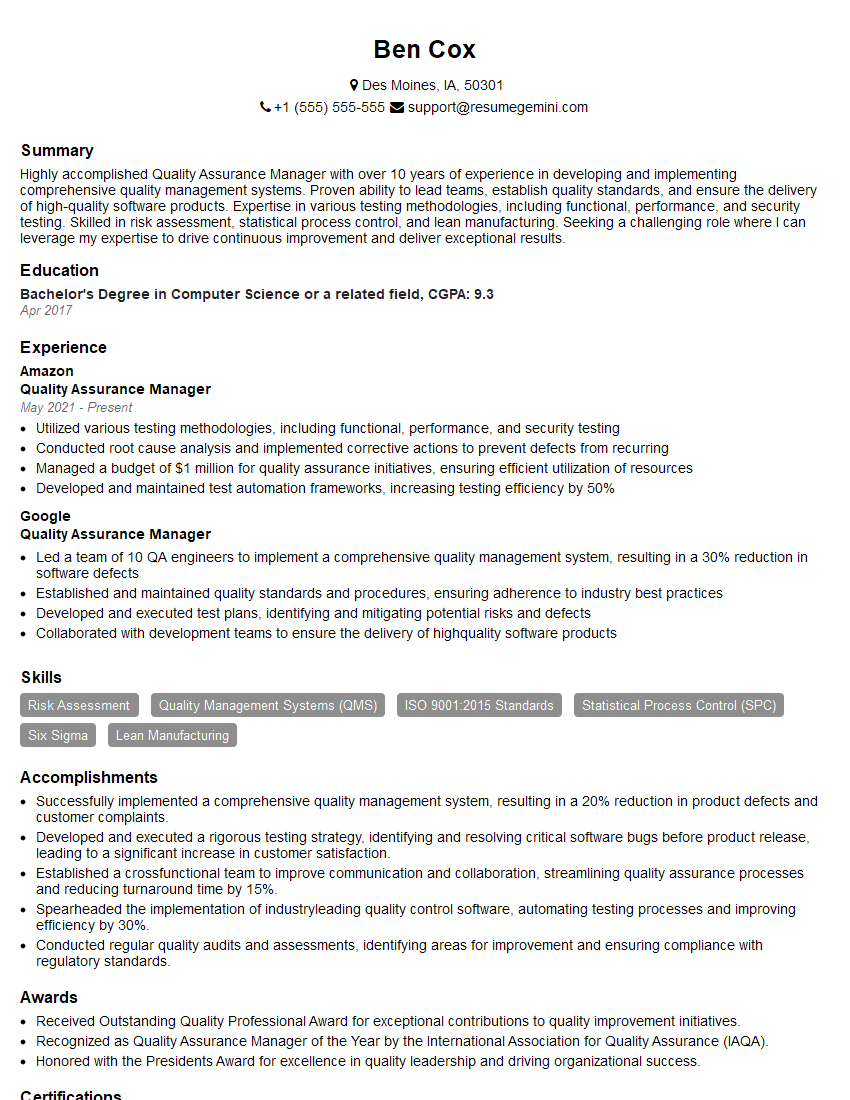
Quality Assurance Manager Resume Sample
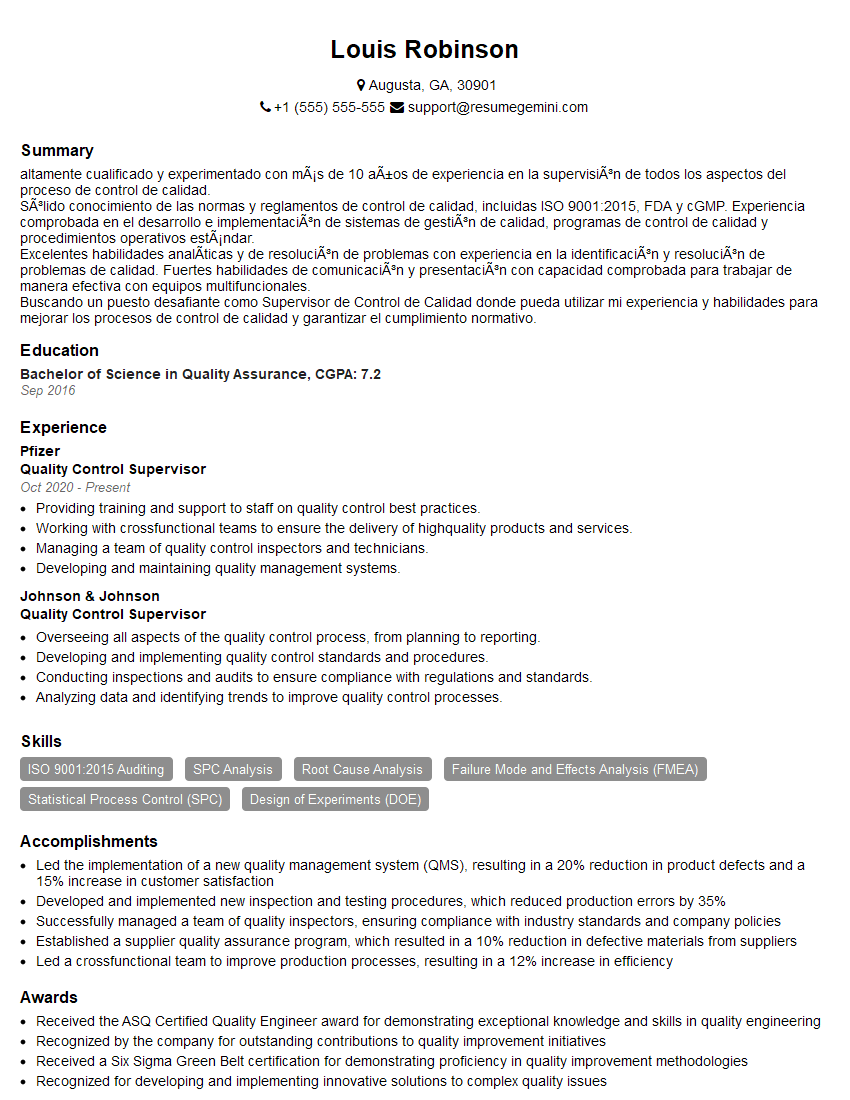
Quality Control Supervisor Resume Sample
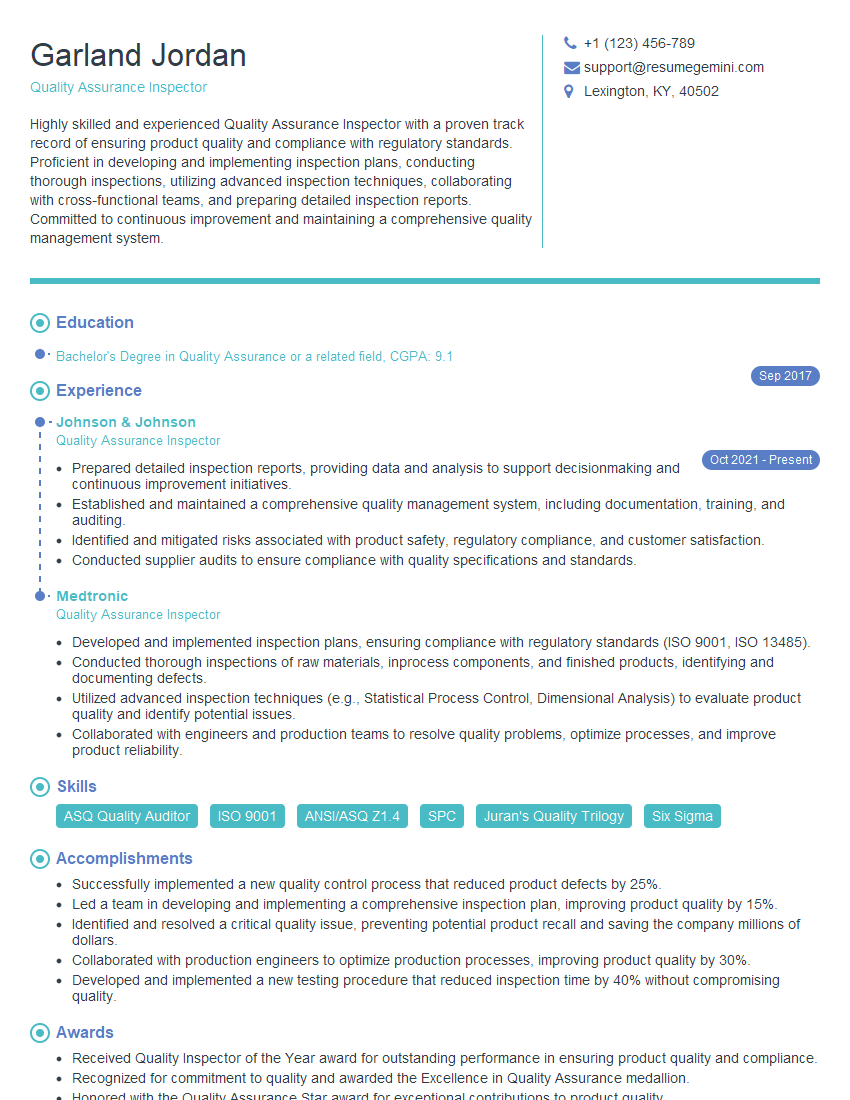
Quality Assurance Inspector Resume Sample
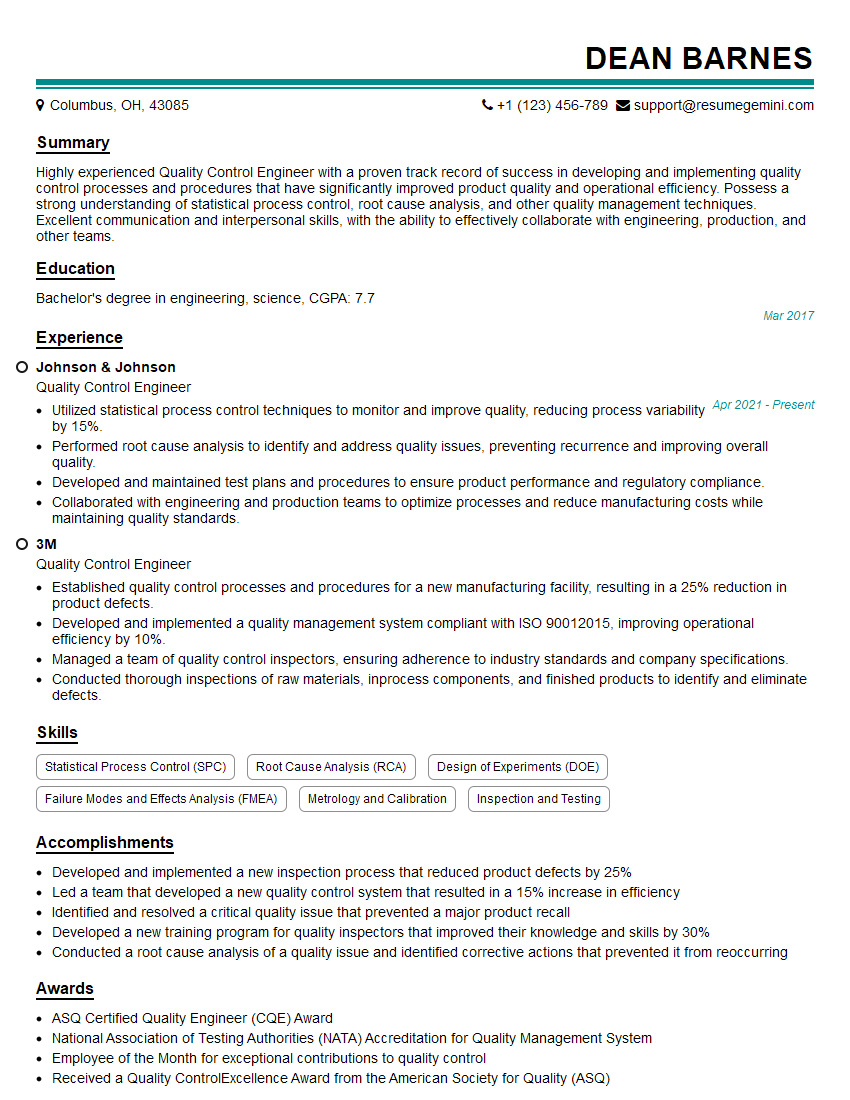
Quality Control Engineer Resume Sample
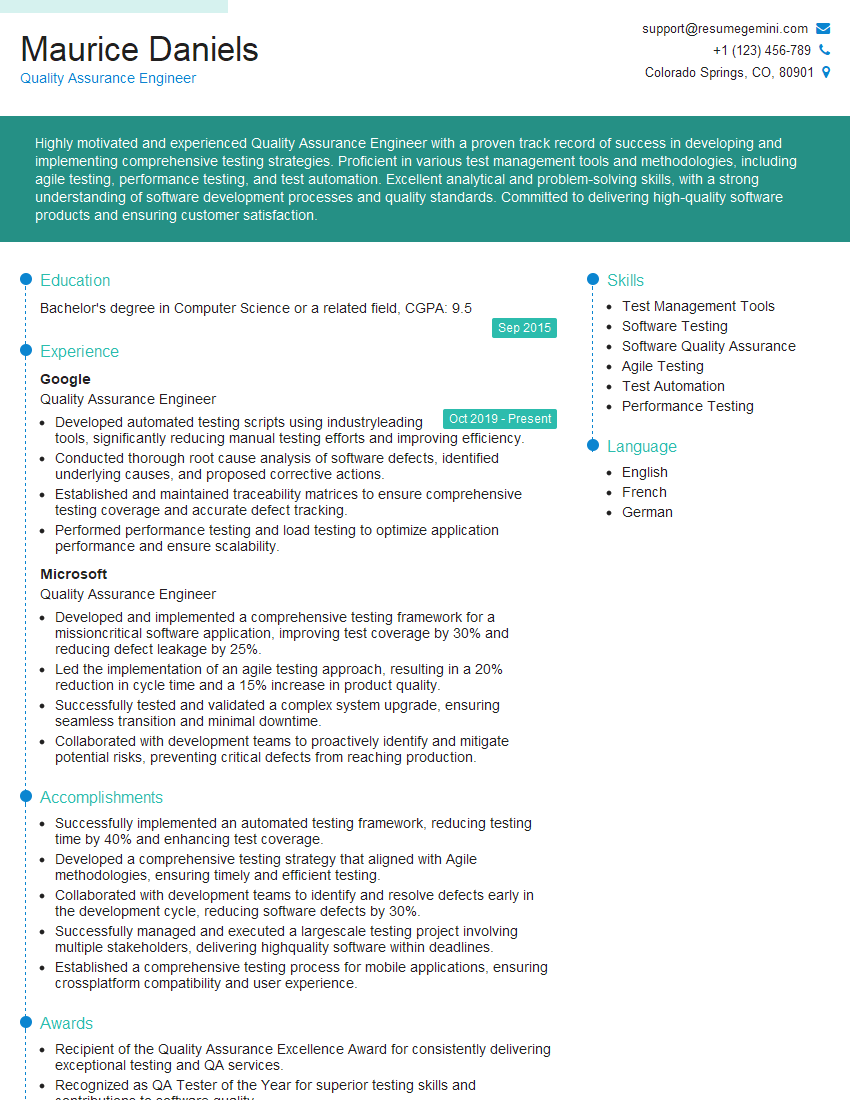
Quality Assurance Engineer Resume Sample
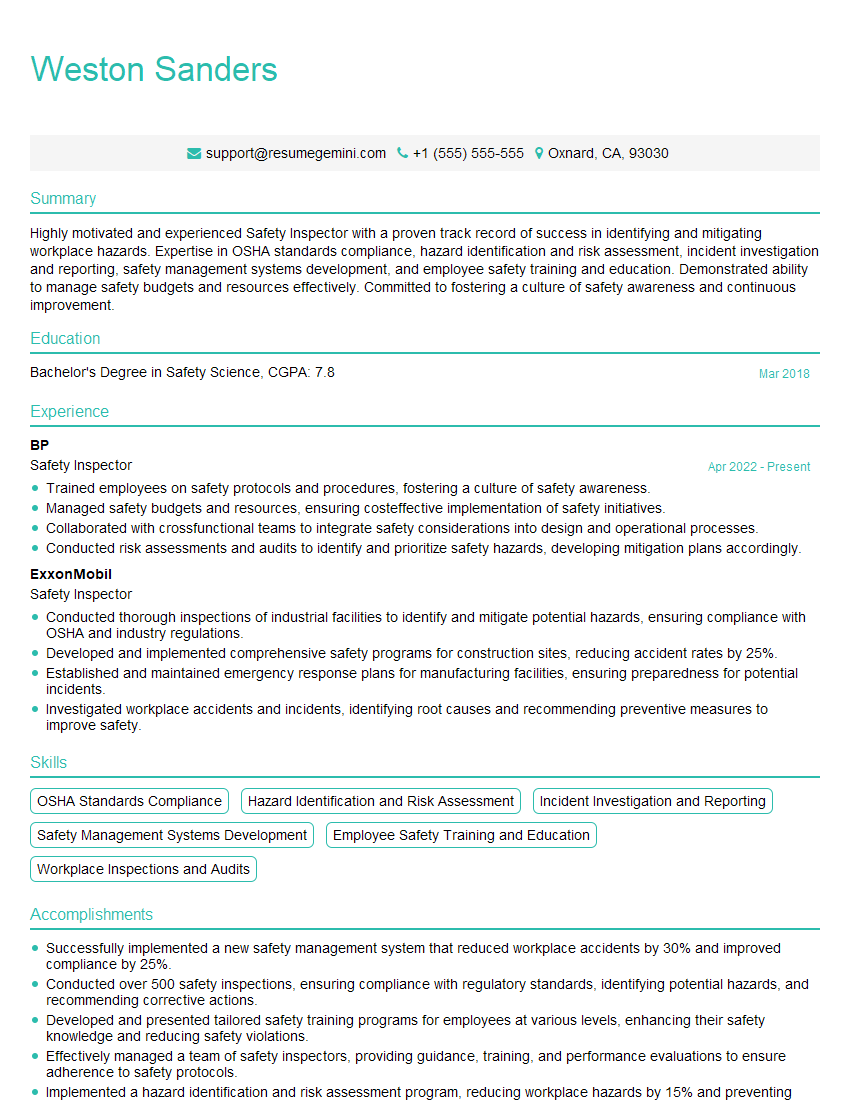
Safety Inspector Resume Sample
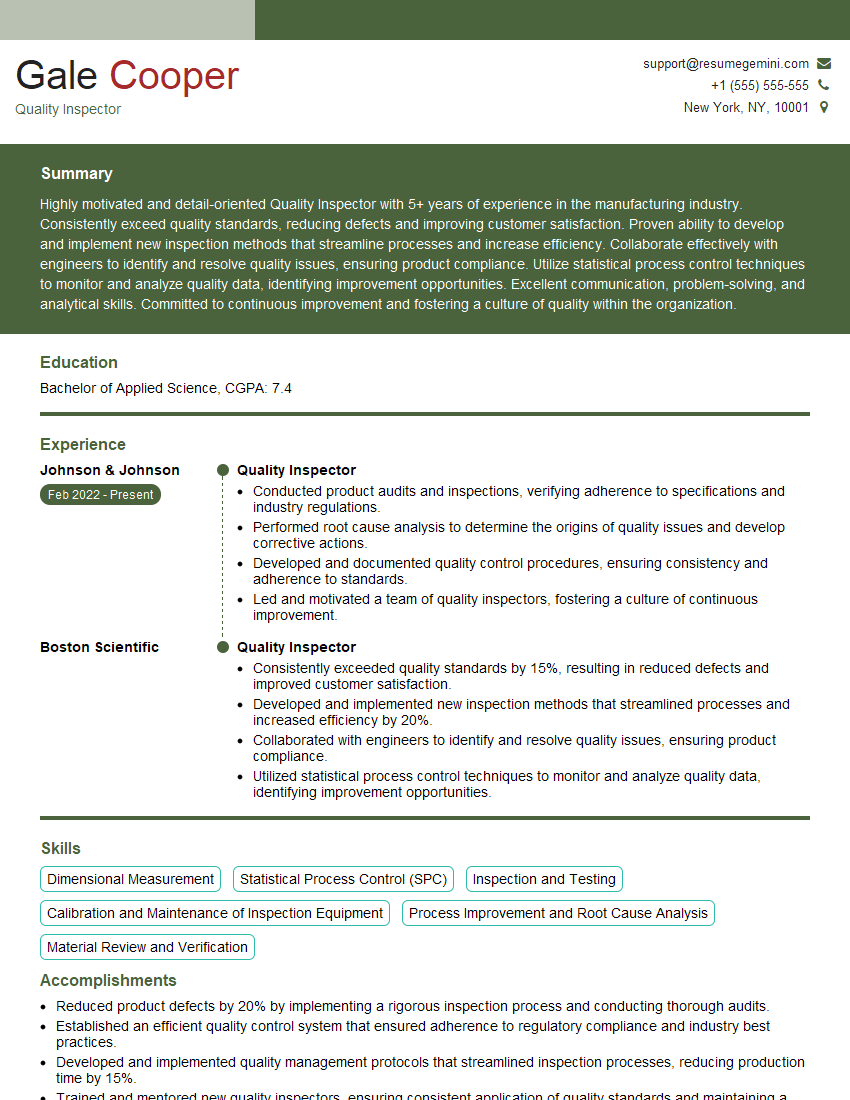
Quality Inspector Resume Sample
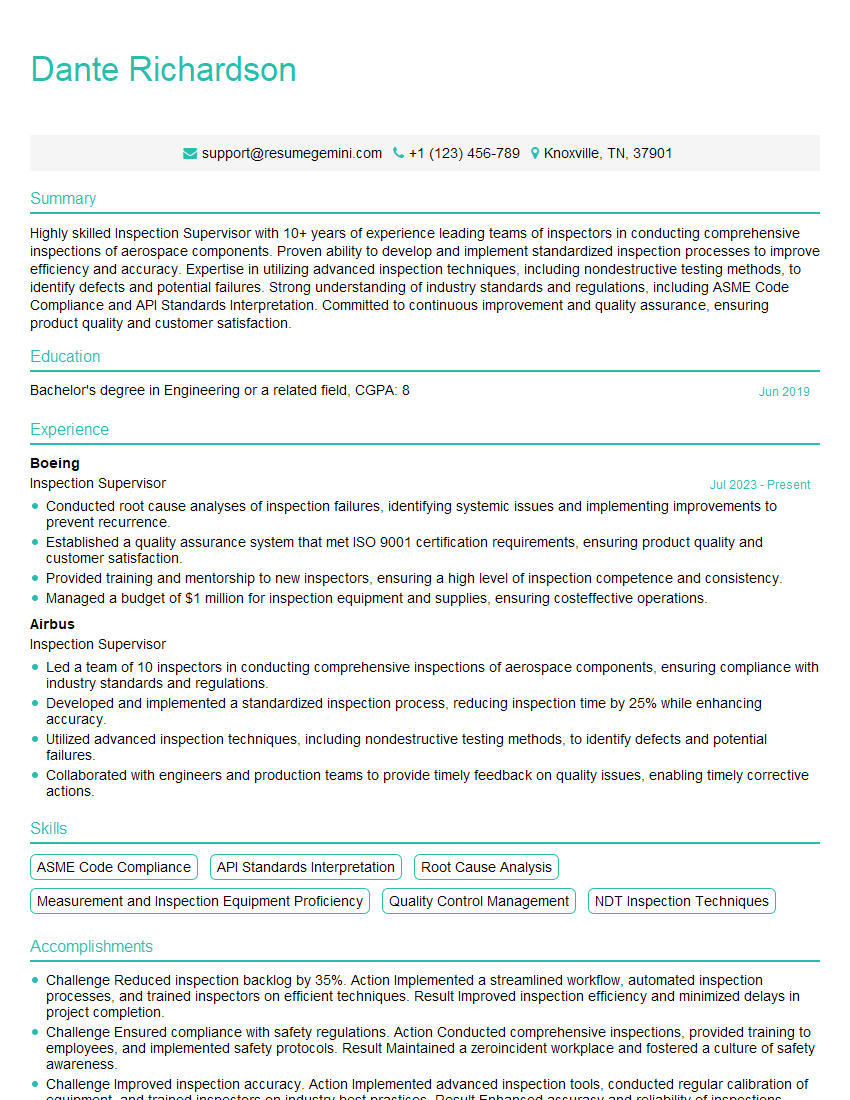
Inspection Supervisor Resume Sample
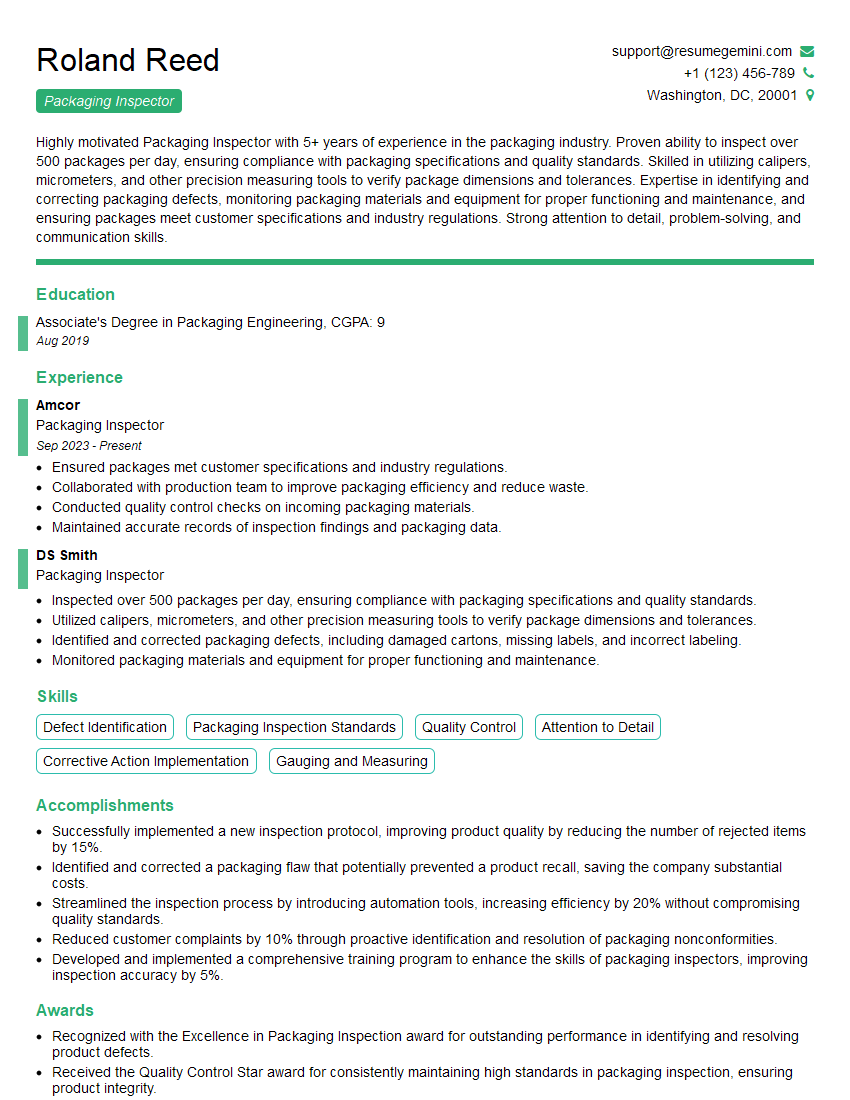
Packaging Inspector Resume Sample
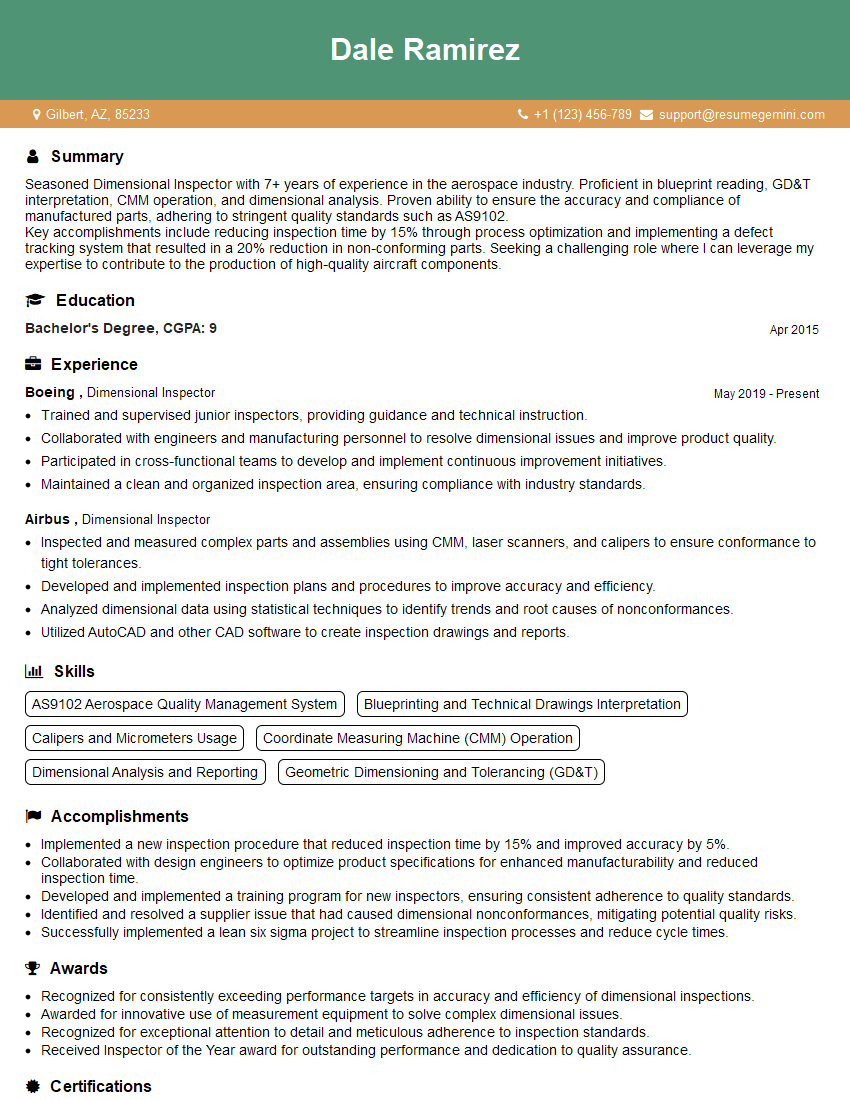
Dimensional Inspector Resume Sample
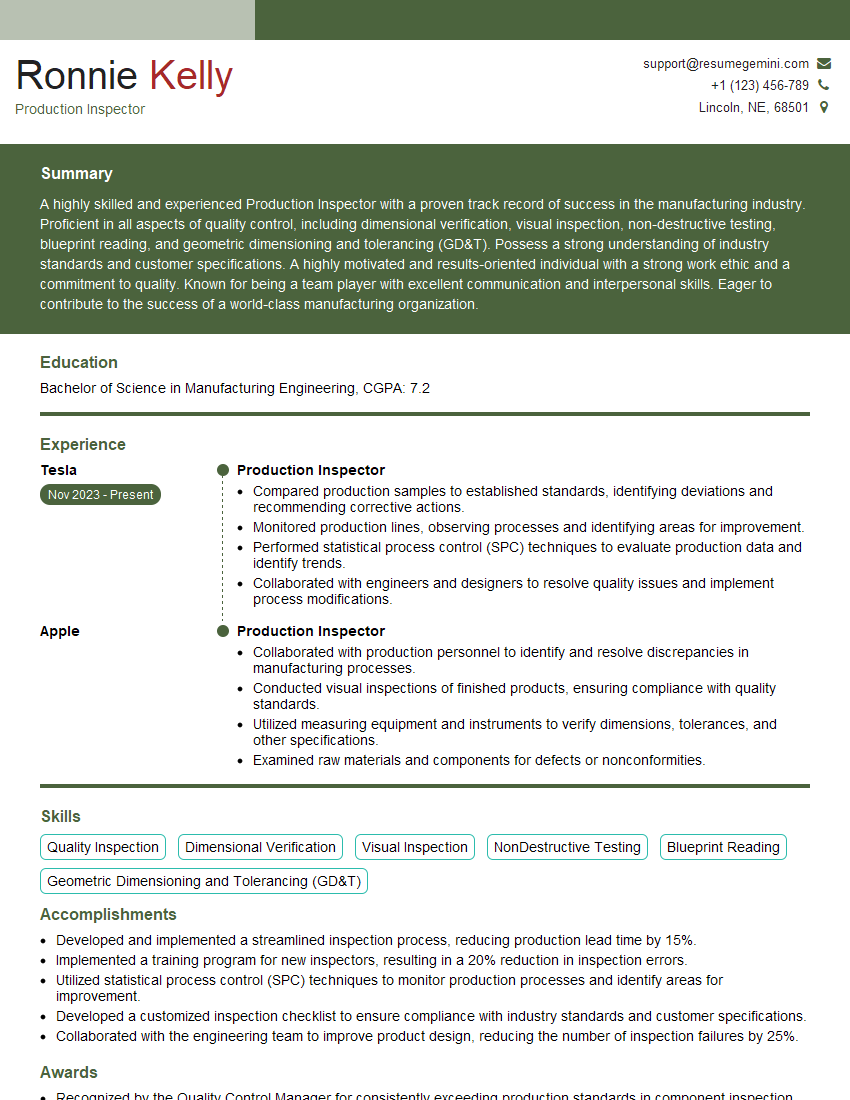
Production Inspector Resume Sample
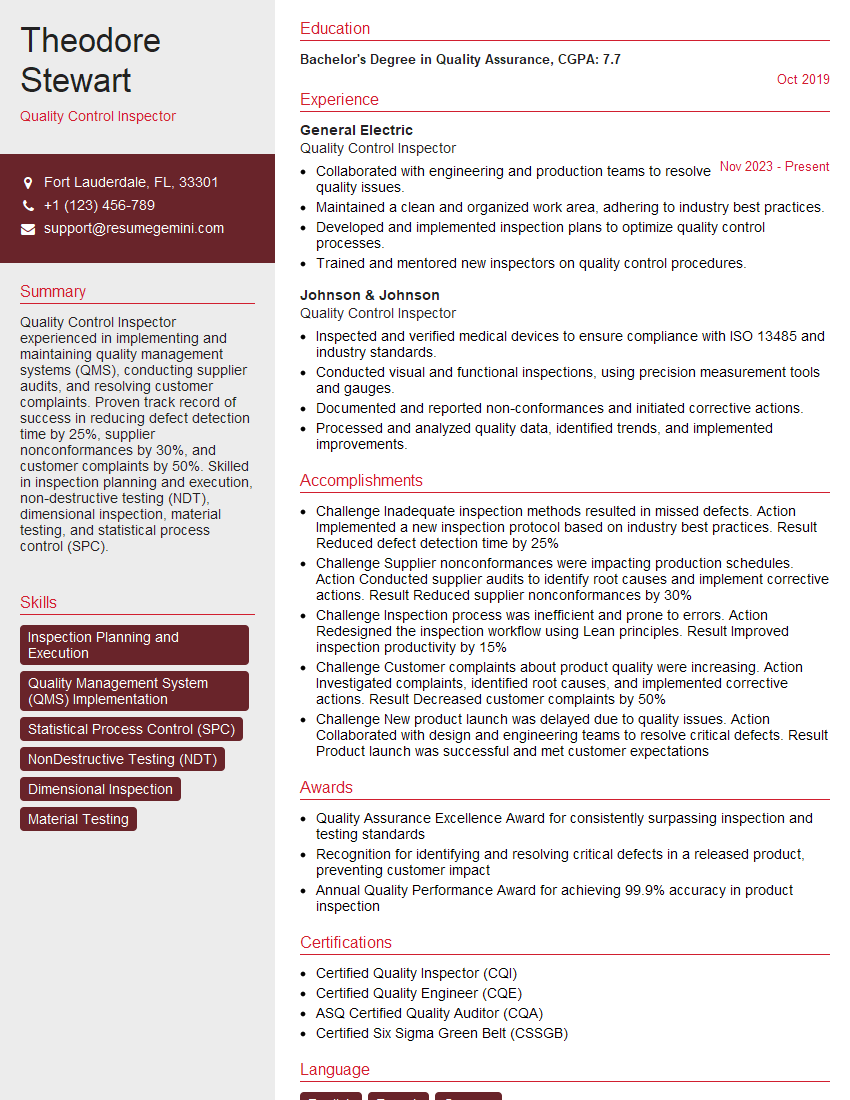
Quality Control Inspector Resume Sample
Explore more articles
Users Rating of Our Blogs
Share Your Experience
We value your feedback! Please rate our content and share your thoughts (optional).
What Readers Say About Our Blog
Attention music lovers!
Wow, All the best Sax Summer music !!!
Spotify: https://open.spotify.com/artist/6ShcdIT7rPVVaFEpgZQbUk
Apple Music: https://music.apple.com/fr/artist/jimmy-sax-black/1530501936
YouTube: https://music.youtube.com/browse/VLOLAK5uy_noClmC7abM6YpZsnySxRqt3LoalPf88No
Other Platforms and Free Downloads : https://fanlink.tv/jimmysaxblack
on google : https://www.google.com/search?q=22+AND+22+AND+22
on ChatGPT : https://chat.openai.com?q=who20jlJimmy20Black20Sax20Producer
Get back into the groove with Jimmy sax Black
Best regards,
Jimmy sax Black
www.jimmysaxblack.com
Hi I am a troller at The aquatic interview center and I suddenly went so fast in Roblox and it was gone when I reset.
Hi,
Business owners spend hours every week worrying about their website—or avoiding it because it feels overwhelming.
We’d like to take that off your plate:
$69/month. Everything handled.
Our team will:
Design a custom website—or completely overhaul your current one
Take care of hosting as an option
Handle edits and improvements—up to 60 minutes of work included every month
No setup fees, no annual commitments. Just a site that makes a strong first impression.
Find out if it’s right for you:
https://websolutionsgenius.com/awardwinningwebsites
Hello,
we currently offer a complimentary backlink and URL indexing test for search engine optimization professionals.
You can get complimentary indexing credits to test how link discovery works in practice.
No credit card is required and there is no recurring fee.
You can find details here:
https://wikipedia-backlinks.com/indexing/
Regards
NICE RESPONSE TO Q & A
hi
The aim of this message is regarding an unclaimed deposit of a deceased nationale that bears the same name as you. You are not relate to him as there are millions of people answering the names across around the world. But i will use my position to influence the release of the deposit to you for our mutual benefit.
Respond for full details and how to claim the deposit. This is 100% risk free. Send hello to my email id: lukachachibaialuka@gmail.com
Luka Chachibaialuka
Hey interviewgemini.com, just wanted to follow up on my last email.
We just launched Call the Monster, an parenting app that lets you summon friendly ‘monsters’ kids actually listen to.
We’re also running a giveaway for everyone who downloads the app. Since it’s brand new, there aren’t many users yet, which means you’ve got a much better chance of winning some great prizes.
You can check it out here: https://bit.ly/callamonsterapp
Or follow us on Instagram: https://www.instagram.com/callamonsterapp
Thanks,
Ryan
CEO – Call the Monster App
Hey interviewgemini.com, I saw your website and love your approach.
I just want this to look like spam email, but want to share something important to you. We just launched Call the Monster, a parenting app that lets you summon friendly ‘monsters’ kids actually listen to.
Parents are loving it for calming chaos before bedtime. Thought you might want to try it: https://bit.ly/callamonsterapp or just follow our fun monster lore on Instagram: https://www.instagram.com/callamonsterapp
Thanks,
Ryan
CEO – Call A Monster APP
To the interviewgemini.com Owner.
Dear interviewgemini.com Webmaster!
Hi interviewgemini.com Webmaster!
Dear interviewgemini.com Webmaster!
excellent
Hello,
We found issues with your domain’s email setup that may be sending your messages to spam or blocking them completely. InboxShield Mini shows you how to fix it in minutes — no tech skills required.
Scan your domain now for details: https://inboxshield-mini.com/
— Adam @ InboxShield Mini
support@inboxshield-mini.com
Reply STOP to unsubscribe
Hi, are you owner of interviewgemini.com? What if I told you I could help you find extra time in your schedule, reconnect with leads you didn’t even realize you missed, and bring in more “I want to work with you” conversations, without increasing your ad spend or hiring a full-time employee?
All with a flexible, budget-friendly service that could easily pay for itself. Sounds good?
Would it be nice to jump on a quick 10-minute call so I can show you exactly how we make this work?
Best,
Hapei
Marketing Director
Hey, I know you’re the owner of interviewgemini.com. I’ll be quick.
Fundraising for your business is tough and time-consuming. We make it easier by guaranteeing two private investor meetings each month, for six months. No demos, no pitch events – just direct introductions to active investors matched to your startup.
If youR17;re raising, this could help you build real momentum. Want me to send more info?
Hi, I represent an SEO company that specialises in getting you AI citations and higher rankings on Google. I’d like to offer you a 100% free SEO audit for your website. Would you be interested?
Hi, I represent an SEO company that specialises in getting you AI citations and higher rankings on Google. I’d like to offer you a 100% free SEO audit for your website. Would you be interested?