Cracking a skill-specific interview, like one for Interval and Fartlek Training, requires understanding the nuances of the role. In this blog, we present the questions you’re most likely to encounter, along with insights into how to answer them effectively. Let’s ensure you’re ready to make a strong impression.
Questions Asked in Interval and Fartlek Training Interview
Q 1. Define interval training and explain its physiological benefits.
Interval training is a method of training that involves alternating periods of high-intensity exercise with periods of rest or low-intensity exercise. Think of it like sprinting for a short burst, then walking or jogging to recover, and repeating the cycle. This structured approach delivers significant physiological benefits.
- Improved Cardiovascular Fitness: Interval training significantly improves your heart’s ability to pump blood efficiently, strengthening the cardiovascular system. This leads to increased VO2 max (the maximum amount of oxygen your body can utilize during exercise).
- Enhanced Speed and Power: The high-intensity bursts build strength and speed. Your muscles become more efficient at producing force quickly.
- Increased Metabolic Rate: Interval training boosts your metabolism, potentially leading to increased fat burning even after your workout.
- Improved Lactate Threshold: This refers to the point at which lactic acid builds up in your muscles, causing fatigue. Interval training pushes this threshold higher, allowing you to sustain higher intensities for longer periods.
- Enhanced Endurance: While seemingly counterintuitive, the rest periods allow for recovery, leading to improved overall endurance. You are essentially teaching your body to recover faster.
Q 2. Describe different types of interval training protocols (e.g., high-intensity interval training, tempo intervals).
Interval training protocols vary greatly depending on the athlete’s goals and fitness level. Here are a few examples:
- High-Intensity Interval Training (HIIT): This involves very short bursts of intense exercise (e.g., 30 seconds) followed by short recovery periods (e.g., 15 seconds). It’s highly effective for improving cardiovascular fitness and fat burning. An example would be 8 x 30 seconds sprints with 15 seconds rest between each sprint.
- Tempo Intervals: These intervals focus on sustained effort at a comfortably hard pace (approximately your lactate threshold pace). The work intervals are longer (e.g., 400m to 1600m runs) with recovery periods that allow for partial recovery, but not complete rest. The goal is to improve your endurance at a specific pace.
- Repetition Intervals: These involve repeated efforts at a specific distance or time at a high intensity, focusing on speed and power development. For example, 6 x 400m repetitions at 80% of your maximal speed.
- Interval Training with varied intensities: Combining different intensities during a single workout allows for enhanced training effects. It can involve a mix of HIIT and tempo intervals, helping to improve both speed and endurance.
Q 3. How do you determine appropriate work-to-rest ratios for interval training?
Determining the appropriate work-to-rest ratio is crucial for effective interval training and injury prevention. The ratio depends heavily on the intensity of the work intervals and the athlete’s fitness level. As a general guideline:
- High-Intensity Intervals (HIIT): A work-to-rest ratio of 1:1 or 1:2 (e.g., 30 seconds work, 30-60 seconds rest) is common. The shorter work intervals are followed by brief recovery to allow for sufficient recovery to maximize the next interval’s effort.
- Tempo Intervals: These typically use a work-to-rest ratio of 1:1 or even a slightly longer rest period. For example, a 400m run might be followed by a 400m easy jog or walk (1:1 ratio).
- Repetition Intervals: Rest periods can be longer, potentially 1:2 or even 1:3 ratio. This ensures adequate recovery for subsequent reps.
Experienced athletes can tolerate shorter rest periods and higher work-to-rest ratios. Beginners should start with longer rest periods and gradually decrease them as fitness improves. Always listen to your body and adjust the ratio as needed.
Q 4. Explain the principles of periodization in the context of interval training.
Periodization in interval training, like in other training programs, involves systematically varying the training volume, intensity, and frequency over time. This cyclical approach prevents overtraining and optimizes performance.
- Macrocycle: This is the long-term plan, usually a year or a season. It might involve several mesocycles.
- Mesocycle: This is a shorter training cycle, typically 4-8 weeks, focused on a specific training goal (e.g., improving speed, increasing endurance). Interval training parameters are adjusted within each mesocycle. For instance, early mesocycles might focus on higher volume, lower intensity, while later mesocycles increase intensity and reduce volume.
- Microcycle: This is a weekly or even daily plan, detailing the specific interval training sessions for that period. You could have a ‘heavy’ week with more intense interval sessions followed by a ‘lighter’ week for active recovery.
A well-structured periodization plan ensures progressive overload (gradually increasing the demands on the body), sufficient recovery, and peaking performance at the appropriate time. It’s crucial for preventing injuries and burnout. Example: An athlete training for a marathon might use longer interval runs (tempo) early in their training, then transition to shorter, high intensity (HIIT) for speed work closer to the race.
Q 5. How would you design an interval training program for a beginner runner?
For a beginner runner, a gradual introduction to interval training is essential to avoid injury and build a solid base. A sample program could look like this:
- Week 1-2: Focus on building a base aerobic fitness level with continuous running. Introduce short intervals (e.g., 4 x 400m) with a very high work-to-rest ratio (e.g., 1:3 or 1:4). Keep the running intensity at a conversational pace.
- Week 3-4: Gradually increase the number of intervals to 6-8, keeping the work-to-rest ratio similar. You could also slightly increase the length of the work intervals.
- Week 5-6: Begin slightly increasing the intensity of the work intervals, while progressively decreasing the rest periods. Maintain a steady work-to-rest ratio (around 1:2).
- Week 7-8: Introduce variations to the intervals. This may include short bursts of high intensity or slightly longer intervals at a moderately hard pace.
Throughout the program, prioritize proper warm-up and cool-down routines, and listen carefully to your body. Rest days are crucial. The focus should be on proper technique and consistent training rather than pushing too hard too early.
Q 6. How would you modify an interval training program for an athlete recovering from injury?
Modifying an interval training program for an athlete recovering from injury requires careful consideration of the injury and the healing process. The primary goal is to gradually reintroduce stress to the affected area without causing further harm.
- Start Slowly: Begin with very low intensity and short duration intervals, far below their previous level. For example, short walking intervals alternating with even shorter rest periods.
- Focus on Non-Weight-Bearing or Low-Impact Activities: If the injury affects a weight-bearing joint, consider alternative forms of interval training, such as cycling or swimming.
- Gradual Progression: As the athlete recovers, gradually increase the intensity, duration, and frequency of the intervals, closely monitoring for any pain or discomfort.
- Listen to the Body: If pain occurs, stop the training session immediately and rest. Do not push through pain.
- Consult with Healthcare Professionals: Work closely with a physical therapist or physician to develop a safe and effective rehabilitation program.
The modification should be highly individualized and depend on the athlete’s specific injury and recovery process. Consider integrating cross training activities like strength work to aid recovery in a specific muscle group without stressing the injured area.
Q 7. Define fartlek training and contrast it with interval training.
Fartlek training, meaning ‘speed play’ in Swedish, is a type of interval training that emphasizes variability and spontaneity. Unlike the structured nature of interval training with pre-determined work and rest periods, fartlek training involves varying the pace and intensity throughout a run or workout, based on how the athlete feels. Imagine a runner alternating between jogging, sprinting, and brisk walking according to the terrain and their feelings.
Here’s a contrast between Fartlek and Interval training:
- Structure: Interval training is highly structured, while fartlek is less structured and more flexible.
- Intensity: Interval training often involves very high-intensity bursts, whereas fartlek may include a wider range of intensities, from easy jogging to near-maximal sprints.
- Recovery: In interval training, the recovery periods are clearly defined. In fartlek, recovery is often integrated into the workout, as you transition naturally from high to low intensity.
- Application: Interval training is typically better suited for improving speed, power, and lactate threshold. Fartlek is great for improving overall fitness, endurance, and mental toughness, while introducing elements of variability and enjoyment.
Essentially, fartlek can be a great tool for adding variety and mental stimulation to a training program. It’s particularly suitable for athletes who find highly structured interval sessions monotonous.
Q 8. What are the advantages and disadvantages of fartlek training?
Fartlek training, meaning ‘speed play’ in Swedish, is a type of high-intensity interval training (HIIT) that incorporates varied intensities and paces within a single session. It’s less structured than traditional interval training, offering a more flexible and engaging approach.
- Advantages: Fartlek’s flexibility improves adherence, making it enjoyable and less monotonous. It enhances cardiovascular fitness, speed, and endurance, improves running economy, and builds mental toughness by demanding adaptable pacing strategies. It’s easily adaptable to various terrains and fitness levels.
- Disadvantages: The lack of precise control over intensity and recovery can make it difficult to accurately monitor progress and ensure consistent training stimulus. It can be hard to replicate sessions for consistency if not meticulously documented. Also, without careful planning, it might lack sufficient high-intensity intervals for optimal physiological adaptations.
Example: Imagine a runner incorporating sprints interspersed with easy jogging during a cross-country run. The variations in terrain and pace naturally create the fartlek effect.
Q 9. How can you incorporate fartlek training into a broader training plan?
Fartlek training effectively complements a broader training plan by adding variety and stimulating different physiological systems. Its place depends on the overall training goal.
- Early Season: Use fartlek as a fun and engaging way to build a base aerobic fitness and introduce high-intensity bursts without excessive strain.
- Mid-Season: Integrate fartlek to improve speed, endurance, and lactate threshold. Schedule it on easier training days to avoid overtraining.
- Pre-Competition: Use shorter, more intense fartlek sessions to sharpen speed and agility, but be mindful of overtraining.
Example: A marathon runner might include a long, easy run with interspersed hill sprints as a fartlek session once a week. An athlete training for a 10k race might incorporate shorter, more frequent fartlek sessions focused on speed intervals.
Q 10. How do you monitor an athlete’s response to interval and fartlek training?
Monitoring athlete response to interval and fartlek training requires a multifaceted approach.
- Subjective Measures: Athlete feedback regarding perceived exertion (RPE), muscle soreness, and overall fatigue is crucial.
- Objective Measures: Heart rate monitoring during and after sessions provides insights into training intensity. Performance tests (e.g., time trials, lactate threshold tests) track progress objectively. Monitoring training load and recovery using metrics like training stress balance (TSB) is vital to prevent overtraining.
- Physiological Markers: Blood lactate analysis can assess the athlete’s response to the training intensity, indicating their lactate threshold. Monitoring sleep patterns and mood can also give indicators of recovery and adaptation.
Example: Regularly scheduled lactate threshold tests can reveal improvements in an athlete’s ability to tolerate high-intensity exercise. Analyzing heart rate variability (HRV) can offer clues about the athlete’s overall recovery.
Q 11. What are the key physiological adaptations that occur in response to interval training?
Interval training elicits numerous physiological adaptations, primarily centered around improving the body’s capacity to utilize oxygen and remove metabolic byproducts.
- Increased VO2 Max: The maximum rate of oxygen consumption improves, enhancing aerobic capacity.
- Improved Lactate Threshold: The intensity at which lactate production exceeds removal increases, allowing for sustained high-intensity performance.
- Enhanced Cardiovascular Function: The heart becomes more efficient, with increased stroke volume and reduced resting heart rate.
- Increased Mitochondrial Density: The number of mitochondria (powerhouses of cells) in muscles increases, enhancing energy production.
- Improved Running Economy: The body becomes more efficient at using oxygen during exercise, reducing energy expenditure at a given pace.
Example: An athlete performing 800m repeats at near-maximal effort will experience significant increases in their VO2 max and lactate threshold over time.
Q 12. What are the potential risks and contraindications associated with interval training?
While interval training is highly beneficial, it carries potential risks if not implemented correctly.
- Overtraining: Insufficient recovery between high-intensity intervals or sessions can lead to overtraining syndrome, characterized by fatigue, decreased performance, and increased risk of injury.
- Muscle Injuries: High-intensity efforts can strain muscles, especially if the athlete isn’t adequately prepared or warmed up.
- Cardiovascular Strain: Individuals with pre-existing cardiovascular conditions should exercise extreme caution and seek medical advice before engaging in interval training.
- Metabolic Disturbances: Intense training can temporarily disrupt metabolic homeostasis, potentially leading to issues like electrolyte imbalance.
Contraindications: Interval training is contraindicated for individuals with acute infections, severe cardiac conditions, uncontrolled hypertension, or other serious medical conditions. Always consult a physician before starting any new training program.
Q 13. How do you assess an athlete’s readiness for interval and fartlek training?
Assessing readiness for interval and fartlek training requires a holistic approach considering the athlete’s training history, current fitness level, and any underlying health conditions.
- Training History: Evaluate the athlete’s experience with high-intensity training. Beginners should start slowly with shorter intervals and ample recovery.
- Fitness Assessment: Tests like a graded exercise test or a lactate threshold test can objectively assess the athlete’s aerobic capacity and tolerance to high-intensity exercise.
- Medical History: Review any existing health conditions or injuries that might limit participation in high-intensity activities.
- Self-reported Readiness: Athlete feedback regarding fatigue and readiness to train is vital.
Example: A runner with a history of injuries might begin with shorter, slower fartlek sessions, focusing on gradual progression.
Q 14. Explain the role of warm-up and cool-down in interval and fartlek training sessions.
Warm-up and cool-down are critical components of interval and fartlek training sessions, enhancing performance and minimizing injury risk.
- Warm-up (10-15 minutes): Should include light aerobic activity (e.g., jogging) to increase blood flow to muscles and gradually increase body temperature. Dynamic stretching (e.g., arm circles, leg swings) prepares muscles for movement. A brief period of sport-specific movements (e.g., short sprints for runners) allows for neuromuscular preparation.
- Cool-down (10-15 minutes): Involves light aerobic activity to gradually decrease heart rate and body temperature. Static stretching (holding stretches for 15-30 seconds) improves flexibility and reduces muscle soreness.
Example: A runner might start with 5 minutes of jogging, followed by dynamic stretching, then proceed to the fartlek workout. After the workout, 5 minutes of jogging and 5 minutes of static stretching would constitute an adequate cool down.
Q 15. How do you incorporate nutrition and hydration strategies into interval and fartlek training programs?
Nutrition and hydration are paramount for optimal performance and recovery in interval and fartlek training. These high-intensity workouts demand significant energy expenditure and fluid balance.
Pre-workout: A carbohydrate-rich meal 2-3 hours before the session provides sustained energy. Think oatmeal with berries or a whole-wheat sandwich with lean protein. Hydration starts well before the workout; athletes should begin drinking water several hours in advance.
During workout (especially longer sessions): For sessions exceeding 60 minutes, incorporating easily digestible carbohydrates like sports gels or drinks can help maintain energy levels and prevent ‘hitting the wall’. Regular sips of water or electrolyte drinks are crucial to replace fluids lost through sweat.
Post-workout: The post-workout period is crucial for replenishing glycogen stores and repairing muscle tissue. A meal or snack containing both carbohydrates and protein (e.g., Greek yogurt with fruit, a protein shake with banana) within 30-60 minutes of finishing is ideal. This promotes muscle recovery and prevents muscle breakdown.
Individualization: It’s important to remember that nutritional needs vary widely depending on the athlete’s individual characteristics (body weight, metabolism, training intensity), the duration and intensity of the training session, and environmental conditions (heat, humidity). A personalized nutrition plan, often in consultation with a registered dietitian or sports nutritionist, should guide this process.
Career Expert Tips:
- Ace those interviews! Prepare effectively by reviewing the Top 50 Most Common Interview Questions on ResumeGemini.
- Navigate your job search with confidence! Explore a wide range of Career Tips on ResumeGemini. Learn about common challenges and recommendations to overcome them.
- Craft the perfect resume! Master the Art of Resume Writing with ResumeGemini’s guide. Showcase your unique qualifications and achievements effectively.
- Don’t miss out on holiday savings! Build your dream resume with ResumeGemini’s ATS optimized templates.
Q 16. How do you address common issues like fatigue and overtraining in athletes undergoing interval and fartlek training?
Fatigue and overtraining are common pitfalls in intense training regimes like interval and fartlek. Recognizing the signs is key. Fatigue is often characterized by persistent tiredness, decreased performance, and reduced motivation. Overtraining, a more serious condition, involves prolonged fatigue, persistent muscle soreness, decreased performance across the board, and even illness or injury.
Prevention Strategies:
- Proper planning: Include adequate rest and recovery days in the training schedule. This allows for physiological repair and adaptation. A well-structured periodization plan helps manage training load over time.
- Listen to your body: Pay attention to subjective feelings of fatigue. Don’t push through extreme pain or persistent exhaustion.
- Monitoring key indicators: Track training volume, heart rate variability, sleep quality, and perceived exertion. Any significant deviation from baseline values should be a cause for concern.
- Varied training methods: Incorporate active recovery methods (light jogging, swimming) along with complete rest days. This enhances recovery and prevents muscle fatigue and overuse injuries.
- Nutrition and hydration: As discussed earlier, appropriate nutrition and hydration support recovery and prevent fatigue.
Addressing Existing Issues: If fatigue or overtraining are suspected, the first step is to reduce training volume and intensity. Include more rest and recovery days. Consult a physician or sports medicine specialist to rule out any underlying medical conditions. A gradual return to training, guided by a professional, ensures a safe and effective recovery.
Q 17. How can you use heart rate monitoring to guide interval and fartlek training?
Heart rate monitoring offers valuable insights for guiding both interval and fartlek training. It allows for precise control of training intensity and provides objective feedback on an athlete’s response to training stimulus.
In interval training: Heart rate zones are established based on maximum heart rate (MHR) or lactate threshold. The work intervals (high-intensity phases) are performed within a target heart rate zone, ensuring the desired physiological stress. Recovery intervals allow the heart rate to drop to a specified level before the next work interval. Example: A session might prescribe 8 x 400m repeats at 90-95% of MHR with 400m recovery at 60-70% of MHR.
In fartlek training: Heart rate monitoring provides flexibility. Athletes can vary their intensity based on feeling, but can still track the overall time spent in different heart rate zones to ensure they are getting the desired training effect. For example, an athlete might aim to spend 70% of the session in Zone 3 (moderate intensity) and 30% in Zone 4 (hard intensity).
Benefits: Heart rate monitoring promotes consistent adherence to training plans, provides a record of training intensity, and helps monitor overall training load, aiding in prevention of overtraining.
Q 18. How do you use lactate threshold testing to inform interval training prescription?
Lactate threshold (LT) testing determines the highest intensity an athlete can sustain for a prolonged period without excessive lactate accumulation. This is a crucial factor in designing effective interval training. LT represents a critical transition point in exercise physiology, indicating the upper limit of the aerobic system.
Informing Interval Training Prescription: LT testing data helps define the appropriate intensity for the work intervals. Work intervals should be performed slightly above or at the athlete’s LT to enhance their aerobic capacity. The recovery intervals allow the body to clear lactate and return to a lower heart rate.
Example: If an athlete's LT is at 170 bpm, work intervals might be performed at 175-180 bpm.
Benefits: Using LT to guide interval training maximizes the training stimulus, improves aerobic capacity, and helps prevent overtraining by ensuring appropriate intensity and recovery time. The training sessions become more effective and less haphazard.
Q 19. What are the key metrics you would track to assess the effectiveness of an interval training program?
Several key metrics assess the effectiveness of an interval training program. These should be tracked consistently and evaluated regularly.
- Performance improvements: Measure improvements in speed, endurance, and lactate threshold through repeated testing (e.g., time trials, running economy tests).
- Heart rate response: Monitor changes in heart rate during both work and recovery intervals. Improvements would show lower heart rates at the same intensity or the ability to sustain higher heart rates for longer periods.
- Training load: Monitor training volume (total distance, time, sessions per week) and intensity. This allows for identification of potential overtraining or inadequate stimulus.
- Recovery markers: Track sleep quality, perceived exertion (e.g., using Borg scale), and muscle soreness. These indicators help assess recovery adequacy.
- Lactate threshold changes: Periodic LT tests reveal adaptations in the aerobic system, signifying the effectiveness of the training.
Holistic Approach: It is crucial to analyze these metrics holistically. A single metric may not provide a complete picture. For example, improved performance might be accompanied by elevated perceived exertion, suggesting the need for adjustments to the training program.
Q 20. Describe how you would adjust an interval training program based on an athlete’s performance feedback.
Adjusting an interval training program based on an athlete’s performance feedback is crucial for optimizing results and preventing injury. The adjustments should be gradual and carefully monitored.
Positive Feedback (Improved Performance): If an athlete consistently exceeds expectations, the training load can be progressively increased. This might involve increasing the number of intervals, lengthening the work intervals, shortening the recovery intervals, or slightly increasing the intensity of the work intervals. However, these adjustments should be gradual to avoid overtraining.
Negative Feedback (Decreased Performance, Increased Fatigue, or Injury): If an athlete shows signs of fatigue, decreased performance, or injury, the training load needs to be reduced. This might involve reducing the number of intervals, shortening the work intervals, lengthening the recovery intervals, or decreasing the intensity of the work intervals. Adequate rest and recovery are essential.
Example Adjustment: If an athlete struggles with a prescribed 8 x 400m interval session, the program might be adjusted to 6 x 400m or 8 x 300m, depending on the specific problem. Alternatively, increasing rest between intervals could alleviate fatigue and allow better performance.
Regular Evaluation: Continual evaluation of an athlete’s response is essential to make timely and effective adjustments. Open communication between the athlete and coach is critical for success.
Q 21. How do you design fartlek training sessions to improve speed, endurance, and recovery?
Fartlek training, meaning ‘speed play’ in Swedish, is a flexible method incorporating varied intensities and terrain changes to improve speed, endurance, and recovery. It provides a refreshing change from structured interval training.
Designing Fartlek Sessions:
- Warm-up: Begin with a light jog to prepare the body for more intense activity.
- Varied Intensity: Incorporate periods of high-intensity bursts (sprints, hill repeats) interspersed with periods of easy jogging or walking. The athlete can vary the pace and intensity according to their own feeling. For example, a session could include 6 x 30-second sprints with 2 minutes of easy jogging between each sprint, followed by a 10-minute tempo run at a comfortably hard pace.
- Terrain Variation: Incorporate varied terrain features like hills, stairs, or sand. These challenges add extra resistance and improve strength and endurance.
- Cool-down: Conclude with a light jog and static stretching to aid recovery.
- Focus on Feel: The athlete should gauge their intensity based on perceived exertion. It’s a dynamic training experience with less rigid structure, aiming to improve both speed and endurance simultaneously.
Improving Recovery: The varied intensity built into fartlek training naturally incorporates recovery periods. The easy jogging segments help clear lactate, and appropriate rest is naturally integrated. However, ensuring adequate overall rest and recovery outside of training remains crucial.
Q 22. Explain the importance of proper pacing and recovery in fartlek training.
Proper pacing and recovery are absolutely crucial in fartlek training for maximizing its benefits and minimizing injury risk. Fartlek, meaning ‘speed play’ in Swedish, involves varying intensity throughout a workout without strict time intervals. This means you’ll have periods of high-intensity bursts interspersed with periods of easier jogging or even walking.
Pacing during the high-intensity intervals should be challenging but sustainable. Athletes should aim for a pace where they can maintain the effort for the prescribed duration without compromising form. Think of it like this: you’re pushing yourself hard, but you’re not completely gasping for air. Going too hard, too soon, can lead to exhaustion and poor performance. Conversely, coasting during these intervals minimizes the training stimulus.
Recovery is just as vital. The recovery periods allow the body to partially replenish energy stores and reduce the build-up of lactic acid. These periods aren’t just about resting; they’re carefully planned to optimize adaptation. The intensity and duration of the recovery periods are adjusted depending on the overall training goal, the athlete’s fitness level, and the specific session. Active recovery (like easy jogging) can enhance blood flow, further aiding recovery compared to complete rest. Proper pacing and recovery ensure that the training is appropriately challenging and facilitates adaptation without overtraining or injury.
Q 23. How do you ensure the safety of athletes during interval and fartlek training sessions?
Safety is paramount in any training program, especially high-intensity ones like interval and fartlek training. My approach emphasizes a multi-faceted strategy:
- Proper Warm-up and Cool-down: A thorough warm-up, incorporating dynamic stretching and progressively increasing intensity, is essential to prepare the muscles for exertion. A gradual cool-down helps prevent muscle soreness and aids recovery.
- Gradual Progression: I always start athletes with a lower volume and intensity, gradually increasing the challenge over time. This prevents sudden stress on the body and reduces injury risk. I monitor the athletes closely, making adjustments as needed.
- Appropriate Environment: The training location is carefully chosen. We avoid hazardous terrain, traffic, and extreme weather conditions. We always have access to readily available hydration and medical assistance.
- Individualized Planning: Training plans are tailored to each athlete’s specific needs, fitness level, and past injuries. This ensures that the intensity and volume are appropriate to their capabilities.
- Monitoring and Communication: Closely observing athletes throughout the session is vital to identify signs of fatigue, discomfort, or injury. Open communication between the athlete and coach ensures any concerns are addressed immediately.
- Emergency Preparedness: We always have a plan in place for emergencies, including access to first aid supplies and knowledge of how to contact emergency services.
Q 24. Describe your experience with different training modalities and how they integrate with interval/fartlek training.
My experience encompasses a wide range of training modalities, and I understand how to integrate them with interval and fartlek training to optimize results. These include:
- Strength Training: Incorporating strength training enhances power output during high-intensity intervals. Stronger muscles mean better performance and reduced risk of injury.
- Flexibility and Mobility Training: Improving flexibility and mobility enhances range of motion, efficiency, and injury prevention. Dynamic stretching, yoga, and Pilates are useful here.
- Endurance Training: A strong base of endurance is vital before jumping into high-intensity intervals. This might involve steady-state running, cycling, or swimming. This lays the foundation for greater adaptability to intense sessions.
- Plyometrics: Plyometric exercises (jump training) build explosive power, which is beneficial for the high-intensity bursts in fartlek training.
The integration of these modalities is crucial. For example, a well-rounded training program might involve a base of endurance running, complemented by strength training for power development, flexibility work for injury prevention, and then interval/fartlek sessions to improve speed and efficiency. The order and frequency are crucial, depending on the specific training goals and the athlete’s condition.
Q 25. How would you adapt interval and fartlek training for athletes of different ages and fitness levels?
Adapting interval and fartlek training for athletes of different ages and fitness levels requires a nuanced approach. The key is to modify the intensity, duration, and frequency of the high-intensity intervals and recovery periods.
Younger Athletes: For younger athletes, I focus on fun and engagement, often integrating games and play into the sessions. The intervals are shorter, and the overall volume is lower, with a strong emphasis on proper technique and recovery. The recovery periods are longer and might involve active recovery activities.
Older Athletes: For older athletes, I prioritize injury prevention. Intervals are shorter and less intense, with more frequent recovery periods. I might incorporate more walking or other low-impact activities into the recovery periods. Careful monitoring of heart rate and perceived exertion is crucial.
Different Fitness Levels: For athletes with varying fitness levels within a group, I often create modified versions of the same workout. Athletes can choose intervals that fit their abilities, and I provide guidance on proper pacing and recovery. This ensures everyone can participate and experience the benefits, while preventing injury and burnout.
Q 26. Explain the role of technology (e.g., GPS watches, heart rate monitors) in interval and fartlek training.
Technology plays a significant role in enhancing the effectiveness and safety of interval and fartlek training. GPS watches and heart rate monitors provide valuable data that enables precise monitoring and adjustment of training.
- GPS Watches: These devices track distance, pace, and speed, allowing for accurate measurement of the intensity and duration of intervals. They also help ensure the athlete maintains the correct pace during high-intensity bursts and recovery periods.
- Heart Rate Monitors: Heart rate monitors provide real-time feedback on the intensity of the workout. This ensures the athlete stays within their target heart rate zones, maximizing training benefits while minimizing the risk of overtraining or injury. This allows us to objectively measure the intensity and recovery between the bouts.
By analyzing data from these devices, I can assess the athlete’s progress, identify areas for improvement, and adjust the training plan accordingly. This data-driven approach optimizes training efficiency and effectiveness while also contributing to injury prevention.
Q 27. How would you explain the benefits of interval and fartlek training to a client who is hesitant?
Many clients are hesitant about interval and fartlek training due to the perceived intensity. My approach is to explain the benefits in a clear and relatable way, emphasizing the positive aspects and addressing their concerns directly.
I often start by explaining that it’s not just about pushing yourself to the absolute limit. The key is controlled intensity. I use analogies like sprinting to catch a bus (fartlek) or performing a series of high-intensity exercises with rest periods (intervals). These analogies make the concepts more understandable and less intimidating.
I then highlight the benefits: improved cardiovascular fitness, increased speed and endurance, efficient calorie burning, and greater mental toughness. I also emphasize the flexibility of fartlek – the ability to adapt the intensity and duration to individual needs and preferences. Finally, I offer a gradual introduction to the training, starting with easier sessions and gradually increasing intensity over time to build confidence and motivation.
Q 28. Describe a time you had to modify an interval or fartlek training plan due to unforeseen circumstances.
During a recent 10k training cycle, one of my athletes suffered a mild hamstring strain mid-week. Our planned fartlek session for the weekend included several steep hill repeats. Clearly, those were off the table. I didn’t want to completely scrap the workout, however, as maintaining some training stimulus was vital.
I immediately replaced the hill repeats with flat-ground intervals, focusing on maintaining the same target heart rate zones. The duration of the high-intensity intervals was shortened, and the recovery periods were extended to accommodate his injury. I also incorporated more dynamic stretching focusing on hip and hamstring flexibility pre and post-workout. This modified approach allowed the athlete to continue training without aggravating his injury, maintaining momentum while prioritizing his recovery.
The key was adapting, not abandoning. By understanding the physiological principles, we could maintain training gains while ensuring the athlete’s safety and well-being. It reinforced the importance of flexibility in training plans and the value of ongoing assessment and communication.
Key Topics to Learn for Interval and Fartlek Training Interview
- Defining Interval Training: Understand the core principles, variations (high-intensity interval training – HIIT, etc.), and physiological responses elicited.
- Practical Application of Interval Training: Discuss designing interval training programs for different fitness levels and goals (e.g., endurance, speed, power). Explain how to adjust work-to-rest ratios based on individual needs.
- Fartlek Training Fundamentals: Describe the nature of Fartlek training, its benefits, and how it differs from structured interval training. Explain the importance of varied terrain and intensity.
- Practical Application of Fartlek Training: Illustrate how to incorporate Fartlek training into a broader training plan. Provide examples of Fartlek workouts suitable for different sports and fitness levels.
- Monitoring and Adaptation: Explain the importance of monitoring physiological responses during both interval and Fartlek training (heart rate, perceived exertion, recovery time). Discuss how to adjust training based on individual responses and progress.
- Periodization and Programming: Discuss how to integrate interval and Fartlek training into a periodized training plan, considering factors like training volume, intensity, and recovery.
- Safety Considerations: Identify potential risks associated with interval and Fartlek training and explain safety protocols to mitigate these risks.
- Advanced Concepts: Explore advanced topics such as polarization training, the use of technology (e.g., heart rate monitors) in monitoring and optimizing training, and the role of nutrition and recovery in maximizing training adaptations.
Next Steps
Mastering interval and Fartlek training demonstrates a deep understanding of exercise physiology and programming, highly valuable in many fitness-related professions. To significantly boost your job prospects, crafting a strong, ATS-friendly resume is crucial. ResumeGemini is a trusted resource to help you build a professional and effective resume that highlights your skills and experience. Examples of resumes tailored to showcase expertise in interval and Fartlek training are available within ResumeGemini to guide you.
Athletic Director Resume Sample

Wellness Coach Resume Sample
Rehabilitation Specialist Resume Sample
Fitness Instructor Resume Sample
Strength and Conditioning Coach Resume Sample
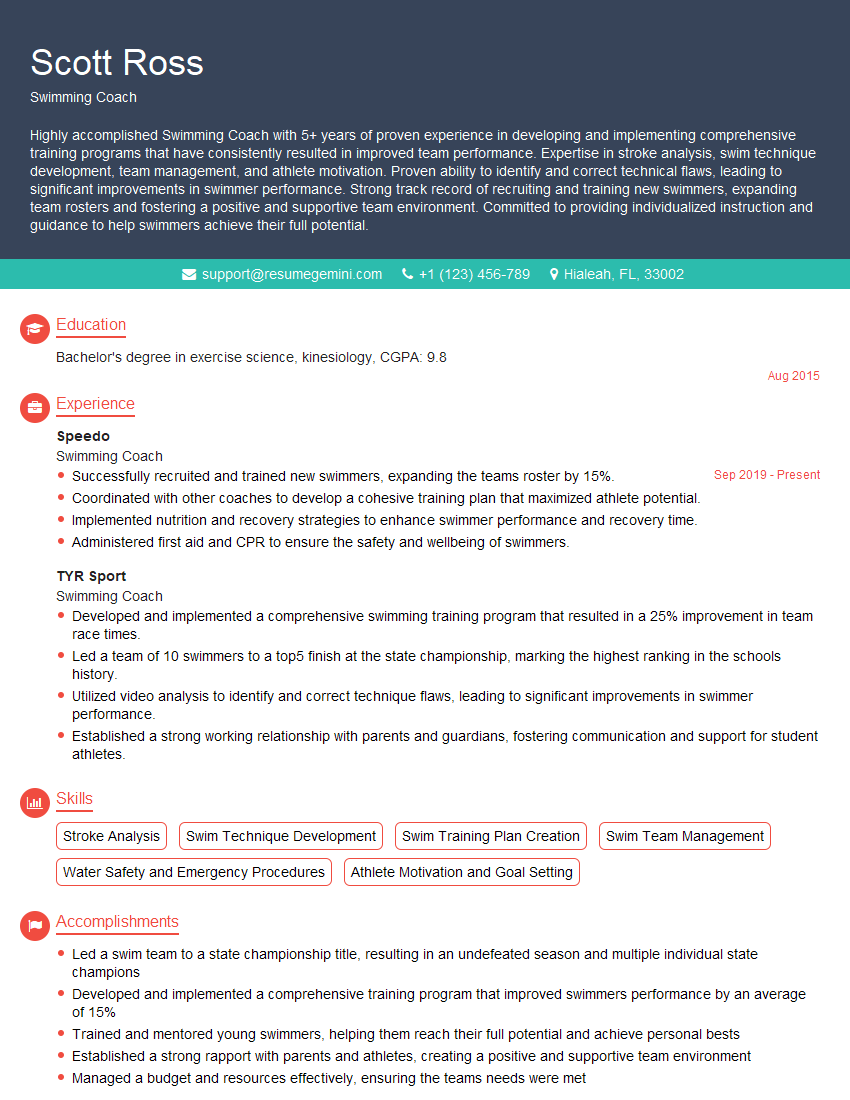
Swimming Coach Resume Sample
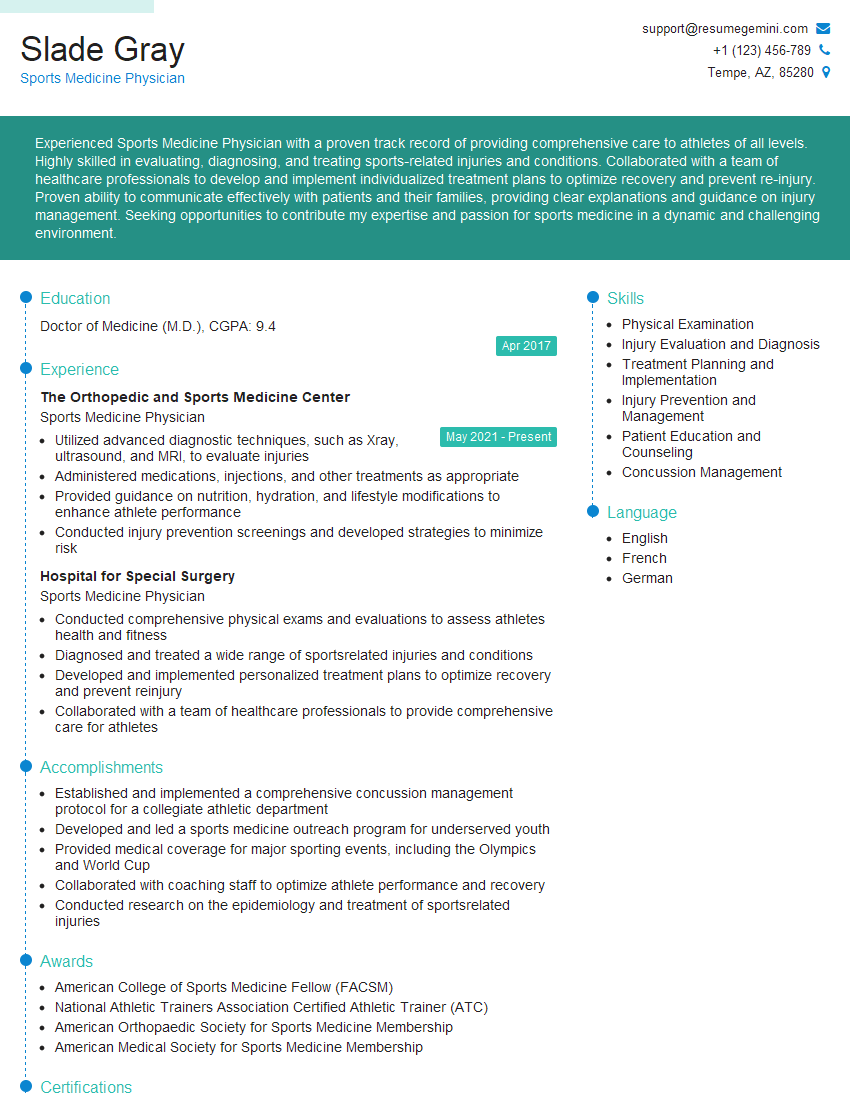
Sports Medicine Physician Resume Sample
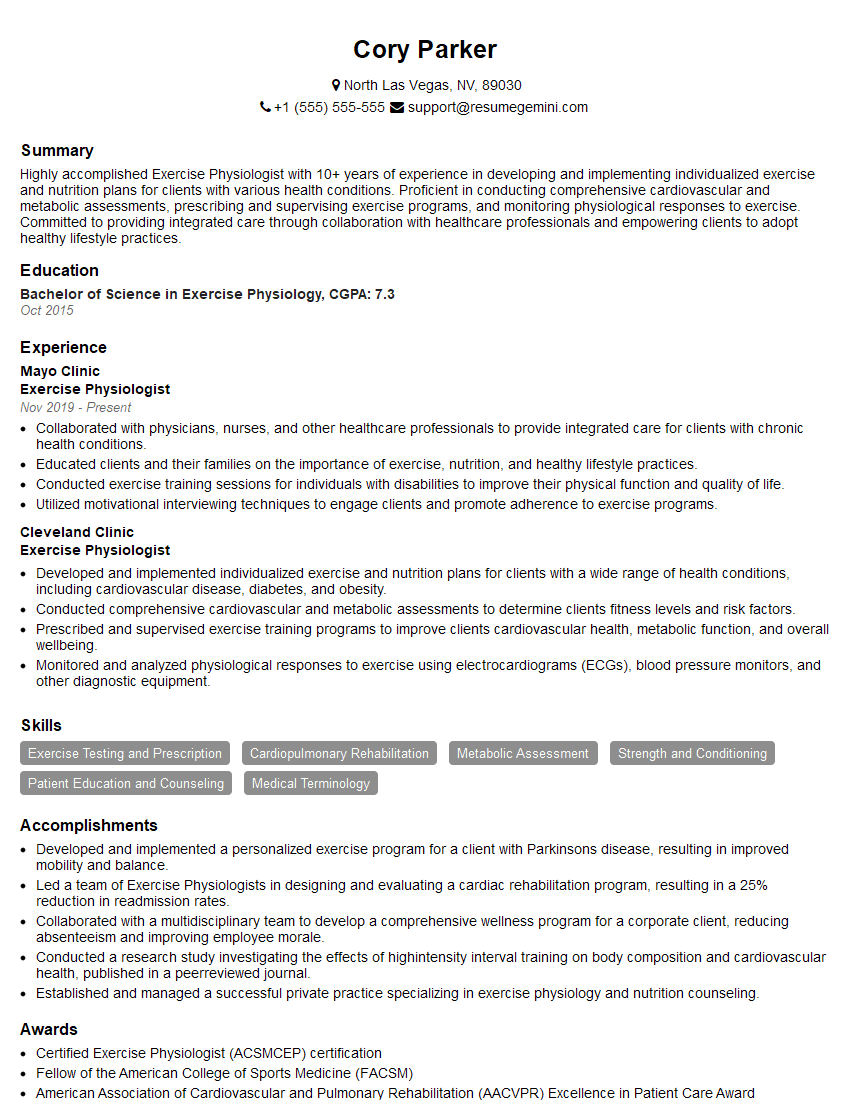
Exercise Physiologist Resume Sample
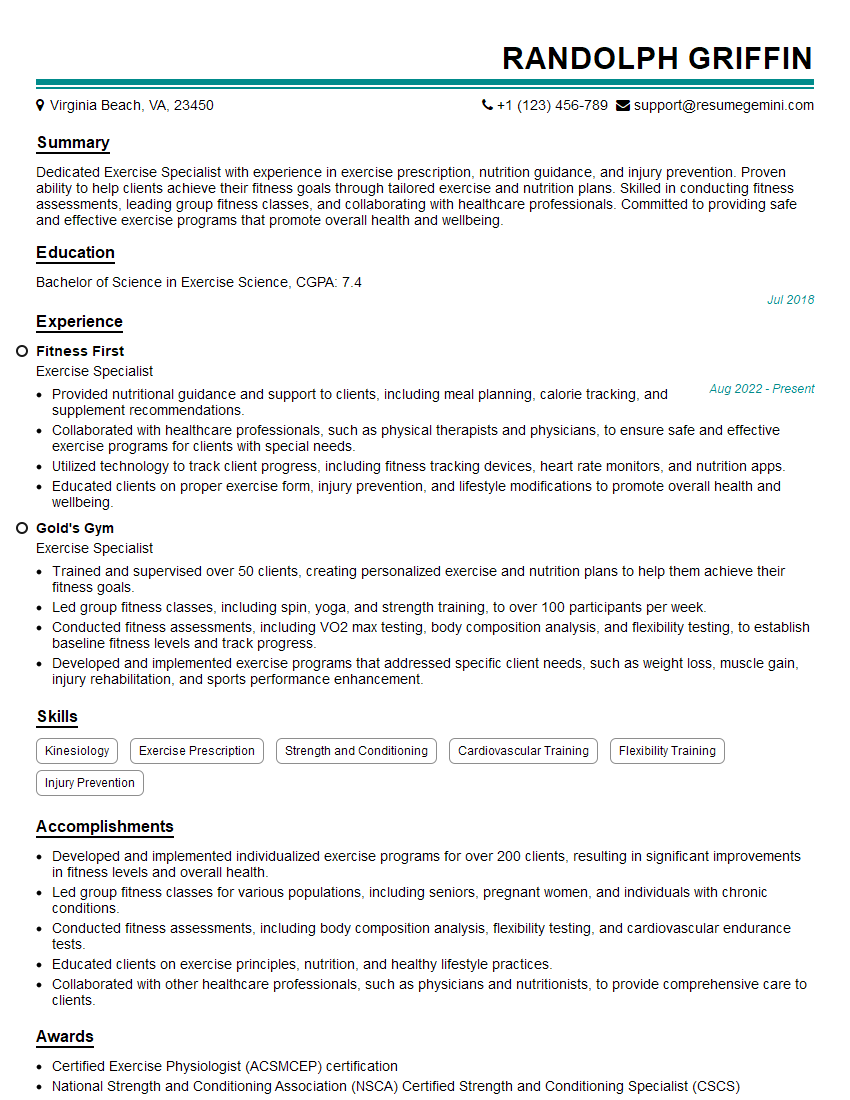
Exercise Specialist Resume Sample
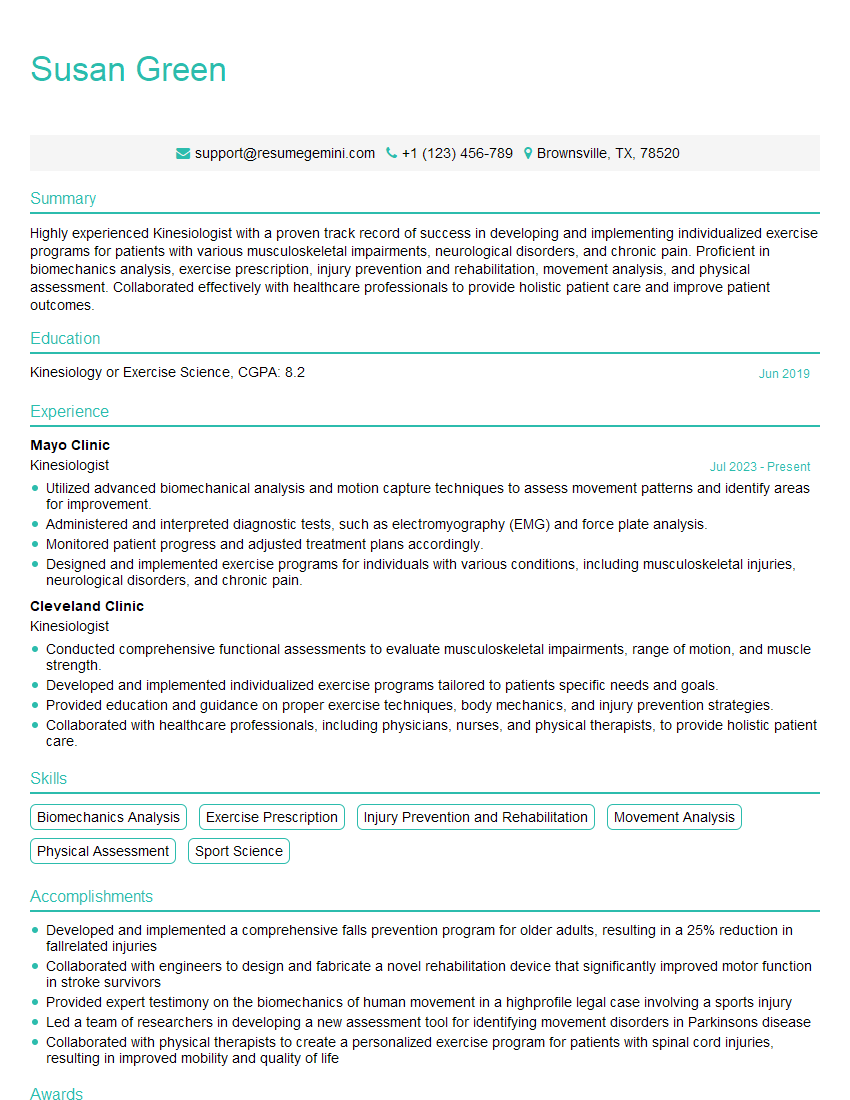
Kinesiologist Resume Sample
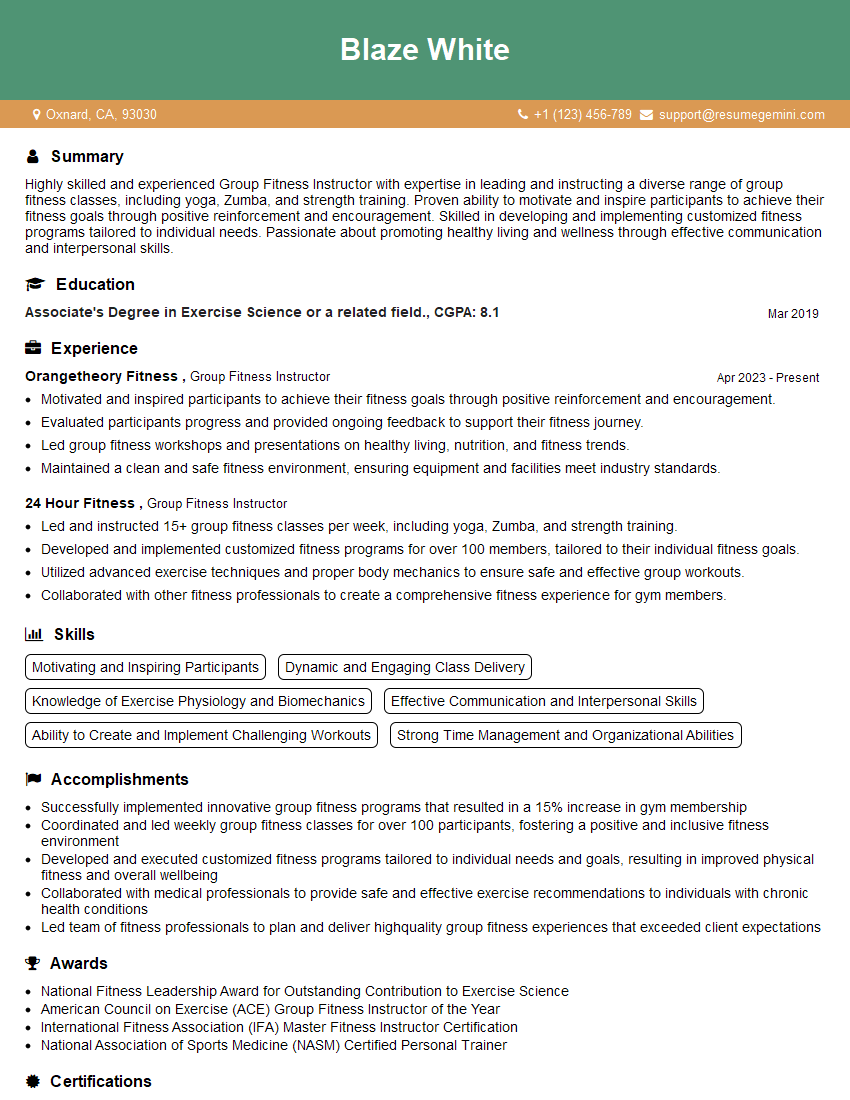
Group Fitness Instructor Resume Sample
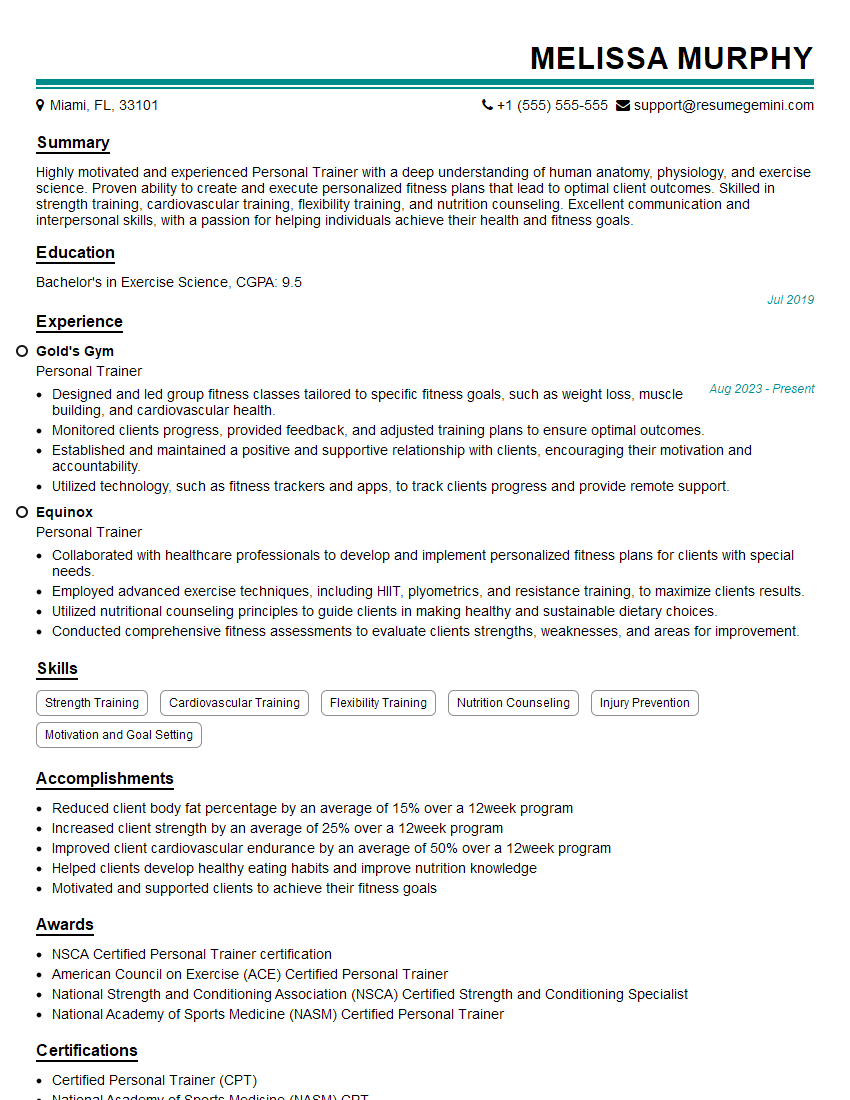
Personal Trainer Resume Sample
Explore more articles
Users Rating of Our Blogs
Share Your Experience
We value your feedback! Please rate our content and share your thoughts (optional).
What Readers Say About Our Blog
Attention music lovers!
Wow, All the best Sax Summer music !!!
Spotify: https://open.spotify.com/artist/6ShcdIT7rPVVaFEpgZQbUk
Apple Music: https://music.apple.com/fr/artist/jimmy-sax-black/1530501936
YouTube: https://music.youtube.com/browse/VLOLAK5uy_noClmC7abM6YpZsnySxRqt3LoalPf88No
Other Platforms and Free Downloads : https://fanlink.tv/jimmysaxblack
on google : https://www.google.com/search?q=22+AND+22+AND+22
on ChatGPT : https://chat.openai.com?q=who20jlJimmy20Black20Sax20Producer
Get back into the groove with Jimmy sax Black
Best regards,
Jimmy sax Black
www.jimmysaxblack.com
Hi I am a troller at The aquatic interview center and I suddenly went so fast in Roblox and it was gone when I reset.
Hi,
Business owners spend hours every week worrying about their website—or avoiding it because it feels overwhelming.
We’d like to take that off your plate:
$69/month. Everything handled.
Our team will:
Design a custom website—or completely overhaul your current one
Take care of hosting as an option
Handle edits and improvements—up to 60 minutes of work included every month
No setup fees, no annual commitments. Just a site that makes a strong first impression.
Find out if it’s right for you:
https://websolutionsgenius.com/awardwinningwebsites
Hello,
we currently offer a complimentary backlink and URL indexing test for search engine optimization professionals.
You can get complimentary indexing credits to test how link discovery works in practice.
No credit card is required and there is no recurring fee.
You can find details here:
https://wikipedia-backlinks.com/indexing/
Regards
NICE RESPONSE TO Q & A
hi
The aim of this message is regarding an unclaimed deposit of a deceased nationale that bears the same name as you. You are not relate to him as there are millions of people answering the names across around the world. But i will use my position to influence the release of the deposit to you for our mutual benefit.
Respond for full details and how to claim the deposit. This is 100% risk free. Send hello to my email id: lukachachibaialuka@gmail.com
Luka Chachibaialuka
Hey interviewgemini.com, just wanted to follow up on my last email.
We just launched Call the Monster, an parenting app that lets you summon friendly ‘monsters’ kids actually listen to.
We’re also running a giveaway for everyone who downloads the app. Since it’s brand new, there aren’t many users yet, which means you’ve got a much better chance of winning some great prizes.
You can check it out here: https://bit.ly/callamonsterapp
Or follow us on Instagram: https://www.instagram.com/callamonsterapp
Thanks,
Ryan
CEO – Call the Monster App
Hey interviewgemini.com, I saw your website and love your approach.
I just want this to look like spam email, but want to share something important to you. We just launched Call the Monster, a parenting app that lets you summon friendly ‘monsters’ kids actually listen to.
Parents are loving it for calming chaos before bedtime. Thought you might want to try it: https://bit.ly/callamonsterapp or just follow our fun monster lore on Instagram: https://www.instagram.com/callamonsterapp
Thanks,
Ryan
CEO – Call A Monster APP
To the interviewgemini.com Owner.
Dear interviewgemini.com Webmaster!
Hi interviewgemini.com Webmaster!
Dear interviewgemini.com Webmaster!
excellent
Hello,
We found issues with your domain’s email setup that may be sending your messages to spam or blocking them completely. InboxShield Mini shows you how to fix it in minutes — no tech skills required.
Scan your domain now for details: https://inboxshield-mini.com/
— Adam @ InboxShield Mini
support@inboxshield-mini.com
Reply STOP to unsubscribe
Hi, are you owner of interviewgemini.com? What if I told you I could help you find extra time in your schedule, reconnect with leads you didn’t even realize you missed, and bring in more “I want to work with you” conversations, without increasing your ad spend or hiring a full-time employee?
All with a flexible, budget-friendly service that could easily pay for itself. Sounds good?
Would it be nice to jump on a quick 10-minute call so I can show you exactly how we make this work?
Best,
Hapei
Marketing Director
Hey, I know you’re the owner of interviewgemini.com. I’ll be quick.
Fundraising for your business is tough and time-consuming. We make it easier by guaranteeing two private investor meetings each month, for six months. No demos, no pitch events – just direct introductions to active investors matched to your startup.
If youR17;re raising, this could help you build real momentum. Want me to send more info?
Hi, I represent an SEO company that specialises in getting you AI citations and higher rankings on Google. I’d like to offer you a 100% free SEO audit for your website. Would you be interested?
Hi, I represent an SEO company that specialises in getting you AI citations and higher rankings on Google. I’d like to offer you a 100% free SEO audit for your website. Would you be interested?