Preparation is the key to success in any interview. In this post, we’ll explore crucial IRB Submission interview questions and equip you with strategies to craft impactful answers. Whether you’re a beginner or a pro, these tips will elevate your preparation.
Questions Asked in IRB Submission Interview
Q 1. Explain the IRB review process.
The IRB (Institutional Review Board) review process is a crucial gatekeeping mechanism ensuring ethical conduct in human subjects research. It’s a multi-step process designed to protect the rights and welfare of participants. Think of it as a rigorous quality control check for research involving human beings.
Typically, the process begins with the submission of a research protocol to the IRB. The IRB then reviews the protocol to assess its adherence to ethical guidelines and regulations. This review may involve:
- Initial Screening: The IRB staff checks the completeness and compliance of the submission with required forms and documentation.
- Review by IRB Members: The protocol is then reviewed by a panel of IRB members, who are experts in various fields (including ethics, science, and law). They critically examine the research methodology, risks and benefits to participants, informed consent process, and data privacy measures.
- IRB Meeting Discussion: The IRB members discuss the protocol, address any concerns, and vote on its approval. This may involve multiple rounds of review and revisions to address issues raised.
- Approval, Modification, or Rejection: The IRB then communicates their decision to the researcher. The decision may be approval (allowing the research to proceed), modification (requiring changes to the protocol before approval), or rejection (denying approval).
- Ongoing Monitoring: Even after approval, the IRB may conduct ongoing monitoring and may require updates or changes if any unforeseen issues or risks arise during the course of the research.
This entire process aims to minimize risks to participants, ensure ethical research practices, and ultimately, protect the integrity of the research enterprise.
Q 2. What are the key elements of an IRB submission package?
A complete IRB submission package is critical for a successful review. Think of it as building a strong case for why your research is ethically sound and warrants approval. Key elements typically include:
- Research Protocol: A detailed description of the research objectives, methodology, procedures, and timelines. This is the core of your submission.
- Informed Consent Form: A document outlining the purpose of the study, procedures involved, potential risks and benefits, participant rights, and confidentiality measures. This is arguably the most crucial element.
- Recruitment Materials: Any materials used to recruit participants, such as flyers or advertisements.
- Investigator’s Brochure (if applicable): Information on the investigational product or intervention being used.
- Data Collection Instruments: Surveys, questionnaires, interview guides, or other tools used to collect data.
- Data Management Plan: Describes how data will be collected, stored, analyzed, and protected, focusing on confidentiality and security.
- Privacy Plan: Outlines how participant privacy will be protected, especially if using protected health information (PHI).
- Curriculum Vitae (CV) of Investigators: Demonstrating expertise and qualifications of the research team.
- Budget Justification (if applicable): If funding is involved.
The specific requirements can vary depending on the IRB and the nature of the research. Always consult the IRB’s guidelines for the most up-to-date and specific requirements.
Q 3. Describe the different levels of IRB review (exempt, expedited, full board).
IRBs categorize research into different levels of review based on the potential risks to participants. This system is designed to streamline the review process while maintaining appropriate levels of scrutiny.
- Exempt Review: This is for research projects that pose minimal risk to participants. Examples include certain studies involving anonymous surveys, existing data analysis, or educational settings. The IRB determines whether the research meets specific criteria for exemption, often outlined in their guidelines.
- Expedited Review: This level is for research projects that pose minimal risk or only slightly increase the risk of harm compared to ordinary daily life. Examples include collecting blood samples, non-invasive physiological measurements, or studies involving existing data with limited identifiers. An expedited review typically involves a single IRB member, rather than the full board.
- Full Board Review: This level is for research projects that pose more than minimal risk to participants. These studies often involve invasive procedures, vulnerable populations, or research where there’s significant uncertainty about potential risks. The full IRB board meets to discuss and vote on these projects, ensuring comprehensive review and discussion.
Determining the appropriate level of review is crucial, as incorrect categorization can significantly delay the process or even lead to rejection.
Q 4. How do you handle IRB protocol amendments?
Handling IRB protocol amendments requires a formal process to maintain ethical compliance and transparency. An amendment is any change to an already approved protocol, whether it’s a minor modification or a substantial alteration.
The process typically involves:
- Submitting an Amendment Request: Researchers must submit a formal request to the IRB, clearly outlining the proposed changes. This often requires completing a specific form provided by the IRB.
- Justification for Changes: The request must clearly explain the reason for the amendment, demonstrating the necessity and justification for the changes. This may include unforeseen challenges, new data suggesting modifications, or refinements to the research design.
- IRB Review: The IRB reviews the amendment request, assessing whether the changes maintain the ethical standards of the original research and pose acceptable risks to participants.
- IRB Approval: Once the IRB approves the amendment, the researcher can implement the changes. They may need to update informed consent documents or other relevant materials. The IRB may require re-consent from participants if the changes substantially alter the study.
Failure to follow this process can lead to significant issues, including suspension of the research project or even sanctions from the IRB.
Q 5. What are the ethical principles guiding human subjects research?
Ethical principles guiding human subjects research are foundational to protecting participants’ rights and welfare. These principles, often derived from the Belmont Report, are:
- Respect for Persons: This principle emphasizes the autonomy of individuals and their right to self-determination. It means treating people with respect, ensuring they have the capacity to make informed decisions, and protecting those with diminished autonomy (e.g., children, individuals with cognitive impairments).
- Beneficence: This principle emphasizes maximizing potential benefits and minimizing potential harms to participants. It requires researchers to carefully weigh the risks and benefits of the study and to take steps to protect participants from harm.
- Justice: This principle focuses on fairness and equity in the selection of participants and the distribution of benefits and burdens of research. It emphasizes avoiding exploitation and ensuring that research does not disproportionately benefit one group while burdening another.
These principles provide a strong ethical framework for conducting research involving human participants, ensuring that the pursuit of knowledge does not come at the cost of individual rights or well-being.
Q 6. Explain informed consent in the context of IRB submissions.
Informed consent is a cornerstone of ethical research involving human subjects. It’s the process by which researchers obtain voluntary agreement from participants to participate in a study after they have been fully informed about all relevant aspects of the research.
In the context of IRB submissions, the informed consent form is a crucial document that must be meticulously crafted. It must clearly and comprehensively explain:
- Purpose of the Study: What researchers hope to learn.
- Procedures: What participants will be asked to do.
- Risks and Benefits: Potential harms and advantages of participation.
- Confidentiality: How participant data will be protected.
- Voluntary Participation: Participants’ right to withdraw at any time without penalty.
- Contact Information: Who to contact with questions or concerns.
The informed consent form must be written in plain language, free of jargon, and easily understandable for the target population. The IRB carefully reviews the informed consent form to ensure it meets all ethical standards and adequately protects participants’ rights.
Q 7. What are the common reasons for IRB rejection?
IRB rejection can be frustrating, but it’s often an opportunity for improvement. Common reasons for rejection include:
- Inadequate Informed Consent: The consent form is unclear, incomplete, or fails to adequately address key aspects of the study.
- Unclear Research Methodology: The research plan is not well-defined, lacks detail, or is scientifically unsound.
- Excessive Risks to Participants: The potential risks to participants outweigh the potential benefits.
- Lack of Confidentiality Protection: The plan for protecting participant data is insufficient.
- Vulnerable Populations Concerns: The research involves vulnerable populations (e.g., children, prisoners) without sufficient protections in place.
- Incomplete or Missing Documentation: The submission package lacks necessary forms or information.
- Non-compliance with Regulations: The study does not comply with relevant regulations (e.g., HIPAA, FDA regulations).
Careful preparation, attention to detail, and a strong focus on ethical considerations can significantly increase the likelihood of IRB approval.
Q 8. How do you ensure data privacy and confidentiality in research studies?
Data privacy and confidentiality are paramount in research. We employ a multi-layered approach to ensure compliance with regulations like HIPAA and GDPR. This begins with meticulous study design, where data collection methods are carefully chosen to minimize identifiable information. For instance, instead of using names, we might use unique identifiers. We employ data anonymization techniques, such as removing direct identifiers and using aggregation methods to report data at a group level rather than individually. Furthermore, all data is encrypted both during transmission and at rest. Access to data is strictly controlled through role-based access control, meaning only authorized personnel with a legitimate need to know have access. We also adhere to strict data retention policies, securely deleting data once it’s no longer needed for the research. Finally, robust security measures, including firewalls and intrusion detection systems, protect against unauthorized access. Think of it like a fortress protecting valuable information – multiple layers of security make it incredibly difficult for anyone to breach.
Q 9. What is the role of a PI in IRB submissions?
The Principal Investigator (PI) is the cornerstone of an IRB submission. They are ultimately responsible for the ethical conduct of the research. Their role begins with designing the study in accordance with ethical principles. This includes carefully considering potential risks and benefits to participants. The PI is responsible for preparing the IRB application, which requires meticulous detail and accuracy in describing the study’s methods, risks, and benefits. They must also ensure that all necessary approvals and consents are obtained before the research commences. The PI serves as the primary liaison with the IRB, responding to any questions or requests for additional information. Throughout the study, the PI monitors participant safety and adherence to the approved protocol. Essentially, the PI is the guardian of ethical research conduct.
Q 10. How do you manage deadlines and communication with the IRB?
Managing deadlines and communication with the IRB requires proactive planning and meticulous record-keeping. I begin by thoroughly reviewing the IRB’s submission guidelines and deadlines, setting internal deadlines well in advance to allow for thorough review and potential revisions. I utilize project management tools to track the progress of the application and ensure all necessary documents are completed and submitted on time. Communication is key – I maintain regular contact with the IRB, proactively providing updates on the study’s progress and promptly responding to any questions or requests for information. Clear and concise communication prevents misunderstandings and delays. For example, if a deadline extension is needed, I submit a formal request well in advance, clearly outlining the reasons. This proactive and transparent approach fosters a positive working relationship with the IRB and ensures smooth processing of the submission.
Q 11. What software or systems are you familiar with for IRB submissions?
I have extensive experience with various IRB submission software and systems. I’m proficient with iRIS, IRBNet, and other institutional systems, understanding their unique functionalities and requirements. These systems often allow for online submission, tracking of application status, and secure communication with the IRB. My familiarity extends to utilizing these systems to manage various aspects of the IRB process, including document uploading, amendment submissions, and continuing review applications. The specific system employed varies based on the institution, but my adaptability allows me to quickly learn and navigate new platforms effectively.
Q 12. Describe your experience with IRB continuing review applications.
Continuing review applications are crucial for maintaining ethical oversight throughout the duration of a study. My experience includes preparing and submitting numerous continuing review applications, demonstrating my understanding of the required elements and timelines. These applications involve providing updates on study progress, reporting adverse events, and demonstrating continued adherence to the approved protocol. I meticulously document any modifications to the protocol, ensuring all changes are reviewed and approved by the IRB before implementation. A key aspect is demonstrating that participant safety remains a priority, that the data is being handled securely, and that the study continues to meet the ethical standards. For example, in a longitudinal study, I might detail participant attrition rates and discuss any changes in data collection methods.
Q 13. How do you identify potential research risks and mitigations?
Identifying potential research risks is a systematic process that starts at the study design phase. We use a risk assessment framework, systematically evaluating potential risks to participants, encompassing physical, psychological, social, and economic harms. For example, in a study involving sensitive personal information, the risk of data breach is identified and mitigated through encryption and strict access control. If a study involves invasive procedures, the potential for physical harm is assessed, and safeguards are implemented. For each identified risk, we develop and document appropriate mitigation strategies, outlining procedures to minimize or eliminate the risk. This may involve informed consent procedures, data anonymization techniques, or specific safety protocols. This risk mitigation strategy is then integrated into the IRB application, assuring ethical conduct and safeguarding participant wellbeing.
Q 14. Explain your understanding of HIPAA and its relevance to IRB submissions.
HIPAA (Health Insurance Portability and Accountability Act) is a crucial US law governing the privacy and security of protected health information (PHI). Its relevance to IRB submissions is significant, especially for research involving human subjects’ health data. If a study involves PHI, the IRB submission must demonstrate compliance with HIPAA regulations. This includes obtaining appropriate authorizations for using PHI, implementing robust data security measures to safeguard against breaches, and ensuring that the research adheres to HIPAA’s privacy rules. For example, a study collecting patient medical records would require detailed descriptions of how PHI will be protected, including encryption, access restrictions, and de-identification methods. Failure to comply with HIPAA can result in serious legal and ethical consequences. Therefore, understanding and addressing HIPAA requirements is essential for ethical and legal research conduct.
Q 15. What is your experience with IRB-related training and professional development?
Throughout my career, I’ve actively pursued professional development in IRB regulations and ethical research practices. This includes completing the Collaborative Institutional Training Initiative (CITI Program) certification, which covers topics ranging from human subjects protection to responsible conduct of research. I’ve also attended numerous workshops and conferences focused on emerging trends in IRB review, such as advancements in big data research and the ethical implications of artificial intelligence in research. Further, I regularly participate in internal training sessions and maintain an ongoing commitment to staying abreast of updates and changes in regulatory guidelines, ensuring my knowledge base remains current and comprehensive.
For example, I recently completed a specialized workshop on the use of wearable technology in research, focusing on the specific IRB considerations required for obtaining informed consent and ensuring participant data privacy. This ongoing commitment to learning helps me effectively navigate the complexities of IRB submissions and ensure ethical conduct in all research endeavors.
Career Expert Tips:
- Ace those interviews! Prepare effectively by reviewing the Top 50 Most Common Interview Questions on ResumeGemini.
- Navigate your job search with confidence! Explore a wide range of Career Tips on ResumeGemini. Learn about common challenges and recommendations to overcome them.
- Craft the perfect resume! Master the Art of Resume Writing with ResumeGemini’s guide. Showcase your unique qualifications and achievements effectively.
- Don’t miss out on holiday savings! Build your dream resume with ResumeGemini’s ATS optimized templates.
Q 16. How do you handle conflicts of interest in research projects?
Handling conflicts of interest is paramount to maintaining the integrity of research. My approach begins with proactive disclosure. Any potential conflict—financial, personal, or otherwise—is meticulously documented and disclosed to the IRB at the initial proposal stage. This ensures transparency and allows the IRB to assess the potential impact on the research’s objectivity and validity. For example, if I were involved in a research project funded by a company that also produces the product being studied, I would disclose this immediately.
Furthermore, I actively participate in developing mitigation strategies to minimize any potential bias. This might involve using blinded data analysis, employing independent review boards, or including researchers with diverse perspectives on the research team to provide a balanced viewpoint. The goal is to prevent conflicts from influencing the research process and to ensure that the results are reliable and trustworthy. In cases where a conflict cannot be effectively mitigated, I would recommend recusal from the project to uphold the highest ethical standards.
Q 17. Describe your experience working with different IRB systems.
My experience encompasses working with various IRB systems, both institutional and commercial. I’m proficient in navigating the complexities of different online submission portals, understanding the unique requirements and workflows each system employs. For example, I’ve worked with iRIS, IRBNet, and other institutional platforms, mastering their specific functionalities—from initial submission and amendment tracking to protocol modifications and continuing review processes. This experience allows me to adapt quickly to new systems and ensures efficiency in managing multiple submissions concurrently.
This familiarity goes beyond just using the software; I understand the nuances of each system’s review process, including variations in turnaround times, communication protocols, and reporting requirements. This understanding allows for proactive planning and ensures timely completion of IRB processes without compromising ethical considerations.
Q 18. How familiar are you with the Common Rule?
I possess a thorough understanding of the Common Rule (45 CFR 46), the foundational document governing the ethical conduct of human subjects research in the United States. My knowledge extends to its key components, including the basic elements of informed consent, the IRB’s role in protecting human subjects, and the requirements for different categories of research. I understand the complexities of the different categories of research under the Common Rule and how these categories impact IRB review.
For example, I am familiar with the regulations surrounding expedited review procedures for minimal-risk studies, and I understand the difference between exempt research and research that requires full board review. I also understand the importance of maintaining compliance with the Common Rule’s provisions on vulnerable populations, including children, prisoners, and individuals with cognitive impairments. My expertise ensures that all research projects I work on adhere to the highest ethical standards and are compliant with this crucial regulation.
Q 19. What is your experience with IRB audits and inspections?
I have been actively involved in multiple IRB audits and inspections. This experience has provided invaluable insight into best practices for maintaining compliance. I understand the process from preparation and documentation to responding to findings and implementing corrective actions. This includes meticulously maintaining accurate records and demonstrating adherence to established SOPs. I understand the potential implications of non-compliance and the importance of addressing deficiencies promptly and effectively.
For example, during a recent audit, we were able to demonstrate our meticulous record-keeping processes and quickly address a minor procedural discrepancy, leading to a successful audit outcome. This experience underscores the critical role of proactive compliance and thorough documentation in mitigating risk.
Q 20. How do you ensure compliance with regulatory guidelines?
Ensuring compliance with regulatory guidelines is a proactive, multi-faceted process. It begins with meticulous planning and integration of ethical considerations into every stage of the research project, from conception to dissemination of results. This involves using standardized operating procedures (SOPs) for IRB submissions, data management, and informed consent processes. Regular training and updates on relevant regulations and best practices are essential.
Furthermore, maintaining meticulous documentation and comprehensive records is crucial. This allows for transparent tracking of all aspects of the research project and facilitates easy demonstration of compliance during audits. Regular internal reviews and mock audits help identify and address potential compliance issues proactively, minimizing the risk of non-compliance.
Q 21. Explain your experience with IRB reporting requirements.
My experience with IRB reporting requirements is extensive. I am adept at preparing and submitting all required reports accurately and timely. This includes progress reports, adverse event reports, and any other updates deemed necessary by the IRB. I understand the importance of clear and concise reporting, using standardized formats and appropriate terminology to effectively communicate research progress and any potential concerns.
For example, I have successfully managed the reporting of unexpected adverse events in clinical trials, ensuring prompt notification to the IRB and appropriate actions to protect participants. My thoroughness ensures transparency and facilitates a smooth and efficient review process, maintaining trust and collaboration with the IRB.
Q 22. Describe your experience with different types of research studies and their IRB implications.
My experience encompasses a wide range of research studies, each with unique IRB implications. For instance, in quantitative studies, like randomized controlled trials (RCTs), the IRB’s focus is on ensuring the statistical rigor of the sample size calculations, the randomization process, and the blinding procedures to prevent bias. Data security and participant confidentiality are paramount. The consent process needs meticulous attention, ensuring participants fully understand the potential risks and benefits.
Conversely, qualitative research, such as interviews or focus groups, presents different challenges. The IRB scrutinizes the methods used to ensure participant anonymity and confidentiality, especially concerning sensitive topics. Data management procedures, including transcription and storage, must be securely documented and follow strict ethical guidelines. Informed consent is crucial, with a clear explanation of the study’s purpose, potential risks (including psychological distress), and the voluntary nature of participation.
In mixed-methods studies, the IRB review considers the ethical implications of both quantitative and qualitative components. The challenges often involve integrating different data collection and analysis methods while maintaining ethical standards throughout. For example, if a study combines surveys (quantitative) and interviews (qualitative), the IRB will look at how both data sets are managed and handled with regard to participant privacy and anonymity.
Finally, intervention studies, particularly those involving vulnerable populations, warrant even more rigorous IRB scrutiny. This might involve extra layers of review and oversight to ensure the intervention’s safety and efficacy and the protection of participants’ well-being. Ethical considerations might involve specific considerations on how informed consent is obtained in vulnerable settings.
Q 23. How do you stay updated on changes to IRB regulations and guidelines?
Staying current with IRB regulations and guidelines is crucial. I employ a multi-pronged approach. First, I regularly review updates from organizations like the Office for Human Research Protections (OHRP) and relevant professional associations. Their websites provide announcements, updated guidelines, and educational materials.
Second, I actively participate in professional development workshops and conferences focused on IRB regulations and ethical research conduct. These events offer valuable insights from experts and provide opportunities for networking and learning best practices. I also subscribe to newsletters and journals specializing in research ethics.
Finally, I maintain ongoing communication with our institutional IRB office. They provide prompt notifications about policy changes, and their staff are readily available to clarify any questions or concerns I might have. This ensures that I’m constantly aware of any significant revisions and can adapt my submissions accordingly.
Q 24. Describe a situation where you had to troubleshoot a problem with an IRB submission.
In one instance, a study protocol involving minors encountered issues with the consent process. Initially, the consent forms were deemed inadequate by the IRB because they lacked sufficient detail regarding the potential risks and benefits for the minors and their parents/guardians. We also initially failed to adequately address the measures we would take to protect the children’s privacy and confidentiality.
To troubleshoot, I collaborated with the research team, the IRB staff, and legal counsel. We revised the consent forms to incorporate clearer explanations and stronger assurances of confidentiality. We provided additional training on obtaining informed consent from minors and their legal guardians and integrated specific procedures for anonymizing data. The revised protocol was resubmitted, quickly approved, and the study commenced without further delay. This experience reinforced the importance of meticulous planning and clear communication throughout the IRB submission process.
Q 25. How do you balance research rigor with participant protection?
Balancing research rigor and participant protection is a core tenet of ethical research. It’s not a trade-off, but rather a constant integration of both. Rigor demands robust methodologies that provide reliable and valid data, whereas protection necessitates safeguarding the well-being and rights of participants. It’s a delicate dance requiring careful consideration at every stage.
For example, in a study involving a sensitive topic, a researcher might employ techniques that ensure anonymity and confidentiality (like using pseudonyms and secure data storage) while designing a rigorous data collection instrument that gathers reliable information. In other words, rigorous methodologies should not come at the expense of participants’ well-being. This may involve employing blinding techniques or control groups, using careful participant recruitment strategies and appropriate data anonymization techniques, while always prioritising the informed consent process. Ethical review boards and researchers must always maintain a steadfast focus on protecting vulnerable populations, a duty that often requires additional safeguards.
Q 26. Explain your experience with working with diverse research populations.
My experience includes working with diverse research populations, including those from various socioeconomic backgrounds, ethnicities, and cultural groups. This experience underscores the critical importance of culturally sensitive research practices. For instance, when working with a specific cultural group, it’s crucial to use translators who are culturally competent, not just linguistically proficient. The choice of recruitment strategies, the content of the informed consent forms, and the study design itself need adaptation to ensure that the research is inclusive and equitable. I’ve found that involving community members in the design and implementation stages greatly enhances the study’s acceptance and trustworthiness within the targeted population.
Moreover, when designing questionnaires or interview protocols, attention must be paid to cultural nuances in language and interpretations to avoid bias or misinterpretations. This requires sensitivity to varying cultural norms regarding communication styles, consent processes, and the level of acceptable personal disclosure. Ensuring accessibility for individuals with disabilities is also paramount, requiring appropriate accommodations and modifications to research methods.
Q 27. How do you effectively communicate complex IRB issues to non-experts?
Communicating complex IRB issues to non-experts requires clear, concise language, avoiding jargon. I use analogies and relatable examples to illustrate key concepts. For instance, when explaining the concept of informed consent, I might compare it to signing a contract before undertaking a significant task, emphasizing that participants have the right to understand what they are agreeing to and to withdraw at any time.
I also use visual aids like flowcharts or diagrams to simplify complex processes. Visual representations can help non-experts grasp the sequence of events in an IRB submission or the different ethical considerations involved. Finally, I tailor my communication style to the audience. When speaking to researchers, I can use more technical terms. But, when interacting with community members or participants, I maintain a simpler, more accessible approach.
Open and responsive communication is vital. I encourage questions and actively solicit feedback to ensure everyone understands the ethical implications of the research and feels comfortable expressing concerns. For instance, if a non-expert is unfamiliar with ‘de-identification’, I would clarify that it means removing or altering identifying information to maintain confidentiality. This ensures that all stakeholders understand the risks and benefits, and participate in a safe and ethical manner.
Q 28. Describe your experience with the submission of international research protocols.
Submitting international research protocols presents unique challenges. The IRB process differs significantly across countries, often involving multiple ethical review boards and regulatory agencies. Each country or region has its own specific regulations regarding data privacy, informed consent, and research ethics. Understanding these diverse requirements is critical for successful submission.
For example, when conducting research involving multiple countries, you would need to ensure that your study meets the requirements of each IRB involved. This involves preparing tailored versions of the informed consent forms that reflect the specific legal and ethical frameworks of each country, translating the documents, and obtaining approvals from each ethical review board with jurisdiction over the respective research locations. Understanding and adhering to the data privacy regulations of each country (like GDPR in Europe) is paramount. This might include the use of data anonymization techniques, data security protocols, and adherence to local regulations regarding the storage and transfer of data. International collaborations often require the expertise of local researchers and ethical review board professionals to ensure complete compliance. These complexities highlight the need for meticulous planning, thorough research, and collaboration with local experts.
Key Topics to Learn for IRB Submission Interview
- IRB Regulations and Guidelines: Understanding the fundamental principles of ethical research and the specific regulations governing IRB submissions in your context (e.g., federal regulations, institutional policies).
- Informed Consent Process: Mastering the creation and implementation of informed consent forms, ensuring they are comprehensive, understandable, and legally sound. Practice explaining the nuances of informed consent to different stakeholders.
- Risk Assessment and Mitigation: Developing proficiency in identifying potential risks to participants, evaluating their severity, and outlining appropriate mitigation strategies within your research protocol.
- Protocol Development and Writing: Gain expertise in crafting clear, concise, and comprehensive research protocols that effectively communicate the study’s design, methodology, and ethical considerations. Practice writing strong justifications for your research methods.
- IRB Submission Process: Familiarize yourself with the specific submission process of the IRB you are targeting. This includes understanding the required documentation, timelines, and communication protocols.
- Responding to IRB Queries: Practice anticipating potential questions from the IRB and developing clear, concise, and well-supported responses. Develop strategies for addressing concerns and revising your submission effectively.
- Data Privacy and Confidentiality: Understand the ethical and legal implications of data privacy and confidentiality in research, including procedures for data storage, access, and security.
- Ethical Dilemmas and Case Studies: Explore various ethical dilemmas that might arise in research and practice applying ethical principles to resolve them. Analyzing real-world case studies can significantly enhance your understanding.
Next Steps
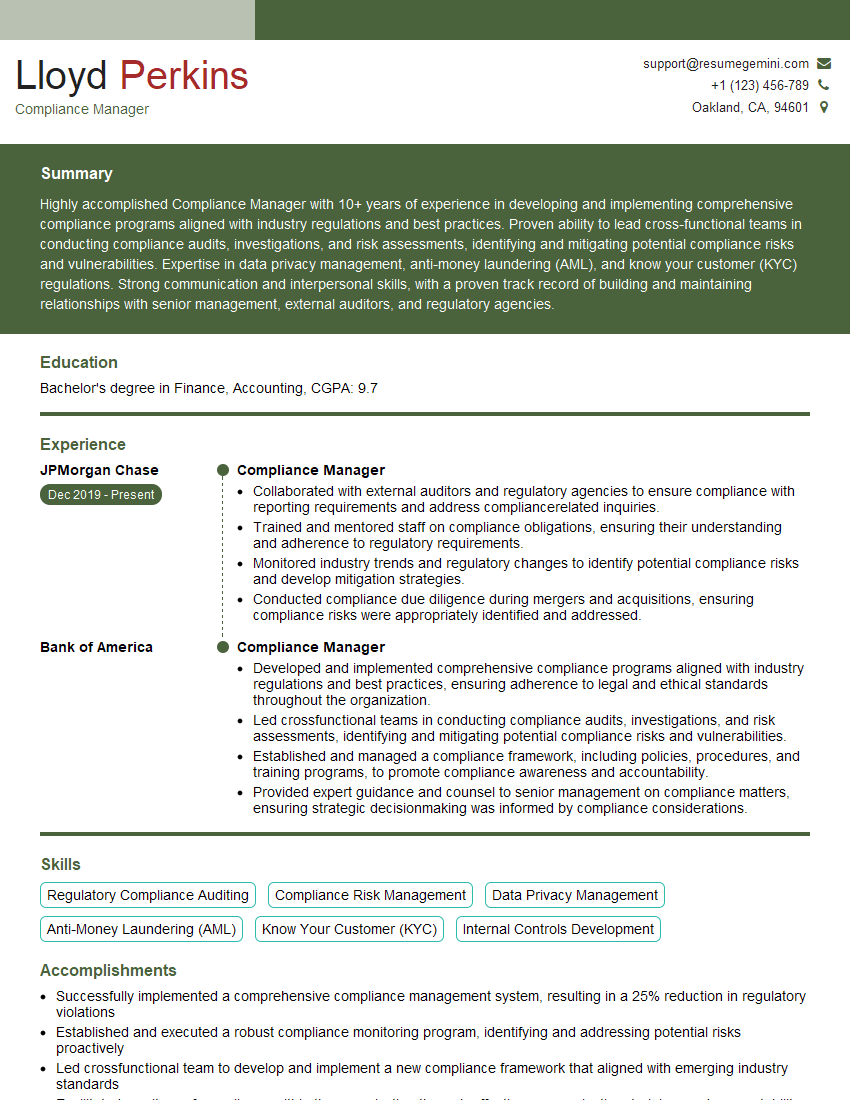
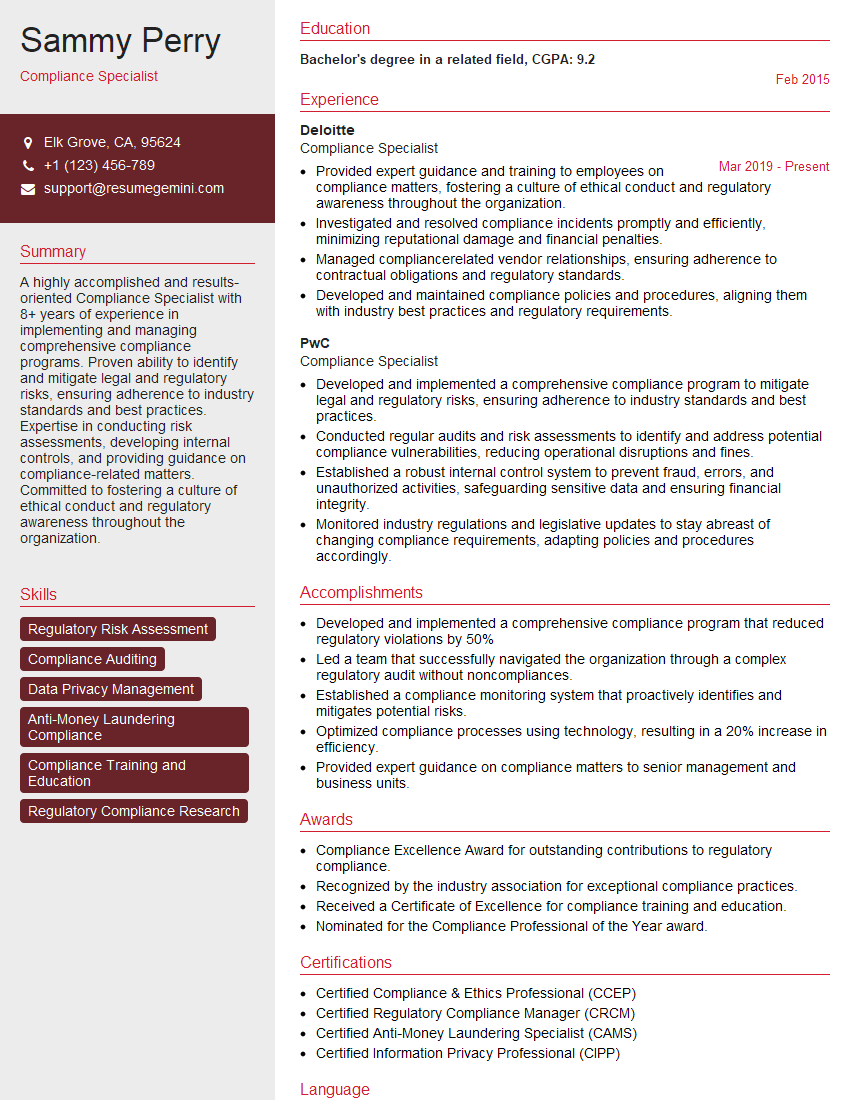
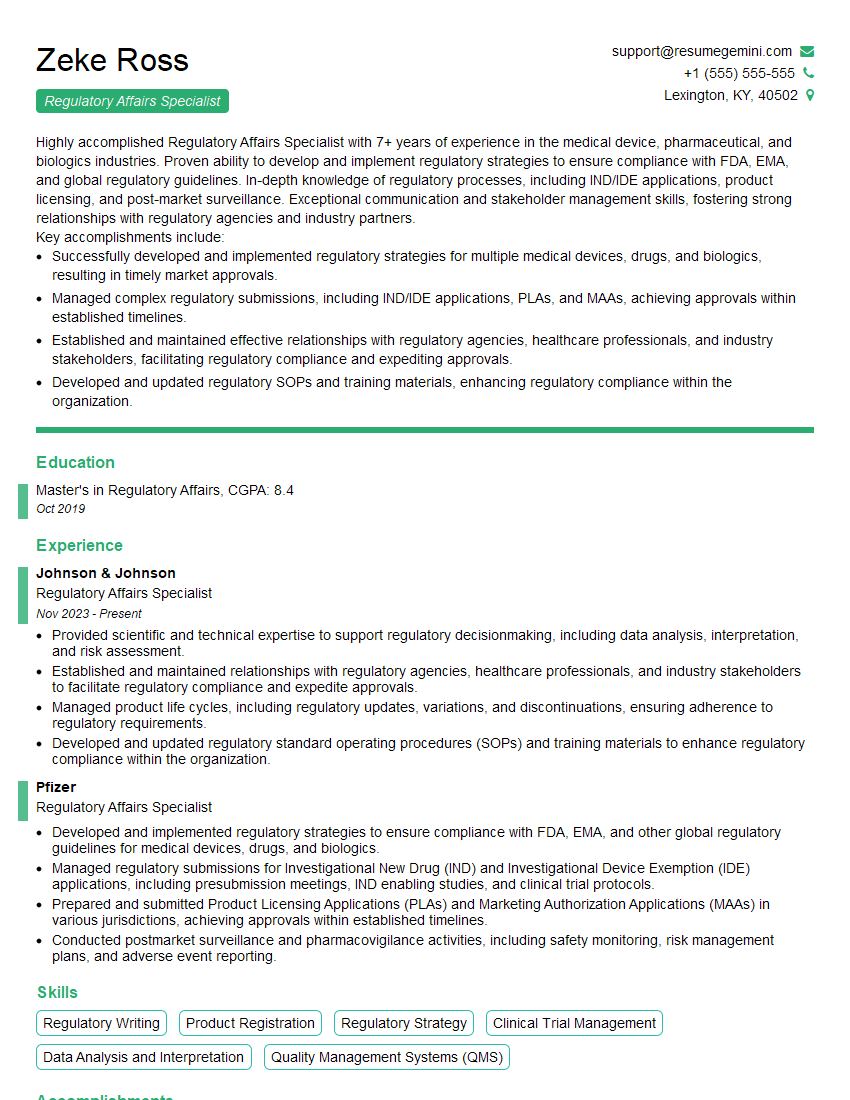
Mastering IRB submission is crucial for advancing your career in research and related fields. A strong understanding of ethical research practices is highly valued by employers and demonstrates your commitment to responsible conduct. To maximize your job prospects, create an ATS-friendly resume that highlights your relevant skills and experience. We recommend using ResumeGemini, a trusted resource for building professional resumes, to craft a compelling document that showcases your qualifications. Examples of resumes tailored to IRB submission are available to help you get started.
Explore more articles
Users Rating of Our Blogs
Share Your Experience
We value your feedback! Please rate our content and share your thoughts (optional).
What Readers Say About Our Blog
Hello,
we currently offer a complimentary backlink and URL indexing test for search engine optimization professionals.
You can get complimentary indexing credits to test how link discovery works in practice.
No credit card is required and there is no recurring fee.
You can find details here:
https://wikipedia-backlinks.com/indexing/
Regards
NICE RESPONSE TO Q & A
hi
The aim of this message is regarding an unclaimed deposit of a deceased nationale that bears the same name as you. You are not relate to him as there are millions of people answering the names across around the world. But i will use my position to influence the release of the deposit to you for our mutual benefit.
Respond for full details and how to claim the deposit. This is 100% risk free. Send hello to my email id: [email protected]
Luka Chachibaialuka
Hey interviewgemini.com, just wanted to follow up on my last email.
We just launched Call the Monster, an parenting app that lets you summon friendly ‘monsters’ kids actually listen to.
We’re also running a giveaway for everyone who downloads the app. Since it’s brand new, there aren’t many users yet, which means you’ve got a much better chance of winning some great prizes.
You can check it out here: https://bit.ly/callamonsterapp
Or follow us on Instagram: https://www.instagram.com/callamonsterapp
Thanks,
Ryan
CEO – Call the Monster App
Hey interviewgemini.com, I saw your website and love your approach.
I just want this to look like spam email, but want to share something important to you. We just launched Call the Monster, a parenting app that lets you summon friendly ‘monsters’ kids actually listen to.
Parents are loving it for calming chaos before bedtime. Thought you might want to try it: https://bit.ly/callamonsterapp or just follow our fun monster lore on Instagram: https://www.instagram.com/callamonsterapp
Thanks,
Ryan
CEO – Call A Monster APP
To the interviewgemini.com Owner.
Dear interviewgemini.com Webmaster!
Hi interviewgemini.com Webmaster!
Dear interviewgemini.com Webmaster!
excellent
Hello,
We found issues with your domain’s email setup that may be sending your messages to spam or blocking them completely. InboxShield Mini shows you how to fix it in minutes — no tech skills required.
Scan your domain now for details: https://inboxshield-mini.com/
— Adam @ InboxShield Mini
Reply STOP to unsubscribe
Hi, are you owner of interviewgemini.com? What if I told you I could help you find extra time in your schedule, reconnect with leads you didn’t even realize you missed, and bring in more “I want to work with you” conversations, without increasing your ad spend or hiring a full-time employee?
All with a flexible, budget-friendly service that could easily pay for itself. Sounds good?
Would it be nice to jump on a quick 10-minute call so I can show you exactly how we make this work?
Best,
Hapei
Marketing Director
Hey, I know you’re the owner of interviewgemini.com. I’ll be quick.
Fundraising for your business is tough and time-consuming. We make it easier by guaranteeing two private investor meetings each month, for six months. No demos, no pitch events – just direct introductions to active investors matched to your startup.
If youR17;re raising, this could help you build real momentum. Want me to send more info?
Hi, I represent an SEO company that specialises in getting you AI citations and higher rankings on Google. I’d like to offer you a 100% free SEO audit for your website. Would you be interested?
Hi, I represent an SEO company that specialises in getting you AI citations and higher rankings on Google. I’d like to offer you a 100% free SEO audit for your website. Would you be interested?
good