Interviews are opportunities to demonstrate your expertise, and this guide is here to help you shine. Explore the essential Item Verification interview questions that employers frequently ask, paired with strategies for crafting responses that set you apart from the competition.
Questions Asked in Item Verification Interview
Q 1. Explain the importance of accurate item verification in a warehouse setting.
Accurate item verification in a warehouse is the cornerstone of efficient inventory management and operational success. Without it, inaccuracies creep in, leading to significant financial losses, customer dissatisfaction, and operational inefficiencies. Imagine a scenario where you’re fulfilling an order, only to discover you’re missing a crucial component because the initial count was incorrect. This translates directly to lost revenue and potential reputational damage. Accurate verification ensures that inventory records match the physical stock, preventing stockouts, overstocking, and costly discrepancies.
Accurate item verification ensures:
- Accurate Inventory Management: Provides a real-time view of available stock, preventing stockouts and overstocking.
- Efficient Order Fulfillment: Enables timely and accurate order picking and packing.
- Reduced Costs: Minimizes losses due to theft, damage, or miscounting.
- Improved Customer Satisfaction: Ensures orders are fulfilled correctly and on time.
- Data-Driven Decision Making: Provides reliable data for inventory planning and optimization.
Q 2. Describe your experience with different item verification methods (e.g., barcode scanning, RFID).
Throughout my career, I’ve extensively utilized various item verification methods, each with its strengths and weaknesses. Barcode scanning remains a prevalent and cost-effective solution for high-volume operations. I’ve used handheld scanners integrated with warehouse management systems (WMS) to track items from receiving to shipping. The speed and accuracy are significant advantages, minimizing human error. However, barcode scanners can be susceptible to damage or misreading if barcodes are obscured or damaged.
Radio-Frequency Identification (RFID) technology offers a more robust and efficient alternative, particularly for tracking large quantities or high-value items. I’ve worked with systems that use RFID tags to automatically track items as they move through the warehouse. The non-line-of-sight reading capability significantly enhances efficiency and reduces manual effort. The key drawback is the higher initial investment in RFID infrastructure and tags compared to barcode systems. Choosing the right method depends on factors such as budget, volume, item value, and required accuracy levels.
Q 3. How do you handle discrepancies found during item verification?
Discrepancies during item verification require a systematic approach to ensure accuracy and accountability. The first step is to meticulously document the discrepancy, including the item, location, quantity, and type of discrepancy (e.g., shortage, overage, damage). I then follow a standardized procedure:
- Verify the Discrepancy: Recount the items to confirm the initial finding. Check for potential errors in scanning or data entry.
- Investigate the Cause: Determine the root cause of the discrepancy. Was there a problem with receiving, picking, or putaway? Were items damaged in transit?
- Implement Corrective Actions: Adjust inventory records to reflect the actual count. Implement process improvements to prevent future discrepancies. This may involve retraining staff, improving labeling, or enhancing warehouse layout.
- Document Resolution: Record all actions taken to resolve the discrepancy, including the final inventory count and any corrective actions.
- Escalate if Necessary: For significant discrepancies or recurring issues, escalate the matter to management for further investigation and potential system-wide changes.
Q 4. What software or systems have you used for item verification?
My experience encompasses various software and systems for item verification. I’ve worked extensively with industry-standard WMS such as Manhattan Associates and Blue Yonder. These systems integrate with barcode scanners and RFID readers, providing real-time tracking and inventory updates. I’ve also used specialized inventory management apps on mobile devices that support barcode scanning and immediate data entry. In one role, I worked with a custom-built system that integrated with our ERP (Enterprise Resource Planning) system, providing seamless data flow across different departments.
Q 5. Explain your process for verifying the quantity and quality of received items.
My process for verifying received items ensures accuracy in both quantity and quality. Upon receiving a shipment, I first visually inspect the packaging for any signs of damage. Next, I carefully compare the packing slip to the purchase order to confirm the items and quantities ordered. I then use barcode scanners or RFID readers to scan each item, cross-referencing the scanned data with the packing slip and purchase order. This helps identify discrepancies early. Quality checks involve verifying the item’s condition— checking for any defects, damages or expiration dates. For perishable goods, temperature checks are also crucial. Any discrepancies are immediately documented and reported following the established procedure.
Q 6. How do you ensure the accuracy of item verification data entry?
Ensuring the accuracy of data entry is paramount. We use several strategies to minimize errors:
- Barcode/RFID Scanning: Automates data entry, minimizing manual keystrokes and associated errors.
- Data Validation Rules: The WMS or inventory management system has data validation rules to flag potential errors, such as illogical quantities or inconsistent data.
- Double-Entry Verification: In critical situations or for high-value items, we implement a double-entry system, where two individuals independently verify the data.
- Regular Audits: Periodic audits are conducted to check the accuracy of inventory records and data entry processes. These audits are randomly selected and thoroughly reviewed.
- Training and Procedures: Staff receive comprehensive training on data entry procedures and error handling protocols. Clear, documented procedures help minimize errors.
Q 7. Describe a time you identified a significant error during item verification. How did you resolve it?
During a large inventory reconciliation, I discovered a significant discrepancy in a high-demand product. The system showed 2000 units in stock, but our physical count revealed only 500. This was a substantial difference that could have serious implications for order fulfillment. I immediately launched an investigation, involving the receiving, putaway, and picking teams. We reviewed security footage, checked the inventory transaction logs, and interviewed staff members involved in handling this particular product. The investigation revealed a miscommunication during the putaway process, leading to incorrect location assignments. This resulted in the majority of the units being physically misplaced within the warehouse. We located the missing items, corrected the inventory records, and implemented improved labeling and putaway procedures to prevent similar incidents.
Q 8. How familiar are you with inventory management software?
I’m highly familiar with various inventory management software, having used systems like NetSuite, SAP, and Fishbowl Inventory throughout my career. My experience extends beyond simply inputting data; I understand how these systems integrate with other business functions like purchasing, sales, and accounting. I’m proficient in using reporting functionalities to identify discrepancies and analyze inventory trends. For instance, in my previous role at XYZ Company, I used NetSuite to optimize our cycle counting process, reducing discrepancies by 15% in the first quarter.
My familiarity encompasses both cloud-based and on-premise solutions, and I’m comfortable navigating diverse functionalities including barcode scanning integration, lot tracking, and automated reporting features. I am also adept at configuring and customizing these systems to meet specific business needs.
Q 9. How do you prioritize tasks during peak periods of item verification?
Prioritizing tasks during peak item verification periods requires a strategic approach. I utilize a combination of techniques, starting with a clear understanding of deadlines and the criticality of each task. I employ a prioritization matrix, considering factors like urgency, impact, and resource requirements. High-impact, time-sensitive tasks, such as verifying perishable goods nearing expiration, take precedence.
I also leverage technology to streamline the process. For example, using inventory management software with advanced filtering and sorting capabilities allows me to quickly identify high-value or high-risk items needing immediate attention. Furthermore, effective communication with the team ensures workload distribution and efficient resource allocation.
Think of it like a triage system in a hospital: the most critical cases are addressed first, ensuring the most significant impact while allocating resources effectively.
Q 10. What are some common challenges faced in item verification, and how do you overcome them?
Common challenges in item verification include discrepancies between physical counts and system records, damaged or missing items, inaccurate labeling, and human error. Overcoming these requires a multi-pronged approach.
- Discrepancies: Regular cycle counting, coupled with robust inventory management software, helps identify and address discrepancies early. Root cause analysis helps pinpoint the source of errors (e.g., poor receiving practices, data entry mistakes).
- Damaged/Missing Items: Implementing thorough receiving procedures and using barcode scanning minimize these issues. Clear documentation of damaged or missing items during verification with photographic evidence is crucial.
- Inaccurate Labeling: Standardized labeling procedures and regular audits of labeling practices are essential. Training staff on proper labeling techniques also contributes to accuracy.
- Human Error: Implementing double-checking mechanisms, using barcode scanners, and providing adequate training minimize human error. Regular performance reviews and feedback sessions help improve accuracy and efficiency.
In one instance, I noticed a consistent discrepancy in a particular product line. Through investigation, we discovered a flaw in our receiving process, which was promptly corrected, reducing discrepancies significantly.
Q 11. Describe your experience with different types of inventory (e.g., perishable goods, hazardous materials).
My experience encompasses a wide range of inventory types, including perishable goods, hazardous materials, and general merchandise. Handling perishable goods requires careful attention to expiration dates and proper storage conditions to minimize waste. I have experience implementing FIFO (First-In, First-Out) inventory management to ensure the oldest items are used first.
Verifying hazardous materials necessitates strict adherence to safety regulations and specialized handling procedures. This includes proper labeling, storage, and documentation to comply with OSHA and other relevant guidelines. I’m familiar with handling various hazardous materials, from chemicals to flammable liquids, and understand the importance of safety protocols.
Managing general merchandise requires attention to detail, ensuring accurate counts and identifying any damaged or defective items. This often involves utilizing barcode scanners and inventory management software for efficient tracking and reporting. My experience covers diverse industries, giving me a comprehensive understanding of the unique challenges associated with different inventory types.
Q 12. How do you ensure data integrity during item verification?
Ensuring data integrity during item verification is paramount. My approach involves multiple layers of control:
- Double-checking: Implementing a system of double-checking all counts and data entries minimizes human error.
- Barcode Scanning: Utilizing barcode scanners significantly reduces manual data entry errors and improves accuracy.
- Regular Audits: Conducting regular audits of the verification process itself helps identify any weaknesses or areas for improvement.
- Data Reconciliation: Regularly reconciling physical counts with system records highlights discrepancies and allows for prompt investigation and correction.
- Version Control (if applicable): If using spreadsheets or databases, employing version control ensures that previous versions of data are available for audit trails.
By combining these methods, I ensure the accuracy and reliability of the inventory data.
Q 13. What are your strategies for maintaining accuracy and efficiency in item verification?
Maintaining accuracy and efficiency in item verification relies on a combination of best practices and technological tools.
- Optimized Processes: Streamlining the verification process through well-defined procedures and workflows is crucial. This might involve using checklists, standardized forms, and clearly defined roles and responsibilities.
- Technology Utilization: Leveraging barcode scanners, handheld computers, and inventory management software significantly improves speed and accuracy. Automated data capture minimizes manual data entry errors.
- Training and Development: Providing comprehensive training to staff on proper verification techniques, including the use of technology, ensures consistency and accuracy.
- Regular Review and Improvement: Continuously reviewing the verification process and identifying areas for improvement is key to maintaining high standards of accuracy and efficiency. This might involve analyzing error rates, identifying bottlenecks, and implementing corrective actions.
For example, by implementing a new barcode scanning system, we reduced our verification time by 40% while simultaneously improving accuracy.
Q 14. How do you handle damaged or missing items during verification?
Handling damaged or missing items requires a structured approach. Upon discovery, I immediately document the issue, including details such as item identification, quantity, the nature of the damage (if applicable), and photographs or videos as evidence. This documentation is crucial for potential insurance claims or internal investigations.
Next, I investigate the potential cause of the damage or missing items. Was it due to handling, storage, or theft? This investigation often involves reviewing receiving documentation, security footage, and employee accounts. The findings are recorded and communicated to the relevant parties (e.g., management, purchasing department). Finally, appropriate actions are taken, such as initiating a replacement order, adjusting inventory records, and implementing corrective measures to prevent future occurrences. Clear communication throughout the process is key to resolving the issue efficiently and effectively.
Q 15. Explain your experience with reconciliation processes related to item verification.
Reconciliation in item verification is the crucial process of comparing two sets of data to identify discrepancies and ensure accuracy. Think of it like balancing your checkbook – you’re matching your recorded transactions with your bank statement. In my experience, this often involves comparing a physical inventory count with data from our inventory management system. For example, I’ve worked on projects where we reconciled warehouse stock counts against the ERP system’s records. This involved meticulously checking each item’s quantity, identifying any differences, and investigating the root cause of discrepancies – perhaps a data entry error, a misplaced item, or a stock loss. The reconciliation process usually follows a set of standardized procedures, including data extraction, comparison using spreadsheet software or dedicated reconciliation tools, and documentation of any discrepancies found. A well-defined process minimizes errors and ensures the final inventory data is reliable.
In one specific instance, I discovered a significant discrepancy in a particular product’s inventory count during a reconciliation. Through further investigation, I found that a recent shipment had not been properly entered into the system. This error was immediately corrected, and procedures were revised to prevent this from happening again. The reconciliation process not only identified the issue but also helped improve our inventory management processes.
Career Expert Tips:
- Ace those interviews! Prepare effectively by reviewing the Top 50 Most Common Interview Questions on ResumeGemini.
- Navigate your job search with confidence! Explore a wide range of Career Tips on ResumeGemini. Learn about common challenges and recommendations to overcome them.
- Craft the perfect resume! Master the Art of Resume Writing with ResumeGemini’s guide. Showcase your unique qualifications and achievements effectively.
- Don’t miss out on holiday savings! Build your dream resume with ResumeGemini’s ATS optimized templates.
Q 16. Describe your experience with using handheld scanners or other verification technology.
I’m proficient in using various handheld scanners and verification technologies. This includes barcode scanners, RFID readers, and even mobile applications with integrated scanning capabilities. My experience spans different scanner types – from basic laser scanners to more advanced imagers capable of reading damaged or poorly printed barcodes. For example, I’ve used barcode scanners extensively for physical inventory counts, ensuring accuracy and speeding up the process significantly. RFID readers have been invaluable in tracking items with unique RFID tags, providing real-time location and inventory updates. I’m also familiar with mobile apps that streamline the verification process by integrating scanning with data entry and reporting functionalities. This allows for immediate updates to the inventory system, minimizing manual data entry and reducing human error.
I remember one project where we transitioned from manual data entry to using handheld scanners with an integrated inventory management app. This improved our verification process significantly – reducing the time taken by approximately 60% while improving the accuracy of our inventory data. The ability to instantly record and upload data eliminated manual transcription errors.
Q 17. How familiar are you with different inventory tracking systems?
I’m familiar with a variety of inventory tracking systems, both cloud-based and on-premise solutions. My experience includes working with ERP systems (Enterprise Resource Planning) like SAP and Oracle, dedicated inventory management systems like Fishbowl and Cin7, and even simpler spreadsheet-based systems. I understand the different functionalities these systems offer, from basic stock tracking to advanced features like lot and serial number tracking, demand forecasting, and integration with other business systems. This knowledge allows me to adapt quickly to different inventory tracking environments and effectively utilize the system’s capabilities during item verification. My expertise extends to understanding data structures and reporting capabilities within these systems, enabling me to extract and analyze data effectively for reconciliation and reporting purposes.
For example, I’ve worked with a company that used a legacy system, and I was able to adapt my verification procedures to work with its limitations while simultaneously recommending improvements or a potential system upgrade for increased efficiency.
Q 18. What are the key performance indicators (KPIs) you use to measure the effectiveness of item verification processes?
Key Performance Indicators (KPIs) for item verification are essential to measure its effectiveness. The most critical KPIs I utilize include:
- Accuracy Rate: This measures the percentage of items verified correctly. A high accuracy rate indicates a robust and effective verification process.
- Cycle Time: This measures the time taken to complete the entire verification process. A shorter cycle time indicates efficiency and speed.
- Error Rate: This is the percentage of items where discrepancies or errors were found. A lower error rate reflects improved accuracy and fewer issues.
- Cost per Unit Verified: This KPI measures the cost-effectiveness of the verification process.
- On-Time Completion Rate: This ensures the verification process is completed within the scheduled timeframe.
By monitoring these KPIs, I can identify areas for improvement, optimize processes, and ensure the overall effectiveness of the item verification procedures. For instance, consistently high error rates might indicate a need for retraining staff or upgrading equipment.
Q 19. How do you stay organized and efficient while performing item verification tasks?
Staying organized and efficient during item verification requires a structured approach. I typically follow these steps:
- Planning and Preparation: Before starting, I carefully review the verification plan, ensuring I have all necessary equipment and documentation. This might include checklists, inventory lists, and any specific instructions.
- Logical Sequencing: I approach the verification process systematically, moving through items logically to avoid skipping or repeating tasks.
- Use of Technology: Utilizing handheld scanners, mobile apps, and inventory management systems automates many tasks, improving speed and reducing errors.
- Regular Breaks and Checkpoints: I take regular breaks to maintain focus and avoid fatigue. Checkpoints help ensure the process is on track and identify potential problems early.
- Documentation: Meticulous documentation of discrepancies, errors, and any corrective actions ensures transparency and accountability.
Think of it like building with LEGOs – a structured approach helps create a more accurate and efficient outcome.
Q 20. How do you communicate discrepancies or errors found during item verification to relevant stakeholders?
Communicating discrepancies or errors is crucial. My approach involves:
- Clear and Concise Reporting: I prepare a detailed report outlining the discrepancies found, their location, and the potential causes. This report should be easily understandable by all stakeholders.
- Appropriate Channels: I utilize the most effective communication channel for each stakeholder, be it email, a shared document, or a formal meeting.
- Timely Communication: I communicate discrepancies as soon as they are identified, enabling prompt corrective action.
- Supporting Evidence: I include photographic or video evidence to support my findings, particularly for visual discrepancies.
- Follow-up: I follow up to ensure that the identified issues have been addressed and resolved.
In essence, effective communication ensures transparency and helps facilitate a swift resolution to any problems that arise during the verification process. A clear and concise report is key to keeping everyone informed and working towards the same goal.
Q 21. What are your strategies for preventing errors during item verification?
Error prevention is paramount. My strategies include:
- Double-Checking: Implementing double-checking procedures for critical steps in the verification process.
- Standardized Procedures: Establishing and adhering to clearly defined, documented procedures to ensure consistency.
- Regular Training: Providing ongoing training to staff on proper verification techniques and the use of equipment.
- Equipment Calibration: Ensuring that all scanning equipment is regularly calibrated and maintained to guarantee accuracy.
- Data Validation: Implementing data validation checks within the inventory management system to catch errors during data entry.
- Regular Audits: Conducting regular audits of the verification process to identify areas for improvement and prevent future errors.
Proactive error prevention is far more effective than reacting to errors after they occur. A well-planned and carefully executed process drastically reduces the likelihood of inaccuracies.
Q 22. How do you ensure compliance with company policies and regulations during item verification?
Ensuring compliance during item verification is paramount. It’s not just about ticking boxes; it’s about safeguarding the integrity of our processes and upholding the company’s reputation. My approach involves a multi-faceted strategy. First, I meticulously review all relevant company policies, regulatory guidelines (like those related to industry-specific standards or data privacy), and internal procedures before starting any verification task. I then create a checklist tailored to the specific project, ensuring every step aligns with these regulations. For example, if we’re verifying pharmaceutical products, I’d incorporate checks for temperature logging, expiry dates, and serialization codes, all mandated by relevant health authorities. During the verification, I meticulously document every step, including any discrepancies or exceptions, and report these promptly through the appropriate channels. This proactive approach prevents errors and ensures a robust audit trail. Finally, I actively participate in compliance training and stay updated on any changes to relevant policies or regulations, ensuring my knowledge remains current.
Q 23. Describe your experience working with a team on item verification projects.
Teamwork is crucial in item verification. In my previous role, we tackled a large-scale inventory audit for a warehouse undergoing a system upgrade. Our team, comprising inventory specialists, IT technicians, and management, collaborated seamlessly. We first divided the warehouse into manageable zones, assigning each team member a specific area and responsibility. I took the lead in developing a standardized verification protocol, which included barcode scanning procedures, data entry templates, and a system for handling discrepancies. We used a project management tool to track progress, report issues, and ensure everyone was on the same page. Regular team meetings helped us identify and resolve challenges promptly. For instance, when we encountered inconsistencies between the physical inventory and the digital records, we held a brainstorming session to pinpoint the source of the error, eventually discovering a flaw in the new inventory management system. This collaborative approach ensured the project’s success, concluding on time and within budget.
Q 24. How do you adapt to changing priorities or procedures in item verification?
Adaptability is a key skill in item verification. The nature of the work often involves unexpected changes in priorities or procedures. My approach is to remain flexible and proactive. When presented with new instructions, I immediately clarify all aspects of the change to ensure complete understanding. This includes understanding the rationale behind the change, the impact on existing procedures, and any deadlines associated with the new requirements. I then adjust my workflow accordingly, prioritizing tasks based on urgency and importance. For instance, if a new regulation necessitates an immediate change in verification procedures, I quickly adjust my checklist and communicate the changes to my team. I view such changes as opportunities to improve efficiency and learn new skills. I’m comfortable working under pressure and constantly re-evaluate my approach to ensure effectiveness and compliance.
Q 25. What are your strengths and weaknesses regarding item verification skills?
My strengths lie in my meticulous attention to detail, my proficiency in using various inventory management systems (including WMS and ERP systems), and my ability to quickly identify and resolve discrepancies. I’m also highly organized and efficient, capable of managing large volumes of data accurately. However, I acknowledge that my weakness lies in delegating tasks sometimes; I find it easier to handle things myself, which can be time-consuming during high-pressure situations. I’m actively working on improving this by practicing more effective delegation strategies and empowering my team members to take ownership. I’m also investing in project management courses to further enhance my skills in this area.
Q 26. How do you handle stressful situations during peak inventory periods?
Peak inventory periods can be incredibly stressful, but I have developed strategies to manage the pressure effectively. My approach centers around proactive planning and efficient resource allocation. Before the peak period begins, I create detailed schedules, ensuring adequate staffing and resource allocation. I also prioritize tasks based on urgency and impact, using time management techniques like the Eisenhower Matrix (urgent/important). During peak times, I maintain open communication with my team, fostering a supportive and collaborative environment. Taking short breaks to recharge and practicing mindfulness helps maintain focus and reduces stress levels. If necessary, I don’t hesitate to seek support from colleagues or management to ensure tasks are completed accurately and on time. My focus remains on maintaining accuracy and adhering to company procedures, even under pressure. Thinking of it like a marathon, not a sprint, helps maintain my stamina.
Q 27. Describe your experience with implementing new item verification procedures or technologies.
I have extensive experience with implementing new procedures and technologies in item verification. For example, I played a key role in transitioning our inventory management system from a manual spreadsheet-based system to a sophisticated RFID-based system. This involved extensive training for the team on the new technology, developing detailed procedures for data entry and reconciliation, and troubleshooting any technical glitches during the transition. We also implemented a robust quality control system to identify and rectify any errors associated with the new technology. This involved the integration of data validation techniques to eliminate discrepancies. The transition resulted in significant improvements in accuracy, efficiency, and reduced labor costs. The experience highlighted the importance of thorough planning, user training, and continuous monitoring during any technological implementation in item verification.
Q 28. How do you continuously improve your item verification skills and knowledge?
Continuous improvement is essential in item verification. I pursue professional development actively through several avenues. I regularly attend industry conferences and webinars to stay updated on the latest best practices and emerging technologies. I also actively participate in online forums and communities related to inventory management and item verification. Furthermore, I actively seek feedback from colleagues and supervisors, using constructive criticism to identify areas for improvement. Finally, I document my processes and regularly review them to identify inefficiencies and areas for optimization, promoting a culture of continuous learning and improvement within the team.
Key Topics to Learn for Item Verification Interview
- Data Integrity and Accuracy: Understanding the critical importance of maintaining accurate item data throughout the verification process. This includes exploring methods for detecting and correcting errors.
- Verification Methods and Techniques: Familiarize yourself with various verification techniques, such as visual inspection, barcode scanning, weight checks, and automated systems. Be prepared to discuss the strengths and weaknesses of each.
- Quality Control Procedures: Learn about implementing and adhering to strict quality control procedures to ensure the accuracy and reliability of the verification process. This includes understanding documentation requirements and reporting discrepancies.
- Inventory Management Systems: Gain a strong understanding of how item verification integrates with inventory management systems. This includes data entry, reconciliation, and reporting functionalities.
- Problem-Solving and Troubleshooting: Develop your ability to identify and resolve issues that arise during the verification process, such as discrepancies, damaged items, or system malfunctions. Consider how you’d approach different scenarios.
- Workflow Optimization: Explore strategies for improving the efficiency and effectiveness of the item verification workflow, identifying bottlenecks and suggesting improvements.
- Compliance and Regulations: Understand relevant industry regulations and compliance requirements related to item verification and data handling.
Next Steps
Mastering Item Verification opens doors to exciting career opportunities within logistics, supply chain management, and quality control. To maximize your job prospects, creating a strong, ATS-friendly resume is crucial. ResumeGemini can significantly enhance your resume-building experience, helping you craft a compelling document that showcases your skills and experience effectively. We provide examples of resumes tailored to Item Verification to help you get started. Invest the time to build a professional resume – it’s your key to unlocking your career potential.
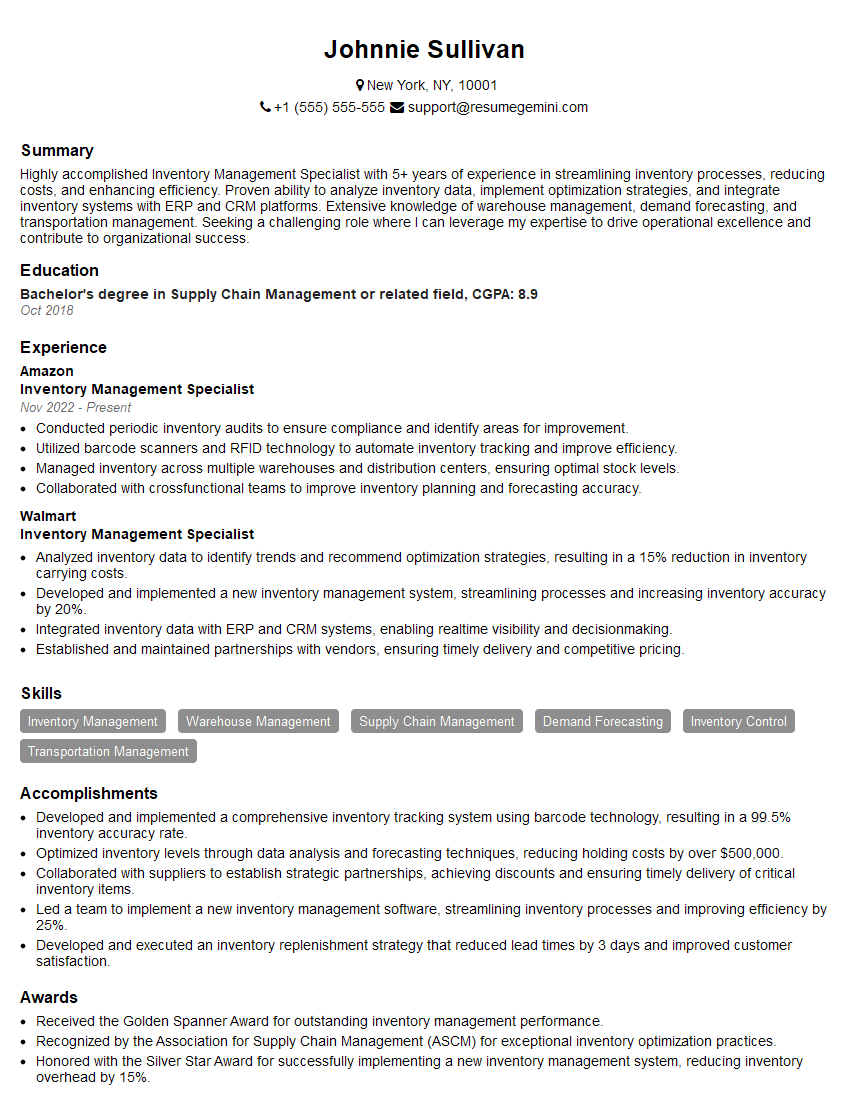
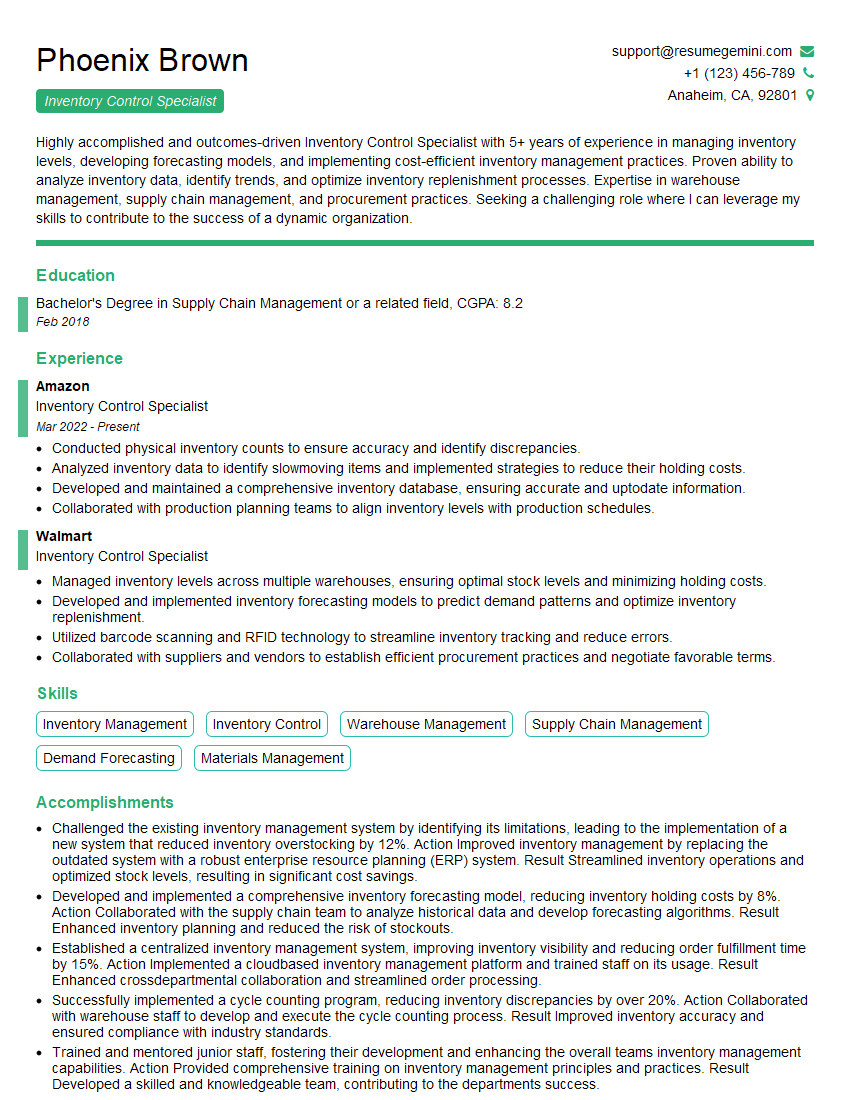
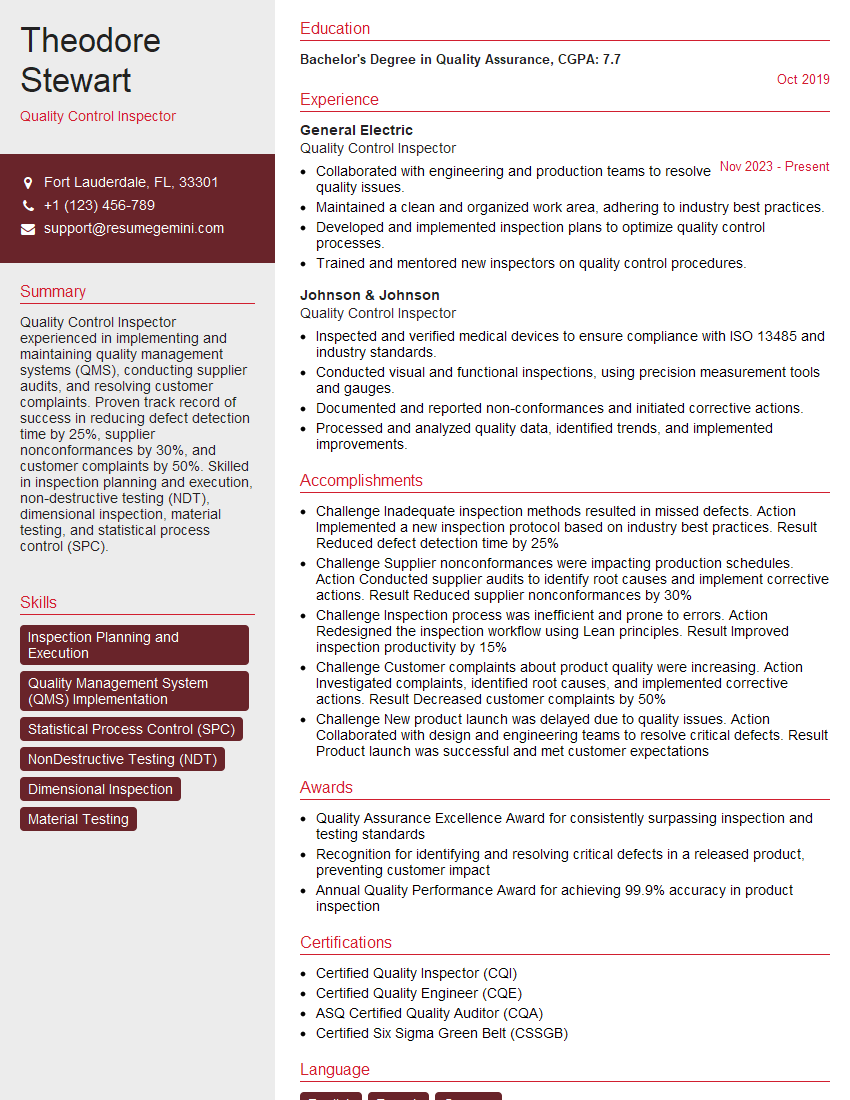
Explore more articles
Users Rating of Our Blogs
Share Your Experience
We value your feedback! Please rate our content and share your thoughts (optional).
What Readers Say About Our Blog
Hello,
we currently offer a complimentary backlink and URL indexing test for search engine optimization professionals.
You can get complimentary indexing credits to test how link discovery works in practice.
No credit card is required and there is no recurring fee.
You can find details here:
https://wikipedia-backlinks.com/indexing/
Regards
NICE RESPONSE TO Q & A
hi
The aim of this message is regarding an unclaimed deposit of a deceased nationale that bears the same name as you. You are not relate to him as there are millions of people answering the names across around the world. But i will use my position to influence the release of the deposit to you for our mutual benefit.
Respond for full details and how to claim the deposit. This is 100% risk free. Send hello to my email id: [email protected]
Luka Chachibaialuka
Hey interviewgemini.com, just wanted to follow up on my last email.
We just launched Call the Monster, an parenting app that lets you summon friendly ‘monsters’ kids actually listen to.
We’re also running a giveaway for everyone who downloads the app. Since it’s brand new, there aren’t many users yet, which means you’ve got a much better chance of winning some great prizes.
You can check it out here: https://bit.ly/callamonsterapp
Or follow us on Instagram: https://www.instagram.com/callamonsterapp
Thanks,
Ryan
CEO – Call the Monster App
Hey interviewgemini.com, I saw your website and love your approach.
I just want this to look like spam email, but want to share something important to you. We just launched Call the Monster, a parenting app that lets you summon friendly ‘monsters’ kids actually listen to.
Parents are loving it for calming chaos before bedtime. Thought you might want to try it: https://bit.ly/callamonsterapp or just follow our fun monster lore on Instagram: https://www.instagram.com/callamonsterapp
Thanks,
Ryan
CEO – Call A Monster APP
To the interviewgemini.com Owner.
Dear interviewgemini.com Webmaster!
Hi interviewgemini.com Webmaster!
Dear interviewgemini.com Webmaster!
excellent
Hello,
We found issues with your domain’s email setup that may be sending your messages to spam or blocking them completely. InboxShield Mini shows you how to fix it in minutes — no tech skills required.
Scan your domain now for details: https://inboxshield-mini.com/
— Adam @ InboxShield Mini
Reply STOP to unsubscribe
Hi, are you owner of interviewgemini.com? What if I told you I could help you find extra time in your schedule, reconnect with leads you didn’t even realize you missed, and bring in more “I want to work with you” conversations, without increasing your ad spend or hiring a full-time employee?
All with a flexible, budget-friendly service that could easily pay for itself. Sounds good?
Would it be nice to jump on a quick 10-minute call so I can show you exactly how we make this work?
Best,
Hapei
Marketing Director
Hey, I know you’re the owner of interviewgemini.com. I’ll be quick.
Fundraising for your business is tough and time-consuming. We make it easier by guaranteeing two private investor meetings each month, for six months. No demos, no pitch events – just direct introductions to active investors matched to your startup.
If youR17;re raising, this could help you build real momentum. Want me to send more info?
Hi, I represent an SEO company that specialises in getting you AI citations and higher rankings on Google. I’d like to offer you a 100% free SEO audit for your website. Would you be interested?
Hi, I represent an SEO company that specialises in getting you AI citations and higher rankings on Google. I’d like to offer you a 100% free SEO audit for your website. Would you be interested?
good