Every successful interview starts with knowing what to expect. In this blog, we’ll take you through the top Judging interview questions, breaking them down with expert tips to help you deliver impactful answers. Step into your next interview fully prepared and ready to succeed.
Questions Asked in Judging Interview
Q 1. Describe your experience in applying consistent criteria across multiple evaluations.
Maintaining consistent criteria across multiple evaluations is crucial for fairness and accuracy. It involves establishing clear, well-defined judging rubrics or frameworks before commencing the evaluation process. These frameworks should outline specific, measurable, achievable, relevant, and time-bound (SMART) criteria. This prevents subjective biases from influencing the outcome.
- Example: In a coding competition, a rubric might score submissions based on functionality (40%), efficiency (30%), code clarity (20%), and adherence to coding style guidelines (10%). Each criterion would have sub-points further detailing what constitutes a high, medium, or low score.
- Practical Application: Before judging any project, ensure a detailed scoring system is in place and shared with all involved. This ensures transparency and allows for consistent application of the standards across numerous projects and judges.
Regular calibration sessions with fellow judges are also essential. These sessions involve reviewing past assessments to identify any discrepancies in application of the rubric and harmonize judging standards, ensuring that everyone understands and interprets the criteria consistently.
Q 2. How do you handle bias or personal preferences when making judgments?
Bias and personal preferences are inherent challenges in judging. Mitigating them requires a conscious and proactive approach. One critical technique is the use of blind evaluation, where identifying information about the candidates is removed, preventing pre-conceived notions from influencing the assessment. For instance, removing names from submissions before review helps minimize biases based on name recognition or perceived demographics.
Furthermore, utilizing structured scoring systems, as described previously, helps to focus on objective criteria, leaving less room for personal opinions. Self-reflection on potential biases is also important. Judges should actively consider their own values and perspectives to identify areas where they might be susceptible to bias.
Example: If judging a writing competition, I would ensure the submissions are anonymized, removing names and any identifying information that might reveal the author’s background or gender. This would help eliminate potential biases towards specific writing styles or demographics.
Q 3. Explain your process for identifying and resolving conflicts or inconsistencies in your assessments.
Conflicts and inconsistencies in assessments arise, even with the most meticulously crafted rubrics. The process of identifying and resolving them starts with open communication. Judges should regularly compare notes and discuss their individual assessments. Discussions should be based on concrete evidence and the established criteria, allowing for a collaborative effort to identify where disagreements arise.
- Step 1: Identification: Compare scores, identifying significant discrepancies. Review the justification for each score. Look for patterns in disagreements.
- Step 2: Analysis: Identify the root cause of the discrepancy. Is it a misunderstanding of the criteria? Was a specific aspect of the evaluation missed? Did new information emerge after initial scoring?
- Step 3: Resolution: If a misunderstanding is identified, clarify the rubric’s interpretation. If a procedural error was discovered, correct it. If a genuine difference of opinion exists, engage in reasoned discussion to reach a consensus. In some cases, mediation from a senior judge might be necessary.
Example: If two judges drastically differ on the score of a creative project, we would jointly review the project based on the rubric. We would point to specific instances to justify the scores, and, if necessary, we’d invite a third judge for a consensus decision.
Q 4. How do you prioritize objectivity and fairness in your judgments?
Prioritizing objectivity and fairness is paramount in judging. It’s achieved by meticulously adhering to established criteria and guidelines, avoiding any personal biases or external influences. This requires a high level of self-awareness, a commitment to transparency, and a willingness to critically examine one’s own judgments.
- Transparency: Clearly communicating the judging criteria and scoring system prevents any perceived lack of fairness. Providing clear and well-articulated justifications for scores reinforces transparency and accountability.
- Consistent Application: Applying the same standards across all evaluations, maintaining a consistent and rigorous approach, is essential for impartiality. This includes avoiding preferential treatment of certain candidates or perspectives.
- Continuous Learning: Staying informed about best practices in judging and reviewing the effectiveness of the criteria regularly ensures that the system stays up-to-date and fair.
Q 5. Describe a time you had to make a difficult judgment call; what factors influenced your decision?
During a student film festival, I had to judge a film that technically exhibited brilliant filmmaking but lacked emotional depth. Another film possessed less technical prowess but had a powerful and moving narrative. This presented a classic conflict between technical skill and artistic merit.
My decision was influenced by the festival’s stated goal, which emphasized storytelling and audience impact. Although the technically superior film was well-executed, it failed to connect with the audience emotionally. The film with a stronger narrative, despite minor technical flaws, ultimately achieved the festival’s primary objective. Therefore, I prioritized the emotional impact, explaining my reasoning transparently in my feedback.
Q 6. How do you handle feedback or criticism of your judgments?
Feedback and criticism are valuable opportunities for improvement. I approach feedback constructively, focusing on learning and growth. I analyze the criticism objectively, identifying valid points and areas for improvement.
- Seeking Clarification: If the feedback is unclear, I seek clarification. This ensures a shared understanding of the issues raised.
- Self-Reflection: I use the feedback as an opportunity for self-reflection, considering whether the criticisms highlight systemic issues (like flaws in the rubric) or areas for personal growth.
- Implementation: I incorporate valid feedback into future judging processes, revising the rubric or refining my approaches as necessary.
Treating feedback as a constructive tool for enhancing my skills and the overall judging process is central to my approach.
Q 7. How familiar are you with relevant legal frameworks or guidelines pertaining to judging?
My familiarity with legal frameworks and guidelines pertaining to judging depends on the specific context. For instance, judging in a competitive setting may involve understanding rules against plagiarism or intellectual property infringement. In legal settings, I’d be intimately familiar with legal codes of conduct, rules of evidence, and principles of due process. I regularly research and keep myself abreast of relevant laws and ethical guidelines that might influence judging in different scenarios.
Example: When judging scientific research, I’m aware of guidelines related to research ethics and data integrity. If participating in a competition involving copyrighted material, familiarity with copyright law becomes crucial. The legal landscape varies across different contexts, and I strive to understand these details thoroughly before undertaking any judging responsibilities.
Q 8. How do you ensure the accuracy and reliability of your judgments?
Ensuring accuracy and reliability in judgment is paramount. It’s a multi-faceted process that begins with a clear understanding of the judging criteria. This involves meticulously reviewing the rubric or guidelines, identifying key performance indicators (KPIs), and ensuring they are objective and measurable. For instance, if judging a baking competition, the criteria might include taste, texture, presentation, and creativity – each with specific, quantifiable elements.
Next, I employ a structured approach to evaluation. This could involve using standardized checklists, scorecards, or rating scales to ensure consistency across all participants. For example, I might use a 1-5 scale for each criterion, allowing for nuanced scoring instead of broad generalizations. To minimize bias, I often employ blind judging techniques where participant identities are masked until after the scores are assigned. Finally, I always document my rationale, explaining why a particular score was awarded. This is vital for transparency and accountability, and also helps in identifying areas for improvement in the judging process itself.
Furthermore, I regularly calibrate my judgments against other experienced judges. This cross-checking helps to identify any potential discrepancies in interpretation or scoring. This could involve discussing individual submissions with colleagues, comparing scores, and reaching consensus on any disagreements. This process of continuous self-assessment and peer review is critical for maintaining the highest level of accuracy and reliability.
Q 9. How do you communicate your judgments effectively to others, both verbally and in writing?
Effective communication of judgments is essential. Verbal communication requires clear, concise language, free of jargon. I focus on explaining the rationale behind the scores, highlighting both strengths and areas for improvement in a constructive manner. For instance, instead of simply saying ‘Your presentation was poor,’ I would offer specific feedback, such as, ‘While the ingredients were excellent, the overall plating lacked visual appeal. Consider using garnishes or a more sophisticated arrangement next time.’
Written communication requires similar clarity. I utilize structured reports or feedback forms, ensuring consistency and ease of understanding. I use plain language and avoid ambiguity. Tables, charts, and graphs can be particularly helpful for visually representing scores and highlighting trends. For example, a table summarizing individual scores for each criterion, alongside overall rankings, allows for easy comparison across participants. I also maintain a consistent tone and style in my written judgments to ensure clarity and professionalism. Regular feedback on my communication style from colleagues is also valuable to ensure continuous improvement.
Q 10. Describe your experience in working collaboratively with other judges or assessors.
Collaborative judging is a vital aspect of ensuring fairness and accuracy. I’ve extensively worked with other judges, sharing our perspectives, evaluating submissions together, and engaging in constructive discussions to reach consensus. One example was in a national art competition where I worked with two other jurors, each bringing a different area of expertise to the table. We adopted a system of independent initial scoring, followed by group deliberation where we discussed the rationales behind our scores and addressed any disagreements.
These discussions often involved not only the scores but also the criteria themselves, leading to refinements in the judging process for future iterations. Such collaboration not only reduces individual biases but leverages the collective expertise of the panel, resulting in more well-rounded and insightful assessments. Effective communication, active listening, and a respect for diverse opinions are key to successful collaborative judging. A collaborative environment where everyone feels heard and respected is crucial to making well-informed and fair judgments.
Q 11. How do you manage time effectively during high-pressure judging situations?
Time management in high-pressure judging situations is crucial. I employ a structured approach, prioritizing tasks and allocating specific timeframes for each stage of the judging process. This often involves a pre-judging phase where I familiarize myself with the criteria and judging guidelines. During the judging itself, I employ techniques like timeboxing – allocating a set amount of time to review each submission.
This prevents getting bogged down in any single entry and ensures all participants receive equal attention. I avoid distractions, and often work in a quiet environment to maintain focus. If dealing with a large number of entries, I might consider delegating parts of the judging process to other qualified assessors, but always maintaining oversight to ensure consistent standards. Furthermore, practicing beforehand with similar materials helps in building speed and accuracy, allowing for more effective time management during the actual judging event.
Q 12. Explain your understanding of different scoring systems or evaluation metrics.
Understanding scoring systems and evaluation metrics is fundamental to accurate judging. I’m familiar with various systems, including:
- Numerical Scoring: Using a scale (e.g., 1-10 or 1-5) for each criterion, allowing for quantitative comparison.
- Ranking Systems: Ordering participants based on overall performance. This is suitable when precise scoring isn’t necessary.
- Holistic Scoring: Providing an overall impression, often used for subjective evaluations, alongside qualitative feedback.
- Weighted Scoring: Assigning different weights to different criteria based on their relative importance.
The choice of scoring system depends heavily on the context. For instance, a baking competition might use a weighted numerical scoring system, emphasizing taste more than presentation. In contrast, an art competition might rely on a holistic scoring system combined with qualitative feedback. I am adept at choosing and applying the most appropriate metric based on the specific requirements of the judging task.
Q 13. How do you maintain impartiality and avoid conflicts of interest in your role?
Maintaining impartiality and avoiding conflicts of interest is critical. I always disclose any potential conflicts of interest before the judging process begins. This might involve personal relationships with participants, prior professional engagements, or any other factors that could influence my judgment. If a conflict is identified, I recuse myself from judging those specific participants.
Beyond disclosure, I actively work to mitigate bias. This involves applying the judging criteria consistently, without favoritism. I focus on the objective merits of each submission, irrespective of external factors such as the participant’s reputation or background. I regularly review my judgments for any signs of bias, constantly seeking self-improvement and ensuring all judgments are fair and equitable. A commitment to ethical conduct and transparency is essential in upholding the integrity of the judging process.
Q 14. What is your approach to providing constructive feedback to participants?
Providing constructive feedback is crucial for participant growth. My approach involves focusing on specific behaviours and outcomes rather than making general or subjective comments. I use the ‘sandwich method’ – starting with positive feedback, followed by constructive criticism, and finishing with another positive note.
For example, I might say: ‘I was impressed by the creativity of your design (positive). However, the execution could be improved by paying more attention to detail in the finishing stages (constructive criticism). Overall, your potential is evident, and with some refinement, you can produce truly exceptional work (positive).’ I always provide actionable suggestions, empowering participants to improve. The feedback is tailored to the individual, focusing on their specific strengths and weaknesses. I avoid judgmental language, opting for a supportive and encouraging tone. I believe that feedback should be a learning opportunity, motivating participants to improve their skills and performance.
Q 15. How familiar are you with specific judging rubrics or criteria for different contexts?
My familiarity with judging rubrics and criteria is extensive, spanning various contexts including academic competitions, culinary arts, creative writing, and software development. I understand that a good rubric is specific, measurable, achievable, relevant, and time-bound (SMART). For example, in a culinary competition, a rubric might detail specific criteria such as taste (balance of flavors, seasoning), presentation (plating, visual appeal), technique (proper cooking methods), and originality (innovative use of ingredients). In a software development competition, the rubric might focus on functionality, efficiency, code quality, and adherence to specifications. I adapt my understanding to the specific requirements of each judging context, ensuring that I am using the appropriate criteria to assess the performance objectively and fairly.
- Academic Competitions: I’m familiar with rubrics evaluating research papers based on research methodology, argumentation, and clarity of writing.
- Culinary Arts: I have experience with rubrics assessing technical skill, creativity, and presentation in cooking competitions.
- Creative Writing: I understand rubrics that measure plot development, characterization, and narrative structure.
Career Expert Tips:
- Ace those interviews! Prepare effectively by reviewing the Top 50 Most Common Interview Questions on ResumeGemini.
- Navigate your job search with confidence! Explore a wide range of Career Tips on ResumeGemini. Learn about common challenges and recommendations to overcome them.
- Craft the perfect resume! Master the Art of Resume Writing with ResumeGemini’s guide. Showcase your unique qualifications and achievements effectively.
- Don’t miss out on holiday savings! Build your dream resume with ResumeGemini’s ATS optimized templates.
Q 16. Describe a situation where you had to adapt your judging process to accommodate unexpected circumstances.
During a regional science fair judging, a sudden power outage occurred mid-judging. This was an unexpected circumstance that required immediate adaptation. Instead of halting the process, I quickly regrouped with fellow judges. We decided to utilize the remaining daylight to visually inspect the projects, focusing on the presentation boards and any physical aspects of the exhibits. We then used our cell phone flashlights to read the written reports, prioritizing the key findings and conclusions. We also agreed to pool our individual notes and observations later, ensuring that no crucial information was missed. While the process was adjusted due to the unforeseen power failure, we managed to complete the judging process fairly and effectively, and without compromising the integrity of our assessment.
Q 17. What strategies do you use to stay informed about current best practices in judging?
Staying updated on best practices in judging is crucial. I achieve this through a multi-pronged approach. Firstly, I actively participate in professional development workshops and conferences specifically focused on judging methodologies and best practices. Secondly, I regularly read peer-reviewed journals and publications related to evaluation and assessment in my areas of expertise. Thirdly, I network with other experienced judges, exchanging insights and learning from their experiences. This collaborative approach allows me to stay informed about emerging trends and techniques that enhance the quality and fairness of my judgments. Think of it like a chef constantly refining their skills by attending cooking demonstrations and studying culinary magazines.
Q 18. How do you handle situations where you disagree with the judgments of other judges?
Disagreements among judges are a normal occurrence. The key is respectful, professional dialogue. My approach involves actively listening to the reasoning behind each judge’s assessment, seeking to understand their perspective and identify potential areas of misinterpretation or differing priorities within the rubric. I value constructive debate, providing well-reasoned explanations for my own assessment. If a consensus cannot be reached, I advocate for a structured discussion guided by the judging criteria to ensure objective evaluation. Ultimately, my goal is a fair and consistent judgment, even if it involves compromise and negotiation. The primary objective is to reach a decision that reflects the totality of the available evidence and aligns with the stated criteria, not necessarily to force unanimity.
Q 19. How do you ensure that your judgments are transparent and easily understood?
Transparency and understanding are paramount in judging. I achieve this by meticulously documenting my evaluation process. This involves using detailed scoring sheets based on the judging criteria, providing specific, constructive feedback for each participant, and clearly articulating the reasoning behind the scores. Where appropriate, I utilize clear numerical scales that are easily understood. I explain the weighted importance of each criterion, and avoid using vague or subjective terms in my written feedback. This detailed record ensures that my judgments are not only transparent but are also easily understandable to both the participants and any other interested parties. Imagine this as providing a recipe for your decision-making process.
Q 20. Explain your experience in dealing with challenging or difficult participants.
Handling challenging participants requires tact, diplomacy, and adherence to established protocols. My approach begins with establishing clear expectations and ground rules upfront, ensuring that all participants understand the judging process and its standards. If a participant becomes disruptive or uncooperative, I address the issue calmly and professionally, reminding them of the rules and the importance of respectful conduct. In cases of serious misconduct, I follow established procedures for reporting the behavior to the relevant authorities. It’s about maintaining a fair and respectful environment for all participants, while ensuring adherence to established rules and norms. I’ve often found that clear and consistent communication prevents many problems from escalating.
Q 21. Describe your process for managing large volumes of work when judging.
Managing large volumes of judging work demands efficient organization and time management. I employ several strategies: First, I carefully review all materials before beginning to judge, allowing me to prioritize and allocate my time effectively. Second, I develop a clear schedule, setting realistic goals and deadlines to ensure I stay on track. Third, I utilize a structured scoring system and feedback template to expedite the evaluation process. Fourth, if possible, I delegate tasks where appropriate to other qualified judges, allowing for a collaborative approach to judging. Imagine this as a project manager carefully planning and executing a large project, ensuring both quality and timeliness.
Q 22. How do you handle appeals or challenges to your judgments?
Handling appeals and challenges requires a meticulous review process, ensuring fairness and transparency. First, I thoroughly re-examine the original evidence and arguments, carefully considering any new information presented. This involves consulting the relevant rules and guidelines to ensure consistency with established precedents. I document this review process meticulously. Second, I communicate the reasons for my original judgment and any adjustments made in response to the appeal in a clear, concise, and respectful manner. This ensures the appellant understands the reasoning behind the decision. For complex appeals, I may seek clarification or further input from colleagues or experts to ensure the accuracy and fairness of the final decision. Think of it like a judge reviewing a referee’s call in a sports game – there’s a clear process to ensure everything is done correctly and fairly. If the appeal justifies a change of judgment, I make the necessary adjustments and clearly communicate this change.
Q 23. What steps do you take to prevent errors and ensure the quality of your work?
Preventing errors and ensuring quality is paramount. I employ a multi-faceted approach. This begins with meticulous preparation; I familiarize myself thoroughly with all relevant rules, guidelines, and precedents before beginning the judging process. During the process, I use checklists to ensure that I’ve considered all necessary factors and haven’t overlooked any critical details. For example, in a judging scenario involving multiple criteria, I might create a scoring rubric to maintain consistency and objectivity across all participants. After judgment, I conduct a self-review, checking for inconsistencies, potential biases, or overlooked aspects. In collaborative judging situations, I actively participate in discussions with fellow judges, promoting a healthy exchange of perspectives and identifying potential blind spots in individual assessments. Regular training and continuous learning help refine my skills and stay updated on best practices. This is like a surgeon performing a complex operation; meticulous planning, adherence to protocols and self-review are vital.
Q 24. How would you explain your judging philosophy to a newcomer?
My judging philosophy centers on fairness, consistency, and transparency. Fairness means applying the rules equally to all participants, regardless of background or personal connections. Consistency means ensuring similar performances receive similar scores across different events or over time. Transparency means clearly articulating the criteria used and the reasoning behind decisions. I strive to create an inclusive and supportive environment, providing constructive feedback to help participants improve. Imagine a teacher grading exams; it’s not just about assigning grades but also offering feedback for future learning. My approach prioritizes objectivity, utilizing structured evaluation tools to minimize subjectivity and ensure the integrity of the judging process. This is especially critical when many participants are involved.
Q 25. How do you manage pressure and maintain focus during long judging events?
Managing pressure during long events requires a combination of strategies. First, I ensure adequate preparation beforehand, including sufficient rest and hydration. During the event, I maintain a structured schedule, taking short breaks to avoid burnout. Mindfulness and deep breathing exercises can help manage stress and maintain focus. I also visualize success and remind myself of my experience and training. Importantly, I focus on the task at hand, one participant at a time, avoiding dwelling on past judgments or worrying about future ones. This is similar to an athlete performing under pressure – preparation, strategy, and mental resilience are key factors.
Q 26. What are your strengths and weaknesses as a judge?
My strengths include a strong ability to apply rules consistently and objectively, an aptitude for meticulous detail, and the capacity to handle criticism constructively. I’m also adept at providing constructive feedback. My area for improvement is the ability to make quick decisions under extreme time pressure without sacrificing accuracy. While I strive for swift assessments, I occasionally find myself needing to allocate additional time for in-depth review. This is something I’m actively working on through continued practice and refinement of my decision-making processes.
Q 27. Describe a time you had to make a judgment under pressure or time constraints.
In a recent regional competition, a crucial judging decision needed to be made within a very short timeframe. A tie-breaker round was unexpectedly added, compressing the available time significantly. I had to quickly re-evaluate the performances based on the newly defined criteria, which required adjusting my original scoring framework. To manage the time constraint, I prioritized the key aspects of the performances using a simplified evaluation matrix, focusing on the most impactful criteria. While the process was challenging, maintaining my focus and adhering to my established framework allowed me to render a fair and timely judgment. The decision was ultimately accepted without challenge, demonstrating the effectiveness of my streamlined approach under pressure.
Key Topics to Learn for Judging Interview
- Fairness and Impartiality: Understanding and applying principles of unbiased evaluation, recognizing potential biases, and ensuring equitable judgment across all participants.
- Criteria and Standards: Developing a deep understanding of the judging criteria, applying them consistently, and justifying decisions based on clear and objective standards. Practical application: Consider how you would handle inconsistencies in criteria or subjective elements within a judging framework.
- Effective Communication: Articulating judgments clearly and concisely, both verbally and in writing, providing constructive feedback, and handling challenging situations with diplomacy and professionalism.
- Decision-Making Processes: Understanding different decision-making models, weighing competing priorities, and justifying choices based on a logical and transparent process. Explore different methodologies for evaluating complex situations.
- Conflict Resolution: Addressing disagreements among judges, managing challenging personalities, and maintaining professionalism in potentially stressful situations. Consider role-playing scenarios where judges disagree on scoring or assessment.
- Legal and Ethical Considerations: Understanding relevant legal frameworks and ethical guidelines related to judging, ensuring compliance, and upholding professional standards of integrity.
- Specific Judging Expertise: Deep dive into the area of judging you’re applying for (e.g., competitive sports, academic competitions, artistic performances). Research specific methodologies and best practices used within that field.
Next Steps
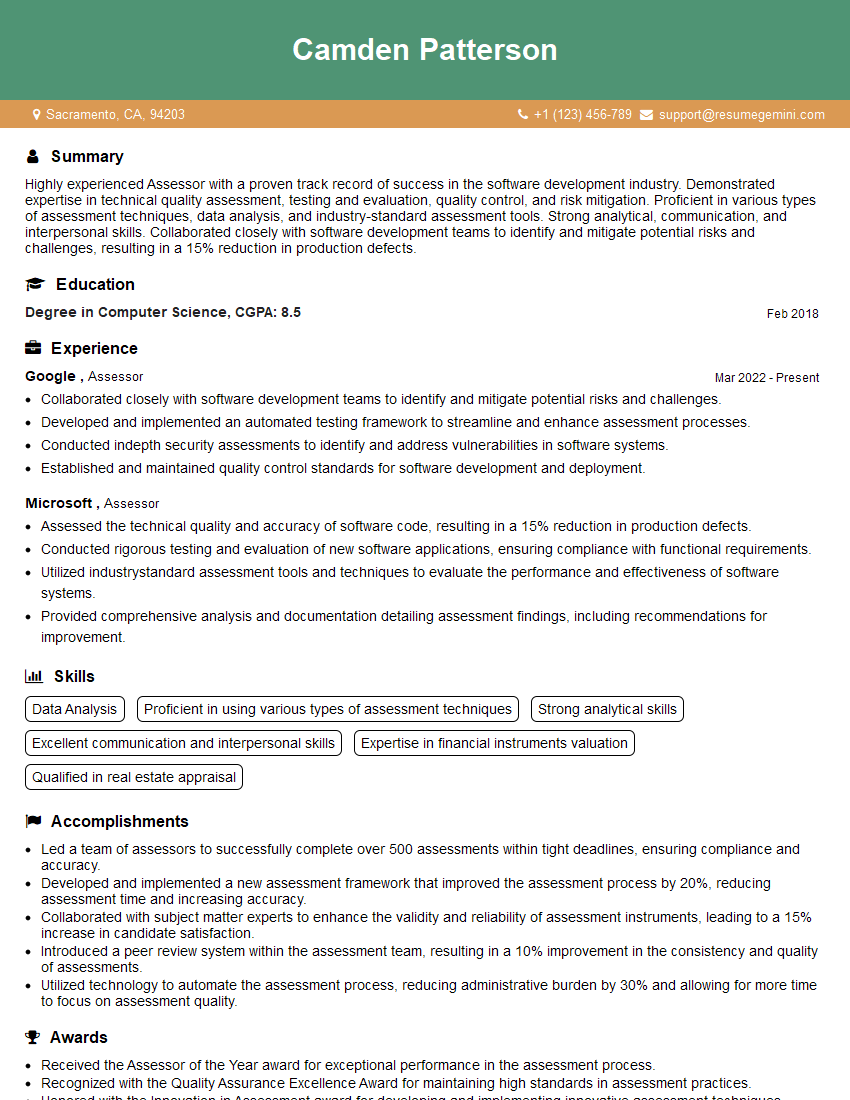
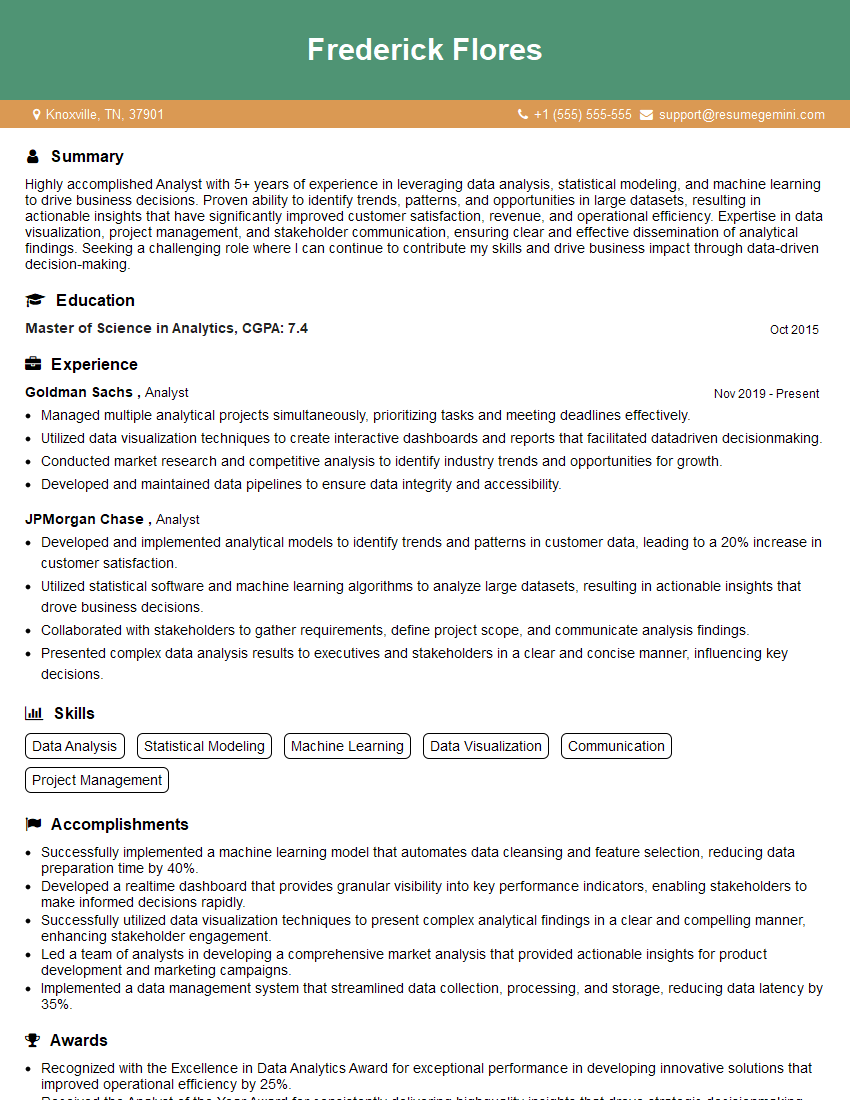
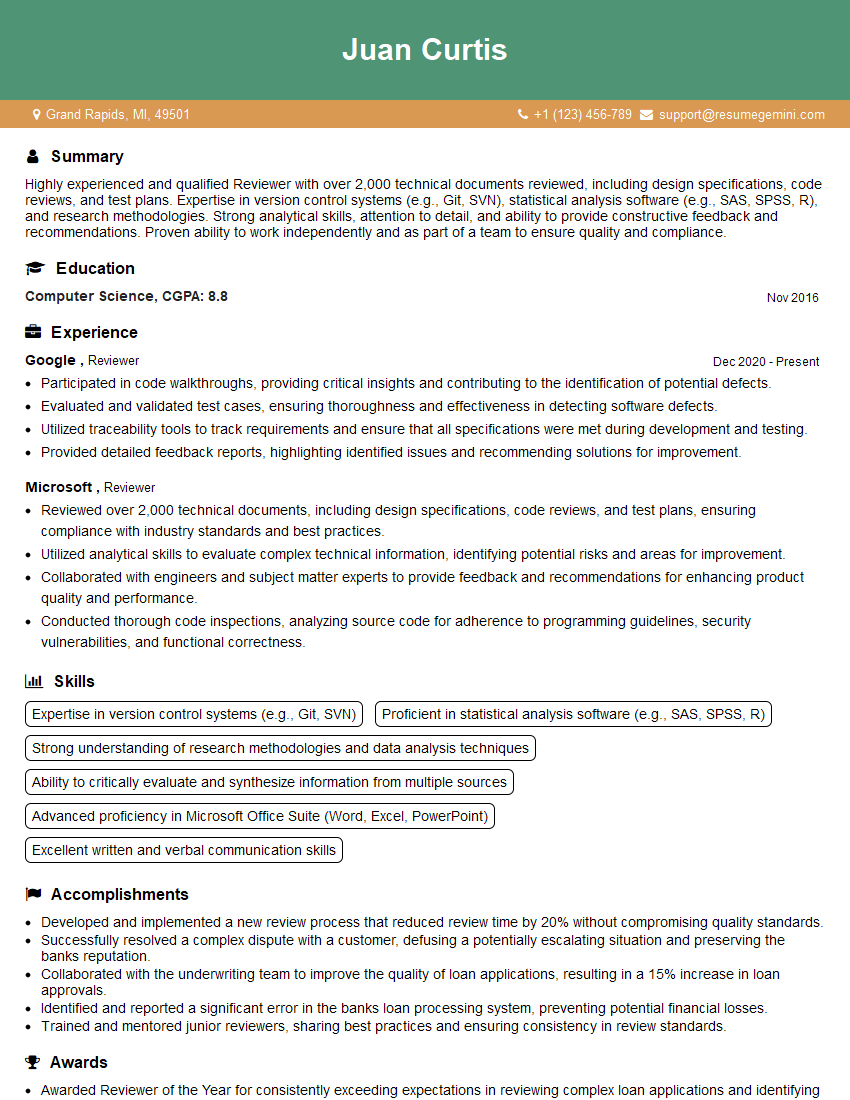
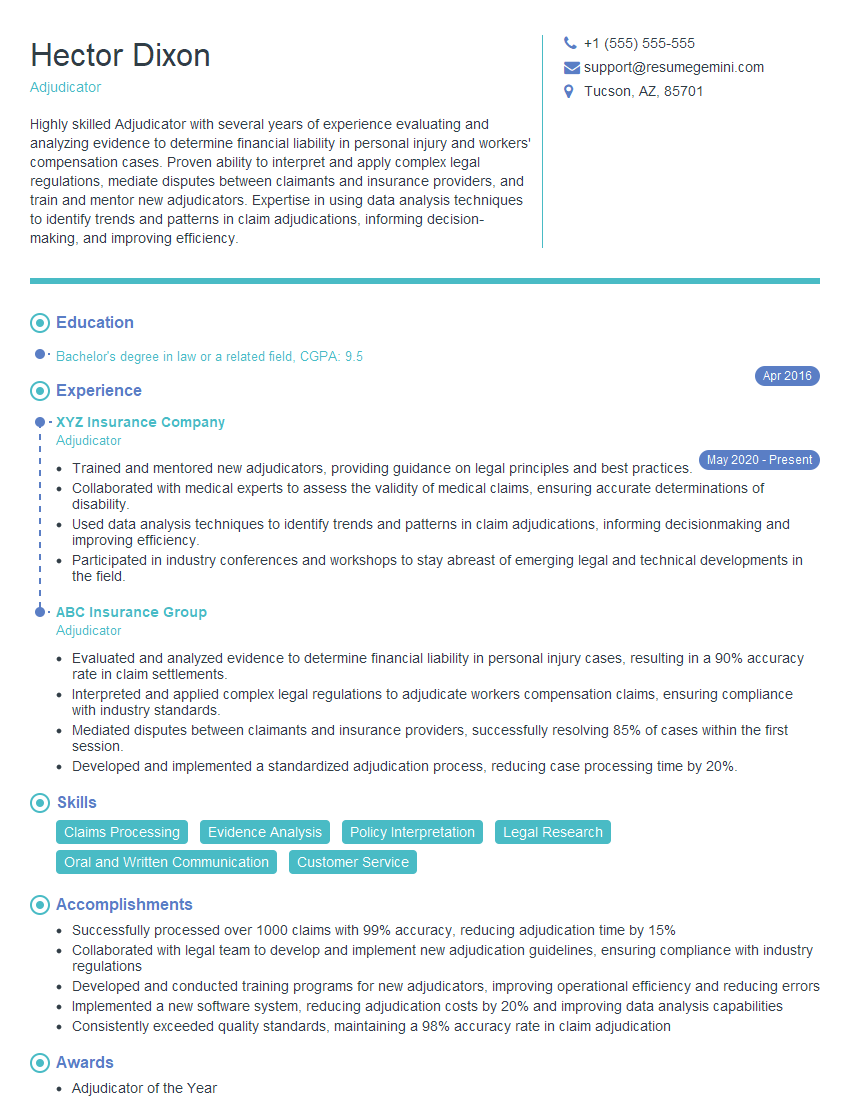
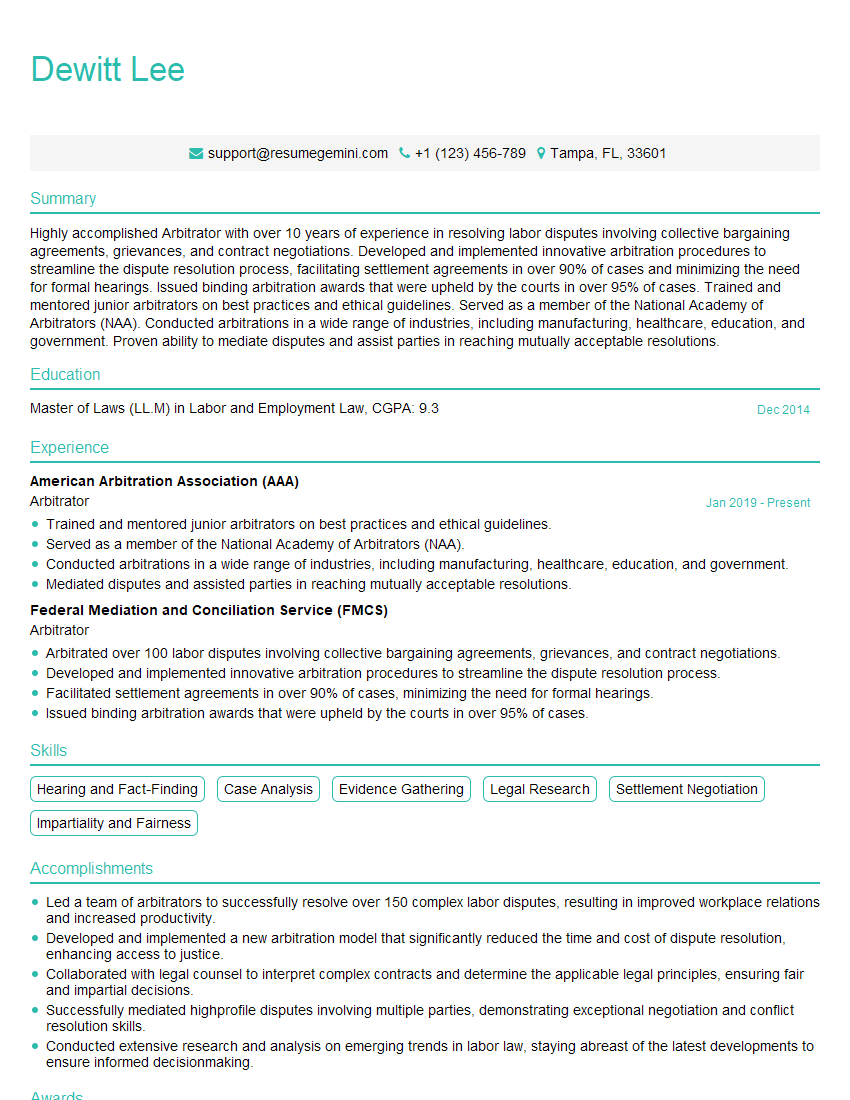
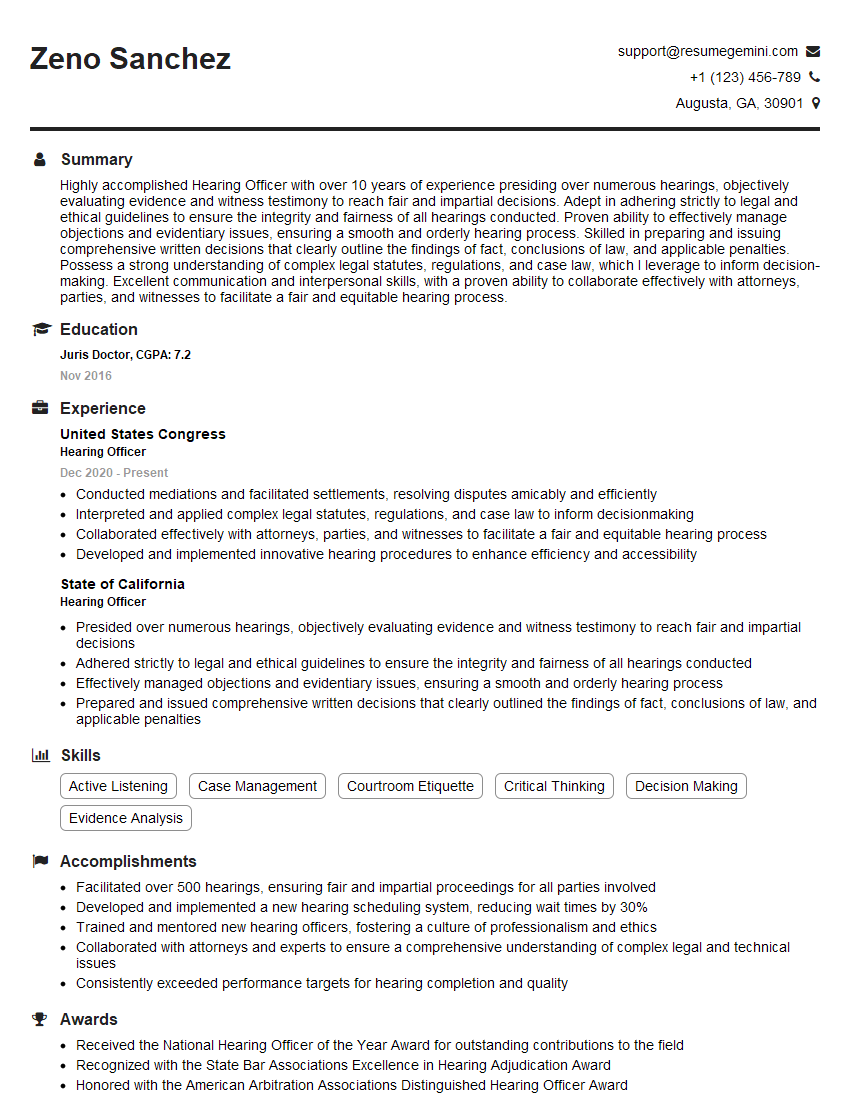
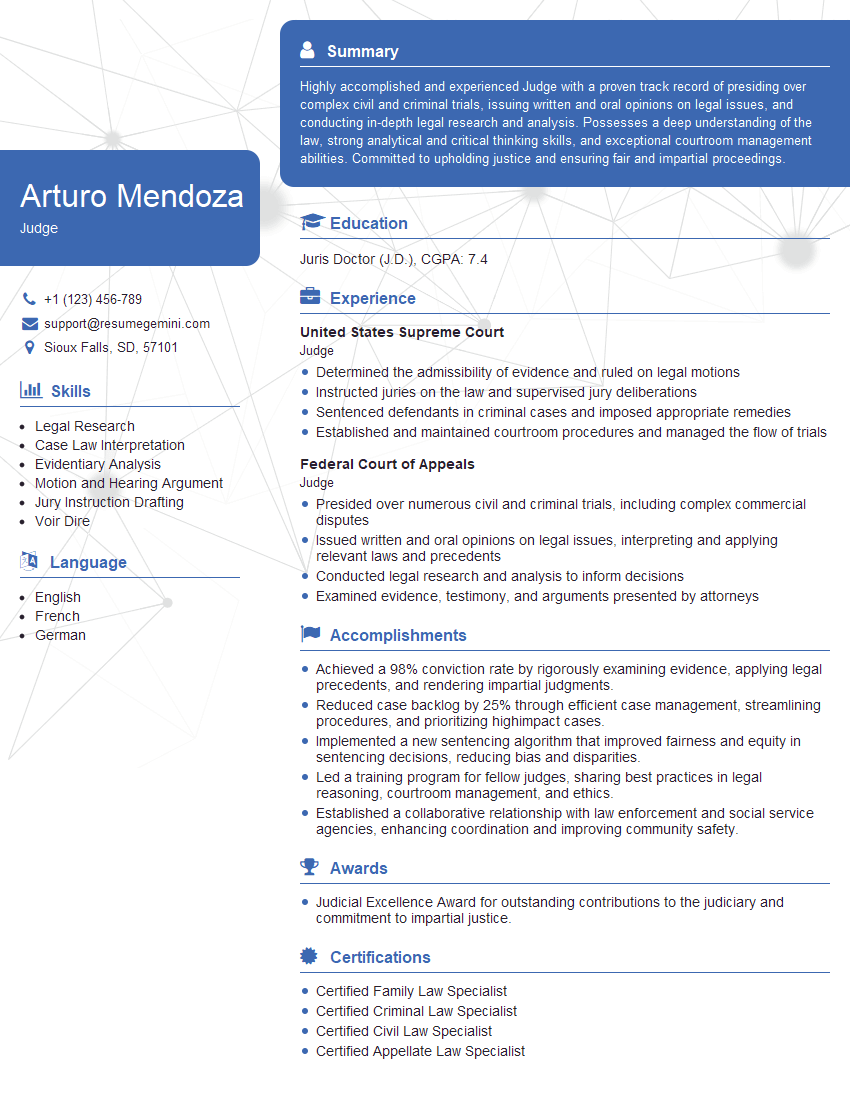
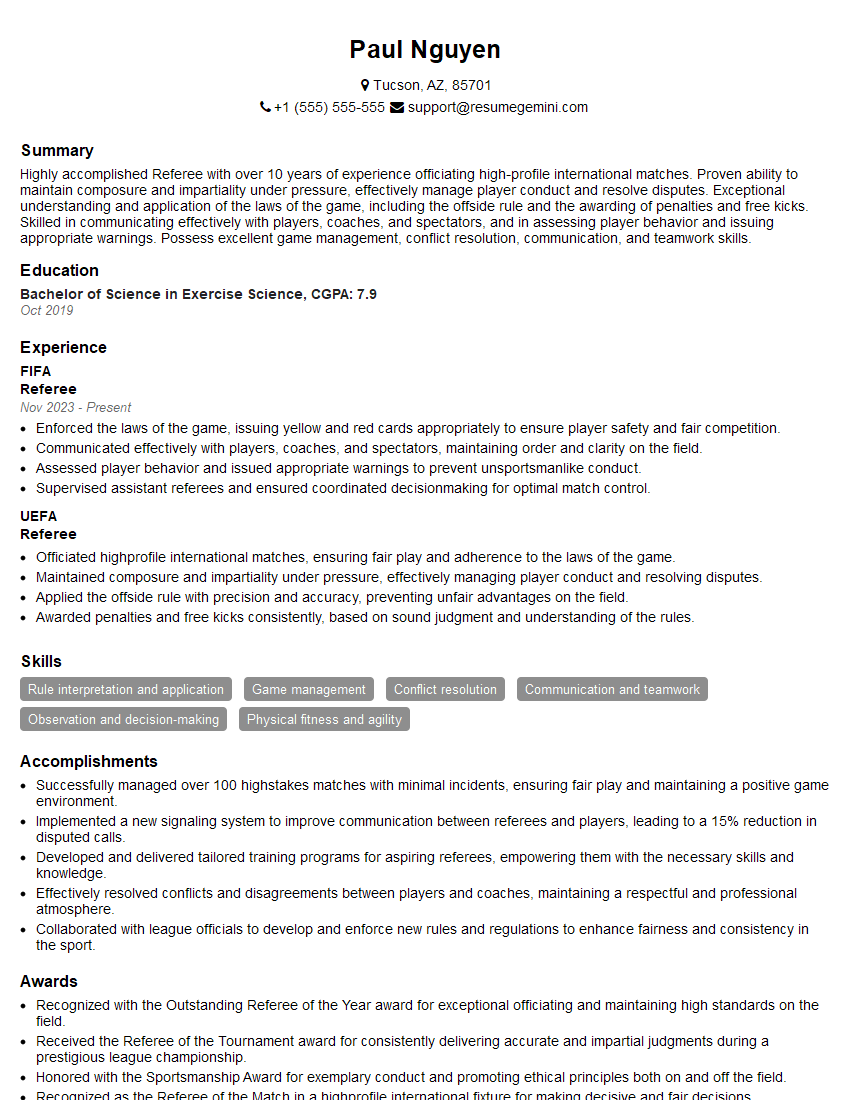
Mastering the art of judging opens doors to diverse and rewarding career opportunities, allowing you to leverage your analytical skills, fairness, and communication abilities in various professional settings. To significantly boost your job prospects, it’s crucial to present your skills and experience effectively through an ATS-friendly resume. We highly recommend using ResumeGemini to craft a professional and impactful resume that highlights your qualifications and experience in judging. ResumeGemini provides examples of resumes tailored to Judging roles, ensuring your application stands out from the competition.
Explore more articles
Users Rating of Our Blogs
Share Your Experience
We value your feedback! Please rate our content and share your thoughts (optional).
What Readers Say About Our Blog
Attention music lovers!
Wow, All the best Sax Summer music !!!
Spotify: https://open.spotify.com/artist/6ShcdIT7rPVVaFEpgZQbUk
Apple Music: https://music.apple.com/fr/artist/jimmy-sax-black/1530501936
YouTube: https://music.youtube.com/browse/VLOLAK5uy_noClmC7abM6YpZsnySxRqt3LoalPf88No
Other Platforms and Free Downloads : https://fanlink.tv/jimmysaxblack
on google : https://www.google.com/search?q=22+AND+22+AND+22
on ChatGPT : https://chat.openai.com?q=who20jlJimmy20Black20Sax20Producer
Get back into the groove with Jimmy sax Black
Best regards,
Jimmy sax Black
www.jimmysaxblack.com
Hi I am a troller at The aquatic interview center and I suddenly went so fast in Roblox and it was gone when I reset.
Hi,
Business owners spend hours every week worrying about their website—or avoiding it because it feels overwhelming.
We’d like to take that off your plate:
$69/month. Everything handled.
Our team will:
Design a custom website—or completely overhaul your current one
Take care of hosting as an option
Handle edits and improvements—up to 60 minutes of work included every month
No setup fees, no annual commitments. Just a site that makes a strong first impression.
Find out if it’s right for you:
https://websolutionsgenius.com/awardwinningwebsites
Hello,
we currently offer a complimentary backlink and URL indexing test for search engine optimization professionals.
You can get complimentary indexing credits to test how link discovery works in practice.
No credit card is required and there is no recurring fee.
You can find details here:
https://wikipedia-backlinks.com/indexing/
Regards
NICE RESPONSE TO Q & A
hi
The aim of this message is regarding an unclaimed deposit of a deceased nationale that bears the same name as you. You are not relate to him as there are millions of people answering the names across around the world. But i will use my position to influence the release of the deposit to you for our mutual benefit.
Respond for full details and how to claim the deposit. This is 100% risk free. Send hello to my email id: lukachachibaialuka@gmail.com
Luka Chachibaialuka
Hey interviewgemini.com, just wanted to follow up on my last email.
We just launched Call the Monster, an parenting app that lets you summon friendly ‘monsters’ kids actually listen to.
We’re also running a giveaway for everyone who downloads the app. Since it’s brand new, there aren’t many users yet, which means you’ve got a much better chance of winning some great prizes.
You can check it out here: https://bit.ly/callamonsterapp
Or follow us on Instagram: https://www.instagram.com/callamonsterapp
Thanks,
Ryan
CEO – Call the Monster App
Hey interviewgemini.com, I saw your website and love your approach.
I just want this to look like spam email, but want to share something important to you. We just launched Call the Monster, a parenting app that lets you summon friendly ‘monsters’ kids actually listen to.
Parents are loving it for calming chaos before bedtime. Thought you might want to try it: https://bit.ly/callamonsterapp or just follow our fun monster lore on Instagram: https://www.instagram.com/callamonsterapp
Thanks,
Ryan
CEO – Call A Monster APP
To the interviewgemini.com Owner.
Dear interviewgemini.com Webmaster!
Hi interviewgemini.com Webmaster!
Dear interviewgemini.com Webmaster!
excellent
Hello,
We found issues with your domain’s email setup that may be sending your messages to spam or blocking them completely. InboxShield Mini shows you how to fix it in minutes — no tech skills required.
Scan your domain now for details: https://inboxshield-mini.com/
— Adam @ InboxShield Mini
support@inboxshield-mini.com
Reply STOP to unsubscribe
Hi, are you owner of interviewgemini.com? What if I told you I could help you find extra time in your schedule, reconnect with leads you didn’t even realize you missed, and bring in more “I want to work with you” conversations, without increasing your ad spend or hiring a full-time employee?
All with a flexible, budget-friendly service that could easily pay for itself. Sounds good?
Would it be nice to jump on a quick 10-minute call so I can show you exactly how we make this work?
Best,
Hapei
Marketing Director
Hey, I know you’re the owner of interviewgemini.com. I’ll be quick.
Fundraising for your business is tough and time-consuming. We make it easier by guaranteeing two private investor meetings each month, for six months. No demos, no pitch events – just direct introductions to active investors matched to your startup.
If youR17;re raising, this could help you build real momentum. Want me to send more info?
Hi, I represent an SEO company that specialises in getting you AI citations and higher rankings on Google. I’d like to offer you a 100% free SEO audit for your website. Would you be interested?
Hi, I represent an SEO company that specialises in getting you AI citations and higher rankings on Google. I’d like to offer you a 100% free SEO audit for your website. Would you be interested?