Every successful interview starts with knowing what to expect. In this blog, we’ll take you through the top Knowledge of agricultural practices and technologies interview questions, breaking them down with expert tips to help you deliver impactful answers. Step into your next interview fully prepared and ready to succeed.
Questions Asked in Knowledge of agricultural practices and technologies Interview
Q 1. Explain the principles of crop rotation and its benefits.
Crop rotation is the practice of planting different types of crops in the same area in sequenced seasons. It’s like giving your land a balanced diet! Instead of repeatedly growing the same crop, which depletes specific nutrients, you rotate through various plant families. This strategic planning offers significant benefits.
- Improved Soil Fertility: Different crops have different nutrient needs. For example, legumes (like beans and peas) fix nitrogen in the soil, enriching it for subsequent crops like corn or wheat, which are heavy nitrogen users. This reduces reliance on synthetic fertilizers.
- Pest and Disease Management: Rotating crops disrupts the life cycles of many pests and diseases that are specific to particular plant species. This naturally reduces infestations and minimizes the need for pesticides.
- Weed Control: Certain crops can suppress weed growth, making weed control easier in subsequent rotations.
- Increased Soil Health: The diverse root systems of different crops improve soil structure, drainage, and aeration. This leads to healthier soil overall.
- Improved Yield: By improving soil health and reducing pest and disease pressure, crop rotation ultimately leads to higher and more consistent yields over time.
Example: A common rotation might be corn-soybeans-wheat. Corn is a heavy feeder, soybeans fix nitrogen, and wheat has moderate nutrient demands. This cycle helps maintain soil health and balance.
Q 2. Describe different irrigation methods and their suitability for various crops.
Irrigation methods deliver water to crops, and the best choice depends heavily on the specific crop, climate, and available resources. Here are some common methods:
- Flood Irrigation: Water is flooded over the entire field. Simple and inexpensive, but it’s inefficient, wasteful, and can lead to soil erosion. Suitable only for flat land and crops tolerant to waterlogging.
- Furrow Irrigation: Water flows in furrows (channels) between crop rows. More efficient than flooding, but still susceptible to runoff and uneven water distribution. Suitable for various crops but requires careful management.
- Drip Irrigation (Micro-irrigation): Water is delivered directly to the plant roots through a network of tubes and emitters. Highly efficient, minimizes water waste, and reduces weed growth. Ideal for various crops, especially those sensitive to overwatering.
- Sprinkler Irrigation: Water is sprayed from sprinklers, mimicking rainfall. Relatively efficient, suitable for various terrains, and provides good coverage. But it can be susceptible to wind drift and evaporation losses.
- Center Pivot Irrigation: A sprinkler system on a central pivot that rotates around a field. Efficient for large, relatively flat fields.
Suitability Examples: Drip irrigation is well-suited for high-value crops like tomatoes and strawberries, while furrow irrigation might be appropriate for less sensitive crops like wheat in areas with less stringent water resources.
Q 3. What are the key factors influencing soil fertility?
Soil fertility, the ability of soil to support plant growth, is a complex interplay of several key factors:
- Organic Matter: Decomposed plant and animal matter improves soil structure, water retention, nutrient availability, and microbial activity. It’s like the soil’s ‘food’!
- Nutrient Availability: Essential nutrients like nitrogen (N), phosphorus (P), potassium (K), and micronutrients (e.g., zinc, iron) must be present in sufficient quantities and available for plant uptake. Think of it like a balanced vitamin regime for the soil.
- Soil pH: The acidity or alkalinity of the soil affects nutrient availability. Most plants thrive in a slightly acidic to neutral pH range (6.0-7.0).
- Soil Texture and Structure: The proportion of sand, silt, and clay particles affects drainage, aeration, and water retention. Good soil structure allows for root penetration and healthy microbial communities.
- Soil Biology: Microorganisms, like bacteria and fungi, play a vital role in nutrient cycling and decomposition. A healthy soil ecosystem is essential for fertility.
- Water Availability: Plants need sufficient water for growth and nutrient uptake. Appropriate irrigation or rainfall is critical.
Practical Application: Farmers improve soil fertility through practices like adding organic amendments (compost, manure), cover cropping, crop rotation, and using appropriate fertilizers based on soil tests.
Q 4. How do you manage pest and disease control in a sustainable manner?
Sustainable pest and disease management aims to minimize environmental impact while effectively controlling pests and diseases. It’s about finding a balance.
- Cultural Practices: Crop rotation, proper planting density, and weed control can reduce pest and disease pressure naturally.
- Biological Control: Introducing natural enemies (predators, parasites) of pests, like ladybugs for aphids, or using beneficial nematodes to control soilborne pests. This is like having a ‘pest police’ force in your field.
- Resistant Varieties: Planting crop varieties with inherent resistance to specific pests and diseases reduces the need for chemical interventions.
- Integrated Pest Management (IPM): A holistic approach combining multiple strategies to minimize pesticide use. It involves monitoring pest populations, using pesticides only when necessary at the lowest effective dose, and employing other control methods as the primary defense.
- Monitoring and Scouting: Regularly checking fields for signs of pests and diseases allows for early detection and timely interventions, preventing large-scale outbreaks.
Example: Instead of spraying broad-spectrum insecticides, an IPM approach might focus on introducing beneficial insects and using targeted pesticides only if pest populations exceed an economic threshold.
Q 5. Explain the principles of precision agriculture and its applications.
Precision agriculture uses technology to optimize agricultural practices and improve efficiency. Imagine farming with GPS and data analysis to guide your decisions!
- GPS and GIS: Mapping fields, creating variable rate application maps, and tracking machinery movements for precise input application and optimized operations.
- Remote Sensing: Using satellite imagery, drones, and aerial photography to monitor crop health, identify stress areas, and assess yield potential. This is like getting a bird’s-eye view of your farm’s health.
- Variable Rate Technology (VRT): Applying inputs (fertilizers, pesticides, water) at variable rates based on the specific needs of different areas within a field. This optimizes resource use and minimizes environmental impact.
- Sensors and Data Logging: Monitoring soil moisture, temperature, and other environmental factors in real-time to inform irrigation, fertilization, and other management decisions. This provides continuous feedback on the field’s conditions.
- Yield Monitoring: Measuring yield variations across a field to identify areas for improvement in future seasons.
Applications: Precision agriculture helps optimize fertilizer use, reducing costs and environmental impact. It allows for targeted pest and disease control, minimizing pesticide use, and improves irrigation efficiency, saving water.
Q 6. Describe various soil testing methods and their interpretations.
Soil testing is crucial for determining the fertility status of your soil. It’s like getting a blood test for your field! Several methods exist:
- Chemical Analysis: A laboratory test that measures the levels of essential nutrients (N, P, K, etc.) and other soil properties (pH, organic matter). This provides a detailed picture of your soil’s chemical composition.
- Physical Analysis: Determines the soil texture (sand, silt, clay), structure, and water holding capacity. This helps to understand the physical characteristics affecting nutrient availability and root growth.
- Biological Analysis: Measures microbial biomass and activity. This indicates the health of the soil’s biological community, essential for nutrient cycling.
Interpretations: Soil test results provide recommendations for fertilizer application rates, liming (to adjust pH), and other soil amendments. For example, if a test reveals low phosphorus levels, appropriate phosphorus fertilizer can be applied to improve crop yields.
Example: A soil test might show low pH (acidic), low organic matter, and low levels of potassium. This indicates a need for liming to raise the pH, adding organic matter to improve structure and water retention, and applying potassium fertilizer.
Q 7. What are the different types of fertilizers and their appropriate uses?
Fertilizers provide essential nutrients to plants, boosting growth and yield. They come in various forms:
- Inorganic Fertilizers: Manufactured synthetically, they contain specific ratios of N, P, and K (e.g., 10-10-10). They provide a readily available source of nutrients but can have environmental drawbacks if overused.
- Organic Fertilizers: Derived from natural sources like animal manure, compost, and seaweed. They improve soil health and release nutrients gradually, reducing the risk of nutrient runoff. However, they may not always provide the precise nutrient amounts needed.
- Slow-Release Fertilizers: Designed to release nutrients slowly over time, reducing the frequency of application and minimizing nutrient loss. This is like a time-release capsule for nutrients.
- Biofertilizers: Contain living microorganisms that promote plant growth by enhancing nutrient availability (e.g., nitrogen-fixing bacteria). They contribute to sustainable agriculture by reducing reliance on synthetic fertilizers.
Appropriate Uses: The choice depends on crop needs, soil conditions, and environmental concerns. Inorganic fertilizers might be used for fast growth in high-yield situations, while organic fertilizers are preferred for long-term soil health and environmental sustainability. Biofertilizers are increasingly important for promoting sustainable agriculture. A soil test is essential to determine the precise nutrient requirements and select the appropriate fertilizer.
Q 8. Explain the importance of water management in agriculture.
Water management is paramount in agriculture because it directly impacts crop yield and overall farm profitability. Insufficient water leads to wilting, reduced growth, and ultimately, crop failure. Conversely, excessive water can cause root rot, nutrient leaching, and soil erosion. Effective water management aims to provide the right amount of water at the right time to optimize plant growth.
This involves several key strategies including:
- Irrigation scheduling: Using soil moisture sensors or weather data to determine when and how much to irrigate, avoiding overwatering or underwatering.
- Efficient irrigation techniques: Employing methods like drip irrigation or micro-sprinklers, which deliver water directly to the plant roots, minimizing water loss through evaporation and runoff, compared to flood irrigation.
- Water harvesting: Collecting rainwater for later use during dry periods. This can involve constructing small reservoirs or using rainwater harvesting systems.
- Soil improvement: Improving soil structure through the addition of organic matter enhances its water-holding capacity, reducing the need for frequent irrigation.
For example, in arid regions, employing drip irrigation alongside water harvesting techniques can significantly reduce water consumption while maintaining high crop yields. Conversely, in areas with abundant rainfall, implementing drainage systems prevents waterlogging and associated crop damage.
Q 9. How do you assess the health and productivity of livestock?
Assessing livestock health and productivity involves a multifaceted approach encompassing visual observation, physical examination, and data analysis. The goal is to identify any potential issues early and implement corrective measures to maximize animal welfare and output.
- Visual Observation: Regularly observing animals for signs of illness or distress, such as changes in behavior (lethargy, loss of appetite), physical appearance (coat condition, weight loss), and manure consistency.
- Physical Examination: Periodically performing physical examinations, including checking body temperature, heart and respiratory rates, and inspecting for any abnormalities (wounds, lumps). This can involve taking samples for laboratory analysis to detect diseases or nutritional deficiencies.
- Data Analysis: Recording and analyzing data on animal growth rates, feed intake, milk production (for dairy animals), and reproductive performance. Trends in these data points can provide insights into overall health and productivity, highlighting any potential problems.
- Body Condition Scoring (BCS): A standardized system used to visually assess an animal’s fat reserves and overall health. This is crucial for evaluating nutritional status and identifying undernourished or overweight animals.
For instance, a decrease in milk yield in dairy cows might indicate a nutritional deficiency or an underlying health problem, prompting further investigation through blood tests and a review of feeding practices. Similarly, consistently lower growth rates in calves could point to a parasite infestation or a problem with the feed quality.
Q 10. Describe different methods of livestock feeding and management.
Livestock feeding and management practices vary significantly depending on the species, age, and production goals. The core aim is to provide animals with a balanced diet that meets their nutritional requirements for optimal growth, reproduction, and overall health.
- Pasture-based systems: Animals graze freely on pastures, supplemented with additional feed as needed. This system is relatively low-cost and promotes natural animal behavior but might be challenging in regions with limited pastureland or during harsh weather conditions.
- Intensive feeding systems: Animals are confined in barns or feedlots and fed a precisely formulated diet based on their nutritional needs. This approach ensures consistent feed quality and efficient production but requires higher capital investment and raises animal welfare concerns if not managed properly.
- Mixed systems: Combining pasture grazing with supplementary feeding. This balances the benefits of both systems while mitigating some of their drawbacks.
- Feed types: Different feeds are used depending on the animal’s needs, including forages (grasses, hay), concentrates (grains, protein supplements), and by-products (e.g., distillers grains).
For example, dairy cows in an intensive system are typically fed a total mixed ration (TMR) that includes a precise blend of forages and concentrates, optimized for milk production. In contrast, beef cattle in a pasture-based system might receive supplemental feed during winter months when pasture growth is limited. Careful management of feeding, including feed bunk management and feed analysis, plays a critical role in the success of any feeding system.
Q 11. What are the challenges and opportunities in sustainable agriculture?
Sustainable agriculture faces significant challenges but also presents exciting opportunities. The ultimate goal is to produce food and fiber while minimizing environmental impact and ensuring social equity.
Challenges:
- Climate change: Increasingly unpredictable weather patterns, including droughts and floods, threaten crop yields and livestock production.
- Resource depletion: Overuse of water, fertilizers, and pesticides leads to soil degradation, water pollution, and biodiversity loss.
- Market demands: Balancing the need for increased food production with consumer demand for sustainable and ethically produced food can be challenging.
- Economic viability: Implementing sustainable practices often requires higher upfront investment, potentially impacting farm profitability.
Opportunities:
- Technological advancements: Precision agriculture technologies offer tools for optimizing resource use and minimizing environmental impact.
- Market incentives: Growing consumer demand for sustainable products is creating new market opportunities for farmers.
- Policy support: Governments are increasingly implementing policies and incentives to promote sustainable agriculture.
- Innovation in farming practices: Developing and adopting innovative farming practices, such as agroforestry and integrated pest management, offers ways to enhance sustainability.
For example, the adoption of cover crops can simultaneously improve soil health, reduce erosion, and minimize the need for chemical fertilizers, demonstrating a sustainable and economically beneficial practice.
Q 12. Explain the role of technology in modern agriculture.
Technology plays a transformative role in modern agriculture, enhancing efficiency, productivity, and sustainability. It allows for data-driven decision-making, optimizing resource use, and improving overall farm management.
- Precision agriculture technologies: GPS-guided machinery, variable rate technology (VRT), and remote sensing using drones or satellites allow farmers to apply inputs (fertilizers, pesticides, water) precisely where and when needed, minimizing waste and maximizing efficiency.
- Farm management software: Software applications help track various aspects of farm operations, including planting, harvesting, yield monitoring, and livestock management, providing valuable insights for decision-making.
- Robotics and automation: Automated systems for planting, weeding, and harvesting reduce labor costs and improve efficiency. Robotic milking systems enhance efficiency and improve animal welfare in dairy farming.
- Data analytics and AI: Analyzing large datasets gathered from various sources (sensors, weather stations, satellite imagery) can identify trends and patterns, aiding in predictive modeling and proactive management of farm operations.
For instance, using GPS-guided tractors ensures uniform planting and reduces overlap, saving on seeds and fuel. Similarly, data analysis of yield maps can identify areas with low productivity, enabling farmers to adjust their management practices accordingly.
Q 13. Describe your experience with GPS-guided machinery in farming.
My experience with GPS-guided machinery has been overwhelmingly positive. I’ve witnessed firsthand how it significantly enhances the accuracy and efficiency of various field operations.
In my previous role, we utilized GPS-guided tractors for planting and spraying operations. The technology allowed us to achieve unparalleled precision in input application, resulting in significant cost savings and improved crop yields. The system uses a GPS receiver and an onboard computer to guide the machinery along pre-programmed paths, ensuring that inputs are applied uniformly and without overlap. We could also implement variable rate technology (VRT), adjusting the application rate based on real-time soil conditions and yield maps, further optimizing resource use.
Example Code (Illustrative):
While I don’t have access to the precise code used by our GPS system, the basic principle involves receiving GPS coordinates and comparing them to the planned path. Any deviation triggers adjustments to steering and input application rates. A simplified illustrative example in pseudocode would be:
current_coordinates = get_gps_coordinates() planned_coordinates = get_planned_coordinates() deviation = calculate_deviation(current_coordinates, planned_coordinates) if deviation > threshold: adjust_steering() adjust_input_rate()The benefits were substantial, resulting in a reduction in input costs, increased yields, and a more sustainable approach to farming. The enhanced precision minimized soil compaction and reduced the environmental impact of our operations.
Q 14. How do you analyze agricultural data to improve farm efficiency?
Analyzing agricultural data is crucial for improving farm efficiency and profitability. This involves using various tools and techniques to extract meaningful insights from diverse datasets.
- Data Collection: Gathering data from various sources, including yield monitors, weather stations, soil sensors, and farm management software.
- Data Cleaning and Preprocessing: Cleaning and preparing the data for analysis, handling missing values and outliers.
- Exploratory Data Analysis (EDA): Visualizing the data using charts and graphs to identify patterns and trends. This helps understand the relationship between different variables.
- Statistical Analysis: Applying statistical methods (regression, ANOVA) to quantify relationships between variables and test hypotheses.
- Predictive Modeling: Building predictive models using machine learning algorithms to forecast yields, optimize input application, and manage risks.
For instance, analyzing yield data across different fields allows for the identification of areas with low productivity. This information can then be combined with soil testing data to understand the underlying causes (e.g., nutrient deficiencies, soil compaction) and implement corrective measures. Similarly, predictive models can forecast future crop yields based on historical weather data, allowing for proactive planning and management of resources.
The ultimate goal is to use data-driven insights to make informed decisions, leading to improved farm efficiency, higher profitability, and sustainable practices. Tools such as statistical software packages (R, SAS), spreadsheet software (Excel), and specialized farm management software play a vital role in this process.
Q 15. What are the common agricultural pests and their control strategies?
Agricultural pests are a significant challenge, impacting crop yields and quality. Common pests vary widely depending on the crop and geographic location. Some examples include insects like aphids, caterpillars (e.g., corn borers), and beetles (e.g., Colorado potato beetle); diseases caused by fungi (e.g., late blight on potatoes), bacteria (e.g., fire blight on apples), and viruses (e.g., tobacco mosaic virus); and weeds that compete with crops for resources.
Control strategies are multifaceted and should be chosen based on the specific pest and its impact. These strategies can include:
- Cultural controls: These involve manipulating the growing environment to make it less favorable for pests. Examples include crop rotation, proper planting density, and sanitation (removing infected plant material).
- Biological controls: This utilizes natural predators, parasites, or pathogens to control pests. For instance, introducing ladybugs to control aphids or using Bacillus thuringiensis (Bt) – a bacterium – to control caterpillars.
- Mechanical controls: These are physical methods such as handpicking pests, using traps, or installing barriers to prevent pest access.
- Chemical controls: This involves using pesticides, which should be used judiciously and only when necessary, following label instructions carefully to minimize environmental impact and human health risks. Integrated Pest Management (IPM) strongly emphasizes minimizing pesticide use.
For example, in managing an aphid infestation on a vegetable crop, I might first try cultural controls like improving plant spacing for better airflow. If the infestation persists, I might introduce ladybugs as a biological control. Only as a last resort would I consider using a targeted insecticide.
Career Expert Tips:
- Ace those interviews! Prepare effectively by reviewing the Top 50 Most Common Interview Questions on ResumeGemini.
- Navigate your job search with confidence! Explore a wide range of Career Tips on ResumeGemini. Learn about common challenges and recommendations to overcome them.
- Craft the perfect resume! Master the Art of Resume Writing with ResumeGemini’s guide. Showcase your unique qualifications and achievements effectively.
- Don’t miss out on holiday savings! Build your dream resume with ResumeGemini’s ATS optimized templates.
Q 16. Explain the concept of integrated pest management (IPM).
Integrated Pest Management (IPM) is a holistic approach to pest control that aims to minimize the use of pesticides while maximizing effectiveness and minimizing environmental impact. It’s not about eliminating all pests, which is often impossible and environmentally damaging, but about keeping pest populations below the economic injury level – the point at which pest damage outweighs the cost of control.
IPM utilizes a combination of strategies, prioritizing less harmful methods. The process typically involves:
- Monitoring: Regularly scouting fields to identify pest populations and their levels.
- Economic Threshold Determination: Assessing the level of pest infestation that justifies intervention.
- Prevention: Implementing cultural practices to prevent pest establishment or spread.
- Control: Using a combination of methods, starting with least-toxic options like biological or mechanical controls, and resorting to chemical controls only when necessary.
- Evaluation: Regularly evaluating the effectiveness of the implemented strategies and adjusting the plan accordingly.
Think of it like this: IPM is like being a detective investigating a crime. You start by gathering evidence (monitoring), determining the seriousness of the situation (economic threshold), then strategically selecting the best approach (prevention and control) based on the evidence, and finally evaluating the results of your actions.
Q 17. Describe your experience with different harvesting techniques.
My experience encompasses a variety of harvesting techniques, tailored to different crops and scales of operation. I’ve worked with both manual and mechanized methods.
- Manual Harvesting: This involves hand-picking produce, which is common for high-value crops like strawberries or delicate fruits where machine damage is unacceptable. It’s labor-intensive but ensures high quality and selective harvesting.
- Mechanized Harvesting: This utilizes machinery to harvest crops, significantly increasing efficiency and reducing labor costs. Examples include combine harvesters for grains, mechanical harvesters for potatoes, and specialized equipment for fruits like grapes or tomatoes. The choice of machinery depends on the crop, its characteristics, and the field conditions.
- Precision Harvesting: This is a more advanced approach using technology like sensors and GPS to optimize harvesting efficiency. Sensors can identify ripe fruits or vegetables, guiding robotic harvesters to pick only the desired produce, reducing waste and improving quality.
For instance, in a large-scale wheat farm, combine harvesters are essential for efficient and timely harvesting. Conversely, a small organic strawberry farm might rely solely on manual harvesting to protect the delicate fruit and maintain quality standards. My experience allows me to assess the most appropriate approach based on the specific circumstances.
Q 18. How do you manage farm finances and budgeting?
Effective farm financial management is crucial for success. It involves meticulous record-keeping, budgeting, and financial analysis. I use a combination of strategies:
- Detailed Record-Keeping: Tracking all income and expenses, including input costs (seeds, fertilizers, labor), machinery maintenance, and output prices. Software like accounting programs can be extremely helpful.
- Budgeting: Creating detailed annual and seasonal budgets, forecasting income and expenses to ensure profitability and manage cash flow. This allows for proactive decision-making and identification of potential financial challenges.
- Financial Analysis: Regularly reviewing financial statements (profit & loss, balance sheet, cash flow statement) to assess the farm’s financial health and identify areas for improvement. This might include analyzing cost-effectiveness of different inputs, optimizing pricing strategies, and exploring alternative financing options.
- Cost Control: Continuously seeking ways to reduce costs without compromising production quality or sustainability. This could involve negotiating better prices for inputs, improving resource efficiency, or exploring alternative technologies.
For example, I regularly analyze the cost per unit of production to identify areas where efficiencies can be gained. If fertilizer costs are disproportionately high, I might explore using alternative methods like cover crops to improve soil fertility, thereby reducing reliance on expensive chemical fertilizers.
Q 19. What are the key considerations in selecting appropriate crop varieties?
Selecting appropriate crop varieties is a critical decision impacting yield, quality, and resilience. Key considerations include:
- Climate Adaptation: Choosing varieties suitable for the specific local climate, including temperature, rainfall, and sunlight exposure. This ensures optimal growth and minimizes the risk of crop failure due to unfavorable conditions.
- Disease and Pest Resistance: Selecting varieties with inherent resistance to common diseases and pests in the region minimizes the need for chemical interventions and reduces production risks.
- Yield Potential: Assessing the expected yield of different varieties, considering factors such as planting density, soil fertility, and management practices. High-yielding varieties can significantly enhance profitability.
- Market Demand: Considering the market demand for specific crop characteristics, such as size, color, flavor, and shelf life. This ensures that the harvested crop will find a ready market and fetch a good price.
- Maturity Time: Matching variety maturity time with the desired harvest season and available processing facilities or market windows. This maximizes yield and minimizes post-harvest losses.
For example, when selecting a tomato variety for a specific region, I’d consider varieties known for their resistance to diseases prevalent in that area, their suitability for the local climate, and their market demand (e.g., large-fruited varieties for processing, smaller ones for fresh markets).
Q 20. Explain the impact of climate change on agriculture.
Climate change poses significant challenges to agriculture, affecting yields, crop quality, and the overall stability of food systems. The impacts are multifaceted:
- Increased Temperatures: Higher temperatures can lead to heat stress in plants, reducing yields and affecting fruit quality. Some crops may not survive extreme heat events.
- Changes in Rainfall Patterns: More frequent and intense droughts or floods can severely impact crop production, causing water stress or damage to crops.
- Increased Pest and Disease Pressure: Warmer temperatures can expand the range of pests and diseases, increasing their incidence and severity, leading to increased crop losses.
- Sea-Level Rise: In coastal areas, sea-level rise can inundate farmland, making it unusable for agriculture.
- Soil Degradation: Climate change can exacerbate soil erosion and desertification, reducing soil fertility and impacting crop productivity.
Adaptation strategies are crucial to mitigate these impacts, such as developing drought-resistant or heat-tolerant crop varieties, implementing efficient irrigation systems, diversifying crops, and employing climate-smart agricultural practices.
Q 21. How do you ensure food safety and quality in agricultural production?
Ensuring food safety and quality is paramount in agricultural production. This involves implementing good agricultural practices (GAPs) throughout the entire production process:
- Pre-harvest Practices: Careful selection of planting materials (disease-free seeds or seedlings), proper soil management to avoid contamination, and judicious use of pesticides and fertilizers, adhering to regulations and safety guidelines.
- Harvesting and Handling: Minimizing damage during harvesting, proper cleaning and sorting of produce, and careful handling to prevent contamination.
- Post-harvest Management: Proper storage and transportation to maintain quality and prevent spoilage, avoiding contamination throughout the supply chain.
- Traceability: Maintaining accurate records of the entire production process to facilitate tracing the origin of produce in case of any safety concerns.
- Compliance with Regulations: Adhering to all relevant food safety regulations and standards (e.g., HACCP principles), undergoing regular inspections, and maintaining proper documentation.
For example, implementing a traceability system allows us to track the movement of a specific batch of produce from the field to the consumer, ensuring accountability and facilitating prompt response in case of any food safety incident. Regular testing for pesticide residues and microbiological contaminants is also critical to maintaining high safety standards.
Q 22. Describe your knowledge of various agricultural machinery and equipment.
My knowledge of agricultural machinery and equipment encompasses a wide range, from basic tillage tools to sophisticated precision farming technologies. I’m familiar with various types of tractors, ranging from small, compact models suitable for smaller farms to large, powerful machines for extensive operations. I understand the functionalities of different implements, including plows, harrows, planters, cultivators, and harvesters. My experience extends to post-harvest equipment such as dryers, cleaners, and storage facilities.
Furthermore, I’m well-versed in precision farming technologies such as GPS-guided tractors, automated sprayers, and yield monitors. These tools allow for efficient resource management, reduced input costs, and increased yields. For example, GPS-guided tractors can ensure precise seed placement, minimizing seed waste and optimizing plant spacing. Automated sprayers can target pesticide application to specific areas, reducing environmental impact and chemical costs. Yield monitors provide real-time data on crop performance, enabling timely adjustments in farm management practices.
Beyond machinery, I understand the importance of maintaining and repairing agricultural equipment. Proactive maintenance is crucial for maximizing equipment lifespan and minimizing downtime, leading to increased efficiency and profitability. My experience includes diagnosing mechanical issues, performing routine maintenance, and coordinating repairs with qualified technicians.
Q 23. What are the different types of agricultural insurance?
Agricultural insurance is crucial for mitigating the risks inherent in farming. Several types of insurance are available, tailored to different needs and crop types. These include:
- Crop-Hail Insurance: This protects against losses caused by hailstorms, a significant threat to many crops. It covers the reduction in yield due to hail damage.
- Multiple Peril Crop Insurance (MPCI): This broader coverage protects against various perils, including hail, drought, excessive moisture, freeze, and even some diseases and insects. It offers a wider safety net compared to hail insurance alone.
- Revenue Protection Insurance (RP): This type of insurance focuses on protecting the farmer’s revenue, considering both yield and price fluctuations. It guarantees a minimum revenue level, providing a safeguard against market downturns.
- Livestock Insurance: This insurance covers losses due to death or injury of livestock from various causes, such as disease, accidents, or theft. Different types of coverage exist for different types of livestock.
- Farm Property Insurance: This protects against losses or damage to farm buildings, machinery, and other assets due to fire, theft, wind damage, etc. It ensures that physical assets are protected.
Choosing the right agricultural insurance policy depends on several factors, including the type of crop or livestock, the farm’s location, historical weather patterns, and the farmer’s risk tolerance. A thorough risk assessment is essential before selecting a policy.
Q 24. Explain your experience with farm record-keeping and data analysis.
Farm record-keeping and data analysis are fundamental to efficient and profitable farming. My experience involves maintaining detailed records of all aspects of farm operations, including planting dates, inputs used (fertilizers, pesticides, seeds), irrigation schedules, harvesting yields, and financial transactions. I utilize both manual record-keeping methods and specialized farm management software to ensure accuracy and efficiency.
Data analysis is crucial for making informed decisions. I use software and spreadsheets to analyze data, identifying trends and patterns in crop yields, input costs, and market prices. This helps in optimizing resource allocation, improving farming practices, and making better business decisions. For instance, analyzing yield data from different fields can reveal soil nutrient deficiencies or irrigation issues, allowing for targeted interventions. Analyzing market data helps predict price fluctuations, enabling strategic marketing and sales planning.
I believe in the power of data-driven decision making in agriculture. By carefully tracking and analyzing data, we can move from intuition-based farming to precise, scientifically-backed strategies for increased efficiency and sustainability.
Q 25. How do you address labor shortages in agricultural operations?
Labor shortages are a significant challenge in modern agriculture. Addressing this requires a multi-pronged approach:
- Mechanization: Investing in advanced agricultural machinery can reduce reliance on manual labor. Automated systems for planting, harvesting, and other tasks can significantly increase efficiency.
- Improved working conditions: Offering competitive wages, benefits, and improved working conditions can attract and retain workers. This includes providing safe and comfortable working environments and opportunities for professional development.
- Technology adoption: Utilizing precision farming technologies and data analytics can optimize labor use, enabling workers to be more efficient. This includes GPS-guided machinery, yield monitoring systems, and automated irrigation systems.
- Immigration policies: Supportive immigration policies can provide access to a larger pool of qualified workers, addressing labor shortages in specific regions.
- Training and education: Investing in training and education programs can develop a skilled workforce, equipped to handle modern agricultural technologies.
- Collaboration: Collaboration among farmers, agricultural businesses, and government agencies can help address labor needs effectively, fostering innovation and workforce development.
A holistic approach that addresses both immediate needs and long-term workforce development is necessary to tackle this ongoing issue effectively.
Q 26. Describe your understanding of agricultural regulations and compliance.
Agricultural regulations and compliance are essential for ensuring food safety, environmental protection, and fair trade practices. My understanding encompasses various federal, state, and local regulations related to pesticide use, water quality, soil conservation, animal welfare, and food safety. I am familiar with regulations enforced by agencies such as the Environmental Protection Agency (EPA), the Food and Drug Administration (FDA), and the United States Department of Agriculture (USDA).
Compliance involves maintaining detailed records of all operations, ensuring proper labeling of products, adhering to safety guidelines, and conducting regular environmental monitoring. For instance, accurate record-keeping of pesticide applications is crucial for demonstrating compliance with EPA regulations. Regular soil testing ensures that nutrient management practices are sustainable and environmentally sound. Implementing best practices in animal welfare ensures ethical and humane treatment of livestock.
Staying updated on changes in regulations is vital for maintaining compliance and avoiding penalties. I actively participate in industry training and workshops to stay abreast of the latest regulatory updates and best practices.
Q 27. What are the ethical considerations in modern agriculture?
Ethical considerations in modern agriculture are multifaceted and crucial for ensuring sustainability and social responsibility. Key ethical concerns include:
- Animal welfare: Ensuring humane treatment of livestock, promoting their well-being, and minimizing suffering. This includes providing adequate space, food, water, and veterinary care.
- Environmental sustainability: Minimizing the environmental impact of agricultural practices, promoting biodiversity, conserving natural resources (water and soil), and reducing greenhouse gas emissions. This involves adopting sustainable farming techniques and minimizing pesticide and fertilizer use.
- Food safety: Ensuring that agricultural products are safe for human consumption, free from harmful contaminants, and produced according to stringent safety standards.
- Fair labor practices: Ensuring fair wages, safe working conditions, and respect for the rights of agricultural workers across the supply chain.
- Genetic engineering: Careful consideration of the potential impacts of genetically modified organisms (GMOs) on human health, the environment, and biodiversity.
- Food security: Addressing the challenges of food insecurity and ensuring access to nutritious food for all populations.
Ethical considerations should guide decision-making across all aspects of agricultural production and distribution, promoting responsible and sustainable practices that benefit both producers and consumers.
Q 28. Explain your experience with agricultural marketing and sales.
My experience in agricultural marketing and sales includes developing and implementing marketing strategies to effectively reach target markets. This involves understanding market trends, consumer preferences, and pricing strategies. I’m familiar with various marketing channels, including direct sales to consumers, wholesale distribution to retailers, and participation in farmers’ markets.
For example, I’ve worked with farmers to develop branding strategies that highlight the unique qualities of their products, such as organic certification, locally sourced ingredients, or sustainable farming practices. Effective marketing materials, including packaging and labeling, are essential for attracting customers and conveying the value proposition of the product. Building relationships with key buyers and distributors is crucial for ensuring efficient and profitable distribution channels. Data analytics helps track sales performance, identify successful strategies, and make adjustments for continued growth.
Ultimately, successful agricultural marketing and sales require a deep understanding of the product, the target market, and the most effective strategies for reaching consumers while maintaining ethical and sustainable practices.
Key Topics to Learn for Knowledge of Agricultural Practices and Technologies Interview
- Soil Science & Management: Understanding soil types, nutrient management (fertilizers, organic amendments), soil erosion control, and sustainable soil health practices. Consider practical applications like designing a fertilization plan or analyzing soil test results.
- Crop Production & Management: Knowledge of various cropping systems (monoculture, intercropping, rotation), planting techniques, irrigation methods (drip, sprinkler, flood), pest and disease management (integrated pest management strategies), and harvesting techniques. Think about how you’d troubleshoot a crop failure or optimize yield in a specific scenario.
- Livestock Management: Understanding animal husbandry practices, breeding strategies, feeding and nutrition, animal health and welfare, and sustainable livestock production. Be prepared to discuss challenges like disease prevention or efficient feed management.
- Agricultural Technology & Precision Farming: Familiarity with GPS technology, precision spraying, data analysis for farm management decisions, sensor technology for monitoring crops and livestock, and the use of drones and robotics in agriculture. Consider the practical implications of implementing these technologies on a farm.
- Sustainable Agriculture & Environmental Stewardship: Understanding principles of sustainable agriculture, minimizing environmental impact, water conservation techniques, reducing pesticide use, and carbon sequestration in agricultural systems. Be ready to discuss your approach to environmentally responsible farming practices.
- Agricultural Economics & Business Management: Knowledge of farm budgeting, cost analysis, market trends, pricing strategies, risk management, and farm financial planning. Think about how you would evaluate the financial viability of a particular farming operation.
Next Steps
Mastering knowledge of agricultural practices and technologies is crucial for career advancement in this dynamic field. A strong understanding of these concepts will significantly enhance your job prospects and allow you to contribute meaningfully to innovative and sustainable agricultural practices. To showcase your expertise effectively, creating an ATS-friendly resume is essential. ResumeGemini is a trusted resource that can help you build a professional and impactful resume, tailored to highlight your skills and experience. Examples of resumes specifically designed for candidates with expertise in agricultural practices and technologies are available through ResumeGemini to help you create a compelling application.
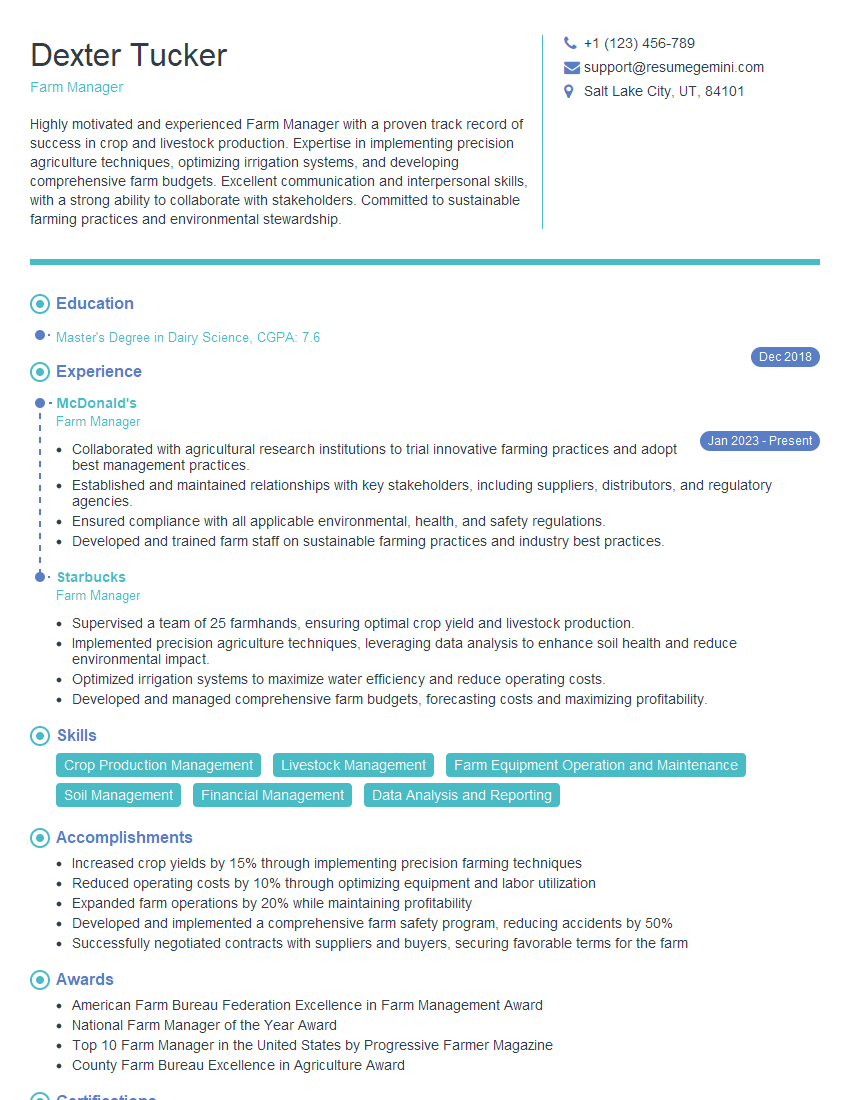
Farm Manager Resume Sample
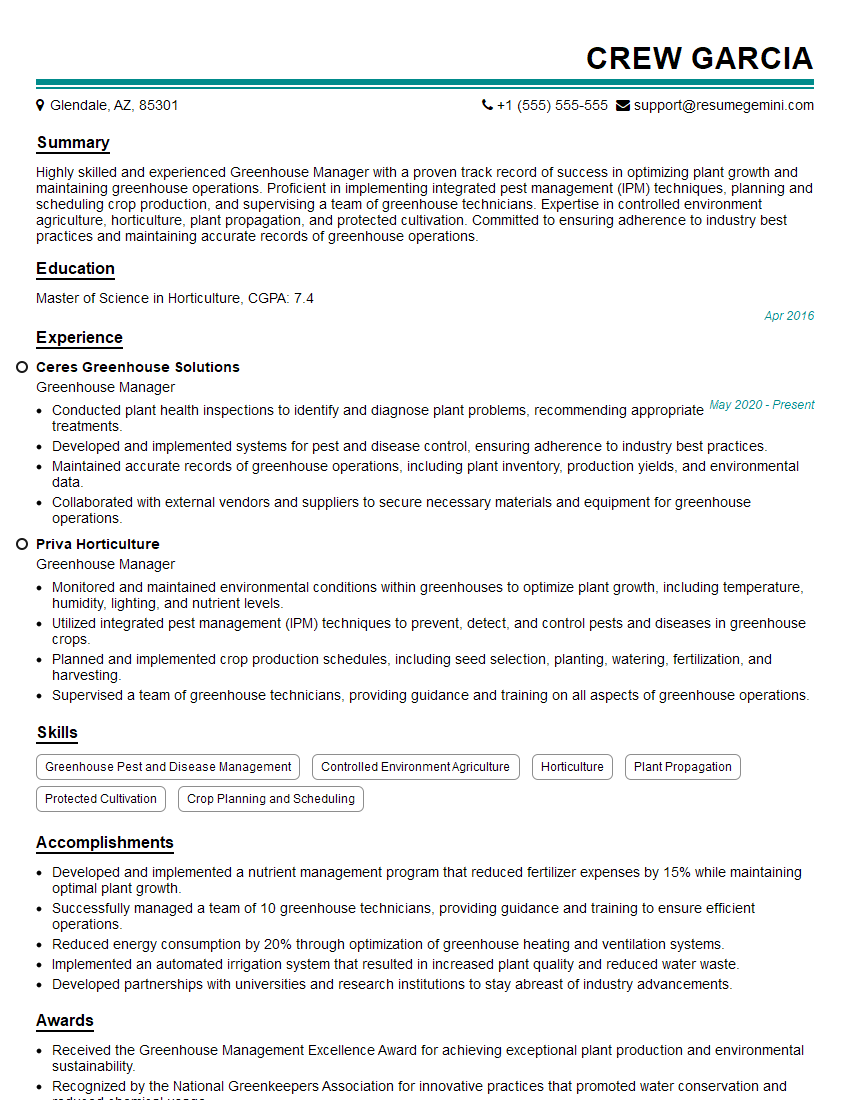
Greenhouse Manager Resume Sample
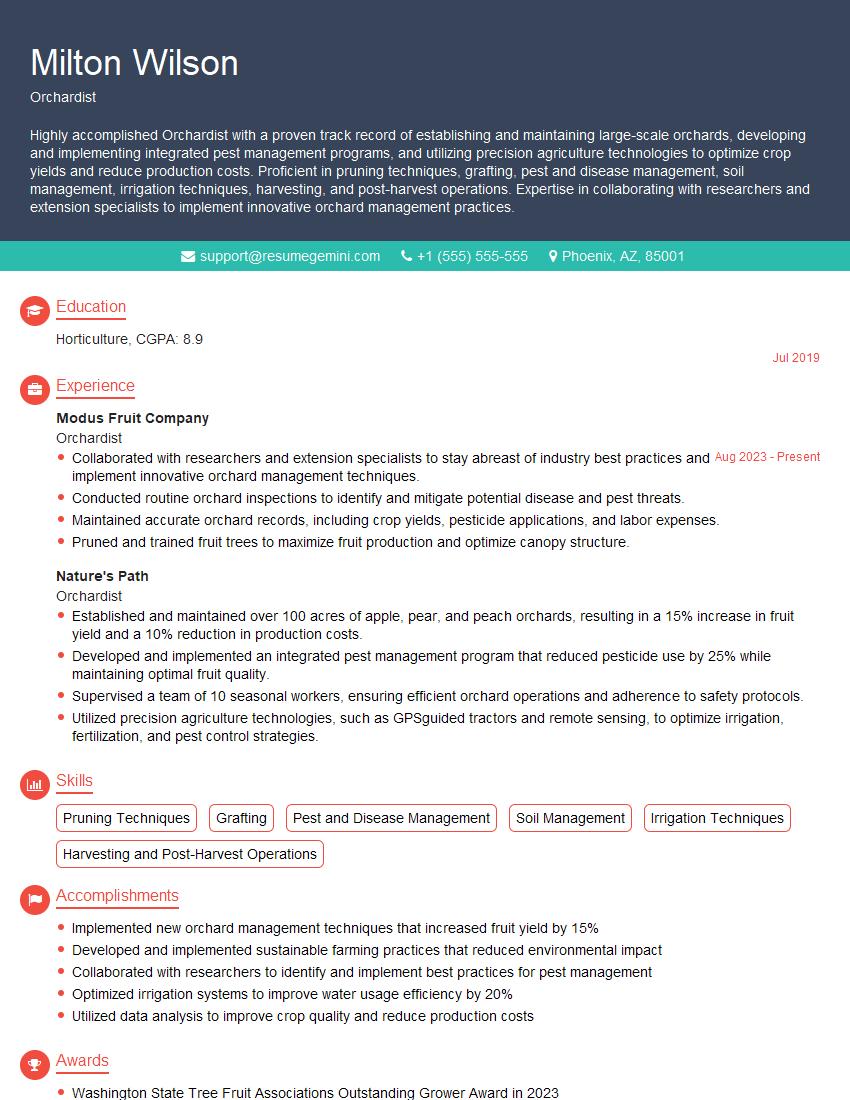
Orchardist Resume Sample
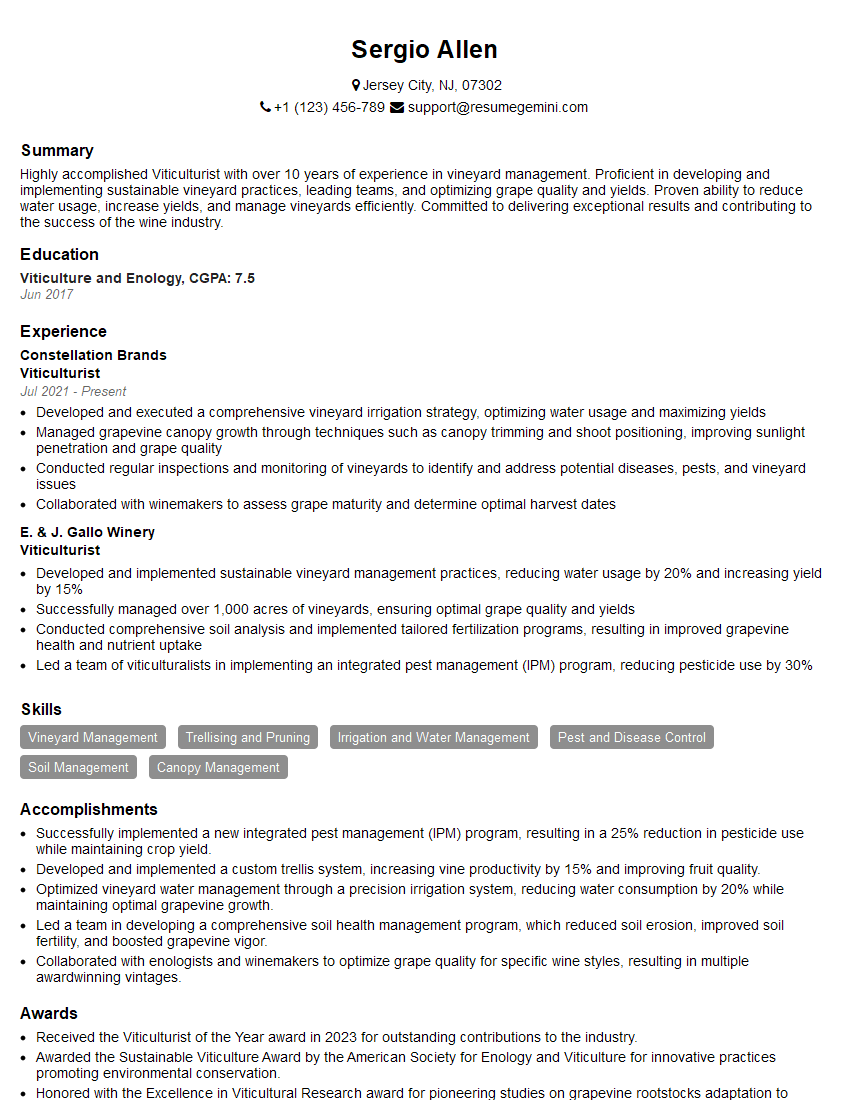
Viticulturist Resume Sample
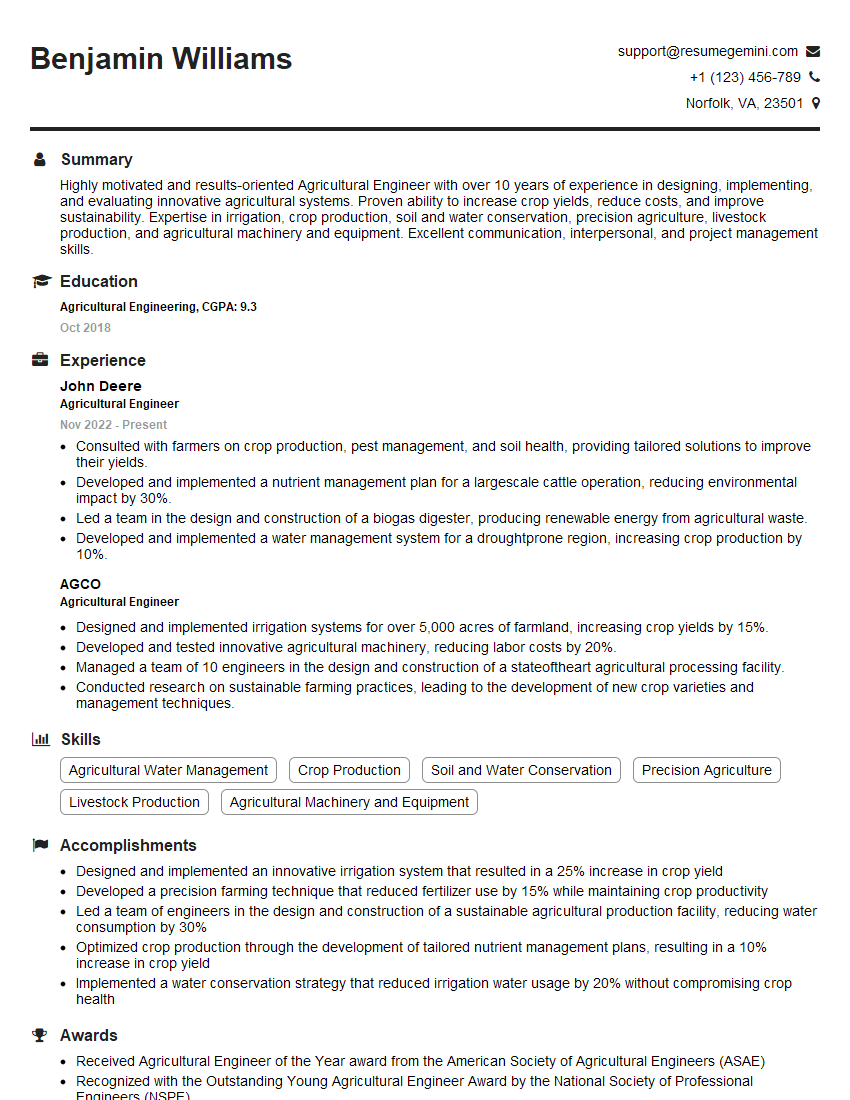
Agricultural Engineer Resume Sample
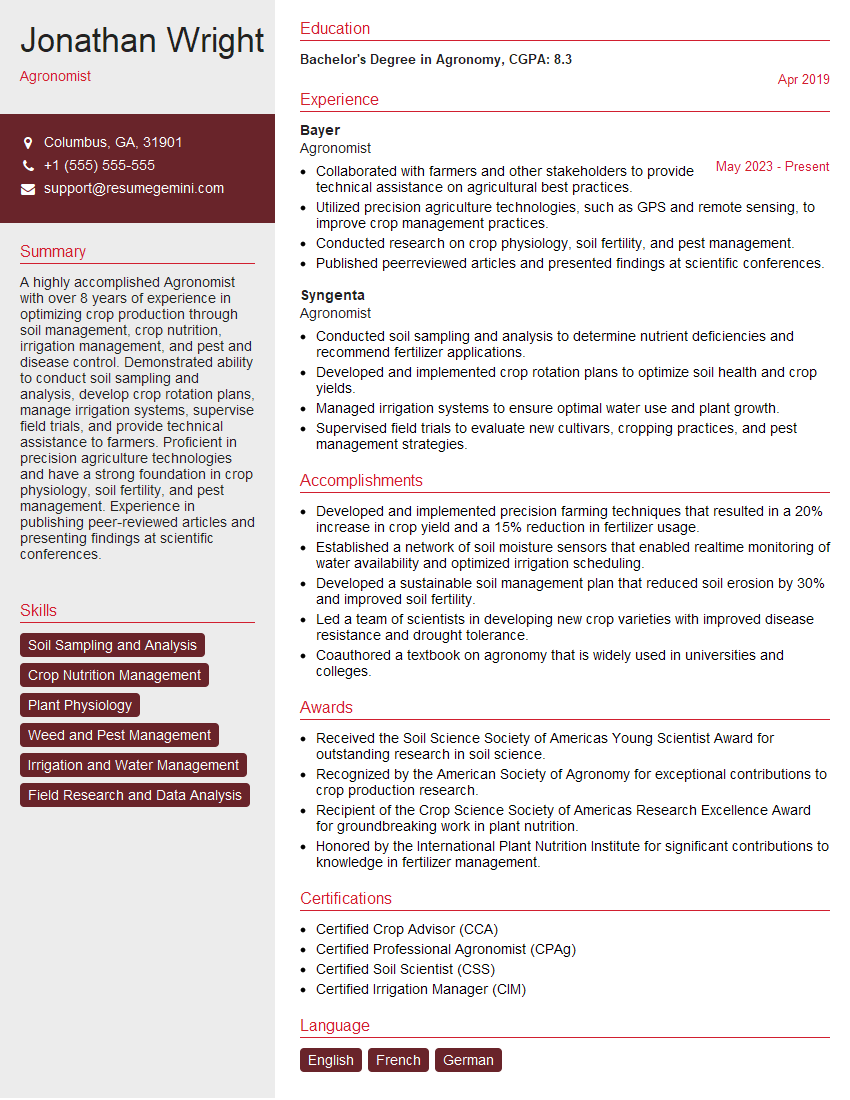
Agronomist Resume Sample

Soil Scientist Resume Sample
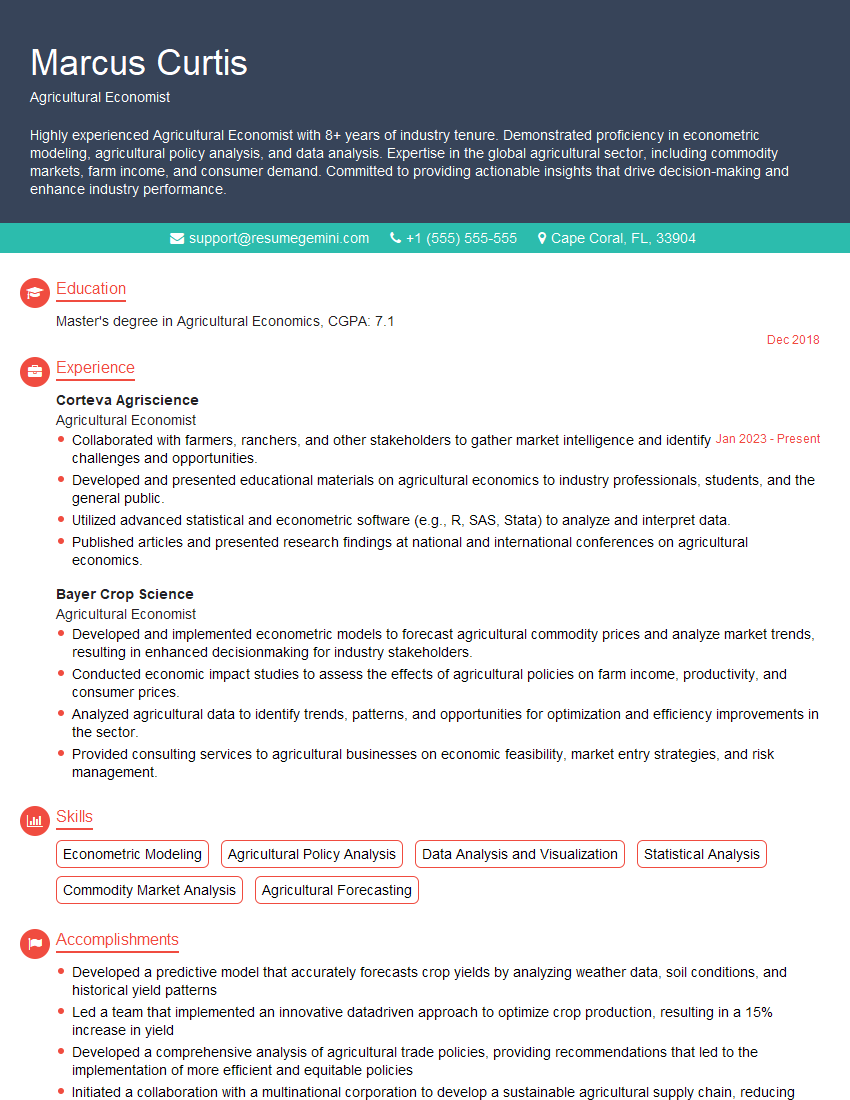
Agricultural Economist Resume Sample
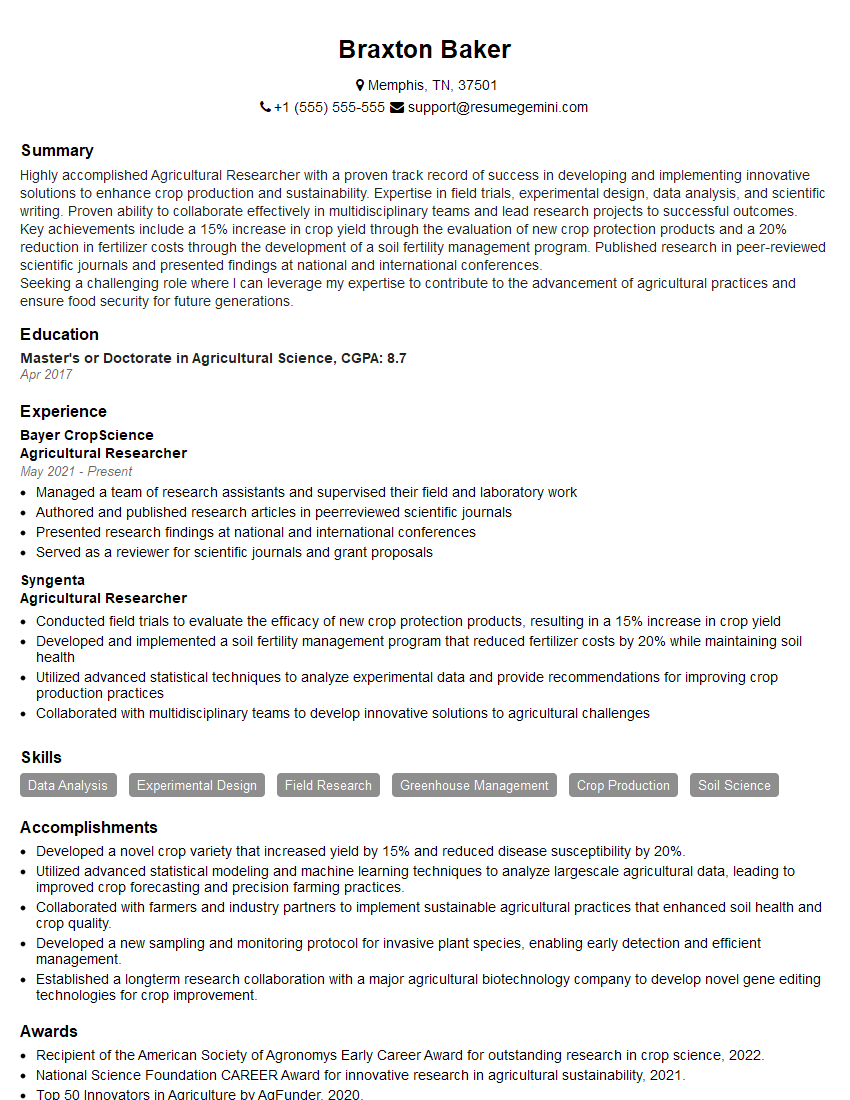
Agricultural Researcher Resume Sample
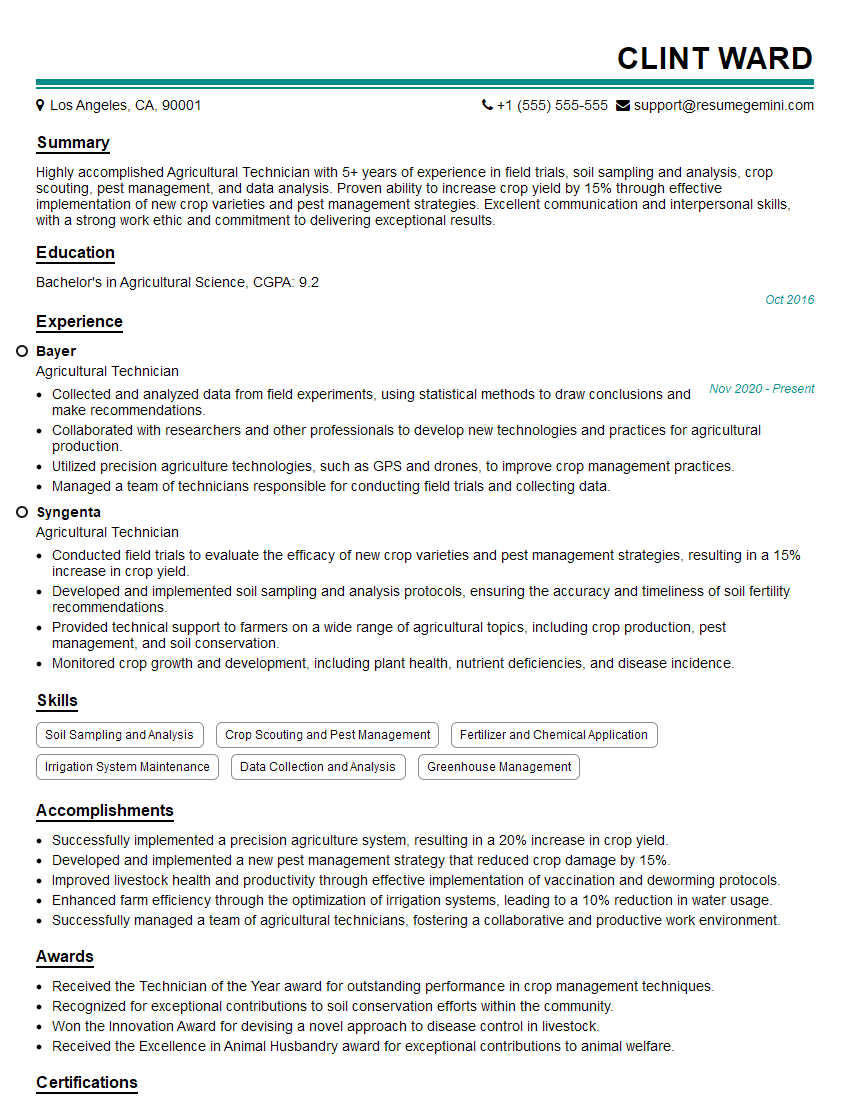
Agricultural Technician Resume Sample
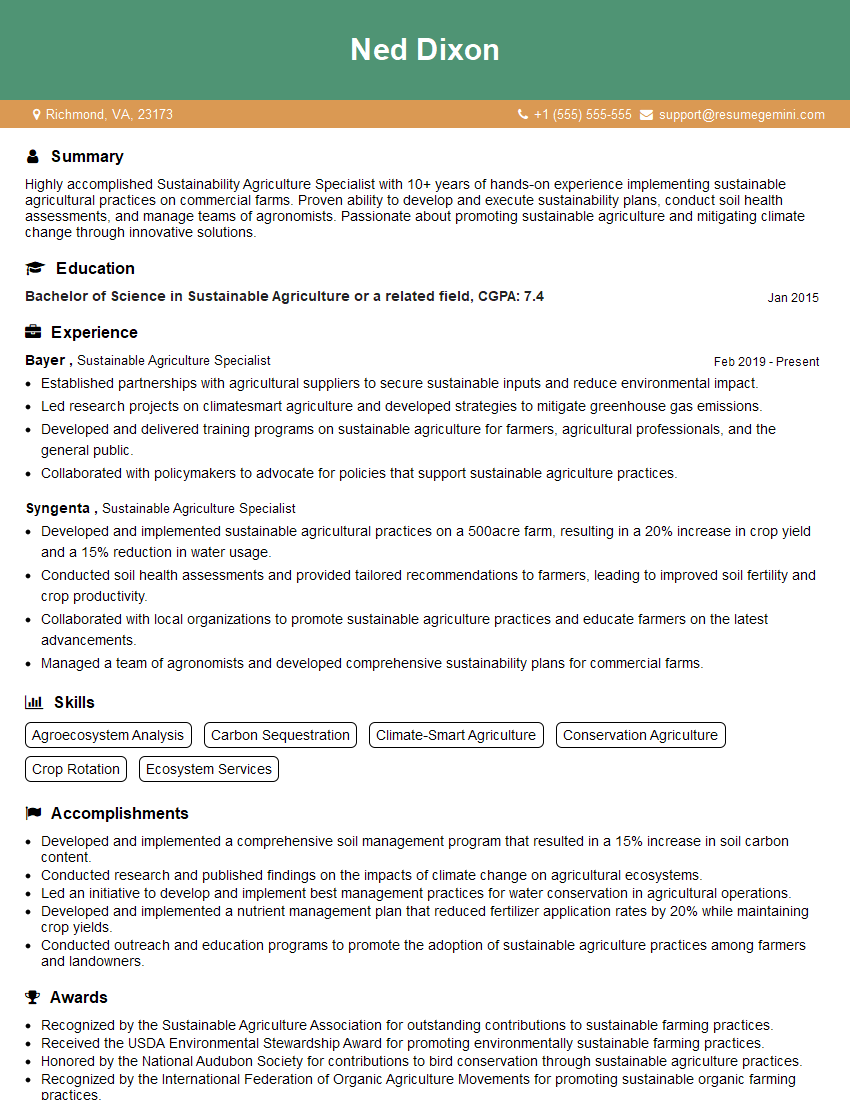
Sustainable Agriculture Specialist Resume Sample
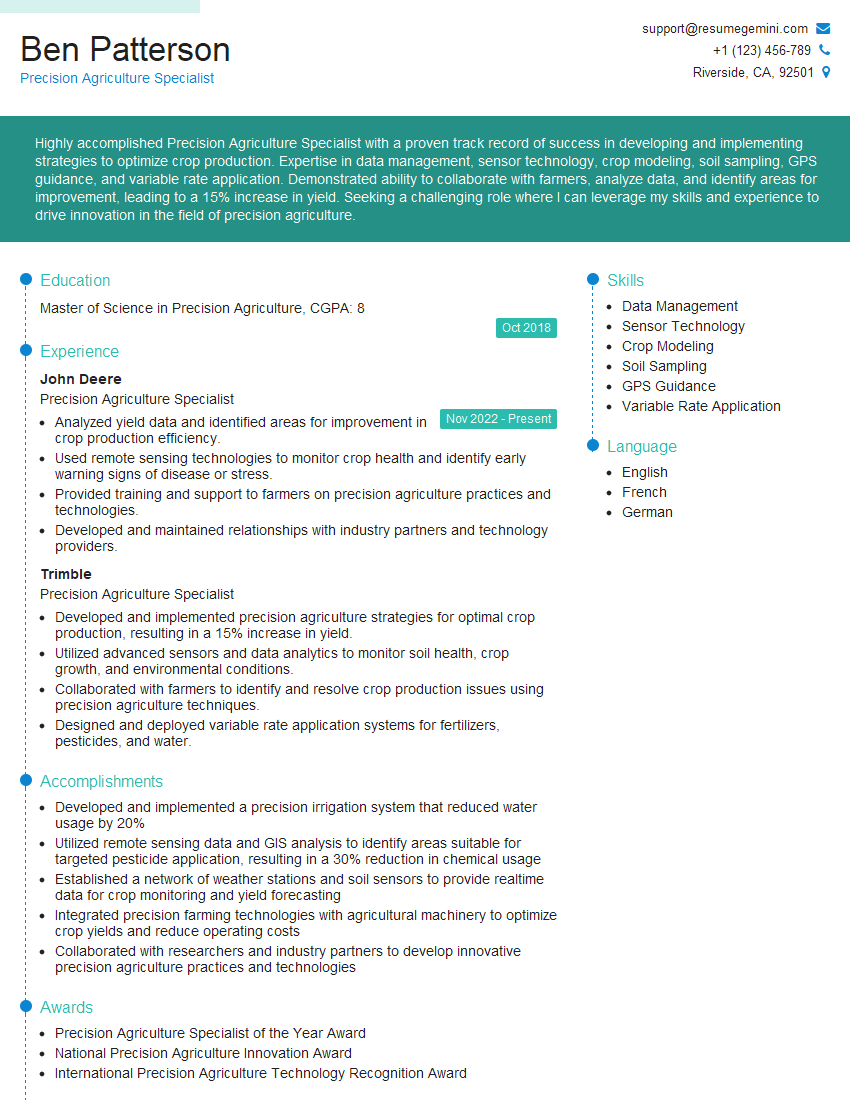
Precision Agriculture Specialist Resume Sample
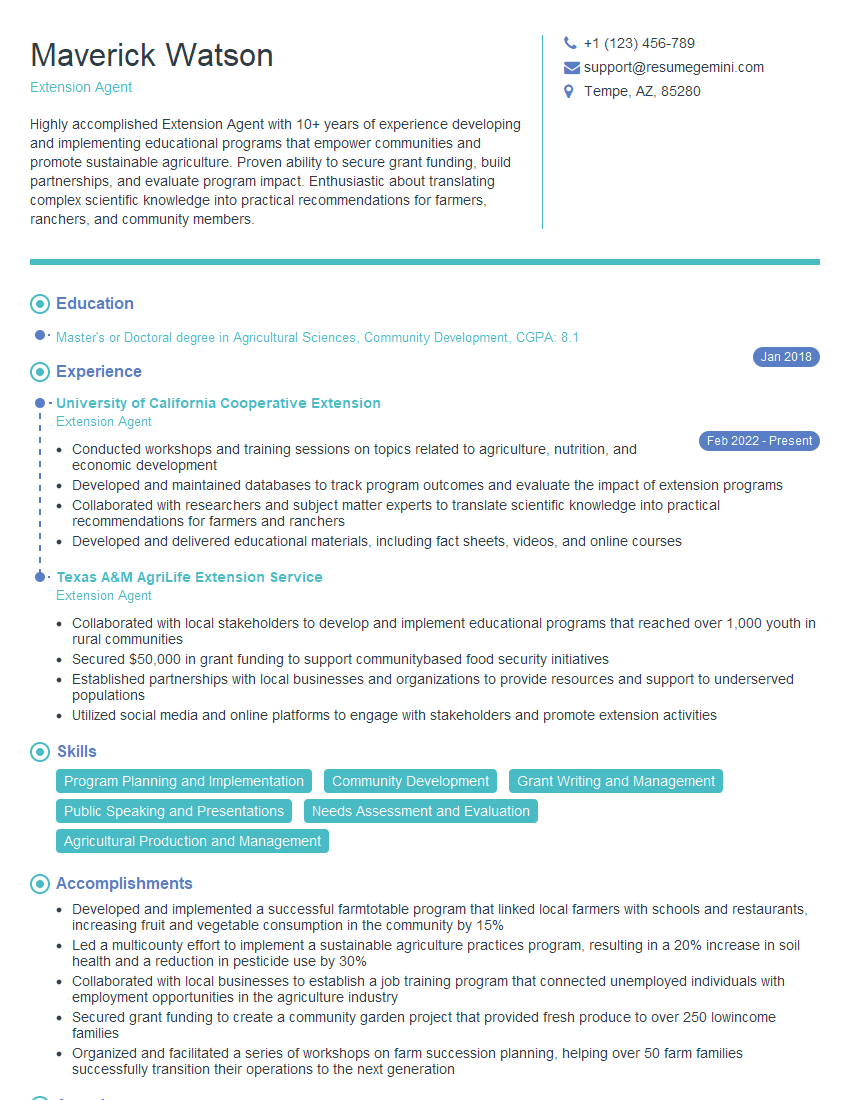
Extension Agent Resume Sample
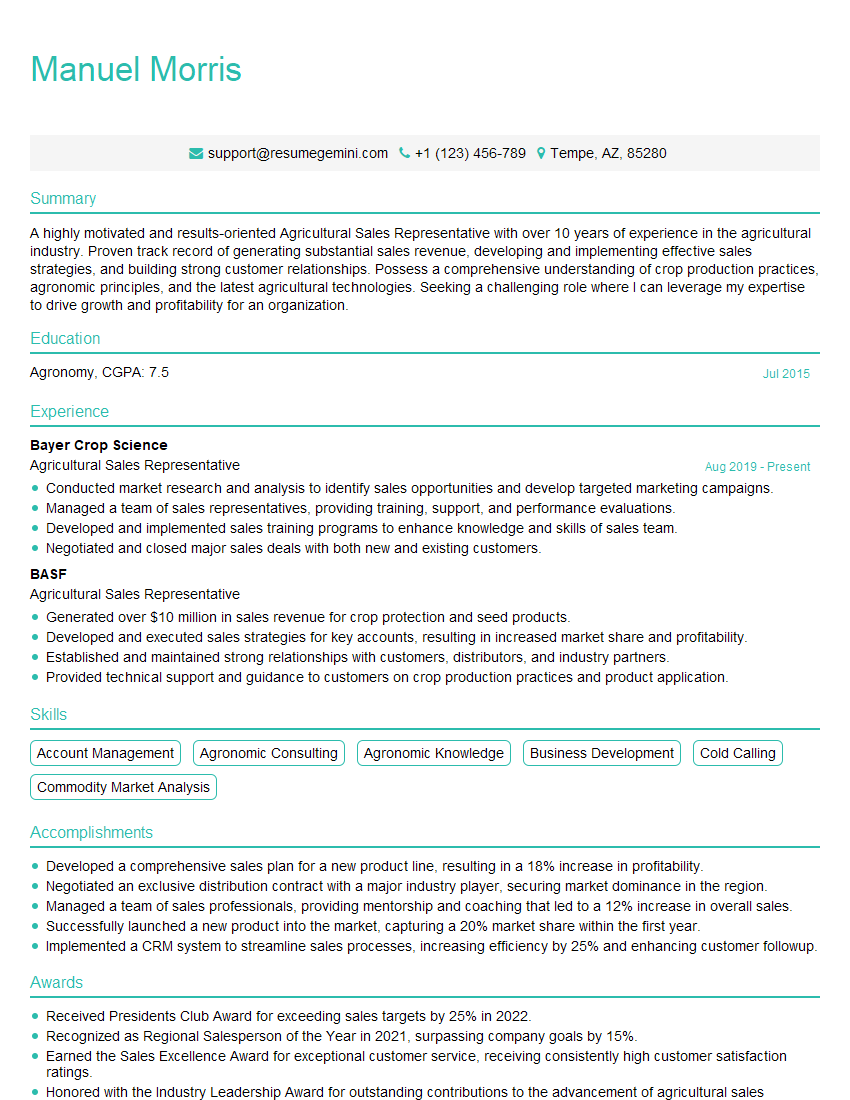
Agricultural Sales Representative Resume Sample
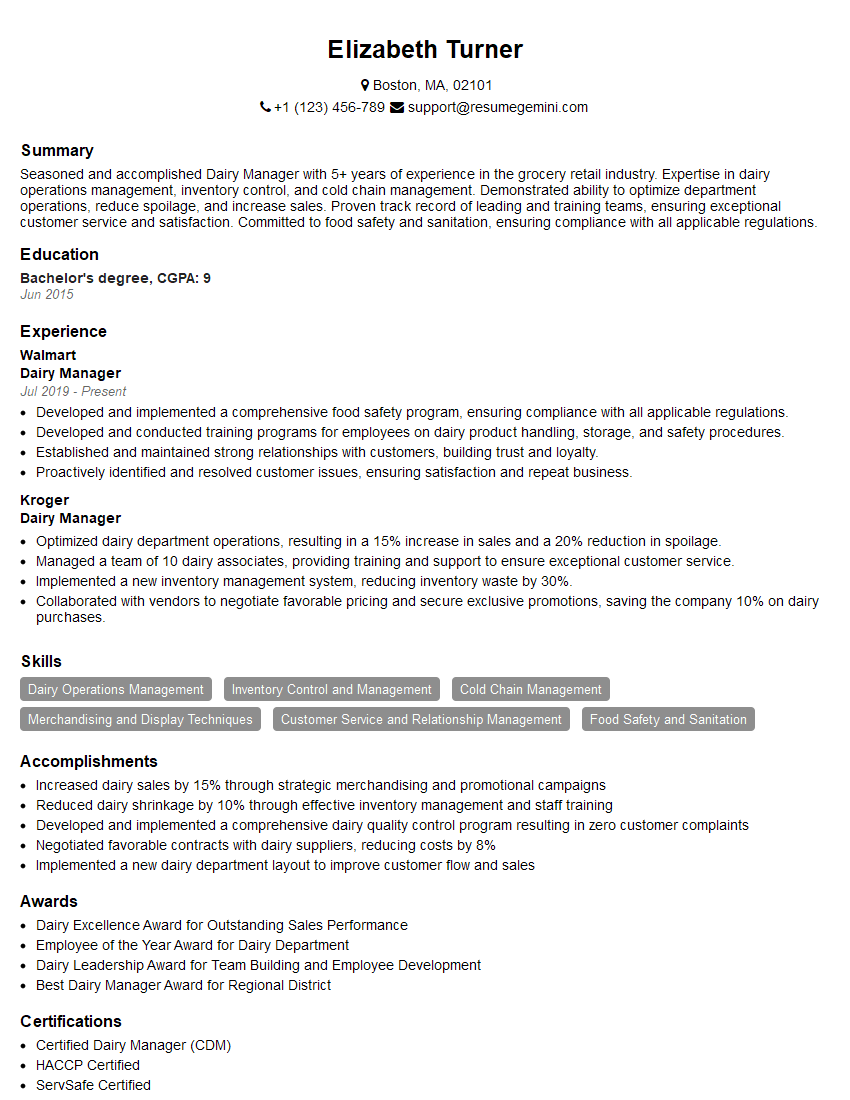
Dairy Manager Resume Sample
- Farm Manager
- Greenhouse Manager
- Orchardist
- Viticulturist
- Agricultural Engineer
- Agronomist
- Soil Scientist
- Agricultural Economist
- Agricultural Researcher
- Agricultural Technician
- Sustainable Agriculture Specialist
- Precision Agriculture Specialist
- Extension Agent
- Agricultural Sales Representative
- Dairy Manager
Explore more articles
Users Rating of Our Blogs
Share Your Experience
We value your feedback! Please rate our content and share your thoughts (optional).
What Readers Say About Our Blog
Very informative content, great job.
good