Every successful interview starts with knowing what to expect. In this blog, we’ll take you through the top Knowledge of brand guidelines interview questions, breaking them down with expert tips to help you deliver impactful answers. Step into your next interview fully prepared and ready to succeed.
Questions Asked in Knowledge of brand guidelines Interview
Q 1. Explain the importance of consistent brand guidelines across all marketing channels.
Consistent brand guidelines are crucial for building a strong and recognizable brand identity. Think of it like a well-rehearsed orchestra: each musician (marketing channel) plays their part, but the unified score (brand guidelines) ensures a harmonious and impactful performance. Without consistent application, your brand message becomes diluted and confusing, leading to a weakened market presence and customer disconnect.
- Visual Consistency: Imagine your logo appearing in different sizes, colors, or variations across your website, social media, and print materials. This inconsistency undermines professionalism and weakens brand recognition.
- Messaging Consistency: Using different tones of voice or inconsistent key messaging across different platforms will confuse your audience and damage your brand’s credibility. For example, a playful tone on Instagram should align with a slightly more formal tone on a company website, while remaining consistent with the brand’s core values.
- Experience Consistency: The customer experience should be unified regardless of how they interact with your brand. Whether it’s through a phone call, an email, or your website, the level of service and responsiveness must align with your brand promise.
Consistent brand guidelines across all channels ensure a unified and impactful brand presence, fostering trust, recognition, and ultimately, increased customer loyalty.
Q 2. How would you handle a situation where a team member is not following brand guidelines?
Addressing a team member’s deviation from brand guidelines requires a tactful and constructive approach. My first step would involve a private conversation to understand the reason behind the non-compliance. Perhaps there was a misunderstanding, a lack of clarity in the guidelines, or resource constraints. It’s important to listen empathetically and avoid accusatory language.
After understanding the situation, I would collaboratively review the relevant sections of the brand guidelines, emphasizing the importance of consistency and its impact on brand perception. Providing specific examples of how the deviation affects the overall brand image is often helpful. If the issue stems from a lack of clarity in the guidelines, this is an opportunity to improve them. I would also offer support and training, if needed, to ensure they understand and can effectively implement the guidelines. In cases of repeated or intentional disregard, more formal disciplinary actions may be necessary, but this should always be a last resort.
Q 3. Describe your experience in reviewing and updating existing brand guidelines.
I have extensive experience in reviewing and updating existing brand guidelines. My approach is methodical and iterative. It starts with a comprehensive audit of the current guidelines, identifying any outdated information, inconsistencies, or gaps. This involves reviewing existing documentation, conducting interviews with key stakeholders to understand their perspectives and identify areas for improvement, and analyzing brand performance data to understand how the brand is currently perceived.
Based on the audit, I develop a proposed revision plan, outlining specific changes and improvements. This plan includes updated visuals, refined messaging, and a streamlined structure that ensures clarity and ease of use. Crucially, this revised plan is thoroughly tested and reviewed by various stakeholders, including marketing, sales, and potentially even customer-facing teams, to ensure that the updates are practical, relevant, and comprehensive. The process is typically iterative, with feedback leading to further refinements before final approval and implementation.
For instance, in a recent project, I updated a decade-old brand guideline that lacked digital elements and mobile-first considerations. The updated guidelines included a section specifically addressing social media marketing, digital advertising, and mobile-optimized design, reflecting the evolving digital landscape.
Q 4. How do you ensure brand consistency in a fast-paced, dynamic environment?
Maintaining brand consistency in a fast-paced environment demands proactive measures and a flexible approach. Think of it as navigating a dynamic river – you need to stay on course but adapt to the currents. Here’s my strategy:
- Centralized Brand Resource Hub: Establish a readily accessible, single source of truth for all brand assets and guidelines—a centralized online repository that everyone can access. This could be a shared drive, an internal wiki, or a dedicated brand management platform.
- Regular Training and Communication: Conduct regular training sessions for team members to ensure everyone is up-to-date on brand guidelines. Ongoing communication is key to addressing emerging issues promptly and keeping everyone aligned.
- Agile Approach to Guidelines: Recognize that brand guidelines are not set in stone; they should be treated as a living document, allowing for periodic reviews and updates to reflect market trends and internal changes. This adaptability prevents the guidelines from becoming obsolete and ensures relevance.
- Template Usage: Provide readily available templates for common marketing materials (e.g., email templates, social media post templates, presentation templates). These templates ensure brand consistency without requiring each team member to start from scratch.
By implementing these measures, you create a system that fosters brand consistency while embracing the dynamism of a fast-paced environment.
Q 5. What tools or methods do you use to maintain brand consistency?
Maintaining brand consistency relies on a combination of tools and methods. Here are some I frequently use:
- Brand Management Software: Platforms like Brandfolder or Bynder provide centralized repositories for brand assets, ensuring consistent access and usage across teams. They often include features for version control and asset approvals.
- Style Guides (Digital and Print): Well-structured digital and printed style guides are indispensable, detailing logo usage, color palettes, typography, and voice guidelines. These are the foundational documents for consistency.
- Collaboration Tools: Using tools like Slack, Microsoft Teams, or Google Workspace facilitates seamless communication and collaboration across teams, ensuring everyone is on the same page concerning brand guidelines and updates.
- Regular Audits and Reviews: Conducting regular audits of marketing materials ensures adherence to brand guidelines and identifies any areas for improvement. These audits can be both internal and external (e.g., reviewing competitor marketing efforts).
The choice of tools depends on the scale and complexity of the organization, but a unified and streamlined approach using a combination of tools is crucial for success.
Q 6. Explain the difference between a brand style guide and a brand book.
While both a brand style guide and a brand book contribute to overall brand consistency, they differ in scope and depth. Think of the style guide as a detailed instruction manual for visual elements, while the brand book is a comprehensive brand strategy document.
- Brand Style Guide: This document focuses primarily on the visual aspects of the brand, including logo usage, color palettes, typography, imagery style, and potentially even specific graphic elements. It’s essentially a visual dictionary for the brand.
- Brand Book: This is a more holistic document that encompasses the brand style guide but also includes the brand’s mission, vision, values, target audience, personality, voice, and messaging. It provides a comprehensive overview of the brand’s strategy and provides context for the visual elements defined in the style guide.
In essence, the style guide is a subset of the brand book, focusing solely on visual elements, while the brand book offers a much broader and strategic perspective on the brand as a whole.
Q 7. How would you explain complex brand guidelines to a non-marketing team member?
Explaining complex brand guidelines to non-marketing team members requires a simplified and relatable approach. Avoid jargon and focus on the “why” behind the guidelines, illustrating the benefits of consistency for the overall success of the organization.
I’d start by emphasizing how brand consistency translates to a unified customer experience. Using simple analogies can help, like comparing a consistent brand to a well-designed restaurant—everything from the menu to the ambiance contributes to a positive customer experience. Inconsistency, on the other hand, would be like receiving conflicting information about the menu or inconsistent service from different staff members—it creates confusion and negatively affects the overall experience.
I would then highlight the specific elements of the guidelines that are most relevant to their roles, making the explanation practical and applicable to their daily tasks. For example, for a sales team, I would focus on the tone of voice and messaging guidelines. For customer service, I would emphasize how consistent communication helps maintain a positive brand image and build stronger customer relationships.
Finally, I would make sure to provide easy-to-understand visuals, including a simplified version of the style guide with key brand elements. By focusing on clarity, relevance, and real-world applications, you can ensure everyone understands and embraces the importance of brand consistency.
Q 8. How do you measure the effectiveness of brand guidelines?
Measuring the effectiveness of brand guidelines isn’t about simple metrics; it’s about assessing their impact on brand consistency and ultimately, business success. We can’t just count ‘number of guidelines followed’. Instead, we use a multi-faceted approach.
Brand Audits: Regularly auditing marketing materials, website content, social media posts, and physical assets (packaging, signage) against the guidelines. This reveals inconsistencies and areas needing improvement. A high percentage of consistent brand application across all touchpoints indicates effectiveness.
Employee Surveys: Assessing employee understanding and usage of the guidelines. Do they find them helpful? Are they easy to understand and access? Low scores here signal a need for clearer communication or revised guidelines.
Customer Feedback Analysis: Analyzing customer responses to gauge their perception of brand consistency and clarity. Consistent positive feedback about the brand’s image and message suggests effective guidelines.
Sales and Marketing Data: Tracking key performance indicators (KPIs) like brand awareness, customer loyalty, and sales growth can indirectly show the positive effects of consistent branding. While not directly attributable to guidelines alone, a strong correlation suggests effectiveness.
Competitor Analysis: Benchmarking against competitors to understand the impact of consistent branding on market positioning. Stronger brand recognition and a clearer brand identity usually point to effective guidelines.
By combining these qualitative and quantitative methods, we gain a holistic understanding of how well the brand guidelines are performing and identify areas for enhancement.
Q 9. Describe a time you had to adapt brand guidelines to a new platform or situation.
I once worked with a company launching a new mobile app alongside their established web presence. The existing brand guidelines, designed primarily for desktop, needed significant adaptation for the smaller screen size and different user interaction patterns.
The challenge was maintaining brand consistency while optimizing for the mobile experience. For instance, the primary logo, which worked perfectly on a desktop, needed resizing and simplification for the app’s smaller interface without losing its core essence. The typography also needed adjustments for optimal readability on mobile screens. We created a supplementary mobile-specific guideline document that detailed these changes while referencing the core brand guidelines for visual consistency. This avoided creating conflicting information, while adapting for the unique requirements of the app.
We also had to consider user experience. The existing color palette, while vibrant, could be overwhelming on a smaller screen. We subtly adjusted the saturation and brightness for improved mobile usability, but kept the overall color scheme aligned with the main brand guidelines. This involved extensive testing and iterative refinement of the design based on user feedback.
The result was a successful app launch with a brand identity that felt both familiar and optimized for the platform. This highlighted the importance of flexibility and adaptability within brand guideline management.
Q 10. What are the key elements of a comprehensive brand style guide?
A comprehensive brand style guide acts as a single source of truth for a brand’s visual identity and voice. Key elements include:
Brand Overview: Mission, vision, values, target audience, and brand personality. This section lays the foundation, ensuring everyone understands the ‘why’ behind the brand.
Logo Usage: Clear guidelines on logo variations (primary, secondary, monochrome), minimum size requirements, clear space, and forbidden uses (e.g., distortion, color changes).
Color Palette: Precise color codes (CMYK, RGB, HEX) for primary and secondary colors, along with their usage guidelines (e.g., background, text, accent).
Typography: Designated fonts (headings, body text) and their corresponding sizes, weights, and styles. This ensures consistency across all brand communications.
Imagery & Photography: Guidelines on preferred image styles (e.g., photography style, illustration techniques), and brand photography assets (mood boards, examples).
Graphic Elements: Consistent use of patterns, icons, and other graphic elements, including their sizes and spacing.
Voice & Tone: Guidelines on the brand’s communication style (formal, informal, humorous, etc.), word choices, and tone of voice for different platforms and audiences.
Template Library: A collection of templates for various marketing materials, ensuring consistency across different mediums (e.g., presentations, social media posts, email newsletters).
A well-structured and easily accessible style guide empowers everyone to create on-brand materials, fostering a unified and cohesive brand experience.
Q 11. How do you identify and resolve inconsistencies in existing brand assets?
Identifying and resolving inconsistencies in existing brand assets requires a systematic approach:
Comprehensive Audit: Conduct a thorough audit of all existing brand assets – from websites and marketing materials to social media posts and packaging. This involves meticulously reviewing every touchpoint to identify deviations from established guidelines or inconsistencies within the assets themselves.
Centralized Repository: Create or utilize a central repository for all brand assets. This could be a shared drive, a digital asset management system, or a brand portal. This makes it easier to track versions and ensure everyone is using the most updated assets.
Version Control: Implement a version control system to track changes to brand assets. This allows for easy rollback if necessary and ensures that everyone is working with the most current approved versions.
Prioritization: Prioritize inconsistencies based on their visibility and impact. High-visibility inconsistencies (e.g., logo misuse on the company website) should be addressed first.
Corrective Actions: Develop and implement corrective actions to address identified inconsistencies. This might involve updating assets, providing training to staff, or revising the brand guidelines themselves.
Ongoing Monitoring: Establish a system for ongoing monitoring to prevent future inconsistencies. Regular audits and feedback mechanisms help identify and correct deviations early on.
Think of it like a quality control process. Regular check-ins, standardized procedures, and a centralized repository are key to preventing brand fragmentation.
Q 12. How do brand guidelines contribute to building brand equity?
Brand guidelines are instrumental in building brand equity – the perceived value of a brand in the minds of consumers. They achieve this in several ways:
Consistency: Brand guidelines ensure a consistent brand experience across all touchpoints, creating familiarity and recognition. This builds trust and strengthens brand recall.
Differentiation: Well-defined guidelines help a brand stand out from competitors by establishing a unique visual identity and voice. This differentiation is key to attracting the target audience.
Quality Perception: Consistent, high-quality brand assets demonstrate professionalism and attention to detail. This elevates brand perception and enhances perceived value.
Emotional Connection: A consistent brand experience fosters emotional connections with customers. When people feel a connection to a brand, they are more likely to become loyal customers and brand advocates.
Protection of Brand Assets: Brand guidelines protect the brand’s intellectual property, including logo designs and trademarks, ensuring their consistent and appropriate use. This maintains the brand’s value and exclusivity.
In essence, brand guidelines are the architect of a strong brand identity, transforming a logo and color scheme into a powerful, recognizable, and valuable entity in the market.
Q 13. How do you incorporate feedback into the brand guideline revision process?
Incorporating feedback during brand guideline revisions is crucial for creating a practical and effective document. I usually employ a phased approach:
Gather Feedback: Use a variety of methods such as surveys, focus groups, and individual interviews to gather feedback from stakeholders, including employees across different departments, marketing teams, and even key clients. This ensures diverse perspectives are considered.
Analyze Feedback: Systematically analyze the feedback, identifying recurring themes and concerns. Categorize the feedback into areas like clarity, completeness, usability, and relevance.
Prioritize Changes: Prioritize the feedback based on its impact and feasibility. Not all feedback can be accommodated, but addressing the most significant concerns is critical.
Implement Revisions: Implement the prioritized changes into the guidelines. This might involve rewriting sections, adding new content, or refining existing guidelines.
Testing and Validation: Test the revised guidelines by creating marketing materials using the updated guidelines. This allows for an assessment of the changes and ensures usability.
Final Review and Approval: Conduct a final review of the revised guidelines, securing approval from key stakeholders before publishing the updated version.
This iterative approach ensures that the brand guidelines accurately reflect the needs and perspectives of all stakeholders, resulting in a more effective and widely adopted document.
Q 14. Explain the role of brand guidelines in maintaining brand identity.
Brand guidelines are the cornerstone of maintaining brand identity. They serve as a blueprint for all brand-related activities, ensuring consistency and preventing brand dilution. Their role can be summarized as:
Defining Visual Identity: Brand guidelines establish the brand’s visual identity—logo, color palette, typography, imagery style—ensuring these elements are used consistently across all platforms and communications.
Establishing Brand Voice: They dictate the brand’s tone of voice and communication style—formal, informal, humorous, etc.—ensuring consistent messaging regardless of the channel or audience.
Providing Decision-Making Framework: They provide a clear framework for decision-making on all aspects of branding, eliminating ambiguity and ensuring consistent brand application.
Facilitating Brand Recognition: Consistent brand application fostered by guidelines strengthens brand recognition and helps create a memorable and distinctive brand image in the consumer’s mind.
Protecting Brand Value: By maintaining consistency, brand guidelines protect the brand’s value and prevent brand erosion by ensuring the brand’s image is consistently portrayed and protected from inappropriate use or misrepresentation.
In short, brand guidelines are the guardian of brand identity, preserving its integrity and ensuring a cohesive experience for customers.
Q 15. How do you ensure accessibility considerations are incorporated into brand guidelines?
Ensuring accessibility in brand guidelines is crucial for inclusivity and reaching a wider audience. It’s not just about following legal requirements; it’s about demonstrating a commitment to ethical and responsible branding. This involves considering the needs of people with disabilities across all brand touchpoints.
- Color Contrast: Guidelines should specify minimum color contrast ratios (e.g., using tools like WebAIM’s contrast checker) for text and background colors to ensure readability for people with low vision. For example, the guidelines might state: “All text must have a minimum contrast ratio of 4.5:1 against the background.”
- Alternative Text for Images: All images used in marketing materials, websites, and social media should include descriptive alternative text (alt text) for screen readers used by visually impaired individuals. Guidelines should mandate alt text creation and provide examples of effective alt text writing.
- Font Selection: Choose fonts that are legible and easy to read, avoiding overly stylized or decorative fonts that can be difficult to decipher. The guidelines should specify a range of acceptable fonts with clear font size minimums.
- Keyboard Navigation: For websites and digital applications, guidelines should ensure that all interactive elements are navigable using only a keyboard, essential for users who cannot use a mouse.
- Captioning and Transcripts: For videos and audio content, guidelines should mandate the inclusion of accurate captions and transcripts. This increases accessibility for deaf or hard-of-hearing individuals.
By proactively incorporating these considerations, brands create a more inclusive and welcoming experience for everyone, enhancing their brand reputation and fostering a sense of community.
Career Expert Tips:
- Ace those interviews! Prepare effectively by reviewing the Top 50 Most Common Interview Questions on ResumeGemini.
- Navigate your job search with confidence! Explore a wide range of Career Tips on ResumeGemini. Learn about common challenges and recommendations to overcome them.
- Craft the perfect resume! Master the Art of Resume Writing with ResumeGemini’s guide. Showcase your unique qualifications and achievements effectively.
- Don’t miss out on holiday savings! Build your dream resume with ResumeGemini’s ATS optimized templates.
Q 16. How do brand guidelines contribute to customer loyalty and trust?
Strong brand guidelines directly contribute to customer loyalty and trust by creating a consistent and reliable experience. Think of it like this: a well-defined brand is like a trusted friend; you know what to expect, and you feel comfortable and safe with them.
- Consistency Builds Recognition: Consistent messaging, visuals, and tone across all platforms (website, social media, packaging, etc.) make the brand easily recognizable and memorable, fostering familiarity and positive association.
- Trust Through Reliability: Adherence to brand guidelines ensures a predictable and high-quality experience every time a customer interacts with the brand. This predictability builds trust and reduces uncertainty.
- Enhanced Brand Perception: A cohesive brand, reflecting professionalism and attention to detail, elevates the perceived quality and value of products or services. Customers are more likely to trust brands that appear well-organized and thoughtful.
- Emotional Connection: Consistent branding helps create an emotional connection with customers. Over time, they develop positive feelings towards the brand, leading to increased loyalty and repeat business.
For example, a company like Apple consistently maintains its minimalist design aesthetic and user-friendly interface across all its products and services. This consistency reinforces their brand identity and builds strong customer loyalty.
Q 17. What are some common pitfalls in creating or managing brand guidelines?
Creating and managing brand guidelines can be challenging. Common pitfalls include:
- Lack of Clarity and Specificity: Vague guidelines are useless. They should be precise, using clear language and examples to avoid ambiguity. For instance, instead of saying “use our brand colors,” specify the exact Pantone or HEX codes.
- Overly Restrictive Guidelines: Brand guidelines shouldn’t stifle creativity. They should provide a framework, not a rigid set of rules. Allowing some flexibility ensures that the brand can adapt and evolve over time.
- Poor Communication and Training: Guidelines are only effective if everyone understands and follows them. Invest in thorough training and ongoing communication to ensure consistent application.
- Inconsistent Enforcement: If some teams or individuals are allowed to deviate from the guidelines, it weakens the overall brand identity. Establish a system for monitoring and enforcing adherence.
- Failure to Update: Brand guidelines should be a living document, regularly reviewed and updated to reflect changes in the market, brand strategy, and best practices. Ignoring this crucial aspect can lead to outdated and irrelevant guidelines.
- Ignoring Digital Accessibility: Failing to incorporate accessibility guidelines leaves a significant portion of the potential audience unable to properly engage with the brand.
Addressing these issues proactively ensures that brand guidelines are a valuable asset rather than a burden.
Q 18. How would you handle conflicts between different brand guidelines?
Conflicts between different brand guidelines (e.g., those for different product lines or regions) are best resolved through a collaborative and hierarchical approach. The key is to identify the root cause of the conflict and find a solution that respects all stakeholders’ needs while maintaining brand consistency.
- Identify the conflicting guidelines: Clearly define the specific elements in conflict (logo variations, color palettes, messaging).
- Understand the context: Analyze the reason for the differing guidelines. Are they due to historical reasons, specific market needs, or simply a lack of coordination?
- Prioritize brand unity: Determine which guideline best represents the core brand identity and overall brand strategy. This might involve referring back to the brand’s mission and values.
- Seek consensus: Facilitate a meeting with stakeholders from all relevant departments to discuss the conflict and reach a compromise. This could involve creating new guidelines that incorporate elements from all existing guidelines, or prioritizing one set of guidelines and phasing out others.
- Document the resolution: Clearly document the agreed-upon solution and update the brand guidelines accordingly. This will avoid future conflicts and maintain clarity.
- Communicate changes: Ensure that all relevant teams and individuals are aware of the revised guidelines and their implications.
A well-defined brand hierarchy and a clear process for managing guideline exceptions are vital for preventing and resolving these conflicts effectively.
Q 19. How can you measure the success of implemented brand guidelines?
Measuring the success of implemented brand guidelines requires a multi-faceted approach. You can’t simply assume success; you need data to back it up.
- Brand Awareness and Recognition: Track metrics like brand recall (ability to remember the brand), brand recognition (ability to identify the brand), and brand awareness (overall familiarity with the brand) using surveys, focus groups, and social media analytics. Higher scores indicate successful guideline implementation.
- Customer Satisfaction: Monitor customer feedback through surveys, reviews, and social media listening. Consistent positive feedback suggests a positive brand experience shaped by the guidelines.
- Marketing Campaign Performance: Analyze the performance of marketing campaigns designed and executed according to the brand guidelines. Higher engagement rates and conversion rates suggest effectiveness.
- Internal Consistency Audits: Regularly conduct internal audits to assess the consistency of brand application across all touchpoints (website, packaging, marketing materials, etc.). High consistency scores reflect successful guideline implementation.
- Employee Feedback: Gather feedback from employees on the usability and clarity of the guidelines. Positive feedback ensures the guidelines are practical and supportive.
By tracking these metrics over time, you can identify areas for improvement and demonstrate the ROI of your brand guidelines.
Q 20. Discuss the importance of regularly reviewing and updating brand guidelines.
Regularly reviewing and updating brand guidelines is essential for maintaining relevance and effectiveness. The business world is dynamic, and what worked yesterday might not work today. Failure to adapt can lead to a stale, outdated brand identity.
- Market Changes: Consumer preferences, technological advancements, and competitive landscapes are constantly evolving. Guidelines must adapt to these changes to remain current and competitive.
- Brand Evolution: As the brand grows and its strategy evolves, the guidelines need to reflect this growth. This might involve refinements to the brand’s voice, visual identity, or messaging.
- Best Practices: New design trends, marketing techniques, and accessibility standards emerge regularly. Updating guidelines to incorporate these best practices ensures that the brand remains modern and impactful.
- Feedback and Analysis: Regularly review performance data (as discussed in the previous answer) and gather feedback from employees and customers. This feedback can help identify areas for improvement and inform necessary updates.
- Legal Compliance: Ensure your guidelines comply with any evolving legal regulations or accessibility requirements.
Think of brand guidelines as a living document that requires ongoing maintenance and refinement. Regular reviews (e.g., annually or even more frequently for fast-moving brands) are crucial to ensure the guidelines remain a valuable asset.
Q 21. Describe your experience working with diverse teams on upholding brand guidelines.
My experience working with diverse teams on upholding brand guidelines has been exceptionally rewarding and insightful. It’s crucial to understand that diverse teams bring different perspectives and skill sets to the table. This necessitates a flexible yet firm approach to guideline implementation.
I’ve found success in fostering open communication and collaborative workflows. I leverage tools like shared online documentation (e.g., Google Docs, brand style guides) to ensure everyone has access to the latest guidelines and can contribute to their evolution. Regular team meetings, workshops, and training sessions are key to ensuring consistent understanding and adoption. Providing clear examples, case studies, and readily available resources significantly aids in clarification and problem-solving. For instance, I once created a series of short video tutorials demonstrating the correct use of our brand fonts and color palettes, which proved immensely helpful for teams with varying levels of design expertise.
Conflict resolution is often necessary. My approach is to listen to concerns, identify the root causes, and find solutions that respect the unique needs of each team while adhering to the core principles of the brand. Sometimes, it’s about finding a balance between strict adherence and creative flexibility. I’ve learned the importance of building trust and rapport with team members; they are more likely to embrace and champion the guidelines when they feel respected and heard. The ultimate goal is to create a shared understanding and ownership of the brand guidelines, transforming them from a set of rules to a unifying force within the organization.
Q 22. How would you approach the creation of brand guidelines for a new product launch?
Creating brand guidelines for a new product launch requires a strategic approach that blends market research, brand identity, and future scalability. It’s not just about creating a pretty document; it’s about establishing a clear, consistent framework for all future communications and design efforts.
- Phase 1: Brand Discovery: We begin by deeply understanding the product, its target audience, and its unique selling proposition (USP). This involves market analysis, competitor research, and thorough stakeholder interviews. For example, if launching a new sustainable clothing line, we’d explore what resonates with environmentally conscious consumers.
- Phase 2: Defining Brand Identity: This phase focuses on defining the brand’s personality, voice, and visual elements. We’ll determine the brand’s colors, typography, logo usage, and overall aesthetic. We might establish a mood board and create sample brand assets to visualize the direction.
- Phase 3: Guideline Creation: We develop a comprehensive guide that addresses all aspects of the brand, including logo usage, color palettes, typography rules, imagery guidelines, and voice and tone guidelines. The guide should be user-friendly, with clear examples and do’s and don’ts. Consider including practical templates for different applications.
- Phase 4: Review and Iteration: The guidelines undergo internal reviews to ensure clarity and accuracy, incorporating feedback from stakeholders. This is vital to avoid inconsistencies and to ensure buy-in from all teams.
- Phase 5: Launch and Ongoing Management: The finalized guidelines are distributed to all relevant teams, including marketing, design, sales, and customer service. A process for updating and maintaining the guidelines is crucial to address future evolutions.
Q 23. Explain how brand guidelines contribute to a positive customer experience.
Brand guidelines are instrumental in crafting a positive customer experience by ensuring consistency and reinforcing brand recognition. Think of it like this: a well-defined brand is like a well-trained orchestra – every instrument (team, department) plays in harmony to deliver a cohesive and enjoyable experience.
- Consistency Builds Trust: Consistent messaging, visual identity, and brand voice across all touchpoints (website, social media, packaging) build trust and recognition, making the brand more memorable and reliable.
- Enhanced Brand Recognition: Clear brand guidelines prevent visual clutter and ensure a consistent brand image, leading to better brand recall and recognition.
- Improved Customer Engagement: A consistent brand experience makes customers feel valued and understood, encouraging loyalty and engagement.
- Elevated Brand Perception: When a brand maintains a consistent and high-quality image, it projects professionalism and competence, enhancing its perception among customers.
For instance, a company with strong brand guidelines will ensure its social media posts, website design, and packaging all reflect the same visual style and tone, creating a unified and positive experience for the customer.
Q 24. Describe your process for creating visual brand guidelines.
Creating visual brand guidelines involves a systematic process focused on defining and documenting the visual elements of the brand. Think of it as creating a visual style guide that serves as the ‘bible’ for all visual communication.
- Logo specifications: We define the logo’s various versions (primary, secondary, monochrome), acceptable minimum sizes, and clear usage guidelines (clear space, minimum size, color variations).
- Color palettes: We document the primary, secondary, and accent colors, including their hex codes and CMYK/Pantone values. This ensures consistent color use across all platforms.
- Typography: We define the primary and secondary fonts, their weights, and sizes, to ensure consistency in text presentation.
- Imagery guidelines: We determine the style of photography or illustration that aligns with the brand’s personality and target audience. We might specify preferred image ratios and styles.
- Visual style examples: We showcase examples of how the brand elements should be used in different applications (website banners, social media posts, print materials). These are crucial for maintaining visual consistency.
- Do’s and Don’ts: A section dedicated to showcasing acceptable and unacceptable uses of brand elements is invaluable, especially when working with different designers or agencies.
I often create mood boards and style tiles to visualize the desired visual direction, followed by creating sample layouts and designs to demonstrate practical application.
Q 25. How would you educate new employees on the importance of brand guidelines?
Educating new employees on the importance of brand guidelines requires a multi-faceted approach that combines training, engagement, and ongoing reinforcement. It’s about building a culture of brand awareness and ownership.
- Interactive Training: I’d incorporate interactive sessions, workshops, or online modules that explain the rationale behind the guidelines and showcase practical examples. This could include quizzes or interactive exercises.
- Hands-on Application: I believe in learning by doing. We’d give new employees real-world tasks that require them to apply the guidelines, providing feedback and guidance.
- Accessible Resources: The brand guidelines should be readily available to all employees, in a digital format and easily searchable. We could use an online style guide platform or an easily accessible intranet page.
- Ongoing Reinforcement: Brand guidelines shouldn’t be a one-time training exercise. We need to incorporate regular reminders, updates, and Q&A sessions to ensure continued adherence.
- Leadership Buy-in: It’s crucial to have leadership actively demonstrate their commitment to the guidelines, setting the tone for the entire organization.
For example, I’ve successfully integrated brand guideline training into the onboarding process for new hires, ensuring it’s a key component of their initial training program.
Q 26. How do brand guidelines relate to the overall marketing strategy?
Brand guidelines are intrinsically linked to the overall marketing strategy. They act as the foundation upon which all marketing activities are built. Imagine them as the architectural blueprint for your marketing house; without them, the building would be unstable and inconsistent.
- Consistent Messaging: Brand guidelines ensure consistent messaging across all marketing channels, reinforcing brand identity and maximizing impact. This is vital for cohesive campaigns.
- Targeted Campaigns: The guidelines inform the visual language and tone of voice used in marketing campaigns, ensuring they resonate with the target audience.
- Brand Recognition: Consistent application of brand guidelines across marketing efforts builds brand awareness and strengthens recognition among consumers.
- Measurement and Evaluation: The guidelines provide a framework for measuring the effectiveness of marketing efforts, ensuring alignment with the overall brand strategy.
For example, a marketing campaign for a new product would need to reflect the visual identity and brand voice established in the guidelines. This creates a unified and powerful message.
Q 27. What are the legal implications of using a brand’s logo and assets incorrectly?
Incorrect use of a brand’s logo and assets can have significant legal implications, potentially leading to costly lawsuits and reputational damage. This is because brands have intellectual property rights protected by trademark and copyright law.
- Trademark Infringement: Unauthorized use of a registered trademark (logo, brand name) can result in legal action from the brand owner. This could involve hefty fines or cease-and-desist orders.
- Copyright Infringement: Unauthorized reproduction or modification of copyrighted assets (images, designs) constitutes copyright infringement, also subject to legal penalties.
- Brand Dilution: Improper use can dilute the brand’s value and image, harming its reputation and customer trust.
- Loss of Control: Lack of control over brand assets can lead to inconsistent brand representation, damaging the overall brand equity.
It’s crucial to ensure that all use of brand assets is authorized and compliant with the brand guidelines and relevant intellectual property laws. Seeking legal counsel when in doubt is always recommended.
Q 28. How can you ensure brand consistency across various international markets?
Maintaining brand consistency across international markets requires a nuanced approach that considers cultural differences and local regulations while preserving the core brand identity. It’s a balancing act between global unity and local relevance.
- Localized Brand Guidelines: Create localized versions of the brand guidelines, adapting language, imagery, and messaging to resonate with specific cultures. For example, color choices might have different cultural meanings in various regions.
- Cultural Sensitivity Training: Train teams in different regions on cultural nuances and sensitivities related to brand communication. This avoids potential cultural missteps.
- Transcreation, Not Just Translation: Adapt marketing materials using transcreation, which involves re-writing content to reflect the local language and cultural context, not just direct translation.
- Legal Compliance: Ensure that all brand assets and marketing materials comply with local regulations and laws, especially those concerning trademarks and advertising standards.
- Local Market Research: Regularly conduct market research to understand evolving cultural preferences and adapt the brand’s approach accordingly.
For example, a company launching a product in Japan might need to adapt its visual style and marketing messages to appeal to Japanese consumers, while still retaining the essence of its global brand identity.
Key Topics to Learn for Knowledge of Brand Guidelines Interview
- Understanding Brand Identity: Defining a brand’s core values, mission, and personality. How these elements translate into visual and verbal communication.
- Visual Identity Guidelines: Practical application of logo usage, color palettes, typography, and imagery. Understanding restrictions and appropriate applications across different media.
- Verbal Identity Guidelines: Applying brand voice and tone across various communication channels (website copy, social media, marketing materials). Understanding the importance of consistent messaging.
- Brand Style Guides: Navigating and interpreting comprehensive style guides. Knowing how to locate and apply specific guidelines to real-world scenarios.
- Brand Consistency and Enforcement: Identifying inconsistencies in brand application. Developing strategies for maintaining brand consistency across all platforms and teams. Problem-solving approaches to resolving brand guideline violations.
- Brand Architecture and Hierarchy: Understanding how different brands within an organization relate to each other and the parent brand. Applying guidelines consistently across a multi-brand environment.
- Digital Brand Guidelines: Specific applications of brand guidelines to the digital landscape, including website design, social media, and email marketing.
- Adapting Brand Guidelines for Different Audiences and Platforms: Understanding how to adjust brand messaging and visual elements to suit different target audiences and communication channels while maintaining brand consistency.
Next Steps
Mastering knowledge of brand guidelines is crucial for career advancement in marketing, communications, and design. Demonstrating this expertise through a strong resume significantly improves your job prospects. Creating an ATS-friendly resume is key to getting your application noticed. To help you build a compelling and effective resume, leverage the power of ResumeGemini. ResumeGemini offers a streamlined process for creating professional resumes, and we provide examples of resumes tailored to showcase expertise in knowledge of brand guidelines.
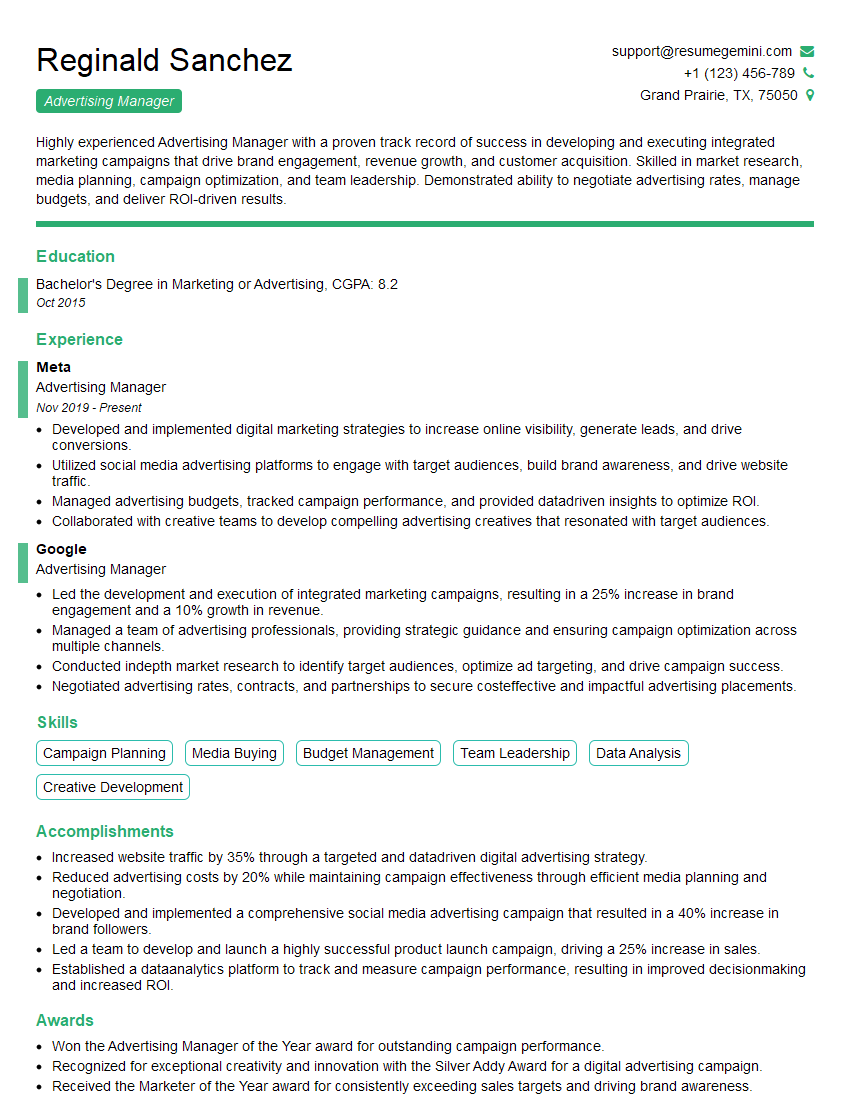
Advertising Manager Resume Sample
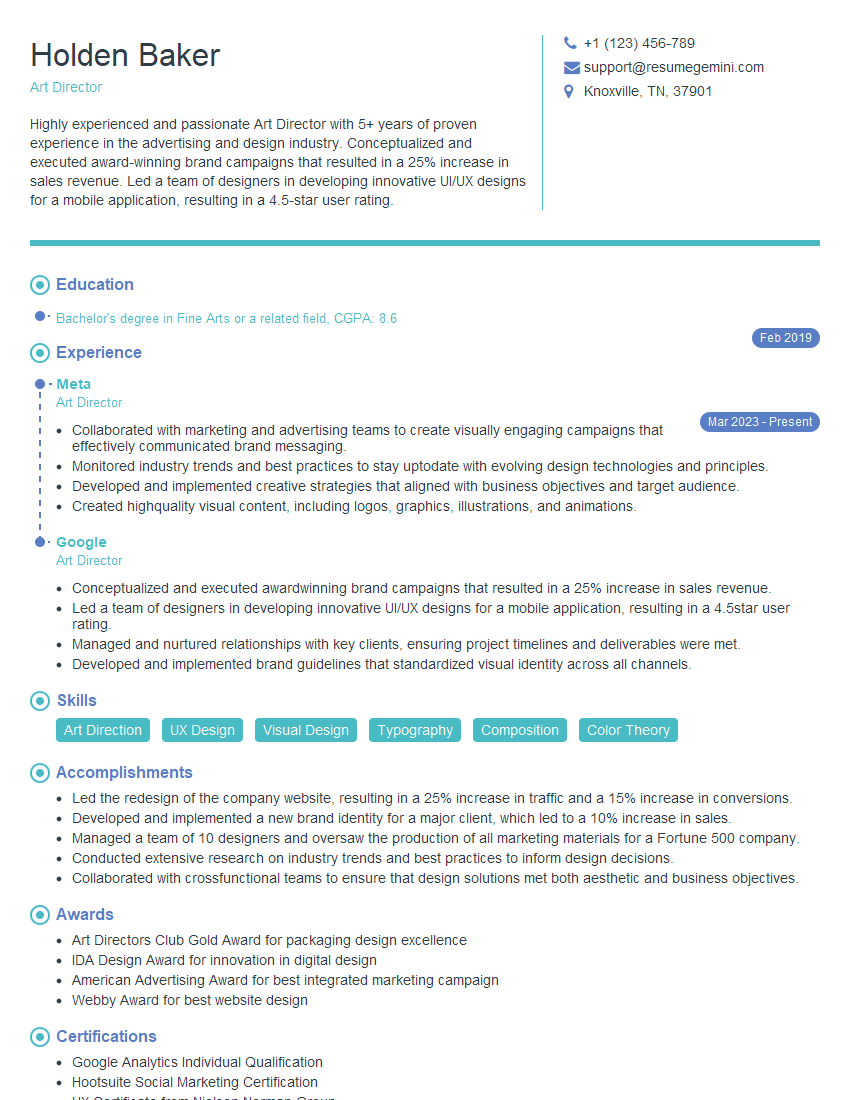
Art Director Resume Sample
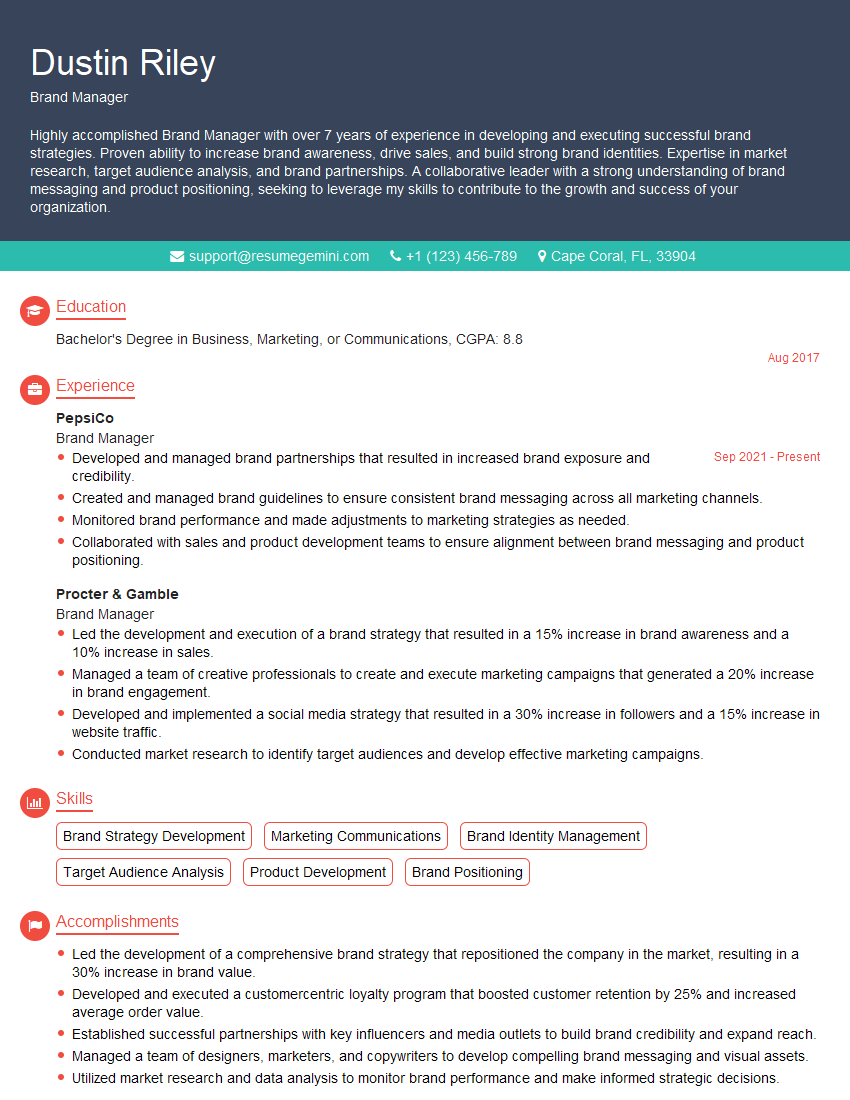
Brand Manager Resume Sample

Creative Director Resume Sample
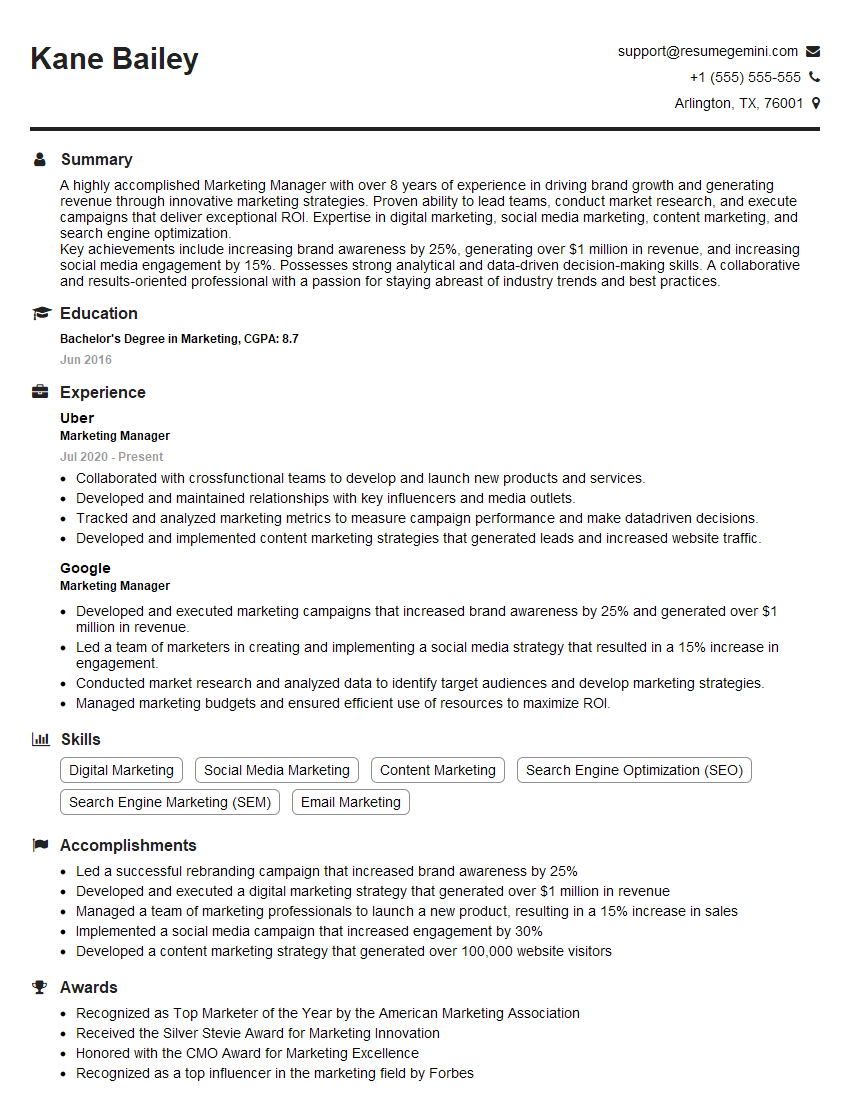
Marketing Manager Resume Sample
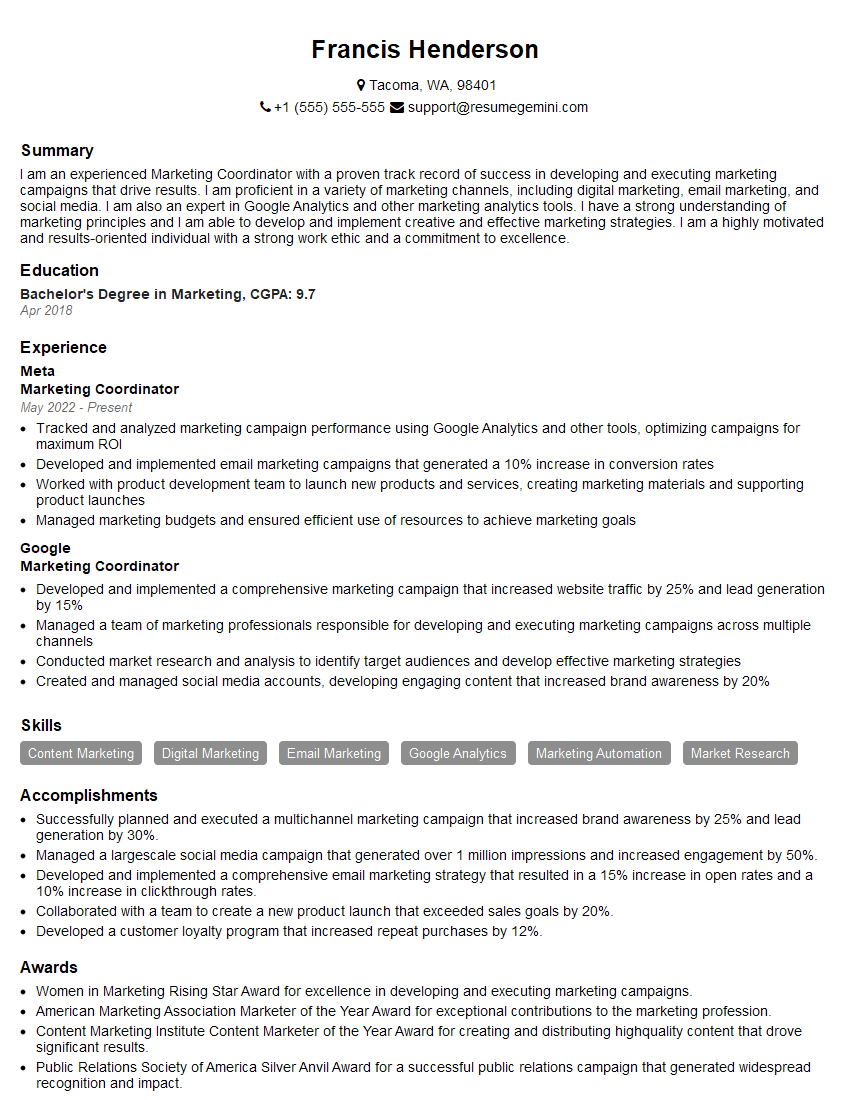
Marketing Coordinator Resume Sample
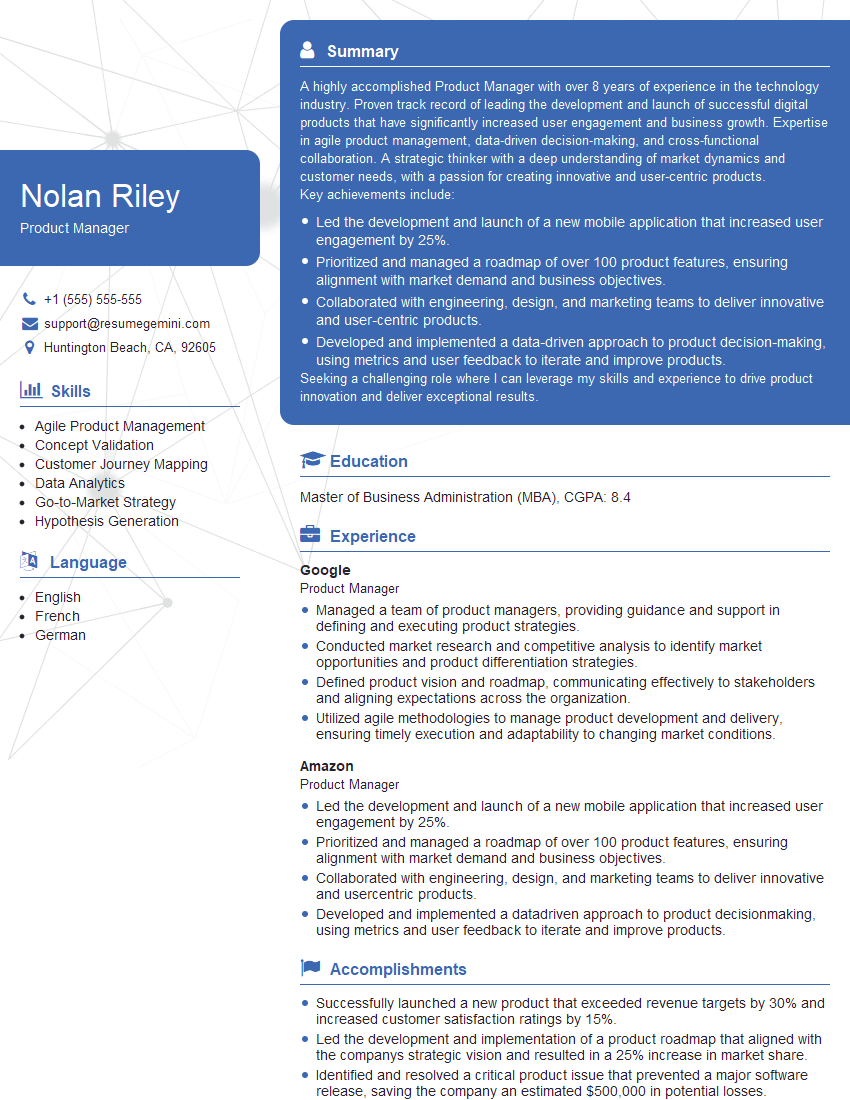
Product Manager Resume Sample

Communications Manager Resume Sample
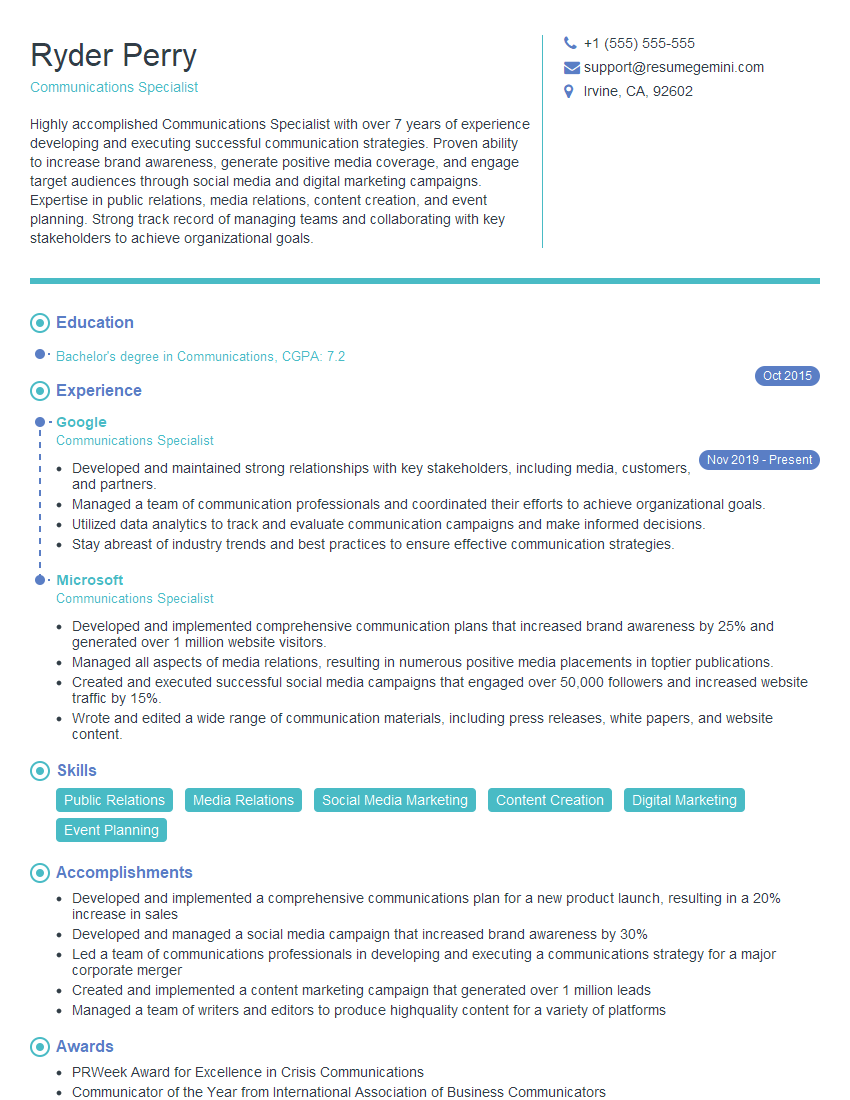
Communications Specialist Resume Sample
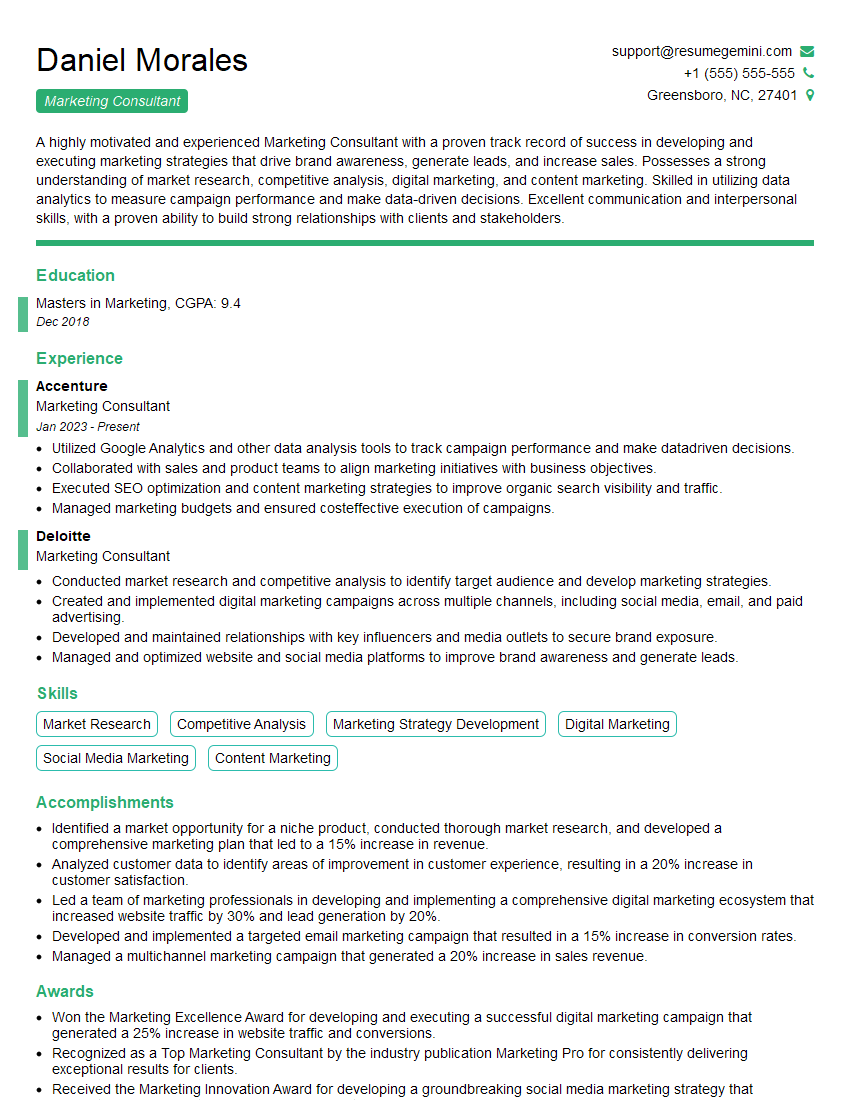
Marketing Consultant Resume Sample
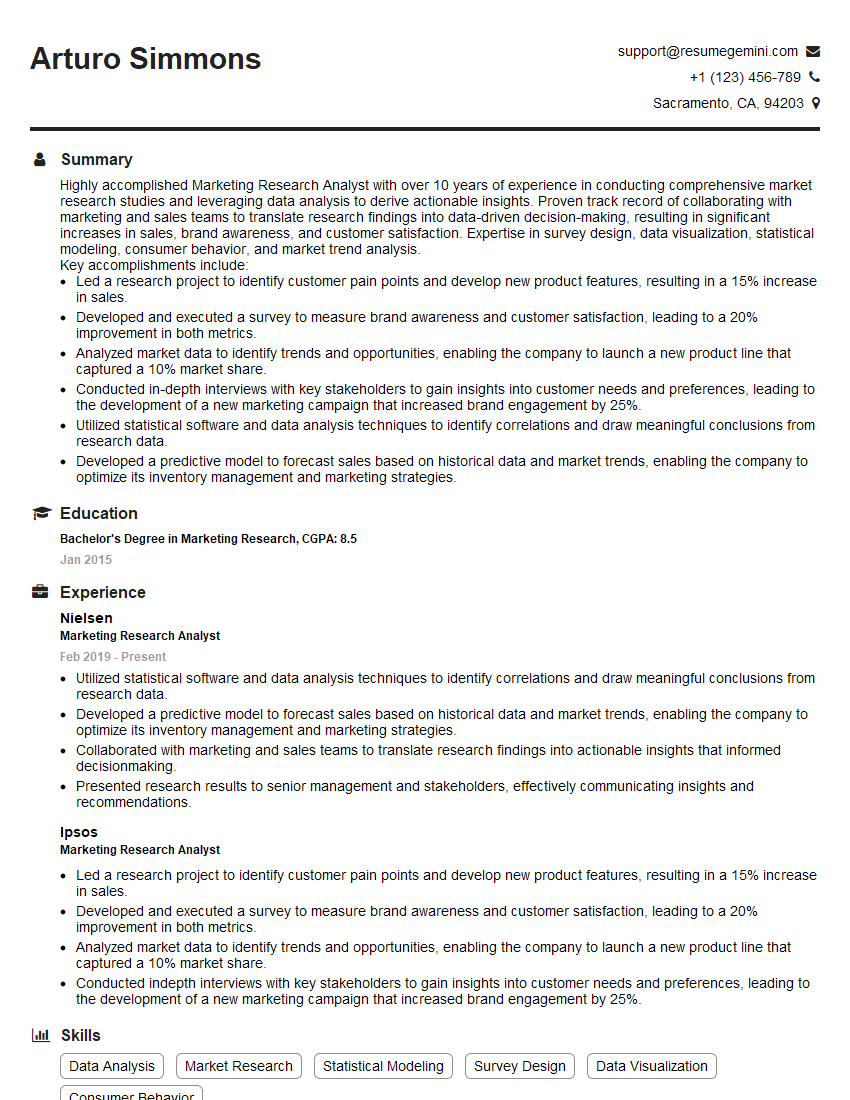
Marketing Research Analyst Resume Sample
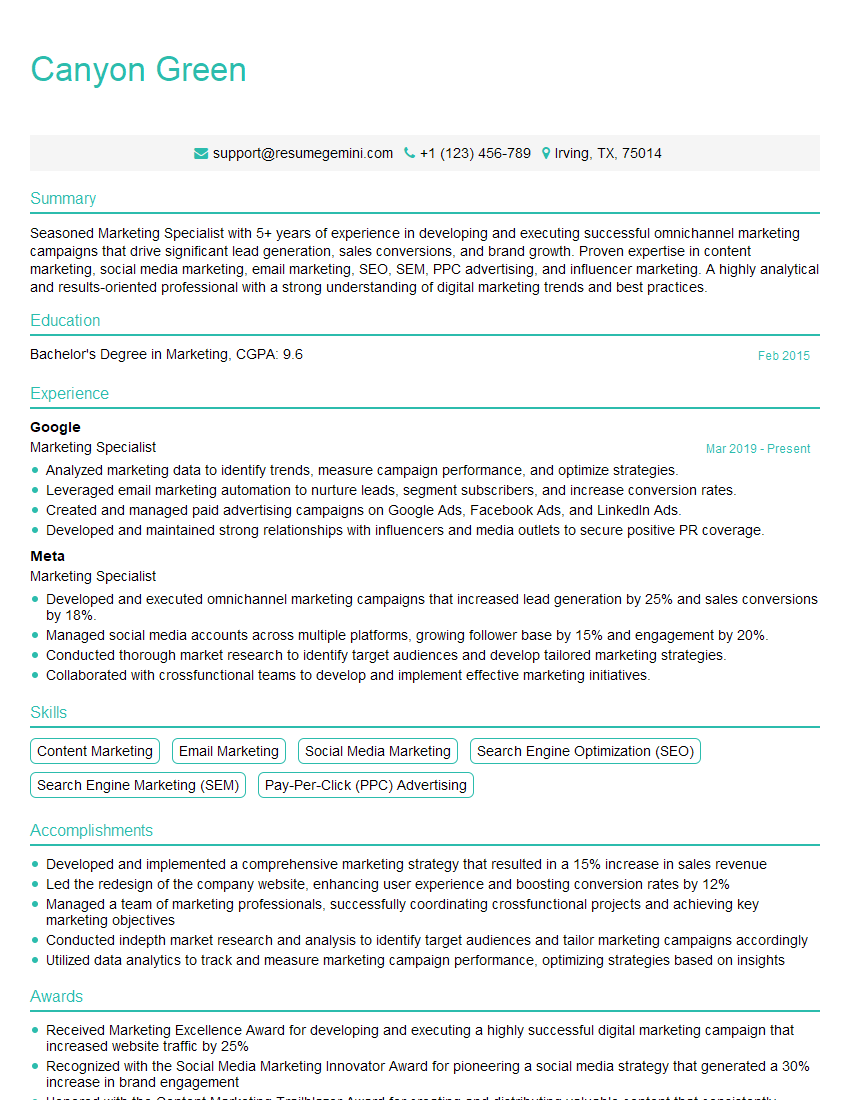
Marketing Specialist Resume Sample

Social Media Manager Resume Sample
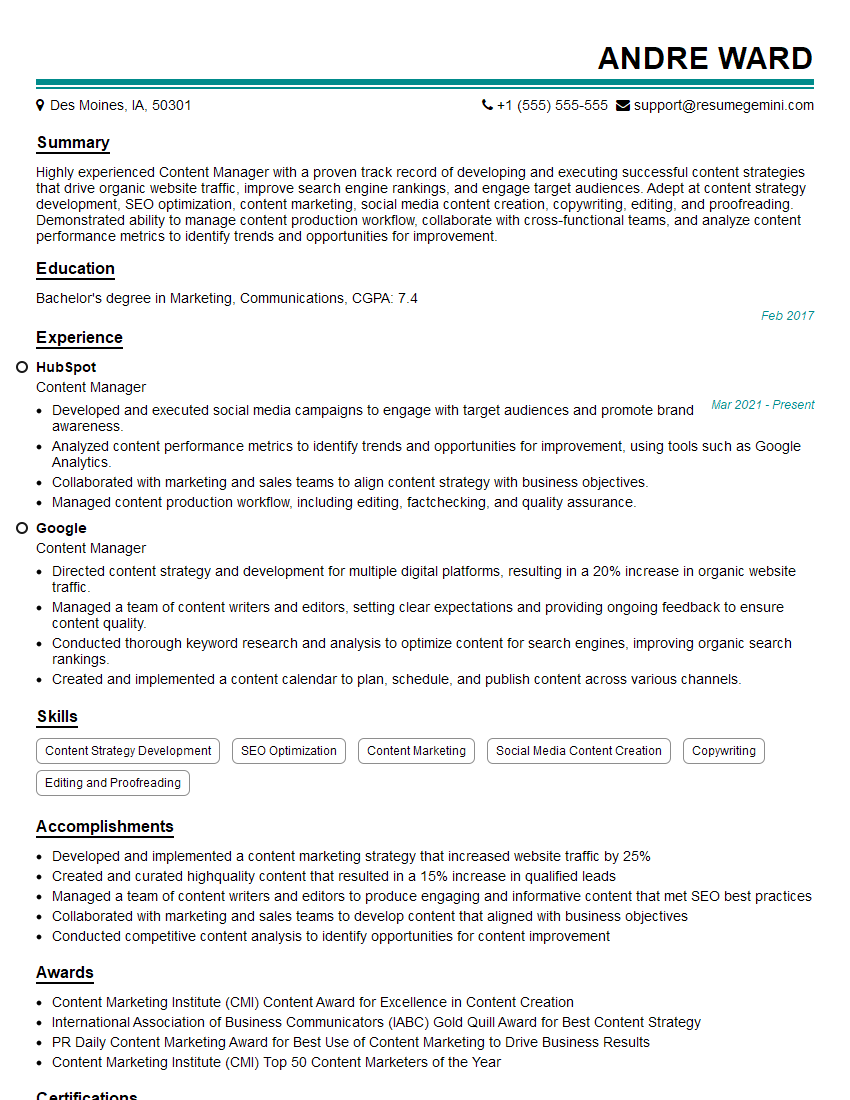
Content Manager Resume Sample
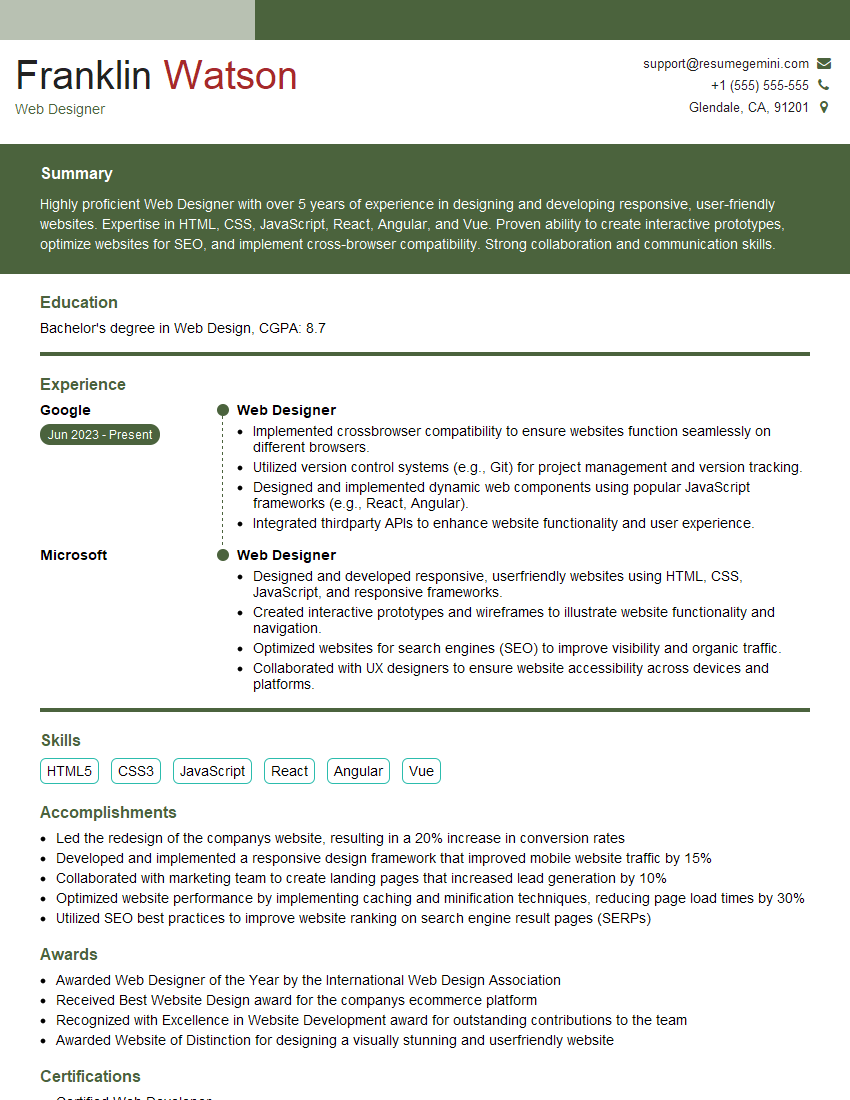
Web Designer Resume Sample
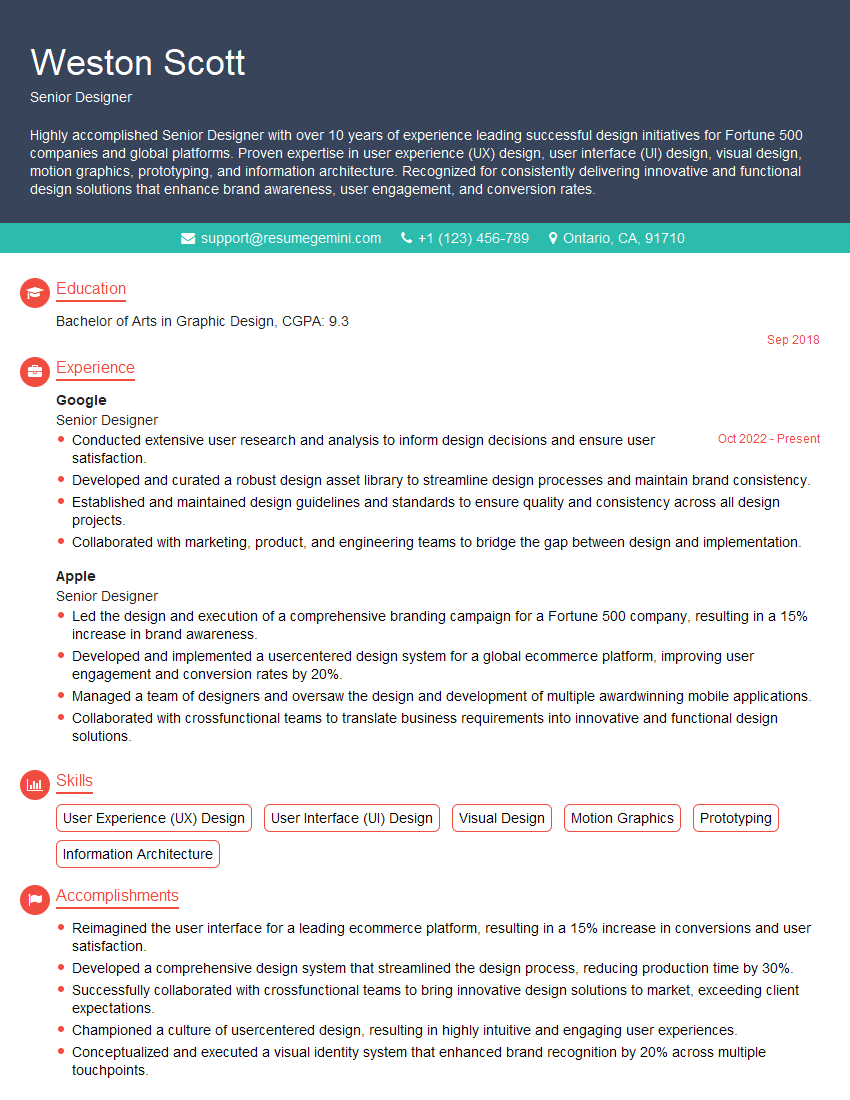
Senior Designer Resume Sample
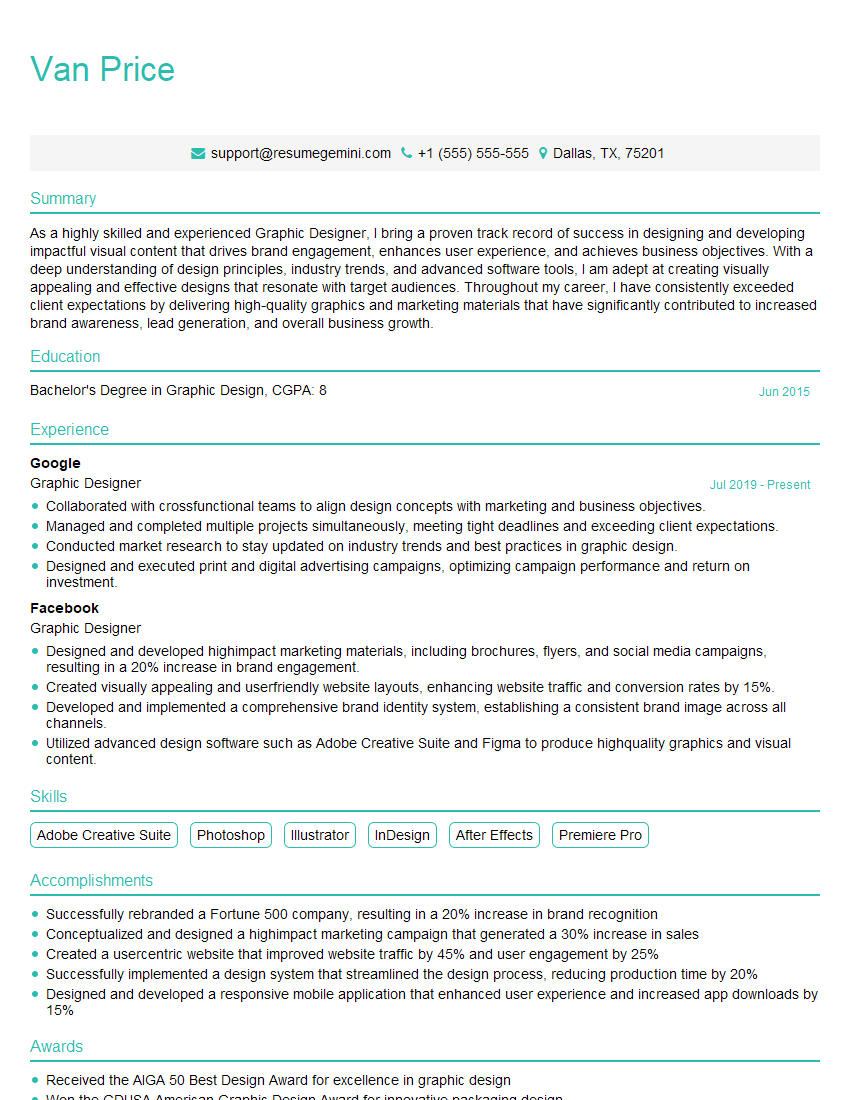
Graphic Designer Resume Sample
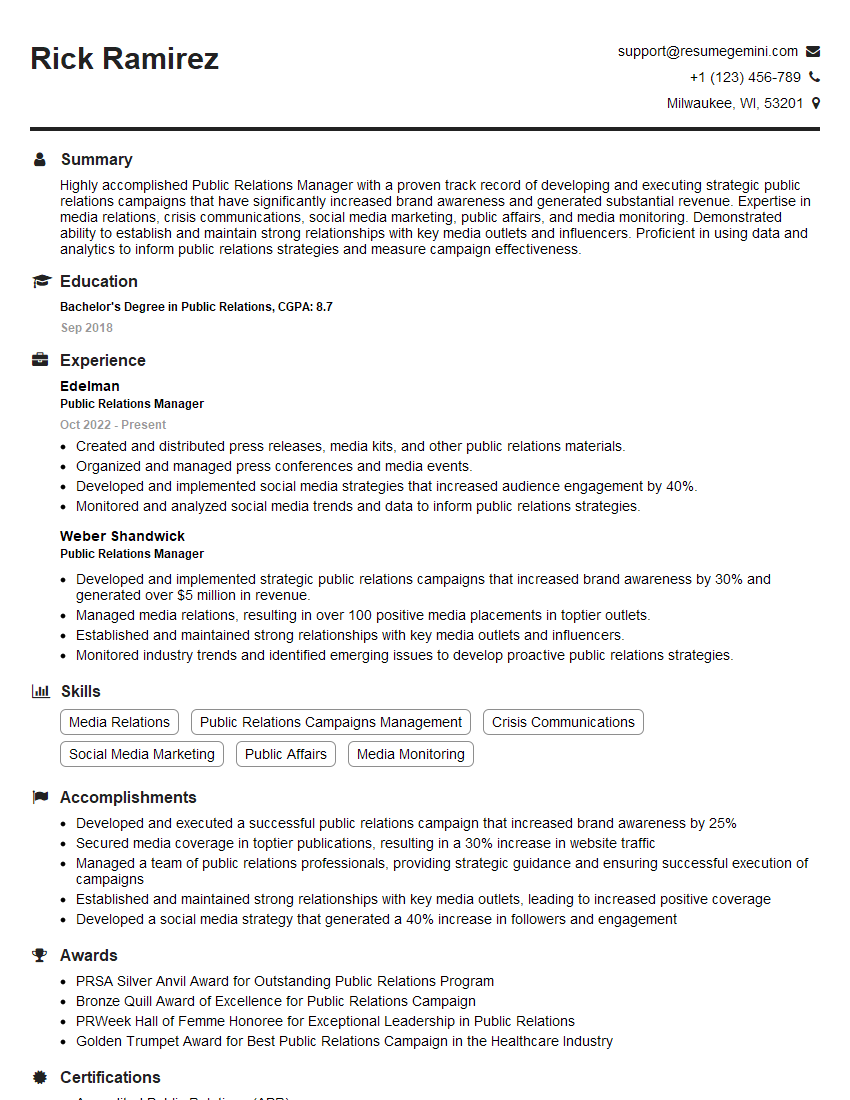
Public Relations Manager Resume Sample

Copywriter Resume Sample
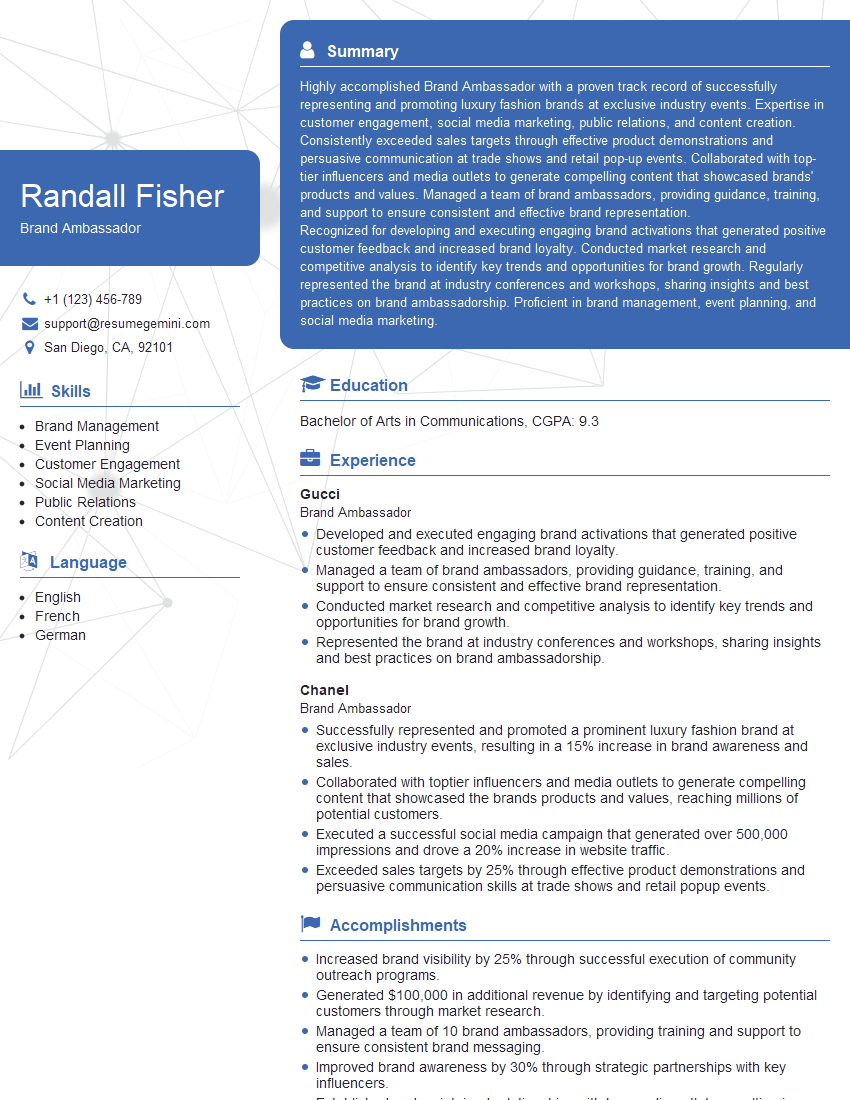
Brand Ambassador Resume Sample
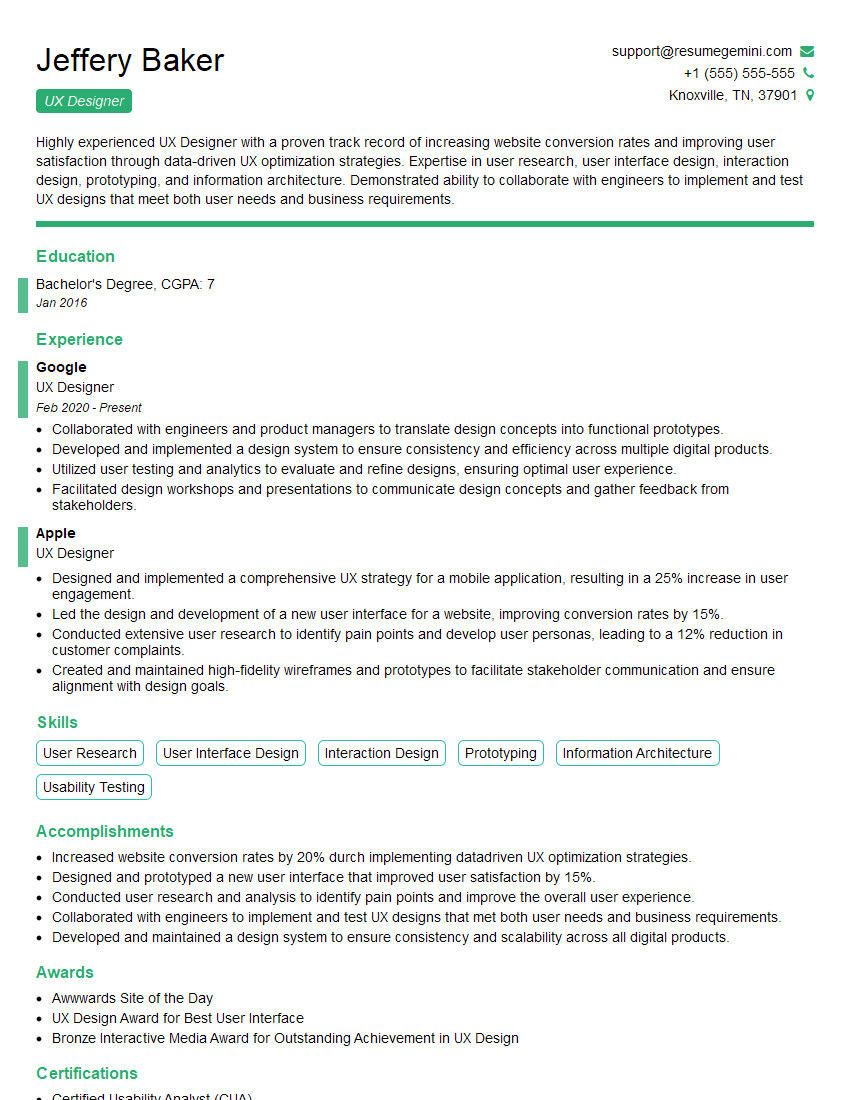
UX Designer Resume Sample
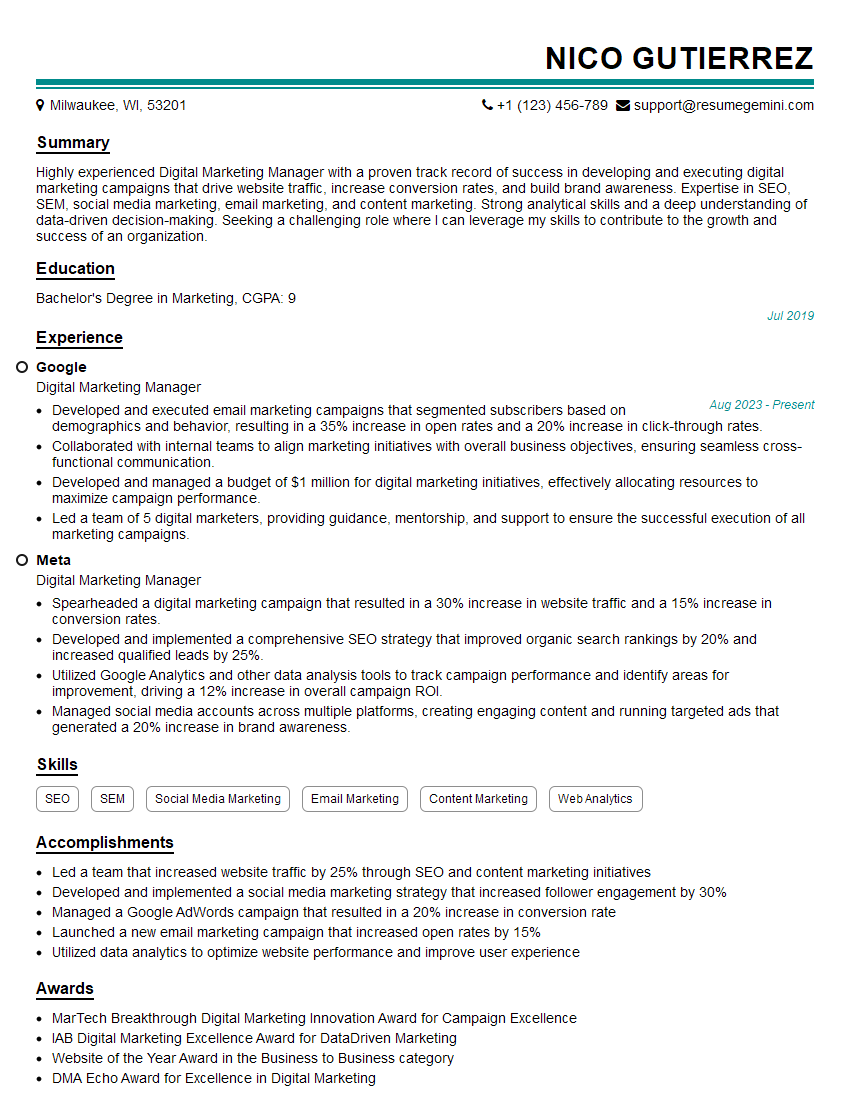
Digital Marketing Manager Resume Sample
- Advertising Manager
- Art Director
- Brand Manager
- Creative Director
- Marketing Manager
- Marketing Coordinator
- Product Manager
- Communications Manager
- Communications Specialist
- Marketing Consultant
- Marketing Research Analyst
- Marketing Specialist
- Social Media Manager
- Content Manager
- Web Designer
- Senior Designer
- Graphic Designer
- Public Relations Manager
- Copywriter
- Brand Ambassador
- UX Designer
- Digital Marketing Manager
Explore more articles
Users Rating of Our Blogs
Share Your Experience
We value your feedback! Please rate our content and share your thoughts (optional).
What Readers Say About Our Blog
Attention music lovers!
Wow, All the best Sax Summer music !!!
Spotify: https://open.spotify.com/artist/6ShcdIT7rPVVaFEpgZQbUk
Apple Music: https://music.apple.com/fr/artist/jimmy-sax-black/1530501936
YouTube: https://music.youtube.com/browse/VLOLAK5uy_noClmC7abM6YpZsnySxRqt3LoalPf88No
Other Platforms and Free Downloads : https://fanlink.tv/jimmysaxblack
on google : https://www.google.com/search?q=22+AND+22+AND+22
on ChatGPT : https://chat.openai.com?q=who20jlJimmy20Black20Sax20Producer
Get back into the groove with Jimmy sax Black
Best regards,
Jimmy sax Black
www.jimmysaxblack.com
Hi I am a troller at The aquatic interview center and I suddenly went so fast in Roblox and it was gone when I reset.
Hi,
Business owners spend hours every week worrying about their website—or avoiding it because it feels overwhelming.
We’d like to take that off your plate:
$69/month. Everything handled.
Our team will:
Design a custom website—or completely overhaul your current one
Take care of hosting as an option
Handle edits and improvements—up to 60 minutes of work included every month
No setup fees, no annual commitments. Just a site that makes a strong first impression.
Find out if it’s right for you:
https://websolutionsgenius.com/awardwinningwebsites
Hello,
we currently offer a complimentary backlink and URL indexing test for search engine optimization professionals.
You can get complimentary indexing credits to test how link discovery works in practice.
No credit card is required and there is no recurring fee.
You can find details here:
https://wikipedia-backlinks.com/indexing/
Regards
NICE RESPONSE TO Q & A
hi
The aim of this message is regarding an unclaimed deposit of a deceased nationale that bears the same name as you. You are not relate to him as there are millions of people answering the names across around the world. But i will use my position to influence the release of the deposit to you for our mutual benefit.
Respond for full details and how to claim the deposit. This is 100% risk free. Send hello to my email id: [email protected]
Luka Chachibaialuka
Hey interviewgemini.com, just wanted to follow up on my last email.
We just launched Call the Monster, an parenting app that lets you summon friendly ‘monsters’ kids actually listen to.
We’re also running a giveaway for everyone who downloads the app. Since it’s brand new, there aren’t many users yet, which means you’ve got a much better chance of winning some great prizes.
You can check it out here: https://bit.ly/callamonsterapp
Or follow us on Instagram: https://www.instagram.com/callamonsterapp
Thanks,
Ryan
CEO – Call the Monster App
Hey interviewgemini.com, I saw your website and love your approach.
I just want this to look like spam email, but want to share something important to you. We just launched Call the Monster, a parenting app that lets you summon friendly ‘monsters’ kids actually listen to.
Parents are loving it for calming chaos before bedtime. Thought you might want to try it: https://bit.ly/callamonsterapp or just follow our fun monster lore on Instagram: https://www.instagram.com/callamonsterapp
Thanks,
Ryan
CEO – Call A Monster APP
To the interviewgemini.com Owner.
Dear interviewgemini.com Webmaster!
Hi interviewgemini.com Webmaster!
Dear interviewgemini.com Webmaster!
excellent
Hello,
We found issues with your domain’s email setup that may be sending your messages to spam or blocking them completely. InboxShield Mini shows you how to fix it in minutes — no tech skills required.
Scan your domain now for details: https://inboxshield-mini.com/
— Adam @ InboxShield Mini
Reply STOP to unsubscribe
Hi, are you owner of interviewgemini.com? What if I told you I could help you find extra time in your schedule, reconnect with leads you didn’t even realize you missed, and bring in more “I want to work with you” conversations, without increasing your ad spend or hiring a full-time employee?
All with a flexible, budget-friendly service that could easily pay for itself. Sounds good?
Would it be nice to jump on a quick 10-minute call so I can show you exactly how we make this work?
Best,
Hapei
Marketing Director
Hey, I know you’re the owner of interviewgemini.com. I’ll be quick.
Fundraising for your business is tough and time-consuming. We make it easier by guaranteeing two private investor meetings each month, for six months. No demos, no pitch events – just direct introductions to active investors matched to your startup.
If youR17;re raising, this could help you build real momentum. Want me to send more info?
Hi, I represent an SEO company that specialises in getting you AI citations and higher rankings on Google. I’d like to offer you a 100% free SEO audit for your website. Would you be interested?
Hi, I represent an SEO company that specialises in getting you AI citations and higher rankings on Google. I’d like to offer you a 100% free SEO audit for your website. Would you be interested?