The right preparation can turn an interview into an opportunity to showcase your expertise. This guide to Knowledge of Crop Production Practices interview questions is your ultimate resource, providing key insights and tips to help you ace your responses and stand out as a top candidate.
Questions Asked in Knowledge of Crop Production Practices Interview
Q 1. Explain the principles of crop rotation and its benefits.
Crop rotation is the practice of planting different types of crops in a planned sequence on the same piece of land over several growing seasons. It’s like giving your soil a balanced diet, preventing nutrient depletion and improving soil health.
- Principles: The core principle is to alternate crops with different nutrient needs and growth habits. For example, a legume (like soybeans) which fixes nitrogen in the soil, might be followed by a heavy feeder (like corn) that benefits from the added nitrogen.
- Benefits: Crop rotation offers a multitude of advantages, including:
- Improved Soil Fertility: Legumes enrich the soil with nitrogen, reducing the need for synthetic fertilizers. Different crops extract nutrients at varying depths and rates, preventing imbalances.
- Pest and Disease Management: Rotating crops disrupts the life cycles of many pests and diseases, reducing their populations and minimizing the need for pesticides.
- Weed Control: Certain crops can suppress weeds more effectively than others. Strategic rotation helps to control weed pressure naturally.
- Enhanced Soil Structure: Different root systems improve soil structure, aeration, and water infiltration. Deep-rooted crops break up compacted soil, while shallow-rooted crops help in moisture retention.
- Increased Yields: By improving soil health and reducing pest and disease pressure, crop rotation contributes to higher and more consistent yields over time.
Example: A common rotation might be Corn – Soybean – Wheat. Corn is a heavy feeder, soybean adds nitrogen, and wheat has different nutrient requirements and pest vulnerabilities.
Q 2. Describe different soil types and their suitability for various crops.
Soil types are classified based on their texture, structure, and mineral composition. Understanding soil types is crucial because different crops thrive in different conditions.
- Sandy Soils: Well-drained, warm up quickly, but low in nutrients and moisture retention. Suitable for crops like potatoes, carrots, and certain fruits requiring good drainage.
- Silty Soils: Retain moisture and nutrients better than sandy soils, but can become compacted. Good for a wider range of crops, including wheat, barley, and some vegetables.
- Clay Soils: Retain water and nutrients well, but can be poorly drained and hard to work with. Suitable for crops that tolerate waterlogged conditions, like rice and some types of beans. However, drainage needs careful management.
- Loamy Soils: Ideal soil type, a mixture of sand, silt, and clay, providing good drainage, aeration, and nutrient retention. Suitable for a wide variety of crops.
Suitability: The suitability of a soil type for a particular crop depends on various factors including the crop’s water needs, nutrient requirements, and tolerance to different soil conditions. For instance, waterlogged conditions will hinder crops like tomatoes but may be ideal for rice.
Soil Testing: Soil testing is essential to determine nutrient levels and pH, guiding appropriate amendments and crop selection. A soil test reveals deficiencies and helps farmers make informed choices.
Q 3. What are the key factors influencing crop yield?
Crop yield, the amount of crop produced per unit area, is a complex interplay of several factors. Think of it as a recipe where each ingredient is crucial for a successful dish.
- Genetic Potential: The inherent capacity of the crop variety to produce. Choosing high-yielding, disease-resistant varieties is paramount.
- Climate: Temperature, rainfall, sunlight, and frost all significantly impact yield. Optimal conditions are essential for growth and development.
- Soil Health: Soil fertility, structure, water holding capacity, and pH directly influence nutrient uptake and root growth. Healthy soil is the foundation for high yields.
- Nutrient Management: Providing the right balance of nutrients (N, P, K, and micronutrients) at the right time is critical for optimal growth.
- Water Management: Adequate and timely irrigation, depending on the crop’s water requirements, is key. Drought stress severely reduces yield.
- Pest and Disease Management: Minimizing crop damage from insects, diseases, and weeds is vital for protecting yield potential.
- Crop Management Practices: Planting density, weed control, harvesting techniques, and crop rotation practices all influence yields.
Example: A lack of sufficient sunlight will greatly limit the yield of sun-loving crops, just as nutrient deficiencies can stunt plant growth, leading to lower yields. Therefore, holistic management considering all these factors is crucial for optimizing crop production.
Q 4. How do you manage irrigation efficiently to optimize water use?
Efficient irrigation aims to deliver the right amount of water to the crop at the right time, minimizing water waste and maximizing crop yield. This involves several strategies.
- Drip Irrigation: Delivers water directly to the roots, minimizing evaporation and runoff. Highly efficient, especially in water-scarce regions.
- Sprinkler Irrigation: Applies water overhead, suitable for larger areas. However, more susceptible to evaporation and water loss through runoff.
- Flood Irrigation: Floods the field with water, suitable for rice cultivation but less efficient due to high water loss.
- Soil Moisture Monitoring: Using sensors to monitor soil moisture levels allows for precise irrigation scheduling, preventing overwatering or underwatering. This is a crucial aspect of precision agriculture.
- Water Scheduling: Based on evapotranspiration (water loss from soil and plants) and crop water requirements, allowing for optimal water application based on crop needs rather than a fixed schedule.
- Mulching: Using organic or plastic mulch helps retain soil moisture, reducing irrigation frequency.
Example: In a region with limited water resources, adopting drip irrigation and soil moisture monitoring can significantly improve water-use efficiency, allowing for higher yields with less water consumption compared to traditional flood irrigation.
Q 5. Explain different methods of pest and disease control in crops.
Pest and disease control is crucial for maintaining crop health and maximizing yields. Integrated Pest Management (IPM) is a holistic approach that combines various strategies.
- Cultural Control: Practices like crop rotation, proper sanitation, and planting resistant varieties help prevent pest and disease buildup.
- Biological Control: Using natural enemies like beneficial insects or microorganisms to suppress pest populations. This reduces reliance on chemical pesticides.
- Chemical Control: Applying pesticides judiciously when other methods fail, ensuring adherence to safety guidelines and minimizing environmental impact. Focus should be on targeted applications rather than blanket spraying.
- Monitoring and Scouting: Regularly inspecting crops for pests and diseases allows for early detection and timely intervention, preventing widespread outbreaks.
- Resistant Varieties: Selecting crop varieties that exhibit inherent resistance to specific pests and diseases can significantly reduce control measures.
Example: Introducing ladybugs to control aphids in a vegetable garden is an example of biological control. Using disease-resistant tomato varieties reduces the need for fungicides.
Q 6. Describe your experience with precision agriculture technologies.
I have extensive experience with precision agriculture technologies, utilizing them to optimize resource use and improve overall efficiency in crop production. My experience includes:
- GPS-guided machinery: Using GPS technology for precise planting, spraying, and harvesting, minimizing overlaps and reducing input waste.
- Variable rate technology (VRT): Applying inputs like fertilizers and pesticides at varying rates based on specific field conditions, optimizing nutrient use and minimizing environmental impact. This is based on data obtained through remote sensing or soil testing.
- Remote sensing: Utilizing aerial imagery (drones or satellites) and sensors to monitor crop health, identify stress areas, and make timely management decisions. This allows for early detection of issues.
- Data analysis and decision support systems: Using software to analyze data collected from various sources to make informed decisions on irrigation scheduling, fertilization, and pest management.
Example: I’ve used VRT to apply nitrogen fertilizer based on NDVI (Normalized Difference Vegetation Index) maps generated from drone imagery. This ensured optimal nitrogen use, reducing environmental impact and maximizing yield.
Q 7. How do you assess soil nutrient levels and recommend fertilizer applications?
Assessing soil nutrient levels and recommending fertilizer applications requires a multi-step approach.
- Soil Testing: Collecting soil samples from different parts of the field and sending them to a certified lab for analysis. This determines the levels of essential nutrients (N, P, K, and micronutrients) as well as soil pH.
- Tissue Testing: Analyzing plant tissue samples to determine nutrient uptake and identify potential deficiencies. This provides a snapshot of the plant’s nutritional status at a given point in time.
- Crop Requirements: Understanding the specific nutrient needs of the intended crop based on its growth stage and yield potential. Different crops have varying requirements.
- Nutrient Balance: Analyzing the results from soil and tissue testing to determine the amount and type of fertilizer needed to meet the crop’s requirements and correct any deficiencies.
- Fertilizer Application: Recommending appropriate fertilizer type (organic or inorganic), application method (broadcast, band, or fertigation), and timing. This can be optimized using VRT for variable application rates based on soil test results and field variability.
Example: Based on soil test results indicating low potassium levels, I would recommend a potassium-rich fertilizer to be applied at the appropriate growth stage using a broadcast application method to ensure even distribution across the field.
Q 8. What are the best practices for weed management in your region?
Weed management is crucial for maximizing crop yields and maintaining soil health. In my region, which experiences a mix of warm, humid summers and mild winters, we employ an integrated weed management (IWM) approach combining preventative, cultural, mechanical, and chemical methods.
- Preventative measures include selecting weed-resistant crop varieties and practicing crop rotation to disrupt weed life cycles. For instance, rotating corn with soybeans effectively controls certain weeds that thrive in one crop but not the other.
- Cultural practices focus on optimizing planting density and creating a dense canopy to out-compete weeds for sunlight and nutrients. Proper fertilization and irrigation are also key to promoting vigorous crop growth.
- Mechanical weed control involves tillage practices like plowing or harrowing, and also using tools like cultivators between crop rows. However, we try to minimize tillage to conserve soil moisture and prevent erosion.
- Chemical control, while used judiciously, is an important component. We focus on using herbicides with targeted modes of action and employ strategies like pre-emergent and post-emergent applications to minimize weed pressure throughout the growing season. Always following label instructions and considering environmental impact is paramount.
IWM is not a one-size-fits-all solution. The specific combination of these methods needs to be tailored to the specific crop, the prevailing weed species, and environmental conditions.
Q 9. Explain the importance of crop harvesting techniques and timing.
Harvesting techniques and timing significantly impact the quality, yield, and profitability of crops. Improper techniques can lead to yield losses, damage to the produce, and increased post-harvest spoilage. Optimal timing maximizes the nutritional value and market value of the harvested crop.
For instance, harvesting corn too early leads to lower grain weight and moisture content, while harvesting too late can cause grain breakage and increased susceptibility to pests and diseases. Similarly, harvesting tomatoes too early results in smaller, less flavorful fruit, while harvesting too late leads to overripe, easily damaged fruits.
Choosing the appropriate harvesting method also affects the quality of the harvested material. Methods range from manual harvesting to the use of sophisticated combine harvesters depending on the crop type and scale of operation. Factors influencing the selection include the crop’s physiology at maturity, labor costs, and the intended use of the harvested product.
Proper post-harvest handling, including cleaning, grading, and storage, is equally vital for extending the shelf life and maintaining quality, ensuring optimal return on investment.
Q 10. Discuss the challenges of sustainable crop production and your solutions.
Sustainable crop production faces numerous challenges, including climate change, resource depletion, and biodiversity loss. One major challenge is the need to balance food production with environmental protection.
- Climate Change: Increasingly unpredictable weather patterns (droughts, floods, extreme temperatures) directly impact crop yields. Solutions involve employing drought-tolerant or heat-resistant crop varieties, optimizing irrigation systems for water efficiency, and implementing climate-smart agricultural practices.
- Resource Depletion: Overuse of fertilizers and pesticides leads to soil degradation and water pollution. We address this through precision agriculture techniques like variable rate fertilization, promoting integrated pest management (IPM) to reduce reliance on chemical pesticides, and adopting conservation tillage to improve soil health.
- Biodiversity Loss: Monoculture farming reduces biodiversity and increases vulnerability to pests and diseases. Crop diversification, agroforestry (integrating trees with crops), and promoting beneficial insect habitats helps address this.
Implementing these solutions requires a multi-pronged approach involving farmers, researchers, policymakers, and consumers. Education and technological advancements are vital to promoting the adoption of sustainable practices.
Q 11. How do you handle unexpected weather events that affect crop yields?
Unexpected weather events like hailstorms, floods, or early frosts can severely impact crop yields. Our response strategies depend on the nature and severity of the event and the crop affected.
Preemptive measures: Crop insurance provides financial protection against losses. Diversifying crops can minimize the overall impact if one crop is severely affected. Early warning systems allow us to take preventative action like covering vulnerable crops or implementing emergency irrigation.
Post-event response: Damage assessment is the first step to determine the extent of losses. We then focus on salvage operations, such as harvesting unaffected portions of the crop or taking steps to minimize further damage (e.g., removing damaged plants to prevent disease spread). Depending on the severity, we may need to adjust future planting schedules or implement soil rehabilitation techniques.
Learning from past events is crucial. Post-event analysis helps improve our preparedness for future challenges. It may involve adjusting crop selection, implementing better drainage systems, or strengthening protective infrastructure.
Q 12. Describe your experience with various planting methods.
My experience encompasses various planting methods, each with its own advantages and disadvantages.
- Conventional tillage: This involves plowing and disking to prepare the seedbed. While it provides good weed control, it can lead to soil erosion and compaction.
- No-till planting: Seeds are planted directly into the soil without tillage. It improves soil health by reducing erosion and increasing organic matter, but weed control can be more challenging.
- Direct seeding: Similar to no-till, but often involves minimal soil disturbance. It is well-suited for specific crops and soil conditions.
- Precision planting: This involves using specialized equipment to plant seeds at precise depths and spacing, optimizing resource use and improving yields. It is more expensive than conventional methods but can be highly effective.
The choice of planting method depends on factors like soil type, crop type, climate, and available resources. Often, a combination of techniques is employed to optimize results.
Q 13. What is your experience with different types of farm equipment?
I have extensive experience with a wide range of farm equipment, from basic hand tools to sophisticated machinery.
- Tractors: Various sizes and types are used for tillage, planting, spraying, and harvesting.
- Planters: Precision planters allow for accurate seed placement, optimizing seed-to-seed spacing and depth.
- Sprayers: These are crucial for applying herbicides, insecticides, and fertilizers, some with GPS guidance for precise application.
- Combines: Essential for efficient harvesting of grains and other crops, often equipped with advanced technologies for grain cleaning and separation.
- Harvesting equipment: This includes specialized machinery for crops like fruits and vegetables, depending on the specific crop needs.
Proficient use of this equipment requires both technical skills and a good understanding of the machinery’s capabilities and limitations. Regular maintenance is essential to ensure optimal performance and minimize downtime.
Q 14. How do you monitor crop health and identify potential problems early?
Monitoring crop health is a continuous process that begins before planting and extends through the entire growing season. It involves a combination of visual observations, data analysis, and diagnostic tools.
- Visual inspection: Regularly walking through the fields to observe plant growth, check for signs of disease or pest damage, and assess overall plant health. Early detection of problems is crucial for effective intervention.
- Data analysis: Sensors and drones can be used to collect data on various parameters like plant height, leaf area, and chlorophyll content. This information helps identify areas needing attention or potential problems.
- Diagnostic tools: Soil and plant tissue testing can provide insights into nutrient deficiencies or the presence of diseases. These tests provide confirmation and guide treatment decisions.
- Remote sensing: Using satellite or aerial imagery can provide a large-scale overview of crop health and help detect stress areas.
By combining these techniques, we can proactively address potential issues before they significantly impact yields. Early intervention minimizes losses and improves the overall efficiency of the production system.
Q 15. Explain your understanding of integrated pest management (IPM).
Integrated Pest Management (IPM) is a sustainable approach to pest control that aims to minimize the use of pesticides while maximizing crop yield and protecting the environment. It’s not about eliminating pests entirely – that’s often impossible and ecologically undesirable – but about keeping pest populations below economic injury levels (EIL). This means managing pests to a point where the cost of controlling them outweighs the damage they cause to the crop.
IPM relies on a holistic approach incorporating various strategies:
- Monitoring: Regularly scouting fields to identify pest presence and population levels. This might involve visual inspection, traps, or other monitoring tools.
- Cultural Controls: Modifying farming practices to discourage pests. Examples include crop rotation, adjusting planting times, using resistant varieties, and maintaining proper field sanitation.
- Biological Controls: Utilizing natural enemies of pests, such as beneficial insects, birds, or nematodes. This could involve introducing natural predators or creating habitats that attract them.
- Mechanical Controls: Physical methods like handpicking pests, using traps, or installing barriers to prevent pest access.
- Chemical Controls: Pesticides are used as a last resort, only when other methods fail to keep pest populations below the EIL. The goal is to use the least toxic and most targeted pesticides possible.
For example, in managing aphids on a lettuce crop, I might first monitor aphid populations. If they’re low, I might just use cultural controls like ensuring good air circulation. If populations increase significantly, I might introduce ladybugs (a natural predator). Only if these biological controls prove ineffective would I consider using a targeted insecticide.
Career Expert Tips:
- Ace those interviews! Prepare effectively by reviewing the Top 50 Most Common Interview Questions on ResumeGemini.
- Navigate your job search with confidence! Explore a wide range of Career Tips on ResumeGemini. Learn about common challenges and recommendations to overcome them.
- Craft the perfect resume! Master the Art of Resume Writing with ResumeGemini’s guide. Showcase your unique qualifications and achievements effectively.
- Don’t miss out on holiday savings! Build your dream resume with ResumeGemini’s ATS optimized templates.
Q 16. What are the key considerations for choosing crop varieties?
Choosing the right crop variety is crucial for maximizing yield and profitability. Several key factors influence this decision:
- Adaptation to climate and soil conditions: Selecting varieties suited to local temperature, rainfall, soil type, and pH is essential for optimal growth.
- Disease and pest resistance: Choosing varieties with inherent resistance to common diseases and pests reduces reliance on pesticides and improves yields.
- Maturity and yield potential: Selecting varieties with desired maturity dates and high yield potential for the specific market is vital.
- Quality characteristics: This includes factors like size, color, taste, and nutritional value, depending on the intended market (e.g., fresh market vs. processing).
- Market demand: Choosing varieties that meet consumer preferences and market demands is important for economic success.
For instance, in a region prone to drought, a drought-tolerant variety of maize would be prioritized. Similarly, in an area with a short growing season, an early-maturing variety would be selected. Careful consideration of these factors ensures the chosen variety will thrive and yield optimal results.
Q 17. Discuss the importance of record-keeping in crop production.
Record-keeping is absolutely fundamental in crop production. It provides a detailed history of the farming operation, enabling informed decision-making and continuous improvement. Accurate records are also essential for compliance with regulations and for accessing financial assistance.
Key aspects of record-keeping include:
- Field records: Details on planting dates, variety, seed rate, fertilizer application, irrigation, pest and disease management, and harvest yields for each field.
- Input costs: Tracking expenses for seeds, fertilizers, pesticides, labor, equipment, and other inputs.
- Yield records: Detailed records of harvested yields, quality parameters, and market prices.
- Financial records: Tracking income, expenses, profits, and overall financial performance.
- Weather data: Recording daily temperature, rainfall, and other weather conditions can help understand the impact of weather on crop growth.
Imagine trying to analyze the effectiveness of a new fertilizer without detailed records of its application and subsequent yield. Accurate record-keeping allows for this kind of data analysis, leading to better farming practices and improved profitability.
Q 18. How do you manage labor efficiently in crop production?
Efficient labor management is crucial for successful crop production. It involves optimizing the use of human resources to maximize productivity and minimize costs.
Strategies for efficient labor management include:
- Proper planning and scheduling: Careful planning of tasks based on crop needs and available resources, including labor.
- Task allocation: Assigning tasks to workers based on their skills and experience.
- Training and skill development: Providing appropriate training to improve efficiency and reduce errors.
- Use of technology: Employing technology like GPS-guided machinery or automated harvesting systems to improve efficiency.
- Effective communication: Maintaining open and clear communication with workers to ensure everyone understands their roles and responsibilities.
- Monitoring and evaluation: Regular monitoring of worker performance and overall labor efficiency to identify areas for improvement.
For example, implementing a precise planting schedule using GPS-guided machinery can significantly reduce planting time compared to manual methods, optimizing labor efficiency and reducing costs.
Q 19. Describe your experience with organic farming practices.
My experience with organic farming practices involves several years of working on a certified organic farm. Organic farming emphasizes ecological balance, soil health, and biodiversity. It prohibits the use of synthetic pesticides, herbicides, and fertilizers. Instead, it relies on natural methods such as crop rotation, cover cropping, composting, and biological pest control.
My responsibilities included:
- Soil management: Implementing cover cropping and composting techniques to improve soil fertility and structure.
- Pest and disease management: Utilizing biological control methods and cultural practices to manage pests and diseases.
- Weed control: Employing techniques such as mulching, hand weeding, and mechanical cultivation.
- Harvesting and post-harvest handling: Ensuring organic certification standards are met during harvesting and post-harvest processing.
One memorable experience involved successfully managing a severe pest infestation using beneficial nematodes instead of resorting to synthetic pesticides, demonstrating the effectiveness of organic pest control methods.
Q 20. How do you ensure food safety in crop production?
Ensuring food safety in crop production is paramount. It involves implementing measures throughout the production process to minimize risks of contamination and ensure the final product is safe for consumption.
Key aspects of food safety in crop production include:
- Good Agricultural Practices (GAPs): Adhering to strict guidelines covering all stages of production, from soil preparation to harvesting and post-harvest handling.
- Proper sanitation: Maintaining clean equipment and facilities to prevent contamination.
- Pest and disease management: Employing integrated pest management (IPM) strategies to minimize the use of pesticides and prevent contamination.
- Water quality management: Using clean irrigation water and avoiding contamination from sources like animal waste.
- Worker hygiene: Implementing measures to maintain worker hygiene and prevent contamination.
- Harvesting and post-harvest handling: Following proper procedures during harvesting, storage, and transportation to maintain food safety.
- Traceability: Maintaining accurate records throughout the production process to allow for tracing products in case of contamination.
For example, regular testing of irrigation water ensures that it’s free from harmful pathogens. Similarly, thorough cleaning and sanitization of harvesting equipment prevents cross-contamination between batches.
Q 21. What is your understanding of genetically modified (GM) crops?
Genetically modified (GM) crops are plants whose genetic material has been altered using genetic engineering techniques. This allows for the introduction of desirable traits, such as pest resistance, herbicide tolerance, or improved nutritional value.
The process typically involves inserting a specific gene from another organism into the plant’s genome. This gene then directs the production of a protein that confers the desired trait.
Examples of GM crops include Bt corn (resistant to certain insects) and Roundup Ready soybeans (tolerant to glyphosate herbicide). The use of GM crops has been a subject of debate, with proponents emphasizing increased yields, reduced pesticide use, and enhanced nutritional value, while critics raise concerns about potential environmental and health impacts. Thorough scientific assessment and regulation are critical for responsible development and deployment of GM crops.
Q 22. Explain your experience with crop insurance and risk management.
Crop insurance is a crucial risk management tool for farmers, protecting against potential losses from unforeseen events like adverse weather, disease outbreaks, or market fluctuations. My experience encompasses selecting appropriate insurance policies based on crop type, historical yield data, and projected risk assessments. I’ve worked with various insurance providers, negotiating coverage levels and premiums to optimize protection while minimizing costs. For example, in one instance, I helped a farmer secure revenue protection insurance that covered a significant portion of their losses after a severe hailstorm significantly damaged their wheat crop. This allowed them to continue operating and replant, ultimately mitigating the long-term financial impact.
Beyond insurance, risk management involves a holistic approach. This includes diversification of crops, employing robust pest and disease management strategies, implementing efficient irrigation techniques to mitigate drought risks, and careful planning for marketing and pricing strategies to ensure profitable sales even under market volatility. I actively utilize forecasting tools and market trend analysis to anticipate potential risks and develop proactive mitigation strategies. For instance, I advised a group of farmers to switch a portion of their acreage to a drought-resistant variety of corn based on long-range weather forecasts predicting reduced rainfall.
Q 23. How do you assess the economic viability of a crop production system?
Assessing the economic viability of a crop production system requires a detailed analysis of various factors. It’s essentially a cost-benefit analysis, comparing the total revenue generated against the total costs incurred across the entire production cycle. This starts with calculating expected yields based on historical data, soil analysis, and planned inputs like fertilizer and pesticides. Then, I estimate the market price for the produce at the time of harvest, accounting for potential price fluctuations.
Costs encompass factors such as land rental or ownership costs, seeds, fertilizers, pesticides, labor, machinery, irrigation, transportation, processing, and marketing. A crucial aspect is calculating the break-even point—the production level at which total revenue equals total costs— to determine the minimum yield needed for profitability. I often use spreadsheet software and financial modeling techniques to analyze various scenarios and develop detailed profitability projections. For example, in one project, I used linear programming to optimize fertilizer application rates for maximizing profit while adhering to environmental regulations and minimizing fertilizer costs.
Q 24. What are the environmental impacts of crop production, and how can they be mitigated?
Crop production has several environmental impacts, including soil degradation, water pollution from pesticide and fertilizer runoff, greenhouse gas emissions from machinery and fertilizer production, and biodiversity loss through habitat destruction. Mitigation strategies are crucial for sustainable agriculture.
- Soil Health: No-till farming, cover cropping, crop rotation, and the use of organic matter improve soil structure and fertility, reducing erosion and improving water retention.
- Water Management: Efficient irrigation techniques like drip irrigation minimize water waste, and integrated pest management (IPM) reduces the need for pesticides, minimizing water pollution. Precision agriculture techniques like variable-rate irrigation optimize water use.
- Greenhouse Gas Emissions: Reducing tillage, using renewable energy for machinery, and adopting sustainable fertilizer management practices decrease greenhouse gas emissions.
- Biodiversity: Creating hedgerows, buffer strips, and integrating agroforestry practices enhance biodiversity and provide habitat for beneficial insects and wildlife.
For example, I’ve helped farmers implement cover cropping programs to improve soil health, reducing the need for fertilizers and lowering their overall production costs while contributing to environmental sustainability.
Q 25. Describe your experience with data analysis in crop production.
Data analysis is fundamental to modern crop production. I utilize various techniques to improve efficiency and profitability. This includes using yield monitors on harvesting equipment to map variations in yields across fields, enabling precision application of inputs like fertilizers and pesticides.
Remote sensing technologies, such as satellite imagery and drone technology, provide valuable information about crop health, water stress, and disease outbreaks, allowing for timely interventions. I analyze this data using Geographic Information Systems (GIS) software to create maps of field conditions and make informed management decisions. I also leverage historical weather data, soil data, and yield data to develop predictive models for future crop performance, helping farmers make informed decisions about planting, irrigation, and fertilizer application. Machine learning techniques are increasingly valuable in predicting crop yields and optimizing resource allocation. For example, I developed a model using historical yield data and weather patterns to predict corn yields with 90% accuracy, allowing farmers to make better marketing decisions.
Q 26. Explain your understanding of different soil conservation techniques.
Soil conservation techniques are essential for maintaining long-term soil fertility and productivity. These methods aim to prevent erosion, improve water infiltration, and enhance soil structure.
- Contour Farming: Planting crops along the contours of slopes reduces water runoff and erosion.
- Terracing: Creating level platforms on slopes slows down water flow and reduces erosion.
- Strip Cropping: Alternating strips of different crops reduces erosion and improves soil health.
- Windbreaks: Planting rows of trees or shrubs reduces wind erosion.
- No-Till Farming: Minimizing soil disturbance reduces erosion and improves soil structure.
- Cover Cropping: Planting cover crops during fallow periods improves soil health, prevents erosion, and adds organic matter.
The specific techniques used will depend on the topography, soil type, and climate of a given region. For instance, in a hilly region prone to erosion, terracing and contour farming might be implemented, whereas in a windy area, windbreaks and strip cropping would be more effective.
Q 27. How do you adapt your crop production practices to changing climate conditions?
Adapting to changing climate conditions requires a multifaceted approach. This involves selecting climate-resilient crop varieties that can tolerate higher temperatures, drought, or increased pest pressure. For instance, drought-tolerant varieties are crucial in regions experiencing increased aridity.
Improved water management practices, such as efficient irrigation systems and soil moisture monitoring, help to minimize the impact of changing rainfall patterns. Diversification of crops is also a key strategy, reducing dependence on single crops vulnerable to climate-related risks. For example, integrating drought-resistant crops into a farm’s rotation mitigates the risks associated with decreased rainfall. Climate forecasting and modeling tools help predict potential weather events and aid in informed decision-making related to planting dates, irrigation schedules, and pest control. Lastly, utilizing precision agriculture techniques, such as variable rate fertilizer and pesticide application based on real-time field conditions, optimizes resource use and minimizes environmental impact in the face of a changing climate.
Q 28. Describe your experience with marketing and selling agricultural products.
Effective marketing and selling of agricultural products requires understanding market dynamics, consumer preferences, and efficient distribution channels. This starts with identifying target markets, whether local consumers, wholesalers, processors, or exporters. I have experience developing marketing strategies that highlight the quality and uniqueness of the products, emphasizing factors such as freshness, sustainability, or organic certification.
Establishing strong relationships with buyers, exploring various sales channels (farmers’ markets, online platforms, cooperatives), and negotiating favorable prices are crucial. I’ve also assisted farmers in securing certifications (like organic or Fair Trade) which can command premium prices. Furthermore, branding and packaging play an important role in attracting customers. Effective pricing strategies consider production costs, market prices, and consumer demand to ensure profitability. I’ve helped several farmers groups successfully form cooperatives to negotiate better prices and access wider markets. Data analysis of sales data helps identify trends, customer preferences and refine marketing strategies over time.
Key Topics to Learn for Knowledge of Crop Production Practices Interview
Ace your interview by mastering these crucial areas of crop production. Remember, practical application and problem-solving skills are just as important as theoretical knowledge.
- Soil Science and Fertility Management: Understanding soil types, nutrient requirements of different crops, fertilization techniques (organic and inorganic), and soil testing interpretation.
- Crop Physiology and Growth Stages: Knowledge of plant growth cycles, critical growth stages, and environmental factors influencing plant development. Be prepared to discuss how you would diagnose and address growth issues.
- Crop Protection and Pest Management: Integrated pest management (IPM) strategies, disease identification and control, and safe pesticide application techniques. Consider the economic and environmental impacts of your choices.
- Irrigation and Water Management: Efficient irrigation methods, water conservation techniques, and understanding the impact of water stress on crop yield. Discuss experience with different irrigation systems.
- Harvesting and Post-Harvest Handling: Optimum harvest timing, harvesting techniques, post-harvest storage, and processing methods to minimize losses and maintain quality.
- Sustainable and Precision Agriculture: Familiarity with sustainable farming practices, precision agriculture technologies (e.g., GPS, sensors), and data analysis for improved efficiency and resource management.
- Crop Selection and Variety Improvement: Understanding the factors influencing crop selection (climate, soil, market demand), and the principles of crop breeding and genetic improvement.
Next Steps
Mastering Knowledge of Crop Production Practices is vital for career advancement in agriculture. A strong understanding of these concepts will significantly enhance your job prospects and allow you to contribute meaningfully to the industry. To make a strong first impression, a well-crafted resume is essential. An ATS-friendly resume increases your chances of getting your application noticed. ResumeGemini can help you create a compelling and effective resume that highlights your skills and experience. They provide examples of resumes tailored specifically to roles requiring Knowledge of Crop Production Practices, allowing you to see best practices in action.
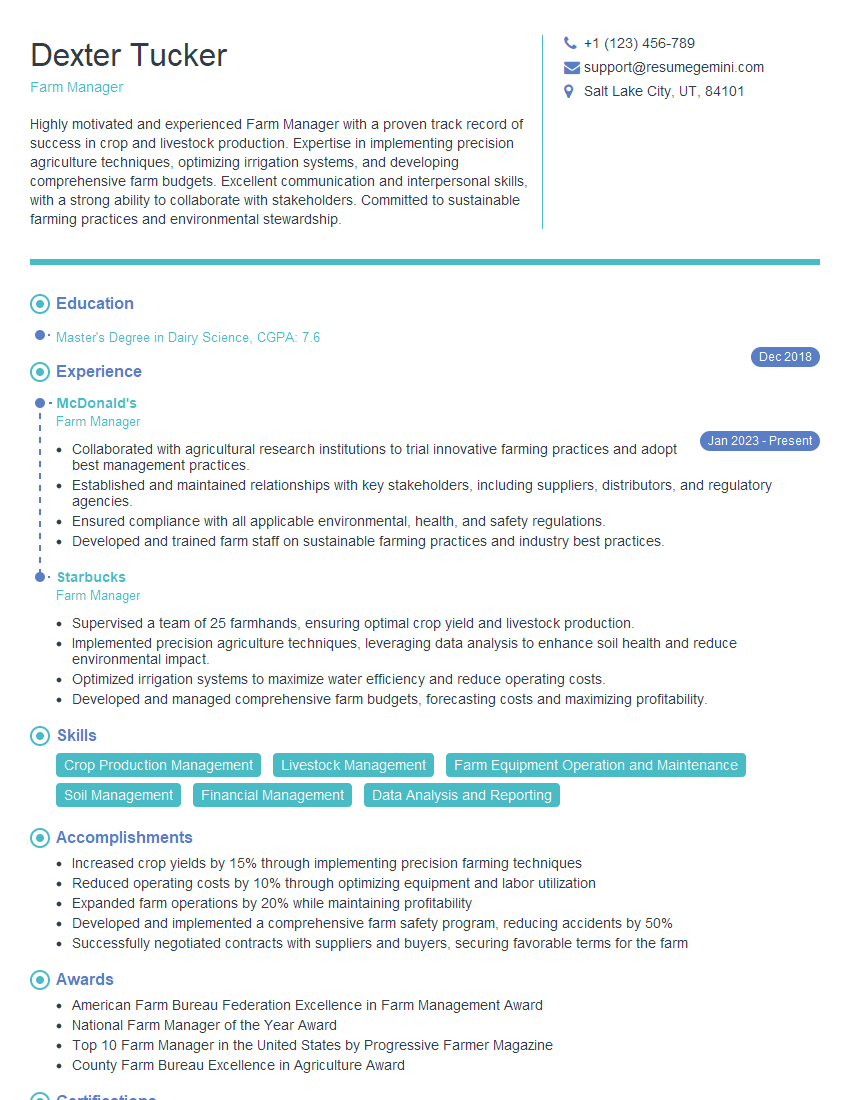
Farm Manager Resume Sample
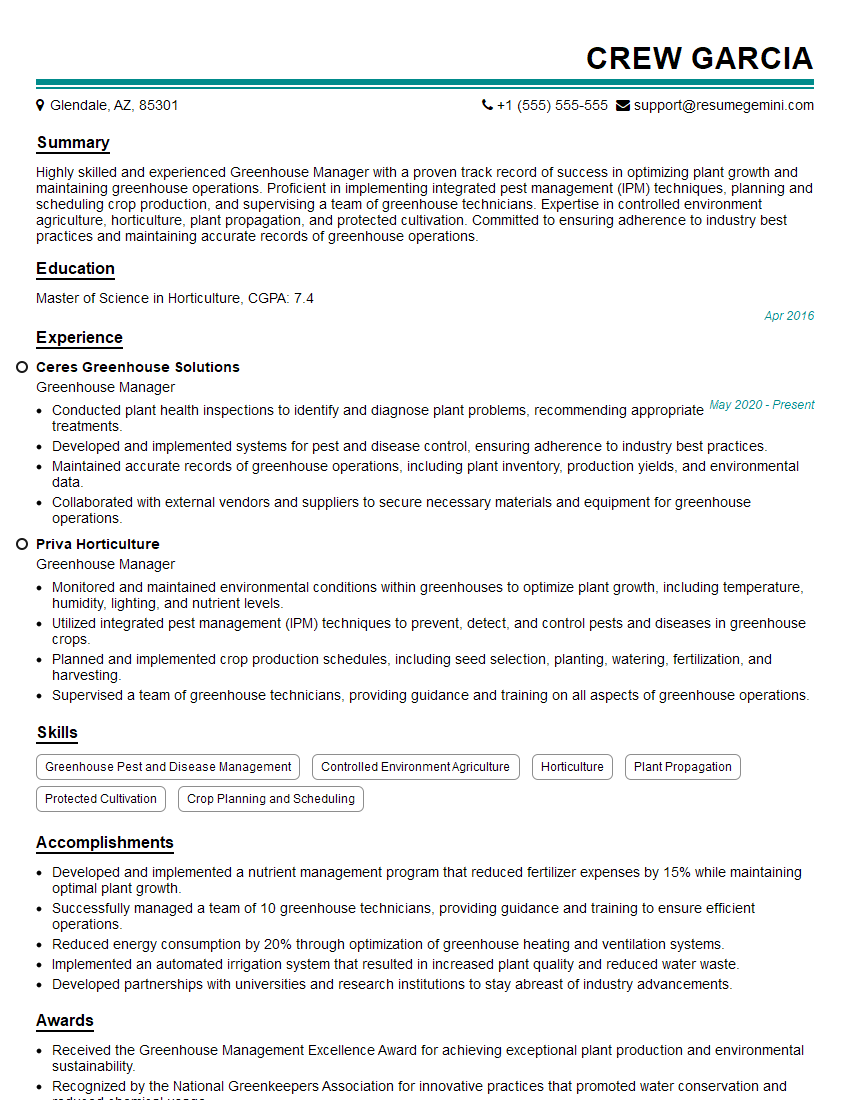
Greenhouse Manager Resume Sample
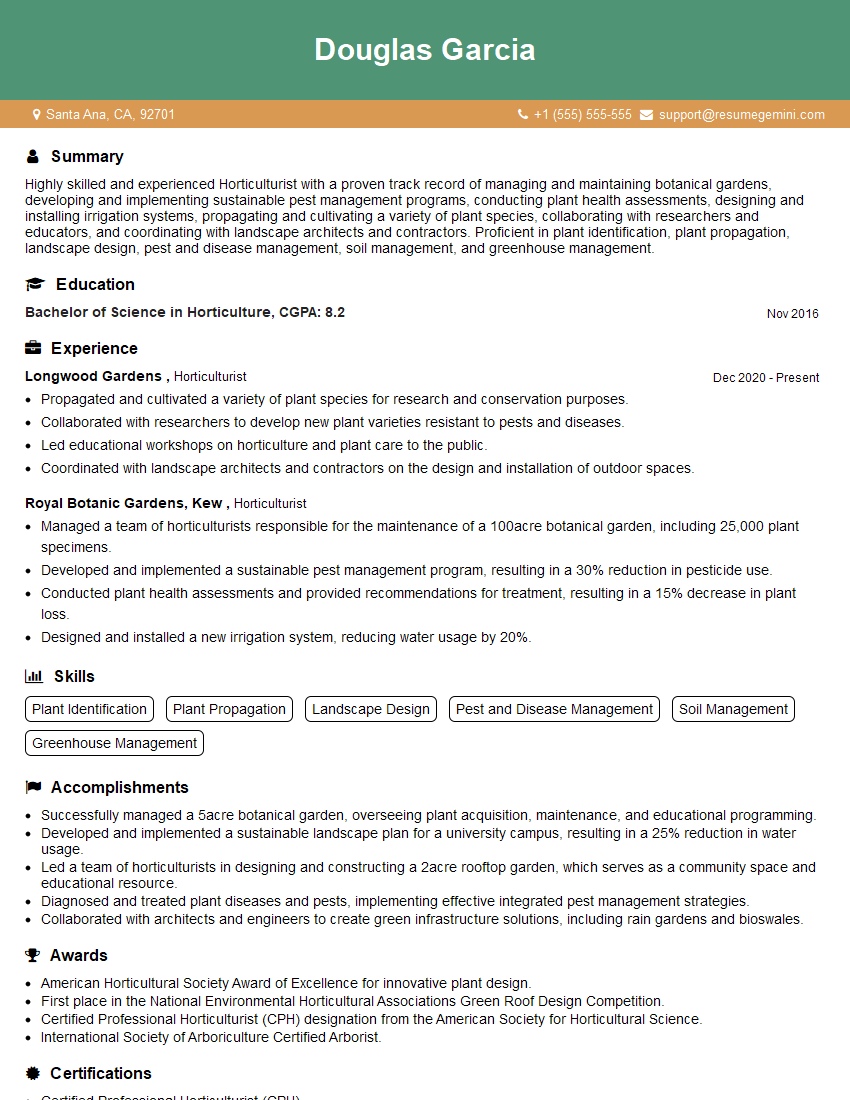
Horticulturist Resume Sample
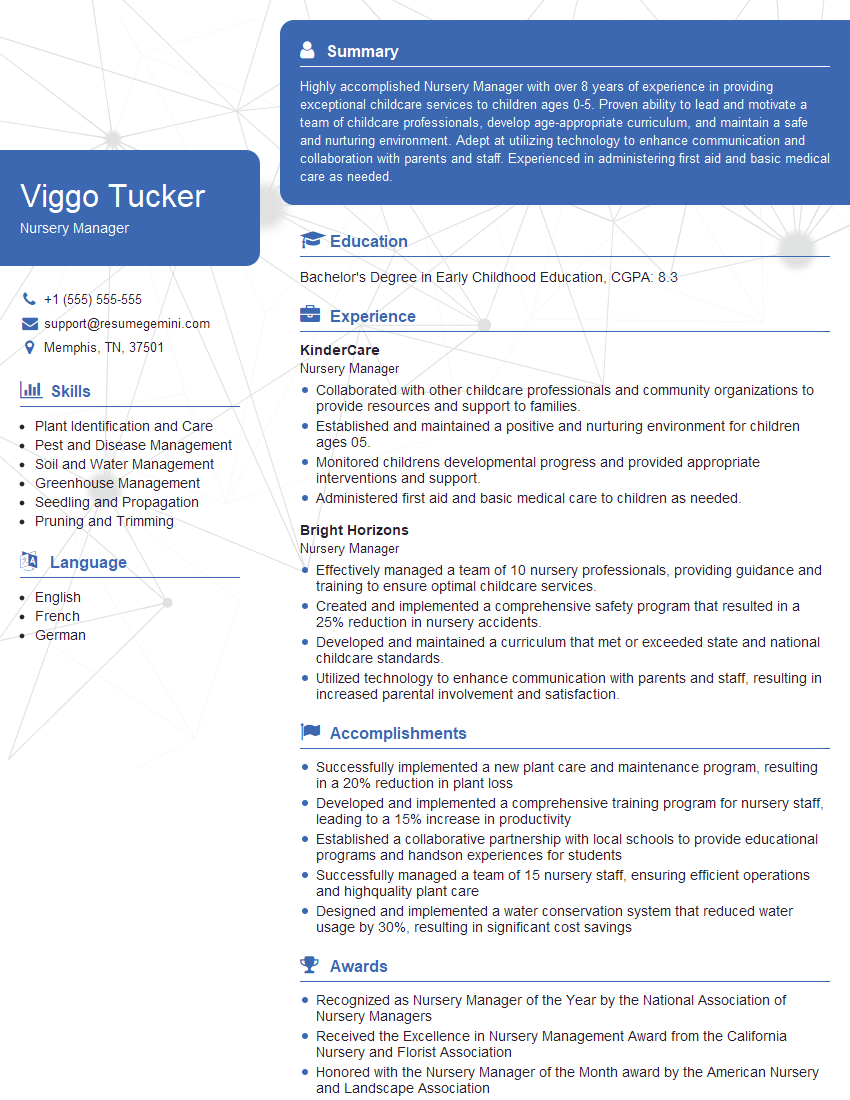
Nursery Manager Resume Sample
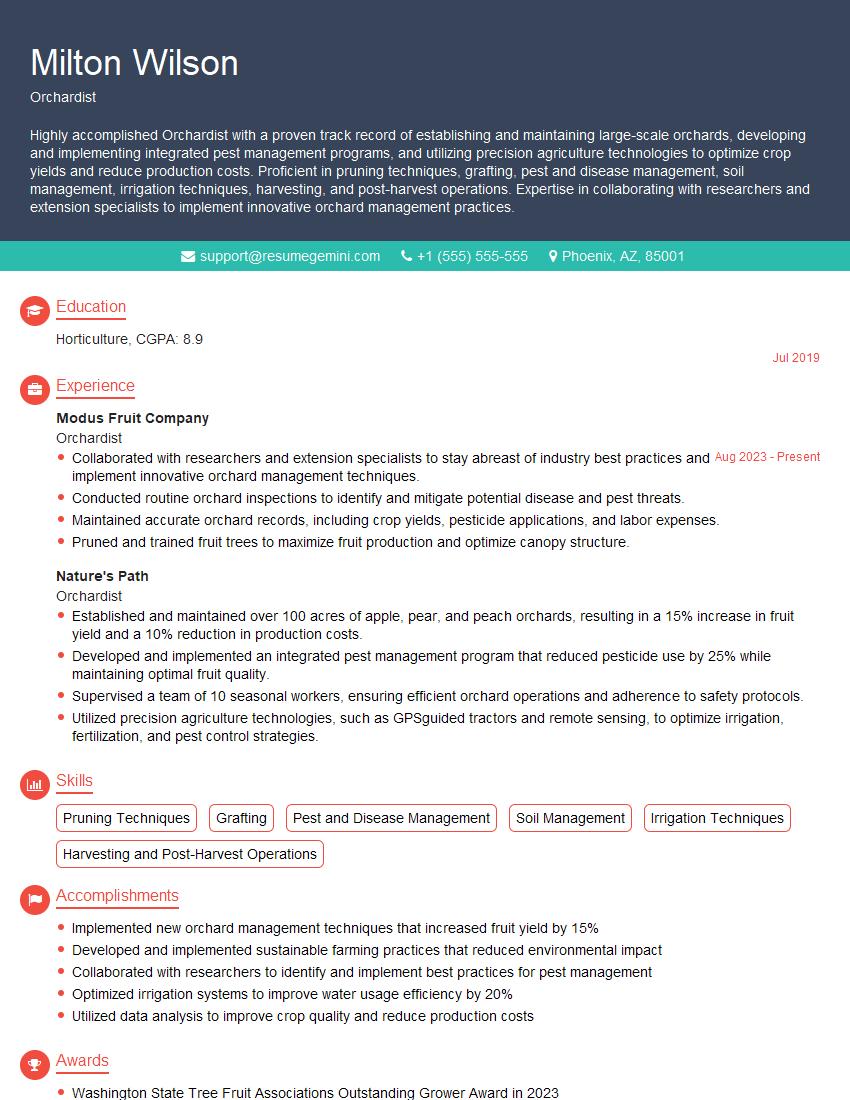
Orchardist Resume Sample
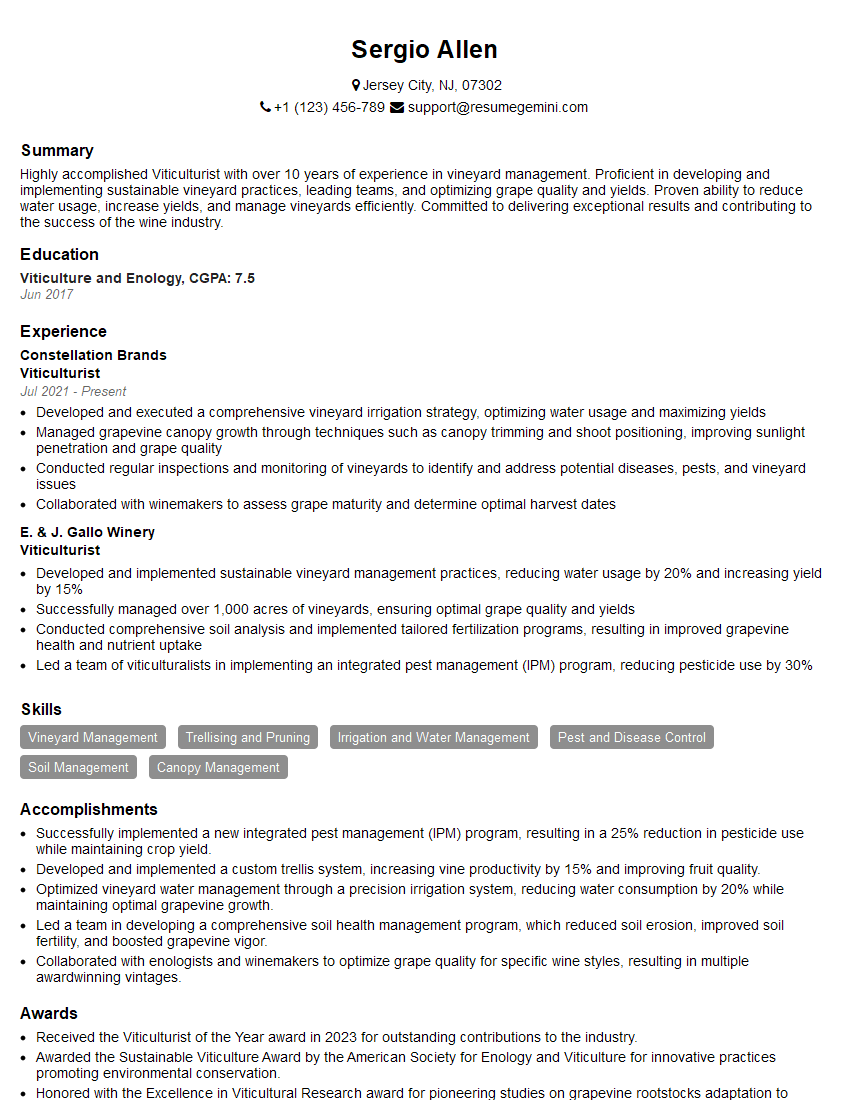
Viticulturist Resume Sample
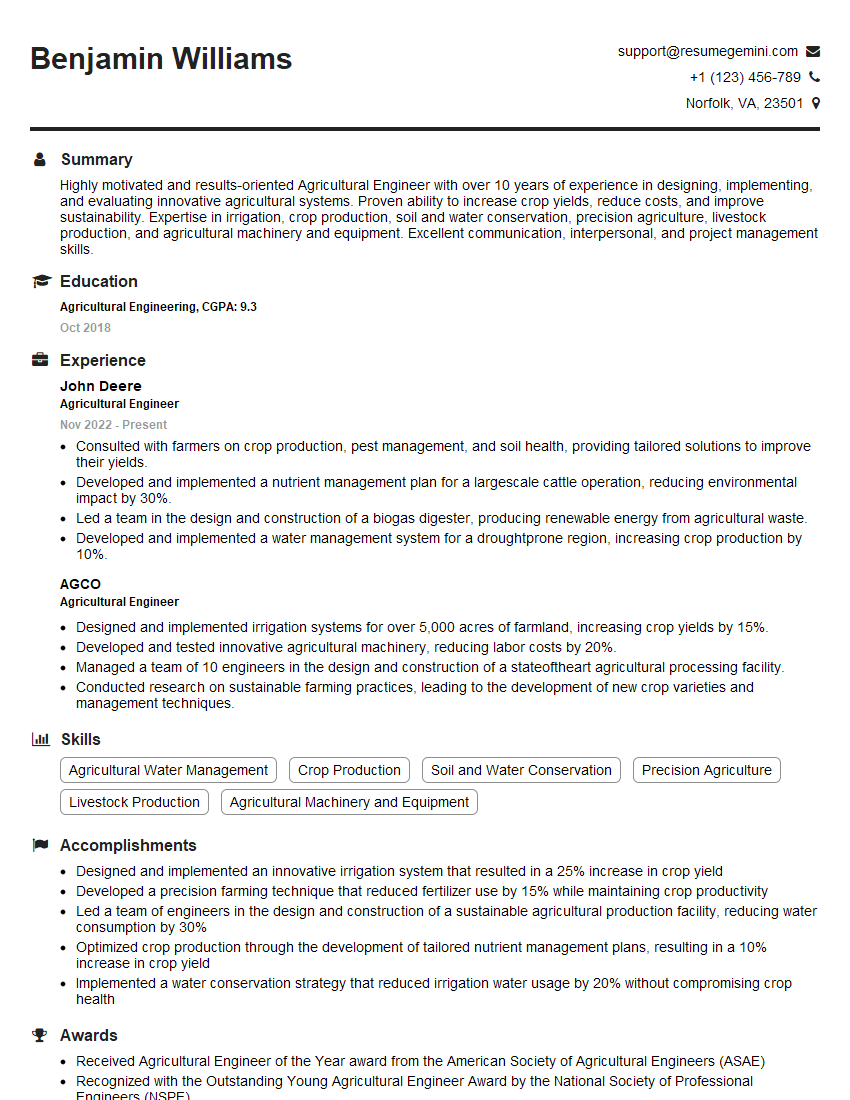
Agricultural Engineer Resume Sample
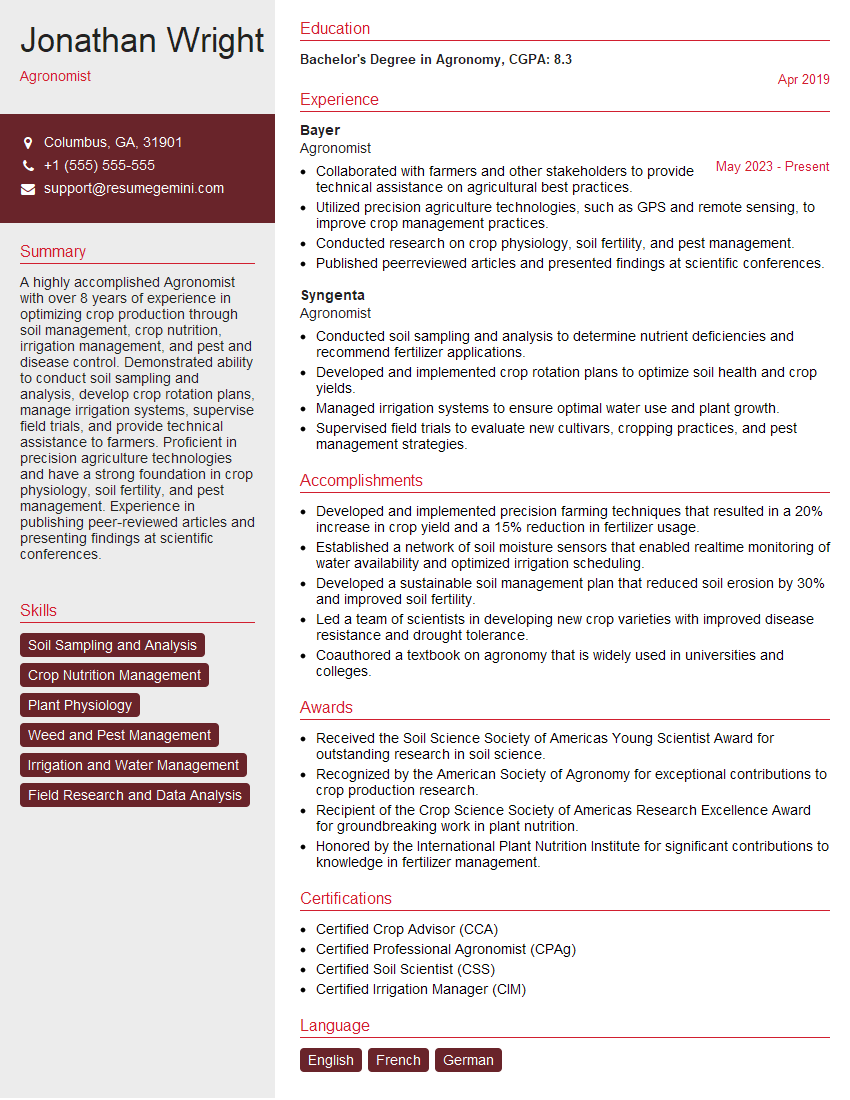
Agronomist Resume Sample
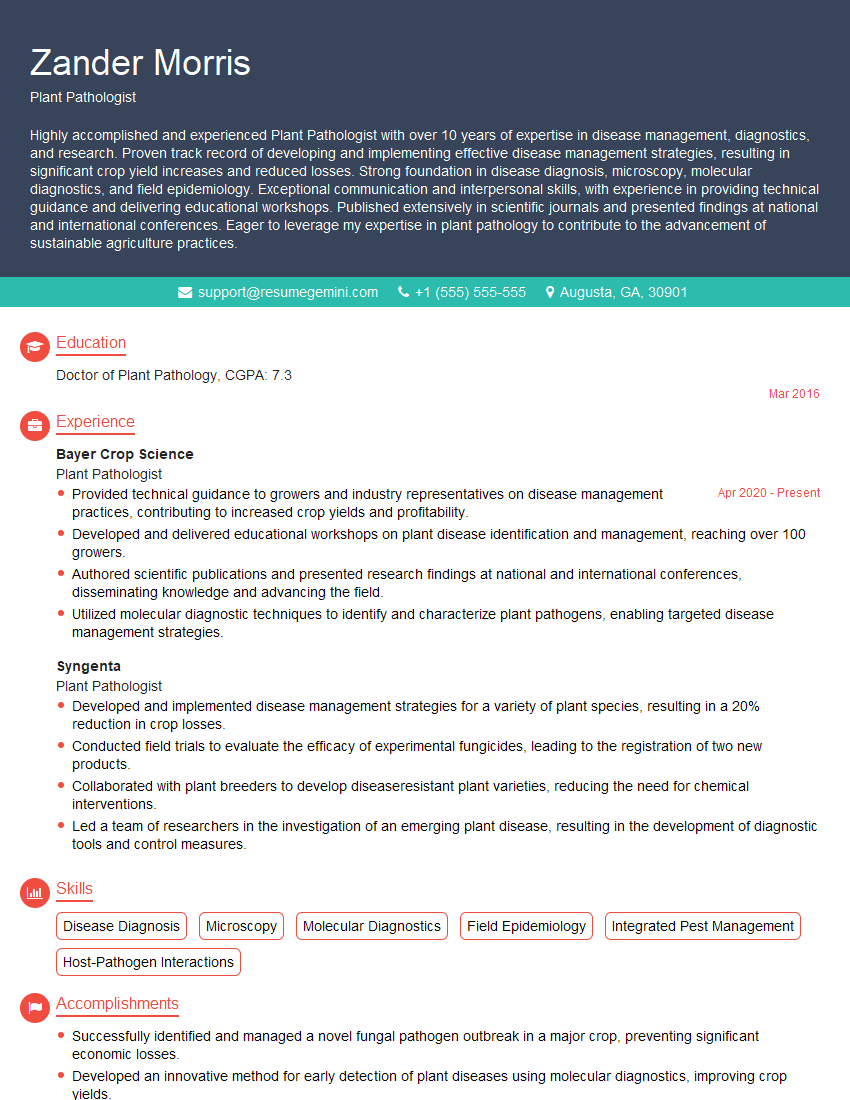
Plant Pathologist Resume Sample

Soil Scientist Resume Sample
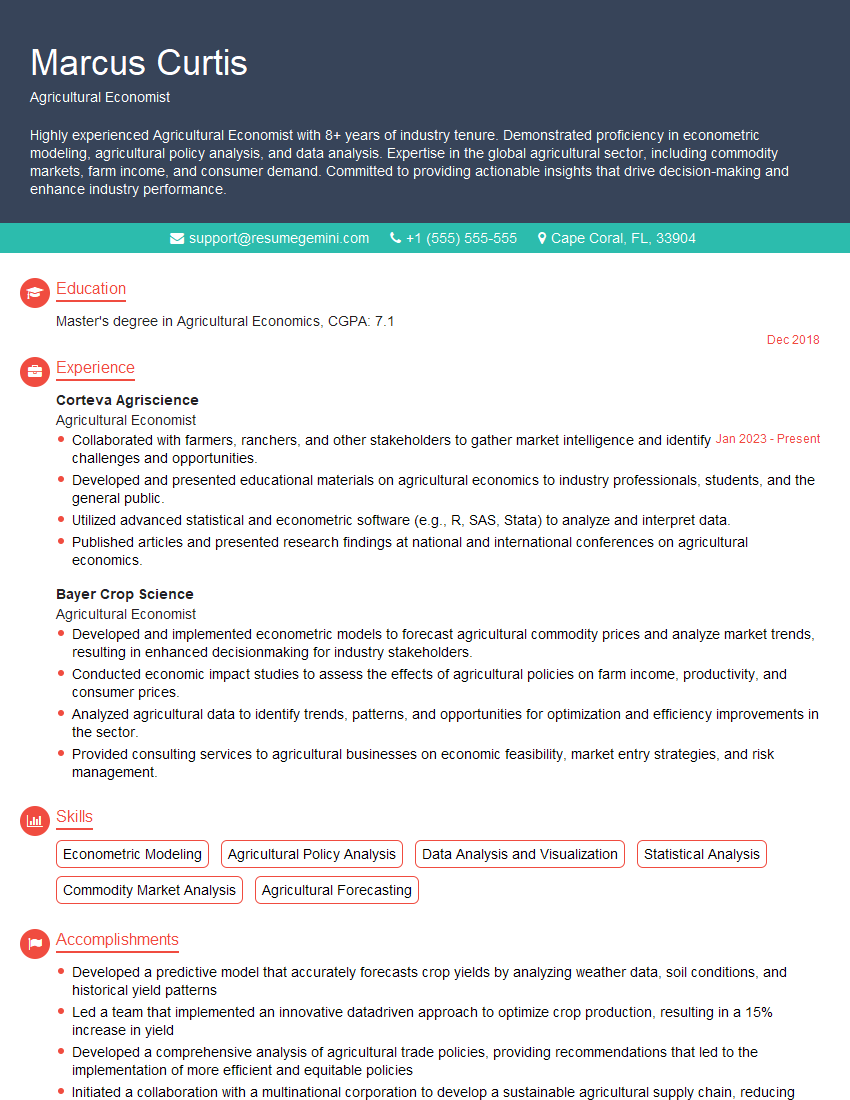
Agricultural Economist Resume Sample
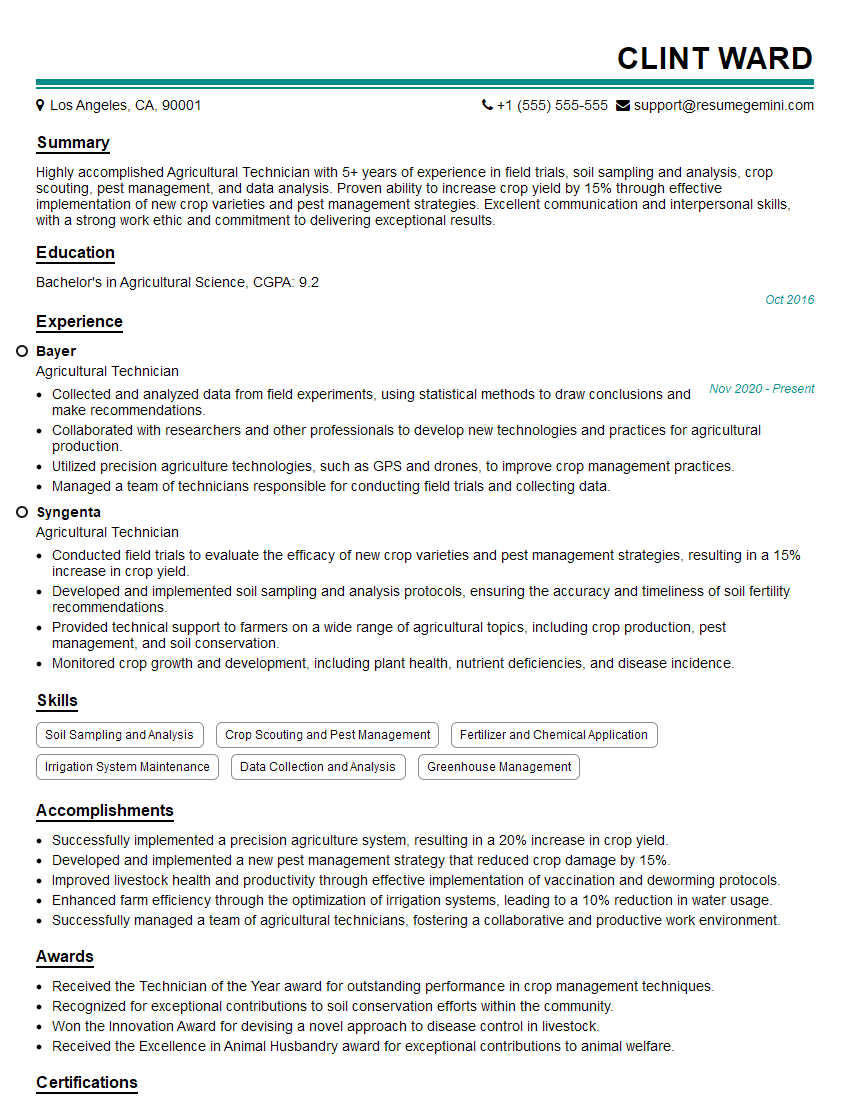
Agricultural Technician Resume Sample
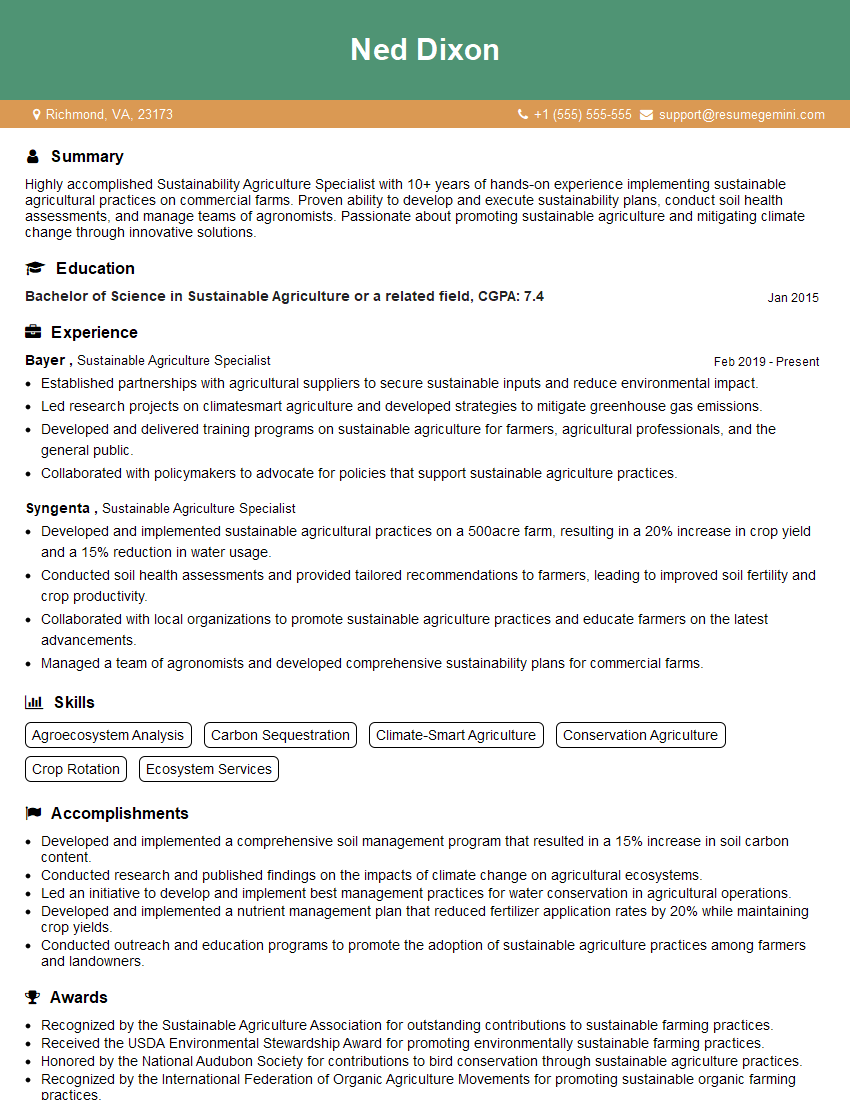
Sustainable Agriculture Specialist Resume Sample
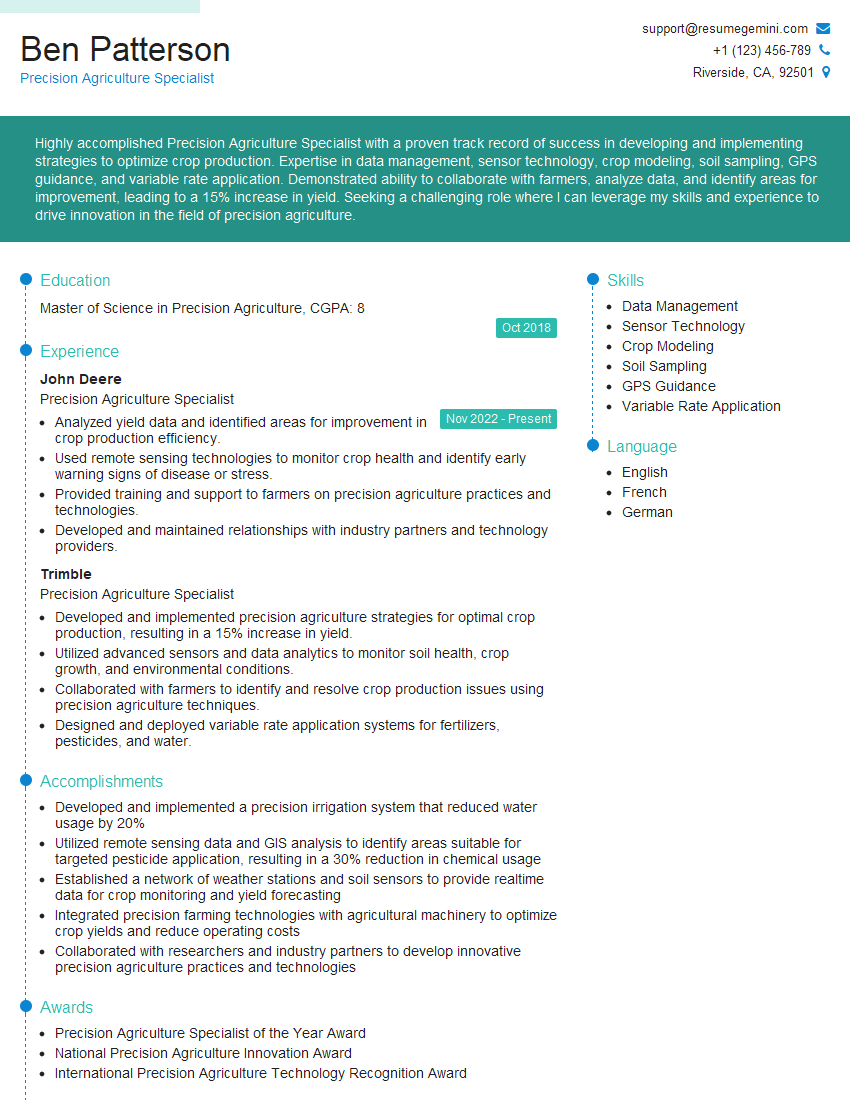
Precision Agriculture Specialist Resume Sample
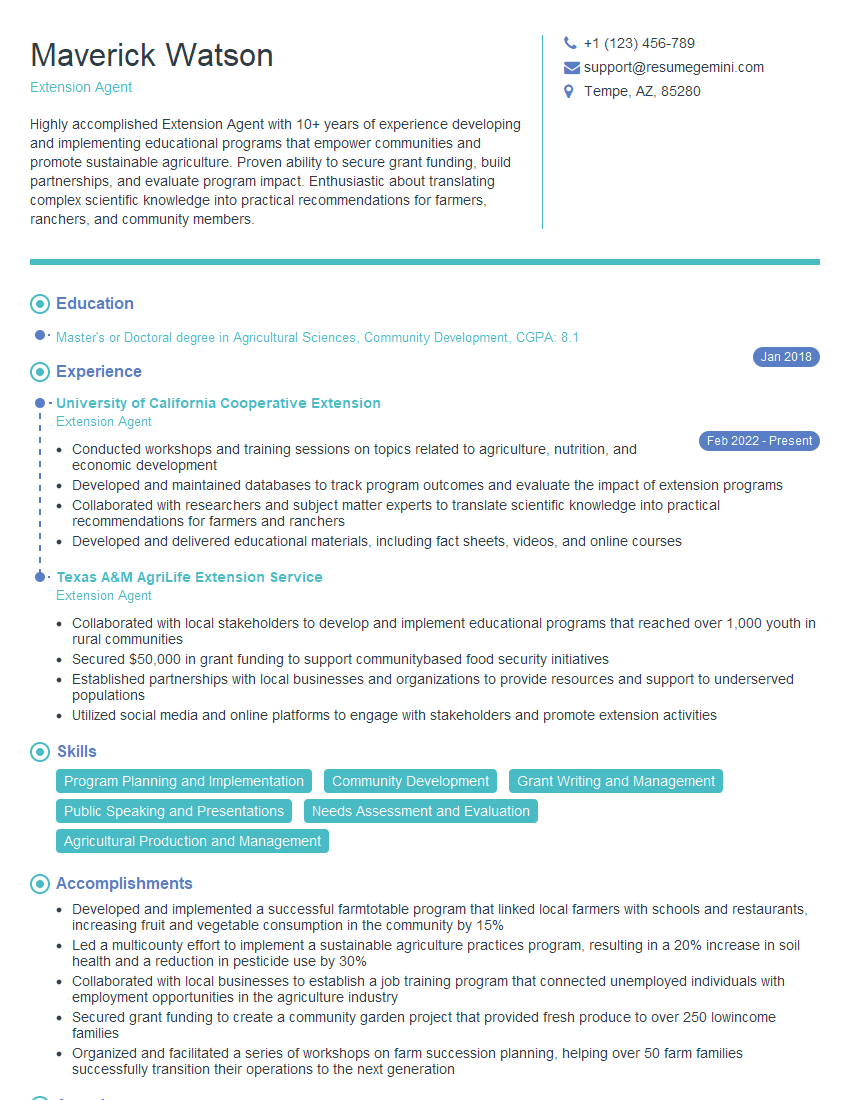
Extension Agent Resume Sample
Explore more articles
Users Rating of Our Blogs
Share Your Experience
We value your feedback! Please rate our content and share your thoughts (optional).
What Readers Say About Our Blog
Attention music lovers!
Wow, All the best Sax Summer music !!!
Spotify: https://open.spotify.com/artist/6ShcdIT7rPVVaFEpgZQbUk
Apple Music: https://music.apple.com/fr/artist/jimmy-sax-black/1530501936
YouTube: https://music.youtube.com/browse/VLOLAK5uy_noClmC7abM6YpZsnySxRqt3LoalPf88No
Other Platforms and Free Downloads : https://fanlink.tv/jimmysaxblack
on google : https://www.google.com/search?q=22+AND+22+AND+22
on ChatGPT : https://chat.openai.com?q=who20jlJimmy20Black20Sax20Producer
Get back into the groove with Jimmy sax Black
Best regards,
Jimmy sax Black
www.jimmysaxblack.com
Hi I am a troller at The aquatic interview center and I suddenly went so fast in Roblox and it was gone when I reset.
Hi,
Business owners spend hours every week worrying about their website—or avoiding it because it feels overwhelming.
We’d like to take that off your plate:
$69/month. Everything handled.
Our team will:
Design a custom website—or completely overhaul your current one
Take care of hosting as an option
Handle edits and improvements—up to 60 minutes of work included every month
No setup fees, no annual commitments. Just a site that makes a strong first impression.
Find out if it’s right for you:
https://websolutionsgenius.com/awardwinningwebsites
Hello,
we currently offer a complimentary backlink and URL indexing test for search engine optimization professionals.
You can get complimentary indexing credits to test how link discovery works in practice.
No credit card is required and there is no recurring fee.
You can find details here:
https://wikipedia-backlinks.com/indexing/
Regards
NICE RESPONSE TO Q & A
hi
The aim of this message is regarding an unclaimed deposit of a deceased nationale that bears the same name as you. You are not relate to him as there are millions of people answering the names across around the world. But i will use my position to influence the release of the deposit to you for our mutual benefit.
Respond for full details and how to claim the deposit. This is 100% risk free. Send hello to my email id: lukachachibaialuka@gmail.com
Luka Chachibaialuka
Hey interviewgemini.com, just wanted to follow up on my last email.
We just launched Call the Monster, an parenting app that lets you summon friendly ‘monsters’ kids actually listen to.
We’re also running a giveaway for everyone who downloads the app. Since it’s brand new, there aren’t many users yet, which means you’ve got a much better chance of winning some great prizes.
You can check it out here: https://bit.ly/callamonsterapp
Or follow us on Instagram: https://www.instagram.com/callamonsterapp
Thanks,
Ryan
CEO – Call the Monster App
Hey interviewgemini.com, I saw your website and love your approach.
I just want this to look like spam email, but want to share something important to you. We just launched Call the Monster, a parenting app that lets you summon friendly ‘monsters’ kids actually listen to.
Parents are loving it for calming chaos before bedtime. Thought you might want to try it: https://bit.ly/callamonsterapp or just follow our fun monster lore on Instagram: https://www.instagram.com/callamonsterapp
Thanks,
Ryan
CEO – Call A Monster APP
To the interviewgemini.com Owner.
Dear interviewgemini.com Webmaster!
Hi interviewgemini.com Webmaster!
Dear interviewgemini.com Webmaster!
excellent
Hello,
We found issues with your domain’s email setup that may be sending your messages to spam or blocking them completely. InboxShield Mini shows you how to fix it in minutes — no tech skills required.
Scan your domain now for details: https://inboxshield-mini.com/
— Adam @ InboxShield Mini
support@inboxshield-mini.com
Reply STOP to unsubscribe
Hi, are you owner of interviewgemini.com? What if I told you I could help you find extra time in your schedule, reconnect with leads you didn’t even realize you missed, and bring in more “I want to work with you” conversations, without increasing your ad spend or hiring a full-time employee?
All with a flexible, budget-friendly service that could easily pay for itself. Sounds good?
Would it be nice to jump on a quick 10-minute call so I can show you exactly how we make this work?
Best,
Hapei
Marketing Director
Hey, I know you’re the owner of interviewgemini.com. I’ll be quick.
Fundraising for your business is tough and time-consuming. We make it easier by guaranteeing two private investor meetings each month, for six months. No demos, no pitch events – just direct introductions to active investors matched to your startup.
If youR17;re raising, this could help you build real momentum. Want me to send more info?
Hi, I represent an SEO company that specialises in getting you AI citations and higher rankings on Google. I’d like to offer you a 100% free SEO audit for your website. Would you be interested?
Hi, I represent an SEO company that specialises in getting you AI citations and higher rankings on Google. I’d like to offer you a 100% free SEO audit for your website. Would you be interested?