Unlock your full potential by mastering the most common Knowledge of data science and data analytics techniques interview questions. This blog offers a deep dive into the critical topics, ensuring you’re not only prepared to answer but to excel. With these insights, you’ll approach your interview with clarity and confidence.
Questions Asked in Knowledge of data science and data analytics techniques Interview
Q 1. Explain the difference between supervised and unsupervised learning.
Supervised and unsupervised learning are two fundamental approaches in machine learning, distinguished by how they use data to build models. Think of it like teaching a child:
- Supervised learning is like showing a child many labeled examples – pictures of cats labeled ‘cat’ and dogs labeled ‘dog’. The child learns to identify cats and dogs based on these labeled examples. The algorithm learns from a labeled dataset, where each data point is associated with a known outcome (target variable).
- Unsupervised learning is like giving a child a box of mixed toys and asking them to group similar ones together. The child doesn’t have pre-defined labels; they must discover patterns and relationships on their own. The algorithm explores unlabeled data to discover underlying structures, patterns, or groupings.
Examples:
- Supervised: Image classification (identifying objects in images), spam detection (classifying emails as spam or not spam), predicting house prices (predicting a continuous value).
- Unsupervised: Customer segmentation (grouping customers based on purchasing behavior), anomaly detection (identifying unusual data points), dimensionality reduction (reducing the number of variables while preserving essential information).
Q 2. What are some common data preprocessing techniques?
Data preprocessing is crucial before applying machine learning algorithms. It’s like cleaning and preparing ingredients before cooking a delicious meal. Common techniques include:
- Handling Missing Values: This can be done through imputation (filling in missing values with estimates like mean, median, or mode), deletion (removing rows or columns with missing data), or using algorithms designed to handle missing data.
- Data Transformation: This involves changing the scale or distribution of variables. Common transformations include standardization (scaling data to have zero mean and unit variance), normalization (scaling data to a specific range, like 0 to 1), and log transformation (applying a logarithmic function to reduce skewness).
- Feature Scaling: This ensures that all features contribute equally to the model’s learning process. Different scaling methods are appropriate for different algorithms.
- Outlier Detection and Treatment: Outliers can significantly impact model performance. Techniques to handle outliers include removing them, capping them (replacing them with a less extreme value), or using robust algorithms that are less sensitive to outliers.
- Encoding Categorical Variables: Machine learning algorithms typically work with numerical data. Categorical variables (e.g., colors, types) need to be converted into numerical representations using techniques like one-hot encoding or label encoding.
Example (Python with Pandas):
import pandas as pd
df = pd.DataFrame({'A':[1,2,3,None,5], 'B':[6,7,8,9,10]})
df['A'] = df['A'].fillna(df['A'].mean()) # Imputing missing values in column 'A' with the mean
Q 3. Describe the bias-variance tradeoff.
The bias-variance tradeoff is a fundamental concept in machine learning that describes the tension between the error due to bias and the error due to variance. Imagine you’re aiming for a bullseye:
- Bias represents the error from erroneous assumptions in the learning algorithm. High bias leads to underfitting, where the model is too simple to capture the underlying patterns in the data (e.g., consistently missing to the left of the bullseye).
- Variance represents the error from the model’s sensitivity to small fluctuations in the training data. High variance leads to overfitting, where the model is too complex and learns the noise in the training data rather than the underlying patterns (e.g., shots scattered all over the target).
The goal is to find a model with a good balance between bias and variance, minimizing the total error. A model with low bias and low variance is ideal (shots clustered near the bullseye).
Q 4. How do you handle missing data?
Handling missing data is crucial for building reliable models. The best approach depends on the nature and extent of the missing data:
- Deletion: Removing rows or columns with missing data is the simplest approach but can lead to significant information loss if many values are missing.
- Imputation: This involves filling in missing values with estimated values. Methods include:
- Mean/Median/Mode Imputation: Replacing missing values with the mean, median, or mode of the respective column. Simple, but can distort the distribution if many values are missing.
- K-Nearest Neighbors (KNN) Imputation: Imputing missing values based on the values of similar data points. More sophisticated, but computationally intensive.
- Regression Imputation: Predicting missing values using a regression model based on other variables.
- Model-based approaches: Some algorithms, such as decision trees or certain types of neural networks, can handle missing data directly without pre-processing.
The choice of method depends on factors like the amount of missing data, the mechanism of missingness, and the characteristics of the data. It’s often beneficial to try multiple techniques and compare the results.
Q 5. What are some common evaluation metrics for classification and regression problems?
Evaluation metrics quantify the performance of a machine learning model. They differ between classification and regression problems:
- Classification:
- Accuracy: The percentage of correctly classified instances. Simple, but can be misleading with imbalanced datasets.
- Precision: The proportion of correctly predicted positive instances among all instances predicted as positive.
- Recall (Sensitivity): The proportion of correctly predicted positive instances among all actual positive instances.
- F1-score: The harmonic mean of precision and recall, balancing both metrics.
- AUC-ROC (Area Under the Receiver Operating Characteristic Curve): Measures the ability of the classifier to distinguish between classes across different thresholds.
- Regression:
- Mean Squared Error (MSE): The average squared difference between predicted and actual values.
- Root Mean Squared Error (RMSE): The square root of MSE, providing an error in the same units as the target variable.
- Mean Absolute Error (MAE): The average absolute difference between predicted and actual values, less sensitive to outliers than MSE.
- R-squared (Coefficient of Determination): Represents the proportion of variance in the target variable explained by the model.
Q 6. Explain the concept of overfitting and how to avoid it.
Overfitting occurs when a model learns the training data too well, including the noise and random fluctuations, resulting in poor generalization to new, unseen data. Imagine a student memorizing the answers to a test without understanding the concepts – they’ll do well on that specific test but fail on any other test.
Avoiding Overfitting:
- Cross-validation: Evaluate the model’s performance on multiple subsets of the training data to get a more robust estimate of its generalization ability.
- Regularization: Add penalty terms to the model’s loss function to discourage overly complex models (discussed further in the next question).
- Feature selection/engineering: Select relevant features and reduce the number of features to avoid overfitting.
- Simpler models: Use simpler models with fewer parameters.
- Data augmentation: Increase the size of the training dataset by creating modified versions of existing data.
- Early stopping: Stop training the model before it converges completely to avoid overfitting the training data.
Q 7. What is regularization and why is it important?
Regularization is a technique used to prevent overfitting by adding a penalty term to the model’s loss function. This penalty discourages the model from learning overly complex relationships in the data.
Types of Regularization:
- L1 Regularization (LASSO): Adds a penalty proportional to the absolute value of the model’s coefficients. This tends to shrink some coefficients to exactly zero, effectively performing feature selection.
- L2 Regularization (Ridge): Adds a penalty proportional to the square of the model’s coefficients. This shrinks the coefficients towards zero but doesn’t force them to be exactly zero.
Why it’s important: Regularization helps improve the generalization ability of the model by reducing its complexity and preventing it from overfitting the training data. This leads to better performance on unseen data.
Example (L2 regularization in scikit-learn):
from sklearn.linear_model import Ridge
model = Ridge(alpha=1.0) # alpha controls the strength of regularization
Q 8. What are the differences between A/B testing and multivariate testing?
A/B testing and multivariate testing are both experimental methods used to compare different versions of something (e.g., a website, an email, an advertisement) to determine which performs better. The key difference lies in the number of variables tested simultaneously.
A/B testing compares two versions – version A (control) and version B (treatment) – by changing only one element at a time. For example, you might test two versions of a website landing page: one with a green button (A) and one with a red button (B). All other elements remain constant. This simplicity makes it easier to isolate the impact of the change.
Multivariate testing (MVT), on the other hand, allows you to test multiple variations of multiple elements simultaneously. Using the same landing page example, you might test different button colors (red, green, blue), different button sizes, and different call-to-action phrases, all at the same time. This generates a larger number of variations, offering a more comprehensive understanding of which combination performs best. However, it requires significantly more traffic and careful analysis to interpret the results accurately.
In short: A/B testing is simple, focused, and easy to interpret, while multivariate testing is more complex but offers a richer, more nuanced understanding of the impact of multiple changes.
Q 9. Describe your experience with SQL and NoSQL databases.
My experience with both SQL and NoSQL databases is extensive. I’ve worked with various relational databases like PostgreSQL and MySQL for structured data management where data integrity and ACID properties are crucial. In these systems, I’m proficient in writing complex queries involving joins, subqueries, aggregations, and window functions for data extraction, transformation, and loading (ETL) processes. I’m also familiar with database optimization techniques such as indexing and query tuning to improve performance.
On the NoSQL side, I have significant experience with document databases like MongoDB and key-value stores like Redis. I’ve used these for scenarios needing high scalability, flexibility, and handling large volumes of unstructured or semi-structured data. For example, I’ve used MongoDB for storing user profiles with flexible schemas and Redis for caching frequently accessed data to improve application response times. My experience extends to using appropriate NoSQL data models and understanding the trade-offs between different NoSQL database types based on project requirements.
I understand the strengths and weaknesses of each type and select the appropriate technology based on the characteristics of the data and the application’s requirements. For instance, I wouldn’t use a NoSQL database where maintaining relational integrity is paramount. Conversely, using SQL for extremely large-scale, rapidly changing datasets could be inefficient.
Q 10. Explain different types of data distributions.
Data distributions describe how data points are spread across a range of values. Understanding data distributions is crucial for choosing the appropriate statistical methods and building accurate models. Some common types include:
- Normal Distribution (Gaussian): A symmetrical bell-shaped curve. Many natural phenomena follow this distribution (e.g., height, weight). It’s characterized by its mean and standard deviation.
- Uniform Distribution: Every value within a given range has an equal probability of occurring. A simple example is rolling a fair six-sided die – each side has a 1/6 probability.
- Binomial Distribution: Describes the probability of getting a certain number of successes in a fixed number of independent trials (e.g., flipping a coin 10 times and counting the number of heads).
- Poisson Distribution: Models the probability of a given number of events occurring in a fixed interval of time or space, given an average rate of occurrence (e.g., the number of customers arriving at a store per hour).
- Exponential Distribution: Describes the time between events in a Poisson process. Often used to model the lifespan of components or the time until an event occurs.
- Skewed Distributions: These distributions are not symmetrical. A right-skewed distribution has a long tail on the right (e.g., income distribution), while a left-skewed distribution has a long tail on the left (e.g., exam scores where most students score high).
Recognizing the type of distribution helps in choosing appropriate statistical tests and making informed decisions about data analysis and modeling. For instance, the assumption of normality is often made for many statistical techniques, so understanding if your data is normally distributed is key.
Q 11. How do you choose the right algorithm for a given problem?
Selecting the right algorithm is a crucial step in any data science project. It depends on several factors, including:
- The type of problem: Is it a classification problem (predicting categories), regression (predicting continuous values), clustering (grouping similar data points), or something else?
- The size and nature of the data: How much data do you have? Is it high-dimensional? Is it noisy? Is it structured or unstructured?
- The desired outcome: What level of accuracy is required? How interpretable do the results need to be? What are the computational constraints?
- The available resources: Do you have the computational power and expertise to train and deploy complex models?
There’s no single ‘best’ algorithm. I typically start by considering several candidates and then evaluate their performance using appropriate metrics. For example, for image classification, I might start with convolutional neural networks (CNNs), while for natural language processing, I might consider recurrent neural networks (RNNs) or transformer-based models. I often use a combination of techniques like feature engineering, hyperparameter tuning, and cross-validation to optimize model performance.
I often employ a process of experimentation and iterative improvement. I might start with a simpler algorithm and then move to more complex ones only if necessary. The goal is to find the algorithm that provides the best balance of accuracy, interpretability, and efficiency given the constraints of the project.
Q 12. What is the difference between precision and recall?
Precision and recall are two crucial metrics used to evaluate the performance of a classification model, particularly in situations with imbalanced classes (where one class has significantly more examples than the other). They focus on different aspects of the model’s accuracy.
Precision measures the proportion of correctly predicted positive observations among all predicted positive observations. In simpler terms, out of all the instances the model predicted as positive, what percentage were actually positive? A high precision indicates that the model is very good at identifying true positives and avoids false positives.
Recall (sensitivity) measures the proportion of correctly predicted positive observations among all actual positive observations. It answers the question: Out of all the instances that were actually positive, how many did the model correctly identify? A high recall indicates that the model is good at finding all the actual positive cases, even if it makes some false positive predictions.
Example: Imagine a spam filter. High precision means that very few legitimate emails are classified as spam (few false positives). High recall means that very few spam emails are missed (few false negatives).
The choice between prioritizing precision or recall depends on the specific application. For example, in medical diagnosis, high recall is crucial (don’t miss any actual diseases, even if it means some false positives), while in spam filtering, high precision might be preferred (avoid annoying legitimate emails being marked as spam).
Q 13. Explain the concept of a confusion matrix.
A confusion matrix is a visual representation of the performance of a classification model. It summarizes the counts of true positive (TP), true negative (TN), false positive (FP), and false negative (FN) predictions. These terms are defined as follows:
- True Positive (TP): The model correctly predicted the positive class.
- True Negative (TN): The model correctly predicted the negative class.
- False Positive (FP): The model incorrectly predicted the positive class (Type I error).
- False Negative (FN): The model incorrectly predicted the negative class (Type II error).
The confusion matrix is usually presented as a table:
	Predicted Positive	Predicted Negative
Actual Positive	TP	FN
Actual Negative	FP	TN
From the confusion matrix, several important metrics can be calculated, including accuracy, precision, recall, F1-score, and more. It’s an indispensable tool for understanding the strengths and weaknesses of a classification model and for making informed decisions about model improvement.
For instance, a high number of false positives suggests the model is too sensitive, while a high number of false negatives indicates the model is not sensitive enough. Analyzing the confusion matrix allows for a more in-depth analysis beyond just overall accuracy.
Q 14. What is cross-validation and why is it important?
Cross-validation is a powerful resampling technique used to evaluate the performance of a machine learning model and prevent overfitting. Overfitting occurs when a model performs well on the training data but poorly on unseen data. Cross-validation helps to assess how well a model generalizes to new, unseen data.
The basic idea is to split the data into multiple subsets (folds). The model is trained on a subset of the data (training folds) and then evaluated on the remaining subset (validation fold). This process is repeated multiple times, with different folds used for training and validation each time. The average performance across all folds is then used as an estimate of the model’s generalization performance.
Common types of cross-validation include:
- k-fold cross-validation: The data is divided into k folds. The model is trained k times, each time using k-1 folds for training and one fold for validation. The average performance across the k iterations is reported.
- Leave-one-out cross-validation (LOOCV): A special case of k-fold cross-validation where k is equal to the number of data points. Each data point is used as a validation set once.
- Stratified k-fold cross-validation: Ensures that the class distribution is maintained in each fold. This is particularly important when dealing with imbalanced datasets.
Cross-validation is crucial because it provides a more robust and reliable estimate of model performance compared to simply training and testing on a single train-test split. It helps in selecting the best model, tuning hyperparameters, and ultimately building more reliable and generalizable machine learning systems.
Q 15. How do you handle imbalanced datasets?
Imbalanced datasets, where one class significantly outweighs others, are a common challenge in machine learning. Imagine trying to detect fraudulent transactions – fraudulent transactions are thankfully rare compared to legitimate ones. This imbalance can lead to models that are highly accurate overall but perform poorly on the minority class (fraud detection in our example), which is often the class of most interest.
To handle this, we employ several strategies:
- Resampling Techniques: These involve either oversampling the minority class (creating copies of existing data points) or undersampling the majority class (removing data points). Oversampling methods like SMOTE (Synthetic Minority Over-sampling Technique) create synthetic samples, avoiding simple duplication. Undersampling can lead to information loss, so it’s used cautiously.
- Cost-Sensitive Learning: We can assign different misclassification costs. For instance, incorrectly classifying a fraudulent transaction as legitimate is far more costly than the reverse, so we penalize this error more heavily in the model’s training process. This is often done by adjusting class weights in algorithms like logistic regression or support vector machines.
- Ensemble Methods: Techniques like bagging and boosting can be beneficial. Bagging (Bootstrap Aggregating) creates multiple models from different subsets of the data, which can be helpful in reducing the impact of class imbalance. Boosting focuses on correcting misclassifications in previous iterations, again helping improve the model’s performance on the minority class.
- Anomaly Detection Techniques: In some cases, particularly when the minority class is truly anomalous, anomaly detection algorithms may be more appropriate than traditional classification approaches. These methods focus on identifying data points that deviate significantly from the norm.
The best approach depends on the specific dataset and the problem. Often, a combination of these techniques yields the best results. For example, I might use SMOTE to oversample the minority class and then train a cost-sensitive random forest model.
Career Expert Tips:
- Ace those interviews! Prepare effectively by reviewing the Top 50 Most Common Interview Questions on ResumeGemini.
- Navigate your job search with confidence! Explore a wide range of Career Tips on ResumeGemini. Learn about common challenges and recommendations to overcome them.
- Craft the perfect resume! Master the Art of Resume Writing with ResumeGemini’s guide. Showcase your unique qualifications and achievements effectively.
- Don’t miss out on holiday savings! Build your dream resume with ResumeGemini’s ATS optimized templates.
Q 16. Describe your experience with data visualization tools.
I have extensive experience with a variety of data visualization tools, each suited to different tasks and datasets. My go-to tools include:
- Tableau: Excellent for interactive dashboards and exploring large datasets. I’ve used Tableau to create compelling visualizations for stakeholder presentations, allowing for easy exploration of data trends and insights.
- Power BI: Similar to Tableau, with a strong emphasis on business intelligence and integration with Microsoft products. I find it particularly useful for building reports that connect to various data sources within an organization.
- Matplotlib and Seaborn (Python): These are my preferred tools for generating publication-quality static visualizations within my data science workflows. They offer fine-grained control over plot aesthetics and customization. I often use Seaborn’s higher-level functions built on Matplotlib for quicker visualizations.
- ggplot2 (R): A powerful and elegant grammar of graphics system in R, ideal for creating complex and visually appealing plots. While I use Python more frequently, I still leverage R and ggplot2 when the data analysis requires the specific functionalities of R packages.
My choice of tool depends on the project’s specific requirements. For instance, a quick exploratory analysis might involve Matplotlib, whereas a client-facing dashboard would benefit from the interactive capabilities of Tableau or Power BI. I understand the importance of choosing the right tool to effectively communicate insights.
Q 17. Explain the concept of dimensionality reduction.
Dimensionality reduction is the process of reducing the number of variables (features) in a dataset while preserving important information. Think of it like simplifying a complex scene into a more concise sketch – you lose some detail, but the essential aspects remain.
High-dimensional data, with many features, can cause problems: increased computational cost, the curse of dimensionality (sparse data points in high-dimensional space), and noise. Dimensionality reduction addresses these issues.
Common techniques include:
- Principal Component Analysis (PCA): This linear transformation finds the principal components, which are new uncorrelated variables that capture the maximum variance in the data. It’s often used for feature extraction and visualization.
- t-distributed Stochastic Neighbor Embedding (t-SNE): A non-linear technique particularly effective for visualization of high-dimensional data in lower dimensions (often 2D or 3D). It focuses on preserving the local neighborhood structure of the data points.
- Linear Discriminant Analysis (LDA): Supervised dimensionality reduction technique that aims to find linear combinations of features that best separate different classes. It’s particularly useful in classification problems.
- Feature Selection: This involves selecting a subset of the original features, discarding irrelevant or redundant ones. Methods like filter methods (correlation analysis), wrapper methods (recursive feature elimination), and embedded methods (L1 regularization in linear models) are used.
Choosing the right technique depends on the nature of the data and the goal of the analysis. For example, I might use PCA for visualizing customer segmentation data or LDA for feature extraction before training a classifier.
Q 18. What are some common techniques for feature engineering?
Feature engineering is the process of using domain knowledge to create new features from existing ones that improve the performance of machine learning models. It’s often considered the most crucial step in building successful models.
Some common techniques include:
- Creating Interaction Terms: Combining two or more features to capture interactions between them. For example, combining age and income to create a ‘wealth’ feature.
- Polynomial Features: Creating higher-order polynomial terms of existing features (e.g., squaring or cubing a feature). Useful when there’s a non-linear relationship between features and the target variable.
- Log Transformation: Applying a logarithm to features to handle skewed data and reduce the influence of outliers. Useful for data with a long tail.
- One-Hot Encoding: Converting categorical features into numerical representations using binary vectors. For example, if you have colors (red, green, blue) you create three binary columns, one for each color.
- Binning/Discretization: Grouping numerical features into discrete bins or intervals. This can simplify the data and handle outliers.
- Date/Time Features: Extracting features like day of the week, month, or time of day from date and time data.
- Feature Scaling: Techniques like standardization (z-score normalization) or min-max scaling to ensure features have similar ranges.
The key is to be creative and use domain knowledge to create features that are relevant to the problem. For instance, when working on a model to predict house prices, creating a feature indicating proximity to schools or major highways is a form of feature engineering based on domain expertise in real estate.
Q 19. How do you identify outliers in a dataset?
Outliers are data points that significantly deviate from the rest of the data. They can be due to measurement errors, data entry mistakes, or genuinely unusual events. Identifying them is crucial as they can skew results and distort model performance.
Methods for outlier detection include:
- Visual Inspection: Box plots, scatter plots, and histograms can visually reveal outliers. This is a good first step for a quick overview.
- Z-score or Standard Deviation: Data points falling outside a certain number of standard deviations from the mean are considered outliers. Typically, a threshold of 3 standard deviations is used.
- Interquartile Range (IQR): Data points falling below Q1 – 1.5 * IQR or above Q3 + 1.5 * IQR are identified as outliers. IQR is less sensitive to extreme values than standard deviation.
- DBSCAN (Density-Based Spatial Clustering of Applications with Noise): A clustering algorithm that groups data points based on density. Points that don’t belong to any cluster are considered outliers.
- Isolation Forest: An anomaly detection algorithm that isolates outliers by randomly partitioning the data. Outliers are typically isolated quicker than normal data points.
The choice of method depends on the dataset and the type of outliers. Often, I use a combination of methods. For example, I might start with a visual inspection, followed by IQR or Z-score calculation, to get a comprehensive view of potential outliers in the data. Then I might consider using a more sophisticated method like DBSCAN if I have complex or high-dimensional data.
Q 20. What are some common time series analysis techniques?
Time series analysis deals with data points collected over time, like stock prices, weather patterns, or website traffic. Understanding temporal patterns and dependencies within the data is crucial.
Common techniques include:
- Moving Average: Smooths out fluctuations in the data by averaging values over a specific time window. Useful for identifying trends.
- Exponential Smoothing: Assigns exponentially decreasing weights to older data points, giving more importance to recent observations. Suitable for forecasting.
- ARIMA (Autoregressive Integrated Moving Average): A powerful model that captures autocorrelations within the time series data. It’s widely used for forecasting and is often specified with a variation such as ARIMAX which includes exogenous variables.
- SARIMA (Seasonal ARIMA): Extends ARIMA to handle seasonality in time series data. It’s essential when there are repeating patterns.
- Prophet (from Meta): A robust model specifically designed for business time series data, capable of handling seasonality, trend changes, and holidays.
- Decomposition Methods: Breaking down a time series into its components like trend, seasonality, and residuals, to better understand the underlying patterns.
The appropriate technique depends on the characteristics of the time series data, such as its stationarity (constant statistical properties over time) and the presence of trends or seasonality. For example, I might use simple moving averages for a preliminary analysis, then proceed to ARIMA or Prophet for more accurate forecasting.
Q 21. Explain the difference between correlation and causation.
Correlation and causation are often confused but represent distinct concepts. Correlation measures the association between two variables, while causation implies a cause-and-effect relationship.
Correlation: Simply indicates whether two variables tend to change together. A positive correlation means they increase or decrease together, while a negative correlation means one increases as the other decreases. A correlation coefficient (e.g., Pearson’s r) quantifies the strength and direction of this relationship. However, correlation doesn’t imply causation.
Causation: Means that a change in one variable directly causes a change in another. Establishing causation requires demonstrating a causal mechanism and ruling out other potential explanations.
Example: Ice cream sales and crime rates might show a positive correlation – both tend to be higher in summer. However, this doesn’t mean ice cream sales *cause* crime. The underlying cause is likely the hot weather affecting both variables independently. This is an example of a spurious correlation.
To establish causation, more rigorous methods are needed, such as randomized controlled trials (RCTs), which involve manipulating one variable (the independent variable) and observing its effect on another (the dependent variable) while controlling other factors. Observational studies, while valuable, are prone to confounding factors that can obscure a true causal relationship.
Q 22. Describe your experience with big data technologies (e.g., Hadoop, Spark).
My experience with big data technologies centers around Hadoop and Spark, primarily using them for processing and analyzing massive datasets that wouldn’t fit comfortably in traditional database systems. Hadoop’s distributed file system (HDFS) provides fault-tolerance and scalability for storing petabytes of data. I’ve used it extensively to store and manage raw data before processing. Spark, on the other hand, is my go-to for distributed computation. Its in-memory processing significantly speeds up operations compared to Hadoop’s MapReduce paradigm. For instance, I used Spark to perform real-time sentiment analysis on a Twitter data stream, processing millions of tweets per hour to identify trending topics and overall sentiment shifts. I’m also familiar with other components of the Hadoop ecosystem, such as Hive for querying data using SQL and Pig for data transformation. My experience extends to optimizing Spark jobs for performance, including tuning configurations and partitioning data for efficient processing. I also have experience with tools like Sqoop for data import/export between Hadoop and relational databases.
Q 23. What is your experience with cloud computing platforms (e.g., AWS, Azure, GCP)?
I have significant experience with all three major cloud platforms: AWS, Azure, and GCP. My experience ranges from basic storage and compute solutions to more advanced services like managed databases and machine learning platforms. On AWS, I’ve extensively used S3 for storage, EC2 for compute, and EMR for running Hadoop and Spark clusters. I’ve built and deployed machine learning models using SageMaker. With Azure, I’ve leveraged Azure Blob Storage, Azure VMs, and HDInsight (the Hadoop equivalent on Azure). For GCP, I’ve worked with Google Cloud Storage, Compute Engine, and Dataproc. I find each platform has its strengths – AWS has a vast ecosystem, Azure integrates well with Microsoft products, and GCP excels in certain machine learning tasks. The choice of platform often depends on the project’s specific requirements and budget considerations. A recent project involved migrating a large on-premise data warehouse to GCP, which required careful planning and execution to minimize downtime and ensure data integrity.
Q 24. How do you communicate complex technical information to non-technical audiences?
Communicating complex technical information to non-technical audiences requires a shift in perspective. I avoid jargon and instead use analogies and relatable examples to illustrate complex concepts. For example, when explaining machine learning algorithms, I might compare them to how humans learn from experience. Instead of saying ‘we’re using a gradient boosting model,’ I might say ‘we’re using a system that learns from its mistakes and improves its predictions over time, much like how you learn to ride a bike.’ I also prioritize visualizing data using charts and graphs that are easily understood. A strong narrative and storytelling approach can make even the most complex topics accessible. Finally, I tailor my communication style to the audience – a presentation to executives will differ significantly from a training session for junior staff. In short, it is crucial to focus on the ‘why’ and the ‘so what’ before diving into the ‘how.’
Q 25. Describe a challenging data analysis project you worked on and what you learned from it.
One challenging project involved predicting customer churn for a telecommunications company. The dataset was massive, containing several terabytes of customer interaction data, spanning call logs, billing information, and customer service interactions. The challenge was not only the sheer size of the data but also its complexity and inconsistency. We had to address missing values, handle outliers, and engineer new features from the existing data to improve the model’s predictive power. We used a combination of techniques including data cleaning, feature engineering, model selection (we compared several models, including logistic regression, random forests, and gradient boosting), and model evaluation. The initial models performed poorly, so we had to invest considerable effort in exploring the data, identify patterns, and refine our features. We used various techniques including principal component analysis (PCA) for dimensionality reduction. Ultimately, we achieved a significant improvement in our churn prediction accuracy, reducing false positives and enabling more targeted interventions. The most significant lesson learned was the importance of robust data exploration and feature engineering in the success of a machine learning project – a sophisticated model is only as good as the data it uses.
Q 26. What are your preferred programming languages for data science?
My preferred programming languages for data science are Python and R. Python’s versatility and extensive libraries like Pandas, NumPy, Scikit-learn, and TensorFlow make it ideal for a wide range of tasks, from data manipulation and cleaning to model building and deployment. R, with its powerful statistical capabilities and visualization tools like ggplot2, is excellent for exploratory data analysis and creating compelling data visualizations. I also have some experience with SQL, which is essential for interacting with relational databases. The choice of language often depends on the specific task and personal preference; for instance, I might choose R for quick exploratory analysis and Python for deploying a production-ready model.
Q 27. What are some ethical considerations in data science?
Ethical considerations in data science are paramount. Bias in algorithms is a significant concern. Data often reflects existing societal biases, which can lead to discriminatory outcomes if not carefully addressed. For instance, a facial recognition system trained primarily on images of white faces might perform poorly on images of people with darker skin tones. Data privacy is another crucial ethical consideration. We must ensure that data is collected and used responsibly, adhering to regulations like GDPR and CCPA. Transparency is also key – it is important to explain how algorithms work and how decisions are made, particularly when those decisions have significant impact on individuals. Finally, accountability is crucial – someone must be responsible for the outcomes of data science projects, ensuring that they are used ethically and beneficially.
Q 28. What are your salary expectations?
My salary expectations are commensurate with my experience and skills, and aligned with the industry standards for a data scientist with my background. I’m open to discussing a competitive compensation package that reflects the responsibilities and challenges of this role. I’m more interested in finding the right fit for my skills and career progression than fixating on a specific number at this stage.
Key Topics to Learn for Data Science & Data Analytics Techniques Interviews
- Exploratory Data Analysis (EDA): Understanding techniques like data cleaning, visualization (histograms, scatter plots, box plots), and summary statistics to identify patterns and anomalies. Practical application: Identifying key features influencing customer churn from a telecom dataset.
- Statistical Modeling: Mastering regression analysis (linear, logistic), hypothesis testing, and understanding statistical significance. Practical application: Predicting house prices based on features like size, location, and age.
- Machine Learning Algorithms: Gaining practical experience with algorithms like linear regression, logistic regression, decision trees, support vector machines (SVMs), and understanding their strengths and weaknesses. Practical application: Building a classification model to detect fraudulent transactions.
- Data Mining Techniques: Learning about association rule mining (e.g., Apriori algorithm) and clustering (e.g., k-means, hierarchical clustering). Practical application: Discovering frequently purchased item sets in a supermarket dataset.
- Data Visualization and Communication: Developing the ability to effectively communicate insights through clear and compelling visualizations and presentations. Practical application: Creating a dashboard to track key performance indicators (KPIs).
- Big Data Technologies (Optional but Beneficial): Familiarizing yourself with concepts related to Hadoop, Spark, or cloud-based data platforms. Practical application: Processing and analyzing large datasets exceeding the capacity of standard tools.
- Database Management Systems (DBMS): Understanding SQL and its application in data extraction, manipulation, and querying. Practical application: Efficiently retrieving relevant data from a relational database for analysis.
Next Steps
Mastering data science and data analytics techniques is crucial for a successful and rewarding career in this rapidly growing field. It opens doors to exciting roles with high earning potential and the opportunity to solve real-world problems. To maximize your job prospects, it’s essential to create a resume that effectively showcases your skills and experience to Applicant Tracking Systems (ATS). ResumeGemini can be a valuable tool in this process, helping you craft a professional and impactful resume. ResumeGemini provides examples of resumes tailored to data science and data analytics roles to help you get started. Invest the time to build a strong resume – it’s your first impression on potential employers.
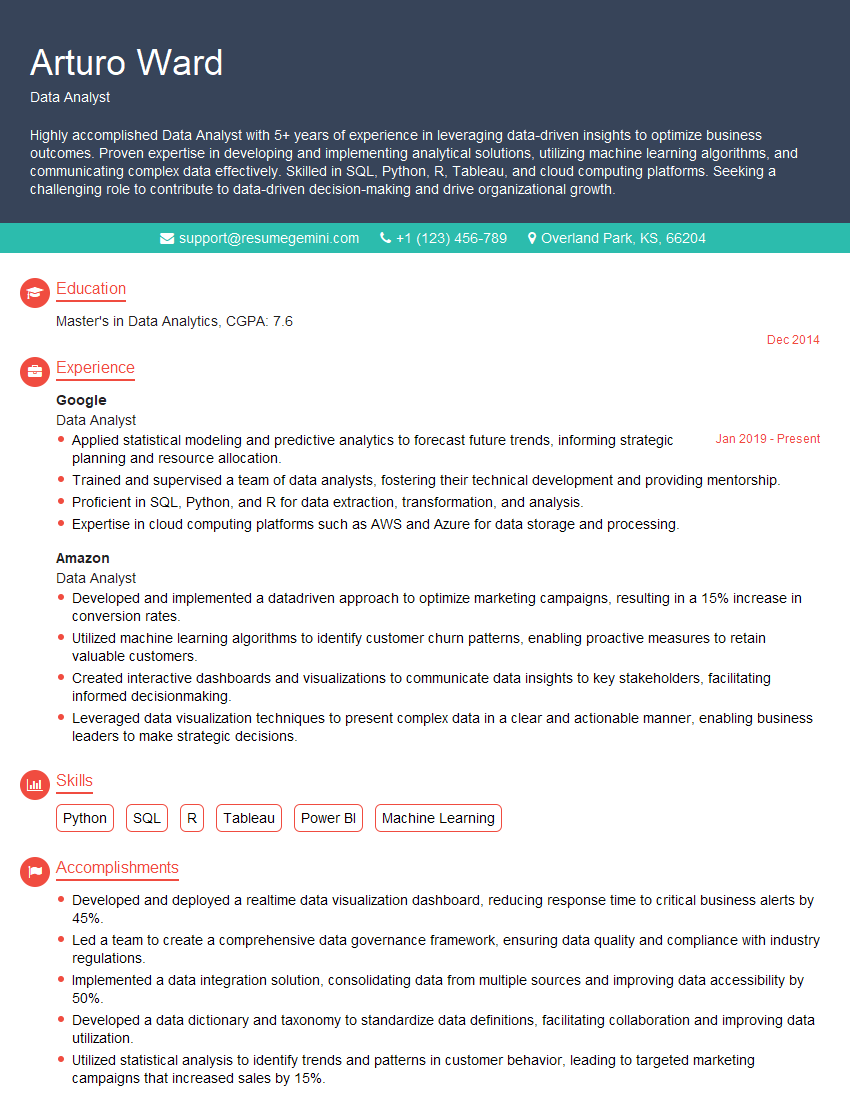
Data Analyst Resume Sample
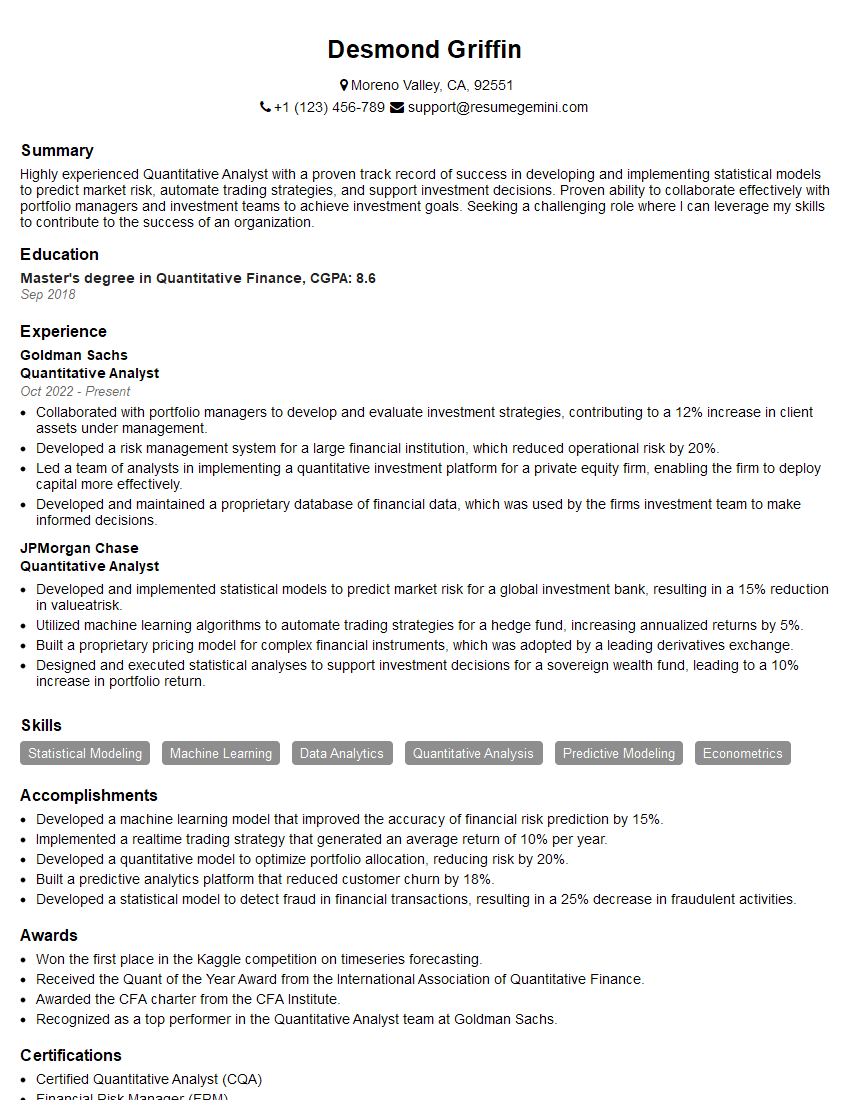
Quantitative Analyst Resume Sample
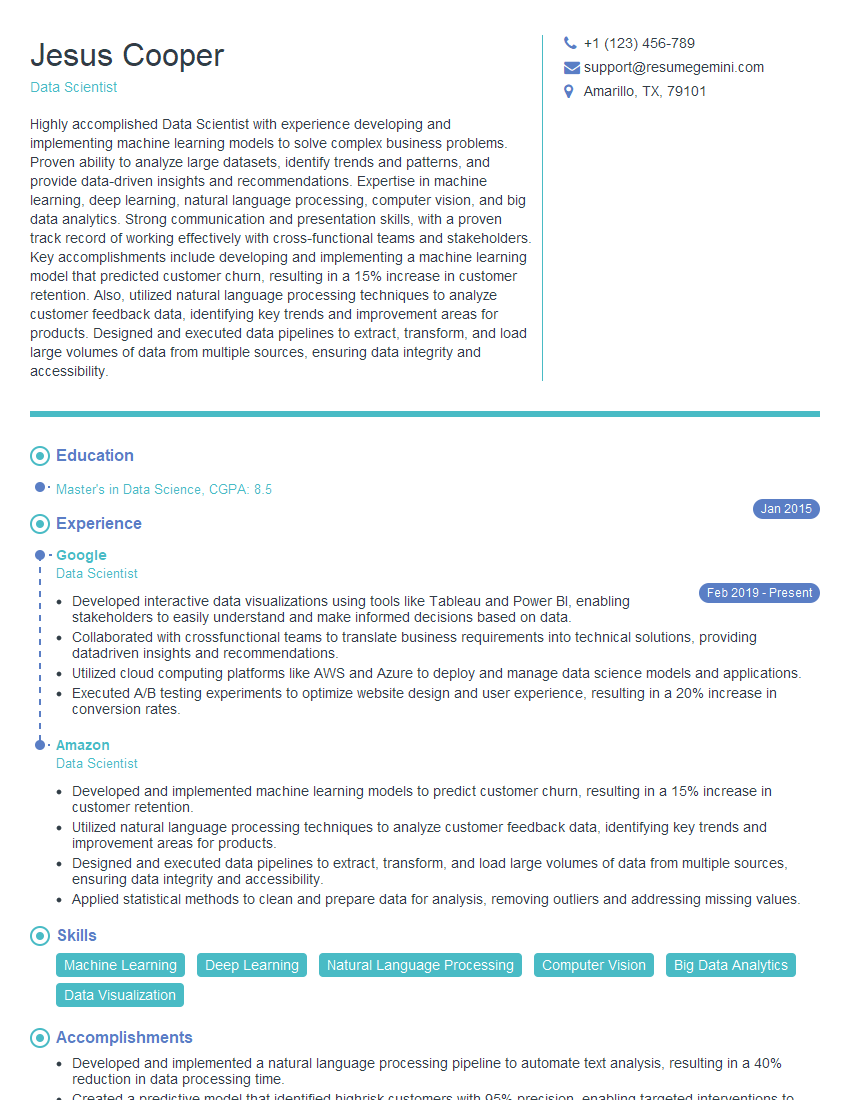
Data Scientist Resume Sample
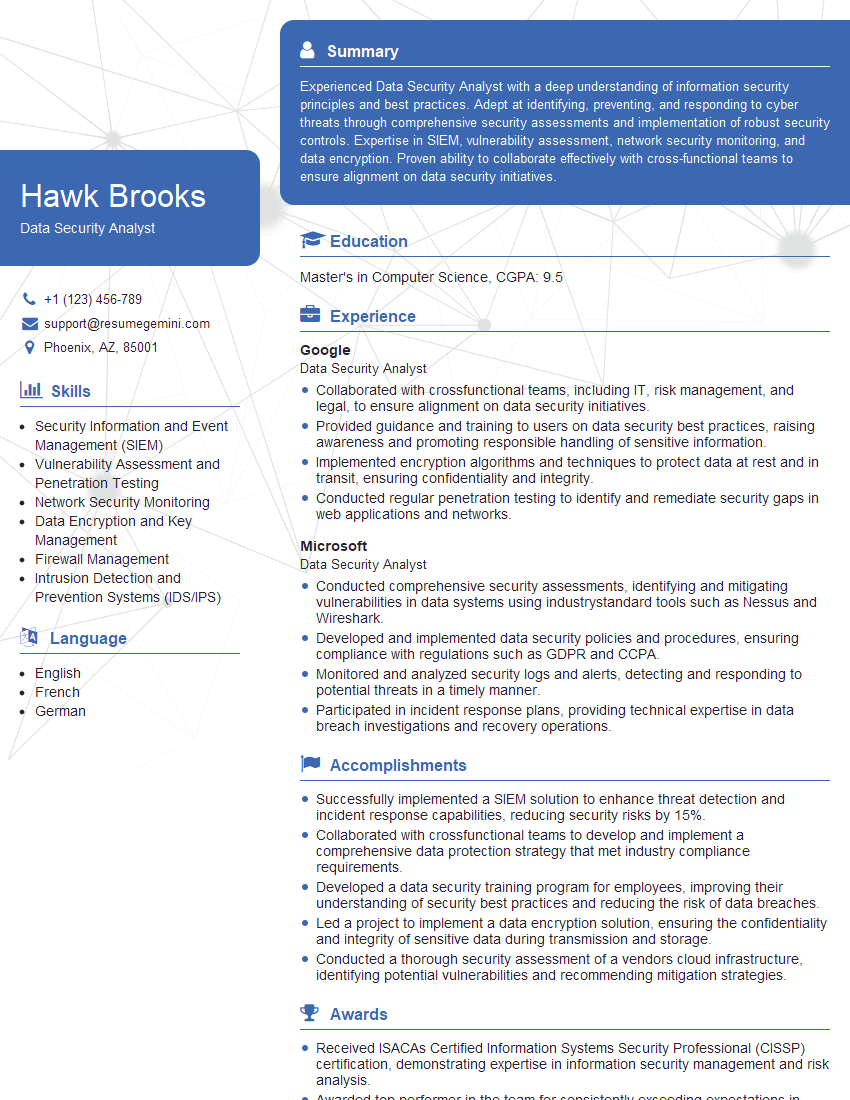
Data Security Analyst Resume Sample
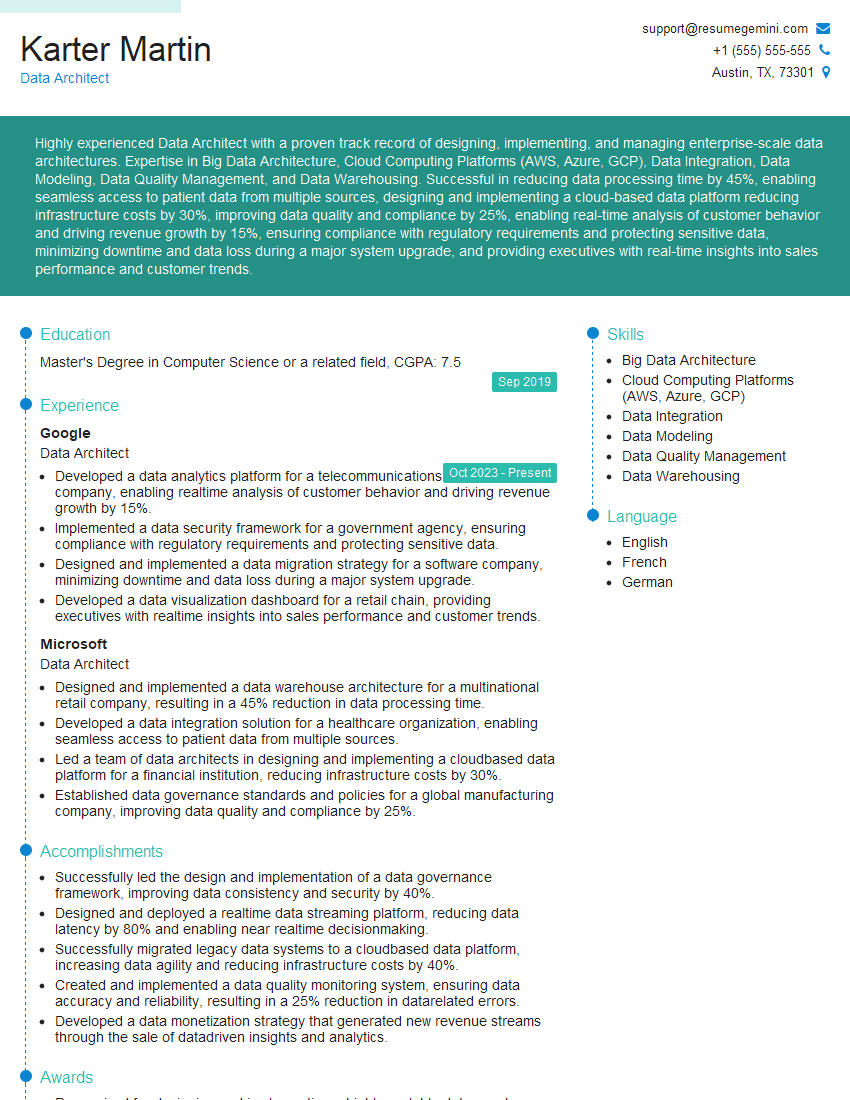
Data Architect Resume Sample
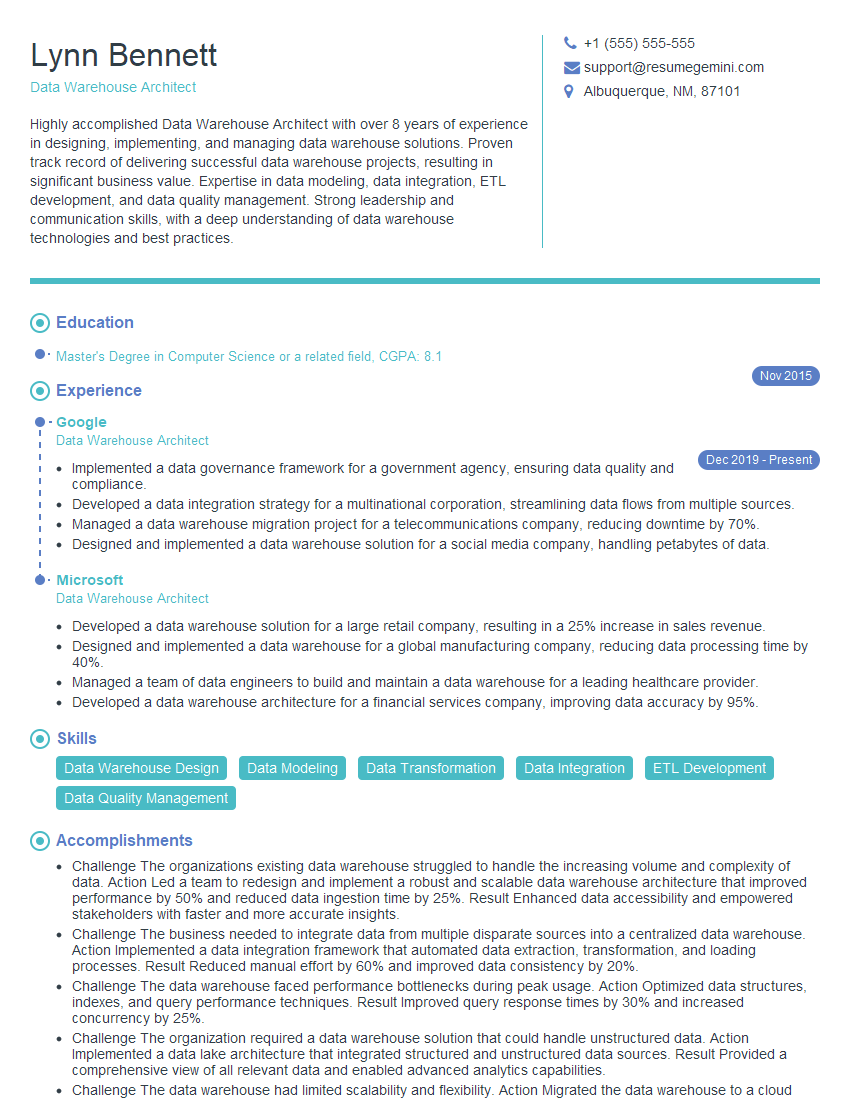
Data Warehouse Architect Resume Sample
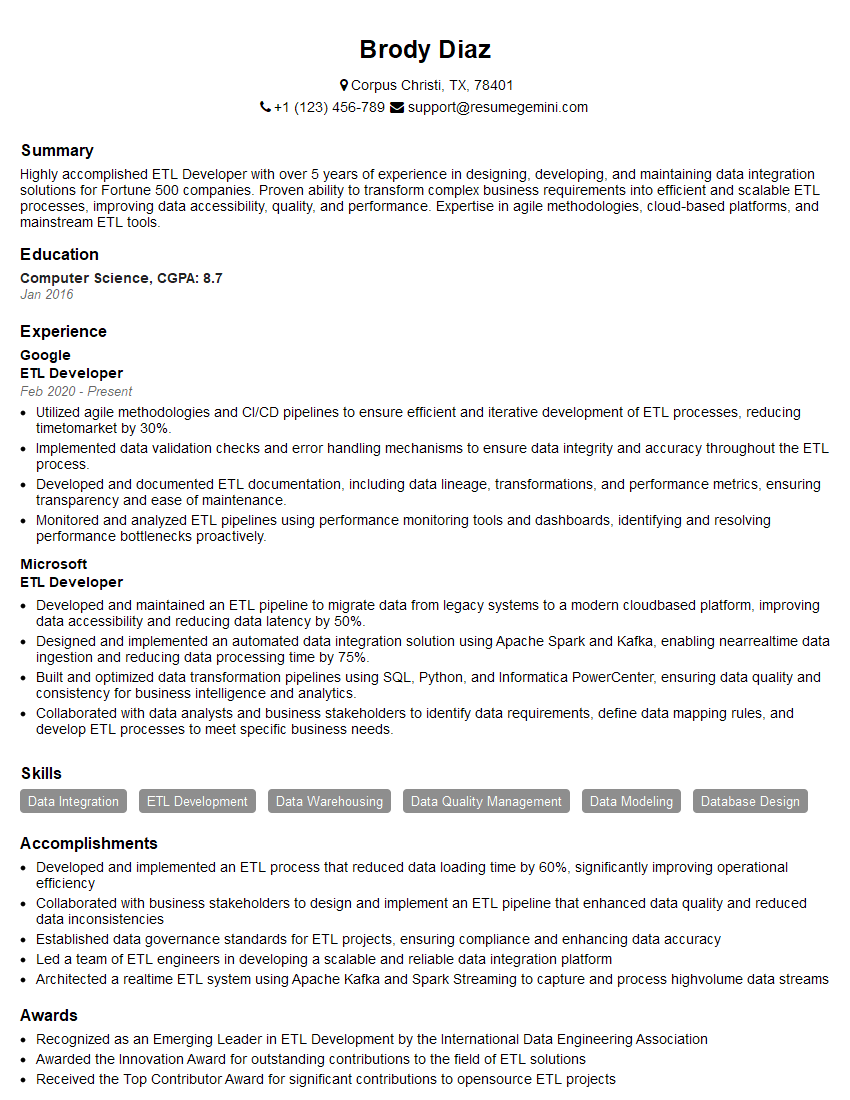
ETL Developer Resume Sample
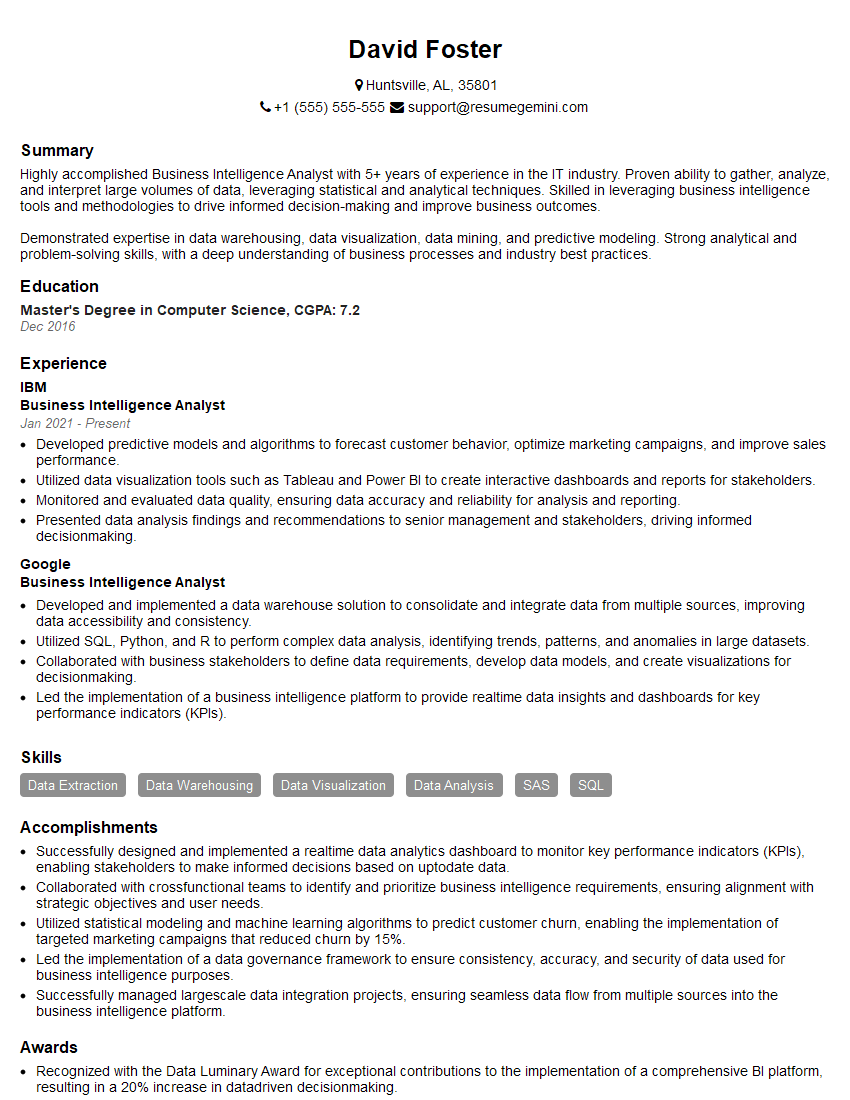
Business Intelligence Analyst Resume Sample

Statistical Analyst Resume Sample
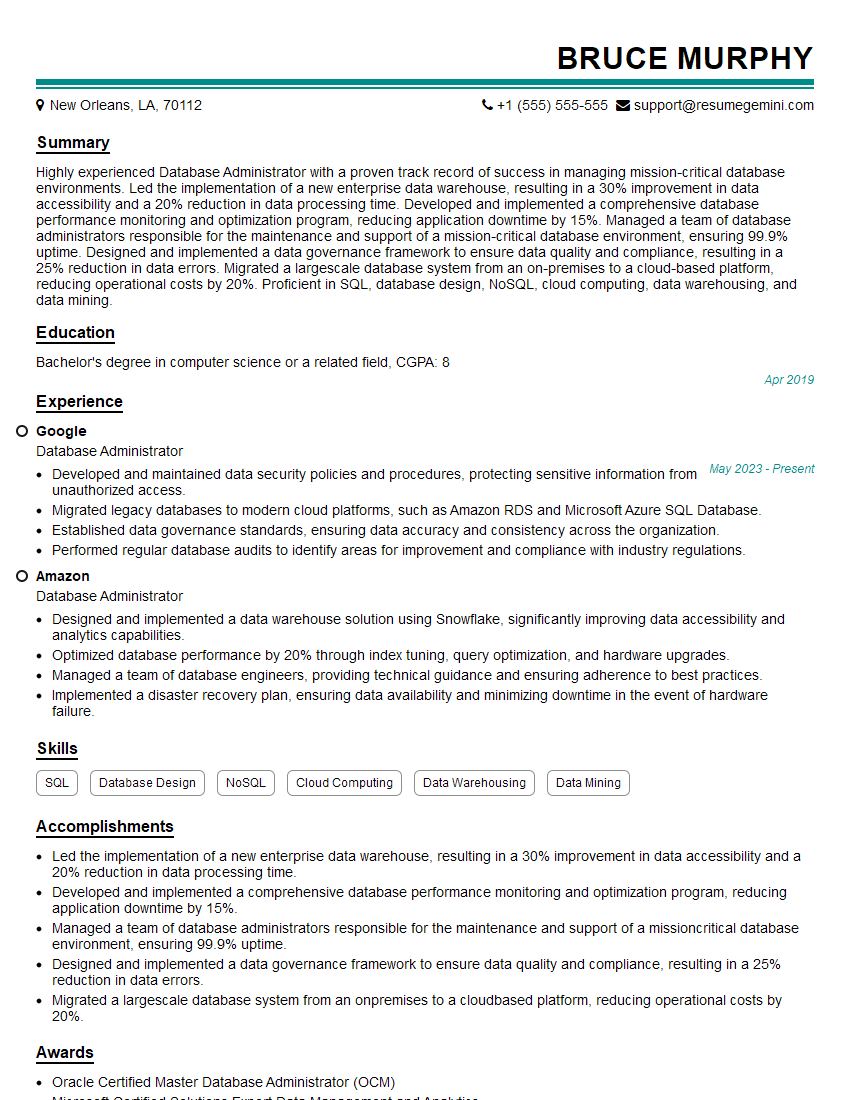
Database Administrator Resume Sample
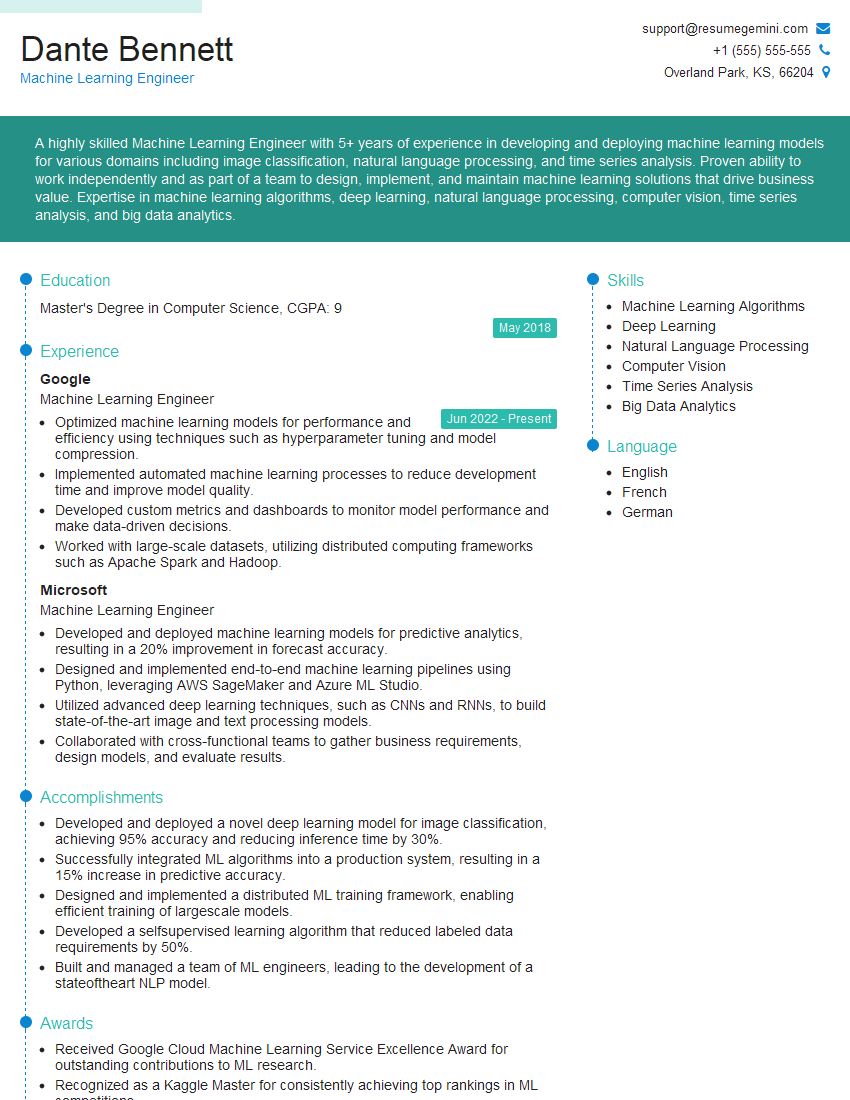
Machine Learning Engineer Resume Sample
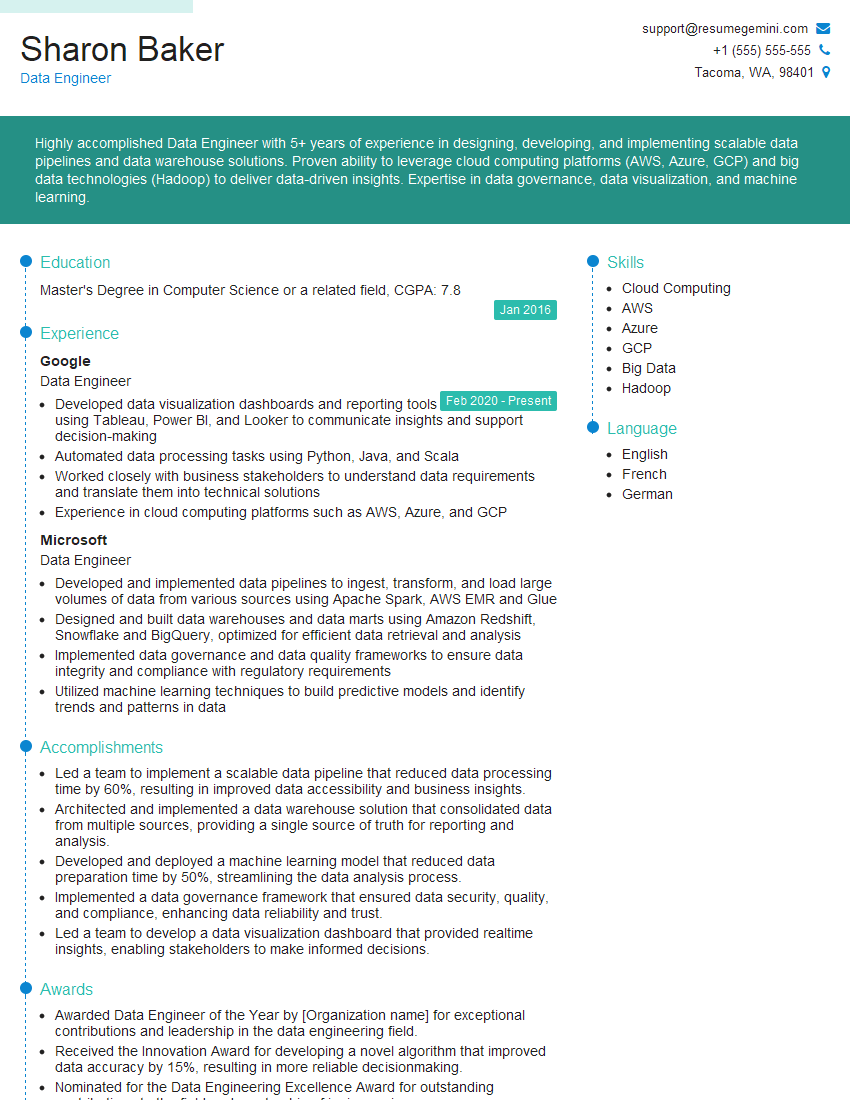
Data Engineer Resume Sample
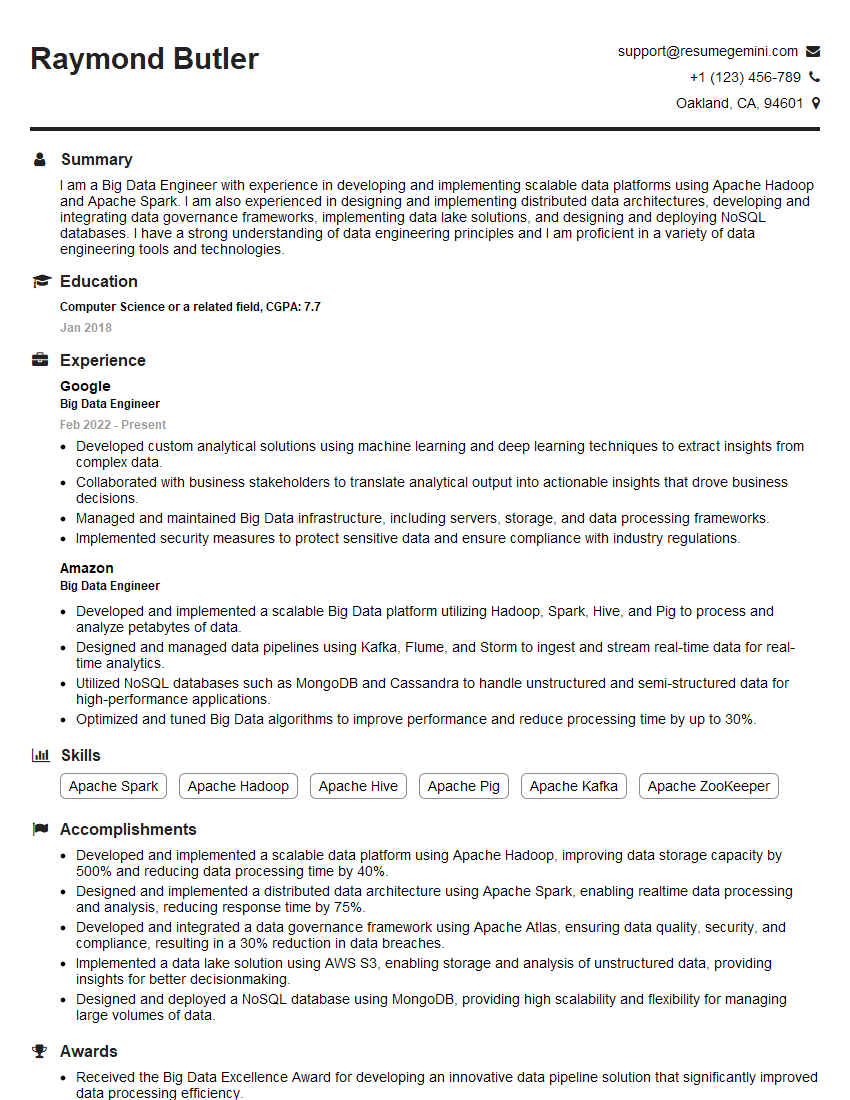
Big Data Engineer Resume Sample
Explore more articles
Users Rating of Our Blogs
Share Your Experience
We value your feedback! Please rate our content and share your thoughts (optional).
What Readers Say About Our Blog
Hello,
we currently offer a complimentary backlink and URL indexing test for search engine optimization professionals.
You can get complimentary indexing credits to test how link discovery works in practice.
No credit card is required and there is no recurring fee.
You can find details here:
https://wikipedia-backlinks.com/indexing/
Regards
NICE RESPONSE TO Q & A
hi
The aim of this message is regarding an unclaimed deposit of a deceased nationale that bears the same name as you. You are not relate to him as there are millions of people answering the names across around the world. But i will use my position to influence the release of the deposit to you for our mutual benefit.
Respond for full details and how to claim the deposit. This is 100% risk free. Send hello to my email id: [email protected]
Luka Chachibaialuka
Hey interviewgemini.com, just wanted to follow up on my last email.
We just launched Call the Monster, an parenting app that lets you summon friendly ‘monsters’ kids actually listen to.
We’re also running a giveaway for everyone who downloads the app. Since it’s brand new, there aren’t many users yet, which means you’ve got a much better chance of winning some great prizes.
You can check it out here: https://bit.ly/callamonsterapp
Or follow us on Instagram: https://www.instagram.com/callamonsterapp
Thanks,
Ryan
CEO – Call the Monster App
Hey interviewgemini.com, I saw your website and love your approach.
I just want this to look like spam email, but want to share something important to you. We just launched Call the Monster, a parenting app that lets you summon friendly ‘monsters’ kids actually listen to.
Parents are loving it for calming chaos before bedtime. Thought you might want to try it: https://bit.ly/callamonsterapp or just follow our fun monster lore on Instagram: https://www.instagram.com/callamonsterapp
Thanks,
Ryan
CEO – Call A Monster APP
To the interviewgemini.com Owner.
Dear interviewgemini.com Webmaster!
Hi interviewgemini.com Webmaster!
Dear interviewgemini.com Webmaster!
excellent
Hello,
We found issues with your domain’s email setup that may be sending your messages to spam or blocking them completely. InboxShield Mini shows you how to fix it in minutes — no tech skills required.
Scan your domain now for details: https://inboxshield-mini.com/
— Adam @ InboxShield Mini
Reply STOP to unsubscribe
Hi, are you owner of interviewgemini.com? What if I told you I could help you find extra time in your schedule, reconnect with leads you didn’t even realize you missed, and bring in more “I want to work with you” conversations, without increasing your ad spend or hiring a full-time employee?
All with a flexible, budget-friendly service that could easily pay for itself. Sounds good?
Would it be nice to jump on a quick 10-minute call so I can show you exactly how we make this work?
Best,
Hapei
Marketing Director
Hey, I know you’re the owner of interviewgemini.com. I’ll be quick.
Fundraising for your business is tough and time-consuming. We make it easier by guaranteeing two private investor meetings each month, for six months. No demos, no pitch events – just direct introductions to active investors matched to your startup.
If youR17;re raising, this could help you build real momentum. Want me to send more info?
Hi, I represent an SEO company that specialises in getting you AI citations and higher rankings on Google. I’d like to offer you a 100% free SEO audit for your website. Would you be interested?
Hi, I represent an SEO company that specialises in getting you AI citations and higher rankings on Google. I’d like to offer you a 100% free SEO audit for your website. Would you be interested?
good