Unlock your full potential by mastering the most common Knowledge of Engine Performance Parameters interview questions. This blog offers a deep dive into the critical topics, ensuring you’re not only prepared to answer but to excel. With these insights, you’ll approach your interview with clarity and confidence.
Questions Asked in Knowledge of Engine Performance Parameters Interview
Q 1. Explain the concept of brake specific fuel consumption (BSFC).
Brake Specific Fuel Consumption (BSFC) is a crucial metric in engine performance analysis. It quantifies the fuel efficiency of an engine by expressing the amount of fuel consumed (in grams or pounds) to produce one kilowatt-hour (kWh) or horsepower-hour (hp-hr) of brake power. Think of it like miles per gallon for an engine, but instead of distance, we look at the power produced. A lower BSFC value indicates better fuel efficiency.
The formula for BSFC is:
BSFC = (Fuel consumption rate) / (Brake power)For example, an engine consuming 20 grams of fuel per second while producing 100 kW of brake power would have a BSFC of:
BSFC = (20 g/s) / (100 kW) = 0.2 g/kWhIn practical terms, engineers use BSFC to compare the fuel efficiency of different engine designs, evaluate the impact of modifications (like turbocharging), and optimize engine operation for maximum efficiency.
Q 2. Describe different types of engine testing procedures.
Engine testing involves various procedures, each designed to assess specific aspects of performance and emissions. Here are some key types:
- Dynamometer Testing: This is the most common method, using a dynamometer to measure the engine’s power output, torque, and fuel consumption under controlled conditions. This allows for precise data collection at various speeds and loads.
- Endurance Testing: This evaluates the engine’s durability and reliability by running it continuously for extended periods under specific load and speed profiles, simulating real-world operating conditions. This reveals potential weaknesses and helps determine lifespan.
- Emissions Testing: This assesses the pollutants (like NOx, CO, HC, and particulate matter) emitted by the engine, using specialized equipment to measure their concentrations in the exhaust gas. These tests ensure compliance with environmental regulations.
- Component Testing: This focuses on individual engine components, such as injectors, sensors, or turbochargers, to test their performance and reliability separately. This is helpful in isolating the source of problems.
- Cold Start Testing: This assesses the engine’s behavior during startup, a critical phase for emissions. Cold starts often result in higher emissions due to incomplete combustion.
The choice of testing procedure depends on the specific objectives of the test, whether it’s evaluating fuel efficiency, durability, or emissions.
Q 3. How do you interpret engine performance data from dynamometer testing?
Interpreting dynamometer data requires a systematic approach. The data typically includes plots of power vs. speed, torque vs. speed, BSFC vs. speed, and emissions vs. speed/load. Key aspects to analyze are:
- Peak Power and Torque: Identifying the maximum power and torque outputs reveals the engine’s overall capability.
- Torque Curve Shape: The shape of the torque curve indicates how the engine performs across the speed range. A flat torque curve suggests consistent power delivery.
- BSFC Mapping: The BSFC map helps pinpoint the engine’s most efficient operating points. Engineers aim to optimize the engine for low BSFC across its operating range.
- Emissions Data: Comparing emission levels across different operating points reveals the engine’s environmental impact. This is crucial for designing clean engines.
For instance, a steep drop in BSFC at a specific speed might indicate an optimal air-fuel mixture or an efficient combustion process. Conversely, high emissions at certain speeds may signify a need for improved combustion or aftertreatment systems.
Q 4. What are the key parameters influencing engine efficiency?
Several parameters significantly impact engine efficiency. These parameters interact in complex ways; optimizing one parameter might negatively affect another.
- Combustion Efficiency: How completely the fuel burns influences the energy released. Incomplete combustion leads to lower efficiency and increased emissions.
- Air-Fuel Ratio: The ideal ratio maximizes energy release and minimizes unburnt fuel. Deviation from this stoichiometric ratio reduces efficiency.
- Compression Ratio: Higher compression ratios generally lead to better thermal efficiency, but also increase the risk of knocking.
- Engine Speed and Load: Engines typically have an optimal operating range where they achieve maximum efficiency. Operating outside this range reduces efficiency.
- Friction Losses: Mechanical friction within the engine consumes power, reducing overall efficiency. Reducing friction through better lubrication and design improvements improves efficiency.
- Heat Losses: Heat escaping the engine reduces the usable energy. Improved thermal management can improve efficiency.
For example, a higher compression ratio improves thermal efficiency by increasing the temperature and pressure of the air-fuel mixture during combustion, but it can also lead to engine knock if the fuel isn’t carefully managed.
Q 5. Explain the role of air-fuel ratio in engine performance.
The air-fuel ratio (AFR) is the ratio of air mass to fuel mass in the combustion process. It’s a critical parameter influencing engine performance and emissions. The stoichiometric ratio (the ideal ratio for complete combustion) is approximately 14.7:1 for gasoline engines.
Lean mixtures (AFR > 14.7) have more air than needed for complete combustion, resulting in higher efficiency but potentially increased NOx emissions and incomplete combustion. Rich mixtures (AFR < 14.7) have excess fuel, leading to lower efficiency, increased CO and HC emissions, and potentially soot formation (in diesel engines).
Modern engines use sophisticated control systems (like electronic fuel injection) to precisely adjust the AFR based on operating conditions. This dynamic control optimizes performance and minimizes emissions, improving fuel efficiency and reducing environmental impact. For instance, during idling, the AFR may be slightly richer to maintain stable operation, while under heavy load, it might lean out to maximize power output.
Q 6. Discuss the impact of engine speed and load on emissions.
Engine speed and load significantly influence emissions. Higher speeds generally lead to higher NOx emissions due to increased combustion temperatures. Higher loads can also increase NOx and potentially particulate matter (especially in diesel engines). Conversely, very low speeds and loads can result in increased HC and CO emissions because of incomplete combustion.
For example, during rapid acceleration, a rich mixture is often used to ensure sufficient power and torque. This temporarily increases HC and CO emissions. Conversely, during prolonged cruising at a steady speed, the engine operates in a more fuel-efficient regime with lower emissions. Understanding these relationships is critical for optimizing engine calibration and emission control systems.
Q 7. How do you analyze engine performance using simulation tools?
Engine performance simulation tools, like GT-Power or AVL BOOST, are indispensable for virtual prototyping and analysis. These tools use complex mathematical models to simulate the engine’s behavior under various operating conditions. They predict performance metrics such as power, torque, fuel consumption, and emissions without the need for physical testing.
Analysis involves setting up the engine model based on design specifications, defining operating conditions, running simulations, and then analyzing the results. This may include parameter sweeps to evaluate the effects of design changes (e.g., varying the compression ratio or turbocharger parameters) on performance and emissions. Advanced simulation tools also allow for the inclusion of detailed models of aftertreatment systems, enabling a more comprehensive analysis of emissions.
For example, by simulating different fuel injection strategies, engineers can identify the optimal strategy for reducing both emissions and fuel consumption before building physical prototypes. Simulation helps reduce development time and cost by quickly exploring design space and identifying potentially problematic areas.
Q 8. Describe different engine control strategies and their impact on performance.
Engine control strategies are the methods used to manage and optimize an engine’s operation. They dictate how fuel is delivered, the timing of ignition, and other vital functions. Different strategies prioritize different aspects of performance.
- Open-loop control: This relies on pre-programmed maps based on engine speed and load. It’s simpler but less precise. Think of it like a basic recipe – you follow the steps, but don’t adjust based on how the dish is actually turning out.
- Closed-loop control: This uses sensors to monitor exhaust gases (like oxygen sensors) and feedback to adjust fuel delivery for optimal combustion. It’s more sophisticated and leads to better fuel efficiency and emissions control. This is like a chef constantly tasting and adjusting the seasoning for the perfect flavor.
- Variable valve timing (VVT): This technology adjusts the timing of valve opening and closing to optimize power at different engine speeds. It can improve both power and fuel economy. Imagine a runner who can adjust their stride length for sprints and long distances.
- Direct injection (DI): This injects fuel directly into the combustion chamber, leading to more efficient combustion and improved power output. This is like using a precise dropper to add flavor instead of pouring it in all at once.
The impact on performance varies depending on the specific strategy and its implementation. Closed-loop control and VVT generally result in better fuel economy and broader power delivery, while direct injection often enhances power and torque.
Q 9. What are the trade-offs between engine power, torque, and fuel economy?
There’s an inherent trade-off between engine power, torque, and fuel economy. You can’t always maximize all three simultaneously.
- Power (measured in horsepower or kilowatts) represents the rate at which an engine can do work. Higher power usually means faster acceleration.
- Torque (measured in pound-feet or Newton-meters) represents the rotational force produced by the engine. High torque translates to better pulling power at lower engine speeds.
- Fuel economy (measured in miles per gallon or kilometers per liter) refers to the efficiency of the engine in converting fuel into useful work. It’s usually inversely related to power and torque output.
For example, a performance car might prioritize high power and torque, sacrificing fuel economy. Conversely, a hybrid car might emphasize fuel efficiency, accepting lower power and torque.
Engine design choices influence these trade-offs. Larger engine displacements generally yield higher power and torque but lower fuel economy. Advanced technologies like turbocharging and hybrid systems aim to improve one or more of these parameters without drastically compromising the others.
Q 10. Explain the concept of turbocharging and supercharging and their effects on performance.
Turbocharging and supercharging are both forced induction methods that increase the amount of air entering the engine, leading to a boost in power and torque.
- Turbocharging uses exhaust gases to spin a turbine, which in turn drives a compressor to force more air into the engine. It’s more efficient because it uses waste energy, but there’s a slight lag before the boost kicks in.
- Supercharging uses a mechanically driven compressor, typically powered by the engine’s crankshaft. It provides immediate boost but reduces engine efficiency since it draws power directly from the engine.
Both methods significantly increase power and torque output, often leading to improved acceleration and performance. However, they also increase engine stress and the demand on other components like the cooling system and transmission. They can also impact fuel efficiency depending on driving style and the specific implementation.
For instance, a turbocharged diesel engine might prioritize fuel efficiency at low RPM and then deliver substantial power at higher engine speeds, while a supercharged gasoline engine might provide immediate power response for a more sporty driving experience.
Q 11. How does engine temperature affect performance and emissions?
Engine temperature significantly impacts both performance and emissions. Maintaining the optimal operating temperature is crucial.
- Performance: An engine that’s too cold will burn fuel inefficiently, resulting in incomplete combustion, poor power output, and increased emissions. Conversely, an overheated engine can lead to damage, power loss due to detonation (knock), and potential catastrophic failure.
- Emissions: Cold engines produce higher emissions of unburnt hydrocarbons and carbon monoxide. Overheating can also increase nitrogen oxide (NOx) emissions. Optimal operating temperature allows for efficient combustion, minimizing harmful emissions.
The engine cooling system plays a vital role in maintaining optimal temperature. This system, consisting of coolant, radiator, thermostat, and water pump, works to regulate engine heat and prevent overheating. Modern vehicles use sophisticated engine management systems to continuously monitor temperature and adapt fuel delivery and ignition timing accordingly.
Q 12. What is the significance of knock in internal combustion engines?
Knock, also known as detonation, is the uncontrolled, explosive ignition of the air-fuel mixture in an internal combustion engine. It’s caused by the auto-ignition of the fuel-air mixture before the spark plug fires. This uncontrolled explosion produces a characteristic metallic pinging or knocking sound.
Knock is detrimental because it can lead to:
- Reduced engine performance: The chaotic combustion reduces power output and efficiency.
- Engine damage: The high pressures and temperatures generated during knock can damage pistons, connecting rods, bearings, and other engine components.
- Increased emissions: Knock can increase emissions of NOx and unburnt hydrocarbons.
Engine management systems use sensors to detect knock and adjust the ignition timing to prevent it. Factors like fuel quality, engine temperature, and compression ratio all influence the likelihood of knock. Using higher octane fuel can help prevent knock in engines prone to detonation.
Q 13. Explain different methods for measuring engine power and torque.
Engine power and torque are typically measured using specialized equipment.
- Dynamometer (Dyno): This is the most common method. A dyno measures the engine’s output by connecting it to a rotating drum or load cell that resists the engine’s power. The resistance generates data that calculates power and torque at different engine speeds.
- Engine indicator diagrams: These are pressure-volume diagrams that capture the cylinder pressure during the engine cycle. By analyzing these diagrams, one can calculate engine power and torque, though this method is less commonly used now.
- Calculation based on brake specific fuel consumption (BSFC): BSFC measures the fuel consumption per unit of power produced. Using this and other known parameters, one can estimate engine power.
The choice of method depends on the application. Dynos are commonly used for performance testing and tuning, while indicator diagrams may be useful for more detailed engine analysis. BSFC is helpful in optimizing fuel efficiency.
Q 14. How do you identify and troubleshoot engine performance issues?
Troubleshooting engine performance issues is a systematic process.
- Gather information: Start by documenting the symptoms, including when the problem started, how it manifests (loss of power, rough idling, unusual sounds, etc.), and any relevant conditions (e.g., driving style, environmental factors).
- Visual inspection: Check for obvious problems like leaks, loose connections, or damaged components. A visual inspection can often pinpoint problems such as a cracked hose or a loose wire.
- Diagnostic tests: Utilize diagnostic tools to read fault codes from the engine control module (ECM) or powertrain control module (PCM). These codes can provide valuable insights into potential issues.
- Data analysis: Use sensors to monitor various engine parameters like air-fuel ratio, oxygen sensor readings, and engine temperature. Deviations from normal values indicate potential problems.
- Component testing: If a problem is suspected with a particular component (e.g., sensors, ignition system, fuel injectors), conduct tests to verify its functionality.
- Repair or replacement: Once the faulty component or system is identified, it needs to be repaired or replaced. Proper diagnostics are crucial to avoid unnecessary repairs.
The process usually follows a logical path. For instance, if the problem involves rough idling, one would check the ignition system, fuel injectors, and vacuum leaks before moving to more complex systems. Systematic troubleshooting prevents time-consuming and unnecessary work.
Q 15. Describe different types of engine lubrication systems.
Engine lubrication systems are crucial for reducing friction, wear, and heat within the engine. Different types exist, each with its own advantages and disadvantages. These systems broadly fall into two categories: splash lubrication and pressure lubrication.
- Splash Lubrication: This simpler system relies on the rotating crankshaft to splash oil onto the cylinder walls and other engine components. It’s often found in older or smaller engines due to its low cost and simplicity. However, it’s less effective at lubricating components under high loads or at high speeds, leading to increased wear. Think of it like throwing water on a hot surface – it might cool some parts but not adequately cover everything.
- Pressure Lubrication: This more sophisticated system uses an oil pump to force oil under pressure through passages in the engine block and cylinder head. This ensures all critical components receive adequate lubrication, regardless of the engine’s operating conditions. It’s like a targeted watering system for a garden, ensuring every plant gets sufficient water. This is the dominant type in modern engines. There are variations including dry sump systems (used in high-performance applications) where the oil is stored in a separate tank and wet sump systems (more common in passenger vehicles) where the oil is stored within the crankcase itself.
The choice of lubrication system is dictated by engine design, performance requirements, and cost considerations. High-performance engines almost always employ pressure lubrication systems for reliable operation under extreme conditions.
Career Expert Tips:
- Ace those interviews! Prepare effectively by reviewing the Top 50 Most Common Interview Questions on ResumeGemini.
- Navigate your job search with confidence! Explore a wide range of Career Tips on ResumeGemini. Learn about common challenges and recommendations to overcome them.
- Craft the perfect resume! Master the Art of Resume Writing with ResumeGemini’s guide. Showcase your unique qualifications and achievements effectively.
- Don’t miss out on holiday savings! Build your dream resume with ResumeGemini’s ATS optimized templates.
Q 16. What are the key factors affecting engine durability and reliability?
Engine durability and reliability are determined by a complex interplay of factors, encompassing design, materials, manufacturing processes, and operational practices. Key factors include:
- Material Selection: Using high-quality materials resistant to wear, corrosion, and high temperatures is paramount. For instance, choosing stronger alloys for critical components like the crankshaft or connecting rods directly impacts longevity.
- Manufacturing Precision: Precise tolerances during manufacturing minimize friction and wear. A poorly machined engine will experience significantly higher wear and tear than one manufactured to exacting standards. Think of it like fitting puzzle pieces – a perfect fit allows for smooth operation and durability.
- Design Optimization: Effective engine design incorporates features that reduce stress concentrations, manage heat effectively, and optimize lubrication flow. For example, proper oil gallery placement is critical for ensuring sufficient lubrication to all parts.
- Maintenance Practices: Regular maintenance, including timely oil changes, filter replacements, and coolant flushes, is crucial for maintaining engine health and preventing premature failure. Neglecting maintenance is akin to ignoring the warning signs of a problem, causing it to escalate.
- Operating Conditions: Harsh operating conditions, such as extreme temperatures or prolonged high-load operation, can significantly reduce engine life. For example, consistently running an engine at its redline will drastically reduce its lifespan.
Addressing these factors holistically is vital for designing and operating engines that exhibit exceptional durability and reliability.
Q 17. Explain the function of different engine components (e.g., intake manifold, exhaust system).
Various engine components play distinct yet interconnected roles in the overall operation. Let’s examine a few key components:
- Intake Manifold: This component distributes the air-fuel mixture evenly to each cylinder. Its design influences the efficiency of the combustion process. A poorly designed intake manifold can lead to uneven fuel distribution and reduced engine performance. Think of it as a watering system for a flowerbed – uneven distribution leads to unhealthy growth.
- Exhaust System: This system carries away the exhaust gases produced during combustion. Its design influences backpressure, which affects engine performance and emissions. A restricted exhaust system can hamper engine breathing, lowering efficiency. It’s like clearing a drain— blockages impede flow and cause problems.
- Cylinder Head: This component houses the valves, combustion chambers, and spark plugs (in gasoline engines). Its design and material properties impact combustion efficiency and durability. Think of it as the control center of combustion. A crack in the cylinder head could lead to catastrophic engine failure.
- Crankshaft: This converts the reciprocating motion of the pistons into rotary motion, powering the vehicle. Its strength and precision are critical to reliability. A weak crankshaft can fail, leading to total engine failure.
The interaction between these components is complex, underscoring the importance of a well-integrated and optimally designed engine.
Q 18. Describe the principles of engine cooling systems.
Engine cooling systems are designed to maintain the optimal operating temperature of the engine. Excessive heat can cause premature wear and tear, while insufficient heat can lead to inefficient combustion. These systems typically employ a liquid-cooled or air-cooled approach:
- Liquid-Cooled Systems: These use a coolant (usually a mixture of water and antifreeze) to absorb heat from the engine. The heated coolant is then circulated through a radiator, where it releases heat into the atmosphere. A water pump circulates the coolant, and a thermostat regulates the coolant flow to maintain the correct temperature. Think of this as a central heating and cooling system in a house.
- Air-Cooled Systems: These rely on the direct flow of air over engine surfaces to dissipate heat. They’re simpler and lighter than liquid-cooled systems but less effective at managing heat under high loads or at high ambient temperatures. Think of this as a passive cooling system, relying on natural airflow.
Effective cooling is vital for preventing engine damage and ensuring consistent performance. Failure of the cooling system can lead to overheating and catastrophic engine failure.
Q 19. What are the environmental regulations related to engine emissions?
Environmental regulations related to engine emissions vary globally but generally focus on reducing pollutants like carbon monoxide (CO), hydrocarbons (HC), nitrogen oxides (NOx), and particulate matter (PM). These regulations are becoming increasingly stringent due to growing environmental concerns. Examples include:
- Euro standards (Europe): A series of regulations setting increasingly tight limits on emissions for vehicles sold within the European Union.
- EPA standards (United States): Regulations established by the Environmental Protection Agency to limit emissions from vehicles sold in the United States.
- OBD (On-Board Diagnostics): Systems required in modern vehicles that monitor engine emissions and alert the driver to problems.
Meeting these regulations requires sophisticated engine management systems and aftertreatment technologies such as catalytic converters and diesel particulate filters to efficiently control and minimize harmful emissions. Non-compliance can result in significant penalties for manufacturers and even restrictions on vehicle operation.
Q 20. Explain the role of engine management systems (EMS) in optimizing performance.
Engine Management Systems (EMS) are electronic control units (ECUs) that optimize engine performance and emissions. They monitor various engine parameters – such as air-fuel ratio, engine speed, and temperature – and adjust fuel injection, ignition timing, and other parameters accordingly. This is achieved through sophisticated algorithms and sensor feedback. Think of it as a highly intelligent and responsive ‘brain’ for the engine.
- Fuel Efficiency Optimization: By precisely controlling the air-fuel mixture, EMS can maximize fuel efficiency while minimizing emissions.
- Emission Control: EMS plays a crucial role in meeting emission standards by optimizing combustion and controlling aftertreatment systems.
- Performance Enhancement: By precisely controlling ignition timing and other parameters, EMS can enhance power and torque output within safe operating limits.
Modern EMS are incredibly complex, integrating numerous sensors and actuators to achieve precise control and optimization. This sophisticated control is essential for maximizing fuel efficiency, reducing emissions, and improving overall engine performance in modern vehicles.
Q 21. Discuss the challenges in developing high-performance engines.
Developing high-performance engines presents significant challenges, stemming from the need to balance competing objectives such as power output, fuel efficiency, emissions, durability, and cost. These challenges include:
- Heat Management: High-performance engines generate significant heat, requiring advanced cooling systems and materials to prevent damage. Managing this heat effectively is critical for reliability and longevity.
- Component Strength: Higher power outputs place greater stress on engine components, demanding the use of stronger and lighter materials that can withstand these increased loads.
- Emissions Control: Meeting increasingly stringent emission regulations while simultaneously maximizing performance is a complex engineering challenge.
- Fuel Efficiency: Balancing high power output with fuel efficiency is crucial, requiring innovative design and control strategies.
- Cost: High-performance engines often incorporate expensive materials and sophisticated technologies, resulting in higher manufacturing costs.
These challenges necessitate a multidisciplinary approach, involving expertise in materials science, thermodynamics, fluid dynamics, and control engineering to achieve the desired balance of performance and other critical attributes.
Q 22. How does fuel quality impact engine performance?
Fuel quality significantly impacts engine performance across various aspects. Think of it like this: a high-performance sports car needs premium fuel to operate at its peak; using regular fuel will hinder its capabilities. Similarly, an engine’s performance is directly tied to the fuel’s properties.
- Octane Rating: Higher octane fuels resist knocking (uncontrolled combustion) allowing for higher compression ratios and increased power output. Lower octane fuels can lead to knocking, reduced power, and potential engine damage. For instance, using low-octane fuel in a high-compression engine can result in a noticeable loss of power and even engine damage.
- Cetane Rating (Diesel): This is the equivalent of octane rating for diesel fuel. A higher cetane number means easier ignition and smoother combustion, resulting in improved fuel efficiency and reduced emissions. Low cetane fuel can cause rough running and increased emissions.
- Fuel Additives: Additives such as detergents can keep fuel injectors clean, preventing clogging and ensuring optimal fuel delivery. Contaminants in the fuel can severely impact injector performance and fuel economy.
- Sulfur Content: High sulfur content can contribute to increased emissions and corrosion within the engine, decreasing its lifespan and performance. Modern engines are designed to handle very low sulfur fuels.
In summary, using fuel that meets or exceeds the manufacturer’s recommendations is crucial for optimal engine performance, longevity, and reduced emissions.
Q 23. What are some advanced engine technologies aimed at improving efficiency?
Advanced engine technologies are continuously developed to enhance efficiency and reduce emissions. These advancements often focus on optimizing the combustion process and reducing friction. Some key technologies include:
- Turbocharging and Supercharging: These forced induction systems increase the air intake, resulting in more power from a smaller engine displacement. This improves fuel economy by allowing for smaller engines to achieve similar power outputs to larger, less efficient engines.
- Direct Injection: This technology injects fuel directly into the combustion chamber, leading to more precise fuel control, improved combustion efficiency, and reduced emissions.
- Hybrid Systems: Combining an internal combustion engine with an electric motor allows for regenerative braking and reduced reliance on the combustion engine during low-load situations, leading to significant fuel savings, particularly in urban environments. Consider the Toyota Prius – a prime example of a successful hybrid technology.
- Downsizing: Employing smaller displacement engines with turbocharging to achieve the same or greater power output as larger engines, leading to improved fuel economy.
- Variable Valve Timing (VVT): This optimizes valve timing to improve engine performance and efficiency across a wide range of engine speeds (explained further in the next answer).
- Advanced Combustion Strategies: Such as homogeneous charge compression ignition (HCCI) and lean-burn strategies, aim to improve fuel efficiency and reduce emissions through more controlled and efficient combustion.
The choice of technology depends on factors like application, cost, and emission regulations.
Q 24. Explain the concept of variable valve timing (VVT).
Variable Valve Timing (VVT) is a technology that allows for the adjustment of the timing of valve opening and closing events within the engine. Instead of fixed valve timing, VVT systems dynamically change the timing based on engine speed, load, and other parameters. Think of it as adjusting the engine’s breathing to optimize performance at different operating conditions.
This is achieved through various mechanisms, such as:
- Hydraulically actuated systems: These use oil pressure to adjust the camshaft’s position.
- Electrically actuated systems: These use electric motors for more precise and responsive control.
Benefits of VVT include:
- Improved fuel efficiency: By optimizing the intake and exhaust valve timing, VVT enhances combustion efficiency across the engine’s operating range.
- Increased power output: Precise timing improves combustion, leading to more power and torque.
- Reduced emissions: Optimized combustion leads to lower emissions of pollutants.
- Smoother engine operation: VVT contributes to a smoother engine operation across different speeds and loads.
Many modern engines utilize VVT to optimize performance and efficiency, leading to improved fuel economy and lower emissions.
Q 25. How do you assess the impact of design changes on engine performance?
Assessing the impact of design changes on engine performance requires a systematic approach involving both simulation and experimental validation. We use a combination of tools and methods to comprehensively analyze performance enhancements and potential drawbacks.
- Computational Fluid Dynamics (CFD): CFD simulations model airflow through the intake and exhaust systems, combustion chamber, and other components to predict performance improvements or identify potential issues.
- Engine Modeling Software: Sophisticated software packages (like GT-Power or AVL BOOST) allow us to model engine performance under various operating conditions and assess the impact of design changes before physical prototyping. This saves time and resources.
- Experimental Testing: Rigorous testing on engine dynamometers is critical to validate the simulation results and to measure key performance indicators (KPIs) such as power, torque, fuel consumption, and emissions.
- Data Analysis: Careful analysis of experimental data using statistical methods is essential to identify trends, isolate the effects of individual design changes, and draw valid conclusions.
- Design of Experiments (DOE): DOE methods help to systematically plan experiments and efficiently analyze the results to determine the optimal combination of design parameters.
By combining simulation and experimental validation, we can effectively and efficiently assess the impact of design changes, leading to optimized engine performance and reduced development time.
Q 26. Describe your experience with engine performance testing and data analysis.
My experience in engine performance testing and data analysis spans over [Number] years. I’ve been involved in various projects, ranging from developing new engine designs to troubleshooting performance issues in existing engines. My expertise encompasses both hardware and software aspects of testing and analysis.
I’m proficient in using engine dynamometers, data acquisition systems, and engine control units (ECUs). I’m adept at collecting and processing vast datasets, identifying trends, and using statistical tools to draw meaningful conclusions. For example, in one project we identified a significant improvement in fuel efficiency by optimizing the ignition timing using a DOE approach. The data analysis from this project clearly showed a 5% improvement in fuel economy under specific driving conditions.
I’m familiar with various data analysis software packages, including [List specific software], and I use programming languages like [List languages, e.g., Python, MATLAB] for data manipulation, visualization, and model development. My experience also includes creating reports, presentations, and technical documentation to communicate the results of my analyses to engineering teams and management.
Q 27. Explain your understanding of different combustion strategies.
Different combustion strategies are employed to optimize engine performance and reduce emissions. The choice of strategy depends on various factors, including fuel type, engine design, and emission regulations.
- Spark Ignition (SI): This is the most common combustion strategy in gasoline engines, where a spark plug ignites the air-fuel mixture. Variations include stoichiometric combustion (near ideal air-fuel ratio) and lean-burn combustion (using less fuel than stoichiometric). Lean burn improves fuel efficiency but can be less stable.
- Compression Ignition (CI): Used in diesel engines, CI relies on the heat of compression to ignite the fuel, eliminating the need for spark plugs. Diesel combustion typically produces higher torque but may result in increased emissions of certain pollutants.
- Homogeneous Charge Compression Ignition (HCCI): This advanced strategy aims for highly efficient and clean combustion by uniformly mixing fuel and air before compression and igniting it through compression heat alone. HCCI offers potential for high fuel efficiency and very low emissions but presents challenges in controlling combustion stability over a wide operating range.
- Stratified Charge Ignition: This strategy creates a rich fuel mixture in a localized region of the combustion chamber, improving power output and efficiency compared to homogeneous mixtures.
Understanding the strengths and weaknesses of each strategy is crucial for selecting the optimal approach for a given application. Modern engines often employ a combination of techniques to balance performance, efficiency, and emissions.
Q 28. How familiar are you with different engine modeling techniques?
I’m familiar with a range of engine modeling techniques, which are essential for predicting and optimizing engine performance. These methods range from simple empirical models to highly complex simulations.
- 0-D (Zero-Dimensional) Models: These models provide simplified representations of engine behavior using algebraic equations. They are useful for quick estimations and initial design explorations but lack detailed spatial resolution.
- 1-D (One-Dimensional) Models: These models use ordinary differential equations to describe the flow and thermodynamic processes along the axis of engine components. Software packages like GT-Power are based on 1-D modeling. They provide a good balance between accuracy and computational cost.
- 3-D (Three-Dimensional) Models: These models utilize partial differential equations to solve the Navier-Stokes equations and simulate flow behavior in three dimensions. CFD software like ANSYS Fluent or OpenFOAM are used for this purpose. They are computationally intensive but provide highly detailed representations of fluid flow and heat transfer.
- Empirical Models: These models are based on experimental data and are often used to correlate specific engine parameters with measured performance. They are useful for predicting performance in specific operating regions.
The choice of modeling technique depends on the specific application, available resources, and required accuracy. I have experience in selecting and applying the appropriate technique based on project needs and constraints.
Key Topics to Learn for Knowledge of Engine Performance Parameters Interview
- Engine Fundamentals: Understanding the basic principles of internal combustion engines (ICE), including different engine cycles (Otto, Diesel, etc.), and their thermodynamic characteristics.
- Power and Torque: Defining and differentiating power and torque, understanding their relationships, and interpreting performance curves (brake horsepower, torque vs. RPM).
- Fuel Efficiency and Emissions: Analyzing factors influencing fuel consumption (brake specific fuel consumption – BSFC), emissions (NOx, CO, HC, PM), and exploring methods for optimization.
- Engine Mapping and Calibration: Understanding the concept of engine calibration, its impact on performance and emissions, and the role of engine control units (ECUs).
- Performance Testing and Analysis: Familiarizing yourself with common engine testing procedures (dynamometer testing, data acquisition), and interpreting results to identify areas for improvement.
- Engine Diagnostics and Troubleshooting: Understanding common engine malfunctions, diagnostic techniques, and troubleshooting approaches to identify and resolve performance issues.
- Advanced Engine Technologies: Exploring newer technologies like turbocharging, supercharging, direct injection, hybrid systems, and their impact on engine performance and efficiency.
- Practical Applications: Relating theoretical concepts to real-world scenarios, such as designing performance enhancements, optimizing fuel economy in vehicles, or improving engine durability.
- Problem-Solving Approach: Developing a systematic approach to analyze engine performance issues, propose solutions, and justify your recommendations.
Next Steps
Mastering Knowledge of Engine Performance Parameters is crucial for career advancement in automotive engineering, research, and development. A strong understanding of these parameters demonstrates your technical expertise and problem-solving capabilities, opening doors to exciting opportunities. To maximize your job prospects, create an ATS-friendly resume that highlights your skills and experience effectively. ResumeGemini is a trusted resource to help you build a professional and impactful resume. Examples of resumes tailored to showcasing expertise in Knowledge of Engine Performance Parameters are available to guide you, ensuring your application stands out.

Project Engineer Resume Sample
Reliability Engineer Resume Sample
Systems Engineer Resume Sample
Applications Engineer Resume Sample
Design Engineer Resume Sample
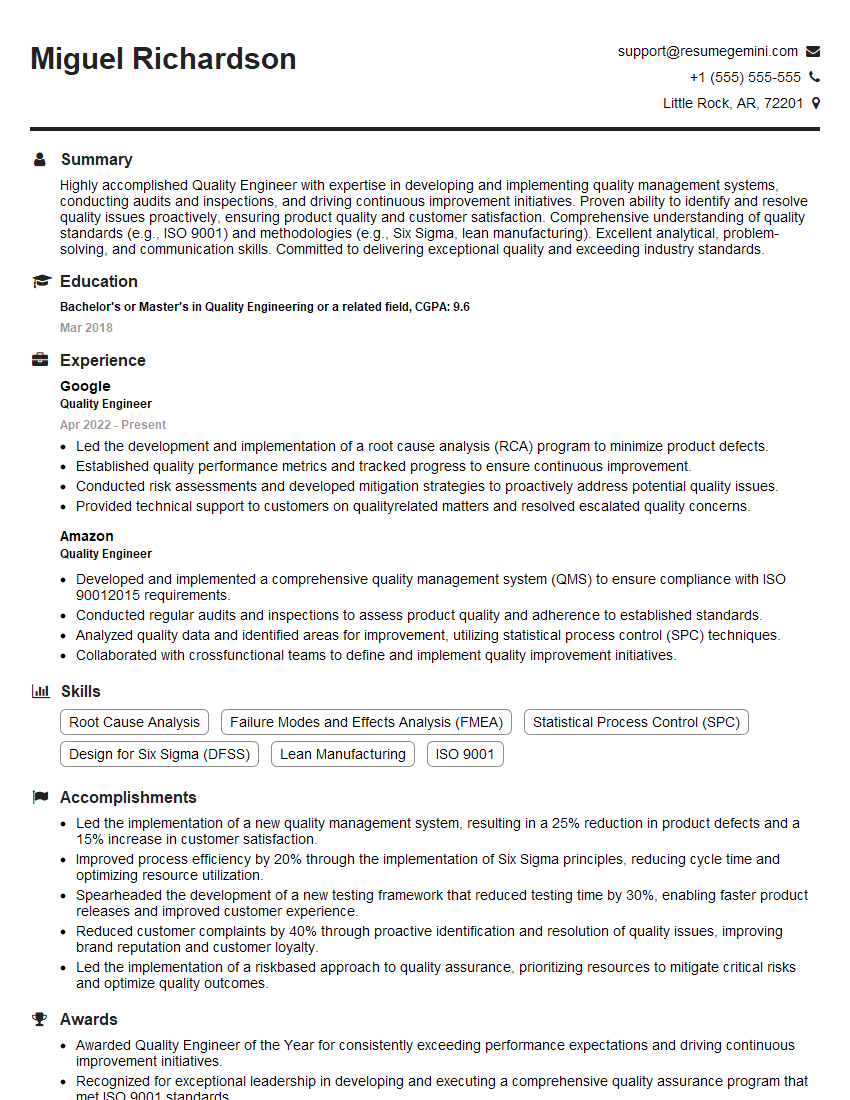
Quality Engineer Resume Sample
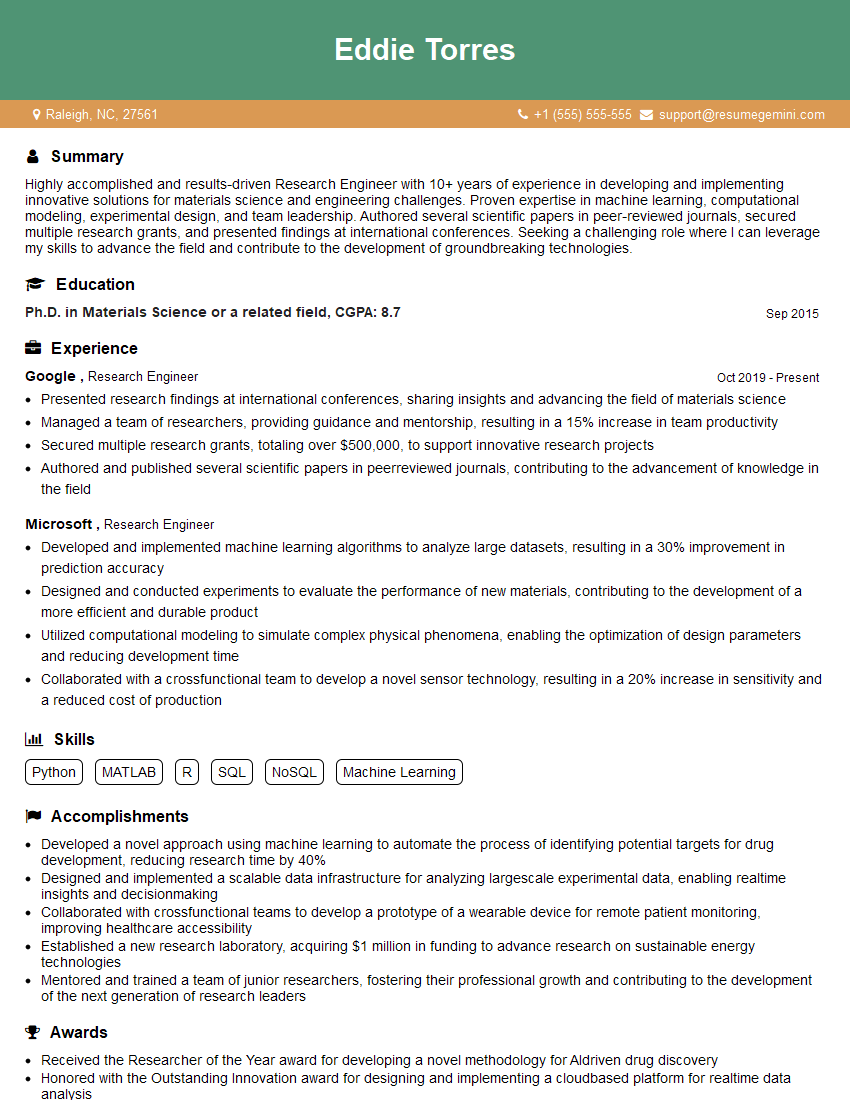
Research Engineer Resume Sample
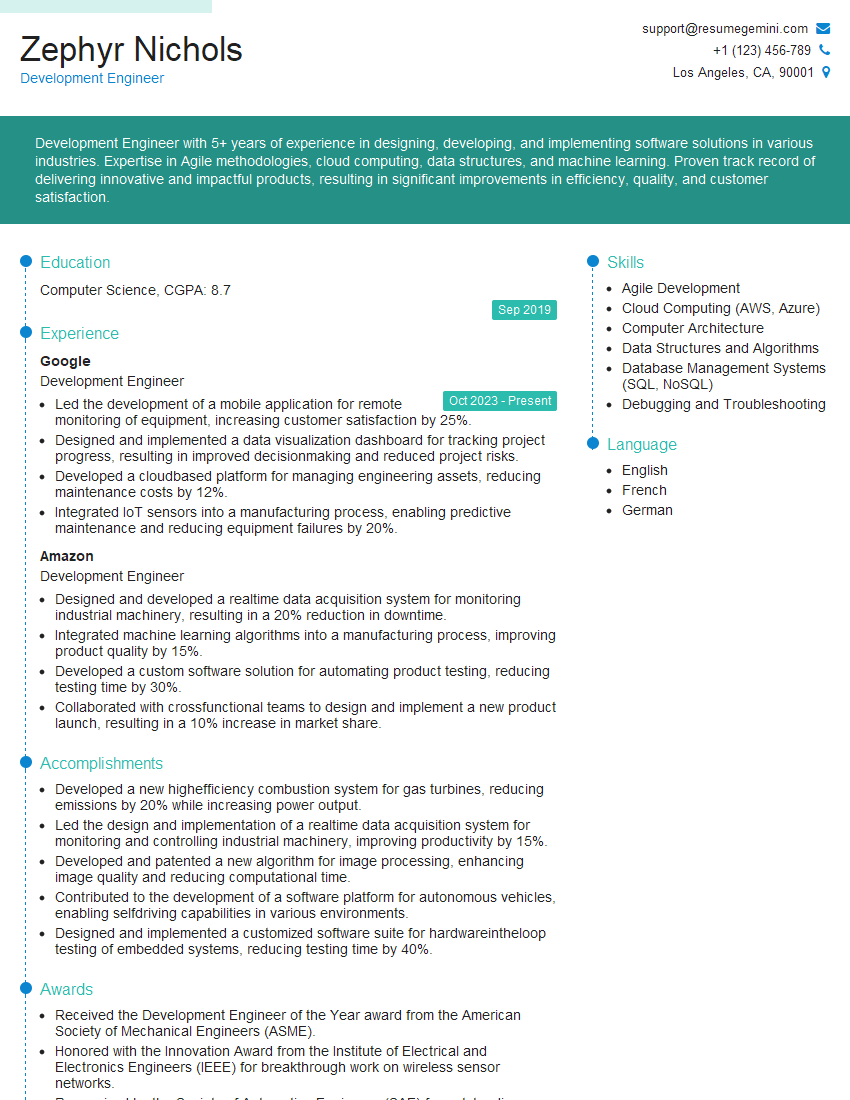
Development Engineer Resume Sample
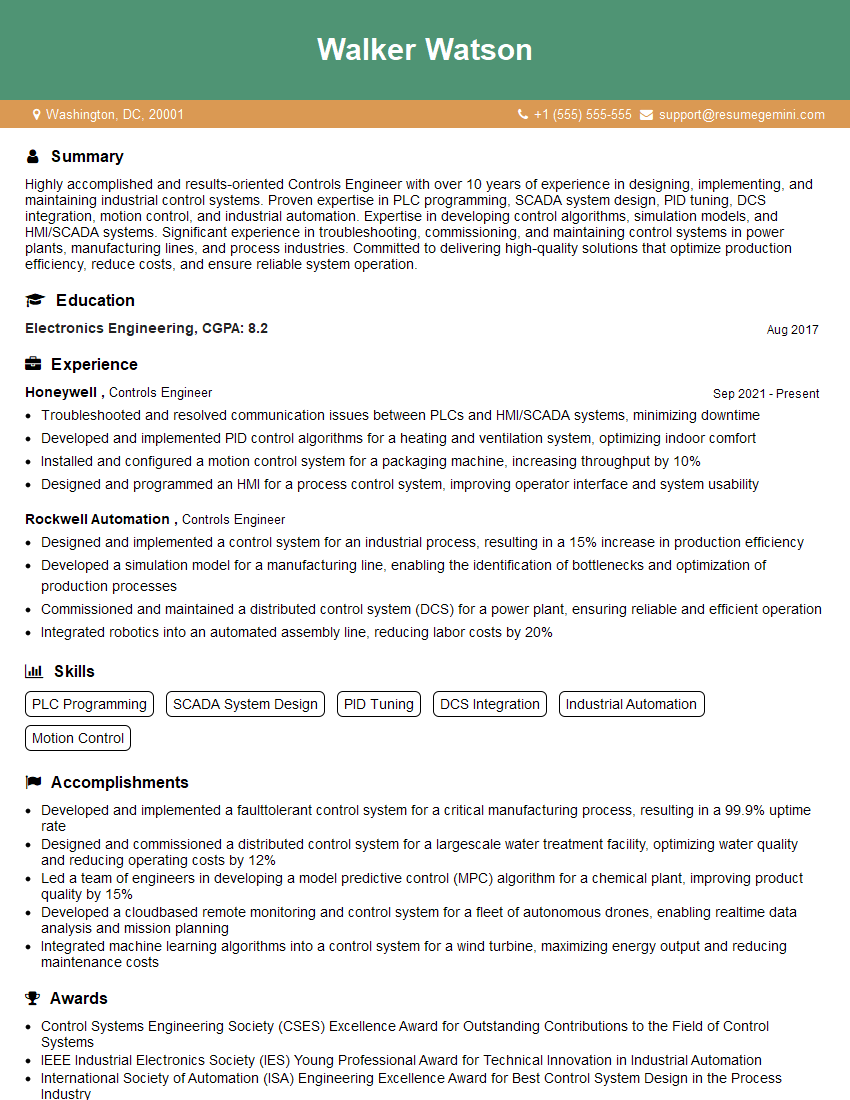
Controls Engineer Resume Sample
Testing Engineer Resume Sample
Product Engineer Resume Sample
Manufacturing Engineer Resume Sample
Automotive Engineer Resume Sample
Powertrain Engineer Resume Sample
Emissions Engineer Resume Sample
Explore more articles
Users Rating of Our Blogs
Share Your Experience
We value your feedback! Please rate our content and share your thoughts (optional).
What Readers Say About Our Blog
Hello,
we currently offer a complimentary backlink and URL indexing test for search engine optimization professionals.
You can get complimentary indexing credits to test how link discovery works in practice.
No credit card is required and there is no recurring fee.
You can find details here:
https://wikipedia-backlinks.com/indexing/
Regards
NICE RESPONSE TO Q & A
hi
The aim of this message is regarding an unclaimed deposit of a deceased nationale that bears the same name as you. You are not relate to him as there are millions of people answering the names across around the world. But i will use my position to influence the release of the deposit to you for our mutual benefit.
Respond for full details and how to claim the deposit. This is 100% risk free. Send hello to my email id: [email protected]
Luka Chachibaialuka
Hey interviewgemini.com, just wanted to follow up on my last email.
We just launched Call the Monster, an parenting app that lets you summon friendly ‘monsters’ kids actually listen to.
We’re also running a giveaway for everyone who downloads the app. Since it’s brand new, there aren’t many users yet, which means you’ve got a much better chance of winning some great prizes.
You can check it out here: https://bit.ly/callamonsterapp
Or follow us on Instagram: https://www.instagram.com/callamonsterapp
Thanks,
Ryan
CEO – Call the Monster App
Hey interviewgemini.com, I saw your website and love your approach.
I just want this to look like spam email, but want to share something important to you. We just launched Call the Monster, a parenting app that lets you summon friendly ‘monsters’ kids actually listen to.
Parents are loving it for calming chaos before bedtime. Thought you might want to try it: https://bit.ly/callamonsterapp or just follow our fun monster lore on Instagram: https://www.instagram.com/callamonsterapp
Thanks,
Ryan
CEO – Call A Monster APP
To the interviewgemini.com Owner.
Dear interviewgemini.com Webmaster!
Hi interviewgemini.com Webmaster!
Dear interviewgemini.com Webmaster!
excellent
Hello,
We found issues with your domain’s email setup that may be sending your messages to spam or blocking them completely. InboxShield Mini shows you how to fix it in minutes — no tech skills required.
Scan your domain now for details: https://inboxshield-mini.com/
— Adam @ InboxShield Mini
Reply STOP to unsubscribe
Hi, are you owner of interviewgemini.com? What if I told you I could help you find extra time in your schedule, reconnect with leads you didn’t even realize you missed, and bring in more “I want to work with you” conversations, without increasing your ad spend or hiring a full-time employee?
All with a flexible, budget-friendly service that could easily pay for itself. Sounds good?
Would it be nice to jump on a quick 10-minute call so I can show you exactly how we make this work?
Best,
Hapei
Marketing Director
Hey, I know you’re the owner of interviewgemini.com. I’ll be quick.
Fundraising for your business is tough and time-consuming. We make it easier by guaranteeing two private investor meetings each month, for six months. No demos, no pitch events – just direct introductions to active investors matched to your startup.
If youR17;re raising, this could help you build real momentum. Want me to send more info?
Hi, I represent an SEO company that specialises in getting you AI citations and higher rankings on Google. I’d like to offer you a 100% free SEO audit for your website. Would you be interested?
Hi, I represent an SEO company that specialises in getting you AI citations and higher rankings on Google. I’d like to offer you a 100% free SEO audit for your website. Would you be interested?
good