The right preparation can turn an interview into an opportunity to showcase your expertise. This guide to Knowledge of Farm Equipment and Machinery interview questions is your ultimate resource, providing key insights and tips to help you ace your responses and stand out as a top candidate.
Questions Asked in Knowledge of Farm Equipment and Machinery Interview
Q 1. Describe your experience maintaining and repairing tractors.
My experience maintaining and repairing tractors spans over 15 years, encompassing a wide range of models and makes. I’m proficient in both preventative maintenance and troubleshooting complex mechanical issues. This includes everything from routine oil changes and filter replacements to diagnosing and repairing engine problems, hydraulic system malfunctions, and electrical faults. For instance, I once diagnosed a recurring overheating issue in an older John Deere tractor by meticulously checking the cooling system, eventually identifying a hairline crack in the radiator that was only visible under pressure testing. I’ve also tackled major overhauls, including engine rebuilds and transmission repairs, often working independently but also collaborating effectively with other mechanics when needed. My work always prioritizes safety and adherence to manufacturer’s specifications.
Q 2. What are the common causes of tractor engine malfunctions?
Tractor engine malfunctions often stem from a few key areas. Fuel system problems are common; these can include clogged fuel filters, faulty injectors, or issues with the fuel pump, leading to poor starting, rough running, or complete engine failure. Lubrication problems, such as low oil levels, contaminated oil, or a faulty oil pump, can cause catastrophic engine damage due to friction and wear. Electrical issues, ranging from faulty sensors and wiring harnesses to problems with the starting system or alternator, can prevent the engine from starting or running properly. Finally, mechanical issues, like worn piston rings, damaged valves, or a cracked engine block, are more severe problems often requiring major repairs or even engine replacement. Regular maintenance, including oil changes, filter replacements, and visual inspections, can significantly reduce the frequency of these malfunctions.
Q 3. Explain the different types of tillage equipment and their applications.
Tillage equipment prepares the soil for planting. Several types exist, each with unique applications:
- Moldboard plows: These traditionally invert the soil, burying crop residues and weeds deeply. They’re effective for deep tillage but can be energy-intensive and contribute to soil erosion if improperly used. Think of them as giving the soil a complete turnover.
- Disk harrows: These cut and pulverize the soil, mixing crop residues with the soil. They’re more versatile than plows and work well in various soil conditions, though they may not provide as deep tillage.
- Chisel plows: These have shanks that penetrate the soil, breaking up compacted layers without completely inverting it. They’re ideal for reducing compaction in heavier soils. Imagine them as loosening the soil rather than turning it over.
- Rotary tillers: These use rotating blades to finely pulverize the soil, creating a smooth seedbed. They’re excellent for preparing seedbeds for small-seeded crops but require significant power.
The choice of tillage equipment depends on factors like soil type, climate, crop, and the desired level of soil disturbance. For example, no-till farming utilizes specialized seeders that plant directly into the undisturbed soil, minimizing soil disturbance and erosion.
Q 4. How do you troubleshoot a malfunctioning combine harvester?
Troubleshooting a malfunctioning combine harvester requires a systematic approach. First, identify the specific problem – is it a problem with harvesting, threshing, separating, or cleaning? Once the problem area is identified, you can start a logical process of elimination. For example, if the combine isn’t feeding properly, check the feeder house for blockages, worn parts, or issues with the auger. If the threshing isn’t effective, examine the cylinder and concave clearance, ensuring they are properly adjusted. Problems with separation might indicate issues with the straw walkers or sieves, which would require inspection and potential adjustments. Finally, if the grain isn’t clean, check the cleaning system, including fan speed and sieve settings. A good understanding of the combine’s mechanics and the use of diagnostic tools like manuals and schematics are vital in efficient troubleshooting. Often, a simple visual inspection and adjustment can fix minor problems, but more serious issues might require specialized tools and expertise.
Q 5. What safety precautions do you take when operating farm machinery?
Safety is paramount when operating farm machinery. Before starting any operation, I always perform a thorough pre-operational check, inspecting the machine for any mechanical defects or leaks. I ensure all safety guards are in place and functioning correctly. I also wear appropriate personal protective equipment (PPE), including safety glasses, hearing protection, and sturdy work boots. When operating the machinery, I maintain a safe speed, especially in challenging terrain or near obstacles. I’m always aware of my surroundings and avoid distractions. I never work alone; having a colleague nearby greatly reduces the risk of accidents. Furthermore, I regularly maintain the machinery to prevent unexpected breakdowns, and I ensure that all operators receive proper training and are familiar with the safety procedures.
Q 6. Describe your experience with GPS-guided farm equipment.
I have extensive experience with GPS-guided farm equipment, using systems like RTK (Real-Time Kinematic) GPS for precise guidance during planting, spraying, and harvesting. I’ve worked with various brands of auto-steer systems, understanding their setup, calibration, and operational parameters. Using GPS guidance allows for significant improvements in efficiency and accuracy; we’ve seen reductions in overlapping passes during spraying, leading to reduced chemical use and cost savings. Similarly, GPS-guided planting allows for consistent spacing and depth, which improves crop yields and ensures uniform maturity. My experience includes troubleshooting issues related to GPS signal reception, system malfunctions, and data management. I’m familiar with the different correction signals available and their impact on accuracy.
Q 7. How familiar are you with precision agriculture technologies?
I’m very familiar with precision agriculture technologies. Beyond GPS guidance, this encompasses variable rate technology (VRT) for applying inputs like fertilizers and pesticides based on site-specific needs, yield mapping to identify areas of high and low productivity, and data management systems for collecting and analyzing farm data. I understand how these technologies work together to optimize farm operations and improve efficiency. For example, I’ve used yield maps to adjust fertilizer application rates in subsequent seasons, targeting areas that need more nutrients. This precision approach improves resource use, reduces environmental impact, and enhances profitability. My familiarity extends to the use of sensors, drones, and remote sensing technologies in gathering data to inform decision-making on the farm.
Q 8. Explain the principles of proper lubrication for farm equipment.
Proper lubrication is the lifeblood of farm equipment, preventing wear, reducing friction, and extending the lifespan of vital components. It involves using the correct type and amount of lubricant at the specified intervals. Think of it like oiling the joints in your own body – without it, movement becomes difficult and damage occurs.
The principles include:
- Choosing the right lubricant: Different components require different lubricants – engine oil, grease, hydraulic fluid, etc. Using the wrong lubricant can lead to damage.
- Using the correct amount: Over-lubrication can contaminate components, while under-lubrication leads to wear and tear. Always refer to the manufacturer’s recommendations.
- Regular lubrication schedule: Adhering to a regular schedule ensures consistent protection and prevents premature failure. This is usually outlined in the equipment’s operator’s manual.
- Proper application techniques: Using the right tools and techniques, such as grease guns or oil cans, ensures the lubricant reaches the intended areas effectively.
- Regular inspection: Checking lubrication levels and condition regularly helps identify potential problems early on. Look for leaks, discoloration, or unusual consistency.
For example, failing to lubricate a tractor’s wheel bearings properly can lead to overheating, damage to the bearings, and ultimately, costly repairs. Regular greasing prevents this scenario.
Q 9. What are the common maintenance schedules for different types of farm equipment?
Maintenance schedules vary greatly depending on the type of equipment, its intensity of use, and environmental factors. However, a general framework usually includes daily, weekly, monthly, and annual checks.
- Daily checks: Typically involve inspecting fluid levels (engine oil, coolant, hydraulic fluid), checking tire pressure, visually inspecting for leaks or damage, and ensuring all safety features are functioning.
- Weekly checks: Might include more thorough inspections of belts, hoses, and connections, as well as cleaning and lubrication of specific components.
- Monthly checks: Could involve more extensive lubrication tasks, filter changes, and checking the condition of critical parts, such as blades or augers.
- Annual checks: Usually require a complete overhaul, which might include major servicing such as engine tune-ups, hydraulic system flushes, and detailed inspections of wear-and-tear items. This often involves professional mechanics.
For instance, a combine harvester requires much more frequent maintenance than a smaller tractor used for light tillage. The operator’s manual provides detailed schedules specific to each machine.
Q 10. Describe your experience with hydraulic systems in farm equipment.
I have extensive experience working with hydraulic systems in farm equipment, from diagnosing leaks to performing complete system overhauls. Hydraulics are crucial for operating implements like loaders, backhoes, and lift systems. Understanding pressure, flow, and the components – pumps, valves, cylinders, and hoses – is essential.
My experience includes:
- Troubleshooting hydraulic leaks: Identifying the source of a leak, whether it’s a damaged hose, faulty seal, or failing component, and performing the necessary repairs or replacements.
- Diagnosing hydraulic system malfunctions: Using pressure gauges and other diagnostic tools to pinpoint problems such as low pressure, sluggish response, or complete system failure.
- Performing hydraulic system maintenance: This includes changing filters, fluid flushes, and preventative maintenance to extend system life. Regular fluid sampling to check for contamination is critical.
- Working with various hydraulic components: I’m experienced with various types of pumps (gear, piston, vane), valves (directional control, pressure relief), and cylinders, and their repair or replacement.
For example, I once diagnosed a slow response in a baler’s hydraulic lift system. After carefully inspecting the system, I found a partially clogged filter, which was quickly replaced resolving the issue.
Q 11. How do you diagnose and repair electrical issues in farm machinery?
Diagnosing and repairing electrical issues in farm machinery requires a systematic approach, combining electrical knowledge with mechanical understanding. Modern farm equipment relies heavily on sophisticated electrical systems controlling various functions.
My approach typically involves:
- Safety first: Disconnecting power sources before working on any electrical components is crucial to prevent shocks or injury.
- Visual inspection: Checking for obvious damage like loose wires, corroded connections, or burnt components.
- Using a multimeter: A multimeter is essential for checking voltage, current, and continuity, helping to pinpoint faulty circuits or components.
- Schematic diagrams: Understanding wiring diagrams is crucial for tracing circuits and identifying the source of the problem. These diagrams are usually available in the equipment’s service manuals.
- Testing components: This may involve testing relays, switches, sensors, or other electrical components using the multimeter to determine if they are functioning correctly.
- Troubleshooting: A methodical process of elimination, checking individual components and circuits until the faulty part is found.
For example, if a tractor’s lights are not functioning, I would first check the fuses, then the switches, wiring, and finally the light bulbs themselves, using a multimeter at each stage to verify operation.
Q 12. What are the different types of harvesting equipment and their uses?
Harvesting equipment varies significantly depending on the crop. Some common types include:
- Combines: These versatile machines harvest, thresh, and clean grains like wheat, barley, and soybeans in a single pass. They combine multiple operations into one efficient process.
- Forage harvesters: Used for harvesting crops like corn silage, alfalfa, and other forages, these machines chop the plants into smaller pieces for easier storage and feeding.
- Cotton pickers: These specialized machines efficiently harvest cotton bolls from the plants, minimizing losses and labor.
- Potato harvesters: Designed to dig, clean, and collect potatoes, reducing manual labor significantly. Various models cater to different soil types and farming practices.
- Sugar beet harvesters: Harvesting sugar beets efficiently requires specialized equipment that lifts, cleans, and tops the beets while minimizing damage.
The choice of harvesting equipment depends on the crop type, scale of operation, and specific field conditions. A large-scale grain farm would use combines, whereas a smaller farm might use a smaller, more specialized harvester for a specific crop.
Q 13. Explain your experience with irrigation systems and their maintenance.
My experience with irrigation systems spans various types, from center pivot to drip irrigation. Proper maintenance is crucial for efficient water use and crop yield. It involves regular inspection, cleaning, and repair to ensure optimal performance.
My experience includes:
- Center pivot irrigation: Inspecting and maintaining the pivot system’s motors, pumps, and sprinkler heads, ensuring proper rotation and water distribution. This often includes checking for leaks, worn parts, and proper alignment.
- Drip irrigation: Cleaning and maintaining drip lines to prevent clogging, ensuring uniform water delivery to each plant. This involves regular flushing and inspecting the emitters for proper function.
- Water source management: Monitoring water quality and pressure, ensuring adequate water supply to the system. This might involve working with pumps, reservoirs, and filters.
- Troubleshooting malfunctions: Diagnosing and resolving issues such as leaks, low pressure, or malfunctioning components.
For example, I once helped a farmer resolve low water pressure in his drip irrigation system. After checking various parts, we found a partially clogged main line, which was thoroughly cleaned, restoring the system to full capacity.
Q 14. How do you manage fuel efficiency in farm equipment operations?
Managing fuel efficiency in farm equipment operations is vital for profitability and environmental responsibility. It involves a combination of operational practices and equipment maintenance.
Strategies include:
- Proper maintenance: Regular servicing, including engine tune-ups, ensures optimal fuel combustion. Keeping equipment in top condition improves fuel economy significantly.
- Optimal operating techniques: Avoiding unnecessary idling, using the right gear for the task, and maintaining proper tire inflation all contribute to better fuel efficiency. Driving smoothly and avoiding harsh acceleration reduces fuel consumption considerably.
- Choosing the right equipment: Selecting fuel-efficient models, considering factors like engine size and technology, plays a key role in minimizing fuel costs. Newer equipment often incorporates fuel-saving technologies.
- Fuel management practices: Monitoring fuel consumption, tracking usage across different machines and operations, and identifying areas for improvement can significantly reduce fuel costs.
For example, simply maintaining correct tire pressure can improve fuel efficiency by several percentage points. Similarly, regularly servicing the engine and ensuring proper air-fuel mixture can have a considerable impact on fuel consumption.
Q 15. What are the environmental considerations when using farm equipment?
Environmental considerations in farm equipment operation are crucial for sustainable agriculture. They center around minimizing negative impacts on soil, water, and air quality, as well as reducing greenhouse gas emissions.
- Soil Compaction: Heavy machinery can compact soil, reducing water infiltration, aeration, and root growth. Using lighter equipment, implementing controlled traffic farming (CTF), and employing appropriate tire pressure significantly mitigate this. For example, switching from a heavy tracked tractor to a lighter four-wheel drive tractor with wider tires can drastically reduce soil compaction.
- Erosion and Runoff: Tillage practices and equipment choices directly impact soil erosion. No-till farming, using conservation tillage implements, and planting cover crops significantly reduce erosion. Implementing buffer strips alongside fields also helps trap sediment and nutrients before they reach waterways.
- Water Pollution: Fertilizer and pesticide application from equipment can contaminate water sources. Precision application technologies, like GPS-guided sprayers, minimize drift and improve targeting accuracy, reducing chemical runoff. Regular equipment maintenance prevents leaks and spills.
- Greenhouse Gas Emissions: Farm equipment contributes to greenhouse gas emissions, mainly through fuel consumption. Selecting fuel-efficient equipment, employing precision farming techniques to reduce fuel use, and exploring alternative fuels like biodiesel can lessen this impact. For instance, optimizing tractor speed for given field conditions can significantly reduce fuel consumption.
- Noise Pollution: Modern farm equipment can be quite loud. Using noise-reducing equipment and practicing responsible operating times helps minimize noise pollution and its impact on wildlife and nearby communities.
Career Expert Tips:
- Ace those interviews! Prepare effectively by reviewing the Top 50 Most Common Interview Questions on ResumeGemini.
- Navigate your job search with confidence! Explore a wide range of Career Tips on ResumeGemini. Learn about common challenges and recommendations to overcome them.
- Craft the perfect resume! Master the Art of Resume Writing with ResumeGemini’s guide. Showcase your unique qualifications and achievements effectively.
- Don’t miss out on holiday savings! Build your dream resume with ResumeGemini’s ATS optimized templates.
Q 16. Describe your experience with preventative maintenance programs.
Preventative maintenance is the cornerstone of efficient and reliable farm operations. My experience involves implementing comprehensive programs encompassing regular inspections, lubrication, and component replacements according to manufacturer’s recommendations and operational needs.
This includes:
- Scheduled Maintenance: I meticulously adhere to scheduled maintenance intervals, documenting all activities in a detailed log. This ensures timely replacement of filters, belts, fluids, and other wear-and-tear parts.
- Lubrication: Proper lubrication is vital to prolong the lifespan of moving parts. I follow lubrication charts precisely, using the correct type and amount of lubricant for each component.
- Visual Inspections: Regular visual inspections identify potential issues early on, preventing them from escalating into major breakdowns. I check for leaks, wear, damage, and loose connections, addressing them promptly.
- Component Replacement: Proactive replacement of worn components prevents unexpected failures during peak operational periods. This extends to tires, chains, and other high-wear items.
For example, during my time at [Previous Employer Name], I implemented a computerized maintenance management system (CMMS) that helped track maintenance schedules, component lifetimes, and costs, leading to a 15% reduction in downtime.
Q 17. How do you handle emergency repairs in the field?
Emergency repairs in the field require quick thinking, resourcefulness, and a solid understanding of farm equipment mechanics. My approach involves a systematic process:
- Safety First: Prioritize safety by securing the area and turning off all equipment to prevent accidents.
- Assessment: Quickly assess the situation, identifying the problem’s nature and severity.
- Troubleshooting: Use diagnostic tools, experience, and knowledge to pinpoint the malfunction. Often, simple issues like a loose wire or clogged filter can be swiftly rectified.
- Temporary Repair: If immediate repair isn’t feasible, employ temporary fixes to get the equipment running until professional assistance arrives. This may involve using makeshift parts, jury-rigging a solution, or using a backup machine.
- Communication: Immediately contact a mechanic, supplier, or other support network to arrange for parts and professional repair.
- Documentation: Document the problem, repairs attempted, and the ultimate resolution for future reference and preventative measures.
For instance, I once managed a broken hydraulic hose in a remote field by using a temporary repair kit and a high-strength hose clamp until a replacement hose arrived. This avoided significant downtime and loss of productivity.
Q 18. What is your experience with different types of tractor implements?
I have extensive experience with various tractor implements, encompassing tillage, planting, harvesting, and material handling equipment. My experience includes:
- Tillage Implements: Disk harrows, moldboard plows, chisel plows, subsoilers, and cultivators for soil preparation and weed control.
- Planting Implements: Planters (various types, discussed further in the next question), seed drills, and air seeders.
- Harvesting Implements: Combines (for grain harvesting), balers (for hay and straw), forage harvesters, and potato harvesters.
- Material Handling Implements: Loaders, backhoes, and various attachments for handling materials such as fertilizer, manure, and harvested crops.
I am proficient in adjusting and operating these implements to optimize performance for varying soil conditions and crop types. I understand the importance of matching implements to tractors based on power requirements and soil conditions to avoid damage to equipment and achieve optimal results.
Q 19. Explain your knowledge of different types of planters and seeders.
Planters and seeders are critical for efficient and accurate seed placement. They vary in design based on crop type and planting methods.
- Row Crop Planters: These are commonly used for crops like corn, soybeans, and cotton. They precisely place seeds in individual rows at a pre-determined depth and spacing. Different models offer features like seed metering mechanisms (e.g., plate, vacuum, or air), row unit adjustments, and fertilizer placement capabilities.
- Broadcast Seeders: These scatter seeds over a larger area, often used for cover crops or small-seeded crops. They can be mechanical, pneumatic, or even drone-based, each with varying levels of precision.
- Precision Seeders: These combine GPS guidance with precise metering systems to ensure accurate seed placement and spacing, minimizing seed overlap and maximizing planting efficiency. They allow for variable rate planting, adjusting seeding rates based on soil conditions or other factors.
- No-Till Seeders: These seeders are designed to plant directly into no-till soil, minimizing soil disturbance. They often have specialized coulters or openers that create a narrow seed slot without inverting the soil surface. This is beneficial for preserving soil health and reducing erosion.
My experience covers the operation, calibration, and maintenance of all these planter types, tailoring their settings for various crops and field conditions. I understand the importance of properly calibrated planting equipment to ensure optimal plant populations and uniform emergence.
Q 20. How do you ensure the proper calibration of farm equipment?
Proper calibration is essential for accurate and efficient farm equipment operation. It ensures consistent application of inputs like seeds, fertilizers, and pesticides, minimizing waste and maximizing yields. My calibration process generally involves:
- Ground Truthing: Verify the area being covered by the equipment using GPS mapping or field measurements.
- Manufacturer Recommendations: Carefully review the manufacturer’s instructions for calibrating the specific piece of equipment.
- Test Runs: Conduct test runs in a designated area to measure the actual output of seeds, fertilizer, or chemicals. This will often require collecting samples and performing calculations based on area covered and amount dispensed.
- Adjustments: Based on the test runs, adjust the equipment settings (e.g., seed plate, metering rollers, spray nozzles) to achieve the desired application rate.
- Documentation: Meticulously record all calibration settings and results to allow for accurate reproduction and monitoring of results over time. This also provides a useful record for troubleshooting issues in the future.
For example, when calibrating a planter, I would measure the amount of seed dispensed over a specific distance, compare that to the desired seeding rate, and then adjust the seed plate or metering mechanism accordingly.
Q 21. What are the key factors to consider when selecting farm equipment?
Selecting the right farm equipment requires careful consideration of several key factors:
- Farm Size and Operations: The scale of your operation dictates the equipment’s capacity and capabilities. A smaller farm might benefit from smaller, more maneuverable equipment, while a large-scale operation requires high-capacity machinery.
- Crop Types: Different crops have specific planting and harvesting requirements. For instance, grain crops need combines, while row crops need planters and cultivators. Selecting equipment that’s appropriate for your crops is essential.
- Soil Conditions: Soil type and texture influence the choice of tillage implements and other equipment. Heavy clay soils may require more powerful equipment than lighter sandy soils.
- Budget and Financing: Equipment costs vary significantly. Understanding your budget and available financing options is crucial in making informed purchasing decisions.
- Technology and Automation: Modern equipment incorporates advanced technologies like GPS guidance, auto-steer, and variable rate application. These can enhance efficiency and precision but also increase the initial investment.
- Maintenance and Repair: Consider the cost and availability of parts and service for the equipment you select. Equipment requiring specialized maintenance may increase long-term expenses.
- Fuel Efficiency: Fuel costs are a major operational expense. Selecting fuel-efficient equipment can significantly impact the overall cost of operation. Consider factors like engine size and horsepower requirements.
For example, if considering a new tractor, evaluating fuel efficiency, horsepower, and the availability of implements compatible with your operations is critical for long-term success. A thorough assessment of your specific needs and resources is crucial for making a sound investment in farm equipment.
Q 22. Describe your experience with diagnostic software for farm equipment.
Diagnostic software for farm equipment has revolutionized troubleshooting. These sophisticated programs, often integrated into the machine’s onboard computer system, allow technicians to access real-time data on various parameters, pinpoint malfunctions, and suggest solutions. My experience spans several platforms, including John Deere’s JDLink, AGCO’s Fuse, and Case IH’s AFS Connect. I’m proficient in interpreting diagnostic trouble codes (DTCs), using data logging to identify intermittent issues, and utilizing the software’s guided troubleshooting features. For instance, recently, a combine harvester experienced erratic header movement. Using the diagnostic software, I identified a faulty sensor in the hydraulic control system – something that would have taken significantly longer to diagnose through traditional methods. I was able to order the part, replace it, and have the combine back in operation within a day, minimizing downtime.
The software also allows for proactive maintenance. By monitoring engine performance, hydraulic pressure, and other critical factors, potential issues can be identified before they lead to major breakdowns. This predictive maintenance approach significantly reduces repair costs and maximizes operational efficiency.
Q 23. How do you stay updated on the latest advancements in farm equipment technology?
Staying current in farm equipment technology is crucial. I employ several strategies to achieve this. Firstly, I actively participate in industry conferences and workshops, such as those hosted by the American Society of Agricultural and Biological Engineers (ASABE). These events provide invaluable opportunities to learn about the latest innovations and network with other professionals. Secondly, I subscribe to relevant trade publications, both print and digital, such as Progressive Farmer and Farm Equipment. I also follow key industry leaders and manufacturers on social media platforms and their websites to get updates on product releases and technological advancements.
Thirdly, I actively seek out manufacturer-provided training on new equipment and software updates. Many manufacturers offer hands-on workshops and online courses that are essential for staying ahead of the curve. Think of it like constantly upgrading your skillset – this continuous learning ensures that I remain proficient with the latest tools and technology.
Q 24. Explain your experience with working on different makes and models of farm equipment.
My career has involved extensive experience with a wide range of farm equipment makes and models, including John Deere, Case IH, New Holland, AGCO, and Kubota. This experience covers a diverse array of machinery, from tractors and combines to planters, sprayers, and balers. This breadth of knowledge allows me to approach any repair job with a comprehensive understanding of the equipment’s unique characteristics and potential issues. For example, the hydraulic systems in John Deere tractors often differ from those in Case IH machines, requiring a nuanced understanding of each manufacturer’s design philosophies.
Understanding the unique diagnostic protocols and part sourcing for different brands is paramount. I am comfortable interpreting service manuals, wiring diagrams, and utilizing specialized tools specific to each manufacturer. This broad experience translates into faster diagnosis and efficient repairs, minimizing downtime for farmers and maximizing productivity.
Q 25. How do you prioritize repair tasks during peak seasons?
During peak seasons, prioritizing repair tasks is critical. I use a system based on a combination of factors: urgency, impact on overall farm operations, and available resources. I employ a triage system, prioritizing repairs that would severely impact harvesting or planting schedules first. For example, a broken combine header would take precedence over a minor tractor fluid leak.
I utilize a task management system, either a digital platform or a well-organized physical system, to track the status of each repair job. This enables me to effectively allocate my team and resources. This system includes estimating the time required for each repair, as well as the availability of parts. Clear communication with farm management is key to ensuring that priorities align with the farm’s overall operational goals.
Q 26. What is your understanding of the regulations governing farm equipment operation?
My understanding of farm equipment regulations covers several key areas, including safety standards (like those set by OSHA), environmental regulations (related to emissions and waste disposal), and operational regulations (like those pertaining to road transport of agricultural machinery). I am well-versed in the requirements for equipment maintenance records, operator certifications, and safety protocols. Staying compliant involves regular inspections, ensuring equipment meets relevant emission standards, and ensuring all operators are properly trained. For instance, I am familiar with the regulations surrounding the safe transportation of large agricultural equipment on public roads, such as proper lighting, signage and load limits.
I make sure our shop practices are aligned with these regulations. This means ensuring proper documentation of repairs, regular equipment inspections, and maintaining a safe and compliant working environment.
Q 27. How do you manage a team of farm equipment mechanics?
Managing a team of farm equipment mechanics requires strong leadership and organizational skills. I foster a collaborative and supportive environment, where open communication is encouraged. This includes regular team meetings to discuss current projects, challenges, and best practices. I also delegate tasks effectively, matching the skills and experience of each mechanic to the specific requirements of each job. Regular performance evaluations help identify areas for improvement and provide opportunities for professional development.
Providing clear expectations and setting realistic goals are vital. I promote a culture of continuous learning, encouraging my team to attend training courses and stay updated on new technologies. Conflict resolution is a key skill, and I ensure that any issues are addressed fairly and efficiently. Ultimately, my goal is to build a high-performing team that is both efficient and motivated.
Q 28. Describe your experience with managing inventory of parts and supplies for farm equipment.
Managing inventory for farm equipment parts is a crucial aspect of efficient operations. I utilize an inventory management system, which could be a computerized system or a well-organized physical system, to track all parts and supplies. This system ensures we have the right parts on hand when needed, minimizing downtime due to stockouts. The system tracks quantities, order history, and supplier information, allowing for proactive ordering and reducing the risk of unexpected delays.
Regular inventory audits help identify slow-moving parts, enabling informed decisions about stock levels. This includes strategies like implementing a Just-in-Time (JIT) inventory system for high-demand parts and consolidating inventory to reduce storage costs. Effective inventory management is key to minimizing expenses and maximizing efficiency, ensuring that the right parts are available when they are needed, keeping our repair processes running smoothly.
Key Topics to Learn for Knowledge of Farm Equipment and Machinery Interview
- Tractor Operation and Maintenance: Understanding different tractor types (e.g., wheeled, tracked), their functionalities, common maintenance procedures, and troubleshooting techniques. Practical application: Describing your experience with preventative maintenance schedules and addressing specific mechanical issues.
- Planting and Harvesting Equipment: Knowledge of various planters, harvesters, and their associated implements. Practical application: Explaining the selection criteria for equipment based on crop type and field conditions, and optimizing harvesting efficiency.
- Soil Management and Tillage: Understanding different tillage methods, their impact on soil health, and the operation of relevant equipment (e.g., plows, harrows, cultivators). Practical application: Discussing the benefits and drawbacks of no-till farming and its effect on equipment selection.
- Irrigation Systems: Familiarity with different irrigation techniques (e.g., drip, sprinkler, flood) and the operation and maintenance of irrigation equipment. Practical application: Analyzing water usage efficiency and suggesting improvements in irrigation practices.
- Precision Agriculture Technologies: Understanding GPS-guided machinery, yield monitoring systems, and other technologies used in modern farming. Practical application: Explaining how these technologies improve farm efficiency and sustainability.
- Safety Regulations and Procedures: Knowledge of safety protocols associated with operating farm machinery, including preventative maintenance and emergency procedures. Practical application: Describing your experience adhering to safety regulations and minimizing risk in your work.
- Farm Equipment Economics: Understanding the costs associated with purchasing, maintaining, and operating farm equipment, and the factors influencing equipment selection based on cost-effectiveness. Practical application: Justifying your equipment choices based on return on investment and operational efficiency.
Next Steps
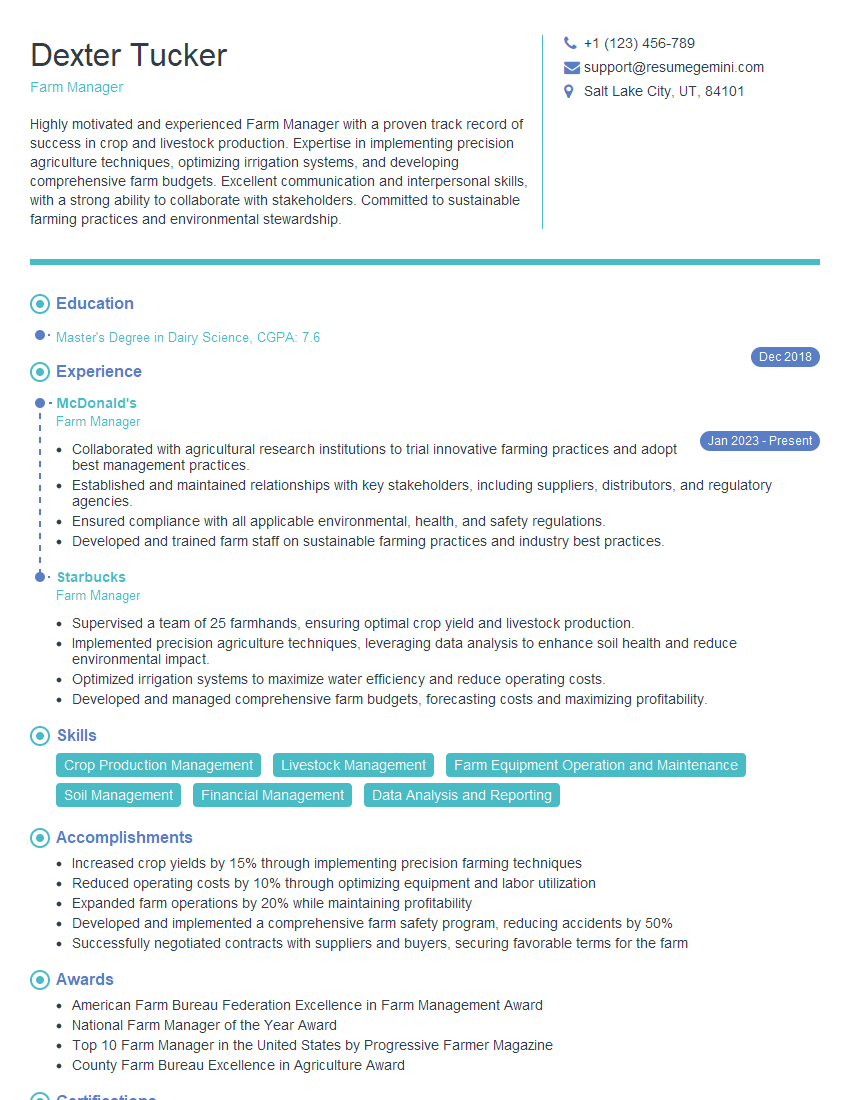
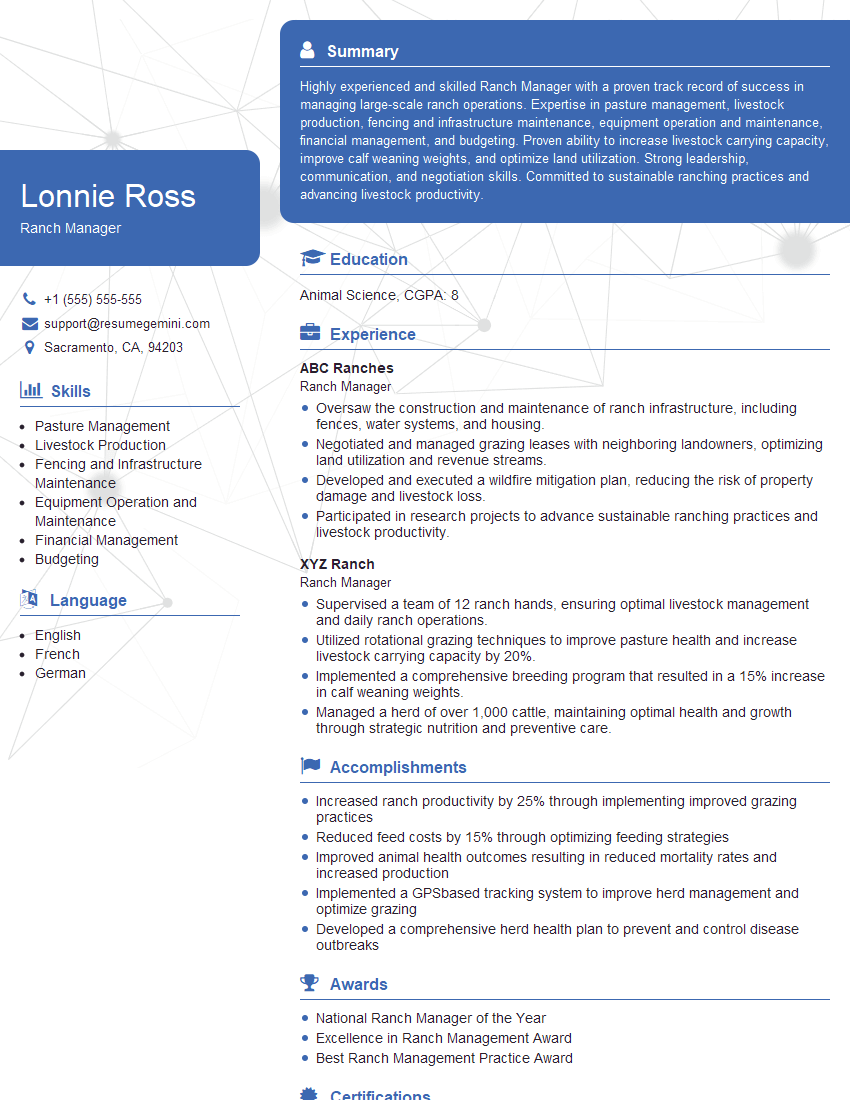
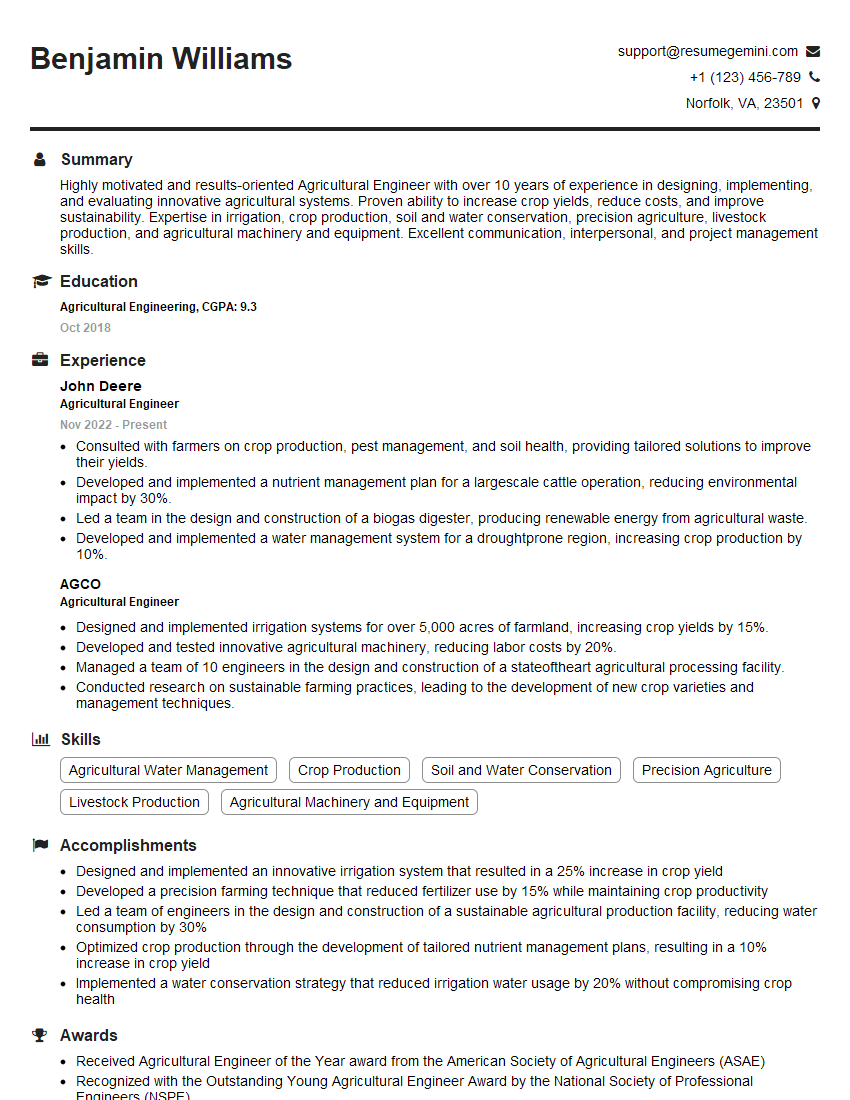
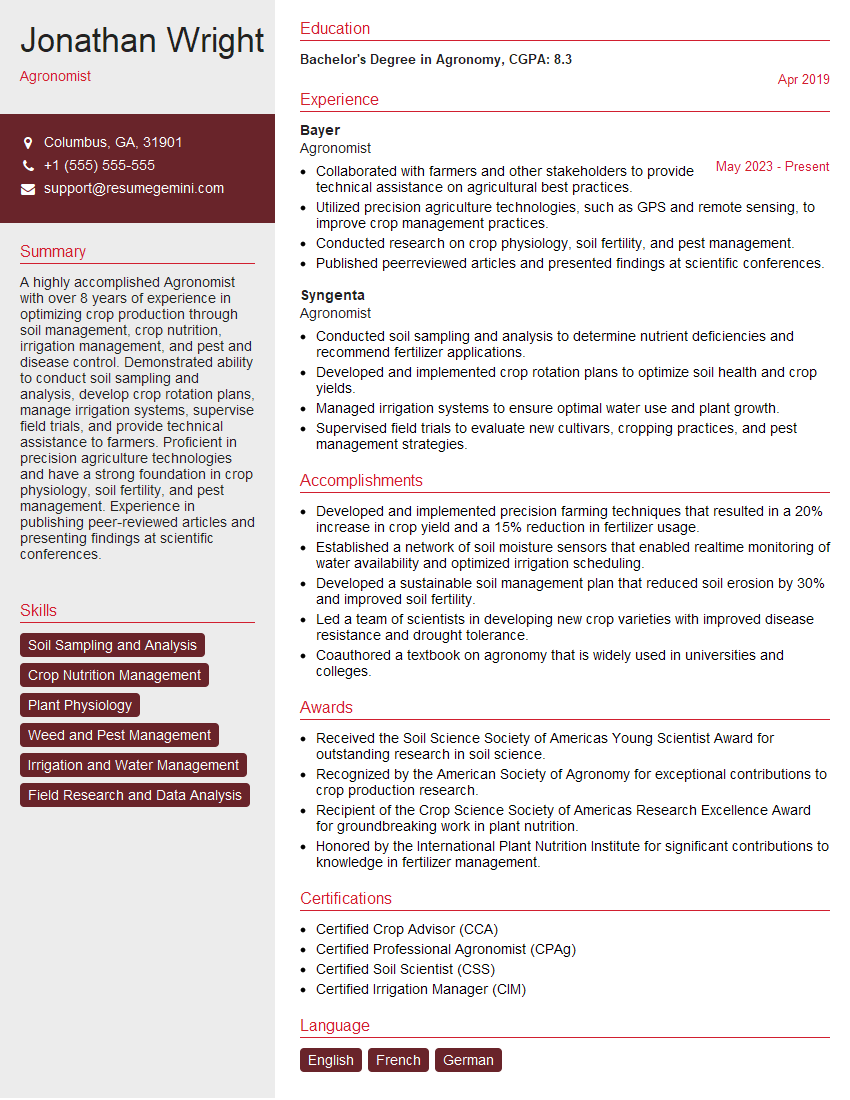
Mastering knowledge of farm equipment and machinery is crucial for career advancement in the agricultural sector. Demonstrating this expertise through a well-crafted resume is vital for attracting the attention of potential employers. Building an ATS-friendly resume significantly increases your chances of getting your application noticed. We strongly encourage you to leverage ResumeGemini to create a professional and impactful resume that showcases your skills and experience. ResumeGemini provides examples of resumes tailored to the Knowledge of Farm Equipment and Machinery field, offering valuable guidance in crafting a compelling application.

Explore more articles
Users Rating of Our Blogs
Share Your Experience
We value your feedback! Please rate our content and share your thoughts (optional).
What Readers Say About Our Blog
Attention music lovers!
Wow, All the best Sax Summer music !!!
Spotify: https://open.spotify.com/artist/6ShcdIT7rPVVaFEpgZQbUk
Apple Music: https://music.apple.com/fr/artist/jimmy-sax-black/1530501936
YouTube: https://music.youtube.com/browse/VLOLAK5uy_noClmC7abM6YpZsnySxRqt3LoalPf88No
Other Platforms and Free Downloads : https://fanlink.tv/jimmysaxblack
on google : https://www.google.com/search?q=22+AND+22+AND+22
on ChatGPT : https://chat.openai.com?q=who20jlJimmy20Black20Sax20Producer
Get back into the groove with Jimmy sax Black
Best regards,
Jimmy sax Black
www.jimmysaxblack.com
Hi I am a troller at The aquatic interview center and I suddenly went so fast in Roblox and it was gone when I reset.
Hi,
Business owners spend hours every week worrying about their website—or avoiding it because it feels overwhelming.
We’d like to take that off your plate:
$69/month. Everything handled.
Our team will:
Design a custom website—or completely overhaul your current one
Take care of hosting as an option
Handle edits and improvements—up to 60 minutes of work included every month
No setup fees, no annual commitments. Just a site that makes a strong first impression.
Find out if it’s right for you:
https://websolutionsgenius.com/awardwinningwebsites
Hello,
we currently offer a complimentary backlink and URL indexing test for search engine optimization professionals.
You can get complimentary indexing credits to test how link discovery works in practice.
No credit card is required and there is no recurring fee.
You can find details here:
https://wikipedia-backlinks.com/indexing/
Regards
NICE RESPONSE TO Q & A
hi
The aim of this message is regarding an unclaimed deposit of a deceased nationale that bears the same name as you. You are not relate to him as there are millions of people answering the names across around the world. But i will use my position to influence the release of the deposit to you for our mutual benefit.
Respond for full details and how to claim the deposit. This is 100% risk free. Send hello to my email id: lukachachibaialuka@gmail.com
Luka Chachibaialuka
Hey interviewgemini.com, just wanted to follow up on my last email.
We just launched Call the Monster, an parenting app that lets you summon friendly ‘monsters’ kids actually listen to.
We’re also running a giveaway for everyone who downloads the app. Since it’s brand new, there aren’t many users yet, which means you’ve got a much better chance of winning some great prizes.
You can check it out here: https://bit.ly/callamonsterapp
Or follow us on Instagram: https://www.instagram.com/callamonsterapp
Thanks,
Ryan
CEO – Call the Monster App
Hey interviewgemini.com, I saw your website and love your approach.
I just want this to look like spam email, but want to share something important to you. We just launched Call the Monster, a parenting app that lets you summon friendly ‘monsters’ kids actually listen to.
Parents are loving it for calming chaos before bedtime. Thought you might want to try it: https://bit.ly/callamonsterapp or just follow our fun monster lore on Instagram: https://www.instagram.com/callamonsterapp
Thanks,
Ryan
CEO – Call A Monster APP
To the interviewgemini.com Owner.
Dear interviewgemini.com Webmaster!
Hi interviewgemini.com Webmaster!
Dear interviewgemini.com Webmaster!
excellent
Hello,
We found issues with your domain’s email setup that may be sending your messages to spam or blocking them completely. InboxShield Mini shows you how to fix it in minutes — no tech skills required.
Scan your domain now for details: https://inboxshield-mini.com/
— Adam @ InboxShield Mini
support@inboxshield-mini.com
Reply STOP to unsubscribe
Hi, are you owner of interviewgemini.com? What if I told you I could help you find extra time in your schedule, reconnect with leads you didn’t even realize you missed, and bring in more “I want to work with you” conversations, without increasing your ad spend or hiring a full-time employee?
All with a flexible, budget-friendly service that could easily pay for itself. Sounds good?
Would it be nice to jump on a quick 10-minute call so I can show you exactly how we make this work?
Best,
Hapei
Marketing Director
Hey, I know you’re the owner of interviewgemini.com. I’ll be quick.
Fundraising for your business is tough and time-consuming. We make it easier by guaranteeing two private investor meetings each month, for six months. No demos, no pitch events – just direct introductions to active investors matched to your startup.
If youR17;re raising, this could help you build real momentum. Want me to send more info?
Hi, I represent an SEO company that specialises in getting you AI citations and higher rankings on Google. I’d like to offer you a 100% free SEO audit for your website. Would you be interested?
Hi, I represent an SEO company that specialises in getting you AI citations and higher rankings on Google. I’d like to offer you a 100% free SEO audit for your website. Would you be interested?