Are you ready to stand out in your next interview? Understanding and preparing for Knowledge of International Standards interview questions is a game-changer. In this blog, we’ve compiled key questions and expert advice to help you showcase your skills with confidence and precision. Let’s get started on your journey to acing the interview.
Questions Asked in Knowledge of International Standards Interview
Q 1. Explain the difference between ISO 9001 and ISO 14001.
ISO 9001 and ISO 14001 are both internationally recognized standards, but they focus on different aspects of an organization’s operations. ISO 9001 is the standard for Quality Management Systems (QMS), focusing on consistently meeting customer requirements and enhancing customer satisfaction. Think of it as a framework for ensuring your product or service does what it’s supposed to do, reliably. ISO 14001, on the other hand, is the standard for Environmental Management Systems (EMS). It’s about minimizing the environmental impact of your operations, complying with environmental regulations, and continually improving environmental performance. Imagine it as a framework for reducing your organization’s carbon footprint and minimizing waste.
Here’s a table summarizing the key differences:
| Feature | ISO 9001 (QMS) | ISO 14001 (EMS) |
|---|---|---|
| Focus | Quality of products/services, customer satisfaction | Environmental performance, legal compliance |
| Key Elements | Process control, documentation, continuous improvement | Environmental aspects, impact assessment, pollution prevention |
| Certification Benefits | Improved customer confidence, reduced defects, enhanced efficiency | Reduced environmental impact, improved regulatory compliance, cost savings |
In short: ISO 9001 is about doing things right, while ISO 14001 is about doing the right things for the environment.
Q 2. Describe your experience conducting internal audits against ISO standards.
I have extensive experience conducting internal audits against various ISO standards, including 9001, 14001, and 27001. My approach is always systematic and objective. I typically begin by reviewing relevant documentation, such as the QMS/EMS/ISMS manual, procedures, and records. I then conduct on-site observations, interviewing personnel at all levels to gain a comprehensive understanding of processes and practices. During audits, I focus on identifying both conformity and non-conformity to the standards.
For example, during an ISO 9001 audit for a manufacturing company, I identified a deviation in their calibration process for key measuring equipment. The process wasn’t adequately documented, resulting in potential inconsistencies in measurements. This highlighted a gap in their quality control system. I documented the finding meticulously, outlining the non-conformity and its potential impact. I then worked with the management team to develop a corrective action plan to address the issue and prevent future recurrence. I always strive to maintain a collaborative approach during audits, working with auditees to help them understand and address any identified gaps.
Q 3. How familiar are you with the ISO 27001 standard regarding information security?
I am very familiar with ISO 27001, the standard for Information Security Management Systems (ISMS). It provides a framework for establishing, implementing, maintaining, and continually improving an organization’s information security. The standard focuses on identifying, analyzing, and mitigating information security risks. This includes aspects like access control, data encryption, incident management, and business continuity.
My understanding extends beyond simply knowing the clauses; I’ve assisted organizations in implementing ISO 27001, conducting gap analyses, and facilitating internal audits. I’m proficient in understanding the Annex A controls and their application in various organizational contexts. For instance, I helped a financial institution implement robust access controls and data loss prevention measures by aligning their existing security framework with ISO 27001 requirements. This ensured the confidentiality, integrity, and availability of sensitive client data.
Q 4. What is a gap analysis in the context of international standards implementation?
A gap analysis, in the context of international standards implementation, is a systematic comparison between the organization’s current state and the requirements of the chosen standard (e.g., ISO 9001, ISO 14001, ISO 27001). It’s essentially an assessment to identify the differences or ‘gaps’ between the ‘as-is’ situation and the ‘to-be’ situation as defined by the standard. This analysis helps determine what needs to be done to achieve compliance.
The process often involves reviewing existing processes, policies, and documentation against the standard’s requirements. It might include interviews with staff, process mapping, and document review. The output is typically a report highlighting the areas where the organization meets the requirements and the areas where it falls short. This gap analysis provides a roadmap for the implementation and improvement process.
For example, in implementing ISO 9001, a gap analysis might reveal that the organization lacks a documented internal audit process. This would be identified as a gap and addressed during the implementation phase by developing and implementing such a process.
Q 5. How would you handle a non-compliance issue discovered during an audit?
Handling a non-compliance issue discovered during an audit requires a systematic and documented approach. The first step is to verify the finding. Once confirmed, the next step involves documenting the non-compliance issue in detail, including the clause of the standard that is not met, the evidence of the non-compliance, and its potential impact.
Then, a corrective action plan needs to be developed and implemented. This plan should outline the steps to address the non-compliance, the responsible party, a timeline for completion, and a method for verifying the effectiveness of the corrective action. Following the implementation of the corrective action, a follow-up audit is necessary to verify that the non-compliance has been addressed.
For example, if a non-compliance related to inadequate employee training was found during an ISO 9001 audit, the corrective action plan might include developing and delivering training programs for relevant personnel, creating a training record-keeping system and scheduling follow-up training to ensure continued competency. The effectiveness of the corrective action would be verified during a subsequent audit.
Q 6. Describe your experience implementing a quality management system (QMS).
I have been involved in several QMS implementations, primarily focused on ISO 9001. My experience covers all phases, from initial assessment and gap analysis to implementation, internal audits, and management review.
A recent project involved a small manufacturing company aiming to improve its operational efficiency and customer satisfaction. We started with a thorough gap analysis, identifying deficiencies in their process documentation, internal audit program, and management review process. Then, we collaborated with the company to develop a QMS manual, create and implement documented processes, and train their employees on the new system. We established a clear process for managing customer feedback and continuously improving processes. The implementation resulted in improved process efficiency, reduced waste, and increased customer satisfaction as evidenced by improved customer feedback and metrics.
Q 7. Explain the PDCA cycle and its relevance to ISO standards.
The PDCA cycle, or Plan-Do-Check-Act cycle, is a four-step iterative process for continuous improvement. It’s a fundamental principle underlying many ISO standards, including ISO 9001 and ISO 14001. It’s a simple yet powerful framework for driving systematic improvement and problem-solving.
- Plan: Identify an opportunity for improvement, set objectives, and develop a plan to achieve those objectives.
- Do: Implement the plan, carry out the activity, and collect data.
- Check: Analyze the results, compare them to the objectives, and determine whether the plan was effective.
- Act: Take action based on the results. If the plan was successful, standardize it. If not, revise the plan and repeat the cycle.
Think of it like baking a cake: you plan the recipe (Plan), bake the cake (Do), taste it and evaluate its quality (Check), and then adjust the recipe for next time if needed (Act). The PDCA cycle is crucial for ISO standards because it promotes a continuous improvement mindset, ensuring organizations regularly evaluate their performance, identify areas for improvement, and implement changes to achieve better results. This iterative nature is key to maintaining certification and continuously enhancing quality and environmental performance.
Q 8. What are the key principles of ISO 9001:2015?
ISO 9001:2015, the international standard for quality management systems (QMS), is built on several key principles. Think of it as a recipe for consistently meeting customer requirements and enhancing customer satisfaction. These principles aren’t just suggestions; they’re the foundation of a robust QMS.
- Customer focus: Understanding and meeting customer needs and expectations is paramount. This involves actively seeking feedback and continuously improving processes to better serve customers. For example, a software company might conduct regular user surveys to gauge satisfaction and identify areas for improvement.
- Leadership: Leaders at all levels must be committed to the QMS and actively demonstrate their commitment. This includes setting clear goals, providing resources, and fostering a culture of continuous improvement. A strong leader might establish a dedicated quality improvement team and regularly review performance metrics.
- Engagement of people: Empowering employees at all levels is critical. When people are involved and feel ownership, they’re more likely to contribute to the quality of products and services. This could involve giving staff training on quality procedures and encouraging them to suggest process improvements.
- Process approach: Effective QMSs manage processes as interconnected systems. This allows for efficient workflows and proactive problem-solving. Imagine a manufacturing company meticulously tracking each step of its production process to pinpoint bottlenecks or quality defects.
- Improvement: Continuous improvement is a core tenet. Regularly reviewing performance, identifying areas for improvement, and implementing corrective actions is essential for long-term success. This could involve implementing a system of regular audits and management reviews to identify areas needing improvement.
- Evidence-based decision making: Decisions should be based on data and analysis, not just intuition. This ensures objective evaluation and informed choices. For example, a company might analyze customer feedback data to decide which features to prioritize in a product update.
- Relationship management: Building strong relationships with suppliers and other stakeholders is vital for a consistent supply chain and overall success. This might involve establishing clear communication channels with suppliers and collaboratively addressing any issues that arise.
Q 9. How do international standards contribute to improved risk management?
International standards significantly enhance risk management by providing a structured framework for identifying, assessing, and mitigating risks. Think of them as a roadmap to navigate uncertainty.
Standards like ISO 31000 (Risk management) offer a comprehensive approach. They promote proactive risk identification through tools like Failure Mode and Effects Analysis (FMEA) and Hazard and Operability Studies (HAZOP). These methods systematically analyze processes to uncover potential risks. For example, an airline might use FMEA to identify potential failures in its aircraft maintenance procedures and develop mitigation strategies.
Furthermore, standards emphasize the importance of risk assessment, helping organizations prioritize risks based on their likelihood and potential impact. This allows for effective allocation of resources to address the most critical risks. A pharmaceutical company, for instance, might use a risk matrix to prioritize risks related to drug development, focusing resources on the most significant threats to patient safety.
Finally, standards encourage the development and implementation of risk treatment plans. This involves defining actions to reduce or eliminate identified risks. A construction company, for example, might use a risk register to track identified risks, the assigned mitigation actions, and the responsible personnel.
Q 10. How do you stay updated on changes and revisions to international standards?
Staying updated on changes and revisions to international standards is crucial for maintaining compliance and leveraging the latest best practices. My strategy involves a multi-pronged approach.
- Subscription to standard organizations: I maintain subscriptions to organizations like ISO and other relevant national standard bodies. This provides direct access to updates, revisions, and notifications regarding new standards or modifications.
- Industry newsletters and journals: I regularly read industry-specific newsletters and journals that cover updates and interpretations of international standards. This contextualizes the changes within my field.
- Professional networks and conferences: Attending industry conferences and participating in professional networks allow me to discuss changes and interpretations with other experts, providing invaluable insights and perspectives.
- Online resources and databases: I utilize online databases and resources that track changes to standards, providing timely alerts and access to the latest versions.
- Internal training programs: My organization offers regular training programs on updated standards, ensuring that our entire team remains informed and compliant.
Q 11. Describe your experience with document control in relation to ISO standards.
Document control is the backbone of any effective ISO-compliant system. It ensures that all relevant documents are readily accessible, controlled, and kept up-to-date. My experience involves implementing and maintaining document control systems aligned with ISO 15489 (Information and documentation – Records management).
In past roles, I’ve been responsible for establishing a centralized document management system, defining document numbering and version control processes, and implementing workflows for document creation, review, approval, and distribution. This included creating templates for various documents, ensuring they met the required standards, and regularly auditing the system to maintain compliance. For instance, we used a dedicated software platform to track document versions, access permissions, and approval history, providing a complete audit trail.
A key element was establishing clear procedures for handling document revisions. This involved a rigorous review and approval process, ensuring that outdated documents were promptly removed and replaced with the latest versions. We trained all personnel on the new document control procedures, ensuring that the system was effective and that compliance was maintained.
Q 12. Explain the importance of stakeholder engagement in implementing ISO standards.
Stakeholder engagement is not just a nice-to-have; it’s essential for successful implementation and maintenance of ISO standards. Think of it as building a consensus around shared quality goals.
Involving stakeholders—including employees, customers, suppliers, and management—from the outset ensures that the QMS aligns with their needs and expectations. This leads to greater buy-in and reduces resistance to change. For example, involving employees in the development of quality procedures can foster a sense of ownership and commitment.
Effective stakeholder engagement involves establishing clear communication channels, actively soliciting feedback, and addressing concerns promptly. This could include regular meetings, surveys, or feedback forms. For instance, a company might hold regular workshops with employees and customers to gather input on the QMS and identify areas for improvement.
Addressing potential conflicts and concerns proactively can significantly improve implementation success and ensures that the QMS meets the needs of all involved parties.
Q 13. What are the benefits of achieving ISO certification?
Achieving ISO certification offers numerous benefits, enhancing an organization’s credibility and efficiency. It’s a significant indicator of commitment to quality and excellence.
- Enhanced credibility and trust: Certification demonstrates a commitment to established quality standards, building trust with customers and stakeholders. This can translate to increased market share and competitive advantage.
- Improved efficiency and productivity: Implementing a QMS leads to streamlined processes, reduced waste, and improved efficiency throughout the organization. This can lead to cost savings and increased profitability.
- Reduced risk and liability: A robust QMS helps identify and mitigate risks, reducing potential errors and improving overall quality. This can minimize legal and financial risks.
- Better customer satisfaction: Meeting and exceeding customer expectations leads to improved customer loyalty and satisfaction. This can result in increased repeat business and positive word-of-mouth referrals.
- Access to new markets: In some industries, ISO certification is a prerequisite for bidding on contracts or entering certain markets. This opens up new business opportunities and expands market reach.
- Improved employee morale and engagement: A well-defined QMS fosters a culture of continuous improvement and employee empowerment, leading to improved employee satisfaction and reduced turnover.
Q 14. Describe a situation where you had to interpret and apply a complex international standard.
In a previous project, we faced a complex interpretation of ISO 14001 (Environmental management systems) concerning the management of hazardous waste. The standard’s requirements were quite detailed, particularly regarding the classification, handling, storage, and disposal of specific chemicals used in our manufacturing process.
The challenge stemmed from ambiguity in classifying a newly introduced chemical compound. The standard didn’t explicitly address this specific compound, requiring us to carefully analyze its properties and compare them with the defined hazard classes. We needed to determine the appropriate safety protocols, storage requirements, and disposal methods to comply fully with the regulations specified in the standard and avoid any potential environmental or safety risks.
To resolve this, we adopted a step-by-step approach:
- Comprehensive Literature Review: We thoroughly researched the chemical compound’s properties, referring to safety data sheets (SDS) and relevant regulatory documents.
- Expert Consultation: We consulted with environmental specialists and regulatory authorities to obtain clarification and professional interpretation.
- Risk Assessment: We conducted a detailed risk assessment to evaluate potential environmental and health hazards associated with the compound.
- Implementation of Control Measures: Based on the assessment, we implemented the necessary control measures to ensure its safe handling, storage, and disposal, fully compliant with ISO 14001.
- Documentation and Record Keeping: We meticulously documented the entire process, including the classification, assessment, and implemented control measures, creating an audit trail.
This multi-faceted approach ensured we adhered to the principles of ISO 14001 while effectively managing the risks associated with the new chemical compound. The result was a robust, compliant system and a deeper understanding of the intricacies of the standard.
Q 15. How would you measure the effectiveness of a quality management system?
Measuring the effectiveness of a Quality Management System (QMS) isn’t a simple tick-box exercise. It requires a holistic approach, evaluating its contribution to overall organizational goals. We need to assess both the system’s internal consistency and its impact on external performance.
Here’s a multi-faceted approach:
- Internal Audits: Regular internal audits, conducted by trained personnel, identify gaps and weaknesses within the QMS itself. This includes checking for compliance with standards like ISO 9001 and the effectiveness of processes in achieving planned results.
- Management Review: Top management’s review of the QMS performance, including audit findings, customer feedback, and key performance indicators (KPIs), is crucial. This ensures continuous alignment with strategic goals.
- Key Performance Indicators (KPIs): KPIs tailored to specific organizational goals are essential. For example, measuring customer satisfaction, defect rates, lead times, and on-time delivery provides concrete data on the system’s efficacy. The choice of KPIs depends on the nature of the business and the specific QMS objectives.
- Customer Feedback: Gathering and analyzing customer feedback through surveys, interviews, or complaint analysis provides valuable insight into the effectiveness of the QMS in meeting customer needs and expectations.
- Process Mapping and Analysis: Regularly reviewing and optimizing process flows helps identify bottlenecks, inefficiencies, and areas for improvement within the QMS.
- Employee Satisfaction: A well-functioning QMS empowers employees and promotes a positive work environment. Surveys and feedback mechanisms can gauge employee satisfaction and engagement with the system.
For example, a manufacturing company might track its defect rate as a KPI. A significant reduction in defects, directly correlated to QMS improvements, would be strong evidence of its effectiveness. Similarly, increased customer satisfaction scores would demonstrate the QMS’s success in fulfilling customer requirements.
Career Expert Tips:
- Ace those interviews! Prepare effectively by reviewing the Top 50 Most Common Interview Questions on ResumeGemini.
- Navigate your job search with confidence! Explore a wide range of Career Tips on ResumeGemini. Learn about common challenges and recommendations to overcome them.
- Craft the perfect resume! Master the Art of Resume Writing with ResumeGemini’s guide. Showcase your unique qualifications and achievements effectively.
- Don’t miss out on holiday savings! Build your dream resume with ResumeGemini’s ATS optimized templates.
Q 16. Explain the concept of continuous improvement within the context of ISO standards.
Continuous improvement, often referred to as Kaizen, is a fundamental principle embedded within ISO standards. It’s an ongoing commitment to enhancing products, processes, and systems. It’s not a one-time project but a mindset that permeates the entire organization.
Within the context of ISO standards, continuous improvement is driven by:
- Data-driven decision making: Regularly collecting and analyzing data on process performance identifies areas needing attention. This could be defect rates, customer complaints, or cycle times.
- Corrective and Preventive Actions (CAPA): Implementing a robust CAPA system ensures that nonconformities are addressed promptly and effectively, preventing recurrence. This is a key component of continuous improvement.
- Regular reviews and audits: Regular internal audits and management reviews serve as opportunities to identify areas for improvement and assess the effectiveness of implemented changes.
- PDCA Cycle (Plan-Do-Check-Act): The PDCA cycle is a structured approach to implementing and evaluating changes. Planning involves identifying improvement opportunities; doing involves implementing the changes; checking involves monitoring the results; and acting involves standardizing improvements or making further adjustments.
For example, a company implementing ISO 9001 might use the PDCA cycle to reduce waste in its manufacturing process. They’d plan a new layout, implement it, check the waste levels, and then act by refining the layout or implementing additional improvements based on the results.
Q 17. What are some common challenges in implementing international standards?
Implementing international standards presents various challenges, often varying based on the size and nature of the organization and the specific standards involved.
- Cost and Resource Constraints: Implementing and maintaining a compliant QMS requires investment in training, software, documentation, and auditing. Smaller organizations may face particular challenges in allocating sufficient resources.
- Lack of Awareness and Training: A successful implementation relies on a deep understanding of the standards among all relevant personnel. Inadequate training can lead to inconsistent application and ineffective implementation.
- Resistance to Change: Introducing new processes and systems can encounter resistance from employees accustomed to established practices. Effective change management strategies are essential for smooth implementation.
- Integration with Existing Systems: Integrating a new QMS with existing systems and processes can be complex, requiring careful planning and coordination.
- Maintaining Compliance Over Time: Compliance isn’t a one-time achievement. Ongoing monitoring, auditing, and updates are necessary to maintain compliance and adapt to evolving requirements.
- Cultural Differences: When implementing standards across multiple international locations, cultural differences and varying regulatory environments can pose significant challenges.
For example, a company might struggle to integrate ISO 14001 (environmental management) with its existing production processes if it lacks the necessary resources or employee buy-in. Or, a global company might face difficulties tailoring its QMS to meet varying regulatory requirements in different countries.
Q 18. How do international standards promote interoperability between organizations?
International standards promote interoperability by providing a common language and framework for organizations to interact. This is particularly crucial in areas involving data exchange, product compatibility, and process integration across different organizational boundaries.
Here’s how:
- Standardized Processes: Standards define common processes, ensuring consistent approaches across different organizations. This eliminates ambiguity and improves efficiency in areas like data exchange, supply chain management, and product development.
- Interchangeable Products and Services: Standards establish requirements for product design and functionality, enabling products and services from different manufacturers or providers to be compatible and interchangeable.
- Data Exchange: Standards dictate formats for data exchange, facilitating seamless integration of data between different systems and organizations. For example, the use of XML or JSON formats based on specific standards ensures data can be easily shared and interpreted.
- Reduced Transaction Costs: The common understanding facilitated by standards reduces the time and resources spent on clarifying requirements, resolving inconsistencies, and negotiating customized solutions.
For instance, the widespread adoption of communication protocols like TCP/IP allows different computer networks across the globe to communicate seamlessly. Similarly, standards in the automotive industry allow parts from different suppliers to be easily integrated into a vehicle.
Q 19. What are your views on the importance of ethical considerations in standards compliance?
Ethical considerations are paramount in standards compliance. It’s not enough to simply meet the minimum requirements; organizations must act with integrity and responsibility throughout the process.
Ethical considerations include:
- Transparency and Honesty: Organizations should be transparent in their efforts to achieve compliance and address any nonconformities honestly and openly.
- Fairness and Impartiality: Compliance efforts should be fair and impartial, avoiding practices that could disadvantage certain stakeholders.
- Data Security and Privacy: When collecting and handling data related to compliance, organizations must respect data privacy and security regulations.
- Environmental Responsibility: Standards like ISO 14001 emphasize environmental stewardship, and compliance shouldn’t be achieved at the expense of environmental protection.
- Social Responsibility: Organizations should consider the social impact of their actions, aiming for compliance that benefits employees, communities, and society at large.
For example, a company claiming ISO 9001 certification must ensure that its claims are accurate and that its practices genuinely reflect the standard’s requirements. A company might choose a sustainable material for its product not just to meet environmental standards but as a commitment to environmental responsibility. Ignoring ethical concerns during standards implementation can lead to reputational damage and legal repercussions.
Q 20. Describe your experience with using a standards management software.
I’ve had extensive experience using a standards management software (SMS) to streamline our company’s ISO 9001 compliance. The system we employed allowed us to centralize all our documentation, manage the revision control of our quality manual, and track our internal audit findings.
Specific functionalities I utilized included:
- Document Control: The SMS provided a secure repository for all our quality management documents, ensuring that only authorized personnel could access and modify them. It automated version control, notifying us of updates and preventing accidental use of outdated versions. The system also simplified the review and approval process.
- Audit Management: The SMS facilitated the planning, execution, and reporting of internal audits. It allowed us to schedule audits, assign auditors, record findings, and track corrective actions efficiently. This improved our audit efficiency and reduced administrative burdens.
- Nonconformity Management: We used the SMS to track and manage nonconformities, ensuring that corrective and preventive actions were implemented effectively. The system helped us monitor progress and prevent recurrence of issues.
- Training and Competency Management: The SMS helped us track employee training records, ensuring that all personnel had the necessary training to perform their duties.
The SMS significantly improved our efficiency and reduced the administrative burden associated with maintaining our QMS. It also enhanced traceability and improved our overall compliance posture.
Q 21. How familiar are you with the requirements of ISO 22000 (Food Safety Management Systems)?
ISO 22000 is a widely recognized international standard specifying the requirements for a Food Safety Management System (FSMS). I’m very familiar with its requirements, having worked extensively with food processing companies implementing and auditing against this standard. The standard emphasizes a holistic approach to food safety, integrating aspects like HACCP (Hazard Analysis and Critical Control Points) principles into the overall management system.
Key aspects of ISO 22000 include:
- Hazard Analysis and Critical Control Points (HACCP): HACCP is a systematic approach to identifying, assessing, and controlling food safety hazards. ISO 22000 requires organizations to implement a HACCP plan tailored to their specific operations.
- Prerequisite Programs (PRPs): PRPs are fundamental operational controls that establish the basic hygiene and sanitation requirements necessary to manage food safety hazards. These include elements like good manufacturing practices (GMP), cleaning and sanitation procedures, and pest control measures.
- Management System Requirements: ISO 22000 includes a range of management system requirements, similar to other ISO standards, covering aspects like management responsibility, resource management, and continual improvement.
- Communication and Traceability: Effective communication throughout the food supply chain and the ability to trace food products throughout their lifecycle are crucial elements.
I have experience assisting companies in implementing and maintaining their FSMS, including developing HACCP plans, conducting internal audits, and working with certification bodies. I understand the importance of the interaction between PRPs and HACCP, and I can identify potential food safety hazards and develop effective control measures. Understanding this standard requires a deep knowledge of food safety principles and best practices.
Q 22. How would you explain the importance of international standards to a non-technical audience?
International standards are like common rules for a global game. They ensure products and services are safe, reliable, and compatible, regardless of where they’re made or used. Imagine trying to plug a European appliance into a North American outlet – without standards, this wouldn’t work! Standards create a level playing field for businesses, facilitate trade, and protect consumers.
For example, a standardized USB port allows any device with that port to connect to any computer with a compatible port, regardless of the manufacturer. Without standards, each manufacturer might create a unique port, leading to chaos and incompatibility. Similarly, standards for food safety ensure that products meet minimum quality and hygiene requirements globally, protecting public health.
In short, international standards are crucial for fostering trust, efficiency, and global collaboration.
Q 23. Explain your understanding of the role of a standards body (e.g., ISO, IEC).
Standards bodies like ISO (International Organization for Standardization) and IEC (International Electrotechnical Commission) are the architects of these global rules. They’re non-profit organizations that bring together experts from various countries to develop and publish international standards. This collaborative process ensures that standards reflect the best practices and technological advancements worldwide.
Their role extends beyond simply creating standards. They also provide training, promote awareness, and facilitate certification processes. They essentially act as a global authority on best practices across various sectors, ensuring quality, safety, and interoperability.
For example, ISO 9001 (Quality Management) provides a framework for businesses to improve their quality management systems, while IEC 60947 (Low-voltage switchgear and controlgear) sets standards for electrical safety.
Q 24. Describe your experience with developing or revising internal standards documents.
In my previous role, I was actively involved in revising our company’s internal standard operating procedures (SOPs) for quality control in manufacturing. This involved a thorough review of existing processes, identifying areas for improvement based on best practices and new technologies, and aligning them with relevant ISO standards (ISO 9001 in this case).
The process was iterative, involving multiple reviews and consultations with various departments. We employed a structured approach using a document control system, ensuring version control and clear communication throughout the revision process. The updated SOPs were then implemented, followed by a period of monitoring and evaluation to assess their effectiveness.
Another example involved creating internal standards for data security, based on industry best practices and compliance regulations like GDPR and CCPA. This involved defining clear roles, responsibilities, and protocols for handling sensitive information, ensuring data privacy and security.
Q 25. What is your experience with managing certifications and renewals?
I have extensive experience in managing certifications, specifically ISO 9001 and ISO 14001 (Environmental Management). My responsibilities included coordinating audits, addressing any non-conformances identified by the certification body, ensuring that corrective and preventive actions were implemented effectively, and managing the renewal process. This involved preparing documentation, reviewing audit reports, and maintaining the certification’s validity.
I have also handled certifications for specific products, like CE marking for products sold within the European Union. This process requires demonstrating compliance with various directives and standards relevant to the product’s function and safety. Managing these certifications requires meticulous record-keeping, and proactive identification of any potential compliance issues.
Q 26. How do you ensure that your organization stays compliant with evolving international standards?
Staying compliant with evolving international standards is an ongoing process, not a one-time event. We use a multi-pronged approach. This starts with a robust monitoring system, tracking changes to relevant standards through subscriptions to standards bodies and industry publications. We also participate in industry events and conferences to stay informed about evolving best practices.
Internally, we regularly conduct internal audits and gap analyses to identify any areas of non-compliance. We assign responsibility for compliance to specific individuals or teams and incorporate compliance training as part of our employee development programs. Finally, we integrate regular reviews of our processes and systems to ensure that they continuously meet the latest standard requirements.
Q 27. Describe your experience with conducting root cause analysis in relation to non-conformances.
I’ve utilized various root cause analysis techniques, including the 5 Whys, fishbone diagrams, and fault tree analysis, to investigate non-conformances. For example, when a batch of products failed a quality test, we used the 5 Whys to systematically drill down to the underlying cause, uncovering a faulty component from a new supplier.
The process typically involves collecting data, interviewing relevant personnel, analyzing the findings, and identifying corrective and preventive actions (CAPA). The goal is not only to fix the immediate problem but also to prevent similar issues from recurring. Effective root cause analysis requires a structured approach, thorough documentation, and a commitment to continuous improvement.
Q 28. How would you handle a conflict between different international standards?
Conflicts between international standards can occur, requiring careful consideration and a pragmatic approach. The first step is to fully understand the requirements of each standard and identify the specific areas of conflict. This often involves close examination of the scope and applicability of each standard. Sometimes the apparent conflict is a matter of interpretation or outdated information.
If the conflict cannot be resolved through interpretation, we would explore several options: prioritize the most critical standard (based on legal requirements or safety concerns), seek clarification from the standards bodies themselves, or develop a bespoke solution that complies with the core principles of all relevant standards. Documentation of the conflict resolution process is crucial.
For instance, if a safety standard mandates a specific design feature that clashes with a performance standard, a risk assessment might be necessary to determine the most appropriate solution, perhaps involving compromises that ensure both safety and acceptable performance levels.
Key Topics to Learn for Knowledge of International Standards Interview
- ISO 9001:2015 (Quality Management Systems): Understanding the principles, clauses, and implementation of this widely recognized standard. Consider practical applications like internal audits and continuous improvement initiatives.
- ISO 14001:2015 (Environmental Management Systems): Focus on environmental impact assessment, regulatory compliance, and sustainable practices. Explore case studies demonstrating successful EMS implementation.
- ISO 27001:2013 (Information Security Management Systems): Learn about information security risks, controls, and the implementation of an ISMS. Understand the practical application of risk assessments and incident management.
- Specific Industry Standards: Research standards relevant to your target industry. Demonstrate your understanding of how these standards are applied within a specific context.
- Gap Analysis and Improvement Planning: Understand how to identify gaps between current practices and international standards, and develop plans for improvement and compliance.
- Auditing and Compliance: Familiarize yourself with auditing methodologies and the process of ensuring compliance with international standards.
- Legal and Regulatory Frameworks: Understand the legal and regulatory context surrounding international standards and how they relate to national and regional regulations.
Next Steps
Mastering knowledge of international standards is crucial for career advancement, opening doors to specialized roles and higher earning potential. It demonstrates a commitment to quality, efficiency, and best practices, highly valued by employers across various sectors. To significantly boost your job prospects, create a resume optimized for Applicant Tracking Systems (ATS). ResumeGemini can help you build a professional, ATS-friendly resume tailored to highlight your expertise in Knowledge of International Standards. Examples of resumes tailored to this field are available within the ResumeGemini platform.
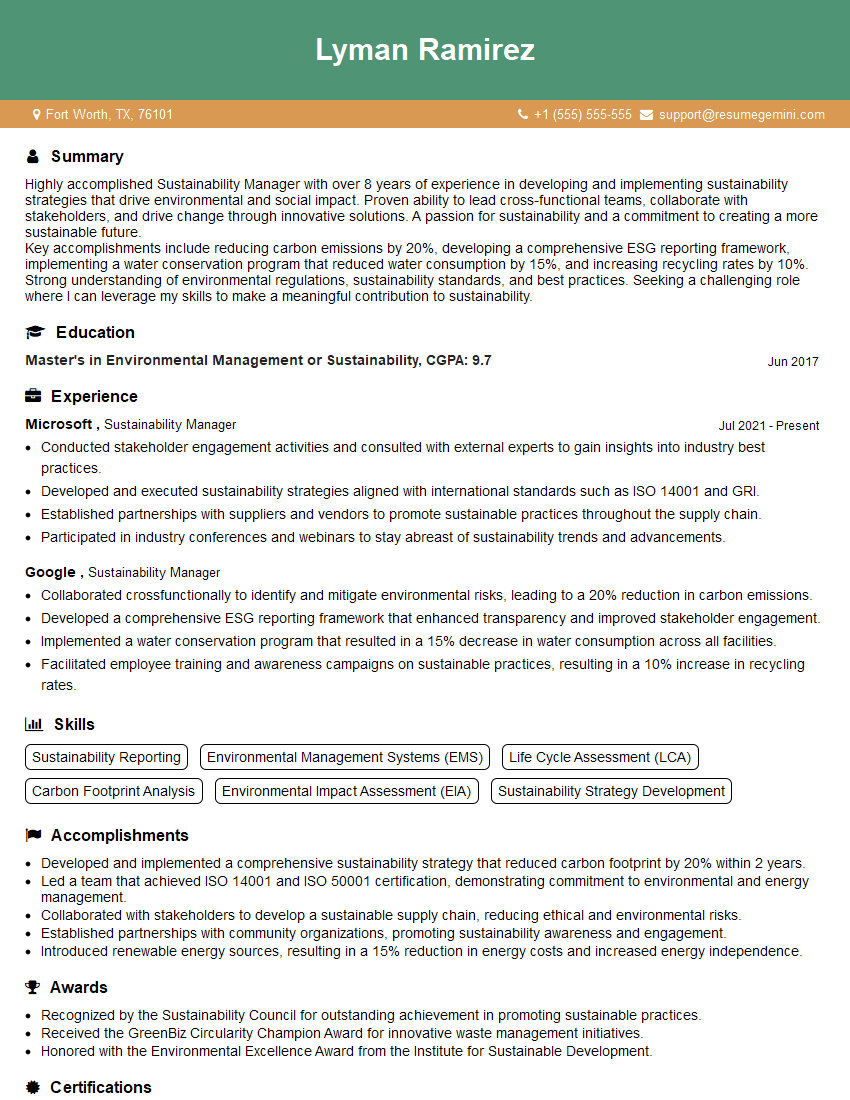
Sustainability Manager Resume Sample
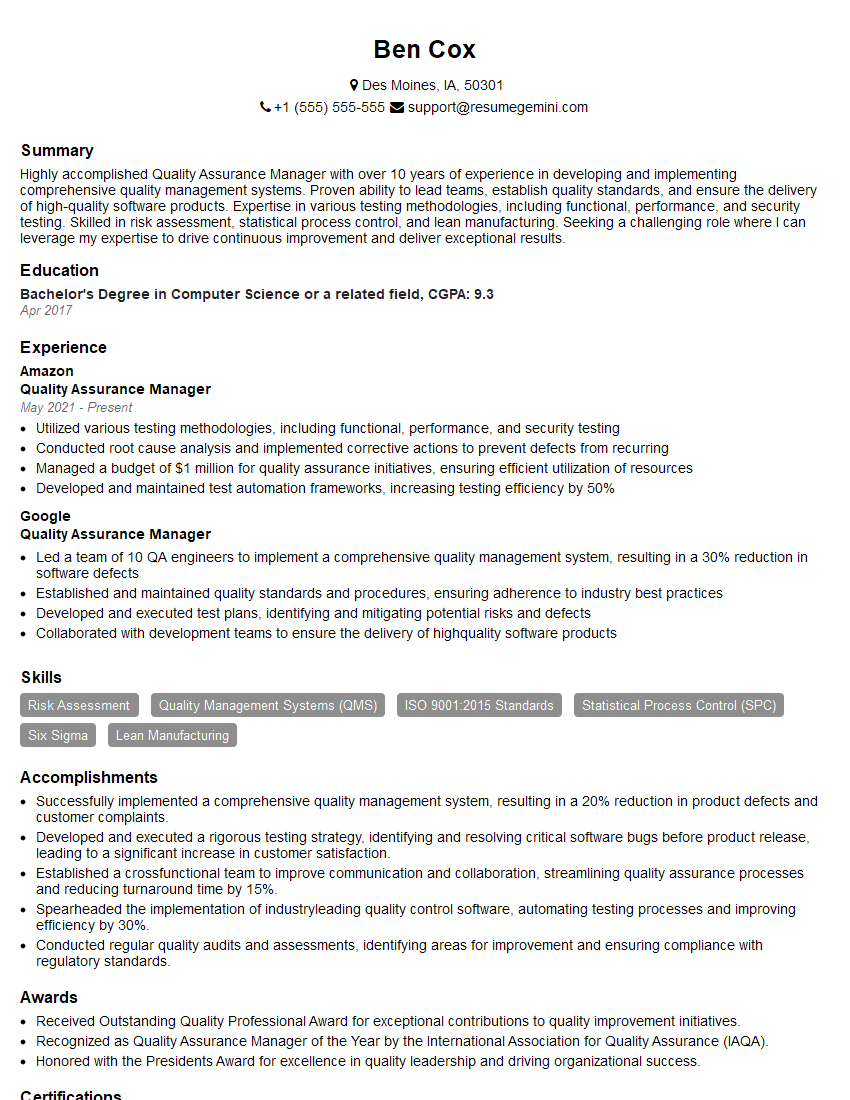
Quality Assurance Manager Resume Sample
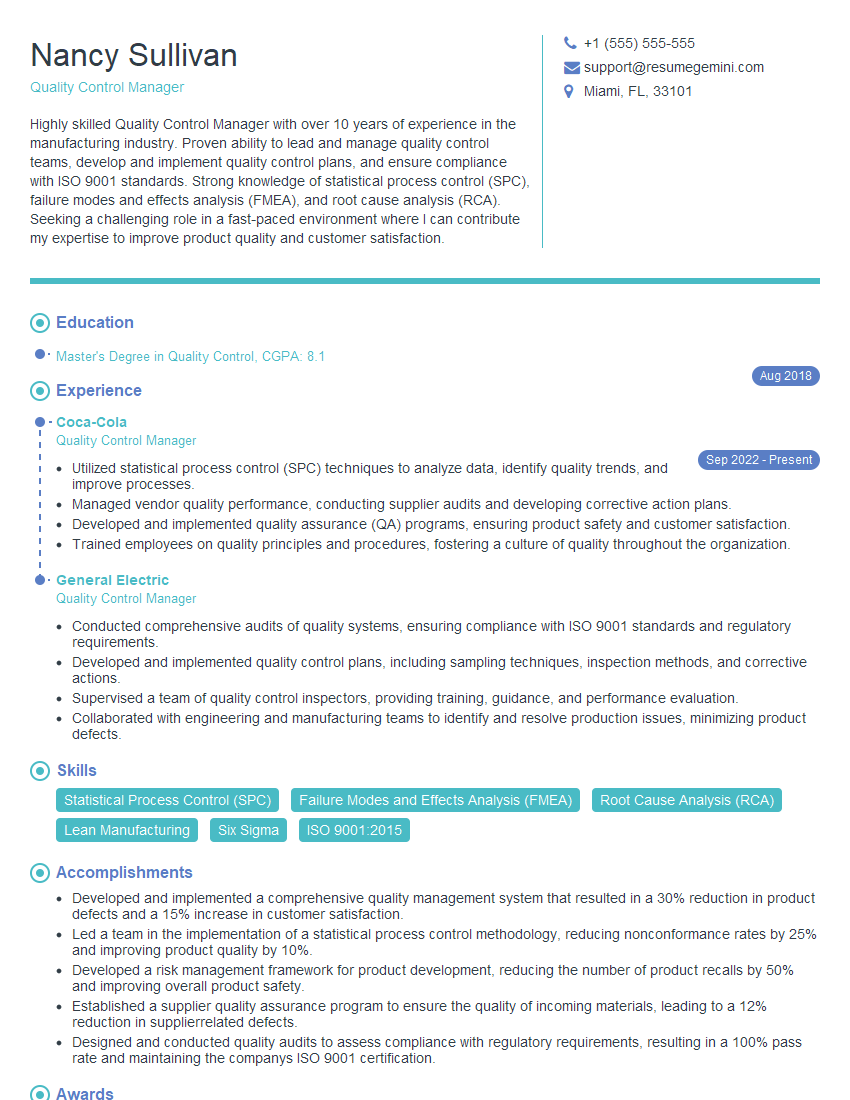
Quality Control Manager Resume Sample

Compliance Officer Resume Sample
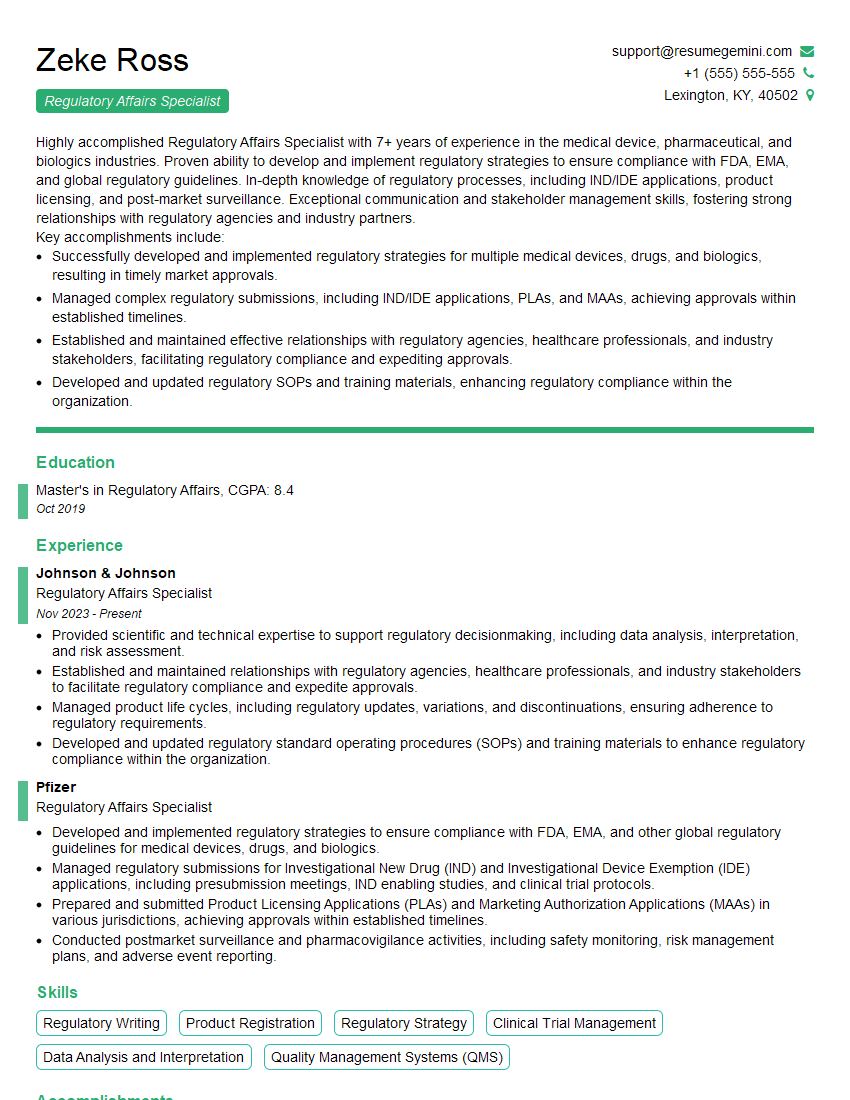
Regulatory Affairs Specialist Resume Sample
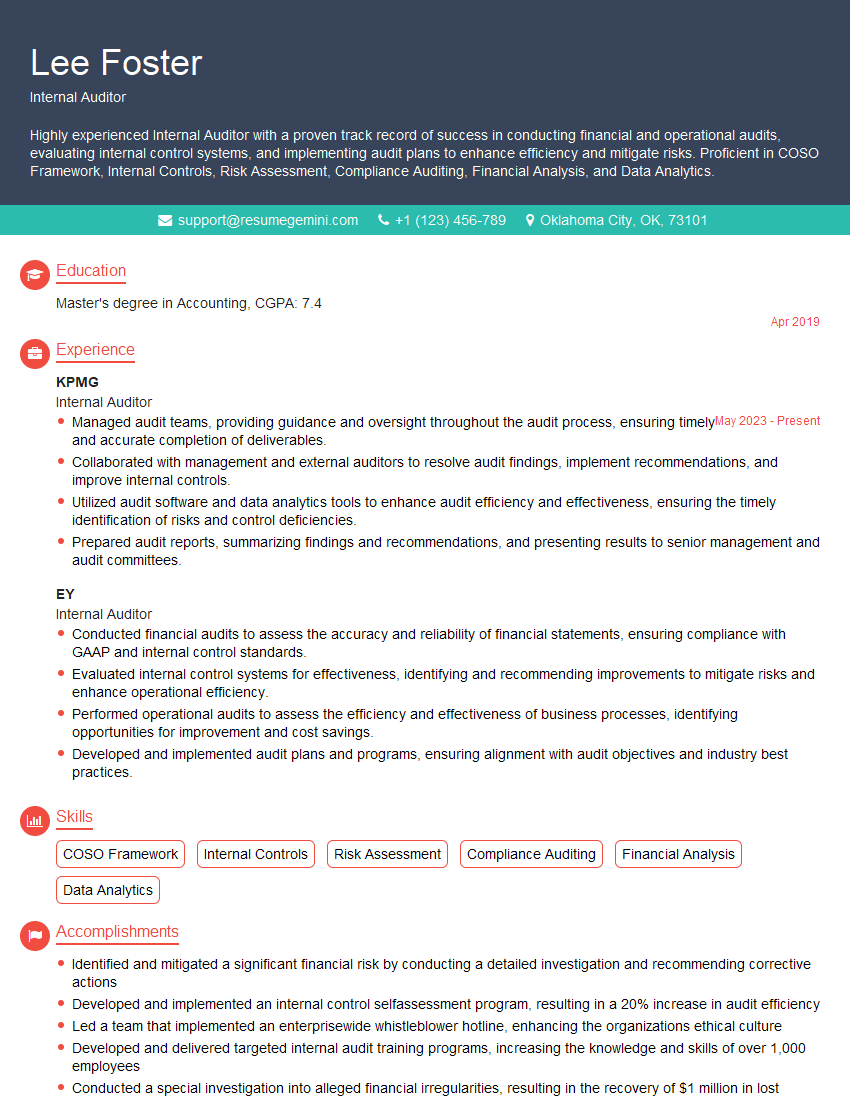
Internal Auditor Resume Sample
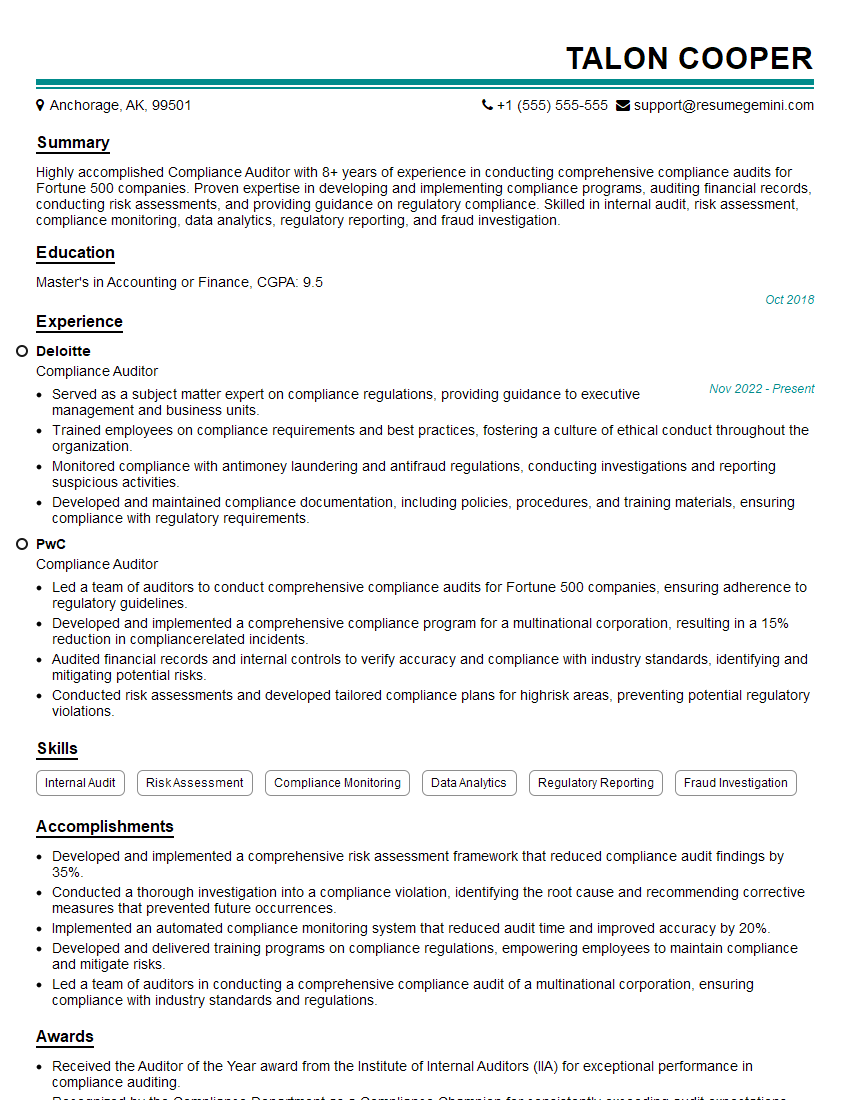
Compliance Auditor Resume Sample
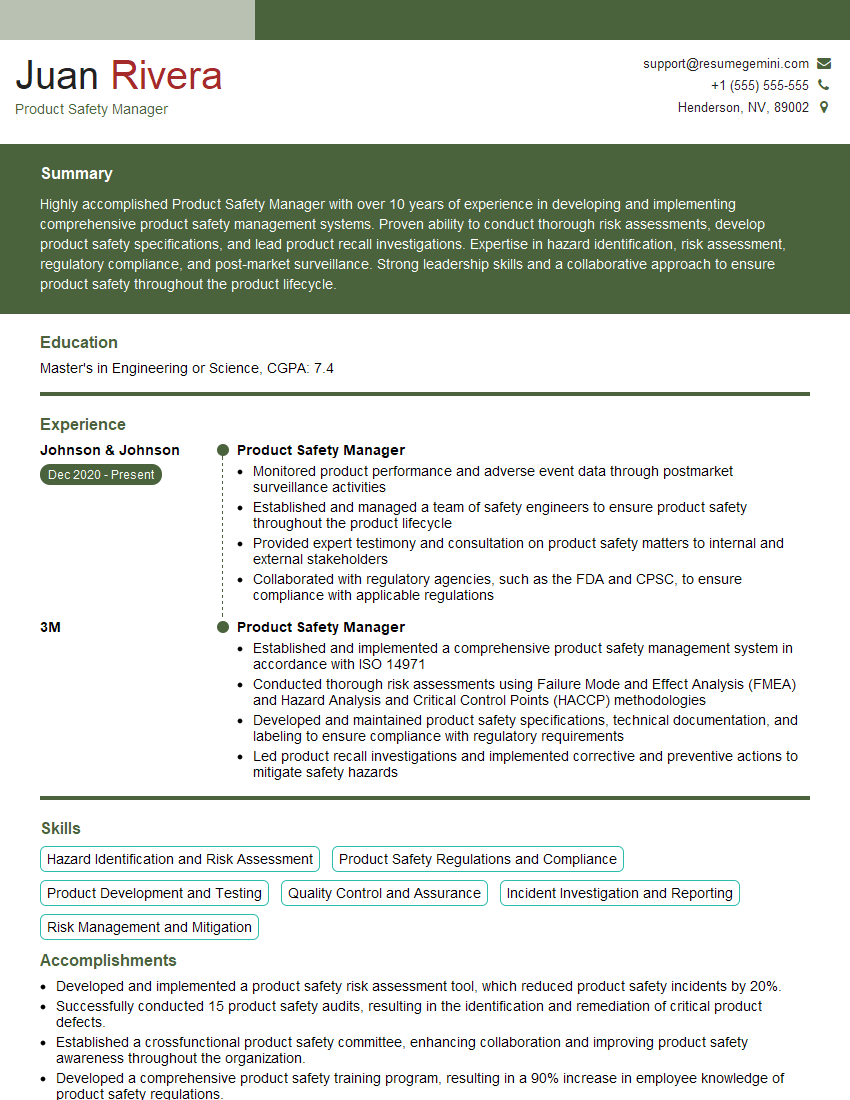
Product Safety Manager Resume Sample
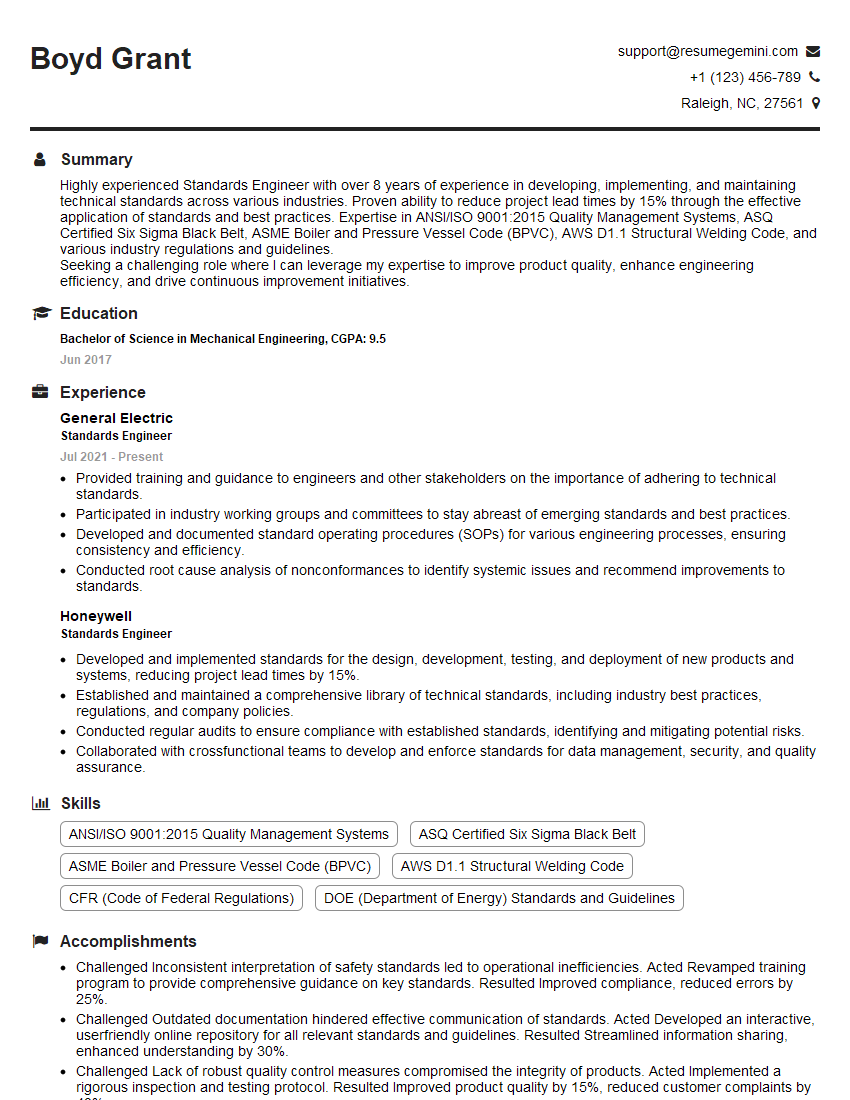
Standards Engineer Resume Sample
Explore more articles
Users Rating of Our Blogs
Share Your Experience
We value your feedback! Please rate our content and share your thoughts (optional).
What Readers Say About Our Blog
Attention music lovers!
Wow, All the best Sax Summer music !!!
Spotify: https://open.spotify.com/artist/6ShcdIT7rPVVaFEpgZQbUk
Apple Music: https://music.apple.com/fr/artist/jimmy-sax-black/1530501936
YouTube: https://music.youtube.com/browse/VLOLAK5uy_noClmC7abM6YpZsnySxRqt3LoalPf88No
Other Platforms and Free Downloads : https://fanlink.tv/jimmysaxblack
on google : https://www.google.com/search?q=22+AND+22+AND+22
on ChatGPT : https://chat.openai.com?q=who20jlJimmy20Black20Sax20Producer
Get back into the groove with Jimmy sax Black
Best regards,
Jimmy sax Black
www.jimmysaxblack.com
Hi I am a troller at The aquatic interview center and I suddenly went so fast in Roblox and it was gone when I reset.
Hi,
Business owners spend hours every week worrying about their website—or avoiding it because it feels overwhelming.
We’d like to take that off your plate:
$69/month. Everything handled.
Our team will:
Design a custom website—or completely overhaul your current one
Take care of hosting as an option
Handle edits and improvements—up to 60 minutes of work included every month
No setup fees, no annual commitments. Just a site that makes a strong first impression.
Find out if it’s right for you:
https://websolutionsgenius.com/awardwinningwebsites
Hello,
we currently offer a complimentary backlink and URL indexing test for search engine optimization professionals.
You can get complimentary indexing credits to test how link discovery works in practice.
No credit card is required and there is no recurring fee.
You can find details here:
https://wikipedia-backlinks.com/indexing/
Regards
NICE RESPONSE TO Q & A
hi
The aim of this message is regarding an unclaimed deposit of a deceased nationale that bears the same name as you. You are not relate to him as there are millions of people answering the names across around the world. But i will use my position to influence the release of the deposit to you for our mutual benefit.
Respond for full details and how to claim the deposit. This is 100% risk free. Send hello to my email id: lukachachibaialuka@gmail.com
Luka Chachibaialuka
Hey interviewgemini.com, just wanted to follow up on my last email.
We just launched Call the Monster, an parenting app that lets you summon friendly ‘monsters’ kids actually listen to.
We’re also running a giveaway for everyone who downloads the app. Since it’s brand new, there aren’t many users yet, which means you’ve got a much better chance of winning some great prizes.
You can check it out here: https://bit.ly/callamonsterapp
Or follow us on Instagram: https://www.instagram.com/callamonsterapp
Thanks,
Ryan
CEO – Call the Monster App
Hey interviewgemini.com, I saw your website and love your approach.
I just want this to look like spam email, but want to share something important to you. We just launched Call the Monster, a parenting app that lets you summon friendly ‘monsters’ kids actually listen to.
Parents are loving it for calming chaos before bedtime. Thought you might want to try it: https://bit.ly/callamonsterapp or just follow our fun monster lore on Instagram: https://www.instagram.com/callamonsterapp
Thanks,
Ryan
CEO – Call A Monster APP
To the interviewgemini.com Owner.
Dear interviewgemini.com Webmaster!
Hi interviewgemini.com Webmaster!
Dear interviewgemini.com Webmaster!
excellent
Hello,
We found issues with your domain’s email setup that may be sending your messages to spam or blocking them completely. InboxShield Mini shows you how to fix it in minutes — no tech skills required.
Scan your domain now for details: https://inboxshield-mini.com/
— Adam @ InboxShield Mini
support@inboxshield-mini.com
Reply STOP to unsubscribe
Hi, are you owner of interviewgemini.com? What if I told you I could help you find extra time in your schedule, reconnect with leads you didn’t even realize you missed, and bring in more “I want to work with you” conversations, without increasing your ad spend or hiring a full-time employee?
All with a flexible, budget-friendly service that could easily pay for itself. Sounds good?
Would it be nice to jump on a quick 10-minute call so I can show you exactly how we make this work?
Best,
Hapei
Marketing Director
Hey, I know you’re the owner of interviewgemini.com. I’ll be quick.
Fundraising for your business is tough and time-consuming. We make it easier by guaranteeing two private investor meetings each month, for six months. No demos, no pitch events – just direct introductions to active investors matched to your startup.
If youR17;re raising, this could help you build real momentum. Want me to send more info?
Hi, I represent an SEO company that specialises in getting you AI citations and higher rankings on Google. I’d like to offer you a 100% free SEO audit for your website. Would you be interested?
Hi, I represent an SEO company that specialises in getting you AI citations and higher rankings on Google. I’d like to offer you a 100% free SEO audit for your website. Would you be interested?