The thought of an interview can be nerve-wracking, but the right preparation can make all the difference. Explore this comprehensive guide to Knowledge of Load Handling Techniques interview questions and gain the confidence you need to showcase your abilities and secure the role.
Questions Asked in Knowledge of Load Handling Techniques Interview
Q 1. Explain the different types of load handling equipment.
Load handling equipment encompasses a wide range of machinery and tools designed to move, lift, and position materials safely and efficiently. The choice of equipment depends heavily on the type of load, its weight, size, and the environment.
- Cranes: These are essential for lifting and moving heavy loads over significant distances. Types include overhead cranes, mobile cranes, and tower cranes, each suited for different applications.
- Forklifts: These are versatile machines used to transport palletized materials. They come in various configurations, including counterbalanced, reach trucks, and side loaders, catering to different warehouse layouts and load types.
- Hoists: These are lifting devices, often used in conjunction with cranes or other equipment. They come in electric, pneumatic, or manual varieties.
- Conveyors: These are used to move materials along a predetermined path, ideal for bulk materials or repetitive handling.
- Hand Trucks and Pallet Jacks: These manual devices are commonly used for lighter loads and shorter distances.
- Slings: These are essential components that connect the load to the lifting equipment, available in various materials and configurations to accommodate diverse loads and lifting mechanisms.
For instance, in a construction site, you might use a tower crane for lifting heavy steel beams, while a forklift would be used to move pallets of bricks. In a warehouse, automated guided vehicles (AGVs) and conveyors are often used for efficient materials handling.
Q 2. Describe the proper techniques for lifting heavy objects.
Proper lifting techniques are crucial for preventing injuries. The key is to engage your leg muscles, not your back.
- Assess the load: Before attempting to lift, check the weight and ensure you can handle it safely. If uncertain, seek assistance.
- Get close to the load: Position yourself close to the object with your feet shoulder-width apart.
- Bend your knees: Bend at the knees and hips, keeping your back straight.
- Lift with your legs: Lift the load using your leg muscles, keeping your back straight and avoiding twisting movements.
- Keep the load close: Hold the load close to your body to maintain balance and reduce strain on your back.
- Avoid sudden movements: Lift and move the load smoothly, avoiding jerky motions.
- Set the load down carefully: Lower the load slowly, using your legs to control the descent.
Think of it like this: imagine you’re lifting a child. You wouldn’t bend over from your waist – you’d squat down, keeping your back straight. The same principle applies to lifting heavy objects. Always remember to ask for help if needed.
Q 3. What are the key safety considerations when handling loads?
Safety is paramount in load handling. Neglecting safety protocols can lead to severe injuries or fatalities.
- Proper training and certification: Operators of all load handling equipment should be properly trained and certified.
- Regular inspections: All equipment should be regularly inspected and maintained to ensure it’s in safe working condition.
- Load capacity: Never exceed the rated capacity of any equipment or sling.
- Proper rigging techniques: Use appropriate slings and ensure they are properly rigged to the load and lifting device.
- Clear communication: Maintain clear communication between the operator and anyone involved in the handling process.
- Personal Protective Equipment (PPE): Always wear appropriate PPE such as safety shoes, gloves, and hard hats.
- Environmental factors: Consider environmental factors like weather conditions, ground stability, and potential hazards in the area.
A simple example: Overloading a forklift can lead to tipping, resulting in serious injury or damage. Regular inspections can prevent equipment failure and ensure safety.
Q 4. How do you assess the stability of a load before moving it?
Assessing load stability before moving it is crucial to prevent accidents. A load’s stability depends on several factors.
- Center of gravity: The load’s center of gravity should be kept as low as possible and within the base of support. A high center of gravity increases the risk of tipping.
- Weight distribution: The weight should be evenly distributed to prevent imbalance.
- Load securing: Ensure the load is securely fastened to prevent shifting or falling during transit.
- Surface conditions: Check the ground or surface for any unevenness or instability.
- Weather conditions: Wind, rain, or snow can significantly affect stability.
For example, before moving a stack of pallets, check if they are properly stacked, and if the weight is evenly distributed, if they aren’t secure, risk of collapse is high. Similarly, moving a heavy load on uneven terrain requires additional care to prevent tipping.
Q 5. What are the different types of slings and their applications?
Slings are vital in load handling, connecting the load to the lifting equipment. Their selection is critical for safety and efficiency.
- Wire rope slings: Durable and strong, ideal for heavy loads and harsh environments. However, they can suffer from corrosion.
- Synthetic fiber slings: Lightweight and flexible, available in various materials like nylon, polyester, and aramid. They offer good shock absorption but can be susceptible to damage from abrasion and sharp edges.
- Chain slings: Robust and resistant to abrasion, but can be heavy and prone to kinking if not properly handled.
- Mesh slings: Ideal for oddly shaped loads, offering flexibility and conform to the load’s shape. However, they generally have a lower load capacity.
For instance, a wire rope sling might be used to lift heavy steel beams during a construction project, while a synthetic sling might be appropriate for lifting delicate equipment. The choice depends heavily on the load’s weight, shape, and the working environment.
Q 6. Explain the importance of load securing techniques.
Load securing is crucial to prevent accidents during transport. A poorly secured load can shift, fall, or even cause a vehicle to overturn. Effective load securing involves various techniques based on the load and the mode of transport.
- Proper lashing techniques: Using appropriate straps, chains, or other securing devices to restrain the load against movement. Tension should be distributed evenly.
- Blocking and bracing: Using blocks or braces to prevent the load from shifting or falling. This is particularly important for loads with uneven weight distribution.
- Dunnage: Using materials like wood or foam to fill gaps and provide additional support and prevent shifting.
- Load distribution: Even weight distribution is key; it reduces stress and prevents overloading specific points.
Imagine transporting a heavy piece of machinery on a flatbed truck. Without proper securing, it could easily shift during transport, potentially causing a major accident. Proper techniques, like using secure straps and blocking, are vital for preventing this scenario.
Q 7. Describe your experience with different types of forklifts.
My experience with forklifts spans various types, each suited to different tasks and environments.
- Counterbalanced forklifts: These are the most common type, featuring a counterweight to balance the load. I’ve extensively operated these in warehouse settings for moving palletized goods and materials.
- Reach trucks: These are ideal for narrow aisles in high-density storage facilities. I’ve used these to access goods stored at various heights. They require a higher level of precision and training compared to traditional counterbalanced forklifts.
- Side loaders: These forklifts lift and move the load from the side, allowing for efficient handling in confined spaces. I’ve used these in outdoor storage yards and specialized warehousing operations. They handle long and bulky loads effectively.
- Electric forklifts: These are favored in indoor environments due to their reduced emissions and quiet operation. I have extensive experience operating these in warehouses, where noise and fumes are a concern. Their operational characteristics differ slightly from the IC engines.
In one instance, I had to choose between a reach truck and a counterbalanced forklift for a particular task. Due to the narrow aisles and high-stacked goods, the reach truck was clearly the safer and more efficient choice. Selecting the right type of forklift is essential for operational efficiency and safety.
Q 8. How do you ensure the safe operation of a crane?
Safe crane operation hinges on a multi-layered approach encompassing pre-operational checks, adherence to operational procedures, and continuous monitoring. Think of it like a pilot’s pre-flight checklist – crucial for a safe flight.
- Pre-operational Inspections: Thorough visual inspections of the crane itself, its components (cables, hooks, sheaves), and the surrounding area are paramount. This includes checking for any damage, wear, or loose parts. Imagine checking the tires and brakes of a vehicle before a long journey.
- Load Capacity and Stability: Never exceed the crane’s rated load capacity. This is clearly marked on the crane itself. Proper weight distribution is essential, ensuring the load is balanced and centered to prevent tipping. This is akin to distributing weight evenly in a backpack – too much weight on one side makes it unstable.
- Qualified Personnel: Only trained and certified operators should operate a crane. Proper training covers emergency procedures and risk assessment, ensuring they can handle unexpected situations. This is comparable to needing a license to drive a car – it’s not safe otherwise.
- Environmental Conditions: Weather conditions like high winds or heavy rain can significantly affect crane operation and safety. These factors need careful consideration and may necessitate halting operations. It’s like driving in a blizzard – safety necessitates altering your actions.
- Communication and Signaling: Clear communication between the crane operator, riggers, and other personnel on the ground is critical. Standard hand signals or radio communication helps avoid misunderstandings that could lead to accidents. This is similar to the clear communication needed between pilots and air traffic control.
Q 9. What are the limitations of different load handling equipment?
Different load-handling equipment has inherent limitations based on its design, capacity, and intended use. Understanding these limitations is vital for safe operation.
- Cranes: Limitations include reach, load capacity (varying with boom angle and radius), and stability depending on ground conditions. A larger crane doesn’t automatically mean it can lift anything; its capacity is dependent on configuration.
- Forklifts: Limited lift height, weight capacity, and maneuverability, especially in tight spaces. Their stability is also affected by the load’s center of gravity. An improperly placed load can cause a forklift to tip.
- Hoists: Often have limitations on both vertical lift and load capacity. They are frequently limited to a specific area or work site.
- Overhead Cranes: Span limitations, load capacity influenced by the crane’s structure, and potential for collision with other objects. The structural integrity of the building housing the overhead crane is vital.
Understanding these limitations involves consulting the equipment’s specifications and performing regular maintenance to ensure they operate within their defined parameters. Ignoring these limits is a recipe for disaster.
Q 10. How do you handle unstable or damaged loads?
Handling unstable or damaged loads requires extreme caution and a careful assessment of the risks. It’s not a ‘one-size-fits-all’ situation.
- Assessment: First, evaluate the damage to assess stability. Is it structurally sound enough to be lifted? Are there any potential hazards like sharp edges or leaking materials?
- Support and Securing: Use additional supports like wooden planks or bracing to stabilize the load before lifting. Secure the load properly with appropriate straps, chains, or nets, ensuring the load is evenly distributed and unlikely to shift. Think of this as adding extra support to an already weakened object.
- Slow and Controlled Movements: Lift slowly and cautiously, keeping the load as close to the ground as possible. Avoid jerky movements that could further destabilize the load. This prevents sudden movements that could cause damage.
- Expert Supervision: For severely damaged loads, consulting with a structural engineer or experienced rigger is essential. They can provide expert advice on safe lifting procedures. This is like needing a specialist doctor for a complex illness.
- Special Equipment: In some cases, specialized equipment might be necessary for lifting unusually shaped or damaged loads. This might involve using vacuum lifters or custom-designed slings.
Q 11. Explain your understanding of load capacity and weight distribution.
Load capacity refers to the maximum weight a piece of equipment can safely lift, while weight distribution refers to how that weight is arranged across the equipment’s lifting capacity. They are intertwined and crucial for safe lifting.
Load Capacity: This is usually specified by the manufacturer and is critical. Exceeding this capacity can lead to catastrophic failure of the equipment. Think of it as the maximum weight a bridge can handle.
Weight Distribution: An evenly distributed load minimizes stress and maximizes stability. If the weight is concentrated on one side, it could cause imbalance and lead to tipping or collapse. It’s like balancing a stack of books – you want to evenly distribute their weight for a stable pile. Improper weight distribution can exceed the equipment’s localized load limits, even if the total weight is within the overall capacity.
Understanding both is critical. Knowing the load’s weight is just the beginning; understanding how that weight is balanced and distributed across the lifting mechanism is equally important.
Q 12. What are the common causes of load handling accidents?
Load handling accidents are often the result of a combination of factors, but some common causes stand out:
- Improper Lifting Techniques: Using incorrect lifting methods, improper rigging, or inadequate load securing. This can lead to the load shifting, falling, or causing damage to the equipment or surroundings.
- Equipment Failure: Using faulty or poorly maintained equipment, exceeding the equipment’s load capacity or operating range. This can result in catastrophic mechanical failures.
- Lack of Training: Operating equipment without proper training leads to a lack of understanding of safety procedures and operational limits, resulting in errors that compromise safety.
- Poor Communication: Lack of communication between crane operators, riggers, and ground personnel can lead to misunderstandings and accidents. This is particularly hazardous in dynamic work environments.
- Environmental Factors: Ignoring adverse weather conditions that affect crane stability or visibility. This includes high winds, rain, or poor lighting.
- Ignoring Safety Procedures: Not following established safety protocols and neglecting proper risk assessments before undertaking a lifting operation. This significantly increases the likelihood of accidents.
Q 13. How do you prevent load handling accidents?
Preventing load handling accidents is a systematic approach based on a proactive safety culture.
- Comprehensive Training Programs: Invest in thorough training programs for all personnel involved in load handling, emphasizing both theoretical knowledge and practical skills. Regular refresher training is essential.
- Rigorous Pre-Operational Checks: Implementing stringent pre-operational inspections of all equipment, ensuring it’s in good working order and within its operational limits. Documentation of these checks is critical.
- Safe Lifting Procedures: Develop and enforce clear, detailed, and easily understandable safe lifting procedures for all types of loads and equipment. These should be readily accessible to everyone.
- Effective Communication Systems: Establish efficient communication systems between personnel using hand signals, radios, or other means to prevent misunderstandings during lifting operations.
- Regular Maintenance: Implement a comprehensive maintenance schedule for all equipment to address wear and tear promptly, ensuring all components are in top working condition. This is proactive rather than reactive.
- Emergency Preparedness: Develop clear emergency procedures and ensure personnel are trained in how to respond to different types of accidents. Regular drills can greatly improve response times and efficiency.
- Risk Assessments: Conduct thorough risk assessments before every lifting operation to identify and mitigate potential hazards. This proactive approach allows for tailored safety measures.
Q 14. What are your experience with load handling software?
My experience with load handling software includes utilizing several types of programs to improve efficiency and safety. These range from simple load calculation programs to more advanced simulation software.
- Load Calculation Software: I’ve used software to calculate center of gravity, determine appropriate lifting equipment, and ensure compliance with weight limitations. This eliminates manual calculations and reduces the risk of human error.
- Crane Simulation Software: I have experience with software simulating crane operations to optimize lifting procedures and identify potential hazards before actual lifts are performed. This allows for ‘what-if’ scenarios to enhance safety.
- Data Logging and Reporting Software: I’m familiar with systems that log lifting operations, providing data on load weights, lifting times, and equipment usage. This information is valuable for performance analysis and identifying areas for improvement in safety and efficiency.
These tools are integral to modern load handling, enhancing safety, efficiency, and compliance. My proficiency in using such software adds another layer of expertise to my capabilities.
Q 15. Describe your experience with load planning and scheduling.
Load planning and scheduling is the cornerstone of efficient and safe material handling. It involves strategically determining the sequence of tasks, resource allocation (equipment and personnel), and the most effective routes to move materials. My experience encompasses creating detailed load plans that consider factors like weight distribution, load dimensions, and the capacity of transport vehicles. For instance, when shipping a large order of fragile ceramics, I would ensure the heaviest items are placed at the bottom, using appropriate cushioning and securing methods. I utilize scheduling software to optimize delivery routes, minimizing transportation time and fuel consumption, and I frequently collaborate with warehouse and transportation teams to ensure seamless execution.
In a recent project involving the transport of oversized industrial equipment, I developed a comprehensive plan, taking into account specific weight limits of bridges along the route and securing permits for exceptional transport dimensions. This proactive approach ensured the project’s timely and safe completion.
Career Expert Tips:
- Ace those interviews! Prepare effectively by reviewing the Top 50 Most Common Interview Questions on ResumeGemini.
- Navigate your job search with confidence! Explore a wide range of Career Tips on ResumeGemini. Learn about common challenges and recommendations to overcome them.
- Craft the perfect resume! Master the Art of Resume Writing with ResumeGemini’s guide. Showcase your unique qualifications and achievements effectively.
- Don’t miss out on holiday savings! Build your dream resume with ResumeGemini’s ATS optimized templates.
Q 16. How do you ensure compliance with relevant safety regulations?
Compliance with safety regulations is paramount in load handling. I ensure adherence to OSHA (Occupational Safety and Health Administration) standards and any relevant industry-specific regulations. This involves thorough risk assessments prior to any operation, ensuring all personnel receive appropriate training and understand the safe operating procedures (SOPs) for equipment and materials they handle. Regular inspections of equipment (forklifts, pallet jacks, cranes, etc.) are crucial, and I maintain detailed records of these inspections, documenting any maintenance needs. I actively participate in safety meetings and encourage a safety-first culture within the team.
For example, I’d ensure that all forklift operators are certified and regularly tested, and that load securing mechanisms are inspected to check for wear and tear. Proper documentation is crucial to trace any potential problems or issues that might arise.
Q 17. What are the different types of load restraints?
Load restraints are crucial for preventing shifting and damage during transportation. Several types exist, each with its strengths and applications:
- Straps: Woven or webbing straps, often with ratcheting mechanisms, offer flexibility and are suitable for a wide range of loads.
- Chains: Strong and durable, chains are ideal for heavy and bulky items but require careful handling to prevent damage.
- Wire rope: Similar to chains in strength, wire rope is also suitable for heavy loads but may require more specialized equipment for securing.
- Dunnage: Material like wood blocks, airbags, or inflatable dunnage bags are used to fill gaps and prevent shifting within the load.
- Shrink wrap: Plastic film tightly wrapped around a load provides a protective barrier and helps maintain load integrity.
The choice of restraint depends on the load’s characteristics (weight, size, shape, fragility) and the mode of transport. For instance, fragile glass would necessitate careful padding and securing with straps, while heavy steel beams might require chains and sturdy anchor points.
Q 18. Describe your experience with pallet jack operation.
I have extensive experience operating pallet jacks, also known as pump trucks. This involves not only the physical operation but also understanding safe operating procedures. Before use, I always inspect the jack for any damage (leaks, bent forks, etc.). I ensure the load is properly balanced and that the pallet is in good condition, and then use smooth, controlled movements to lift and maneuver the pallet jack. I am aware of weight limits and avoid overloading. Proper posture and technique is key to preventing injuries, which is something I emphasize when training others.
I’ve used pallet jacks in various warehouse environments, including loading and unloading trucks, transferring materials between storage areas, and stocking shelves. My experience allows me to quickly and efficiently move materials while maintaining a high level of safety. For instance, when moving heavy pallets across uneven surfaces, I will exercise extra caution and use counterbalance techniques to ensure stability.
Q 19. Explain your understanding of center of gravity in load handling.
The center of gravity (CG) is the point where the weight of an object is evenly distributed in all directions. Understanding the CG is crucial in load handling because it directly impacts stability. A load with a high CG is more prone to tipping than one with a low CG. When stacking materials, for example, it’s essential to distribute weight evenly and keep the CG low to maintain stability. Improper weight distribution can lead to instability and potential accidents. This applies to all aspects of load handling, from stacking pallets to securing loads on trucks.
Imagine stacking books. If you stack them haphazardly, the center of gravity might be high, and the stack could easily topple. If you stack them carefully, creating a stable base, the center of gravity will be low, improving stability. The same principle applies to heavier loads in a warehouse setting.
Q 20. How do you handle unexpected situations during load handling operations?
Unexpected situations are inevitable in load handling. My approach prioritizes safety and problem-solving. If a load becomes unstable, I immediately stop the operation and assess the situation, often involving the team. If equipment malfunctions, I follow the established procedures for reporting and repair. Communication is key, ensuring all team members are aware of the issue and any necessary actions. For example, if a strap breaks during lifting, I’d immediately secure the load using alternative methods before attempting any further movement. If the situation is beyond my immediate capability, I will consult with a supervisor for guidance or assistance.
In one instance, a sudden power outage halted a crane operation. We immediately initiated emergency procedures, safely lowering the load and securing the site until power was restored. This demonstrated our proactive approach and meticulous adherence to safety protocols.
Q 21. What is your approach to training others on safe load handling practices?
My training approach emphasizes practical, hands-on learning complemented by theoretical knowledge. I start with a thorough explanation of safety regulations and procedures, followed by demonstrations of proper techniques. Participants actively participate in practical exercises, under close supervision, allowing them to develop their skills and build confidence. I use real-world scenarios and case studies to illustrate the importance of safe load handling and the consequences of improper techniques. Regular assessments and feedback ensure comprehension and competence.
For instance, when training new forklift operators, I begin with classroom instruction on safety regulations and equipment operation, followed by supervised practice sessions in a controlled environment. Only after demonstrating proficiency do they proceed to operate independently.
Q 22. How do you document load handling procedures?
Documenting load handling procedures is crucial for safety, efficiency, and regulatory compliance. My approach involves creating comprehensive, easily accessible documents that cover every aspect of the process. This includes a combination of written procedures, diagrams, checklists, and potentially even videos.
Written Procedures: These detail each step involved, from pre-lift inspections to securing the load and post-lift checks. They specify responsibilities, safety precautions, and emergency procedures. For instance, a procedure for lifting a heavy generator might outline the use of specific slings, the required number of personnel, and the exact lifting points.
Diagrams and Visual Aids: These aid understanding, especially for complex lifts. They can illustrate the proper rigging configuration, load center calculation, and safe working loads. For example, a diagram clearly showing the placement of straps on an oddly-shaped object prevents mishaps.
Checklists: These ensure all pre-lift and post-lift checks are performed consistently. They act as a safeguard against human error. A checklist might include verifying the load weight, inspecting lifting equipment, confirming the stability of the lifting point, and so on.
Videos: For particularly complex or risky procedures, short videos demonstrating the correct techniques are invaluable. This provides a clear visual representation which is often more effective than a written document.
All documentation is regularly reviewed and updated to reflect changes in equipment, regulations, or best practices. This ensures that everyone involved is working with the most current and accurate information.
Q 23. Describe your experience with load monitoring systems.
My experience with load monitoring systems spans several years and various technologies. I’ve worked with both basic systems, such as load cells providing simple weight readings, and more sophisticated systems incorporating real-time data acquisition, analysis, and reporting.
In one project involving the transportation of oversized wind turbine components, we used a wireless load monitoring system that provided continuous data on the load weight, center of gravity, and stress on the crane’s structure. This allowed for real-time adjustments and prevented potential overload situations. The data was also logged for future analysis and to improve our operational efficiency.
Other systems I’ve used include:
- Load pins which measure the tension in a sling or chain.
- Strain gauges embedded in lifting equipment to detect potential structural failures.
- Software packages that analyze load data, generating reports and identifying trends.
My expertise extends to interpreting the data generated by these systems and using it to optimize load handling procedures, enhancing safety and reducing risk.
Q 24. Explain the importance of pre-lift inspections.
Pre-lift inspections are paramount to safe load handling. They are a crucial first step that can prevent accidents, damage to equipment, and even injuries. A thorough inspection ensures that everything is in place and ready for a safe lift. Think of it like a pilot performing a pre-flight check—vital for a successful and safe operation.
A pre-lift inspection typically includes:
Inspecting the load itself: Checking its weight, center of gravity, securement, and overall condition. Is it properly balanced? Are there any potential hazards like sharp edges or unstable components?
Examining the lifting equipment: This involves verifying the capacity ratings of cranes, slings, chains, hooks, and other equipment, ensuring they are in good working order, not damaged, and appropriately rated for the load’s weight. A visual inspection for wear and tear, along with checks for any damage or defects, is essential.
Assessing the surrounding environment: This includes checking for overhead obstructions, adequate clearance, stable ground conditions, and potential hazards like nearby power lines or personnel. A clear understanding of the work area is critical.
Verifying the lift plan: Ensuring the lift plan, including the rigging method, is appropriate for the specific load and conditions.
Any issues identified during the inspection must be addressed before proceeding with the lift. Skipping this step can have serious consequences.
Q 25. How do you manage load handling in different weather conditions?
Weather significantly impacts load handling safety and efficiency. My approach involves adapting procedures based on prevailing conditions, prioritizing safety above all else. Extreme weather can often necessitate postponing operations until conditions improve.
Here’s how I manage load handling in different weather conditions:
High Winds: High winds increase the risk of load sway and instability. We may need to reduce the load size or postpone the lift entirely, depending on the wind speed and the load’s susceptibility to wind. We also employ wind monitoring devices to continuously measure the speed.
Rain and Snow: Wet or icy surfaces can reduce traction, increasing the risk of slips and falls. We ensure adequate countermeasures like using anti-slip mats and adjusting lifting techniques accordingly. We also adjust the loads to consider the increase in the load weight due to ice and snow.
Extreme Temperatures: Extreme heat or cold can affect the strength of materials and the performance of equipment. We take precautions, such as using appropriate lubricants for equipment in cold weather, and scheduling lifts during cooler parts of the day in extreme heat.
In all cases, I ensure that all personnel are appropriately trained and equipped to handle the challenges posed by various weather conditions, emphasizing the importance of safety protocols and risk mitigation.
Q 26. What is your experience with different types of cargo?
My experience encompasses a wide range of cargo types, including:
Oversized and Heavy Lift Cargo: This includes items like industrial machinery, transformers, and large structural components. Handling this requires specialized equipment and techniques, careful planning, and strict adherence to safety regulations.
Hazardous Materials: This requires specific training, specialized equipment, and strict adherence to regulations to ensure safe handling and prevent accidents. Detailed knowledge of the specific hazards and proper handling procedures is vital.
General Cargo: This includes a variety of goods, from packaged goods to pallets of materials. Proper securing and handling are crucial to prevent damage or loss during transportation.
Liquid Cargo: This includes tanks and containers carrying liquids, necessitating additional care to prevent spills and environmental damage. Proper sealing and securing are paramount.
Each cargo type requires a unique approach to ensure safe and efficient handling. My experience allows me to adapt my techniques and utilize the appropriate equipment for the specific challenges posed by different materials.
Q 27. How do you identify and report hazardous materials during load handling?
Identifying and reporting hazardous materials during load handling is a critical safety aspect. My approach involves a multi-step process to ensure compliance and prevent accidents.
Visual Inspection and Documentation: I carefully inspect all cargo for labels, markings, and documentation indicating the presence of hazardous materials. This includes checking shipping manifests and any accompanying safety data sheets (SDS).
Proper Handling Procedures: Once hazardous materials are identified, I ensure that handling procedures comply with all relevant regulations and safety guidelines. This might involve using specialized equipment, protective clothing, and employing specific handling techniques.
Communication and Reporting: I clearly communicate the presence of hazardous materials to all involved personnel. Any incidents or near misses are promptly reported through the appropriate channels, often using a documented reporting system.
Emergency Response Planning: I’m familiar with emergency response procedures for various types of hazardous materials and ensure that appropriate response plans are in place.
Neglecting this process can have severe consequences, so meticulous attention to detail is crucial.
Q 28. Describe your experience with using load-bearing equipment.
My experience with load-bearing equipment is extensive, encompassing a wide range of tools and machinery. I am proficient in the safe and efficient operation of various types of equipment, including:
Cranes: I’m experienced with various crane types, including tower cranes, mobile cranes, and overhead cranes. I understand their capabilities, limitations, and safe operating procedures.
Forklifts: I’m skilled in using forklifts for lifting and moving palletized goods, adhering to safe operating practices and understanding their weight capacities.
Lifting Slings and Chains: I’m familiar with various types of slings (wire rope, synthetic webbing, chain) and their proper application, ensuring they are rated for the load’s weight and properly secured.
Jacks and Hoists: I have experience using hydraulic and mechanical jacks and hoists for lifting and positioning loads, understanding their safe working limits and proper usage.
Before operating any equipment, I always conduct a pre-operational check to ensure it’s in safe working order and appropriately rated for the task. Safety is my paramount concern.
Key Topics to Learn for Knowledge of Load Handling Techniques Interview
- Understanding Load Types and Characteristics: Explore different types of loads (static, dynamic, cyclic), their properties (weight, distribution, fragility), and how these influence handling methods.
- Load Balancing and Distribution: Learn about techniques and strategies for evenly distributing loads across structures or systems to prevent overload and ensure stability. Consider practical examples in your field.
- Safe Lifting and Handling Procedures: Master safe lifting techniques, proper use of lifting equipment (cranes, hoists, forklifts), and understanding weight limits and safety regulations. Discuss risk assessment and mitigation strategies.
- Material Handling Equipment: Familiarize yourself with various types of material handling equipment, their capabilities, limitations, and appropriate applications. Understand maintenance and safety protocols.
- Storage and Racking Systems: Learn about different storage and racking systems, their load-bearing capacities, and best practices for safe and efficient storage of various load types. Consider space optimization and accessibility.
- Load Securement and Transportation: Understand methods for securing loads during transportation to prevent shifting, damage, and accidents. Explore different techniques and regulations.
- Troubleshooting and Problem-Solving: Develop your ability to identify potential load handling issues, analyze root causes, and propose effective solutions. Practice scenarios involving load failures or near misses.
- Relevant Safety Regulations and Standards: Be familiar with industry-specific safety regulations and standards related to load handling. This demonstrates a commitment to safety and compliance.
Next Steps
Mastering Knowledge of Load Handling Techniques is crucial for career advancement in many fields, demonstrating your commitment to safety, efficiency, and operational excellence. A strong resume is your first step to showcasing these skills. Crafting an ATS-friendly resume is vital for getting your application noticed. ResumeGemini is a trusted resource to help you build a professional and effective resume that highlights your expertise in load handling techniques. Examples of resumes tailored to this specialization are available within ResumeGemini to guide your creation process.
Operations Manager Resume Sample

Production Supervisor Resume Sample
Supply Chain Manager Resume Sample
Distribution Center Manager Resume Sample

Logistics Manager Resume Sample
Transportation Manager Resume Sample
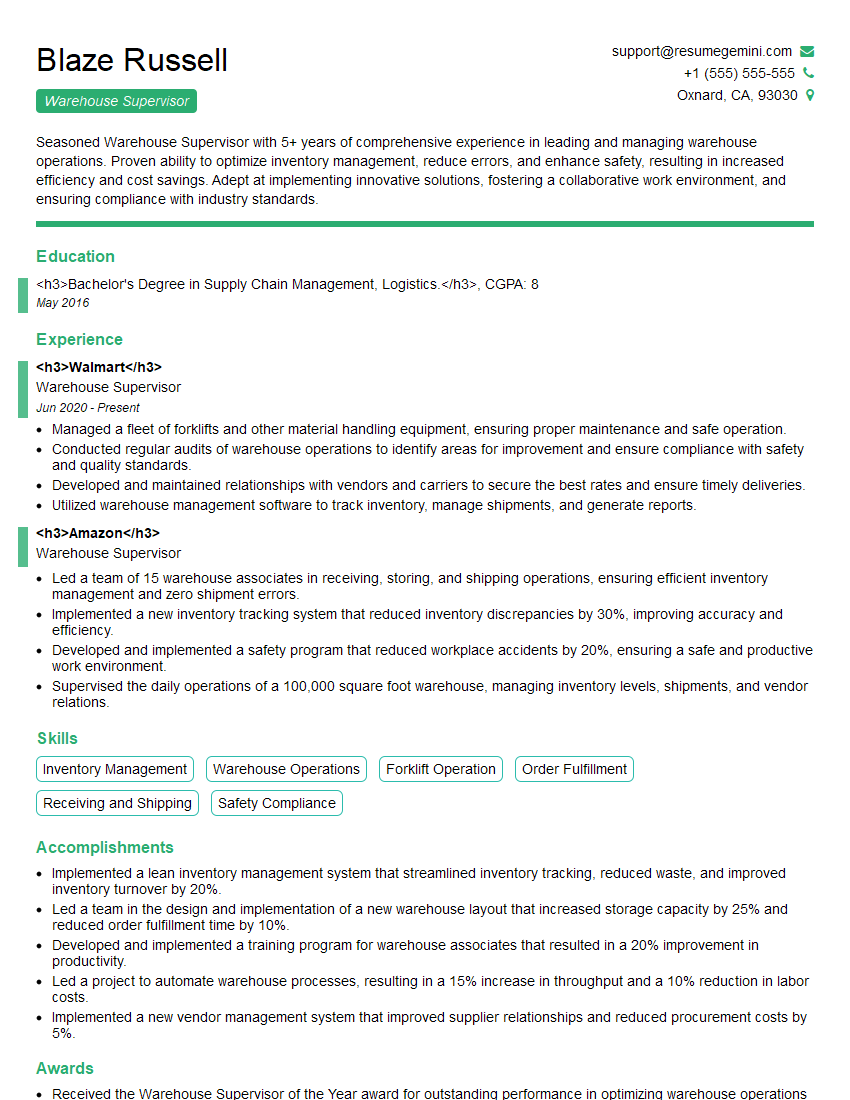
Warehouse Supervisor Resume Sample
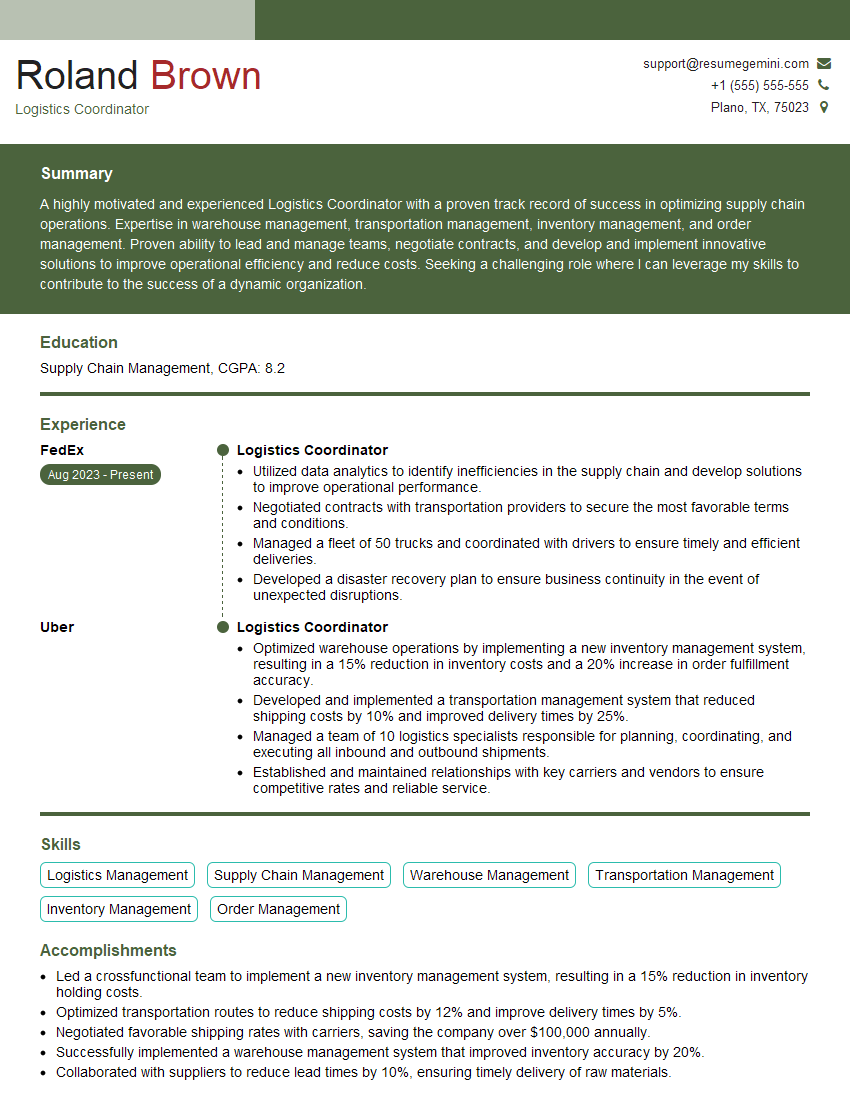
Logistics Coordinator Resume Sample
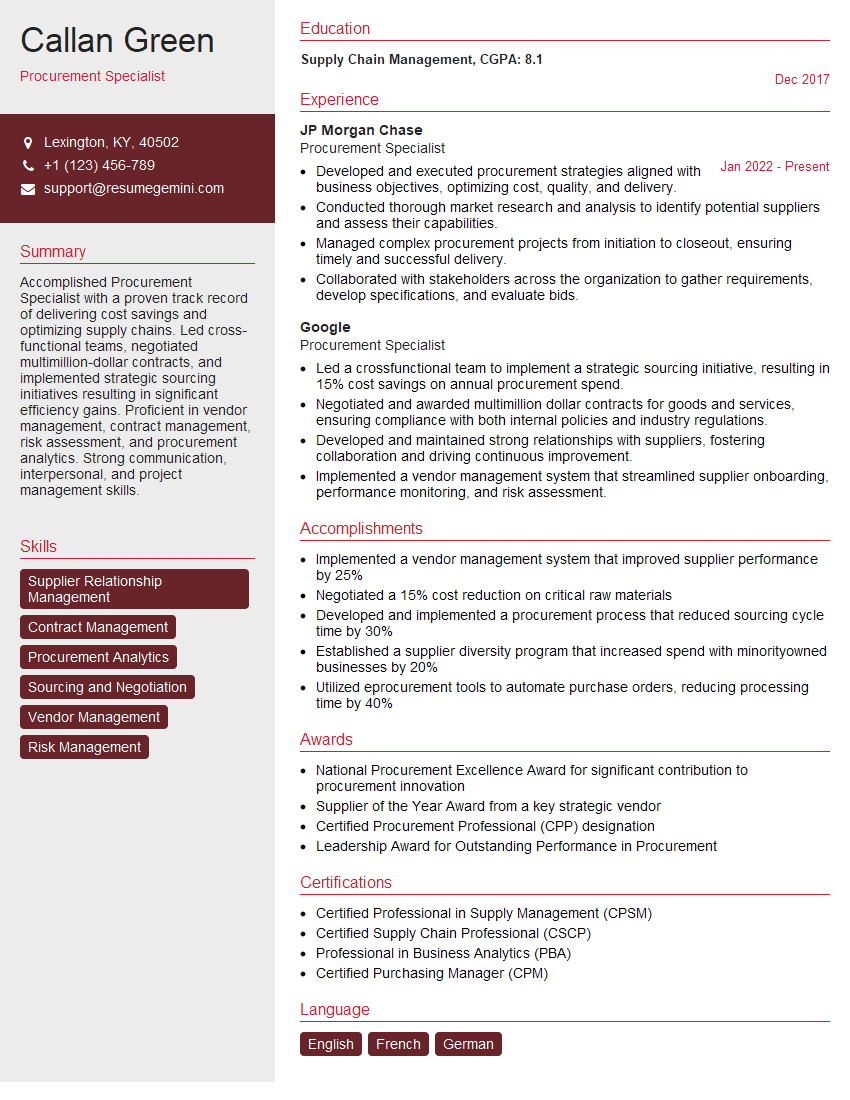
Procurement Specialist Resume Sample
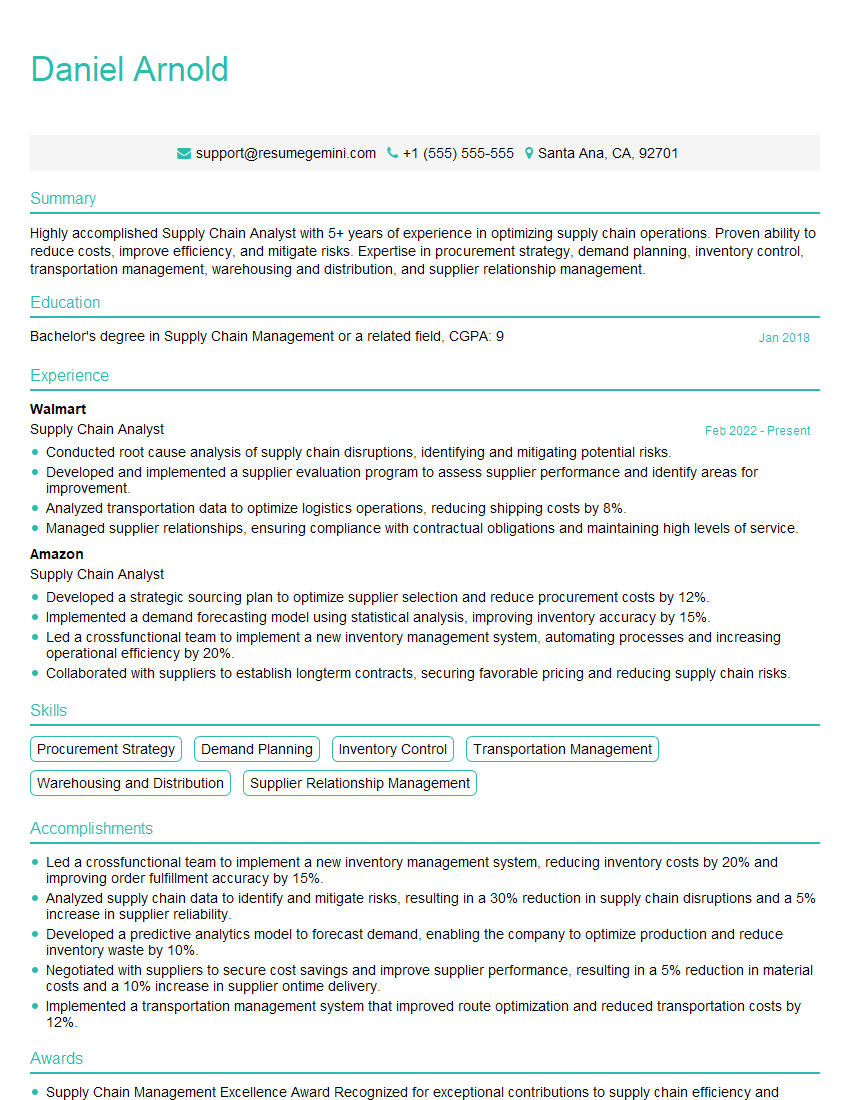
Supply Chain Analyst Resume Sample

Customs Broker Resume Sample
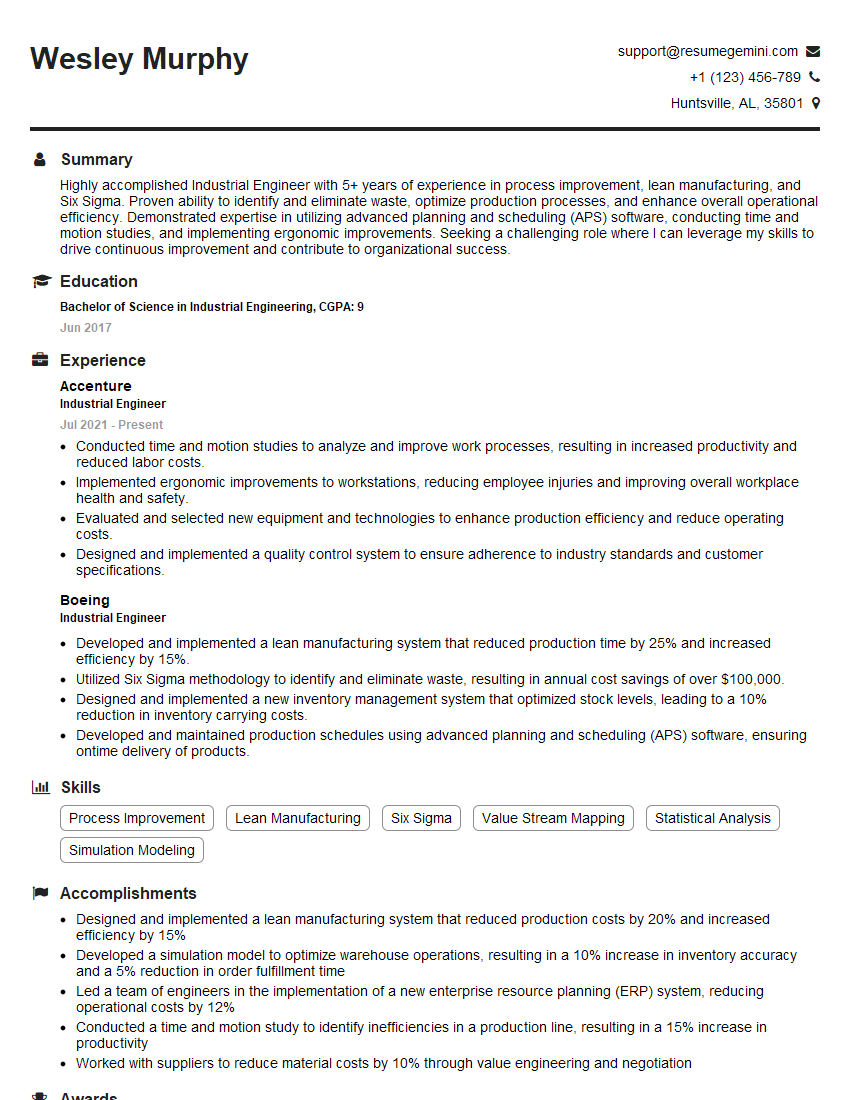
Industrial Engineer Resume Sample

Safety Officer Resume Sample

Crane Operator Resume Sample
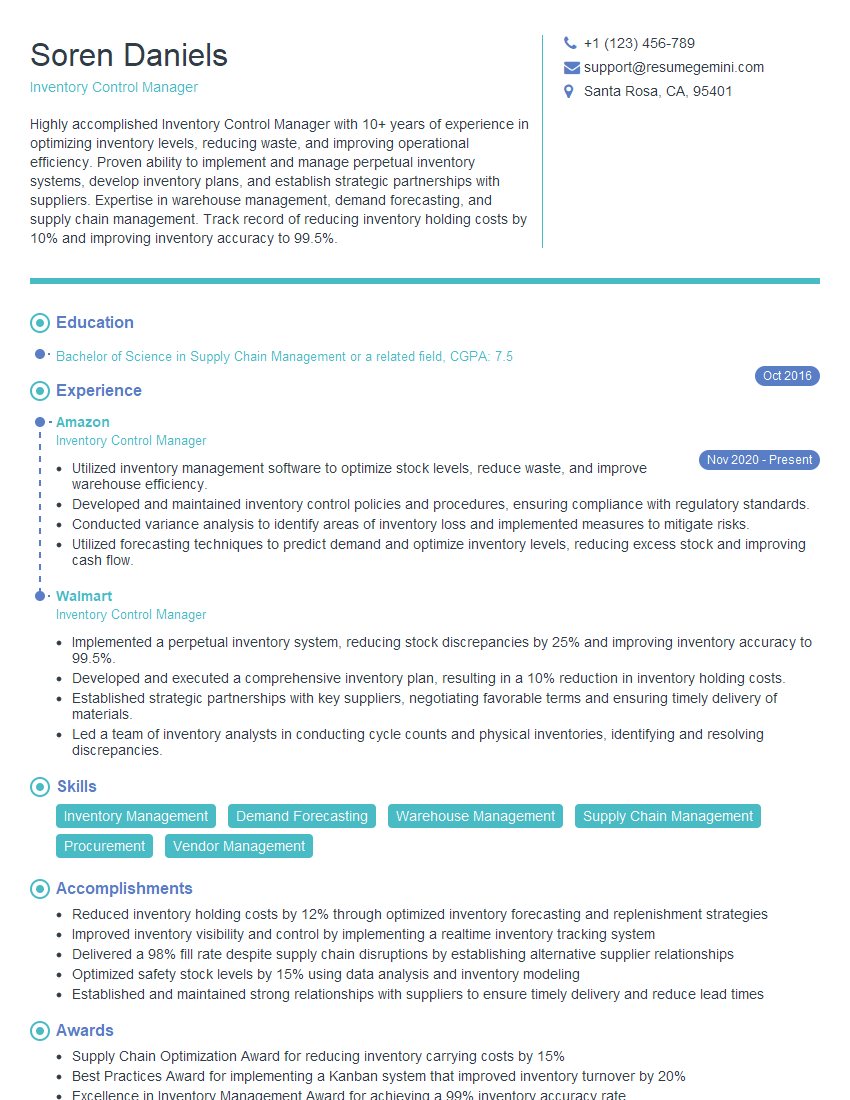
Inventory Control Manager Resume Sample
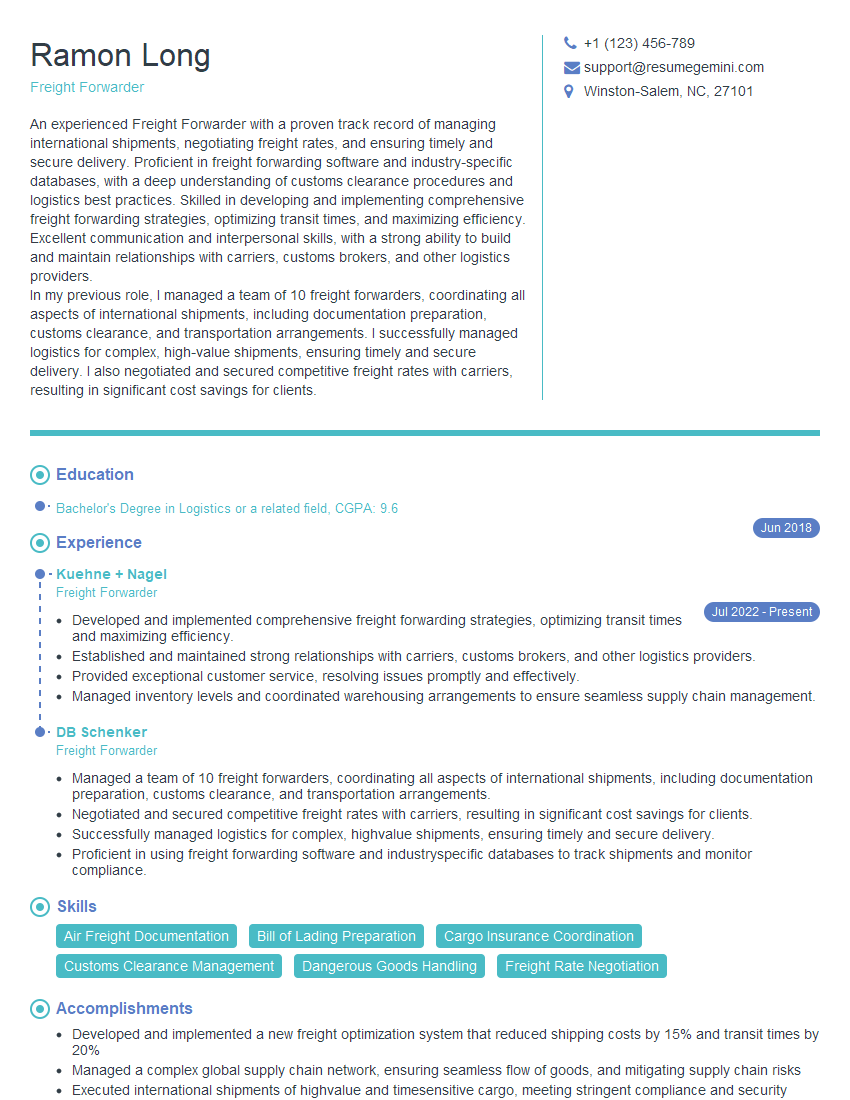
Freight Forwarder Resume Sample
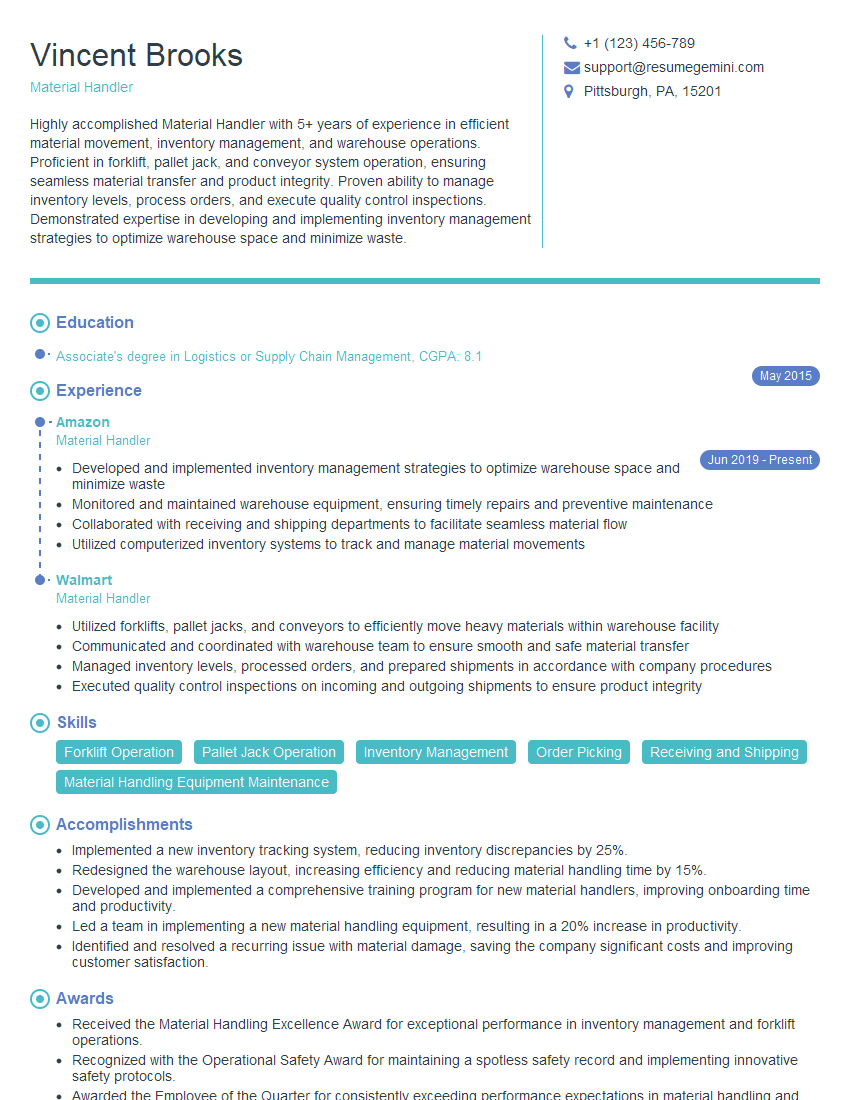
Material Handler Resume Sample

Heavy Equipment Operator Resume Sample
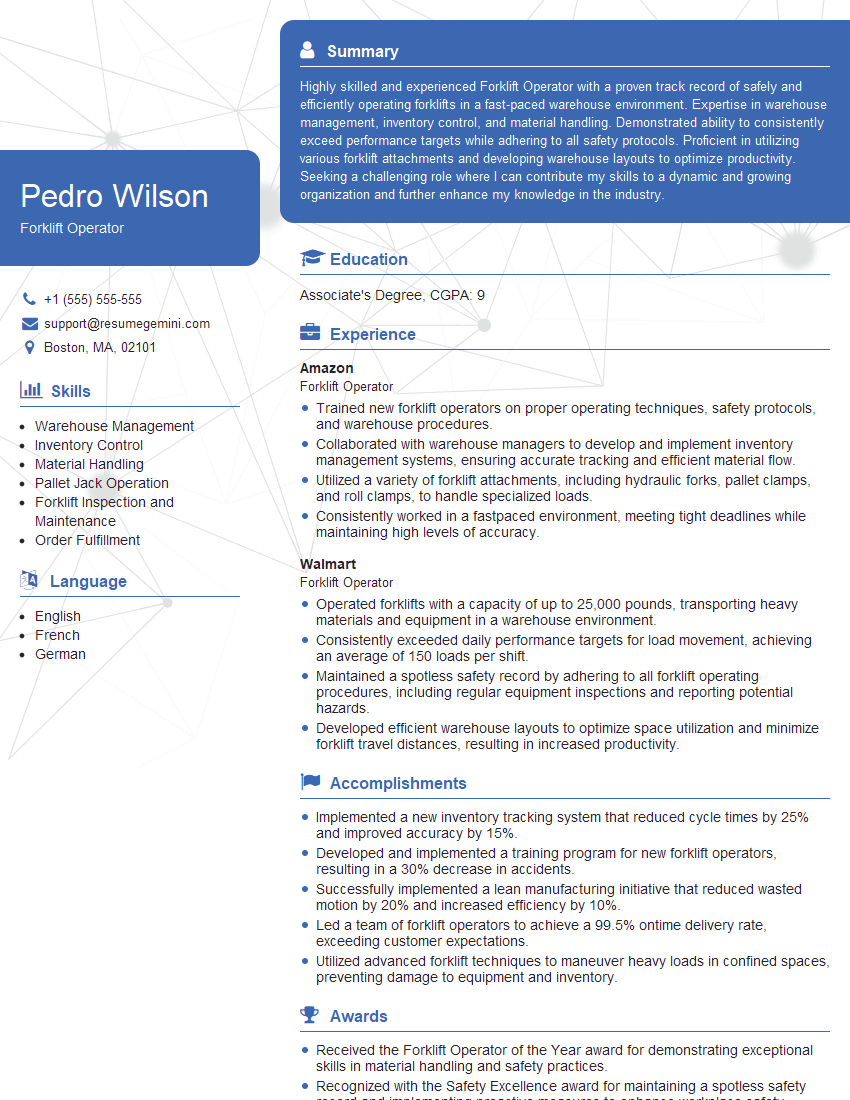
Forklift Operator Resume Sample

Rigger Resume Sample
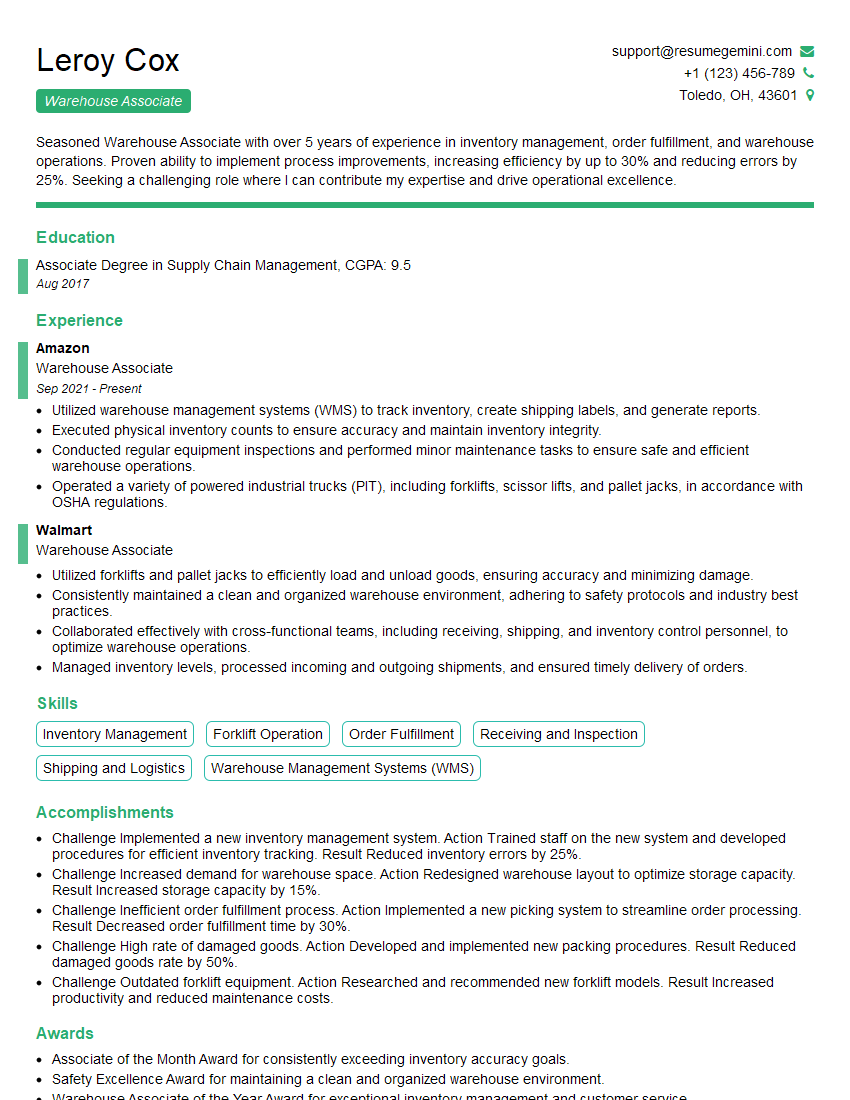
Warehouse Associate Resume Sample
- Operations Manager
- Production Supervisor
- Supply Chain Manager
- Distribution Center Manager
- Logistics Manager
- Transportation Manager
- Warehouse Supervisor
- Logistics Coordinator
- Procurement Specialist
- Supply Chain Analyst
- Customs Broker
- Industrial Engineer
- Safety Officer
- Crane Operator
- Inventory Control Manager
- Freight Forwarder
- Material Handler
- Heavy Equipment Operator
- Forklift Operator
- Rigger
- Warehouse Associate
Explore more articles
Users Rating of Our Blogs
Share Your Experience
We value your feedback! Please rate our content and share your thoughts (optional).
What Readers Say About Our Blog
Hello,
we currently offer a complimentary backlink and URL indexing test for search engine optimization professionals.
You can get complimentary indexing credits to test how link discovery works in practice.
No credit card is required and there is no recurring fee.
You can find details here:
https://wikipedia-backlinks.com/indexing/
Regards
NICE RESPONSE TO Q & A
hi
The aim of this message is regarding an unclaimed deposit of a deceased nationale that bears the same name as you. You are not relate to him as there are millions of people answering the names across around the world. But i will use my position to influence the release of the deposit to you for our mutual benefit.
Respond for full details and how to claim the deposit. This is 100% risk free. Send hello to my email id: [email protected]
Luka Chachibaialuka
Hey interviewgemini.com, just wanted to follow up on my last email.
We just launched Call the Monster, an parenting app that lets you summon friendly ‘monsters’ kids actually listen to.
We’re also running a giveaway for everyone who downloads the app. Since it’s brand new, there aren’t many users yet, which means you’ve got a much better chance of winning some great prizes.
You can check it out here: https://bit.ly/callamonsterapp
Or follow us on Instagram: https://www.instagram.com/callamonsterapp
Thanks,
Ryan
CEO – Call the Monster App
Hey interviewgemini.com, I saw your website and love your approach.
I just want this to look like spam email, but want to share something important to you. We just launched Call the Monster, a parenting app that lets you summon friendly ‘monsters’ kids actually listen to.
Parents are loving it for calming chaos before bedtime. Thought you might want to try it: https://bit.ly/callamonsterapp or just follow our fun monster lore on Instagram: https://www.instagram.com/callamonsterapp
Thanks,
Ryan
CEO – Call A Monster APP
To the interviewgemini.com Owner.
Dear interviewgemini.com Webmaster!
Hi interviewgemini.com Webmaster!
Dear interviewgemini.com Webmaster!
excellent
Hello,
We found issues with your domain’s email setup that may be sending your messages to spam or blocking them completely. InboxShield Mini shows you how to fix it in minutes — no tech skills required.
Scan your domain now for details: https://inboxshield-mini.com/
— Adam @ InboxShield Mini
Reply STOP to unsubscribe
Hi, are you owner of interviewgemini.com? What if I told you I could help you find extra time in your schedule, reconnect with leads you didn’t even realize you missed, and bring in more “I want to work with you” conversations, without increasing your ad spend or hiring a full-time employee?
All with a flexible, budget-friendly service that could easily pay for itself. Sounds good?
Would it be nice to jump on a quick 10-minute call so I can show you exactly how we make this work?
Best,
Hapei
Marketing Director
Hey, I know you’re the owner of interviewgemini.com. I’ll be quick.
Fundraising for your business is tough and time-consuming. We make it easier by guaranteeing two private investor meetings each month, for six months. No demos, no pitch events – just direct introductions to active investors matched to your startup.
If youR17;re raising, this could help you build real momentum. Want me to send more info?
Hi, I represent an SEO company that specialises in getting you AI citations and higher rankings on Google. I’d like to offer you a 100% free SEO audit for your website. Would you be interested?
Hi, I represent an SEO company that specialises in getting you AI citations and higher rankings on Google. I’d like to offer you a 100% free SEO audit for your website. Would you be interested?
good